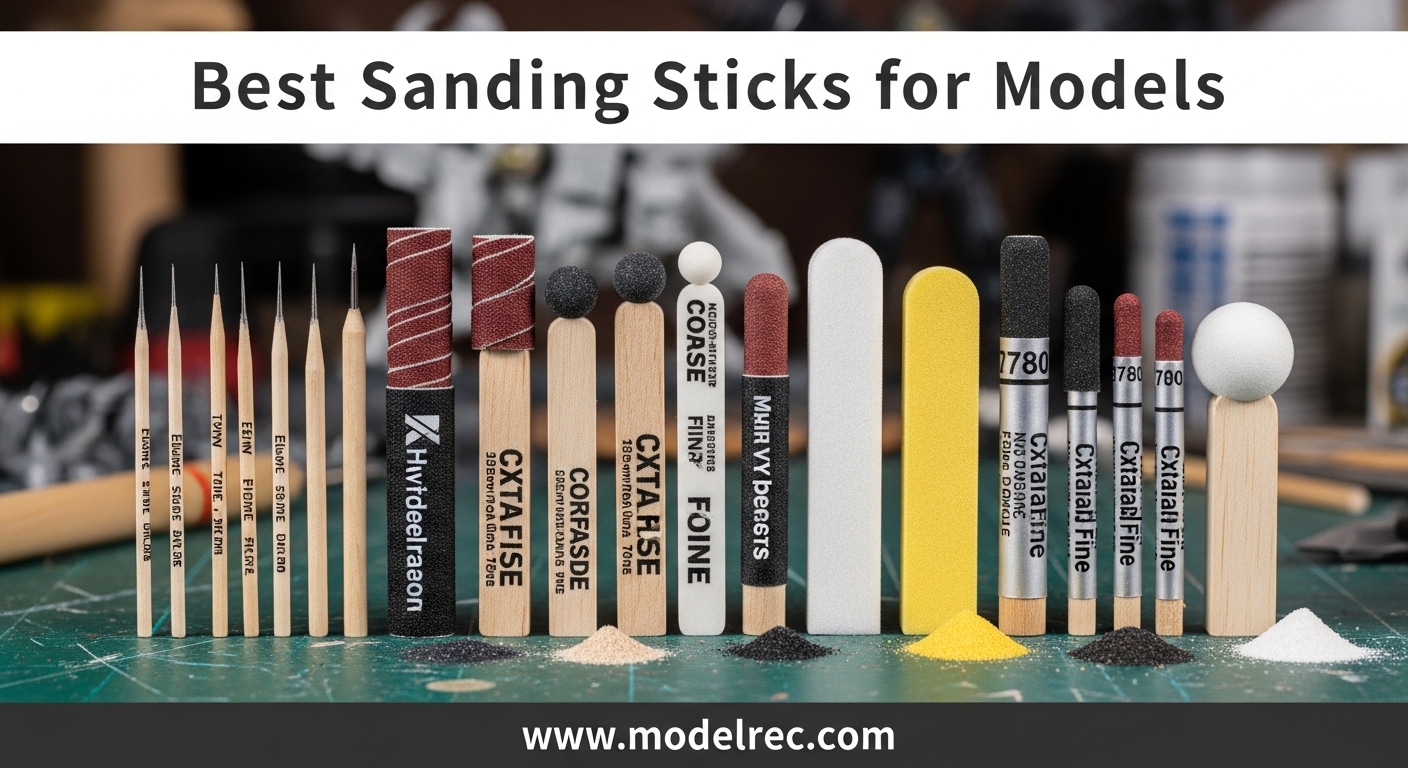
After spending 15 years building scale models, I have learned that the difference between a good build and a stunning one often comes down to surface preparation. That nagging mold line you missed or the seam line that shows through your paint job can ruin an otherwise perfect model. I have tried everything from regular sandpaper to nail files, but nothing beats a proper sanding stick designed specifically for model making.
In this guide to the best sanding sticks for models, I have tested and reviewed 8 top-rated options based on real user feedback from over 7,000 reviews. Whether you are building Gunpla kits, painting Warhammer miniatures, or working on scale model building projects, the right sanding tools will save you hours of frustration and give you that smooth, professional finish you are after.
Our team compared these sanding sticks across factors like grit range, durability, flexibility, and value for money. We looked at what actual model builders on Reddit and hobby forums recommend, focusing on tools that handle everything from aggressive mold line removal to final polishing before paint. Here is what we found.
Table of Contents
Top 3 Picks for Sanding Sticks for Models
Based on our research and community feedback, these three sanding stick sets stand out for different modeling needs and budgets.

stedi Sanding Sticks 6PCS
- Washable and reusable design
- Color-coded grit identification
- Extended sanding area
- Double-sided for longer life
- Perfect for Gundam and Warhammer models
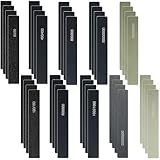
Honoson 40 Pcs Polishing Sticks
- 40 pieces with 10 different grits
- Works on plastic metal and wood
- Color-coded and labeled
- Dry and wet polishing capable
- Great for jewelry and models

Keystone 100 Pcs Sanding Twigs Kit
- 100 pieces at affordable price
- Cushioned flexible design
- Assorted grits included
- Ideal for tight spaces
- Miniature painting favorite
Quick Comparison: 8 Best Sanding Sticks in 2026
Here is a complete overview of all eight sanding stick sets we tested and reviewed. This table lets you quickly compare grit ranges, quantities, and key features to find the right option for your modeling needs.
| Product | Specifications | Action |
|---|---|---|
| stedi Sanding Sticks 6PCS |
|
Check Latest Price |
| Honoson 40 Pcs Polishing Sticks |
|
Check Latest Price |
| Keystone 100 Pcs Sanding Twigs |
|
Check Latest Price |
 stedi Carbon Fiber Sanding Sticks stedi Carbon Fiber Sanding Sticks |
|
Check Latest Price |
 Honoson 20 Pcs Sanding Sticks Honoson 20 Pcs Sanding Sticks |
|
Check Latest Price |
 Keystone Fine Sanding Twig Assortment Keystone Fine Sanding Twig Assortment |
|
Check Latest Price |
 SharingMoment 50PCS Sanding Sticks SharingMoment 50PCS Sanding Sticks |
|
Check Latest Price |
 Honoson 10 Pcs Sanding Sticks Honoson 10 Pcs Sanding Sticks |
|
Check Latest Price |
1. stedi Sanding Sticks 6PCS – Best for Gundam and Warhammer Models
stedi Sanding Sticks, Model Hobby Making Tools,(400-1500 Grit)
Set of 6: 400
600
800
1000
1200
1500 grit,Washable and reusable,Double-sided design,Color-coded by grit,Aluminum oxide and silicon carbide abrasive
Pros
- Extended sanding area for efficient work
- Washable and reusable design
- Double-sided for longer service life
- Labeled with grit rating
- Comfortable grip for curved surfaces
Cons
- Ink labels can rub off onto models
- Not ideal for very tight spaces
I have been using the stedi sanding sticks for several months on my Gunpla builds, and they have become my go-to tool for preparing parts before assembly. The extended sanding area makes quick work of larger flat surfaces like armor panels, and the grit progression from 400 to 1500 gives me everything I need for most modeling tasks.
What impressed me most was the washable design. After a heavy sanding session, I rinse these under water and scrub gently with a brush. The abrasive comes back to life and I can use them again. This reusability factor means the initial $10.99 investment stretches much further than disposable alternatives.
The color-coding system is practical too. When I am in the zone working on a build, I do not want to hunt for the right grit. Each stick has its grit number printed on it and a distinct color, so I can grab what I need without breaking focus. I typically start with the 400 grit for removing nub marks, move to 600 for smoothing, then finish with 1000 or 1200 before priming.
On my last Wing Gundam build, I processed over 200 individual parts using just this set. The double-sided design meant even after heavy use on one side, I could flip and keep working. For Warhammer players, these work beautifully on plastic miniatures too. The cushioned backing follows curved surfaces without digging in or creating flat spots.
The only issue I noticed, which other users confirmed, is that the ink used for the grit numbers can transfer to light-colored plastic if you sand aggressively. A quick wipe with a damp cloth removes it, but it is something to watch for. Despite this minor quirk, these remain my top recommendation for anyone serious about model building.
2. Honoson 40 Pcs Polishing Sticks – Best Value for Comprehensive Grit Range
Honoson 40 Pcs Sanding Sticks Sandpaper for Modeling, Mold
40 pieces in 10 different grits: 80
180
400
600
800
1000
2000
3000
5000
7000,Color-coded by grit range,Labeled with grit rating,Suitable for dry and wet polishing,Works on metal plastic and wood
Pros
- Complete grit range from coarse to mirror finish
- Large quantity at good price
- Color-coded for easy identification
- Works on multiple materials
- Reusable ziplock packaging
Cons
- Not suitable for hardened steel
- Wears quickly on PLA material
- Backing can tear on contoured surfaces
When I first opened the Honoson 40-piece set, I was struck by the sheer variety. Ten different grits ranging from aggressive 80-grit down to ultra-fine 7000-grit means you can take a model from rough casting to mirror polish with one kit. For $13.99, the value per stick is hard to beat.
I tested these extensively on a resin bust project that required significant cleanup. The coarse grits removed casting flash and mold lines efficiently, while the fine grits brought the surface to a glass-smooth finish ready for skin-tone airbrushing. The progression through 180, 400, 600, 800, 1000, and beyond let me control exactly how much material I removed at each stage.
The color-coding system is genuinely helpful. Each grit range has its own color, so I can grab the right stick without squinting at tiny numbers. The sticks themselves are labeled too, which matters when you have 40 pieces spread across your workbench. I keep them in the included ziplock bag between sessions to stay organized.
These sanding sticks excel on softer materials. I have used them on basswood for a ship model, aluminum for a custom part, and of course plastic for Gunpla and Warhammer figures. The 7000-grit stick in particular creates a beautiful pre-paint surface that holds primer exceptionally well.
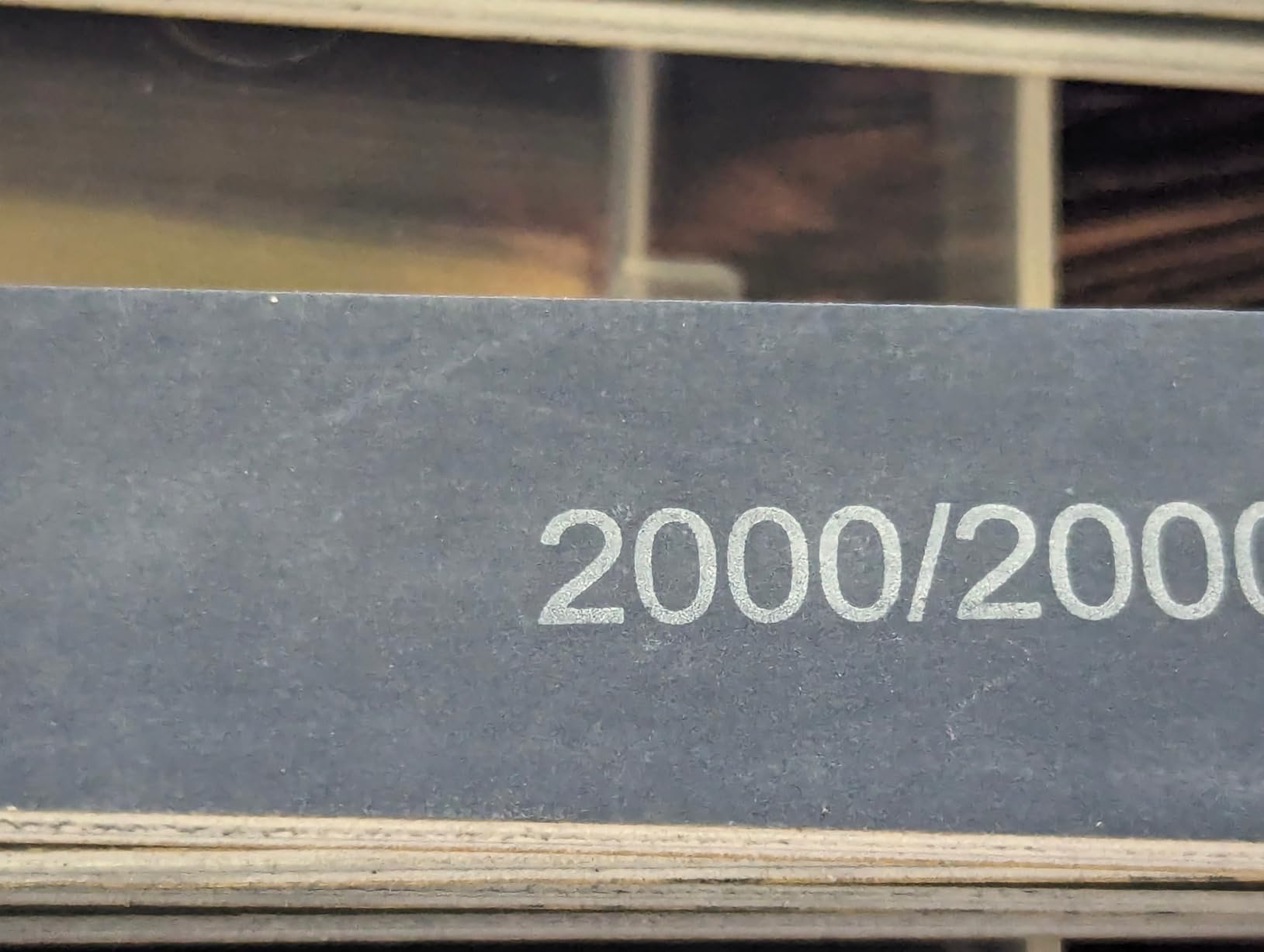
On tougher materials, you will need to manage expectations. When I tried using the coarse grits on some hardened steel parts, the abrasive wore down faster than I would like. PLA 3D prints also eat these up quicker than traditional model plastics. For typical model making materials though, they perform admirably.
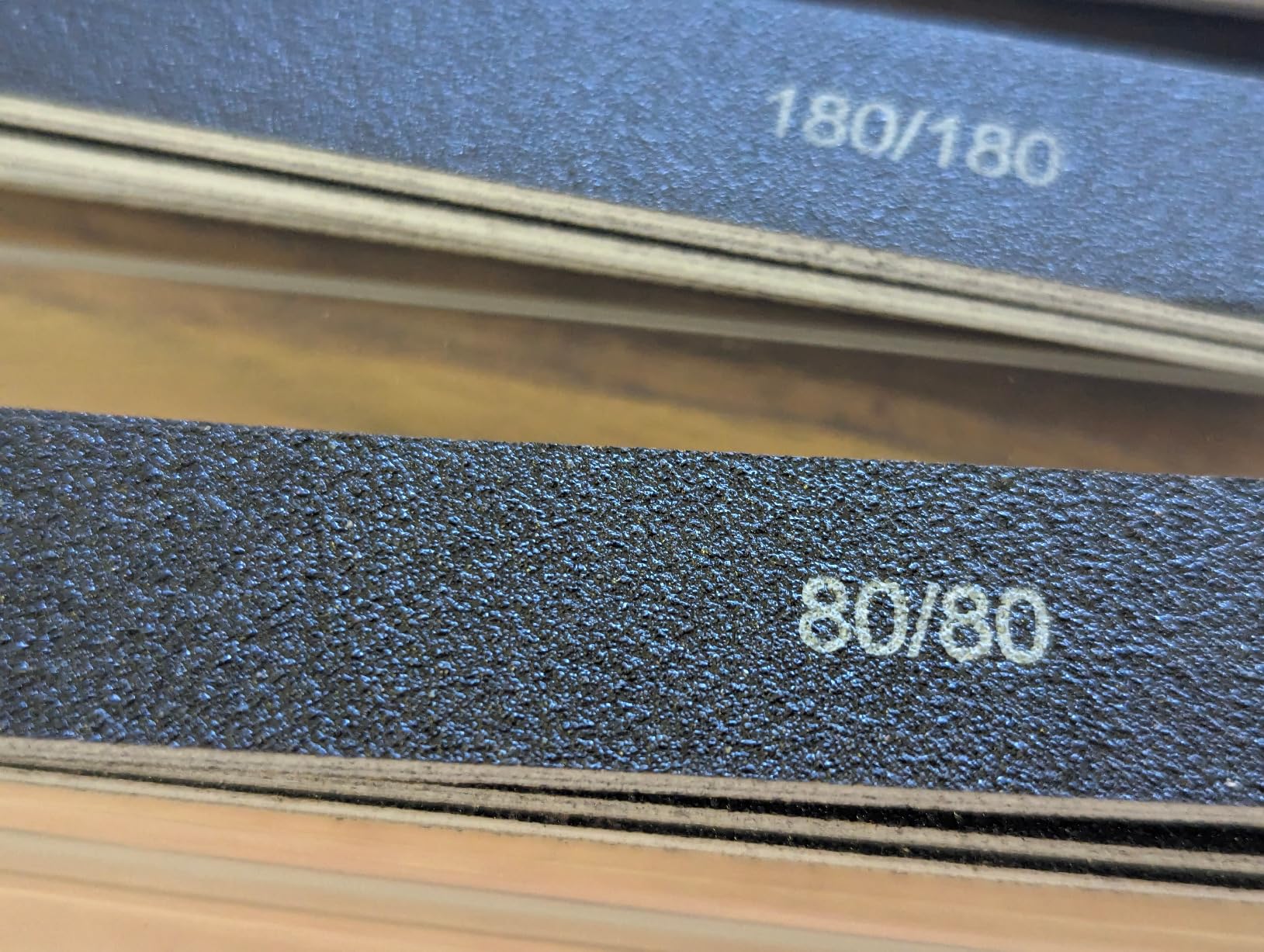
One technique I developed is using the 2000 and 3000 grit sticks between paint coats for ultrasmooth finishes. This wet-sanding approach works beautifully with these sticks. Just dip them in water and sand gently. The result is a surface that looks almost factory-finished.
Who Should Buy the Honoson 40 Pcs Set
This set suits modelers who want one purchase to handle every sanding task. If you build across multiple genres, from plastic kits to resin figures to wood crafts, the material versatility pays off. Jewelry makers appreciate these for the fine grits, and they work well for auto detail sanding too.
When to Consider a Different Option
If you exclusively work with one material type, you might not need this full range. Someone building only Gunpla kits might prefer the more focused grit selection of the stedi set. Also, if you need rigid sticks for heavy material removal, the foam-backed construction here might flex more than you want.
3. Keystone 100 Pcs Sanding Twigs Kit – Best Budget Option for High Volume
Keystone 100 Pcs Sanding Twigs Kit Ideal for Woodworking
100 assorted sanding twigs,Assorted grits: 80
120
240,Cushioned flexible design,Polystyrene core with foam and sandpaper,Works on wood metal plastic and resin
Pros
- Excellent price per stick at around 12 cents each
- Cushioned design reaches tight spaces
- Large quantity lasts a long time
- Flexible for curved surfaces
- Great for removing mold lines and burs
Cons
- Sandpaper wears out with heavy use
- Only 2 sides covered not 4
- Grits mixed together need organizing
- Not for heavy sanding tasks
The Keystone 100-piece sanding twigs kit is the definition of getting more than you pay for. At around $12.10 for 100 pieces, you are looking at roughly 12 cents per stick. For modelers who go through sanding supplies quickly, this bulk approach makes financial sense without sacrificing quality.
I keep a container of these on my bench at all times. The twig format, essentially thin sticks with cushioned abrasive, excels at reaching places standard sanding sticks cannot. On a recent Warhammer army project, I had to clean mold lines from dozens of identical troops. These twigs let me get into the gaps between legs, under arms, and around weapon details without risking damage to adjacent areas.
The flexibility is both a feature and a consideration. The foam backing lets you bend the twig to match curved surfaces, which is perfect for rounded armor plates or organic sculpts. However, if you need rigid backing for perfectly flat sanding, you might find these too yielding. I use them for detail work and switch to firmer sticks for large flat areas.
The grit assortment covers the basics: 80 for aggressive removal, 120 for general smoothing, and 240 for finer work. I wish they included some higher grits for final polishing, but for prep work and mold line removal, this range handles 90 percent of what I need.
Durability is acceptable for the price point. These are not lifetime tools. The sandpaper will wear down, especially on harder plastics or resins. But with 100 pieces, I just grab a fresh one when needed. For mold line removal specifically, I find these less aggressive than dedicated tools, which actually helps prevent accidents on delicate parts.
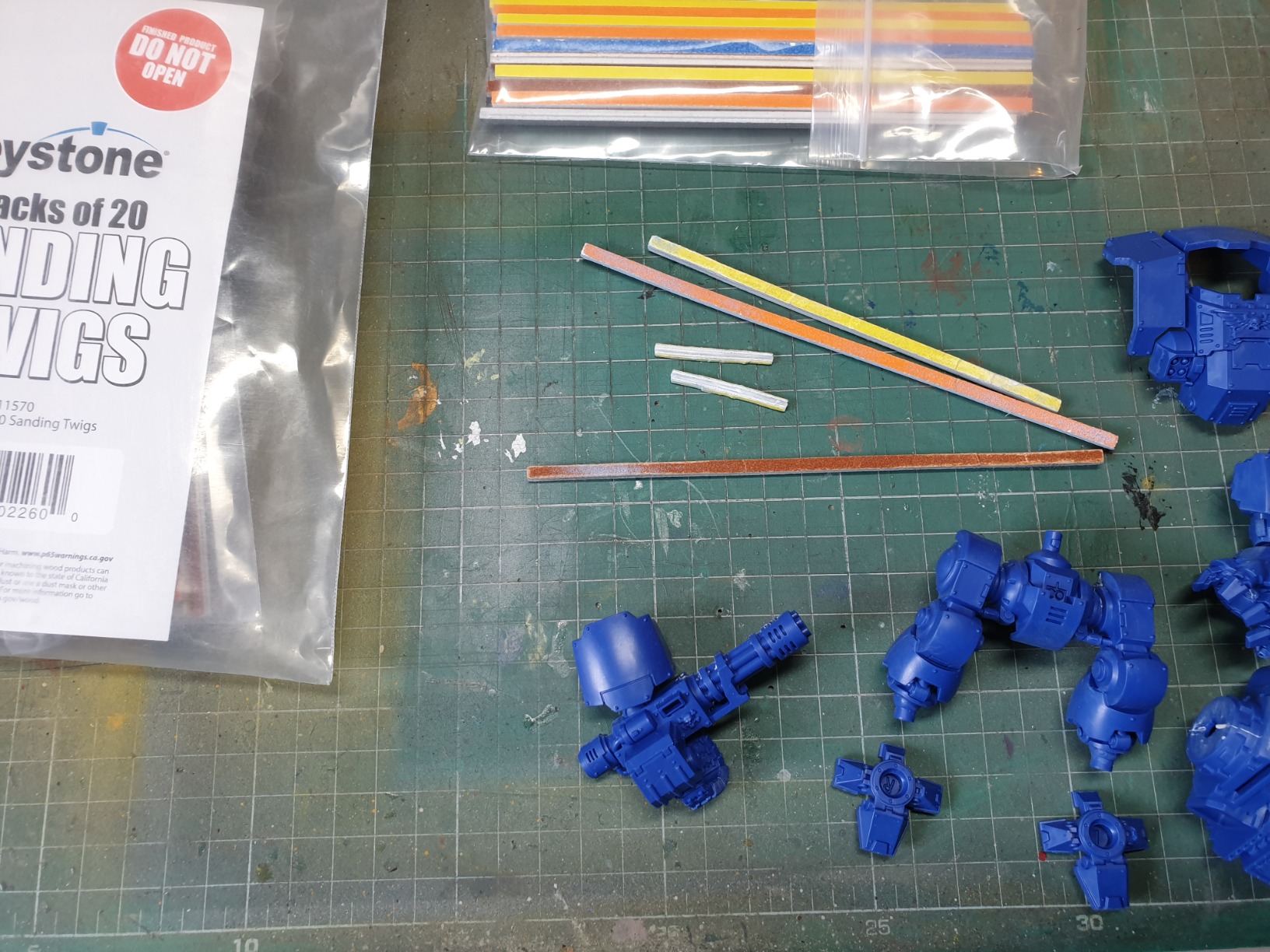
Organization is the main hassle. The grits come mixed together, so I spent 20 minutes sorting them by color when I first opened the package. Now I keep them in separate labeled bags. The time investment was worth it for the convenience of grabbing exactly what I need.
Best Use Cases for Keystone Twigs
These shine for miniature painters working with lots of figures. If you are batch-painting an army or processing large runs of identical parts, the quantity and price make sense. The cushioned design specifically helps with Games Workshop style minis that have complex poses with lots of nooks and crannies.
Limitations to Know About
Do not expect these to last forever or handle heavy material removal. The foam core collapses under too much pressure, and the adhesive can fail with aggressive use. Think of these as precision tools for light to medium work rather than power-sanding alternatives.
4. stedi Carbon Fiber Sanding Sticks – Best Professional Grade Option
stedi Carbon Fiber Sanding Sticks, Hobby Model Tools, 7-piece Set (3″×0.6″,3″×0.4″,3″×0.2″ and 4 Detail Sanding Boards) Professional Sanding Sticks for Sticky Sandpaper
7-piece carbon fiber sanding stick set,Includes 3 sizes: 3 inch by 0.6 inch
0.4 inch
0.2 inch,Plus 4 detail sanding boards,Adhesive-backed sandpaper compatible,Extremely durable construction
Pros
- Carbon fiber construction is rigid and durable
- 7 different sizes and shapes for versatility
- Lightweight and comfortable to hold
- Works with adhesive sandpaper for easy grit changes
- Can use different grits on each side
Cons
- Does NOT include sandpaper - must buy separately
- Carbon fiber can break if mishandled
- Largest stick somewhat redundant
- Requires additional sandpaper purchase
The stedi Carbon Fiber sanding sticks represent a different approach to model sanding tools. Instead of pre-applied abrasive, these are precision-machined carbon fiber forms designed to work with adhesive-backed sandpaper. This modular system offers customization that pre-made sticks cannot match.
When I first handled these, the quality was immediately apparent. Carbon fiber provides rigidity without weight, and the precisely cut shapes include flat sticks in three widths plus detail boards for various applications. The 3-inch length feels substantial in hand without being unwieldy on small parts.
The real power comes from the adhesive sandpaper compatibility. I buy rolls of adhesive-backed abrasive in whatever grits I need, cut pieces to size, and stick them to the carbon fiber forms. When the paper wears out, I peel it off and apply fresh. Over time, this proves more economical than buying disposable sticks, especially if you already buy sandpaper in bulk.
I use the wide 0.6-inch stick for large flat surfaces like Gunpla wings or vehicle hulls. The narrow 0.2-inch stick gets into tight panel lines and details. The detail sanding boards handle compound curves and corners. Having dedicated tools for each task improves my efficiency significantly.
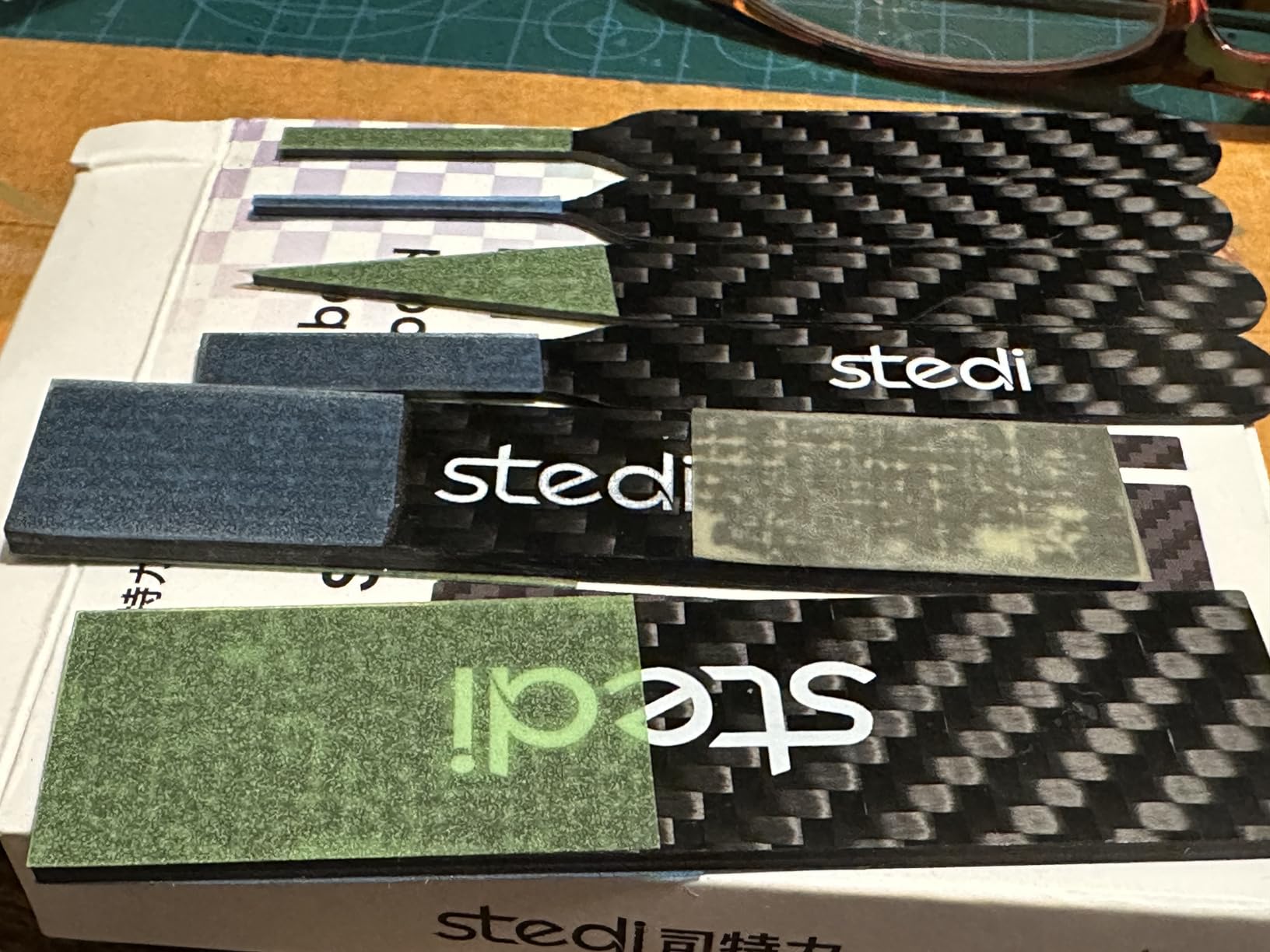
The carbon fiber construction has held up perfectly through months of use. Unlike wooden sticks that can warp or plastic that can flex, these maintain their shape. I can apply consistent pressure for perfectly flat sanding, which matters when I am preparing surfaces for gloss finishes.
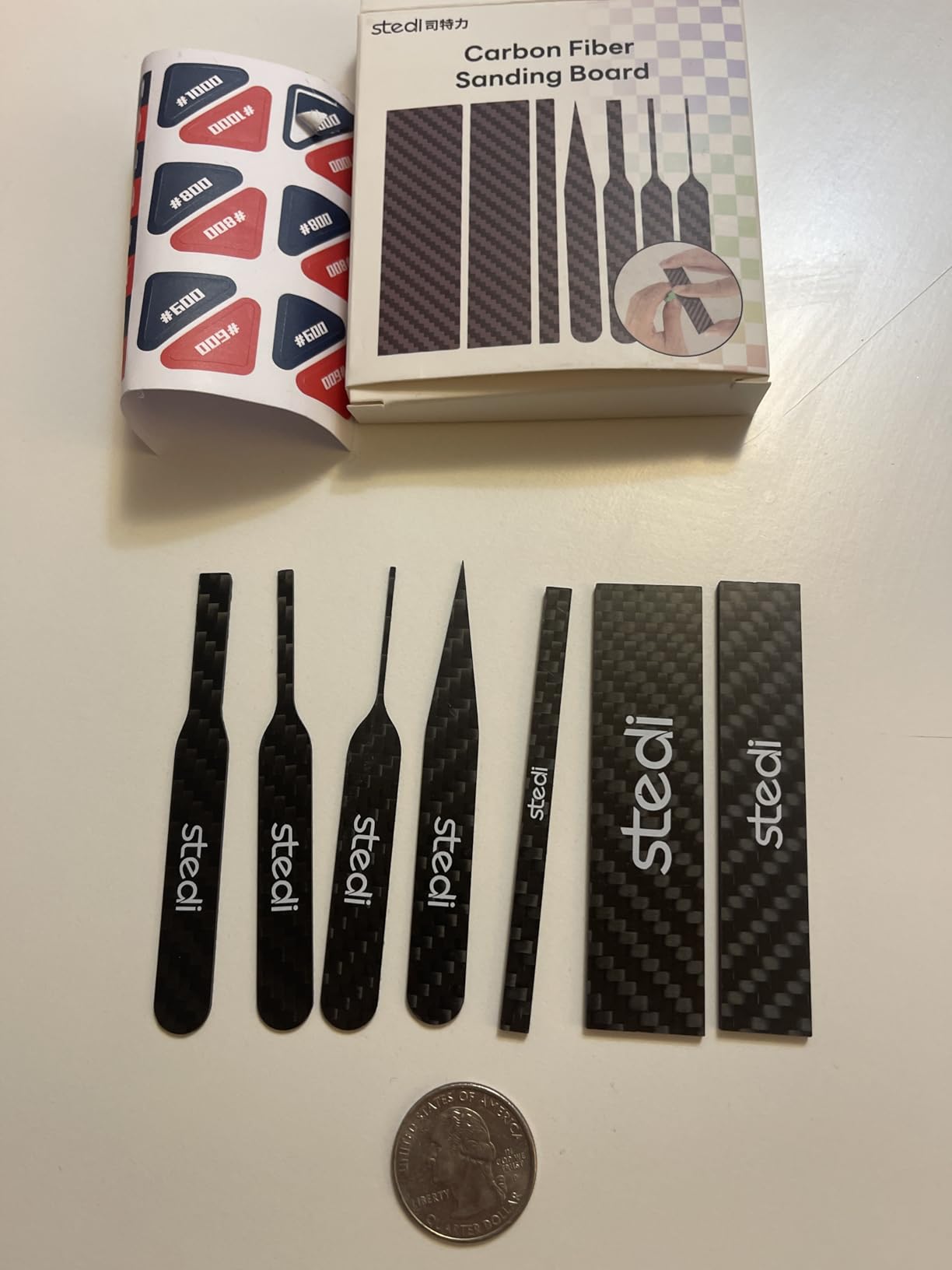
The downside is the upfront investment. At $11.30 plus the cost of adhesive sandpaper, your initial outlay exceeds pre-made options. I also found the largest stick overlaps with the medium one in practical use. However, for serious modelers who sand regularly, the long-term value and performance justify the cost.
Ideal Users for Carbon Fiber Sticks
This set appeals to experienced modelers who know exactly what grits they use most and want control over their tool setup. If you are comfortable cutting and applying sandpaper, the customization options are excellent. The durability also suits professional or commission painters who need tools that last.
When to Skip This Option
Beginners might find the need to buy separate sandpaper confusing or inconvenient. If you want a simple open-and-use solution, pre-made sticks are more straightforward. Also, if you rarely sand and just need occasional touch-ups, the upfront cost does not make sense.
5. Honoson 20 Pcs Sanding Sticks – Best Ergonomic Design
Honoson 20 Pcs Sanding Sticks Model, Low Grits Rating, Water Drop Style
20 sanding sticks in 10 different grits: 80
180
400
600
800
1000
2000
3000
5000
7000,Water drop style shape,Color-coded by grit range,Aluminum oxide abrasive material,Labeled with grit rating
Pros
- Hand-saving tear-drop shape is ergonomic
- Wide and narrow ends for versatile sanding
- Complete grit range from 80 to 7000
- Good for tight spots and jewelry making
- Flexible for hard-to-reach places
Cons
- Foam core bends under pressure
- Less rigid than wood core sticks
- Some find them less abrasive than marked
- Wear easily on some materials
The Honoson 20-piece set with water drop styling addresses a problem many modelers do not realize they have: hand fatigue. Traditional rectangular sanding sticks can be uncomfortable during long sessions. The tear-drop shape here fits naturally in your grip and reduces strain during extended use.
I noticed the comfort difference immediately during a multi-hour detailing session on a ship model. The wide end fills your palm while the narrow tip lets you apply precise pressure to specific spots. For modelers with arthritis or hand strength issues, this ergonomic consideration is genuinely valuable.
The grit range mirrors the larger 40-piece set, offering the full spectrum from aggressive 80-grit to polishing 7000-grit. With two sticks per grit, you can dedicate one to coarse work and keep the other for finer tasks without cross-contamination. I use the 400 and 600 grits most for plastic model prep, then finish with 2000 or 3000 before priming.
Where these really shine is detailed work. The narrow end of the water drop shape accesses tight spaces that frustrate standard sticks. I recently used these to sand the interior of a model car chassis where no other tool would fit. The flexibility lets you navigate complex geometry without scraping adjacent surfaces.
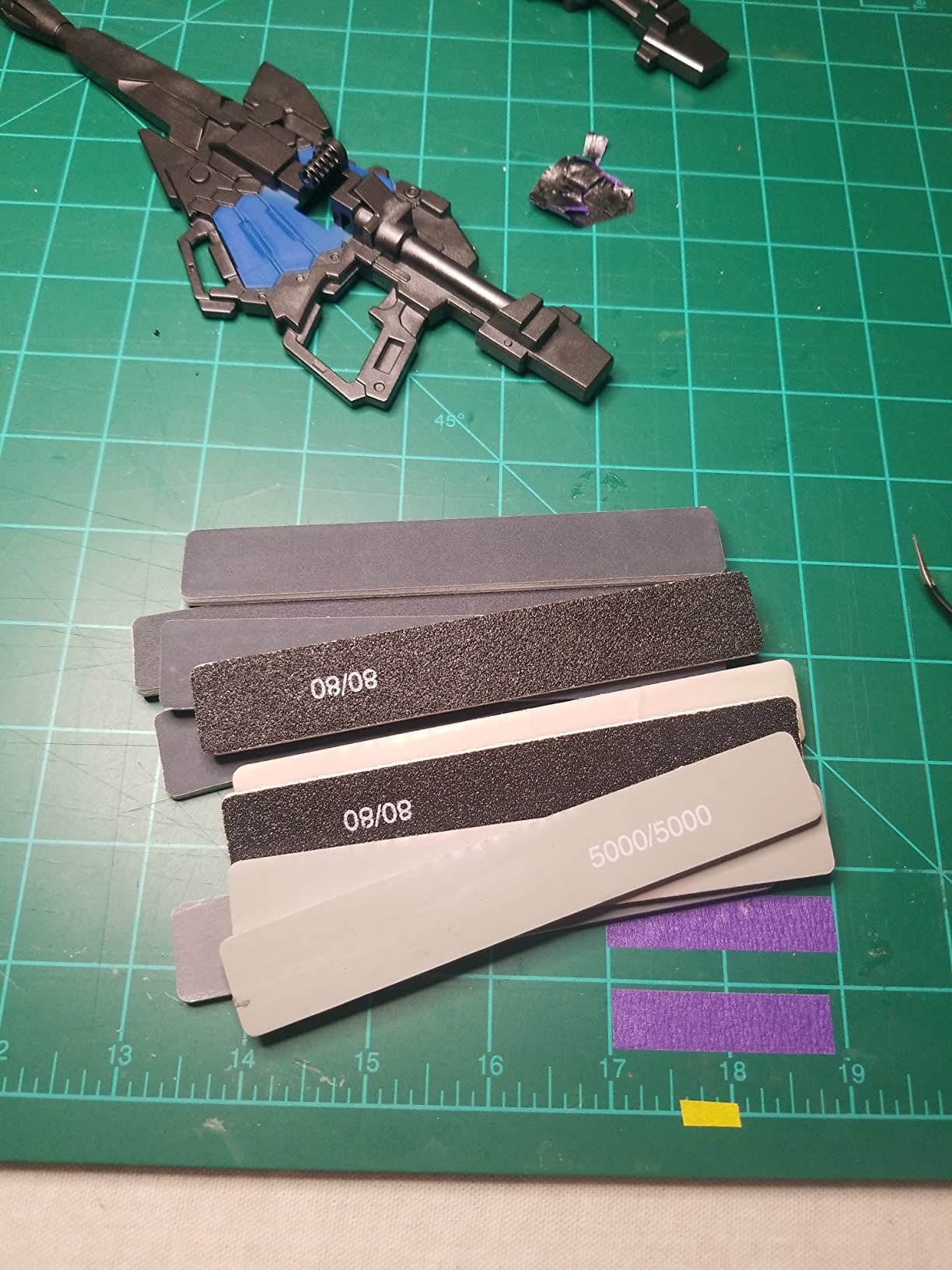
The foam core construction creates some trade-offs. These flex more than rigid sticks, which helps with curves but can be frustrating when you need perfectly flat sanding. I compensate by using lighter pressure and more strokes rather than trying to power through material aggressively.
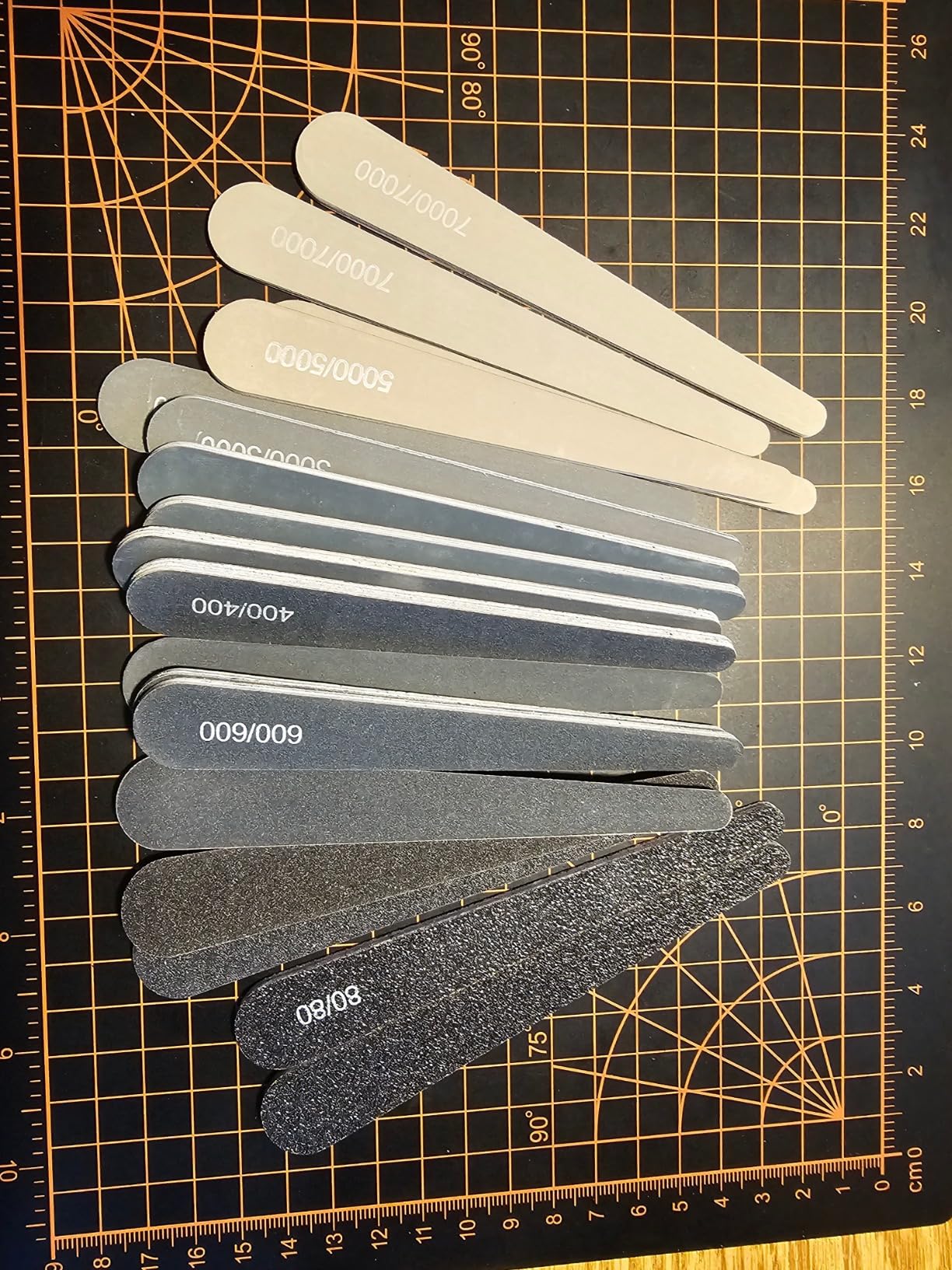
Some users report the abrasive seems less aggressive than the grit number suggests. I found this true on the finest grits but not an issue on the coarse ones. The 80 and 180 grits cut plenty aggressively for mold line removal. The fine grits polish more than cut, which is actually what you want for final surface prep.
Who Benefits Most from This Set
Modelers who spend long hours sanding will appreciate the ergonomic design. Jewelry makers and those working on very small scale projects benefit from the narrow tip precision. Anyone with hand comfort issues should try these before committing to traditional stick shapes.
Limitations to Consider
These are not for heavy material removal. The foam construction and ergonomic shape prioritize comfort over raw power. If you are stripping paint or sanding thick casting gates, look to more rigid options. Also, the 20-piece count means fewer backups when sticks wear out.
6. Keystone Fine Sanding Twig Assortment Pack – Best for Miniature Hobbyists
Fine Sanding Twig Assortment Pack with Color Coded Abrasive Grits
121 piece detail sanding kit,100 assorted fine medium and coarse twigs,Plus cushioned abrasive sticks,Grit range 80 to 7000,Polystyrene core with foam and sandpaper layers
Pros
- Perfect range of grits for hobby projects
- Spongy and flexible - bends into any shape
- Great value compared to name brands
- Ideal for Warhammer and Gundam models
- Reaches hard-to-get spots on miniatures
Cons
- Foam backing collapses under pressure
- Grits not marked on product or container
- Not as rigid as some users prefer
- Need to reference color code chart
The Keystone 121-piece kit is essentially an expanded version of their popular twig set, adding cushioned abrasive sticks to the mix of twigs. This combination approach gives you tools for both detail work and broader surface preparation in one package.
The twigs themselves are identical to the 100-piece kit: flexible, cushioned, and excellent for tight spaces. The added abrasive sticks provide more surface area for larger jobs while maintaining the cushioned design that follows curves. I find this combination useful when working on models with both flat panels and intricate details.
The community consensus from Reddit and hobby forums places this kit high on recommendation lists for Warhammer players specifically. The ability to clean mold lines from detailed miniatures without damaging surrounding detail matters enormously when you are painting $50 character models. These twigs offer enough control to be precise without being so aggressive that you carve accidental damage.
The grit range from 80 to 7000 covers every stage from cleanup to pre-paint polishing. I particularly appreciate having the ultra-fine grits for final prep. After cleaning mold lines with coarse grits, I can step through progressively finer sticks until the surface is ready for primer. The result is paint that adheres better and looks smoother.
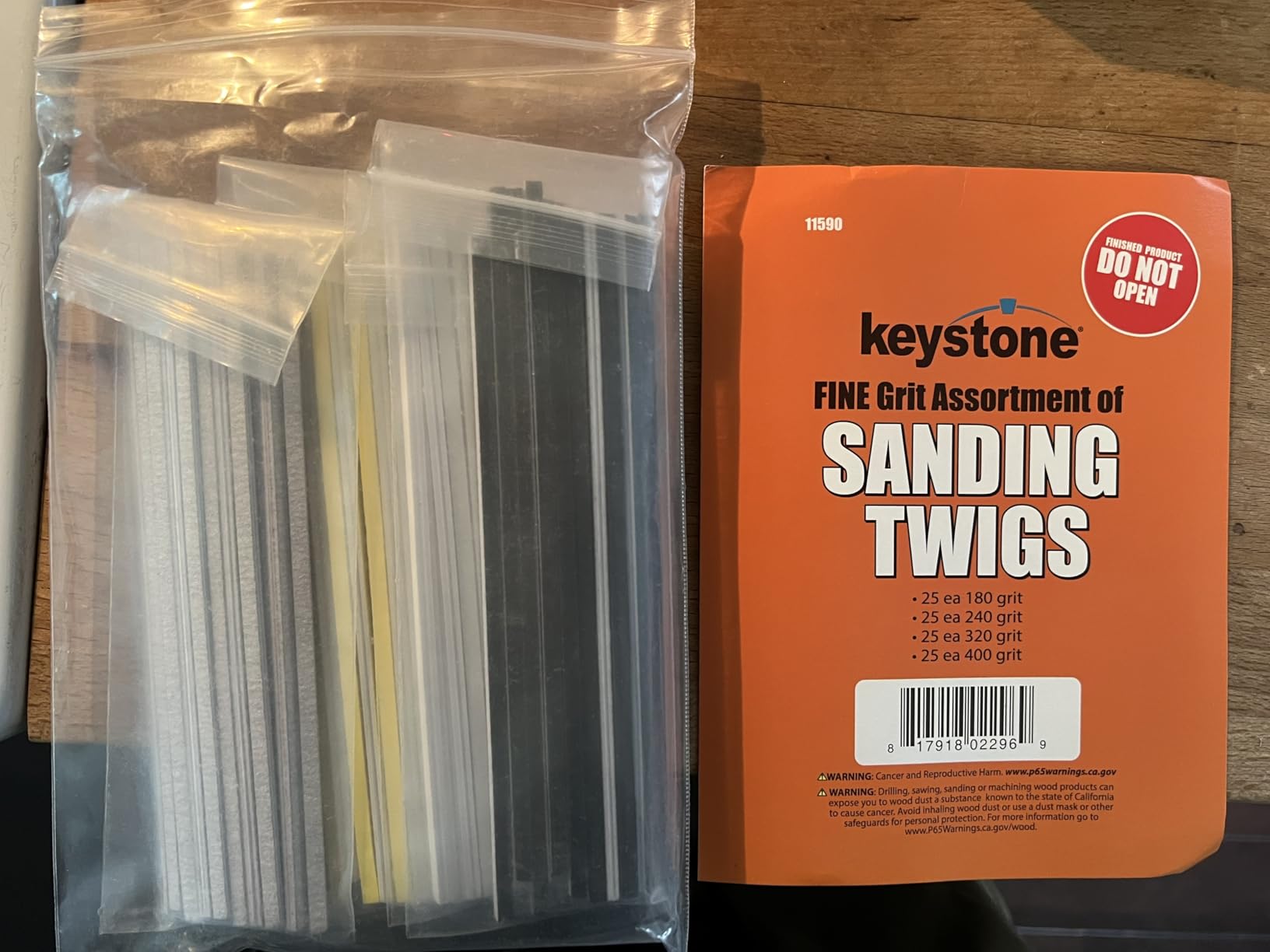
The same caveats apply as the 100-piece kit. The grits are color-coded but not labeled on the actual products, so you need to keep the packaging or make your own reference. The foam backing collapses under heavy pressure, requiring a lighter touch than rigid sticks demand.
Why Miniature Painters Love This Kit
The combination of twigs for detail work and sticks for broader areas matches how miniature painters actually work. You might spend an hour cleaning detailed parts with twigs, then switch to sticks for base preparation. Having both tool types in coordinated grit ranges streamlines the workflow.
Who Might Want Something Else
If you work primarily on larger scale models like 1/35 armor or 1/48 aircraft, the twig focus here might not match your needs. Larger surfaces demand more rigid tools that can maintain flatness across wide areas. Consider the stedi or carbon fiber options instead for big builds.
7. SharingMoment 50PCS Premium Sanding Sticks – Best for Detail Work in Tight Spaces
50PCS Sanding Sticks, Premium Double End Sanding Twigs, 120/280 Grit
50 double-end sanding sticks,120 grit black end for coarse,280 grit grey end for fine,Three shapes per end: flat
round
pointed,5.4 by 0.2 inch compact size,Aluminum oxide abrasive
Pros
- Excellent value - 50 pieces for under $7
- Double-end design with two different grits
- Three shapes per end for versatility
- Fits in fairly tight spaces
- Strong sticks that do not break easily
Cons
- Only two grit options 120 and 280
- 280 grit may be coarser than expected
- Some quality issues with grit flaking
- May break with pressure on hardwood
The SharingMoment 50-piece set takes a different approach from the comprehensive grit sets. By focusing on just two grits, 120 for coarse work and 280 for finer finishing, they provide quantity and versatility through shape variation rather than grit progression.
Each stick has six working surfaces: the 120-grit end offers flat, round, and pointed shapes, as does the 280-grit end. This geometry-focused design excels at accessing tight spaces. The pointed tips reach into corners that flat sticks cannot touch. The rounded edges sand curved surfaces without creating flat spots. The flat sections handle broader areas efficiently.
I tested these extensively on a complex 3D printed structure with lots of internal corners and support removal scars. The ability to switch between tip shapes without changing tools saved significant time. When I hit a tight corner, I rotated to the pointed end. For curved fillets, the rounded shape matched the geometry perfectly.
The matchstick-thin profile, just 0.2 inches in diameter, accesses spaces even standard twigs struggle with. I have used these to clean up inside helmet visors, between fingers on hand sculpts, and inside small mechanical details. The orange stick material provides enough rigidity for controlled pressure without snapping.
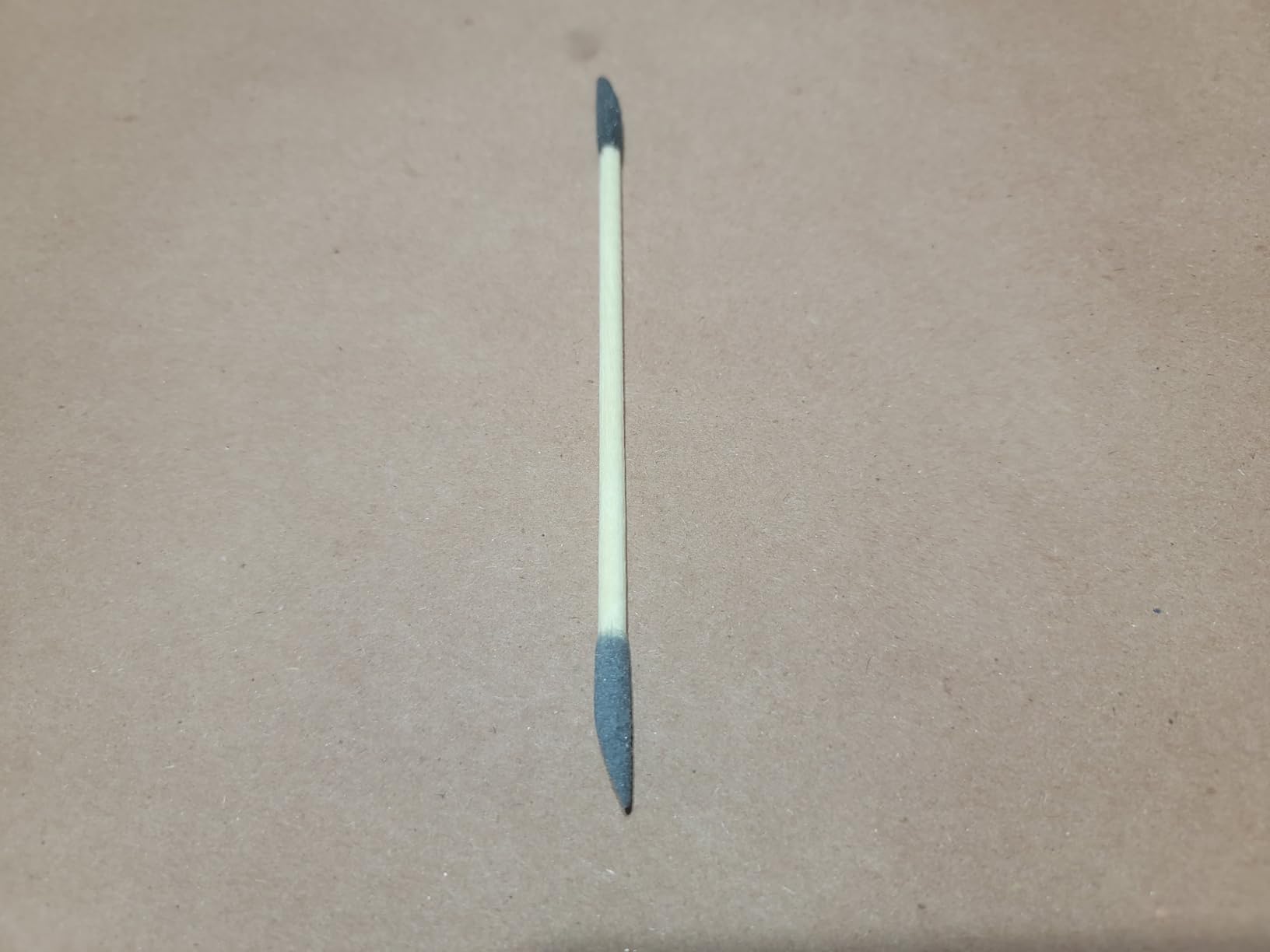
Value is the standout feature here. At $6.59 for 50 double-ended sticks, you are paying roughly 13 cents per end. For modelers who go through sanding supplies quickly, this economics makes sense. The quality is acceptable for the price point, though not exceptional.
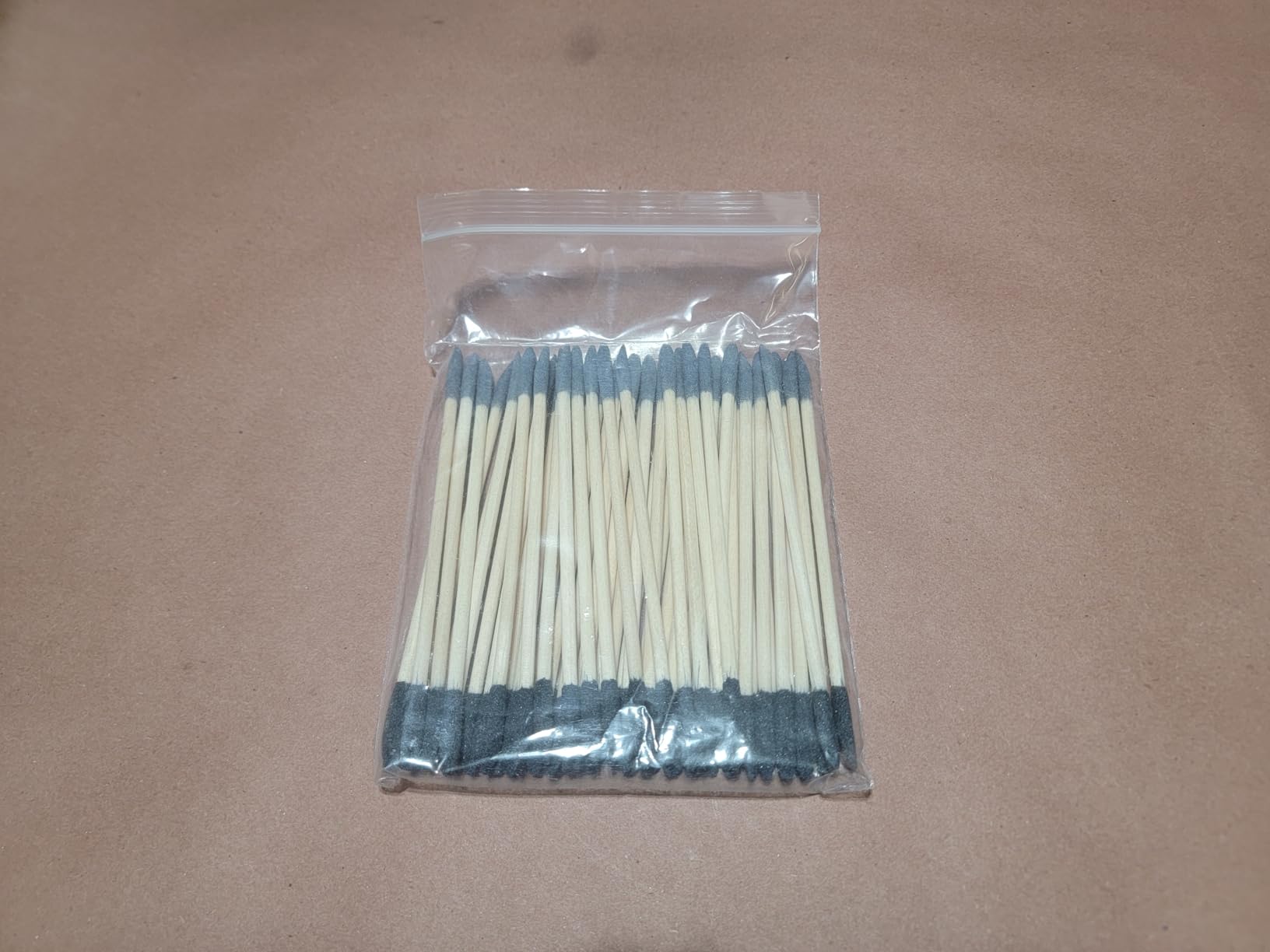
The limited grit range is the obvious trade-off. 120 grit removes material aggressively but leaves visible scratches. 280 grit smooths those scratches but cannot achieve the polished surface that 1000+ grit sticks provide. I use these for initial cleanup and basic smoothing, then switch to other tools for final finishing.
Best Applications for SharingMoment Sticks
These excel at support removal from 3D prints, mold line cleanup on plastic kits, and anywhere you need to reach into confined spaces. The shape variety suits complex geometry better than flat sticks. Modelers working on miniatures with lots of detail, like intricate Gundam inner frames or detailed terrain pieces, get the most benefit.
When to Choose a Different Product
If you need to achieve polished, paint-ready surfaces directly from sanding, the 280-grit maximum here falls short. You will need supplementary fine-grit tools. Also, if you primarily sand large flat areas, the small profile of these sticks makes them inefficient compared to broader tools.
8. Honoson 10 Pcs Sanding Sticks – Best Starter Set for Beginners
Honoson 10 Pcs Sanding Sticks for Plastic Models, Low Grits, Classic Style
10 sanding sticks with 10 different grits: 80
180
400
600
800
1000
2000
3000
5000
7000,Classic rectangular shape,Color-coded by grit range,Labeled with grit rating,Quality construction reusable
Pros
- Complete grit progression in compact set
- Excellent for beginners testing needs
- Works on plastic models Gundam and crafts
- Comfortable to hold and use
- Labeled for easy identification
Cons
- Only one stick per grit limits simultaneous work
- No backup when sticks wear out
- Not suitable for heavy-duty sanding
- Some users report shorter lifespan
The Honoson 10-piece set offers a scaled-down version of their larger kits, providing one stick of each grit from 80 to 7000. This minimalist approach suits beginners who want to explore different grits without committing to a large purchase, or experienced modelers who need specific grits for occasional use.
At $6.99, this is the most affordable entry point into comprehensive grit ranges. You get the full progression from coarse material removal through fine polishing in a compact package. For someone building their first Gunpla kit or getting into miniature painting, this lets you discover which grits you actually use before buying larger quantities.
I keep a set of these in my travel kit for builds away from my main workbench. The small count means they pack easily, and the full grit range means I can handle whatever the project demands. On a recent trip where I built a Master Grade Gundam in a hotel room, these 10 sticks handled the entire build from nub removal to final prep.
The classic rectangular shape is familiar and comfortable. Unlike the water drop design of the 20-piece set, these feel like traditional sanding tools. The grit labels are clear, the color-coding matches other Honoson products, and the construction quality is consistent with their larger sets.
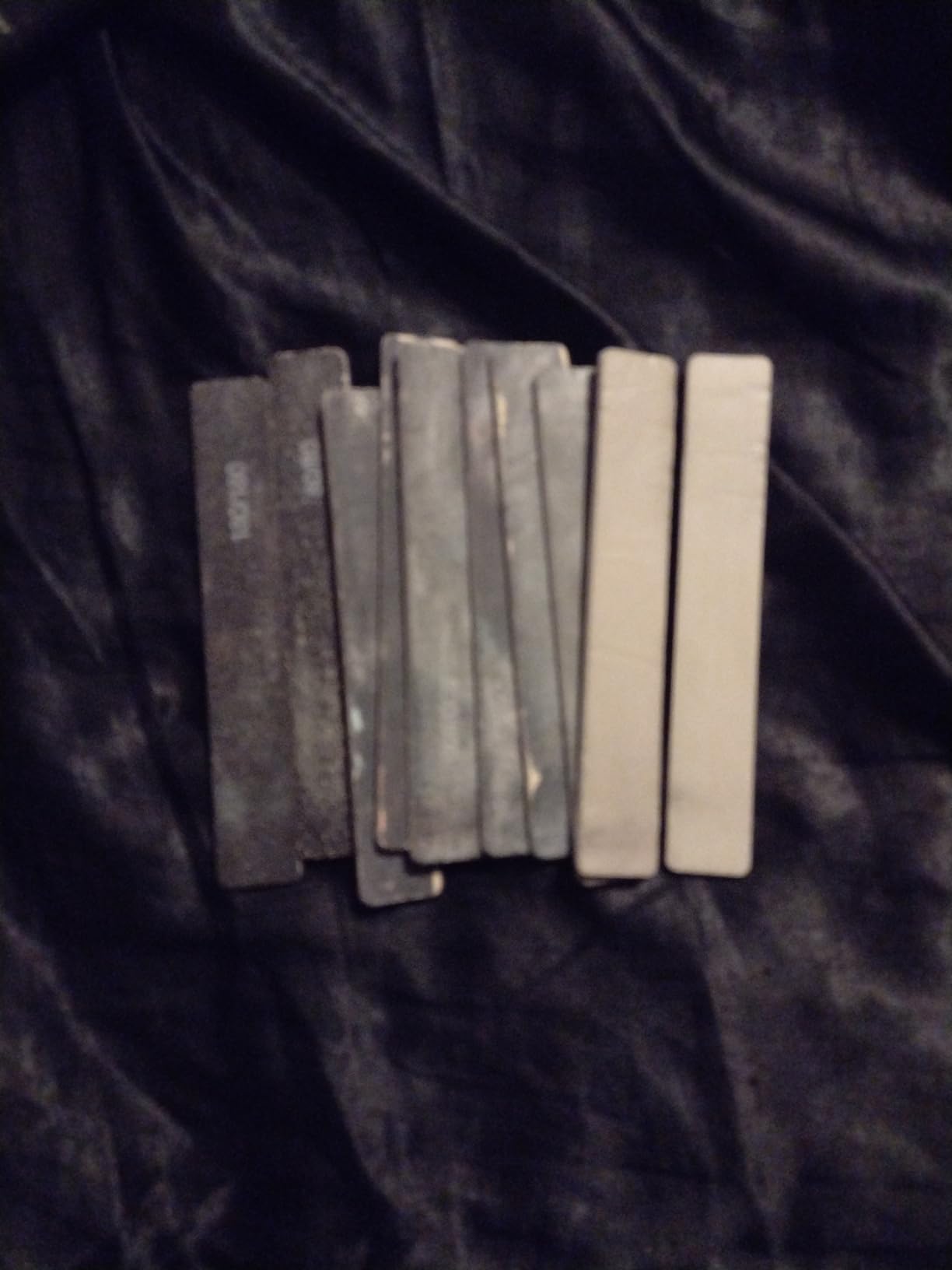
The limitation is obvious: with only one stick per grit, you cannot have multiple projects in progress using the same grit simultaneously. When I wore out the 400-grit stick on a large kit, I had to switch to 600-grit earlier than ideal or wait until I could replace the worn one. This is fundamentally a starter or backup set rather than a primary tool collection.
Why This Set Makes Sense for Beginners
New modelers often do not know which grits they will use most. Buying 40 or 100 pieces upfront risks waste if your preferred grit range turns out narrower. This 10-piece set lets you experiment across the full spectrum, then invest in bulk quantities of the grits you actually need. It is a smart first purchase that informs smarter second purchases.
Experienced Modeler Use Cases
Even with full-size kits on my bench, I find uses for this compact set. It lives in my portable kit for travel builds. I use specific grits for specialized tasks where I do not want to contaminate my main sticks with odd materials. It serves as emergency backup when I wear out primary sticks mid-project.
How to Choose the Best Sanding Sticks for Your Models?
With so many options available, selecting the right sanding sticks for your specific modeling needs requires understanding a few key factors. Our research into model making tools and community discussions revealed that the best choice depends on your materials, project types, and working style.
Understanding Grit Numbers for Model Making
Grit numbers indicate the size of abrasive particles on the stick surface. Lower numbers mean larger, more aggressive particles. Higher numbers mean smaller, finer particles that create smoother surfaces.
For typical model making, you will use a progression starting around 400-grit for initial cleanup after removing parts from sprues. This removes nub marks and smooths gate scars without digging into the surrounding surface. Move to 600-grit for general smoothing before assembly. After gluing seams, return to 600-grit to clean excess adhesive.
Before priming, step up to 800 or 1000-grit. This creates a surface smooth enough that primer lays down evenly without highlighting scratches. For glossy finishes or bare plastic looks, continue through 2000, 3000, and even up to 7000-grit for a polished appearance.
Forum users consistently recommend avoiding very coarse grits below 240 on plastic models unless you are doing major reshaping. The aggressive material removal risks creating divots that require filler to correct. Start conservative and increase aggressiveness only when necessary.
Material-Specific Recommendations
Different model materials respond differently to sanding. Polystyrene plastic, used in most Gundam and Warhammer kits, sands smoothly with grits 400 and above. It is relatively soft, so aggressive grits cut quickly but can also damage detail if you are careless.
Resin kits require more care. The material is harder and can be brittle, so use sharper, fresher abrasive to cut efficiently without requiring excessive pressure. Many resin casters recommend wet-sanding resin to control dust and prevent overheating that can affect the surface.
3D printed parts in PLA or ABS present unique challenges. Layer lines require significant material removal, but the printed structure can be weaker than injection-molded plastic. Use the finest grit that will accomplish the task to preserve strength. Some users recommend filling layer lines with primer rather than sanding them away entirely.
Metal parts, whether white metal casting or photo-etched brass, demand different approaches. These materials quickly wear out sanding sticks, so budget accordingly or use files for initial shaping before switching to sticks for finishing.
Durability and Longevity Factors
Not all sanding sticks wear at the same rate. Foam-backed sticks generally wear faster than rigid ones but conform better to curves. Adhesive quality varies significantly between brands. Higher-priced options often justify their cost through longer abrasive life and better adhesive that resists peeling.
Washable sticks, like the stedi set we reviewed, offer extended lifespans through cleaning. When abrasive clogs with plastic dust, rinsing restores cutting power. This feature pays off quickly if you sand frequently.
Consider keeping dedicated sticks for different materials. Using the same stick on resin and then plastic risks contaminating the plastic with resin dust, which can affect paint adhesion. Color-coding by material type helps maintain separation.
Storage and Maintenance Tips
Proper storage extends sanding stick life significantly. Keep sticks dry to prevent adhesive degradation. Store them flat or hanging to prevent bending foam-backed varieties. Organize by grit so you can quickly find what you need without handling multiple sticks unnecessarily.
Many modelers create dedicated sanding stations with labeled containers or wall-mounted organizers. This investment in organization pays off in workflow efficiency and tool longevity. You are less likely to grab the wrong grit or contaminate fine sticks with coarse debris when everything has its place.
Clean sticks periodically by tapping or brushing off accumulated dust. For washable varieties, follow the manufacturer instructions for rinsing and drying. Never store damp sticks in sealed containers, as this promotes mold and adhesive failure.
Frequently Asked Questions About Sanding Sticks
Is 120 or 240 grit better?
For model making, 240 grit is generally better than 120 grit unless you need aggressive material removal. The 120 grit is quite coarse and can leave deep scratches in plastic that require significant additional sanding to remove. Most modelers start with 400 grit for typical cleanup work. Use 120 or 240 only for major reshaping or removing large casting flaws, then progress to finer grits for finishing work.
What is the golden rule of sanding?
The golden rule of sanding is to always progress from coarse to fine grits and never skip more than one grit step in the sequence. Jumping from 400 grit directly to 1000 grit, for example, leaves scratches from the 400 that the 1000 cannot remove efficiently. Work through 400, 600, 800, and then 1000 for best results. This progressive approach creates a smoother finish with less overall work.
Is 1000 grit enough for Gunpla?
1000 grit is sufficient for Gunpla if you plan to apply primer and paint afterward. For bare plastic finishes or gloss coatings, you may want to continue to 2000 or 3000 grit for an even smoother surface. Most Gunpla builders find that stopping at 800 to 1000 grit provides an excellent surface for primer adhesion. If you are doing a straight build with no paint, consider going finer to bring out the plastic’s natural shine.
What is the best thing to sand plastic with?
Sanding sticks designed specifically for model making are the best tools for sanding plastic. Unlike loose sandpaper, they provide consistent pressure and control. Look for cushioned or foam-backed sticks for curved surfaces and rigid sticks for flat areas. Start with 400-grit sticks for general cleanup, then progress through 600 and 800-grit before priming. For miniatures and detailed parts, flexible sanding twigs reach tight spaces that standard sticks cannot access.
Conclusion: Finding Your Perfect Sanding Sticks
After reviewing eight of the best sanding sticks for models available in 2026, our clear recommendation is the stedi Sanding Sticks 6PCS for most modelers. The washable, reusable design and excellent grit progression from 400 to 1500 hits the sweet spot for typical model building needs. For those wanting comprehensive grit coverage at a great value, the Honoson 40 Pcs set delivers exceptional range from 80 to 7000 grit.
Budget-conscious builders should grab the Keystone 100 Pcs Sanding Twigs Kit. The quantity and flexibility make these perfect for detailed work on miniatures and complex models. Whatever your choice, investing in proper sanding tools will transform your model building results more dramatically than almost any other purchase.
Remember that proper technique matters as much as tool quality. Progress through grits methodically, let the abrasive do the work rather than applying excessive pressure, and keep your tools clean and organized. With the right sanding sticks and good practices, you will achieve that smooth, professional finish that makes models truly stand out.