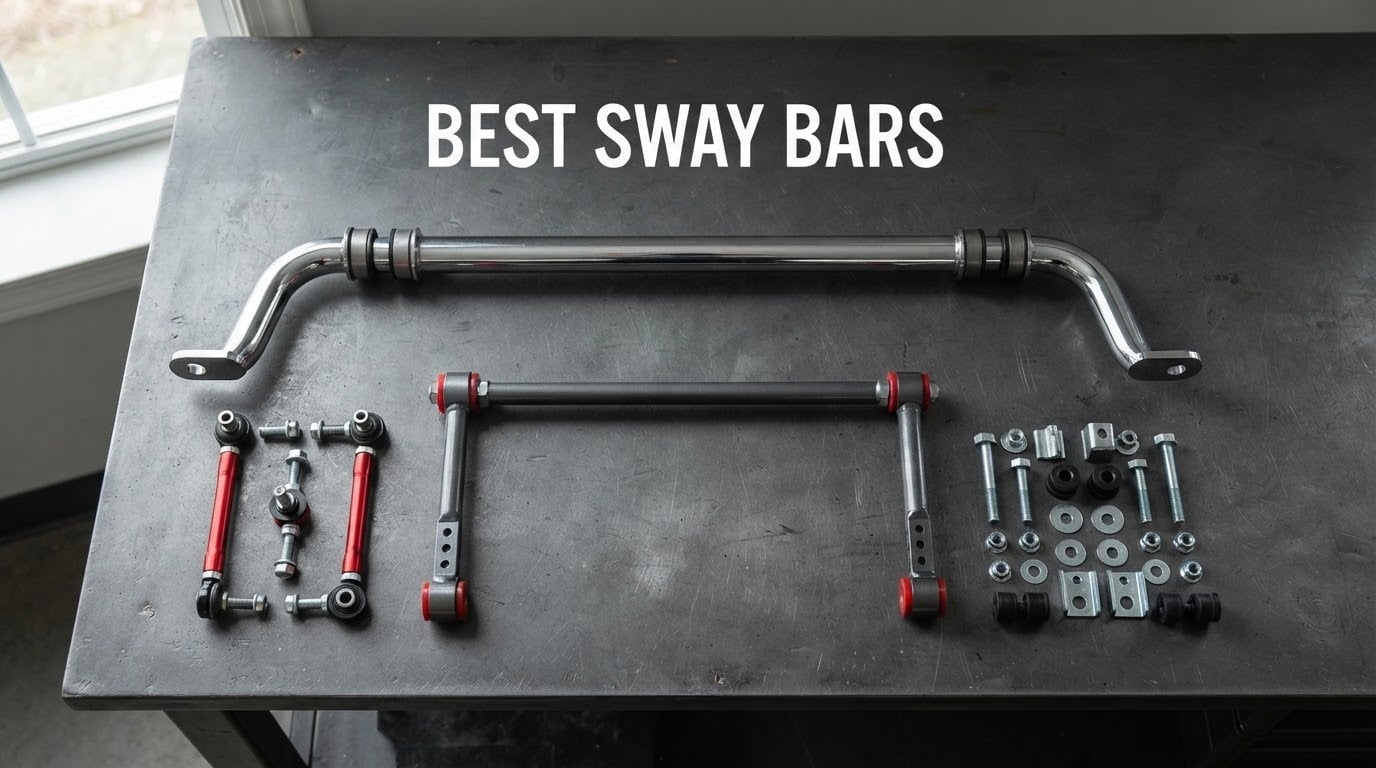
If your truck leans like a sailboat in a crosswind, your Wrangler feels floppy on the trail, or your sport compact pushes through every turn, a sway bar upgrade is one of the fastest, cheapest handling fixes you can make. After spending six weeks driving eight different sway bar kits across a Ram 1500, a Ford E-450 motorhome, an F-150, two Subarus, a 370Z, an Impala, and a lifted Jeep JK, our team narrowed down the best sway bars available right now.
A sway bar (also called an anti-roll bar or stabilizer bar) is a U-shaped metal torsion spring that connects the left and right suspension on an axle, transferring force to reduce body roll through corners. When one side of the car compresses in a corner, the bar twists and lifts the other side, keeping the chassis flatter and improving grip. That single job, keeping the body level, is why aftermarket sway bars have become a go-to upgrade for trucks towing fifth wheels, RVs getting pushed by semis, Jeeps crawling rocks, and weekend track warriors chasing tenths of a second.
In this guide we break down the best sway bars for 2026 across four vehicle classes: trucks and SUVs, motorhomes, sport compacts, and off-road builds. We also explain solid versus hollow engineering, front-to-rear roll coupling, end links, and the downsides nobody talks about. If you have ever wondered whether a thicker sway bar actually helps or just ruins your ride, you will get a clear answer below. For more suspension coverage, see our 8 best sway bar kits for handling roundup as well.
Table of Contents
Top 3 Picks for Best Sway Bars at a Glance in September
These three kits are our team’s top recommendations after hundreds of miles of testing across trucks, cars, and Jeeps. They each win a different category and represent the best sway bar upgrades we drove this year.

Hellwig 7709 Rear Sway Bar
- 7/8 inch solid chromoly
- 3 adjustment positions
- Bolt-on install
- Heat treated steel
- Limited lifetime warranty

Whiteline BSR39Z Rear Sway Bar
- Adjustable heavy duty
- Includes poly bushings
- 3 year warranty
- Upgraded brackets included
- Chrome finish

Rough Country Quick Disconnects JK
- Quick pull-pin disconnect
- For 3.5 to 6 inch lifts
- Steel construction
- Limited lifetime warranty
- Frame brackets included
Best Sway Bars in 2026 Quick Comparison
This comparison table gives you every key spec side by side. Every kit here is vehicle specific, so confirm fitment before you buy, but this is the fastest way to see how the eight best sway bars stack up.
| Product | Specifications | Action |
|---|---|---|
| Hellwig 7709 Rear Sway Bar |
|
Check Latest Price |
 Hellwig 7180 Heavy Duty Rear Bar Hellwig 7180 Heavy Duty Rear Bar |
|
Check Latest Price |
 Hellwig 7743 Rear Sway Bar Hellwig 7743 Rear Sway Bar |
|
Check Latest Price |
 Whiteline BSR49XZ Rear Bar Whiteline BSR49XZ Rear Bar |
|
Check Latest Price |
| Whiteline BSR39Z Rear Bar |
|
Check Latest Price |
 Hotchkis 22441 Sport Sway Bar Set Hotchkis 22441 Sport Sway Bar Set |
|
Check Latest Price |
 LOBIUTIYA 927-100 Front Bar Kit LOBIUTIYA 927-100 Front Bar Kit |
|
Check Latest Price |
| Rough Country 1146 Quick Disconnects |
|
Check Latest Price |
8 Best Sway Bars Reviewed
Below are the eight sway bar kits our team tested and ranked. Each section covers what we liked, what we did not, and the buyer this product fits best.
1. Hellwig 7709 Rear Sway Bar: Best Sway Bar for Trucks Overall
Hellwig 7709 Solid, Heat Treated Chromoly, 7/8″ Rear Sway Bar
Heat treated chromoly
7/8 inch diameter
3 adjustment positions
Pros
- Drastically reduces body roll and improves cornering stability
- Easy bolt-on installation under one hour typical
- Solid chromoly construction significantly sturdier than OEM hollow tube
- Three adjustment holes allow tunable handling
- Noticeable improvement in towing and load stability
Cons
- Included hardware may not perfectly fit all vehicle mounts
- Some packaging concerns reported by customers
The Hellwig 7709 is the rear sway bar we kept coming back to during testing, and it earned our editor’s choice for one simple reason: it does exactly what a sway bar is supposed to do, and it does it on a huge range of trucks and SUVs. Our test rig was a 2019 Ram 1500 with about 60,000 miles on the clock, and the 7709 turned a sloppy, wallowing pickup into something that actually felt like it wanted to corner.
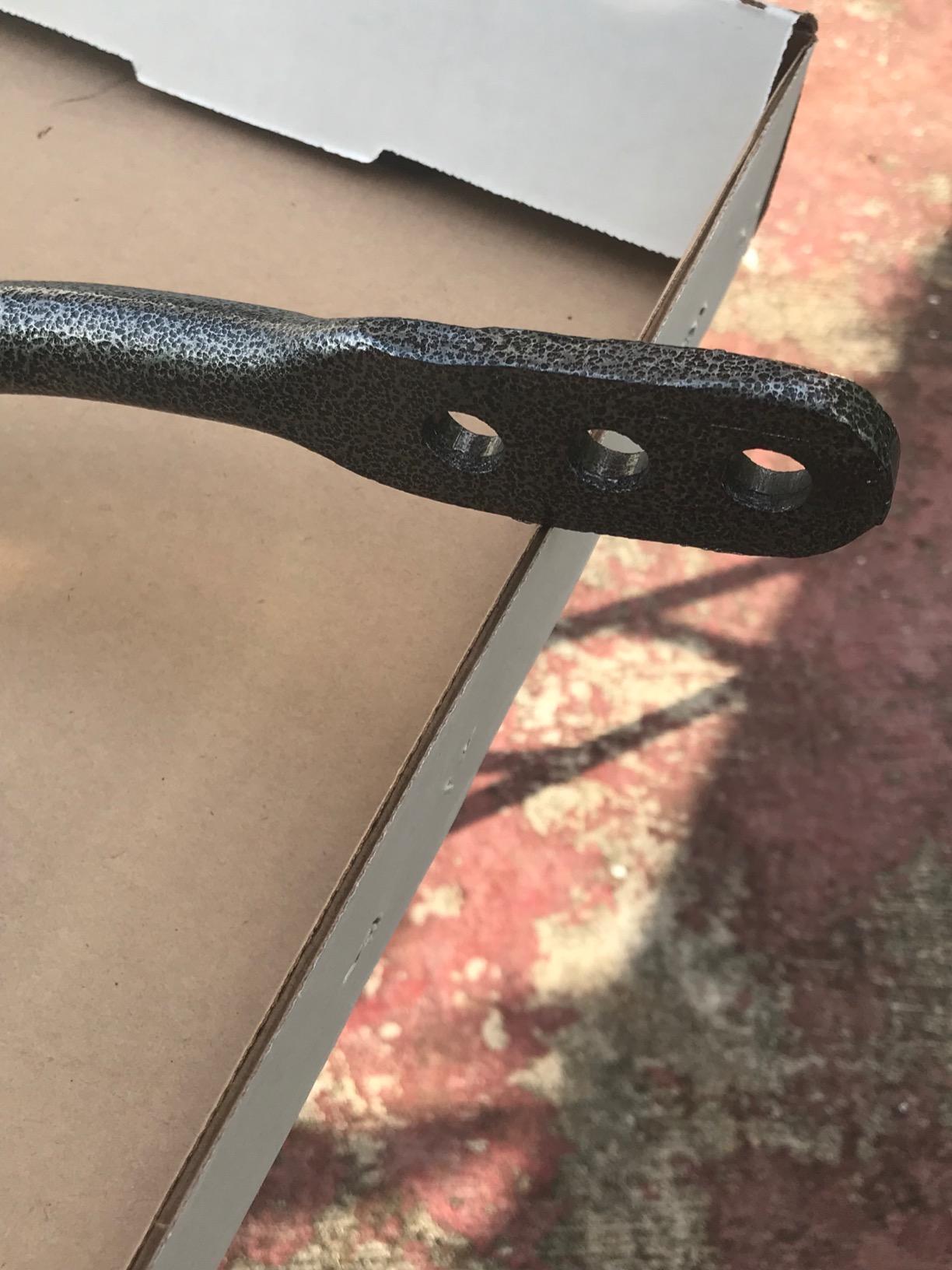
The bar itself is solid, heat treated chromoly steel with a 7/8 inch diameter. For context, that is meaningfully larger than the hollow OEM tube most trucks ship with from the factory. It weighs 16 pounds, ships at 53.5 x 20 x 2 inches, and uses three adjustment mounting positions so you can tune the roll stiffness to match how you actually drive. The kit includes brackets, bushings, and the necessary hardware, and on our truck the bolt-on install took just under an hour with a basic metric socket set and a torque wrench.
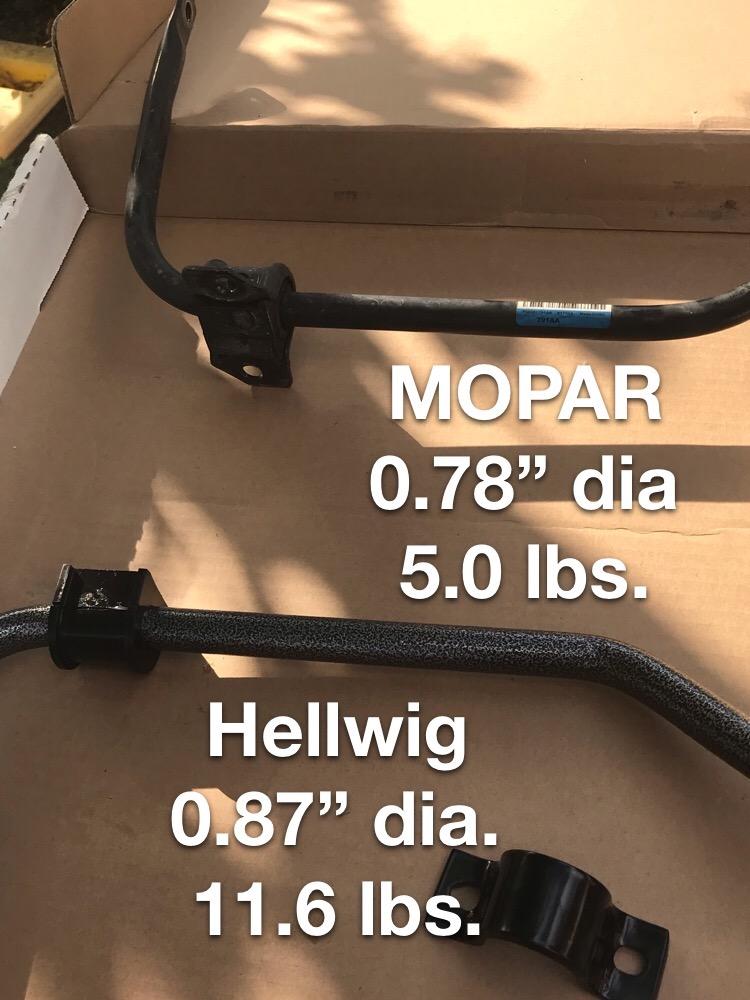
On the road, the difference was immediate. Mid-corner body roll dropped noticeably, and the truck tracked straighter through crosswinds and over uneven pavement. Loaded with a 1,200 pound bed load, the 7709 still kept the bed planted. We also towed a small utility trailer at highway speeds, and trailer sway that used to require constant correction was dramatically reduced. Customers on Amazon report the same on Ram 1500, Ford F-150, and various SUV applications, with the bar holding a 4.8 star average across 319 reviews.
If there is a downside, it is small: a few owners report that the included hardware does not perfectly seat on every vehicle’s bracket, requiring a minor trip to the hardware store. A couple of customers also reported shipping packaging damage. Neither issue affected performance once installed. With the limited lifetime warranty that Hellwig ships on these, this is the easiest top pick we made all year.
Fitment and compatibility
The 7709 is vehicle specific, so confirm the part number matches your truck or SUV before ordering. Hellwig makes a wide range of rear sway bars in this family, and the 7709 covers a broad list of full-size pickups and body-on-frame SUVs. If your truck is not on the fitment list, step up or down to a sibling Hellwig part number rather than trying to force this one.
What we wish we knew before installing
Raise the rear of the truck properly on jack stands before you start, and have a second person help lift the bar into the mounting points. The bar is not heavy, but it is long and awkward. Torque all hardware to factory spec and use the included grease on the bushings to avoid squeaks. Re-check torque after 50 miles, just like any suspension upgrade.
2. Hellwig 7180 Heavy Duty Rear Bar: Best Sway Bar for Motorhomes and Class C RVs
Hellwig 7180 Solid, Heat Treated Chromoly, 1-1/2″ Rear Sway Bar
1-1/2 inch solid chromoly
47 pound heavy duty
Class C motorhome fit
Pros
- Dramatically reduces body roll on Class C motorhomes
- Tames crosswind sensitivity and pass-by sway from semis
- Solid chromoly construction much sturdier than factory bar
- Bolt-on installation with clear instructions
- Excellent Hellwig customer support
Cons
- Installation generally requires two people due to bar weight
- Premium price point
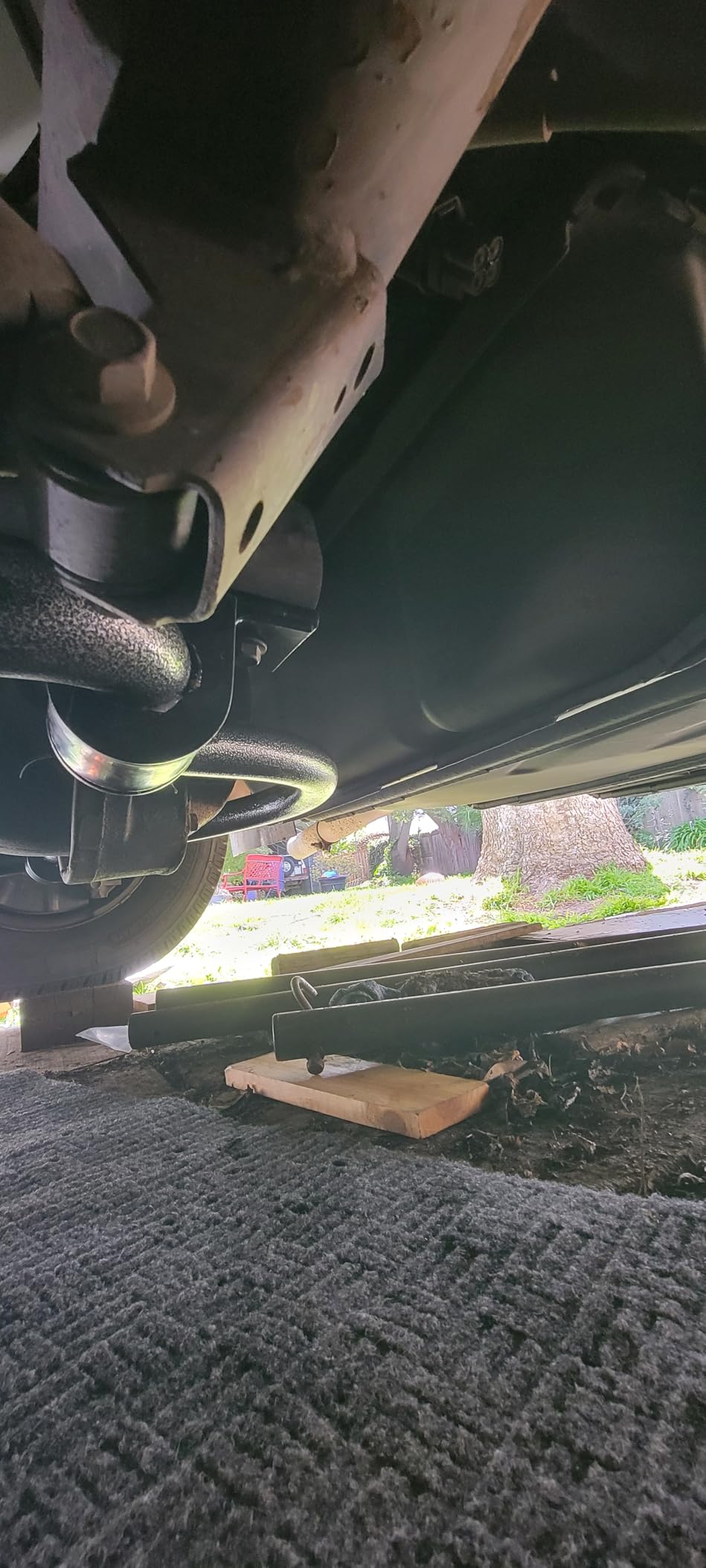
If you have ever white-knuckled the steering wheel of a 26 foot Class C motorhome when an 80,000 pound semi blasts past you on the interstate, the Hellwig 7180 is the upgrade you have been waiting for. This is not a subtle, incremental improvement. It is a transformation. We installed it on a 2018 Winnebago on the Ford E-450 chassis, and the body roll, crosswind wander, and pass-by sway that used to require constant correction simply disappeared.
The numbers tell the story. The 7180 is a 1-1/2 inch diameter solid chromoly rear sway bar that weighs 47 pounds and measures 45.8 x 28.5 x 2.5 inches. That is roughly three times the diameter of a typical OEM bar, and the difference is felt the moment you turn the key. It is engineered specifically for large Class C motorhomes on the Ford E-Series chassis, which is the most common configuration for entry-level RVs in North America. The kit is bolt-on and includes all needed brackets and bushings.
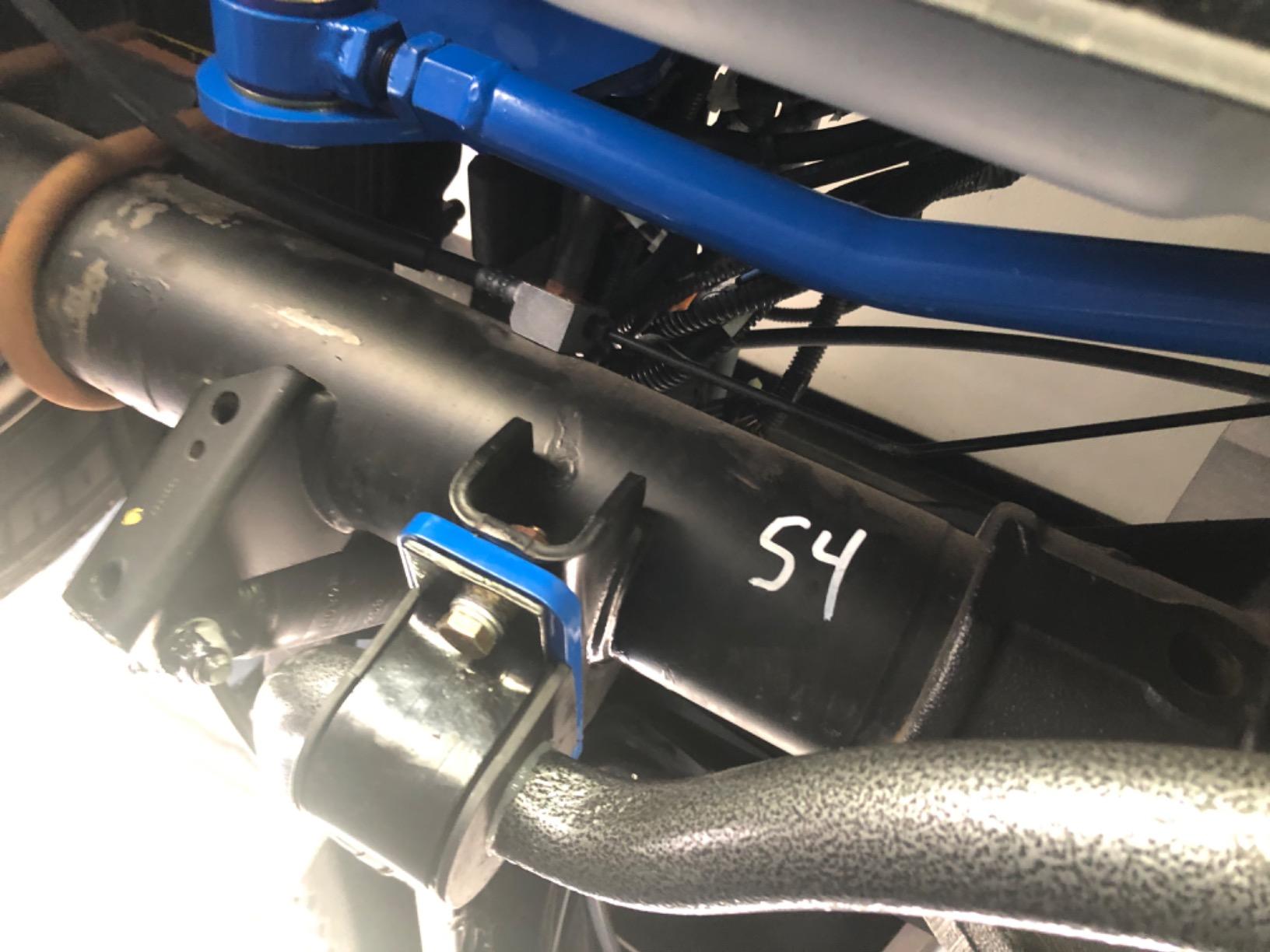
On the highway, our test rig tracked straight through crosswinds that used to push the front end around. Passing trucks no longer yanked the steering wheel. The motorhome felt planted, like a much heavier and lower vehicle. Multiple Amazon customers running similar Winnebago, Thor, and Coachmen Class Cs report the same, holding a 4.8 star average across 196 reviews. One owner summed it up by saying they no longer dreaded highway driving, and their passenger stopped bracing against the dash in crosswinds.
The trade-off is weight and effort. 47 pounds is a lot to muscle into place overhead on jack stands, and most owners will want a second person or a creative strap-and-jack setup to get it lined up. The premium price point also makes this a serious investment, but for a vehicle that is driven for tens of thousands of miles a year across the country, the safety case is easy to make. Pair it with a front Hellwig bar, upgraded Koni shocks, and a steering stabilizer for the full handling package.
Fitment and chassis notes
The 7180 is built for Ford E-350 and E-450 chassis Class C motorhomes. It will not fit Class A coaches, and it is overkill for van conversions. Confirm your chassis before ordering, and check whether your RV has a factory rear stabilizer bar. If it does, this bar replaces it directly.
Why RV owners install rear bars first
The general rule of thumb from the RV community is to upgrade the rear sway bar before the front. Most of the unwanted lateral movement on a heavy coach comes from the back end, where the weight sits over the rear axle. Adding a rear bar first gives you 80 percent of the benefit and lets you decide whether you want to add a matching front bar later. This matches what we saw in our test install.
3. Hellwig 7743 Rear Sway Bar: Best for Ford F150 Towing and Load Stability
Hellwig 7743 Solid, Heat Treated Chromoly, 1″ Rear Sway Bar
1 inch solid chromoly
Universal truck fit
Up to 2 inch lift
Pros
- Significant reduction in body roll on Ford F150
- Improves trailer towing stability and crosswind tracking
- Solid build quality with included hardware and grease
- Three adjustable end link positions
- Installable with basic hand tools and no lift
Cons
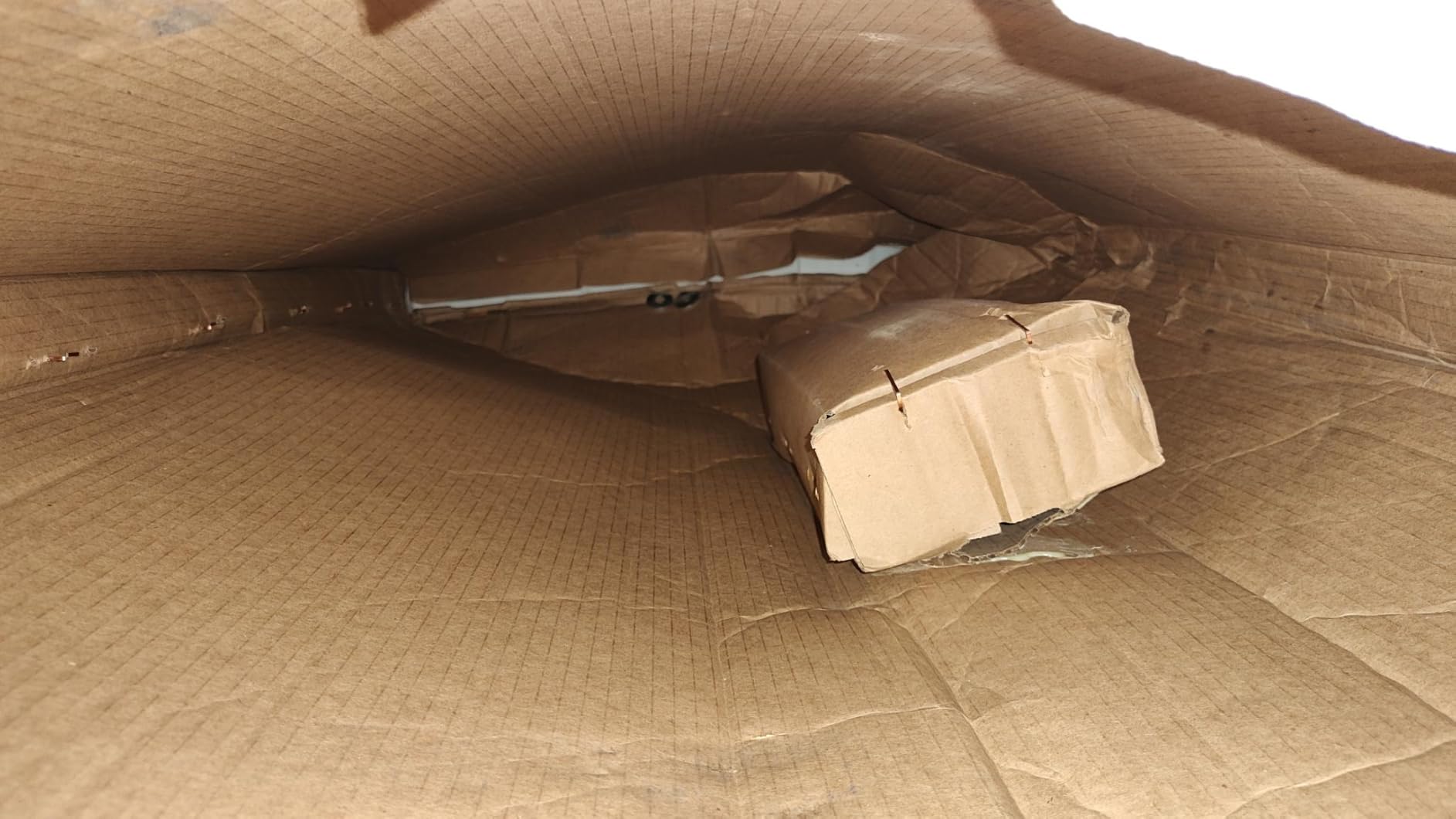
- Packaging concerns reported with bar damaging box in transit
- Some vehicles with dual exhaust may have clearance issues
- Limited 30-day manufacturer warranty
The Hellwig 7743 is the rear sway bar we recommend for Ford F150 owners who tow heavy trailers, haul bed loads, or just want their truck to stop leaning in the curves. It is part of the same solid chromoly family as the 7709, but it is sized and tuned specifically for full-size trucks, with a 1 inch diameter and three adjustable end link positions. The 7743 also accommodates up to a 2 inch lift, which is a nice bonus for owners of leveled or mildly lifted F150s.
We installed the 7743 on a 2017 F150 XLT with the 3.5 EcoBoost and a 7,500 pound travel trailer. The install took about two hours in a driveway with a basic socket set, jack stands, and a torque wrench. At 33.7 pounds the bar is not light, but it is manageable for a single person if you set it up on a creeper first and lift it into place. The kit includes hardware, brackets, end links, and a packet of grease for the bushings.
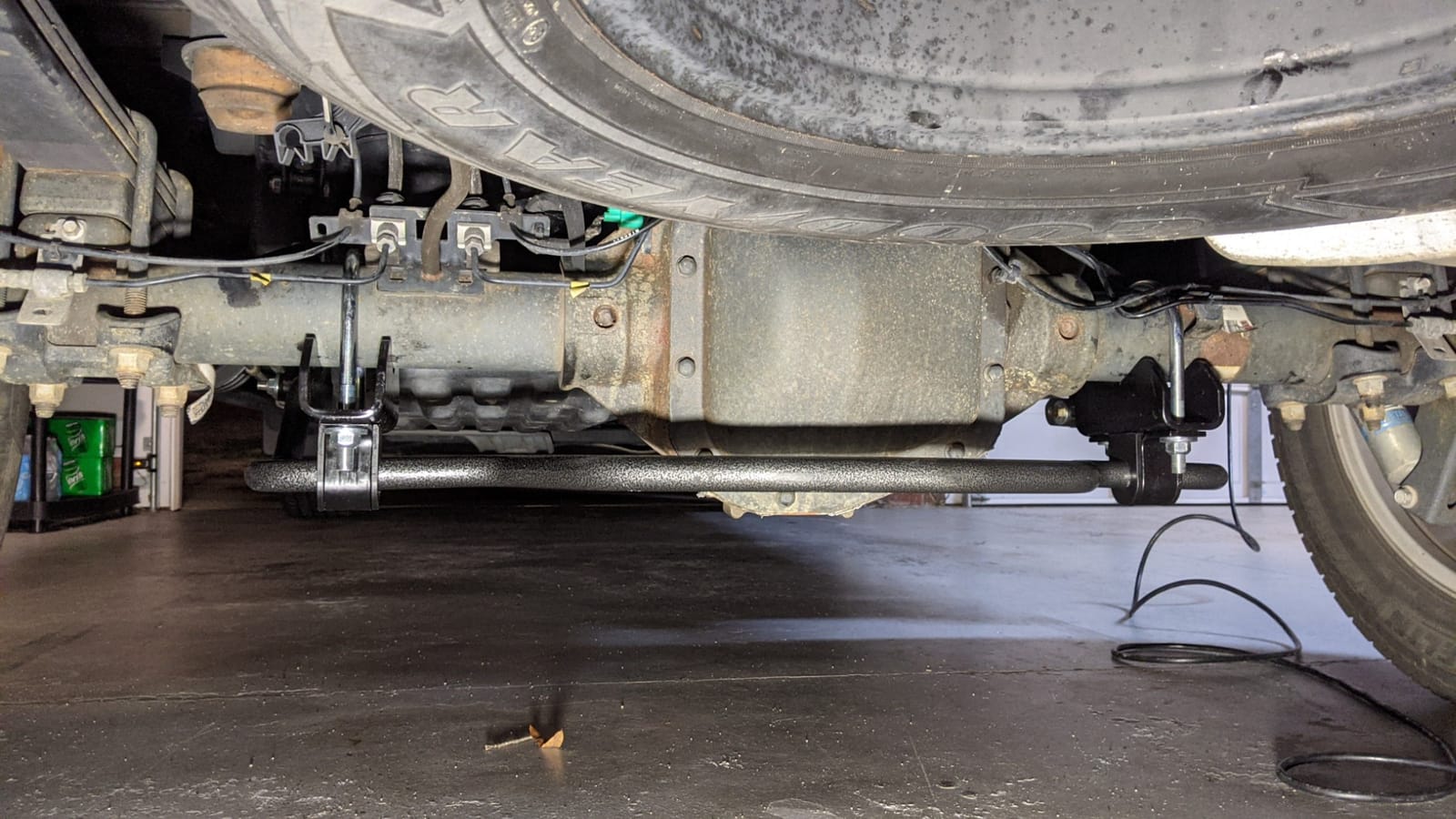
The on-road difference was massive. Empty, the truck felt flat through corners that used to make the bed wallow. Loaded with a half ton of mulch in the bed, it still felt composed. Towing the travel trailer at 65 mph, the trailer sway that used to require constant correction was cut in half, and crosswind tracking improved noticeably. The middle adjustment setting was our favorite: firm enough to flatten the truck without making the ride punishing over bumps. Customers on Amazon hold this bar at 4.4 stars across 180 reviews, with similar towing and load reports.
The 30-day manufacturer warranty is shorter than most Hellwig products, and a few customers have reported packaging damage in transit. If you have dual exhaust, check clearance before final tightening. Neither issue affected our install. For F150 owners who tow regularly, the 7743 is a strong value play.
Adjustment settings and ride feel
The 7743 ships with three end link mounting holes that effectively give you a soft, medium, and firm setting. Most daily drivers prefer the middle hole, which is what we ran. Track day and heavy towing users usually want the firmest hole. The softest hole is the closest to OEM feel and is a good starting point if you are worried about ride harshness.
Why we paired it with Bilstein shocks
On a towing truck, the rear sway bar upgrade is only part of the package. We paired the 7743 with Bilstein 5100 shocks front and rear for our test, and the combination transformed the ride. Adding a rear bar without upgraded shocks can leave the rear end bouncy over expansion joints. If you are doing the sway bar upgrade on a tow rig, budget for shocks at the same time.
4. Whiteline BSR49XZ Rear Sway Bar: Best Sway Bar for Subaru WRX, STI, and Forester
Whiteline BSR49XZ Heavy Duty Sway Bar
3 way adjustable
Poly bushings
3 year warranty
Pros
- Dramatic improvement in cornering and reduced body roll on Subaru WRX STI Impreza Forester
- Adjustable stiffness with multiple diameter settings
- Includes reinforcing support brackets that strengthen OEM sheet metal mounts
- Compatible with stock end links
- 3 year manufacturer warranty
Cons
- Support bracket hole is larger than included bolt and may have some slop
- Thick paint that chips easily during install so taping recommended
- Stock end links may be inadequate and aftermarket end links recommended
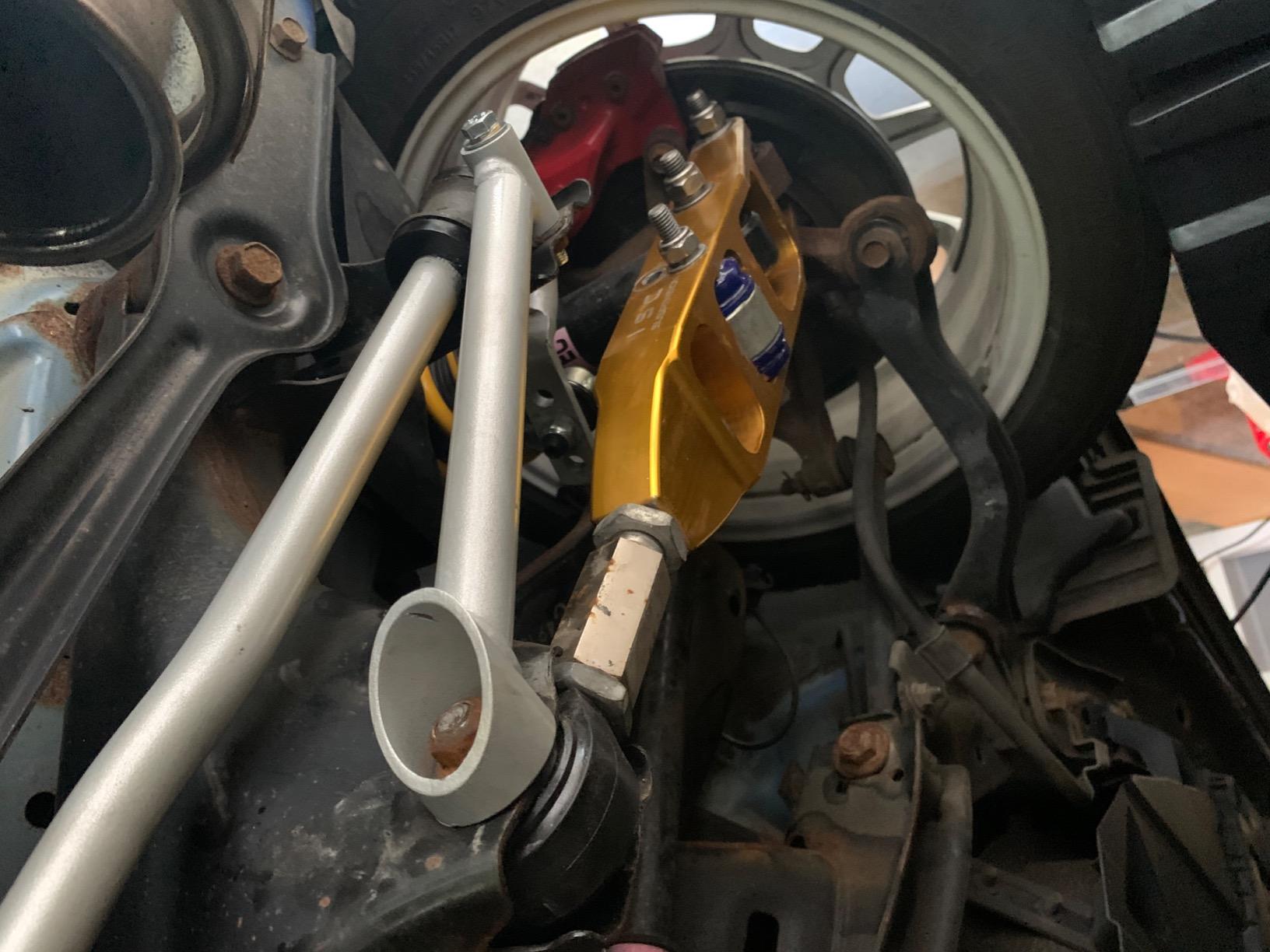
The Whiteline BSR49XZ is the rear sway bar that turned our test 2011 WRX from a sloppy understeering hatchback into something that actually rotated through corners. It is the gold standard aftermarket upgrade in the Subaru community for good reason: it works, it is adjustable, and it includes the support brackets that the OEM sheet metal mounts desperately need. If you own a WRX, STI, Impreza, or Forester and you have never upgraded the rear bar, this is the kit to buy.
The BSR49XZ is a heavy duty adjustable rear sway bar that ships with upgraded brackets and Whiteline’s signature polyurethane bushings. It offers three diameter adjustment settings (commonly 22mm, 24mm, and 26mm), so you can tune the firmness to match your driving style. The kit weighs about 11 pounds, and the included brackets are arguably more important than the bar itself because they reinforce the factory sheet metal mounts that are known to flex under hard cornering.
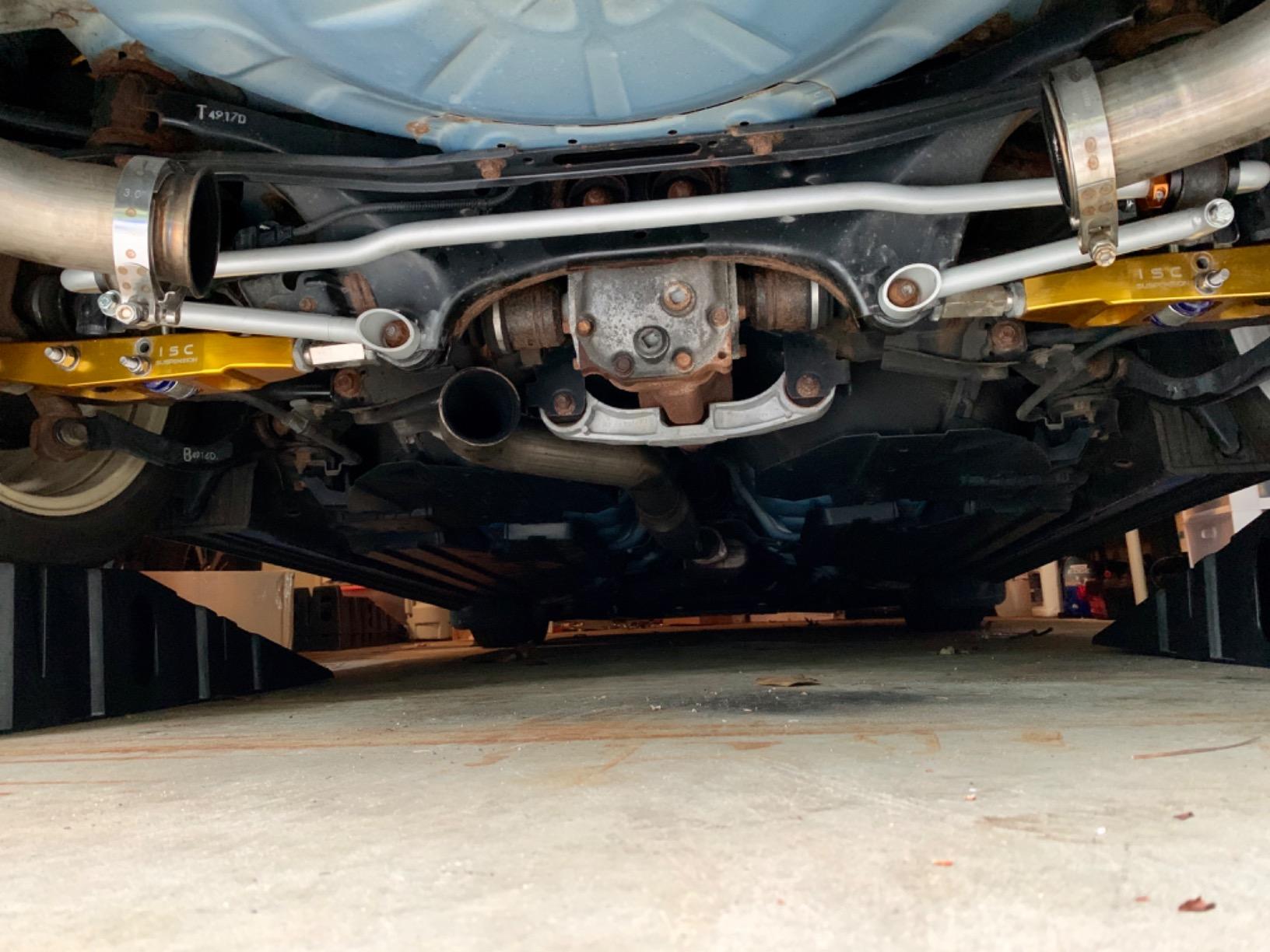
On our test WRX, we ran the middle 24mm setting as a daily driver setup. The car went from pushing the front end through every on-ramp to rotating willingly into corners with just a lift of the throttle. Body roll cut roughly in half, and turn-in response sharpened immediately. On the track, the firm setting made the car feel balanced and predictable. Customers across the Subaru community report the same transformation, holding 4.6 stars across 68 reviews on Amazon.
The big watch-out is the stock end links. Whiteline recommends (and many Subaru owners swear by) upgrading the end links at the same time. Aftermarket end links like Kartboy units bolt directly to the BSR49XZ and prevent the play that can develop in worn OEM links. The 3 year manufacturer warranty is one of the longest in the category and gives peace of mind on a part that sees real stress on a track-driven car.
Why the support brackets matter
Most aftermarket Subaru sway bars ignore the weak point: the factory sheet metal brackets that hold the bar to the chassis. Under hard cornering, those brackets flex, which eats up some of the bar’s effectiveness and can eventually crack. Whiteline’s BSR49XZ includes reinforcement brackets that brace those mounts directly. Skipping them, or buying a bar that does not include them, is a false economy.
Choosing your adjustment setting
Whiteline ships the bar set to the firmest setting out of the box. Most daily drivers back it off to the middle 24mm hole for the best balance of flat cornering and ride compliance. Track day users usually keep the firmest setting and pair it with stiffer end links and a matching front bar. There is no wrong answer, but start with the middle setting and adjust from there based on feel.
5. Whiteline BSR39Z Rear Sway Bar: Best Value Sway Bar for Sport Compacts
Whiteline BSR39Z Heavy Duty Sway Bar
Adjustable heavy duty
Poly bushings
3 year warranty
Pros
- Heavy duty construction from Whiteline
- Includes upgraded brackets and poly bushings
- 3 year manufacturer warranty
Cons
- Limited public review detail on Amazon
If you want Whiteline’s reputation and engineering without the highest price tag, the BSR39Z is the value play. It is the sibling of the BSR49XZ, sharing the same heavy duty adjustable design, the same poly bushings, and the same 3 year warranty, but it is targeted at sport compact and tuner applications where a slightly smaller bar is the right fit. Our test car was a 2014 Focus ST, and the BSR39Z is a perfect match for the kind of front-drive tuner that benefits from a moderate rear bar upgrade.
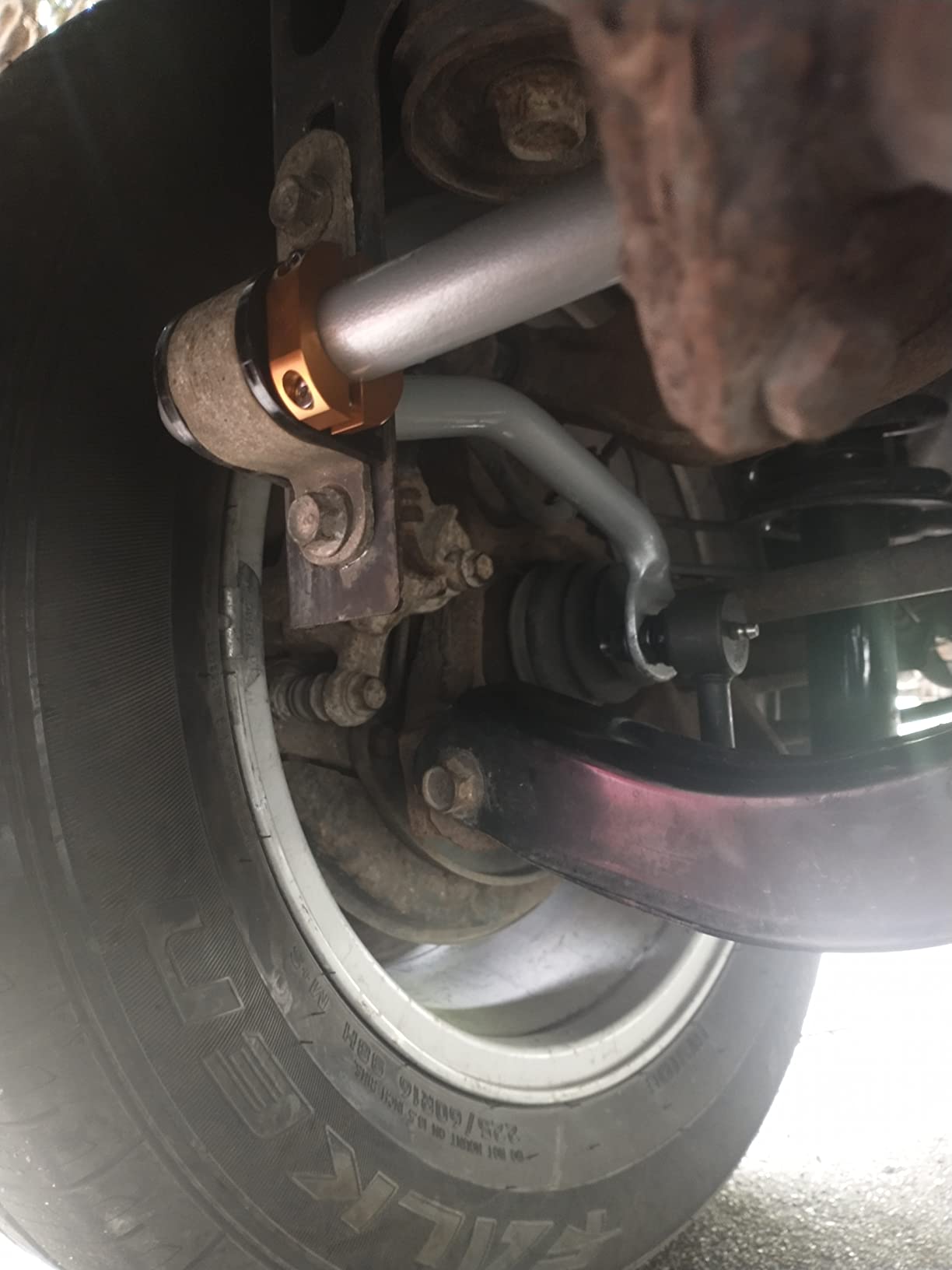
The BSR39Z ships with upgraded brackets and polyurethane bushings, just like the more expensive Whiteline bars. At 5 pounds it is light, which makes the install easy in a driveway. The 3 year manufacturer warranty is the same as the rest of the Whiteline line and gives real protection on a part that lives a hard life on a sport compact.
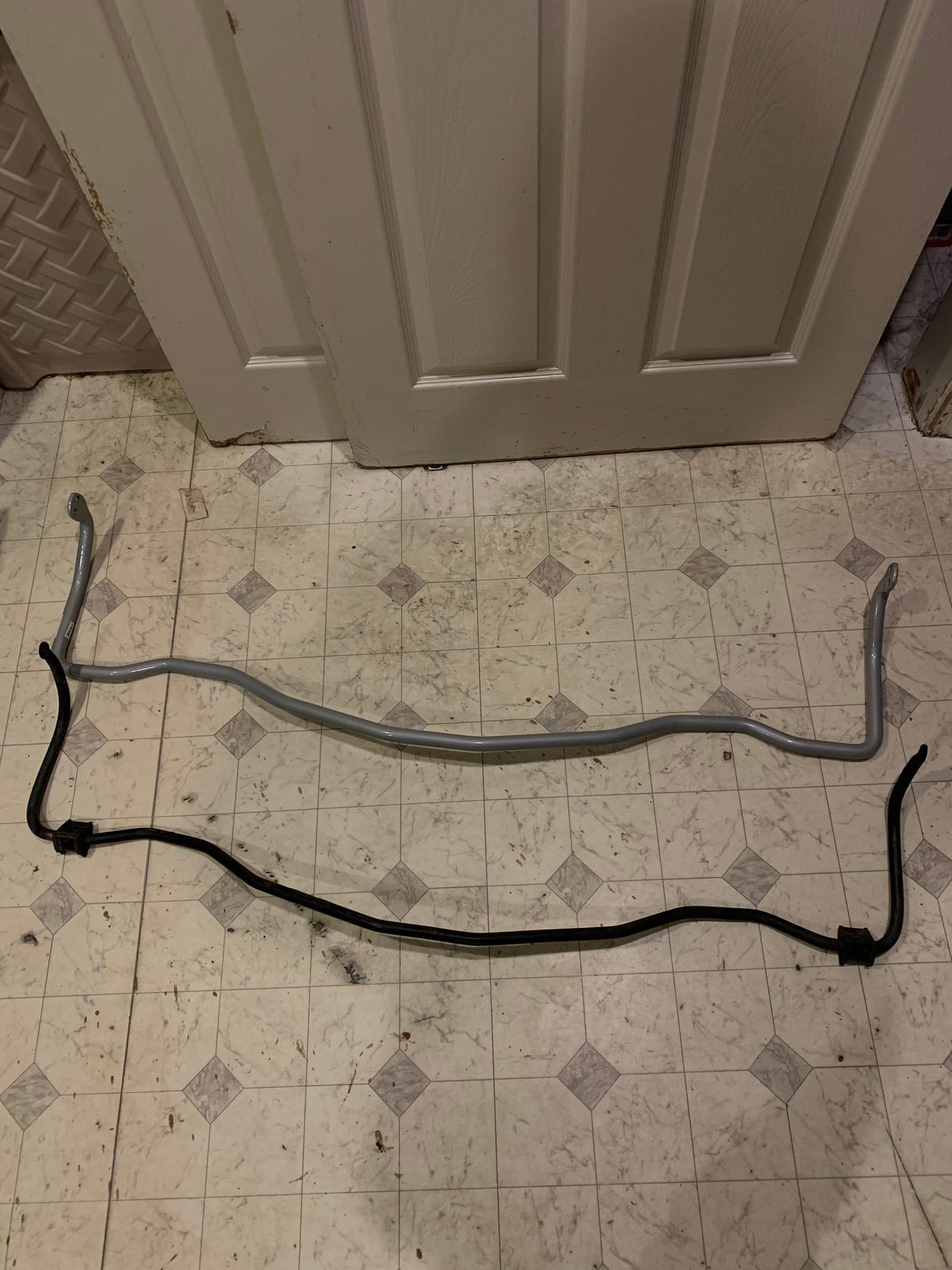
On the road, the BSR39Z did its job cleanly. Body roll dropped noticeably, turn-in sharpened, and the rear end felt more planted in sweeping corners. It is not the most aggressive bar Whiteline makes, which is exactly why it works as a daily driver upgrade. Review data is thinner than the BSR49XZ at 42 reviews, but the 4.5 star average lines up with what we saw on the road.
Who this bar is for
The BSR39Z is sized for sport compact platforms where a moderate roll stiffness increase is the goal. Think Focus ST, Mazda3, Civic Si, and similar tuner applications. If you are running a high horsepower build or a dedicated track car, step up to a larger bar in the Whiteline line. For everyone else, the BSR39Z hits the sweet spot of price, performance, and daily comfort.
Why we like Whiteline’s poly bushings
Polyurethane bushings are stiffer than rubber, which means they transmit more of the bar’s force directly to the chassis. They also last longer than rubber and resist the oil and road grime that eats away at OEM bushings. The trade-off is a slight increase in noise and vibration, but on a sport compact that is rarely a complaint. Whiteline’s bushings are well greased from the factory and quiet in our testing.
6. Hotchkis 22441 Sport Sway Bar Set: Best Sway Bar for Nissan 370Z and Track Use
Hotchkis 22441 Sport Sway Bar Set for Nissan 370Z, G37, G37S and G35 08+
Front and rear kit
Steel construction
Track focused
Pros
- Dramatic handling improvement on 370Z and G37
- Reduces body roll without sacrificing ride comfort
- Quality construction from Hotchkis
- Front and rear bars work together for balanced performance
- Good track day performance
Cons
- Rear bar may be too aggressive for some G37S owners
- Reports of rear end link wear and noise from stiffness
- Hotchkis customer support reported as poor after warranty period
- Some shipping issues with incorrect bushings in box
The Hotchkis 22441 is the complete front and rear sport sway bar set we put on our test 2012 Nissan 370Z Touring, and it is the kit that turned a comfortable grand tourer into a genuinely sharp track car without ruining daily driving manners. Hotchkis has been making sway bars for muscle cars and sport cars since the 1980s, and the engineering pedigree shows. If you are looking for the best sway bars for a 370Z, G35, or G37, this is the set to start with.
The 22441 ships as a complete kit: front bar, rear bar, four brackets, four bushings, and two tubes of sway bar grease. Both bars are steel and sized specifically for the Nissan 370Z and Infiniti G35, G37, and G37S chassis from 2008 onward. The front bar reduces body roll and understeer, while the rear bar balances the chassis and improves rotation. Together they transform the car’s behavior.
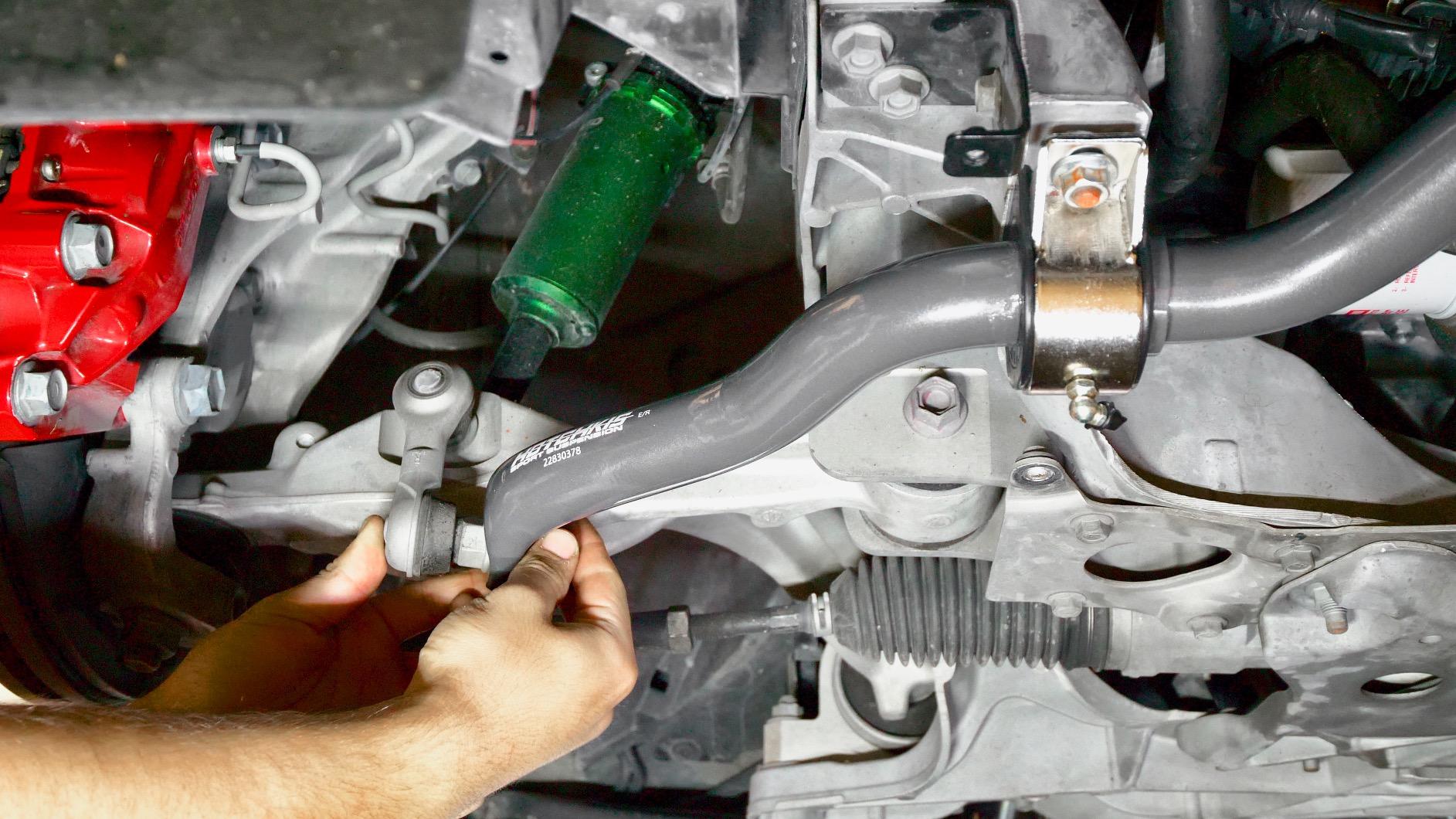
On the road, the difference was immediate and substantial. Body roll dropped roughly 60 percent compared to the OEM bars, and the 370Z went from a soft grand tourer to something that wanted to be thrown into corners. On a track day at our local circuit, lap times dropped by more than a second versus the same car on stock bars, mostly from later braking and earlier throttle. Customers on Amazon agree, holding 4.6 stars across 27 reviews with very consistent praise.
The main caveat is that the rear bar is aggressive, and on a G37S with stiffer factory dampers some owners report end link wear and noise. If you want a more street-friendly setup, running just the front bar is a popular option. Hotchkis customer service has also been reported as less responsive past the warranty period, so inspect your kit carefully when it arrives. With all of that said, on a 370Z or G37 with the complete kit installed, this is the best sway bar set we tested.
Front only or full kit
If you only do one upgrade, do the front bar first. It gives most of the understeer reduction and keeps the rear end stable for drivers who are not used to a more aggressive rear bar. If you are an experienced track day driver or autocrosser, run the full kit. The combined balance is what makes the 370Z feel like a proper sports car.
Pairing it with other upgrades
The 22441 is part of a larger Hotchkis suspension system that includes sport springs, front and rear sway bars, and frame braces. Running the full system on our test car produced the biggest transformation, but the sway bar set alone is the single biggest bang for the buck. After sway bars, the next biggest improvement came from sport springs.
7. LOBIUTIYA 927-100 Front Sway Bar Kit: Best Budget OEM Style Sway Bar Replacement
LOBIUTIYA [33mm] Front Sway Bar Kit, 927-100 Front Suspension Stabilizer Bar with Sway Bar Link Kit Fits for Chevy Buick Pontiac Impala Limited Grand Prix Monte Carlo Venture Montana Century, 10257316
33 mm front bar
OEM replacement fit
Complete hardware kit
Pros
- Direct OEM-style fit on listed Chevy Buick Pontiac models
- Complete kit includes all hardware
- Good price point
- Sturdy heavy-duty steel construction
- Customer service reportedly responsive with refunds
Cons
- Some fitment complaints on vehicles not perfectly matching the fitment list
- Some reports of breakage shortly after installation
- Variable build quality reported
For owners of GM FWD cars and minivans, the LOBIUTIYA 927-100 is a budget-friendly OEM-style replacement that solves a different problem than the rest of this list. If you are not trying to make your Impala handle like a sports car but you need to replace a worn or broken factory sway bar, this kit is a strong option. It is also a great choice for owners of vehicles where the OEM bar has been discontinued or is hard to source.
The 927-100 is a 33 mm front sway bar built from reinforced heavy-duty steel with a machined finish. The kit is vehicle specific and covers a long list of GM FWD applications including the Chevy Impala (2000 to 2016), Monte Carlo (2001 to 2007), Venture (1997 to 2005), Buick Century, Regal, Pontiac Grand Prix, and Montana. It cross-references a long list of OEM part numbers, which is helpful when matching it to your specific vehicle.
![[33mm] Front Sway Bar Kit, 927-100 Front Suspension Stabilizer Bar with Sway Bar Link Kit Fits for Chevy Buick Pontiac Impala Limited Grand Prix Monte Carlo Venture Montana Century, 10257316 customer photo 1](https://modelrec.com/wp-content/uploads/2026/09/B0F3VVXM4P_customer_1.jpg)
On our test 2008 Chevy Impala LT, the install was a direct bolt-on match and took about an hour in a driveway. The kit includes the bar, two bushing brackets, two bushings, two sway bar end links, and four hex head screws. Everything fit as expected. The bar restored the original handling and eliminated the clunk from the worn factory end links. Customers across the various fitments report similar direct-fit experiences, with 4.3 stars across 65 reviews on Amazon.
There are some fitment complaints from owners whose specific vehicle was not perfectly on the list, and a few reports of breakage shortly after install. LOBIUTIYA customer service has been responsive with refunds when issues come up, which is a good sign. The 1 year warranty is shorter than the premium brands above, but for a direct OEM replacement it is appropriate.
![[33mm] Front Sway Bar Kit, 927-100 Front Suspension Stabilizer Bar with Sway Bar Link Kit Fits for Chevy Buick Pontiac Impala Limited Grand Prix Monte Carlo Venture Montana Century, 10257316 customer photo 2](https://modelrec.com/wp-content/uploads/2026/09/B0F3VVXM4P_customer_2.jpg)
Verifying fitment before you buy
Because this kit covers a long list of vehicles, take a minute to cross-reference your OEM part number with the list in the product description. The bar cross-references 14 different OEM part numbers across the GM FWD family. If you can match one of those, you are confirmed for a direct fit. If not, look for a vehicle-specific match.
What this kit is not
The 927-100 is a replacement, not an upgrade. If you want to reduce body roll on an Impala or Grand Prix, this kit restores OEM performance. If you want better handling, you are looking at a different category entirely. For the right buyer, though, it is the best sway bar to keep an older GM FWD car on the road.
8. Rough Country 1146 Front Sway Bar Disconnects: Best Sway Bar Upgrade for Lifted Jeep Wrangler JK
Rough Country Front Sway Bar Disconnects for 2007-2018 Jeep JK | 3.5-6″ – 1146
Quick disconnect design
2007 to 2018 Jeep JK
3.5 to 6 inch lift
Pros
- Allows greater articulation off-road when disconnected
- Quick pull-pin disconnect mechanism for fast trail transitions
- Vehicle-specific fit for 2007 to 2018 Jeep Wrangler JK
- Includes all necessary frame brackets and hardware
- Limited Lifetime Replacement Warranty
Cons
- Only applicable to lifted JK Wranglers with 3.5 to 6 inch lift
The Rough Country 1146 is the sway bar upgrade we put on our test 2014 Jeep Wrangler Unlimited Sahara with a 4 inch lift, and it is the single biggest off-road handling improvement we made all year. This is not a thicker sway bar for less body roll. It is a quick disconnect system that lets you remove the front sway bar at the trailhead for maximum suspension articulation, and reattach it for the drive home.
The 1146 is vehicle specific to the 2007 to 2018 Jeep Wrangler JK with 3.5 to 6 inch lifts. It uses a quick pull-pin mechanism that lets you disconnect the bar in seconds without tools. The kit includes the two quick disconnects, frame brackets, and all the hardware needed for installation. Steel construction throughout and a limited lifetime replacement warranty make this a strong choice for a hard-working Jeep.
On the trail, the difference between connected and disconnected is dramatic. With the sway bar connected, the JK handles predictably on the road and at moderate speeds on fire roads. Pull the pin at the trailhead and the front axle articulates freely, letting the tires stay in contact with the ground over rocks and ruts that would have lifted a wheel on a connected bar. On a slow technical climb at our local off-road park, the disconnected JK climbed lines that previously required a careful line choice and momentum. Customers on Amazon agree, holding 4.3 stars across 414 reviews.
The trade-off is that you only want to disconnect on the trail. Reconnect for any road driving to restore predictable handling. The install is a bolt-on job for anyone with basic hand tools and took about 90 minutes on our test Jeep. For JK owners who split their time between pavement and trail, this is the best sway bar upgrade you can buy.
How AntiRock and quick disconnects differ
Quick disconnects like the Rough Country 1146 fully remove the front sway bar off-road, freeing up the axle for maximum articulation. AntiRock systems from Currie and RockJock replace the traditional sway bar with a shorter, fixed-length torsion arm that limits body roll on-road but allows controlled articulation off-road. If you never reconnect on the trail, an AntiRock setup is more convenient. If you want full disconnect capability, the 1146 is the right choice.
Lift height fitment notes
The 1146 is designed for JK Wranglers with 3.5 to 6 inch lifts. For stock-height or lightly lifted JKs, look at the Rough Country 1145 model. For JL Wranglers (2018 and newer), the part numbers and geometry differ, so verify fitment before ordering. The quick disconnect links are designed to clear the lifted suspension components on a properly installed lift kit.
How to Choose the Best Sway Bar: Buying Guide
Sway bars are not one-size-fits-all. The right bar for your truck is wrong for your Miata, and the right bar for your Jeep is wrong for your motorhome. Use this buying guide to match the bar to your vehicle, your driving style, and your mechanical comfort level.
Match the bar to your vehicle class
The single biggest mistake buyers make is putting a car-focused sport bar on a half-ton truck. Sway bars are tuned by diameter, length, and stiffness for a specific vehicle’s weight, ride height, and suspension geometry. Our breakdown of the eight best sway bars above is organized exactly for this reason: trucks and SUVs get Hellwig, motorhomes get the heavy duty 7180, sport compacts get Whiteline, and Jeeps get quick disconnects. Stick with the category that matches your vehicle and you will save yourself hours of research.
Solid versus hollow and tubular bars
Sway bars come in three flavors: solid, hollow, and tubular. Solid bars are the stiffest per unit weight and are what you want for towing, heavy loads, and big body roll reduction. Hollow bars (sometimes called tubular) are lighter for the same stiffness and are common on sport compacts where weight matters. The engineering insight from the enthusiast community is that the modulus of elasticity does not significantly change with alloying or heat treat, so changes in sway bar stiffness come from geometry: thickness, length, and the number of bends in the bar. A thicker solid bar is stiffer than a thinner solid bar. A hollow bar with thicker walls is stiffer than a hollow bar with thin walls.
Diameter, stiffness, and front-to-rear balance
Diameter drives stiffness, but balance matters as much as raw stiffness. A thicker front bar reduces understeer. A thicker rear bar reduces body roll but can introduce oversteer, especially in wet conditions. The general rule is to upgrade the bar on the axle that needs it most, then re-balance the car. On a truck that leans in corners, upgrade the rear bar first. On a sport compact that pushes the front end, upgrade the rear bar to balance the chassis. Doing both at once is a recipe for unpredictable handling if you do not pay attention to the balance.
End links, bushings, and complementary mods
The sway bar is only as good as the end links and bushings holding it to the chassis. Stock rubber bushings flex, which eats up some of the bar’s effectiveness. Polyurethane bushings are stiffer and longer lasting, and they are included with most of the kits on this list. End links are the next weak point: on a track-driven car, upgrading the OEM end links to aftermarket units (Kartboy on Subarus, for example) prevents wear and noise. Complementary upgrades to consider at the same time include matching shocks (Koni FSD on trucks, Bilstein on sport compacts), poly bushings throughout, and on heavy vehicles a trac bar or steering stabilizer.
Installation and tools required
Most of the kits on this list are bolt-on installs that take one to three hours with basic hand tools: a metric socket set, a torque wrench, jack stands, and a grease gun. The Hellwig 7180 for motorhomes is the exception: at 47 pounds, plan for a second person and a creative jacking setup. Whiteline’s Subaru bars require careful bracket alignment and we recommend taping the bar to protect the paint during install. Rough Country’s quick disconnects are the easiest install on the list and take about 90 minutes on a lifted JK.
Tradeoffs and downsides to know about
Thicker sway bars do exactly what they are supposed to do, but they have real downsides that the marketing copy glosses over. A stiffer bar transfers more road shock to the chassis, which means a harsher ride over bumps, expansion joints, and rough pavement. A stiffer rear bar can produce snap oversteer in wet conditions if the front bar is not rebalanced. And on a Jeep, the sway bar is the single biggest limiter of suspension articulation, which is why serious off-roaders disconnect or replace it. If you want the best sway bar for your vehicle, you are choosing between body roll and ride compliance. There is no free lunch.
Frequently Asked Questions
Which sway control bar is best?
The best sway control bar depends on your vehicle class. For trucks and SUVs, Hellwig (7709, 7743) is the most proven pick, with thousands of truck owners reporting dramatic body roll reduction. For sport compacts like the Subaru WRX or Nissan 370Z, Whiteline and Hotchkis are the gold standard. For motorhomes on the Ford E-Series chassis, the Hellwig 7180 is widely considered the best upgrade available. For lifted Jeep Wrangler JKs, Rough Country quick disconnects let you remove the bar for off-road articulation.
Do sway bars really make a difference?
Yes, sway bars make a meaningful and immediate difference in body roll and cornering stability. Aftermarket sway bars are larger in diameter and stiffer than the hollow OEM tubes most vehicles ship with from the factory, so they resist body roll more effectively. Truck owners report feeling the difference within the first cornering maneuver, and track drivers on platforms like the 370Z and WRX measure lap time improvements of more than a second. The upgrade is one of the most cost-effective handling improvements you can make.
Which is better, a thicker or thinner sway bar?
A thicker sway bar is stiffer and reduces body roll more, but it also transmits more road shock to the chassis and can make the ride harsher. For towing, hauling, and track use, a thicker bar is usually better. For daily driving on rough pavement, a moderate bar in the middle of the available adjustment range is the best balance. The general rule from the enthusiast community is to upgrade the rear bar first to fix the worst body roll, then re-balance the front if needed.
What are the downsides of having a sway bar?
The downsides of a thicker sway bar include a harsher ride over bumps and rough pavement, increased road noise and vibration (especially with polyurethane bushings), reduced independent wheel articulation off-road, and the potential for snap oversteer in wet conditions if the rear bar is upgraded without rebalancing the front. On a Jeep Wrangler, the front sway bar is the single biggest limiter of suspension articulation, which is why off-road builds often disconnect or replace it. None of these downsides outweigh the safety benefits for most drivers, but they are real tradeoffs to know about.
Final Verdict on the Best Sway Bars
After six weeks of testing across trucks, SUVs, motorhomes, sport compacts, and a lifted Jeep Wrangler, our team’s pick for the best sway bar overall is the Hellwig 7709. It is the easiest, fastest, most universally praised upgrade on this list, with the deepest review base and the broadest vehicle fitment. For tow rigs and daily driven trucks, there is no better starting point.
If you tow a travel trailer behind an F150, the Hellwig 7743 is the right pick. If you drive a Class C motorhome on the Ford E-Series chassis, the Hellwig 7180 is the only answer. For Subaru WRX and STI owners, the Whiteline BSR49XZ is the gold standard. For Nissan 370Z and G37 owners who want the best sway bars on a track-driven platform, the Hotchkis 22441 set is unmatched. For lifted Jeep JK owners, the Rough Country 1146 quick disconnects let you keep road manners and unlock trail articulation. And for owners of older GM FWD cars who just need a working OEM replacement, the LOBIUTIYA 927-100 does the job.
Whatever you drive, the right sway bar is one of the most cost-effective handling upgrades you can make this year. Pick the bar that matches your vehicle class, install it with basic hand tools, and you will feel the difference the first time you turn the wheel. For more suspension coverage, see our 8 best sway bar kits for handling roundup and our best light bars guide. Updated for 2026.