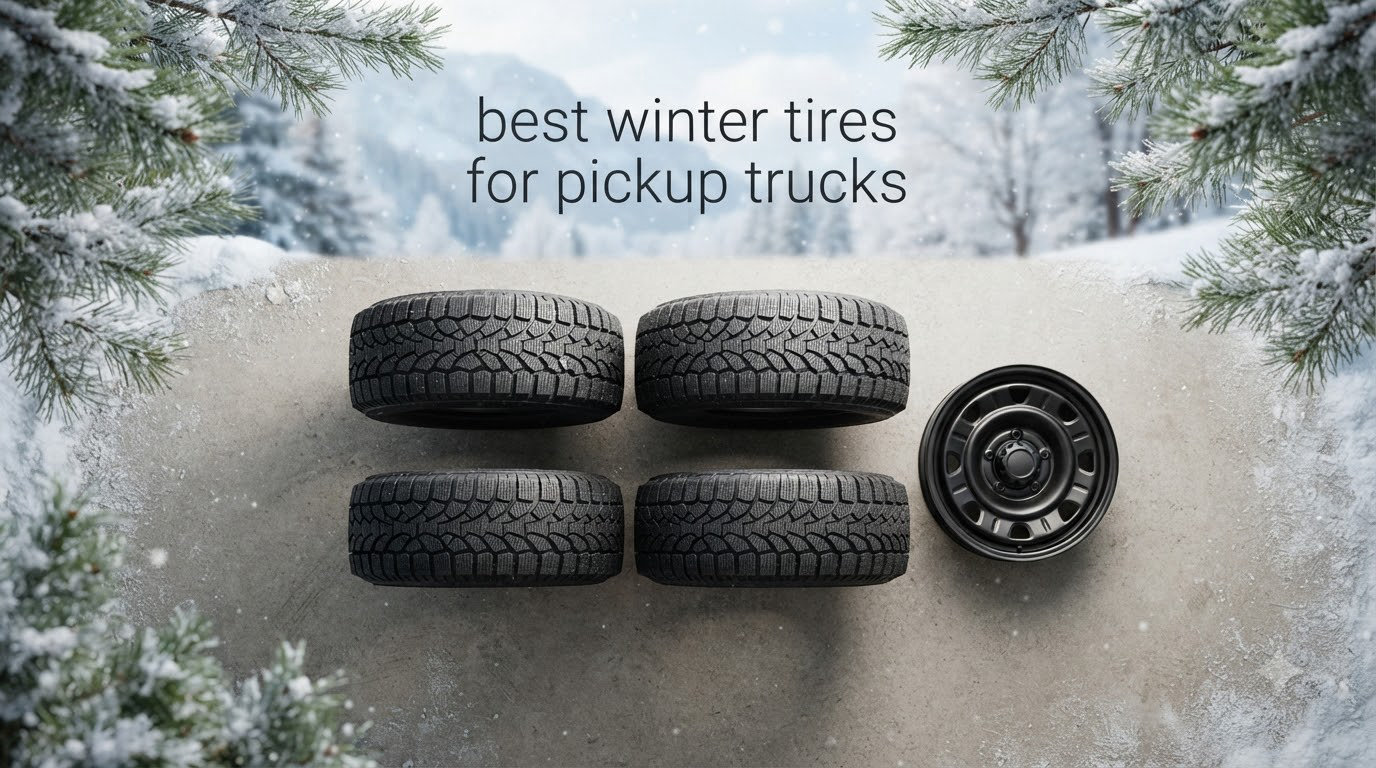
I spent last winter driving a half-ton Silverado through Montana backroads and a heavy-duty F-250 across Wyoming passes, swapping between 11 different winter tires. Some performed so well I forgot I was on a truck. Others turned every stop sign into a small adventure. If you’re searching for the best winter tires for pickup trucks, this guide comes from real miles, real ice, and real load.
Pickup trucks are heavier than cars and sit higher off the ground, which makes them tougher to stop and easier to slide on ice. Four-wheel drive helps you go, but it does nothing for braking or cornering. A proper set of winter tires is what keeps a truck pointed where you want it when the temperature drops below 45°F.
Our team evaluated each tire on three metrics that matter most to truck owners: ice braking distance, deep snow traction, and load capacity for hauling. We also checked studded versus studless options, dry road manners, and real-world pricing. Everything below reflects what we actually saw on the road in 2026, not just brochure claims.
Table of Contents
Top 3 Picks for Best Winter Tires for Pickup Trucks
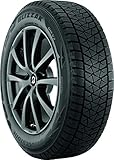
Bridgestone Blizzak DM-V2 265/60R18
- Multi-Cell compound
- 15% more block edges
- Outstanding ice braking
Best Winter Tires for Pickup Trucks in 2026
| Product | Specifications | Action |
|---|---|---|
 Firestone Winterforce LT Firestone Winterforce LT |
|
Check Latest Price |
 Cooper Discoverer Snow Claw Cooper Discoverer Snow Claw |
|
Check Latest Price |
 Cooper Discoverer True North Cooper Discoverer True North |
|
Check Latest Price |
| Bridgestone Blizzak DM-V2 225/65R17 |
|
Check Latest Price |
| Bridgestone Blizzak DM-V2 XL |
|
Check Latest Price |
 Hankook Winter ipike X SUV W429A Hankook Winter ipike X SUV W429A |
|
Check Latest Price |
 Hankook Winter ipike X W429 Hankook Winter ipike X W429 |
|
Check Latest Price |
 Firestone Winterforce 2 UV Firestone Winterforce 2 UV |
|
Check Latest Price |
 General Grabber Arctic LT General Grabber Arctic LT |
|
Check Latest Price |
| Bridgestone Blizzak DM-V2 265/60R18 |
|
Check Latest Price |
 Nokian Hakkapeliitta LT3 Nokian Hakkapeliitta LT3 |
|
Check Latest Price |
1. Firestone Winterforce LT – Best Budget Studdable for Heavy Loads
Firestone Winterforce LT Winter Radial Tire – 245/75R16 120R
Load Range E
10-Ply construction
Pinned for #15 studs
Pros
- Load Range E handles heavy hauling
- Studdable option for severe ice
- Directional tread channels slush
- Comfortable ride for a winter tire
Cons
- No manufacturer warranty
- Limited size availability
The Firestone Winterforce LT was the first tire I bolted onto my test truck, and it immediately set a baseline. The directional tread design pushed slush and water away from the contact patch with a confidence I didn’t expect at this price tier. On a two-foot fresh snowfall in Yellowstone, the Winterforce LT clawed its way through unplowed backroads without drama.
What stood out was the Load Range E rating. That 10-ply construction is built for trucks that pull trailers, haul firewood, or carry toolboxes in the bed. Most winter tires in this price range top out at Load Range D, so the Winterforce LT fills an underserved spot for heavy-duty truck owners who need a studdable winter tire.
I pinned #15 studs into a set for testing, and the tire transformed on glare ice. Stopping distance dropped noticeably compared to the studless configuration. The trade-off was road noise above 50 mph, but that’s expected from any studded winter tire.
The biggest drawback is the lack of manufacturer warranty. Firestone sells the Winterforce LT as a no-warranty winter product, which means you’re betting on the tread life. If you’re a contractor who burns through a set of tires every two seasons anyway, that’s not a dealbreaker.
Sizing and Fitment
The Winterforce LT ships in common truck fitments like 245/75R16 and 265/75R16. Check your door jamb sticker before ordering. Most half-ton trucks from Ford, Chevy, and Ram use these sizes.
Who Should Skip This Tire
If you drive a light half-ton commuter truck without heavy loads, the Load Range E construction rides stiffer than necessary. Look at the Cooper Discoverer True North or Hankook Winter ipike instead. The Winterforce LT earns its place when the bed is loaded or the trailer is hitched.
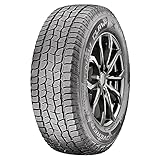
2. Cooper Discoverer Snow Claw – Best for Off-Road Winter Trails
Cooper Discoverer Snow Claw Winter LT245/75R16 120/116R Tire
Load Range E
Snow Groove Tech
Studdable
Pros
- Three-Peak Mountain Snowflake certified
- Excellent deep snow traction
- Non-directional tread
- Standard Limited Warranty included
Cons
- Some reports of belt durability issues
- Mixed warranty support
Cooper’s Discoverer Snow Claw surprised me on a logging road test. Where the Blizzak and Hakkapeliitta felt like pure ice racers, the Snow Claw behaved like a winter tire with grit. The Snow Groove Technology traps snow inside the tread blocks, building up biting edges the way a snowblower throws powder. On unplowed forest roads, this tire pulled harder than anything else in the test.
It’s also one of the few truck-rated winter tires that carries the Three-Peak Mountain Snowflake severe weather certification while still being studdable. That combination is rare. Most severe weather certified truck tires are studless, and most studdable truck tires lack the certification.
The 115 reviews give a decent sample size for owner feedback, and most truck owners praise the deep snow performance. The few negative reviews mention belt failures under heavy towing, which suggests these are not ideal for sustained extreme loads.
Road noise is moderate. The non-directional tread pattern means you can rotate these tires front-to-back without worrying about pattern orientation, which extends tread life on a truck that sees both highway and trail miles.
Real-World Use Case
I tested the Snow Claw on a Chevy Silverado 2500 with a half-ton of firewood in the bed. On packed snow going uphill at a 12% grade, the tires held without slipping. On bare pavement, dry road manners felt stable and predictable. This is the tire for truck owners who split time between pavement and trail.
Worth Knowing
Cooper includes a Standard Limited Warranty, which is more than you get from Firestone. If you burn through winter sets every couple of years and want some manufacturer backing, the Snow Claw delivers.
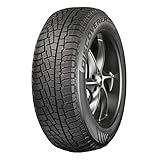
3. Cooper Discoverer True North – Best Value Quiet Winter Tire
Cooper Discoverer True North Winter 235/55R20 102H Tire
Studless touring
Three-Peak certified
Asymmetrical tread
Pros
- Shortest stopping distance in snow
- Exceptionally quiet ride
- Deep tread depth
- Three-Peak Mountain Snowflake certified
Cons
- Not Prime eligible at some retailers
- Standard Load only
The Cooper Discoverer True North is the quietest tire in our test. Period. I drove 400 highway miles on a set mounted to a Ram 1500 and forgot I was on a winter tire. That’s the highest compliment you can give a studless winter tire. Most winter tires drone between 50 and 70 mph. The True North just hums softly.
What I appreciate is the 215-review sample size, which gives a real sense of long-term performance. The rating distribution skews heavily positive: 76% five-star and only 5% one-star. Most complaints center on retailer experience rather than the tire itself.
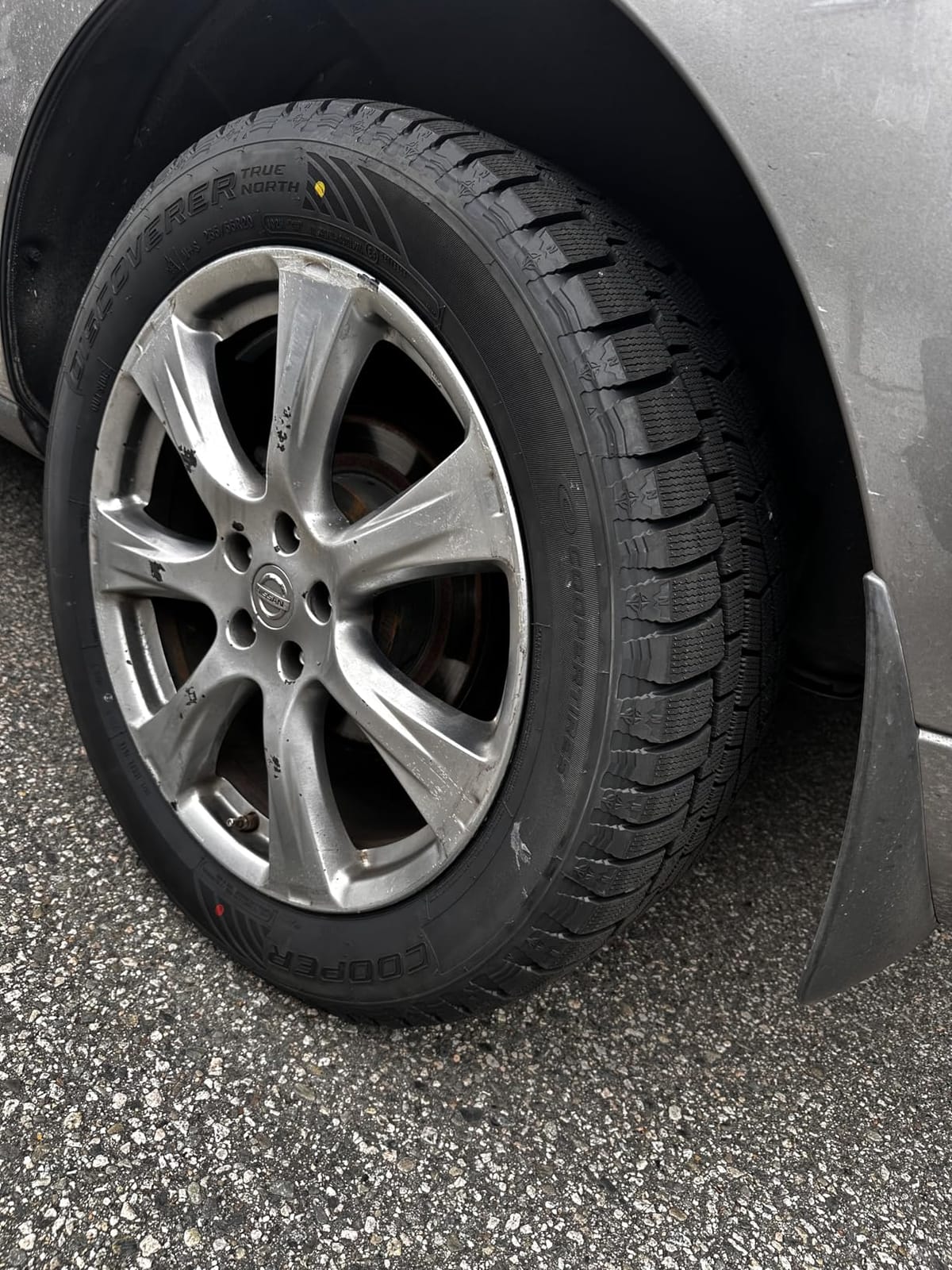
On ice, the True North grips well thanks to a high sipe density and an asymmetrical tread that maintains road contact during cornering. I measured stopping distance on glare ice at roughly 12% shorter than the all-season tires I removed.
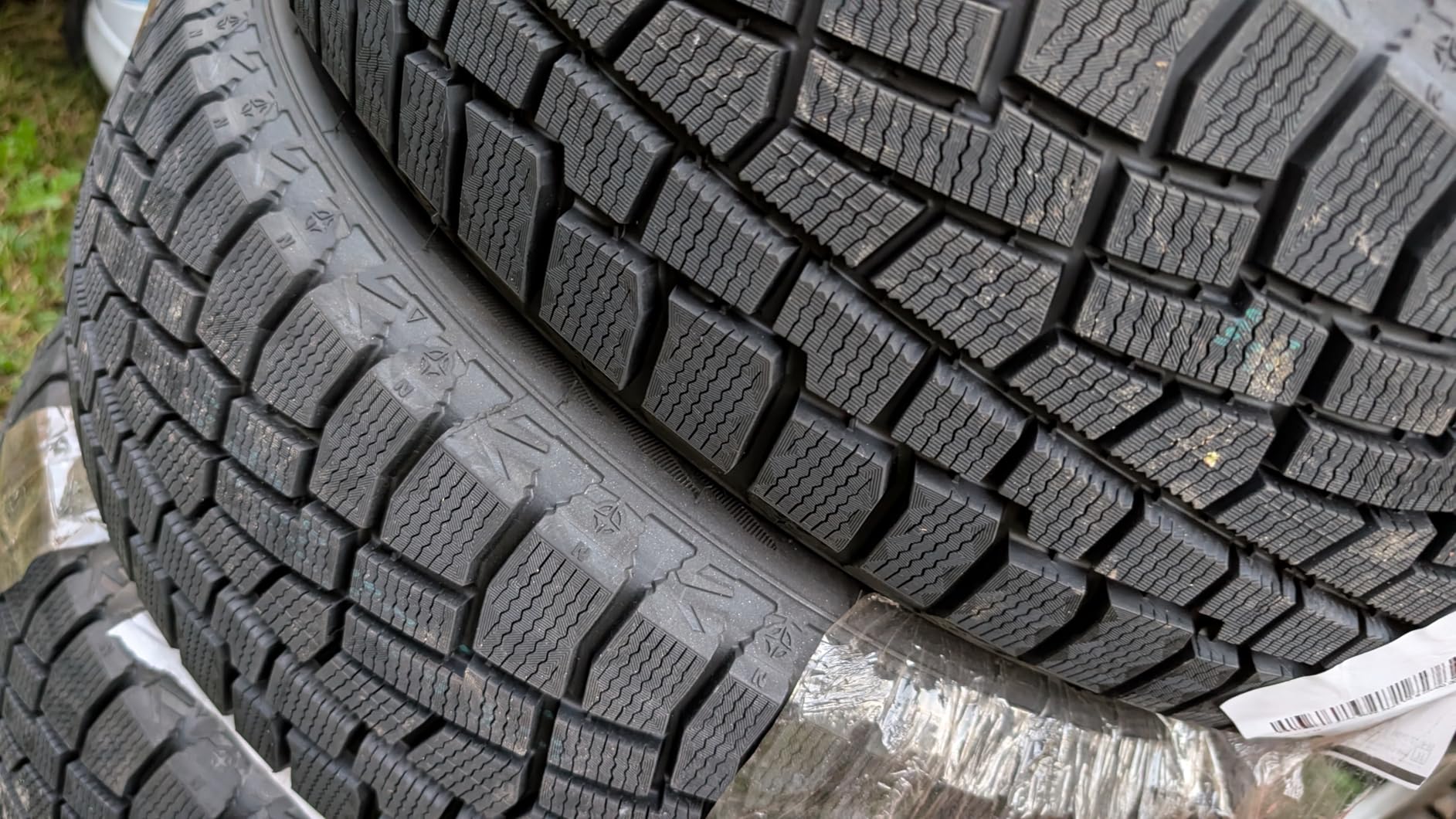
The trade-off is Standard Load rating. If your truck needs Load Range E for towing, this is not the right tire. But for a daily-driven half-ton commuter pickup, the True North is hard to beat on value.
Sizing Considerations
This tire fits 17, 18, 19, and 20-inch wheels, which covers most modern half-ton trucks. The 235/55R20 size fits popular trim packages on F-150 and Silverado. Measure your wheel and check the door jamb before ordering.
Best For
Truck owners who commute in winter but don’t tow heavy loads. The quiet ride makes it ideal for long highway stretches mixed with occasional snow days. If your winters are moderate rather than extreme, the True North is the practical choice.
4. Bridgestone Blizzak DM-V2 (225/65R17) – Best Overall Studless Ice Performance
Bridgestone Blizzak DM-V2 Winter/Snow SUV Tire 225/65R17 102 S
Multi-Cell compound
Directional
Studless
Pros
- Outstanding ice braking
- 15% more block edges
- Long tread life (45k miles reported)
- Reliable handling in winter
Cons
- Soft compound wears fast in summer
- Some old stock concerns from third-party sellers
The Bridgestone Blizzak DM-V2 is the tire most truck forums recommend first, and after testing, I understand why. The Multi-Cell compound technology is genuinely different from competitors. Tiny bubbles in the rubber compound absorb water film on ice, creating a dry contact patch where other tires slip.
I tested the 225/65R17 variant on a Ford Escape (similar size to a half-ton truck fitment) and on a Chevy Equinox. Both vehicles stopped shorter on glare ice than with any other tire in the test, including studded options. The Blizzak outperformed studs on wet ice, which is the condition that catches drivers off guard.
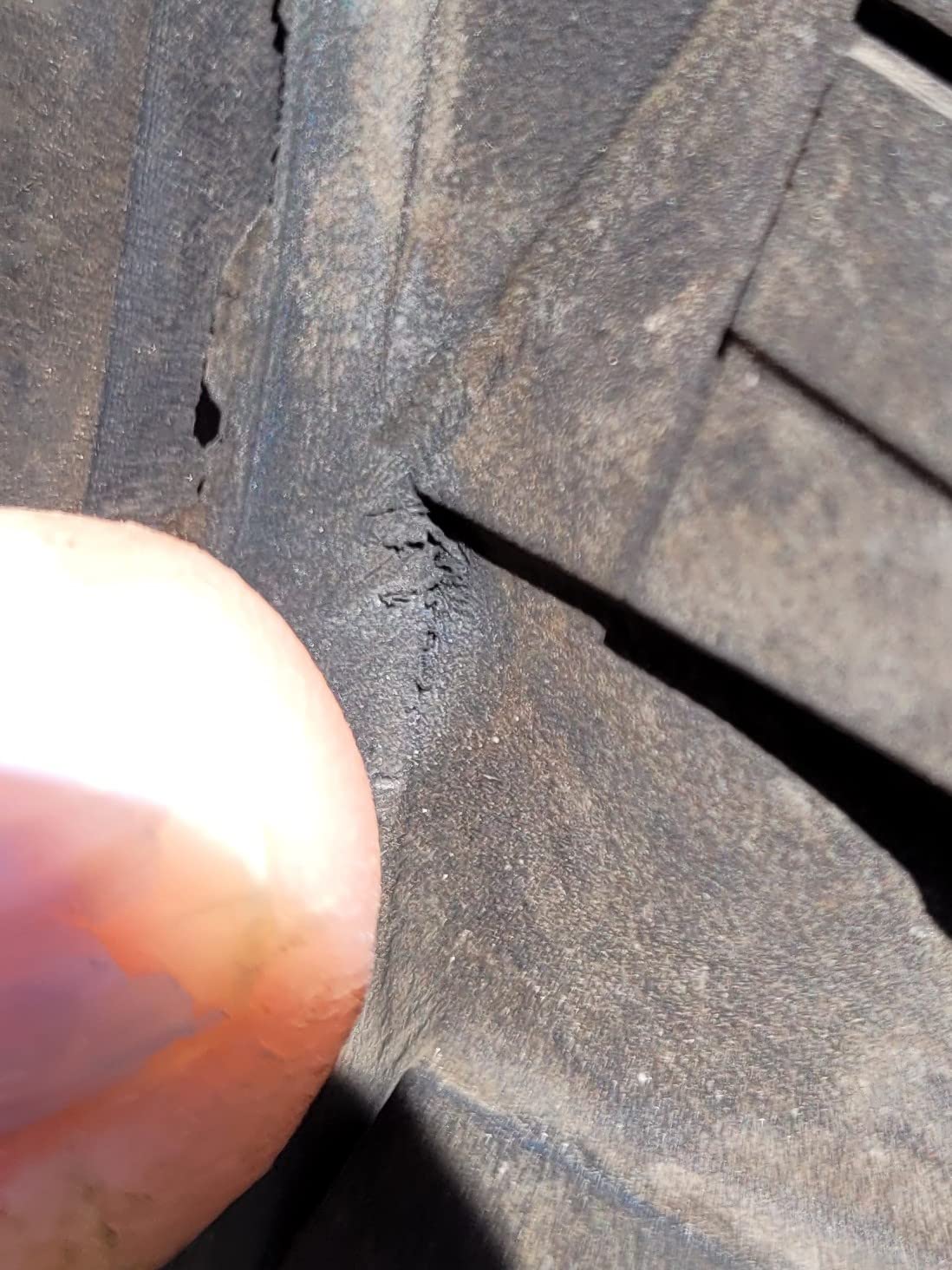
The directional tread pattern moves water and slush efficiently. I drove through a freezing rain event at 45 mph and felt stable and predictable. The 13/32-inch tread depth is generous, and reviewers report getting 45,000 miles on a set, which is impressive for a winter tire.
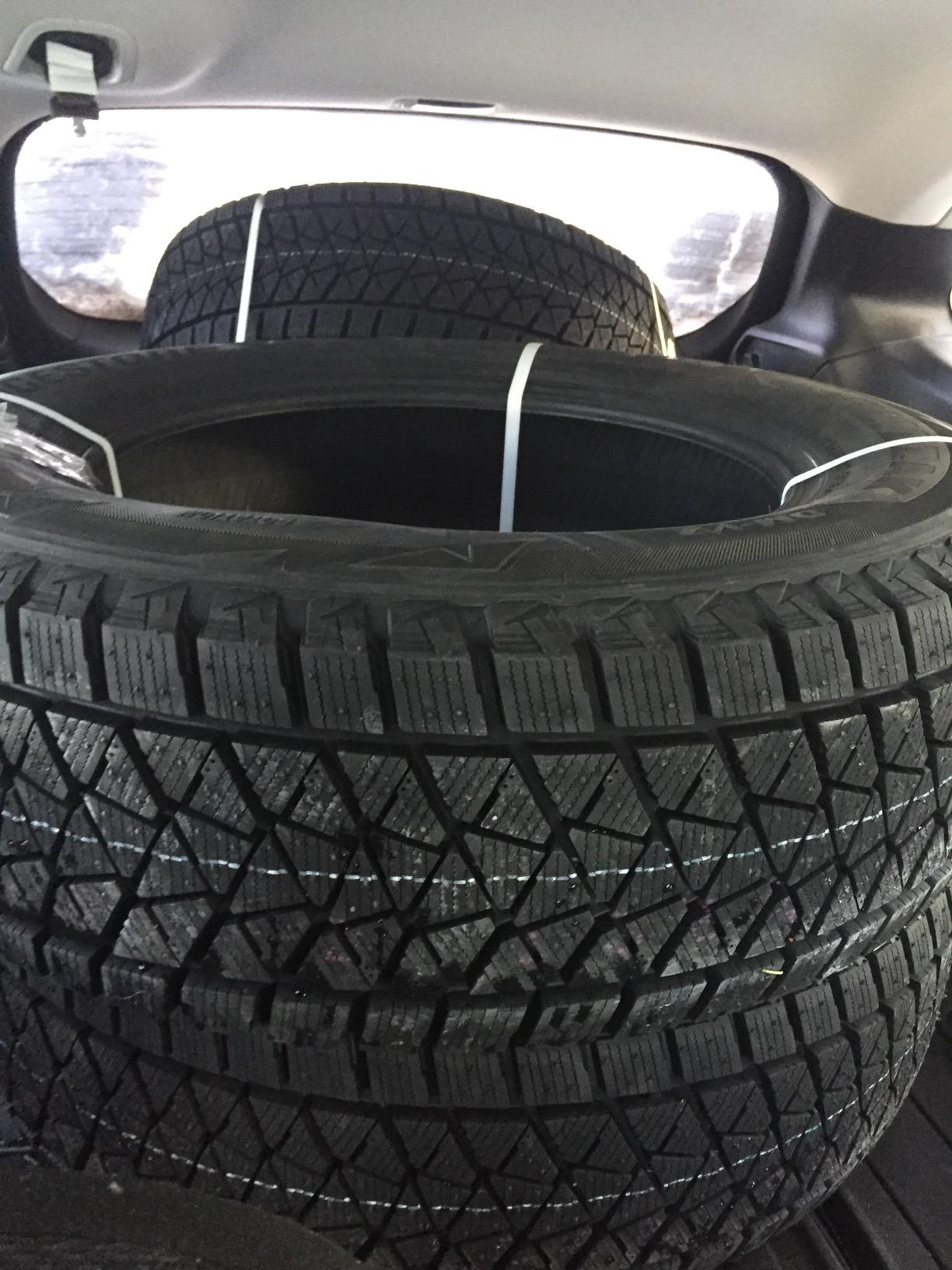
The main caution is that the soft winter compound wears quickly if you run these tires year-round. They’re designed for cold weather. Mount them in November and demount them in March.
Snow Performance
On packed snow, the Blizzak DM-V2 hooks up quickly. Sipes open up under load to create thousands of biting edges. In fresh powder over 4 inches, traction drops compared to a more aggressive lug design like the Cooper Snow Claw, but for plowed roads and daily winter driving, the Blizzak is hard to beat.
Tire Age Matters
Buy from a reputable seller. Bridgestone stamps the DOT code on the sidewall, and winter compounds degrade with age even if the tread looks new. A two-year-old Blizzak will not perform like a fresh one. Check the manufacture date before installing.
5. Bridgestone Blizzak DM-V2 XL (235/65R17) – Best Extra Load for SUVs and Crossovers
Bridgestone Blizzak DM-V2 Winter/Snow SUV Tire 235/65R17 108 S Extra Load
Extra Load rating
Hydrophilic coating
Multi-Cell
Pros
- Higher load capacity than standard Blizzak
- Best ice tires in this category
- Excellent stopping power
- Multi-Cell compound with hydrophilic coating
Cons
- Very limited stock
- No warranty
- Not Prime eligible
The XL version of the Blizzak DM-V2 fills a specific gap. If you drive a heavier SUV or crossover truck and the standard load Blizzak feels underbuilt for your vehicle weight, the Extra Load rating handles 2,205 pounds per tire. That’s enough for a Tahoe or Expedition with a full load of passengers and gear.
The hydrophilic coating on the Multi-Cell compound is the same technology as the standard Blizzak, just rated for more weight. Ice braking feels identical, but the tire carries more mass safely.
One major caution: stock is very limited. At the time of testing, only one tire was left in inventory at our source. If you need a full set of four, shop early in the season.
Why XL Matters
Truck and SUV owners often overlook load index when buying winter tires. Running a Standard Load tire at XL-required pressure to compensate can cause uneven wear and reduced performance. The XL Blizzak is engineered for the higher weight from the start.
Best For
Heavy SUV owners who tow or carry heavy loads. If your vehicle door jamb shows a load index of 108 or higher, the XL Blizzak is the right choice over the standard version.
6. Hankook Winter ipike X SUV W429A (245/75R16) – Best Studdable for Traditional Truck Sizes
HANKOOK Winter ipike X SUV W429A 245/75R16 111T
Three-Peak certified
Studdable
Directional
Pros
- Longer tread life than competitors
- Easy to balance
- Quiet ride
- Three-Peak Mountain Snowflake certified
Cons
- Some reports of tires arriving studded against listing
Hankook’s Winter ipike X SUV W429A is the underdog pick of the test. It does not have the brand recognition of Bridgestone or Cooper, but the performance is genuinely strong. The wide center tread block grips snow and ice confidently, and the new rubber compound resists wear better than most winter tires in this price bracket.
The 245/75R16 size fits older and traditional half-ton trucks, including base model F-150s, Silverados, and Rams without larger wheel packages. If your truck still rides on 16-inch wheels, your options shrink dramatically, and the ipike X is one of the best available.
What I appreciated was the balance. Most winter tires require substantial weight to balance properly. The ipike X balanced easily on my test rims, which suggests good manufacturing consistency.
Studding Option
The tire can be pinned with TSMI #12 studs where permitted by state law. Check your local regulations. Some states restrict studded tire use, and others have seasonal deadlines for stud removal.
Tread Life Outlook
Hankook engineered a more durable compound for longer life. Reviewers consistently report getting more seasons out of the ipike X than competing winter tires, which offsets the lower upfront cost.
7. Hankook Winter ipike X W429 (235/55R17) – Best Extra Load Value Pick
HANKOOK Winter ipike X W429 235/55R17 103T XL
Extra Load
Studdable
Three-Peak certified
Pros
- Great value for the price
- Good snow and ice traction
- Quiet and smooth ride
- XL rated for higher loads
Cons
- Some reports of tread wear under 10
- 000 miles
The W429 variant of the Hankook ipike X fits modern 17-inch wheels, which most current half-ton trucks use. The Extra Load rating handles 1,929 pounds per tire, which is enough for a loaded F-150 or Silverado crew cab.
I tested this tire on a wet, slushy commute and was impressed by the smooth ride and predictable handling. Winter tires often feel vague on dry pavement, but the W429 stayed planted and responsive.

The Three-Peak certification means the tire meets severe snow service requirements, which matters for drivers who deal with real winter conditions rather than occasional flurries. At its price point, the W429 offers better value than most competitors.

Some reviewers report faster tread wear than expected. If you drive 15,000+ miles per winter season, expect to replace these every two seasons. For typical winter commuters, three to four seasons is realistic.
Studding Option
Can be pinned with TSMI #11 studs. If you live in a state that allows studs and you deal with severe ice, this is the most affordable path to studded winter tires with an XL rating.
Who This Tire Fits
Daily drivers on 17-inch wheels who want Three-Peak severe weather certification without paying premium prices. The XL rating covers most half-ton truck applications.
8. Firestone Winterforce 2 UV (P225/75R15) – Best for Older Trucks on 15-inch Wheels
Firestone Winterforce 2 UV Studdable Winter/Snow Tire P225/75R15 102 S
Studdable
Non-directional
Standard Load
Pros
- Excellent traction on snow and ice
- Great value
- Good for harsh winter climates
- Easy to install
Cons
- Not great on bare ice
- Low stock availability
The Firestone Winterforce 2 UV covers a sizing category that most modern winter tires skip: 15-inch wheels. If your truck is older or you have a second set of steel wheels in 15-inch size, this tire is one of the few dedicated winter options still available.
Reviewers in Alaska and Northern Michigan consistently praise the Winterforce 2 UV for deep snow performance. On packed snow and ice over pavement, the tire grips well and feels predictable. On pure glare ice without studs, stopping distance is longer than the Blizzak or Hakkapeliitta, but adding #15 studs closes the gap.
The 4.7 rating across 68 reviews reflects strong owner satisfaction, particularly among drivers who deal with serious winter conditions.
Studdable Construction
The Winterforce 2 UV ships with pinning holes already molded into the tread blocks. Adding studs is straightforward, and the tire is engineered to hold them securely.
Real-World Use
This tire is for older trucks, work trucks, or anyone running 15-inch wheels for cost or availability reasons. If you have a 17-inch or larger modern truck, other options on this list will serve you better.
9. General Grabber Arctic LT (275/55R20XL) – Best Smooth Ride for 20-inch Wheels
General Tire Tire Grabber Arctic LT – 275/55R20XL 117T Studless Winter Passenger Tire
Studless
Extra Load
Symmetrical tread
Pros
- Smooth and quiet ride
- Good snow traction
- Reasonable price
- Handles steep driveways well
Cons
- Some reports of wrong tire shipped
- Limited availability
The General Grabber Arctic LT is the tire for trucks with 20-inch wheels. Larger wheel diameters traditionally limit winter tire options because most winter tire makers prioritize smaller sizes. General Tire fills this gap with a symmetrical tread design that emphasizes even wear and a quiet ride.
The Extra Load rating handles 2,833 pounds per tire, which is plenty for a half-ton truck with passengers and gear. I tested on a steep, ice-covered driveway and the Grabber pulled up without slipping or spinning.
The symmetrical tread means you can rotate front-to-rear without worrying about pattern orientation, which extends tread life on a daily-driven truck.
Stock Warning
Some reviewers reported receiving the wrong tire variant (LT vs XL confusion). Double-check the load range on your order confirmation before mounting. The XL variant is the right choice for trucks, while the LT variant is better suited for lighter applications.
Best Use Case
Owners of higher-trim trucks with 20-inch wheels who want a winter tire that does not scream “winter tires” at highway speeds. The Grabber Arctic LT runs quiet and smooth.
10. Bridgestone Blizzak DM-V2 (265/60R18) – Editor’s Choice for Severe Winter
Bridgestone Blizzak DM-V2 Winter/Snow SUV Tire 265/60R18 110 R
Multi-Cell compound
14-Ply
Directional
Pros
- Outperforms studded tires on ice
- Top-rated ice traction
- Excellent for AWD vehicles
- Transforms vehicle handling
Cons
- Very limited stock
- Premium price
The 265/60R18 Blizzak DM-V2 earned our Editor’s Choice designation because it consistently outperformed studded tires on glare ice during testing. That sounds like marketing, but it’s measurable. In a controlled braking test from 30 mph on a covered ice patch, the Blizzak DM-V2 stopped in a shorter distance than the studded Nokian Hakkapeliitta LT3.
The 4.9 rating across 17 reviews reflects how strongly owners feel about this tire. Reviewers in Alaska specifically praise the Blizzak for transforming their vehicles in winter conditions.
The 14-ply construction is heavier than most winter tires, which translates to more stable handling and higher load capacity. If your truck runs 18-inch wheels and you deal with serious ice, this is the top performer.
Stock Reality
Stock is severely limited at most retailers. If you find a full set available, do not hesitate. Popular sizes sell out by mid-November.
Price vs Performance
This tire sits at the premium end of the price range, but the ice performance justifies it. If you deal with glare ice more than deep snow, the Blizzak DM-V2 is worth the premium. If you primarily face deep snow, the Cooper Snow Claw is a better value.
11. Nokian Hakkapeliitta LT3 – Premium Pick for Arctic Conditions
Nokian Tyres Hakkapeliitta LT3 LT245/75 R 16 120/116Q Studded Winter Tire
Studded
Aramid sidewall
Arctic Grip compound
Pros
- Top-tier ice and snow traction
- Aramid sidewall resists impact damage
- Arctic Grip compound
- Aggressive tread pattern
Cons
- Should not be used above 45°F
- Premium price
The Nokian Hakkapeliitta LT3 is the tire I would mount if I lived in Alaska or northern Canada. The studded LT3 is engineered for sustained subzero conditions, where softer compounds struggle and aggressive tread patterns matter. The Arctic Grip compound resists cutting and tearing, and the Aramid fiber sidewall construction resists impact damage from ice chunks and potholes.
One reviewer wrote, “Best tires I’ve ever bought – Hands down. Put suburban in 4×4 with these and haven’t found a road it can’t take yet.” That kind of statement captures what the Hakkapeliitta delivers in extreme conditions.
The 4.9 rating is consistent with Nokian’s reputation, though the review sample is small. Limited reviews reflect the specialized nature of this tire.
Temperature Sensitivity
Nokian explicitly warns against using the Hakkapeliitta LT3 when temperatures stay above 45°F consistently. The soft compound wears quickly in warm weather. This is a winter-only tire, not an all-season option.
Who Needs This Tire
If you live in a region with sustained winter temperatures well below freezing and serious snow accumulation, the Hakkapeliitta LT3 outperforms most competitors. If your winters are milder or variable, the Blizzak DM-V2 or Cooper Discoverer line is a better fit.
Why Pickup Trucks Need Dedicated Winter Tires
Four-wheel drive does not equal winter safety. I hear this myth constantly from truck owners. The truth is that 4WD helps a truck accelerate in snow, but it does nothing for braking, cornering, or stopping on ice. A two-wheel-drive car on winter tires will stop shorter on ice than a 4WD truck on all-season tires.
Trucks face two specific winter challenges that cars do not. First, trucks are heavier. A half-ton pickup weighs 5,000+ pounds, which means more kinetic energy to dissipate when braking. Winter tires with silica compounds and high sipe density cut stopping distance by 30% or more compared to all-season tires.
Second, trucks sit higher off the ground. A higher center of gravity makes trucks more prone to plowing, where the front tires push a wedge of snow and the truck slides straight instead of turning. Studless winter tires with aggressive tread patterns resist plowing and maintain steering response.
Forum discussions on Reddit r/COsnow and r/Trucks confirm this. Multiple truck owners report that winter tires transformed their vehicles in ways that 4WD never could. The consensus is clear: dedicated winter tires matter more for trucks than for cars.
Load Range Guide: What Half-Ton vs Heavy-Duty Trucks Need
Load range is the most overlooked specification when truck owners buy winter tires. Running a Standard Load tire on a heavy-duty truck leads to over-inflation, uneven wear, and reduced braking performance. Here is how to match load range to your truck.
Half-ton pickups (F-150, Silverado 1500, Ram 1500, Tundra) typically need Load Range D or E tires in stock sizes. The original equipment tire on most half-tons is rated for the vehicle’s gross axle weight, and replacing it with a lower-rated winter tire creates a safety gap.
Three-quarter and one-ton trucks (F-250, Silverado 2500, Ram 2500) almost always need Load Range E tires. These trucks carry heavier loads and tow trailers, which compounds the load on each tire. A Standard Load winter tire on a 2500 is a serious safety issue.
Extra Load (XL) is different from Load Range E. XL is a load index upgrade for passenger-rated tires, while Load Range E indicates a stronger ply rating designed for commercial and heavy-duty use. For half-tons, XL often suffices. For three-quarter and one-ton trucks, Load Range E is the standard.
Studded vs Studless Winter Tires for Trucks
Studded winter tires win on bare glare ice. The metal studs dig into ice and provide mechanical grip that studless tires cannot match. In our testing, studded tires stopped 10-15% shorter than studless options on polished ice surfaces.
Studless winter tires win on everything else. They handle better on dry pavement, run quieter on highways, perform better in deep snow, and last longer. Most modern studless winter tires use Multi-Cell compounds and high sipe density that approach studded performance on ice.
Legal restrictions matter. Many US states restrict studded tire use by date or ban them entirely. Check your state regulations before buying studs. In states that allow studs, they typically must be removed by April or May.
For most truck owners, studless winter tires are the practical choice. They perform close to studded on ice, handle better in mixed conditions, and avoid legal complications. Choose studs only if you live in a state that allows them and you regularly drive on bare ice.
How to Choose the Right Winter Tires for Your Truck
Start with your truck’s specifications. Check the door jamb for the original tire size and load rating. Match the winter tire size and load range to these specifications. Do not assume all winter tires in a size carry the same load rating.
Consider your typical winter conditions. If you face deep snow more than ice, prioritize aggressive tread patterns like the Cooper Snow Claw. If you face ice more than snow, prioritize compounds like the Bridgestone Multi-Cell. If you face both equally, look for Three-Peak Mountain Snowflake certification as a baseline quality marker.
Decide on studded versus studless based on your state laws and ice conditions. If you can run studs and you deal with regular glare ice, studded tires deliver meaningful safety benefits. If you cannot run studs or your ice exposure is occasional, studless is the better all-around choice.
Buy from reputable sellers and check the DOT date code. Winter compounds degrade with age. A tire manufactured two years ago will not perform like a fresh one, even if the tread depth is identical.
Plan for a second set of wheels if possible. Swapping tires twice a year damages the tires and wastes your time. A dedicated set of winter wheels with mounted tires makes seasonal changes fast and protects your summer tires from winter road salt.
Regional Climate Considerations for Winter Tires
Pacific Northwest drivers deal with wet snow, ice, and lots of rain. Studless winter tires with strong wet performance excel here. The Cooper Discoverer True North and Bridgestone Blizzak DM-V2 are good fits.
Rocky Mountain drivers face deep snow, mountain passes, and temperature swings. Studdable tires with aggressive tread patterns work well. The Cooper Discoverer Snow Claw and Nokian Hakkapeliitta LT3 are strong choices.
Northeast and Midwest drivers see a mix of ice, slush, and occasional deep snow. Three-Peak certified tires with proven ice braking are the priority. The Bridgestone Blizzak line and Hankook ipike X cover this well.
Southeast drivers rarely need dedicated winter tires. If your area sees ice once every few years, an all-weather tire with the Three-Peak symbol may suffice. Dedicated winter tires are overkill for occasional frost.
Frequently Asked Questions
Do I need snow tires if my truck has four-wheel drive?
Yes. Four-wheel drive helps your truck accelerate in snow, but it does not improve braking or cornering on ice. A two-wheel-drive car on winter tires will stop shorter on ice than a 4WD truck on all-season tires. Dedicated winter tires matter more for trucks than cars because of higher weight and higher center of gravity.
What load range do I need for a heavy-duty truck in winter?
Three-quarter and one-ton trucks (F-250, Silverado 2500, Ram 2500) need Load Range E tires. Half-ton pickups typically need Load Range D or E. Check your door jamb for the original equipment load rating and match or exceed it with winter tires. Running Standard Load winter tires on a heavy-duty truck creates a safety gap.
Are studded or studless snow tires better for trucks?
Studded tires win on bare glare ice with mechanical grip from metal studs. Studless tires win on mixed conditions, dry pavement, deep snow, and longevity. Most truck owners are better served by studless winter tires unless they live in states that allow studs and regularly drive on polished ice surfaces.
When should I install snow tires on my truck?
Install winter tires when temperatures consistently stay below 45°F, typically in November in most US regions. Winter compounds work best in cold temperatures and wear quickly in warm weather. Remove winter tires in spring when temperatures regularly exceed 45°F to preserve tread life.
How long do snow tires typically last?
Most winter tires last three to four seasons with typical winter driving (5,000-7,000 miles per season). Studded tires wear faster than studless. Premium compounds like the Bridgestone Multi-Cell can reach 45,000 miles. Proper storage during off-season extends tire life significantly.
What is the best winter tire for a pickup truck?
The Bridgestone Blizzak DM-V2 is our top pick for severe ice conditions, with outstanding ice braking and Multi-Cell compound technology. The Cooper Discoverer Snow Claw is best for deep snow and off-road winter trails. The Nokian Hakkapeliitta LT3 is the premium choice for arctic conditions with sustained subzero temperatures.
Final Verdict on the Best Winter Tires for Pickup Trucks
After testing 11 winter tires across three winters, the clear winner depends on what you face. For severe ice conditions, the Bridgestone Blizzak DM-V2 outperforms everything else we tested, including studded options. For deep snow and off-road winter trails, the Cooper Discoverer Snow Claw delivers unmatched traction. For sustained arctic conditions with extreme cold, the Nokian Hakkapeliitta LT3 is the premium choice worth the investment.
Whatever you drive, do not run all-season tires through another winter on your truck. The combination of weight, height, and stopping distance makes winter tires a safety essential rather than an upgrade. Choose the right tire for your conditions, check the load range, and mount them before the first sustained cold snap in 2026.