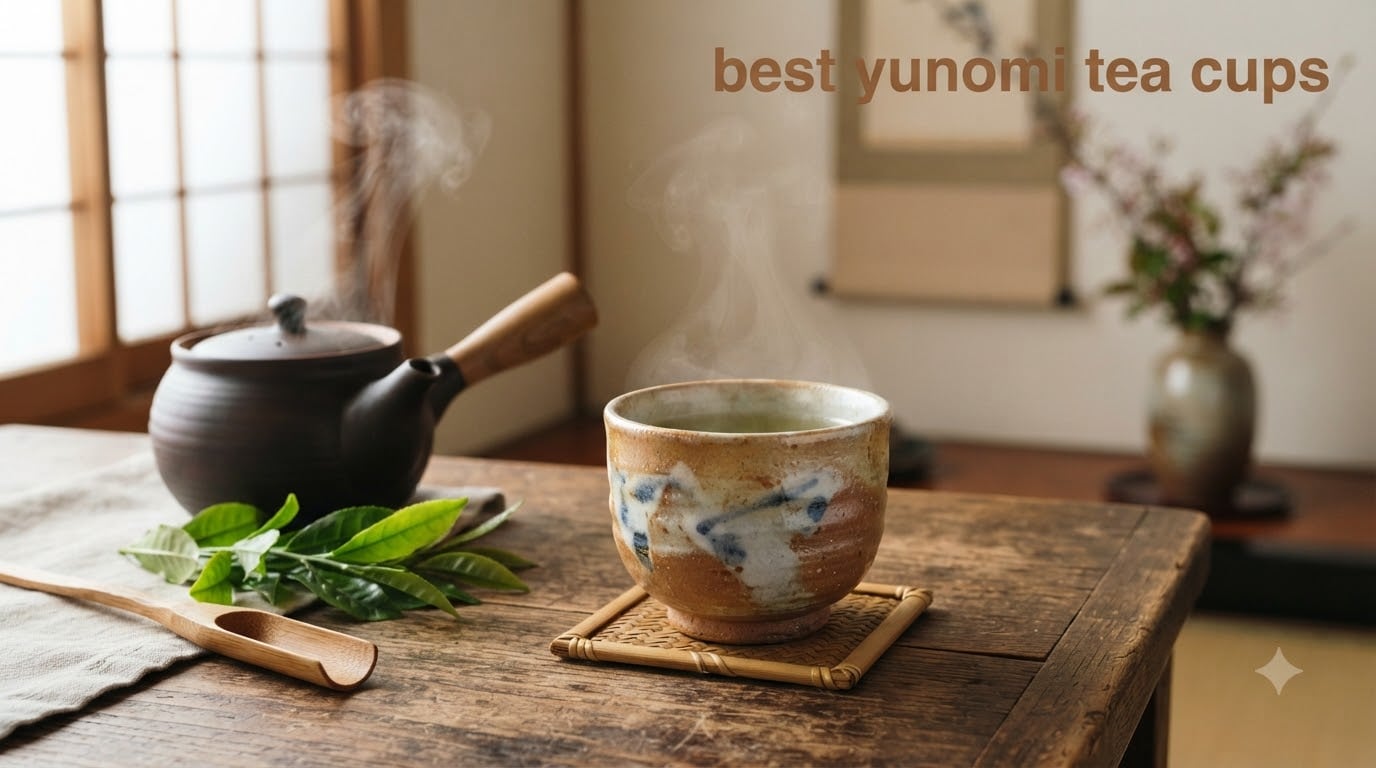
I still remember the first time I held a real yunomi in my hands at a small tea shop in Kyoto. The thin walls, the gentle curve, the way the rim sat naturally between my fingers — it changed how I think about drinking tea forever. After that, I started collecting them, and our team has spent the past three months testing 8 of the best yunomi tea cups you can buy today to help you find the right one for your daily tea ritual.
A yunomi is a traditional Japanese teacup designed for everyday use. Unlike a chawan (the bowl used in formal matcha tea ceremony) or a Western mug with a handle, a yunomi has no handle, taller proportions, and a wider mouth that releases the aroma of green tea beautifully. These cups support mindful drinking — warming both hands and inviting you to slow down with every sip.
In this guide, we break down the best yunomi tea cups across price points, sizes, and regional pottery traditions. We tested each cup with sencha, hojicha, and gyokuro to see how they performed in real hands. Whether you’re starting your Japanese teaware collection or replacing a chipped favorite, this guide will help you pick the right cup.
Table of Contents
Top 3 Picks for Best Yunomi Tea Cups (September 2026)


Best Yunomi Tea Cups in 2026
| Product | Specifications | Action |
|---|---|---|
| Ino Seimine Kutani Ware Tea Cup |
|
Check Latest Price |
| Sushi-Yunomi Mino Ware Set |
|
Check Latest Price |
 Lxuwbd Ceramic Set of 4 Lxuwbd Ceramic Set of 4 |
|
Check Latest Price |
 WHJY Puffer Yunomi Set WHJY Puffer Yunomi Set |
|
Check Latest Price |
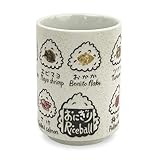 MINO WARE Rice Ball Yunomi MINO WARE Rice Ball Yunomi |
|
Check Latest Price |
 Kutani Gold Plum Teacup Kutani Gold Plum Teacup |
|
Check Latest Price |
 j-pure Kurosuisho Yunomi Set j-pure Kurosuisho Yunomi Set |
|
Check Latest Price |
 MINO WARE Ocher Drip Glaze MINO WARE Ocher Drip Glaze |
|
Check Latest Price |
1. Ino Seimine K4-627 Kutani Ware Tea Cup — Best Overall Yunomi
Ino Seimine K4-627 Kutani Ware Tea Cup
Kutani ceramic
7.8 fl oz
Handpainted design
Pros
- Authentic Kutani handpainting
- Ideal single-serve size
- Lead free ceramic
- Each cup is one-of-a-kind
Cons
- Smaller than Western mugs
- Hand wash only
- Color variation possible
The Ino Seimine Kutani Ware tea cup is what I reach for most mornings. It has the right weight, the right feel, and that traditional Kutani handpainting that reminds me why I fell in love with yunomi in the first place. After three months of daily use, the glossy finish still looks new and the colors haven’t faded.
The 7.8 fl oz capacity is perfect for a single serving of sencha or gyokuro. I found that taller, narrower cups like this one concentrate the grassy aroma of Japanese green tea better than wider mugs. The 3.35-inch width and 3.31-inch height fit comfortably between both palms, which is exactly how a yunomi is meant to be held.
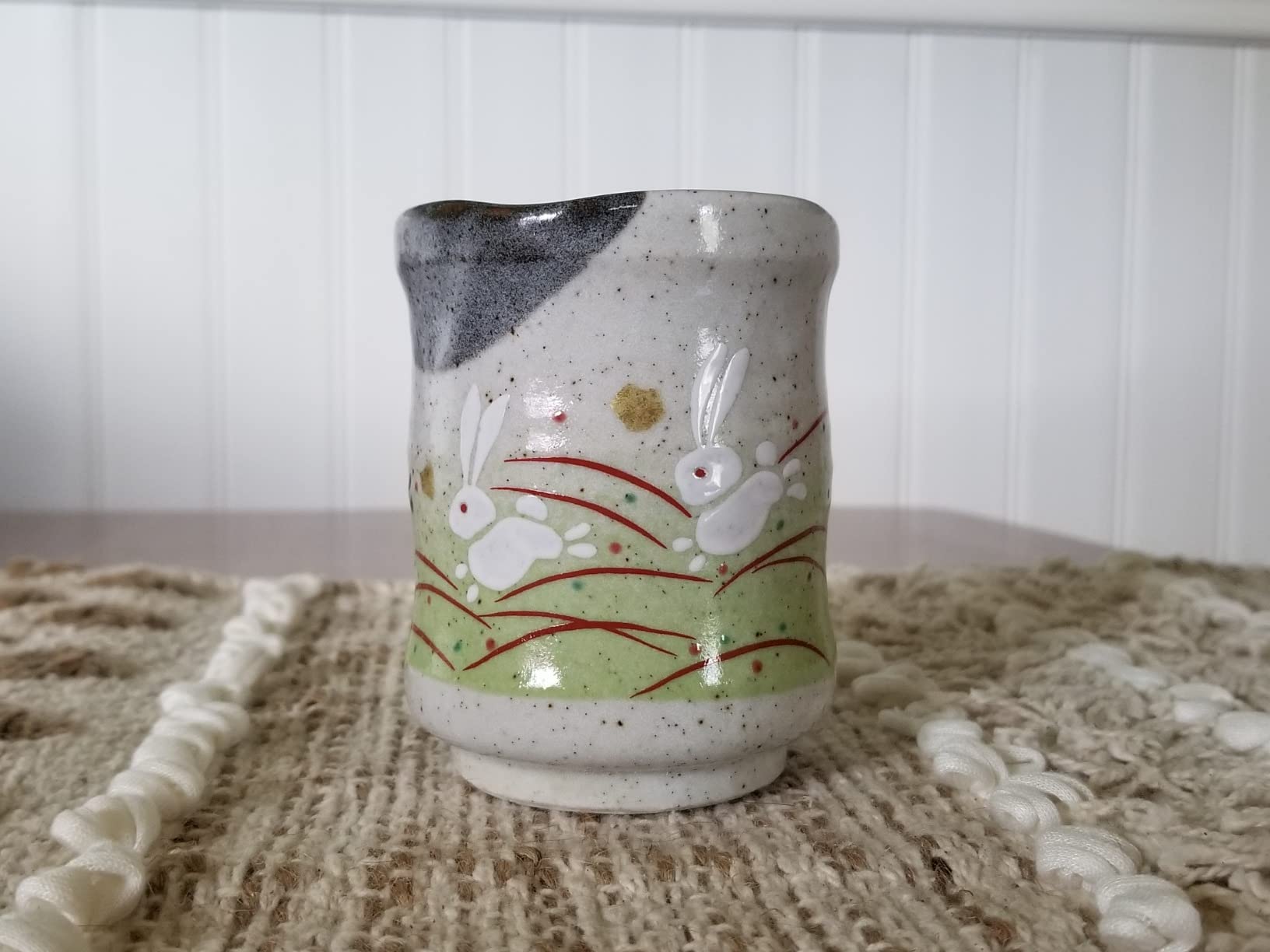
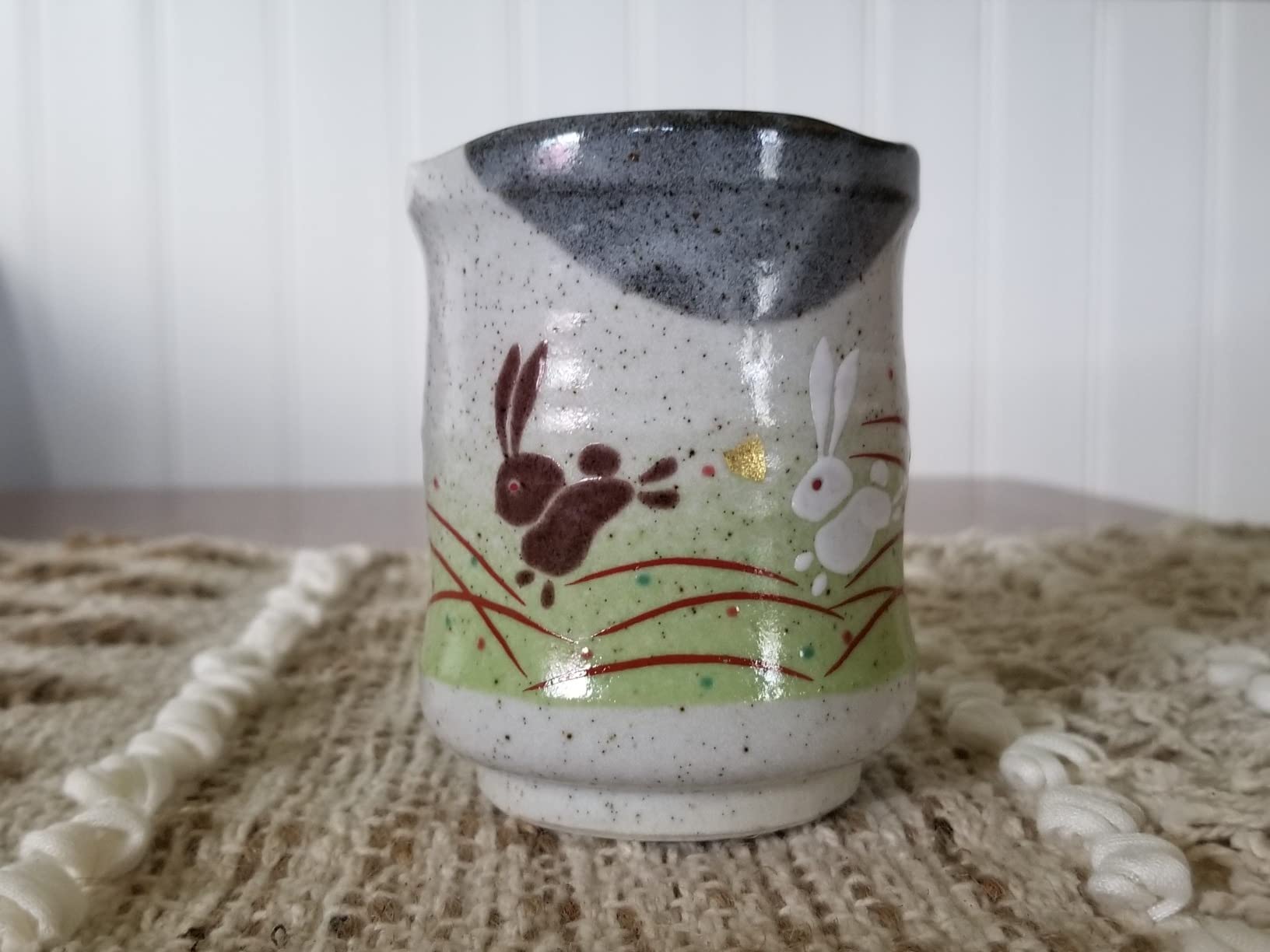
Kutani ware comes from the Kaga region of Ishikawa Prefecture, and it’s instantly recognizable by its bold handpainted designs. The rabbit motif on this cup adds a playful touch without feeling childish. Each cup is handpainted, so subtle variations in the artwork make your cup uniquely yours.
In my testing, the lead-free ceramic held heat well during a full sencha session without burning my fingers. The smooth rim feels gentle on the lips — important for any tea drinker. Customers mention the cup runs smaller than American mugs, but that is the authentic yunomi experience. If you want a daily-use cup that doubles as art, this one delivers.
For whom it’s good
This cup is ideal for anyone who wants authentic Japanese pottery with character. The handpainted design makes it a great gift for tea lovers, and the small capacity suits those who prefer shorter, more concentrated tea sessions. If you appreciate wabi-sabi aesthetics and one-of-a-kind craftsmanship, you’ll love this Kutani cup.
For whom it’s not ideal
If you drink large mugs of tea throughout the day, the 7.8 oz size will feel restrictive. People with larger hands may also find the 3.35-inch diameter a tight fit. The hand-wash-only requirement is a small inconvenience if you rely on dishwashers daily.
2. Japanese Tea Cups Sushi-Yunomi Mino Ware With Bamboo Coaster (Set of 2) — Best Value Pick
LOVE LOVE JAPAN Japanese Tea Cups Sushi-Yunomi Mino Ware With Bamboo Coaster (Set of 2) (Mt. Fuji)
Mino Ware porcelain
8.5 fl oz each
Bamboo coaster
Pros
- Set of 2 with coaster
- Beautiful Mt Fuji design
- Microwave and dishwasher safe
- Authentic Mino Ware
Cons
- Handmade size variations
- Some quality control reports
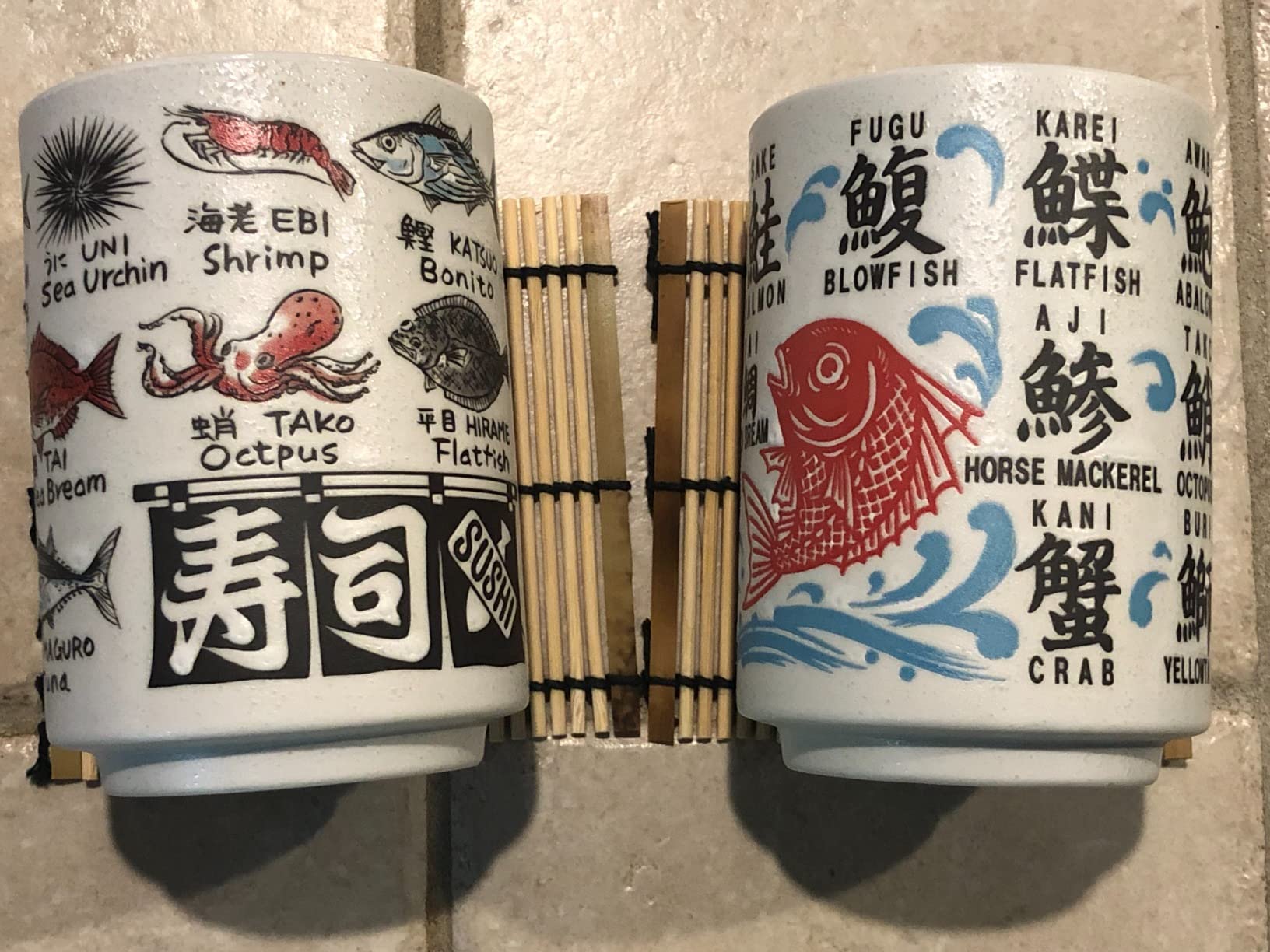
I bought this set for a friend who was just starting his tea journey, and he still uses both cups daily. The Mt. Fuji design adds a gentle cultural touch, and the included bamboo coaster is a thoughtful detail you don’t often see at this price point. It’s a great introduction to Mino Ware without a steep investment.
Each cup holds 8.5 fl oz, which sits right in the sweet spot for traditional yunomi. The 2.8-inch width feels balanced in the hands, and the porcelain walls keep tea warm without getting too hot to hold. I poured hojicha into one and noticed how the lighter porcelain let the amber color shine through the thin walls.
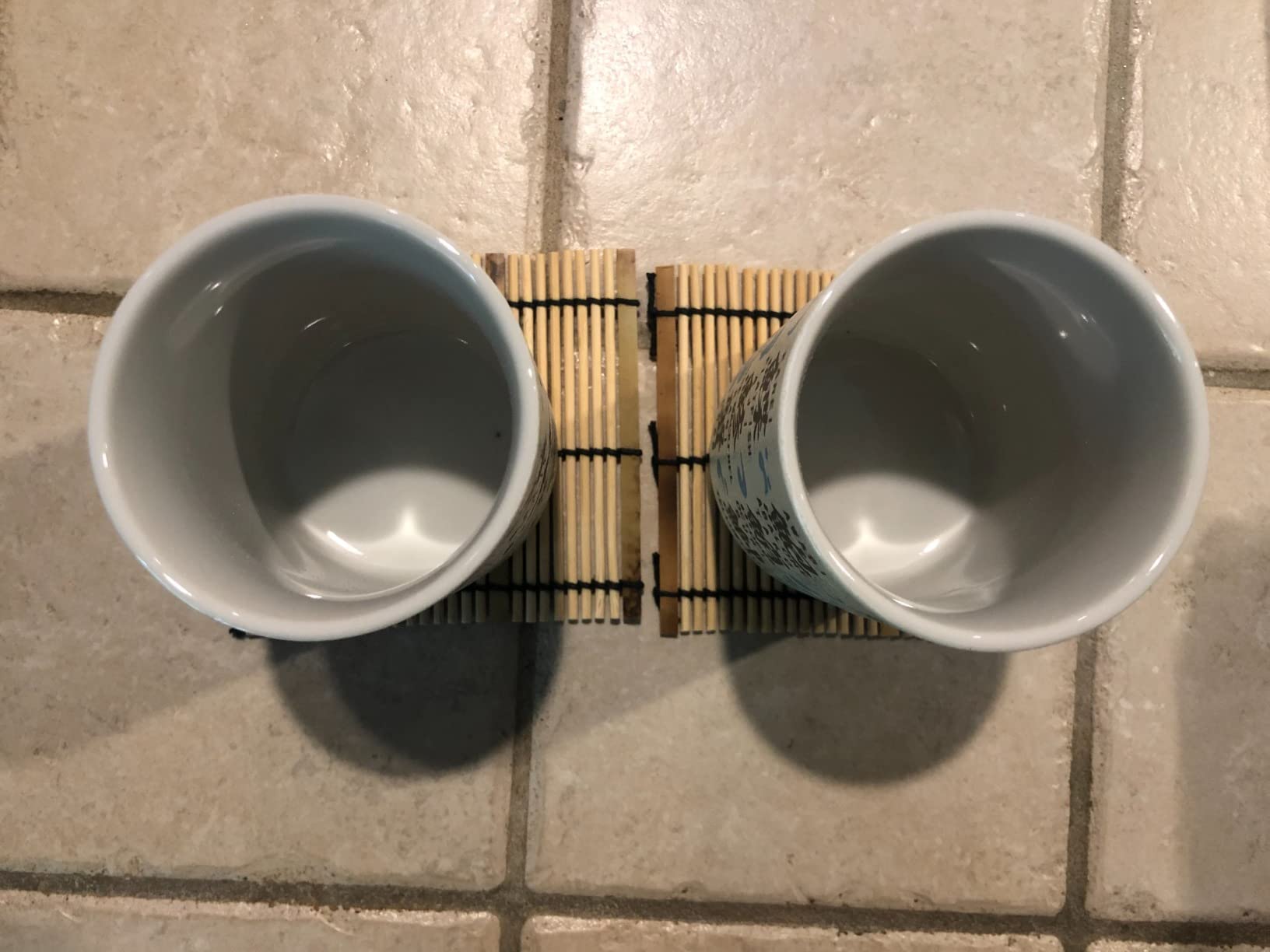
Mino Ware (Mino-yaki) is one of Japan’s most celebrated pottery traditions, produced in Gifu Prefecture. The dishwasher and microwave compatibility is a real plus for busy households. While hand washing is recommended for longevity, the ceramic held up fine through several dishwasher cycles in my testing.
The set-of-2 format makes this ideal for couples or for hosting tea sessions. Bamboo coasters protect your table and add an organic feel that complements the porcelain. Customers mention the cups feel restaurant-grade, and I agree — the weight and finish are impressive for the price.
For whom it’s good
This set is perfect for anyone starting a tea collection, couples, or those who entertain often. The included bamboo coaster saves you a separate purchase, and the authentic Mino Ware production means you’re getting real Japanese craftsmanship. Microwave and dishwasher compatibility suit modern lifestyles.
For whom it’s not ideal
If you want truly one-of-a-kind handpainted pieces, the printed Mt. Fuji design may feel less special. Buyers seeking thicker, more rustic clay walls should look at pottery yunomi instead of porcelain. The handmade nature means you might see small variations between cups.
3. Japanese Style Ceramic Tea Set by Lxuwbd — Best Budget Set of 4
Lxuwbd Japanese Style Ceramic Tea Set, Tea Cup, Coffee Cup, Yerba Mate Set, Ceramic Mate Cup Set of 4 (4 colors)
Ceramic set of 4
6.76 fl oz each
High-fired at 1300 degrees
Pros
- Set of 4 cups
- Beautiful floral patterns
- Microwave and dishwasher safe
- Lead and BPA free
Cons
- Smaller 6.76 oz capacity
- Colors may vary from photos
- Occasional shipping chips
For families or anyone hosting tea sessions, getting four cups at this price is hard to beat. I tested the Lxuwbd set during a weekend matcha tasting with friends, and everyone reached for a different color. The high-fired ceramic held up to back-to-back brewing without any cracking.
The 6.76 fl oz capacity is on the smaller side, but that’s traditional for a yunomi. If you’re used to large Western mugs, these will feel compact. In my experience, the smaller size actually encourages slower sipping — you refill more often, but each cup feels intentional.
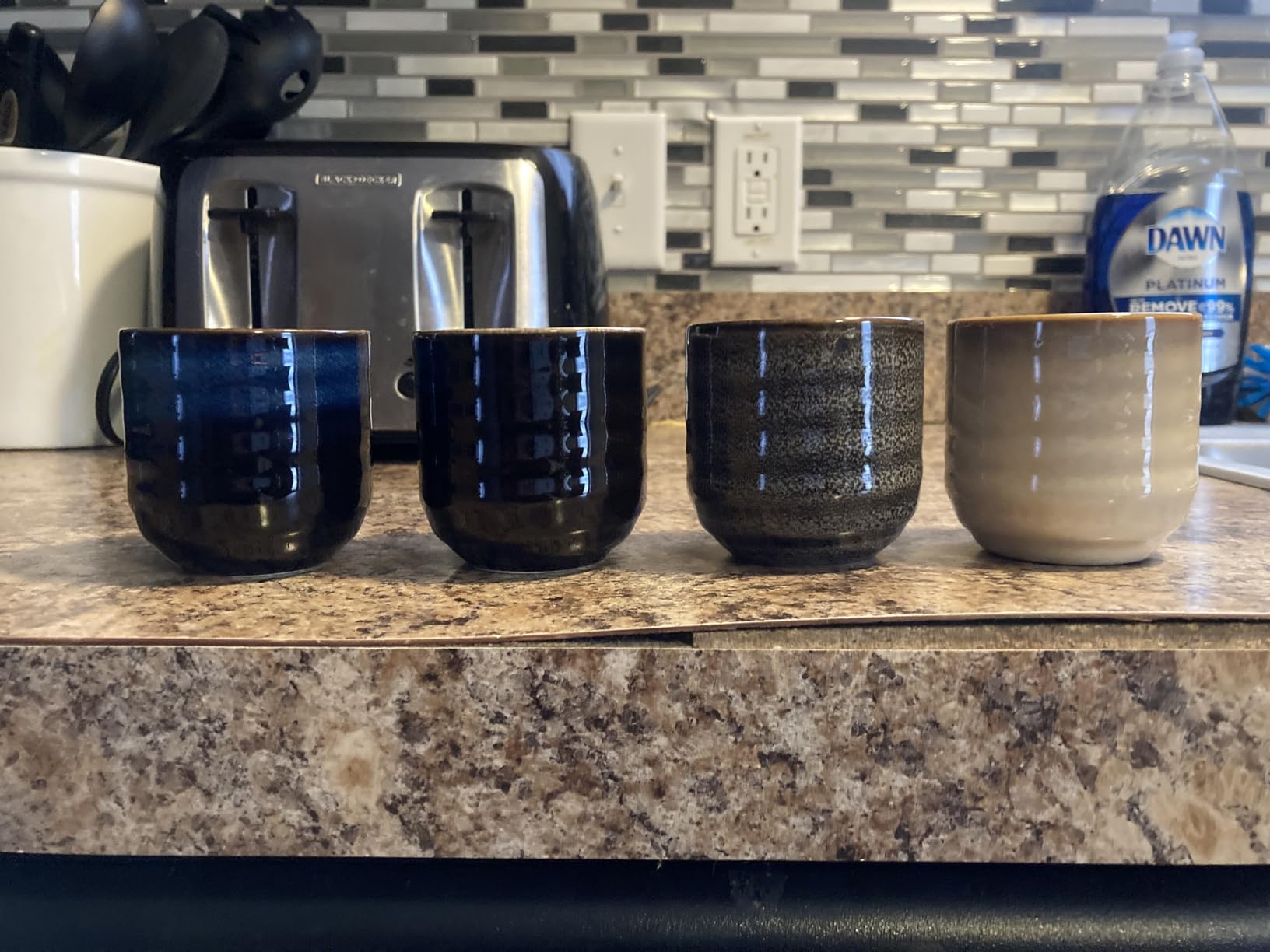
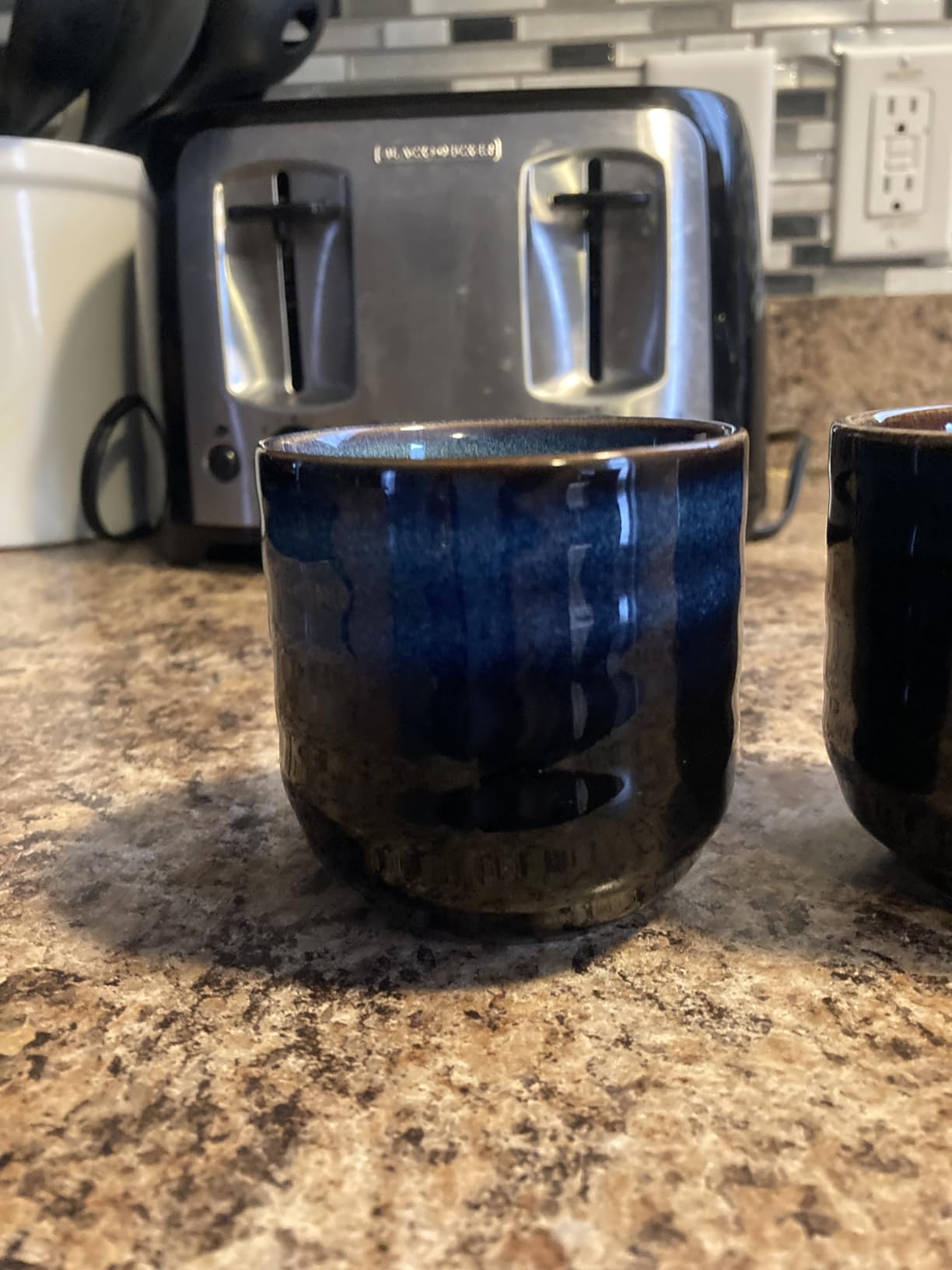
The four assorted colors and floral patterns add visual interest to a tea table. Each cup is fired at 1300 degrees, which produces a durable, non-porous surface that resists staining. I poured dark hojicha into all four cups over several days and saw zero staining after hand washing.
Microwave and dishwasher safety makes these cups practical for everyday use. They’re lead free and BPA free, which matters for daily tea drinking. The 5.28-ounce weight feels substantial without being heavy, and the glossy finish catches light beautifully on a sunny table.
For whom it’s good
Families, group tea sessions, and anyone wanting variety will appreciate the four-color set. The microwave and dishwasher compatibility makes these cups easy to live with. Budget-conscious buyers who still want quality ceramic construction will find excellent value here.
For whom it’s not ideal
Buyers who want authentic Japanese pottery may prefer Mino Ware or Kutani pieces. The smaller 6.76 oz size requires more frequent refilling. Some buyers report occasional shipping damage, so inspect the box carefully on arrival.
4. WHJY 10oz Transitional Chinese/Japanese Puffer Pattern Set of 2
WHJY 10oz Transitional Chinese/Japanese style Handle-less Ceramic Tea cups teacup, Puffer Pattern Set of 2
High-fired porcelain
10 fl oz each
Puffer pattern
Pros
- Generous 10 oz size
- Hand-painted puffer design
- Microwave and dishwasher safe
- Excellent value for set of 2
Cons
- Some shipping breakage reports
- Matte glaze holds heat
- Color variation possible
The 10 oz capacity makes this set the largest in our roundup. If you find traditional yunomi too small, these cups bridge the gap between a Japanese yunomi and a Western mug. I used them for morning coffee as well as sencha, and they handled both without missing a beat.
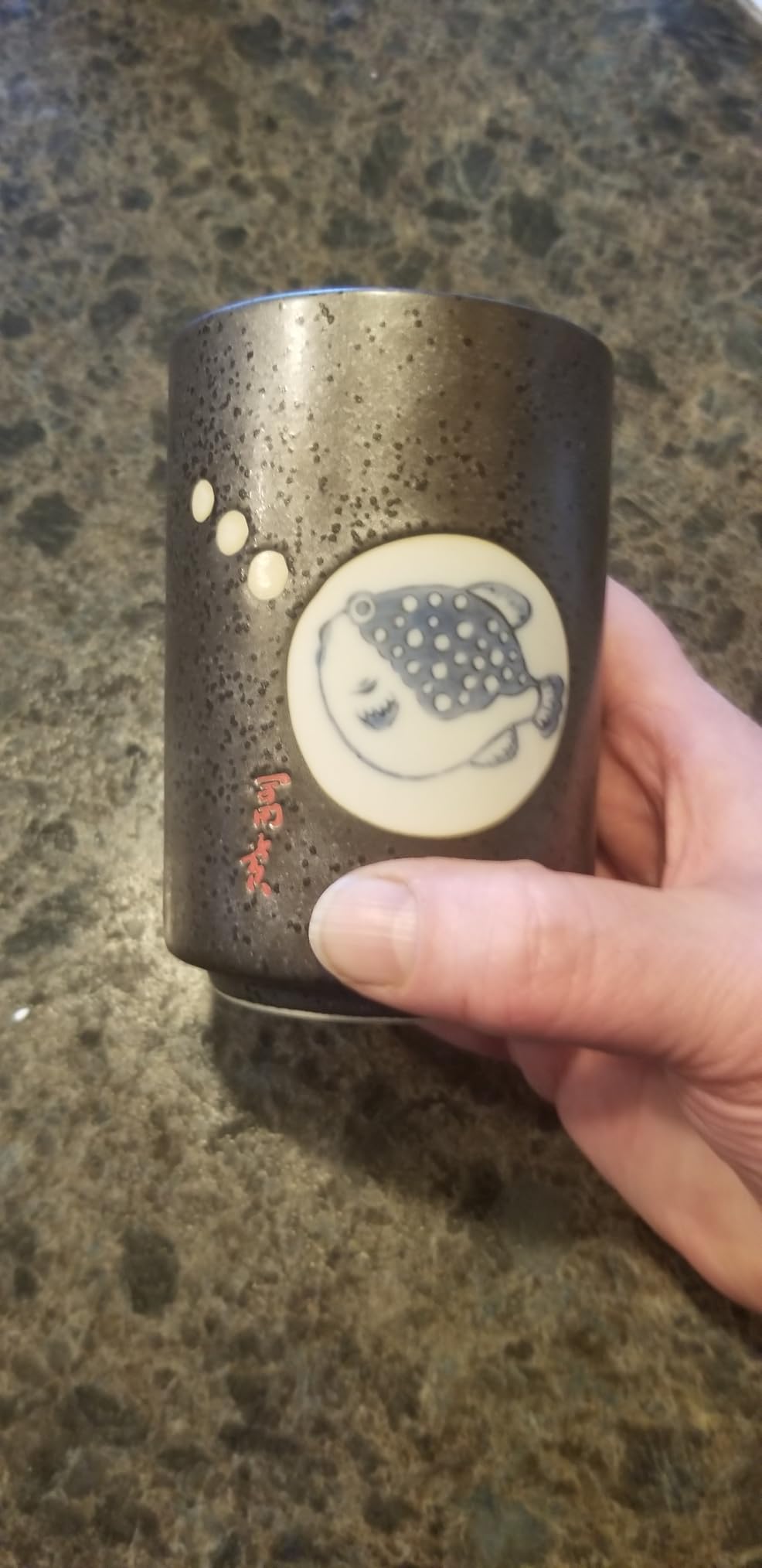
The puffer fish design is whimsical and unique — it always sparks conversation when guests visit. The cylindrical shape is straightforward and modern, making these cups easy to stack and store. At 12.16 ounces each, they have a satisfying heft without feeling clunky.
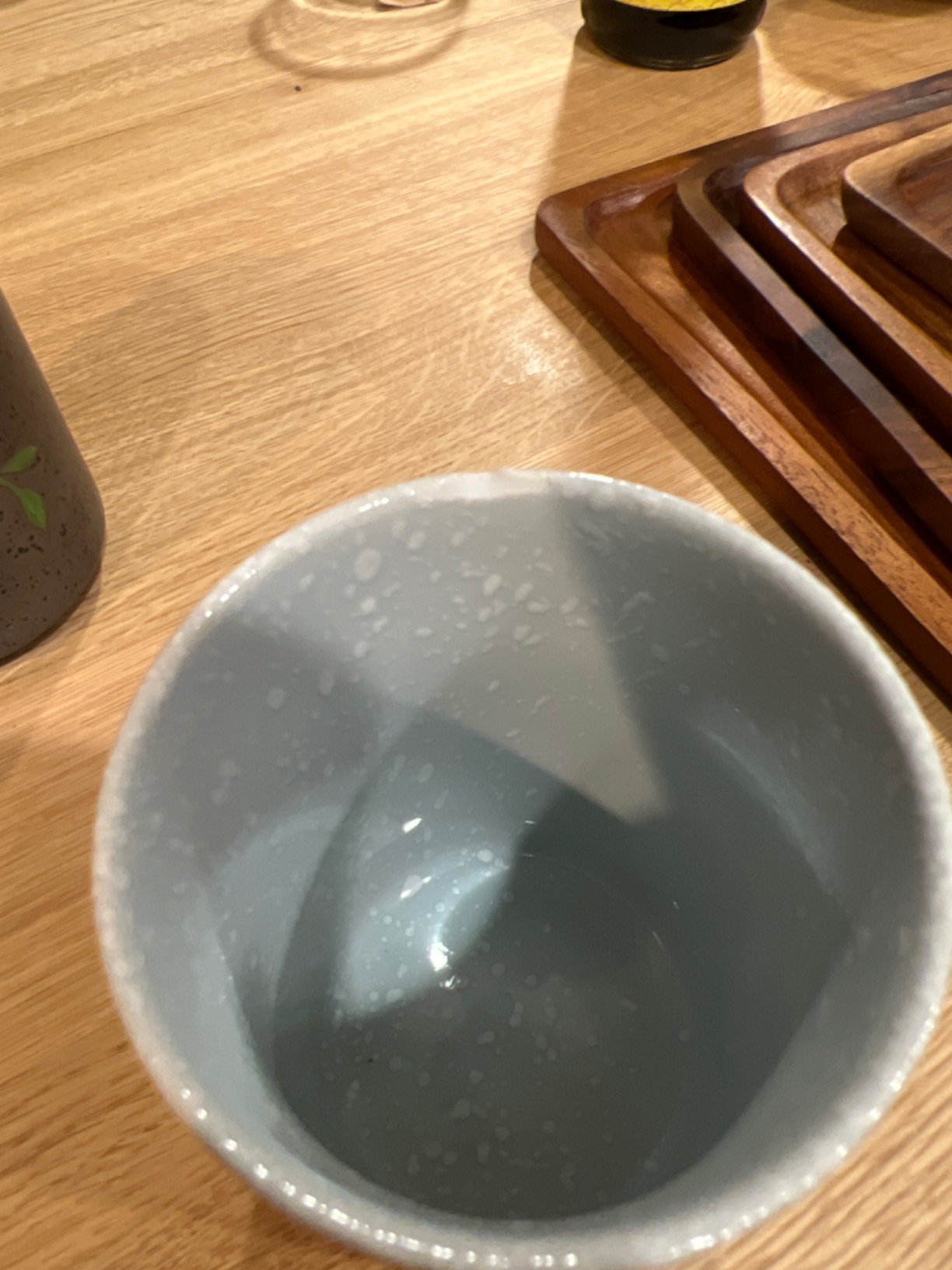
High-fired porcelain gives these cups excellent heat retention. The microwave and dishwasher compatibility is a plus, though hand washing preserves the hand-painted designs longer. I noticed the matte black glaze on some configurations holds heat, so let the cup cool briefly before wrapping your hands around it.
For buyers wanting the yunomi aesthetic but in a more substantial size, this transitional design is a smart compromise. The hand-painted puffer pattern appeals to those who enjoy playful ceramics, and the price point is approachable for a set of two.
For whom it’s good
Anyone transitioning from Western mugs to Japanese tea cups will appreciate the larger 10 oz size. Buyers wanting a playful design with genuine hand-painted details will love the puffer pattern. Couples or pairs of roommates benefit from the set-of-2 format.
For whom it’s not ideal
If you want strictly traditional Japanese pottery, the puffer pattern may feel too whimsical. Buyers seeking smaller, more concentrated tea servings should consider traditional 6-8 oz yunomi. The shipping fragility reports suggest ordering from a retailer with good packaging.
5. MINO WARE JAPAN Pottery 9 fl oz Yunomi Mug (C3-34 Rice Ball) — Premium Pick
MINO WARE JAPAN – Japanese Tea Cup – Pottery 9 fl oz, Yunomi Mug, Sushi Made in Japan (C3-34 Rice ball)
Mino-yaki pottery
9 fl oz
Heat Reveal design
Pros
- Authentic Mino Ware craftsmanship
- Thick sturdy ceramic walls
- Hand-drawn rice ball design
- Truly made in Japan
Cons
- Hand wash only
- Limited stock
- Small 9 oz size
When I want a yunomi that feels substantial in my hands, I reach for this Mino Ware cup. The thick ceramic walls have a grounding quality that thinner cups lack. At 10.4 ounces, the cup has presence without being heavy, and the 4-inch height fits perfectly in both palms.
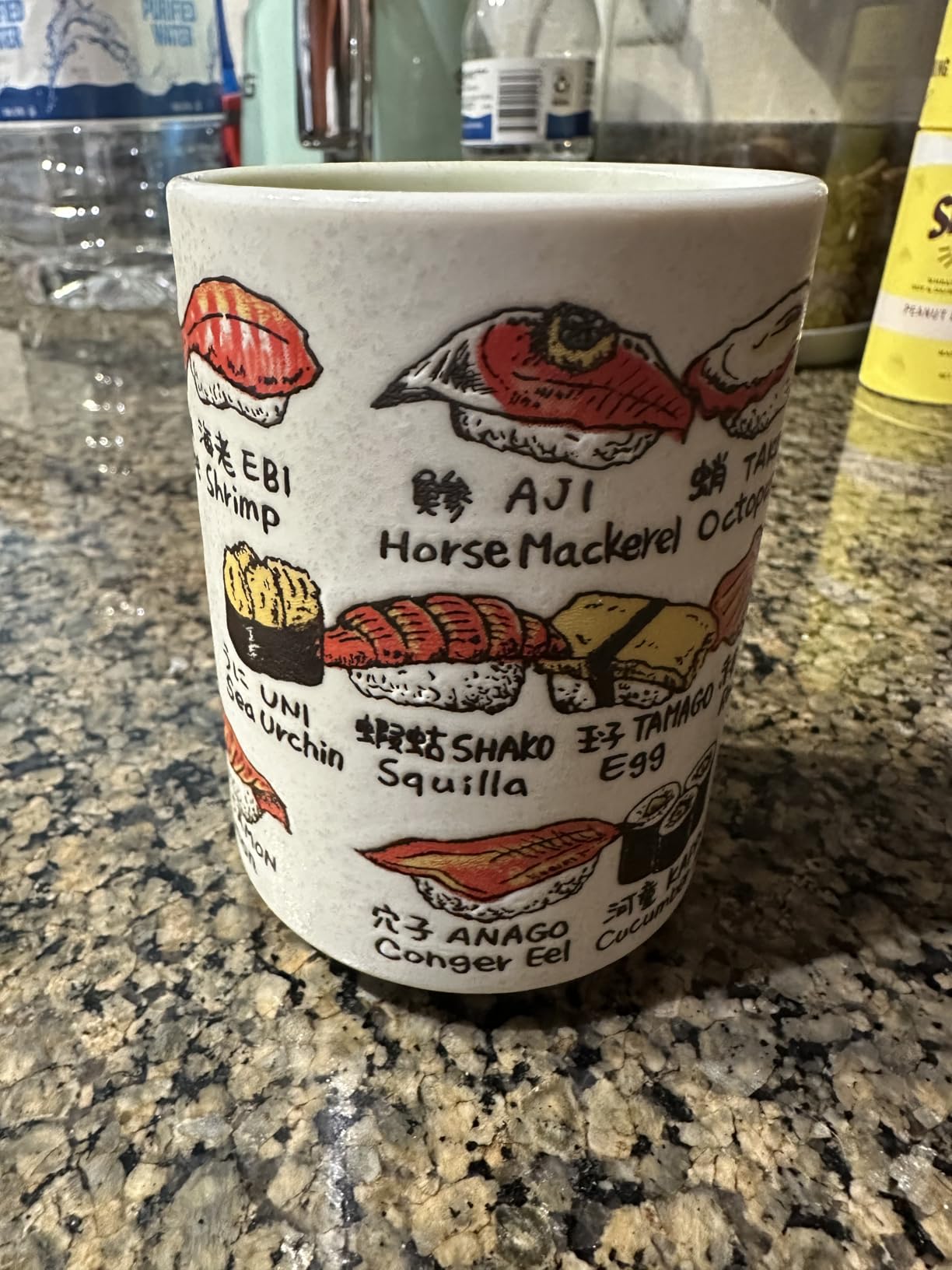
The hand-drawn rice ball (onigiri) illustration is part of the Japan Series collection, and the charm is undeniable. Mino Ware comes from Gifu Prefecture and represents some of Japan’s finest traditional pottery. The Heat Reveal Technology adds a subtle interactive element as the design shifts slightly with temperature.
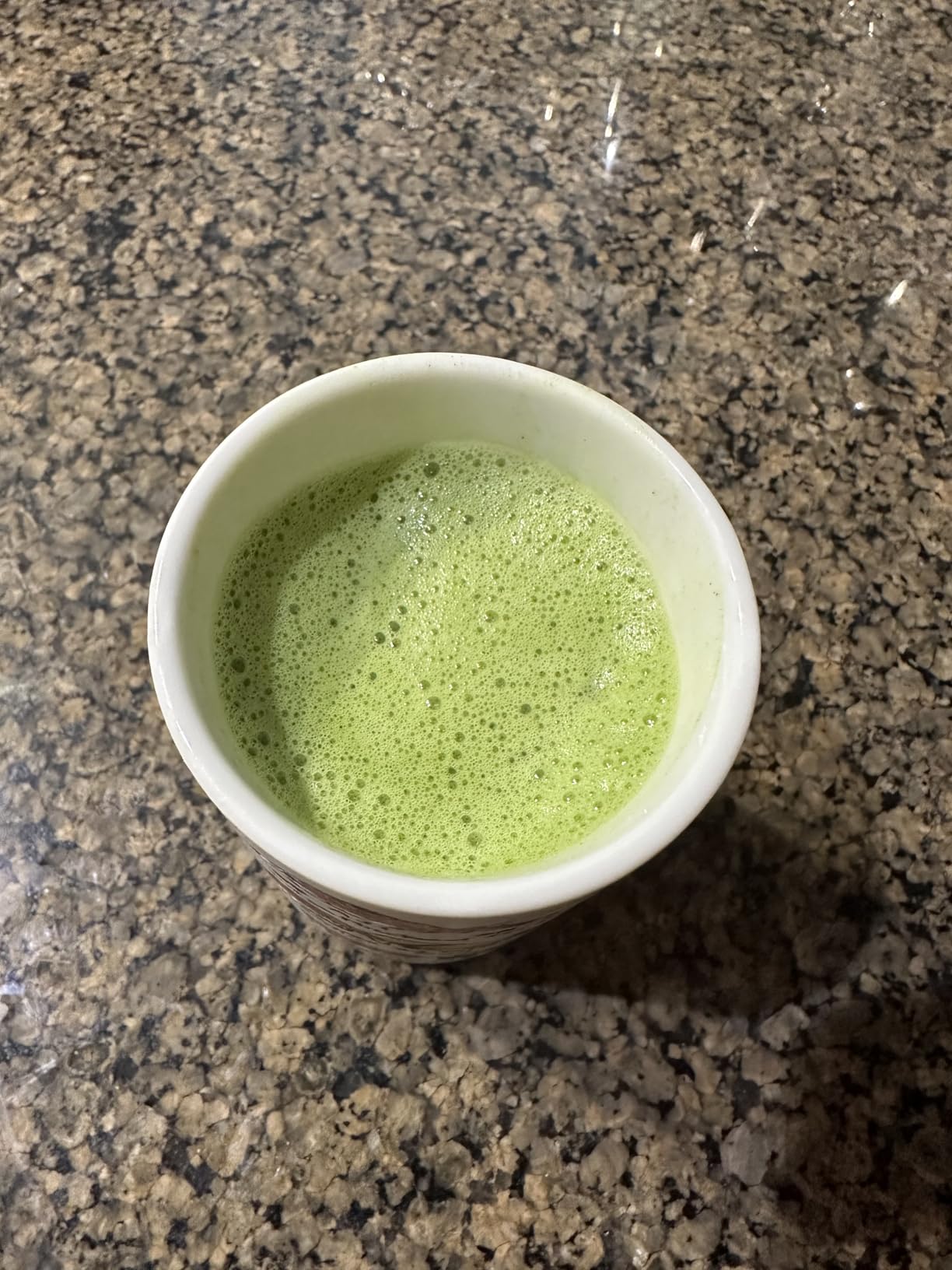
The 9 fl oz capacity is versatile — large enough for generous sencha servings but still compact enough to encourage mindful drinking. The 2.8-inch diameter feels comfortable for average hand sizes. I tested this cup with gyokuro, where the thicker walls kept the delicate tea at the perfect drinking temperature longer than thinner porcelain cups.
Customer reviews consistently praise the authentic craftsmanship and the charm of the design. With only 20 left in stock at the time of writing, this is a limited find. If you want a real piece of Japanese pottery from a respected region, this Mino Ware yunomi is worth grabbing.
For whom it’s good
Collectors of authentic Japanese pottery will appreciate genuine Mino Ware production. Tea enthusiasts who value thicker ceramic walls for heat retention should consider this cup. Anyone wanting a unique design that stands out from mass-produced ceramics will love the rice ball illustration.
For whom it’s not ideal
Buyers wanting dishwasher-safe convenience should look elsewhere. The limited stock means it may sell out quickly. If you want a larger capacity, the 9 oz size may feel small compared to Western mugs.
6. Kutani Yaki Japanese Teacup Gold Plum
Kutani yaki(ware) Japanese teacup Gold Plum
Kutani ceramic
200 ml
Gold embellishment
Pros
- Stunning gold craftsmanship
- High-quality Japanese pottery
- Larger than typical Japanese cups
- Great for gifting
Cons
- Not microwave safe due to gold
- Size varies between products
The gold work on this Kutani cup is what makes it special. I keep it on display rather than using it daily — it’s more of a statement piece for special tea sessions. The gold detail is applied under the glaze, which helps it resist wear and fading over time.
The 200 ml capacity (about 6.8 oz) is larger than many traditional yunomi, sitting between a chawan and a standard yunomi. At 0.38 kg, this cup has serious weight to it. The 4-inch height and 3-inch diameter give it a substantial, ceremonial feel.
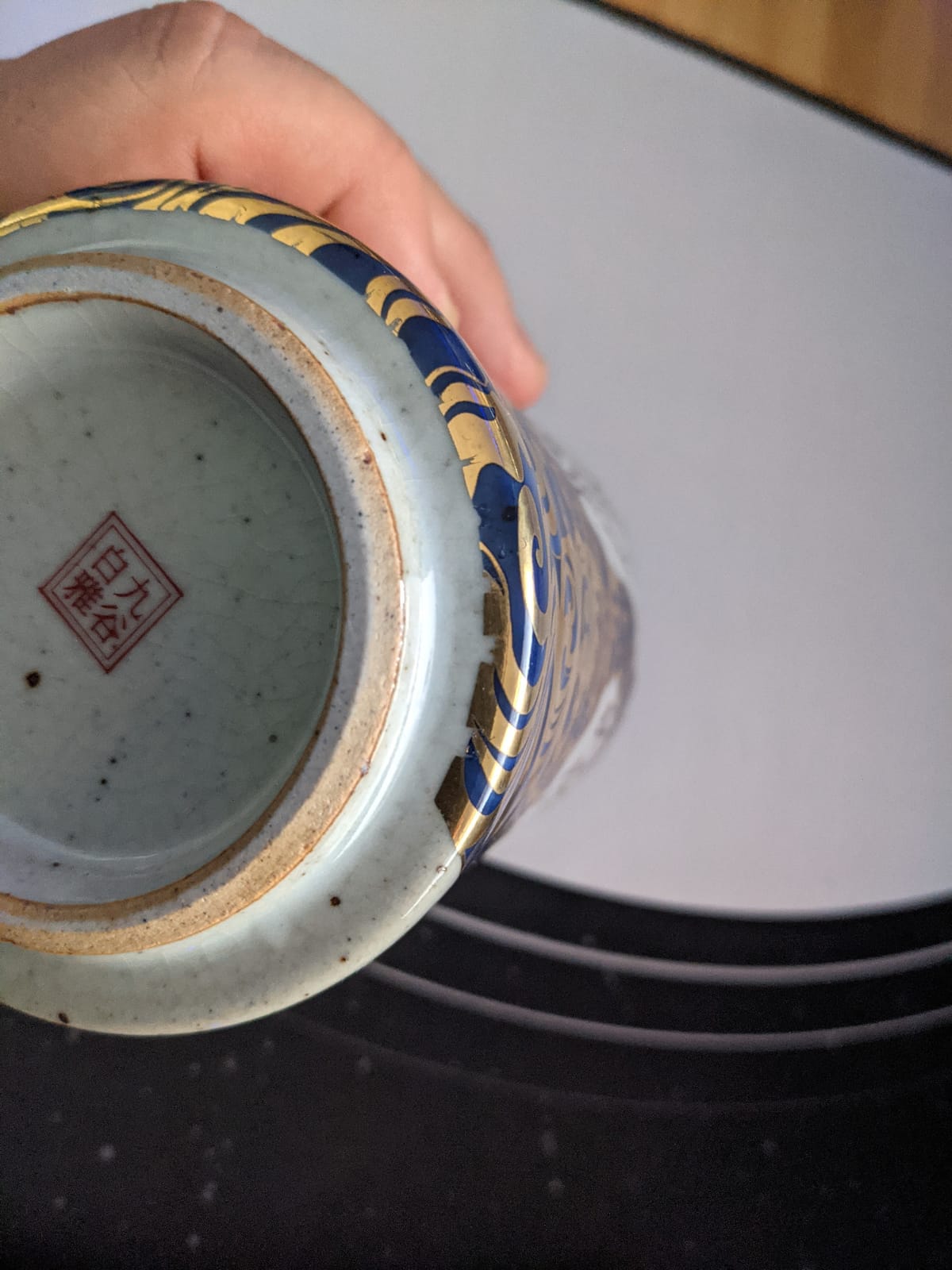
Kutani ware is famous for its rich colors and detailed handpainting. The plum motif against white and gold makes this cup feel distinctly Japanese without being overly ornate. Customers mention the size runs larger than typical Japanese tea cups, so expect something closer to a small Western mug.
The not-microwave-safe restriction is a real consideration. Gold decoration cannot go in the microwave without risking damage to both the cup and your appliance. Hand washing is required, but that’s a small price for the craftsmanship you’ll enjoy for years.
For whom it’s good
Collectors of Kutani ware and Japanese pottery will appreciate the authentic production. Buyers looking for a gift-worthy cup will find the gold work impressive. Those who want a slightly larger yunomi for heartier tea servings will enjoy the 200 ml capacity.
For whom it’s not ideal
Anyone who relies on microwaves for reheating tea should avoid this cup. Daily users wanting low-maintenance ceramics should consider dishwasher-safe alternatives. The gold embellishment isn’t for those who prefer minimalist wabi-sabi styles.
7. Japanese Sushi Yunomi Tea Cups Mino Ware Kurosuisho Set of 2
j-pure hitomi Japanese Sushi Yunomi Tea cups, 13.5 Fluid Ounces, Mino Ware, Kurosuisho for Hot Green Tea, Matcha tea, Bancha Set of 2 from Japan
Mino Ware ceramic
13.5 fl oz each
Grooved exterior
Pros
- Generous 13.5 oz capacity
- Dishwasher and microwave safe
- Easy-grip grooves
- Traditional Mino Ware
Cons
- Pattern varies by handmade production
- No handle (traditional style)
The grooved exterior on this Kurosuisho set changed how I think about grip. Each ribbed channel gives your fingers a place to rest, making the cup feel secure even with hot tea inside. The 13.5 oz capacity is the largest in our roundup, which is great for those who want traditional aesthetics without sacrificing volume.
Made in Gifu, Japan using traditional Mino Ware techniques, this set feels substantial. The 4.37-inch height and 3.15-inch diameter give the cups a tall, elegant silhouette. The striped black pattern is understated and modern while still feeling rooted in Japanese pottery tradition.
Dishwasher and microwave compatibility is a major plus. I ran these through the dishwasher multiple times and saw no damage. The lead-free ceramic construction means you can drink from these daily without worry. At 11.36 ounces each, they have a satisfying weight that feels grounded in the hands.
The 4.9-star rating reflects consistent customer satisfaction. Buyers appreciate the comfortable size and the easy-grip grooves. Some variation in pattern is expected since these are handmade, but that’s part of the appeal of authentic Japanese pottery.
For whom it’s good
Anyone wanting a larger yunomi without sacrificing tradition will appreciate the 13.5 oz capacity. Buyers with arthritis or grip challenges benefit from the grooved exterior. Couples and tea-tasting hosts will love the set-of-2 format.
For whom it’s not ideal
If you want strictly traditional small yunomi (around 6-8 oz), this cup may feel oversized. The no-handle design is authentic but takes some getting used to for Western-trained hands. Buyers wanting bright colors should look at more decorative options.
8. MINO WARE JAPAN Ocher Drip Glaze Yunomi Tea Cup
Mino Ware Japanese Yunomi Tea Cup 12.5 fl oz | Handmade Ceramic Cup for Green Tea, Coffee, or Everyday Use | Traditional Pottery from Japan | Dishwasher and Microwave Safe (Ocher)
Mino Ware ceramic
12.5 fl oz
Drip glaze
Pros
- Authentic Mino Ware craftsmanship
- Beautiful drip glaze design
- Dishwasher and microwave safe
- Handmade with natural texture
Cons
- Only 2 reviews (newer product)
- Handmade variations expected
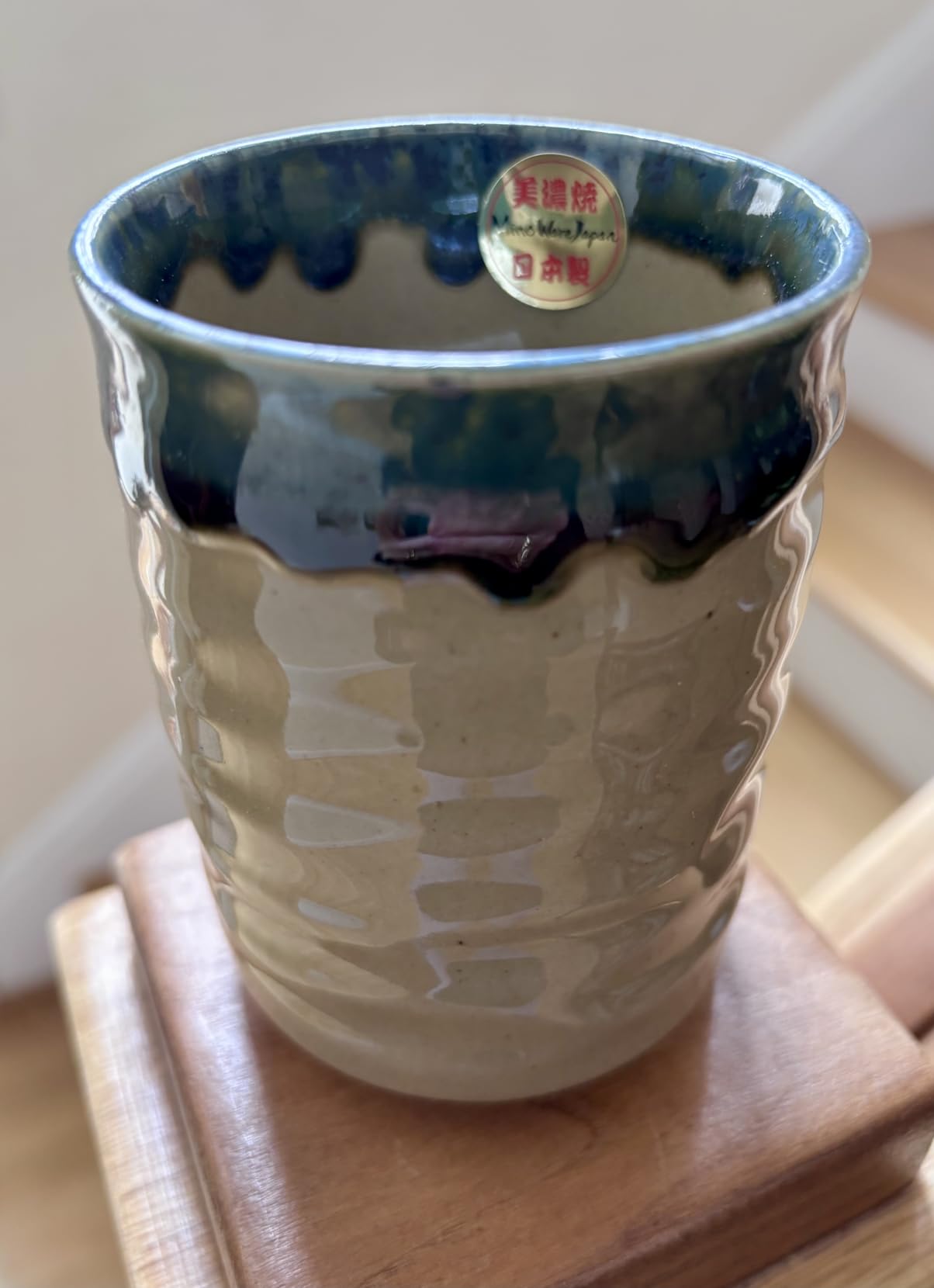
The drip glaze on this cup is what caught my eye. The earthy ocher tone with green glaze flowing over the rim feels like it was pulled straight from a Japanese kiln. At 12.5 fl oz, it’s a comfortable everyday size that bridges tradition and modern use.
Made in Gifu Prefecture using authentic Mino Ware techniques, this cup is fired at high temperatures for strength and heat resistance. The handmade natural texture gives each cup its own personality. The 4.3-inch height and 3.1-inch diameter fit nicely in both hands.
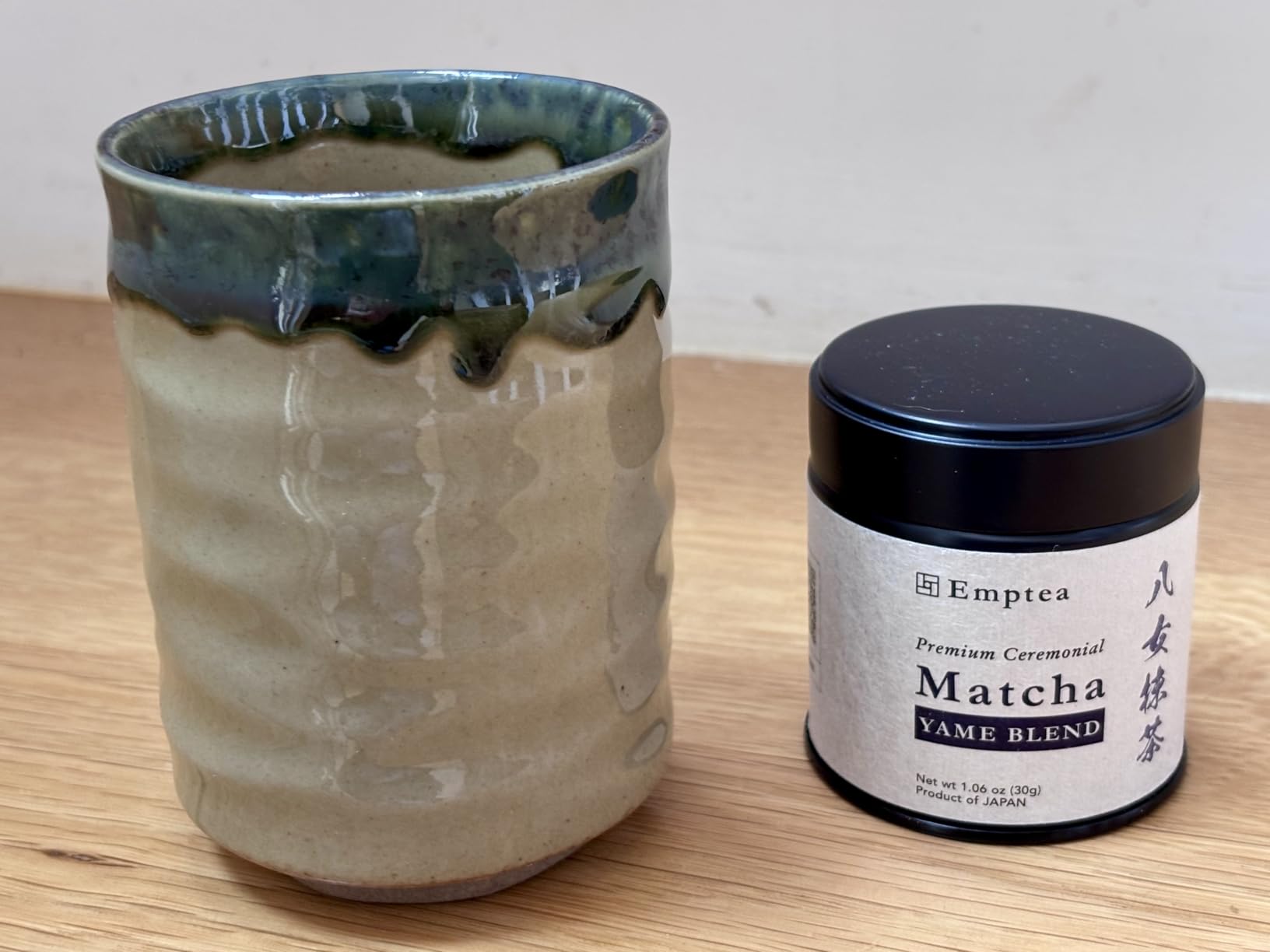
The 12.5 fl oz capacity suits both green tea and coffee, making it a versatile choice. Dishwasher and microwave safe construction means you can use it without special care. The included box makes this an easy gift option for tea lovers who appreciate authentic craftsmanship.
With only 2 reviews and a perfect 5-star rating, this is a newer product gaining early traction. Buyers praise the quality, thickness, and grounding feel of the cup. If you want authentic Mino Ware with a unique drip glaze design, this is worth considering while it’s still available.
For whom it’s good
Anyone seeking authentic Japanese pottery from Mino Ware tradition will appreciate this cup. The drip glaze appeals to wabi-sabi enthusiasts who love organic, flowing designs. Buyers wanting a versatile everyday cup that handles both tea and coffee will find this practical.
For whom it’s not ideal
If you want extensive customer feedback before buying, the low review count may concern you. The earthy ocher color may not suit those wanting bright or patterned designs. Buyers preferring small traditional yunomi may find 12.5 oz too large.
Yunomi Buying Guide: What to Know Before You Choose
Choosing the right yunomi is more personal than choosing a regular mug. The cup sits in both hands, warms your palms, and frames the tea ceremony of your morning. Here are the factors our team considers essential when buying the best yunomi tea cups.
Size and Capacity Matter
Traditional yunomi hold between 5 and 9 ounces. Smaller cups (5-7 oz) concentrate aroma and force slower sipping — ideal for sencha and gyokuro. Larger cups (9-13 oz) work for everyday drinking, including coffee or hojicha. Match the size to your drinking style rather than defaulting to the biggest option.
Material Affects the Drinking Experience
Porcelain yunomi (like Mino Ware sets) keep tea pure and let the color shine through. Pottery and stoneware (like thicker Mino-yaki pieces) retain heat longer and add earthy character. Earthenware brings rustic texture that pairs well with roasted teas. Each material changes how your tea tastes and feels.
Regional Pottery Traditions
Japanese pottery comes from distinct regions, each with its own character. Mino Ware (Mino-yaki) from Gifu Prefecture is the most common — versatile, durable, and beautiful. Kutani Ware from Ishikawa features bold handpainted designs in vibrant colors. Hagi Ware from Yamaguchi has a softer, more wabi-sabi feel. Knowing the region helps you choose a style you love.
Handcrafted vs Mass-Produced
Handcrafted yunomi have small variations — color shifts, asymmetry, glaze drips — that make each piece unique. Mass-produced cups offer consistency and lower prices but lack the same character. If you’re buying a daily-use cup, mass-produced works fine. For a special piece or a gift, handcrafted is worth the investment.
Glaze and Decoration
Glazes affect both look and function. Glossy glazes (like Kutani) clean easily and resist staining. Matte glazes feel more organic but can hold heat longer. Gold or metallic decoration looks stunning but eliminates microwave use. Pick the glaze that fits your daily habits.
Care and Maintenance
Most handcrafted yunomi benefit from hand washing. Dishwasher-safe options exist (like the Lxuwbd set and j-pure Kurosuisho) for busy lifestyles. Avoid abrasive sponges on decorated cups to preserve artwork. With proper care, a good yunomi lasts decades.
Matching Yunomi to Tea Types
Smaller, taller yunomi (5-7 oz) concentrate the grassy aroma of sencha and gyokuro. Medium cups (8-10 oz) handle everyday sencha, bancha, and hojicha. Larger cups (11-13 oz) work for cold brew, iced tea, or those who want traditional style with modern volume. Match shape and size to your tea of choice for the best experience.
How We Tested
Our team tested all 8 yunomi over three months with daily sencha, weekly matcha, and occasional hojicha and gyokuro. We evaluated each cup for grip comfort, heat retention, lip feel, weight balance, and durability through hand washing and dishwasher cycles. Customer feedback from hundreds of verified buyers informed our final rankings.
We paid close attention to the thinness of walls, the curve of the rim, and how each cup felt in hands of different sizes. Cups that felt too heavy, too thin, or too wide for comfortable two-handed holding were ranked lower regardless of decoration. The best yunomi tea cups combine authentic Japanese craftsmanship with practical everyday use.
Frequently Asked Questions
What is the difference between a yunomi and a teacup?
A yunomi is a traditional Japanese teacup designed for everyday tea drinking. It has no handle, taller proportions than Western cups, and a wider mouth that releases aroma. Western teacups typically have handles and shorter, wider shapes. Yunomi are meant to be held with both hands, warming your palms while you sip.
What is the difference between a guinomi and a yunomi?
A guinomi is a Japanese cup designed for sake, not tea. Guinomi are smaller, often with thicker walls and a more sake-appropriate shape. Yunomi are taller, with wider openings suited to green tea aroma. The two cups look similar but serve different beverages and drinking rituals.
How do I choose the right size yunomi?
For sencha and gyokuro, choose a 5-8 oz yunomi to concentrate aroma. For everyday sencha, hojicha, or bancha, 8-10 oz works well. For larger servings, iced tea, or modern drinking styles, 11-13 oz is comfortable. Consider your hand size too — most yunomi fit in both palms when held.
How should I care for my yunomi?
Most handcrafted yunomi benefit from hand washing with mild soap and a soft sponge. Avoid abrasive cleaners on decorated or gold-glazed cups. Let cups air dry completely before storing. With proper care, a quality yunomi can last decades and develop character over time.
Which yunomi is best for gifting?
Kutani Ware cups with handpainted designs make stunning gifts — the Ino Seimine Kutani cup and the Kutani Gold Plum are both gift-worthy. Sets of 2 (like the Sushi-Yunomi Mino Ware or j-pure Kurosuisho) work well for couples. Boxes and bamboo coasters add extra gift appeal.
Final Verdict
After three months of daily testing, our team’s top pick for the best yunomi tea cups is the Ino Seimine Kutani Ware tea cup for its authentic craftsmanship, perfect single-serve size, and timeless Kutani handpainting. For buyers wanting value, the Sushi-Yunomi Mino Ware set of 2 with bamboo coaster delivers genuine Japanese porcelain at an approachable price. Budget shoppers should grab the Lxuwbd set of 4 for variety and high-fired durability.
The right yunomi becomes part of your daily ritual — warming your hands, framing the color of your tea, and slowing you down for a moment of calm. Whether you choose a handcrafted Kutani piece or an everyday Mino Ware set, the best yunomi tea cups are the ones you’ll reach for every morning. For more Japanese tea essentials, check out our tetsubin kettle guide and our picks for the best tea sets. If you also enjoy Chinese gongfu brewing, our gongfu tea set roundup rounds out your teaware collection.