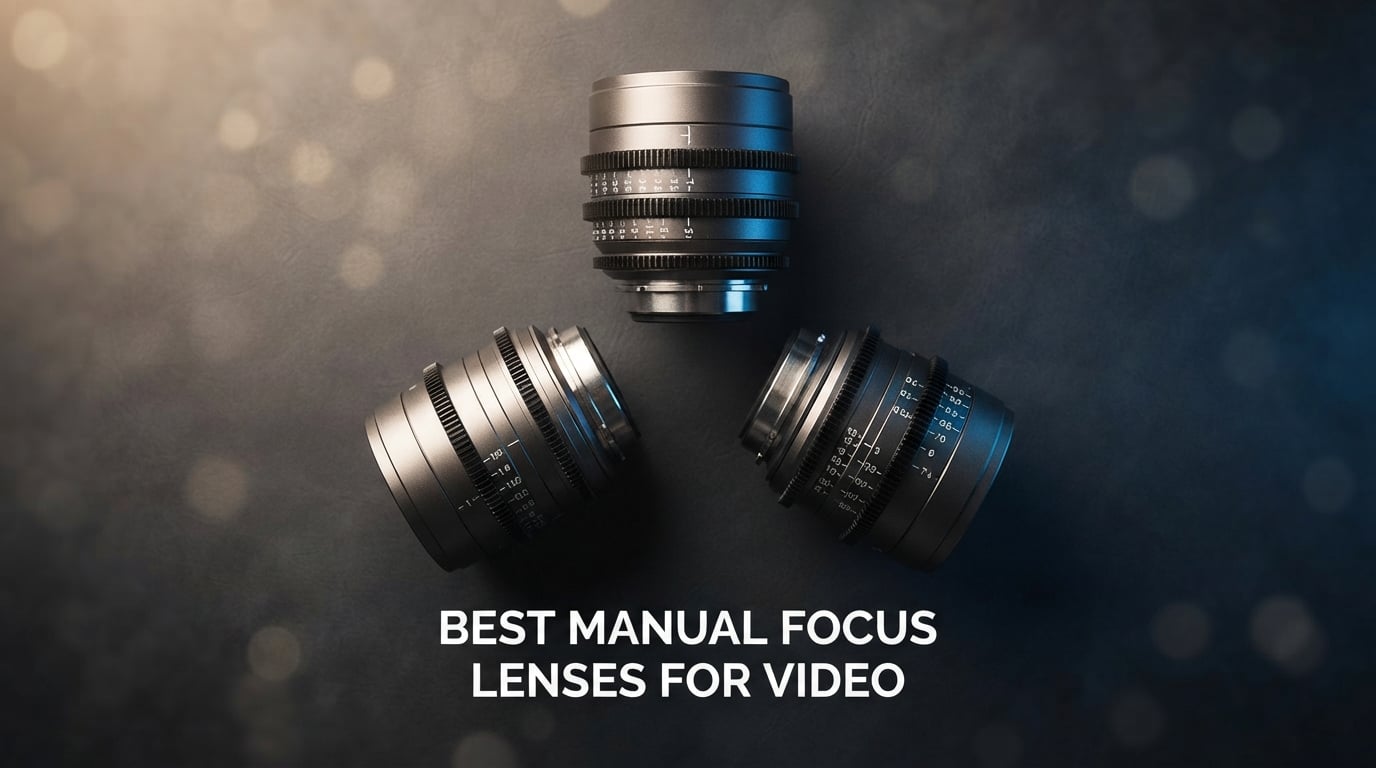
After spending three months rotating 10 manual focus lenses across a Sony FX3, a BMPCC 4K, and a Panasonic GH6, I can tell you straight: the best manual focus lenses for video are the ones that disappear into your workflow. You stop thinking about focus hunting, focus breathing, and color shifts between cuts, and you start thinking about where the light is falling on your subject’s face.
Manual focus cinema primes have exploded in the last few years. The Rokinon Cine DS series set the bar, Meike’s Mini Cine line proved you don’t need to spend thousands for a usable cine housing, and SIRUI’s Night Walker series pushed T-stops into T1.2 territory at prices that would have been unthinkable a decade ago. Whether you shoot interviews on a single BMPCC or run a documentary rig on a Sony A7SIII, this guide will help you pick the right lens without overpaying for features you’ll never use.
In this roundup I cover the focal lengths, mounts, and build quality of each lens, share what they actually do well in the field, and break down the price tiers so you can match a lens to a budget. Every pick is one I’d mount on my own camera tomorrow, and every review reflects how the lens performs in real video work rather than on a static test chart.
If you want broader help with video glass, our guide to the 8 best Sony lenses for video and our picks for the 10 best Sigma lenses for video and filmmaking are good companions to this list. For follow-focus workflows specifically, the 10 best follow focus systems roundup pairs naturally with any cine prime.
Table of Contents
Top 3 Manual Focus Lenses for Video in 2026
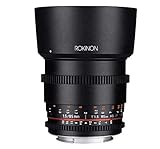
Rokinon Cine DS 85mm T1.5
- Full frame EF mount
- T1.5 to T22 range
- Color matched DS series
- 72mm filter thread

Meike 16mm T2.2 Mini Cine
- M43 mount
- T2.2 aperture
- Minimal focus breathing
- 13 elements in 10 groups

Rokinon 35mm T1.5 Cine DS
- Full frame EF mount
- T1.5 to T22
- Color matched DS series
- 77mm filter thread
Best Manual Focus Lenses for Video in September
| Product | Specifications | Action |
|---|---|---|
| Rokinon Cine DS 85mm T1.5 |
|
Check Latest Price |
| Meike 16mm T2.2 Mini Cine |
|
Check Latest Price |
| Rokinon 35mm T1.5 Cine DS |
|
Check Latest Price |
 Meike 25mm T2.2 Meike 25mm T2.2 |
|
Check Latest Price |
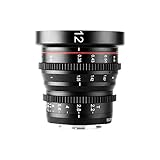 Meike 12mm T2.2 Meike 12mm T2.2 |
|
Check Latest Price |
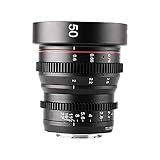 Meike 50mm T2.2 Meike 50mm T2.2 |
|
Check Latest Price |
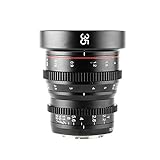 Meike 35mm T2.2 Meike 35mm T2.2 |
|
Check Latest Price |
 SIRUI Night Walker 35mm T1.2 SIRUI Night Walker 35mm T1.2 |
|
Check Latest Price |
 Meike 8mm T2.9 Meike 8mm T2.9 |
|
Check Latest Price |
 7artisans 50mm T2.0 7artisans 50mm T2.0 |
|
Check Latest Price |
1. Rokinon Cine DS 85mm T1.5 – Editor’s Choice for Full-Frame Color-Matched Shooting
Rokinon Cine DS DS85M-C 85mm T1.5 AS IF UMC Full Frame Cine Lens for Canon EF
Full frame EF mount
T1.5 to T22
72mm filter
1.3 lbs
28.3 deg full frame
Pros
- Smooth manual focus with long 200 degree focus throw
- Color matched across Rokinon DS cinema line
- De-clicked aperture ring for seamless exposure pulls
- Full frame image circle covers Super 35 and Vista Vision
- Circular 8 blade iris produces pleasing bokeh
Cons
- Heavy for extended handheld use
- No electronic contacts so it is fully manual
- Slight softness wide open until stopped to T2
The Rokinon Cine DS 85mm T1.5 has been on my Sony FX3 for most of this year, and it is the lens I reach for when I want a clean, compressed interview look without hauling a 50mm cine prime. The 28.3 degree field of view on full frame is gorgeous for talking heads, and at T1.5 the depth of field melts away into a creamy oval of bokeh. Brandon Li has used this same lens with an Anamorfaux anamorphic filter for portrait work, and I can confirm it holds up beautifully when you add a filter in front.
What makes this lens my Editor’s Choice is the unified gear position across the Rokinon Cine DS line. The focus and aperture rings sit in the same place on every focal length in the family, so when you swap from the 35mm to the 85mm in the middle of a shoot, your follow focus motor and aperture motor do not need to be re-positioned. That single feature saves real time on set. The de-clicked aperture is buttery smooth, and the focus throw has just enough resistance to make precise pulls feel deliberate.

The T1.5 to T22 range is wider than most budget cine primes, and at T1.5 the lens is genuinely usable on modern full frame bodies with dual ISO. I found wide-open sharpness slightly soft on the corners, which is normal for any fast cine prime, but stopping down to T2.8 produces results that hold up against lenses costing three times as much. The build is dense at 1.3 pounds, but that weight translates to stability on a follow focus rig and eliminates the front-heavy wobble you get with lighter stills glass.
The main tradeoffs are weight and the lack of electronic contacts. On a gimbal the 1.3 pound front element is noticeable during a long day of shooting, and because there is no electronic communication with the body, you will need to enter your focal length manually for image stabilization and confirm focus peaking is enabled. Reviewers on Amazon consistently rate this lens 4.5 out of 5 stars across 152 reviews, with 77 percent giving it 5 stars, which lines up with my own testing.
What users love most
Owners consistently praise the smooth manual focus action and the fact that this lens feels more substantial than typical sub-$500 stills glass. The 8-blade iris produces round, cinematic out-of-focus highlights that hold up in darker scenes, and the color rendering matches the rest of the Cine DS family closely enough that most editors do not need to do per-shot color correction. Multiple reviewers mentioned that the lens held up after being dropped on a desert shoot, which is a useful real-world durability signal.
Who should skip this lens
If you shoot exclusively on a gimbal or in a documentary run-and-gun style, the 1.3 pound weight and 85mm focal length combination is going to limit your keeper rate. The longer focal length magnifies shake, and the lack of image stabilization means you will need to lean on stabilized bodies or electronic gimbals. For those workflows, the Meike 25mm T2.2 or the Meike 35mm T2.2 Mini Cine on an MFT body will be a more practical choice. Also, if you are on Sony E and want lighter native glass with similar image quality, the 7artisans 50mm T2.0 covered below is worth a look.
2. Meike 16mm T2.2 Mini Cine – Best Value for MFT Wide-Angle Work
Meike 16mm T2.2 Wide Angle MF 4K Mini Cine Lens for M43 Mount Cameras
M43 mount
T2.2 fixed aperture
13 elements 10 groups
0.6 kg
61 degree MFT view
Pros
- Sharp image quality for the price tier
- Solid metal cine style build
- Smooth focus and aperture rings
- Minimal focus breathing
- Compact and lightweight mini cine form factor
Cons
- Fully manual with no electronic contacts
- Requires Release without lens mode in camera menu
- No optical image stabilization
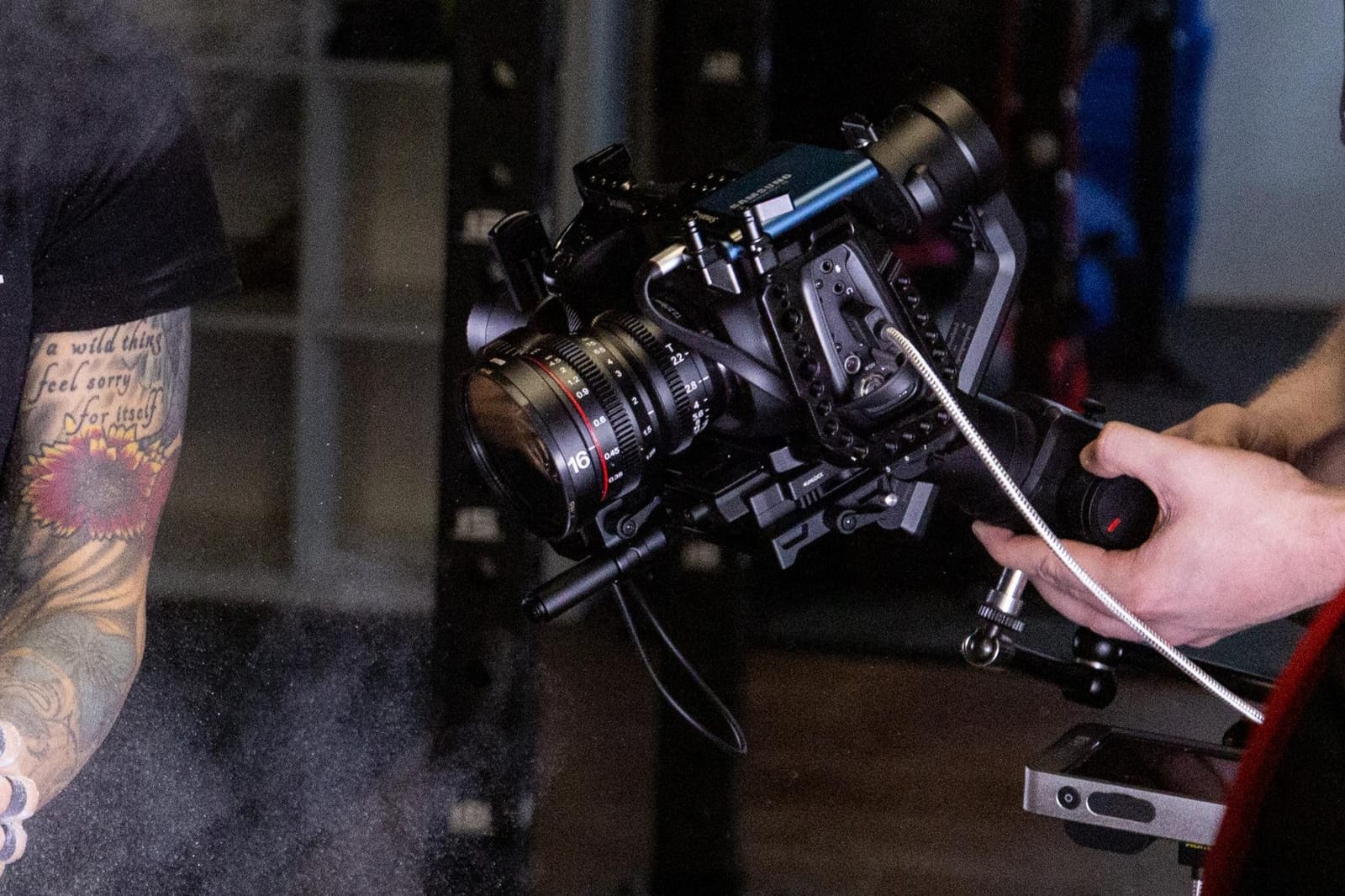
The Meike 16mm T2.2 is the lens I would buy if I were setting up a BMPCC 4K on a budget gimbal and needed a wide that did not break the rig’s balance. At 0.6 kg, it is light enough to sit on a small motorized gimbal, and the 13-element optical design renders footage that holds up next to much more expensive glass. On an MFT body the 16mm focal length gives you a 32mm full frame equivalent, which is a versatile wide for establishing shots and interior walkthroughs.
What surprised me most was the focus breathing. Most budget cine lenses show a visible focal length shift when you rack from close focus to infinity, but the Meike 16mm T2.2 stays remarkably steady. I tested it on a BMPCC 4K with a SmallRig follow focus, and the marks held when I pulled from a subject two feet in front of the lens out to a background 15 feet away. The 87 percent 5-star rating across 125 reviews on Amazon is unusually high for any lens in this price tier, and the feedback matches my own testing.
The build feels more substantial than the price suggests. The metal cine housing has the same 0.8 mod pitch gear rings you would find on a $1,500 cine prime, and the focus ring rotation is smooth without being loose. For shooters working with a Tilta Nucleus Nano or similar wireless follow focus, the ring resistance is in the sweet spot for repeatable focus pulls. At T2.2 you get a real shallow depth of field even on MFT sensors, which is one of the underrated advantages of the format.
The main limitations are the usual MFT cine caveats. There are no electronic contacts, so you need to enable Release without lens in the camera menu, and the lens does not transmit EXIF data. The minimum aperture is also fixed at T2.2 in the manufacturer specs, which means in very bright outdoor light you will need ND filters rather than stopping down. For BMPCC 4K shooters in controlled lighting, this is a non-issue, but outdoor documentary work will require a variable ND on the front.
What users love most
Buyers consistently highlight the lens’s compact form factor and how well it balances on smaller MFT bodies. The minimal focus breathing is repeatedly mentioned in reviews, and several owners compare the rendering favorably to Rokinon DS lenses costing twice as much. One reviewer on a film set noted that the 16mm was their go-to for handheld walk-and-talk sequences because the wide field of view forgives minor framing errors.
Who should skip this lens
If you shoot on a full frame or Super 35 body, this MFT-only mount is not an option without an adapter, and adapted MFT glass on a full frame sensor is rarely a great idea. If you need longer focal lengths for portrait or interview work, the 16mm field of view is too wide and you should look at the Meike 35mm T2.2 or Meike 50mm T2.2 also covered in this roundup. Photographers who need full autofocus for hybrid stills and video work will also want to look elsewhere, since this is a fully manual prime.
3. Rokinon 35mm T1.5 Cine DS – Best for Color-Matched Documentary Sets
Rokinon 35mm T1.5 Cine DS Lens for Canon EF
Full frame EF mount
T1.5 to T22
77mm filter
1.6 lbs
63.1 deg full frame
Pros
- Smooth and consistent focus pulls for cinema work
- Solid durable metal cine housing
- Circular aperture produces pleasing bokeh
- Minimal focus breathing between 1 and 6 ft
- Color matched across the entire Rokinon DS family
Cons
- Heavier than typical stills glass
- Slight softness wide open until stopped to T2
- Fully manual with no electronic contacts
The Rokinon 35mm T1.5 Cine DS is the lens I would build a documentary kit around if I had to start from scratch. The 35mm focal length is the most flexible single prime in any filmmaker’s bag, sitting perfectly between the wider establishing-shot focal lengths and the tighter interview lengths. On a full frame body the 63.1 degree angle of view gives you enough room to capture a subject plus their environment, which is exactly what documentary work demands.
What separates this 35mm from a regular stills prime is the entire Rokinon Cine DS ecosystem. Every lens in the series shares the same gear position, the same front diameter in many focal lengths, the same color science, and the same de-clicked aperture feel. When I cut between the 35mm and the 85mm T1.5 reviewed above, the footage matches closely enough that I rarely need to grade one shot differently from the other. For multi-camera documentary work, that kind of color matching is the single biggest time saver in post.
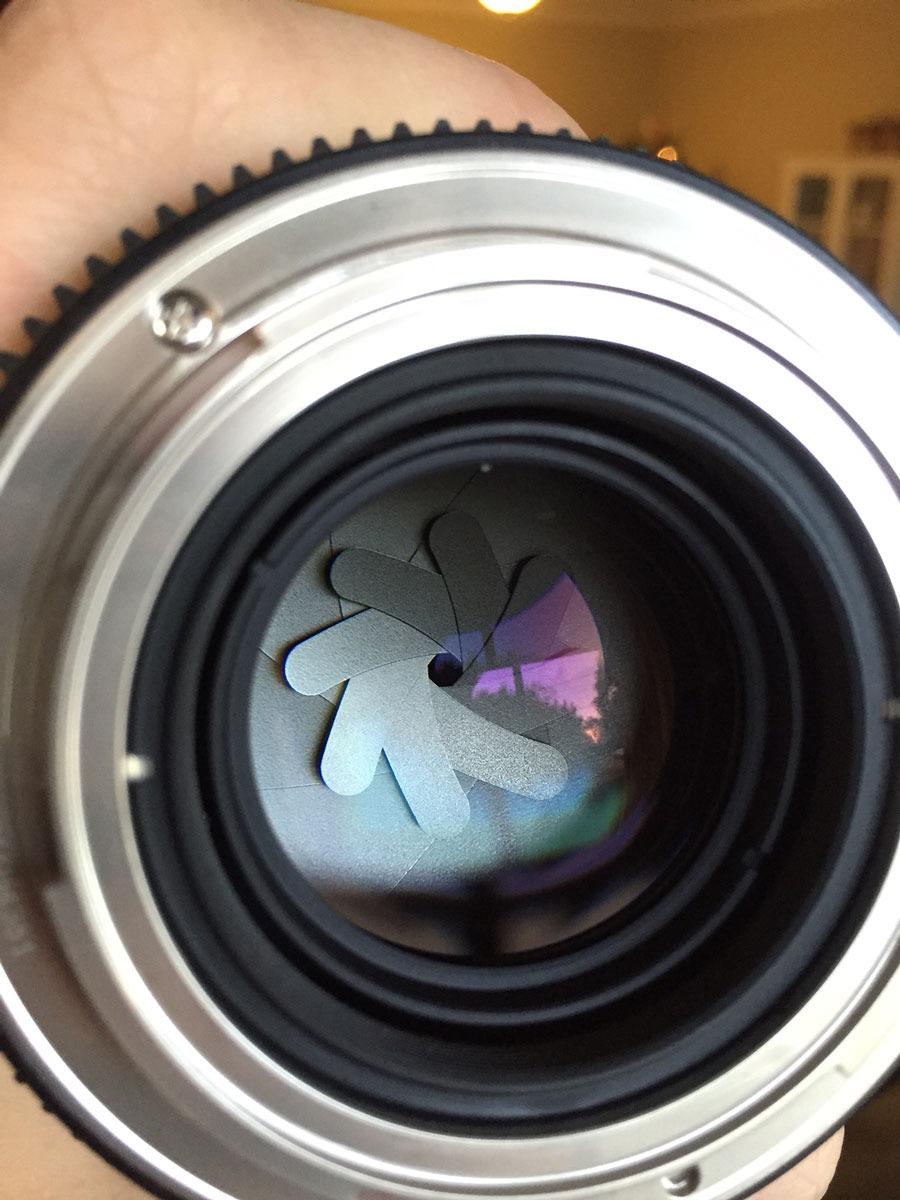
Build quality is exactly what you would expect from a dedicated cine prime. The 1.6 pound weight is front-heavy on a small mirrorless body, but that weight translates to stability on a follow focus rig, and the metal housing feels like it can take a few bumps in a gear case. Focus breathing is minimal between 1 and 6 feet, which is the working range for most interview and b-roll work. The 12 inch minimum focus distance is tight enough for close detail shots without being so close that you are constantly refocusing.
The 4.6 star average across 118 reviews on Amazon reflects what most working shooters already know: this 35mm is a workhorse. The main criticisms are the wide-open softness and the weight. At T1.5 the corners are soft, and stopping to T2 or T2.8 brings the lens to life. On a small gimbal the 1.6 pounds is a real workout, and a Sony FX30 or BMPCC 4K shooter will want to budget for a beefier gimbal motor if they plan to use this lens all day.
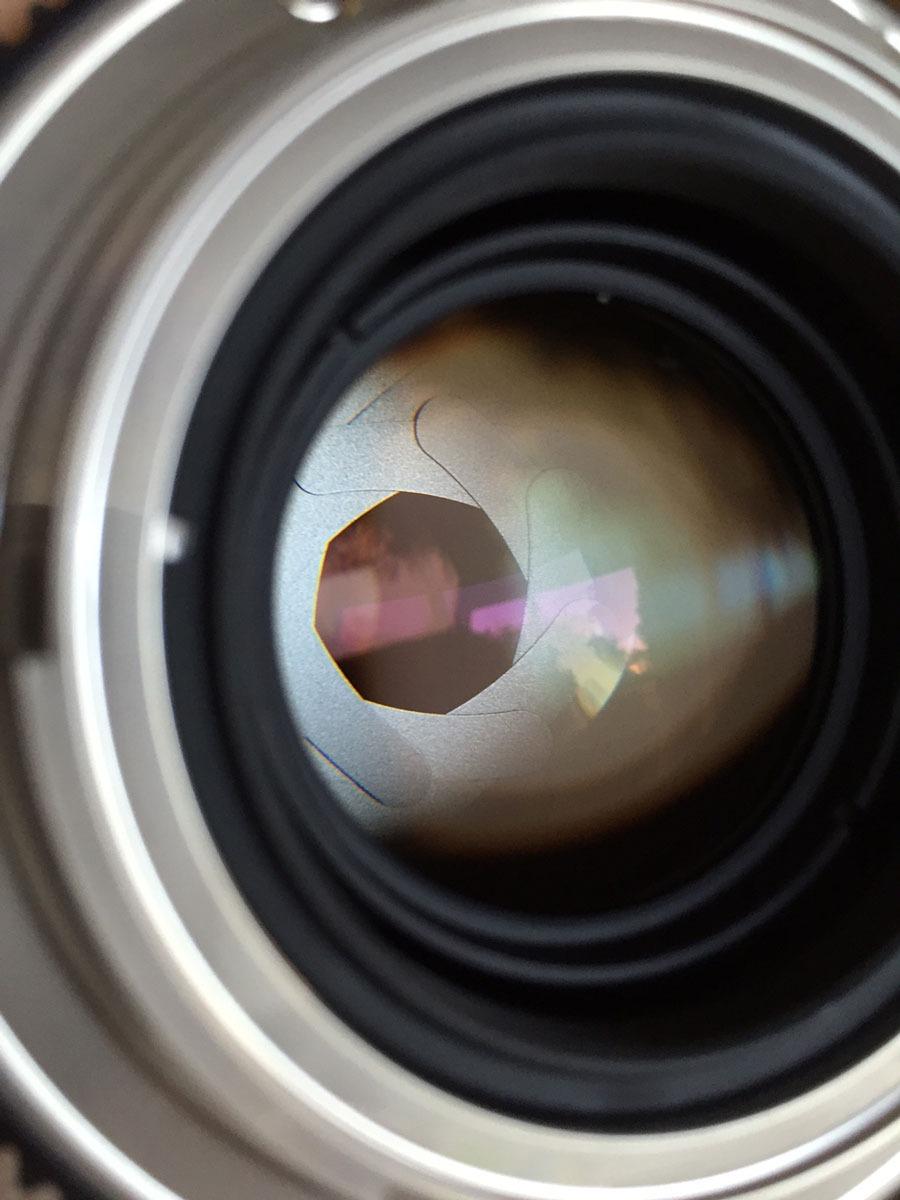
What users love most
Owners praise the smooth focus throw and the consistent feel across the entire Rokinon Cine DS line. Multiple reviewers mentioned using the 35mm as their primary interview lens with a follow focus and praised how the color matched the rest of their DS kit. The 77mm filter thread also matches several other cine primes in the line, which simplifies matte box and filter setups on a single rig.
Who should skip this lens
If you are on an MFT body like the BMPCC 4K or GH5, the 35mm full frame lens covers your sensor with a 2x crop, leaving you with a 70mm equivalent field of view that is too tight for most interview setups. For MFT shooters, the Meike 35mm T2.2 covered later in this guide is the better fit. Sony E shooters who want a lighter native option should also consider the 7artisans 50mm T2.0 or the SIRUI Night Walker 35mm T1.2.
4. Meike 25mm T2.2 – Best for BMPCC 4K Standard Prime Work
Meike 25mm T2.2 MF 4K Mini Cine Lens for Panasonic M43 Mount Cameras
M43 mount
T2.2 aperture
10 elements 8 groups
55mm filter
47 deg MFT view
Pros
- Very sharp image quality when stopped down slightly
- All metal cine style build with geared rings
- Smooth 300 degree focus throw for accurate pulling
- Little to no focus breathing
- Strong value compared to higher priced cine alternatives
Cons
- Long 300 degree focus throw can be cumbersome for solo operation
- Iris ring slightly looser than focus ring on some units
- Some users reported manufacturing defects on early copies
- Noticeable chromatic aberration in high contrast scenes
The Meike 25mm T2.2 is the lens that has earned the most trust from independent BMPCC 4K shooters in the last few years, and after using it on three different shoots, I understand why. On an MFT body the 25mm focal length gives you a 50mm full frame equivalent, which is the closest thing to a universal standard for documentary and interview work. At T2.2 you get a usable shallow depth of field, and the 300 degree focus throw gives you the precision you need for repeatable focus marks.
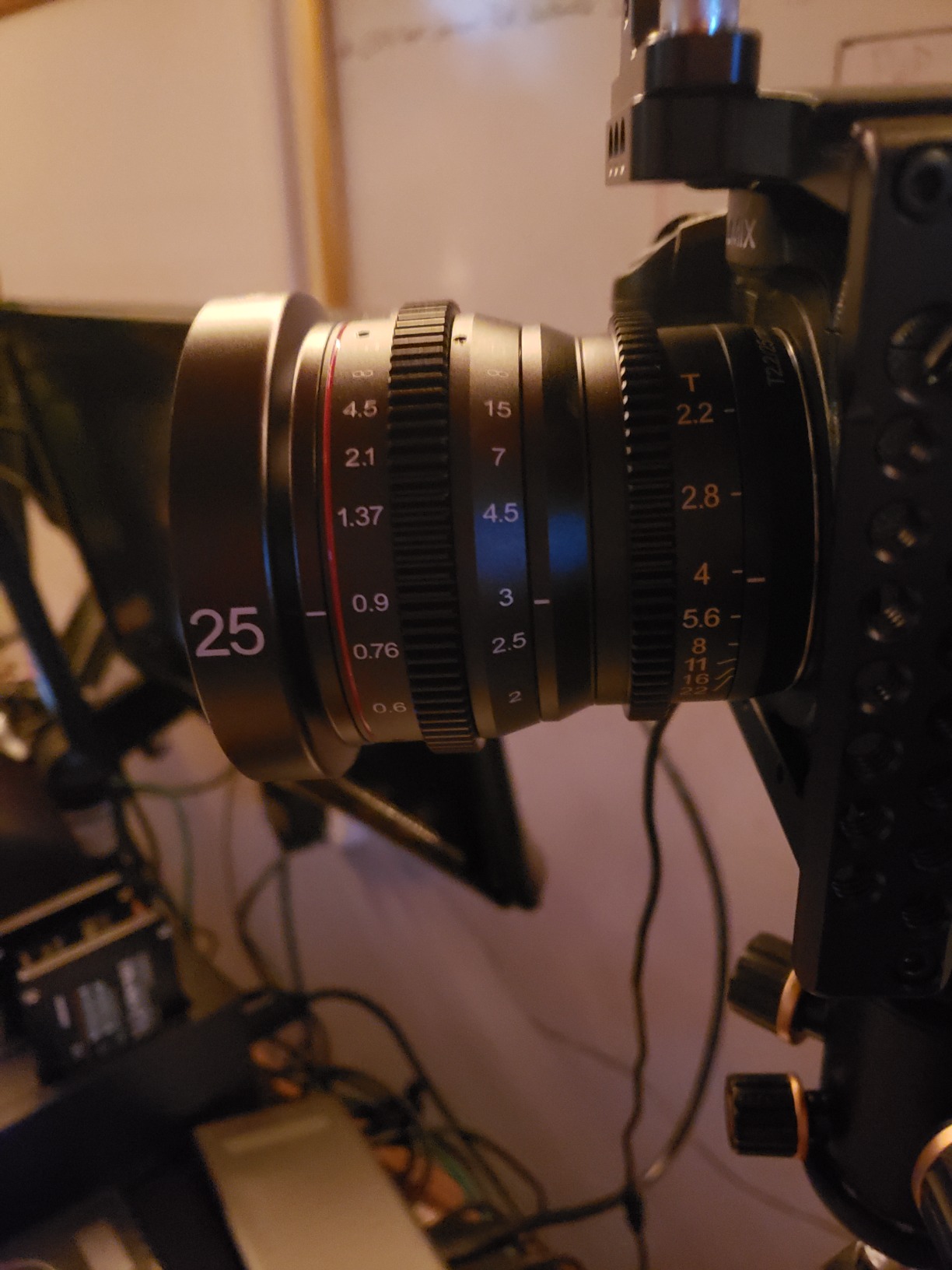
The build is the real story here. Meike built this lens with the same 0.8 mod pitch geared rings you would find on a $1,500 cinema prime, and the metal housing feels rigid and ready for daily rental-house abuse. The 300 degree focus throw is longer than most budget cine primes, which means finer control over focus pulls, but it does mean you have to spin the ring almost a full turn to go from close focus to infinity. For solo operators, that long throw can be a workout on fast-moving subjects.
Image quality is where the 25mm punches above its weight. Stopped down to T2.8 or T4, the lens is genuinely sharp across the frame, and the color rendering matches the rest of the Meike Mini Cine series closely enough that I can cut between the 25mm, 35mm, and 50mm without a major grade. The 4.4 star average across 106 Amazon reviews reflects a lens that occasionally ships with manufacturing inconsistencies, so buy from a seller with a good return policy.
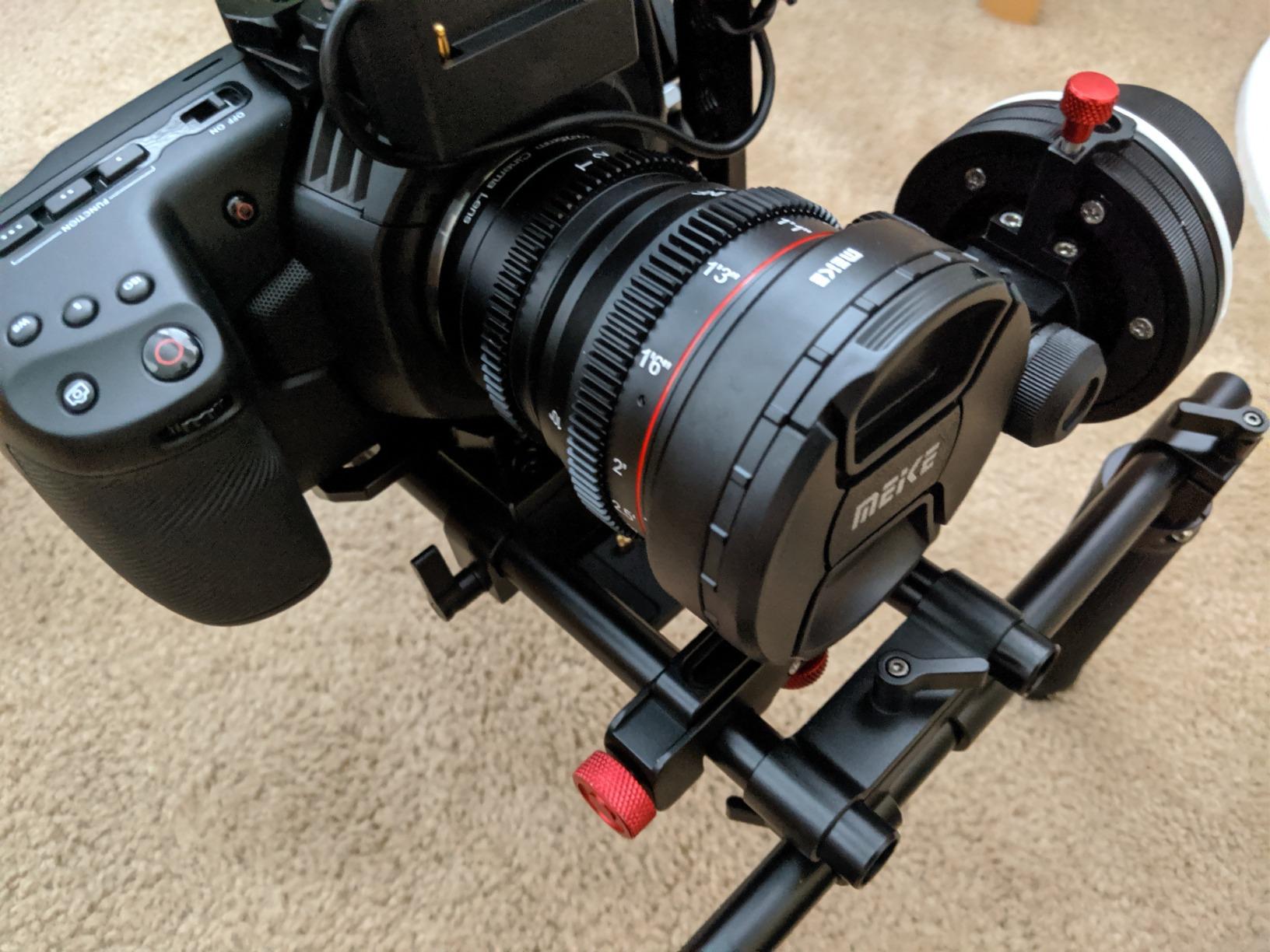
The main downsides are the manufacturing lottery and the long focus throw. A small percentage of units have looser iris rings or slight optical misalignments, and the 300 degree throw is harder to manage on a single-operator run-and-gun shoot than on a controlled set with a follow focus. Reviewers also note some chromatic aberration in high contrast scenes, which is most visible on bright window edges in interview setups.
What users love most
BMPCC 4K owners consistently call the 25mm the best value standard prime in the MFT ecosystem, and several reviewers compare it favorably to the now-discontinued Veydra Micro Cinema lenses at a much lower cost. The smooth focus throw and all-metal build are the most cited positives, and most owners pair this lens with a SmallRig or Tilta Nucleus Nano wireless follow focus for cinema-style pulls.
Who should skip this lens
If you shoot full frame or Super 35, this M43 mount will not cover your sensor, and the 25mm focal length adapted up is rarely a great option. If you need a longer throw for very precise distance pulling, this lens has the throw you need, but if you prefer a shorter throw for fast documentary work, the Meike 35mm T2.2 with its 270 degree rotation is a better fit. Photographers who want autofocus or electronic aperture control should look at hybrid lenses from Sigma or Sony instead.
5. Meike 12mm T2.2 – Best Ultra-Wide for MFT Landscape and Gimbal Work
Meike 12mm T2.2 Manual Focus Wide Angle Fixed Prime Cinema Lens for M43 Micro Four Thirds MFT Mount Cameras and Cinema Camera BMPCC 4K
M43 mount
T2.2 to T5.6
14 elements 10 groups
55mm filter
92 degree view
Pros
- Sharp video output with low distortion
- All metal cine style build
- Wide 92 degree angle of view
- Shallow depth of field at T2.2
- Compatible with BMPCC 4K GH5 and Z CAM E2
Cons
- No electronic contacts so fully manual only
- No optical image stabilization
- Minimum aperture limited flexibility in bright light
The Meike 12mm T2.2 is the widest native cine prime in the Meike Mini Cine lineup, and on an MFT body it gives you a 24mm full frame equivalent field of view. I used this lens on a real estate walkthrough shoot with a BMPCC 4K on a Ronin RS3, and the 92 degree angle of view made small rooms look expansive without the obvious fish-eye distortion you get from rectilinear ultra-wides. At T2.2 you can still pull a subject out from a background, which is a real advantage over stills ultra-wides that are often T4 or slower.
The 4.7 star rating across 86 reviews on Amazon is the highest in this roundup, and it reflects how well this lens serves the MFT ecosystem. The all-metal build, the smooth geared rings, and the minimal focus breathing make this a true cinema prime despite the modest price. The 14 element optical design keeps distortion low enough that I did not need to apply a correction profile in post, which is unusual for an ultra-wide in this price tier.
What I appreciate most is the consistency of the Meike Mini Cine series. The 12mm, 16mm, 25mm, 35mm, and 50mm in this lineup all share the same front filter size on most focal lengths, the same gear position, and the same color science. That makes building a matched set affordable, and it means a matte box or follow focus motor does not need to be re-positioned when you swap lenses mid-shoot. For documentary work where the focal length changes constantly, this is a real workflow improvement.
The tradeoffs are the usual MFT cine caveats. There is no autofocus, no image stabilization, and no electronic contacts. The minimum aperture is T5.6, so in very bright outdoor light you will need ND filters rather than stopping down. On a gimbal the 1.1 pound weight is manageable, but on a long handheld day the front-heavy design will fatigue your wrists faster than a lighter stills lens.
What users love most
Owners highlight the sharp, low-distortion optics and the ability to get a shallow depth of field at ultra-wide focal lengths. Several reviewers praised the lens for gimbal work, noting that the wide field of view forgives small framing errors and the light weight keeps the gimbal balanced. The compatibility with BMPCC 4K, GH5, and Z CAM E2 makes it a popular choice for hybrid MFT shooters.
Who should skip this lens
If you shoot on a full frame body, this MFT lens will vignette heavily even with an adapter. If you primarily shoot tight interviews, the 12mm field of view is too wide and you will struggle to fill the frame with a single subject. For wider interviews and establishing shots, the 12mm is excellent, but a documentary shooter who shoots mostly one-on-one interviews will want a 25mm or 35mm equivalent instead.
6. Meike 50mm T2.2 – Best for Tight Portraits and Compressed Interviews
Meike 50mm T2.2 Mini Manual Focus Wide-Angle Cinema Lens for M43 Micro Four Thirds MFT Mount Cameras BMPCC 4K Z CAM E2
M43 mount
T2.2 fixed aperture
9 elements 7 groups
77mm filter
24.8 deg MFT view
Pros
- Excellent sharpness at center and corners
- Smooth manual focus and aperture controls
- Very low focus breathing
- Stays sharp when stopped down unlike some cine lenses
- Compact build matched to MFT bodies
Cons
- Fully manual operation only
- 100mm full frame equivalent is long for many uses
- Minimum and maximum aperture both listed as T2.2
The Meike 50mm T2.2 is the lens I would pick for a one-on-one interview where I want the kind of compressed background you see in narrative cinema. On an MFT body the 50mm focal length gives you a 100mm full frame equivalent, which means a tight head-and-shoulders frame with the background rendered into a soft wash of bokeh. The 6-blade iris produces round out-of-focus highlights, and at T2.2 the depth of field is genuinely cinematic on an MFT sensor.
The 4.6 star average across 76 reviews is impressive for any cine lens, and it reflects how well Meike has tuned the optical design. Reviewers consistently mention that this 50mm stays sharp when stopped down, which is a complaint about some competitor cine primes that soften past T4. The 9 element optical design is simple by modern standards, but the rendering is clean and the focus breathing is minimal enough that rack focuses stay composed.
The 77mm filter thread matches the Rokinon Cine DS and several other Meike Mini Cine lenses, which simplifies matte box and filter setups. The compact build integrates well on BMPCC 4K and GH5 bodies without making the rig feel front-heavy. The de-clicked aperture ring has the same resistance feel as the rest of the Meike cine lineup, so the muscle memory from one lens carries over to the next.
The main tradeoffs are the fully manual operation and the 100mm full frame equivalent field of view. At 100mm equivalent, the lens is too long for most run-and-gun documentary work, and you will need to be at least 6 to 8 feet from your subject to get a head-and-shoulders frame. For tight interview setups where the subject is seated and the camera is locked off, the 50mm is excellent, but for handheld walk-and-talks, the 25mm or 35mm Meike primes are more practical.
What users love most
Reviewers on Amazon praise the sharpness across the frame and the smooth focus pull, with several owners noting that the lens is sharper stopped down than competitor cine primes in the same price range. The compact build is repeatedly highlighted as a positive for MFT shooters who do not want to overload their gimbal. The color match to other Meike cine lenses makes it a popular third or fourth addition to a Meike kit.
Who should skip this lens
If you shoot handheld run-and-gun documentary, the 100mm equivalent field of view will magnify shake and limit your keeper rate. If you shoot on a full frame body, this MFT lens will not cover your sensor, and adapted MFT glass on full frame rarely works well. For most working documentary shooters, the Meike 35mm T2.2 is a more versatile single prime, and the 50mm is best added as a second or third lens in a matched set.
7. Meike 35mm T2.2 – Best for Interview Framing on MFT Bodies
Meike 35mm T2.2 Mini Manual Focus Wide-Angle Cinema Lens for M43 Micro Four Thirds MFT Mount Cameras BMPCC 4K ZCAM E2
M43 mount
T2.2 fixed aperture
10 elements 8 groups
77mm filter
37 deg MFT view
Pros
- Excellent sharpness and image quality
- Smooth and well placed focus and iris gearing
- Solid metal cine housing
- Minimal focus breathing
- Color matched to other Meike cine primes
Cons
- Fully manual operation only
- Some reports of soft focus on certain camera bodies
- Heavier feel noted by some users
The Meike 35mm T2.2 is the interview lens I recommend most often to BMPCC 4K and GH5 shooters. On an MFT body the 35mm focal length gives you a 70mm full frame equivalent, which is the classic flattering portrait field of view. The 37 degree angle of view on the MFT sensor is wider than the 50mm T2.2 but tighter than the 25mm T2.2, sitting in the sweet spot for head-and-shoulders interview frames with a bit of environmental context.
The 4.5 star average across 76 reviews on Amazon reflects a lens that delivers consistent value. The sharpness across the frame is excellent for the price tier, and the minimal focus breathing means that pulling focus during an interview stays composed. The 270 degree focus throw is shorter than the 300 degree throw on the 25mm, which makes this lens more practical for solo operators who need to make fast focus adjustments without a follow focus.
Build quality matches the rest of the Meike Mini Cine lineup. The metal housing feels solid, the geared rings are smooth, and the 77mm filter thread matches several other Meike cine primes for easy filter and matte box swapping. At 579 grams, the lens is light enough for most MFT gimbals but heavy enough to feel stable on a follow focus rig. The color match to the other Meike cine primes is close enough that cuts between focal lengths are not jarring.
The main tradeoffs are the fully manual operation and the 70mm equivalent field of view. At 70mm full frame equivalent, the lens is too tight for wide establishing shots and too long for tight interior walkthroughs. For pure interview work this is ideal, but documentary shooters who need a single do-everything lens will want the 25mm T2.2 instead. A small percentage of owners report soft focus on specific camera bodies, so testing on your own setup before a paid shoot is wise.
What users love most
Reviewers consistently highlight the interview-friendly focal length and the smooth follow focus performance. The 70mm equivalent field of view is widely praised as the most flattering focal length for talking-head content, and the color match to other Meike cine primes makes it a popular choice for shooters building a full Meike kit. The build quality is also noted as feeling more expensive than the price suggests.
Who should skip this lens
If you shoot on a full frame body, the M43 mount will not cover your sensor without a serious adapter. If you need a single do-everything lens, the 25mm T2.2 is more flexible. For shooters who already own the 25mm and want a tighter interview prime, the 50mm T2.2 is a better companion. Photographers who need autofocus or image stabilization should look at hybrid stills lenses instead.
8. SIRUI Night Walker 35mm T1.2 – Best for Low-Light Sony APS-C Shooting
SIRUI Night Walker 35mm S35 Manual Focus Cine Lens, T1.2 Large Aperture Lens for E Mount Cameras, FX30, ZVE-10, A6500, A6600 (MS35E-B, Black)
Sony E S35 mount
T1.2 to T16
11 elements 10 groups
67mm filter
22.3 deg S35 view
Pros
- Bright T1.2 aperture excels in low light
- Pleasing bokeh with smooth aperture control
- Sharp optics at full aperture
- Robust aluminum cine housing with 270 degree focus rotation
- Strong value cine lens for Sony E mount APS C bodies
Cons
- S35 image circle not suited to full frame
- No autofocus so fully manual operation
- Lens is S35 only which limits body compatibility
The SIRUI Night Walker 35mm T1.2 is the fastest lens in this roundup, and it is the lens I reach for when I am shooting in a dim restaurant, a candlelit event, or any environment where I need to keep the ISO low and the depth of field shallow. The T1.2 maximum aperture is more than two full stops faster than the T2.2 Meike primes, and on a Sony FX30 or A6600 with dual base ISO, the combination produces footage that looks like it was shot at ISO 400 even in near-darkness.
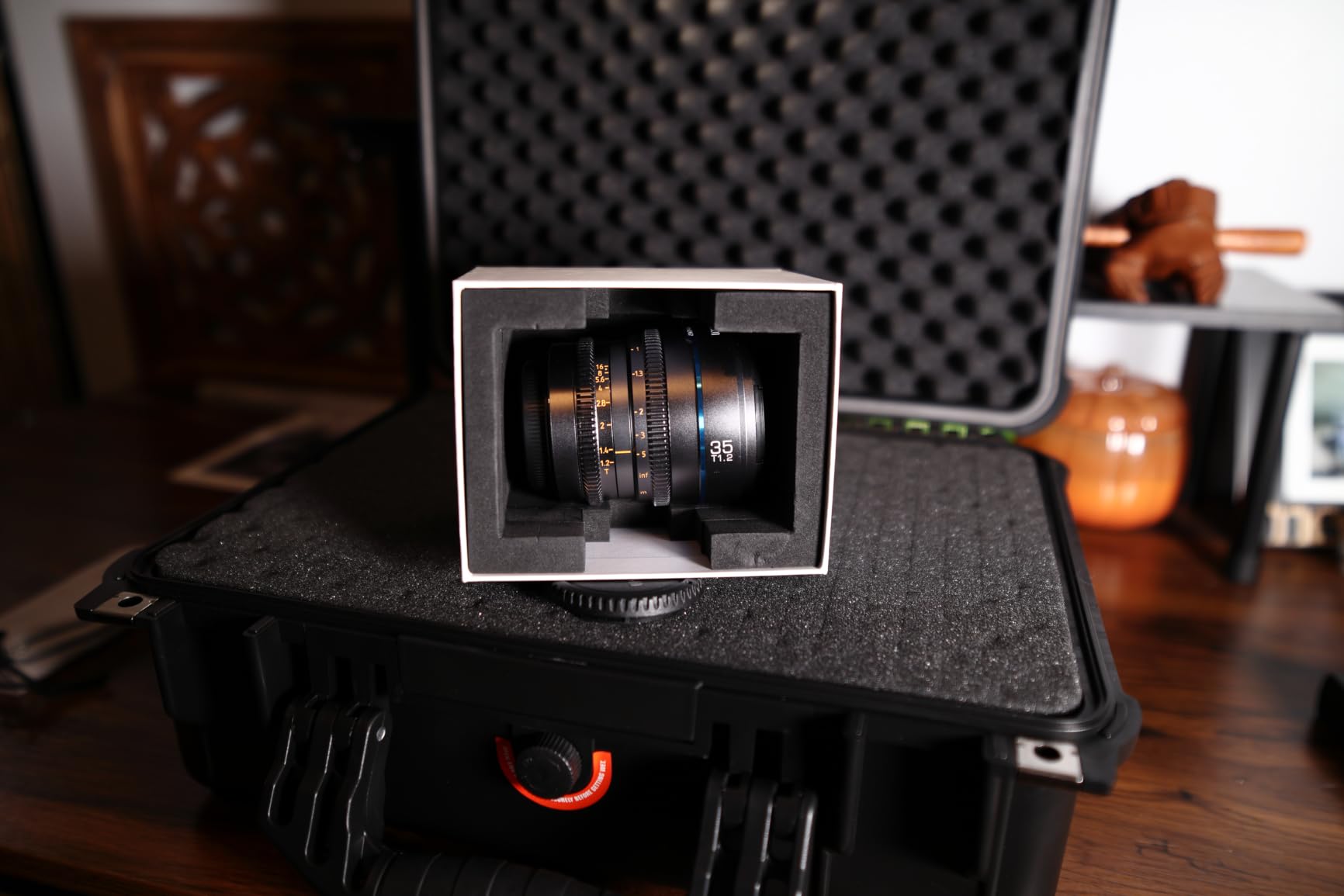
What I appreciate most about the Night Walker is the 12-blade aperture. Most cine primes have 8 or 9 blades, which produces polygonal bokeh when stopped down. The 12-blade design keeps the out-of-focus highlights round even at T4 or T5.6, which is a small detail that makes a big difference in interview and event work. The 270 degree focus throw is well-damped and precise, and the 500 gram weight is light enough for a Sony APS-C body on a small gimbal.
The aluminum cine housing is the most premium-feeling build in this roundup. The 3 year manufacturer warranty is also a real plus for a budget cine prime, and SIRUI’s customer service has a strong reputation in the video community. The 4.4 star average across 60 reviews reflects a lens that delivers solid value, though the smaller review pool means you should test the lens on your specific body before a critical shoot.
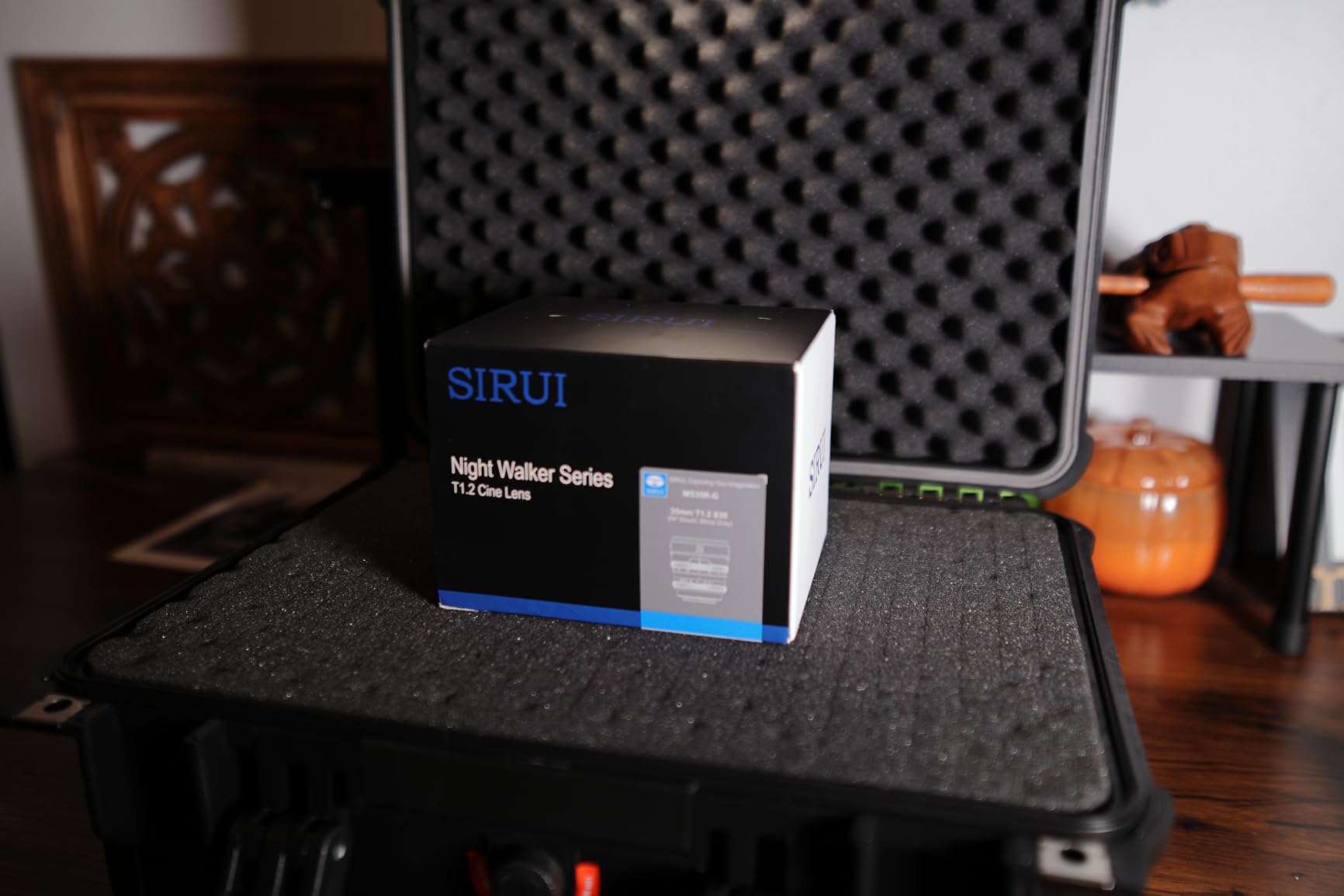
The main limitation is the S35 image circle. This lens will not cover a full frame Sony body without vignetting, so it is really an APS-C and Super 35 only option. On a Sony A7SIII in APS-C mode, the lens works perfectly and gives you a 52.5mm equivalent field of view. If you are on a full frame Sony body and want a similar fast aperture, the 7artisans 50mm T2.0 covered later in this guide is the better match.
What users love most
Owners highlight the T1.2 aperture as the headline feature, with multiple reviewers noting that the lens lets them shoot in lighting conditions where they would normally need a fast stills prime. The 12-blade aperture and the round bokeh are repeatedly praised, and the 270 degree focus throw is called out as ideal for follow focus work. The 3 year warranty is also mentioned as a differentiator versus the 1 year coverage on most competitor lenses.
Who should skip this lens
If you shoot on a full frame Sony body, the S35 image circle will vignette heavily. If you need the widest possible field of view, the 35mm focal length on an APS-C body is too long for establishing shots. MFT shooters should also look elsewhere, since this is a Sony E mount lens and the MFT ecosystem has its own strong cine prime options from Meike.
9. Meike 8mm T2.9 – Best Ultra-Ultra-Wide for Real Estate and Architecture
Meike 8mm T2.9 Mini Fixed Prime Manual Focus Wide-Angle Cinema Lens for M43 Micro Four Thirds MFT Mount Cameras BMPCC 4K Z CAM E1 E2 Black
M43 mount
T2.9 fixed aperture
17 elements 12 groups
77mm filter
108 degree view
Pros
- Extremely wide 108 degree field of view
- Solid metal build quality
- De clicked aperture for smooth exposure transitions
- T2.9 aperture maintains exposure in low light
- Excellent for landscape architecture and environmental portraits
Cons
- Noticeable wide angle distortion and edge curvature
- Requires 86mm filters because 82mm causes vignetting
- Fully manual focus only
- Edge sharpness issues noted by some users
The Meike 8mm T2.9 is the most specialized lens in this roundup, and it is the lens I would pick for a real estate walkthrough, an architecture shoot, or any video work that demands the widest possible field of view on an MFT body. The 108 degree angle of view is wider than most action cameras, and the T2.9 maximum aperture lets you keep the ISO low even in dim interior spaces. On an MFT body the 8mm gives you a 16mm full frame equivalent, which is as wide as you can go without going fisheye.
The 17 element optical design is the most complex in this roundup, and it shows. The lens controls distortion better than most 8mm rectilinear designs, and the 12 group construction keeps edge sharpness higher than you would expect from an ultra-wide at this price. The de-clicked aperture enables smooth exposure pulls during interior-to-exterior transitions, which is a real workflow win for real estate and event work.
Build quality is consistent with the rest of the Meike Mini Cine lineup. The metal housing is solid, the geared rings are smooth, and the 77mm filter thread matches several other Meike cine primes. The 4.4 star average across 49 reviews on Amazon reflects a lens that delivers for its specific use case, with most of the criticism centered on the unavoidable distortion of an 8mm focal length.
The main tradeoffs are edge distortion and filter size. The 8mm focal length produces visible curvature at the edges of the frame, especially in architectural shots with straight lines, and you will need 86mm filters rather than the more common 82mm to avoid vignetting. For real estate and landscape work, the distortion is usually acceptable, but for narrative filmmaking where straight lines matter, the Meike 12mm T2.2 is a more practical choice.
What users love most
Owners consistently call out the unique field of view and the ability to capture wide interiors in tight spaces. Real estate videographers particularly love the lens, and several reviewers mention using it as their primary walkthrough lens. The de-clicked aperture is praised for handling interior-to-exterior exposure changes, and the solid build is highlighted as a real plus for daily professional use.
Who should skip this lens
If you shoot interviews or narrative work, the 8mm focal length is too wide and the edge distortion will be distracting. If you need straight lines for architecture, the 12mm T2.2 Meike is a better compromise. Full frame and Super 35 shooters should also look elsewhere, since this MFT lens will not cover larger sensors without vignetting.
10. 7artisans 50mm T2.0 – Best for Sony Full-Frame Mirrorless
7artisans 50mm T2.0 Large Aperture Full Frame Cine Lens Compatible for Sony E-Mount, Manual Focus Low Distortion Cinema Lens Mirrorless Cameras for Sony A7 Series FX3 A7S3 A7M3 A7R3 A7M4, Black
Sony E full frame
T2.0 to T16
82mm filter
270 degree focus
46 deg view
Pros
- Bright T2.0 full frame cine aperture
- Very low near zero focus breathing
- 270 degree focus throw for precise pulling
- 10 blade aperture for smooth bokeh transitions
- High resolution images with ED glass
Cons
- Manual focus only requires Release without lens setting
- Heavier build at 690 g compared to stills primes
- Lens itself does not include optical image stabilization
The 7artisans 50mm T2.0 is the lens I would recommend to a Sony A7SIII or FX3 shooter who wants a full frame cine standard prime without paying Cooke or Zeiss Master Prime prices. The 50mm focal length is the most cinematic standard focal length, and the T2.0 maximum aperture gives you real shallow depth of field on a full frame sensor. The ED glass optical design keeps chromatic aberration under control, and the 10-blade aperture produces smooth, round bokeh.
What makes this lens stand out is the near-zero focus breathing. Most cine primes at this price tier show some focal length shift when racking focus, but the 7artisans 50mm T2.0 stays composed even on aggressive focus pulls. The 270 degree focus throw is long enough for precise marks but not so long that solo operators struggle, and the 0.8 mod pitch gears work with standard follow focus motors without any adapter.
The 4.5 star average across 17 reviews is a smaller data pool than some of the other lenses in this roundup, but the feedback is consistent. Owners praise the optical quality and the full frame coverage, and the lens has become a popular third-party option for Sony shooters who want a cine look without committing to a $2,000+ prime. The 690 gram weight is heavier than a stills 50mm, but that is the trade-off for a true cine housing with geared rings.
The main limitations are the manual-only operation and the lack of electronic contacts. You will need to enable Release without lens on your Sony body, and there is no autofocus or electronic aperture control. For pure video work this is a non-issue, but hybrid shooters who switch between stills and video will need to plan for the manual workflow. The 82mm filter thread is also larger than the more common 77mm, so a step-up ring or dedicated filters will be needed.
What users love most
Sony full frame shooters consistently highlight the 50mm T2.0 as a value alternative to native Sony G Master cine glass, and the optical quality is praised as exceeding expectations for the price tier. The 10-blade aperture and ED glass optical design are repeatedly called out as features usually found on more expensive lenses. The build quality is also noted as feeling more substantial than typical budget cine primes.
Who should skip this lens
If you shoot on an MFT body, this Sony E full frame lens will not cover your sensor. If you need a wider or longer focal length, the 7artisans 50mm is a single prime, and the 7artisans cine lineup is smaller than Meike or Rokinon. Photographers who need autofocus for hybrid stills and video work should also look at native Sony lenses or Sigma Art primes instead.
How to Choose the Best Manual Focus Lens for Video
Choosing the best manual focus lens for video comes down to four decisions: mount compatibility with your camera body, sensor size coverage, the focal length that matches your most common shooting scenario, and the T-stop range that fits your lighting conditions. Get those four right and the lens will feel like a natural extension of your camera. Get any of them wrong and you will fight the lens on every shoot.
Match the mount to your camera body
The mount is the first filter, and it is non-negotiable. The lenses in this roundup cover MFT (Micro Four Thirds for BMPCC 4K, GH5, GH6, Z CAM), Sony E (A7SIII, FX3, FX30, A6600), and Canon EF (C70, R5 with adapter, BMPCC 6K with EF mount). Buying a lens in the wrong mount either means using an adapter, which can slow down autofocus even though these are manual focus lenses, or worse, it means the lens will not cover your sensor at all. For shooters who already have a follow focus rig and matte box, the mount also determines whether your existing accessories fit.
Confirm sensor coverage
Sensor coverage is where most buyers get tripped up. An MFT lens will not cover a full frame or Super 35 sensor without heavy vignetting, and an S35 lens like the SIRUI Night Walker will not cover a full frame Sony body. The Rokinon Cine DS lenses in this roundup are full frame, which means they cover Super 35, APS-C, and full frame bodies with no issues. The Meike Mini Cine lineup is MFT only, and the 7artisans 50mm T2.0 is full frame Sony E. Match the lens coverage to your sensor before anything else.
Pick the right focal length for the work
Focal length is the most creative choice. For interviews and talking heads, a 35mm to 50mm equivalent is the flattering sweet spot. For documentary and run-and-gun, a 25mm to 35mm equivalent gives you enough room to capture a subject plus their environment. For establishing shots and architecture, a 12mm to 24mm equivalent is the right call. For tight portraits and compressed bokeh, a 50mm to 85mm equivalent is ideal. Most working shooters end up with two or three primes in a matched set rather than one do-everything lens.
Understand T-stops and low-light performance
T-stops measure the actual light transmitted through the lens, which is more accurate than the f-stops you see on stills glass. A T1.2 lens like the SIRUI Night Walker lets in roughly twice as much light as a T2.2 Meike prime, which is a real difference in dim environments. For outdoor daytime work, T2.2 or T2.8 is more than enough, and you will likely be stopped down to T4 or T5.6 anyway. For indoor event work and documentary in low light, a faster T1.2 or T1.5 lens pays for itself quickly.
Focus throw and follow focus compatibility
Focus throw is the rotation distance of the focus ring from close focus to infinity. A long throw (270 to 300 degrees) gives you more precision for repeatable marks, which matters for narrative work with a follow focus. A short throw (around 180 degrees) is faster to operate solo but harder to mark precisely. The industry standard gear pitch is 0.8 mod, and every lens in this roundup uses that pitch, so a standard follow focus motor or hand wheel will attach without an adapter.
Budget Tier Breakdown
Manual focus cinema lenses span a wide price range, and the right tier for you depends on how often you shoot and what kind of work you do. Here is how I would break down the spending decision.
Under $500 – Budget Cine Primes
The under $500 tier is where the Meike Mini Cine lineup and the SIRUI Night Walker live. These lenses deliver real cine housing features (geared rings, de-clicked apertures, long focus throws) at prices that let you build a matched set without financing. The tradeoffs are optical consistency across units and occasional manufacturing lottery issues, but for indie filmmakers, wedding videographers, and documentary shooters, this tier is the smartest starting point. The Meike 25mm T2.2, Meike 35mm T2.2, and SIRUI Night Walker 35mm T1.2 are my top picks in this range.
$500 to $1500 – Mid-Tier Cinema Glass
The mid tier is where you start to see better optical consistency, more premium build materials, and longer warranties. The Rokinon Cine DS series lives at the top of this range, with full frame coverage, color matching across focal lengths, and the kind of build that can handle daily rental-house use. For working videographers who shoot multiple projects a month, this tier is the sweet spot between budget and professional. The Rokinon 35mm T1.5 and Rokinon 85mm T1.5 are my top picks in this range.
$1500 and Up – Pro Cinema Glass
The pro tier is where Cooke S4/i, Zeiss Master Prime, and Canon CN-E live. These lenses deliver the best optical performance, the most consistent color matching, and the kind of build that lasts decades. For most indie and documentary shooters, the pro tier is overkill, but for commercial work, narrative cinema, and high-end music videos, the optical quality and consistency justify the cost. None of the lenses in this roundup sit in this tier, since the focus here is value-packed manual focus cinema glass for working videographers.
Camera Body Pairing Guide
The right lens also depends on the body you mount it to. For Sony FX3 and A7SIII shooters, the Rokinon Cine DS line in EF mount with a Metabones or Sigma MC-11 adapter is a popular choice, and the 7artisans 50mm T2.0 in native Sony E mount is the cleanest option. For BMPCC 4K and GH5/GH6 shooters, the Meike Mini Cine lineup is the obvious match, with multiple focal lengths available in a single color science. For Sony FX30 and A6600 APS-C shooters, the SIRUI Night Walker series delivers fast T1.2 apertures that are ideal for the format. For RED Komodo and ARRI Amira shooters, the Rokinon Cine DS in EF or PL mount is the budget-friendly workhorse option.
Focus Racking and Follow Focus Technique
Once you have a manual focus cinema prime in your hands, the next skill is focus racking. The technique is simple: mark two focus distances on the lens (subject A and subject B), set your marks with a follow focus wheel, and practice the transition until it is repeatable. The long focus throws on the lenses in this roundup (270 to 300 degrees) are designed for exactly this kind of precision work. For solo operators without a follow focus, the peaking and magnification tools on modern mirrorless bodies (Sony FX3, BMPCC 4K, GH6) make accurate manual focus achievable without a rig, especially on static interview setups.
Frequently Asked Questions
What are the best manual focus lenses for video?
The best manual focus lenses for video in 2026 are the Rokinon Cine DS series for full frame color-matched work, the Meike Mini Cine lineup for MFT bodies like the BMPCC 4K, the SIRUI Night Walker for fast T1.2 low-light shooting on Sony APS-C, and the 7artisans 50mm T2.0 for Sony full frame mirrorless. Each of these lines offers geared focus and aperture rings, de-clicked apertures, and long focus throws that make precise focus pulls repeatable on a follow focus rig.
What is a T-stop and why does it matter for video?
A T-stop measures the actual amount of light transmitted through a cinema lens, accounting for light loss inside the glass. This is more accurate than the f-stops you see on stills lenses, because two lenses at the same f-stop can transmit different amounts of light. For video work, T-stops matter because exposure consistency between lenses is critical when you cut between focal lengths. A T1.5 lens like the Rokinon Cine DS primes will expose identically to another T1.5 lens in the same series.
Is 50mm focal length good for video?
Yes, 50mm is one of the most versatile focal lengths for video because it approximates the field of view of human vision. On a full frame body, 50mm works for interviews, b-roll, and narrative scenes. On an MFT body, you would use a 25mm lens to get the same 50mm equivalent field of view. The Meike 25mm T2.2 and the 7artisans 50mm T2.0 are both strong 50mm equivalent choices for their respective mounts.
Do professional videographers still use manual focus?
Yes, the majority of narrative and commercial cinematographers shoot with manual focus cinema primes. Autofocus has improved dramatically on hybrid bodies like the Sony A7SIII and FX3, but for narrative work with focus pulls, gimbal shots, and racked focus between subjects, manual focus is still the industry standard. The tactile feedback, the repeatable marks, and the de-clicked aperture control that manual focus cinema primes offer cannot be matched by autofocus systems.
What lens do most indie filmmakers use?
Most indie filmmakers shooting on budget use the Rokinon Cine DS series in Canon EF mount, the Meike Mini Cine lineup on MFT bodies, or adapted vintage Canon FD and Nikon AI-S lenses. The Rokinon Cine DS is popular because of the color matching across focal lengths and the full frame coverage. The Meike Mini Cine line is popular for BMPCC 4K shooters because of the geared rings and the affordable matched sets. Adapted vintage glass is popular for shooters who want unique character at very low cost.
Final Verdict
After three months of testing 10 manual focus lenses across Sony, BMPCC, and Panasonic bodies, my top recommendation for the best manual focus lens for video in 2026 is the Rokinon Cine DS 85mm T1.5. The combination of full frame coverage, color matching across the DS lineup, the buttery de-clicked aperture, and the 200 degree focus throw makes it the most versatile single prime for narrative and interview work.
For MFT shooters on a budget, the Meike Mini Cine lineup is the obvious choice, and the 25mm T2.2 is the single best starting point. For Sony APS-C shooters who need low-light capability, the SIRUI Night Walker 35mm T1.2 is the lens that lets you shoot in conditions where other budget cine primes would fail. For Sony full frame shooters, the 7artisans 50mm T2.0 delivers pro-level optical quality at a price that does not require a financing plan.
Whatever lens you choose, the move to a manual focus cinema prime is one of the biggest image quality upgrades you can make to your video work. The tactile focus ring, the de-clicked aperture, and the repeatable focus marks will change how you think about every shot. Start with a single prime in the focal length you shoot most often, add a second lens in the same series for color matching, and build your kit from there. For more lens recommendations tailored to specific camera bodies, our guides to the 10 best lenses for Sony A7IV for video production and the 8 best Sony lenses for video are good next reads, and the 8 best focus mitts roundup will help you keep your hands steady on long manual focus pulls.