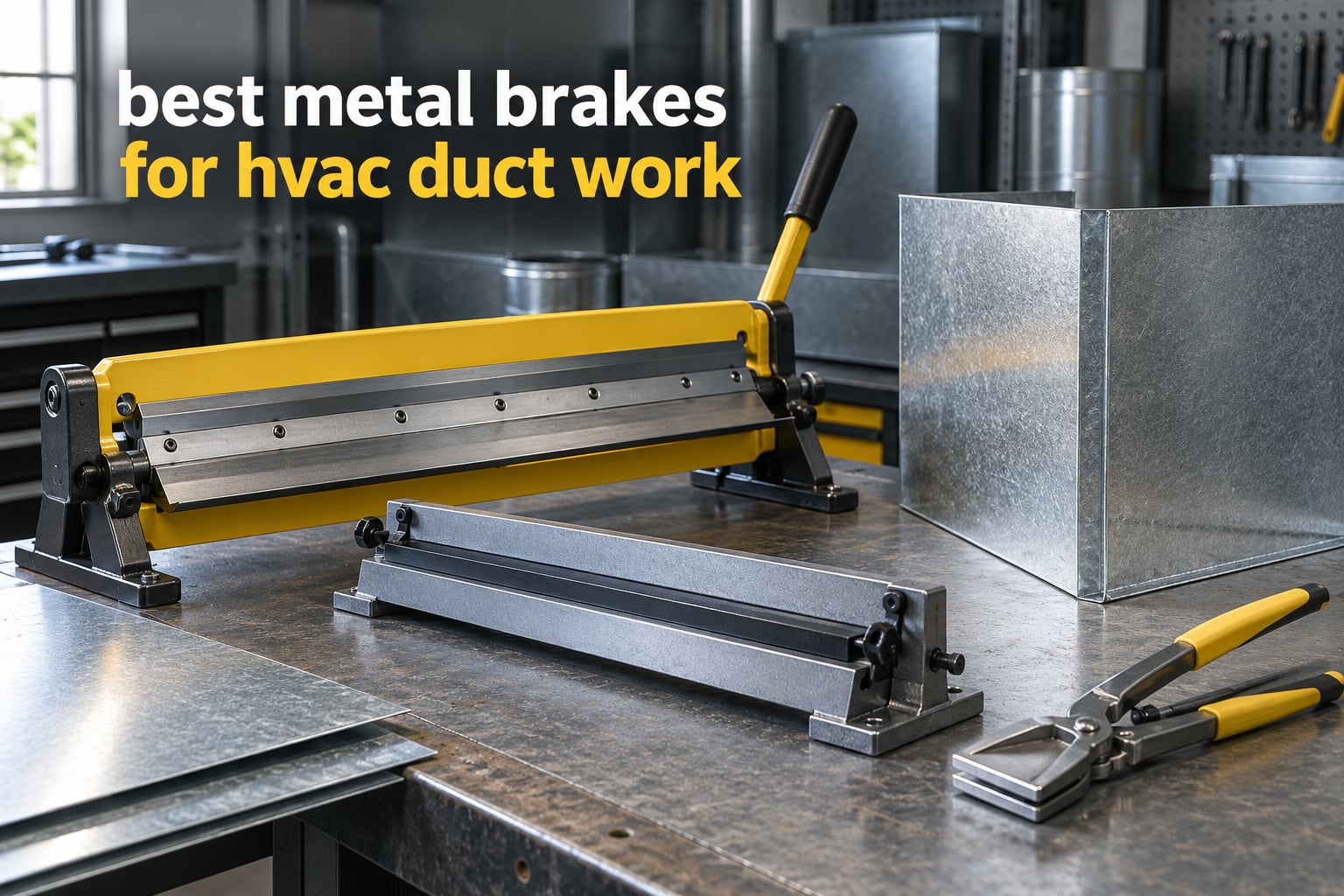
If you want one straight answer before you read further: for most HVAC duct work the best metal brakes are hand folding tools with a 3/8 inch and 1 inch forming channel, and the Crescent Wiss WF12 is the one we would hand a service tech first. For full-width 24 to 30 gauge duct seams the Malco 12F runs a higher rating, and for anything wider than a folding tool can reach you step up to a portable mini brake.
That answer only holds for light gauge work. The word “brake” covers everything from a 12 inch hand tool that folds a drive cleat in a few seconds to a 48 inch benchtop box brake that forms a 22 gauge plenum wall, and the difference between them is the difference between a tool that lives in a truck bed and a machine that owns a corner of the shop.
We spent 2026 going through HVAC fabrication forums, manufacturer spec sheets and owner reviews to sort out which type of brake suits which duct job. This roundup breaks down eight metal brakes we consider for duct work in 2026, starting with the folding tools most technicians actually carry and ending with the bench units that make full-size transitions. Every pick has a stated limitation, because a spec sheet alone will not tell you when a machine reaches the end of its ability.
If you are outfitting a shop rather than a truck, our sheet metal brake roundup covers the larger bench-mounted machines, and you will also want to compare shears for trimming sheet before it ever reaches a brake. For the air side of the system, see how inline duct fans and duct booster fans fit into a residential run.
Table of Contents
Top 3 Best Metal Brakes for HVAC Duct Work in 2026

Crescent Wiss WF12 Folding Tool
- 12 inch folding length
- 16-gauge steel body
- 3/8 in and 1 in depths
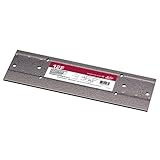
Malco 12F Folding Tool
- 24-30 gauge capacity
- Sight hole depth alignment
- Joined two-half steel body

Hurricane 18 Inch Folding Tool
- 18 inch working length
- Powder-coated steel
- Sight hole alignment
Best Metal Brakes for HVAC Duct Work Compared in October
The table below lines up every pick on the four numbers that decide whether a brake suits your duct: material capacity, working length, forming depth and how the tool is built. Full descriptions follow the table.
| Product | Specifications | Action |
|---|---|---|
| Crescent Wiss WF12 Folding Tool |
|
Check Latest Price |
| Malco 12F Folding Tool |
|
Check Latest Price |
| Hurricane 18 Inch Folding Tool |
|
Check Latest Price |
 Klein Tools 86532 Folding Tool Klein Tools 86532 Folding Tool |
|
Check Latest Price |
 Malco 24F Folding Tool Malco 24F Folding Tool |
|
Check Latest Price |
 Malco MB48A Portable Mini Brake Malco MB48A Portable Mini Brake |
|
Check Latest Price |
 VEVOR 36 Inch Box and Pan Brake VEVOR 36 Inch Box and Pan Brake |
|
Check Latest Price |
 Midwest Snips 3 Inch Seamer Tong Midwest Snips 3 Inch Seamer Tong |
|
Check Latest Price |
What Kind of Metal Brake HVAC Duct Work Actually Needs
There are four families of machine in this roundup, and picking the wrong one is the most expensive mistake in duct fabrication. The categories blur in conversation, so it helps to name them by what they physically do to the sheet.
Folding tools are single-piece hand implements with two machined channels. You slide the sheet into the 3/8 inch channel for a drive cleat or into the 1 inch channel for a hem, then pull the handle until the bend closes on the edge. They are the fastest tool for 26 and 24 gauge work and most belong in a technician’s bag.
Seamer tongs do not create a fold line in the same sense. They close a Pittsburgh seam by pressing the male and female edges of two already-bent flanges together. This is the joinery tool, not the forming tool, and it is the last step before a piece of duct becomes a sealed run.
Portable mini brakes are bench-scale box brakes. A clamping bar holds the sheet, and a hinged bending leaf swings up through the adjustable angle to form a flange along the full width. These form pans, plenum walls and large transitions where a folding tool would need a dozen passes.
Box and pan brakes, sometimes called finger brakes because the clamping beam is built from removable finger segments, go further still. You can pull fingers out of the clamping line so previously formed flanges clear the clamp, which is how a four-sided pan gets made without crushing the bends you already have.
One measurement decides whether a bench brake can do a job at all, and it is not the one on most spec sheets. Throat depth is the distance from the bend line to the nearest obstruction. For any flange taller than a folding tool can reach, the throat has to be greater than the flange height plus twice the material thickness, or the raised flange will hit the frame before the bend finishes.
That is why an 8 inch duct side wall is a problem on a shallow bench unit. A 6 inch throat cannot form an 8 inch flange at any gauge, so the job fails halfway through and the piece is scrap. Check throat depth before anything else when your duct involves tall side walls.
1. Crescent Wiss WF12 Folding Tool: Best Overall for Duct Work
Crescent Wiss 12″ Folding Tool | WF12
16-gauge steel body
3/8 in and 1 in fold depths
12 in length
16 oz weight
Pros
- 16-gauge steel gives rigid repeatable bends
- Dual 3/8 in and 1 in channels cover common HVAC folding depths
- Ergonomic red metal handle
- Crescent Tools heritage since 1907
- Largest review base in this roundup
Cons
- 12 in length means multiple passes on longer duct runs
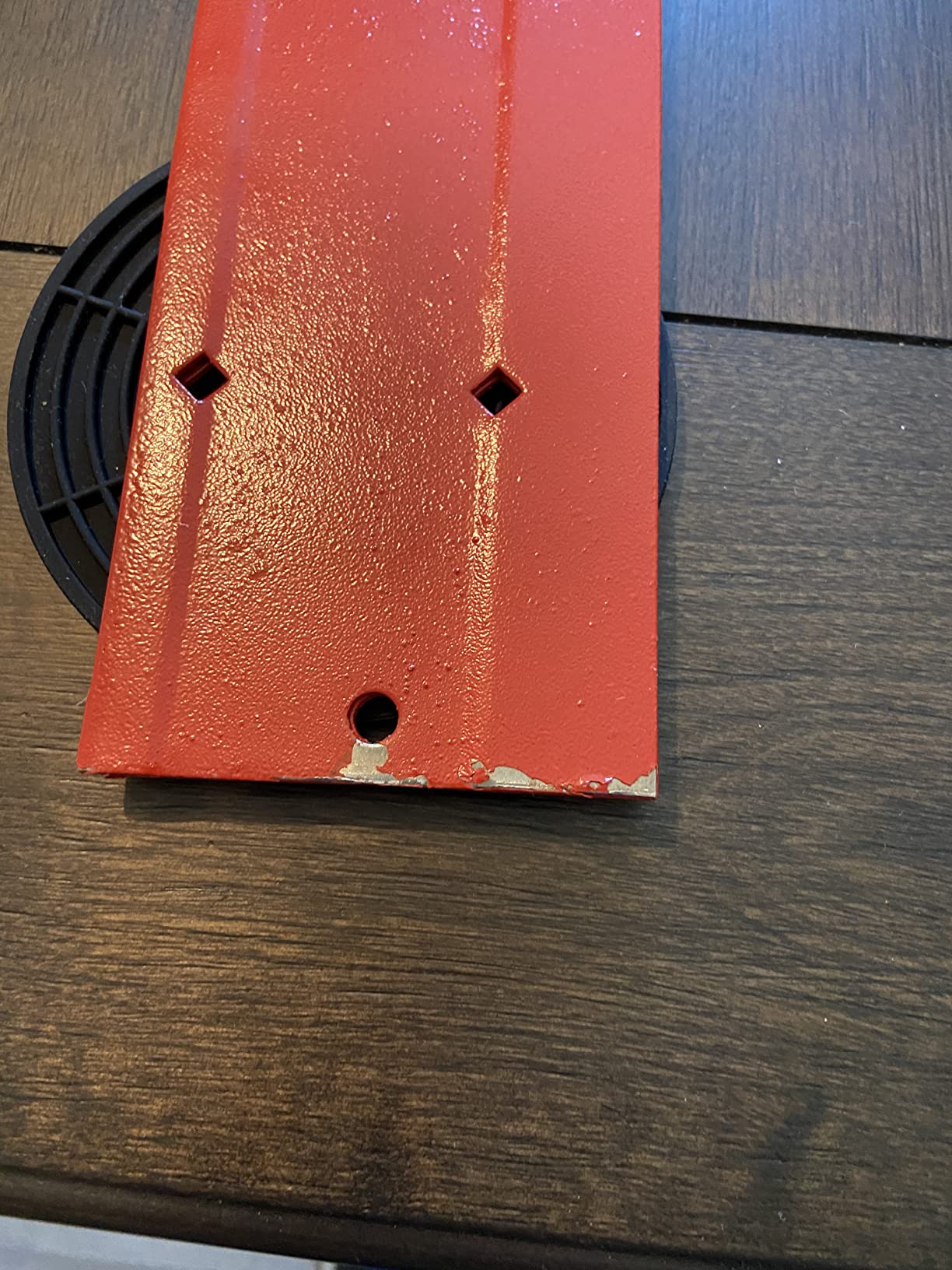
- Some trade users report cracking under heavy folding loads
The WF12 is the tool I keep reaching for when the job is a drive cleat, a 24 gauge return bend, or a small plenum patch. It weighs 16 ounces, which sounds like a minor specification until you are climbing a ladder with a piece of galvanized duct in the other hand.
What earns it the top spot is the combination of body thickness and channel geometry. The tool is machined from 16 gauge steel, and the two forming channels are fixed at 3/8 inch and 1 inch, which are the two depths that account for the overwhelming majority of HVAC folding work. Nothing about the layout wastes a millimeter.
Crescent has been making hand tools since 1907, and the WF12 follows that lineage rather than imitating it. There is no adjustment to lose, no clamp to tighten, and no hinge to develop play. You put the sheet in and pull.
Owner feedback on this tool is unusually consistent. Buyers describe folds that come out the same on the tenth piece as on the first, which is exactly what you need when a transition has to fit inside an existing ceiling grid without shimming.
The limitation everyone mentions first is length. At 12 inches, a 24 inch wide piece of 26 gauge trunk line takes two passes with a careful alignment between them. That is manageable for a shop that does a few pieces a week and irritating for a fabricator running full-width panels all day.
A smaller share of reviews raise durability concerns under heavy folding loads, which tracks with what you would expect from a single-piece implement. Treat it as a precision forming tool for light gauge rather than a lever for thick material, and it will outlast your truck.
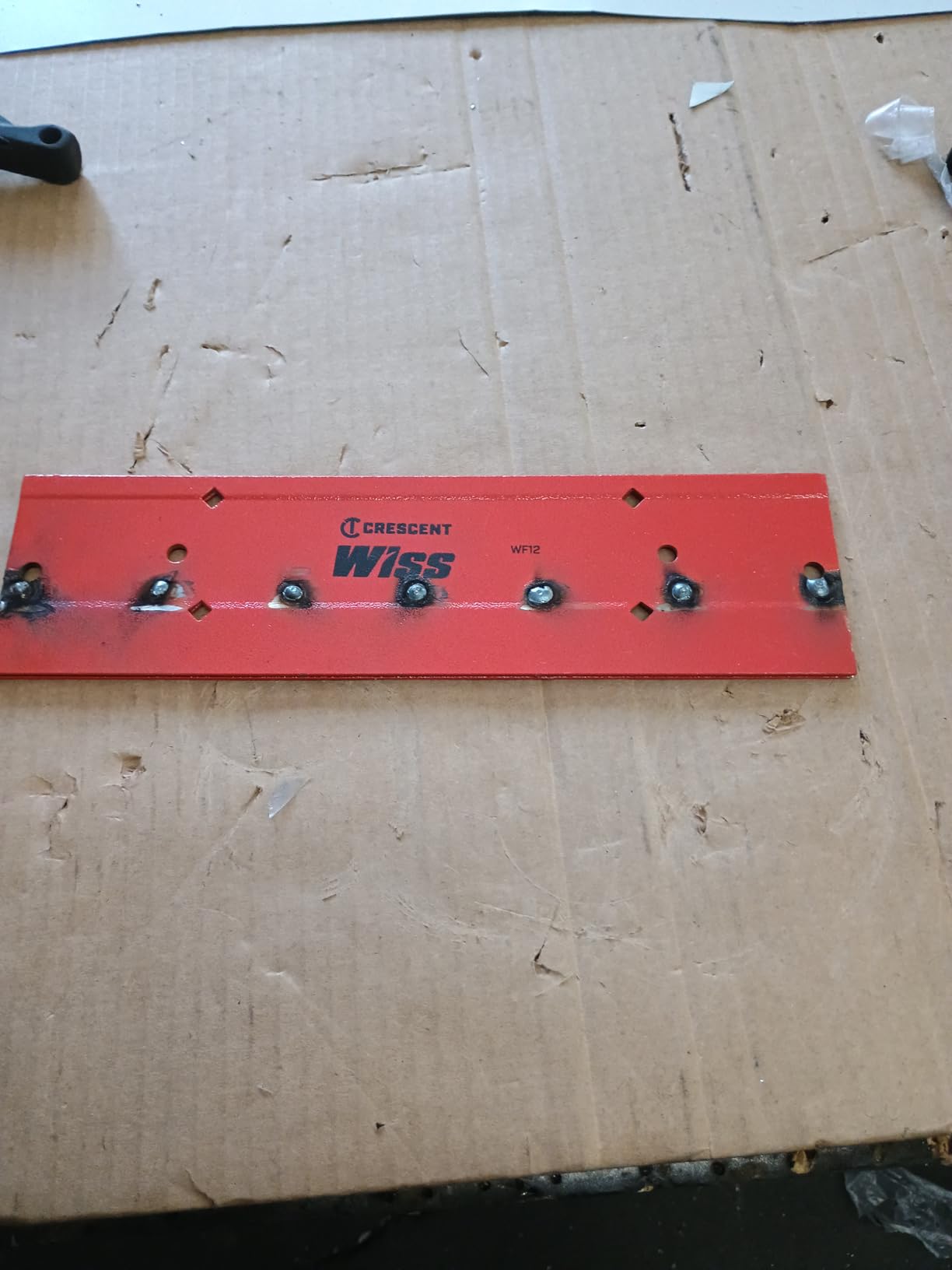
What the WF12 handles well in duct fabrication
The 3/8 inch channel is the drive cleat and transverse joint depth used on trunk and branch duct, and forming it in a single pull gives a consistent, repeatable flange height. The 1 inch channel handles hemming, deeper offsets and the return on a plenum side wall.
Because there is no clamping mechanism to slip, the bend line stays put even when your sheet is not perfectly square in your hands. That matters on a transition where an error of a few degrees at one corner propagates around the whole piece.
Where the WF12 will disappoint you
It will not form a full-width duct pan. Anything requiring a flange taller than an inch needs either the 1 inch channel used in two steps or a real bench brake, and the multiple passes make long pieces slow.
It is also light enough that a heavy hand can flex the channel, which slightly rounds the inside radius on thicker sheet. For 26 and 24 gauge galvanized work this is a non-issue; for anything heavier, move up a class of tool.
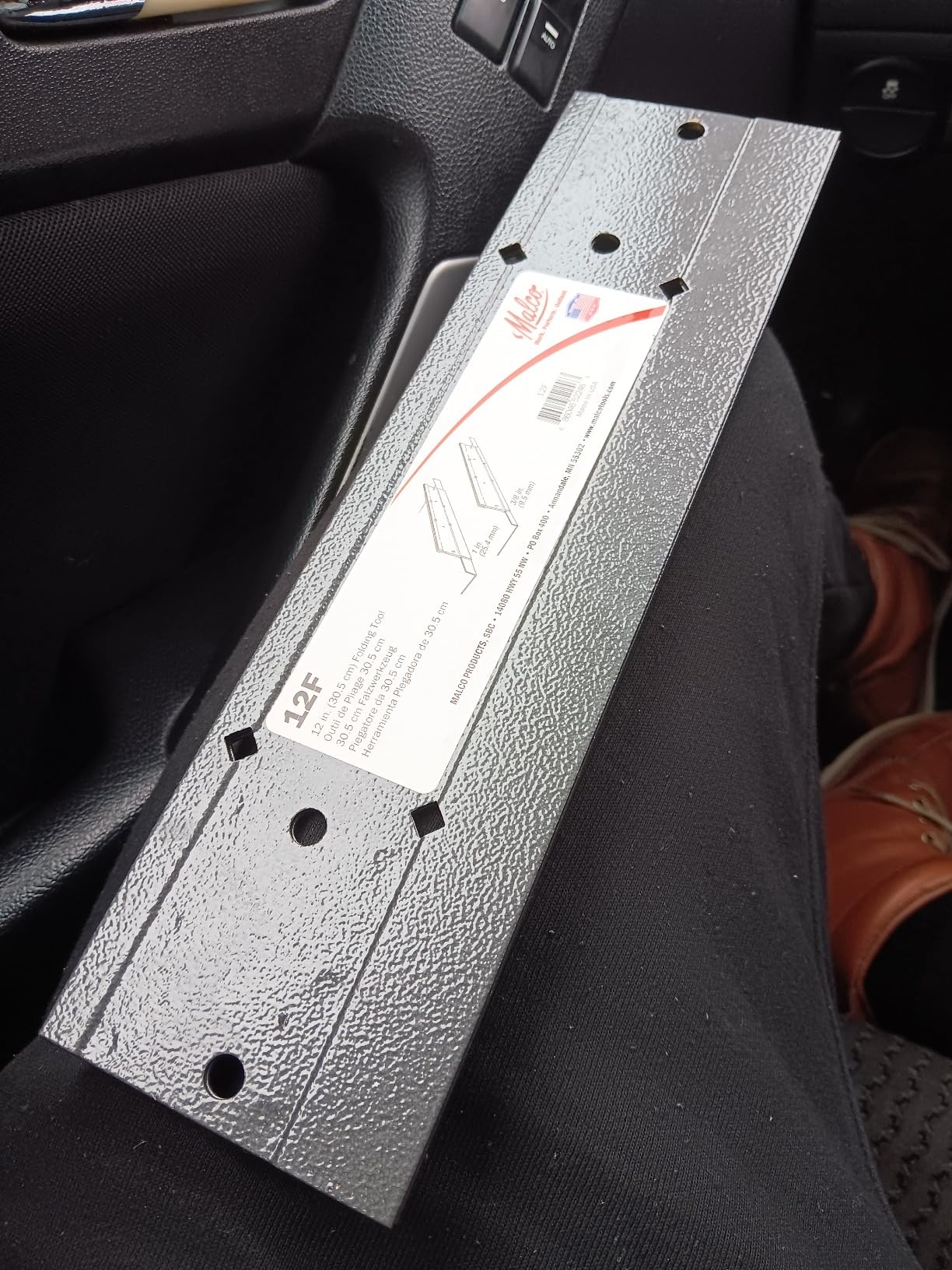
2. Malco 12F Folding Tool: Best Rated for 24 to 30 Gauge Work
Malco 12F 12″ Folding Tool, 3/8″ & 1″ Depths, 24–30 Gauge Capacity, Sheet Metal HVAC Tool for Drive Cleats, Ductwork, Plenums & Joist Panning, Made in USA
24-30 gauge capacity
3/8 in and 1 in depths
Sight holes
20 oz steel body
Pros
- Handles 24-30 gauge with clean consistent bends
- Dual channels switch with no tool swap
- Sight holes for depth alignment
- Joined two-half steel body resists flex
- Made in USA with 18 in and 24 in versions
Cons
- 12 in length is short for long duct runs
- Heavier at 20 oz than similar folding tools
The Malco 12F has the highest rating in this group at 4.7 across more than 1500 reviews, and the reason is the stated 24 to 30 gauge capacity. That rating is printed on the tool rather than inferred, and owners across HVAC, roofing and pest control trades consistently report that it matches.
The build detail that sets it apart is construction from two steel halves permanently joined to form the folding seams. Rather than a folded or welded single piece that can hinge at the middle under load, the 12F behaves as a single rigid body, which is why corners come out square.
The sight holes are the other feature you will use daily. Looking down through a hole at the sheet edge tells you when your flange depth is correct without guessing, and on repetitive work that removes the biggest source of rework.
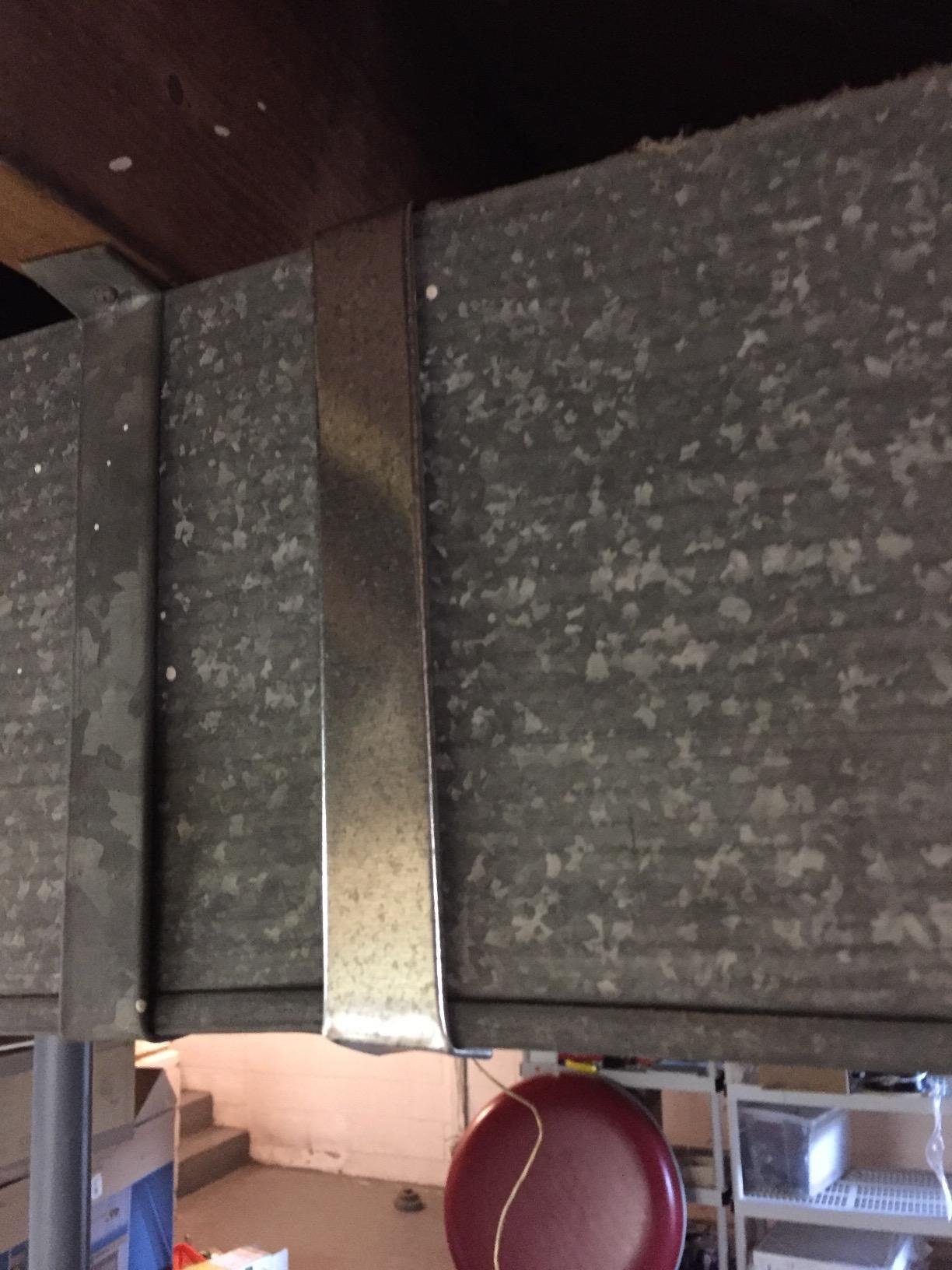
Multiple reviews compare the 12F favorably against a competing folding tool that failed, and that comparison is the recurring theme in the feedback. Buyers tend to arrive at Malco after a cheaper tool let them down, which tells you something about how the two age.
The caveat that appears over and over is the 12 inch size, which forces repeated passes on longer material. Owners also note the 20 ounce weight as a mild drawback in a bag, though several describe the heft as reassuring rather than annoying.
Because Malco builds the same design in 18 inch and 24 inch lengths, a shop that outgrows the 12F can step up within the same tool family instead of learning an entirely different machine. That continuity is worth more than it sounds when you are standardizing across a crew.
Where the 12F earns its rating
On 24 and 26 gauge galvanized steel, this is the folding tool to beat for repeatability. The joined body does not flex, the sight holes remove guesswork, and the two channels handle both drive cleats and deeper hems without a change of tool.
For a service technician building corner laps, small plenums and flashings, the accuracy translates directly into fewer returns to a job site. An out-of-square corner in a return means an air leak the customer will hear.
Where the 12F falls short
At 12 inches it is the shortest of the mainstream folding tools, so long duct stock takes multiple passes. And despite the steel body, the stated capacity stops at 30 gauge on the thin end and 24 gauge on the thick end, which rules out heavier transition material.
The 20 ounce weight is fine for a shop and noticeable on a ladder. If your work is mostly rooftop flashing, the lighter tools in this roundup may suit you better.
3. Hurricane 18 Inch Folding Tool: Best Value for Long Light Gauge Passes
HURRICANE 18 Inch Sheet Metal Folding Tool, Professional HVAC Bending Tool with 3/8″ & 1″ Fold Depths, Metal Seamer for Ductwork, Roofing, Duct Bender Hand Tool
18 inch folding length
16-gauge powder-coated carbon steel
3/8 in and 1 in depths
Sight holes
Pros
- 18 inch length cuts the number of passes
- Three lengths cover different job sizes
- Sight holes make depth alignment easy
- Powder-coated steel resists rust
- Bends light flashing and 26 gauge cleanly
Cons
- Centre join can separate on material thicker than 26 gauge
- Some buyers want a longer version
The Hurricane solves the problem the 12 inch tools create. At 18 inches of working length, a standard branch duct width fits in a single pass, and the sight holes carry over the same depth-reading trick used by the Malco and Klein tools in this roundup.
It is built from 16 gauge powder-coated low carbon steel, which gives you a body as thick as the Crescent-class tools at a length nearly 50 percent greater. It also comes in 12 inch and 24 inch variants, so one product family covers a technician’s bag and a shop wall.
For 26 gauge work, feedback is consistently positive. Trade schools report heavy use holds up, and users like how the powder coat keeps rust off a tool that lives in a van.
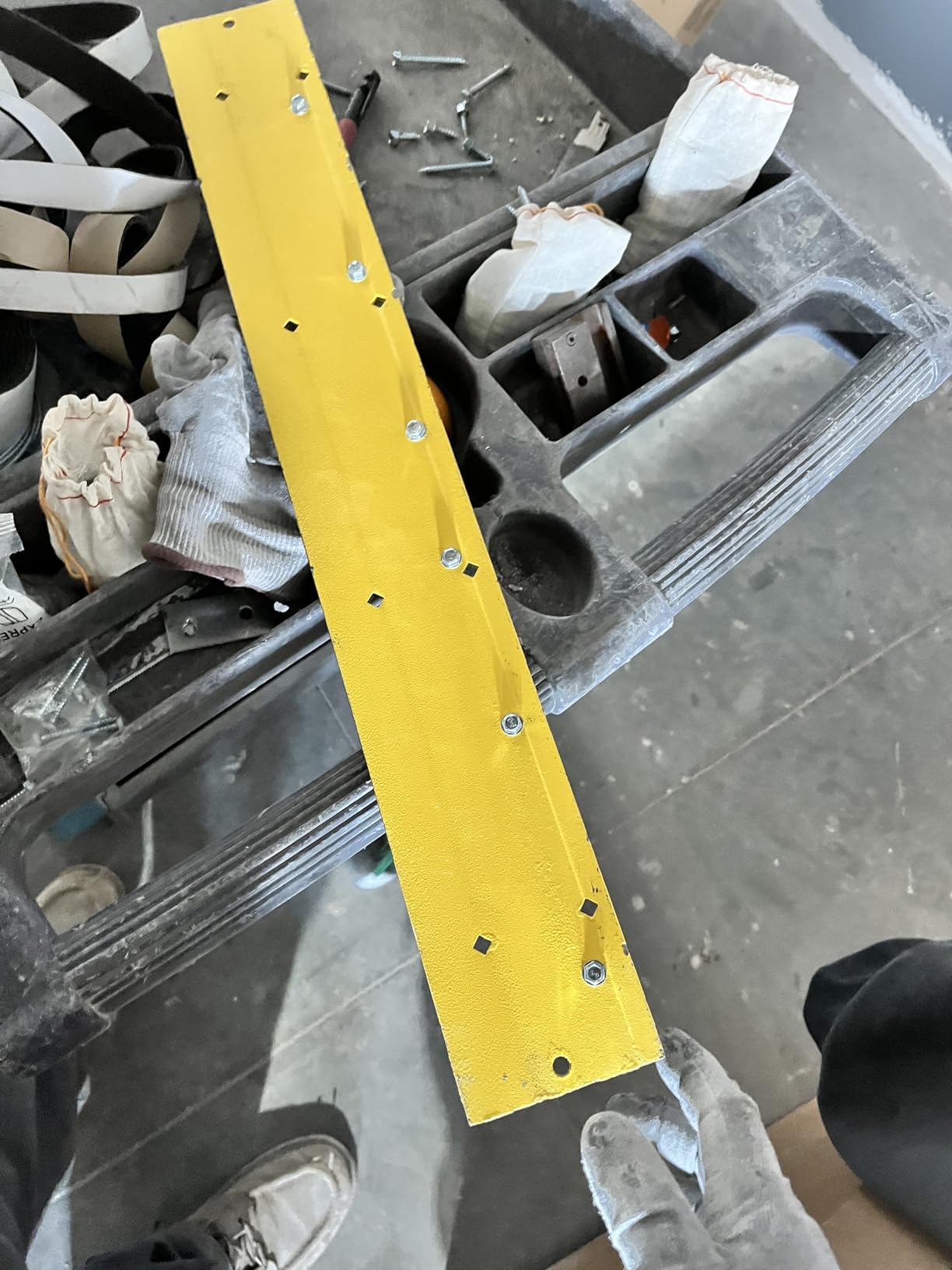
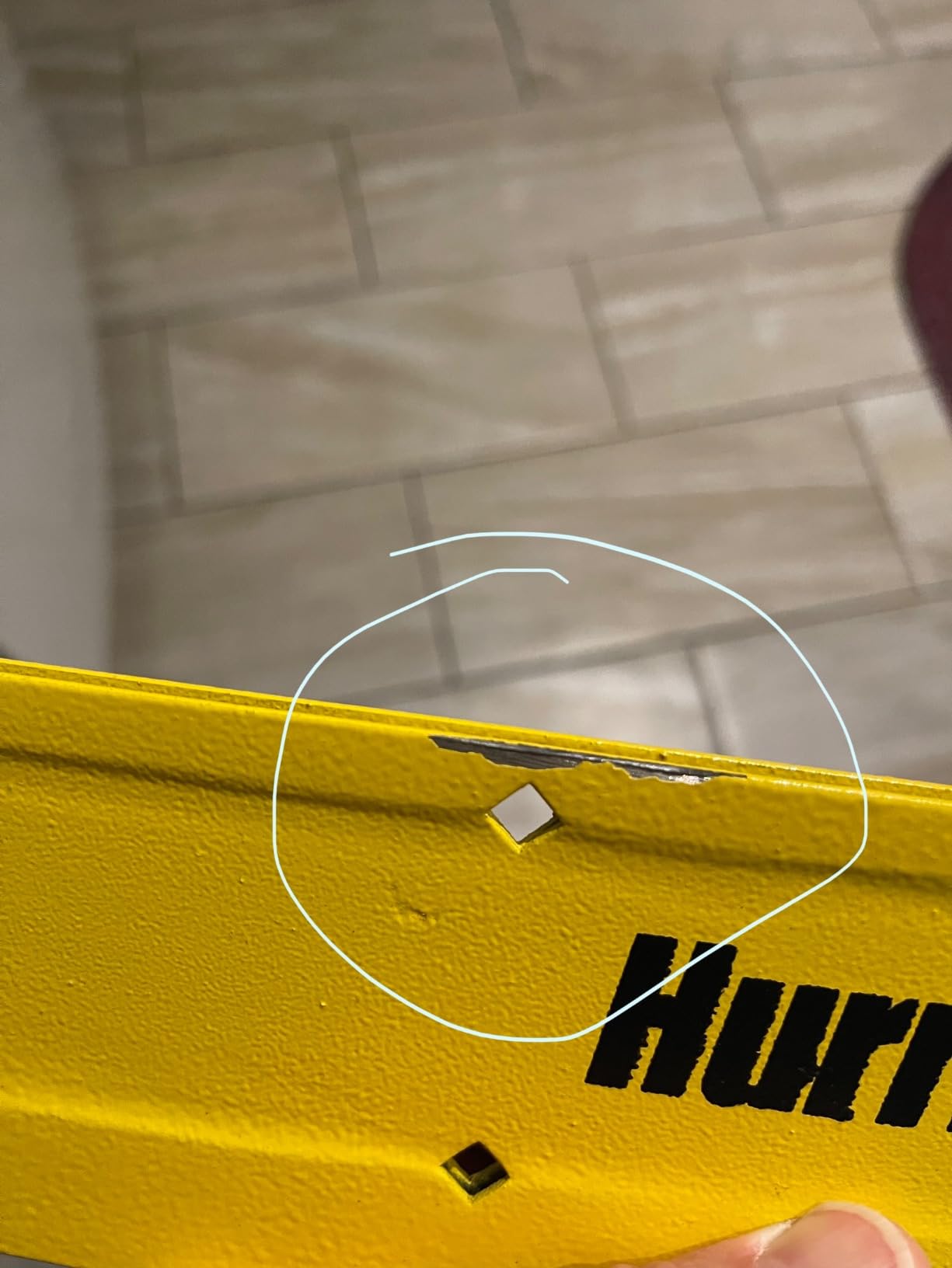
The durability limit is the one that matters. Several reviewers report the middle seam splitting when they push into 24 gauge or heavier material, and the recommendation that follows from those reviews is to step up to a heavier brand when the job runs that thick.
That is a fair read of the design. A two-piece join is what allows the folding channels to be machined as one working edge, and it is also the weakest point in the assembly under sustained heavy load. For 26 gauge and lighter it holds; beyond that it does not.
A second, smaller complaint is length. Some buyers at the 18 inch size wish for a 2 or 3 foot version, which is a fair point on wide flashing but not a real problem for duct widths.
Best use for the Hurricane
Full branch-width duct pieces in 26 gauge, where a single pass over 18 inches removes the alignment guesswork that makes a 12 inch tool frustrating. It also handles hems and pans on light flashing cleanly.
If you are outfitting apprentices or trade school benches, this is an easy first tool to buy in quantity, since the same design covers three lengths.
Where it stops working
Do not push this tool into 24 gauge. That is where the joined centre seam is most likely to give, and the failure mode is a split that appears mid-bend while your hand is on the handle.
Below 26 gauge, step up to the Malco 12F or a bench brake. Between those two limits this is the most efficient tool per dollar in the roundup.
4. Klein Tools 86532 Folding Tool: Best for 24 Gauge and Stainless Work
Klein Tools 86532 Metal Folding Tool for Duct Bending 18 x 3-Inch
Folds 24 ga CRSM and 28 ga stainless
3/8 in and 1 in depths
16 gauge steel body
18 x 3 in
Pros
- Heavy 16-gauge steel that stays true
- Sight gauges for repeatable depth alignment
- Handles 24 ga CRSM and 28 ga stainless
- Works on PVC flashing too
- 12 in and 24 in versions available
Cons
- Flange width fixed by the channels
- Heavier than smaller folding tools
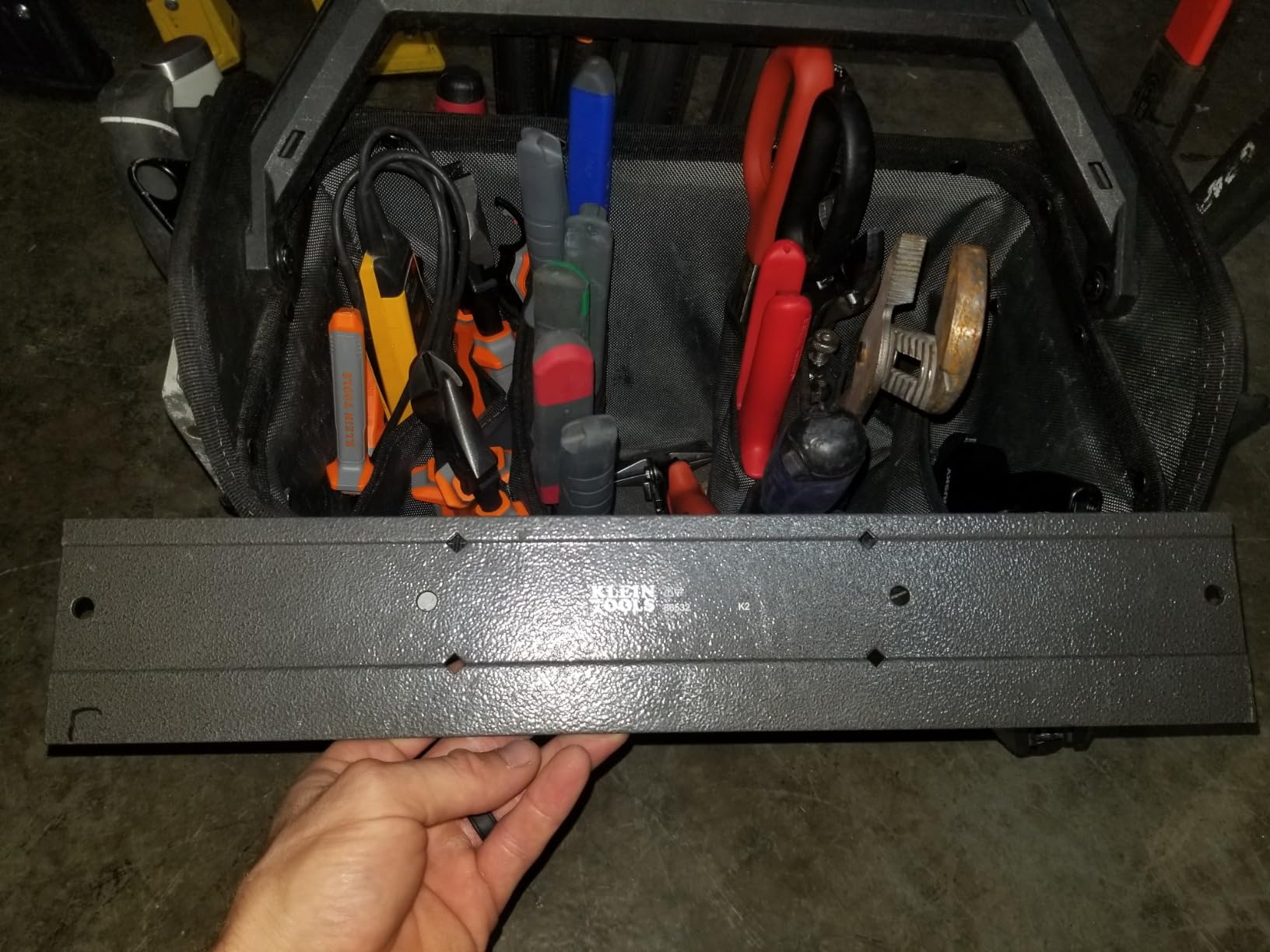
The Klein 86532 is the pick for anyone whose ductwork includes stainless. The stated capacity covers 24 gauge cold rolled steel and 28 gauge stainless, which is a different and tougher material than the galvanized most folding tools are specified against.
It measures 18 x 3.25 inches and weighs about 2 pounds. That weight is not a defect so much as a trade: users describe the heft as confirmation of build quality, and the 16 gauge steel body is why the tool stays true after months of folding.
The sight gauges give accurate, repeatable depth alignment, the same mechanism as the Malco and Hurricane tools. Reviewers also note it works on PVC flashing, which is useful when a technician is fitting a transition into a non-metal run.
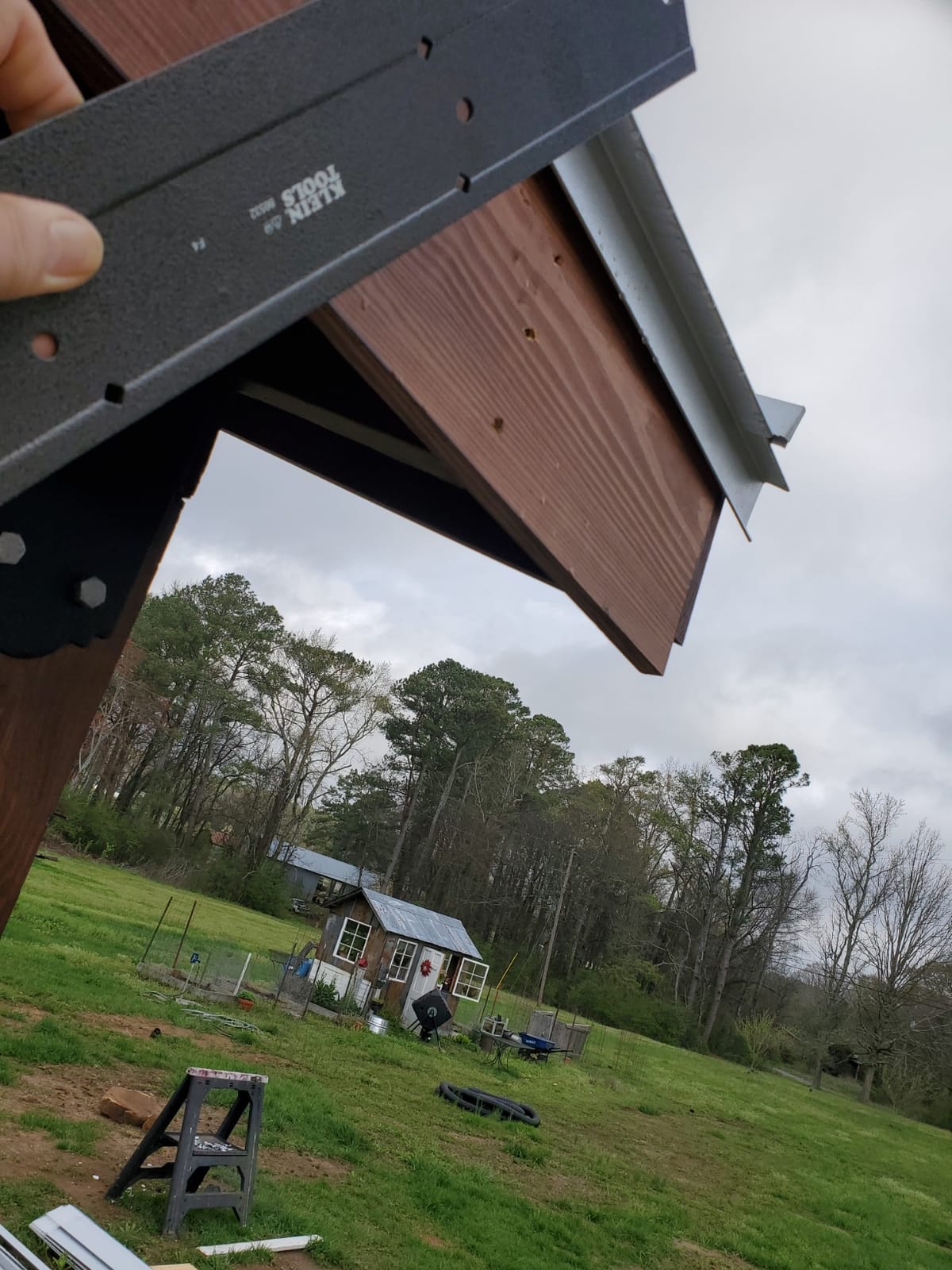
Beginners rate it highly. Multiple reviews describe it as the tool that made sheet metal and HVAC work approachable, which is a signal that its depth markings are legible and its response is predictable enough to learn on.
The recurring limitation is that flange width is fixed by the channel geometry. If you need a narrower flange than 3/8 inch, or a partial-width bend, the tool will not give you a clean line and you need to take extra care on the edge.
The second note is weight. At 2 pounds it is the heaviest folding tool here, which matters on a rooftop or a ladder where every ounce registers.
Where the Klein makes sense
Any job where 24 gauge cold rolled steel is the working material, and especially where stainless is in the mix. Kitchen and restaurant duct, stainless transitions and heavier flashing all sit inside its stated range.
It is also a good teaching tool, since the sight gauges make depth alignment readable to someone who has never folded sheet before.
Where it is the wrong choice
If your duct is 26 gauge throughout, you are carrying more weight than the job needs and losing the 2 pound advantage the lighter tools offer. And if your flanges are narrower than 3/8 inch, this tool will frustrate you.
The 1 year manufacturer warranty is also shorter than the lifetime coverage on the Malco tools in this group, which matters more for a shop than for a single technician.
5. Malco 24F Folding Tool: Best for Wide Sheet and Long Passes
Malco 24F 24″ Sheet Metal Folding Tool | Dual 3/8″ & 1″ Folding Depths | Portable Mini-Brake for Roofing & Siding | 24-30 Gauge Capacity | Made in the USA
24 inch folding length
24-30 gauge capacity
3/8 in and 1 in depths
2 lb alloy steel
Pros
- 24 inch face reduces passes on wide sheet
- Dual depths cover drive cleats and deeper folds
- Lifetime manufacturer warranty
- Doubles as a mini-brake for roofing and siding
- Made in USA
Cons
- Larger and heavier than 12 in and 18 in tools
- Only rated for 24-30 gauge material
The 24F is the same design as the 12F stretched to 24 inches, and that extra length is the whole point. Wide sheet and flashing come across the tool in one pass instead of two, which is where the productivity gain on a folding tool actually shows up.
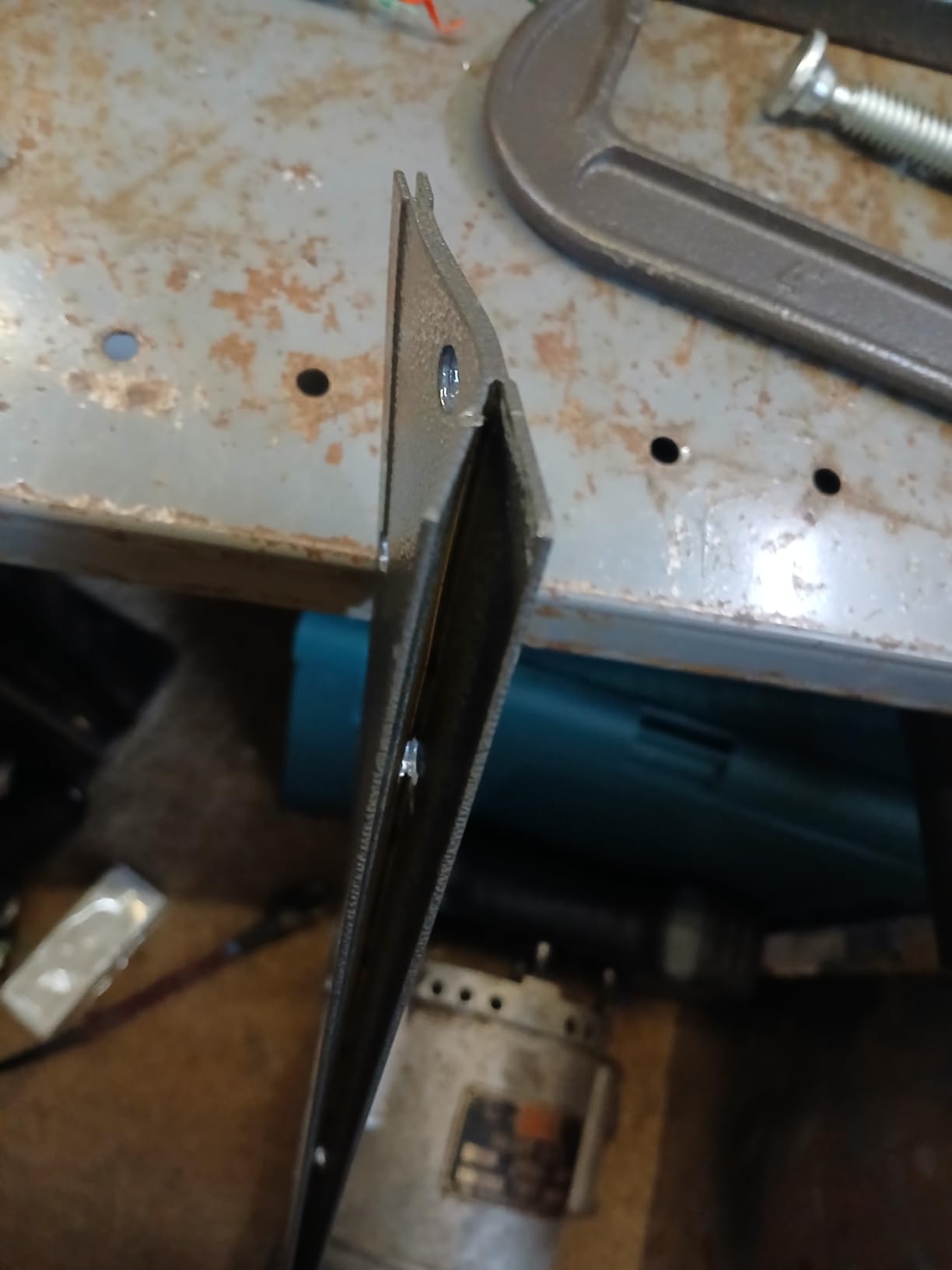
Capacity stays at 24 to 30 gauge, matching the smaller Malco. The two steel halves are permanently joined, sight holes handle depth alignment, and the dual 3/8 inch and 1 inch channels cover both drive cleats and deeper folds.
The lifetime manufacturer warranty is the strongest coverage in this roundup, and it is backed by a company that has built these tools for roofing and siding applicators since long before box and pan brakes became common in HVAC shops.
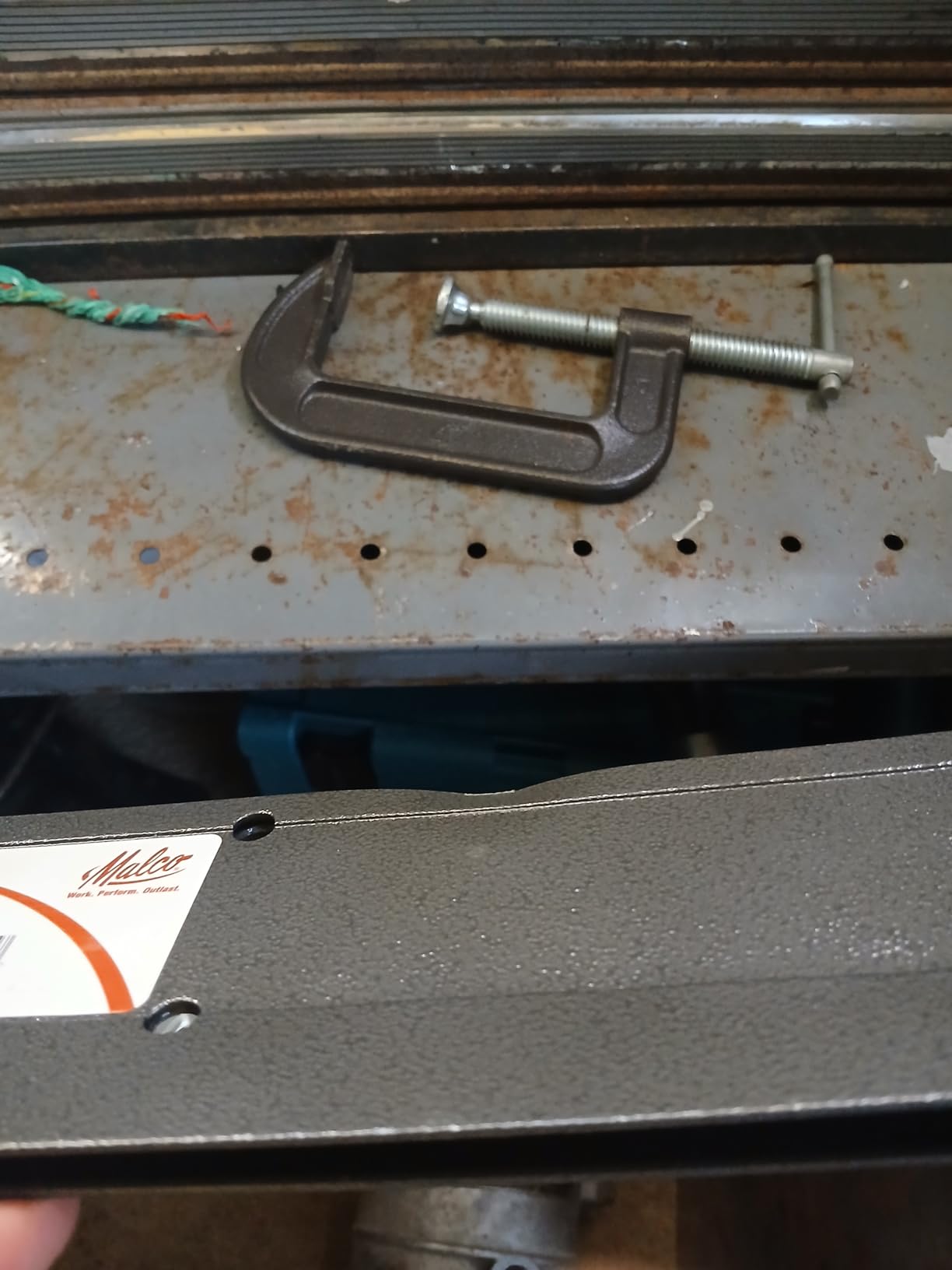
Buyers like that it doubles as a mini-brake for roofing and siding work, which broadens its use beyond duct fabrication. One listing even bundles it with a knife, pliers, screwdriver bit and can opener, though the folding tool is the reason to buy it.
Owners rate it among the strongest options in the range at 4.7. The 24 inch working length and the lifetime warranty are the two features cited most often in reviews.
Review volume is smaller than the 12 in Malco at 462, and much of the feedback is short-form approval rather than detailed long-term use reports. The trade-off of size is real: at 24 x 3.25 x 0.25 inches and 2 pounds it is the largest hand folding tool in this group.
Best fit for the 24F
Wide flashing, large plenum panels and any sheet that would take two passes in a 12 inch tool. Roofing and siding work benefits from the same length, so it earns its place in a mixed shop.
The lifetime warranty means a shop buying several of these is covered for as long as they own them, which is unusual in the hand tool category.
Where it is overkill
A technician carrying one tool for duct repair does not need 24 inches of face. The extra bulk is only worth it when the work genuinely spans wide sheet.
It is also capped at 24 gauge on the thick end, so a shop bending 20 or 18 gauge transition material still needs a bench brake. No folding tool solves that, which is why the next two picks matter.
6. Malco MB48A Portable Mini Brake: Best for Full-Size Duct Work
Malco MB48A 48″ Portable Mini Brake, 22 Gauge Capacity, Sheet Metal Bender for HVAC, Roofing & Ductwork Fabrication
48 inch bending width
22 gauge to 135 degrees
Adjustable strengthening ribs
58 lb portable format
Pros
- Bends 22 gauge galvanized to 135 degrees
- 48 inch width handles full-width duct and flashing
- Builds plenums
- large transitions and roof flashing
- Adjustable ribs suit job-site work
- Made in the USA
Cons
- 58 lb weight makes it a two-person carry
- Optional leg kit sold separately
- Sits well above hand folding tools in cost
The MB48A is the first real brake in this roundup rather than a folding tool, and it is the smallest machine here that forms a full-width duct wall. It bends 22 gauge galvanized sheet up to 135 degrees across a 48 inch width, and it can form fabrications as small as a 4 inch square.
For a shop making plenums, large transitions or roof flashing in copper and aluminium, that capability changes what you can quote. The adjustable strengthening ribs let you tune the clamping beam to the material, which is the specific fix for the centre bow that ruins long bends on lighter machines.
It is genuinely portable at 52 x 12 x 10 inches, which is a fraction of the volume of a floor-standing box and pan brake, and adjustable ribs let you carry it to a job site where the duct has to be formed in place.
Buyers who fabricate larger duct components value the 48 inch width and the rib reinforcement most. The machine earns solid marks for making 135 degree bends in 22 gauge and for handling flashing materials where a folding tool would be hopeless.
The trade-off owners name most is size and weight. At 58 pounds this is a two-person carry, and it is awkward to move onto a job site without planning the route in advance.
One practical detail catches people: the optional leg kit is sold separately. Standing at bench height without it is workable but tiring, and for daily production you will want the legs.
When the MB48A is the right machine
Any job forming a duct side wall taller than an inch, or a plenum panel wider than 24 inches. That is the boundary where folding tools stop being practical and full box and pan brakes become overkill.
It is also the answer for 22 gauge work. Nothing else in this roundup reaches that thickness, and 22 gauge is where transitions start carrying real structural load.
When it is not
For light gauge service work, 58 pounds is a lot of machine for a drive cleat. A technician doing duct repairs in a van gets far more work done with a 12 inch folding tool and a seamer tong.
It is also not a substitute for a segmented box and pan brake when you need four-sided pans with tall walls, since its clamping beam is fixed. For deep boxes you need real finger brakes.
7. VEVOR 36 Inch Box and Pan Brake: Best for Occasional Shop Work
VEVOR Sheet Metal Brake, 36-Inch, Sheet Metal Bending Bender, Portable Mini Brake with 20 Gauge Low Carbon Steel 14 Gauge Aluminum Capacity, 0-130 Degree Adjustable Angle, Extended Handle, for Bending
36 inch bending width
20 ga steel and 14 ga aluminum
0-135 degree angle
53 lb bench-mountable
Pros
- Handles 36 inch sheet up to 20 gauge steel
- Extended power handles give real turning force
- Adjustable angle from 0 to 135 degrees
- Bench mounting holes for stability
- Owners report sharp square bends on patch panels
Cons
- Included wing nut and thumbscrew clamps are weak
- Thumbscrew clamping is slow to adjust
- Some arrive bowed or misaligned
- 53 lb body is bulky for daily production
The VEVOR 36 inch brake is the only true box and pan brake in this roundup, and its selling point is the 36 inch maximum bending width at up to 20 gauge low carbon steel or 14 gauge aluminium. That reach is heavier than anything else here except a floor model.
The extended power handles are a genuine design improvement over a plain lever. They let you close a bend in thicker material without throwing your weight into it, and the reinforced rib design behind the 0.31 inch blade adds stiffness to the clamping face.
Angle adjustment from 0 to 135 degrees covers everything from a shallow drive edge to a steep plenum return, and the screw mounting holes let you fix it to a bench so it stops walking while you work.
Owner feedback splits cleanly. Home shop users and patch panel builders report excellent value and sharp bends in 20 gauge. Others hit accuracy problems that a stiffer machine would not have.
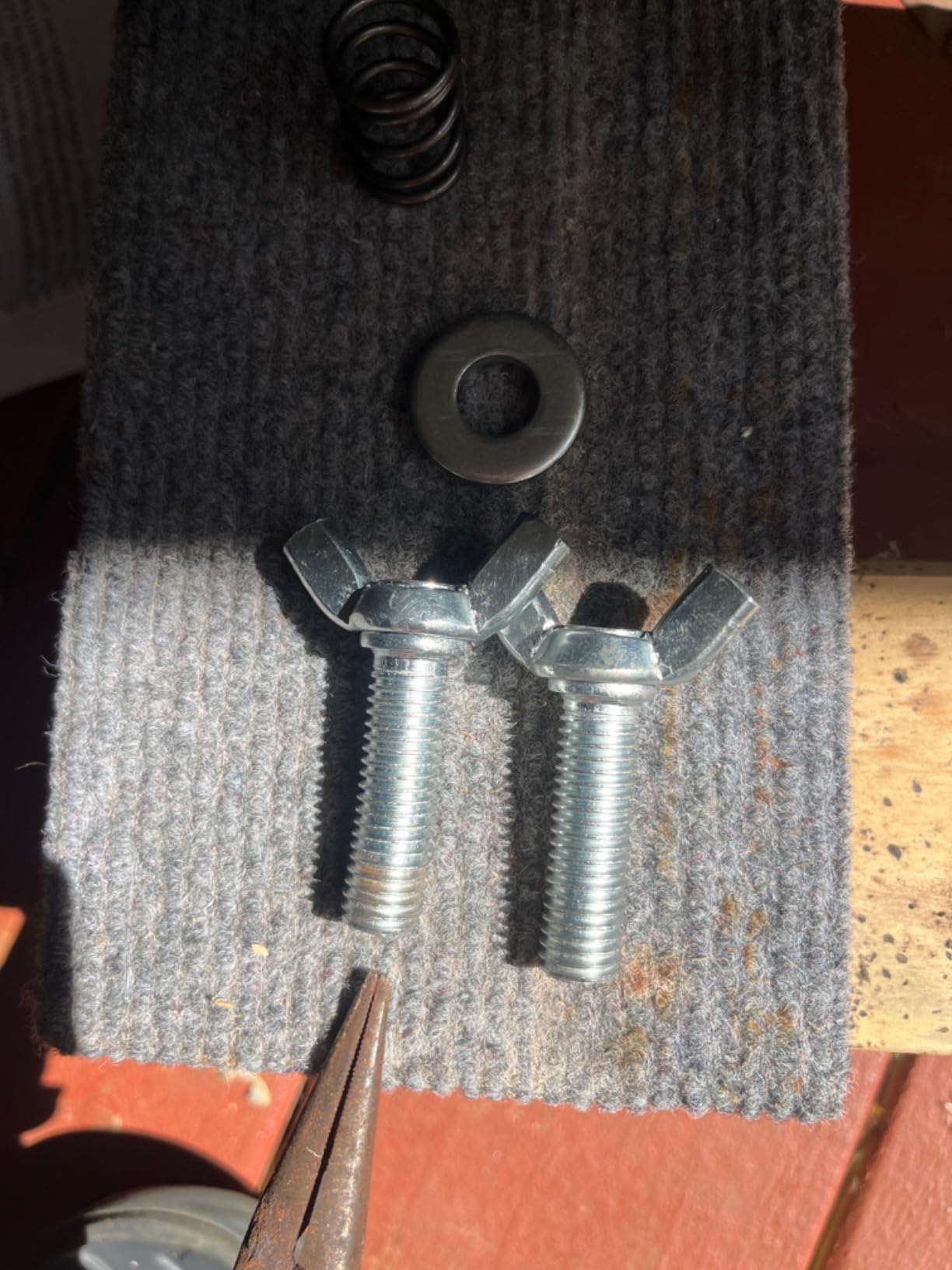
The most common complaint is the supplied hardware. The included wing nuts and thumbscrew clamps are weak and get replaced for thinner sheet, and thumbscrew clamping is slower to adjust than a cam clamp design. Budget for a set of proper clamps before you judge the machine.
The second recurring issue is that a low plate flexes at the centre, which makes perfectly sharp symmetric bends hard to hit. Several buyers also report units arriving bowed or with the bending leaf and bed misaligned, so inspect on arrival.
What the VEVOR does well
Occasional and moderate shop work in 20 gauge or lighter, on panels up to 36 inches wide. Patch panels, small boxes and short-run duct pieces come out sharp when the machine is set up properly and clamped with better hardware.
The adjustable angle and bench mounting make it a good second machine for a shop that already owns a folding tool and needs box forming without a floor model.
Where it falls down
The centre flex is the honest limitation. On a full width bend it produces a rounded radius in the middle instead of a sharp crease, and no amount of adjustment to the included thumbscrews will fix it.
At 4.2 it is the lowest rated product here, and most reviewers recommend it for occasional work rather than daily production. If your shop runs full time production in 20 gauge, this is the wrong class of machine.
8. Midwest Snips 3 Inch Seamer Tong: Best for Sealing Duct Seams
MIDWEST Seamer Tong, 3″ Straight Sheet Metal Bender
3 inch straight seamer tong
1-1/4 in throat with 1/4 in graduations
Drop-forged high carbon steel
1.8 lb
Pros
- Hot drop-forged high carbon steel blades and handles
- Graduated depth markings for repeat seams
- Works on sheet metal
- aluminium and copper
- Grips stay slip-free in long sessions
- Limited lifetime manufacturer warranty
Cons
- Straight handles are awkward in tight spaces
- Heavy at 1.8 lb for a hand seamer
A brake forms the flange; a seamer closes the joint. The Midwest Snips 3 inch straight seamer tong is the tool that turns two folded edges into a sealed run, and it is the piece most people forget to put on the list until a joint starts leaking.
The blades and handles are hot drop-forged high carbon steel, which is why owners compare it favorably to competing seamers on build quality. The handle steel is high tensile, and the Kush’N-Power grips are chemically resistant and stay slip-free through a long day of forming.
The 1-1/4 inch throat with 1/4 inch depth graduations is the detail that turns this from a pliers-shaped object into a measuring instrument. You can set a seam depth and repeat it on the next joint.

Owners describe it as genuinely heavy duty, handling gutter and HVAC forming without flex. Several reviewers call out the heft as both a reassurance and a drawback, which is an honest description of a 1.8 pound forged tool.
The main functional critique is geometry rather than quality. Straight handles are less workable than offset versions in tight spaces, and several buyers specifically prefer the offset model after using this one.
The limited lifetime manufacturer warranty is the strongest coverage in the hand tool category and removes any durability doubt that the weight might otherwise raise.
Where the seamer tong belongs
Any longitudinal or transverse joint in duct where the flanges have already been formed. It also works on aluminium and copper, so the same tool covers gutter work, flashing seams and HVAC connections.
Pair it with a 12 inch or 18 inch folding tool and you have a complete hand kit that fits in a technician’s bag and handles 24 to 30 gauge from end to end.
Where it cannot help
It does not form anything. If you reach for this tool to create a bend line, you will mark the sheet and waste it. Forming comes first, then the joint closes.
Inside an attic or a crawl space, the straight handles become a problem. Measure the working clearance before buying, and consider the offset version if you are working in tight quarters.
How to Choose a Metal Brake for Duct Gauge and Volume
Start with the gauge your ductwork actually runs in, because that single number eliminates most of the field. Most residential and light commercial trunk and branch duct is 26 or 24 gauge, transitions step up a little, and commercial plenum and return work moves into 20 and 18 gauge. Match the machine to the heaviest material you will regularly run, not the thinnest.
26 and 24 gauge duct: a hand folding tool handles this cleanly. The 3/8 inch channel is your drive cleat depth, the 1 inch channel covers hems, and a seamer tong closes the joint. No bench machine is needed.
22 gauge work: this is where folding tools stop. The portable mini brake class in this roundup reaches 22 gauge to 135 degrees across a usable width, and it is the cheapest way to form full-width duct walls without a press brake.
20 to 16 gauge work: you are into bench brakes. The box and pan style machines cover 20 gauge mild steel with caveats about clamping stiffness, and the heavier the material, the more the machine’s beam rigidity matters.
14 gauge and 1/8 inch plate: stop shopping manual machines. That is press brake territory, and no hand brake on this list is the right answer.
Next, check throat depth against your tallest flange. The rule is simple: the throat must be greater than the flange height plus twice the material thickness. A duct with 8 inch side walls needs a throat that clears 8 inches comfortably, and this is the number buyers most often discover too late.
Then measure your working length honestly. Folding tools come in 12, 18 and 24 inch lengths, and the difference between a 12 inch and an 18 inch tool is one pass versus two on a standard branch width. A bench brake’s bending width is the full span it can form in one go.
Clamping quality is what separates machines that last from machines that frustrate. A clamping beam that deflects at the centre lets the sheet slip mid-bend, which produces a rounded radius instead of a crease and throws the corners out of square. Adjustable strengthening ribs and cam clamps address this directly, and adjustable ribs are a feature worth paying for on any machine you plan to use on full-width bends.
Finger quality matters most on box and pan brakes. Poorly machined or soft finger segments let flanges shift, and loose thumbscrews let fingers move mid-bend. If your duct work involves closed pans, check that spare fingers are available and that the clamping segments are machined rather than cast.
Finally, be honest about volume. If you make a few transitions a month, bring the job to a local sheet metal shop and save the capital. If you run duct every day, buy the machine. The break-even point arrives when you are paying shop rates to have bends made that you could make in the time it takes to do them.
Frequently Asked Questions
What is the best metal brake?
For HVAC duct work the best metal brakes are hand folding tools with 3/8 inch and 1 inch forming channels. The Crescent Wiss WF12 is the strongest all-round choice for 26 and 24 gauge work, the Malco 12F is the best rated option with a stated 24 to 30 gauge capacity, and a portable mini brake such as the Malco MB48A is the right answer once you need to form full-width duct walls in 22 gauge.
What tool is used to bend ductwork?
Most ductwork is bent on a sheet metal brake. A hand folding tool forms the flange on light gauge, a bench-mounted box and pan brake forms taller side walls and pans, and a seamer tong closes the finished Pittsburgh seam. Service technicians typically carry a folding tool and seamer tong, while fabrication shops use a box and pan brake.
What is the thickest sheet metal that can be bent?
It depends on the machine. The folding tools in this roundup are specified from 24 to 30 gauge. The portable mini brake class reaches 22 gauge at up to 135 degrees. Bench box and pan brakes reach 20 gauge mild steel, and anything at 14 gauge or 1/8 inch plate requires a press brake rather than a manual machine.
Can a hand brake bend 16 gauge steel?
A folding tool cannot. Hand folding implements are specified for light gauge work only, with the strongest in this roundup rated to 24 gauge cold rolled steel. To bend 16 gauge mild steel you need a bench brake with a rigid clamping beam, and even there the beam must be stiff enough to stop the sheet slipping.
What is the difference between a box and pan brake and a straight brake?
A straight leaf brake uses one continuous clamping edge and one continuous bending leaf, which makes it fast on long straight bends but unable to form four-sided pans without crushing existing flanges. A box and pan brake, also called a finger brake, has a clamping beam built from removable finger segments. Pulling fingers out lets previously formed flanges clear the clamp so all four sides of a pan can be made in sequence.
Do I need a box and pan brake for HVAC?
Only if you build pans and plenum boxes. For straight flange work on 24 to 26 gauge duct, a folding tool is faster and cheaper. A box and pan brake earns its place when you need tall side walls, deep boxes or closed four-sided forms, and a straight brake remains the better choice for long straight bends.
Final Verdict for HVAC Duct Work in 2026
For most technicians, the best metal brakes for HVAC duct work in 2026 start with a folding tool. The Crescent Wiss WF12 is our pick for its 16 gauge steel body and dual channel depth, and the Malco 12F takes the rating crown with a stated 24 to 30 gauge capacity and a lifetime of repeatability behind it.
Move up when your material does. A portable mini brake reaches 22 gauge across a usable width, a bench box and pan brake covers 20 gauge with variable quality, and anything heavier belongs to a press brake. Close your joints with a seamer tong and the hand kit is complete.