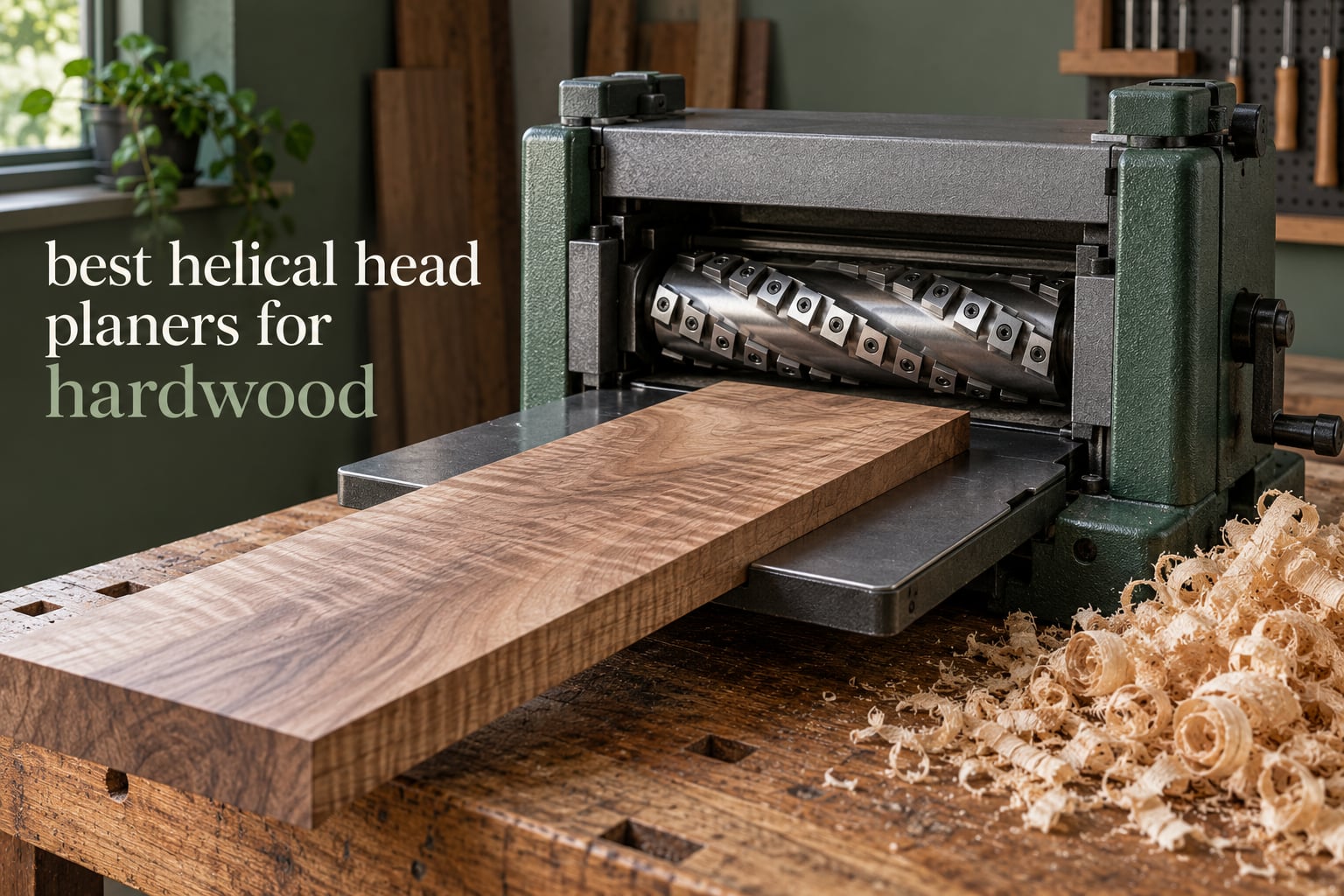
Most thickness planers chop wood fibers straight across, and hardwood does not tolerate that. The best helical head planers for hardwood shear instead, using staggered rows of small indexable inserts that slice along the grain. That one design choice is why a helical or spiral head will take figured maple, red oak and walnut to a surface you can finish directly, and why the machine is so much quieter while it does it.
We spent weeks working through spec sheets, owner review patterns and shop reports on twelve of these machines, from 13-inch benchtop units that run on a household circuit to 20-inch production planers that need three-phase power. Twelve is not many machines to cover, but it is enough of the market to show where the real differences sit.
The headline finding: for most woodworkers surfacing hardwood, the WEN PL1326 is the one to buy. If your work is figured or resin-heavy exotics, the Cutech 40800H earns its place with carbide inserts and a genuinely low feed speed. If you already own a straight-knife planer, the retrofit question is worth reading before you spend anything, and we cover the math in the upgrade section below.
If you want the broader picture on planers of every style, our best thickness planers roundup compares the straight-knife, spiral and helical machines side by side, and our best power planers guide covers the handhelds and benchtop combination machines that come before a thickness planer in the tool chain. If the boards you are surfacing are headed for a floor rather than a cabinet, our best engineered hardwood flooring options guide explains how finish quality changes what a flooring product is worth.
Table of Contents
Top 3 Best Helical Head Planers for Hardwood in 2026

WEN PL1326
- 26 rotatable HSS spiral blades
- 26 FPM feed
- 13 inch capacity
- 15-amp 10000 RPM motor

JET JWP-13BT
- Helical-style head with 26 HSS inserts
- 2-speed 18 and 26 FPM
- 2 HP 10000 RPM
- Cast iron bed and four-post design

Cutech 40800H
- 26 two-sided tungsten carbide inserts
- 2-speed feed with 16 FPM finish mode
- Patented snipe minimizer
- 8-position depth stop
The WEN takes the top slot on the strength of owner feedback rather than spec sheet bravado. It has the largest review base in this roundup by a wide margin, and the finish it produces on red oak, walnut and maple is repeatedly described as close enough to skip most sanding.
The JET JWP-13BT earns its spot for build quality and support. The Cutech is the one to watch if you cut figured wood, because it is the only benchtop machine here that pairs tungsten carbide inserts with a feed speed slow enough for figured stock.
12 Helical Head Planers Compared Side by Side in October
| Product | Specifications | Action |
|---|---|---|
| WEN PL1326 13-Inch Spiral Planer |
|
Check Latest Price |
| JET JWP-13BT 13-Inch Helical Benchtop Planer |
|
Check Latest Price |
| Cutech 40800H 13-Inch Spiral Planer |
|
Check Latest Price |
 RIKON 25-135H 13-Inch Helical Planer RIKON 25-135H 13-Inch Helical Planer |
|
Check Latest Price |
 Wahuda Tools 13-Inch Spiral Planer Wahuda Tools 13-Inch Spiral Planer |
|
Check Latest Price |
 FINDBUYTOOL 13-Inch Helical Planer FINDBUYTOOL 13-Inch Helical Planer |
|
Check Latest Price |
 King Canada KC-13HPC 13-Inch Planer King Canada KC-13HPC 13-Inch Planer |
|
Check Latest Price |
 WOODERS 13-Inch Spiral Helical Planer WOODERS 13-Inch Spiral Helical Planer |
|
Check Latest Price |
 JET JPW-15BHH 15-Inch Helical Planer JET JPW-15BHH 15-Inch Helical Planer |
|
Check Latest Price |
 Grizzly G0453Z 15-Inch Spiral Planer Grizzly G0453Z 15-Inch Spiral Planer |
|
Check Latest Price |
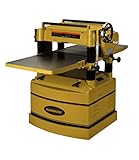 Powermatic 209HH 20-Inch Helical Planer Powermatic 209HH 20-Inch Helical Planer |
|
Check Latest Price |
 JET JWP-208HH 20-Inch Helical Planer JET JWP-208HH 20-Inch Helical Planer |
|
Check Latest Price |
1. WEN PL1326 – Best Helical Head Planer Overall
WEN PL1326 15-Amp 13-Inch Spiral Benchtop Thickness Planer
13 inch capacity
Spiral head with 26 rotatable HSS blades
15-amp 10,000 RPM
26 FPM feed
Pros
- Excellent near-finish surface on red oak
- walnut and maple
- 26 blades can each be flipped before replacement
- Single speed keeps setup simple for beginners
- Pairs well with the matching WEN jointer
Cons
- HSS blades need more frequent changes than carbide heads
- Single speed feed cannot be slowed for figured stock
- Dust port design leaves a lot of chips behind
The WEN PL1326 has 736 reviews averaging 4.7 stars, with 84% of those at five stars. That is the largest owner base of any machine in this roundup by a wide margin, and it matters because the finish claims are consistent across enough independent shops to be credible.
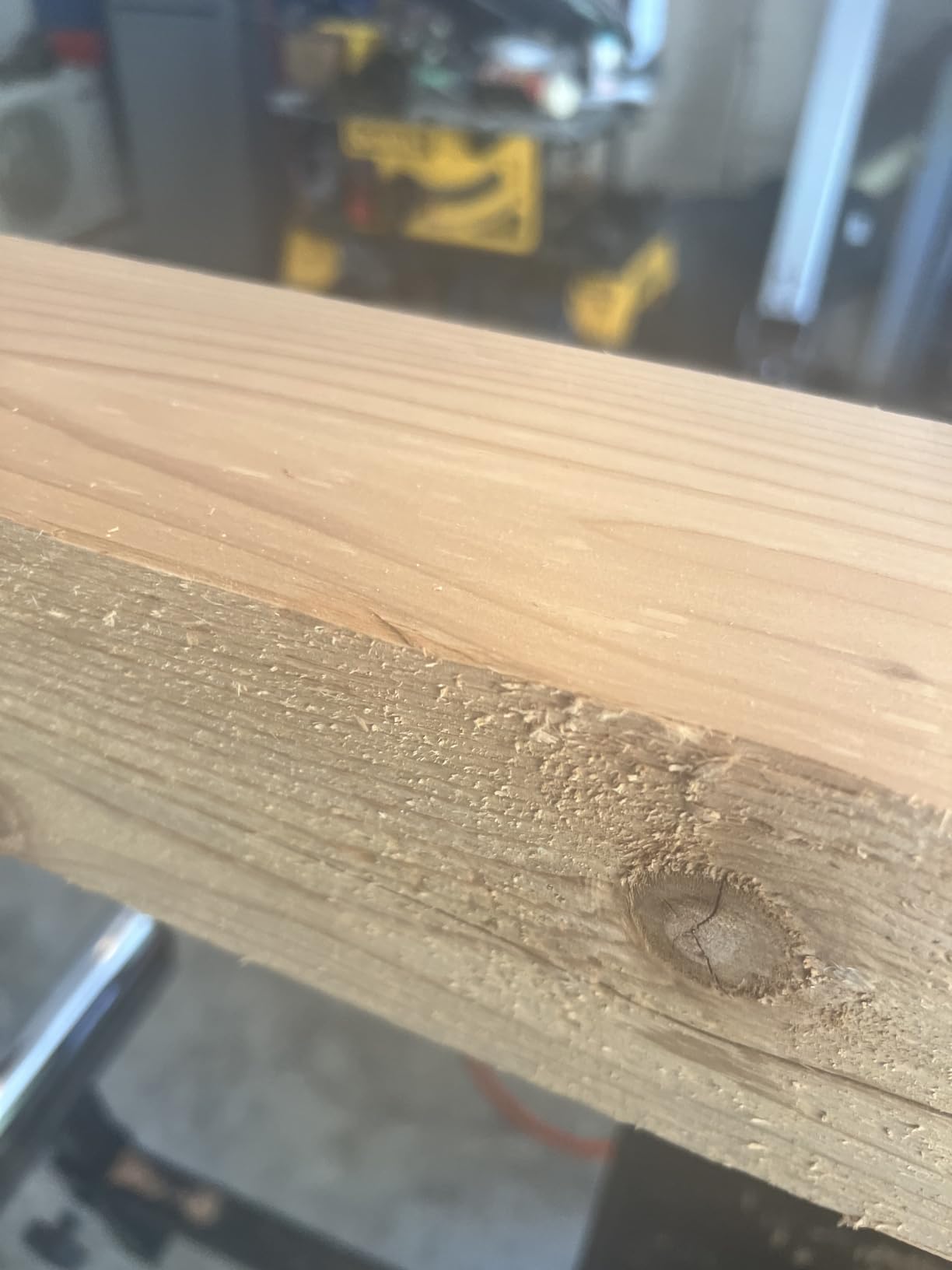
Owners describe surfaces coming off this planer as near finish-ready on red oak, walnut and maple once the tables are adjusted level. The spiral cutterhead carries 26 staggered HSS blades, and each one rotates to a fresh edge before it is replaced, which stretches the interval between blade work considerably.
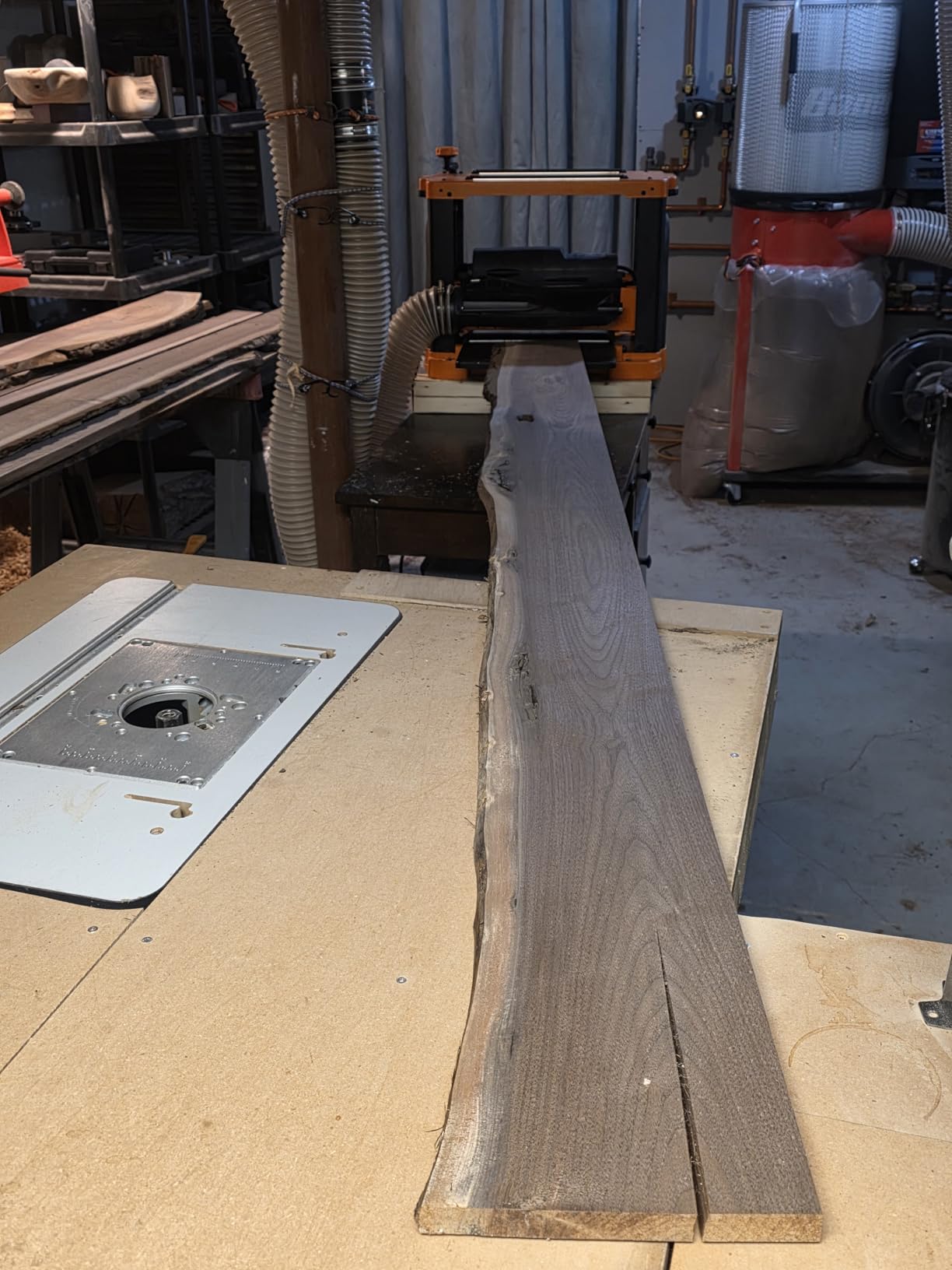
The drive side is straightforward. A 15-amp motor spins the head at 10,000 RPM and feeds stock at 26 feet per minute, and the machine handles boards up to 13 inches wide and 6 inches thick. An onboard material removal gauge shows the depth of the pass you just set, which is more useful than it sounds when you are working by light increments.
What you give up for that finish is control over the feed. There is a single speed, so you cannot slow down for curly maple or interlocked grain. Owners working only straight-grained softwood will not notice, but the figured-wood woodworker will.
Why this one wins on hardwood
The reason this machine leads is not the cutterhead geometry, which is fairly standard. It is the combination of a large review base and consistently strong finish reports that puts it ahead of the other branded options in this list. Owners also highlight that the blades hold up well and are rotatable, so the ongoing cost is lower than it first appears.
The depth stop is included, which matters more than it sounds when you are dimensioning a batch of cabinet stock to one thickness and want the repeat setting to land in the same place every time.
Where it falls short
The blades are high-speed steel, not tungsten carbide. On abrasive hardwoods, and on any reclaimed lumber with embedded grit, you will rotate and replace inserts more often than with a carbide head, and that is the tradeoff that eventually pushes high-volume users toward one of the carbide machines.
Dust collection is the other repeated complaint. The port design leaves a meaningful chip volume behind, so plan on a dedicated collector rather than a shop vac. At roughly 80 lb it is also heavy to reposition without a stand.
2. JET JWP-13BT – Best Branded 13-Inch Benchtop Planer
JET 13-Inch Benchtop Thickness Planer for Woodworking, Helical Style Cutterhead with 2-Speed (18 FPM / 26 FPM) Feed Rate, 2 HP, 120V 1Ph (JWP-13BT)
13 inch capacity
Helical-style head with 26 HSS inserts
2-speed 18 and 26 FPM
2 HP 10,000 RPM
Pros
- Four-post design and machined cast iron bed keep boards flat
- Two feed speeds let you balance removal and finish
- Folding tables level to the bed and save floor space
- Depth stop supports repeated cuts
Cons
- HSS inserts have shorter edge life than carbide competitors
- 4.2 average rating with a notable one-star share
- Two speeds are close together by hardwood standards
This is the machine most people picture when they hear helical head planer, and the four-post design with a precision-machined cast iron bed is the reason it holds boards flat better than lighter benchtop units. The steel cover over the cutterhead is another detail that reduces snipe.
Its 2 HP, 15-amp motor turns the head at 10,000 RPM, and the two feed rates of 18 and 26 feet per minute give you a real choice rather than a single fixed pace. Both are workable on hardwood if you keep passes light.
The folding infeed and outfeed tables are genuinely useful in a small shop. They level to the bed for setup, then fold away when the machine is not in use, which matters more in a one-car garage than the spec sheet suggests.
Maximum depth of cut is 1/8 inch across a 13-inch width and 6-inch depth, which is standard for the class. An adjustable depth stop is included for repetitive dimensioning.
Where it beats the WEN
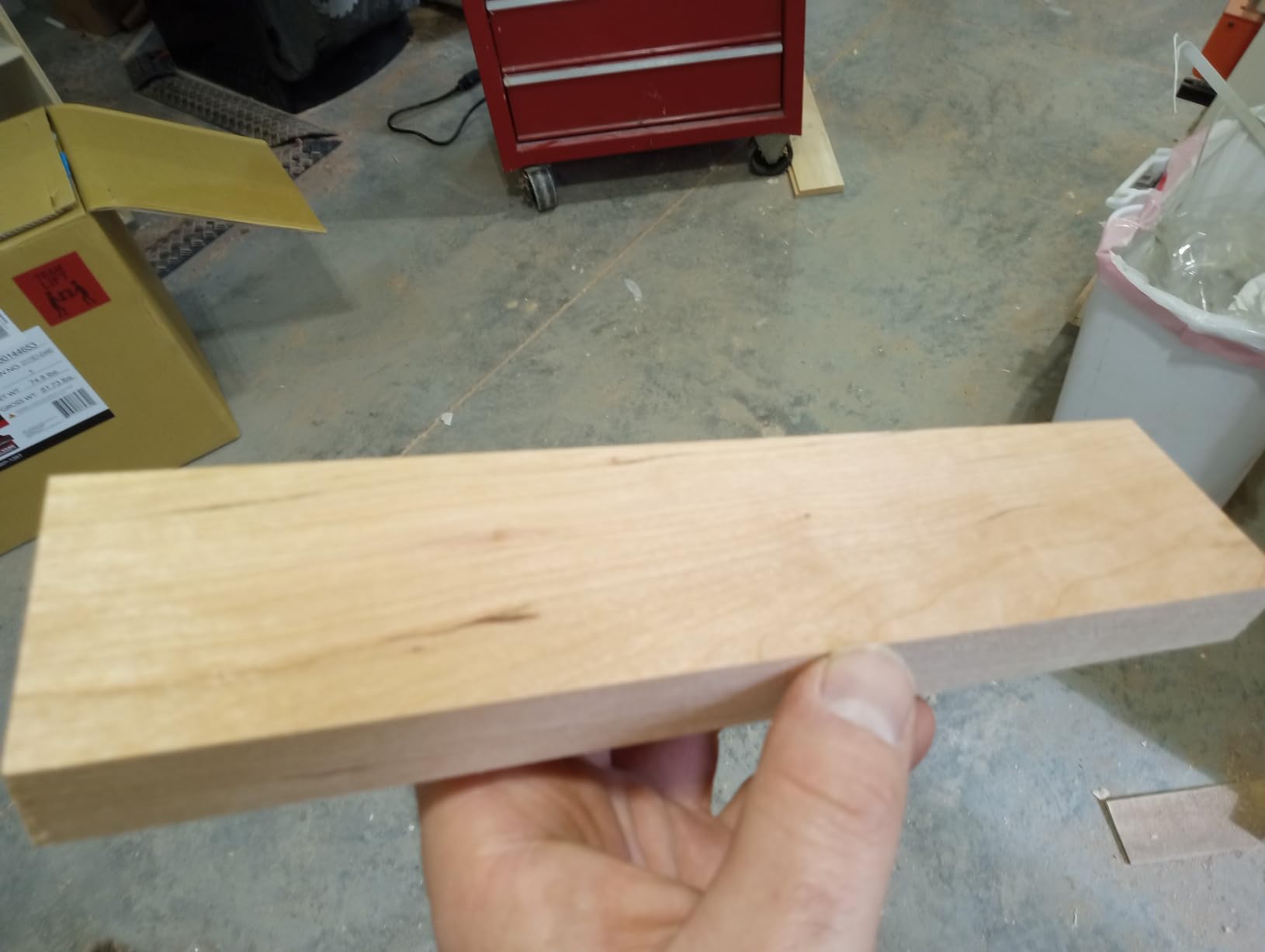
Structure. The four-post head support and cast iron bed give this machine a stability advantage on long, heavy hardwood boards, and that shows up as flat output when you are working with walnut or oak that has not been perfectly jointed first.
Support network is the quieter advantage. JET parts and service are easier to find than for most of the brands in this roundup, and for a machine that is the centerpiece of a shop, that reduces the cost of a surprise failure.
Where it loses ground
The inserts are HSS rather than carbide. That is the main reason the average rating sits at 4.2 with 175 reviews, and 11% of those reviews are one-star. Several of the negative reviews describe units needing adjustment or insert work sooner than expected.
The two feed speeds, 18 and 26 feet per minute, are closer together than you would want for figured stock. Neither is slow enough to rescue badly interlocked grain the way a 16 FPM setting can, so buyers cutting curly maple regularly should look at the Cutech or the FINDBUYTOOL instead.
3. Cutech 40800H – Best Value Helical Planer for Hardwood
Cutech 40800H 13-Inch Spiral Cutterhead Benchtop Planer with 26 Tungsten Carbide Inserts, 2-Speed Feed Rate, Snipe Minimizer, and Board Return Rollers (13-Inch 2-Speed (Rifle Green))
13 inch capacity
26 two-sided tungsten carbide inserts
2-speed feed with 16 FPM finish mode
Snipe minimizer standard
Pros
- Carbide inserts and a low 16 FPM feed handle figured wood well
- Eight-position depth stop simplifies batch thicknessing
- Runs on a standard 15-amp household circuit
- Flip-up dust hood and top return rollers are useful
Cons
- Only 26 reviews
- so long-term durability is not well documented
- Weight wants a dedicated cart
- Weak dust collection like most benchtop planers
The Cutech is the machine we would put in front of a woodworker whose entire reason for buying a helical head is figured hardwood. Carbide inserts hold an edge on interlocked grain, and the slower 16 feet per minute feed is the setting that prevents tear-out on curly maple and dense exotics when the other machines only offer you a fast pass or nothing.
Owners upgrading from an older straight-knife benchtop planer describe the difference in terms of noise and surface consistency, with less tear-out and no drift across the board. At 4.6 stars from 26 reviews with 78% five-star, the sentiment is strong but the sample is small.
Why the insert design matters here
The cutterhead uses six rows holding 26 two-sided inserts that sit in fixed alignment, and the non-cutting edge on each insert is designed to stop it skewing during a pass. Carbide rather than HSS is the meaningful difference for anyone running dense purpleheart or heavy oak.
The snipe minimizer uses four lead screws and a patented coupling to keep the head from dipping under load, so you get the reduction without bolting on a separate snipe lock. The repeat depth stop has eight positions for batch work, and a front scale shows the amount being taken on the next pass.
What to watch out for
Twenty-six reviews is a thin record for a machine we are recommending, and there is no long-term durability history yet. Owners also mention that the weight wants a dedicated cart rather than a tabletop, and that dust collection is weak, which is common across benchtop planers.
Like other 13-inch machines, short stock can show a slight dip a couple of inches from each end without a support sled. Owners report that clamping a stiff plywood support ahead of the board smooths that out.
4. RIKON 25-135H – Best Two-Speed Aluminum-Body Planer
RIKON 25-135H 13-Inch Portable Planer with Helical-Style Cutterhead
13 inch capacity
26 two-edge HSS inserts
2-speed 16 and 26 FPM
Aluminum base, 67.9 lb
Pros
- Two feed speeds trade removal rate for surface quality
- Two-edge inserts rotate when worn or nicked
- Threaded four-post support with depth gauge and repeat-cut control
- Dust hood and adapter included for common collectors
Cons
- HSS inserts limit edge life on abrasive hardwoods
- Only 54 reviews
- so durability data is limited
- Aluminum base is lighter but less rigid than cast iron
The RIKON draws steady praise rather than excitement. At 4.6 stars from 54 reviews with 79% five-star, the sentiment is unusually consistent, and the two feed speeds at 16 and 26 feet per minute are among the more useful low settings available in a benchtop machine.
The head uses 26 two-edge HSS inserts across six rows. Each insert rotates to its second edge when it is worn or nicked, which means a single rotation covers far more board footage than a fixed-edge blade.
What owners actually notice
The threaded four-post head support gets the most mention, paired with the depth gauge, thickness scale and repeat-cut control. Those four things together are what determine whether you hit the same thickness on board twelve that you hit on board one, and reviewers single them out.
At 67.9 lb on an aluminum base, this is one of the lighter machines here and moves around the shop more easily than the cast iron competition. Dust collection is handled with an included hood and a 4-inch to 2-1/2-inch adapter for common collectors.
Where it falls short
It uses HSS, not tungsten carbide. That is a real limitation if you are working reclaimed lumber or anything with embedded sand, because edge life on abrasive hardwood stock will be shorter than the carbide machines in this roundup.
Fifty-four reviews is a modest pool, so the durability record is thin. RIKON is also a less familiar name in the US market, which matters more for a benchtop machine you might expect to move between shops.
5. Wahuda Tools 13-Inch Spiral Planer – Best for Long Boards
Wahuda Tools 13″ Spiral Cutterhead Planer with 4-sided carbide Tips (Two Speed-New)
13 inch capacity
4-sided carbide inserts
2-speed 18 and 26 FPM
45 inch of total table length
Pros
- Four-sided carbide inserts give four usable edges per unit
- 2-speed feed handles figured stock at 18 FPM
- Pull-out extensions supply 45 inch of support for long stock
- Reported two years without rotating an insert
Cons
- Infeed and outfeed trays flex with rollers fully extended
- One report of a cracked cast base at the elevation screw mount
- Only 21 reviews
The Wahuda is built around one problem: keeping long boards supported. Its pull-out table extensions bring the total working length to 45 inches, and for someone dimensioning long hardwood stock in a home shop that is a more valuable feature than raw horsepower.
Underneath, the spiral cutterhead carries four-sided carbide inserts. That gives four usable edges per insert before it is replaced, which owners say is why several report two years of use without rotating them at all.
Where the long tables pay off
Board support is a common cause of snipe on a benchtop planer. When a long board sags between the infeed roller and the cutterhead, the head leaves a shallow trough, and you spend the next step sanding it out. Supporting the stock properly removes the cause rather than treating the symptom.
The 8-position preset depth stop handles batch work, and the machine runs on a 15-amp 120V supply. Owners report it powers through hard red oak, hard maple and long hard maple boards without bogging down at 1/32 inch per pass.
Where it falls short
The trays are less rigid than ideal, particularly with the rollers fully extended, which is a bit ironic on a machine whose main selling point is table length. That is worth knowing before you plan on dimensioning full-length boards all day.
There is also a quality control caution. One owner reported a cracked cast base at the elevation screw mount, and another a noisy drive train out of the box plus return shipping costs. Manufacturer service is described as responsive, including a full refund on a damaged unit, but the arrival inspection still matters.
6. FINDBUYTOOL 13-Inch Helical Planer – Best for Repeatable Thicknessing
FindBuyTool 13″ Benchtop Thickness Planer with Helical Cutterhead (FB132H)
13 inch capacity
40 indexable carbide inserts
2-speed 12 and 21 FPM
Ball-screw height adjustment
Pros
- 40 indexable carbide inserts give the largest insert count in the benchtop class
- Ball-screw height adjustment rated to plus or minus 0.05mm
- 12 FPM finish feed is the slowest offered in this roundup
- LED lights
- lockable head and 6-position preset control
Cons
- Only 14 reviews
- so the 5.0 average is a small sample
- 20000 RPM is unusually high for this class and can strain on heavy end-grain
- Brand is new to the US market with a short service history
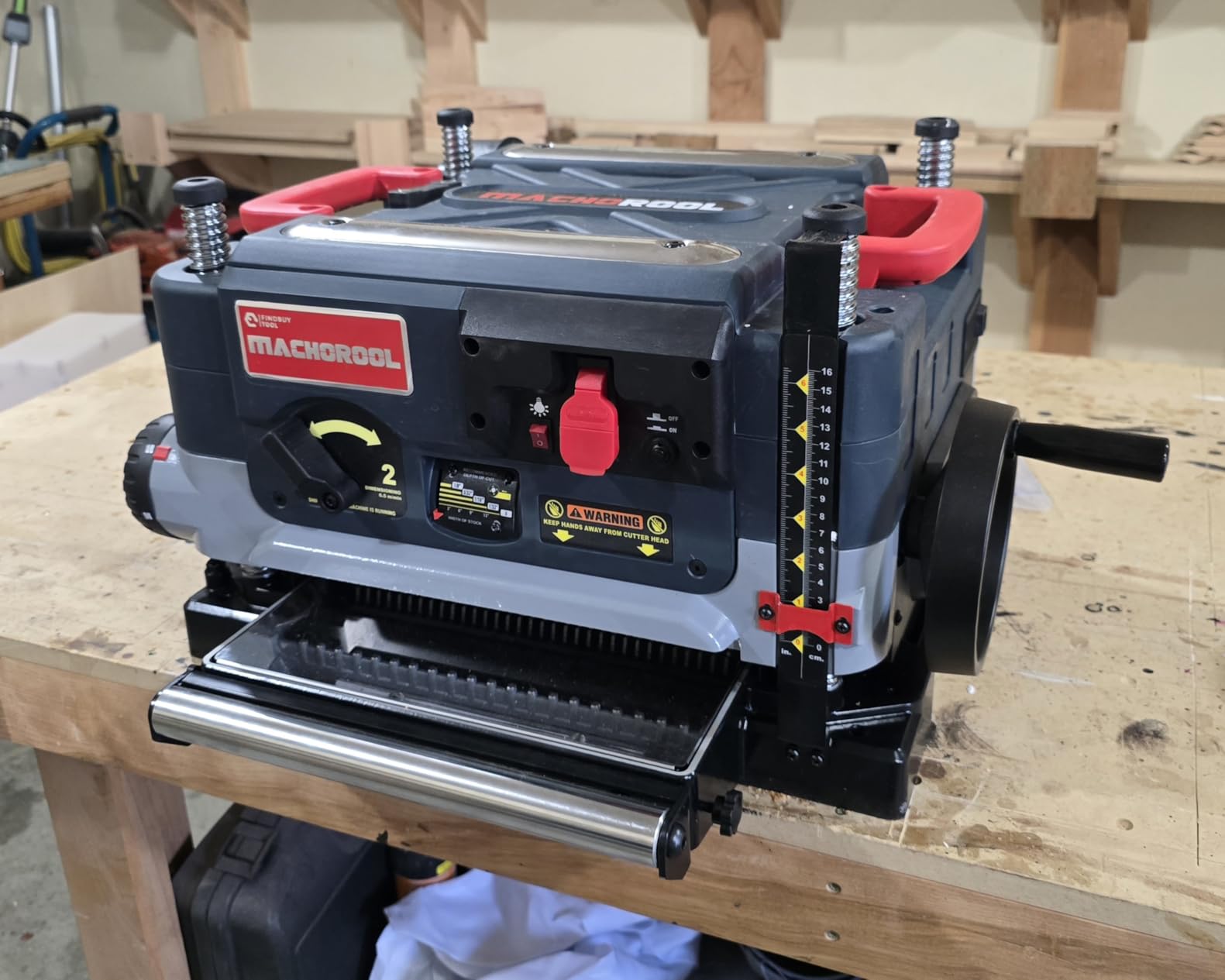
This machine holds a perfect 5.0 average across 14 reviews, with 95% of those at five stars and nothing rated below four. That is an encouraging signal rather than a proven one, since the sample is small and recent, but the specification set explains why owners are happy.
Forty indexable carbide inserts is the largest insert count among the 13-inch machines in this roundup. The head turns at 20,000 RPM on a 2.5 HP, 15-amp motor, and the two feed speeds of 21 and 12 feet per minute cover roughing and finishing.
Why the adjustment system stands out
The height adjustment uses a ball screw rated to plus or minus 0.05mm accuracy, paired with a dual-scale depth gauge in inches and millimetres. For anyone cutting a batch of parts to a matched thickness, repeatable adjustment is worth more than horsepower, and this is the only 13-inch machine here with that mechanism.
A 6-position preset thickness control, extendable feed tables reaching 45 inches, LED work lights, overload protection and a lockable cutterhead round out a feature set that is generous for the class.
Where it falls short
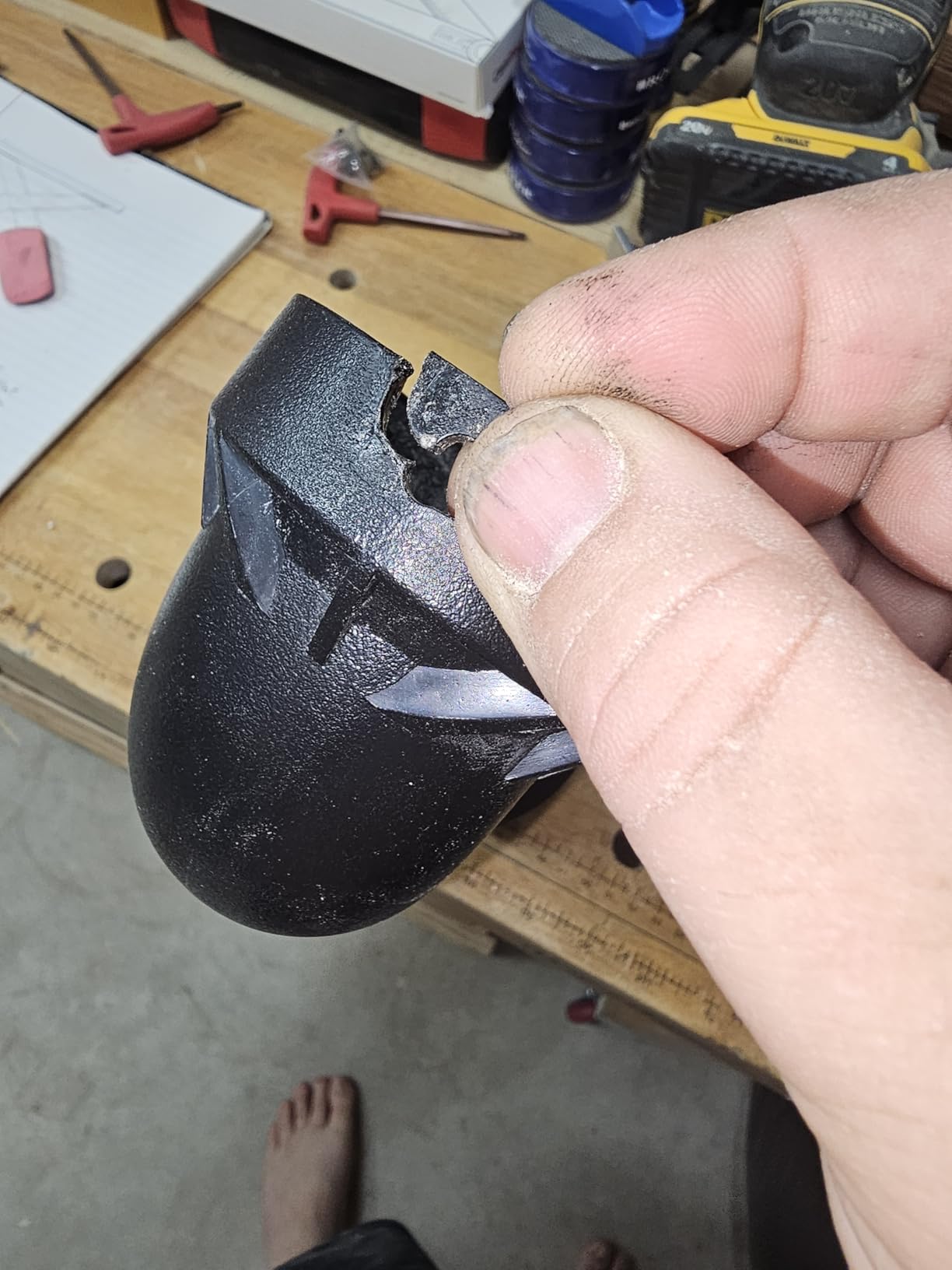
Twenty-thousand RPM is unusually high for this class, and owners report the machine strains on heavy end-grain work. It is a finishing machine, not a roughing machine, and treating it otherwise will shorten insert life.
At 14 reviews there is no long-term durability record, and the brand is new enough to the US market that parts and support are less proven than the established names here. Treat the flawless rating as encouraging rather than conclusive, and inspect the machine carefully on arrival.
7. King Canada KC-13HPC – Best Preset Depth Stop System
13″ Planer – Helical Cutterhead
13 inch capacity
Spiral cutterhead
Eight preset depth stops
Four precision-ground head columns
Pros
- Eight preset stops from 1/8 through 1-3/4 inch
- Four precision-ground columns support the cutterhead
- Thickness display with graduated inch and mm scale
- 15-amp motor with thermal overload protection
- Side-mounted tool storage box
Cons
- Only 41 reviews
- so reliability data is thin
- Smaller US parts and service network than JET or Powermatic
- Standard spiral cutterhead
- so no unusual edge arrangement
The King Canada has the most uniform owner sentiment in this list: 4.6 stars from 41 reviews, 82% five-star and only 3% one-star. Nothing in the reviews is remarkable, which for a benchtop planer is about the best thing you can say.
Its standout feature is the preset depth stop system. Eight positions cover 1/8, 1/4, 1/2, 3/4, 1, 1-1/4, 1-1/2 and 1-3/4 inch, which covers most furniture and cabinet thicknessing without measuring between cuts.
Built for repeat work rather than speed
The cutterhead raises and lowers onto four precision-ground columns, and that support geometry is what keeps thickness consistent across a long board. A thickness display with a cutting depth indicator carries a graduated scale in both inches and millimetres.
The 15-amp motor has thermal overload protection, and a side-mounted tool storage box keeps the adjustment wrenches with the machine. Maximum stock thickness is listed at 1.75 inches, and the cast iron construction is appropriate for hardwood duty.
What to consider
Forty-one reviews is a small pool, so treat any long-term durability claim with caution. The spiral cutterhead here is conventional, with no special insert geometry that would set it apart from the competition.
The bigger practical question is brand support. King Canada has a smaller parts and service network in the US than JET or Powermatic, and for a machine at this point in its life that gap can matter more than a few points of finish quality.
8. WOODERS 13-Inch Planer – Budget Pick With Carbide Inserts
WOODERS 13-Inch Thickness Planer with Spiral Helical Cutterhead, 15A 2000W Wood Planer Machine, 10000RPM Tungsten Carbide Inserts, Micro-Adjustable Depth Control for Professional Woodworking
13 inch capacity
Tungsten carbide spiral inserts
15-amp 2000W motor
62 lb with dust collector included
Pros
- Carbide inserts in a spiral head for the 13-inch benchtop class
- Lightest benchtop machine here at 62 lb
- Handles white oak and dense greenheart without strain
- Shop vac captured essentially all dust in owner testing
- Dust collector and four spare inserts in the box
Cons
- Height adjustment knob tends to unthread itself
- Snipe on short boards run without a sled
- Not built for heavy passes like half an inch
- Mid-range 4.2 rating reflects hobbyist-grade expectations
The WOODERS pairs a carbide spiral head with a small footprint, and at 4.2 stars from 14 reviews the sentiment is mixed in a way that reflects where it sits. It works, and for a hobbyist surfacing ordinary hardwood it does the job.
The head is a high-precision spiral design with wear-resistant tungsten carbide inserts on a staggered multi-edge layout, turning at 10,000 RPM. The drive is a 15-amp, 2000W all-copper motor with an added cooling system for sustained hardwood passes.
What works well
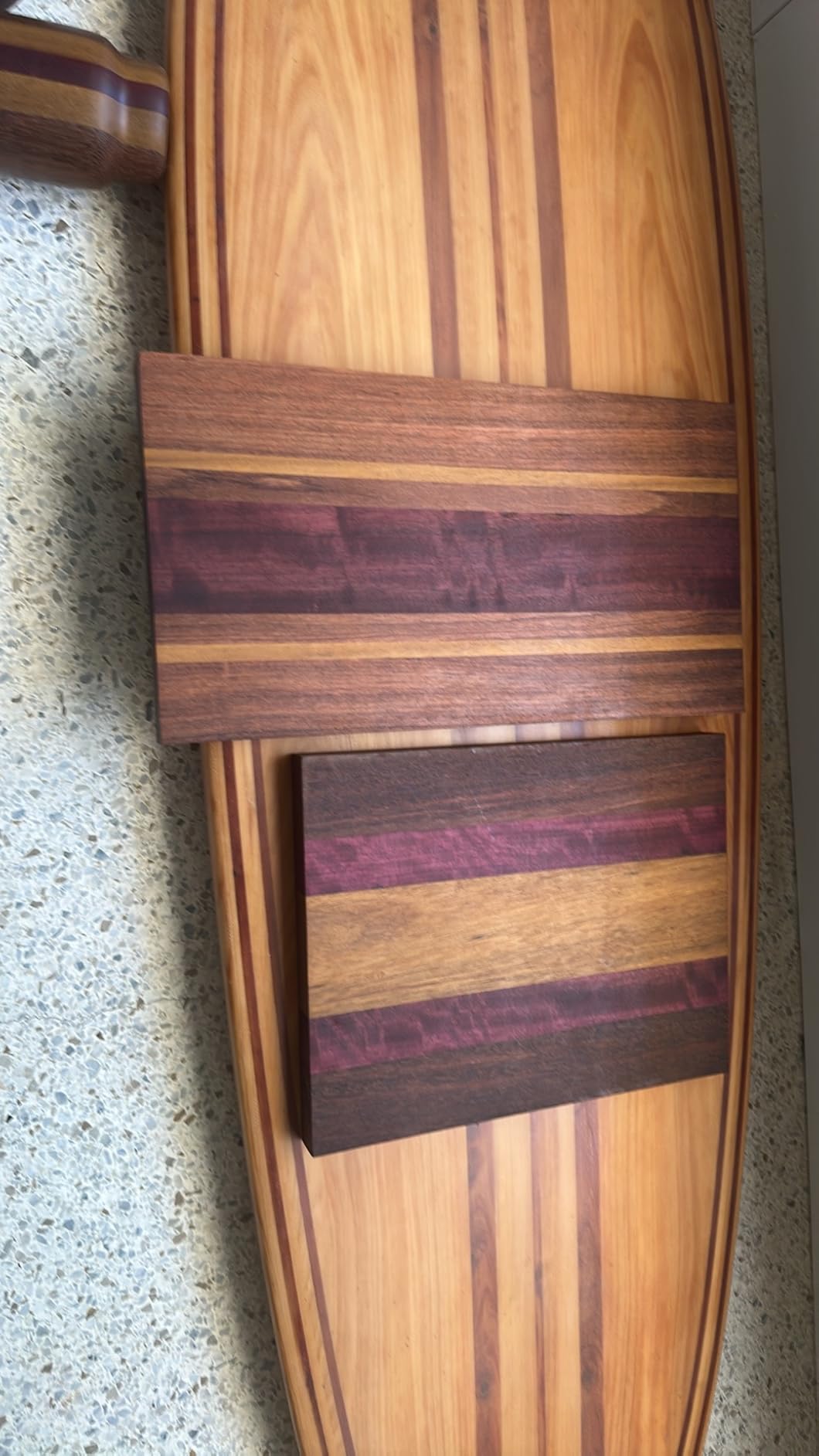
At 62 lb it is the lightest benchtop planer in this roundup and easy to reposition without a lift. Owners also report it handling white oak and dense greenheart without hesitation, and one owner found finish quality that outpaced a higher-priced JET, WEN or RIKON machine.
Dust collection is genuinely good for a budget unit, with an owner reporting that a shop vacuum captured essentially all the sawdust in testing. A dust collector and four spare inserts ship in the box, which removes two items from your shopping list.
Where it falls short
This is a finishing machine, not a roughing machine. It is not designed to take a half-inch off a 2×12, and asking it to do that will cost you inserts.
Two practical issues show up repeatedly. The height adjustment knob tends to unthread itself, and owners recommend adding thread locker, and short boards show snipe without a support sled even though longer boards come out smooth. At 4.2 stars with 12% three-star and 10% one-star reviews, expectations should be set accordingly.
9. JET JPW-15BHH – Best 15-Inch Helical Planer for Wide Boards
JET 15-Inch Thickness Planer for Woodworking, Helical Style Cutterhead with 2-Speed (16 FPM / 20 FPM) Feed Rate, 3 HP, 230V 1Ph (JPW-15BHH)
15 inch capacity
48 self-aligning carbide knives
2-speed 16 and 20 FPM
3 HP, 230V single-phase
Pros
- 48 staggered self-aligning carbide knives
- Precision Air Strut System reduces snipe
- 3 HP motor runs wide hardwood boards without laboring
- Two feed speeds to match the material
- Cast iron extension tables included
Cons
- Arrival quality control issues with feet
- cabinet and missing hardware
- Dust port sits on the same side as the power switch
- Requires a 230V single-phase supply
- Lowest-rated machine here at 4.0
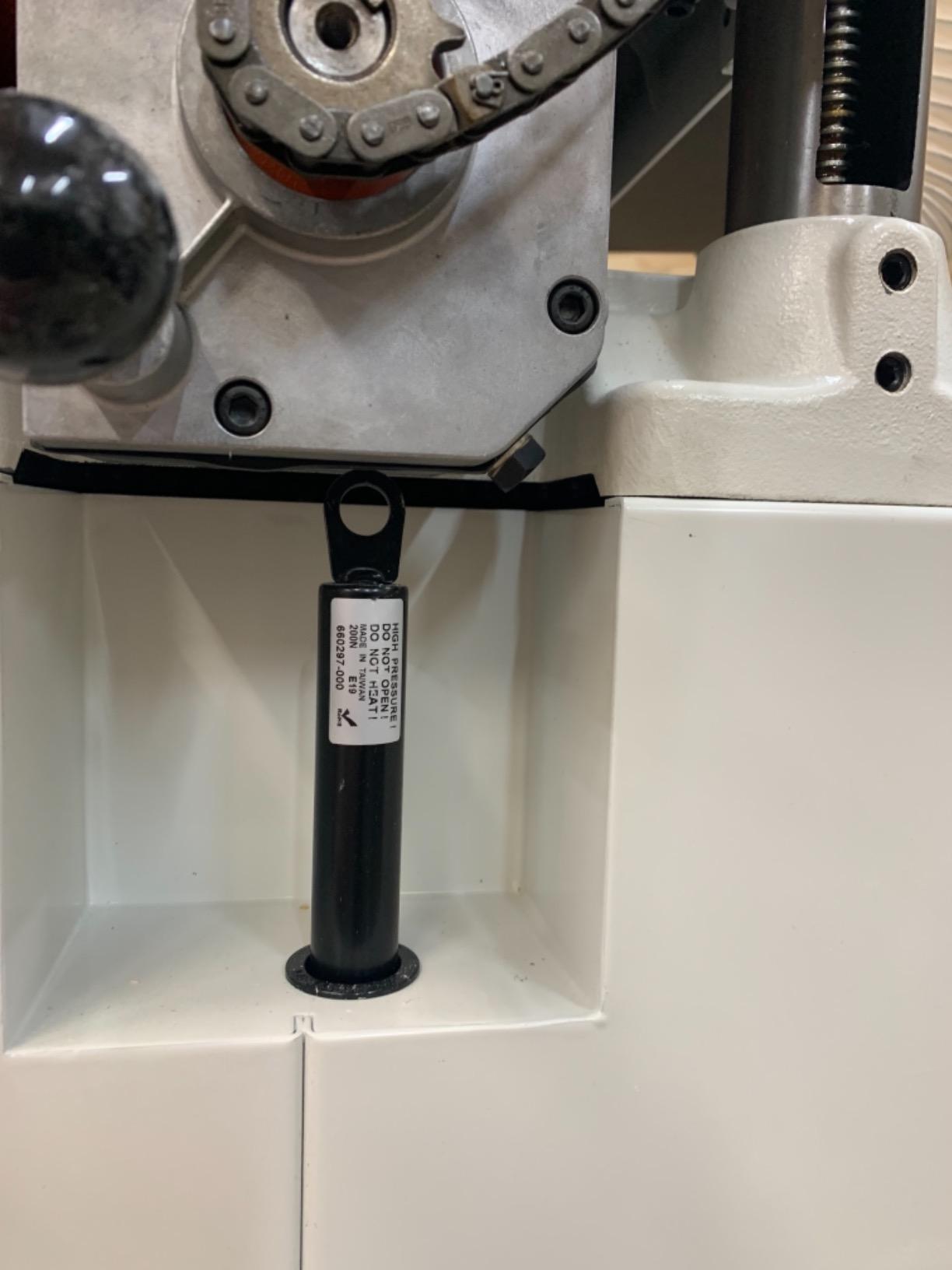
When a board is wider than 13 inches, it will not fit through a benchtop planer. The JET JPW-15BHH is the mid-sized answer: a 15-inch capacity machine with a 48-knife carbide helical head and the Precision Air Strut System that applies consistent upward pressure on the cutterhead to suppress snipe.
The 3 HP motor turns at 5,200 RPM and feeds at either 16 or 20 feet per minute. A precision-ground cast iron table sits on a four-post design, and cast iron extension tables ship with the machine.
The cutterhead is the story
Forty-eight staggered carbide knives that align themselves without adjustment is a meaningfully different proposition from the 26 HSS inserts on a benchtop machine. Self-aligning means there is no routine indexing procedure to get wrong, which is exactly what deters some people from carbide heads in the first place.
When the machine runs properly, owners call it extremely quiet with a very smooth surface and no snipe. The 1/8 inch maximum depth of cut across a 15-inch width and 6-inch height matches the rest of the class.
What drags the rating down
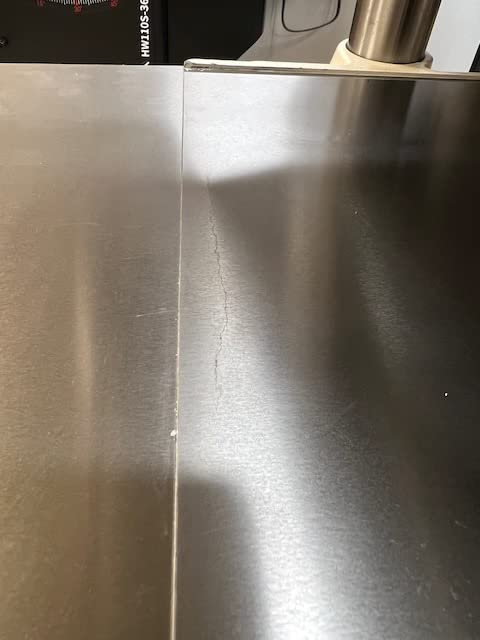
Arrival quality control. At 4.0 stars from 35 reviews with 18% three-star, the rating drag comes almost entirely from machines that arrived damaged, with broken cabinet foot plates, poorly welded feet, missing chain and sprockets, and one report of a non-functional off button. None of that relates to cut quality, but it is what the owner lives with.
Two layout issues also come up. The dust port is on the same side as the power switch, so the operator works around the controls, and the machine needs a 230V single-phase supply, which limits where you can install it.
10. Grizzly G0453Z – Best Documented Quiet Cut at 15 Inches
Grizzly Industrial G0453Z – 15″ 3 HP Planer w/Spiral Cutterhead
15 inch capacity
Spiral head with indexable carbide
3 HP, 240V single-phase
8 inch maximum stock thickness
Pros
- Helical head generates less than half the noise of the straight-knife version
- One owner logged about 85 dBA across hundreds of board feet
- Snipe under .001 once properly aligned
- Inserts cut like new after 800 board feet with no rotation
Cons
- Only 6 reviews
- so the 4.3 average is fragile
- Factory alignment requires thorough setup
- Thick rust inhibitor must be cleaned off before use
- Return rollers limit effective return width
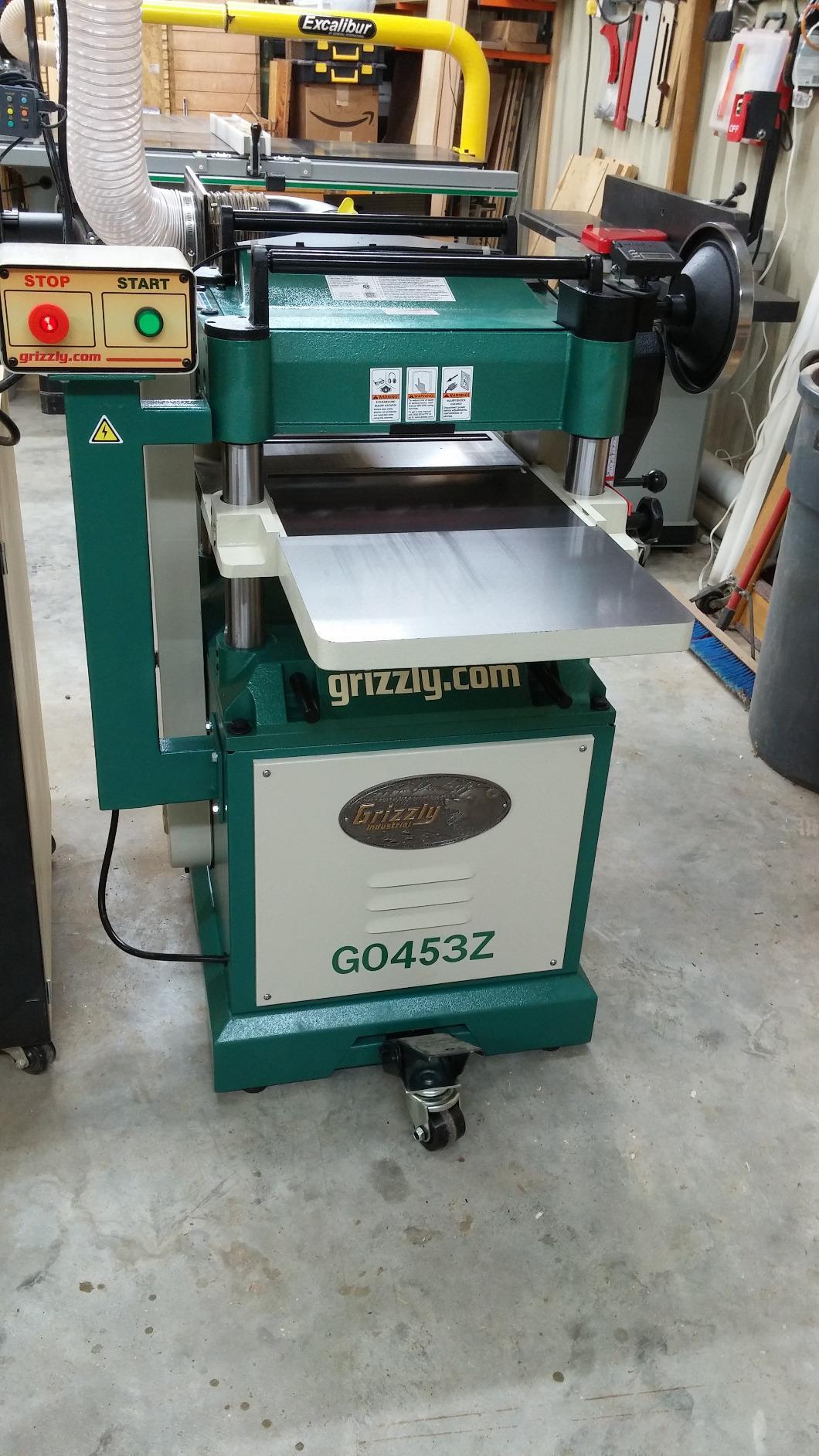
The Grizzly is the machine here with actual owner noise readings, and for a planer that is not a trivial metric. One owner logged about 85 dBA after pushing hundreds of board feet through it, and another reports the helical head generates less than half the noise of the straight-knife version with equal or better cut quality.
It is a 15-inch machine with a 3 HP, 240V single-phase motor, cast iron construction and a spiral cutterhead with indexable carbide inserts. Maximum stock thickness is 8 inches, well beyond the benchtop class.
The hardwood numbers are convincing
Carbide inserts on that head reportedly cut like new after more than 800 board feet of walnut, maple and mahogany without a single rotation. The same owners report snipe under .001 once aligned, and a finish that holds up without a sanding pass.
One detail worth knowing: it handles knotty stock and glue-ups without tearing knots loose, which is a failure mode that straight-blade planers produce regularly on reclaimed material.
Set aside a full day for setup
Every owner in the reviews stresses budgeting setup time. One found misaligned motor pulleys that stretched all three belts, and gear oil was not included. The thick rust-inhibitor coating also has to be cleaned off before the first cut.
Two smaller issues: stock return rollers sit a quarter inch below the posts, so effectively only a 14-3/4 inch workpiece returns, and the front wheel snaps down on its own and is hard to roll on a hardwood floor. With only six reviews, the 4.3 average is fragile, but the direction of the feedback is consistent.
11. Powermatic 209HH – Best Helical Planer for Production Shops
Powermatic 20-Inch Thickness Planer for Woodworking, Helical Style Cutterhead with 4-Speed (16/20 / 24/31 FPM) Feed Rate, 5 HP, 230V/460V 3Ph (209HH)
20 inch capacity
100 four-sided carbide inserts
4-speed 16 to 31 FPM
5 HP, 230V and 460V three-phase
Pros
- 100 four-sided carbide inserts with four usable edges each
- Four feed speeds from 16 to 31 FPM
- 55-1/2 inch by 20 inch cast iron table
- 8 inch maximum planing thickness
- Locking casters and lifting rods on an 801 lb machine
Cons
- Requires a 230V and 460V three-phase supply
- Heaviest machine here at 801 lb
- with the highest electrical demand
- Only 5 reviews
- so owner feedback is very limited
The Powermatic 209HH is the machine for someone who plans hardwood for a living. It has 100 four-sided carbide inserts, a 55-1/2 inch by 20 inch cast iron table with extensions, and four feed speeds from 16 to 31 feet per minute covering the range from a careful finish pass to production roughing.
The 5 HP motor drives through a 20-inch width with a maximum depth of cut of 1/8 inch and 8-inch maximum planing thickness. A chip breaker and pressure bar work together to reduce snipe, which matters at this width.
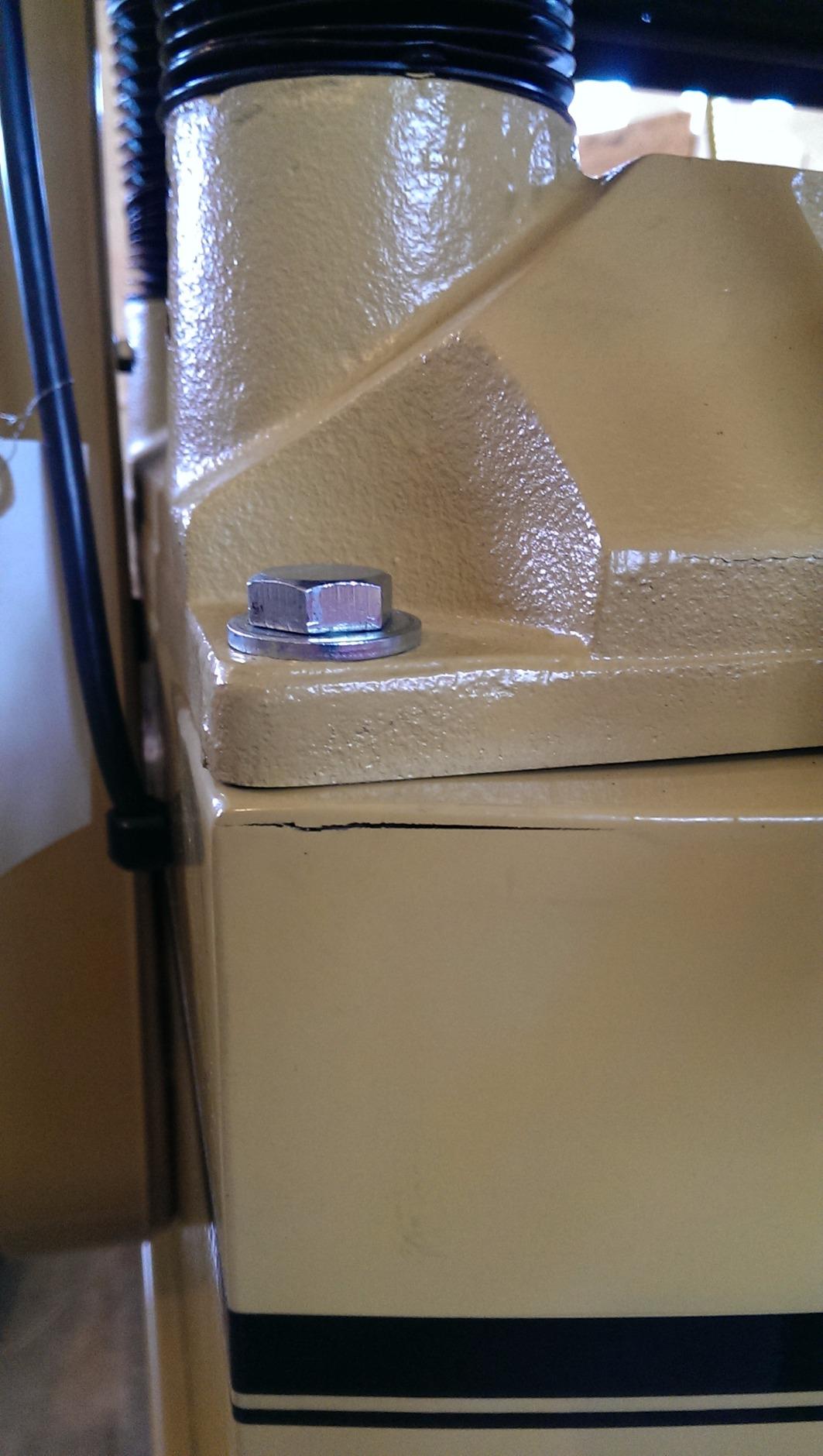
What production throughput looks like
Four speeds is the widest gearbox range in this roundup, and on a shop running mixed stock that flexibility is the difference between a planing session that flows and one where you change the machine speed for every board. The serrated steel infeed roller grips reliably while the smooth outfeed roller supports the finish side, which is the correct division of labor for tear-out control.
At 801 lb, the integrated locking casters and pull-out lifting rods are not a gimmick. Moving a machine this size between the planing station and the dust system is a normal task, and those two features handle it.
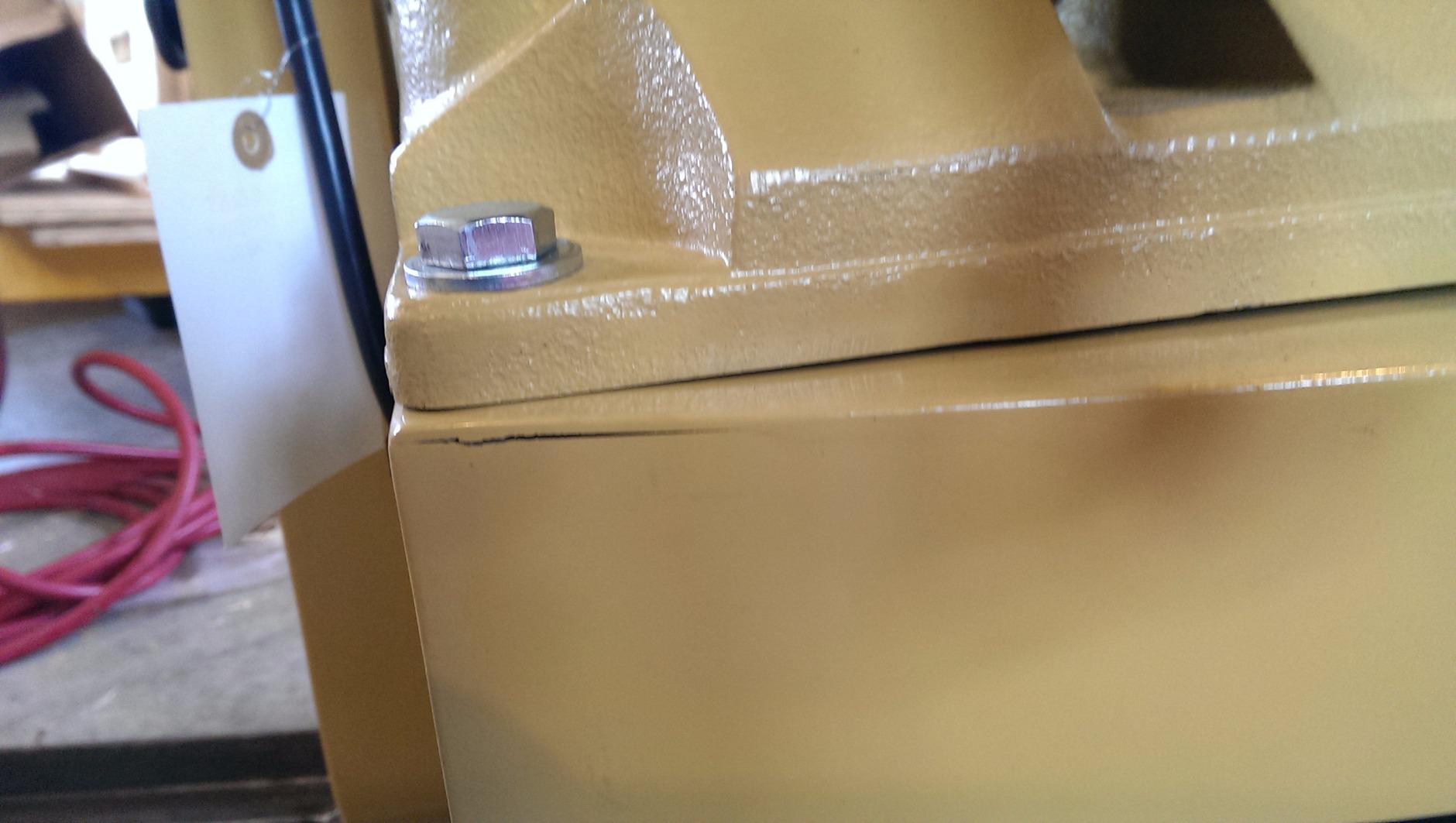
The requirements are the trade-off
This machine needs a 230V or 460V three-phase supply and draws 30 amps, which is the highest electrical requirement of anything in this roundup. If your shop is single-phase, this is simply not an option, and the JET JWP-208HH is the closest equivalent.
Five reviews is far too small a sample to draw firm conclusions, and the 16% two-star share points to at least one dissatisfied owner. The included hardware does indicate a production-grade machine: a low speed gear kit, ten spare inserts, cast iron tables and a 5-year warranty.
12. JET JWP-208HH – Best 20-Inch Planer for Single-Phase Shops
JET 20-Inch Planer, Helical Cutterhead, 5 HP, 230V 1Ph (Model JWP-208HH)
20 inch capacity
Helical cutterhead
2-speed 24 and 31 FPM
5 HP, 230V single-phase
Pros
- 5 HP TEFC induction motor with V-belt transmission
- 1/16 inch increment height scale for fine adjustments
- Two-speed 24 and 31 FPM gearbox with automatic chain tensioner
- One-piece welded steel base
- Cast iron infeed and outfeed tables included
Cons
- Requires a 230V single-phase dedicated circuit
- 753 lb stationary machine needing dedicated floor space
- Automatic chain tensioner adds a wear item
The JWP-208HH solves a problem the Powermatic cannot: it delivers 20-inch capacity and a 5 HP motor on a 230V single-phase supply. For a shop that will never install three-phase power, this is the only realistic route to wide-board planing at this level.
At 4.6 stars from 52 reviews with 85% five-star, it has the strongest five-star distribution among the stationary machines here. Reviewers consistently single out the motor power and the precision of the height adjustment.
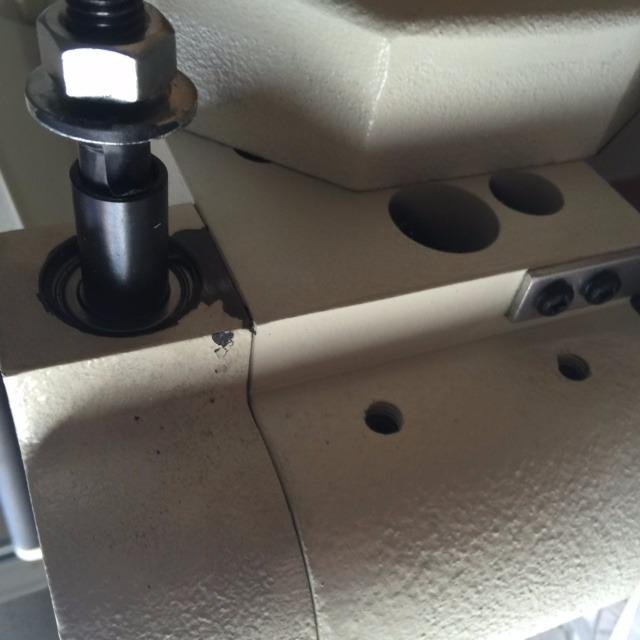
Precision is the selling point
The 1/16 inch increment height scale lets you make fine adjustments that a coarser scale cannot, and that is what makes repeatable thicknessing on figured stock possible. A large handwheel with positive gear drive moves the head quickly when you need a big change and precisely when you need a small one.
The one-piece welded steel base gives the rigidity a 20-inch machine needs, and cast iron infeed and outfeed tables are included rather than optional. Magnetic controls are rated for long service life.
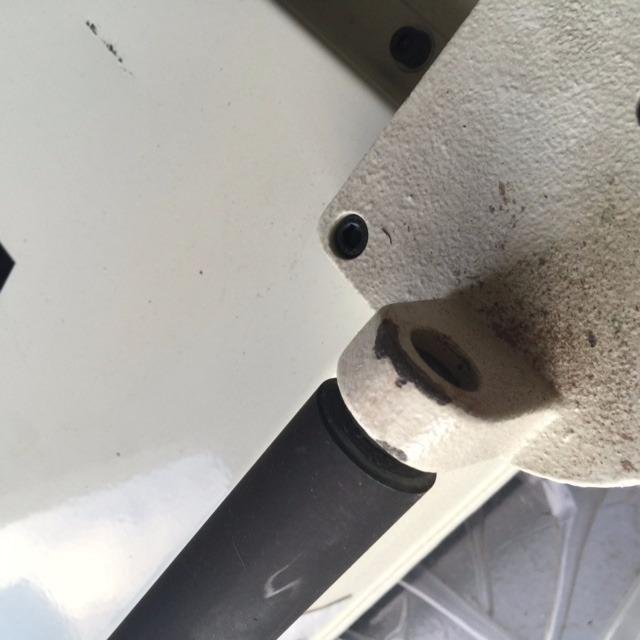
What you are committing to
This is a stationary machine at 753 lb that needs dedicated floor space. It is not a machine you move to a jobsite, and treating it as though you can is how people end up with a planer they do not use.
Two other notes. The two-speed gearbox runs at 24 and 31 feet per minute, so it has no slow feed setting for figured stock. And the automatic chain tensioner is a convenience feature that also introduces a wear item that a straight-knife machine does not have. The warranty is 5 years, dropping to 2 years for commercial or industrial use, which is worth noticing if you plan to run it commercially.
Helical vs Spiral vs Straight Knives: Which Cutterhead Do You Need?
The short answer: for hardwood, buy a helical or spiral head. The long answer is that helical and spiral are the same family, and the confusion between those two terms causes more wasted research than anything else in this category.
A spiral cutterhead places inserts in a helix around the drum. A helical cutterhead arranges them in staggered rows across the face of the drum. Both shear the fiber rather than sever it across the grain, both cut quietly, and both use small replaceable inserts rather than full-width knives. The distinction matters for geometry and insert count, not for the outcome you care about on a board face.
Straight knives do the opposite. They sever fibers across the grain, which on straight-grained softwood is invisible and on hardwood produces the torn, fuzzy surface you already know. They are also dramatically louder, because the entire width of the head enters the cut at once.
Woodworkers on woodworking forums consistently report the noise change as the most immediate difference, with a 20 to 25 dB drop cited when switching to a helical head. The Grizzly owner in this roundup measured roughly 85 dBA on the helical version and reported it as less than half the noise of its straight-knife sibling.
The other argument for inserts is economics. Rotating one small insert until both edges are spent costs a fraction of what a set of knives costs, and several owners in this roundup report going years between rotations. That is the figure that decides the question over a decade of shop time.
How to Choose a Helical Head Planer for Hardwood
Width is the first decision, and it is not a preference. A 13-inch benchtop planer cannot process a 2×12. If your hardwood arrives as full-width rough lumber, a 15-inch machine is the minimum, and 20 inches is the comfortable answer.
Next comes insert material, and this is where I would spend your attention. HSS inserts are cheaper and perfectly adequate for clean, kiln-dried hardwood. Tungsten carbide is the better answer for reclaimed lumber, sapwood-heavy stock, or any material with embedded grit, because the abrasive exposure is what kills HSS edges. Four of the machines here use carbide in a benchtop package.
Feed speed and cuts per inch
Feed speed is the control that actually determines whether figured wood tears out. A slower feed means more cuts per inch, and more cuts per inch means the fiber is subdivided into smaller pieces before it can lift.
Look for a machine with at least two speeds, and ideally one that gets down to 16 feet per minute or below. The Cutech, the RIKON and the FINDBUYTOOL all offer a finish setting in that range. The JET JWP-13BT offers 18 and 26 feet per minute, which is better than single-speed but not enough to save badly interlocked grain.
Maximum depth of cut on hardwood
Most benchtop machines here list a maximum depth of cut of 1/8 inch. That is a rating under ideal conditions with a sharp edge and a single pass, not a routine figure to work at.
On dense hardwood such as oak, walnut or hard maple, planing at 1/32 inch per pass is realistic and 1/16 inch is a reasonable ceiling. The FINDBUYTOOL in particular is reported to strain on heavy end-grain work, which is the clearest signal in this roundup that motor horsepower and head speed alone do not make a finishing machine a roughing machine.
Snipe and board support
Snipe is the shallow dip a planer leaves across a board, and it is almost always a support problem rather than a cutterhead problem. A long board that sags between the infeed roller and the cutterhead gets pushed down and then released, and the head marks the change.
Three design features address it. JET’s Precision Air Strut System applies consistent upward pressure on the cutterhead. The Cutech uses four lead screws and a patented coupling to minimize it automatically, with no separate snipe lock needed. And some of it you solve at the table, by using the longer table support on the Wahuda or FINDBUYTOOL, or by clamping a stiff plywood support ahead of short stock.
Dust collection
Any of these planers will fill a shop with shavings if you let them. A dedicated collector on the machine’s dust port is not an accessory, it is part of the tool, and a shop vac is a reasonable stopgap on the benchtop units.
Collection quality varies. The WOODERS ships with a dust collector and one owner reported a shop vac capturing essentially all the sawdust. The WEN’s port design leaves a significant chip volume behind, and dust collection is described as weak on the Cutech, which is common across benchtop planers. The flip-up dust hood on the Cutech lets you switch between blowing chips out the back and hooking up a collector.
Electrical requirements by class
Almost every benchtop machine in this roundup runs on a standard 15-amp, 120V household circuit, so none of them constrain where you put it. The exception is the JET JPW-15BHH, which needs 230V single-phase.
The stationary machines split the shop in two. The Grizzly G0453Z needs 240V single-phase. The JET JWP-208HH needs 230V single-phase on a dedicated circuit. The Powermatic 209HH needs 230V or 460V three-phase and draws 30 amps. If your shop is single-phase and you need 20-inch capacity, the JET 208HH is the only machine here that will work.
Preparing dense hardwood before planing
This gets skipped in most buying guides and it causes more ruined boards than any machine. Dense hardwood moves more than pine, and boards that have not equilibrated to your shop will move again after you plane them.
Stack your stock with stickers spaced evenly and let it acclimate before you touch it. For something like walnut or curly maple, that means weeks rather than days. Joint one face and one edge before planing the full width, which gives the planer a stable reference and takes most of the snipe out of the picture before the first pass.
Planing figured and interlocked grain
Curly maple, zebrano and other interlocked-grain stock is where cutterhead choice shows itself most clearly. The users on woodworking forums who switched from straight knives describe the helical head experience as reminding them why they wanted one in the first place.
Several report finishes comparable to 180 to 220 grit sanding straight off the planer, often removing a sanding step entirely. If you plan to do that, take light passes, use the slow feed setting, and make sure every insert is sharp. A single nicked carbide edge is enough to reintroduce tear-out on figured stock.
Are Helical Heads Worth It? Buy New or Retrofit?
For a woodworker who regularly surfaces hardwood, yes. The owners in this roundup who made the switch describe it as the change they do not regret, and the finish and noise gains show up on the first board.
But retrofitting an existing straight-knife planer with an aftermarket helical head is a legitimate path, and the economics are frequently better than buying new. Users on woodworking forums report upgrading a machine with an aftermarket helical head costing in the low hundreds, against several hundred for a complete helical planer. The insert-rotate-instead-of-replace system is the same either way.
The risks are installation difficulty and missing hardware. Forum complaints about aftermarket kits center on incomplete hardware and thin instructions, and on the fear of mis-seating carbide inserts during the swap. Before you buy a retrofit kit, confirm the head is compatible with your specific model, count the hardware against the instructions, and plan to set aside a full afternoon.
If your planer is a portable or handheld unit, compatibility is the immediate question and many models have no helical option at all. Check before you commit to anything.
One maintenance point that comes up repeatedly: rotate inserts as soon as an edge dulls rather than waiting for the full set. On carbide heads, uneven edges mean uneven loading, and that accelerates wear on the inserts that are still sharp.
Frequently Asked Questions
Which is better, a spiral or a helical cutterhead?
For hardwood, both are far better than straight knives, and the practical difference is small. A spiral head arranges inserts in a helix around the drum, while a helical head staggers them in rows across the face. Both shear the wood fiber rather than severing it across the grain, both run quietly, and both use small indexable inserts you rotate instead of replacing full knives. Choose on the number of inserts and the feed speed range available at that price.
What is the best benchtop helical head planer?
The WEN PL1326 is our pick for most people, with 736 reviews averaging 4.7 stars and consistently strong finish reports on red oak, walnut and maple. If your work is figured stock, the Cutech 40800H earns the spot instead because tungsten carbide inserts and a 16 FPM feed speed handle interlocked grain that the WEN single-speed feed cannot.
Are helical cutters worth it?
Yes, if you regularly surface hardwood. Owners report a 20 to 25 dB noise drop, far less tear-out on figured and reclaimed stock, and surfaces often comparable to 180 to 220 grit sanding. The long-run saving comes from rotating one small insert instead of replacing a full set of knives. If you only cut straight-grained softwood, a straight-knife planer remains a reasonable choice.
What are the best planer blades for hardwood?
For dense hardwood and reclaimed lumber, tungsten carbide inserts last far longer than high-speed steel because they tolerate the abrasive grit that dulls HSS quickly. Two-sided or four-sided inserts are preferable since each gives you two or four usable edges before replacement. Regardless of material, the single most important maintenance habit is rotating each insert the moment an edge dulls rather than waiting for the full set.
How do I reduce snipe on a planer?
Snipe is a support problem more than a cutterhead problem. A long board sags between the infeed roller and the cutterhead and rises again after the cut, leaving a shallow trough. Lengthen your table support, clamp a stiff plywood support ahead of short boards, joint one face and one edge before full-width planing, and use the machine’s pressure or snipe reduction system if it has one. Take light passes and keep every insert sharp.
How many feed speeds do I need for hardwood?
Two is the practical minimum for hardwood, and you want the lower setting down near 16 feet per minute or below. More cuts per inch subdivides the fiber before it can lift, which is what stops tear-out on interlocked grain. Single-speed machines cannot be slowed for figured stock, so if curly maple or zebrano is part of your work, a two-speed or four-speed machine is worth the extra money.
Final Verdict: Which Helical Head Planer Should You Buy?
The WEN PL1326 is the best helical head planer for hardwood in 2026 for most woodworkers. Nothing else in this roundup combines that volume of independent owner feedback with consistently strong finish reports on the species that actually challenge a planer.
Buy the Cutech 40800H instead if figured wood is your primary material, since carbide inserts and a 16 FPM feed speed are the combination that survives interlocked grain. Choose the JET JWP-13BT when you value build quality and parts support over insert edge life, and the FINDBUYTOOL when matched thickness across a batch matters more to you than a long service history.
Step up in width only when your stock demands it. A 13-inch planer is the right answer for most home shops, a 15-inch machine handles full-width rough lumber, and 20 inches is a production decision with a power requirement attached. Whichever you pick, acclimate the wood first and keep the inserts sharp, because no cutterhead can save a dull edge on figured maple.