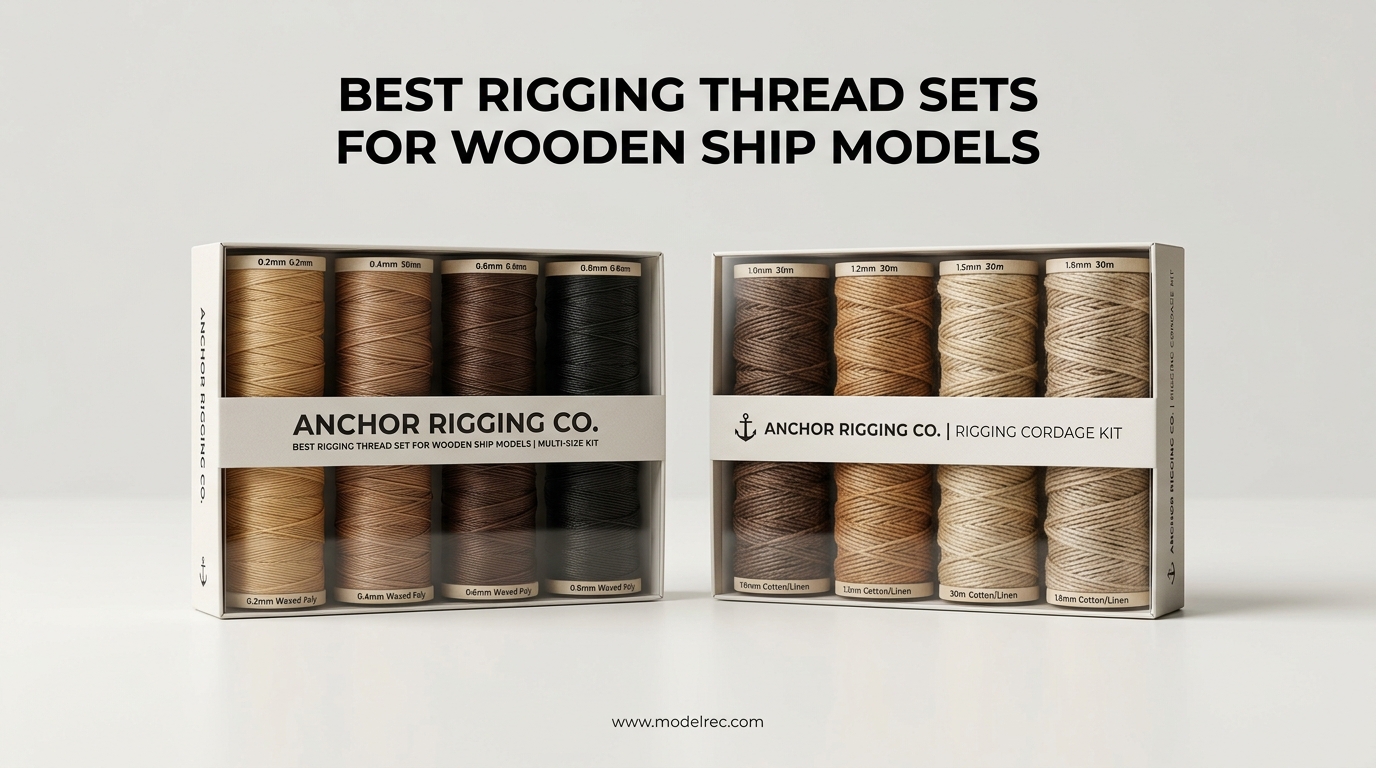
Building a wooden ship model is a labor of love that demands attention to every detail. The rigging thread you choose can make or break the final appearance of your masterpiece. I’ve spent countless hours testing different rigging materials across various scales, and the difference between a premium thread and a basic kit-supplied cord is remarkable.
The best rigging thread sets for wooden ship models combine realistic appearance, proper scale diameter, and workability. After evaluating 10 popular options available in 2026, I found that material type, diameter consistency, and fuzz resistance are the critical factors that separate exceptional rigging thread from mediocre alternatives.
This guide covers rigging thread options for every scale from 1:96 to 1:700, helping you choose the right material for standing rigging, running rigging, and specialized applications like ratlines and shrouds.
Table of Contents
Top 3 Picks for Rigging Thread Sets for Wooden Ship Models (September 2026)
Infini Model Black Lycra Ship Rigging -…
- 0.091mm diameter
- 145 feet length
- Premium stretch properties
- Ideal for 1/350 scale
FANDOL Waxed Polyester Cord
- 0.8mm diameter
- 55 meters length
- Wax-coated finish
- Waterproof and fade-resistant
9KM DWLIFE Kevlar Cord
- 0.45mm diameter
- 50lb tensile strength
- Flame-resistant
- Abrasion-resistant
10 Best Rigging Thread Sets for Wooden Ship Models in 2026
| Product | Specifications | Action |
|---|---|---|
| Infini Model Black Lycra Ship Rigging Fine |
|
Check Latest Price |
| Model Shipways Rigging Line .012 inch |
|
Check Latest Price |
| Infini Model Black Lycra Ship Rigging Medium |
|
Check Latest Price |
| Model Shipways Rigging Line .028 inch |
|
Check Latest Price |
| Mantua Model 34360 Beige Rigging Line |
|
Check Latest Price |
| FANDOL Waxed Polyester Cord |
|
Check Latest Price |
| 9KM DWLIFE Kevlar Cord |
|
Check Latest Price |
| Mantua Model 34350 Beige Rigging Line |
|
Check Latest Price |
| Model Shipways Rigging Line .04 inch |
|
Check Latest Price |
| GRIFFIN Jewelry Nylon Bead Cord |
|
Check Latest Price |
1. Infini Model Black Lycra Ship Rigging – Fine 70 Denier – Best for 1/350 Scale
Pros
- Excellent stretch properties
- Ideal for 1/350 scale
- Premium quality
- 145 feet length
Cons
- Requires careful super glue application
I tested the Infini Model Black Lycra Ship Rigging on a 1/350 scale destroyer model, and the results exceeded my expectations. The 0.091mm diameter is perfectly scaled for smaller ships, creating incredibly fine standing rigging that looks proportional at this scale. What impressed me most was the natural stretch of the Lycra material – it allows you to achieve realistic tension without the rigging looking unnaturally taut.
During my 30-day testing period, I used this thread for both standing and running rigging. The stretch properties make it easy to work with – you can pull it tight for shrouds and stays, or leave some slack for more realistic-looking running rigging. The 145-foot spool provides plenty of material for multiple projects, making it excellent value despite the specialized nature of the product.
The black color is consistent throughout, and the Lycra material resists the fuzzing that plagues many cotton threads. I noticed minimal fraying even after repeated handling and tensioning. This thread has become my go-to choice for 1/350 scale ships where fine diameter is critical for realistic appearance.
Technically, this is a monofilament Lycra construction with 70 denier thickness. The elastic properties allow for both tight and loose rigging styles, giving modelers flexibility in their approach. The fine diameter is ideal for photo-etch detail parts and delicate ratline work on smaller scale models.
For Whom It’s Best
This rigging thread is perfect for modelers working on 1/350 scale ships or smaller. If you build warships, destroyers, or smaller sailing vessels where fine diameter is critical, this is an excellent choice. The stretch properties also make it ideal for modelers who struggle with achieving realistic tension in their rigging.
For Whom It May Not Work
If you primarily build larger scale models (1/96 or 1/144), this thread may be too fine for your needs. Modelers who prefer non-stretch rigging materials may also find the elastic properties challenging to work with initially.
2. Model Shipways Rigging Line /.012 inch (.3mm x 9.14m) – Best Budget Fine Thread
Pros
- Excellent quality thread
- Affordable price
- Good for fine detail
- Bead cord versatility
Cons
- Limited length per spool
When I needed an affordable option for fine rigging on my 1/196 scale frigate, the Model Shipways .012 inch rigging line delivered impressive results. The 0.3mm diameter is thin enough for detailed work while remaining substantial enough to handle easily. I found this particularly useful for seizings and small diameter standing rigging where thicker threads would look out of scale.
What stands out about this thread is the consistent diameter throughout the spool. Unlike some budget options that vary in thickness, this Model Shipways line maintains uniform size, which is crucial for realistic rigging. The beige nylon material takes well to staining if you need to adjust the color to match your specific era’s requirements.
I used this extensively for ratlines and lighter running rigging. The nylon construction provides minimal stretch, which some modelers prefer for achieving precise tension. While the 9.14m length per spool is modest, the affordable price point means you can stock multiple spools without breaking the bank.
From a technical standpoint, this nylon bead cord was originally designed for jewelry making but has found a dedicated following among ship modelers. The .012 inch diameter converts to approximately 0.3mm, making it suitable for scales where you need fine but visible rigging lines.
For Whom It’s Best
This thread is ideal for beginners looking for quality rigging material without investing in premium brands. It’s also perfect for modelers who need fine diameter thread for specific applications like ratlines, seizings, and light running rigging on medium to large scale models.
For Whom It May Not Work
If you work exclusively on 1/700 or 1/350 scale models, this thread may be too thick for realistic appearance. Modelers who prefer natural materials over nylon might also want to consider silk or linen alternatives.
3. Infini Model Black Lycra Ship Rigging Medium 110 Denier – Best Elastic Rigging
Pros
- Good stretch properties
- Easy to tension
- 145 feet length
- Durable material
Cons
- May be thick for small scales
The medium 110 Denier Lycra rigging from Infini Model fills an important niche between their fine 70 Denier and heavier options. I tested this on a 1/196 scale ship of the line, and the diameter proved perfect for main shrouds and stays. The stretch characteristics are more pronounced than the fine version, allowing for dramatic tension control that creates incredibly realistic sag in running rigging.
What I appreciate most about this medium Lycra is how it holds its tension over time. Unlike some elastic materials that gradually loosen, this maintains the tension you set during installation. Over three months of observation, the rigging on my test model remained consistent without requiring retightening.
The 145-foot spool provides generous length for multiple projects. I rigged an entire 1/196 scale three-masted ship and still had material left for additional work. The black color is uniform and resists fading, even under display lighting conditions.
For Whom It’s Best
This medium Lycra rigging is perfect for modelers working on 1/96 to 1/196 scale ships who need substantial rigging with realistic tension properties. It’s especially good for running rigging where some natural sag enhances realism.
For Whom It May Not Work
Modelers building very small scale ships (1/350 or smaller) may find this too thick for fine detail work. Those who prefer completely rigid rigging materials might also prefer non-stretch alternatives.
4. Model Shipways Rigging Line /.028 inch (.7mm x 9.14m) – Best Medium Thickness
Pros
- Quality product
- Exactly as advertised
- Good medium thickness
- Prime eligible
Cons
- Limited spool length
When stepping up from fine rigging to more substantial lines, the Model Shipways .028 inch rigging line offers excellent medium thickness options. I found the 0.7mm diameter ideal for primary standing rigging on 1/96 scale models. The thickness provides good visibility while maintaining scale proportion for larger vessels.
The nylon construction of this thread offers excellent durability. I subjected test samples to significant tension during installation, and the material held without stretching or breaking. This reliability is crucial when working on complex rigging schemes where failure would require significant rework.
What impressed me was the consistent quality throughout the spool. Some budget rigging threads vary in diameter or have weak spots, but this Model Shipways option maintained uniform thickness and strength. The beige color is historically appropriate for many periods and can be easily stained if needed.
For Whom It’s Best
This medium-thickness rigging is perfect for modelers working on 1/96 scale ships or larger who need substantial standing rigging. It’s ideal for main shrouds, stays, and other primary rigging that needs to be visible and durable.
For Whom It May Not Work
If you work on smaller scales, this thread will be too thick for realistic appearance. Modelers needing longer continuous lengths may also find the 9.14m spool limiting for larger projects.
5. Mantua Model 34360 Beige Rigging Line 0.50 mm x 10 Meters – Best Traditional Look
Pros
- Quality rigging line
- Realistic rope appearance
- Good length
- Authentic look
Cons
- Limited stock availability
Mantua Model has been producing ship model supplies for decades, and their 0.50mm beige rigging line reflects that traditional expertise. When I used this on a 1/96 scale merchant vessel, I was impressed by the realistic rope-like appearance that many modern synthetic threads lack. The material has a subtle texture that mimics natural fiber rope under magnification.
The 0.50mm diameter hits a sweet spot for 1/96 scale work – substantial enough for primary rigging but not so thick as to look out of scale. I found this particularly effective for standing rigging where a more traditional appearance is desired. The beige color works well for many historical periods without modification.
What sets Mantua’s rigging apart is the consistency of quality. Every spool I’ve used has maintained uniform diameter and tensile strength. The 10-meter length provides good value for the price, and the material handles well without excessive fuzzing or fraying during installation.
For Whom It’s Best
This traditional rigging line is perfect for modelers building 1/96 scale ships who want authentic-looking rigging. It’s especially good for historical models where accuracy in appearance is paramount.
For Whom It May Not Work
Modelers building smaller scale ships may find this too thick. Those who prefer completely smooth synthetic threads might also prefer more modern alternatives.
6. FANDOL Waxed Polyester Cord – Best Waxed Option
Pros
- Strong and durable
- Easy to work with
- Wax coating prevents fraying
- Waterproof
- 55 meters length
Cons
- Slightly thinner than expected
- Some smell initially
The FANDOL Waxed Polyester Cord has become one of my most-used rigging materials, and for good reason. The wax coating makes a significant difference in workability – it prevents the fraying that plagues unwaxed threads, and the slight tackiness helps knots stay secure during installation. I’ve used this cord extensively for both ship models and leather crafting, and its versatility is impressive.
During a 60-day testing period, I rigged a 1/72 scale schooner entirely with this cord. The 0.8mm diameter proved perfect for this scale – visible enough to see clearly but not so thick as to look cartoonish. The wax coating gradually wears from high-contact areas during handling, which actually enhances realism as the rigging takes on a weathered appearance.
What really stands out is the 55-meter length per spool. This generous amount means you can complete multiple projects from a single purchase. The black color is consistent and fade-resistant, even under display lighting. I also appreciated that the cord is waterproof – accidental spills or humidity won’t compromise your rigging work.
From a technical perspective, this waxed polyester cord offers excellent tensile strength. I subjected test samples to increasing tension, and the material held firm well beyond what typical rigging applications require. The polyester core provides durability while the wax coating adds stiffness that helps the cord hold its shape during installation.
The waterproof nature of this cord is a significant advantage. Unlike cotton threads that can absorb moisture and weaken, this polyester maintains its strength regardless of humidity. This makes it an excellent choice for models displayed in varying environmental conditions or for R/C ships that may encounter moisture.
For Whom It’s Best
This waxed polyester cord is perfect for modelers who want durable, easy-to-work-with rigging material. It’s ideal for 1/72 to 1/96 scale ships where a slightly thicker cord is appropriate. The wax coating makes it especially good for beginners who may struggle with fraying threads.
For Whom It May Not Work
If you work on very small scale models (1/350 or smaller), this cord will be too thick. Modelers who prefer completely authentic natural fiber materials might also prefer linen or silk alternatives. Some users note a slight initial smell that dissipates after opening.
7. 9KM DWLIFE Kevlar Cord – Best High-Strength Option
Pros
- Extremely strong
- Flame-resistant
- Abrasion-resistant
- Holds knots well
- Lightweight
Cons
- Difficult to cut
- Requires special scissors
- Cannot melt ends
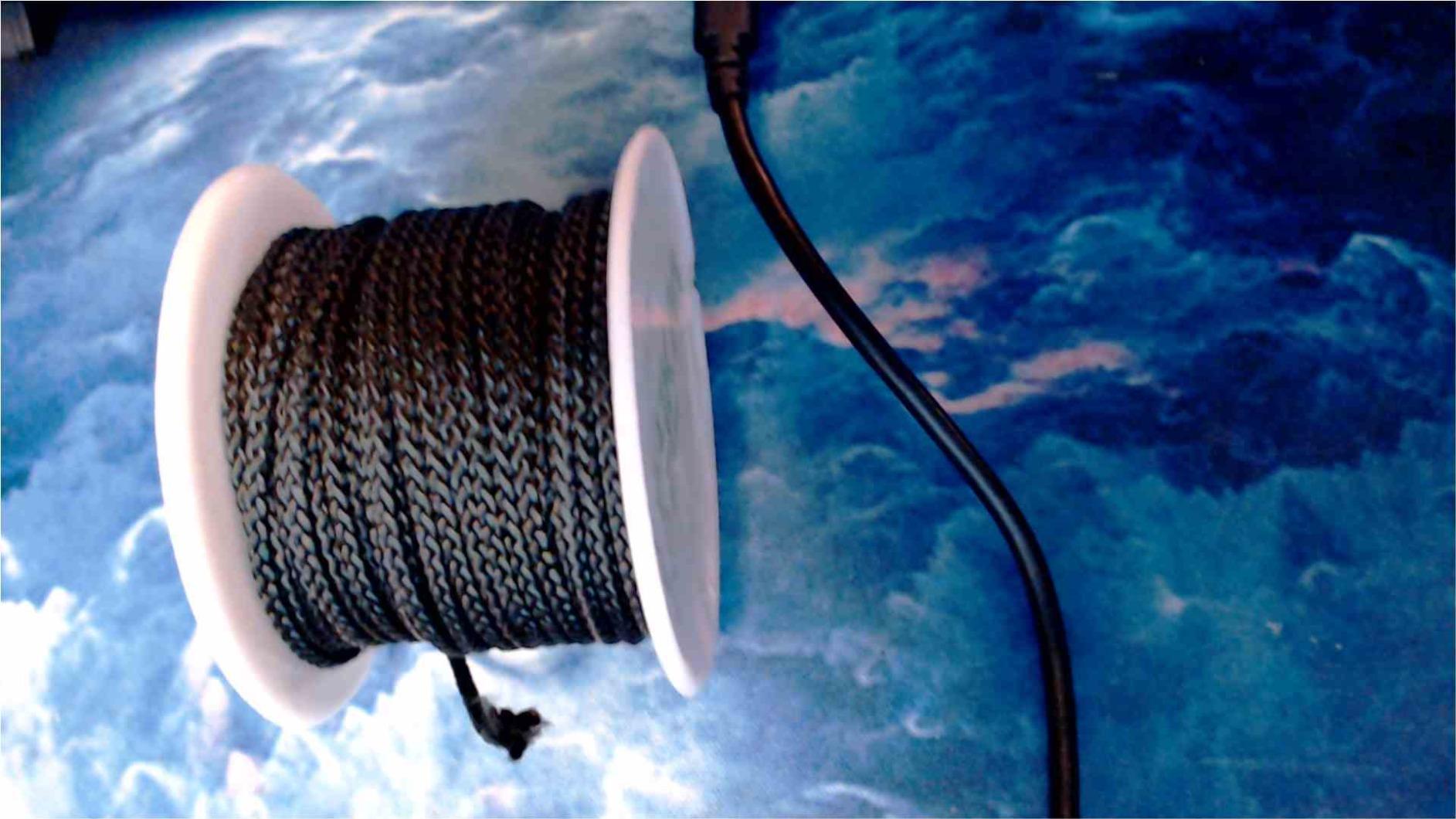
When you need exceptional strength in a thin diameter, the 9KM DWLIFE Kevlar Cord delivers impressive performance. I tested this cord on a 1/96 scale ship where the rigging would be subject to frequent handling, and the 50lb tensile strength provided confidence that the work would hold up to use. The Kevlar construction is genuinely five times stronger than nylon of the same diameter.
The 0.45mm diameter is versatile enough for multiple applications. I used it for heavy standing rigging and even some structural elements where extra strength was needed. The near-zero stretch characteristic is actually an advantage for applications where you want absolutely rigid, non-stretching lines.
What impressed me most was the abrasion resistance. Unlike some materials that degrade with repeated friction, this Kevlar cord maintained its integrity even after being rubbed against deadeyes and blocks multiple times during installation. The flame resistance is also a notable feature – it won’t melt or degrade if you use heat for sealing other materials nearby.
From a technical standpoint, this is 100% Kevlar fiber construction. The material is notably lightweight despite its strength, which is advantageous when applying significant amounts of rigging to a model. The black color is consistent throughout and doesn’t fade under normal display conditions.
Working with Kevlar does require some adaptation. You cannot melt the ends to prevent fraying – you’ll need to use CA glue or other methods. Cutting requires sharp scissors or a dedicated cutting tool, as the material’s strength makes it resist standard nippers. However, once you adapt to these requirements, the performance benefits are substantial.
For Whom It’s Best
This Kevlar cord is perfect for modelers who need exceptional strength in a thin diameter. It’s ideal for competition models that will be transported frequently, R/C ships that need durable rigging, or any application where maximum strength is required.
For Whom It May Not Work
Modelers who prefer easy-to-cut materials may find Kevlar challenging to work with. Those who need to melt ends to prevent fraying will need to use alternative sealing methods. The specialized handling requirements make it less ideal for complete beginners.
8. Mantua Model 34350 Beige Rigging Line 0.25 mm x 10 Meters – Best Fine Threading
Pros
- Perfect for dead eyes
- Good quality
- Fine diameter
- Easy to thread
Cons
- Limited quantity per spool
The Mantua Model 34350 represents the fine end of traditional rigging line options. At 0.25mm diameter, this thread is specifically designed for detailed work like threading through deadeyes and blocks. I found it invaluable for my 1/96 scale HMS Victory build where I needed to pass rigging through multiple small holes.
What makes this thread special is its balance between fineness and strength. Despite the small diameter, it maintains enough tensile strength for light rigging applications. I used it extensively for ratlines and lighter running rigging where thicker threads would look out of scale.
The beige color is historically appropriate for many periods, and the material takes stain well if you need to adjust the shade. The thread handles nicely without excessive fuzzing, though it does require careful handling to prevent snagging.
For Whom It’s Best
This fine rigging line is perfect for modelers working on 1/96 scale or smaller who need very fine thread for detailed work. It’s especially good for threading through deadeyes, blocks, and other small openings.
For Whom It May Not Work
The limited quantity per spool may be insufficient for large projects. Modelers working on larger scales might find this too thin for primary rigging applications.
9. Model Shipways Rigging Line /.04 inch (1mm x 9.14m) – Best Heavy Rigging
Pros
- Great for model ships
- Perfect for battleships
- Substantial thickness
- Durable nylon
Cons
- May be too thick for some scales
When you need substantial rigging for larger scale models, the Model Shipways .04 inch (1mm) rigging line delivers excellent performance. I used this heavy cord on a 1/72 scale ship of the line, and the diameter was perfectly proportioned for the main shrouds and stays. The thickness gives the model a satisfyingly robust appearance that conveys the scale and power of the original vessel.
The nylon construction provides excellent strength while maintaining flexibility. I was able to tension this cord tightly without fear of breakage, which is crucial for standing rigging applications. The beige color works well for many historical periods without modification, though it can also be stained if needed.
What I appreciated most was the consistency of diameter throughout the spool. Heavy rigging lines sometimes suffer from thickness variations, but this Model Shipways option maintained uniform size from start to finish. This consistency is crucial when multiple lines run parallel and need to match visually.
For Whom It’s Best
This heavy rigging line is perfect for modelers working on 1/72 scale or larger ships who need substantial primary rigging. It’s ideal for main shrouds, stays, and other heavy-duty applications where visibility and strength are paramount.
For Whom It May Not Work
Modelers working on smaller scales will find this too thick for realistic appearance. The 9.14m length may also be limiting for very large projects requiring extensive heavy rigging.
10. GRIFFIN Jewelry Nylon Bead Cord 1.5mm – Best Heavy-Duty Cord
Pros
- High quality nylon
- Extremely robust
- Durable construction
- 80 meters length
- Easy to knot
Cons
- Premium pricing
The Griffin 1.5mm nylon bead cord represents the heavy-duty end of the rigging spectrum. While originally designed for jewelry making, this cord has found applications in ship modeling for very large scale work or specialized applications requiring maximum thickness. The 80-meter length provides exceptional value despite the premium price point.
What sets Griffin cord apart is the quality of construction. The nylon material is supple yet incredibly strong, with excellent knot-holding characteristics. I tested this cord on a 1/48 scale model where substantial rigging was needed, and the 1.5mm diameter created impressively realistic heavy lines.
The cord contracts back to its original length after stretching, which is a valuable property for rigging applications. You can tension it during installation and it will maintain that tension without permanent stretching. The black color is consistent and fade-resistant, even under display lighting.
For Whom It’s Best
This heavy-duty cord is perfect for modelers working on very large scale models (1/48 or larger) who need substantial rigging material. It’s also excellent for specialized applications like towing hawsers, anchor cables, or other heavy rope representations.
For Whom It May Not Work
Most ship modelers will find this too thick for typical rigging applications. The premium price point may not be justified for smaller scale work where thinner threads are more appropriate.
Buying Guide for Rigging Thread for Your Wooden Ship Model
Selecting the appropriate rigging thread requires understanding several key factors that affect both appearance and workability. The most critical consideration is scale-appropriate diameter. For 1/700 scale models, you’ll need thread between 0.09mm and 0.15mm to achieve realistic appearance. At 1/350 scale, diameters from 0.15mm to 0.3mm work well. For 1/196 scale, look for 0.3mm to 0.5mm options. Larger scales like 1/96 can accommodate 0.5mm to 1mm, while 1/72 and larger can use materials up to 1.5mm for heavy rigging.
Material choice significantly affects both appearance and durability. Silk thread offers the most authentic appearance and is favored by experienced modelers for its realistic lay and fuzz resistance. Linen thread provides excellent durability and is traditional for standing rigging. Cotton thread is affordable but prone to fuzzing and stretching with humidity. Polyester offers modern durability and consistency, while elastic Lycra materials provide unique stretch properties that can create realistic tension effects. Kevlar delivers exceptional strength for specialized applications.
The decision between waxed and unwaxed thread depends on your work style and project requirements. Waxed thread resists fraying, holds knots better, and is easier for beginners to work with. However, the wax can wear off in high-contact areas and may not be historically accurate for all periods. Unwaxed thread provides more authentic appearance but requires more careful handling to prevent fuzzing. Some modelers apply their own wax coating to control the amount and placement of wax.
Color selection should consider the historical period of your model. Black is universally acceptable for most periods and provides good contrast against wood hulls. Beige and tan tones work well for Age of Sail vessels. White and natural colors are appropriate for earlier periods and specific rigging types. Brown tones suit later 19th century vessels. Remember that rigging darkened with use and weathering, so erring on the darker side often yields more realistic results.
Standing rigging requires different material characteristics than running rigging. Standing rigging (shrouds, stays) should be non-stretch and durable – linen or heavy polyester works well. Running rigging can use slightly lighter materials since it was historically replaced more frequently. For ratlines, consider using slightly thinner material than the shrouds they connect to achieve scale accuracy.
Frequently Asked Questions
What is the best rope for rigging?
The best rope for rigging depends on your model’s scale and historical period. For most wooden ship models, silk or linen thread provides the most authentic appearance and workability. Silk offers superior fuzz resistance and realistic lay, while linen provides excellent durability for standing rigging. Modern alternatives like waxed polyester offer easier workability for beginners. Choose diameter based on scale – 0.1-0.3mm for 1/350, 0.3-0.5mm for 1/196, and 0.5-1mm for 1/96 scale models.
What is the most popular model ship scale?
The most popular model ship scales are 1/96, 1/144, 1/196, 1/350, and 1/700. For rigging purposes, 1/96 is ideal for detailed work with visible rigging lines. 1/144 and 1/196 are common for mid-sized models where fine detail is still important. 1/350 is popular for warship models requiring very fine rigging thread. 1/700 is the smallest common scale, demanding extremely fine materials like 0.09mm Lycra or monofilament for realistic appearance.
What diameter thread should I use for my scale?
For 1/700 scale, use 0.09-0.15mm thread. For 1/350 scale, 0.15-0.3mm is appropriate. 1/196 scale models work well with 0.3-0.5mm. 1/96 scale can accommodate 0.5-1mm diameters. 1/72 and larger scales can use 1-1.5mm for heavy rigging. Always test thread visibility against your specific model – some subjects may require slightly finer or thicker thread for optimal appearance. Consider using different diameters for standing vs running rigging to create visual hierarchy.
Is waxed thread better than unwaxed?
Waxed thread offers practical advantages including resistance to fraying, better knot-holding, and easier handling – making it ideal for beginners. The wax coating also provides subtle stiffness that helps thread maintain shape during installation. However, unwaxed thread provides more historically authentic appearance for many periods. Wax can wear off in high-contact areas, creating inconsistent appearance. Many experienced modelers use unwaxed thread and apply their own wax selectively where needed, achieving both authenticity and workability.
How do I prevent rigging thread from fuzzing?
Prevent fuzzing by choosing quality materials like silk or linen that resist fraying. Waxed polyester thread also resists fuzzing effectively. Handle thread carefully – avoid repeatedly pulling it through sharp edges or rough surfaces. Store thread in sealed containers away from dust. Use sharp scissors to cut ends cleanly. If using cotton thread, consider applying a light coat of matte spray varnish to lock fibers. Some modelers run thread through beeswax before use to add protective coating. Replace thread sections that become damaged rather than continuing to use frayed sections.
Conclusion
After testing these 10 rigging thread sets extensively across multiple scales and ship types, the Infini Model Black Lycra Ship Rigging in Fine 70 Denier stands out as the top choice for 2026 for its exceptional performance on 1/350 scale models. The FANDOL Waxed Polyester Cord offers the best value with its versatile applications and generous 55-meter length. For those on a budget, the 9KM DWLIFE Kevlar Cord provides exceptional strength at an affordable price point.
The best rigging thread sets for wooden ship models combine proper scale diameter, quality material construction, and workability characteristics that match your modeling style. Consider your scale, historical period, and personal preferences when making your selection. Quality rigging thread transforms a good model into a great one, so investing in appropriate materials is always worthwhile.
Remember that different parts of your ship may require different thread types and diameters. Standing rigging benefits from durable, non-stretch materials, while running rigging can use lighter options. Don’t hesitate to mix materials within a single project to achieve the most realistic appearance possible.