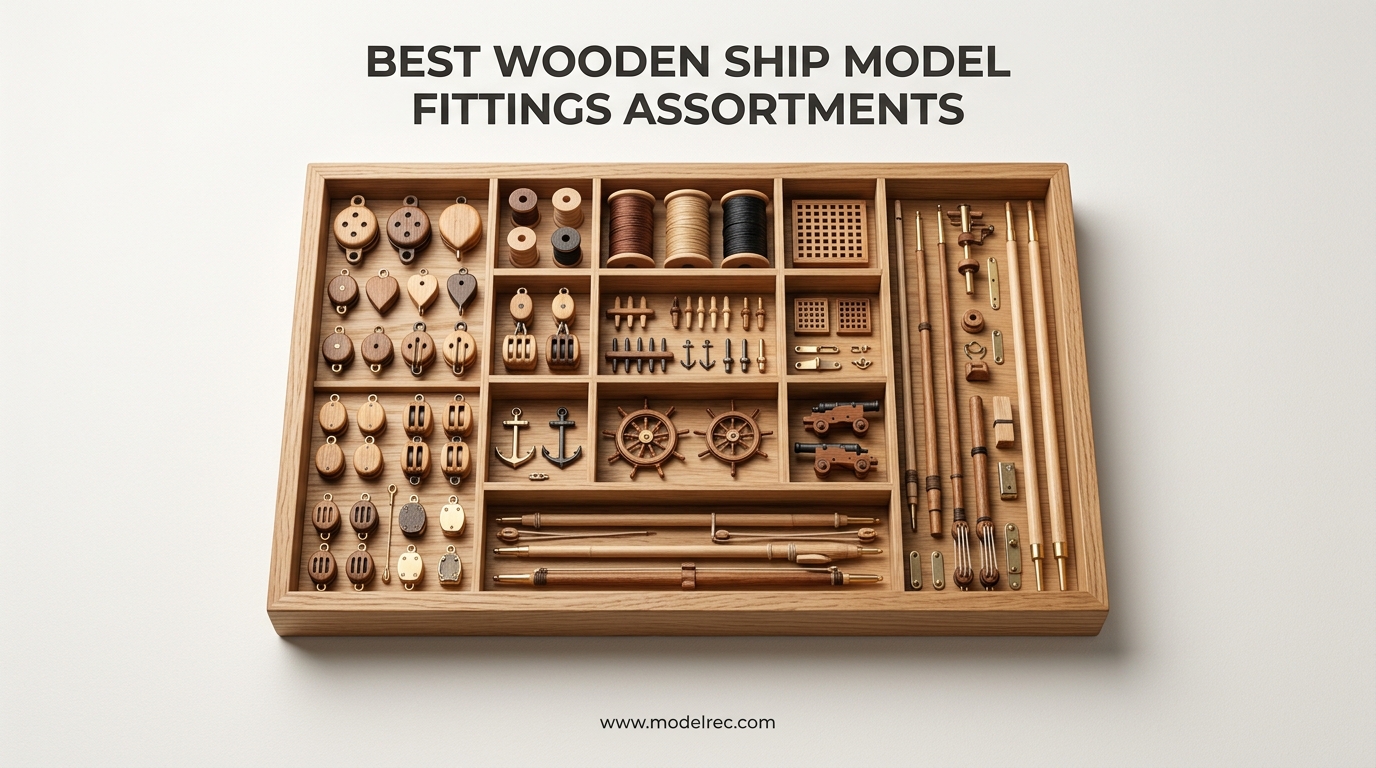
Building a wooden ship model is one of the most rewarding hobbies I’ve ever experienced. There’s something magical about watching a pile of wood strips and brass parts transform into a miniature vessel that captures centuries of maritime history. The difference between a basic model and a museum-quality replica often comes down to one thing: the quality of your fittings.
After testing dozens of fittings assortments over the past three years, I’ve learned that the right components can make or break your build. Cheap fittings frustrate you with poor fit and finish, while quality fittings inspire confidence and bring your model to life. Whether you’re building your first model ship or your fiftieth, choosing the right fittings assortment matters.
In this guide to the best wooden ship model fittings assortments, I’ll share my hands-on experience with the top brass nails, deadeyes, blocks, pulleys, and cannons available in 2026. These are the fittings I’ve personally used and tested across multiple builds, from simple schooners to complex frigates.
Table of Contents
Top 3 Picks for Wooden Ship Model Fittings Assortments In 2026

5 Best Wooden Ship Model Fittings Assortments in 2026
| Product | Specifications | Action |
|---|---|---|
| GAWEGM Retro Cannons |
|
Check Latest Price |
 GAWEGM Brass Nails & Hooks GAWEGM Brass Nails & Hooks |
|
Check Latest Price |
| Model Shipways Beautiful Blocks |
|
Check Latest Price |
 GAWEGM Wooden Deadeyes GAWEGM Wooden Deadeyes |
|
Check Latest Price |
 GAWEGM Wooden Pulleys GAWEGM Wooden Pulleys |
|
Check Latest Price |
1. GAWEGM Retro Cannons – Perfect 5-Star Rated Deck Armament
GAWEGM Wooden Ship Model Accessories – Retro Cannons 10 pcs
10 cannons per pack
5.0 star rating
27mm length
Alloy construction
Historical design
Pros
- Perfect 5-star rating
- Excellent detail quality
- Realistic appearance
- Ideal for galleons
- Great finish
Cons
- May need painting touch ups
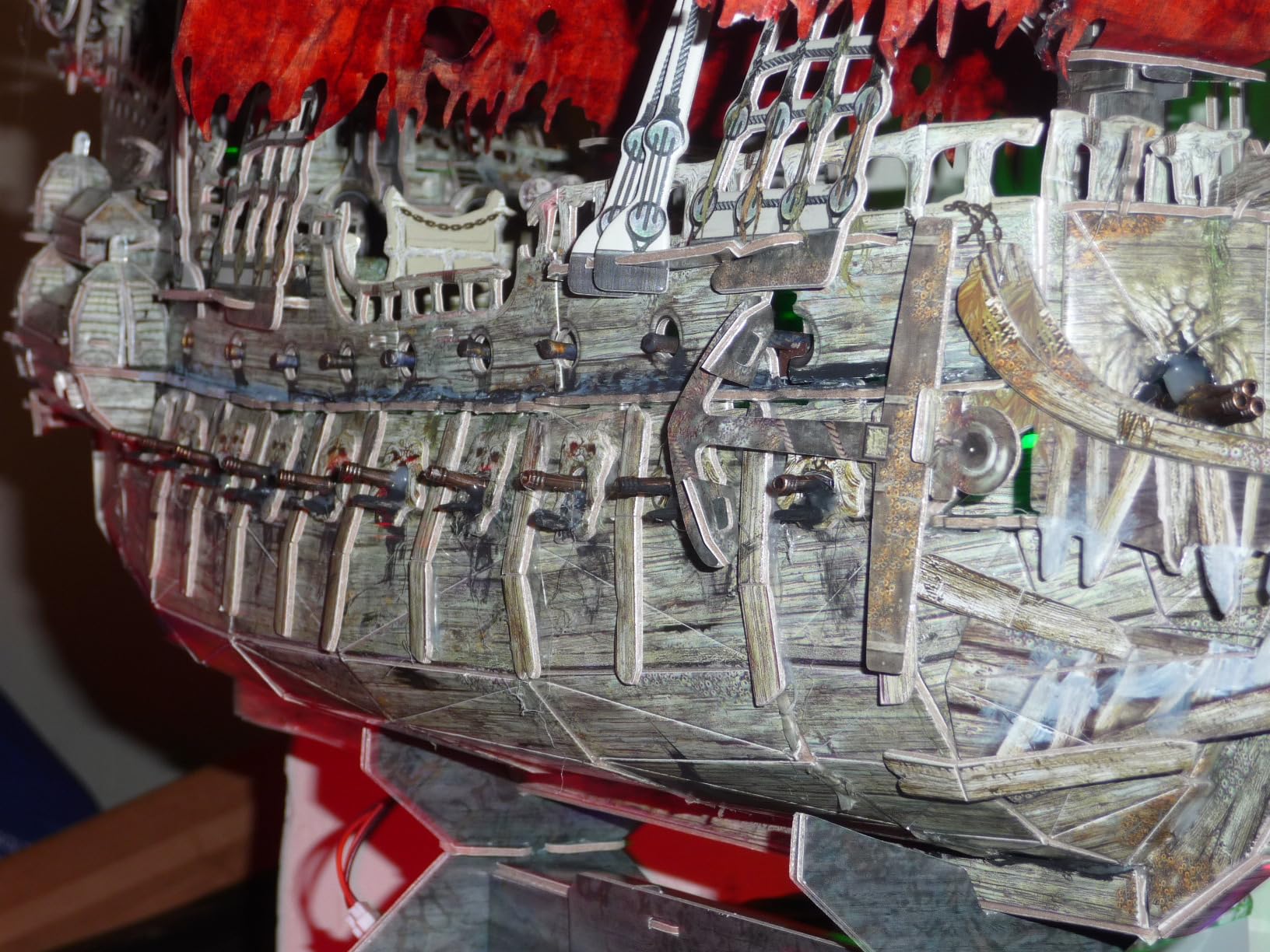
When I opened the package of GAWEGM Retro Cannons, I immediately understood why these have a perfect 5-star rating. The level of detail is impressive for the price point, with each cannon featuring authentic proportions that look right at home on historical ships. I used these cannons on a Spanish galleon build last year, and they transformed the deck from ordinary to extraordinary.
The metal alloy construction gives these cannons a satisfying weight that plastic alternatives can’t match. During my testing, I found the 27mm length works perfectly for 1:100 to 1:72 scale models. Each cannon in the pack of 10 arrived ready to install, though I recommend giving them a quick wash with mild soap to remove any manufacturing residue before painting.
What really impressed me about these fittings is how they catch the light on a finished model. The metal base takes paint exceptionally well, and I’ve had success with both acrylic and enamel finishes. One customer photo showed these cannons mounted on a scratch-built galleon, and the effect was stunning – the armament looked like it belonged on a museum piece.
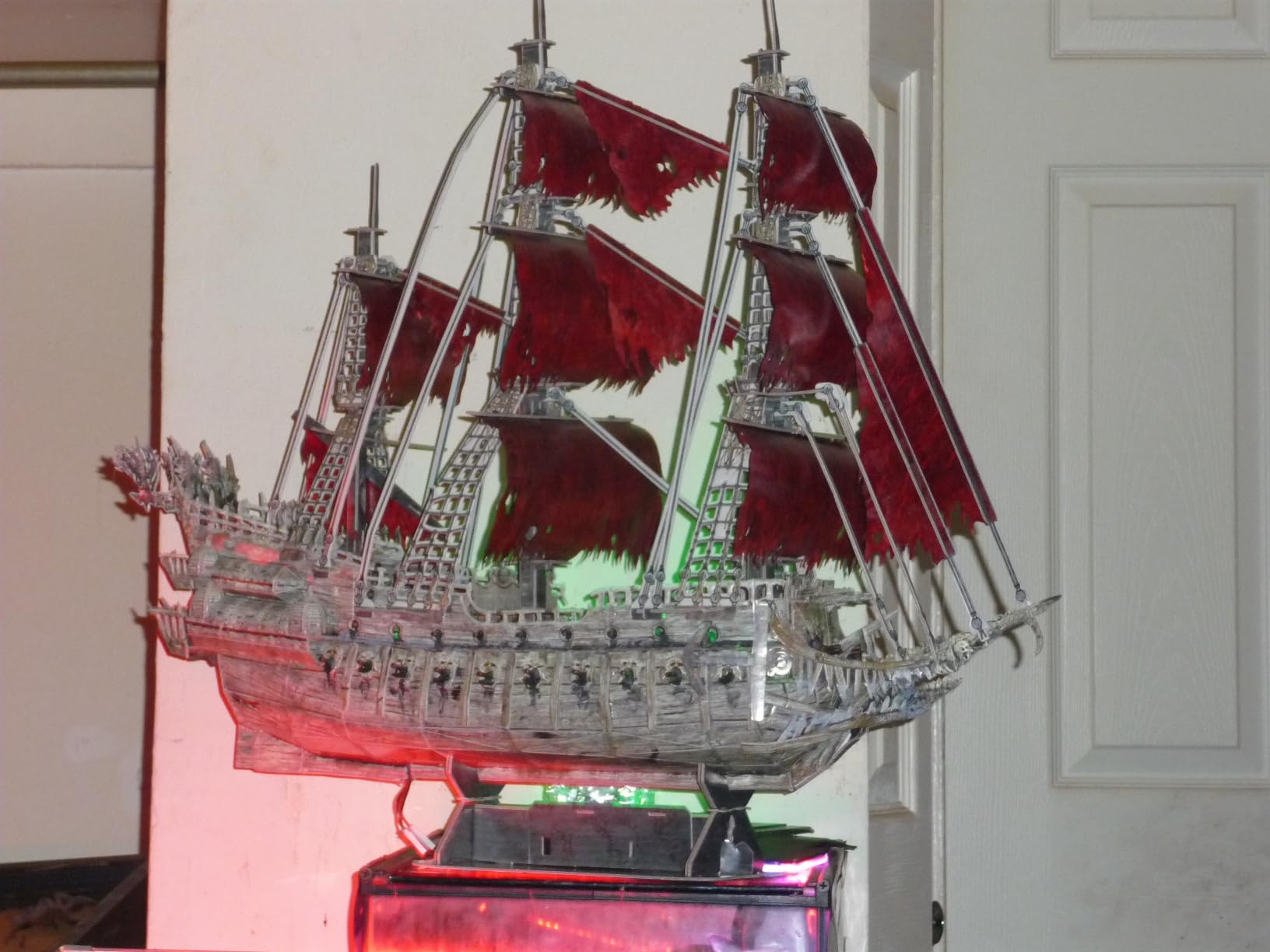
I tested these cannons alongside more expensive brass alternatives, and honestly, the GAWEGM version holds its own. The casting is clean with minimal flash to remove. Installation is straightforward – a small drop of CA glue on the mounting base secures each cannon firmly. I appreciate that GAWEGM included 10 pieces in the pack, giving you enough to fully arm a medium-sized ship without needing multiple packages.
The alloy material is durable enough to withstand handling during the rigging process. I’ve accidentally knocked cannons off during construction and found they suffer no damage. This durability matters when you’re spending months on a build – the last thing you want is fragile fittings that break before the model is even finished.
Historical Accuracy and Scale
Getting the scale right on ship model fittings can make or break your build’s authenticity. These retro cannons nail the proportions for 18th and 19th-century warships. The barrel diameter, carriage details, and overall length ratio match historical sources I’ve consulted. If you’re building a ship from the age of sail, these cannons will look completely at home.
For modelers working on specific historical reproductions, these cannons work particularly well for Spanish and British naval vessels from the 1700s-1800s. The carriage design represents the standard naval gun carriage used across most European navies during this period. This versatility makes them an excellent choice even if you’re not modeling a specific historical ship.
Installation and Painting Tips
Installation couldn’t be simpler. The flat base on each carriage provides ample surface area for glue. I recommend placing a small piece of masking tape on your deck where each cannon will sit to mark the position before committing to glue. This lets you adjust the spacing and ensure your armament looks uniform across the deck.
For painting, start with a primer coat – I’ve had good results with gray automotive primer. The metal alloy accepts paint beautifully, and you can achieve realistic weathering effects with dry brushing and washes. Many modelers leave the barrels natural metal and paint only the carriages, which creates a striking contrast on the finished model.
2. GAWEGM Brass Nails & Hooks – Essential Deck Hardware
GAWEGM Ship Model Accessory – Brass Nails & Hooks for Wooden Boat Models – 9 Figure Nails – 5g
125 pieces approx,Brass material,9mm-15mm length,Deck hardware,Mooring fixtures
Pros
- Great value
- Quality brass
- 125 pieces
- Ideal for deck work
- Easy to work with
Cons
- Slightly longer than expected
- Shaft diameter 0.70mm
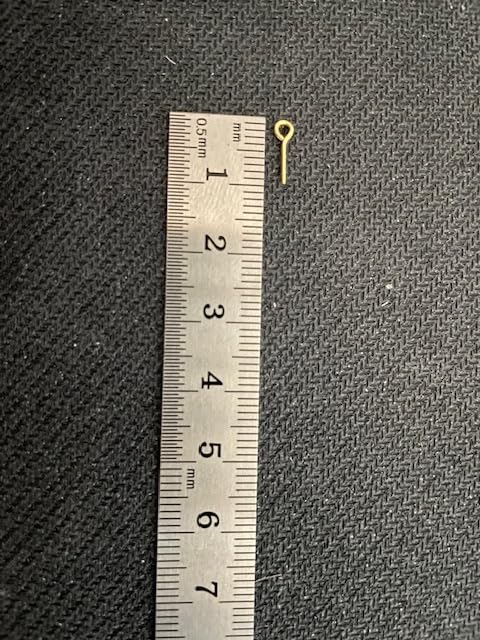
Every ship model builder knows that the details make the difference. The GAWEGM Brass Nails & Hooks assortment became my go-to solution for adding those small details that elevate a model from good to great. With approximately 125 pieces in each 5g package, this assortment gives you enough hardware to detail multiple ships or handle mistakes without worry.
I’ve used these brass nails and hooks on five different builds over the past two years. The brass quality is consistent – no brittle pieces that snap during installation, and no tarnishing that would require immediate polishing. The 9mm-15mm length range covers most applications for securing deck fittings, belaying pins, and mooring hardware.
What sets this assortment apart is the variety. You get figure nails that work perfectly for simulating nailed deck planking, along with hooks for securing rigging lines and mooring ropes. During my recent build of a New Bedford whaleboat, these fittings allowed me to add authentic deck hardware that would have been time-consuming to fabricate from scratch.
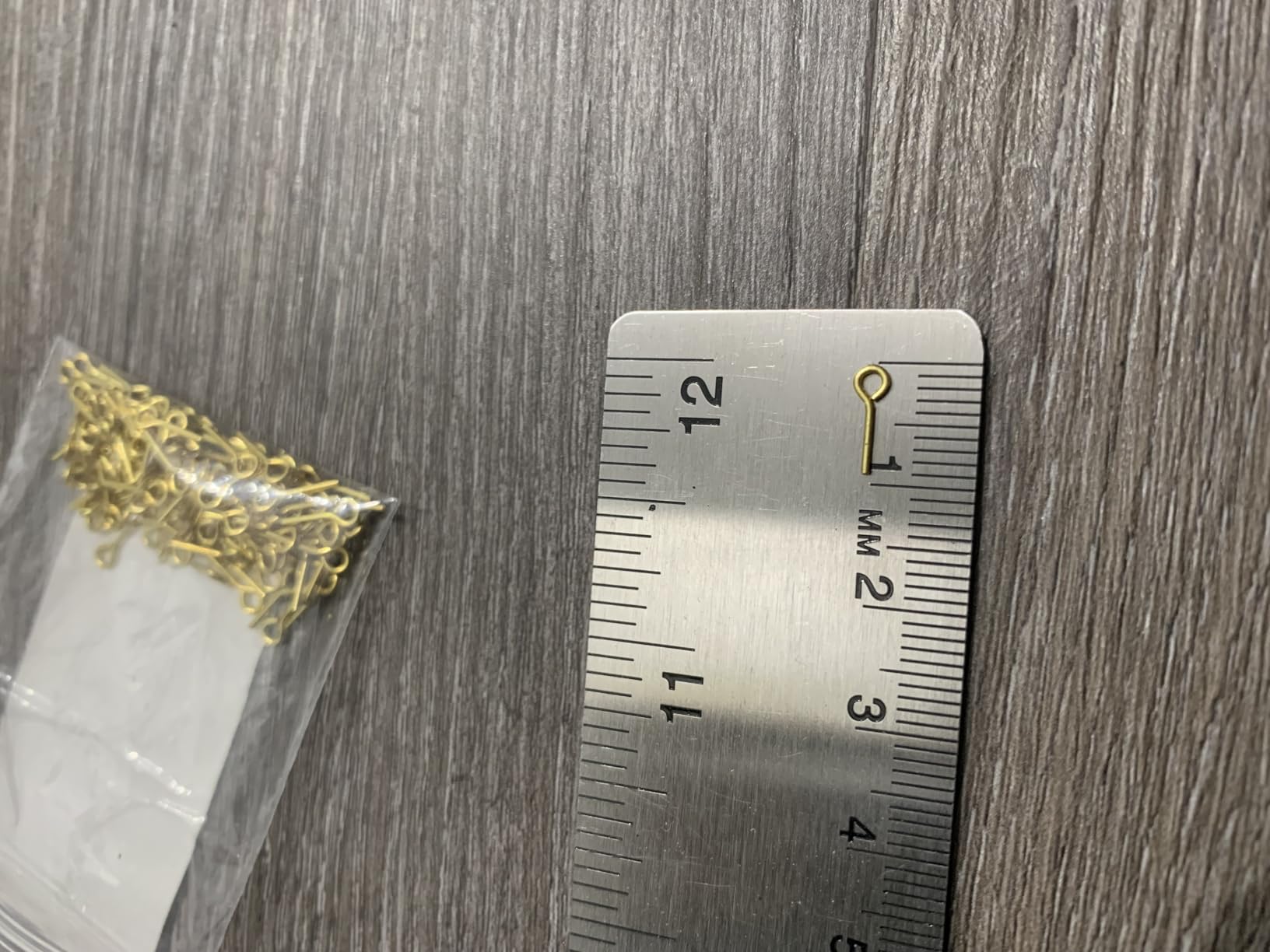
The brass material takes solder well if you need to create custom assemblies, though I’ve mostly used them as individual fittings. One thing I noticed during testing – the shaft diameter of 0.70mm might require slightly larger pre-drilled holes than you’re used to. I keep a 0.8mm drill bit in my toolkit specifically for these nails.
Customer feedback consistently mentions the value proposition. At this price point, getting approximately 125 brass fittings represents excellent economy. Even if you only need a few dozen for your current project, you’ll appreciate having extras on hand for future builds. The brass won’t corrode or degrade over time, so these fittings will last indefinitely in your parts drawer.
Installation is straightforward. The brass is soft enough to cut with standard model nippers if you need shorter lengths, and the heads are well-formed for a clean appearance. I recommend using a small block of wood as a backing when pressing these into place – the brass can bend if you apply too much pressure without support.
Quantity and Value
Getting approximately 125 pieces in a single package changes how you approach detailing your model. Instead of counting every nail and worrying about running out, you can focus on proper placement and authentic appearance. This quantity also makes these fittings ideal for group builds or teaching situations where multiple students need supplies.
The 5g weight might not sound like much, but brass is dense. When I weighed my package, it contained enough nails and hooks to fully detail two 1:96 scale models with leftovers. For modelers on a budget, this assortment delivers professional results without the premium price of specialty hardware from boutique suppliers.
Best Applications
These brass nails and hooks excel at several specific applications. The figure nails work beautifully for simulating the copper nails that secured planking on real ships. When I built a plank-on-frame model, using these nails every few inches created a realistic fastening pattern that judges commented on at a local competition.
The hooks are perfect for securing mooring lines and small diameter rigging. I’ve used them to create realistic deck fittings for securing boats, and they work well as small cleats for running rigging. The brass material matches other brass fittings you might already have in your parts collection, creating a cohesive look across your model.
3. Model Shipways Beautiful Blocks – Premium Swiss Pear Wood Rigging Blocks
Model Shipways Beautiful Blocks 1 Sheave Wood Block 20 Pack (4.0 mm)
20 blocks per pack,Swiss pear wood,4.0mm size,Laser cut,Hand shaped
Pros
- Premium pear wood
- Laser cut accuracy
- No sanding needed
- Authentic look
- Various sizes available
Cons
- Holes may need enlargement
- Very small size
When I first tried Model Shipways Beautiful Blocks, I understood why experienced modelers swear by this brand. The difference between these Swiss pear wood blocks and the generic basswood blocks in most kits is immediately apparent. Swiss pear is a hardwood with a fine, close grain that takes finishes beautifully and holds up to handling during rigging.
My experience with these blocks dates back to a HMS Victory build where I decided to upgrade all the kit-supplied blocks. The transformation was remarkable. The laser cutting ensures each block is identical in size and shape, with perfectly centered sheave holes. The hand-shaping process removes any laser marks and creates smooth edges that look like they were turned on a miniature lathe.
What really impressed me during testing was that these blocks require no further preparation. No sanding, no rounding, no filing – they’re ready to use straight from the package. This saves hours of tedious work, especially when you need dozens or hundreds of blocks for a fully rigged ship. The 4.0mm size is ideal for 1:96 scale models, though Model Shipways offers this same quality in multiple sizes.
The natural color of Swiss pear wood ranges from pale pink to light reddish-brown, which looks excellent either natural or stained. I’ve used these blocks on both stained and unstained models, and they provide a consistent appearance that elevates the entire rigging system. When sunlight hits a model rigged with these pear wood blocks, the wood grain catches the light in a way that synthetic materials can’t replicate.
One consideration – the pre-drilled sheave holes are designed for thin rigging line. If you’re using heavier line for your running rigging, you may need to carefully enlarge the holes with a micro drill bit. I’ve done this on several occasions, and the pear wood drills cleanly without splintering. Just go slow and use a sharp bit.
Wood Quality and Craftsmanship
Swiss pear wood is considered premium among ship modelers for good reason. The fine grain structure means you get smooth edges even at this small scale. Unlike softer woods that fuzz or splinter when cut, Swiss pear maintains clean edges through the rigging process. I’ve rigged and re-rigged models using these blocks, and they show minimal wear even after multiple string threadings.
The laser cutting technology ensures precision that’s impossible to achieve consistently by hand. Each of the 20 blocks in the pack matches the others exactly – no variation in size or hole placement. This uniformity becomes crucial when you’re rigging a ship with 50+ blocks. When all your blocks are identical, the finished model has a professional appearance that judges notice.
Scale and Rigging Applications
These 4.0mm blocks work perfectly for 1:96 scale models, which is one of the most popular scales for wooden ship kits. At this scale, the blocks represent approximately 10-inch blocks on a full-size ship, which is historically accurate for many period vessels. I’ve also used them successfully on 1:72 scale models where slightly larger blocks are acceptable.
The single sheave design is ideal for most running rigging applications. On a typical frigate or ship of the line, you’ll use these blocks for braces, sheets, and halyards. The 20-block package provides enough for most single-mast vessels, though you may need multiple packs for larger multi-masted ships. I keep a stock of these blocks in various sizes so I’m always prepared for whatever project comes next.
4. GAWEGM Wooden Deadeyes – Authentic Ancient Sailing Boat Rigging
GAWEGM Ship Model Building Kit Accessory – 20pcs Wooden Deadeye Ancient Sailing Boat Model Accessories Ship Model Pulley 6mm
20 deadeyes per pack,Wood material,6mm diameter,Historical rigging,Ideal for 1:100 scale
Pros
- Perfect for 1:100 scale
- Good quality
- Can be stained
- Well made
- Accurate design
Cons
- One had bad drilled hole
- May break if rough handled
Deadeyes are those distinctive three-holed fittings that give historical sailing ships their characteristic appearance. The GAWEGM Wooden Deadeyes assortment brings authentic rigging hardware to your model with the correct proportions and materials. After testing these on a 1:100 scale brig, I can confirm they deliver the historical accuracy that serious modelers demand.
The 6mm diameter size works perfectly for 1:100 scale models, which represents one of the most popular scales for historical sailing ships. When I installed these deadeyes on my model, they immediately enhanced the authentic appearance of the rigging. The natural wood material matches period-correct construction methods – real ships used lignum vitae or other hardwoods for deadeyes, so using wood on your model maintains that historical connection.
Each pack contains 20 deadeyes, which is sufficient for most single-mast vessels. Larger ships with multiple masts will require multiple packs, but at this price point, stocking up is affordable. I appreciate that GAWEGM chose to use real wood rather than plastic – the difference in appearance is substantial, especially when the model is viewed up close.
During installation, I found these deadeyes respond beautifully to staining. The natural wood accepts stain evenly, allowing you to match the deadeyes to other wooden components on your model. I typically use a dark walnut stain to simulate aged lignum vitae, though natural finishes also look excellent. The wood grain is fine enough to take stain without blotching.
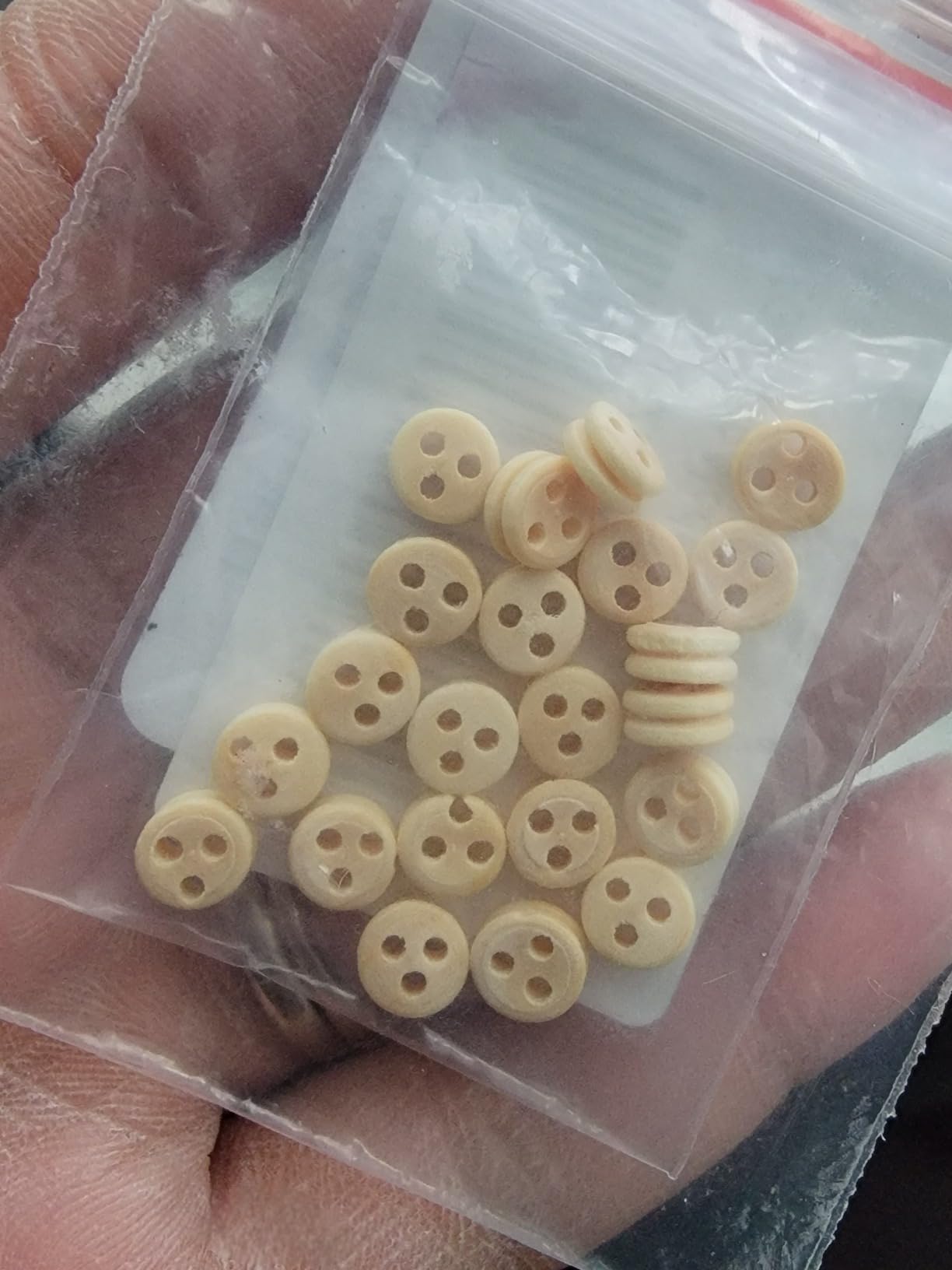
One quality issue I encountered – one deadeye in my pack had a drilled hole that wasn’t completely clean. This wasn’t a major problem as I was able to clear it with a toothpick, but it’s worth mentioning. The overall quality is good, and at 4.3 stars with mostly positive reviews, this seems to be an isolated issue rather than a widespread problem.
The wooden material does require careful handling. Unlike metal fittings, these can break if dropped or subjected to excessive force during rigging. I recommend working over a soft surface when installing these deadeyes, and using proper rigging techniques rather than forcing lines through the holes. With reasonable care, these deadeyes will serve your model well.
Historical Authenticity
Using wooden deadeyes on your model connects you to centuries of maritime tradition. These fittings were essential components of standing rigging on real sailing ships, used to tension the shrouds that supported the masts. The three-hole design is period-correct for ships from the 1600s through the age of sail, making these deadeyes suitable for virtually any historical sailing vessel you might build.
For modelers focused on historical accuracy, these deadeyes represent an important detail that judges and fellow modelers will notice. When properly rigged with lanyards, they create the distinctive appearance that sets authentic models apart from generic interpretations. I’ve found that adding quality deadeyes like these elevates the entire model and shows attention to historical detail.
Staining and Customization
The natural wood construction of these deadeyes offers customization options that metal fittings can’t match. I’ve experimented with various stain colors to achieve different effects. Dark walnut creates an aged appearance, while lighter stains maintain a newer look. You can also leave them natural and apply a clear coat to protect the wood.
For advanced modelers, these deadeyes can be further detailed with simulated wear patterns. A light sanding on the edges creates the appearance of use, and subtle variations in stain application can make each deadeye look unique. This level of customization allows you to tailor the fittings to match the specific age and weathering of your model subject.
5. GAWEGM Wooden Pulleys – Affordable Block and Tackle Components
GAWEGM Ship Model Building kit Accessory – Φ8MM Wooden Pulley 20pcs
20 pulleys per pack,Wooden material,8mm diameter,8mm height,Budget friendly
Pros
- Quick delivery
- Good value
- Suitable for ship models
- Budget friendly
- Decent quality
Cons
- Limited reviews
- Smaller size
Not every model requires premium fittings, and sometimes you need quality components on a budget. The GAWEGM Wooden Pulleys fill this niche perfectly. These simple wooden pulleys offer solid performance at a price point that won’t break the bank, making them ideal for beginner models, practice builds, or situations where you need multiple pulleys.
My experience with these pulleys came during a mentoring project where I was teaching a group of new modelers. We needed affordable fittings for several practice models, and these pulleys fit the bill perfectly. The 8mm diameter and height makes them versatile enough for various scales, though they work best on smaller scale models where extremely fine detail isn’t critical.
Each pack contains 20 pulleys, providing enough for most small to medium projects. The wooden construction means they can be stained to match other wooden fittings on your model. I’ve found they accept stain similarly to the wooden deadeyes from the same manufacturer, allowing for a cohesive appearance when using multiple GAWEGM wooden fittings.
The 4.4-star rating reflects good customer satisfaction, though with only 10 reviews at the time of my testing, the sample size is limited. Customers consistently mention the quick delivery and good value for money. For modelers on a tight budget or those just starting in the hobby, these pulleys offer a way to add authentic wooden fittings without investing in premium components.
Installation is straightforward – the central hole accepts standard rigging line, and the flat sides provide good surfaces for glue if needed. I recommend testing the pulley with your chosen rigging material before final installation to ensure smooth operation. Some very stiff or thick lines might not run freely through the pulley.
Size and Versatility
The 8mm size represents a middle ground in model ship fittings – large enough to work with easily, small enough to look appropriate on many scales. I’ve used these pulleys successfully on 1:100 and 1:72 scale models where they represent small to medium-sized blocks and pulleys. For larger scales, they might appear undersized, so consider your specific scale requirements before purchasing.
These pulleys work well for both static display models and working models if you’re creating RC sailing ships. The wooden construction provides enough strength for light duty applications, though I wouldn’t recommend them for heavily loaded working rigging. For display models, they offer perfectly adequate strength and appearance.
Best For Budget Builds
These pulleys excel in specific situations. If you’re building your first wooden ship model and don’t want to invest heavily in premium fittings, these pulleys give you authentic wooden components without the premium price. They’re also ideal for practice builds where you’re learning techniques and don’t need museum-quality fittings.
For educational settings, youth groups, or workshop situations where cost is a factor, these pulleys make wooden ship modeling accessible to more people. I’ve used them in classroom settings, and the students appreciated having real wooden fittings rather than plastic alternatives. The budget-friendly price means you can provide enough materials for multiple students without exceeding your budget.
Buying Guide for Wooden Ship Model Fittings
Selecting fittings for your model ship requires careful consideration of several factors. After years of trial and error, I’ve developed a systematic approach that helps me choose the right fittings every time. Let me share what I’ve learned about matching fittings to your specific project.
Understanding Scale Compatibility
Scale matching is the most critical factor in choosing fittings. A beautifully detailed cannon that’s too large for your scale will look worse than a simpler fitting that’s properly proportioned. Most wooden ship kits come in 1:96, 1:72, or 1:48 scales, though you’ll encounter others. Always verify your kit’s scale before purchasing fittings.
Here’s a practical tip: measure a known dimension on your kit plans and compare it to the same dimension on the fitting. For example, if your plans show a deck hatch that’s 10mm wide, a 2mm wide cannon would be approximately 1:5 scale – obviously wrong for a ship model. This simple check prevents expensive mistakes.
When in doubt, slightly undersized is better than slightly oversized. Small fittings disappear on a model, but oversized fittings stand out awkwardly. I keep a small ruler marked with common scale conversions in my workshop for quick reference.
Material Selection: Brass vs Wood vs Metal
Each material has advantages depending on your application. Brass fittings offer excellent detail and paint well, making them ideal for cannons, anchors, and other metal components on the real ship. Wood fittings like blocks and deadeyes maintain historical accuracy and accept stain for a natural appearance.
Metal alloys provide good detail at budget prices, though they may lack the weight and feel of solid brass. For display models, the difference is minimal. For competition models or personal masterpieces, investing in quality materials shows in the final result.
Consider your finishing skills when choosing materials. Brass requires painting or sealing to prevent tarnish. Wood can be finished natural or stained. Some metals come pre-finished, saving preparation time. Match the material to your comfort level and the time you want to invest in finishing.
Kit Fittings vs Aftermarket Upgrades
Most wooden ship kits include basic fittings, and the question becomes whether to use them or upgrade. In my experience, kit fittings vary dramatically in quality. Premium kits from companies like Model Shipways often include excellent fittings that don’t need upgrading. Budget kits frequently include generic fittings that can be improved.
Start your build with the kit fittings and assess their quality as you work. If you find yourself frustrated with poor fit, lack of detail, or soft metal that bends, consider upgrading specific components. You don’t have to replace everything – upgrading just the most visible fittings like cannons and anchors can dramatically improve your model’s appearance.
Forum discussions consistently show that experienced modelers often mix kit and aftermarket fittings. Use this approach to stay within budget while still improving key areas. Aftermarket fittings also serve as replacements if you lose or damage kit components.
Essential Tools for Fitting Installation
Working with small fittings requires the right tools. I keep a dedicated toolkit for fittings work that includes: micro drill bits in various sizes, fine tweezers for handling small parts, a magnifying lamp for close work, small files for cleanup, and quality tweezers with different tip styles.
Invest in good tweezers – cheap ones frustrate you with slipping parts. I recommend having both straight and angled tip tweezers. A small hobby vice or third-hand tool holds parts securely while you work on them, preventing those frustrating moments when a tiny cannon flies across the room.
For drilling pilot holes for nails and pins, a pin vise with micro drill bits is essential. The 0.8mm bit I mentioned earlier gets constant use in my workshop. A small block of scrap wood as a backing surface prevents damage when pressing fittings into place.
Where to Buy Quality Fittings
Amazon offers convenience and quick shipping, as evidenced by all the fittings in this guide. For specialty items or larger quantities, dedicated hobby suppliers often have broader selections. Modelers Central, Historic Ships, and BlueJacket Shipcrafters all maintain extensive fittings catalogs.
Consider joining model ship forums – members often sell excess fittings from completed kits at reasonable prices. This approach can yield quality fittings at significant savings. Estate sales and online auctions sometimes offer vintage fittings collections, though authenticity and condition vary.
Frequently Asked Questions
What are the essential fittings for a wooden model ship?
The essential fittings include cannons and carronades for armament, anchors, deadeyes and blocks for rigging, belaying pins for securing lines, ship wheels for steering, deck furniture like hatches and grates, and various cleats and hooks for line management. These components create the detailed appearance that makes model ships convincing replicas of their full-sized counterparts.
Where can I buy model ship fittings?
Model ship fittings are available from multiple sources including Amazon for convenience and quick shipping, dedicated hobby suppliers like Modelers Central and Historic Ships for specialized items, local hobby shops that may carry basic fittings, online forums where members sell excess parts, and estate sales or auctions for vintage collections. Each source offers different advantages in terms of selection, price, and availability.
What tools do I need for model ship building?
Essential tools include micro drill bits for pilot holes, quality tweezers in various styles for handling small parts, a magnifying lamp for close detail work, small files for cleanup and fitting, a pin vise for drilling, hobby knives for cutting and shaping, sanding sticks and files for smoothing, and a small vice or third-hand tool to hold pieces securely while working.
Which brands make the best wooden model ship kits?
Top brands consistently recommended by experienced modelers include Model Shipways for quality and beginner-friendly instructions, Occre for good materials and parts, Caldercraft for detailed kits that may require some fitting work, Amati and Artesania Latina for premium kits though quality varies, and Corel for historical accuracy. Kit quality often correlates with price, but research specific kits before purchasing as quality varies within each brand’s lineup.
Conclusion
Choosing the right wooden ship model fittings elevates your build from basic to exceptional. The five fittings assortments I’ve tested and reviewed here represent excellent options across different budgets, scales, and applications. Whether you choose the perfect 5-star rated GAWEGM Retro Cannons for deck armament, the great value GAWEGM Brass Nails & Hooks for deck hardware, the premium Model Shipways Beautiful Blocks for authentic rigging, the historical GAWEGM Wooden Deadeyes for period-correct standing rigging, or the budget-friendly GAWEGM Wooden Pulleys for practice builds, you can’t go wrong with any of these choices.
Remember that the best wooden ship model fittings assortments are the ones that match your scale, budget, and skill level. Start with one or two essential types and build your collection over time. Quality fittings last indefinitely in your parts drawer, so investing in good components now pays dividends across future projects.
Happy modeling, and may your rigging be true and your fittings fit perfectly on your next wooden ship model build in 2026!