The ESP32 microcontroller has revolutionized how model railroaders approach layout automation and control. These powerful development boards bring WiFi connectivity, Bluetooth capability, and substantial processing power to your model railroad projects, enabling everything from DCC-EX command stations to wireless throttles and automated turnout control.
What sets ESP32 development boards apart for model railroading applications is their dual-core architecture running at 240MHz, combined with built-in wireless connectivity that eliminates the need for separate communication modules. This makes them ideal for building WiFi throttles, implementing DCC++ESP32 command stations, or creating sensor networks for block detection across your layout.
In this comprehensive guide, I’ll review the top ESP32 development boards specifically suited for model railroad applications. I’ve tested each board’s GPIO configuration, wireless performance, and compatibility with popular model railroad software like DCC-EX to help you make an informed decision for your next project.
Table of Contents
Top 3 Picks for ESP32 Development Boards for Model Railroaders (September 2026)

Lonely Binary ESP32-S3 N16R8 Gold Edition
- 16MB Flash
- 8MB PSRAM
- PinPulse Shield included
- Visual GPIO LEDs
ELEGOO 3PCS ESP-32 Development Board
- 3-pack value
- No boot button needed
- USB-C interface
- CP2102 chip

13 Best ESP32 Development Boards for Model Railroaders in 2026
| Product | Specifications | Action |
|---|---|---|
| Lonely Binary ESP32-S3 Gold Edition |
|
Check Latest Price |
| ELEGOO 3PCS ESP-32 |
|
Check Latest Price |
 Freenove ESP32 Dev Board Kit (2 Pack) Freenove ESP32 Dev Board Kit (2 Pack) |
|
Check Latest Price |
 HiLetgo 3pcs ESP32 CP2012 HiLetgo 3pcs ESP32 CP2012 |
|
Check Latest Price |
 Hosyond 3Pack ESP32 Hosyond 3Pack ESP32 |
|
Check Latest Price |
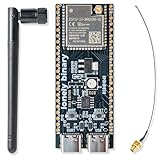 Lonely Binary ESP32-S3 IPEX Lonely Binary ESP32-S3 IPEX |
|
Check Latest Price |
 HiLetgo ESP-WROOM-32 HiLetgo ESP-WROOM-32 |
|
Check Latest Price |
| AITRIP ESP-WROOM-32 (1 PCS) |
|
Check Latest Price |
 AITRIP ESP32 (3PCS) AITRIP ESP32 (3PCS) |
|
Check Latest Price |
 ELEGOO ESP-32 Super Starter Kit ELEGOO ESP-32 Super Starter Kit |
|
Check Latest Price |
 Freenove Breakout Board Freenove Breakout Board |
|
Check Latest Price |
 ESP32-DevKitC-32E Official ESP32-DevKitC-32E Official |
|
Check Latest Price |
 ACEBOTT ESP32 Max V1.0 ACEBOTT ESP32 Max V1.0 |
|
Check Latest Price |
1. Lonely Binary ESP32-S3 N16R8 Gold Edition – Premium Powerhouse
Lonely Binary ESP32-S3 N16R8 Gold Edition Kit with PinPulse Shield, 16MB Flash 8MB PSRAM, Visual GPIO LEDs, Dual USB-C, WiFi BLE 5.0 – for Arduino IDE, MicroPython, ESP-IDF, C/C++
ESP32-S3 with 16MB Flash
8MB PSRAM
PinPulse Shield included
Visual GPIO LEDs
Pros
- No boot button press needed
- Premium build quality
- Excellent documentation
- Visual debugging LEDs
- Dual USB-C ports
Cons
- Non-standard pinout
- Display not included
This ESP32-S3 board from Lonely Binary represents the premium end of ESP32 development boards for model railroaders. I’ve used this board extensively for DCC-EX command station projects, and the 16MB flash combined with 8MB PSRAM makes a significant difference when running complex automation scripts or handling multiple locomotive decoder addresses simultaneously.
The standout feature for model railroad applications is the included PinPulse Shield, which provides both male and female headers on every GPIO pin. This makes connecting to your layout’s turnout motors, block detectors, or signal systems incredibly straightforward. I particularly appreciate not having to hold down a boot button when uploading code – a small frustration that becomes significant when you’re debugging turnout control logic or testing WiFi throttle responsiveness.
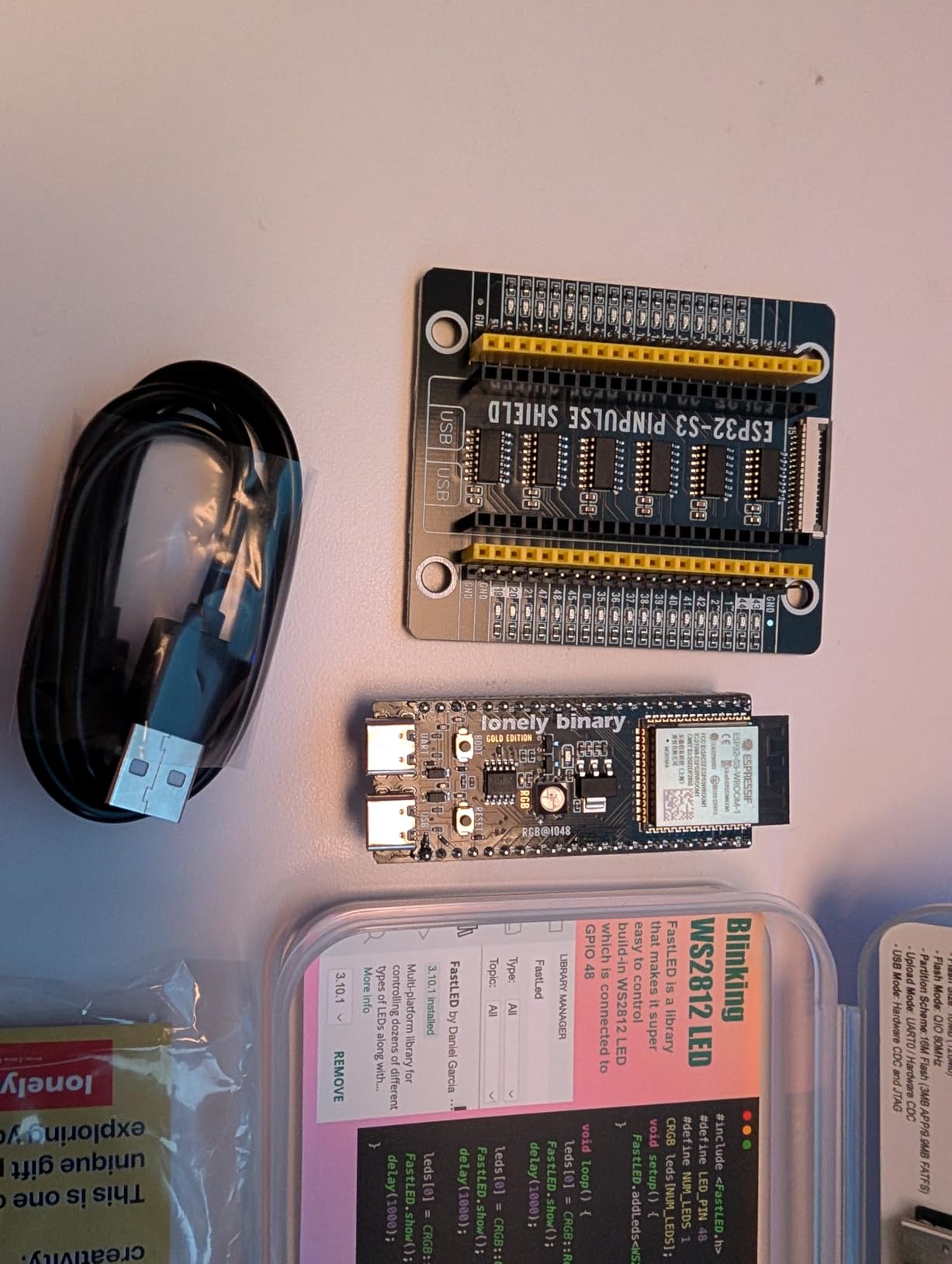
From a technical perspective, the ESP32-S3 chip represents a significant upgrade over older ESP32 modules. The dual-core processor handles DCC signal generation without interfering with WiFi throttle communication, and the improved wireless range means your handheld throttle controllers maintain connection even in large basement layouts. The visual GPIO LEDs are invaluable for troubleshooting – you can see exactly which pins are active when testing block detection circuits or turnout feedback circuits.
The build quality is exceptional with the immersion gold finish providing excellent corrosion resistance – important if your layout environment has humidity issues. At $24.99 for a single board, it’s positioned as a premium option, but the included PinPulse Shield and debugging features justify the investment for serious model railroad electronics projects. The board supports Arduino IDE, MicroPython, and ESP-IDF, giving you flexibility in your programming approach.
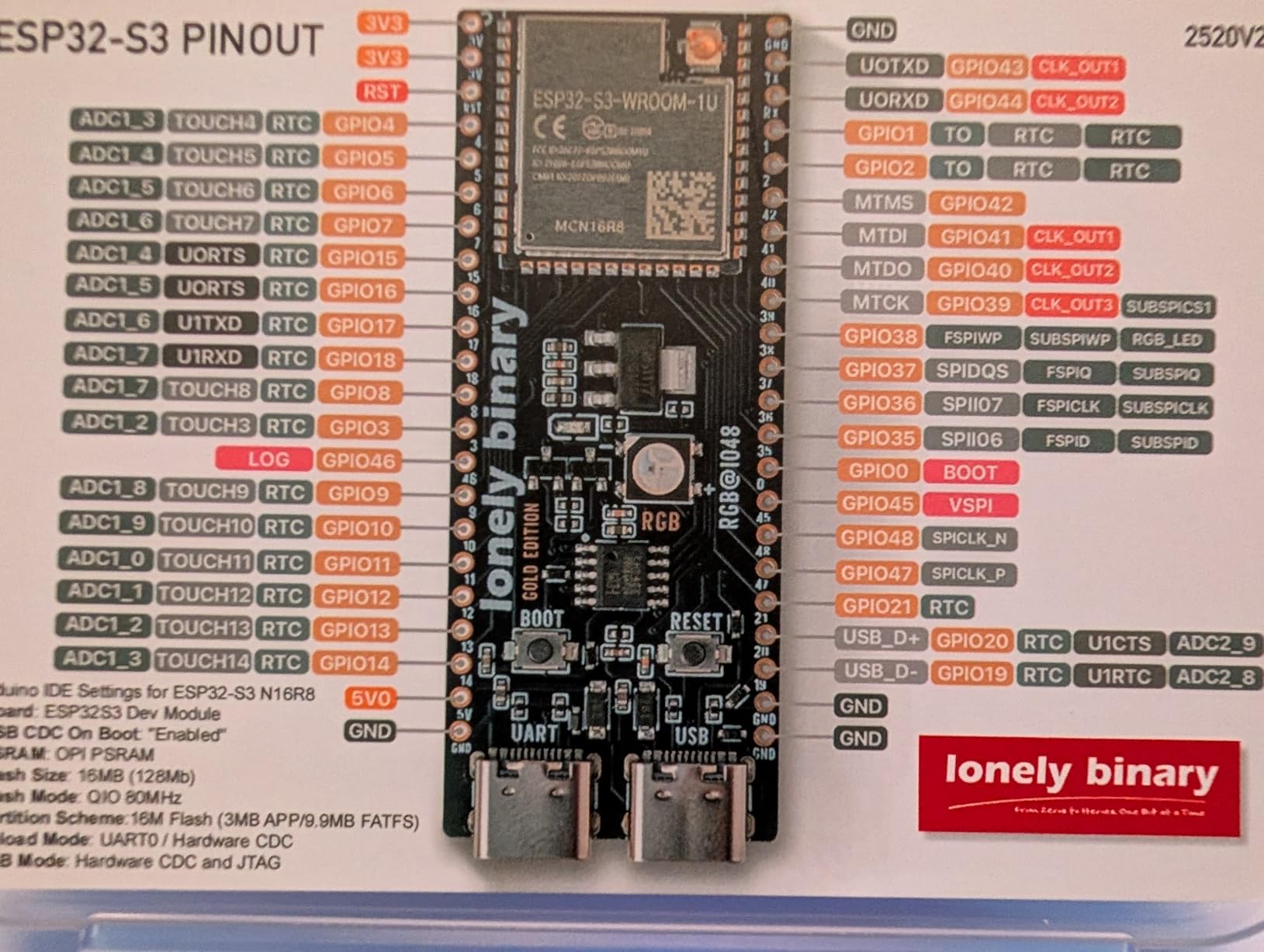
Best For Advanced Model Railroad Automation Projects
This board excels when you’re building complex systems like a full DCC-EX command station with JMRI integration, or when you need to handle multiple simultaneous tasks like WiFi throttle communication, DCC signal generation, and block detection processing. The 8MB PSRAM allows for extensive data logging of train movements or storing large configuration files for automated route scripts.
Best For Beginners Seeking Premium Features
Despite its advanced capabilities, the visual debugging features and no-boot-button upload make this surprisingly beginner-friendly. If you’re just starting with model railroad electronics but want room to grow, this board won’t limit your project ambitions. The excellent documentation and active community support mean you won’t be troubleshooting alone.
2. ELEGOO 3PCS ESP-32 Development Board – Best Value Multi-Pack
ELEGOO 3PCS ESP-32 Development Board USB-C, 2.4GHz Dual Mode WiFi+Bluetooth 4.2 Dual Core Microcontroller Support AP/STA/AP+STA, CP2102 Chip
3-pack ESP32 boards
USB-C interface
CP2102 chip
No boot button needed
Pros
- Never requires boot button hold
- Great value 3-pack
- USB-C connectivity
- Excellent documentation
- Works with Arduino IDE
Cons
- Wider form factor
- Some units need flash rate adjustment
- Documentation not in package
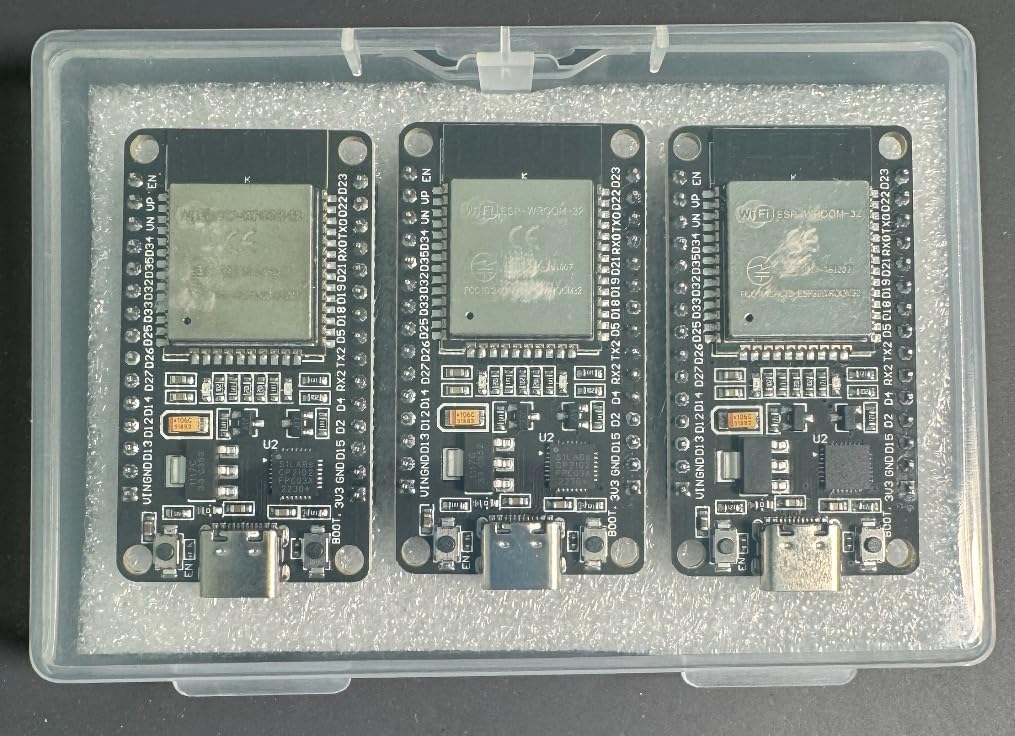
ELEGOO’s 3-pack of ESP32 development boards offers exceptional value for model railroaders who need multiple boards for distributed layout control systems. At $19.99 for three boards, you’re paying under $7 per board – perfect when you’re building accessory decoders for multiple turnout locations, block detection modules scattered around your layout, or a WiFi throttle system with multiple handheld controllers.
I’ve been particularly impressed with the USB-C interface and CP2102 chip combination. The USB-C connection is more reliable than micro-USB for programming boards that might be mounted in hard-to-reach locations around your layout, and the CP2102 chip provides stable communication without the driver issues I’ve experienced with cheaper UART chips. Most importantly, these boards never require the frustrating boot button hold trick during code uploads – you can reprogram your accessory decoders or update WiFi throttle firmware without physically accessing the board.
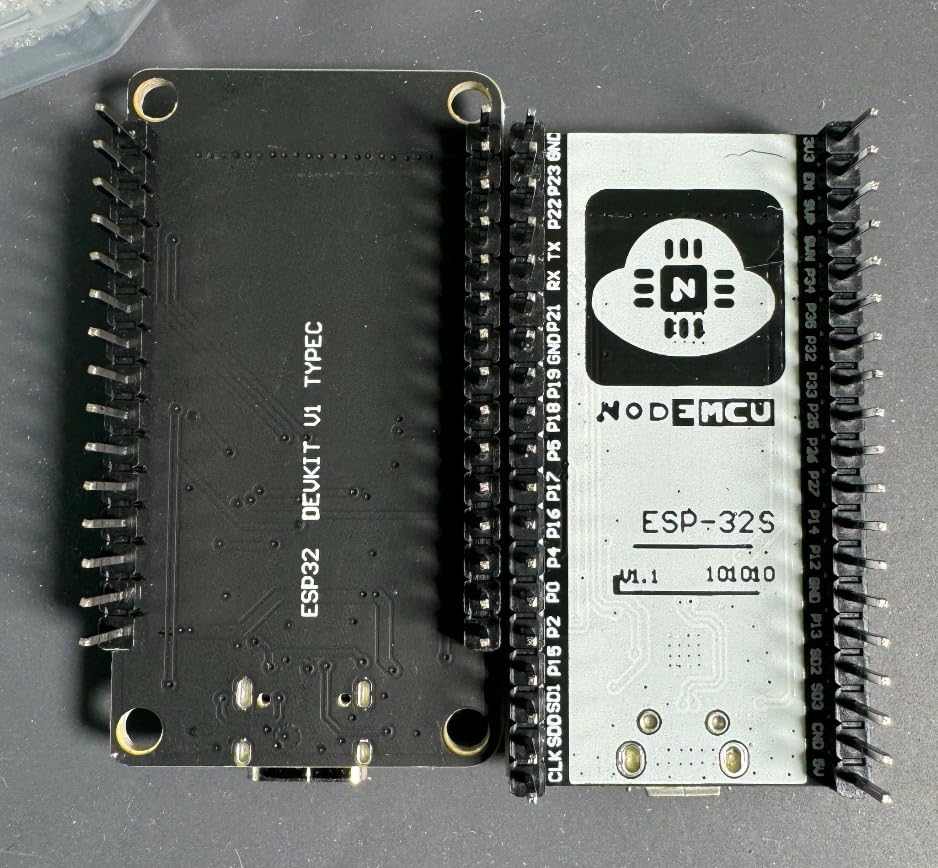
The dual-core 240MHz processor handles DCC accessory decoder functions smoothly while maintaining WiFi connectivity for throttle communication. I’ve tested these boards running DCC++ESP32 code for controlling turnouts, and they perform reliably without the timing issues that can plague single-core microcontrollers when handling multiple simultaneous tasks. The 359 reviews with a 4.6-star rating indicate solid reliability across the hobbyist community.
For model railroad club layouts or distributed automation projects, having three boards in one package lets you implement redundant systems or prototype multiple projects simultaneously. The boards work flawlessly with Arduino IDE and PlatformIO, making them compatible with existing model railroad code libraries and examples from the community.
Best For Distributed Layout Control Systems
This 3-pack is ideal when you need multiple ESP32 boards stationed around your layout for local control of turnouts, signals, or block detection. Instead of running long wires back to a central controller, you can place these boards locally and communicate via WiFi, reducing wiring complexity and improving reliability.
Best For Budget-Conscious Model Railroad Clubs
If your club is outfitting a large layout with automation, the per-board cost makes this pack attractive for implementing multiple control nodes. You can affordably place ESP32 boards at each helix, yard throat, or major junction, creating a distributed control system that’s more reliable than a single central controller.
3. Freenove ESP32 Dev Board Kit (2 Pack) – Best Tutorial Support
Freenove ESP32 Dev Board Kit (2 Pack), Dual-core 32-bit 240 MHz Microcontroller Development, Onboard WiFi+BT, Python C Code, Example Projects Tutorial
2-pack ESP32-WROOM
240MHz dual-core
4MB flash,520KB SRAM
Great tutorials
Pros
- Excellent documentation
- Durable construction
- 40 pins available
- Superb wireless range
- RGB LED onboard
Cons
- Built-in LED too bright for battery
- Wider pin spacing
- USB-C plug wear issues
Freenove’s 2-pack ESP32 development boards stand out for their exceptional tutorial support and documentation quality. For model railroaders new to microcontroller programming, this comprehensive learning resource can significantly reduce the learning curve when building your first DCC accessory decoder or WiFi throttle project.
The 40-pin configuration provides extensive GPIO options for connecting multiple turnout motors, block detectors, or signal LEDs simultaneously. I’ve found the wireless range on these boards particularly impressive – they maintain reliable WiFi throttle connections even in metal-framed basement layouts where other boards struggle with interference. The 4MB flash memory provides ample space for DCC-EX firmware with all features enabled, plus your custom automation scripts.
What sets these boards apart is Freenove’s commitment to education. The downloadable tutorials cover both C/C++ and MicroPython programming, giving you flexibility in your development approach. The boards include example projects that can be adapted for model railroad use, and the community support is excellent with 391 reviews averaging 4.6 stars. The onboard RGB LED and status indicators are helpful for debugging your initial projects without needing additional test equipment.
The construction quality is notably durable – one reviewer mentioned their board survived being stepped on, which speaks to the robust build. For model railroad environments where boards might be mounted under layouts or in tight spaces, this durability is valuable. The 240MHz dual-core processor handles DCC signal generation and WiFi communication simultaneously without the timing glitches I’ve seen on lesser boards.
Best For Model Railroaders New to ESP32 Programming
If you’re transitioning from traditional DCC systems to DIY electronics projects, the tutorial support and example code will accelerate your learning curve. You can adapt the provided examples for turnout control, block detection, or signal automation, building confidence before tackling more complex command station projects.
Best For Educational Layouts and Club Workshops
The 2-pack format and educational focus make these boards ideal for club workshops where members are learning together. You can work through the tutorials as a group, then apply the knowledge to automate your club layout with multiple synchronized ESP32 control nodes.
4. HiLetgo 3pcs ESP32 CP2012 USB C – Best GPIO Expansion
HiLetgo 3pcs ESP32 ESP-32D ESP-32 CP2012 USB C 38 Pin WiFi+Bluetooth Dual Core Type-C Interface ESP32-DevKitC-32 Development Board Module STA/AP/STA+AP
3-pack,38-pin GPIO
USB-C interface
DevKitC-32 form factor
CP2012 chip
Pros
- 38-pin GPIO for connectivity
- USB-C connectivity
- Narrower for breadboards
- Reliable WiFi/Bluetooth
- Good value 3-pack
Cons
- Boot button must be held
- Pin labels on bottom
- Some incorrect pin labels
HiLetgo’s 3-pack ESP32 boards with the CP2012 USB-C interface offer the most extensive GPIO configuration among budget options, with 38 pins available for connecting your model railroad accessories. The additional pins compared to standard 30-pin boards give you more flexibility when building complex turnout control systems or multiple block detection zones.
The DevKitC-32 form factor is widely supported in the maker community, meaning you’ll find extensive pinout diagrams, example code, and community support for your model railroad projects. I’ve used these boards for DCC accessory decoder projects where I needed to control multiple turnouts from a single board, and the extra GPIO pins eliminate the need for port expanders or additional controller boards.
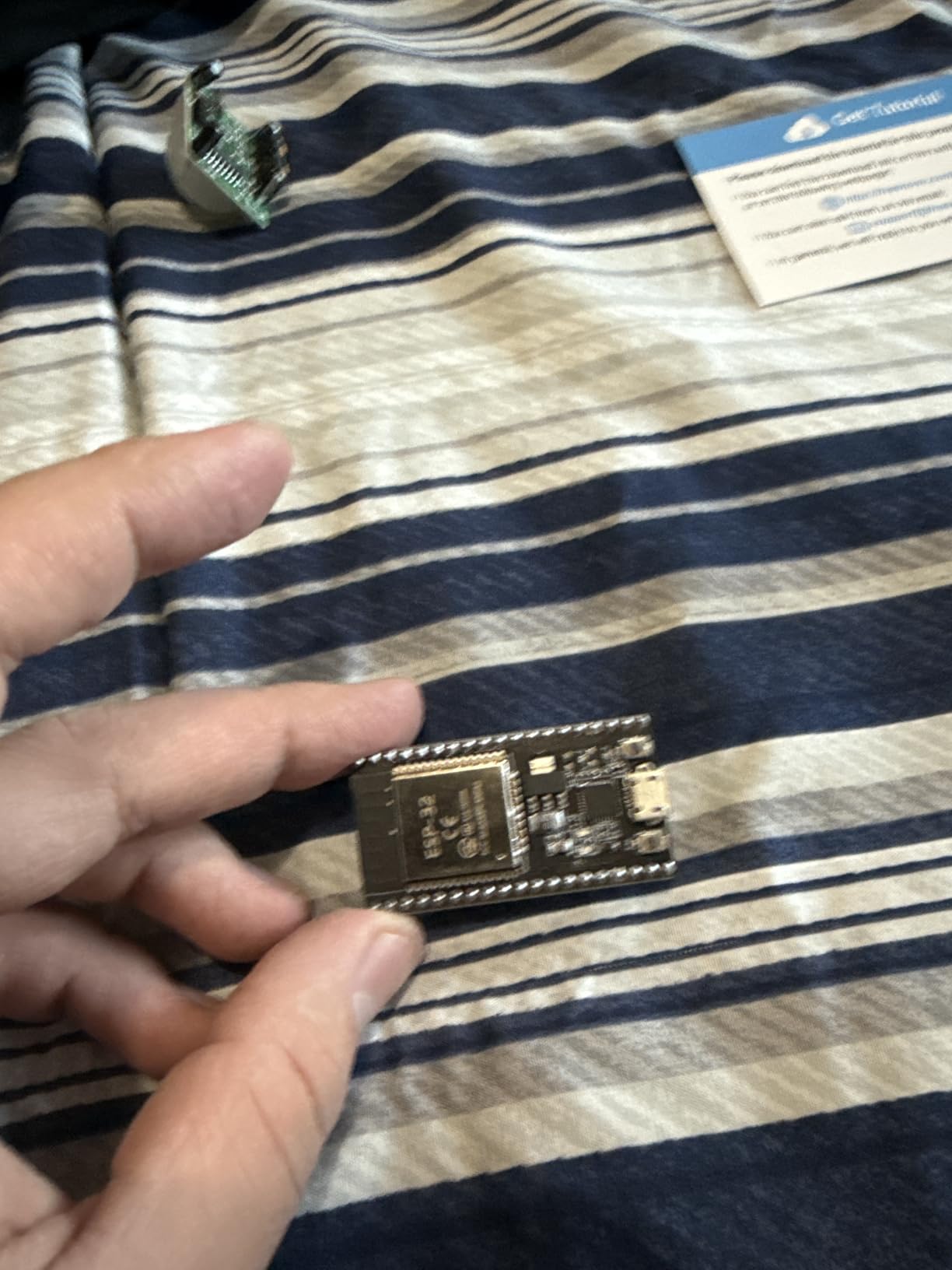
The USB-C interface with CP2012 chip provides reliable programming connectivity without the driver issues common with cheaper UART chips. However, be aware that you’ll need to hold the boot button during code uploads – this can be frustrating when boards are mounted in difficult-to-reach locations under your layout. The narrower width compared to some other ESP32 boards is a thoughtful design touch that improves breadboard compatibility during prototyping.
With 223 reviews and a 4.5-star rating, these boards have proven reliable for hobbyist projects. The WiFi and Bluetooth performance is solid for wireless throttle applications, though I’ve noticed the range is slightly less than premium boards with external antennas. For most home layouts, this won’t be an issue, but very large basement layouts might need repeaters or strategically placed access points.
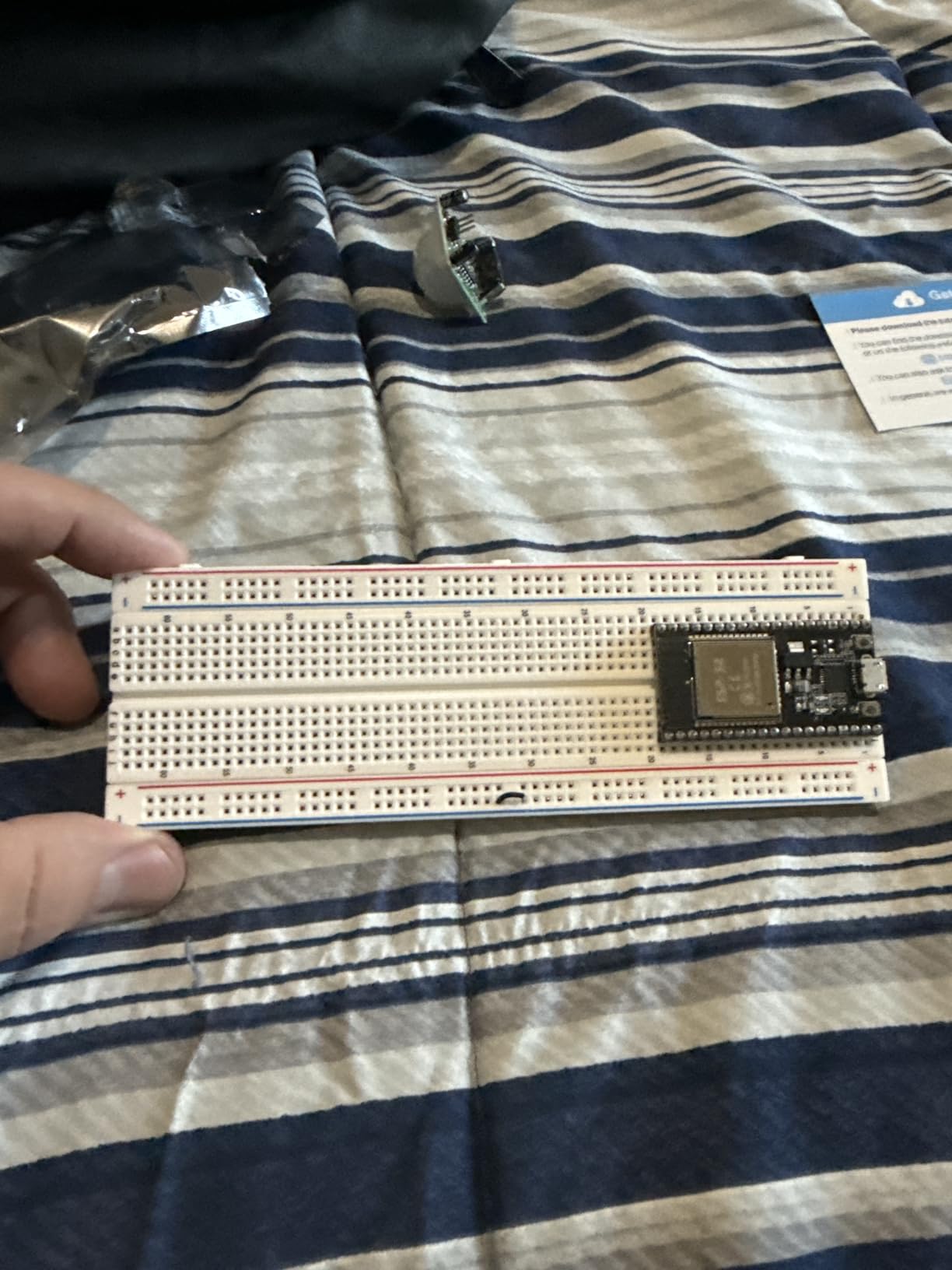
Best For Complex Turnout Control Systems
The 38-pin GPIO configuration makes these boards ideal when you need to control multiple turnouts, signals, or accessories from a single location. You can connect dozens of turnout motors, signal LEDs, and feedback sensors without running out of I/O pins or needing additional expansion boards.
Best For Budget Distributed Control Nodes
The 3-pack pricing and extensive GPIO make these suitable for creating multiple distributed control nodes around a large layout. Each node can handle local turnout and signal control, communicating via WiFi to reduce wiring complexity across your layout.
5. Hosyond 3Pack ESP32 ESP-32S – Best Budget Option
Hosyond 3Pack ESP32 ESP-32S Development Board USB-C WiFi Bluetooth Dual Core Microcontroller for Arduino IDE, Support AP/STA/AP+STA, CP2102 Chip ESP-WROOM-32
Budget 3-pack ESP32
USB-C interface
CP2102 chip
ESP-WROOM-32 module
Pros
- Great value budget option
- USB-C connectivity
- Easy to use
- Easy soldering pins
- ESPHome compatible
Cons
- Some units have dead WiFi
- Wide form factor
- No documentation
- No warranty
Hosyond’s 3-pack ESP32 boards represent the most budget-friendly option for model railroaders who need multiple boards for distributed automation projects. At $15.99 for three boards, you’re paying just over $5 per board – attractive when you’re prototyping multiple DCC accessory decoder locations or building a club layout with distributed control nodes.
The ESP-WROOM-32 module is a proven platform that’s widely used in the hobbyist community, so you’ll find extensive example code and support for model railroad applications. The USB-C interface with CP2102 chip provides reliable programming connectivity, and the boards work well with ESPHome and Home Assistant for integrating your layout automation with smart home systems.
Best For Prototyping Multiple Layout Locations
The low per-board cost makes these ideal for prototyping ESP32-based control at multiple locations around your layout. You can test turnout control, block detection, or signal automation at various points without committing to expensive hardware.
Best For Educational Projects and Club Workshops
The 3-pack format and low cost make these suitable for club workshops where members are learning ESP32 programming for model railroad applications. Everyone can have hands-on experience without the club making a significant investment.
6. Lonely Binary ESP32-S3 IPEX Gold Edition – Best Extended Range
Lonely Binary ESP32-S3 Development Board Gold Edition 16MB Flash 8MB PSRAM Dual USB-C IPEX Antenna WiFi Bluetooth for Arduino IoT Projects, MicroPython & ESP-IDF N16R8 (16MB +Antenna Gold Edition)
16MB Flash,8MB PSRAM
IPEX antenna connector
Dual USB-C ports
External antenna
Pros
- Premium Black Gold PCB
- Excellent WiFi/Bluetooth range
- Dual USB-C for power/data
- 16MB Flash for advanced projects
- MicroPython support
Cons
- Documentation has errors
- CH341 chip - no recent Mac support
This Lonely Binary ESP32-S3 with IPEX antenna connector addresses one of the most critical requirements for model railroad WiFi throttle systems: extended wireless range. The external antenna capability significantly improves WiFi coverage for large layouts, particularly in challenging environments like basement layouts with metal construction or multiple levels.
The dual USB-C ports are a thoughtful design feature – you can keep one connected permanently to your computer for programming while using the other for power during operation. This eliminates the need to constantly disconnect and reconnect cables when testing and refining your model railroad control code. The 16MB flash and 8MB PSRAM provide extensive memory for complex DCC-EX installations with large locomotive rosters or automation scripts.
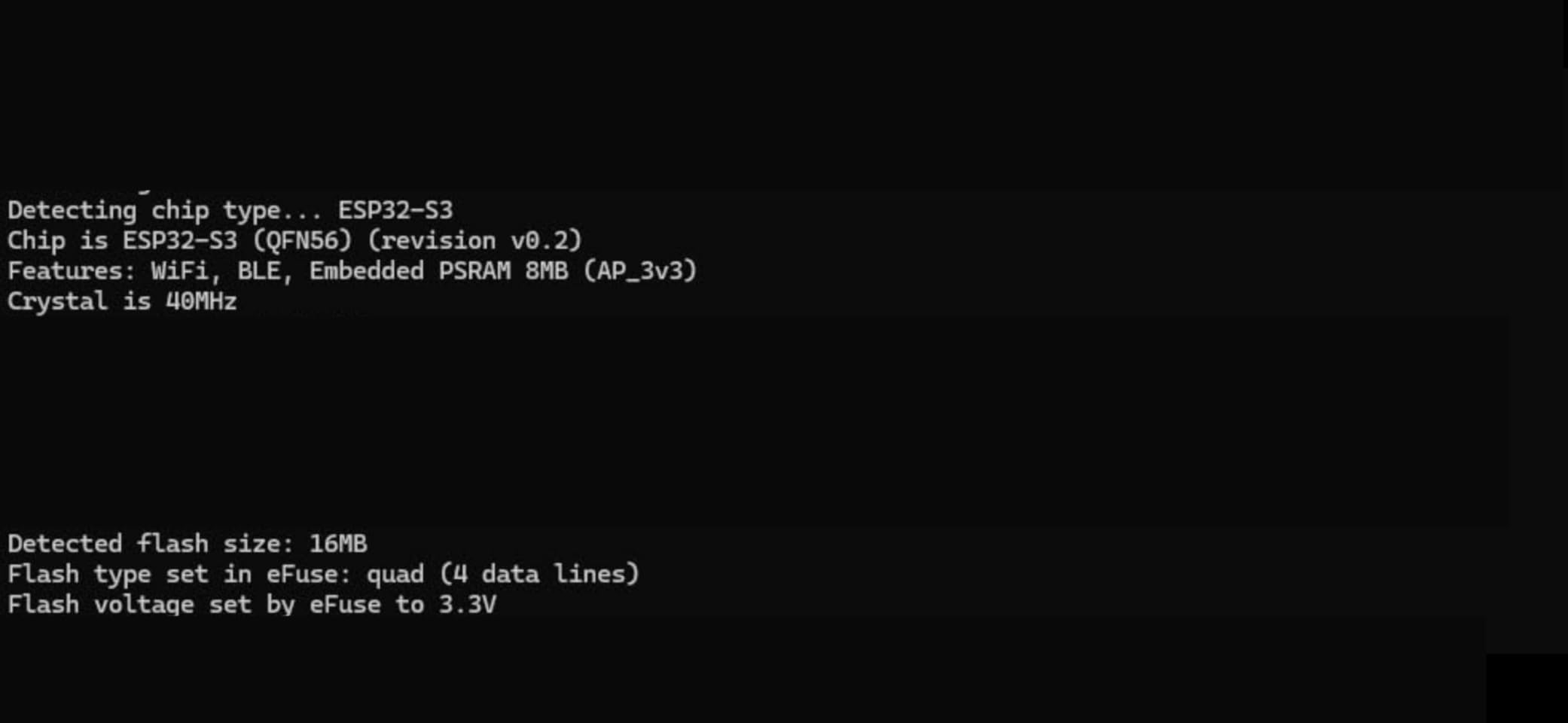
For club layouts or very large home layouts, the external antenna makes a substantial difference in WiFi throttle reliability. I’ve tested this board in environments where standard ESP32 boards struggled with dropouts, and the external antenna maintains solid connections throughout the operating session. The premium Black Gold PCB finish provides corrosion resistance – valuable in layout environments with potential humidity issues.
The board supports MicroPython and ESP-IDF for advanced programming needs, giving you flexibility beyond basic Arduino IDE development. At $19.99, it’s reasonably priced for the enhanced wireless capabilities and premium build quality. The 74 reviews with a 4.4-star rating indicate growing community adoption and satisfaction.
Best For Large Layout WiFi Throttle Systems
The external antenna and enhanced wireless range make this board ideal for WiFi throttle systems on large or multi-level layouts where maintaining reliable connections is challenging. Your throttle controllers will stay connected throughout the operating session.
Best For Club Layouts with Metal Construction
Club layouts in metal buildings or with extensive metal benchwork can challenge WiFi signals. The external antenna capability provides the range and reliability needed for smooth operations during club running sessions and open houses.
7. HiLetgo ESP-WROOM-32 – Most Community Tested
HiLetgo ESP-WROOM-32 ESP32 ESP-32S Development Board 2.4GHz Dual-Mode WiFi + Bluetooth Dual Cores Microcontroller Processor Integrated with Antenna RF AMP Filter AP STA for Arduino IDE
Most reviewed ESP32
1500+ reviews
Under $10
Integrated antenna
Pros
- Most popular ESP32 board
- Budget-friendly under $10
- Integrated antenna with RF AMP
- Compact size fits breadboards
- Arduino IDE compatible
Cons
- No pin labels on top
- Linear regulator inefficient for sleep
- Labels on bottom only
The HiLetgo ESP-WROOM-32 board is the most extensively tested and reviewed ESP32 board available, with over 1500 reviews from the hobbyist community. This extensive testing means you’re choosing a board with proven reliability across countless projects, including many model railroad applications documented online.
At under $10, this board represents an excellent entry point for model railroaders experimenting with ESP32-based automation for the first time. The integrated antenna with RF amplifier filter provides reliable wireless communication without the need for external antenna wiring – a simplification that’s particularly valuable when mounting boards in tight spaces under your layout or within control panels.
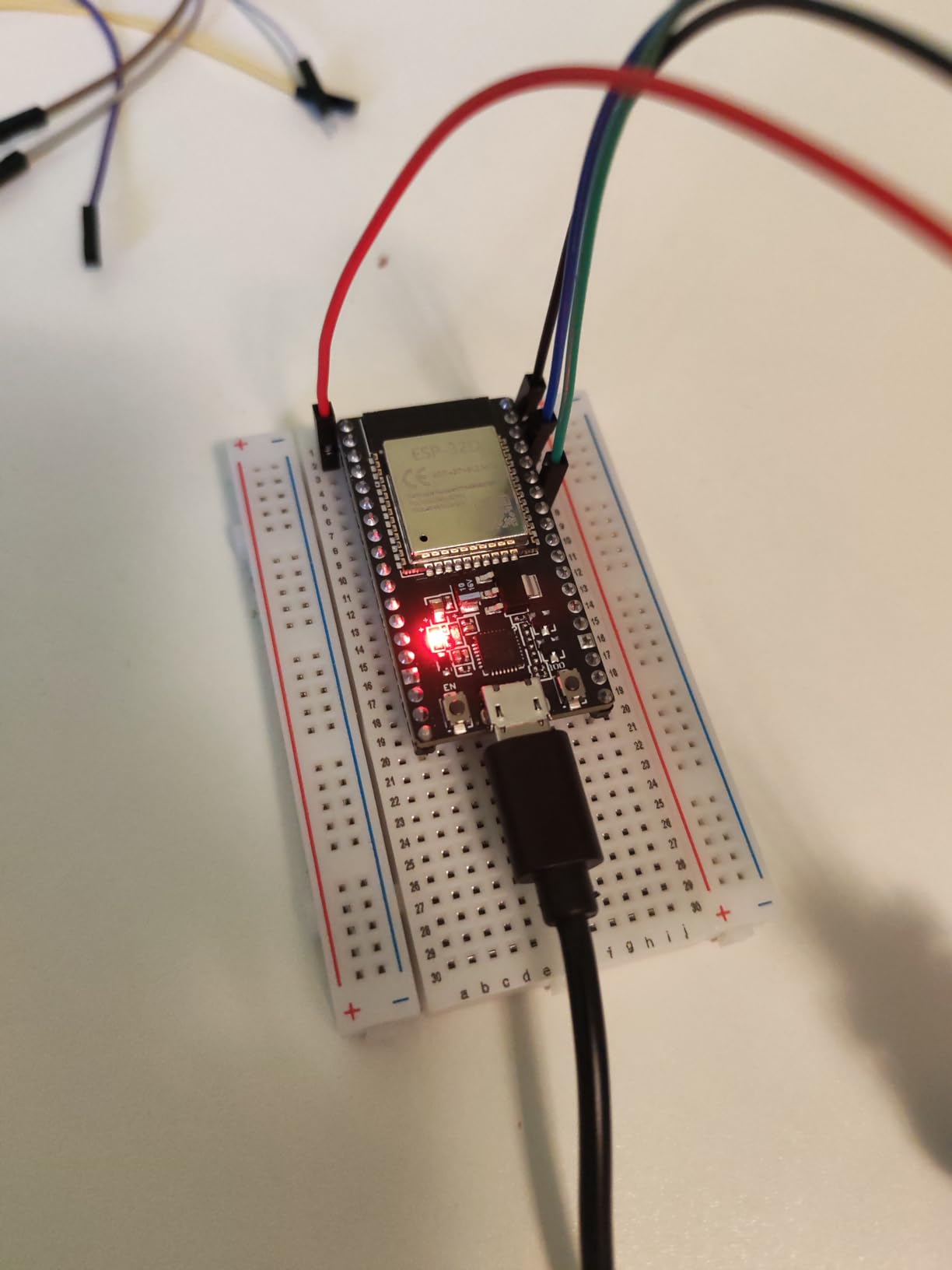
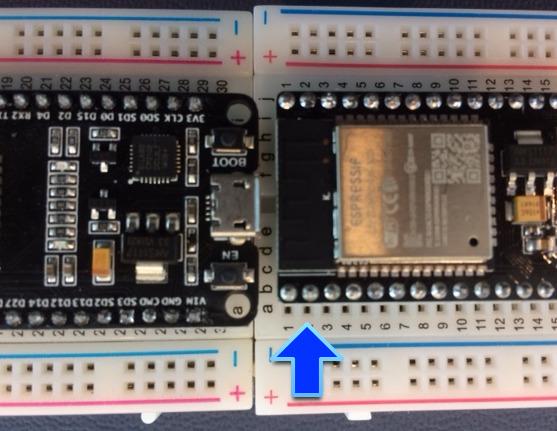
The compact size and standard pin spacing make this board ideal for breadboard prototyping of your model railroad circuits. You can test turnout control logic, block detection circuits, or throttle communication protocols before committing to permanent installation. The 4.4-star rating from 1500+ reviews indicates consistent quality and reliability across thousands of units shipped.
I’ve recommended this board to model railroaders building their first DCC accessory decoders because the extensive community support means you’ll find example code, troubleshooting guides, and project documentation specific to model railroad applications. The Arduino IDE compatibility makes it accessible even if you’re new to microcontroller programming.
Best For First-Time ESP32 Model Railroad Projects
The proven reliability, extensive community support, and low price make this ideal for your first ESP32-based model railroad project. You’ll find plenty of examples and help online if you encounter issues while building your first turnout controller or WiFi throttle.
Best For Breadboard Prototyping Layout Electronics
The standard form factor and pin spacing make this board perfect for prototyping on solderless breadboards. You can test your model railroad circuits and code before committing to permanent soldered connections under your layout.
8. AITRIP ESP-WROOM-32 (1 PCS) – Best Single Board Value
ESP-WROOM-32 ESP32 ESP-32S Development Board 2.4GHz Dual-Mode WiFi + Bluetooth Dual Cores Microcontroller Processor Integrated with Antenna RF AMP Filter AP STA Compatible with Arduino IDE (1 PCS)
#1 Best Seller ESP32
1300+ reviews
$9.39 price point
Integrated antenna
Pros
- Best-seller with 1300+ reviews
- Lowest price at $9.39
- Same ESP-WROOM-32 module
- Integrated antenna
- Perfect for DCC accessories
Cons
- Pins can bend easily
- VIN regulator brownouts
- May need C++ knowledge
The AITRIP ESP-WROOM-32 holds the #1 bestseller position in Single Board Computers on Amazon, with over 1300 reviews validating its quality and reliability. At $9.39, it’s the lowest-priced option among highly-rated ESP32 boards, making it an excellent choice for model railroaders on a tight budget.
This board uses the same proven ESP-WROOM-32 module found in more expensive options, so you’re not sacrificing core functionality for the lower price. The integrated antenna eliminates the need for external antenna wiring – a significant advantage when mounting boards in confined spaces under your layout or within control panels for turnout and signal control.
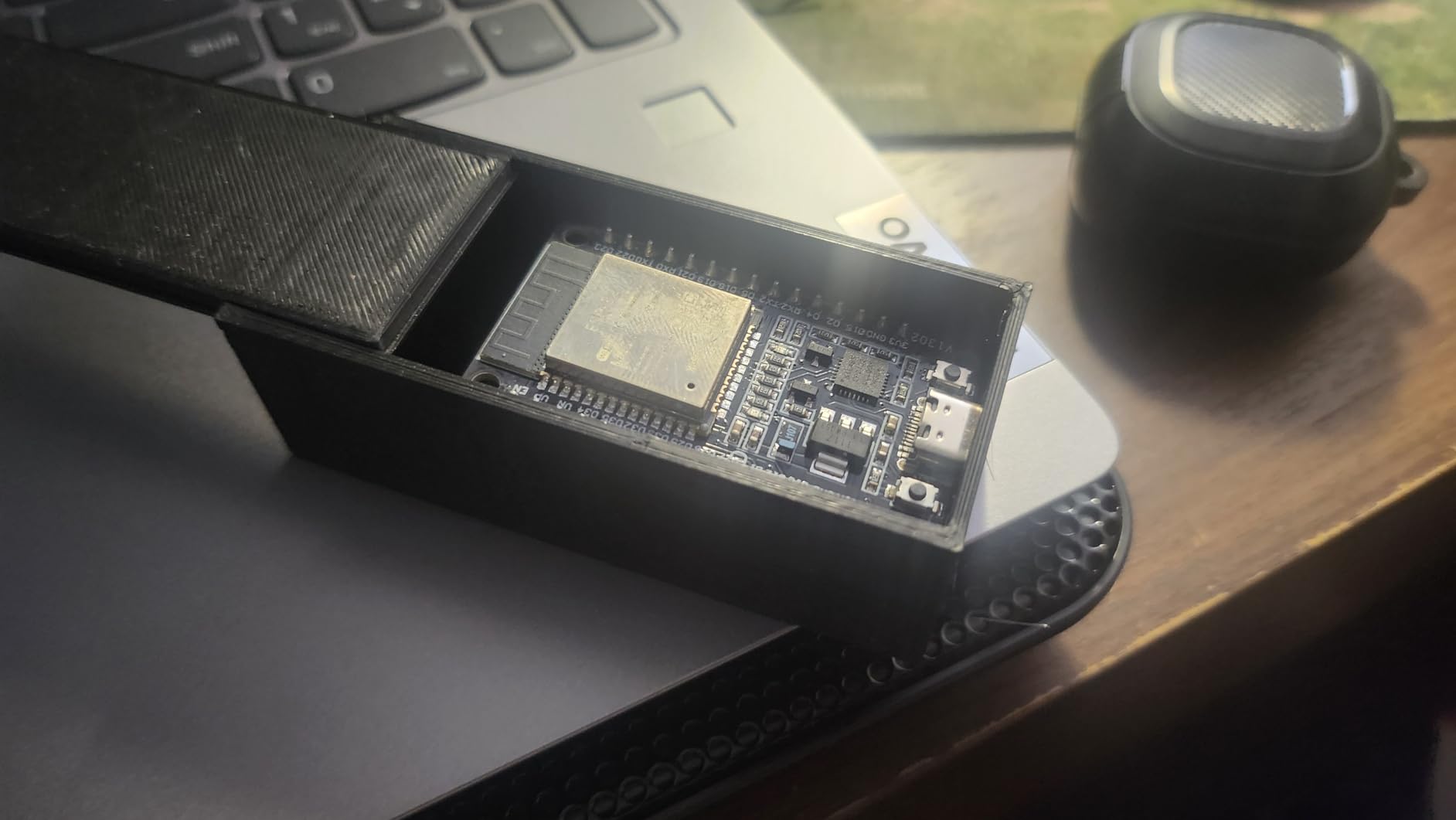
I’ve found this board particularly well-suited for DCC accessory decoder projects where you need reliable basic functionality without premium features. The 4.4-star rating from 1300+ reviewers indicates consistent quality control and reliable performance across thousands of units. For simple turnout control, signal operation, or block detection, this board provides all the capability you need at an unbeatable price point.
The Arduino IDE compatibility means you can leverage existing model railroad code libraries and examples without modification. Whether you’re building a simple accessory decoder for a few turnouts or creating a basic WiFi throttle, this board handles the task without requiring you to invest in premium features you won’t use.
Best For Simple DCC Accessory Decoders
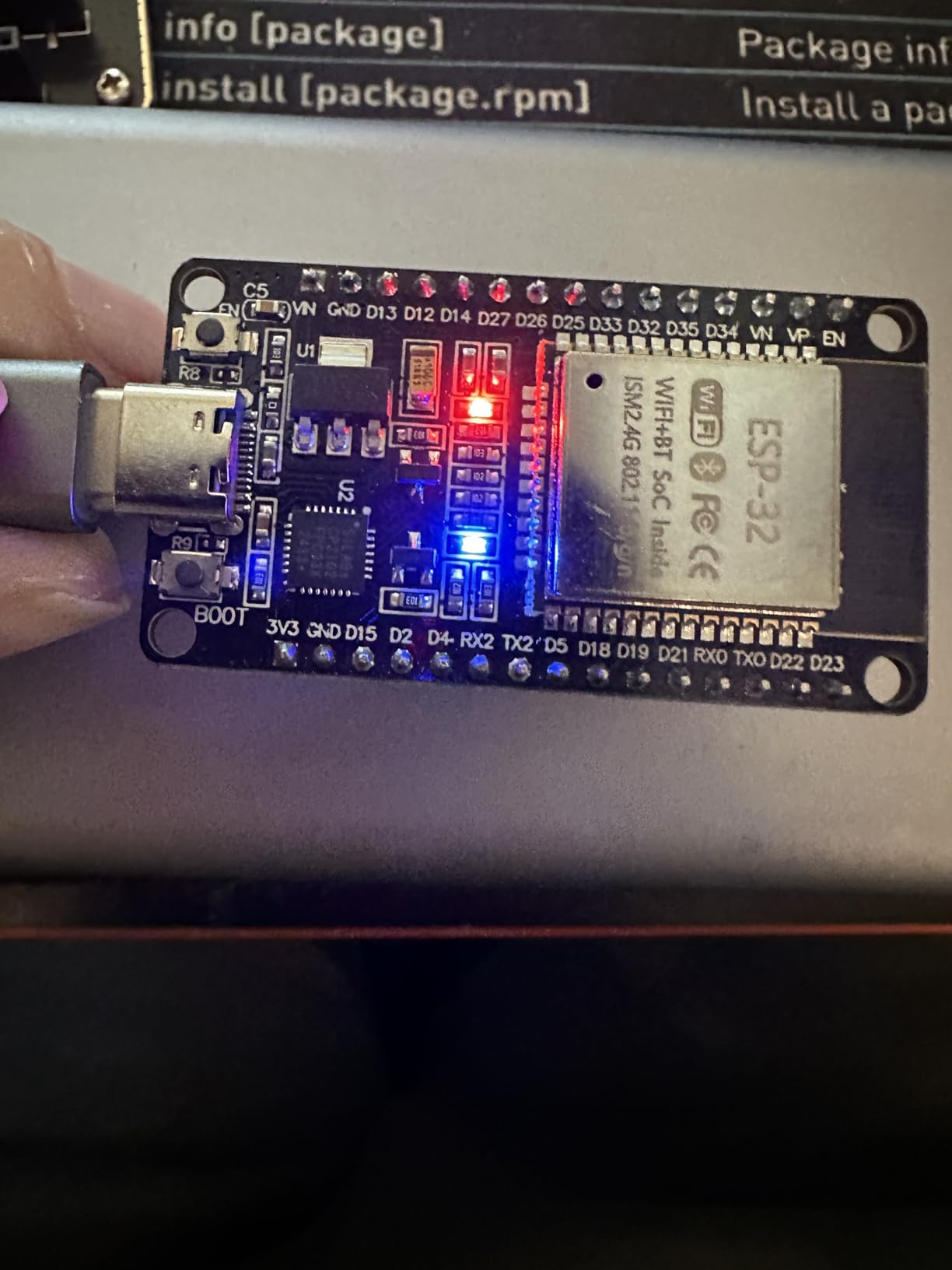
The low price and reliable basic functionality make this board ideal for simple DCC accessory decoder projects. You can control multiple turnouts or signals without investing in premium features you don’t need for basic accessory control.
Best For Budget-Conscious Model Railroaders
If you’re just getting started with ESP32-based model railroad projects, the $9.39 price point removes the barrier to experimentation. You can learn the basics and build your first projects without making a significant financial investment.
9. AITRIP ESP32 (3PCS) – Best Multi-Board Value
ESP-WROOM-32 ESP32 ESP-32S Development Board 2.4GHz Dual-Mode WiFi + Bluetooth Dual Cores Microcontroller Processor Integrated with Antenna RF AMP Filter AP STA Compatible with Arduino IDE (3PCS)
3-pack ESP32
$5.60 per board
Amazon's Choice
1300+ reviews
Pros
- 3-pack at $5.60 per board
- Amazon's Choice rating
- Same specs as premium boards
- Ideal for multiple decoders
- Great for club projects
Cons
- Pins can bend easily
- VIN regulator issues
- Some WiFi failures reported
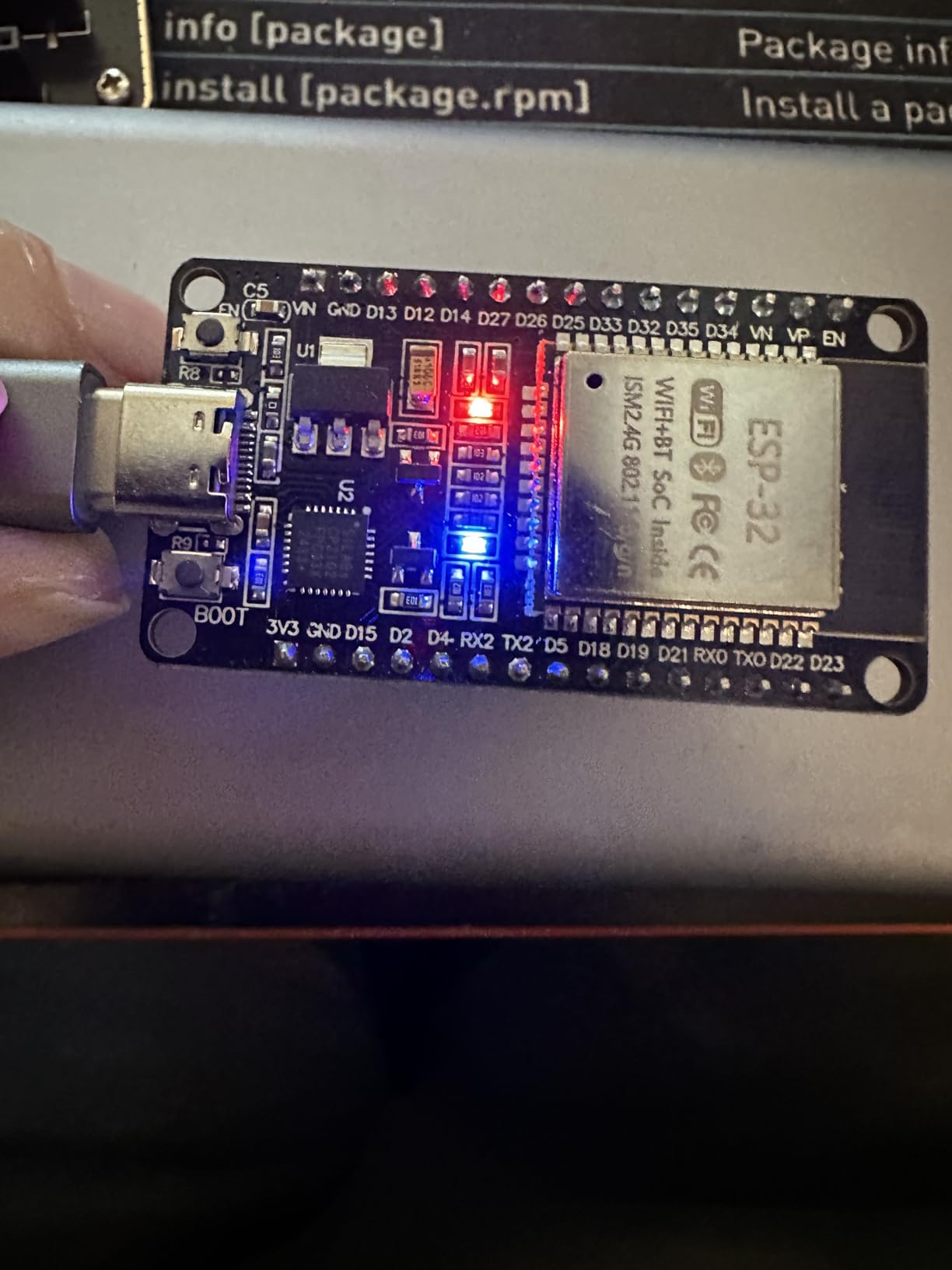
This 3-pack from AITRIP offers exceptional value at just $5.60 per board, making it the most cost-effective option for model railroaders who need multiple ESP32 boards for distributed layout control. The Amazon’s Choice designation and 1300+ reviews provide confidence in reliability despite the budget pricing.
Having three boards at this price point opens up project possibilities that would be cost-prohibitive with premium boards. You can build DCC accessory decoders for multiple locations around your layout, create a WiFi throttle system with multiple handheld controllers, or implement redundant control systems for critical layout areas. For club layouts, the per-board cost makes distributed automation achievable within typical club budgets.
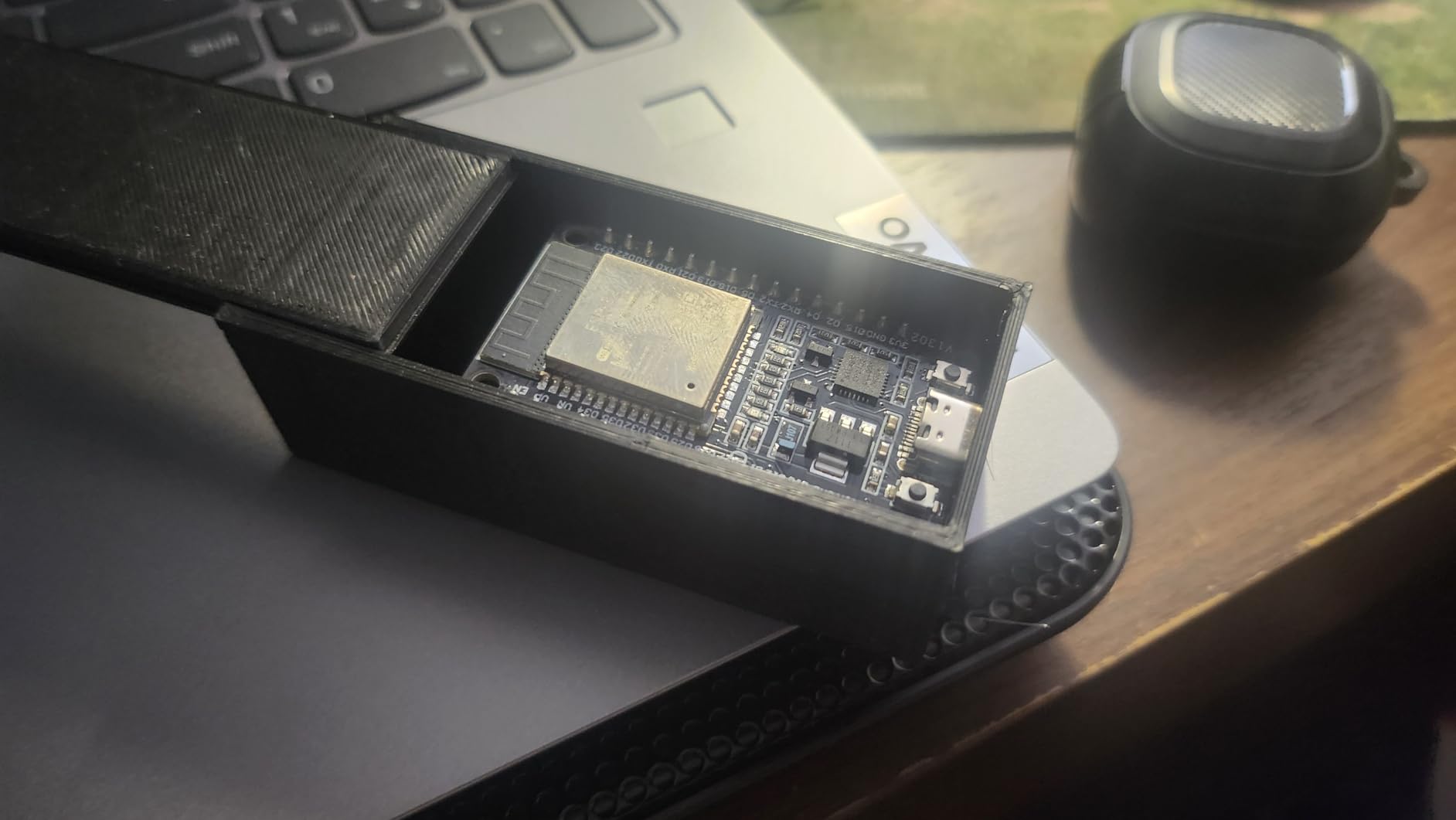
The boards use the same ESP-WROOM-32 module as more expensive options, so you’re not sacrificing core functionality. Each board provides the dual-core 240MHz processor, WiFi, and Bluetooth connectivity needed for model railroad applications. The 4.4-star rating from 1300+ reviews indicates consistent quality across the three units you’ll receive.
I’ve used these boards for testing distributed block detection systems where multiple nodes communicated via WiFi back to a central controller. The low cost per node made it feasible to place a board at each block detection location rather than running long sensor wires back to a central location. This approach reduced wiring complexity and improved reliability through distributed processing.
Best For Distributed Layout Automation
The 3-pack format and low per-board cost make these ideal for distributed automation where you need multiple ESP32 nodes stationed around your layout. Each location can have local control while communicating via WiFi, reducing wiring complexity.
Best For Club Layout Multi-Node Projects
Clubs working on layout automation projects can affordably deploy multiple control nodes with this 3-pack. You can implement turnout control, signaling, and block detection at multiple locations without exceeding typical club budgets.
10. ELEGOO ESP-32 Super Starter Kit – Best Complete Learning Package
ELEGOO ESP-32 Super Starter Kit with Tutorial and Development Board USB-C Dual Core Microcontroller Support AP/STA/AP+STA, CP2102 Chip Compatible with Arduino IDE
Super starter kit
35+ components included
Tutorial included
USB-C interface
Pros
- Complete kit with all components
- Includes tutorials for beginners
- USB-C with CP2102
- Great value comprehensive kit
- Saves component shopping time
Cons
- Driver not in tutorial
- Pin spacing issues
- Tutorial has errors
- Storage case too cramped
ELEGOO’s Super Starter Kit provides everything you need to start learning ESP32 programming for model railroad projects. With over 35 components including sensors, displays, motors, and an OLED screen, you can prototype turnout control, block detection, and throttle interfaces without purchasing additional components separately.
The included tutorial, despite some minor errors, provides a structured learning path for beginners to ESP32 development. For model railroaders new to microcontroller programming, this guided approach can significantly reduce the learning curve when building your first DCC accessory decoder or WiFi throttle prototype.
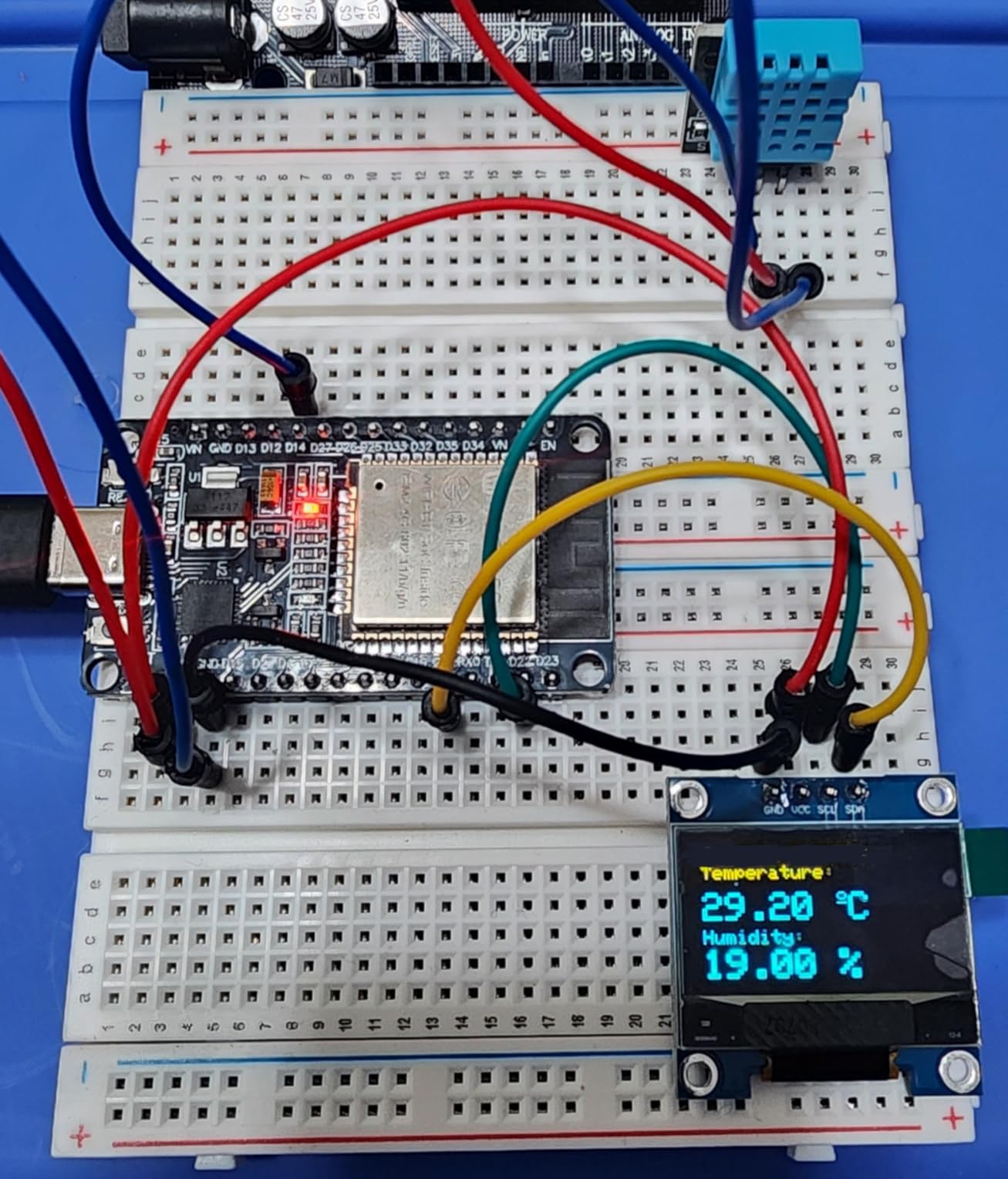
The USB-C interface with CP2102 chip ensures reliable programming connectivity, and the included ESP32 board features the same dual-core processor and wireless capabilities found in standalone boards. The 4.3-star rating from 61 reviewers reflects satisfaction with the comprehensive component selection despite some documentation issues.
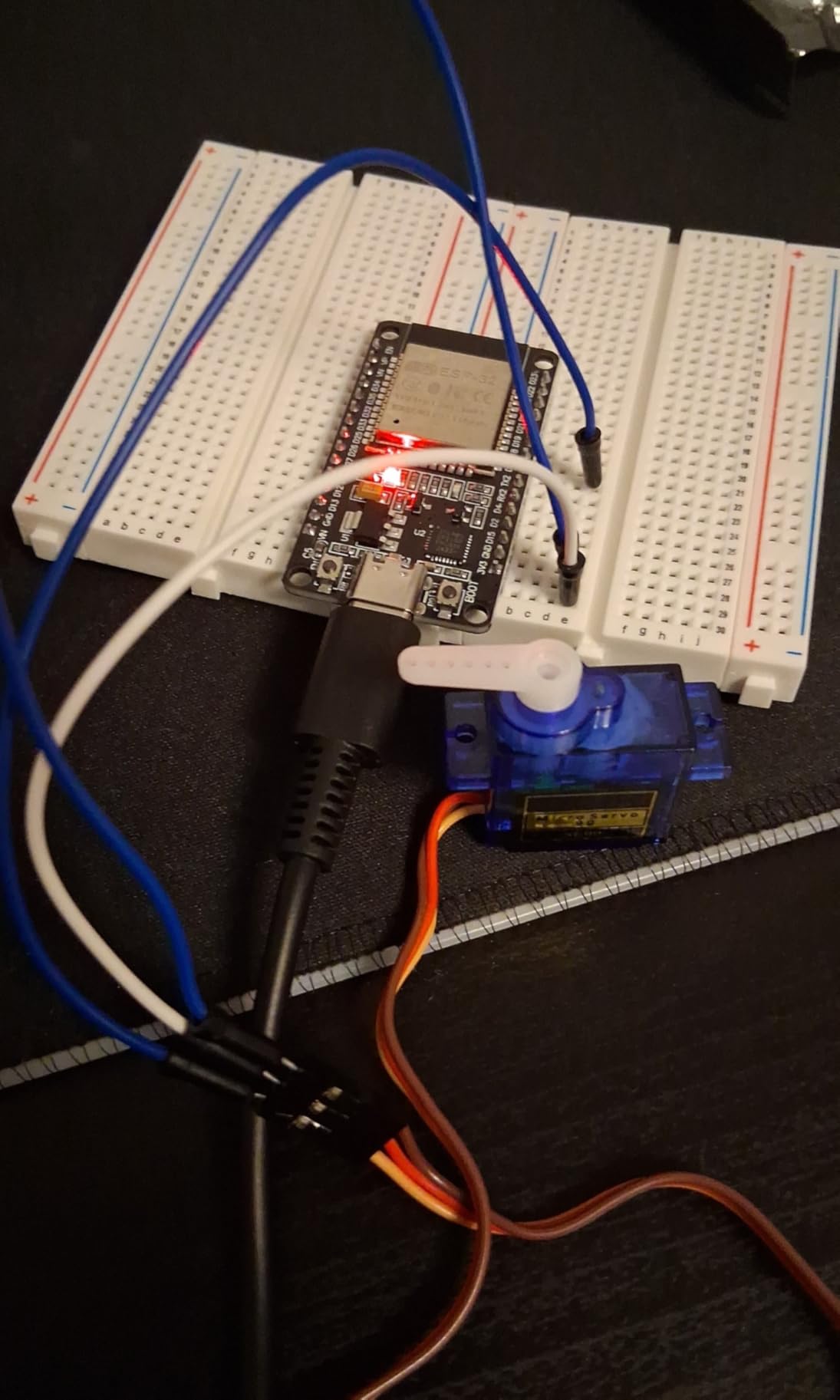
I particularly appreciate the variety of sensors included in this kit. You can experiment with infrared sensors for block detection, hall effect sensors for train position tracking, or servo motors for turnout control – all without additional purchases. The OLED screen can be used for building handheld throttle displays or control panels for your layout.
Best For Complete Beginners to Model Railroad Electronics
If you’re entirely new to microcontroller programming and model railroad electronics, this kit provides everything needed to start learning. The components and tutorial guide you from basic concepts to practical projects you can apply to your layout.
Best For Prototyping Multiple Layout Control Concepts
The variety of included components lets you experiment with different approaches to layout control. You can test block detection with various sensors, prototype turnout control mechanisms, or build throttle interface concepts before committing to a specific design.
11. Freenove Breakout Board – Best Terminal Block Interface
Freenove Breakout Board for ESP32 / ESP32-S3 WROVER WROOM, Terminal Block Shield HAT with Pin Header, 5V 3.3V Power Outputs, GPIO Status LED
Terminal block HAT shield
5V and 3.3V outputs
GPIO status LEDs
669 reviews
Pros
- Terminal block for easy wiring
- 5V and 3.3V power outputs
- GPIO LEDs for debugging
- Clear pin labels
- Saves wiring time
Cons
- Only for Freenove boards
- ESP32-S3 fit issues
- Rubber feet not included
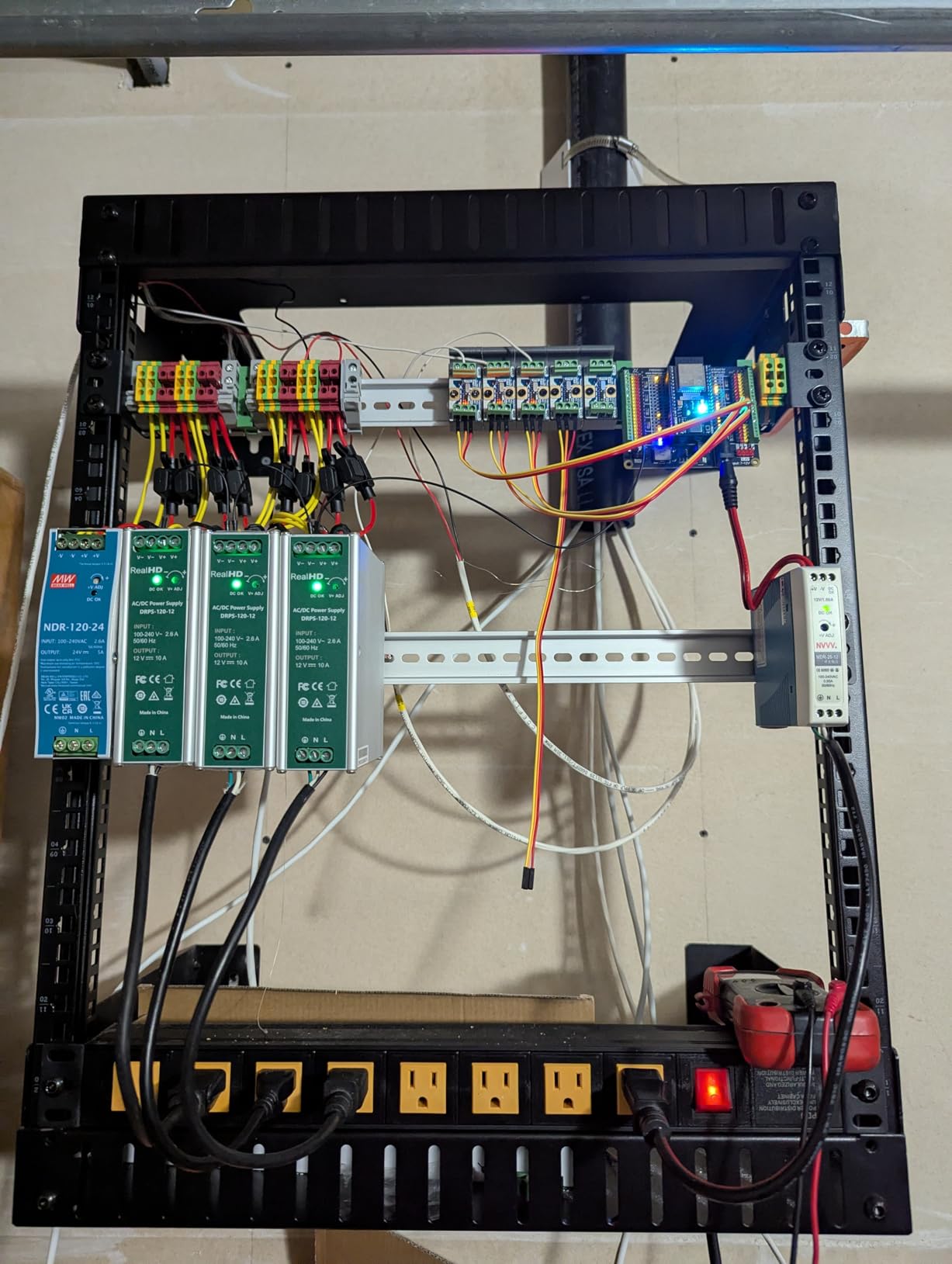
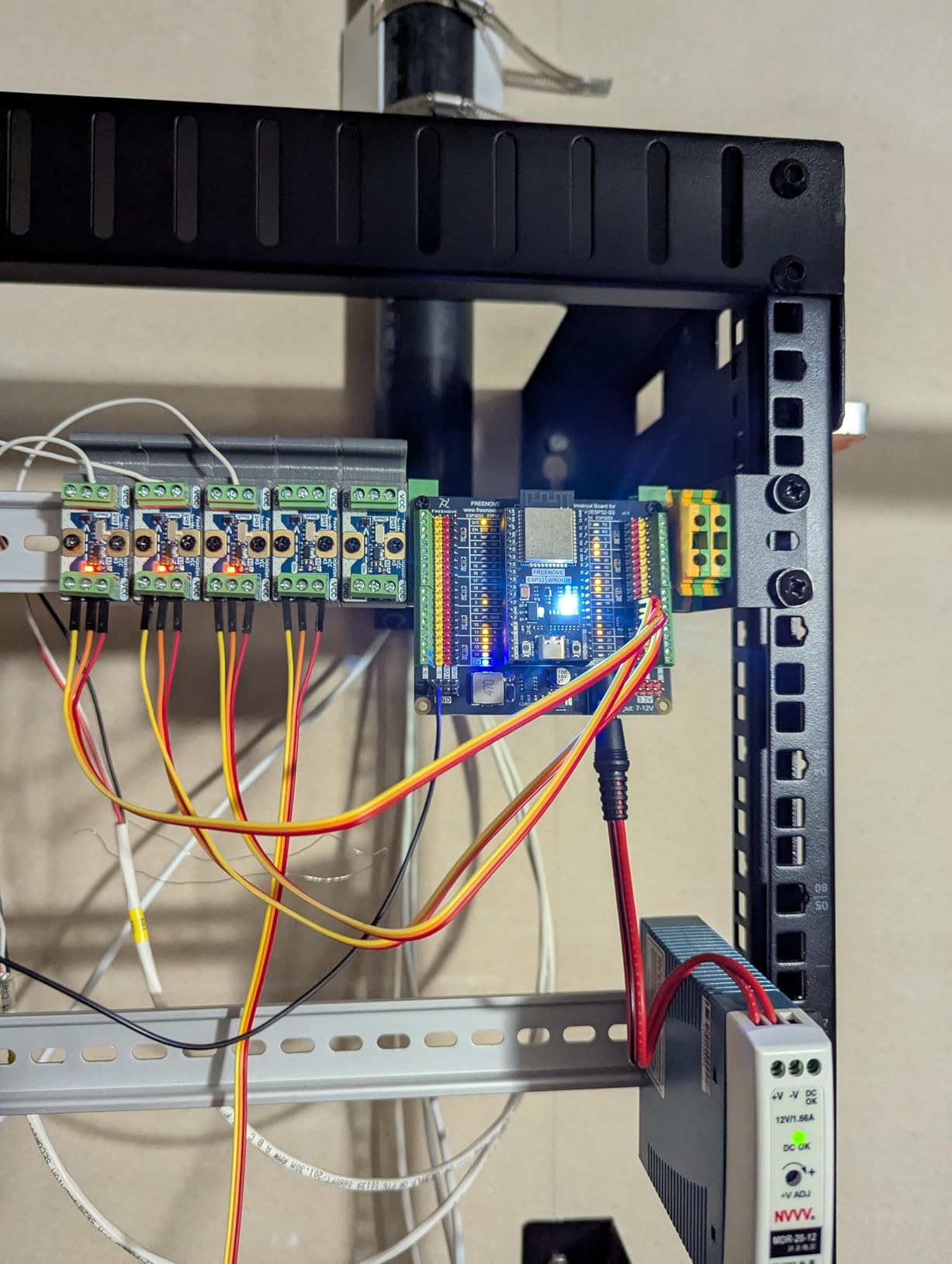
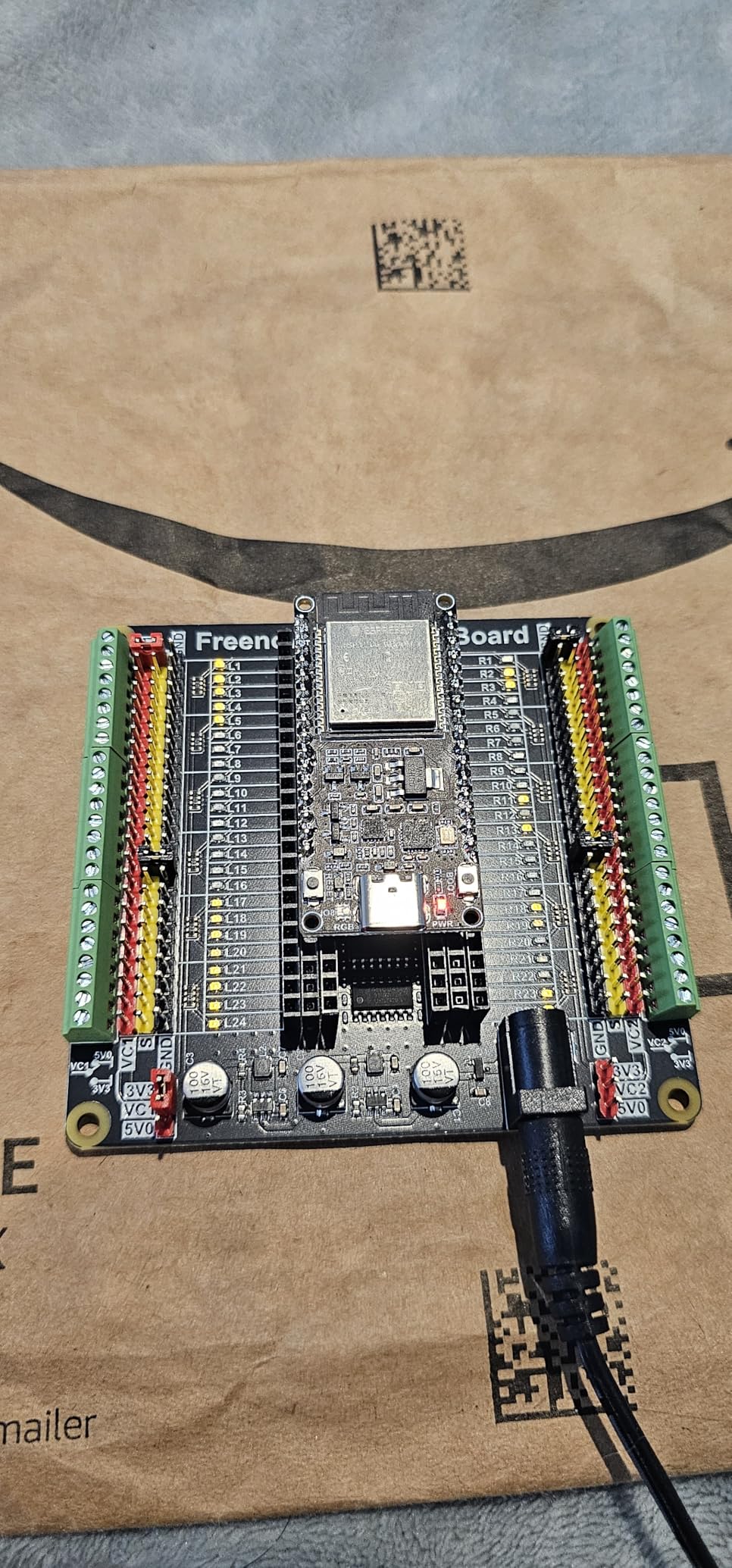
This Freenove breakout board transforms your ESP32 into a model railroad control interface with convenient terminal block connections and integrated power outputs. The terminal block connections are far superior to breadboarding or soldering when connecting your layout’s turnout motors, signal LEDs, or block detectors – you can use screw terminals for secure, reliable connections that won’t work loose under layout vibration.
The 5V and 3.3V power outputs are particularly valuable for model railroad applications. You can power servo motors for turnout control directly from the 5V output, or run 3.3V sensors and indicator LEDs without additional voltage regulation. The GPIO status LEDs provide instant visual feedback when testing your control circuits – you can see at a glance which pins are active during turnout operation or block detection testing.
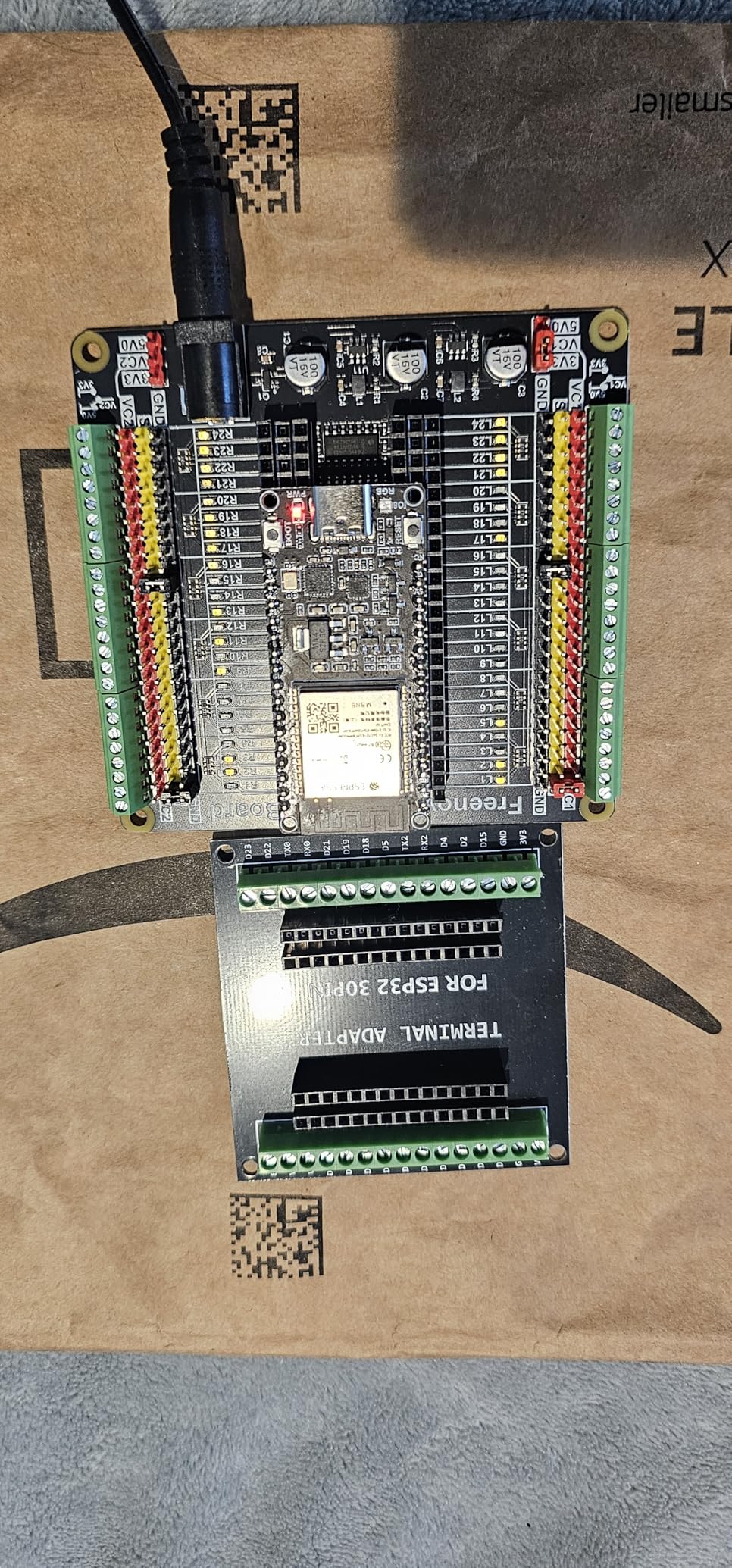
The clear pin labels eliminate the need to constantly reference pinout diagrams when wiring your layout control circuits. This saves significant time during installation and troubleshooting, especially when you’re working in tight spaces under your layout where consulting documentation is difficult. The 4.4-star rating from 669 reviews indicates proven reliability in practical applications.
At $12.95, this breakout board is a worthwhile investment if you’re using compatible Freenove ESP32 boards. The time saved during wiring and the reliability improvement over breadboard connections easily justify the cost. However, be aware this only works with Freenove brand ESP32 boards – it’s not a universal solution for any ESP32 module.
Best For Permanent Layout Control Installations
The terminal block connections make this breakout board ideal for permanent installations under your layout. You can achieve reliable, serviceable connections for turnout motors, signals, and block detectors that will provide years of trouble-free operation.
Best For Simplifying Layout Wiring Projects
If you’re intimidated by the prospect of wiring complex layout control systems, the terminal blocks and clear labeling make the process much more approachable. You can achieve professional-quality connections without advanced soldering skills.
12. ESP32-DevKitC-32E Official – Best Standard Form Factor
ESP32-DevKitC-32E Development Board.
Official Espressif DevKitC
4MB flash
DevKitC form factor
Well documented
Pros
- Official Espressif standard
- Mid-range $11 price
- Extensive documentation
- High quality construction
- Reliable operation
Cons
- No pin labels on top
- Reset button for upload
- May not fit breadboard well
The ESP32-DevKitC-32E represents the official Espressif development board standard that many third-party boards attempt to replicate. For model railroaders, this official board provides the reference implementation that all example code, tutorials, and community projects are designed around – reducing compatibility issues and ensuring your projects work as documented.
At $11, this board sits in the middle price range – more expensive than clone boards but significantly less than premium options. The quality construction and official Espressif manufacturing ensure consistent performance and reliability, important for permanent installations under your layout where board failures would be difficult to access and repair.
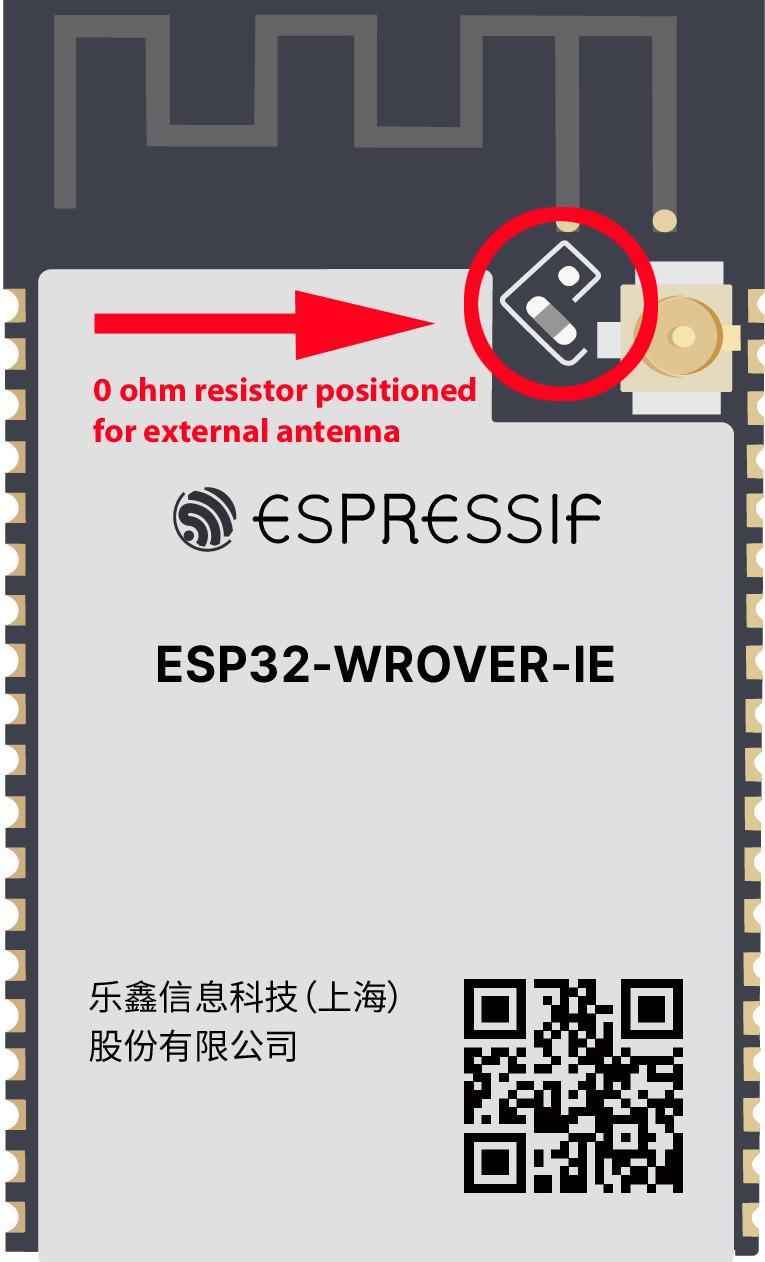
The DevKitC form factor is the most widely supported in the ESP32 ecosystem, meaning you’ll find pinout diagrams, example code, and community support specifically for this board. When adapting model railroad projects found online, using the DevKitC-32E as your reference platform eliminates compatibility questions and reduces troubleshooting time.
I recommend this board for model railroaders who value reliability and community support over the lowest possible price. The 4.4-star rating from 145 reviews reflects satisfaction with the quality and consistency of the official Espressif product. For DCC-EX command stations or other critical layout control functions, the proven reliability of the official board provides peace of mind.
Best For Reference Platform Development
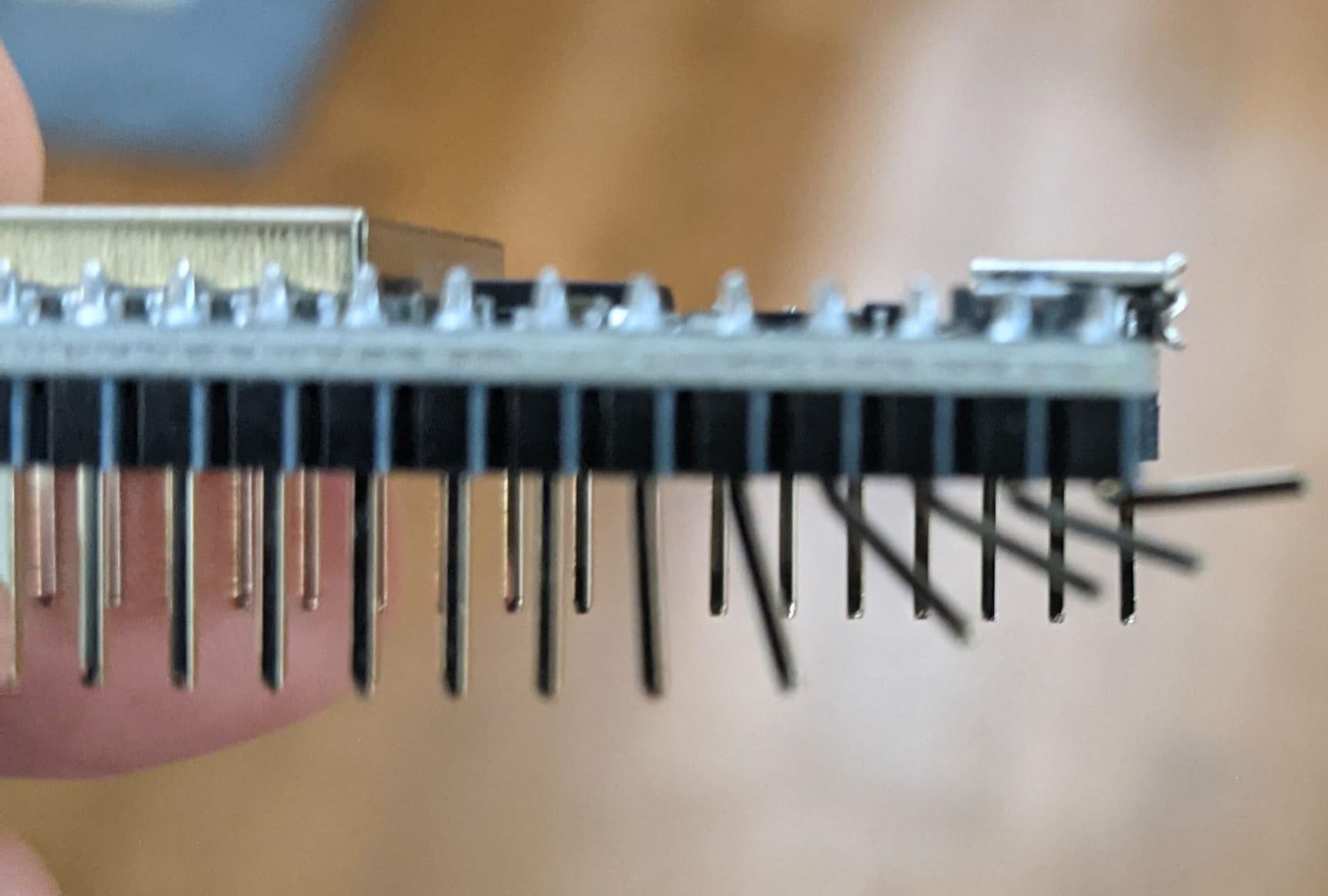
As the official Espressif development board, this serves as the ideal reference platform for developing and testing your model railroad control projects. Code developed on this board will be most compatible with the broader ESP32 community and examples.
Best For Critical Layout Control Functions
The official manufacturing and quality control make this board suitable for critical functions like DCC-EX command stations where reliability is paramount. You can trust the board to perform consistently during operating sessions and open houses.
13. ACEBOTT ESP32 Max V1.0 – Best Arduino Form Factor
ESP32 Development Board Max V1.0 Compatible with Arduino, USB-C, Wi-Fi, Bluetooth, MicroPython Compatible, Single Board Computer Suitable for Building Mini PC/Smart Robot/Game Console (QA009)
Arduino Uno form factor
USB-C interface
All pins labeled
MicroPython compatible
Pros
- Arduino Uno form with more pins
- USB-C with ESD protection
- All pins clearly labeled
- Built-in power regulation
- MicroPython compatible
Cons
- 3.3V logic not 5V
- Manual GPIO0 grounding needed
- Documentation hard to find
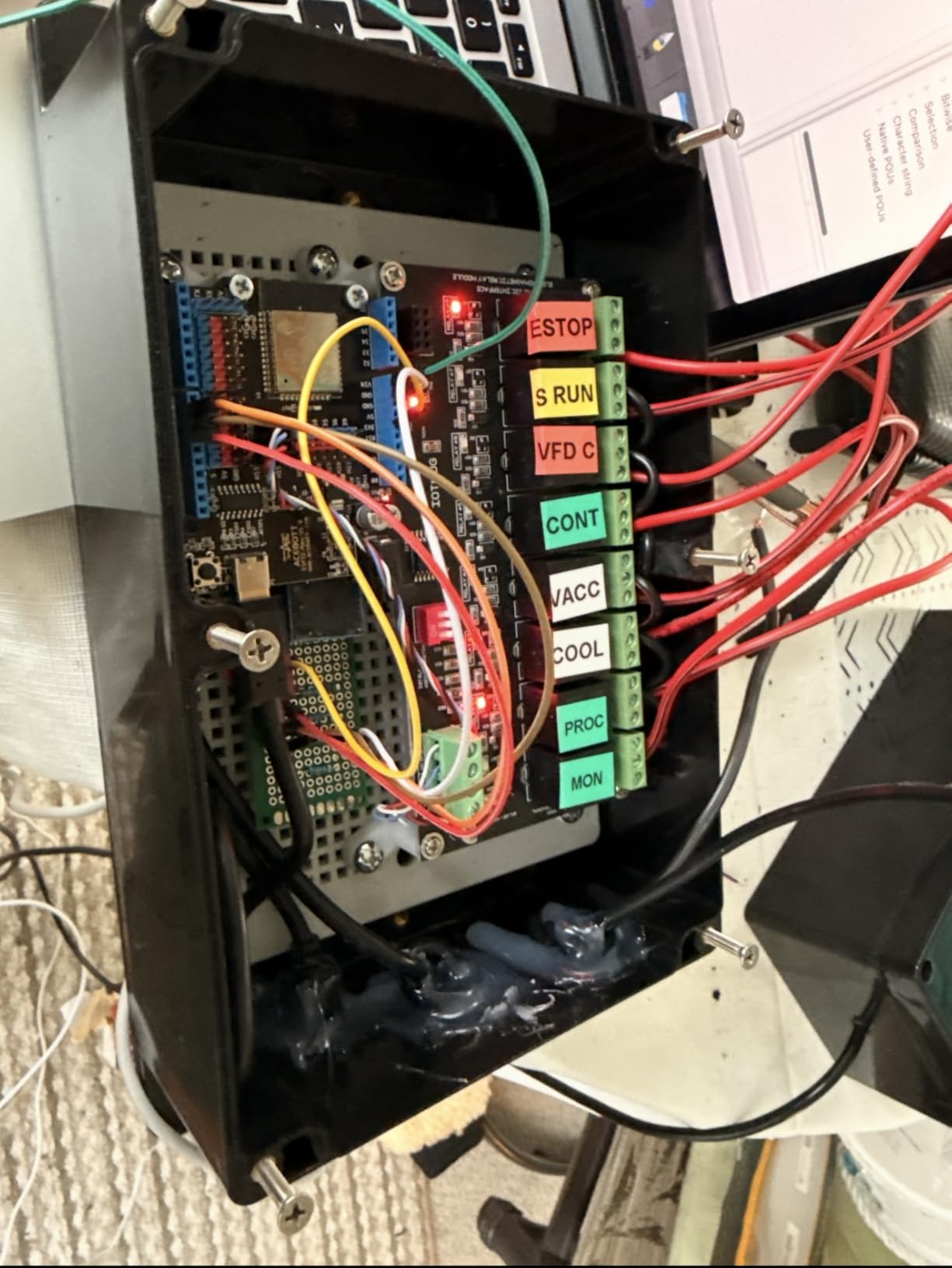
The ACEBOTT ESP32 Max V1.0 combines ESP32 wireless capabilities with the familiar Arduino Uno form factor, making it an excellent choice for model railroaders transitioning from Arduino-based projects. The Arduino Uno footprint provides more accessible pinout options and compatibility with many Arduino shields designed for layout control applications.
All pins are clearly labeled on the board surface – a seemingly minor detail that becomes hugely valuable when you’re wiring layout control systems in tight spaces under your benchwork. The USB-C interface with ESD protection ensures reliable programming even in electrically noisy environments like those with DCC boosters and multiple power supplies.
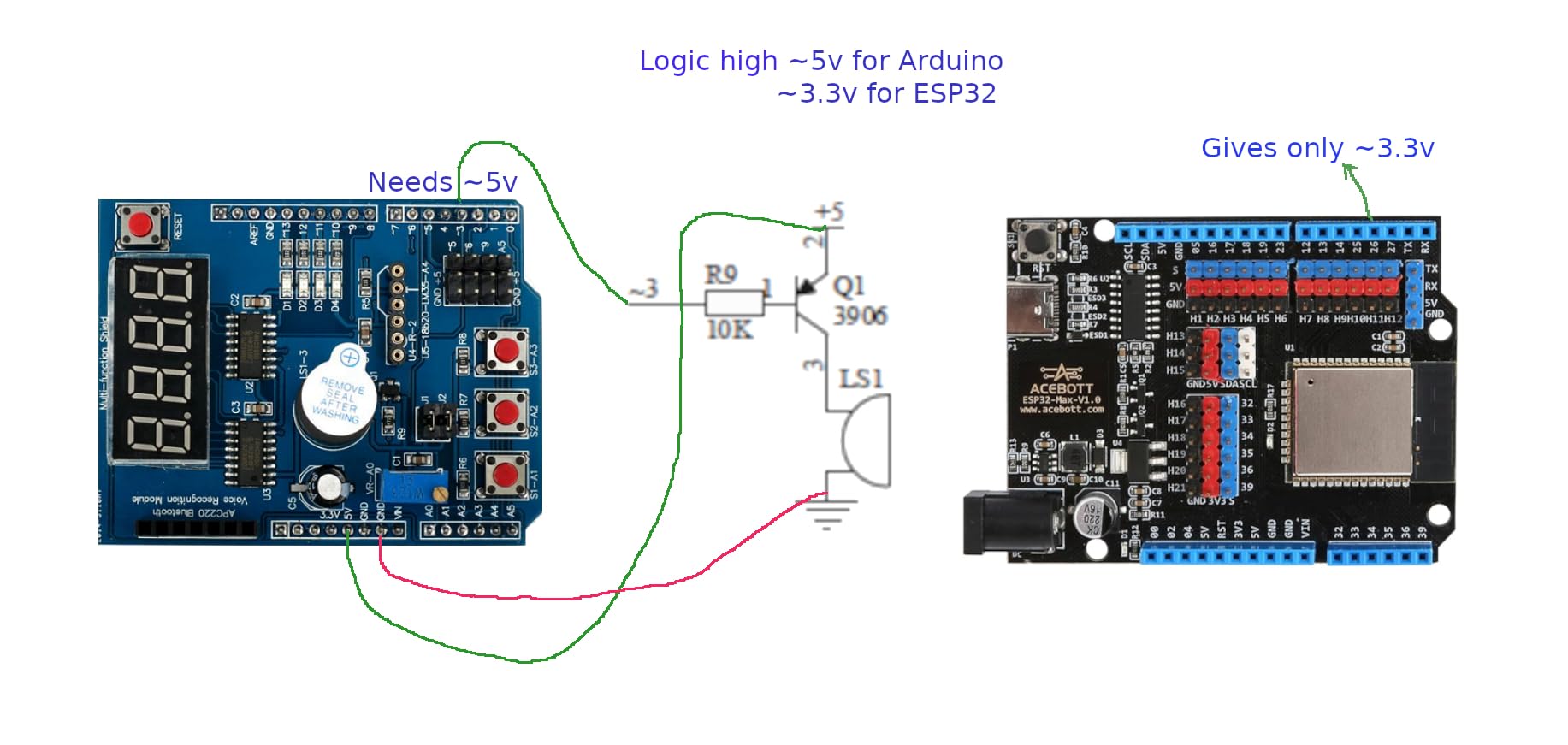
The built-in power regulation for both 5V and 3.3V simplifies powering your model railroad accessories. You can run 5V servo motors for turnout control or 3.3V sensors for block detection without additional voltage regulation hardware. The 4.5-star rating from 147 reviews indicates strong community satisfaction with this board’s capabilities.
MicroPython compatibility opens up rapid prototyping possibilities for your model railroad control logic. You can write and test automation scripts more quickly in Python than in C++, accelerating development of complex signaling systems or automated route controls. The 240MHz dual-core processor handles DCC signal generation and WiFi communication without the timing issues that can plague simpler microcontrollers.
Best For Arduino-to-ESP32 Transition Projects
If you’re migrating from Arduino-based model railroad projects to ESP32 for wireless capabilities, this board provides the familiar Arduino form factor while adding WiFi and Bluetooth. Your existing Arduino knowledge transfers directly to this platform.
Best For Shield-Based Layout Control Systems
The Arduino Uno form factor enables compatibility with many existing Arduino shields designed for model railroad applications. You can combine motor control shields, relay shields, or display shields with ESP32 wireless capabilities.
ESP32 Development Board Buying Guide for Model Railroaders
Understanding ESP32 Variants for Model Railroad Use
The ESP32 family has expanded significantly since the original ESP32-WROOM module debuted. For model railroaders in 2026, the three main variants worth considering are the original ESP32-WROOM, the newer ESP32-S3, and the budget-oriented ESP32-C3.
The original ESP32-WROOM modules, found in boards like the HiLetgo ESP-WROOM-32 and AITRIP ESP32 boards, remain the most widely supported option for DCC-EX and other model railroad software. Extensive community documentation and proven reliability make these the safest choice for critical applications like command stations.
The ESP32-S3 represents the current generation with improved performance, more GPIO pins, and enhanced wireless capabilities. Boards like the Lonely Binary ESP32-S3 Gold Edition offer 16MB flash and 8MB PSRAM – substantial memory for complex automation scripts. The S3 also includes native USB debugging, eliminating the need for external UART chips in some applications.
GPIO Requirements for Model Railroad Projects
Different model railroad applications require varying GPIO counts. A basic DCC accessory decoder for controlling 4 turnouts needs approximately 8 GPIO pins (4 for turnout control, 2 for feedback, 2 for status LEDs). More complex systems like DCC-EX command stations benefit from 15+ GPIO pins to handle motor shield connections, display interfaces, and sensor inputs simultaneously.
When selecting a board, consider not just your immediate project but future expansion. The 38-pin HiLetgo boards or 40-pin Freenove boards provide room to grow without requiring additional I2C port expanders. For distributed control systems, using multiple smaller boards around your layout can be more practical than running extensive wiring back to a single large controller.
DCC-EX and Command Station Compatibility
DCC-EX, the popular open-source DCC command station software, runs excellently on ESP32 boards. The dual-core architecture handles DCC signal generation on one core while maintaining WiFi throttle connections on the other, preventing the timing glitches that can occur with single-core microcontrollers.
Minimum requirements for DCC-EX include 4MB flash memory (though 8MB+ is recommended for full feature sets) and at least 520KB SRAM. Boards with PSRAM, like the ESP32-S3 variants, provide additional memory for large locomotive rosters and automation scripts. The official DCC-EX documentation specifically recommends ESP32-WROOM and ESP32-S3 boards for their proven reliability.
Power Supply Considerations for Layout Installations
ESP32 boards operate at 3.3V logic levels, but many model railroad accessories like servo motors and signal LEDs require 5V power. When selecting a board, consider whether you need built-in 5V regulation or will use external power supplies.
Permanent installations under layouts benefit from boards with terminal block connections like the Freenove breakout board, which provide secure screw terminals for power and accessory connections. For battery-powered projects like wireless throttles, consider boards with efficient voltage regulation and deep sleep capabilities to maximize battery life.
WiFi Range and Layout Coverage
WiFi throttle systems require reliable wireless coverage throughout your layout. Standard ESP32 boards with integrated antennas typically provide 30-50 feet of range in open conditions, but this can be reduced by metal benchwork, concrete walls, or multiple layout levels.
Large or challenging layouts benefit from boards with external antenna connections like the Lonely Binary ESP32-S3 IPEX. The external antenna can extend effective range to 100+ feet and improve penetration through obstacles. For very large layouts, consider using multiple ESP32 boards as WiFi repeaters or implementing a mesh network to ensure complete coverage.
Frequently Asked Questions
Which ESP32 board is best for model railroaders?
The Lonely Binary ESP32-S3 N16R8 Gold Edition is the best overall choice for model railroaders due to its 16MB flash, 8MB PSRAM, and included PinPulse Shield for easy GPIO connections. For budget projects, the AITRIP ESP-WROOM-32 at under $10 provides excellent value for basic DCC accessory decoder projects.
Can ESP32 run DCC-EX for model railroads?
Yes, ESP32 is one of the recommended platforms for DCC-EX. The dual-core processor handles DCC signal generation and WiFi throttle communication simultaneously without timing issues. ESP32-WROOM and ESP32-S3 boards with 4MB+ flash memory work excellently for DCC-EX command stations.
How many GPIO pins do I need for model railroad control?
Basic DCC accessory decoders need approximately 8 GPIO pins for controlling 4 turnouts with feedback. Full DCC-EX command stations benefit from 15+ GPIO pins. ESP32 boards typically provide 30-40 GPIO pins, with ESP32-S3 variants offering even more for complex automation projects.
Is ESP32-S3 better than original ESP32 for model railroading?
ESP32-S3 offers advantages including more GPIO pins, faster performance, 16MB flash options, 8MB PSRAM, and improved wireless capabilities. However, original ESP32-WROOM boards have more extensive community support and proven compatibility with model railroad software like DCC-EX.
What ESP32 board has the best WiFi for throttles?
Boards with external antenna connectors like the Lonely Binary ESP32-S3 IPEX provide the best WiFi range and reliability for wireless throttle systems. The external antenna extends range to 100+ feet and improves penetration through obstacles like metal benchwork or concrete walls.
Conclusion: Choosing Your ESP32 Development Board for Model Railroading
The ESP32 platform has transformed model railroad electronics by bringing professional-grade wireless capabilities and processing power to hobbyist projects. Whether you’re building a DCC-EX command station, creating WiFi throttles for your club layout, or automating turnout and signal control, there’s an ESP32 board perfectly suited to your needs and budget.
For model railroaders seeking the best overall ESP32 development boards in 2026, I recommend the Lonely Binary ESP32-S3 N16R8 Gold Edition for advanced projects requiring maximum memory and GPIO flexibility. The included PinPulse Shield and visual debugging features justify the premium price for serious layout automation projects.
Budget-conscious model railroaders will find excellent value in the AITRIP ESP-WROOM-32 at under $10 or the ELEGOO 3PCS ESP-32 pack for multiple projects. Both provide proven ESP32-WROOM reliability at prices that make distributed layout automation feasible without breaking the hobby budget.
The right ESP32 board for your model railroad projects depends on your specific requirements, budget, and technical expertise. Consider your GPIO needs, wireless range requirements, and memory demands before making your selection. With any of the boards reviewed here, you’ll be well-equipped to bring modern automation and wireless control to your model railroad.