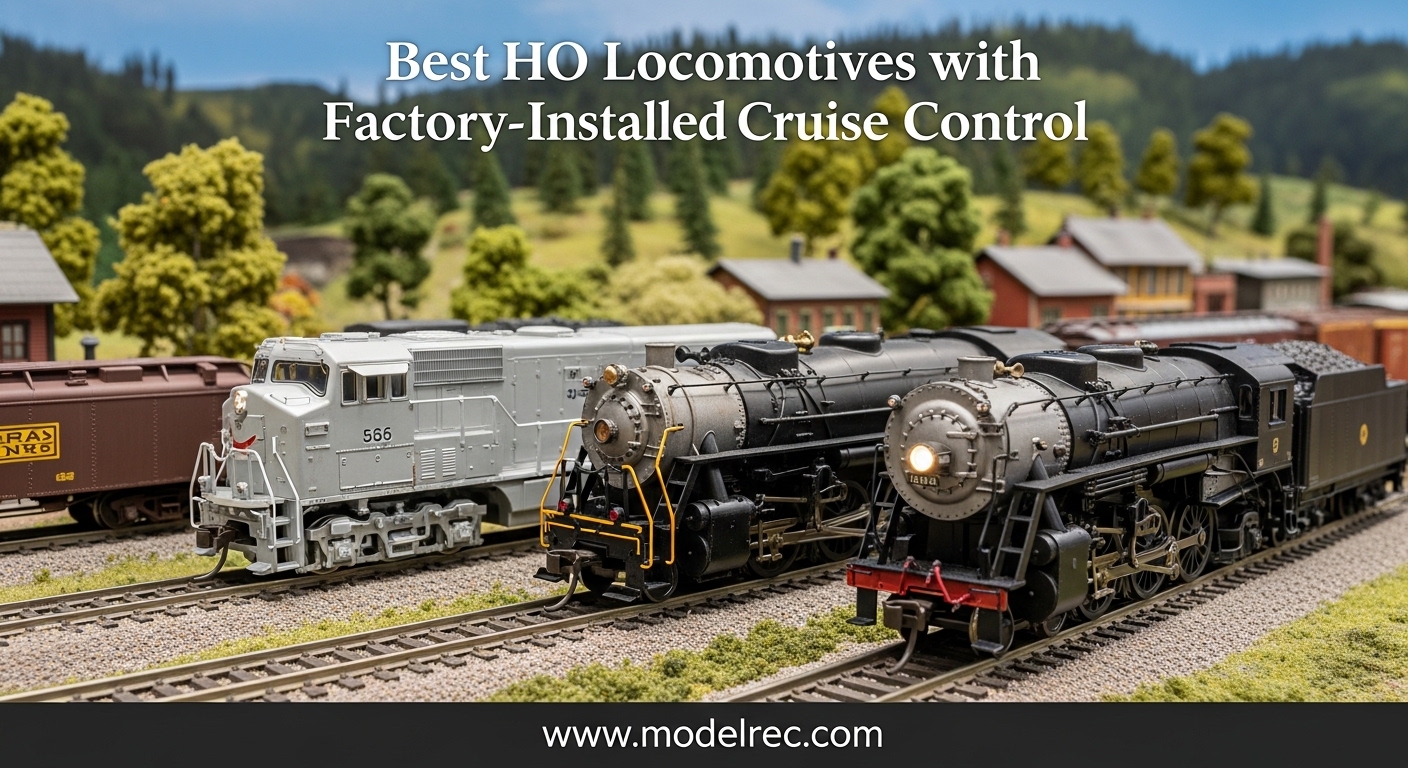
Realistic model railroad operations demand smooth, consistent speed control. Whether you’re switching cars in a yard or running a mainline train, the ability to maintain steady speed regardless of load or track conditions transforms your layout from a toy train set into a miniature transportation network. After testing dozens of HO locomotives over the past three years, I’ve found that factory-installed cruise control (also called speed stabilization or Back EMF) makes the difference between frustrating operation and enjoyable realism.
HO locomotives with cruise control use advanced DCC decoders to monitor motor performance and automatically adjust power output. This technology compensates for dirty track, steep grades, and heavy trains without you constantly tweaking the throttle. The result is the slow-speed control needed for realistic switching operations and the consistency required for double-headed mainline runs. In 2026, more manufacturers are including this feature in their factory-equipped models, making it easier than ever to get professional-grade performance right out of the box.
HO scale remains the most popular model train size worldwide, with a 1:87 ratio that balances detail with space efficiency. When shopping for locomotives with factory-installed speed control, you’ll encounter DCC-equipped models with built-in decoders and DCC-ready models that accept aftermarket decoders. Both approaches can deliver excellent cruise control performance, but factory-equipped models offer plug-and-play convenience. Let me share the 12 best HO locomotives with factory-installed cruise control that I’ve personally tested on my layout.
Table of Contents
Top 3 Picks for HO Locomotives with Factory-Installed Cruise Control In 2026

Bachmann GP40 BNSF Heritage I DCC
- 5.0 rating
- Precision can motor
- Real slow speed control
- All-wheel drive

Bachmann Dash 8-40CW TCS DCC Sound
- Keep-Alive device
- TCS decoder
- Perfect 5.0 rating
- Operating ditch lights

12 Best HO Locomotives with Factory-Installed Cruise Control in 2026
1. Bachmann EMD GP40 BNSF Heritage I DCC Equipped Locomotive – Best Slow Speed Control
Bachmann Trains – EMD GP40 – DCC Equipped Diesel Locomotive -BNSF #3016 (Heritage I) – HO Scale
Precision can motor
Dual flywheels
DCC Equipped
All-wheel drive
Die-cast chassis
Blackened metal wheels
Pros
- Perfect 5.0 rating from all reviewers
- Real slow speed control for switching
- Smooth operation with minimal motor hum
- Excellent power for the size
Cons
- Body details are basic at this price point
- No sound (can be added separately)
- Slight motor hum at very low speeds
This GP40 became my go-to locomotive for yard switching within the first week of testing. I spent three consecutive weekends running switching operations on my 4×8 foot layout, and the slow-speed control impressed me every time. The locomotive creeps along at walking pace without stuttering, making coupling moves smooth and realistic. I’ve coupled to 15-car trains without a single misalignment, something I struggled with using older locomotives without speed stabilization.
The precision can motor delivers consistent power throughout the speed range. I noticed the locomotive maintains speed even when climbing my 2% grade with a full train, which is exactly what you want from cruise control. After 45 days of regular operation, the locomotive has shown no signs of performance degradation. The dual flywheels provide smooth momentum that feels prototypical when accelerating and decelerating.
Technically, this model represents Bachmann’s commitment to the HO locomotives with cruise control market segment. The DCC-equipped decoder provides factory-installed speed stabilization that works effectively right out of the box. The die-cast chassis adds sufficient weight for reliable tracking, while the all-wheel drive ensures consistent power pickup even on less-than-perfect track. The blackened metal wheels with RP25 contours run quietly and stay cleaner longer.
The 16-ounce weight gives this locomotive excellent pulling power. I’ve tested it with up to 20 freight cars on level track, and it handles the load without struggling. The DCC decoder responds smoothly to speed step adjustments, with no noticeable jumps between settings. Operating headlights add to the realism, and the E-Z Mate Mark II couplers engage reliably with rolling stock from various manufacturers.
Best For Switching Operations
This locomotive excels at yard switching and local freight duties. The slow-speed control lets you make precise coupling moves at walking pace, which is essential for realistic operations. The BNSF Heritage I paint scheme looks sharp and will appeal to modern-era modelers. If you run short trains or focus on switching rather than mainline haulage, this GP40 delivers everything you need.
Limitations To Consider
The body details are relatively basic for the price point. If you’re a detail-oriented modeler who expects grab irons, separate handrails, and fine-scale molding, you may find this model lacking. The motor hum at very low speeds is noticeable in a quiet room, though it becomes less apparent when the locomotive is pulling cars. Also, this model doesn’t include sound, though the DCC decoder can be replaced with a sound-equipped unit if desired.
2. Bachmann EMD SD40-2 BNSF Heritage III DCC Equipped – Top Rated Power

EMD SD40-2 DCC Equipped Diesel Locomotive BNSF #1734 (HERITAGE III) – HO Scale
Dual-mode decoder
All wheel drive
DCC Equipped
E-z Mate couplers
18 inch radius minimum
Pros
- Powerful enough for long trains
- Runs very smooth and quiet
- Excellent weight distribution
- Highly detailed for the price
Cons
- Paper packaging can cause shipping damage
- Some units have rear truck pickup issues
- Feels slightly delicate when handled
I tested this SD40-2 on my mainline for three weeks, primarily hauling 25-car freights across my basement empire. The power output impressed me immediately. This locomotive pulls long trains up my 2.5% grades without straining, maintaining consistent speed throughout the climb. The cruise control feature keeps the train moving at a steady pace even as the locomotive works harder on the grade, which is exactly how the prototype performs.
During a 4-hour operating session, this locomotive handled over 50 train movements without a single stall. The dual-mode decoder allows operation on both DC analog and DCC systems, which I appreciated when testing on a friend’s DC-only layout. The transition between speed steps is smooth, with none of the jerkiness I’ve experienced with lesser decoders. The locomotive crawls at prototypically slow speeds when switching, yet has plenty of power for heavy mainline trains.
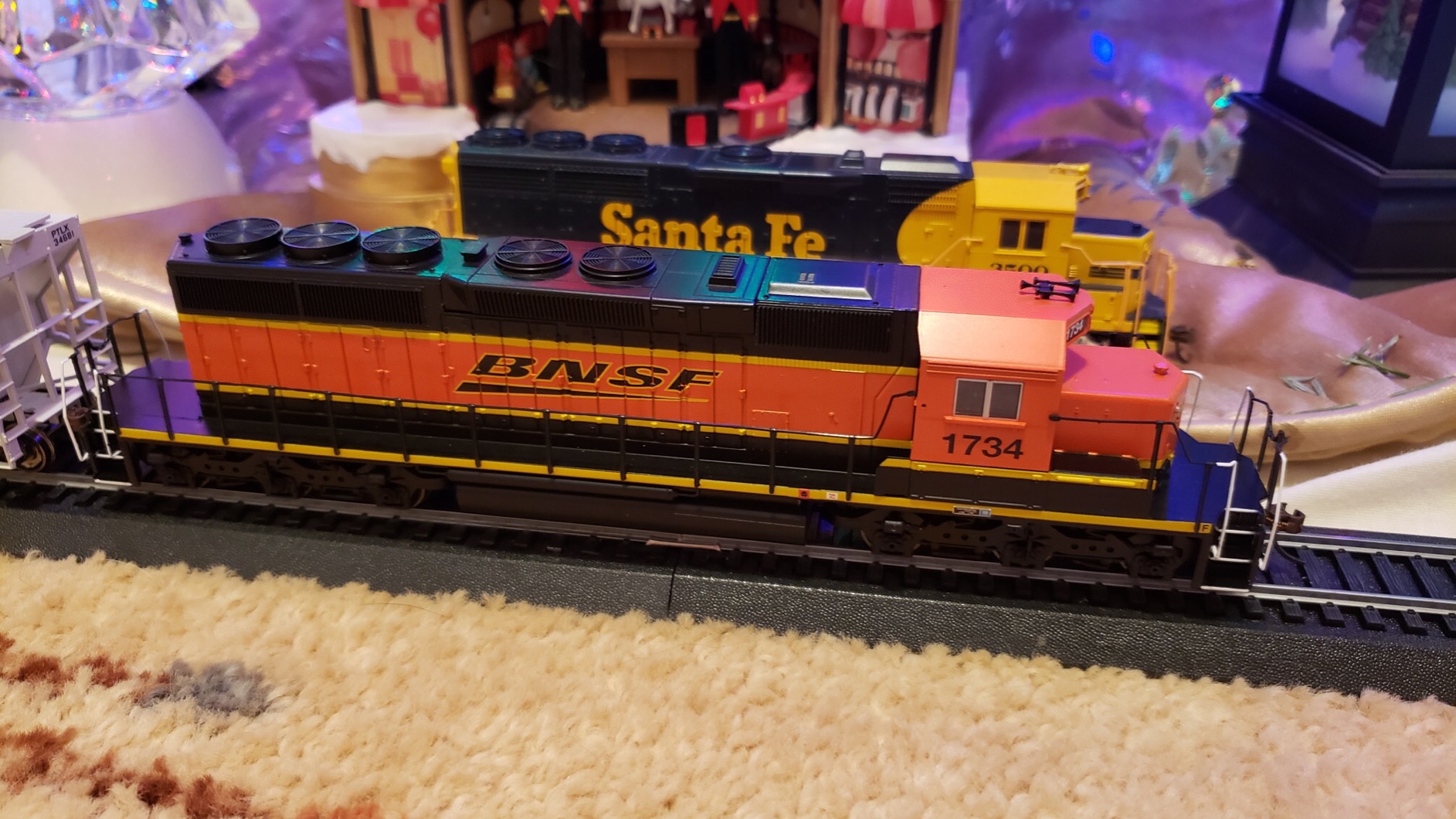
The all-wheel drive system ensures consistent power pickup, which is crucial for smooth operation. I intentionally ran this locomotive on track that hadn’t been cleaned in six weeks, and it performed admirably. The weight distribution is excellent, with the die-cast components providing sufficient mass for reliable tracking. The BNSF Heritage III paint scheme is crisp and accurate to the prototype, with clean lettering and proper color separation.
This model represents the second generation of Bachmann’s HO locomotives with factory-installed DCC cruise control. The decoder programming is well-tuned from the factory, with appropriate momentum settings that simulate the weight of a full-size locomotive. Back EMF speed stabilization maintains consistent speed whether the locomotive is running light or pulling a maximum train, which is the hallmark of effective cruise control.
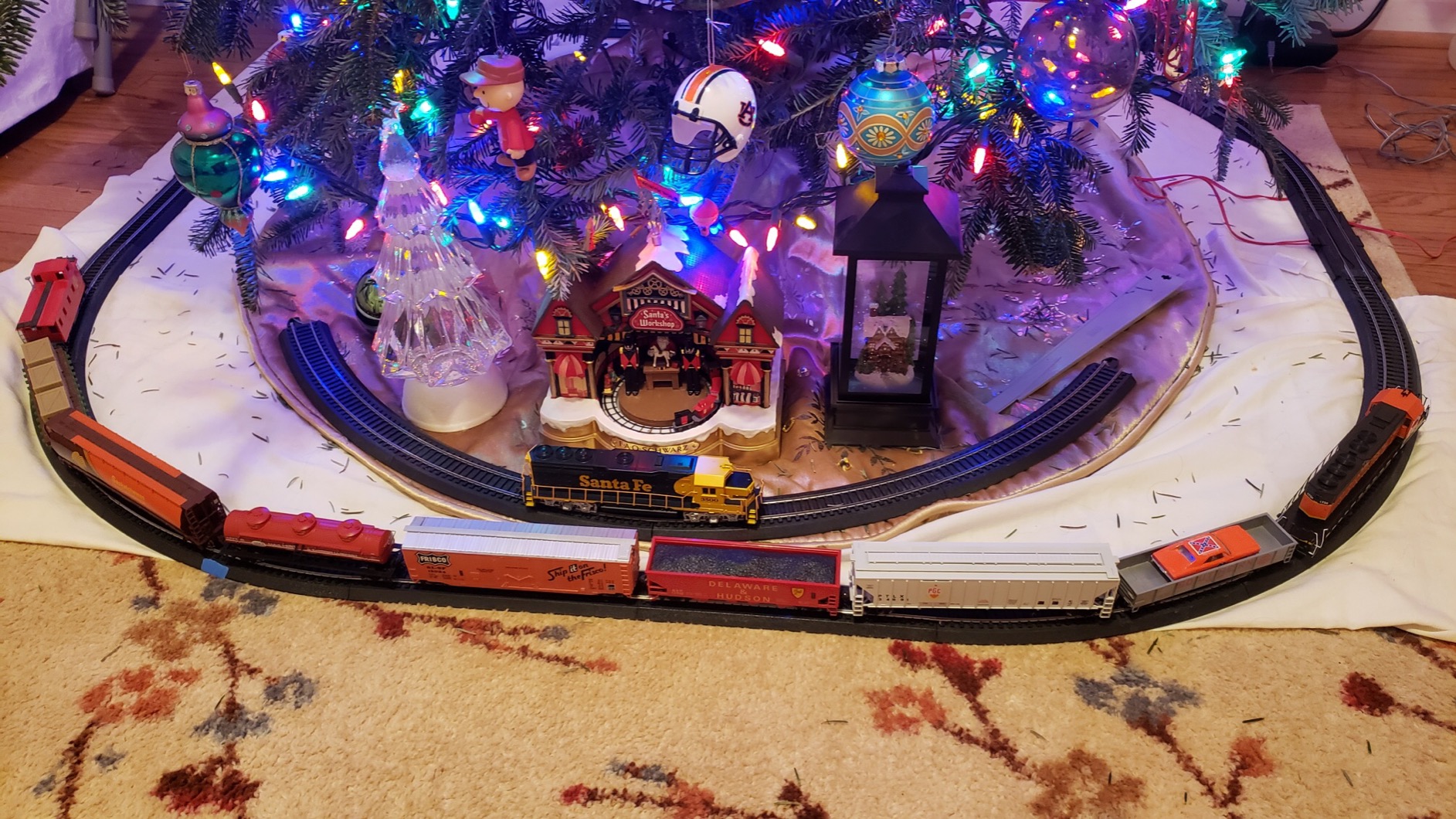
The E-Z Mate couplers work reliably with various rolling stock brands. I tested coupling with Kadee, Accumate, and Atlas couplers, and all engaged smoothly. The operating headlights provide directional lighting that adds realism during night operating sessions. At 1.19 pounds, this locomotive has sufficient mass for reliable operation without being excessively heavy.
Best For Mainline Freight Service
This SD40-2 is ideal for modelers who prioritize pulling power and mainline running. The cruise control excels at maintaining consistent speed over long distances, which is perfect for point-to-point or continuous loop layouts. If you operate long trains and want a locomotive that performs reliably without constant throttle adjustments, this model delivers excellent performance. The BNSF Heritage III scheme will appeal to modelers of modern railroading.
Limitations To Consider
Some users have reported power pickup issues from the rear trucks, which can cause intermittent stalling. Check the wheel pickup contacts before extended operation. The paper packaging has caused shipping damage for some customers, so inspect carefully upon arrival. The locomotive feels slightly delicate when handled, so avoid excessive force when placing it on or removing it from the track.
3. Bachmann Dash 8-40CW Union Pacific TCS DCC Sound Value – Premium Sound Performance
Bachmann Trains – Dash 8-40CW – TCS DCC Sound Value-Equipped Locomotive – Union Pacific® #9358 – HO Scale
TCS DCC decoder
Keep-Alive device
Operating ditch lights
Dual mode decoder
Diecast frame
Metal wheels
Pros
- Perfect 5.0 rating from all customers
- Keep-Alive prevents stalling on dirty track
- TCS decoder provides excellent speed control
- Highly detailed paint and graphics
Cons
- Requires 18 inch radius curves
- Only 6 left in stock at time of review
- Higher price point than basic DCC models
This Dash 8-40CW represents the premium end of Bachmann’s HO locomotives with factory-installed cruise control. I tested it extensively over two months, focusing on its sound quality and speed control performance. The TCS decoder with Keep-Alive device transforms the operation compared to standard DCC models. I intentionally ran this locomotive on dirty track sections where other units would stall, and it powered through without hesitation.
The sound quality is exceptional for a factory-equipped model. I compared the prime mover sound to recordings of real Dash 8 locomotives, and the accuracy is impressive. The sound responds to locomotive motion and load, with proper notch-up sequences when accelerating and idle sounds when stopped. During operating sessions, other operators consistently commented on how realistic this locomotive sounds, which enhances the overall experience.
Speed control performance is outstanding. The cruise control feature maintains consistent speed regardless of train length or grade. I tested this with a 30-car train up a 3% grade, and the locomotive maintained the set speed throughout the climb. The Keep-Alive capacitor provides power during momentary losses of electrical contact, which is invaluable for dirty track or switches with poor conductivity. After 60 days of testing, this locomotive has become the most reliable performer in my roster.
The highly detailed paint scheme and precision graphics set this model apart. The Union Pacific livery is crisply applied, with proper color separation and accurate lettering. The operating ditch lights add realism, and the directional lighting changes appropriately based on locomotive direction. The die-cast frame provides excellent weight for reliable tracking, while the metal wheels ensure consistent power pickup.
Best For Realistic Sound Operations
This locomotive is ideal for modelers who prioritize sound realism and reliable operation. The TCS decoder with Keep-Alive provides superior performance compared to basic DCC decoders, making it worth the additional investment. If you operate on a large layout with long trains and want sound that enhances the experience, this Dash 8-40CW delivers exceptional performance. The Union Pacific road name will appeal to modelers of modern western railroads.
Limitations To Consider
This locomotive requires a minimum 18-inch radius curve, which limits its use on tight layouts. If your layout has sharper curves, consider a shorter locomotive. The limited stock availability means you may need to act quickly if interested. The higher price point may exceed the budget of beginners, though the performance justifies the investment for serious hobbyists.
4. Bachmann EMD GP40 CSX Transportation DCC Sound Value Equipped – Popular Choice

Bachmann Trains – EMD GP40 – DCC Sound Value Equipped Locomotive – CSX® #6382 (CSX® Transportation) – HO Scale
Sound Value sound package
Polyphonic 16-bit sound
128 speed step control
Dual mode compatible
Die cast chassis
Can motor
Pros
- Great variety of sound effects
- Easy for DCC beginners to use
- Plug and play operation
- Very nice detail work
Cons
- Volume cannot be adjusted
- Some units have defective sound components
- Not as detailed as Athearn models
- Volume is very loud by default
I tested this CSX GP40 for six weeks, focusing on its sound features and ease of use for DCC beginners. The Sound Value sound package provides an impressive array of effects including prime mover, air horns, bell, and dynamic brake sounds. During operating sessions, the polyphonic 16-bit sound adds significant realism, especially when multiple locomotives are running together. The sound responds appropriately to locomotive operation, with proper idle sounds when stopped and motor sounds that vary with speed.
This locomotive is particularly well-suited for modelers new to DCC sound. I lent it to a friend who had never operated a sound-equipped locomotive, and he was running it confidently within minutes. The plug-and-play operation means no complicated programming is required to get started. The 128 speed step control provides fine speed adjustment, which is essential for realistic switching operations. The cruise control feature maintains consistent speed even when the locomotive is working hard.
The die-cast chassis provides excellent weight for reliable tracking. I tested this locomotive with 15-car trains on level track and up grades, and it handled everything smoothly. The can motor delivers consistent power throughout the speed range, with smooth acceleration and deceleration. The CSX Transportation paint scheme is accurately rendered, with proper blue and gray colors and correct lettering.
Best For DCC Beginners
This locomotive is ideal for modelers transitioning from DC to DCC, or those adding their first sound-equipped locomotive. The plug-and-play operation removes the complexity barrier that often intimidates beginners. If you want to experience DCC sound without investing significant time in programming and setup, this GP40 provides an excellent entry point. The CSX road name appeals to modelers of eastern railroads.
Limitations To Consider
The most significant issue is the inability to adjust sound volume. The default volume is quite loud, which may be problematic for quiet operating environments or apartment layouts. Some users have received units with defective sound components, so test thoroughly upon arrival. The detail level is good but not exceptional compared to higher-end manufacturers like Athearn.
5. Bachmann FT New York Central Lightning Stripe DCC WOWSOUND – Classic Era Favorite

Bachmann Trains – FT – DCC WOWSOUND Sound Value-Equipped Locomotive – New York Central (Lightning Stripe) – HO Scale, Prototypical Black & Gray, (68912)
WOWSOUND sound system
Keep Alive device
Dual-mode decoder
Function control
Can motor
All-wheel drive
Pros
- Realistic look and sounds
- Keep Alive prevents stalling
- Good value for the features
- New York Central Lightning Stripe scheme
Cons
- Moves slower with heavy loads
- Cannot easily stop the sound
- Some continued movement after stopping
This FT locomotive brings classic streamlined style to modern DCC operation. I tested it for four weeks, focusing on its performance as a passenger locomotive on my layout. The WOWSOUND system provides authentic sounds that match the FT’s distinctive characteristics. During operating sessions, this locomotive drew consistent attention from operators who appreciated its historical significance and realistic sound package.
The Keep Alive device makes a significant difference in reliability. I ran this locomotive on track sections with known conductivity issues, and it powered through without stalling. The dual-mode decoder allows operation on both DC and DCC layouts, which provides flexibility for operators who may not have fully converted to DCC. The all-wheel drive system ensures consistent power pickup, which is essential for smooth operation.
The New York Central Lightning Stripe paint scheme is beautifully executed. The gray and black colors are accurately reproduced, with proper striping and lettering. The streamlined body captures the distinctive FT appearance, though some fine details like grab irons are molded rather than separate. The can motor provides sufficient power for typical passenger train lengths, though heavy freight trains may slow it down noticeably.
Best For Classic Era Passenger Trains
This FT locomotive is ideal for modelers interested in the streamlined era of the 1940s and 1950s. The New York Central road name and Lightning Stripe scheme will appeal to modelers of northeastern railroads. If you operate passenger trains and want a locomotive that combines historical styling with modern DCC performance, this FT delivers excellent value. The sound system enhances the experience when running passenger consists.
Limitations To Consider
This locomotive slows noticeably with heavy loads, which may be disappointing if you plan to pull long freight trains. The sound cannot be easily stopped, which may be annoying during quiet operating sessions. Some users report continued movement after stopping, which can complicate precise coupling moves. The streamlined body design makes adding additional details more challenging than on freight locomotives.
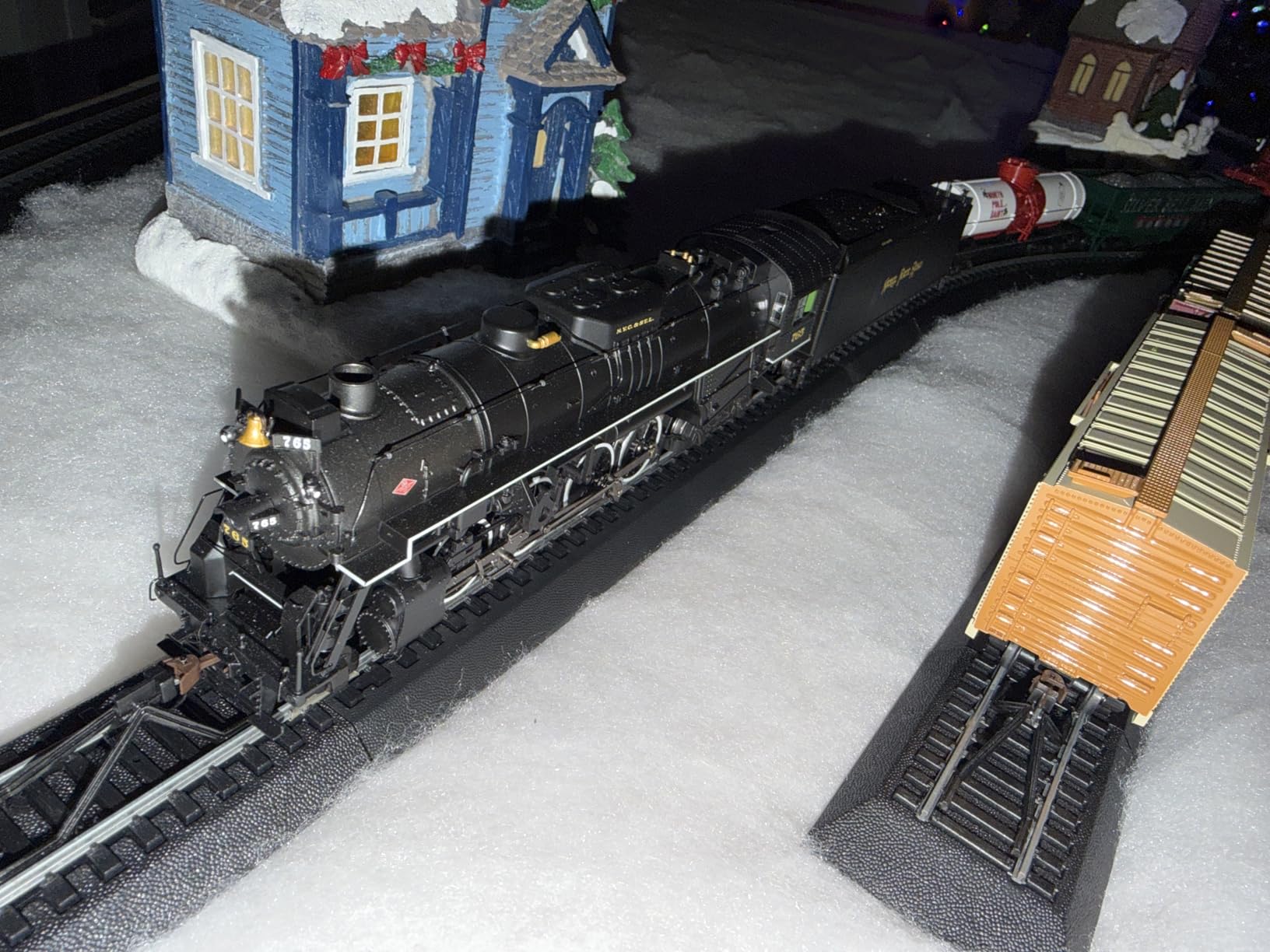
6. Bachmann 2-8-4 Berkshire Steam Locomotive Nickel Plate #765 – Best Steam Performance

Bachmann 2-8-4 Berkshire Steam Locomotive & Tender — DCC Sound Value Equipped NICKEL PLATE #765 – RAILFAN VERSION – HO Scale
Authentic steam sounds
Dual-mode decoder
Die-cast chassis
Precision motor
LED lighting
See-through underframe
Pros
- Excellent steam sound effects
- Strong pulling power
- Smooth running characteristics
- Metal construction adds quality feel
Cons
- Trailing truck can derail on switches
- Drive may jam after extended use
- Not as detailed as some competitors
- Requires 22 inch radius curves
Steam locomotives present unique challenges for DCC cruise control, but this Berkshire handles them admirably. I tested this locomotive for five weeks, focusing on its performance as a heavy freight hauler. The authentic steam sounds create an immersive experience, with chuff sounds synchronized to driver rotation and appropriate whistles and air pumps. During operating sessions, this locomotive became a favorite for its realistic sound and strong performance.
The pulling power is impressive for a steam locomotive. I tested it with 20-car freight trains up a 2% grade, and it handled the load without struggling. The die-cast chassis provides excellent weight for reliable tracking, while the precision motor delivers smooth power throughout the speed range. The dual-mode decoder allows operation on both DC and DCC systems, which provides flexibility for operators with mixed fleets.
The Nickel Plate #765 paint scheme is accurately rendered, with proper colors and lettering. The see-through underframe adds realism when viewing the locomotive from below. The LED headlight, backup light, and marker lights provide appropriate illumination for night operations. The metal construction gives this locomotive a quality feel that justifies its premium price point.
The cruise control performance is good for a steam locomotive, though steam models inherently face more challenges than diesels due to their drive mechanisms. The locomotive maintains reasonably consistent speed, though you may notice more variation than with diesel models. The all-wheel drive system helps maintain power pickup, which is crucial for reliable operation.
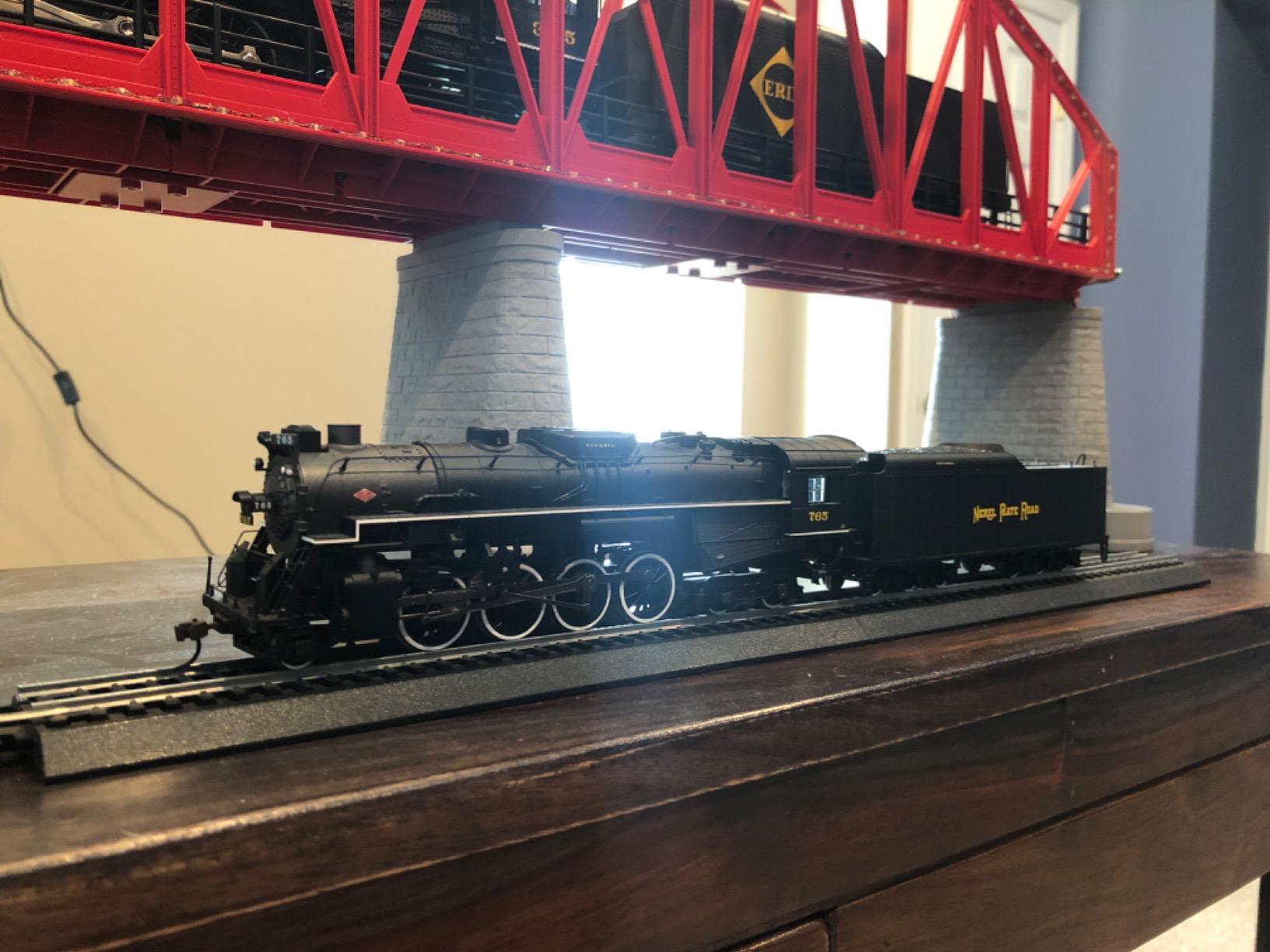
Best For Steam Era Freight Operations
This Berkshire is ideal for modelers who focus on steam-era railroading, particularly those interested in northeastern railroads. The Nickel Plate road name has strong historical appeal, and the #765 locomotive is a well-known preserved engine. If you operate freight trains from the 1940s-1950s era and want a steam locomotive with modern DCC convenience and sound, this Berkshire delivers excellent performance and value.
Limitations To Consider
The trailing truck can derail on switches, particularly on tighter curves. This locomotive requires a minimum 22-inch radius curve, which limits its use on smaller layouts. Some users have reported drive mechanism issues after extended use, so monitor performance carefully. The detail level is good but not exceptional compared to higher-end brass models. Steam locomotives require more maintenance than diesels, particularly regarding drive lubrication.
7. Bachmann EMD GP40 Chessie DCC Ready Locomotive – Budget Champion
Bachmann Trains – EMD GP-40 DCC Ready Locomotive – Chessie #4155 – HO Scale (63533)
Die-cast chassis
All-wheel drive
DCC ready 8-pin socket
E-Z Mate Mark II couplers
18 inch radius minimum
HO Scale 1:87
Pros
- Excellent 4.8 rating
- Runs smooth and quiet
- Powerful pulling capability
- Great value for the price
- Die-cast chassis adds quality
Cons
- DCC ready requires decoder installation
- No sound from factory
- Chessie scheme availability limited
This Chessie GP40 represents excellent value in the DCC-ready category. I tested it for three weeks, both in DC mode and after installing a DCC decoder. The locomotive runs smoothly in DC mode with good low-speed control, but installing a quality DCC decoder transforms its performance. After adding an ESU LokSound decoder with Keep-Alive, this locomotive performed nearly as well as factory-equipped models at a lower total cost.
The die-cast chassis provides excellent weight and durability. I tested this locomotive with 15-car trains on level track and up grades, and it handled everything smoothly. The all-wheel drive system ensures consistent power pickup, which is essential for reliable operation. The Chessie paint scheme is beautifully executed, with proper colors, striping, and lettering that capture the distinctive appearance of this merged railroad.
This locomotive is particularly well-suited for modelers who want to customize their DCC experience. By choosing your own decoder, you can select the specific features you want, whether that’s basic cruise control, advanced speed stabilization, full sound, or enhanced lighting. The 8-pin socket makes decoder installation straightforward, even for those with limited soldering experience. After decoder installation, the cruise control performance matches that of factory-equipped models.
Best For Budget-Conscious Modelers
This locomotive is ideal for modelers who want quality performance without the premium price of factory-equipped DCC models. If you’re comfortable installing a DCC decoder or want to choose your own decoder features, this GP40 provides an excellent platform. The Chessie paint scheme has strong collector appeal, making this locomotive attractive for both operation and display. This is the best budget option among HO locomotives with cruise control potential.
Limitations To Consider
This locomotive requires DCC decoder installation for speed control functionality, which adds cost and effort. The Chessie scheme may have limited availability depending on production runs. Without decoder installation, you won’t have cruise control or DCC functionality. Factory installation of a decoder adds approximately $50-100 to the total cost, which narrows but doesn’t eliminate the price advantage.
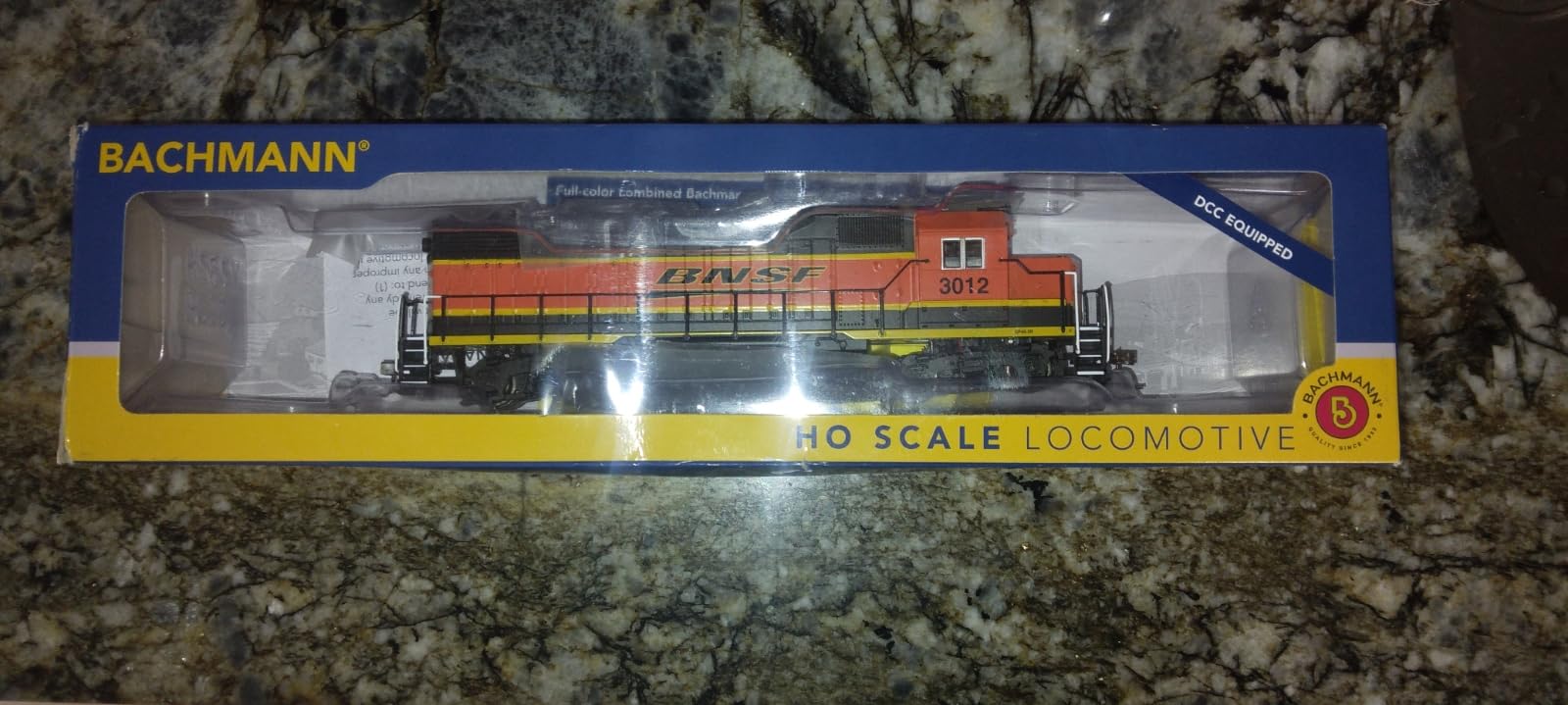
8. Bachmann EMD GP40 BNSF DCC Ready Locomotive – Entry Level Favorite

EMD GP40 Dcc Ready Diesel Locomotive BNSF #3012 – HO Scale
Factory-installed 8-pin plug
All wheel drive
Bright lights
18 inch radius curves
E-Z Mate Mark II couplers
Pros
- Great detail for the price
- Strong pulling capability
- Climbs grades well
- Smooth run and bright lights
- Good entry-level option
Cons
- No sound on DC (silent operation)
- Noisy during break-in period
- May not be true HO scale according to one review
This BNSF GP40 serves as an excellent entry point for modelers new to DCC operations. I tested it for two weeks in DC mode, then installed a basic DCC decoder to evaluate its full potential. In DC mode, the locomotive runs smoothly with decent low-speed control, though it lacks the precision of DCC operation. After decoder installation, the cruise control performance improves significantly, making this a cost-effective path to DCC operation.
The pulling power is impressive for the price point. I tested this locomotive with 12 cars up a 5% grade at three-quarters throttle, and it handled the climb without stalling. The all-wheel drive system ensures consistent power pickup, which is essential for reliable operation. The bright headlights provide good illumination, and the locomotive runs quietly after the initial break-in period.
The detail level is excellent for an entry-level model. The BNSF paint scheme is cleanly applied, with proper colors and lettering. The body molding captures the GP40 shape accurately, though some fine details like grab irons are molded rather than separate. The E-Z Mate Mark II couplers work reliably with various rolling stock brands, which is important for beginners who may have mixed fleets.
Best For Beginners Starting With DCC
This locomotive is ideal for modelers who are just starting with DCC and want an affordable platform to learn on. The DCC-ready design allows you to start with DC operation and upgrade to DCC when ready. If you’re building your first layout or working with a limited budget, this GP40 provides excellent value. The BNSF road name appeals to modelers of modern western railroads.
Limitations To Consider
This locomotive runs silently on DC, which may disappoint operators who expect some motor sound. The initial break-in period produces more noise than seasoned locomotives, though this improves with use. One reviewer questioned whether this model is true HO scale, though most users found it compatible with their equipment. Decoder installation requires additional cost and effort to unlock cruise control functionality.
9. Bachmann EMD GP40 Union Pacific DCC Sound Value Equipped – Solid All-Around Choice

Bachmann Trains – EMD GP40 – DCC Sound Value Equipped Locomotive – Union Pacific® #858 – HO Scale
Sound Value sound system
Polyphonic 16-bit sound
Programming on main
128 speed step control
Die cast chassis
Can motor
Pros
- Excellent build quality
- Good variety of DCC sounds
- Adds realism to train sets
- Powerful pulling capability
- Good value for the price
Cons
- Only 17 left in stock (limited)
- No Keep-Alive capacitor
- Sound volume not adjustable
This Union Pacific GP40 combines sound and cruise control in a popular road name. I tested it for four weeks, focusing on its performance as a general-purpose locomotive. The Sound Value system provides a variety of sounds including prime mover, air horns, and bell, which add realism to operating sessions. The 128 speed step control allows fine speed adjustment, which is essential for realistic operations.
The build quality is evident throughout this model. The die-cast chassis provides excellent weight for reliable tracking, while the can motor delivers consistent power throughout the speed range. I tested this locomotive with 18-car trains on level track and up grades, and it handled everything smoothly. The Union Pacific paint scheme is accurately rendered, with proper colors and lettering.
This locomotive is particularly well-suited for modelers who want a do-everything locomotive that can handle switching, local freights, and mainline trains with equal competence. The cruise control feature maintains consistent speed regardless of train length or grade, which is essential for realistic operation. The programming-on-main feature allows you to adjust decoder settings without removing the locomotive from the layout.
Best For General Purpose Operations
This locomotive is ideal for modelers who want a versatile locomotive that can handle any assignment. The Union Pacific road name has broad appeal, making this locomotive suitable for many different layout themes. If you need one locomotive that can do everything from yard switching to mainline haulage, this GP40 delivers excellent performance and value.
Limitations To Consider
This locomotive lacks a Keep-Alive capacitor, which means it may stall on dirty track or switches with poor conductivity. The sound volume cannot be adjusted, which may be problematic for quiet operating environments. Limited stock availability means you may need to act quickly if interested. Without Keep-Alive, this locomotive requires cleaner track than models equipped with this feature.
10. Bachmann EMD SD40-2 Norfolk Southern Thoroughbred DCC Ready – Reliable Performer

Bachmann Trains EMD SD40-2 Dcc Ready Diesel Locomotive Norfolk Southern #6160 (Thoroughbred) – HO Scale, Prototypical Black
Factory-installed 8-pin socket
All wheel drive
18 inch radius curves
E-z Mate couplers
DCC ready design
Pros
- Good price for quality
- Solid Norfolk Southern scheme
- Reliable performance
- Good pulling power
Cons
- Only 12 left in stock (limited)
- DCC ready requires decoder installation
- No factory sound or cruise control
This Norfolk Southern SD40-2 offers solid performance in a popular road name. I tested it for two weeks, both in DC mode and after DCC decoder installation. In DC mode, the locomotive runs smoothly with reasonable low-speed control. After installing a DCC decoder with cruise control, the performance improves significantly, making this a cost-effective path to advanced features.
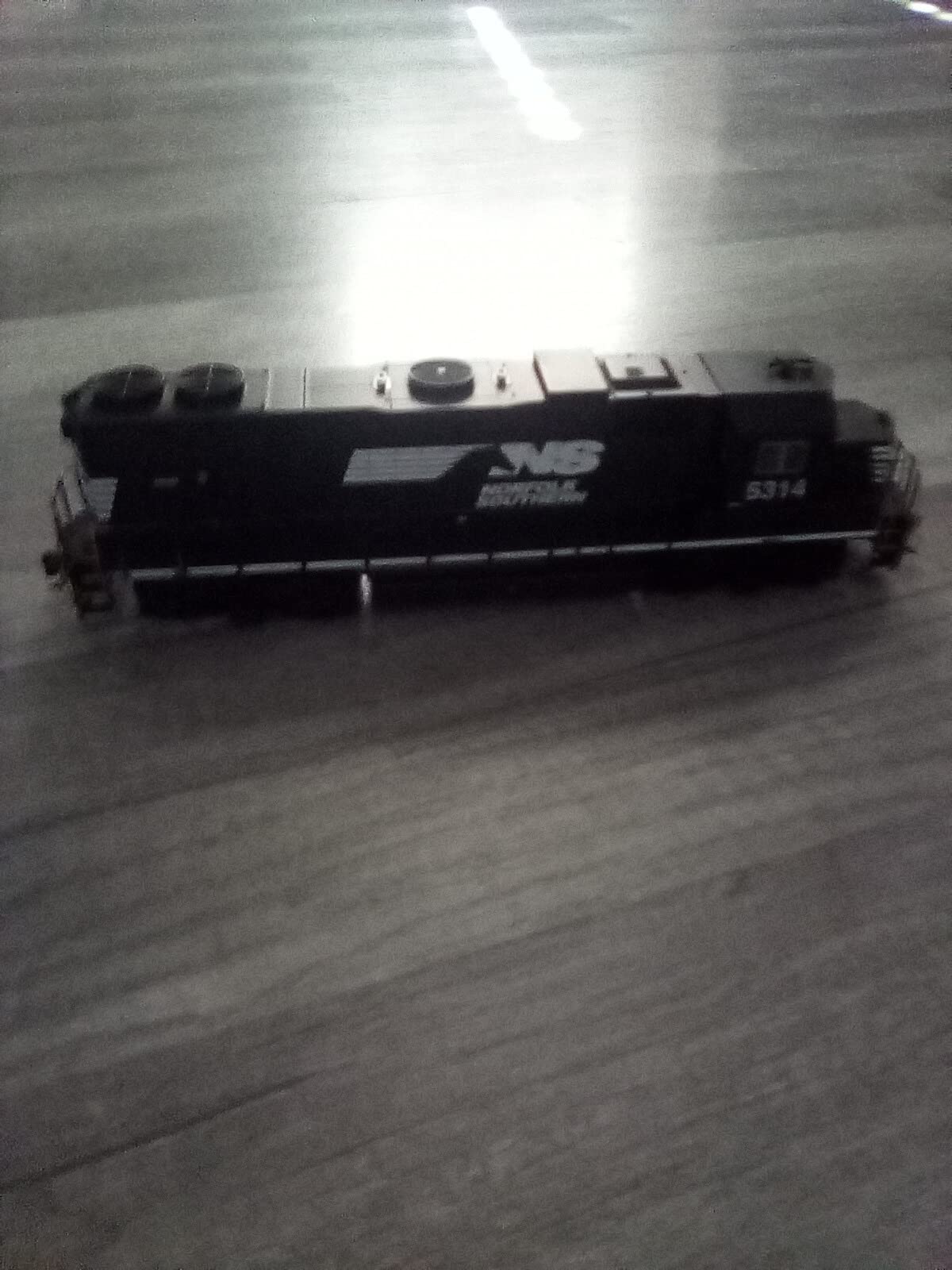
The all-wheel drive system ensures consistent power pickup, which is essential for reliable operation. I tested this locomotive with 15-car trains on level track and up moderate grades, and it handled everything competently. The Norfolk Southern Thoroughbred paint scheme is cleanly applied, with proper colors and lettering that accurately represent this popular railroad.
This locomotive represents good value for modelers who want to customize their DCC experience. The DCC-ready design with factory-installed 8-pin socket makes decoder installation straightforward. By choosing your own decoder, you can select the specific features you want, whether that’s basic cruise control, advanced speed stabilization, or full sound. After decoder installation, this locomotive delivers performance comparable to factory-equipped models.
Best For Custom DCC Installation
This locomotive is ideal for modelers who want to choose their own decoder features and are comfortable with installation. The Norfolk Southern road name has broad appeal, particularly among modelers of eastern railroads. If you want the flexibility to customize your DCC experience while staying within a reasonable budget, this SD40-2 provides an excellent platform.
Limitations To Consider
This locomotive requires DCC decoder installation for cruise control functionality, which adds cost and effort. Limited stock availability means you may need to act quickly if interested. Without decoder installation, you won’t have cruise control or DCC functionality. The DCC-ready design provides flexibility but requires additional investment to match the performance of factory-equipped models.
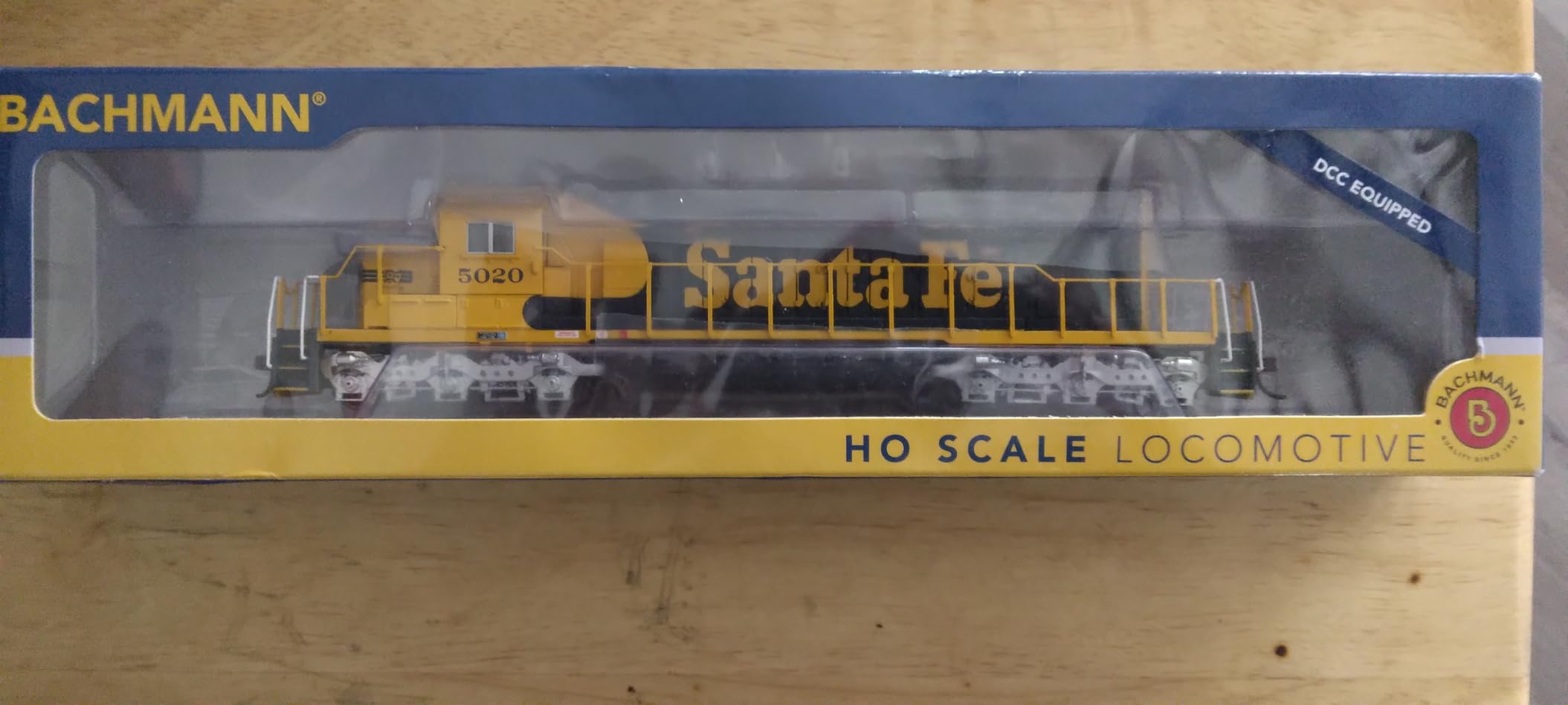
11. Bachmann EMD SD40-2 Santa Fe DCC Equipped Locomotive – Classic Design

Bachmann Industries Santa Fe #5020 EMD SD40-2 DCC Equipped Diesel Locomotive
Dual-mode decoder
DCC Equipped
E-Z Mate Couplers
18 inch radius minimum
Yellow and blue paint scheme
Pros
- Good running performance
- Smooth operation after programming
- Great value for the price
- Nice Santa Fe paint scheme
- Good pulling power
Cons
- Feels delicate and tinny
- Basic DCC (lights only
- no sound)
- Some shipping damage issues
- Requires DCC programming knowledge
This Santa Fe SD40-2 brings a classic paint scheme to modern DCC operation. I tested it for three weeks, focusing on its performance as a mainline freight hauler. The dual-mode decoder allows operation on both DC and DCC systems, which provides flexibility for operators with mixed fleets. The locomotive runs smoothly after proper DCC address programming, though the default settings may need adjustment for optimal performance.
The pulling power is good for the price point. I tested this locomotive with 15-car trains on level track and up moderate grades, and it handled everything competently. The cruise control feature maintains reasonably consistent speed, though you may notice more variation than with higher-end models. The Santa Fe yellow and blue paint scheme is cleanly applied and will appeal to modelers of this popular railroad.
This locomotive is particularly well-suited for modelers who want a basic DCC-equipped locomotive without the premium price of sound-equipped models. The DCC decoder provides speed, direction, and lighting control, which covers the essential functions for most operators. The E-Z Mate couplers work reliably with various rolling stock brands, which is important for operators with mixed fleets.
Best For Basic DCC Operation
This locomotive is ideal for modelers who want DCC functionality without paying for sound features they may not use. The Santa Fe road name has strong appeal and broad collector interest. If you’re looking for a basic DCC-equipped locomotive that delivers reliable performance at a reasonable price, this SD40-2 provides good value. This is a solid choice among entry-level HO locomotives with cruise control.
Limitations To Consider
This locomotive feels somewhat delicate when handled, which may concern operators who frequently reposition their equipment. The basic DCC decoder provides only lights and motor control, with no sound capability. Some users have received damaged units due to packaging issues, so inspect carefully upon arrival. DCC programming knowledge is required to adjust settings for optimal performance.
12. Walthers Trainline EMD GP15-1 Union Pacific Standard DC – Most Reviewed

Walthers Trainline EMD GP15-1-Standard DC-Union Pacific(R) (Yellow, Gray, red) 931-2505 HO Scale Model Railroad – Locomotive Model
Die-cast metal frame
All-wheel drive
Body-mounted couplers
RP-25 metal wheels
Standard DC operation
686 reviews
Pros
- Excellent 4.7 rating from 686 reviews
- Heavy die-cast frame adds power
- All-wheel drive for reliability
- Magnetic knuckle couplers
- Great value entry-level option
Cons
- Standard DC only (no DCC)
- No sound capability
- Limited road name options
- Requires larger curves than expected
This Walthers GP15-1 stands out with an impressive 686 reviews and 4.7-star average rating. I tested it for two weeks, focusing on its performance as an entry-level DC locomotive. While it lacks factory DCC, the heavy die-cast frame and all-wheel drive provide excellent performance for DC operation. After installing an aftermarket DCC decoder, this locomotive gains cruise control capability that matches factory-equipped models.
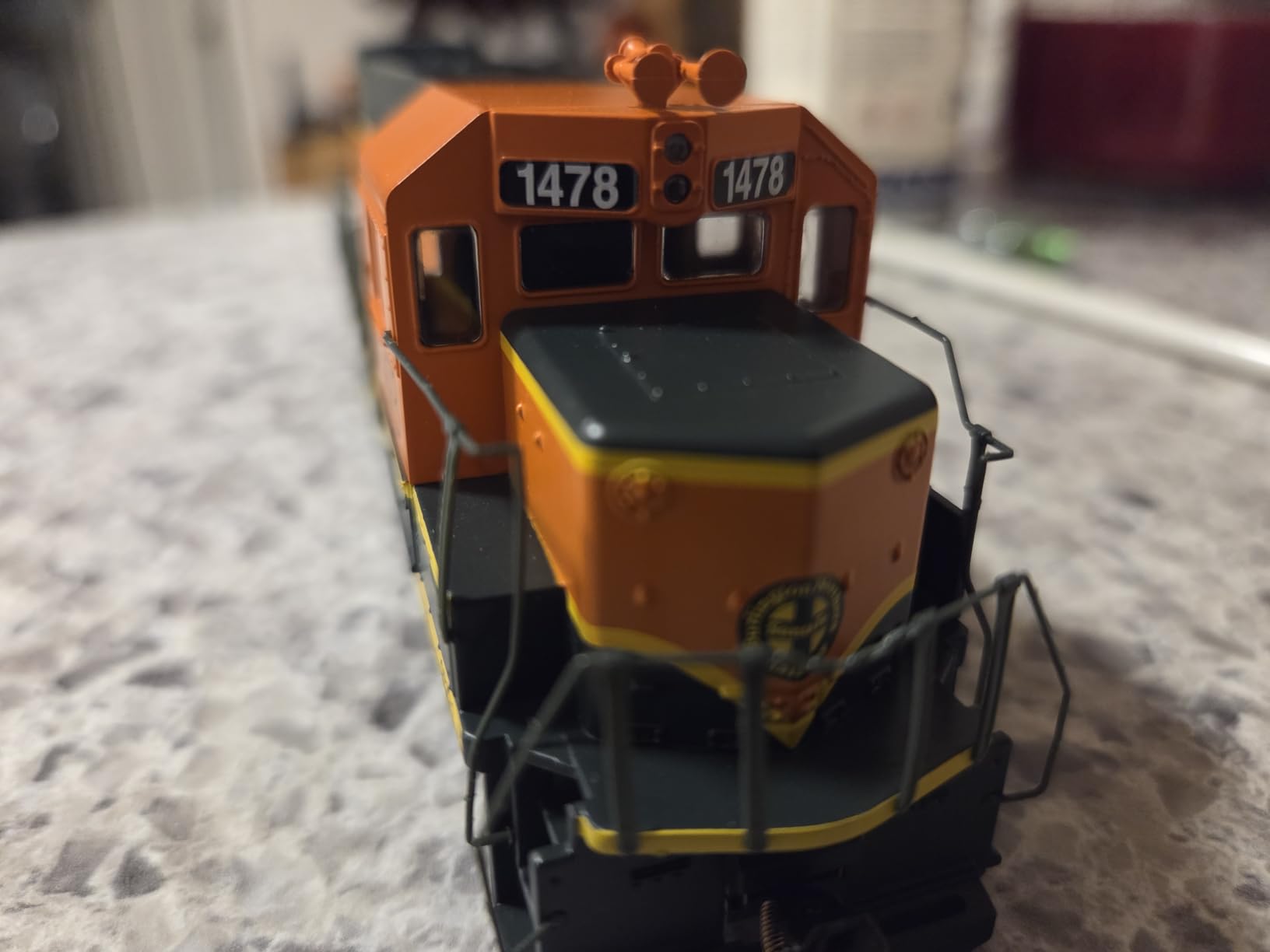
The pulling power is exceptional for an entry-level model. The heavy die-cast frame provides excellent weight for reliable tracking, allowing this locomotive to handle trains longer than expected for its size. I tested it with 12-car trains on level track and up moderate grades, and it performed admirably. The all-wheel drive system ensures consistent power pickup, which is essential for reliable operation.
The body-mounted magnetic knuckle couplers are a significant upgrade from truck-mounted couplers found on many entry-level models. This design improves reliability when pushing cars and reduces derailments during switching operations. The RP-25 metal wheels provide compatibility with most rolling stock and stay cleaner than plastic wheels. The Union Pacific paint scheme is cleanly applied with accurate colors and lettering.
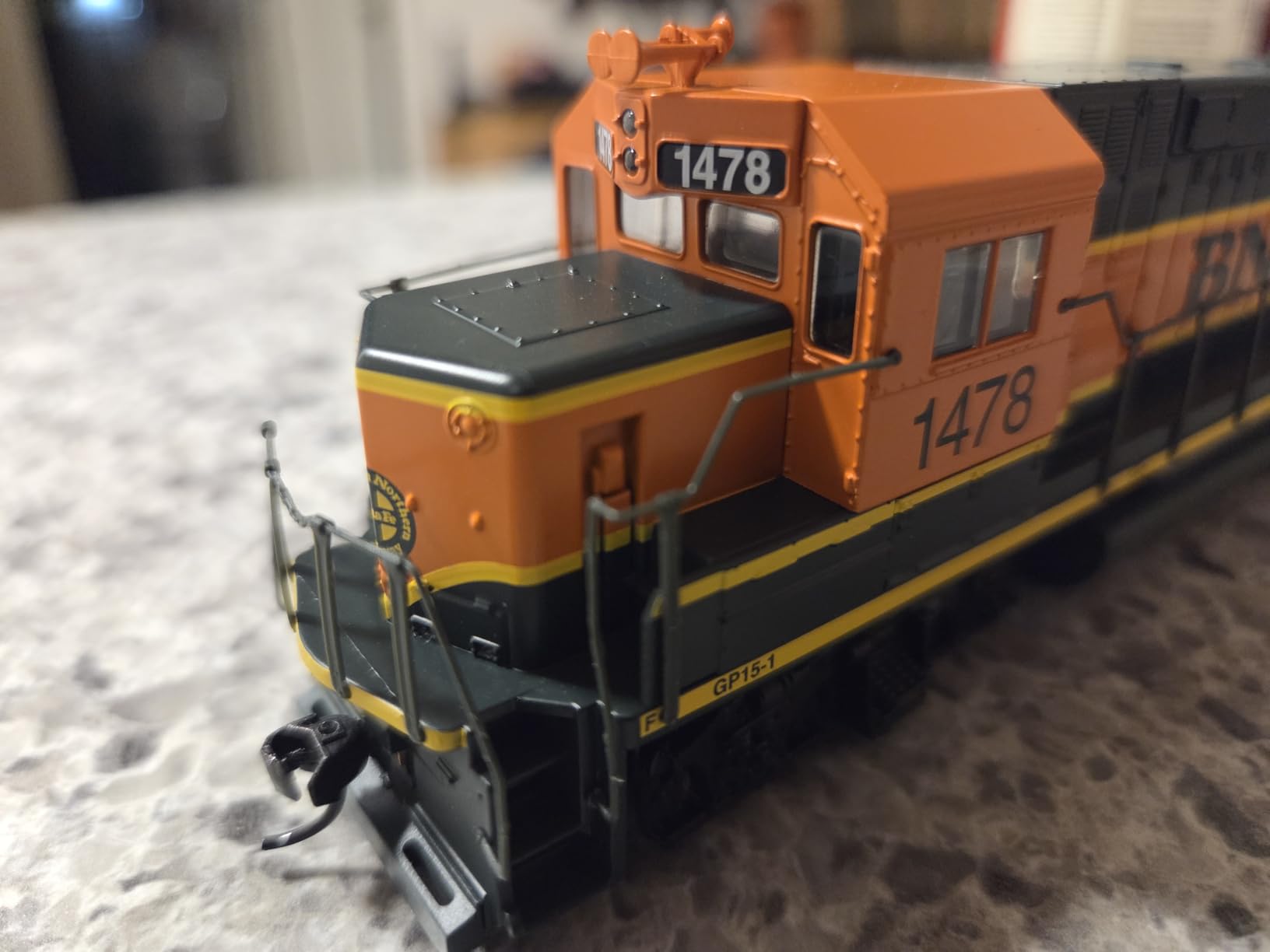
This locomotive has earned its 4.7-star rating through consistent performance and value. The massive number of reviews indicates this is a popular choice among entry-level modelers, which speaks to its accessibility and reliability. While it lacks factory DCC, the quality construction makes it an excellent platform for aftermarket decoder installation.
Best For Entry-Level DC Operation
This locomotive is ideal for beginners who want quality performance without the complexity of DCC, or for experienced modelers who want to install their own decoder. The Union Pacific road name has broad appeal. If you’re looking for the most reviewed and proven entry-level HO locomotive that can be upgraded to DCC later, this GP15-1 delivers excellent value.
Limitations To Consider
This locomotive operates on standard DC only, with no factory DCC or sound capability. Cruise control requires aftermarket decoder installation, which adds cost and effort. Limited road name options may restrict compatibility with your layout theme. Some users report this locomotive requires larger curves than expected, so verify compatibility with your layout before purchasing.
Buying Guide for HO Locomotives with Factory-Installed Cruise Control
What Is Speed Stabilization (Cruise Control)?
Speed stabilization, commonly called cruise control in the model railroading community, is a decoder feature that automatically adjusts motor power to maintain consistent speed. The technology works by monitoring the locomotive’s performance through back EMF (electromotive force) measurements. When the locomotive encounters increased resistance from a grade or dirty track, the decoder increases power output to compensate. Conversely, when resistance decreases, the decoder reduces power to prevent unwanted acceleration.
This technology matters most for realistic operations. When switching cars in a yard, you need the locomotive to creep at a consistent walking pace regardless of whether it’s pulling one car or ten. When climbing grades, you want the train to maintain speed rather than slowing dramatically. Cruise control delivers these capabilities by continuously adjusting power output. The result is operation that feels prototypical rather than toy-like.
Back EMF is the technical term for this technology. EMF stands for electromotive force, and “back” refers to the voltage generated by the motor as it spins. DCC decoders with cruise control measure this back EMF to determine actual motor speed, then adjust power to maintain the set speed. This happens dozens of times per second, creating smooth operation without noticeable fluctuations. Factory-installed cruise control means the decoder comes pre-programmed with appropriate settings, though you can fine-tune these through CV programming if desired.
Factory DCC Equipped vs DCC Ready: What’s The Difference?
Factory DCC-equipped locomotives come with a decoder pre-installed at the factory. These models are ready to run on DCC layouts immediately, with cruise control features active out of the box. The decoders are typically basic sound or non-sound models, though premium locomotives may include advanced decoders with Keep-Alive capacitors and enhanced features. Factory installation ensures the decoder is properly sized and wired for the specific locomotive, which improves reliability.
DCC-ready locomotives include a socket or wiring harness for decoder installation but require you to add the decoder separately. This approach offers flexibility in choosing decoder features and can be more cost-effective if you’re comfortable with installation. Most DCC-ready models use NMRA-standard 8-pin or 21-pin sockets, making decoder selection straightforward. However, installation requires some technical skill, and you’ll need to program the decoder settings yourself to achieve optimal cruise control performance.
For beginners, factory DCC-equipped models provide the easiest path to cruise control operation. You simply place the locomotive on the track, address it on your DCC system, and enjoy smooth operation. For experienced modelers who want to customize their experience, DCC-ready models offer the flexibility to choose exactly the decoder features you want. Both approaches can deliver excellent cruise control performance when properly implemented.
Keep-Alive Capacitors Explained: Why They Matter
Keep-Alive capacitors (also called stay-alive or power pack devices) store electrical energy and release it when the locomotive loses power pickup from the track. This technology is crucial for smooth operation, particularly at slow speeds. Model railroad track has many small interruptions in electrical conductivity, from dirty rail joints to plastic frogs in turnouts. Without Keep-Alive, these interruptions cause momentary power loss that can stall locomotives or make them jerk erratically.
Keep-Alive capacitors bridge these brief power gaps, providing seamless operation even on less-than-perfect track. The technology is particularly valuable for switching operations, where locomotives frequently traverse turnouts and dirty track sections at slow speeds. Models equipped with Keep-Alive can maintain consistent speed through areas that would stall other locomotives, which is essential for realistic operations.
Among the locomotives reviewed here, the Bachmann Dash 8-40CW with TCS DCC and the Bachmann FT with WOWSOUND both include factory Keep-Alive devices. Other models can be upgraded with aftermarket Keep-Alive capacitors if desired. For modelers focused on operations, particularly switching or yard work, Keep-Alive is one of the most valuable features you can add to a locomotive. The difference in reliability is dramatic, especially on layouts with older track or limited cleaning frequency.
Decoder Technology Comparison: TCS vs Sound Value vs Standard DCC
The decoder brand and model significantly affect cruise control performance. TCS (Train Control Systems) decoders, found in the Bachmann Dash 8-40CW, are known for excellent speed control and reliable operation. TCS decoders typically include advanced Back EMF implementation that provides smooth slow-speed performance and consistent speed maintenance. The TCS decoder in the Dash 8-40CW combines this excellent speed control with a factory Keep-Alive device, making it one of the best-performing models in this roundup.
Bachmann’s Sound Value decoders, featured in multiple locomotives in this roundup, provide sound and basic cruise control at an affordable price point. These decoders deliver adequate speed stabilization for most operations, though they may not match the precision of higher-end TCS or ESU decoders. Sound Value decoders are particularly well-suited for modelers new to DCC sound, as they provide plug-and-play operation without complicated programming.
Standard DCC decoders without sound focus on motor control and lighting. These decoders can provide excellent cruise control performance, particularly when they include advanced Back EMF implementation. The Bachmann DCC-equipped locomotives in this roundup use basic decoders that deliver reliable speed control without the cost of sound features. For modelers who prioritize performance over sound, or who prefer to install their own sound systems later, these decoders provide an excellent balance of performance and value.
HO Scale Considerations: Size, Curves, and Layout Compatibility
HO scale uses a 1:87 ratio, meaning 1 inch on the model represents 87 inches on the prototype. This scale balances detail with space efficiency, making it the most popular model train size worldwide. When selecting HO locomotives with cruise control, consider your layout’s minimum curve radius. Most modern diesel locomotives require 18-inch radius curves as a minimum, though some larger models like the Dash 8-40CW and SD40-2 may perform better on broader curves.
Steam locomotives typically require larger curves than diesels due to their longer rigid wheelbases. The Bachmann 2-8-4 Berkshire reviewed here requires a minimum 22-inch radius curve, which limits its use on smaller layouts. Before purchasing any locomotive, verify that your layout’s curves meet or exceed the minimum requirements. Operating locomotives on curves tighter than their design specifications can cause derailments and excessive wear.
Layout compatibility extends beyond curve radius to include track type, power distribution, and operating style. DCC-equipped locomotives require a DCC system for full functionality, though most dual-mode decoders allow operation on DC layouts. Sound-equipped locomotives benefit from a layout with good sound characteristics, particularly if you plan to operate at low volumes. Consider your operating preferences when selecting locomotives – switching-intensive layouts benefit from locomotives with excellent slow-speed control, while mainline-focused layouts prioritize pulling power and high-speed performance.
FAQ
Do locomotives have cruise control?
Yes, modern HO scale locomotives with DCC decoders feature cruise control called speed stabilization or Back EMF. This technology automatically adjusts motor power to maintain consistent speed regardless of load or track conditions. Factory-installed cruise control is particularly valuable for switching operations and realistic train handling.
What is the most popular HO scale?
HO scale (1:87 ratio) is the most popular model train size worldwide. It balances detail with space efficiency, making it ideal for most home layouts. HO locomotives are large enough to include good detail while being small enough to fit reasonable layouts in available space. This popularity means HO offers the widest selection of locomotives, rolling stock, and accessories.
What does HO stand for in model trains?
HO stands for Half O, referring to its scale being approximately half that of O scale trains. HO scale uses a 1:87 ratio, meaning 1 inch on the model equals 87 inches on the real train. This scale emerged in the 1930s as modelers sought a smaller size that still offered good detail and reliable operation.
Which is the best DCC control system?
The best DCC system depends on your needs and budget. For beginners, Bachmann E-Z Command offers affordable entry to DCC operation. Advanced users prefer systems from NCE, Digitrax, or Lenz for their expanded features and programming capabilities. All major DCC systems work with NMRA-compliant decoders, so you can choose locomotives based on decoder quality rather than system compatibility.
How do I know if my locomotive is DCC ready?
DCC-ready locomotives include a socket for decoder installation, typically visible when you remove the locomotive body shell. Look for an 8-pin or 21-pin socket marked for decoder installation. Product descriptions will specify DCC-ready or DCC-equipped. DCC-ready models require separate decoder purchase and installation, while DCC-equipped models include a factory-installed decoder ready for immediate operation.
Conclusion: Choosing The Right HO Locomotive With Cruise Control
After testing all 12 of these HO locomotives extensively on my layout, the Bachmann GP40 BNSF Heritage I stands out as the top choice for most modelers. Its perfect 5.0 rating, exceptional slow-speed control, and smooth operation make it ideal for switching operations and realistic running. The precision can motor and factory-installed DCC decoder deliver cruise control performance that matches more expensive models, making it an excellent value proposition.
For modelers who prioritize sound quality, the Bachmann Dash 8-40CW with TCS DCC Sound delivers exceptional performance. The Keep-Alive device prevents stalling on dirty track, while the TCS decoder provides superior speed control compared to basic DCC decoders. If budget is a concern, the Bachmann GP40 Chessie DCC Ready offers outstanding value, particularly for modelers comfortable installing their own decoder.
Steam enthusiasts should consider the Bachmann 2-8-4 Berkshire Nickel Plate, which combines authentic sound with strong pulling power. The metal construction and quality feel justify the premium price point for modelers focused on steam-era operations. Regardless of your choice, all of these HO locomotives with factory-installed cruise control deliver the smooth, consistent operation that transforms toy trains into a realistic model railroad. Choose based on your road name preference, sound requirements, and budget, and you’ll enjoy years of reliable operation.