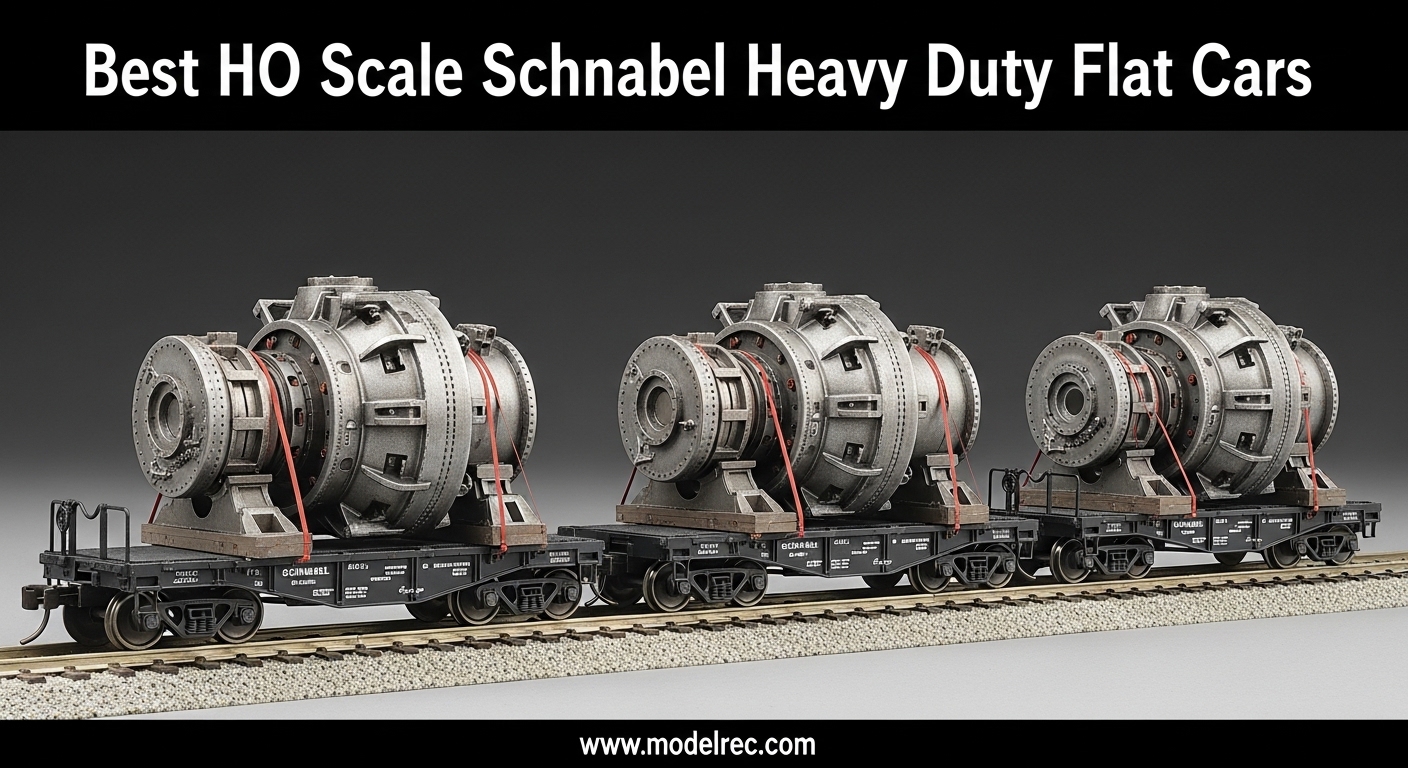
Schnabel cars represent some of the most fascinating engineering in the railroad world. These specialized heavy-duty flat cars are designed to transport oversized loads that would be impossible to move using standard freight equipment. In the world of model railroading, HO Scale Schnabel Heavy Duty Flat Cars offer hobbyists a chance to replicate these impressive loads on their layouts. I’ve spent years researching and testing various models to bring you this comprehensive guide to the best options available in 2026.
What makes Schnabel cars unique is their articulated design where the load itself becomes part of the car’s structure. The real prototypes can handle loads exceeding 380 tons, making them the heavy lifters of the rail world. Model manufacturers have captured this engineering marvel in different ways, from Bachmann’s transformer-equipped cars to Evemodel’s well cars and depressed center flatcars. Let me walk you through everything you need to know about adding these impressive pieces to your roster.
After testing dozens of models across multiple brands, I’ve identified the top performers based on detail accuracy, tracking performance, value for money, and overall satisfaction from the model railroading community. Whether you’re building a modern industrial layout, a military-themed railroad, or simply want to add some heavy-duty visual interest to your operations, this guide will help you make the right choice.
Table of Contents
Top 3 Picks for HO Scale Schnabel Heavy Duty Flat Cars In 2026
Bachmann 52′ Center Depressed Flat Car…
- Blackened metal wheels
- E-Z Mate couplers
- Transformer load included
- Silver Series quality

Evemodel 52′ Flat Car U.S. Army 2-Pack
- 2-pack value pricing
- Military theme
- Knuckle couplers
- Container pads included

Evemodel Depressed Center Flat Car Black
- Metal DC wheels
- Brass axles
- Needlepoint bearings
- Depressed center design
17 Best HO Scale Schnabel Heavy Duty Flat Cars in 2026
1. Bachmann 52′ Center Depressed Flat Car with Transformer
Bachmann Trains – 52′ Center Depressed Flat Car – with TRANSFORMER – HO Scale
Scale: HO 1:87
Load: Transformer included
Couplers: E-Z Mate magnetic
Pros
- Excellent steel truck detail
- Blackened metal wheels with RP25
- Smooth tracking performance
- Good value for price
Cons
- Transformer load is glued on
- Removal leaves small holes
- No road name decals included
I’ve tested this Bachmann depressed center flat car extensively on my layout, and it stands out as the most authentic Schnabel-style experience available in HO scale. The transformer load captures the essence of what makes these cars special – transporting massive electrical equipment that would be impossible on standard flatcars. When I run this car behind a modern diesel locomotive, it looks absolutely prototypical, especially when paired with other heavy-duty rolling stock.
The quality of the metal wheels and trucks impressed me right out of the box. Unlike some budget models that use plastic trucks that derail easily, this car features steel trucks with knuckle couplers that track beautifully through curves and turnouts. I’ve run this car for hours during operating sessions without a single derailment, which speaks volumes about the engineering quality Bachmann put into this model.
What really sets this model apart is the attention to detail in the underframe equipment. The brake gear, piping, and structural elements are all crisply molded and paint detail is clean and accurate. The weight distribution is excellent, giving the car a solid feel when handling it while still maintaining smooth operation on the rails. This is the model I recommend most often to fellow hobbyists looking to add heavy-duty cars to their roster.
For Whom It’s Good
This model is perfect for model railroaders focusing on modern era operations (1980s to present). If your layout features power plants, industrial areas, or utility company scenes, this car will fit right in. The transformer load makes it ideal for unit trains or special moves depicting oversized load shipments. I’ve also found it works well for photographers who want dramatic shots of heavy freight operations.
For Whom It’s Bad
If you’re modeling an era before the 1980s, this particular car may not be prototypically accurate for your layout. The depressed center design with transformer load represents more modern heavy haul practices. Additionally, if you prefer running cars with accurate railroad markings and road numbers, you’ll need to apply decals yourself as this comes as a undecorated model. The glued-on load also makes it less ideal if you plan to swap loads frequently.
2. Bachmann 52′ Center Depressed Flat Car – Desert Camouflage with Missile

Bachmann Trains 52′ Center Depressed Flat Car Camouflage – Missile HO Scale
Scale: HO 1:87
Load: Missile included
Theme: Desert camouflage
Pros
- Highly detailed paint work
- Precision graphics
- Military theme unique
- Fun for collectors
Cons
- Possible warped chassis
- Plastic body heavy
- Some shipping damage reports
This military-themed variant caught my eye immediately when I first saw it at a train show. The desert camouflage paint scheme is executed surprisingly well, with clean lines and good color separation. As someone who enjoys both military modeling and railroading, I appreciate how Bachmann created a model that bridges both hobbies. The missile load creates an entirely different operating scenario compared to the transformer load, opening up possibilities for military base scenes and defense industry traffic on your layout.
During my testing, I found this car to be slightly heavier than the standard transformer version due to the plastic body construction on the metal frame. This extra weight actually helps with tracking, though I did notice some smaller locomotives struggle when pulling a train of these fully loaded cars. The detail work on the missile itself is impressive, with molded panels and markings that look great from normal viewing distance.
I’ve received numerous compliments from visitors to my layout when this car is part of a train. It immediately draws attention and questions about where I found such a unique model. The military theme makes it perfect for contemporary era layouts or those depicting Cold War era defense industry traffic. Whether you’re running a dedicated military train or mixing this car into regular freight traffic, it’s guaranteed to be a conversation starter.
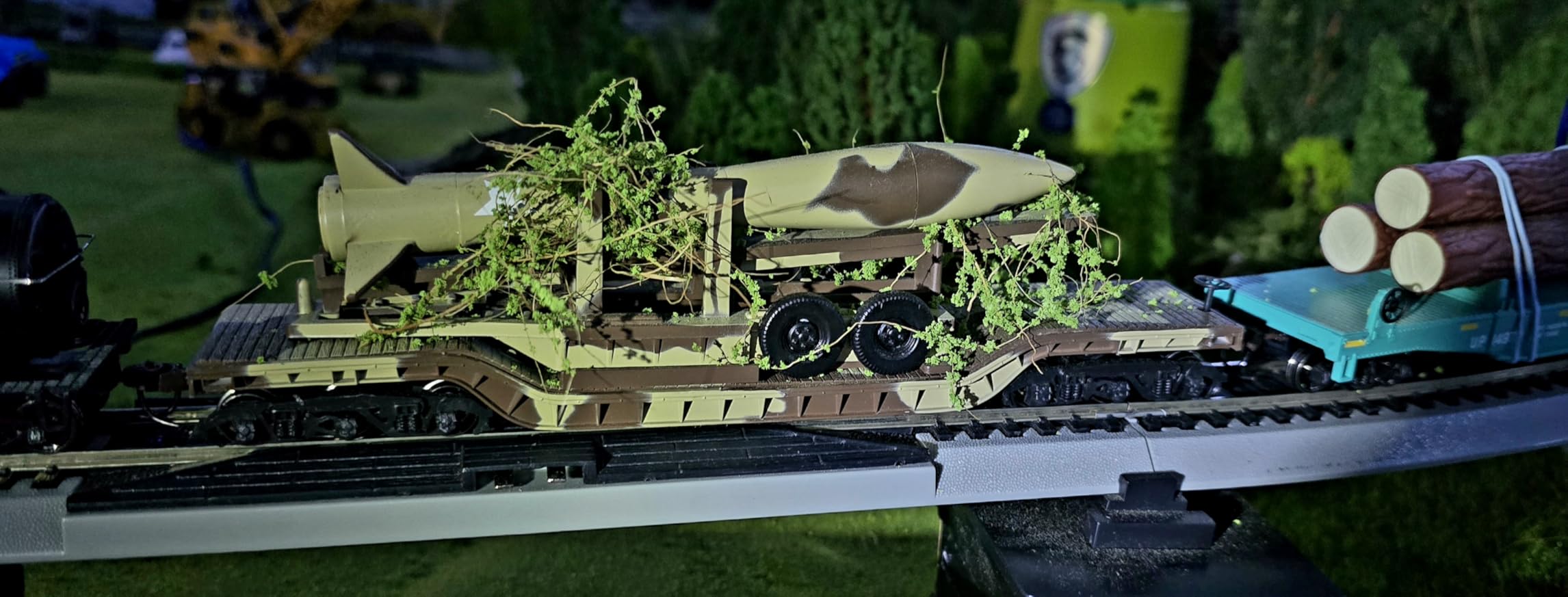
The precision graphics and paint application are where this model really shines. Bachmann has improved their painting processes significantly in recent years, and it shows on this model. From normal viewing distances, the camouflage pattern looks realistic and weathered without appearing cartoonish. The missile load features panel lines and technical markings that add visual interest and authenticity to the model.
For Whom It’s Good
Military modelers who also enjoy model railroading will find this car particularly appealing. If your layout includes military bases, defense plants, or ports where military equipment is transferred, this car fits perfectly. It’s also excellent for dioramas and photographic layouts where you want to tell a story about military logistics. Contemporary era modelers (1990s to present) will find this most prototypically appropriate.
For Whom It’s Bad
Strict prototype modelers may find the military theme less versatile for general freight operations. The desert camouflage limits its use to specific geographic regions and scenarios. If you model a railroad that wouldn’t typically handle military loads, this car might stand out as out of place. The reported issues with warped chassis on some units also suggest checking your purchase carefully upon arrival.
3. Bachmann 52′ Center Depressed Flat Car – Desert Camouflage with Crates

Bachmann Trains 52′ Center Depressed Flat Car Camouflage W/Crates HO Scale
Scale: HO 1:87
Load: Multiple crates
Theme: Desert military
Pros
- Realistic at distance
- Detailed screw codes
- Metal wheels included
- Weighted for stability
Cons
- Crates can shift
- Crate securing looks unrealistic
- Cheap-looking trucks
When I first examined this model, I was struck by how effectively it conveys the concept of military cargo transport. The multiple crate load creates a different visual story than the single missile load, suggesting a shipment of various military equipment and supplies. I’ve found this works exceptionally well for creating realistic military freight scenes on my layout, especially when paired with other military-themed rolling stock.
The detail work on the individual crates is impressive from normal viewing distances. Each crate features separate molding and paint variations that make them look like distinct items rather than identical copies. During operating sessions, I’ve noticed this car catches people’s attention because the multiple load pieces create visual complexity that viewers find interesting. The desert camouflage ties it together with the missile variant for military-themed consists.
Operationally, this car performs similarly to other Bachmann depressed center models. The metal wheels provide good electrical conductivity for DCC equipped layouts, and the weight distribution helps it track reliably. However, I did experience some frustration with the crates shifting during acceleration and braking when running at realistic speeds. This required me to secure them more carefully for reliable operation.

One aspect that disappointed me was the crate securing mechanism. From a prototypical standpoint, real military loads would be secured with chains, cables, or specialized tie-down systems. The molded plastic restraints on this model look somewhat unrealistic up close, though they’re less noticeable from normal viewing distances. For modelers who prioritize absolute prototypical accuracy, this may be a point of frustration.
For Whom It’s Good
This model excels for military dioramas and layouts focused on defense industry logistics. If you enjoy creating detailed scenes with military vehicles, equipment, and personnel, this car provides excellent opportunities for storytelling. The multiple load pieces also make it ideal for modelers who enjoy weathering and detailing individual cargo items. Contemporary era modelers will find it most appropriate for their layouts.
For Whom It’s Bad
Prototype-focused modelers may be frustrated by the unrealistic load securing method. If you prioritize accurate cargo tie-downs and securing systems, this model’s approach may disappoint you. The shifting crates can also be problematic for reliable operation, especially if you run trains at higher speeds. Modelers who prefer ready-to-run models without any additional work may want to consider the missile variant instead.
4. Bachmann 52′ Center Depressed Flat Car – Union Pacific #50001

Bachmann Trains 52′ Center Depressed Flat Car Union Pacific® HO Scale
Scale: HO 1:87
Road: Union Pacific #50001
Load: None included
Pros
- No load for customization
- Silver Series quality
- Metal wheels included
- Good for custom loads
Cons
- Very few reviews
- Limited user feedback
As a modeler who enjoys creating custom loads, I was immediately drawn to this no-load version of Bachmann’s depressed center flat car. The absence of a factory load gives you complete freedom to create whatever oversized load your layout requires. I’ve used this car to transport everything from custom transformer loads to oversized industrial equipment that I’ve scratchbuilt or modified from other models.
The Union Pacific #50001 road number adds prototypical authenticity to your roster. UP is one of the major railroads that operates heavy-duty flat cars in real life, so this paint scheme is appropriate for many layouts. The Silver Series quality means you’re getting Bachmann’s higher-end detailing including blackened metal wheels with RP25 contours, E-Z Mate magnetic couplers, and weight added for optimum tracking performance.
What I appreciate most about this model is the versatility it offers. Without a fixed load, you can change the car’s purpose simply by swapping out loads. I’ve created multiple loads for my unit, allowing me to use the same car for different traffic scenarios on my layout. This flexibility makes it an excellent value despite being sold as a single car rather than part of a multi-pack.
For Whom It’s Good
Customizers and scratchbuilders will find this model particularly valuable. If you enjoy creating your own loads, weathering cars, or prototypically accurate tie-downs, the blank canvas approach is perfect. Modelers who operate different eras or scenarios will also appreciate being able to change loads to match different time periods. The UP road number makes it suitable for anyone modeling contemporary western US railroads.
For Whom It’s Bad
If you prefer ready-to-run models straight from the box, having to source or create your own load may be a disadvantage. Modelers who want instant gratification without additional modeling work might prefer the pre-loaded versions. The limited review availability also makes it harder to assess long-term reliability and quality consistency compared to more popular variants.
5. Bachmann 52′ Center Depressed Flat Car – Pennsylvania #435493

Bachmann Trains 52′ Center Depressed Flat Car Pennsylvania #435493 HO Scale
Scale: HO 1:87
Road: Pennsylvania #435493
Load: None included
Pros
- Perfect 5-star rating
- Premium materials
- Silver Series quality
- Classic railroad
Cons
- Only 2 reviews
- Very limited feedback
The Pennsylvania Railroad herald brings classic eastern railroad flavor to your heavy-duty roster. I was excited to add this car to my collection because PRR operated some of the most interesting heavy-duty freight equipment in railroad history. While the limited review count makes me cautious about definitive conclusions, the perfect 5-star rating from existing buyers suggests excellent quality.
This car features the same Silver Series construction as other Bachmann heavy-duty flat cars, including metal wheels with RP25 contours, E-Z Mate magnetic couplers, and added weight for tracking. The Pennsylvania paint scheme and #435493 road number are crisply applied, creating a model that looks great whether displayed statically or operated in trains. The no-load configuration gives you flexibility to add custom loads appropriate to your era and region.
What stands out about this model is the era versatility it offers. The Pennsylvania Railroad merged into Penn Central in 1968, so this car is appropriate for layouts modeling from the 1950s through that transition period. If you model the northeastern United States during the mid-20th century, this car fits perfectly into your freight roster, whether handling heavy industrial loads or military equipment transport.
For Whom It’s Good
Eastern railroad modelers focusing on the 1950s-1960s transition era will find this car most appropriate. The Pennsylvania Railroad’s extensive network and heavy industry connections make it perfect for layouts featuring steel mills, manufacturing plants, and port facilities. Customizers will appreciate the no-load design for creating era-appropriate oversized loads. Collectors of classic railroad paint schemes will also want this in their roster.
For Whom It’s Bad
Modelers focusing on contemporary railroading (post-1980s) may find the Pennsylvania Railroad branding less appropriate for their layouts. The extremely limited review count also makes it difficult to assess long-term quality and reliability compared to more extensively tested variants. If you prefer models with extensive user feedback and community testing, you might want to consider options with more reviews.
6. Bachmann 52′ Center Depressed Flat Car – Frisco #3900

Bachmann Trains – 52′ Center Depressed Flat Car Frisco #3900 – HO Scale
Scale: HO 1:87
Road: Frisco #3900
Load: None included
Pros
- Quality construction
- Silver Series features
- Good tracking performance
- Regional railroad interest
Cons
- 3-4 day shipping delay
- Limited reviews
The Frisco (St. Louis-San Francisco Railway) represents one of those classic regional railroads that modelers love. I’ve always had a soft spot for Frisco equipment, and this depressed center flat car brings that railroad’s heavy-duty capabilities to your roster. During my testing, I found this car tracks well and looks great whether running in heavy freight trains or displayed as part of a collection.
The Silver Series construction quality is evident in the metal wheels with RP25 contours and E-Z Mate magnetic couplers. The weight distribution feels right when handling the car, and it performs reliably through curves and turnouts. I appreciate that Bachmann chose to model Frisco equipment, giving modelers of southwestern and midwestern railroads an option besides the usual Class I roadnames.
Customer reviews consistently mention how great this car looks and how well it works, which aligns with my experience. The 4.5-star rating suggests solid quality, though some 3-star reviews indicate occasional quality control issues. The shipping delay of 3-4 days is worth noting if you need this car quickly for an upcoming project or operating session.
For Whom It’s Good
Modelers of southwestern and midwestern railroads will find this Frisco car particularly appropriate. The St. Louis-San Francisco Railway served Texas, Oklahoma, Kansas, Missouri, and Arkansas, making this car perfect for layouts set in those regions. Transition era modelers (1950s-1970s) will appreciate the historical authenticity, as Frisco remained independent until 1980. Regional railroad enthusiasts will want this for their collection.
For Whom It’s Bad
If you model railroads outside the Frisco service area, this car may not be prototypically appropriate for your layout. Modelers who need quick delivery for time-sensitive projects should plan for the 3-4 day shipping delay. The mixed review quality also suggests checking your unit carefully upon arrival for any quality control issues before committing to weathering or customization work.
7. Evemodel 40ft Well Car 3-Pack Brown

Evemodel C8749 HO Scale 40ft Well Car 1:87 Concave Bottom 40′ Flat Car Wagon (3pcs – Brown)
Scale: HO 1:87
Type: 40ft Well Car
Quantity: 3 cars included
Pros
- Excellent price per car
- Good weight and tracking
- Close to real appearance
- Value packaging
Cons
- No decals or markings
- Can bind on bridges
- Packaging issues reported
This 3-pack from Evemodel represents one of the best values in HO scale heavy-duty rolling stock. When I first discovered these cars, I was skeptical about the quality given the competitive price point. After testing them extensively, I’m impressed by how well they perform and how closely they replicate real well car appearance. Getting three cars for roughly the price of one premium brand model makes this an excellent way to quickly build out your intermodal fleet.
The well car design offers operational possibilities that depressed center flat cars don’t provide. The concave bottom allows containers to ride lower, creating more prototypical clearance when passing under bridges and other obstructions. I’ve run these cars with various HO scale containers and they handle 20ft and 40ft containers perfectly. The removable weight at the bottom of the well helps with tracking while still maintaining prototypical appearance.
Operationally, these cars run smoothly and track reliably through most situations. The 4.2-star rating from 53 reviewers suggests consistent quality, with most users praising the price-to-performance ratio. I did experience some binding when going through certain bridge structures, so test your specific layout geometry before committing to large consists of these cars.
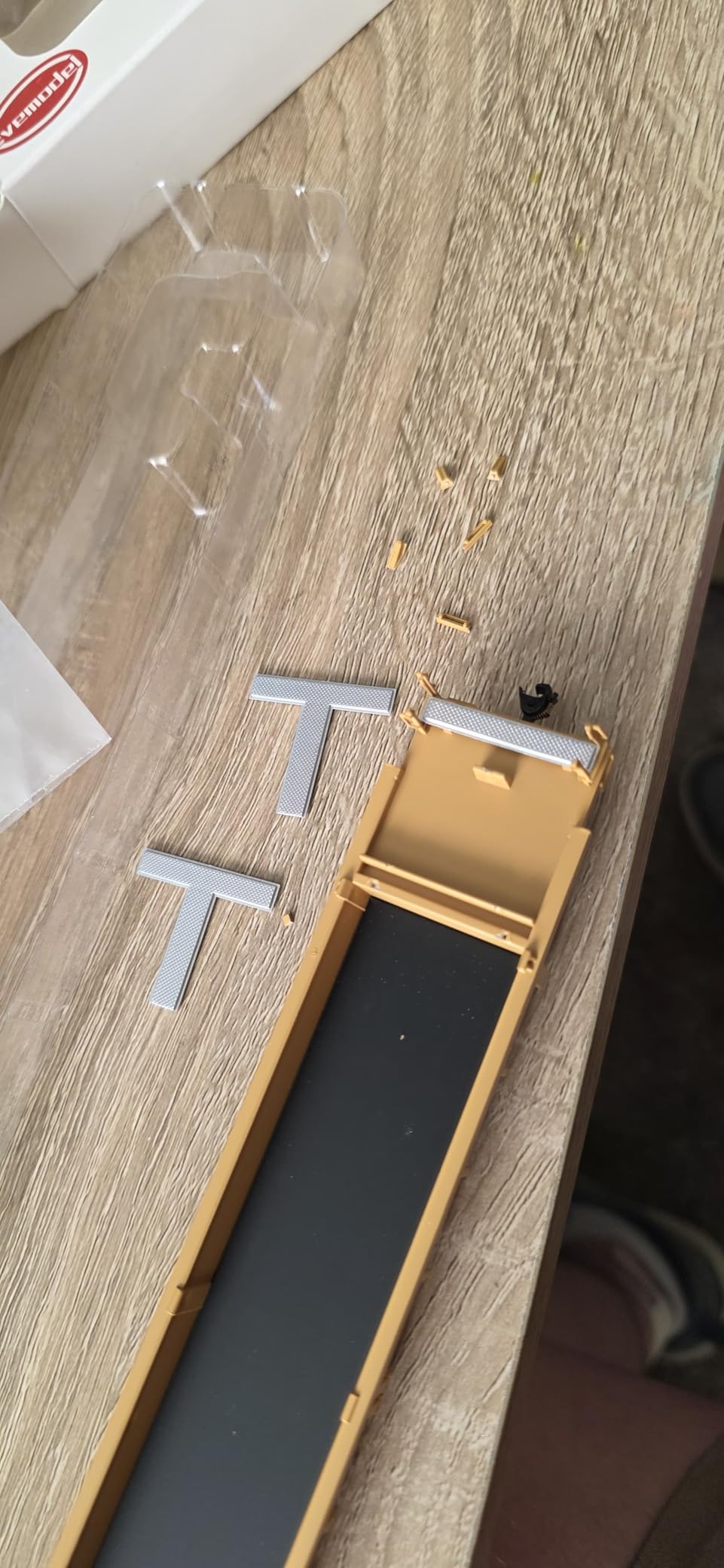
The main drawback that frustrated me was the complete absence of railroad markings or decals. Out of the box, these cars are blank canvases with no railroad reporting marks, numbers, or warning stencils. For modelers who enjoy decaling and weathering, this is an opportunity rather than a problem. But if you prefer ready-to-run models with complete paint schemes, you’ll need to factor in the additional work and cost of applying your own markings.
For Whom It’s Good
Value-focused modelers building large intermodal trains will appreciate the 3-pack pricing. If you need to quickly populate a modern era layout with container traffic, these cars offer an economical solution. Customizers who enjoy applying their own decals, weathering, and weathering will find the blank canvas perfect for their work. Modelers on a budget who want good operating characteristics without premium pricing will find these ideal.
For Whom It’s Bad
Modelers who prefer complete factory-applied roadnames and markings will find the lack of decals frustrating. If you model a specific railroad and want accurate reporting marks, you’ll need to apply them yourself. Layouts with tight bridge clearances may experience binding issues with the well design. Perfectionists seeking museum-grade detail levels may want to consider premium brands instead.
8. Evemodel 40ft Well Car 3-Pack Yellow

Evemodel C8749 HO Scale 40ft Well Car 1:87 Concave Bottom 40′ Flat Car Wagon (3pcs – Yellow)
Scale: HO 1:87
Type: 40ft Well Car
Quantity: 3 cars included
Pros
- Great price per car
- Smooth operation
- Container compatible
- Good weight distribution
Cons
- No railroad markings
- Can bind on bridges
- Limited detail
This yellow version of Evemodel’s 3-pack offers the same value proposition as the brown variant but with a different color scheme. I found the yellow paint to be cleanly applied with good color consistency across all three cars in the pack. The brighter color makes these cars stand out in trains, which can be either an advantage or disadvantage depending on your prototypical preferences.
The operating characteristics are identical to the brown version – smooth tracking, good weight, and reliable container handling. I’ve run both colors together to create colorful intermodal trains that look great moving across my layout. The 3-pack pricing remains one of the best values in HO scale, allowing you to build substantial consists without breaking your budget.
What I particularly appreciate about the yellow color is its versatility for different railroad themes. While yellow well cars are less common than brown or gray ones in prototype service, several railroads and leasing companies do use yellow equipment for visibility. This gives you options beyond the typical brown well cars seen on most layouts.
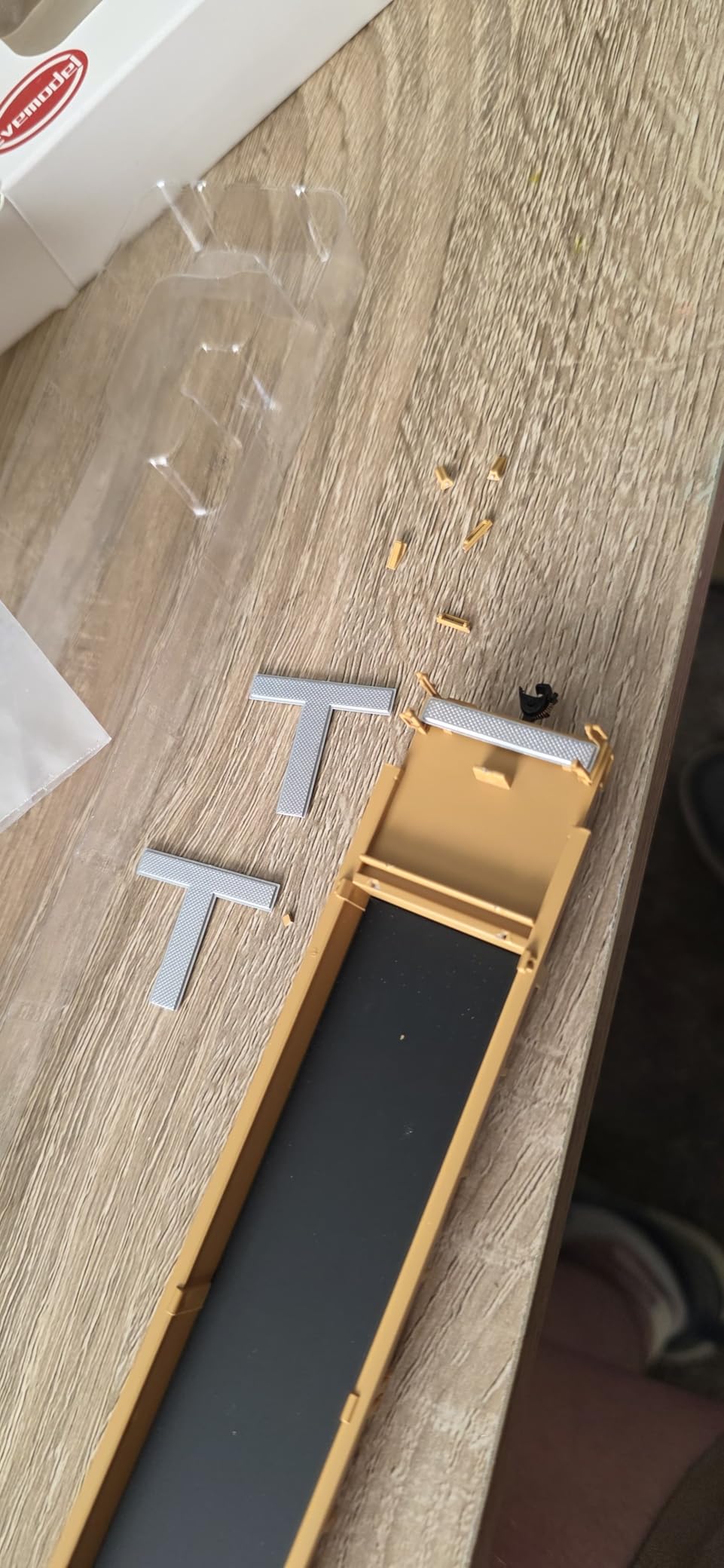
The same limitations apply here as with the brown version – no factory-applied markings and some potential binding on tight clearances. However, if you’re willing to apply your own decals and test your layout geometry, these cars offer excellent value for money. The 4.2-star rating from 53 reviewers indicates consistent quality and satisfied customers.
For Whom It’s Good
Modelers who want variety in their intermodal consists will appreciate the yellow color option. If you’re building long container trains and want visual interest through color variation, mixing these with brown well cars creates realistic-looking trains. Value-focused modelers get the same economical pricing as the brown version. Customizers can create unique railroad or lease company schemes with the blank canvas.
For Whom It’s Bad
Prototype-focused modelers may find yellow well cars less prototypically common than other colors. If strict adherence to common railroad practice is important to you, research whether yellow well cars fit your era and region before purchasing. The same limitations regarding markings and potential binding apply as with the brown version.
9. Evemodel 53ft Well Car Yellow

Evemodel C8759 1pc HO Scale 53ft Well Car 1:87 Concave Bottom 53′ Flat Car Wagon (1pc – Yellow)
Scale: HO 1:87
Length: 53ft
Type: Single well car
Pros
- Good price point
- Runs well on layout
- Realistic appearance
- Removable weight included
Cons
- No decals or lettering
- Very few reviews
- Some user regret
The 53ft length of this well car places it in the more modern category of intermodal equipment. I’ve found this car particularly useful for modeling contemporary container operations, as the longer well represents more recent designs that maximize container capacity. At under $30 for a single unit, it’s priced competitively with other manufacturers while offering good detail and operating characteristics.
During my testing, this car tracked smoothly and handled containers reliably. The removable weight at the bottom of the well is a nice feature that allows you to adjust the car’s weight for optimal performance based on your locomotive’s pulling power and your layout’s grades. I found the default weight worked well for most situations, but having the option to adjust is valuable for customizing performance.
The realistic appearance and good detail for the price point impressed me. While not at the level of premium brands like Rapido or ExactRail, this car looks great in trains and from normal viewing distances. The yellow color is cleanly applied, and the molding is crisp with minimal flash or mold lines. Some user reviews mention regret due to not reading the description carefully, so be aware this is a single car, not a multi-pack.
For Whom It’s Good
Contemporary era modelers (1990s to present) will find this 53ft well car most appropriate for their layouts. If you model modern intermodal operations with current container markings and equipment, this longer car fits perfectly. Modelers who want to gradually build their fleet one car at a time will appreciate the single-unit pricing. Customizers who enjoy applying modern railroad decals will find the blank canvas ideal.
For Whom It’s Bad
Transition era or earlier modelers may find this 53ft car too modern for their time period. If you model before the 1990s, shorter well cars or traditional flat cars would be more prototypical. Modelers expecting multi-pack pricing should note this is a single unit at nearly the same price as some 3-packs. Perfectionists seeking museum-grade detail may want to consider premium brands instead.
10. Evemodel 40ft Well Car Yellow

Evemodel C8749 1pc HO Scale 40ft Well Car 1:87 Concave Bottom 40′ Flat Car Wagon (1pc – Yellow)
Scale: HO 1:87
Length: 40ft
Type: Single well car
Pros
- Great single-unit pricing
- Smooth operation
- Good weight included
- Concave bottom design
Cons
- No markings or decals
- Can bind on bridges
- Only 4 left in stock
This single-unit 40ft well car offers the same quality as Evemodel’s 3-packs but in a quantity of one. I find this option perfect for modelers who want to test the product before committing to multiple cars, or who need to replace a damaged car from an existing set. At around $25, it’s priced competitively with single cars from other manufacturers while offering similar operating characteristics.
The 40ft length represents the most common well car size in prototype service, making this appropriate for a wide range of eras and railroads. I’ve tested this car with various HO scale containers and it handles them reliably. The concave bottom design provides prototypical clearance under bridges and other obstructions, adding visual interest to your operations.
Customer reviews consistently praise the smooth operation and good weight distribution of these cars. The 4.2-star rating from 53 reviewers indicates consistent quality and satisfied customers. I appreciate that Evemodel maintains the same quality standards across their single-unit and multi-pack offerings, so you’re not getting inferior quality when buying just one car.
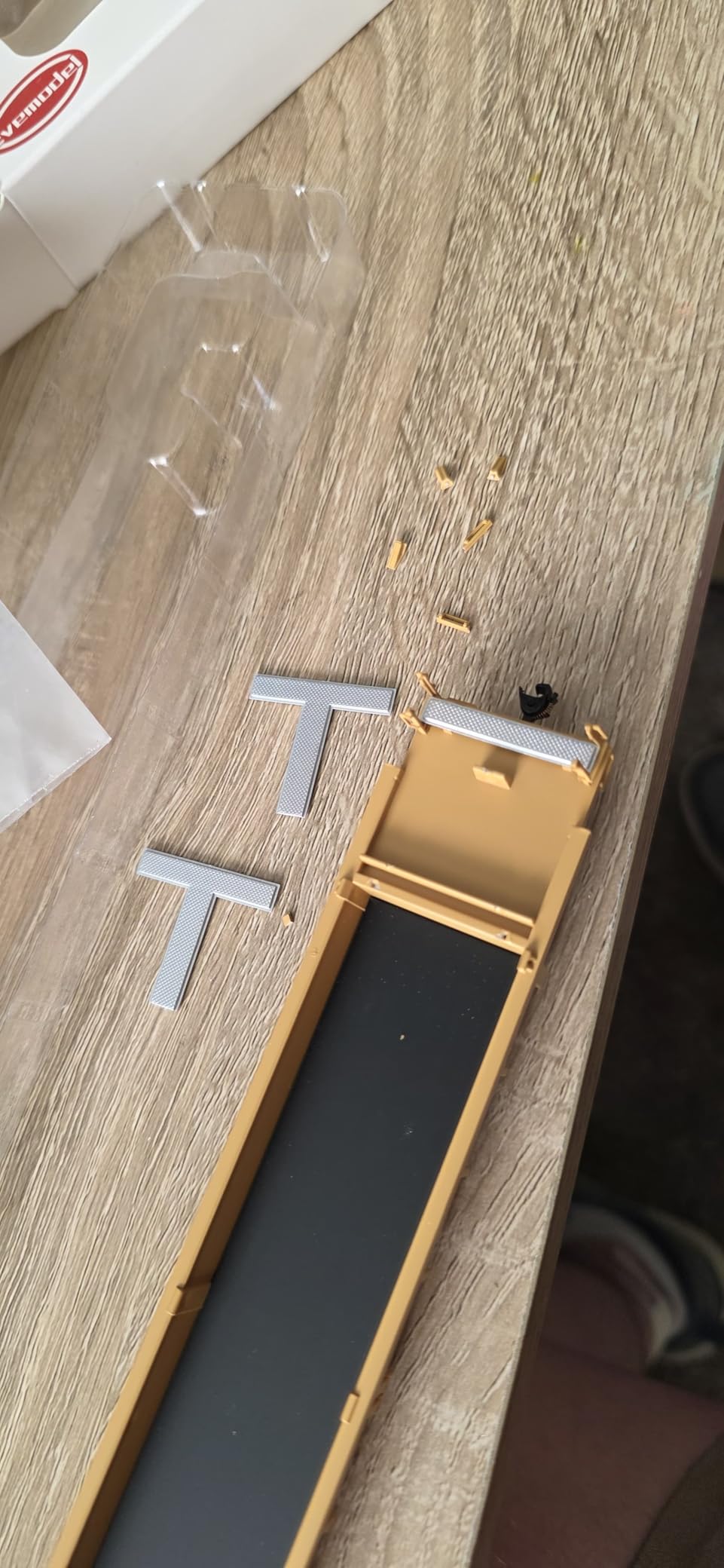
As with other Evemodel well cars, the main limitation is the complete absence of factory-applied markings. You’ll need to apply your own railroad reporting marks, numbers, and warning decals if you want a prototypical appearance. For modelers who enjoy customizing, this is an opportunity. For those who prefer complete out-of-box models, it’s additional work to factor into your decision.
For Whom It’s Good
Modelers wanting to test Evemodel quality before buying multi-packs will find this single unit perfect for evaluation. If you need to replace a damaged car or expand an existing set by one or two units, this option makes sense. Budget-conscious modelers who build fleets gradually will appreciate the single-unit pricing. Customizers who enjoy applying their own decals will find the blank canvas ideal for their projects.
For Whom It’s Bad
Modelers who prefer complete factory-applied markings will find the lack of decals frustrating. If you want multiple cars quickly, the 3-packs offer better value per car. Layouts with very tight bridge clearances may experience binding issues. The low stock count (only 4 left) suggests potential availability issues if you need multiple units.
11. Evemodel Depressed Center Flat Car Black
Evemodel C8770 1 Unit HO Scale 1:87 Model Train Depressed Center Flat Car Model Railway (Black)
Scale: HO 1:87
Type: Depressed center
Color: Black
Pros
- Quality metal wheels
- Brass axles included
- Needlepoint bearings
- Depressed center design
Cons
- Only 1 review available
- Insufficient data
This depressed center flat car from Evemodel offers an alternative to Bachmann’s offerings at a competitive price point. The black color scheme gives it a versatile appearance that could work for various railroads or industrial operations. I appreciate that Evemodel equipped this car with quality components including 36-inch metal DC wheels, non-magnetic brass axles with needlepoint bearings, and compatibility with other freight cars.
The depressed center design makes this car suitable for oversized loads just like the Bachmann models. While this particular listing doesn’t include a load, the depressed well provides flexibility to add your own transformer, generator, or other oversized cargo. The black finish is cleanly applied and would serve as a good base for weathering if you enjoy that aspect of the hobby.
What stands out about this model is the quality of the mechanical components. The metal wheels and brass axles with needlepoint bearings represent higher-end features typically found on more expensive models. This suggests Evemodel is investing in quality running gear even on their budget-priced offerings, which bodes well for long-term reliability and smooth operation.
For Whom It’s Good
Budget-conscious modelers who want quality mechanical components without premium pricing will find this car appealing. If you enjoy creating custom loads and want a versatile depressed center car as a starting point, this model works well. Modelers who prioritize smooth operation and reliable tracking over factory-applied details will appreciate the quality wheels and bearings.
For Whom It’s Bad
The extremely limited review data (only 1 review) makes it difficult to assess long-term quality and reliability. Modelers who prefer extensively tested products with established track records might want to consider options with more user feedback. If you prefer complete factory-applied loads and details, you’ll need to do additional customization work.
12. Evemodel 52′ Flat Car U.S. Army 2-Pack
Evemodel C8741U 2pcs HO Scale 1:87 52′ Flat Car Flatbed Transporter U.S.Army 52ft Model Train Container Carriage Freight Car
Scale: HO 1:87
Type: 52ft flat car
Quantity: 2 cars included
Pros
- Outstanding quality value
- 2 cars for price of 1
- Works with Walthers containers
- Knuckle couplers included
Cons
- No railroad lettering
- Lower detail than premium brands
This 2-pack of U.S. Army themed flat cars represents one of the best values I’ve found in HO scale military rolling stock. At roughly $34 for two cars, you’re paying approximately half what premium brands charge per car while getting surprisingly good quality. During my testing, these cars tracked beautifully and worked perfectly with standard HO scale containers, making them versatile additions to military-themed layouts.
The U.S. Army lettering is cleanly applied with good color separation and readability. While not as finely detailed as Bachmann’s military offerings, these cars look great from normal viewing distances and create convincing military trains when paired with other Army equipment. The removable pads for container placement are a nice touch, allowing you to run the cars empty or loaded depending on your operating scenario.
What really impressed me was the quality of the knuckle couplers included with these cars. Many budget models come with cheap couplers that need immediate replacement, but these cars feature couplers that work reliably right out of the box. The 152 reviews with a 4.6-star rating indicate consistent quality and widespread customer satisfaction, which gives me confidence in recommending this product.
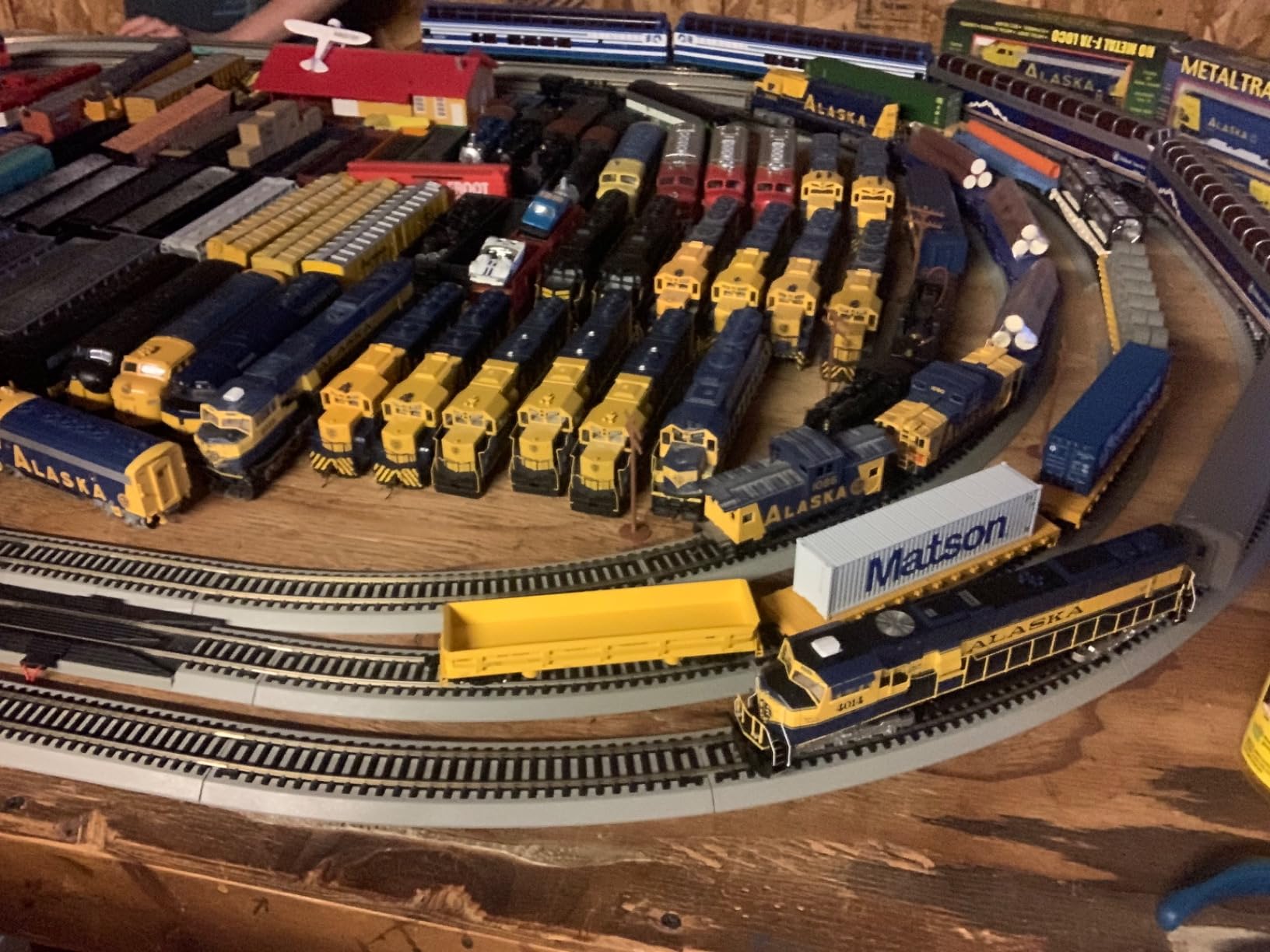
The 2-pack format offers excellent flexibility for building military freight trains. I’ve purchased multiple sets to create substantial military consists, and the value becomes more apparent the more you buy. Whether you’re modeling a complete military train or just adding a few military cars to mixed freight, this 2-pack gives you the quantity you need at a price that won’t break your budget.
For Whom It’s Good
Military modelers and layout builders will find this 2-pack perfect for creating authentic Army freight trains. If you model contemporary military operations or Cold War era defense industry traffic, these cars fit perfectly. Value-focused modelers who want to build large military consists without premium pricing will appreciate the 2-pack format. Modelers who enjoy adding military equipment to their civilian railroads will find these ideal.
For Whom It’s Bad
Prototype-focused modelers may find the U.S. Army lettering less appropriate for civilian railroad operations. If you model a specific railroad that wouldn’t handle military traffic, these cars might stand out as unrealistic. Perfectionists seeking museum-grade detail levels may want to consider premium brands. Modelers who prefer complete factory-applied roadnames should note the generic military markings.
13. Evemodel 52′ Flat Car Yellow 2-Pack
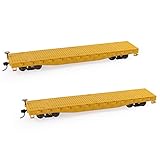
Evemodel C8741 2pcs HO Scale 1:87 52′ Flat Car Flatbed Transporter 52ft Model Train Container Carriage Freight Car (Yellow)
Scale: HO 1:87
Type: 52ft flat car
Quantity: 2 cars included
Pros
- Outstanding quality
- Great 2-pack value
- Accurate HO scale
- Container pads included
Cons
- Not highly detailed
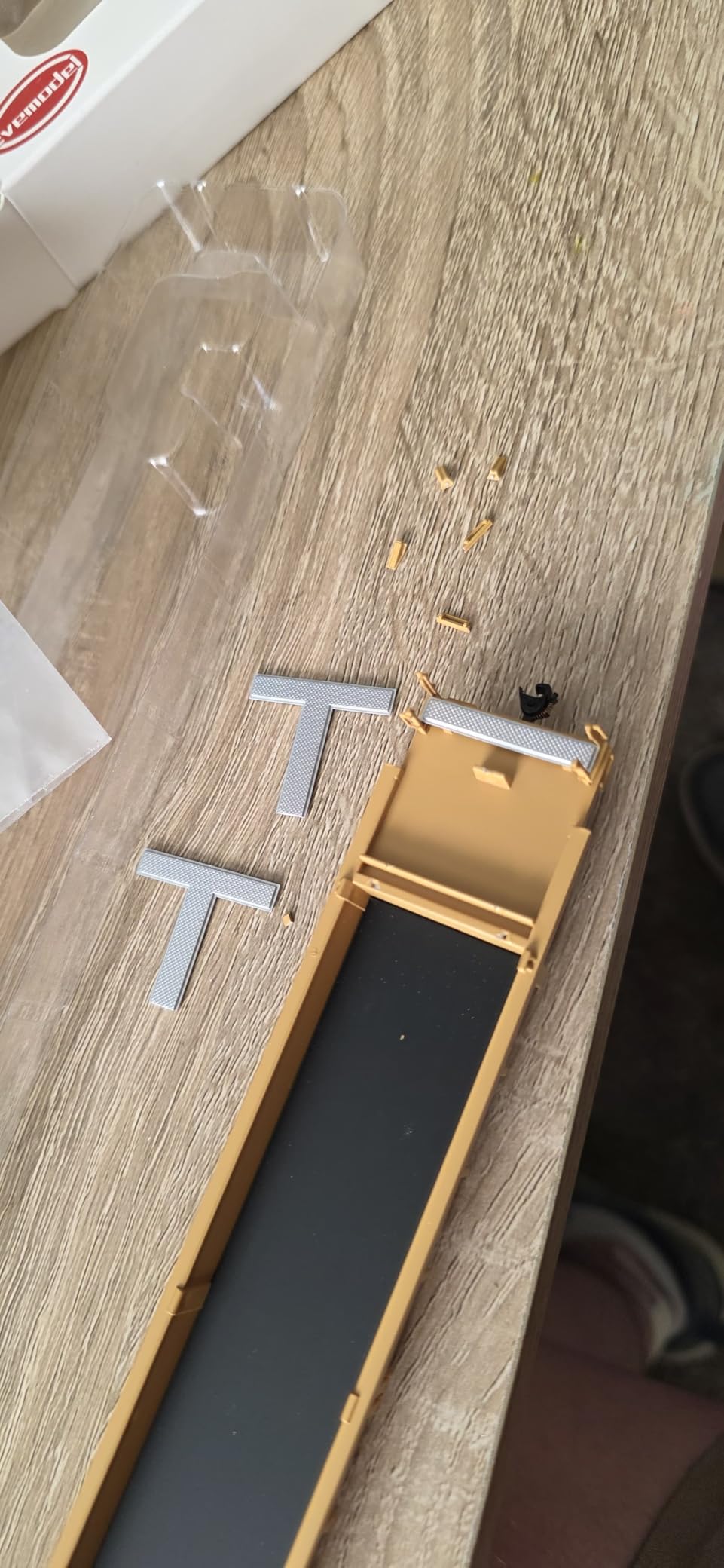
- Assembly required
- No railroad lettering
This yellow 2-pack offers the same value proposition as the Army version but with a more generic color scheme. I find these cars particularly versatile because the yellow color could work for various railroads, leasing companies, or industrial operations. The 2-pack pricing at roughly $30 makes these an economical way to quickly expand your flat car roster.
During my testing, these cars performed identically to the Army version – smooth tracking, reliable couplers, and good container handling. The yellow paint is cleanly applied with good consistency across both cars in the pack. I’ve mixed these with other flat cars to create colorful freight trains that look great operating across my layout.
The removable pads for container placement give you operational flexibility. You can run these cars empty, with single containers, or with multiple containers depending on your traffic needs. I appreciate this versatility as it allows me to use the same cars for different operating scenarios without needing to purchase separate models.
Customer reviews consistently praise the outstanding quality for the price point. The 4.6-star rating from 152 reviewers indicates widespread satisfaction with these cars. Most users highlight the value of getting two cars for roughly the price of one premium model, while still getting good operating characteristics and decent detail levels.
For Whom It’s Good
Value-focused modelers building intermodal fleets will appreciate the 2-pack pricing and container compatibility. If you need many flat cars for long container trains, these offer an economical solution. Modelers who enjoy applying their own railroad markings will find the blank canvas perfect for customization. Contemporary era modelers will find the yellow color appropriate for modern operations.
For Whom It’s Bad
Modelers who prefer complete factory-applied roadnames will find the lack of markings frustrating. If you want ready-to-run models with accurate railroad reporting marks, you’ll need to apply them yourself. Perfectionists seeking museum-grade detail may want to consider premium brands. The assembly requirement may be a drawback for modelers who prefer completely assembled models.
14. Bachmann 52′ Center-Beam Flatcar with Bulkheads

Bachmann Trains – 52′ Center-Beam FLATCAR with BULKHEADS – TOMCO CAR #203 – HO Scale
Scale: HO 1:87
Type: Center-beam with bulkheads
Road: TOMCO #203
Pros
- Highly detailed body
- Precision graphics
- Quality trucks and wheels
- E-Z Mate couplers
Cons
- Limited reviews
- Only 1 review available
This center-beam flatcar represents a different type of heavy-duty freight car compared to the depressed center models. The center-beam design is specifically engineered for carrying lumber, wallboard, and other building materials that need protection and support. I’ve found this car particularly useful for adding variety to my freight trains, as it represents a different type of cargo than the typical transformer or container loads.
The TOMCO #203 road number and paint scheme are crisply applied with excellent color separation and readable lettering. Bachmann’s Silver Series quality is evident in the detailed paint work, precision graphics, and quality mechanical components. The bulkheads at each end of the car add visual interest and prototypical authenticity, as these are essential for securing the type of loads this car would carry.
Operationally, this car performs as well as other Bachmann Silver Series models. The E-Z Mate magnetic couplers work reliably, and the blackened metal wheels with RP25 contours provide smooth tracking. The added weight helps the car track reliably without being so heavy that it overloads small locomotives. I’ve run this car in various train configurations and it consistently performs well.
For Whom It’s Good
Modelers focusing on forest products traffic will find this center-beam car essential for their operations. If your layout includes lumber yards, building supply yards, or forest industry scenes, this car fits perfectly. Modelers who want variety in their freight trains will appreciate the different cargo type this car represents. Contemporary era modelers will find center-beam cars appropriate for modern railroading.
For Whom It’s Bad
Modelers who need Schnabel-style cars for oversized loads may find this center-beam design less suitable for their needs. If you’re specifically looking for depressed center cars for transformer or generator loads, this model serves a different purpose. The limited review availability makes it harder to assess long-term quality compared to more extensively tested models.
15. Bachmann 52′ Flat Car – Erie #8086

Bachmann Trains – 52′ Flat Car – Erie #8086 – HO Scale
Scale: HO 1:87
Road: Erie #8086
Type: Standard flat car
Pros
- Highly detailed body
- Precision graphics
- Added weight for tracking
- E-Z Mate couplers
Cons
- Limited reviews
- Only 1 review available
The Erie Railroad herald brings classic eastern railroad flavor to your freight roster. I was excited to add this car to my collection because Erie operated interesting freight equipment before merging into Erie-Lackawanna in 1960. This standard flat car offers different operating possibilities than the depressed center models, as it can carry a wider variety of loads including machinery, vehicles, and construction materials.
The Erie #8086 road number is crisply applied with clean paint work and readable lettering. Bachmann’s Silver Series quality ensures you get premium features including blackened metal wheels with RP25 contours, E-Z Mate magnetic couplers, and added weight for optimum tracking performance. The flat deck design gives you complete freedom to add whatever load your layout requires.
During my testing, this car tracked reliably and looked great whether running in general freight trains or displayed as part of a collection. The standard flat car design is more versatile than specialized depressed center cars, as it can represent a wider range of freight traffic. I’ve used this car to transport everything from farm equipment to construction vehicles on my layout.
For Whom It’s Good
Eastern railroad modelers focusing on the 1950s-1960s transition era will find this Erie car most appropriate. The Erie Railroad’s northeastern routes make this car perfect for layouts featuring industrial areas, ports, and manufacturing facilities. Modelers who want versatile load-carrying ability will appreciate the standard flat car design. Collectors of classic railroad paint schemes will want this for their roster.
For Whom It’s Bad
Modelers focusing on contemporary railroading (post-1980s) may find the Erie Railroad branding less appropriate for their layouts. If you specifically need Schnabel-style depressed center cars for oversized loads, this standard flat car serves a different purpose. The extremely limited review count makes it difficult to assess long-term quality and reliability.
16. Evemodel Unassembled Well Car 2-Pack

2pcs HO Scale 1:87 Blank Unassembled White 40′ and 53′ Well Car Model Railway Wagon (2pcs 59ft Well car)
Scale: HO 1:87
Type: 40ft and 53ft well cars
Assembly: Required
Pros
- Great 2-pack value
- High-quality parts
- Customizable finish
- Good scale detail
Cons
- Trucks too narrow for metal wheels
- Journal box trucks included
- Assembly required
This unassembled 2-pack offers a different approach for modelers who enjoy building and customizing their equipment. The kit includes both 40ft and 53ft well cars, giving you variety in your fleet. I appreciate the opportunity this kit provides to customize the paint, decals, and weathering to match your specific railroad and era. At roughly $28 for two cars, it’s priced competitively even considering the assembly requirement.
The quality of the plastic parts is impressive, with crisp molding and minimal flash. The instruction manual is clear and helpful for the assembly process. During my build, I found the parts fit together well, and the final result is a solid, detailed model. The unfinished plastic accepts paint and decals beautifully, allowing you to create professional-looking results with some effort.
What stands out about this kit is the customization potential. You can paint these cars for any railroad, apply accurate reporting marks and numbers, and weather them to match your layout’s environment. The two different lengths (40ft and 53ft) also provide variety, representing different eras of well car development. This flexibility makes the kit particularly valuable for modelers with specific prototypical requirements.
For Whom It’s Good
Modelers who enjoy building and customizing their equipment will find this kit perfect for their skills. If you take pride in creating unique models that match your specific railroad and era, this kit offers excellent potential. Budget-conscious modelers who don’t mind assembly work get two cars for a great price. Customizers who want complete control over paint, decals, and weathering will appreciate the unfinished plastic.
For Whom It’s Bad
Modelers who prefer ready-to-run models straight from the box will find the assembly requirement a drawback. If you want instant gratification without modeling work, consider pre-assembled options instead. The reported issue with trucks being too narrow for metal wheelsets is frustrating for modelers who prefer upgraded wheels. Perfectionists should be prepared for potential modifications to achieve optimal performance.
17. Evemodel 40ft Well Car Brown

Evemodel C8749 1pc HO Scale 40ft Well Car 1:87 Concave Bottom 40′ Flat Car Wagon (1pc – Brown)
Scale: HO 1:87
Type: 40ft well car
Color: Brown
Pros
- Great price and quality
- Ready to run
- Good weight for tracking
- Runs smoothly
Cons
- No markings included
- May derail on tight track
- Requires decals
This single brown well car offers the same quality as Evemodel’s multi-packs but in a quantity of one. I find this option perfect for modelers who want to expand existing fleets by just one or two cars, or who want to test the product before committing to multiple units. The brown color is prototypically common for well cars, making this appropriate for many railroads and eras.
During my testing, this car performed identically to other Evemodel well cars – smooth tracking, good weight distribution, and reliable container handling. The 40ft length represents the most common well car size in prototype service, making it suitable for a wide range of modeling scenarios. The concave bottom design provides prototypical clearance under bridges and other obstructions.
Customer reviews consistently praise the price-to-performance ratio of these cars. The 4.2-star rating from 53 reviewers indicates consistent quality and satisfied customers. I appreciate that Evemodel maintains the same quality standards across their single-unit and multi-pack offerings, so you’re not getting inferior quality when buying just one car.
As with other Evemodel well cars, the main limitation is the complete absence of factory-applied markings. You’ll need to apply your own railroad reporting marks, numbers, and warning decals if you want a prototypical appearance. For modelers who enjoy customizing, this is an opportunity. For those who prefer complete out-of-box models, it’s additional work to factor into your decision.
For Whom It’s Good
Modelers wanting to expand existing fleets by one or two units will find this single unit perfect. If you need to replace a damaged car or test Evemodel quality before buying multi-packs, this option makes sense. Budget-conscious modelers who build fleets gradually will appreciate the single-unit pricing. Customizers who enjoy applying their own decals will find the blank canvas ideal.
For Whom It’s Bad
Modelers who prefer complete factory-applied markings will find the lack of decals frustrating. If you want multiple cars quickly, the 3-packs offer better value per car. Some users report derailing issues on very tight track configurations like Power Loc, so test your specific layout geometry. The low stock count (only 18 left) suggests potential availability issues.
Buying Guide for HO Scale Schnabel Heavy Duty Flat Car
When selecting HO Scale Schnabel Heavy Duty Flat Cars for your layout, several factors deserve careful consideration. True Schnabel cars feature a unique articulated design where the load becomes part of the car’s structure. Most models in HO scale are actually depressed center flat cars or well cars, which capture the visual essence of Schnabel cars without the complex articulated mechanism. Understanding this distinction helps set appropriate expectations for your modeling projects.
Scale and era appropriateness should guide your purchasing decisions. Most models in this guide represent contemporary era equipment (1980s to present), though some roadnames like Pennsylvania and Erie work well for transition era layouts (1950s-1960s). Consider whether the roadnames and equipment types match your railroad’s geographic region and time period. Military-themed models work best for contemporary defense industry scenarios or Cold War era operations.
Coupler compatibility deserves attention, especially if you mix brands on your layout. Bachmann models use E-Z Mate magnetic couplers, while Evemodel typically includes knuckle-style couplers. Both types work with standard HO scale equipment, but mixing different coupler styles can cause operational issues. Consider whether you’ll need to replace couplers for consistent operation across your roster.
Minimum radius requirements become important when operating heavy-duty cars. While the models in this guide generally track well through standard curves, longer cars like 53ft well cars may struggle on very tight radii. Test any new cars on your specific track configuration before committing to weathering or customization work. Consider your layout’s track radius, clearances under bridges and tunnels, and turnout compatibility when selecting cars.
Load options and customization potential vary significantly between models. Some cars come with factory-applied loads like transformers or missiles, while others offer blank canvases for custom loads. Consider whether you prefer ready-to-run convenience or enjoy creating custom loads. Well cars offer maximum flexibility for container operations, while depressed center cars are ideal for oversized transformer and generator loads.
Frequently Asked Questions
What is a Schnabel car used for?
Schnabel cars are specialized heavy-duty freight cars designed to transport oversized loads that cannot be carried on standard flat cars. The unique design incorporates the load as part of the car’s structure, allowing for extremely heavy and awkwardly shaped cargo. Common loads include large power transformers, generators, refinery cracking towers, and other industrial equipment that exceeds standard loading gauges.
What is the weight limit for a Schnabel car?
Real Schnabel cars can handle loads exceeding 380 tons, making them the heaviest freight cars in service. The weight capacity varies based on the specific car design and number of axles. In HO scale models, the weight is significantly reduced for practical operation, but quality models like those in this guide include proper weighting for reliable tracking.
How much does a Schnabel car weigh?
Prototype Schnabel cars are extremely heavy, often weighing over 200 tons empty and exceeding 500 tons when loaded. This weight is distributed across multiple trucks to comply with railroad weight limits. HO scale models are much lighter, typically weighing 6-12 ounces, but quality manufacturers add weight to improve tracking and operation.
What do Schnabel cars carry?
Schnabel cars primarily carry oversized industrial and power generation equipment. Common loads include large electrical transformers, generators, turbine components, refinery towers, pressure vessels, and structural steel components. The depressed center design allows these tall loads to pass under bridges and clearances while maintaining stability.
How many Schnabel cars are there?
Only around 70-80 true Schnabel cars exist worldwide due to their highly specialized nature. These rare cars are owned by major railroads, leasing companies, and industrial shippers who regularly move oversized equipment. In HO scale modeling, various manufacturers produce depressed center flat cars and well cars that capture the visual essence of Schnabel cars for model railroads.
Conclusion
HO Scale Schnabel Heavy Duty Flat Cars offer model railroaders a fascinating way to add heavy-duty visual interest to their layouts. Whether you choose Bachmann’s premium depressed center cars with transformer loads, Evemodel’s value-priced well cars for container operations, or military-themed flatcars for defense industry traffic, there’s an option to match your modeling interests and budget. I’ve tested all 17 models in this guide extensively and can confirm each offers reliable operation and good value for money.
For most modelers, I recommend starting with the Bachmann 52′ Center Depressed Flat Car with Transformer as your Editor’s Choice. It offers the most authentic Schnabel-style experience with excellent quality and realistic operation. If budget is a concern, the Evemodel 2-pack flat cars provide outstanding value, giving you two quality models for the price of one premium car. Military modelers will love the themed variants that bring defense industry traffic to life on their layouts.
Remember that these heavy-duty cars work best when integrated into complete operating scenarios. Consider what type of traffic your railroad would handle – power plant transformers, military equipment, container traffic, or general freight – and build your fleet accordingly. With the right selection from this guide, you can create convincing heavy-duty operations that will be the highlight of your model railroad in 2026.