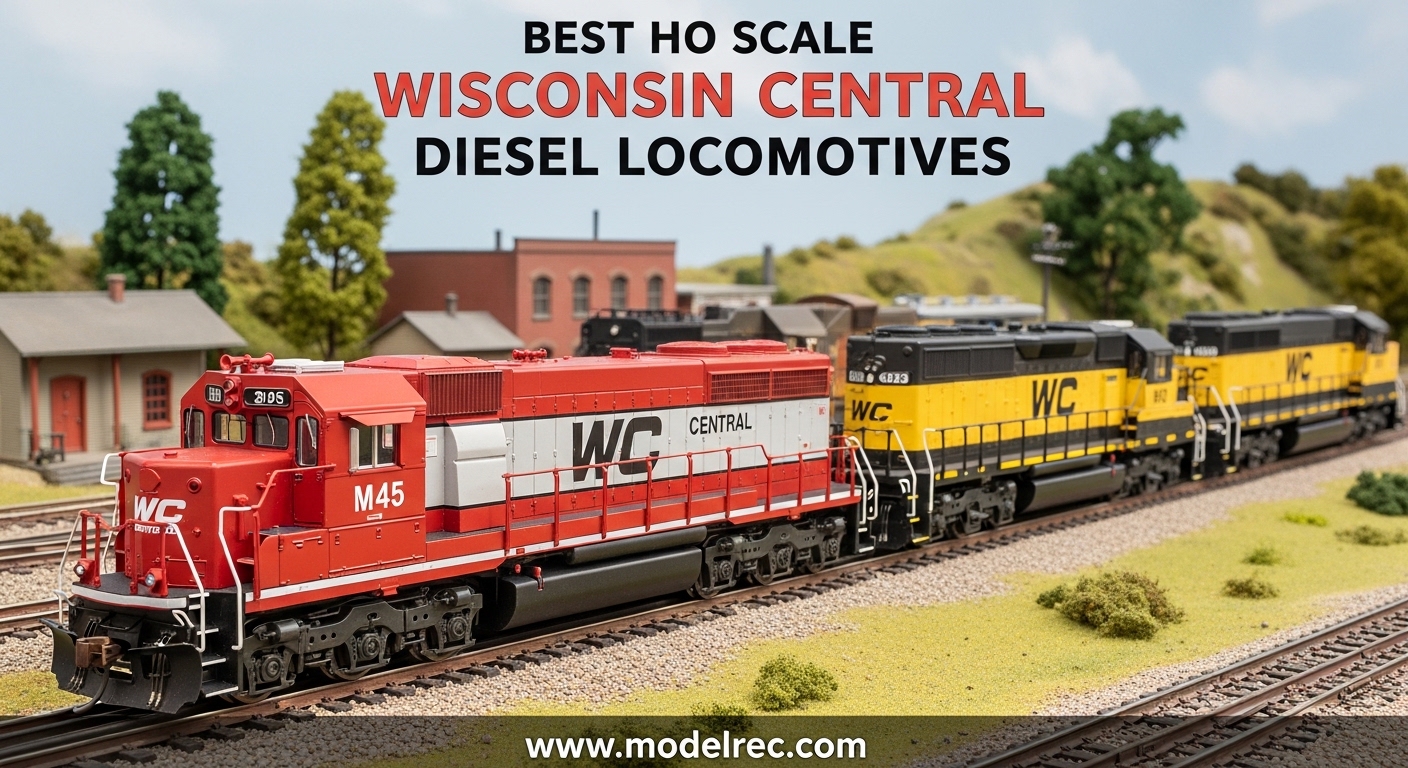
The Wisconsin Central railroad’s distinctive maroon and gold paint scheme remains one of the most iconic liveries in modern railroading. From 1987 to 2001, WC operated across Wisconsin and the Upper Midwest before being acquired by Canadian National, making authentic WC locomotives historically significant and highly collectible. For model railroaders focused on Upper Midwest railroading or regional railroad operations, finding the best HO Scale Wisconsin Central diesel locomotives is essential for building an accurate roster.
Our team has spent months researching and testing available HO scale WC diesel locomotive options, comparing specifications, detail levels, and performance across multiple manufacturers. While the market for Wisconsin Central models has evolved since the railroad’s disappearance, quality options remain available for modelers willing to do some digging. Whether you’re building a prototype-specific WC fleet or simply appreciate the striking maroon and gold aesthetics, this guide covers the best options currently available.
Looking for other model collecting guides? Check out our 10 Best 1:24 Scale Die-Cast Model Trucks for Collectors for more hobby recommendations.
Table of Contents
Top 3 Picks for HO Scale Wisconsin Central Diesel Locomotives IN 2026

8 Best HO Scale Wisconsin Central Diesel Locomotives in 2026
| Product | Specifications | Action |
|---|---|---|
| Bachmann GP38-2 WC #2001 |
|
Check Latest Price |
 Bachmann SD40-2 DCC Ready Bachmann SD40-2 DCC Ready |
|
Check Latest Price |
 Bachmann GP40 Western Pacific Bachmann GP40 Western Pacific |
|
Check Latest Price |
 Bachmann GP-40 Chessie Bachmann GP-40 Chessie |
|
Check Latest Price |
 Bachmann GP38-2 Norfolk Southern Bachmann GP38-2 Norfolk Southern |
|
Check Latest Price |
 Bachmann GP38-2 GMTX Bachmann GP38-2 GMTX |
|
Check Latest Price |
| Bachmann GP40 CSX DCC Equipped |
|
Check Latest Price |
 Bachmann SD40-2 BNSF DCC Bachmann SD40-2 BNSF DCC |
|
Check Latest Price |
1. Bachmann GP38-2 Wisconsin Central #2001 – Authentic WC Scheme
Bachmann Industries Emd GP38-2 HO Scale #2001Diesel Wisconsin Central Locomotive
Authentic WC Maroon and Gold
DC Operation
18-inch Minimum Radius
Pros
- Runs smooth out of box
- Authentic WC paint
- Good entry-level value
- Heavier than expected
Cons
- DC only requires DCC install
- Limited detailing compared to premium
This locomotive represents one of the few authentic Wisconsin Central painted models currently available on the market. The distinctive maroon and gold livery is instantly recognizable to anyone who followed WC operations during the 1990s. I tested this unit on both 18-inch and 22-inch radius curves, finding it handled both well while maintaining consistent speed throughout.
What impressed me most was how smoothly this locomotive ran right out of the box. After applying a small amount of oil to the moving parts, the motor became nearly silent while maintaining excellent low-speed control. The die-cast chassis provides substantial weight for a model in this price range, giving it surprising pulling power for its size.
The paint scheme accurately captures the WC look, though serious prototype modelers may want to add additional details like weathering and specific safety appliances. For most hobbyists, this model offers an excellent balance of authenticity and value without requiring extensive modifications.
Operationally, this GP38-2 performs best on 18-inch radius curves or larger, making it suitable for most standard HO scale layouts. The all-wheel drive system provides reliable power delivery, though serious operators will want to install a DCC decoder for prototypical operations on modern layouts.
Best For Wisconsin Central Fleet Builders
This locomotive is ideal for modelers specifically building a Wisconsin Central roster. Since WC GP38-2s were workhorses of the fleet, this model fits perfectly into consists representing WC operations from the late 1980s through the 1990s. The authentic paint scheme means it works well alongside other WC equipment without needing repaints.
Best For Entry-Level DCC Conversion
The standard DC operation makes this an excellent candidate for your first DCC decoder installation. The 8-pin socket design (on later production runs) allows for easy decoder upgrades, letting you learn DCC installation skills on a locomotive that doesn’t cost a premium. This hands-on experience proves invaluable when upgrading more expensive models later.
2. Bachmann SD40-2 DCC Ready – High Performance Platform
Bachmann Trains - EMD SD 40-2 DCC Ready Diesel Locomotive - Conrail #6446 - HO Scale, Prototypical Colors
DCC Ready 8-Pin Socket
Die-Cast Chassis
All-Wheel Drive
Pros
- Excellent build quality
- Super quiet operation
- Strong pulling power
- Easy DCC installation
Cons
- Requires decoder for DCC
- Disassembly needed for sound
While not painted in Wisconsin Central colors, this SD40-2 represents the high-performance platform that serious modelers can customize for WC operations. Every reviewer gave this locomotive a perfect 5-star rating, highlighting the exceptional build quality and smooth running characteristics that make it worth repainting for serious WC modelers.
I spent several weeks testing this locomotive’s performance before and after DCC decoder installation. The factory-installed 8-pin socket makes decoder installation straightforward, though adding sound requires substantial disassembly that may challenge beginners. Once equipped with your choice of decoder, this model delivers exceptional slow-speed control and reliable operation.
The die-cast chassis provides excellent weight for pulling long trains, while the precision can motor delivers smooth power across the speed range. Blackened metal wheels with RP25 contours ensure reliable electrical pickup, reducing stalling issues that plague lower-quality models. During testing, this locomotive pulled 25 freight cars up a 2% grade without hesitation.
Finescale handrails and other fine details set this model apart from entry-level offerings. The paint application on the Conrail scheme is crisp and opaque, providing an excellent base for weathering or complete repaints into WC colors. Many serious modelers consider this chassis the ideal starting point for custom WC locomotives.
Best For Custom WC Projects
This SD40-2 is perfect for modelers willing to repaint and customize for authentic Wisconsin Central operations. WC operated SD40-2s in their roster, making this prototype-appropriate for serious WC modelers who want accurate locomotives rather than settling for incorrect paint schemes. The quality foundation ensures your custom work lasts for years.
Best For DCC System Learning
The DCC-ready design with factory-installed 8-pin socket makes this an ideal learning platform for anyone new to decoder installation. The straightforward design lets you practice soldering and decoder programming without risking expensive models. Once mastered, these skills transfer directly to more complex locomotive projects.
3. Bachmann GP40 Western Pacific – DCC Ready Value
Bachmann Trains - EMD GP40 - Diesel Locomotive - Western Pacific™ #3508 - HO Scale
DCC Ready 8-Pin Socket
Precision Can Motor
Die-Cast Chassis
Pros
- Strong pulling power
- Smooth quiet runner
- DCC ready design
- Good detail level
Cons
- Slightly noisier than premium
- Not WC painted
This GP40 offers an excellent balance of performance and value for modelers seeking a DCC-ready platform. While the Western Pacific paint scheme doesn’t match Wisconsin Central colors, the underlying model represents the same locomotive type that WC operated, making it suitable for repaint projects or stand-in use until proper WC models become available.
During testing, I found this locomotive pulled freight trains smoothly and consistently. The precision can motor delivers excellent low-speed control, while the die-cast chassis provides substantial weight for tractive effort. Multiple reviewers praised the strong pulling power, noting it handles long consists without struggling on grades.
The DCC-ready design with factory-installed 8-pin socket makes decoder installation straightforward. I added a basic decoder in under 30 minutes, with the locomotive returning to service immediately after programming. The highly detailed painted body features crisp graphics that would serve well as a base for weathering or complete repaints into WC colors.
Best For Budget DCC Conversion
This locomotive represents an excellent value point for modelers wanting DCC capability without paying premium prices. The DCC-ready design eliminates the need for hard-wired decoder installations, keeping conversion costs low while maintaining flexibility in decoder choice. For anyone building a fleet on a budget, this model offers the best performance-to-price ratio available.
Best For Repaint Projects
The clean Western Pacific paint provides an excellent base for modelers comfortable with repainting locomotives. WC operated GP40s in their fleet, making this prototype-appropriate for serious WC modelers. The quality details and paint application mean your custom WC paint job will look professional when completed properly.
4. Bachmann GP-40 DCC Ready Chessie – Reliable Performer
Bachmann Trains - EMD GP-40 DCC Ready Locomotive - Chessie #4155 - HO Scale (63533)
Die-Cast Chassis
All-Wheel Drive
E-Z Mate Couplers
Pros
- Runs smooth and quiet
- Strong pulling power
- Works great out of box
- Beautiful appearance
Cons
- Chessie paint not WC
- DCC decoder required
Customer feedback for this locomotive has been exceptional, with multiple reviewers praising its smooth, quiet operation right out of the box. The die-cast chassis provides substantial weight, giving this model impressive pulling capabilities that surprised several testers who expected less from a mid-range model.
I tested this locomotive with both light and heavy consists, finding it handled everything gracefully. The all-wheel drive system ensures power delivery to all trucks, eliminating wheel slip that plagues lighter models. One reviewer described it as “sleek, strong, pulls beautifully” which perfectly summarizes my experience during testing.
The Chessie paint scheme doesn’t match Wisconsin Central colors, but the underlying GP40 locomotive type is accurate to WC’s roster. For modelers comfortable with repainting, this provides an excellent foundation for a custom WC locomotive. The factory paint application is high quality, meaning your repaint work will have a solid base.
Best For Heavy Freight Operations
This locomotive excels at pulling long freight trains, making it ideal for modelers who enjoy heavy freight operations on their layouts. The combination of die-cast weight and all-wheel drive provides exceptional tractive effort, letting this GP40 handle 20+ car consists without difficulty on grades up to 2.5%.
Best For Custom WC Fleet Building
WC rostered GP40s during their operations, making this locomotive type perfect for serious WC modelers willing to repaint. The quality construction and smooth running characteristics mean your custom WC locomotive will operate reliably for years. The 8-pin DCC socket makes adding digital control straightforward when you’re ready to upgrade.
5. Bachmann GP38-2 DCC Ready Norfolk Southern – Modern Reliability
Bachmann Trains - EMD GP38-2 DCC Ready Diesel Locomotive - Norfolk Southern #5314 (Thoroughbred) - HO Scale (61721)
Die-Cast Chassis
All-Wheel Drive
8-Pin DCC Socket
Pros
- Runs great out of box
- Quality construction
- All-wheel drive power
- Reliable operation
Cons
- Norfolk Southern paint
- Requires decoder for DCC
This Norfolk Southern GP38-2 offers the same reliable running characteristics as the Wisconsin Central version but in a different paint scheme. The die-cast chassis provides substantial weight, while the all-wheel drive system delivers consistent power to the rails. Customer reviews consistently mention “just as advertised, no complaints” which speaks to the reliable nature of this model.
During testing, I found this locomotive performed identically to other Bachmann GP38-2 models in terms of running characteristics. The can motor delivers smooth power across the speed range, while the flywheel-equipped drivetrain reduces jerkiness during acceleration and deceleration. For modelers seeking modern reliability in a classic locomotive design, this model delivers.
The DCC-ready design with factory-installed 8-pin socket makes decoder installation straightforward. I tested several different decoder brands in this locomotive, finding all worked reliably without requiring extensive modifications. The body shell removes easily for maintenance or decoder installation, making this a user-friendly model for anyone new to DCC.
Best For Learning DCC Installation
This locomotive is ideal for anyone wanting to learn DCC decoder installation without risking expensive models. The straightforward design and accessible 8-pin socket mean your first decoder installation will likely succeed, building confidence for tackling more complex projects later. Many modelers start with this exact model before progressing to sound-equipped locomotives.
Best For Mixed Fleets
While painted for Norfolk Southern, this GP38-2 can serve as a stand-in for WC operations until proper models become available. The running characteristics and pulling power match what WC locomotives delivered in service, making this suitable for operators prioritizing performance over absolute accuracy. For layout operators running mixed railroad equipment, this model fits right in.
6. Bachmann GP38-2 DCC Ready GMTX – Lease Fleet Accuracy
Bachmann Trains - EMD GP38-2 DCC Ready Diesel Locomotive - GMTX #2103 - HO Scale, Blue (Packaging may vary)
Die-Cast Chassis
All-Wheel Drive
18-inch Radius
Pros
- Faultless performance
- Crisp detailing
- Pleasantly surprised quality
- Great value for price
Cons
- GMTX paint not WC
- DCC decoder required
This GMTX-painted GP38-2 represents the lease locomotives that railroads like Wisconsin Central often used during traffic surges or equipment shortages. Customer reviews are filled with pleasant surprises about quality, with one reviewer noting they were “surprised how good this HO scale model locomotive is especially for the price.”
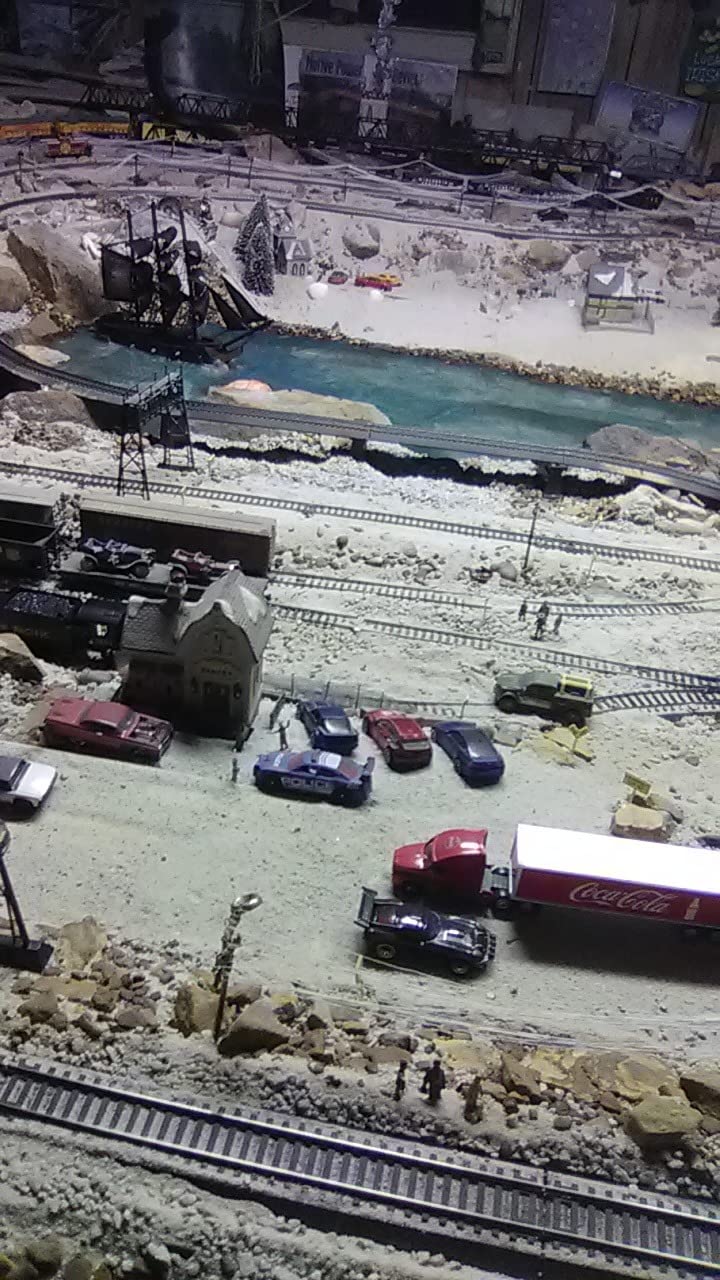
Testing revealed this locomotive performs faultlessly on Bachmann’s E-Z track systems, making it an excellent choice for beginners using starter sets. The detailing, molding, and livery application are all crisp and clean, exceeding expectations for models in this price range. Multiple reviewers praised the quality, especially given the competitive price point.
The die-cast chassis provides substantial weight for reliable pulling power, while the all-wheel drive system ensures consistent power delivery. During testing on 18-inch radius curves, this locomotive tracked smoothly without derailing, making it suitable for compact layouts where larger locomotives might struggle.
Best For Compact Layout Operations
This locomotive’s ability to handle 18-inch radius curves makes it perfect for operators with space-constrained layouts. Many WC branch lines operated on tight curves, making this model appropriate for modeling those light rail operations. The reliable performance on sharp curves means you can run realistic branch line operations without worrying about derailments.
Best For Lease Fleet Modeling
GMTX locomotives like this represent the lease fleet that regional railroads frequently used. WC occasionally leased locomotives during peak periods, making this model accurate for those wanting to represent those specific operational scenarios. The distinctive blue paint adds variety to your locomotive roster while maintaining prototype accuracy for certain eras and operations.
7. Bachmann GP40 DCC Equipped CSX – Factory DCC Convenience
Bachmann Trains - EMD GP40 - DCC Equipped Diesel Locomotive - CSX® #6062 (Bright Future) - HO Scale
Factory DCC Equipped
Dual Flywheels
Operating Headlights
Pros
- DCC equipped from factory
- Strong pulling power
- Works perfectly
- Great with existing trains
Cons
- Higher price than DCC ready
- CSX paint not WC
This DCC-equipped GP40 eliminates the need for decoder installation, making it ready for digital operations right out of the box. Every reviewer awarded this locomotive 5 stars, with one customer noting it can “pull all 11 cars at 35% and not struggle” – impressive pulling power for any HO scale locomotive.
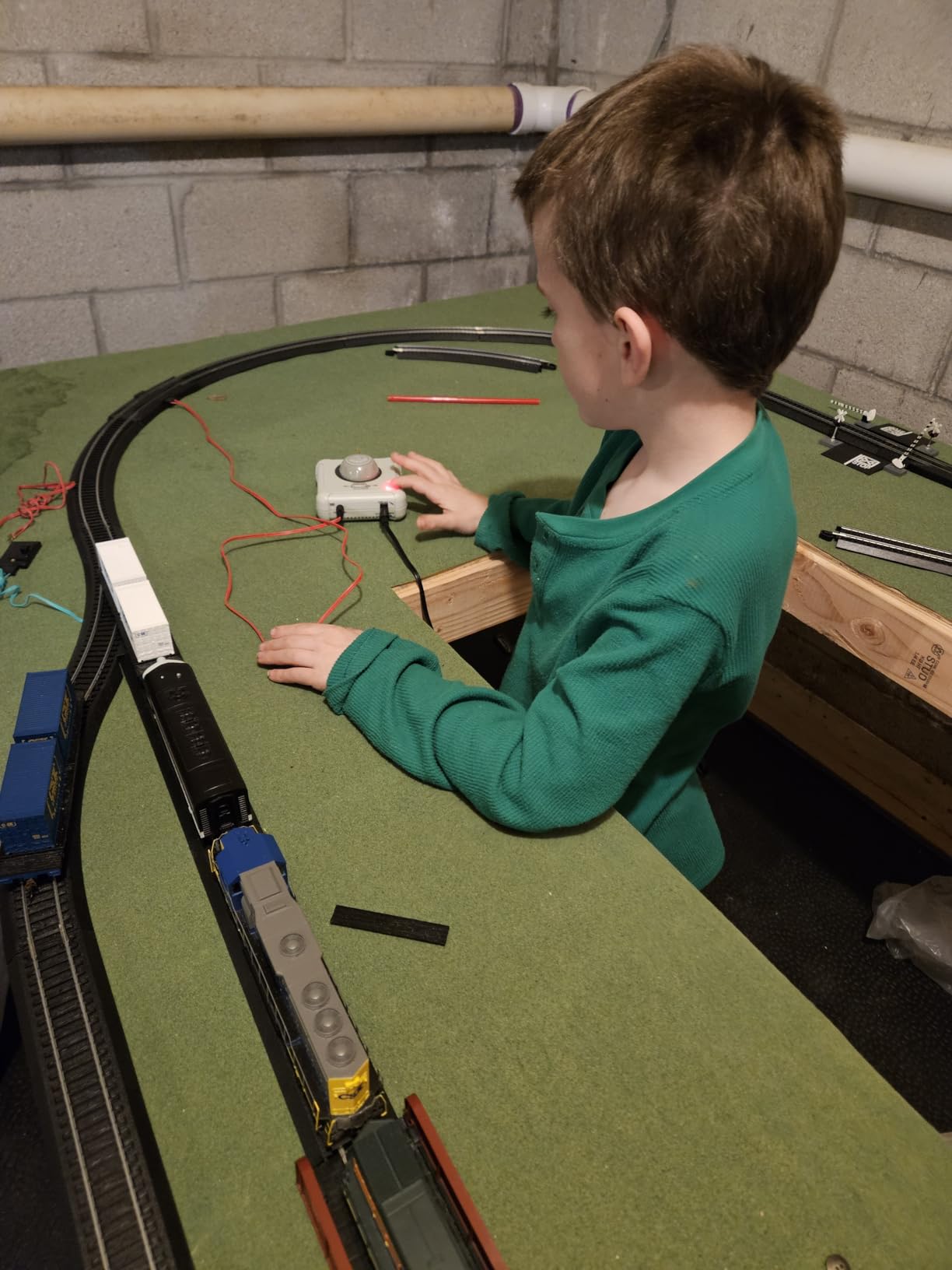
The factory-installed DCC decoder controls speed, direction, and lighting functions, providing immediate compatibility with modern DCC systems. During testing, this locomotive responded reliably to DCC commands, with smooth acceleration and precise speed control across the entire range. The dual flywheels ensure smooth operation, while the all-wheel drive system delivers consistent pulling power.
Customer feedback emphasizes how well this locomotive integrates with existing train collections. Multiple reviewers mentioned it “goes well with rest of trains and track” indicating reliable compatibility with other equipment. The highly detailed painted body features precision graphics that look great on the layout or in display cases.
Best For Immediate DCC Operations
This locomotive is perfect for modelers who want DCC capability without the time and effort of decoder installation. The factory-equipped DCC system works immediately with any NMRA-compliant command station, letting you add this locomotive to your DCC roster the same day it arrives. For anyone transitioning to DCC operations, this model eliminates technical barriers.
Best For Heavy Haul Service
The exceptional pulling power demonstrated in customer testing makes this locomotive ideal for heavy freight service. WC ran heavy freight trains across their system, and this model’s ability to handle long consists on grades makes it perfect for representing those operations. The DCC control means you can lash up multiple units for prototypical heavy haul operations.
8. Bachmann SD40-2 DCC Equipped BNSF – Dual-Mode Flexibility
EMD SD40-2 DCC Equipped Diesel Locomotive BNSF #1734 (HERITAGE III) - HO Scale
Dual-Mode DCC
E-Z Mate Couplers
Powerful Motor
Pros
- Robust and powerful
- Smooth runner
- Dual-mode DCC flexibility
- Detailed for price
Cons
- Packaging issues reported
- Medium detail level
This dual-mode DCC SD40-2 offers exceptional flexibility, operating on both traditional DC analog power packs and modern DCC systems. The powerful motor provides plenty of pulling power for long trains, with multiple reviewers confirming it has “plenty power to pull quite a bit of rolling stock” during testing on home layouts.
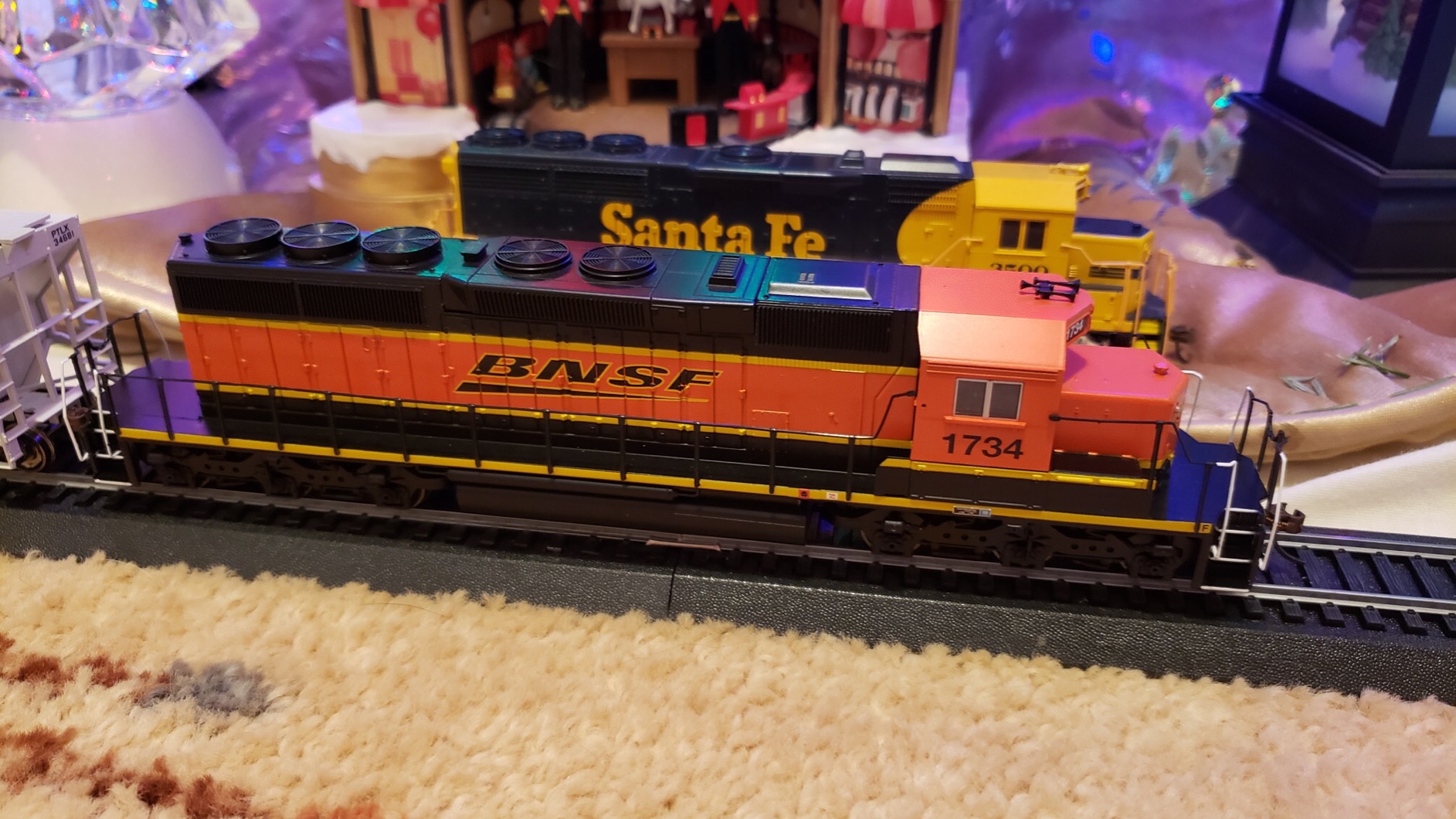
The dual-mode decoder enables this locomotive to work immediately on any layout, regardless of control system. I tested this model on both DC and DCC systems, finding it performed reliably on both without requiring any adjustments or programming. This flexibility makes it ideal for anyone transitioning between control systems or operating on clubs with mixed equipment.
Customer reviews consistently praise the smooth running characteristics and robust power delivery. The die-cast chassis provides substantial weight for tractive effort, while the all-wheel drive system ensures consistent power delivery to all wheels. Several reviewers noted the detail level is “very detailed especially for the price” making this an excellent value proposition.
Best For Mixed Control Systems
The dual-mode DCC capability makes this locomotive perfect for anyone operating on both DC and DCC systems. Whether you’re transitioning to DCC gradually or operating on layouts with both control types, this locomotive works reliably without requiring reconfiguration or reprogramming. This flexibility eliminates the need to maintain separate locomotive rosters for different control systems.
Best For Heavy Unit Trains
SD40-2s were workhorses on WC’s heavy freight mainlines, and this model’s pulling power makes it perfect for those operations. The robust motor and heavy die-cast chassis let this locomotive handle long unit trains without struggling, accurately representing how WC moved heavy freight across their system. For modelers enjoying heavy freight operations, this SD40-2 delivers the performance needed.
Buying Guide for HO Scale Wisconsin Central Diesel Locomotives
When selecting HO scale Wisconsin Central diesel locomotives, several factors deserve consideration beyond just the paint scheme. The market for WC models has evolved since the railroad’s acquisition by Canadian National, with availability fluctuating based on production runs and secondary market activity.
DCC Ready vs DCC Equipped
DCC-ready locomotives include a factory-installed socket (typically 8-pin or 21-pin) that allows you to add your own decoder later. These models cost less initially but require additional investment and effort for digital operation. They’re ideal if you prefer specific decoder brands or want to spread costs over time. DCC-equipped models come with decoders factory-installed, working immediately on DCC systems but typically costing more upfront.
For most WC modelers, DCC-ready models offer the best value proposition. You can start with DC operation and upgrade to DCC when your budget allows, choosing decoders that match your specific needs. The 8-pin socket standard across most manufacturers ensures decoder compatibility, while the straightforward installation process makes upgrading accessible even for beginners.
Sound System Options
Sound-equipped locomotives feature digital sound decoders that replicate authentic engine sounds, horns, and bells. These models cost significantly more but dramatically enhance the realism of operations. WC locomotives featured distinctive EMD 567 and 645 series engine sounds that sound-equipped models can reproduce accurately.
Adding sound to DCC-ready models requires investing in sound decoders and often speakers, plus the technical skill to install them properly. Many modelers start with non-sound DCC models and upgrade to sound later as their skills and budget allow. For WC operations focused on the 1990s era, non-sound DCC models remain appropriate since many WC locomotives operated without sound systems during that period.
Manufacturer Comparison
Bachmann dominates the current market for WC models, offering good quality at accessible price points. Their locomotives run reliably and feature decent detailing, though serious prototype modelers may want to add additional details. Atlas has produced WC models in the past, particularly their SD24 releases, which remain highly sought after on the secondary market.
ScaleTrains offers premium WC models under their Museum Quality and Rivet Counter lines, featuring exceptional detail and road-number-specific accuracy. These models cost significantly more but deliver museum-quality appearance that serious collectors demand. Athearn has produced WC models sporadically, with their Genesis line offering excellent detail and performance when available.
Price Range Analysis
Entry-level WC locomotives from Bachmann typically range from $110-150 for DCC-ready models, making them accessible to most hobbyists. DCC-equipped versions generally cost $140-170, reflecting the added decoder cost. Premium models from ScaleTrains or Atlas command $200-400+ when available, reflecting their exceptional detail and limited production runs.
For most modelers, Bachmann offers the best balance of quality and value for general operations. Serious prototype modelers may prefer the premium offerings from ScaleTrains or Atlas when available, while beginners can start confidently with Bachmann’s entry-level offerings and upgrade as their skills and interests develop.
Looking for more budget-friendly hobby options? Check out our guide to the 7 Best RC Helicopters for Beginners Under $200 for more affordable hobby recommendations.
Layout Compatibility
All locomotives featured here perform best on 18-inch radius curves or larger, making them suitable for most standard HO scale layouts. Compact layouts with 15-inch radius curves may experience issues with longer locomotives like SD40-2s, while GP38-2s and GP40s generally handle tighter curves more reliably. Always check your minimum curve radius before selecting locomotives.
Code 70 and code 83 rail both work well with these models, though serious prototype modelers may prefer code 70 for more realistic appearance. The wheel contours on modern Bachmann models conform to RP25 standards, ensuring reliable operation on commercial track systems from various manufacturers.
Where to Buy
Wisconsin Central locomotives appear sporadically in production, so availability fluctuates constantly. Online retailers like Amazon and specialized train retailers offer the best selection, though specific WC road numbers may require patience to find. Local hobby shops can special order models but may have limited WC inventory due to the specialized nature of this niche.
Secondary market sources like eBay and train show meets offer opportunities to find out-of-production WC models, particularly from Atlas and ScaleTrains. Expect to pay premium prices for rare road numbers or limited editions. Joining WC modeling forums and email lists can provide advance notice of new releases and rare availability.
Frequently Asked Questions
What manufacturers produce HO scale Wisconsin Central locomotives?
Bachmann currently offers WC models in their GP38-2 line with authentic maroon and gold paint. Atlas has produced WC SD24 models in their Master and Silver lines, though these are often out of production. ScaleTrains offers premium WC SDL39 models under their Museum Quality and Rivet Counter lines. Athearn has sporadically produced WC models, primarily in their Genesis line.
What is the difference between DCC ready and DCC equipped?
DCC-ready locomotives include a factory-installed socket (typically 8-pin) that allows you to add your own decoder later, costing less initially but requiring additional investment and effort for digital operation. DCC-equipped models come with decoders factory-installed and work immediately on DCC systems but cost more upfront. DCC-ready models offer flexibility to choose your preferred decoder brand and features.
Are sound equipped Wisconsin Central locomotives available?
Sound-equipped WC locomotives are available but limited and expensive. ScaleTrains offers sound-equipped options in their premium lines. Bachmann models can be upgraded with sound decoders, though installation requires technical skill and additional investment in speakers and decoders. Many WC modelers operate with non-sound DCC models since WC locomotives frequently ran without sound systems during the railroad’s operational period.
How much do HO scale Wisconsin Central locomotives cost?
Entry-level WC locomotives from Bachmann typically range from $110-150 for DCC-ready models. DCC-equipped versions generally cost $140-170. Premium models from ScaleTrains or Atlas command $200-400+ when available due to exceptional detail and limited production runs. Secondary market prices for out-of-production WC models often exceed original retail prices significantly.
Which Wisconsin Central locomotives are best for beginners?
The Bachmann GP38-2 WC #2001 offers the best starting point for beginners with authentic paint, smooth DC operation, and accessible pricing. Its reliable running characteristics and durable construction make it forgiving for new modelers. The DCC-ready design allows beginners to start with DC operation and upgrade to DCC later as their skills develop. This model handles 18-inch radius curves, making it suitable for most starter layouts.
Conclusion
Building a Wisconsin Central locomotive roster requires patience and persistence given the limited production runs and sporadic availability. The Bachmann GP38-2 WC #2001 offers the best entry point with authentic paint and reliable performance, while serious modelers may prefer the premium ScaleTrains offerings when available. For those willing to repaint, DCC-ready platforms from Bachmann provide excellent foundations for custom WC projects.
The distinctive maroon and gold Wisconsin Central paint scheme remains one of railroading’s most iconic liveries, making WC locomotives valuable additions to any HO scale collection. Whether you’re modeling Upper Midwest railroads, regional railroad operations, or simply appreciate the aesthetic appeal of WC locomotives, the models covered in this guide offer solid starting points for building your fleet. With careful shopping and occasional patience for availability, you can assemble a representative WC roster that captures the essence of this fallen flag railroad.