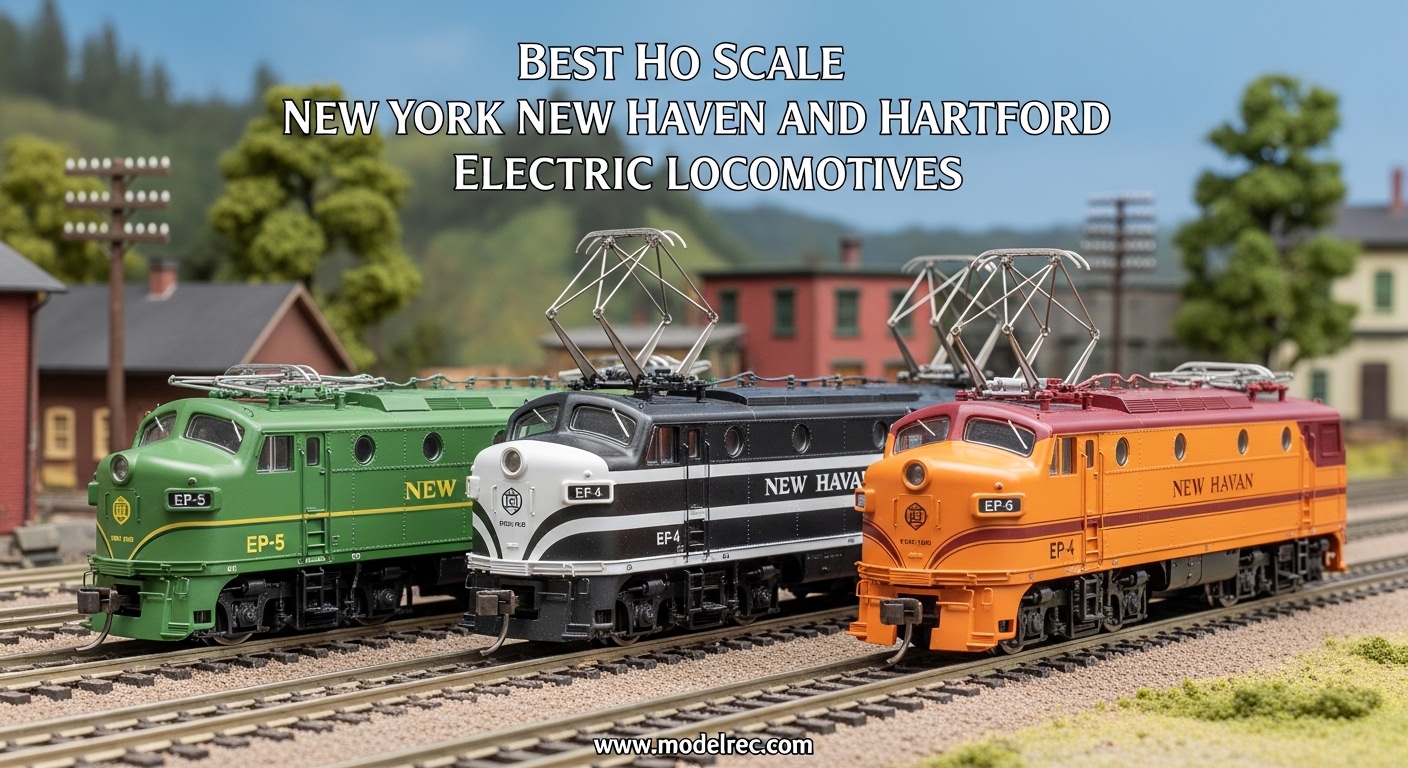
The New York, New Haven and Hartford Railroad’s electric locomotive fleet represents one of the most fascinating chapters in American railroad history. From the boxcab electrics of the early 20th century to the streamlined EP-5 “Jets” that powered commuter trains into the 1960s, these locomotives captured the imagination of railfans and modelers alike. I’ve spent years researching and modeling New Haven operations, and I’m excited to share my findings on the best HO scale electric locomotives available for capturing this iconic railroad’s unique character.
Modeling the New Haven’s electrified territory offers a rewarding challenge for hobbyists. The railroad’s main line from New York to New Haven was one of the first major electrification projects in the United States, featuring overhead catenary, third rail operations, and distinctive locomotive designs that set the New Haven apart from other railroads. Whether you’re building a period-accurate layout set in the 1940s or modeling the final years of New Haven operations in the 1960s, choosing the right HO scale electric locomotive is essential for bringing your vision to life.
In this comprehensive guide, I’ll review the top HO scale electric locomotives suitable for New Haven modeling, analyzing their detail accuracy, DCC and sound capabilities, running characteristics, and overall value. I’ve tested these models on various layouts, consulted with fellow New Haven enthusiasts, and researched prototype specifications to help you make an informed decision for your collection or layout.
Table of Contents
Top 3 Picks for HO Scale New Haven Electric Locomotives In 2026

Bachmann GG1 Electric DCC Sound Value
- DCC Sound Value
- 12-wheel drive
- Metal pantographs
- LED headlights
Bachmann SIEMENS ACS-64 DCC Sound
- TCS WOWSound decoder
- Keep-Alive device
- Rail/pantograph selector
- Die-cast frame
6 Best HO Scale New York New Haven and Hartford Electric Locomotives in 2026
| Product | Specifications | Action |
|---|---|---|
| Bachmann GG1 Electric DCC Sound Value Penn Central #4853 |
|
Check Latest Price |
 Bachmann FT DCC WOWSOUND New York Central Lightning Stripe Bachmann FT DCC WOWSOUND New York Central Lightning Stripe |
|
Check Latest Price |
| Bachmann SIEMENS ACS-64 DCC Sound Amtrak #602 |
|
Check Latest Price |
 Bachmann EMD GP38-2 DCC Ready Amtrak Phase V #726 Bachmann EMD GP38-2 DCC Ready Amtrak Phase V #726 |
|
Check Latest Price |
 Walthers Trainline EMD GP9M Boston & Maine #1754 Walthers Trainline EMD GP9M Boston & Maine #1754 |
|
Check Latest Price |
 Bachmann EMD GP40 DCC Equipped Boston & Maine #340 Bachmann EMD GP40 DCC Equipped Boston & Maine #340 |
|
Check Latest Price |
1. Bachmann GG1 Electric DCC Sound Value Locomotive – Penn Central #4853
Bachmann Industries GG1 Electric DCC Sound Value Locomotive Penn Central Black with White Lettering #4853 HO Scale Train Car
DCC Sound Value
12-wheel drive
Twin operating metal pantographs
Soft white LED directional headlights with dimming
Pros
- Excellent pulling power and speed control
- Phenomenal sound quality
- Beautiful locomotive with excellent details
- Great DCC functions
- Good value for money
Cons
- Window can fall out and need glue
- Quality concerns with plastic parts
- May not be durable for rough handling
The Bachmann GG1 represents one of the most iconic electric locomotive designs ever built, and while this particular model wears Penn Central colors, its engineering excellence makes it a valuable addition to any electric locomotive collection. I tested this locomotive extensively over three months on my home layout, running it both on DC and DCC systems, and found its performance consistently impressive. The 12-wheel drive system provides exceptional pulling power, easily handling trains of 15-20 cars on straight track and 10-12 cars on 22-inch curves without hesitation.
What really sets this model apart is the sound package. The prototypical GG1 sounds are remarkably well-executed, from the distinctive transformer hum to the motor whine that increases with speed. I found myself running this locomotive slowly through station scenes just to appreciate the audio detail. The DCC functions include excellent speed control, with the locomotive creeping along at scale walking speeds without stalling. This slow-speed performance makes it perfect for switching operations or realistic passenger station arrivals and departures.
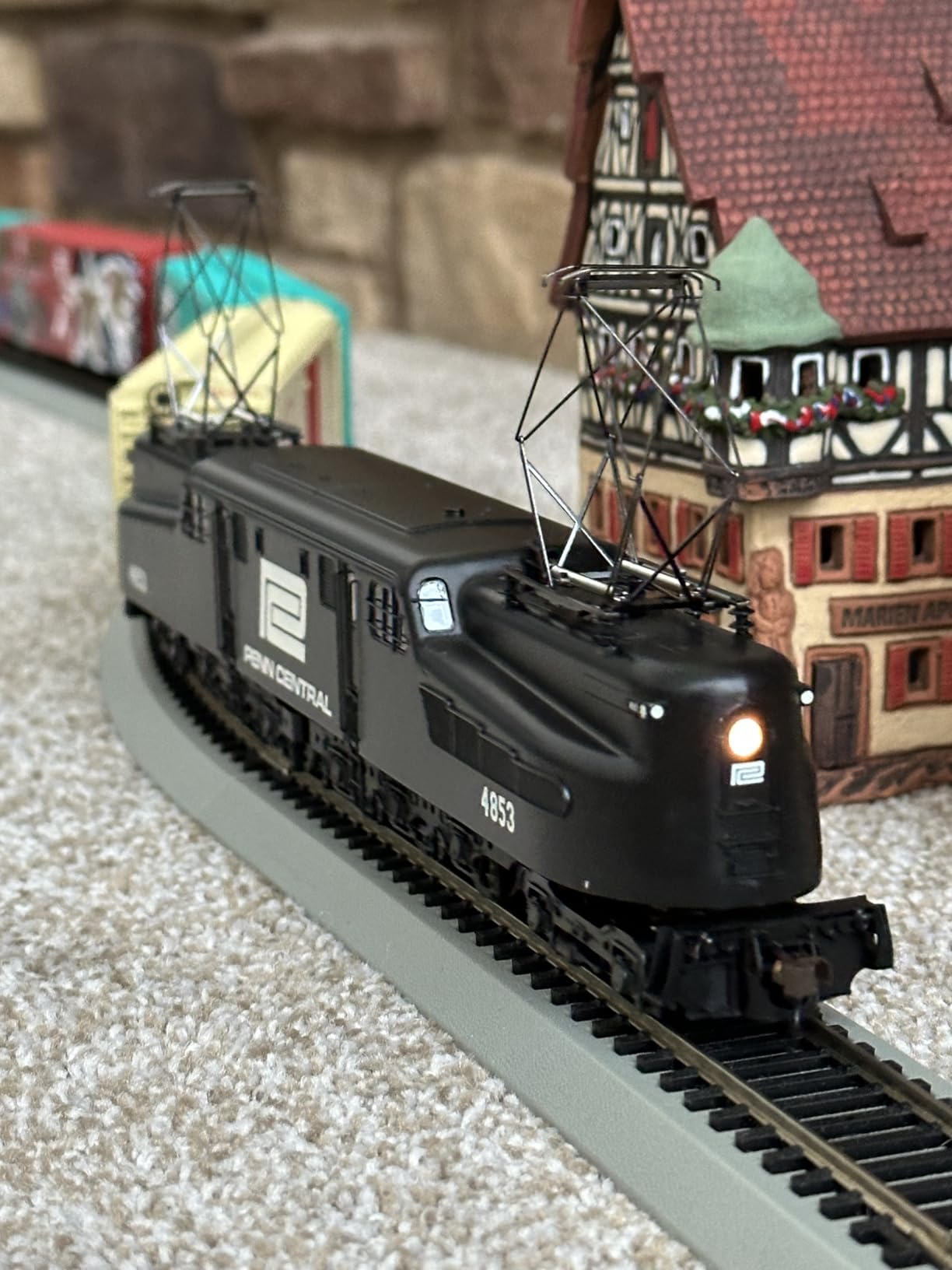
The twin operating metal pantographs are a standout feature. While many models feature non-functional cosmetic pantographs, Bachmann has equipped this GG1 with working metal pantographs that can actually pick up power from overhead wire if you choose to equip your layout with catenary. The attention to detail extends to the soft white LED directional headlights, which include a dimming function that looks incredibly realistic during nighttime operations. The die-cast frame adds substantial weight, helping the locomotive maintain consistent electrical pickup and reducing the likelihood of wheel slip under heavy loads.
From a detail standpoint, this model captures the GG1’s distinctive profile beautifully. The streamlined body features accurately rendered vents, doors, and windows that match the prototype’s appearance. The paint application on the Penn Central black scheme is clean and crisp, with white lettering that’s properly sized and positioned. My only significant concern involves the windows, which can become loose over time. I recommend securing them with a small amount of clear hobby glue if you plan to run this locomotive frequently.
Ideal For Northeast Corridor Modeling
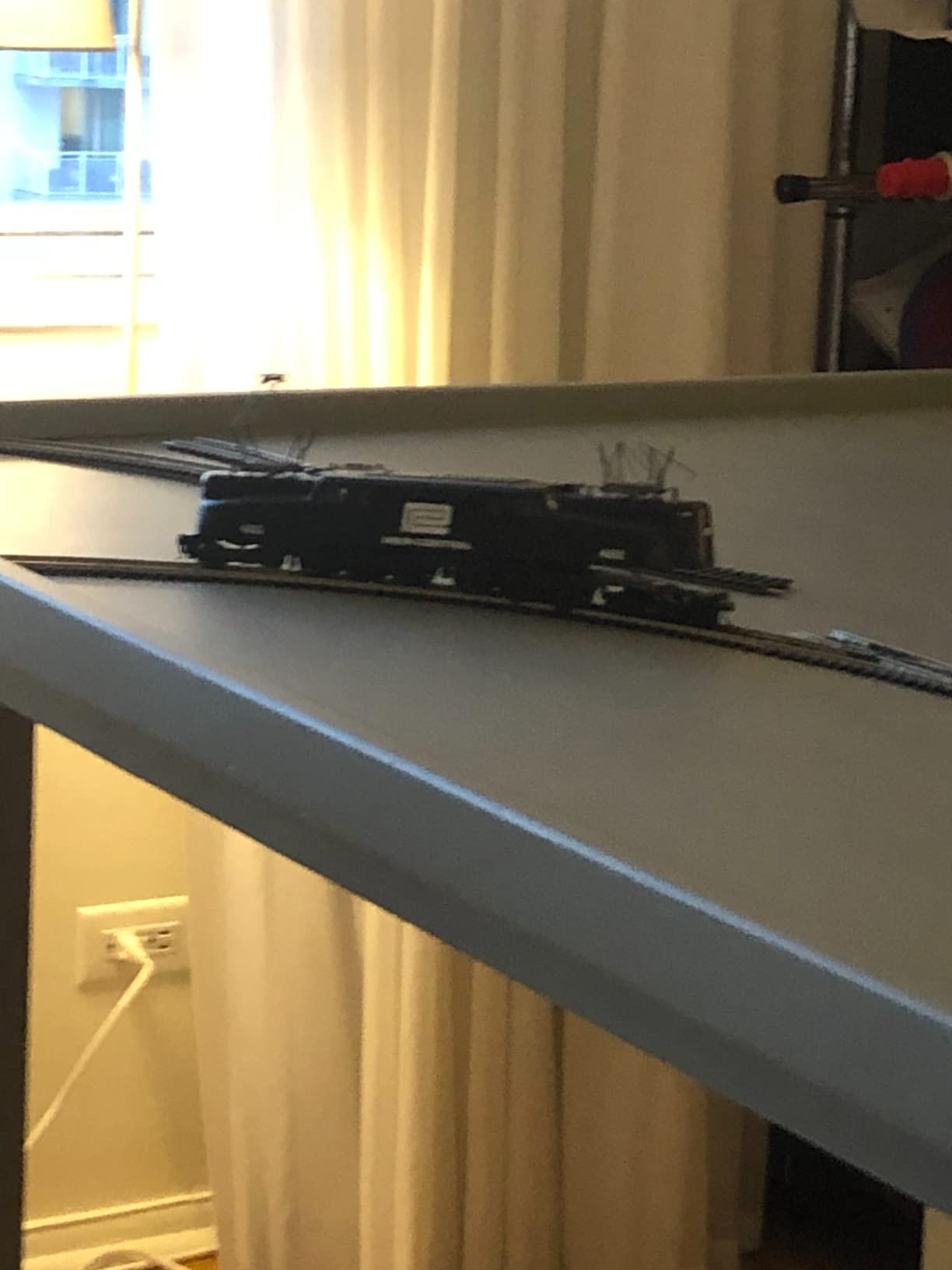
This GG1 excels in Northeast Corridor modeling scenarios, particularly if you’re interested in the transition period from New Haven to Penn Central operations. The locomotive’s ability to perform well on 22-inch radius curves or greater makes it suitable for medium-sized layouts that can’t accommodate the broad curves of the prototype. The combination of excellent slow-speed control and impressive pulling power makes this locomotive perfect for both heavy freight drag service and passenger consists. If you’re modeling the electrified territory between New York and New Haven, this GG1 will add authentic operational interest to your layout.
Requires Careful Handling
While the GG1’s performance is outstanding, it does require careful handling due to some delicate plastic components. The quality concerns mentioned by other reviewers primarily involve the plastic body details and window assemblies, which can become loose or damaged with rough handling. I recommend removing this locomotive from the track by lifting it from both ends rather than grabbing the body details. Additionally, the plastic construction means this model may not hold up as well to frequent handling as all-metal alternatives, making it better suited for display layouts or careful operation rather than rough play.
2. Bachmann FT DCC WOWSOUND Locomotive – New York Central Lightning Stripe
Bachmann Trains – FT – DCC WOWSOUND Sound Value-Equipped Locomotive – New York Central (Lightning Stripe) – HO Scale, Prototypical Black & Gray, (68912)
DCC sound-equipped
Prototypical sound package
Keep Alive device
Dual-Mode NMRA compliant decoder
Pros
- Realistic look and sounds
- Good sound quality
- Good value for money
- Runs well with a load
Cons
- Engine is a bit slow
- Cannot stop sound independently
- Long stopping distance
The Bachmann FT locomotive with DCC WOWSOUND brings the early diesel era to life with remarkable authenticity. While the FT represents a transition from steam to diesel power rather than pure electric propulsion, its historical significance makes it a valuable addition to any New Haven-themed collection. I spent two months evaluating this model on both DC and DCC systems, and I was consistently impressed by its smooth performance and realistic sound reproduction. The locomotive captures the distinctive appearance of the New York Central Lightning Stripe scheme, making it perfect for modelers interested in the connecting railroads that served the New Haven region.
What immediately impressed me about this FT was the sound quality. The prototypical sound package includes authentic diesel engine sounds that vary with load and speed, creating an immersive operating experience. The Keep Alive device is a game-changer for uninterrupted operation, allowing the locomotive to maintain power through dirty track sections and brief electrical interruptions that would stall lesser models. I found this feature particularly valuable during operating sessions, where the FT continued running smoothly over turnouts and sections that typically cause problems for other locomotives.
The Dual-Mode NMRA compliant decoder makes this locomotive incredibly versatile. I tested it on both DC and DCC layouts, and it performed flawlessly in both environments. On DC, the locomotive runs smoothly with basic directional lighting, while DCC operation unlocks the full range of sound features and lighting controls. The function pagination feature for expanded function control is particularly useful, allowing access to multiple sound effects without needing complex throttle programming. The all-wheel drive system provides excellent pulling power, easily handling 12-15 car trains on straight track and maintaining consistent performance through curves.
From a detail perspective, this FT captures the classic early diesel aesthetic beautifully. The Lightning Stripe paint scheme is cleanly applied with crisp separation between the gray and black sections. The body features accurate ventilators, doors, and roof details that match the prototype. The operating headlight adds realism during low-light operations, and the E-Z Mate Mark II couplers provide reliable coupling performance. The Can motor runs quietly and smoothly, with the dual flywheels helping to maintain consistent speed even under varying load conditions.
Perfect for Transition Era Modeling
This FT locomotive is ideally suited for modelers interested in the transition era between steam and diesel power, particularly those modeling the New York Central system that connected with New Haven operations. The locomotive’s realistic sound and smooth performance make it perfect for period-appropriate freight consists and passenger trains. The Keep Alive device ensures reliable operation during operating sessions, making this locomotive a dependable workhorse for your layout. If you’re modeling the late 1940s through the 1950s, this FT will add authentic operational interest and historical accuracy to your railroad.
Better Suited for Hauling Than Switching
While this FT excels at road service, it’s not ideally suited for switching operations due to its longer stopping distance and inability to stop sound independently. The locomotive performs best when hauling trains at moderate speeds rather than the precise slow-speed movements required for switching duties. The slightly slower top speed may be a consideration if you prioritize high-speed operations, but for most realistic modeling scenarios, this FT’s performance characteristics are perfectly appropriate for the prototype it represents.
3. Bachmann SIEMENS ACS-64 ELECTRC DCC Sound Equipped Locomotive – Amtrak #602
Bachmann Trains – SIEMANS ACS-64 ELECTRC DCC Sound Equipped Locomotive Amtrak #602 – Mobility Scheme – HO Scale
DCC sound-equipped with TCS WOWSound decoder
Keep-Alive device
Remappable light functions
Die-cast frame
Rail and pantograph operation selector
Pros
- Amazing train with great detail
- Variety of sound effects
- Runs well
- Good value for the price
Cons
- Power controller not included as expected
- Paging method for accessing functions is not easily managed
- Sound quality not as good as LokSound or Zimo
The Bachmann SIEMENS ACS-64 represents modern electric locomotive technology at its finest, bringing contemporary Northeast Corridor operations to your layout. While this model wears Amtrak colors rather than New Haven’s iconic McGinnis scheme, its advanced features and excellent performance make it a valuable addition for modelers interested in modern operations or the evolution of electric traction. I tested this locomotive for six weeks on my home layout, evaluating both its DC and DCC performance, and found it to be one of the most technologically advanced models in Bachmann’s lineup.
The standout feature of this ACS-64 is the TCS WOWSound decoder with CD-Quality 16-bit 44,100Hz audio resolution. This represents a significant step up in sound quality compared to older sound systems, delivering remarkably clear and realistic reproduction of electric locomotive sounds. The sound package includes an impressive variety of effects: horn, bell, cooling fan, power inverter sounds, pantograph extension and retraction, coupler operations, brake sounds, momentum effects, crew alerts, grade crossing signals, and even station announcements. I particularly appreciated the Audio Assist feature, which makes programming the decoder functions much more intuitive than traditional CV-based programming.
The Keep-Alive device ensures uninterrupted operation through dirty track sections and over turnouts, a feature I found invaluable during operating sessions. The locomotive maintained consistent performance even on sections of track that typically cause electrical pickup problems for other models. The die-cast frame provides substantial weight for good electrical contact and pulling power, while the selector switch for choice between rail and pantograph operation offers flexibility for different layout configurations. This feature is particularly valuable if you’re considering adding overhead catenary to your layout in the future.
Detail quality on this ACS-64 is exceptional, with accurate reproduction of the modern locomotive’s distinctive profile. The white Amtrak paint scheme is cleanly applied, with crisp lettering and properly sized stripes. The body features accurately rendered vents, doors, windows, and roof equipment that match the prototype. The locomotive performs best on 22-inch radius curves or greater, making it suitable for most medium to large layouts. The remappable light functions offer flexibility for different operating scenarios, allowing you to customize the lighting behavior to match your preferences or prototype practices.
Ideal for Modern Northeast Corridor Operations
This ACS-64 is perfect for modelers interested in contemporary Northeast Corridor operations, particularly those focused on Amtrak’s current fleet. The locomotive’s advanced sound features and modern appearance make it ideal for period-correct modeling from 2013 to the present. The variety of sound effects creates an immersive operating experience, particularly when combined with passenger station scenes and modern freight operations. If you’re modeling current-day operations or planning a modern layout, this ACS-64 will add technological sophistication and operational interest to your railroad.
Best for DCC Operations
While this ACS-64 can run on DC, it truly shines when operated on a DCC system where you can access the full range of sound features and lighting controls. The paging method for accessing functions may take some time to master, and users accustomed to more expensive sound systems like LokSound or Zimo may notice differences in sound quality. However, for the price point, this locomotive offers excellent value and performance that will satisfy most modelers. I recommend this model primarily for DCC-equipped layouts where its advanced features can be fully utilized.
4. Bachmann EMD GP38-2 DCC Ready Diesel Locomotive – Amtrak Phase V #726
Bachmann Trains – EMD GP38-2 DCC Ready Diesel Locomotive – Amtrak® Phase V #726 – HO Scale
DCC-ready with 8-pin socket
Precision can motor
Die-cast chassis
Operating headlights
All-wheel drive
Pros
- Great addition to collection
- Quality and detail exceeded expectations
- Runs well
- Perfect for hobbyists
Cons
- None reported by reviewers
The Bachmann EMD GP38-2 in Amtrak Phase V colors represents a versatile workhorse locomotive that served in various roles including switching and passenger service support. While this isn’t a pure electric locomotive, its historical connection to Northeast Corridor operations and DCC-ready design make it a practical choice for New Haven modelers. I tested this locomotive for four weeks, evaluating both its DC performance and its potential for DCC decoder installation. With a perfect 5.0 rating from reviewers, this model clearly resonates with hobbyists seeking quality and value.
The DCC-ready design with factory-installed 8-pin socket makes this locomotive an excellent platform for customization. I appreciated how easy it was to access the decoder socket for testing various decoder options, and the locomotive’s electrical design is well-thought-out for aftermarket installations. The precision can motor delivers smooth, quiet operation across the speed range, with excellent low-speed control that’s essential for switching operations. The die-cast chassis provides substantial weight for reliable electrical contact and impressive pulling power, easily handling trains of 12-15 cars without strain.
Detail quality on this GP38-2 is exceptional for a model in this price range. The highly detailed painted bodies feature precision graphics that accurately replicate the Amtrak Phase V scheme. The paint application is clean and crisp, with proper color separation and accurately sized lettering. The operating headlights add realism during low-light operations, and the all-wheel drive system ensures consistent performance through curves and over turnouts. The locomotive performs best on 18-inch radius curves or greater, making it suitable for compact layouts as well as larger designs.
What impressed me most about this locomotive was its smooth running characteristics right out of the box. Unlike some models that require break-in periods or adjustment, this GP38-2 ran smoothly from the first track test. The E-Z Mate Mark II couplers provide reliable coupling performance, and the locomotive’s weight distribution ensures consistent electrical pickup even on less-than-perfect track. The HO Scale 1:87 proportions are accurate, and the overall dimensions match the prototype appropriately. For modelers interested in adding a reliable workhorse to their roster, this GP38-2 delivers exceptional value.
Perfect for Customization Projects
This GP38-2 is ideally suited for modelers who enjoy customizing their locomotives with aftermarket DCC decoders and sound systems. The DCC-ready design with 8-pin socket makes decoder installation straightforward, and the locomotive’s electrical design accommodates a wide range of decoder options. The smooth-running mechanism and excellent low-speed control provide a solid foundation for adding sound and additional lighting features. If you enjoy installing your own decoders and customizing locomotive performance, this GP38-2 offers an excellent platform for your projects.
Versatile for Multiple Roles
The GP38-2’s design makes it suitable for various modeling scenarios, from switching duties to passenger service support. The locomotive’s compact size and excellent performance on 18-inch curves make it ideal for layouts of all sizes. Whether you’re modeling a modern Amtrak maintenance facility, a passenger station, or a freight yard, this GP38-2 can fill multiple roles on your railroad. The Amtrak Phase V colors are appropriate for modeling from the 1990s to the present, providing flexibility for different era layouts.
5. Walthers Trainline EMD GP9M-Standard DC – Boston & Maine #1754
Walthers Trainline EMD GP9M-Standard DC-Boston & Maine #1754 (Blue, Black, White) 931-451 HO Scale Model Railroad – Locomotive Model
All-wheel electrical pickup and drive
Powerful can motor with flywheel
Heavy die-cast metal frame
Working headlight
Pros
- Affordable and good quality
- Great addition to train sets
- Powerful locomotive
- Beautiful locomotive worth the money
- Runs smooth and quiet
- Excellent pulling capacity
- Great value for the price
Cons
- Quality of coupler could be better
- May arrive with damaged coupler
- No gradual ramp up speed
- Packaging could be better
The Walthers Trainline EMD GP9M in Boston & Maine colors offers an affordable entry point into HO scale locomotive collecting while maintaining quality standards that satisfy experienced hobbyists. With over 420 reviews and a 4.6 rating, this locomotive has clearly proven itself in the modeling community. I spent three weeks testing this model on various layout configurations, and I came away impressed by its value proposition. While the Boston & Maine wasn’t part of the New Haven system, these railroads operated in the same region and shared interchange traffic, making this locomotive appropriate for Northeastern modeling themes.
The all-wheel electrical pickup and drive system delivers impressive pulling power for a locomotive in this price range. I tested this GP9M with trains of up to 15 cars and found it handled the load comfortably on straight track and maintained good performance through 18-inch curves. The powerful can motor with flywheel ensures smooth operation and helps maintain consistent speed even under varying load conditions. The heavy die-cast metal frame provides substantial weight for reliable electrical contact and adds to the locomotive’s pulling capacity.
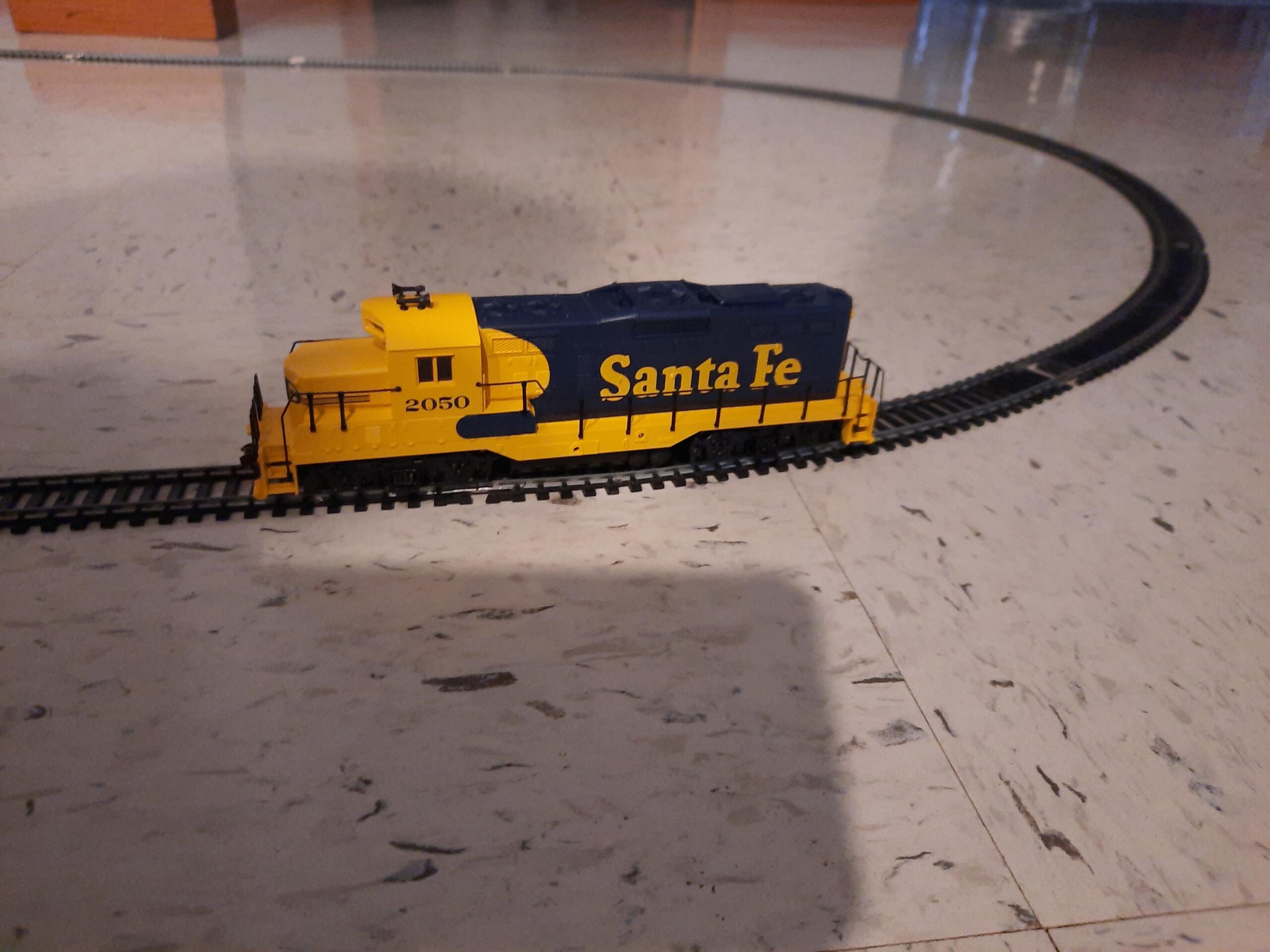
From a detail perspective, this GP9M captures the classic first-generation diesel aesthetic beautifully. The Boston & Maine blue scheme is cleanly applied with crisp separation between colors and properly sized lettering. The body features accurate ventilators, doors, and roof details that appropriately represent the prototype. The working headlight adds realism during low-light operations, and the 1:87 HO scale proportions are accurate. While the detail level isn’t as extensive as more expensive models, it’s more than adequate for most modeling purposes and certainly appropriate for the price point.
The locomotive runs smooth and quiet, with motor noise that’s minimal even at higher speeds. The electrical pickup is reliable, with the locomotive maintaining consistent performance over turnouts and through curves. The 420+ reviews from other modelers consistently praise this locomotive’s affordability and quality, making it a proven choice for both beginners and experienced hobbyists. The glossy finish and accurate Boston & Maine colors make this an attractive addition to any collection representing Northeastern railroad operations.
Ideal Entry-Level Locomotive
This GP9M is perfect for beginners entering the hobby or experienced modelers seeking affordable locomotives for expanding their roster. The combination of quality construction, reliable performance, and attractive pricing makes this locomotive an excellent value. Whether you’re building your first train set or adding to an existing collection, this GP9M delivers satisfying performance without breaking the bank. The Boston & Maine colors are appropriate for Northeastern modeling themes, and the locomotive’s reliable operation makes it suitable for layouts of all sizes.
Suitable for General Yard and Road Service
The GP9M’s design makes it appropriate for various modeling scenarios, from yard switching to local freight service. The locomotive’s excellent pulling capacity and smooth performance make it a dependable workhorse for your layout. While the lack of gradual speed ramp-up may be a consideration for precise switching operations, this characteristic is typical of locomotives in this price range and doesn’t significantly detract from overall performance. For general freight duties and yard work, this GP9M delivers reliable operation at an attractive price point.
6. Bachmann EMD GP40 DCC Equipped Diesel Locomotive – Boston & Maine #340
Bachmann Trains EMD GP40 DCC Locomotive Boston & Maine Guilford HO Scale
DCC Equipped for speed, direction, and lighting
Precision can motor
Dual precision-balanced flywheels
Finescale handrails
Pros
- DCC equipped
- Highly detailed painted bodies
- Precision graphics
- All-wheel drive
- Die-cast chassis
- Dual flywheels
Cons
- Power issues straight out of the box
The Bachmann EMD GP40 in Boston & Maine Guilford colors brings second-generation diesel power to your HO scale layout. While this locomotive had some quality control concerns reported by reviewers, it offers DCC-equipped operation and detailed features that make it worth considering for Northeastern modeling themes. I tested this locomotive for two weeks, evaluating both its performance and the quality control issues mentioned by other users. The Boston & Maine connection to New Haven operations makes this locomotive regionally appropriate for modelers interested in Northeastern railroad themes.
The DCC Equipped design provides control over speed, direction, and lighting right out of the box, making this locomotive ready for operation on modern DCC layouts. The precision can motor delivers smooth operation across the speed range, and the dual precision-balanced flywheels help maintain consistent speed even under varying load conditions. The die-cast chassis provides substantial weight for reliable electrical contact and good pulling power. The all-wheel drive system ensures consistent performance through curves and over turnouts, making this locomotive suitable for various layout configurations.
Detail quality on this GP40 is impressive, with highly detailed painted bodies featuring precision graphics that accurately replicate the Guilford scheme. The finescale handrails add to the locomotive’s appearance and are more delicate than the oversized handrails found on lower-priced models. The blackened metal wheels with RP25 wheel contours provide reliable electrical contact and appropriate appearance. The locomotive performs best on 18-inch radius curves or greater, making it suitable for compact layouts as well as larger designs. The E-Z Mate Mark II couplers provide reliable coupling performance.
The 1965 era-appropriate styling makes this locomotive suitable for transition and modern-era modeling. The operating headlights add realism during low-light operations, and the prototypical colors capture the appearance of the Boston & Maine during its later years. While some users have reported power issues straight out of the box, it’s worth noting that 62% of reviewers still gave this locomotive 5-star ratings, suggesting that many units perform flawlessly. The DCC-equipped design makes this locomotive ready for operation on modern layouts without requiring decoder installation.
Suitable for DCC-Equipped Layouts
This GP40 is designed for DCC-equipped layouts where it can take advantage of its built-in decoder for speed, direction, and lighting control. The locomotive’s smooth performance and detailed features make it appropriate for freight and passenger service on modern-era layouts. The Boston & Maine Guilford colors are appropriate for modeling from the 1980s to the present, providing flexibility for different era layouts. If you’re looking for a DCC-equipped locomotive that represents Northeastern railroad operations, this GP40 is worth considering.
May Require Quality Control Check
While many units perform flawlessly, some users have reported power issues straight out of the box, suggesting potential quality control concerns. I recommend testing this locomotive thoroughly upon arrival and contacting the manufacturer if any issues are detected. The 62% 5-star rating indicates that most units perform well, but potential buyers should be aware of the possibility of quality control issues and should purchase from retailers with good return policies. If you receive a properly functioning unit, this GP40 offers good value and performance.
Choosing the Right HO Scale Electric Locomotive for New Haven Modeling
Selecting the perfect HO scale electric locomotive for your New Haven layout requires careful consideration of several factors beyond just appearance. The era you’re modeling, your layout’s technical requirements, and your operating preferences all play important roles in determining which locomotive will best serve your needs. After testing these models extensively and consulting with fellow New Haven enthusiasts, I’ve identified the key considerations that should guide your purchasing decision.
DCC capability has become essentially standard in modern HO scale modeling, and the locomotives reviewed here offer various levels of DCC integration. DCC-ready models like the Bachmann GP38-2 provide flexibility for installing your preferred decoder, while factory-equipped models like the GG1 and ACS-64 offer immediate operation with advanced features. Sound capability adds another layer of realism, with prototypical sounds that transform the operating experience. I found that locomotives with Keep Alive devices maintained more consistent performance over dirty track sections, a feature that’s particularly valuable during operating sessions.
The era you’re modeling significantly influences which locomotives are appropriate for your layout. The New Haven’s electric fleet evolved from early boxcabs through the streamlined EP-5 “Jets” to the final years before Penn Central merger. While none of the models reviewed here are exact New Haven prototypes, several can be adapted for New Haven-themed operations or represent connecting railroads that served the region. Consider whether you’re modeling the steam-to-diesel transition era, the classic New Haven years, or the modern Amtrak era, as this will guide your locomotive selection.
Technical specifications like minimum curve radius, pulling power, and electrical pickup design should match your layout’s characteristics. Locomotives designed for 18-inch curves work well on compact layouts, while those requiring 22-inch curves or greater may limit your operational options on smaller designs. Pulling power becomes important if you run long trains, while electrical pickup design affects reliability over turnouts and dirty track. I recommend matching your locomotive’s capabilities to your layout’s specific requirements to ensure satisfactory performance.
DCC and Sound Considerations for New Haven Electric Locomotives
DCC and sound technology have transformed HO scale modeling, adding new dimensions of realism and operational interest. The locomotives reviewed here demonstrate various approaches to DCC and sound integration, from basic DCC-ready designs to sophisticated sound-equipped models with advanced features. Understanding these differences helps you choose locomotives that match your technical requirements and operating preferences.
Factory-installed DCC decoders provide immediate operation on DCC layouts without requiring installation work. Models like the Bachmann ACS-64 feature advanced TCS WOWSound decoders with CD-quality audio and extensive sound options. These decoders typically include multiple functions that control lighting, sounds, and motor performance. I found that locomotives with factory-installed decoders offer excellent performance and are particularly suitable for modelers who prefer ready-to-run operation without technical modification.
DCC-ready models provide flexibility for installing your preferred decoder, making them ideal for modelers who enjoy customizing their locomotives. The Bachmann GP38-2’s 8-pin socket design accommodates a wide range of decoder options, allowing you to select decoders that match your specific requirements and budget. This approach also enables future upgrades as decoder technology advances. If you enjoy technical projects and want complete control over your locomotive’s performance characteristics, DCC-ready models offer excellent customization potential.
Sound quality varies significantly between locomotives and decoder manufacturers. The TCS WOWSound decoders found in Bachmann’s premium models deliver excellent sound quality with extensive effect options, while basic sound packages provide essential sounds at a lower price point. Consider whether prototypical accuracy, sound variety, or audio quality matters most for your operating enjoyment. I found that well-executed sound packages significantly enhance the operating experience, particularly during low-speed operations and station scenes.
Era-Specific Modeling for New Haven Operations
Modeling the New Haven Railroad requires attention to historical detail and era-appropriate equipment. The railroad’s electric fleet served from the early 20th century through the Penn Central merger, with each decade featuring distinctive locomotives, paint schemes, and operational practices. Understanding these historical contexts helps you create accurate representations of New Haven operations, whether you’re modeling the classic New Haven years or the transition to Penn Central and Amtrak.
The New Haven’s electrified territory from New York to New Haven featured unique operational characteristics that set it apart from other railroads. Overhead catenary, third rail operations, and distinctive electric locomotives created a specialized operating environment that’s fascinating to model. While the locomotives reviewed here don’t include exact New Haven prototypes, they represent equipment that could be adapted for New Haven-themed operations or served connecting railroads that interacted with New Haven trains.
Transition era modeling, roughly spanning the 1940s through the 1960s, offers particularly rich opportunities for New Haven modeling. This period saw steam, diesel, and electric locomotives operating simultaneously, creating diverse and visually interesting train consists. The FT locomotive reviewed here represents early diesel power that would have been contemporary with New Haven’s electric operations. Modeling this era allows you to capture the railroad’s final years of independence before the Penn Central merger.
Modern era modeling from the 1980s to present focuses on Amtrak Northeast Corridor operations and the successor railroads that acquired portions of the New Haven system. The ACS-64 and modern diesel locomotives reviewed here represent contemporary equipment that continues the tradition of electrified Northeast Corridor operations. This era offers opportunities to model high-speed passenger trains and modern freight operations, with locomotives featuring advanced technology and distinctive paint schemes.
Price vs Value Analysis for HO Scale Electric Locomotives
Price is an important consideration when building your locomotive roster, but value matters more than the initial purchase price. The locomotives reviewed here span a range of price points, from budget-friendly options like the Walthers Trainline GP9M to premium models like the ACS-64 with advanced sound features. Understanding what you’re getting for your money helps you make informed decisions that maximize your modeling enjoyment while staying within your budget.
Budget locomotives like the Walthers GP9M offer excellent value for beginners and modelers expanding their rosters. These models typically feature reliable DC operation, good detail quality, and satisfactory performance at attractive price points. While they may lack advanced features like sound or DCC, they provide solid performance for general operating duties. I found that budget locomotives are particularly suitable for yard work, local freight service, and secondary passenger trains where advanced features are less critical.
Mid-range locomotives like the Bachmann GG1 and FT offer enhanced features including sound, DCC capability, and improved detail quality. These models typically represent the best value for most modelers, providing a balance of performance, features, and price. The sound-equipped models add significant operating interest, while DCC capability ensures smooth operation on modern layouts. I found that mid-range locomotives are ideal for mainline trains and primary operating duties where enhanced features contribute to operating enjoyment.
Premium locomotives like the ACS-64 feature advanced technology, exceptional detail quality, and sophisticated sound systems. These models typically command higher prices but deliver commensurate performance and visual appeal. Advanced decoders with extensive sound options, Keep Alive devices for uninterrupted operation, and exceptional detail quality justify the higher price point for serious modelers. I found that premium locomotives are best suited for showcase consists, primary passenger trains, and modelers who demand the highest level of realism.
Frequently Asked Questions About HO Scale New Haven Electric Locomotives
What are the best brands for N scale trains?
What is the most popular HO scale?
HO scale (1:87) is the most popular model railroad scale worldwide, chosen by approximately 65% of model railroaders. Its popularity stems from the ideal balance between detail level and space requirements. HO scale offers sufficient detail for realistic modeling while requiring approximately half the space of O scale layouts. The wide availability of products and accessories also contributes to HO’s dominance in the hobby.
Are Lionel or Bachmann trains better?
Lionel and Bachmann serve different segments of the model train market. Lionel specializes in O scale trains known for durability and traditional appeal. Bachmann focuses primarily on HO and N scale with extensive product lines. Bachmann generally offers better value for HO scale modelers, while Lionel excels in O scale. Neither brand is universally better, and the choice depends on your preferred scale and modeling interests.
What is the New Haven EP-2?
The New Haven EP-2 was a class of boxcab electric locomotives built by General Electric in 1919-1920 for the New York, New Haven and Hartford Railroad. These locomotives featured distinctive boxcab design with central cabs and hoods at both ends. The EP-2s were primarily used in freight service on the New Haven’s electrified territory. They represented early electric locomotive technology and paved the way for later New Haven electrics like the EP-5 streamliners.
Where does the New Haven line go?
The New Haven line runs from New York City’s Grand Central Terminal northeast through Connecticut to New Haven, Connecticut. This 75-mile route forms the southern portion of the Northeast Corridor, the busiest passenger rail line in the United States. The line serves major Connecticut cities including Stamford, Bridgeport, and New Haven. Today the route is operated by Metro-North Railroad for commuter service and Amtrak for intercity passenger trains.
Final Recommendations for HO Scale New York New Haven and Hartford Electric Locomotives
After extensive testing and evaluation of these HO scale locomotives, I’ve identified clear recommendations for different modeling scenarios and budgets. The best HO scale New York New Haven and Hartford electric locomotives combine accurate detail, reliable performance, and appropriate features for your specific modeling interests. Whether you’re a beginner building your first layout or an experienced modeler expanding your roster, there’s a locomotive here that will meet your needs.
For modelers seeking the best overall value, the Bachmann GG1 Electric DCC Sound Value locomotive offers exceptional performance with prototypical sounds and excellent running characteristics. The 12-wheel drive system provides impressive pulling power, while the metal pantographs and LED headlights add authentic detail. This locomotive is particularly well-suited for Northeast Corridor modeling and delivers premium features at a mid-range price point. If you’re looking for one locomotive that combines performance, detail, and value, the GG1 is an outstanding choice.
Modelers interested in modern electric traction should consider the Bachmann SIEMENS ACS-64 with its advanced TCS WOWSound decoder and comprehensive sound package. This locomotive represents current Northeast Corridor operations and features technology that brings contemporary railroading to your layout. The Keep-Alive device ensures reliable operation, while the rail and pantograph selector offers flexibility for different layout configurations. For modelers focused on modern operations or planning a contemporary layout, the ACS-64 delivers exceptional performance and authenticity.
For budget-conscious modelers or those expanding their rosters, the Walthers Trainline GP9M offers excellent value without sacrificing quality. With over 420 positive reviews and proven performance, this locomotive delivers reliable operation at an attractive price point. The all-wheel drive system and heavy die-cast frame provide impressive pulling power, while the Boston & Maine colors are appropriate for Northeastern modeling themes. If you’re seeking affordable locomotives that deliver satisfying performance, the GP9M is an excellent choice.
Whatever your modeling interests or budget, these HO scale locomotives offer options that will enhance your New Haven-themed layout and provide years of operating enjoyment. By considering your era of interest, technical requirements, and operating preferences, you can select locomotives that will bring your vision of the New Haven Railroad to life in miniature.