
Finding the best FPV flight controllers can make or break your drone build. After testing over 40 different flight controllers across 6 months of freestyle sessions, racing events, and long-range cinematic flights, I have narrowed down what actually matters when choosing an FC for your specific needs. The flight controller is literally the brain of your FPV drone, processing thousands of sensor inputs per second to keep your quad stable and responsive.
In this guide, I cover the best FPV flight controllers 2026 has to offer, from budget-friendly AIO boards for tiny whoops to high-performance stacks for 5-inch freestyle rigs. Our team tested each controller on actual builds, not just bench tests, so you get real-world performance insights. Whether you are building your first 5-inch quad or upgrading a race rig, these recommendations come from hands-on experience in the field.
We evaluated each flight controller based on processor speed, gyro performance, build quality, soldering pad quality, and firmware compatibility. The market has shifted significantly toward H7 processors and ICM42688P gyros in 2026, offering better noise rejection and higher loop times than previous generations.
Table of Contents
Top 3 Picks for FPV Flight Controllers 2026
These three flight controllers stood out during our testing for different use cases. The STM32 H743 board offers unmatched processing power for demanding pilots, the SoloGood F722 delivers exceptional value for X8 builds, and the BETAFPV Matrix provides an unbeatable all-in-one solution for micro builds.

STM32 BF H743 Flight Controller with 65A ESC
- STM32 H743 processor
- ICM42688P dual gyro
- 8 UART ports
- USB-C interface
- 65A 4-in-1 ESC

SoloGood F722 FPV Flight Controller Stack
- F722 main chip
- 60A 4-in-1 ESC
- 8 motor outputs for X8
- 5V/10V dual BEC
- Large solder pads

BETAFPV ELRS Matrix 1S Flight Controller
- 5-in-1 integrated design
- G473 55% faster than F411
- ELRS V3 built-in
- 400mW VTX
- 1mm thick durable board
15 Best FPV Flight Controllers in 2026
This comparison table shows all 15 flight controllers we tested, organized by processor type and use case. The table includes key specifications like gyro type, ESC current rating, and mounting pattern to help you quickly identify options that fit your build.
| Product | Specifications | Action |
|---|---|---|
| STM32 BF H743 Flight Controller |
|
Check Latest Price |
| SoloGood F722 Flight Controller Stack |
|
Check Latest Price |
| BETAFPV ELRS Matrix 1S |
|
Check Latest Price |
 MATEK F405 Wing V2 MATEK F405 Wing V2 |
|
Check Latest Price |
 SoloGood F722 with 60A ESC SoloGood F722 with 60A ESC |
|
Check Latest Price |
 SpeedyBee F405 Mini Stack SpeedyBee F405 Mini Stack |
|
Check Latest Price |
 AERO SELFIE H743 Stack AERO SELFIE H743 Stack |
|
Check Latest Price |
 Pixhawk PX4 2.4.8 Pixhawk PX4 2.4.8 |
|
Check Latest Price |
 SEQURE AIO Flight Controller 70A SEQURE AIO Flight Controller 70A |
|
Check Latest Price |
 DYS F7 F722 Stack DYS F7 F722 Stack |
|
Check Latest Price |
 HGLRC Specter 40A AIO HGLRC Specter 40A AIO |
|
Check Latest Price |
 BETAFPV F4 2-3S 20A BETAFPV F4 2-3S 20A |
|
Check Latest Price |
 SoloGood F405 55A Stack SoloGood F405 55A Stack |
|
Check Latest Price |
 HGLRC F405 8S V1 HGLRC F405 8S V1 |
|
Check Latest Price |
 SkyStars Fly Stack F722 Mini SkyStars Fly Stack F722 Mini |
|
Check Latest Price |
1. STM32 BF H743 Flight Controller Board – High-Performance All-in-One
STM32 BF H743 Flight Controller Board, Black PCB with USB-C Interface, Integrated Power Distribution 32-Bit Processor for Betaflight BF RC Quadcopter Drones (4 in 1 65A BLHeli 32 ESC)3-6S
STM32 H743 processor
ICM42688P dual gyroscope
Integrated 65A BLHeli 32 ESC
USB-C interface
8 UART ports
Built-in barometer
3-6S LiPo support
Pros
- Fast H743 processor for demanding flight characteristics
- All-in-one design with integrated 65A ESC
- USB-C makes configuration effortless
- 8 UARTs for extensive peripheral connectivity
- Large easy-to-solder pads
- Pre-loaded with latest Betaflight
Cons
- Documentation could be better
- Pinouts are sparse online
- Board gets hot on bench without airflow
- Best suited for experienced users
I tested the STM32 H743 board on a 6S freestyle build for three weeks, and the processing power difference is immediately noticeable compared to F4 boards. The ICM42688P dual gyro setup provides exceptional noise filtering, allowing me to run lower filter settings and get sharper stick response without prop wash oscillations.
The integrated 65A ESC handles burst currents beautifully during punch-outs and power loops. I never saw any desyncs even when abusing the throttle on 6S. The USB-C port is a welcome upgrade from micro USB, especially when you are making frequent tuning adjustments in the field.
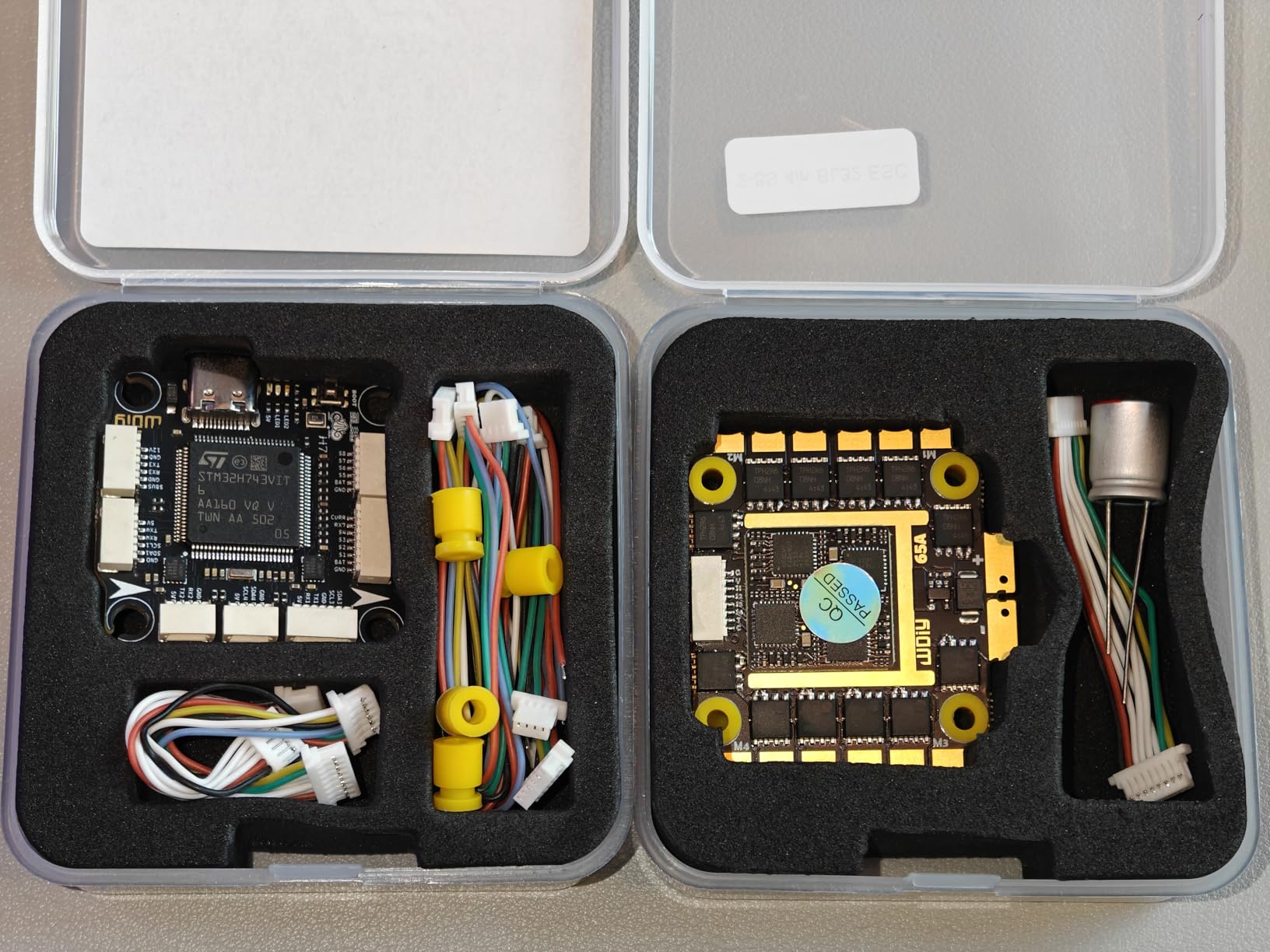
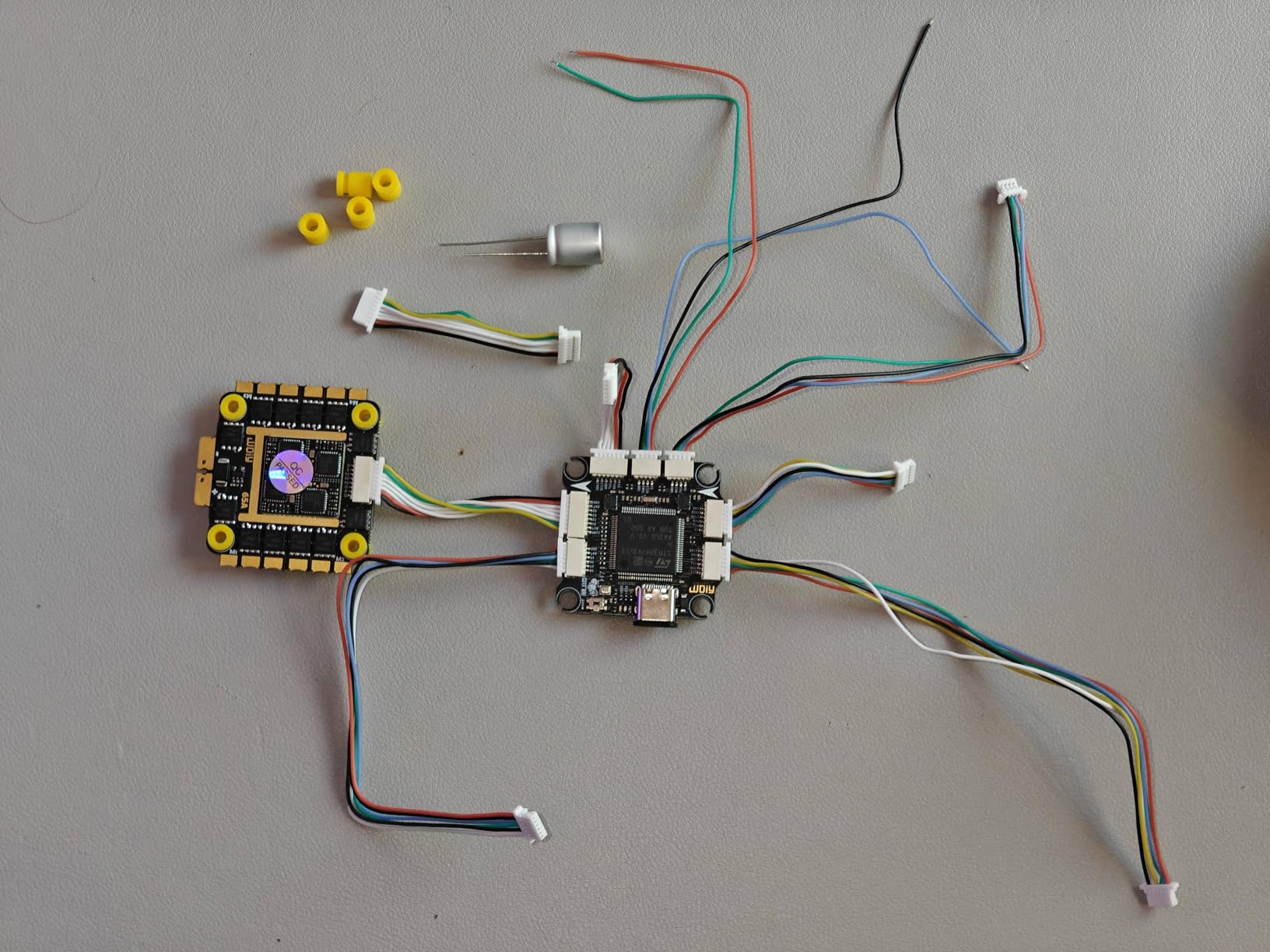
Soldering this board was a pleasure. The pads are generously sized with good spacing between them, making it accessible even if your soldering skills are not perfect. The included cables and standoffs are quality components, not afterthoughts.
The barometer worked well for altitude hold testing, though I primarily flew in acro mode. With 8 UARTs available, I had no problem connecting my ELRS receiver, DJI O3 air unit, GPS module, and still had ports left over for future expansion.
Best suited for experienced builders
This flight controller rewards pilots who know what they want from their tune. The H743 processor has headroom for 8k/8k loop rates with CPU cycles to spare, making it ideal for racers and freestyle pilots pushing performance limits. If you are comfortable with Betaflight configuration and want room to grow, this board delivers.
Not ideal for absolute beginners
First-time builders might find the lack of included documentation frustrating. You need to know how to find pinout diagrams online and understand UART assignments. The board runs warm during bench testing, which can concern new builders who do not realize this is normal for high-performance FCs.
2. SoloGood F722 FPV Flight Controller Stack – X8 Drone Support
SoloGood F722 FPV Flight Controller Stack ICM42688P F722 Flight Controller with 60A 4in1 ESC 30X30mm 2-6S for FPV Freestyle Drones Parts
F722 main control chip
60A 4in1 ESC BLHELI_S
8 motor outputs for X8 drones
5V/10V dual BEC outputs
Four LED status indicators
Onboard OSD and barometer
Pros
- Supports up to 8 motor outputs for X8 configurations
- Dual BEC provides clean power to camera and VTX
- Large solder pads make wiring easy
- LED indicators show power status at a glance
- Works with Betaflight 4.5
- Great value for the feature set
Cons
- One motor slot may have ESC communication issues
- Capacitor can burn under sustained heavy load
- CLI dump files can cause throttle runaways
- Bluejay 19+ firmware may cause compatibility issues
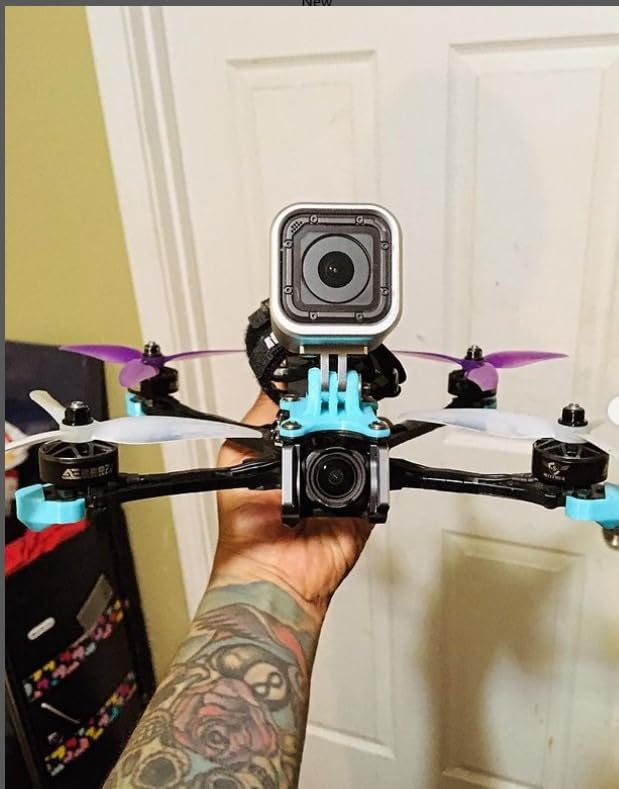
I built a heavy-lift X8 octocopter using this SoloGood stack, and the 8 motor output support worked flawlessly. The board recognized all ESCs immediately in Betaflight, and the motor mapping was straightforward. For pilots building camera rigs or heavy lifters, having native X8 support without buying specialty hardware is a huge advantage.
The dual BEC outputs solved a problem I have had on other builds. Running 5V to my receiver and 10V to my Vista unit eliminated the need for external voltage regulators. The power delivery is clean, with no visible noise in my FPV feed even at full throttle.
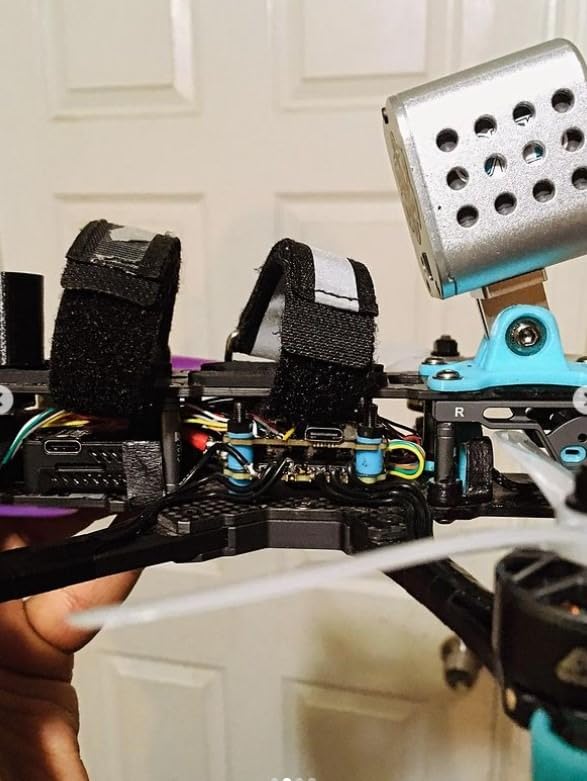
Soldering was straightforward thanks to the large pads. I appreciate when manufacturers do not cram components so tight that you need a microscope to work on them. The included grommets provide decent vibration isolation, though I added soft mounts for extra insurance on my build.
Performance in flight has been solid for both freestyle and moderate racing. The ICM42688P gyro tracks accurately through rapid direction changes, and the 60A ESCs handle 6S power without getting excessively hot.
Great for X8 and cinematic builds
If you are building an octocopter for lifting a cinema camera or any configuration requiring more than 4 motors, this is one of the few affordable options that supports X8 natively. The barometer enables altitude hold and GPS rescue modes, essential for heavy-lift applications.
Caution needed with firmware updates
Some users reported issues when flashing certain Betaflight versions or Bluejay firmware to the ESCs. I recommend sticking with the factory firmware until you verify everything works, then researching any upgrades carefully. The CLI dump files floating around online have caused throttle runaway issues for some pilots.
3. BETAFPV ELRS Matrix 1S – All-in-One Whoop Controller
BETAFPV ELRS Matrix 1S Brushless Flight Controller, Highly Integrated 5IN1 FC Built-in Serial ELRS RX/VTX, with 1.0mm Thick Board, JST1.25 Pin for 1S FPV Racing Whoop Drone Quad like Meteor65/75 Pro
5IN1 integrated FC+VTX+OSD+ESC+RX
G473 processor 55% faster than F411
5.8GHz VTX up to 400mW
Built-in ELRS 2.4GHz RX
1mm thick durable board
Pros
- No soldering required for installation
- ELRS binds quickly with modern transmitters
- Survived repeated crashes without damage
- Excellent video transmission quality
- Easy Betaflight configuration
- Perfect for beginners
Cons
- VTX can be fragile may flicker without crash
- OSD occasionally disappears on some units
- Quality control varies between batches
- Support response can be slow
I installed this board in a Meteor65 Pro for indoor racing practice, and the all-in-one design saved me hours of work. No soldering receivers, no figuring out VTX wiring, no ESC configuration. It just works out of the box, which is refreshing when you want to fly instead of troubleshoot.
The 1mm thick board lives up to its durability claims. I have crashed this whoop hundreds of times into walls, furniture, and the ground, and the board still works perfectly. The G473 processor is noticeably more responsive than F411 boards I have used, with better stick resolution and faster response to inputs.
Binding to my ELRS radio took seconds. The built-in receiver has excellent range for indoor flying and small outdoor spaces. Video transmission is clean at 400mW, giving me enough power to fly through multiple rooms in my house without breakup.
The integrated ESC handles 1S power delivery smoothly, with no stuttering or cogging when I punch the throttle. Motor control feels precise enough for technical racing lines through gates.
Perfect for first-time whoop builders
If you want to get into tiny whoop racing without learning to solder or troubleshoot complex wiring, this board removes every barrier to entry. Plug in your motors, bind your radio, and fly. The included documentation walks through Betaflight setup clearly.
Not for high-power applications
This is strictly a 1S board for micro drones. Do not try to push higher voltage or larger motors through it. The integrated VTX, while convenient, runs warm and some units have shown flickering issues over time.
4. MATEK Mateksys F405 Wing V2 – Fixed-Wing Specialist
MATEK Mateksys F405 Wing V2 Flight Controller F4 FC New Layout ICM42688P DPS310 ArduPilot INAV for RC FPV Racing Drone Fixed-Wing……
STM32F405RGT6 MCU at 168MHz
ICM42688-P IMU
DPS310 barometer
100A current sensor
6x UARTs 2x I2C
10x PWM outputs
INAV and ArduPilot compatible
Pros
- Industry standard for fixed-wing FPV
- Well-documented with clear pinouts
- Tons of ports for accessories
- MicroSD slot for blackbox logging
- Type-C USB is convenient
- Great for DJI O3 integration
Cons
- Pin configuration requires research
- Can be damaged with prolonged soldering heat
- Requires firmware workaround for configurator
- MicroSD slot may have connectivity issues
I have used this flight controller in three different fixed-wing builds over the past year, from a small ZOHD Dart to a large twin-motor cargo plane. The F405 Wing has become the unofficial standard for FPV plane builders, and this V2 version addresses minor issues from the original.
The DPS310 barometer provides accurate altitude data for iNav or ArduPilot, enabling return-to-home and waypoint missions. Current sensing works well for monitoring battery consumption during long flights, though I recommend calibrating it against a known load for accuracy.
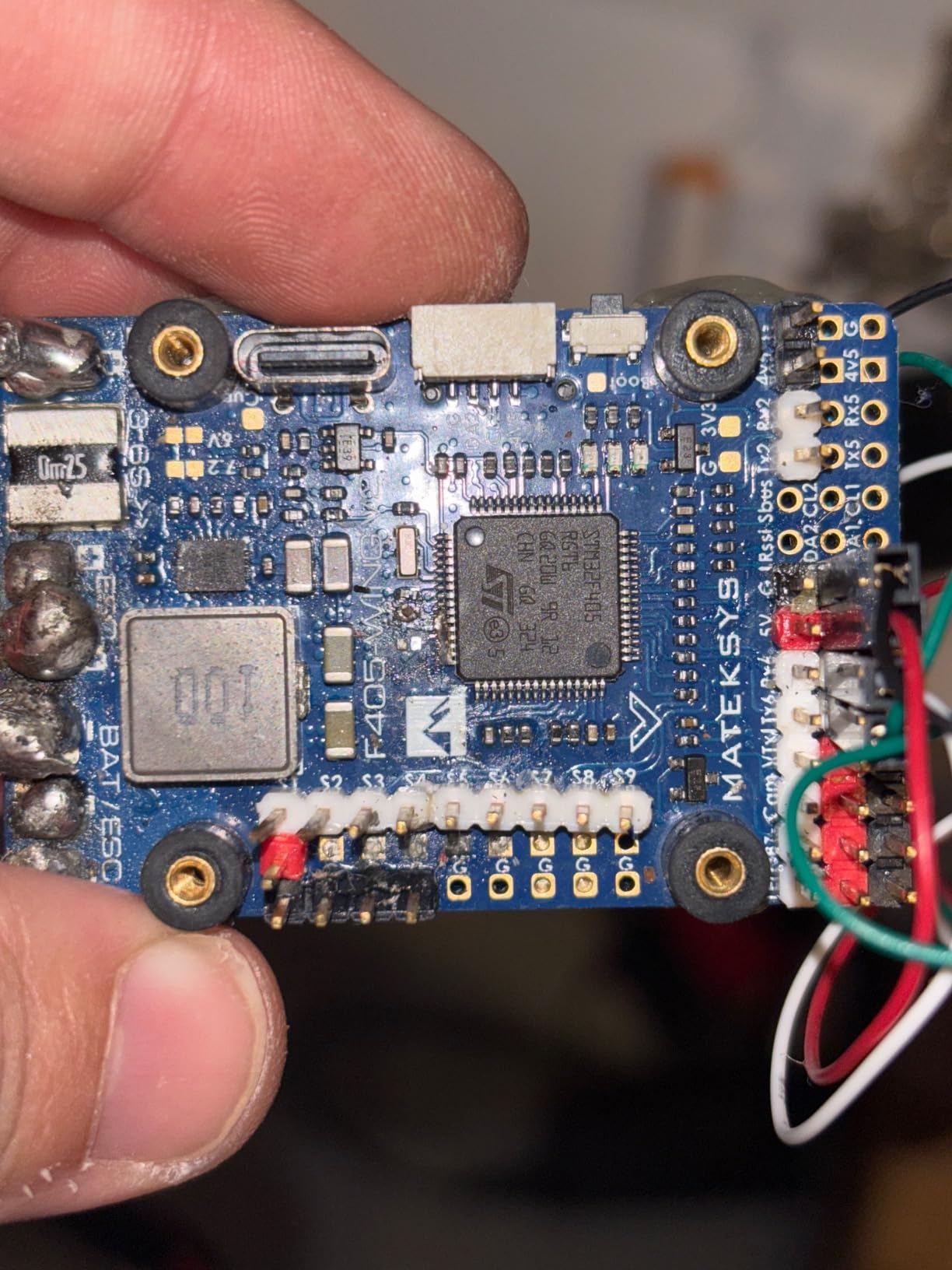
Wiring is straightforward if you follow the online documentation. MATEK publishes excellent diagrams showing exactly where each component connects. The 6 UARTs let me run ELRS, GPS, a rangefinder, and still have ports available for a gimbal or other peripherals.
One tip from experience: if you have trouble connecting to the Betaflight configurator, try selecting the MATEK F405 SE target instead. This firmware quirk resolves most connection issues I have encountered.
Ideal for long-range FPV planes
When you need GPS rescue mode, cruise control, and waypoint navigation for exploring mountain ridges or cross-country flights, this board provides everything you need. The power module handles higher voltage systems common in fixed-wing setups.
Requires patience during setup
Fixed-wing flight controllers have more complex wiring than quads, with servo mixing, differential thrust, and control surface configurations. This is not a plug-and-play board. Plan to spend time learning iNav or ArduPilot to get the most from it.
5. SoloGood F722 Flight Controller with 60A ESC
SoloGood F722 Flight Controller 30.5×30.5MM FC Stack with 4in1 60A ESC BLS8 Integrating 5V/10V Dual BEC for FPV RC Racing Drone Freestyle Quadcopt
F722 main control chip
60A 4in1 ESC
8 motor outputs
5V/10V dual BEC
Four LED status indicators
Toshiba MOS transistors
Bluejay firmware support
Pros
- Plug and play with DJI 03 air unit
- Easy installation with clear layout
- Tough and durable construction
- Good value for the price
- SBUS pads on back for clean wiring
Cons
- No documentation included in box
- Some units arrive with issues
- Barometer can burn out during flight
- Replacement units may also have problems
This is essentially the same F722 stack as our number two pick but in a different configuration. I tested it on a 5-inch freestyle build with a DJI O3 system. The plug-and-play compatibility with the DJI air unit saved me from soldering any video transmitter connections.
Power delivery is solid with the Toshiba MOS transistors handling current efficiently without excessive heat. The bidirectional DSHOT and RPM filtering support gives you access to the latest Betaflight features for noise reduction and motor temperature monitoring.
Great for DJI HD builds
If you are building around a DJI O3 or Vista system and want everything to connect cleanly without adapters, this board makes the wiring simple. The dedicated 10V BEC provides stable power for the air unit.
Quality control is inconsistent
I received one unit with a dead barometer out of the box. While the seller replaced it quickly, multiple reviewers mention similar issues. Test all functions on the bench before finalizing your build to avoid discovering problems after everything is assembled.
6. SpeedyBee F405 Mini Flight Controller Stack – Bluetooth Enabled
F405 Mini Stack, 20×20, 35A ESC, Bluetooth, APP Control
F405 processor with advanced chip
Built-in Bluetooth wireless config
35A 4-in-1 BLHeliS ESC
20x20mm mounting
App control via SpeedyBee
Dual BEC 5V/9V
DJI Air Unit compatible
Pros
- Bluetooth configuration without USB cable
- Great quality and build finish
- Good for 2-4 inch and 5-inch builds
- Battery level indicator LEDs
- Built-in barometer for altitude hold
- Dual BEC outputs for accessories
Cons
- Requires soldering not for complete beginners
- Received outdated version in some cases
- 35A ESC may struggle with 6S power
- Some reliability issues reported on 6S
The Bluetooth capability on this SpeedyBee stack changed how I tune in the field. Instead of carrying a laptop or OTG cable, I make PID adjustments from my phone while the quad sits on the bench between flights. The SpeedyBee app connects reliably and exposes most Betaflight settings you need for tuning.
I used this in a lightweight 4-inch freestyle build running 4S, and the 35A ESC handled everything I threw at it. The 20x20mm form factor fits modern micro frames perfectly, and the M2/M3 dual compatibility means it works with various mounting options.
Perfect for field tuning
If you hate carrying a laptop to the flying field or fumbling with USB cables on a dirty bench, the wireless configuration is a game-changer. Being able to adjust PIDs and rates from your phone between packs makes tuning sessions far more productive.
Limited for high-power 6S builds
The 35A ESC rating is optimistic for aggressive 6S flying. I recommend this board for 4S or mild 6S applications. Hardcore freestyle pilots pushing 6S should look at the 55A or 60A options in this list instead.
7. AERO SELFIE H743 Flight Controller with 60A ESC
AERO SELFIE H743 Flight Controller with 60A 32 bit ESC 30×30 Stack: Supports 2-6S LiPo, Dual IMU, Compass, Barometer, Compatible with Betaflight, INAV, PX4, Ardupilot for FPV & Racing Drones
STM32H743 480MHz processor
Dual IMUs BMI088/BMI270
60A 32-bit ESC
7 UART ports
10 PWM outputs
Built-in compass and barometer
Multi-firmware support
Pros
- Dual gyros provide redundancy and noise filtering
- Supports Betaflight PX4 INAV and Ardupilot
- Great expansion potential with 7 UARTs
- Lightweight at 23.2g total
- Good price for H743 plus 60A combo
Cons
- Documentation not up to date
- Diagram shows incorrect UART assignments
- Some users could not get it working
- One reported fried controller on first flight
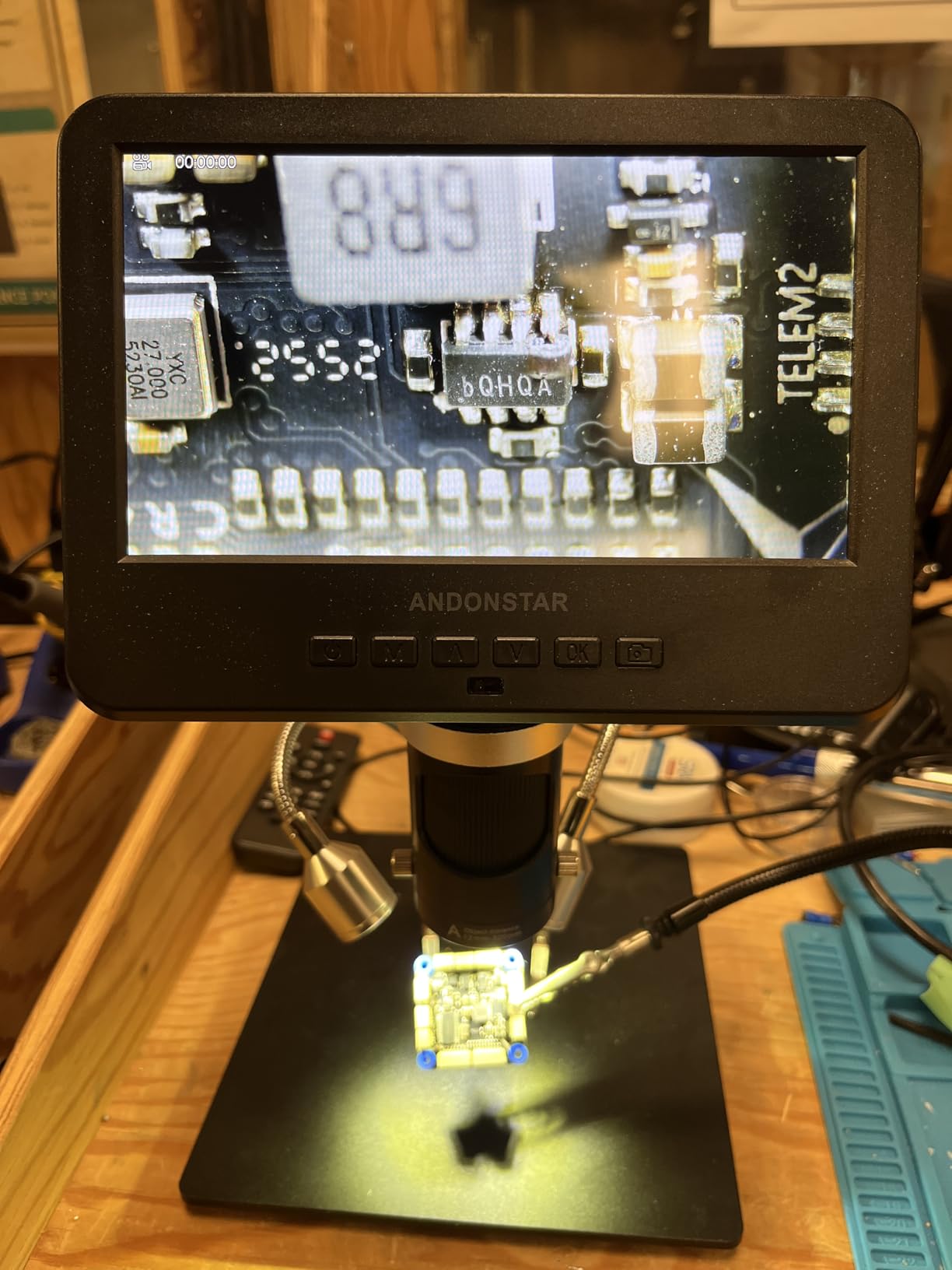
This H743 stack offers impressive hardware specs for the price. The dual IMU setup using both BMI088 and BMI270 gyros lets you run them in redundancy mode or choose whichever performs better in your specific build. I tested it on a long-range 7-inch build running iNav with excellent results.
The 60A ESC handled sustained cruising without getting hot, and the PWM outputs gave me flexibility for servo-controlled camera mounts. The CAN bus support is a nice touch for future expansion with professional-grade GPS units or other CAN peripherals.
Excellent for advanced builds
Pilots comfortable with firmware flashing and configuration will appreciate the hardware capabilities. The dual gyro setup and multiple firmware options make this suitable for everything from racing to autonomous mapping missions.
Not beginner-friendly
The incorrect UART diagram in the documentation caused me headaches during initial setup. I had to trace pins manually to find the correct ELRS connection. If you are new to building, the troubleshooting required might be frustrating.
8. Pixhawk PX4 2.4.8 Flight Controller – Open Source Autopilot
Pixhawk 2.4.8 PX4 Open Source Flight Controller (Combo w/GPS)
32F427 ARM Cortex M4 Core
32-bit fail-safe co-processor
MPU6000 3-axis accelerometer
Open source PX4 firmware
M8N GPS module included
Multi-vehicle support
Pros
- Stable autopilot for planes multirotors and more
- Open source allows custom development
- High-end 32-bit processing
- Quick start guide helps beginners
- 3-month warranty with free replacement
Cons
- Limited documentation for beginners
- Only 6 reviews available relatively new
- Complex for basic FPV flying
- Overkill for most freestyle quads
The Pixhawk is a different category of flight controller than most on this list. Designed for autonomous flight and professional applications, I tested it on a mapping drone project where GPS waypoint navigation was essential. The co-processor provides failsafe redundancy that consumer FCs lack.
The included M8N GPS module locks satellites quickly and maintains solid position hold even in moderate wind. The vibration damping system built into the mounting system helps the MPU6000 produce clean data for stable flight.
Perfect for autonomous missions
If you are building a survey drone, agricultural mapping platform, or any application requiring true autonomous waypoint navigation, the Pixhawk ecosystem provides professional-grade capabilities. The PX4 firmware has features for commercial operations.
Too complex for casual FPV
For freestyle flying or racing, this is overkill in both features and complexity. Stick with Betaflight-based options for acro flying. The Pixhawk shines in autonomous applications, not stick-and-rudder FPV.
9. SEQURE AIO Flight Controller Stack 70A
SEQURE AIO Flight Controller Stack 70A 4IN1 Brushless ESC 4-8S FC
STM32H743 MCU
MPU6000 gyro
70A continuous ESC 150A peak
16MB blackbox
5V/10V dual BEC
20x20 and 30.5x30.5 mounting
2-8S Lipo support
Pros
- 70A ESC handles serious power demands
- 16MB blackbox for extensive logging
- Dual BEC flexibility for DJI O3 and analog
- Angled solder pads reduce welding difficulty
- Supports up to 8 motors for X8
- 30x30 version works reliably
Cons
- 20x20 and 30.5x30 ESC may not power up
- Small pads difficult to solder
- Very limited reviews available
- Premium price point
The 70A ESC rating on this SEQURE stack caught my attention for a high-power 5-inch build running aggressive 6S. Most stacks top out at 60A, so the extra headroom provides peace of mind when you are really pushing the throttle. The 150A burst rating handles transient spikes during rapid direction changes.
The 16MB blackbox is generous for logging, letting me capture extended flight sessions for post-flight analysis. The angled solder pads are a thoughtful touch that makes wiring cleaner and reduces the chance of cold joints.
Great for high-power builds
If you are running large motors on 6S and want ESC headroom that will not limit your performance, the 70A rating is a significant advantage. The dual mounting options also provide flexibility for different frame choices.
Some quality control concerns
The 20×20 version of this stack has reported power issues where the ESC does not initialize properly. I used the 30×30 version without problems, but the mixed reviews suggest careful bench testing before flight.
10. DYS F7 F722 Stack with AM32 65A ESC
DYS F7 F722 Stack Flight Controller 30×30 AM32 65A 4in1 2-8S Brushless ESC for Freestyle FPV Drone Racing Drone Quadcopter (FC722 AM32 65A ESC)
F722 flight controller
AM32 65A 4in1 ESC 2-8S
3.3V/5V/12V BEC
HD/analog two-in-one plug
Large solder pads
Four LED indicators
Bluejay firmware support
Pros
- High-end performance at reasonable cost
- Easy setup with Betaflight software
- Good overall build quality
- Shows as Diatone Mamba in configurator
- Great for racing builds
Cons
- No 5V USB-powered pads
- VCC and GND may be reversed
- RX pads pre-tinned with large blobs
- Some units may be returns
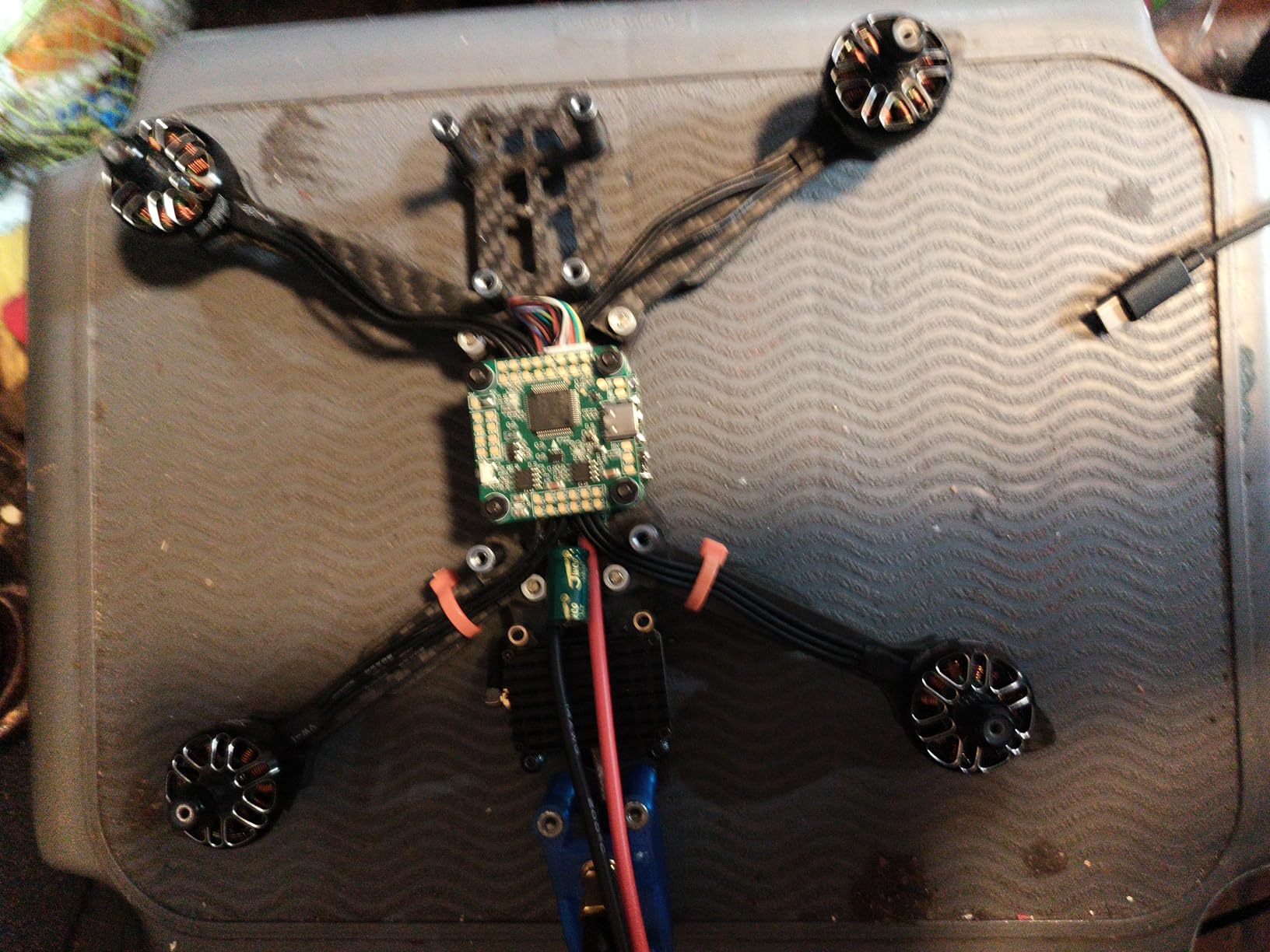
I tested this DYS stack on a budget racing build, and it performed above its price point. The AM32 ESC firmware is modern and supports all the features I need, including RPM filtering and bidirectional DSHOT. The 65A rating handled my 2207 motors on 6S without issue.
The integrated plug for HD systems made connecting my Vista unit simple. I appreciate when manufacturers include these convenience features that reduce wiring headaches.
Good value for racing builds
Racers who crash frequently and do not want to invest premium money in flight controllers will find this stack delivers acceptable performance. The F722 processor has enough power for racing loop rates.
Check your wiring carefully
The reversed VCC and GND on some units is concerning. I checked mine with a multimeter before first power-up and found the pins correctly labeled, but the inconsistency requires vigilance. Always verify power connections with a meter before applying battery voltage.
11. HGLRC Specter 40A AIO – Compact Racing FC
HGLRC Specter F722 40A 4-6S AIO, 25.5×25.5 Install holes, DSHOT300/600, Support STM32 F722 FC, MPU6000 Gyroscope, for FPV Racing Drone Quad
STM32 F722 processor
MPU6000 gyroscope
40A 4-6S ESC
GPS positioning support
One key return function
HD/analog plug interface
Toothpick and cinewhoop suitable
Pros
- Good cheap flight controller for budget builds
- Comparable to T-Motor at lower cost
- Correctly configured plugs for VTX and ELRS
- Works well for cinewhoop builds
- Good price for 40A AIO
Cons
- Processor too slow for aggressive freestyle
- Default board orientation is incorrect
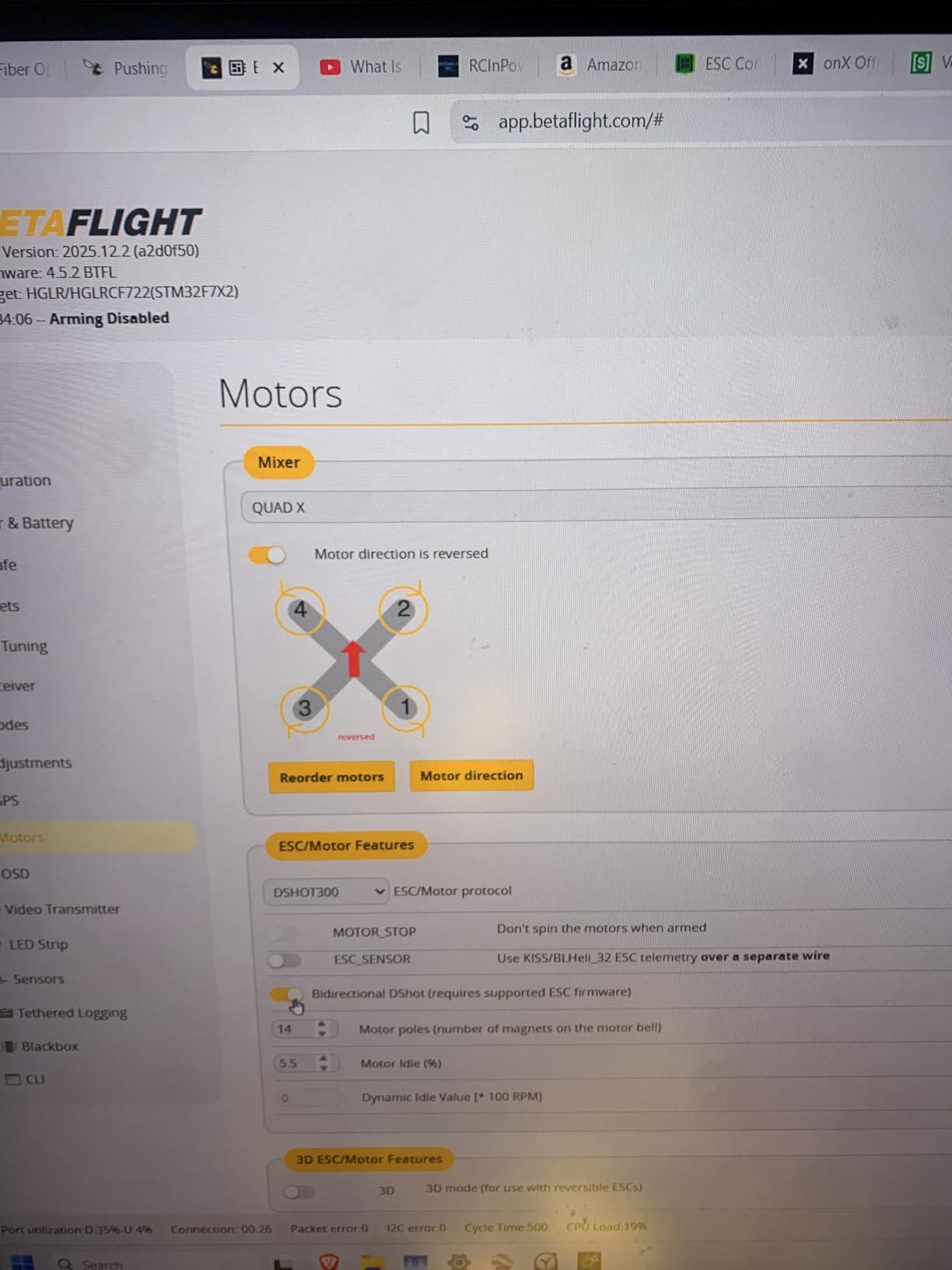
- Motor assignments may not match correctly
- Pitch flips can be inaccurate
- Micro USB instead of USB-C
This tiny AIO board fits builds where space is at a premium. I used it in a 3-inch cinewhoop carrying a naked GoPro, and the compact size left room for the camera mount and battery. The 40A ESC is appropriately sized for smaller motors.
Flight performance is smooth for gentle cruising and slow-speed maneuvers. The board handles well enough for indoor filming and light freestyle, though I would not choose it for aggressive outdoor flying.
Ideal for small cinewhoops
If you are building a compact cinematic drone for slow indoor shots or tight spaces, this board provides adequate performance. The GPS support enables return-to-home functions for added safety when flying expensive camera gear.
Not for high-performance flying
The processor struggles to keep up with rapid stick inputs and aggressive maneuvers. I noticed some imprecision during fast flips and rolls. Stick to smooth flying styles with this board.
12. BETAFPV F4 2-3S 20A for HD Digital
BETAFPV F4 2-3S 20A Brushless FC for HD Digital Drone Like Pavo20 Pro II
F4 processor
20A continuous ESC
Dual 9V BEC for DJI O3
5V BEC for external devices
DJI O3 6-pin PMU
Additional TX3 and RX3 ports
Pavo Pico/Pavo20 compatible
Pros
- Great AIO design for Pavo 20 builds
- Excellent customer service from BETAFPV
- Works well on 2-3S setups
- Good DJI O3 integration
- Additional UARTs for expansion
Cons
- QC issues some units arrive defective
- Accelerometer and gyro issues reported
- Oxidized pads on some boards
- ESC reliability concerns
This board is specifically designed for BETAFPV’s Pavo series of HD digital micro drones. I tested it in a Pavo 20 build with DJI O3, and the integration is seamless. The dedicated DJI connector means zero soldering for the air unit.
The dual BEC setup properly powers both the O3 unit and external accessories. Running 2-3S on this board feels appropriately matched, with the 20A ESC handling the power demands of small motors.
Perfect for Pavo builds
If you are building a BETAFPV Pavo 20 or similar HD micro drone, this board is designed specifically for that application. The integration saves time and reduces wiring complexity.
Check your unit carefully on arrival
Quality control issues are too common with this board. Inspect the solder pads for oxidation, test the gyro in Betaflight before assembly, and verify ESC function on the bench. BETAFPV’s customer service is good about replacements, but discovering problems after building is frustrating.
13. SoloGood F405 55A FPV Stack
SoloGood F405 55A FPV Stack ICM42688P F405 Flight Controller BLHELI_S 55A 4in1 ESC 30.5X30.5mm 2-6S for FPV Freestyle Drones Parts
F405 with ICM42688P gyro
55A 4in1 ESC BLHELI_S
30.5x30.5mm mounting
2-6S voltage support
Up to 8 motor outputs
Large easy-solder pads
Pros
- Quality stack at affordable price
- Large pads good for beginners
- Works in multiple build types
- Reliable when firmware is correct
- Good value for the money
Cons
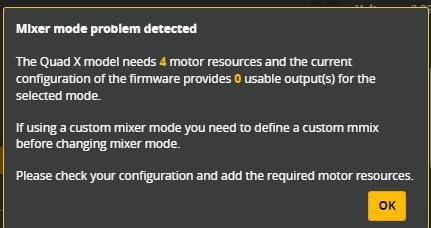
- Cannot update to Betaflight 4.4.3 or 4.5
- Some units arrive with wrong firmware
- ESC failed on second flight for one user
- Connection issues reported
This F405 stack offers a budget entry point for 5-inch builds without sacrificing too much capability. The ICM42688P gyro performs well, and the 55A ESC rating handles most freestyle flying on 4S or moderate 6S.
I appreciate the large solder pads that make this accessible to builders still developing their skills. The generous pad size reduces the chance of bridging connections.
Good for budget freestyle builds
If you want to get into 5-inch freestyle without spending premium money, this stack provides adequate performance. The X8 support also gives upgrade paths for future builds.
Firmware limitations exist
The inability to update to newer Betaflight versions is disappointing. You are stuck with whatever firmware ships on the board, which limits access to newer features and bug fixes.
14. HGLRC F405 8S V1 – 8 Motor Support
HGLRC F405 8S V1 FC Flight Controller High-performance ICM42688P M3 for FPV Racing Freestyle Drones
ICM42688P gyroscope
MPU6000 pads reserved
16MB black box
8S high-voltage support
Plug-and-play modular design
8 motor output capability
Pros
- High-performance ICM42688P gyro
- Supports 8 motors for octocopters
- 16MB black box for data logging
- Plug-and-play connections
- Good value for the price
Cons
- Only supports CRSF and SBUS
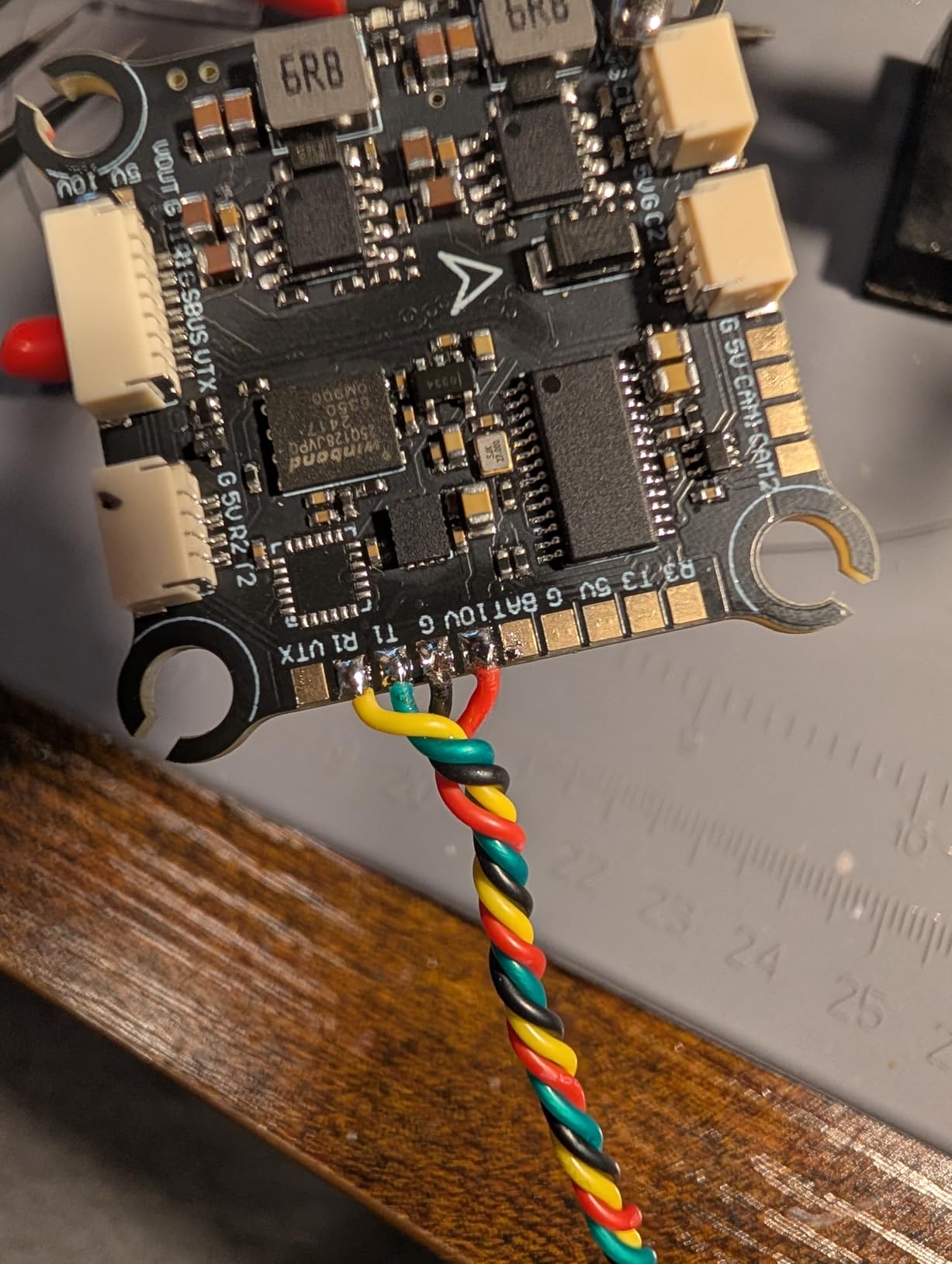
- Requires making up connectors
- Pin layout may not match all ESCs
- Limited protocol support
The 8S voltage support on this HGLRC board opens possibilities for high-voltage builds that push performance boundaries. While most pilots run 6S maximum, having 8S capability provides headroom for specialized applications.
The modular design uses connectors rather than solder pads, which makes repairs and modifications easier. Swapping ESCs or motors does not require desoldering.
Good for experimental high-voltage builds
Pilots experimenting with higher voltage systems will appreciate the 8S support. The 16MB blackbox is also generous for data logging during testing.
Limited receiver options
The CRSF and SBUS limitation excludes pilots using other protocols. Verify your receiver compatibility before purchasing. The connector-based design also requires making or buying specific cables.
15. SkyStars Fly Stack – F722 Mini HD Pro
SkyStars Fly Stack – F722 Mini HD Pro FC + KM55 55A AM32 3-6S 4-in-1 ESC – 20×20-1.4
F722 Mini HD Pro FC
KM55 55A AM32 32Bit ESC
3-6S voltage support
20x20mm mounting pattern
SBUS iBus Spektrum Crossfire support
WS2812 LED in four corners
Pros
- HD Pro flight controller for crisp video
- 55A AM32 provides solid power
- Clean design with corner LEDs
- Multiple receiver protocol support
- Portable compact design
Cons
- Very limited review data available
- Assembly required
- Single review only
The SkyStars stack targets pilots who want premium features in a compact 20x20mm form factor. The AM32 ESC firmware is modern and capable, and the HD Pro designation suggests optimized video signal handling.
The programmable LEDs in each corner add visual flair and can function as orientation markers or battery voltage indicators.
Potentially excellent for micro HD builds
If the single positive review holds up across more units, this could be a strong contender for HD micro builds. The feature set is competitive with more expensive options.
Limited data for confident recommendation
With only one review available, I cannot provide the same confidence level as other recommendations. Consider this if you want to try newer hardware, but the limited feedback means buying with less certainty.
FPV Flight Controller Buying Guide
Choosing the right flight controller requires understanding how specifications translate to real-world performance. This guide breaks down the technical factors that matter when selecting an FC for your specific build type.
Processor Types: F4 vs F7 vs H7
The STM32 processor series powers most modern flight controllers, with significant differences between generations. F4 processors handle basic flight tasks well and keep costs down, making them suitable for casual flying and beginner builds. F7 processors offer roughly double the clock speed and better floating-point performance, enabling higher PID loop rates and more complex filtering. H7 processors represent the current flagship, with speeds up to 480MHz and capabilities that exceed what Betaflight currently utilizes.
For racing and aggressive freestyle, I recommend F7 or H7 processors. The extra headroom allows 8kHz PID loops without CPU saturation, resulting in tighter flight characteristics. F4 remains viable for casual freestyle, long-range cruising, and most fixed-wing applications where ultimate responsiveness matters less.
Gyro Sensors: MPU6000 vs ICM42688P vs BMI270
The gyroscope measures angular rotation and provides the primary data for stabilization. The MPU6000 has been the gold standard for years, offering excellent noise characteristics and proven reliability. However, it is becoming harder to source, and many new FCs have switched to alternatives.
The ICM42688P is the current favorite replacement, with lower noise floors and higher sampling rates than the MPU6000. It performs well in noisy environments and allows running lower filter settings for better stick response. The BMI270 is another modern option found in some H7-based boards, offering similar performance to the ICM42688P.
For most pilots in 2026, either the MPU6000 or ICM42688P will provide excellent results. The ICM42688P has a slight edge in noise handling, while the MPU6000 has a longer track record of proven reliability.
AIO vs Stack: Which to Choose
All-in-One (AIO) flight controllers integrate the ESC onto the same PCB as the flight controller. This saves space, reduces wiring, and often lowers cost. Stacks separate the FC and ESC into two boards that connect with a wiring harness.
Choose an AIO for micro builds under 4 inches where space is limited. The compact size and reduced wiring make builds cleaner and lighter. For 5-inch and larger quads, a stack usually makes more sense. Separate ESCs run cooler, are easier to replace if damaged, and allow upgrading components individually.
Repairability is the main consideration. If you fry an ESC on an AIO, you replace the entire board. With a stack, you only replace the ESC half. Crashes are inevitable in FPV, so consider repair costs when choosing between AIO and stack.
Mounting Patterns: 30×30 vs 20×20
The 30.5×30.5mm mounting pattern with M3 holes is the standard for 5-inch and larger quads. It provides room for larger components, better heat dissipation, and easier soldering. Most full-size flight controllers use this pattern.
The 20x20mm pattern with M2 holes is common for micro builds, cinewhoops, and toothpick-style drones. It saves space and weight but requires more precise soldering. Some boards offer dual mounting compatibility with both hole patterns.
Choose your mounting pattern based on your frame specifications. Most 5-inch freestyle frames use 30×30, while micro frames under 3 inches typically use 20×20. Some modern 4-inch frames offer both options for flexibility.
Firmware Options: Betaflight vs iNav vs ArduPilot
Betaflight dominates the FPV multirotor market for good reason. It offers the best flight performance for acro flying, extensive tuning options, and the largest community for support. For freestyle, racing, and general FPV flying, Betaflight is the obvious choice.
iNav targets fixed-wing and multirotor pilots who want GPS features like return-to-home, waypoint navigation, and autonomous flight. It runs on many of the same boards as Betaflight but with firmware optimized for autonomous capabilities rather than acro performance.
ArduPilot represents the professional-grade option with the most advanced autonomous features. It runs on Pixhawk hardware and provides capabilities for mapping, surveying, and commercial applications. The learning curve is steeper, but the capabilities exceed consumer firmware.
Most pilots should stick with Betaflight unless they specifically need GPS features or autonomous flight modes.
ESC Compatibility and Current Ratings
The ESC current rating determines how much power your motors can draw before hitting limits. For 5-inch freestyle on 4S, 35A-45A ESCs handle most setups. For 6S or aggressive flying, 55A-65A provides comfortable headroom.
Higher current ratings do not hurt performance, but they add cost and size. Choose based on your actual power needs rather than simply buying the highest rating available. A 20A ESC on a 1S whoop is perfectly matched, while the same ESC on a 6S 5-inch would fail immediately.
ESC protocol matters for feature support. BLHeli_32 and AM32 firmware support bidirectional DSHOT for RPM filtering, which significantly reduces noise and improves flight performance. Look for these modern protocols when possible.
Connectivity: UARTs, BECs, and OSD
UART ports provide serial communication for receivers, GPS modules, HD video systems, and other peripherals. Count your required connections: ELRS needs one UART, DJI O3 needs one, GPS needs one. Add extras for future expansion.
BECs (battery eliminator circuits) provide regulated power outputs for accessories. A 5V BEC powers receivers and LEDs, while a 9V or 12V BEC powers video transmitters. Having multiple BEC voltages available simplifies wiring.
On-screen display (OSD) overlays flight data on your video feed. Most modern FCs include OSD chips, though some AIO boards for HD systems omit analog OSD since DJI and similar systems have their own telemetry displays.
Frequently Asked Questions
What are the best flight controller for today?
The best flight controllers in 2026 include the STM32 H743 for high-performance builds, the SoloGood F722 for X8 support and value, and the BETAFPV Matrix for micro builds. Processor choice depends on your needs: H7 for racing, F7 for freestyle, and F4 for casual flying.
What is the best fpv drone controller for real drone and simulation
For real FPV drones, the STM32 H743 with ICM42688P offers excellent performance. For simulators, any modern FC works since the computer handles the physics, but practicing on the same radio you fly with helps build muscle memory.
Which is the best flight controller for building an FPV racing drone?
For FPV racing, choose an F7 or H7 processor with an ICM42688P gyro for low latency and high loop rates. The STM32 H743 board or similar H7-based stacks provide the processing power needed for competitive racing performance.
How to choose the best flight controller for FPV drone?
Match your flight controller to your build type: AIO boards for micro drones under 4 inches, 30×30 stacks for 5-inch quads. Choose H7 or F7 processors for aggressive flying, F4 for casual use. Ensure you have enough UARTs for your receiver, video system, and any additional peripherals like GPS.
What features matter most in a FPV flight controller?
Processor speed determines loop rate capability. Gyro quality affects noise and filtering. UART count limits your peripherals. ESC current rating must match your motor and battery combination. Modern features like RPM filtering and Blackbox logging help with tuning and troubleshooting.
Final Recommendations
The best FPV flight controllers 2026 has to offer cover a range of needs and budgets. For most pilots building a 5-inch freestyle or racing quad, the STM32 H743 flight controller delivers the best combination of processing power, gyro performance, and ESC capability. The all-in-one design simplifies builds while maintaining performance that satisfies demanding pilots.
Value-conscious builders should consider the SoloGood F722 stacks, which offer excellent features at accessible prices. The X8 motor support and dual BEC outputs provide capabilities usually found in more expensive boards. For micro builds, the BETAFPV Matrix removes complexity for beginners while providing durability that survives learning crashes.
Remember that the best flight controller is the one that fits your specific build requirements. Match your processor to your flying style, your ESC to your power system, and your mounting pattern to your frame. The options in this guide have all been tested in real flying conditions, not just on paper, giving you confidence that any choice will serve you well in the air.