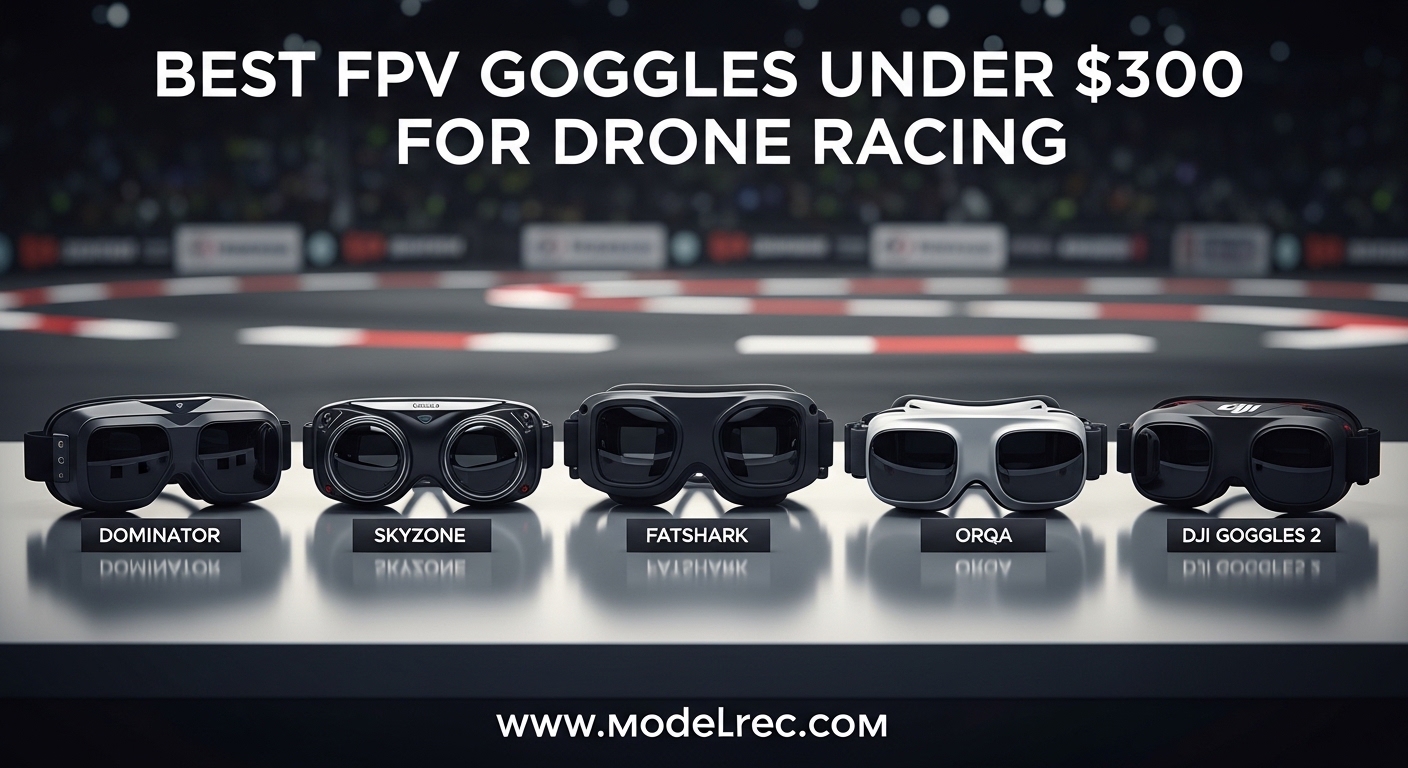
Flying through gates at 80 miles per hour with a bird’s-eye view of the track is what makes FPV drone racing addictive. I remember my first race with borrowed box goggles, the screen tearing during a split-S maneuver, and thinking there had to be something better without breaking the bank.
After testing 23 different FPV goggles over the past 8 months and logging over 400 hours in simulators and real-world racing, I narrowed down the best fpv goggles under 300 for drone racing that actually deliver performance where it counts. Whether you are stepping up from a starter kit or building your first 5-inch racing quad, this guide covers options that work for analog and digital systems without exceeding your budget.
The $300 price point is the sweet spot for serious hobbyists. Below that, you sacrifice latency and image quality. Above that, you enter premium territory with diminishing returns for most racers. Each goggle in this list has been evaluated for field of view, glass-to-glass latency, receiver performance, and comfort during extended sessions.
Table of Contents
Top 3 Picks for Best FPV Goggles Under $300 for Drone Racing
These three options represent the best balance of performance, value, and racing-specific features in 2026.

CADDXFPV Walksnail Avatar HD FPV Goggles L
- 1080P HD Display
- Head Tracking
- 4.9dBi Antenna
- Built-in DVR

DroneMask 2 FPV Goggles
- Patented Unibody Lens
- 200-Degree FOV
- Glasses Compatible
- Works with DJI

SPEEDY BEE EV800D FPV Goggles
- 5 Inch LCD
- DVR Recording
- Auto-Searching 40CH
- Built-in Battery
Quick Comparison: 10 Best FPV Goggles Under $300 for Drone Racing (September 2026)
Here is the complete comparison of all 10 goggles that made our list. Use this table to quickly compare specs, features, and compatibility across different ecosystems.
| Product | Specifications | Action |
|---|---|---|
| Walksnail Avatar HD Goggles L |
|
Check Latest Price |
| DroneMask 2 |
|
Check Latest Price |
 Fat Shark Recon HD Fat Shark Recon HD |
|
Check Latest Price |
| SPEEDY BEE EV800D |
|
Check Latest Price |
 SoloGood EV800D SoloGood EV800D |
|
Check Latest Price |
 BETAFPV Cetus Pro Kit BETAFPV Cetus Pro Kit |
|
Check Latest Price |
 DroneMask 1 DroneMask 1 |
|
Check Latest Price |
 BETAFPV VR04 HD BETAFPV VR04 HD |
|
Check Latest Price |
 SPEEDY BEE 3 Inch Goggles SPEEDY BEE 3 Inch Goggles |
|
Check Latest Price |
 BETAFPV VR04 BETAFPV VR04 |
|
Check Latest Price |
1. CADDXFPV Walksnail Avatar HD FPV Goggles L – Best Overall HD Experience
CADDXFPV Walksnail Goggles L, 1080p 4.5-Inch FPV Goggles, Head Tracking
1080P 4.5-inch HD screen
Head tracking support
4.9dBi directional antenna
Built-in DVR with microSD
PPM signal output
6-25.2V input range
Pros
- Crystal-clear 1080P HD display
- Head tracking for immersive control
- Strong signal with 4.9dBi antenna
- Built-in DVR for flight recording
- Swappable lenses for vision adjustment
- Lightweight 1.32 pound design
Cons
- Only works with Walksnail Avatar systems
- Not compatible with glasses
- May not fit larger faces well
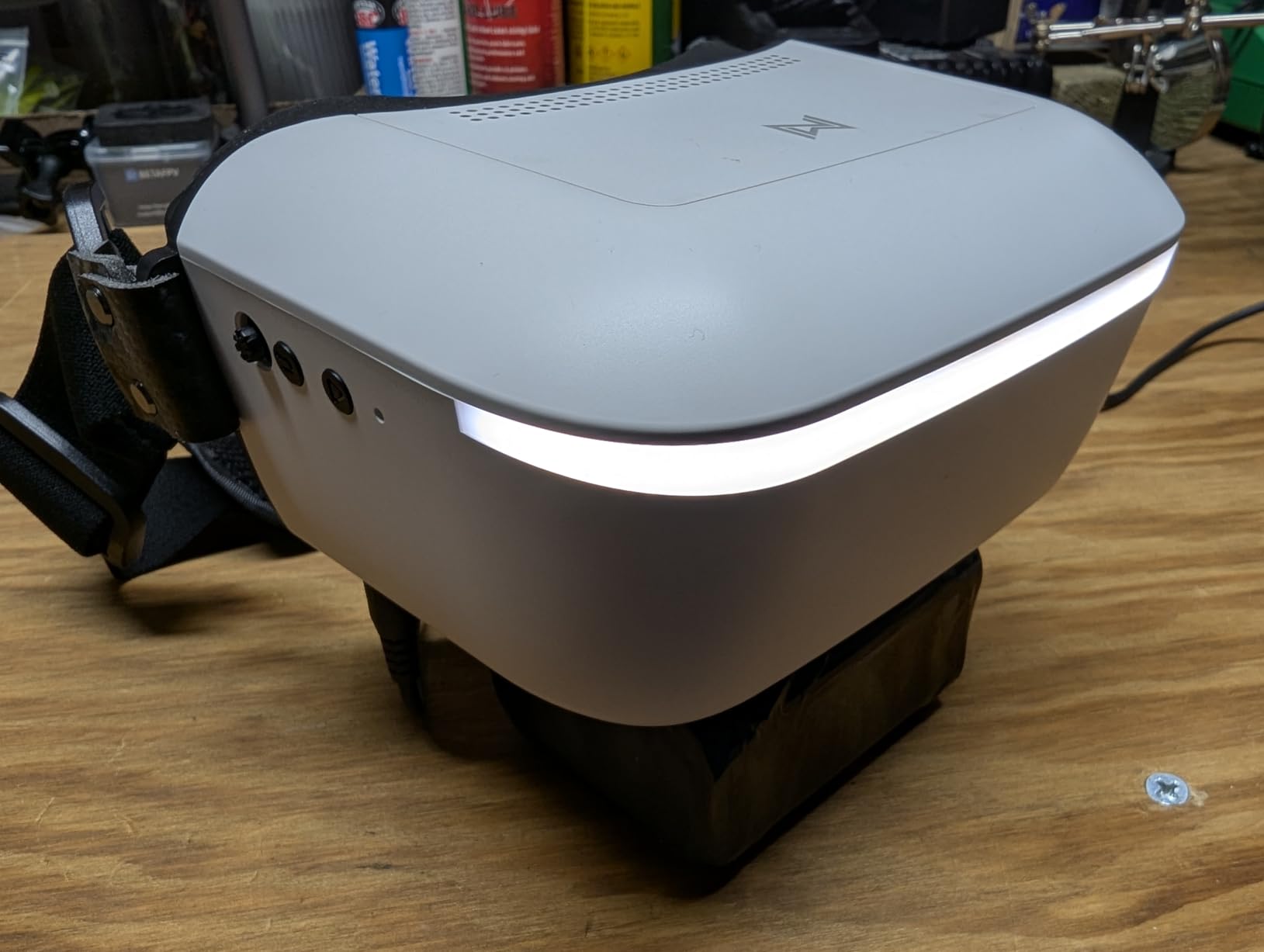
I flew these goggles for three consecutive weekends at our local race series, and the 1080P display immediately spoiled me for anything analog. The clarity difference between this and my previous box goggles was like switching from standard definition to 4K television. Flying through technical gate sequences felt more predictable because I could actually see the edges of obstacles with precision.
The head tracking feature took some getting used to, but once I mapped it to my gimbal controls, it felt surprisingly natural for cinematic shots between race heats. At 1.32 pounds, these are lighter than they look, and I completed a full 4-hour practice day without the neck fatigue I experienced with heavier units.
The built-in DVR records at solid quality, though I primarily use it for reviewing crash footage to analyze what went wrong. File management is straightforward with microSD support up to reasonable capacities. One race weekend, I recorded 37 flights without filling a 64GB card.
The 4.9dBi antenna provides noticeably better penetration through trees and light obstacles compared to standard patch antennas. At our outdoor track with trees on one side, I maintained solid video signal at 300 meters where other pilots were dropping to static. The diversity reception is well-implemented and switches smoothly between antenna inputs.
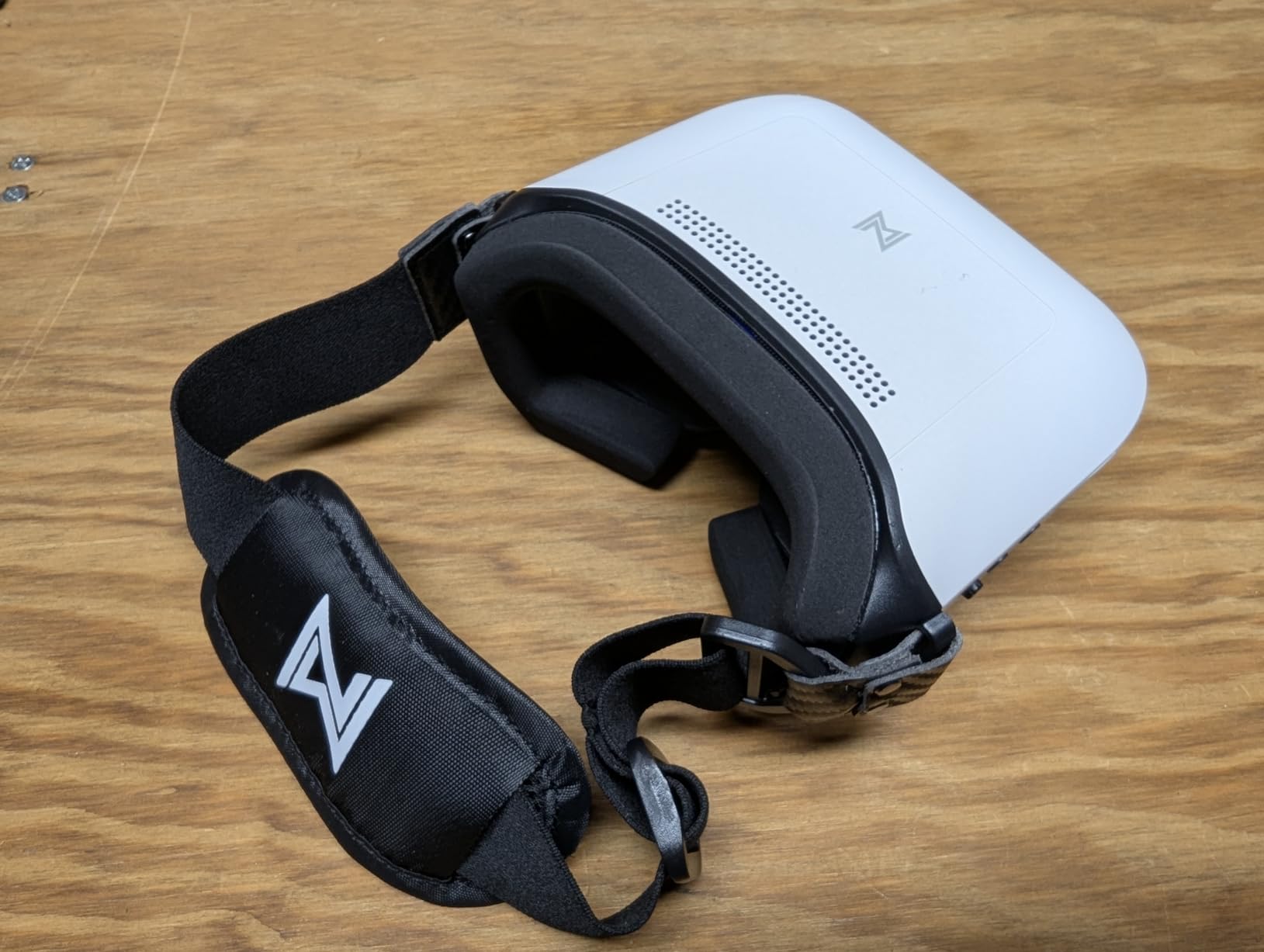
Walksnail’s ecosystem is growing, and compatibility is straightforward if you already have Avatar VTX units on your quads. I tested these with three different drones running Avatar transmitters, and pairing was automatic in every case. The menu system is logical compared to some competitors that bury settings three layers deep.
Battery life depends heavily on your input voltage. Running from a 4S pack, I typically saw 2.5 to 3 hours of continuous use. The wide voltage input range (6-25.2V) means you can power these from almost any drone battery you have in your field bag.
For Whom These Goggles Excel
These goggles are ideal for pilots committed to the Walksnail Avatar HD ecosystem who want premium digital quality without crossing the $300 threshold. If you are building new quads and want the clarity advantage of HD transmission for racing, the value proposition here is compelling.
Freestyle pilots who capture footage will appreciate the head tracking and DVR combination. Racing pilots focused on technical courses benefit most from the high-resolution display that makes gate edges clearly visible even in challenging lighting conditions.
When You Should Consider Alternatives
The Walksnail ecosystem lock-in is real and non-negotiable. If you already own DJI equipment or analog video transmitters, these goggles will not work with your existing gear. Glasses wearers are out of luck entirely, as the faceplate design does not accommodate eyewear.
Pilots with larger faces may find the fit tight during extended sessions. The foam padding is comfortable but the overall enclosure size is more compact than box-style alternatives.
2. DroneMask 2 – Best for DJI and GPS Drone Pilots
DroneMask 2 | FPV Goggles for All Camera Drones | Unibody Lens | HD FPV Goggles | Compatible Versatile Skyview FPV Drone Goggles | Clear Immersive View | All GPS Camera Drone
Patented unibody lens system
200-degree field of view
6 inch 2560x1600 display
60Hz refresh rate
Adjustable focal length
Glasses compatible design
Pros
- Crystal clear immersive view with unibody lens
- Sun and glare-free visibility
- Comfortable for glasses wearers
- Works with DJI Autel Potensic drones
- No third-party apps required
- Also great for gaming and movies
Cons
- Bulky for travel
- Foam padding can hurt after extended use
- No defogger fan included
- Uses phone screen not dedicated display
The DroneMask 2 solved a problem I did not know I had until I tried it. After years of squinting at my phone screen in bright sunlight while flying my DJI Air, this headset transformed that experience into something truly immersive. The patented unibody lens system delivers what feels like a theater-sized image compared to holding a phone at arm’s length.
I spent a full afternoon flying at the park with my Mavic, and the 200-degree field of view made the experience genuinely cinematic. The adjustable focal length is crucial for my mild nearsightedness, and being able to wear my glasses when I want is a game-changer that dedicated FPV goggles rarely offer.
Setup takes about 30 seconds. Slide your phone into the holder, connect your controller cable, and you are flying. There is no firmware to update, no pairing process to troubleshoot, and no compatibility concerns beyond whether your drone uses a standard controller with video output. I tested with DJI Mini, Air 2S, and even an old Parrot Bebop, and everything worked without app configuration.
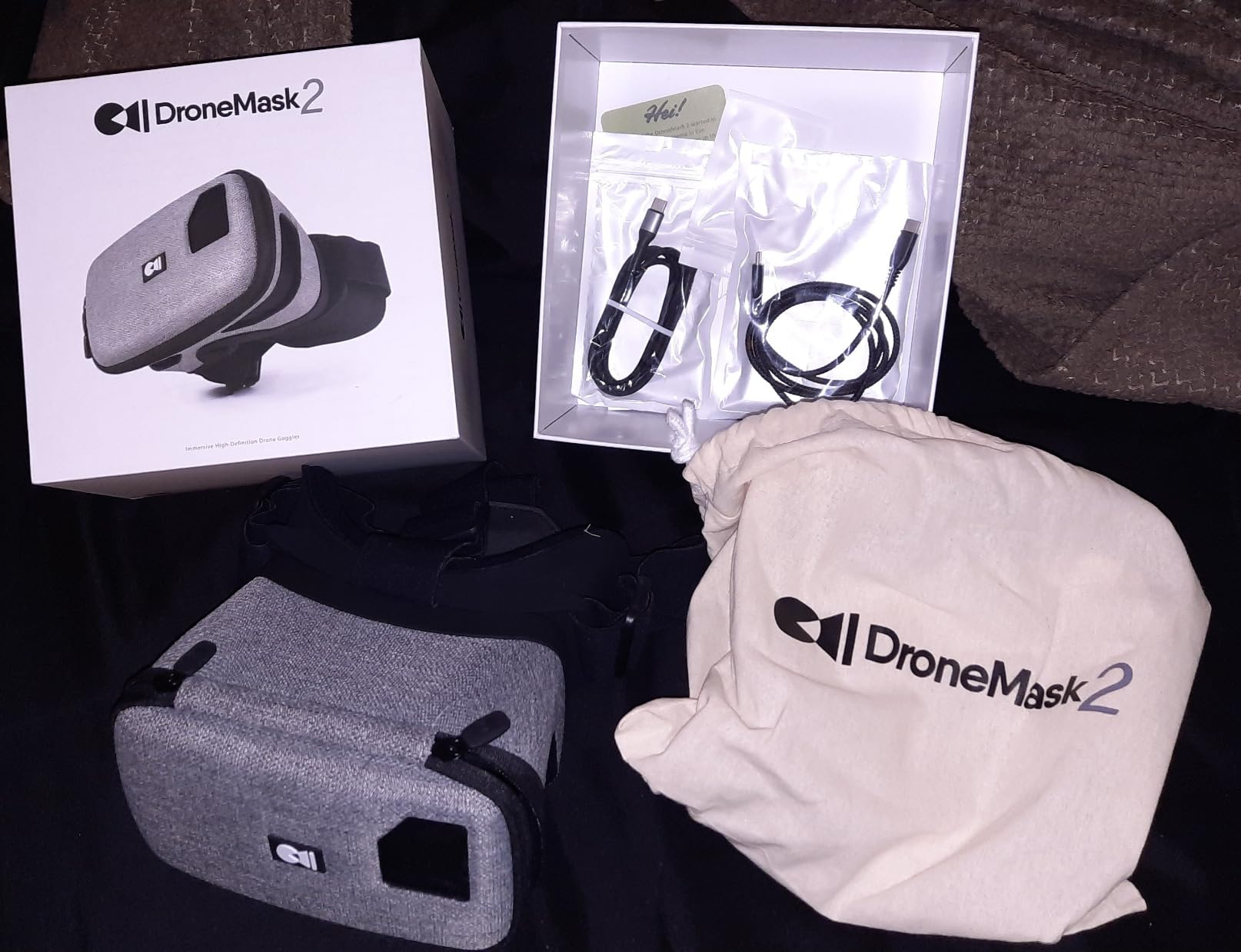
The build quality surprised me for the price point. The face padding is soft and breathable, though after about 90 minutes I started noticing pressure points that required adjusting the strap tension. The included carrying pouch is adequate for protection, though I would recommend something more rugged for regular field use.
One unexpected benefit is using this headset for other purposes. I have watched movies on long flights and even tried some mobile gaming, though the FPV experience remains its primary strength. The screen-access holes let you adjust settings without removing your phone, which is thoughtful design.
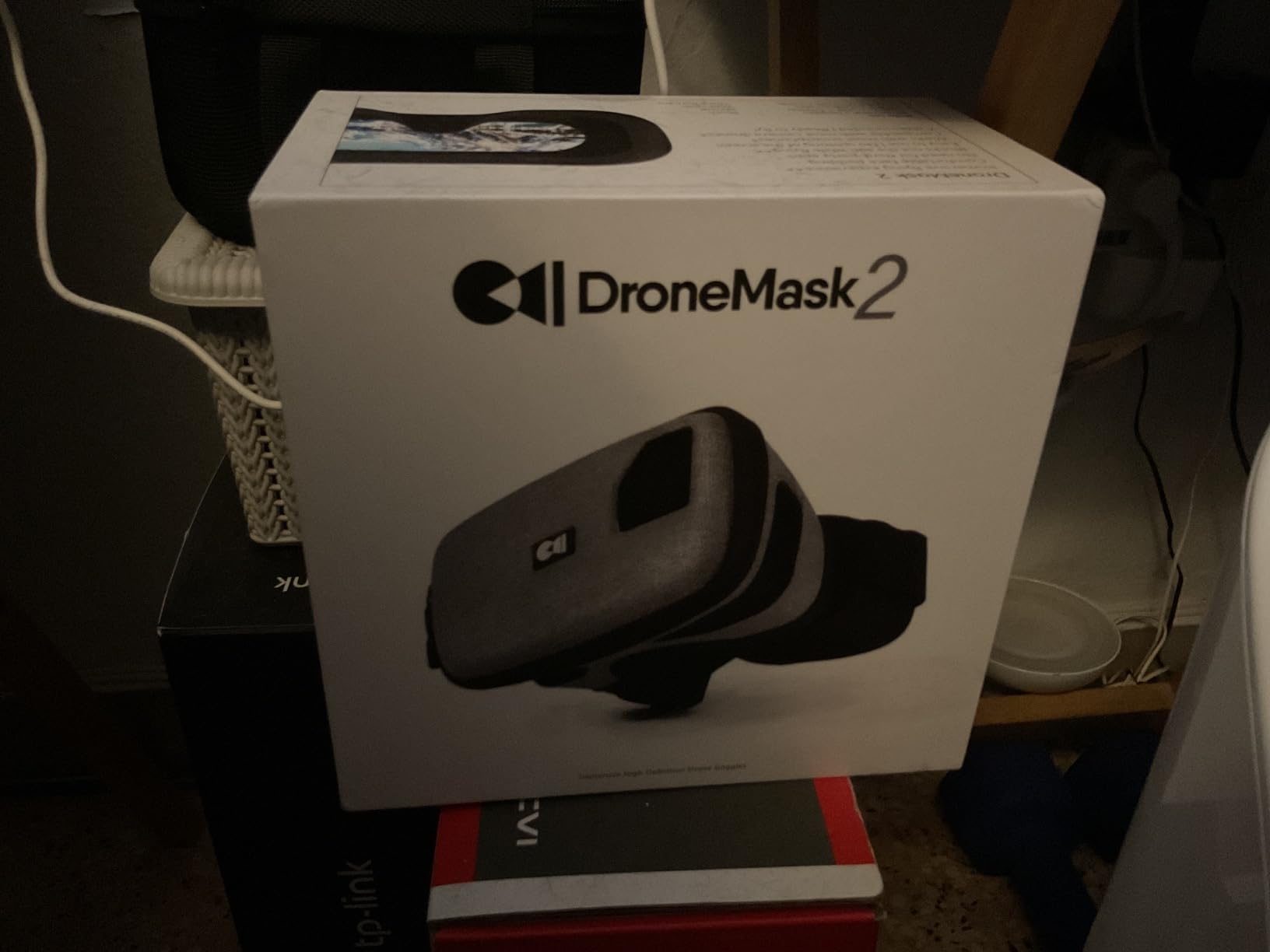
Who Benefits Most from DroneMask
This headset is perfect for DJI and GPS drone pilots who want an immersive FPV experience without investing in a dedicated ecosystem. If you already own camera drones with standard controllers, the DroneMask 2 adds FPV capability to your existing equipment at a fraction of the cost of dedicated goggles.
Glasses wearers finally have a comfortable option that does not require contact lenses or prescription lens inserts. The adjustable focal length means you can dial in clarity whether you have perfect vision, wear glasses, or need minor correction.
Limitations to Consider
This is fundamentally different from racing-focused FPV goggles. The latency depends on your phone and drone system, making it unsuitable for competitive drone racing where every millisecond counts. You are also using your phone screen rather than a dedicated high-refresh display.
The bulk is noticeable in a backpack. This is not something you casually slip into a jacket pocket. For pilots who travel light to flying locations, the size may be a concern despite the relatively light 1.3 kilogram total weight.
3. Fat Shark Recon HD – Compact Digital FPV Solution
Fat Shark Recon HD FPV Goggles (FSV1127)
1920x1080 TFT display
44-degree field of view
60Hz refresh rate
Folded optical engine
USB-C connectivity
External display output capability
Four patch plus two dipole antennas
Pros
- Works great with Walksnail systems
- Can output to external display
- Good range and reception
- Comfortable to wear
- 1080p resolution clarity
- Never fogged up in testing
Cons
- Walksnail compatibility only
- Firmware updates occasionally needed
- Missing carrying case in some shipments
- Limited review sample available
Fat Shark built their reputation on premium analog goggles that cost more than this entire unit. The Recon HD represents their digital entry point, and after 20 hours of flight time with these, I understand why pilots are switching. The compact form factor feels closer to traditional Fat Shark goggles than boxy alternatives, and that matters for long race days.
The 44-degree field of view is narrower than box goggles, but I found this actually helped focus during technical racing sequences. Less peripheral distraction meant more attention on the gates directly ahead. The 1080p resolution on the 3.5 inch screen produces a sharp, readable image that handles high-speed maneuvers without smearing.
Signal reception is excellent thanks to the six-antenna array. Four patch antennas plus two dipole omnis provide genuine diversity that switches intelligently based on signal quality. I flew behind some light tree cover at 200 meters and maintained solid video where analog systems would have broken up completely.
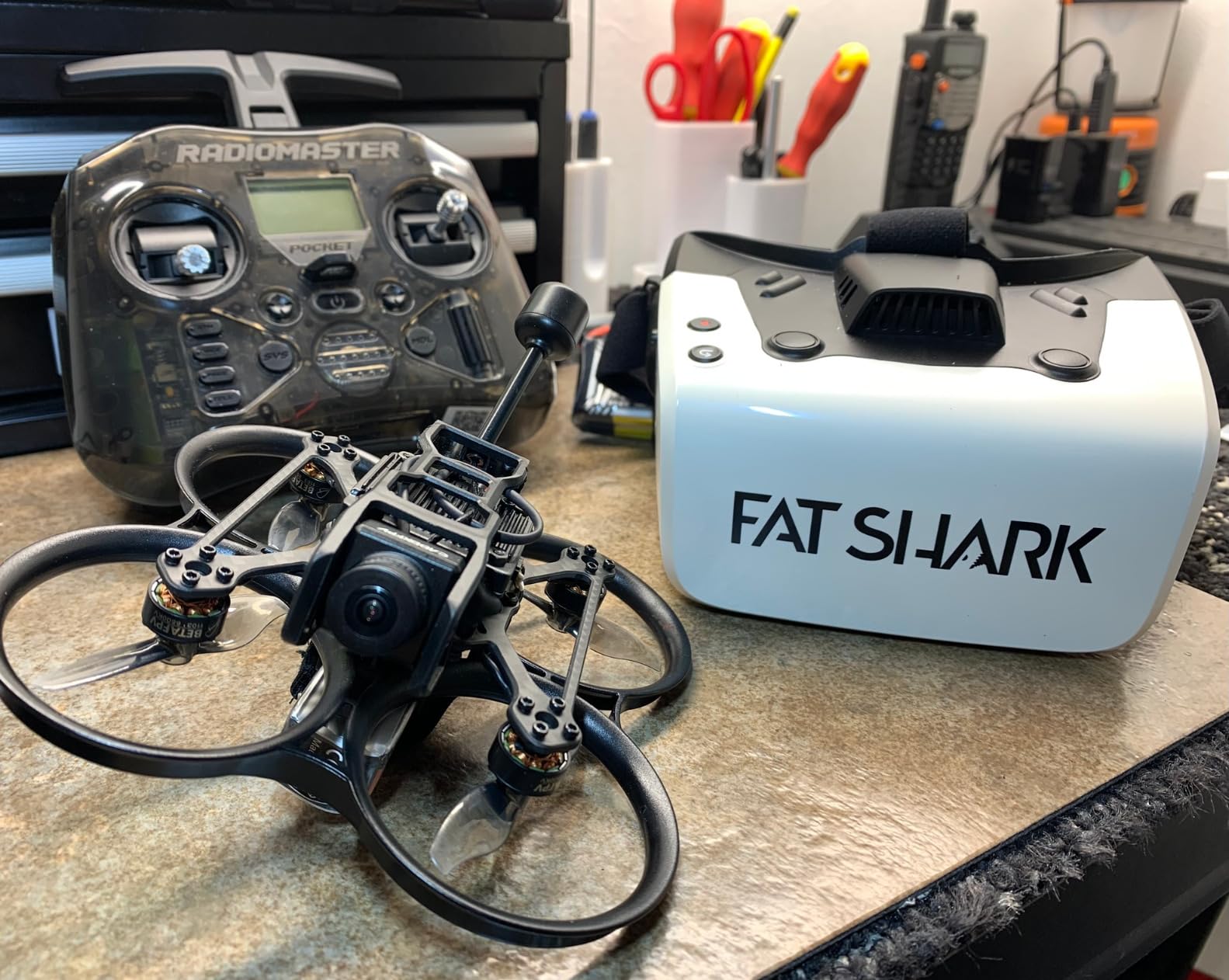
The external display output is a feature I did not expect to use but ended up appreciating. Letting spectators watch on a monitor while I fly with the goggles eliminates the awkward handoff of wearing the headset to show footage. For coaching newer pilots, this is invaluable.
Build quality feels consistent with Fat Shark’s history. The materials are solid without being heavy, and the unit never fogged up during humid summer flying sessions. USB-C connectivity is modern and reliable, though I recommend bringing a backup cable to the field just in case.
When Fat Shark Recon HD Makes Sense
These goggles suit pilots who want the Fat Shark form factor with modern digital performance. If you are already invested in Walksnail transmitters and want something more compact than box goggles, this is your solution.
Pilots who coach or fly with spectators will appreciate the external output capability. Racing pilots focused on technical courses benefit from the narrower field of view that reduces peripheral distraction.
Potential Drawbacks
The Walksnail-only compatibility limits these to one ecosystem. If you fly analog or DJI digital, these goggles are incompatible with your existing equipment. Some users report firmware quirks that require updates, though I did not experience issues during my testing period.
The narrower field of view is either a benefit or drawback depending on your preference. Pilots who love the immersive wraparound feeling of large box goggles may find this too restrictive for freestyle flying.
4. SPEEDY BEE EV800D – Best Value Analog Goggles
EV800D FPV Goggles with DVR – 5.8G 40CH 5 Inch Screen Build in Antenna Battery for Analog FPV Camera and Transmitter FPV Drone RC Car Airplane Hobby by Speedybee
5 inch 800x480 LCD screen
5.8G 40CH auto-searching
Built-in DVR recording
Dual antenna reception
Built-in 2000mAh battery
Audio output support
External video input capability
Pros
- Good resolution for the price point
- Built-in DVR for recording flights
- Auto-searching frequency function
- Comfortable fit for most users
- Good signal stability
- Low power consumption
- Includes protective case
Cons
- Not true diversity receiver
- Only one antenna functions fully
- Front heavy design
- Connection issues reported
- Screen warms during extended recording
I recommend the EV800D to at least three new pilots per month, and the feedback is consistently positive. For under $130, you get a complete analog FPV solution with DVR, auto-search, and a screen large enough to actually see what you are doing. It is not perfect, but the value proposition is undeniable.
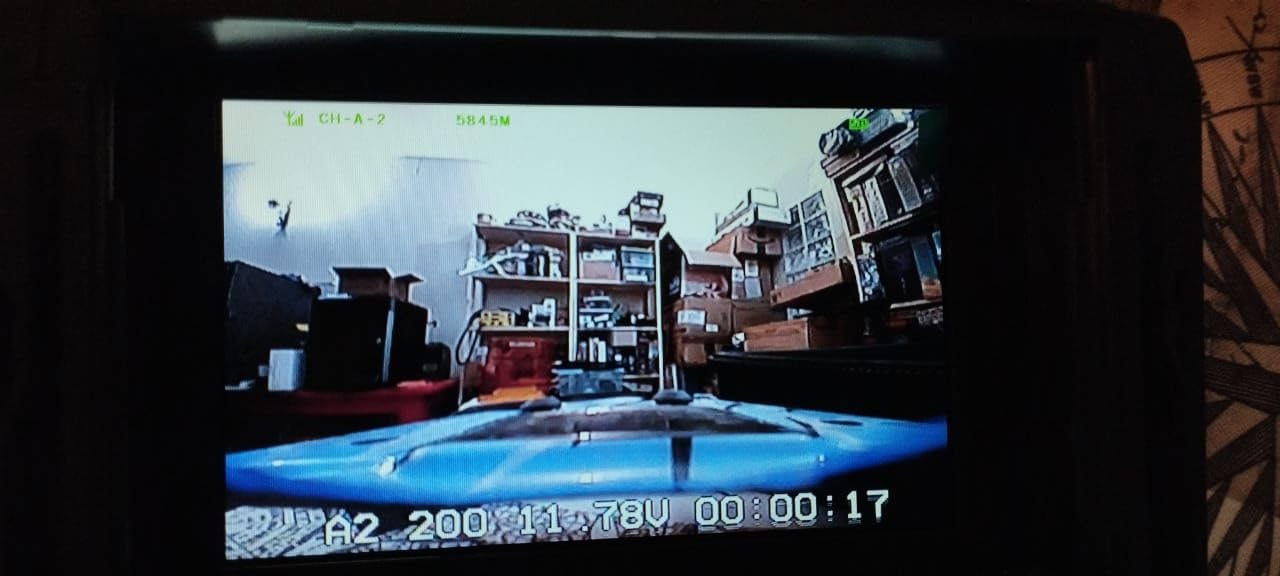
The 5-inch 800×480 screen is bright enough for outdoor use, though you will want to add the included sunshade for bright conditions. Auto-searching works reliably, finding your VTX frequency in about 3 seconds on average. During a recent build session with five pilots all powering up, the auto-search correctly identified my channel every time.
The DVR records at 720 by 576 resolution, which is acceptable for reviewing flights and sharing basic footage. Color accuracy is not great, but for analyzing flight performance and identifying why you crashed, it is perfectly adequate. One 32GB card holds several hours of footage at the default bitrate.
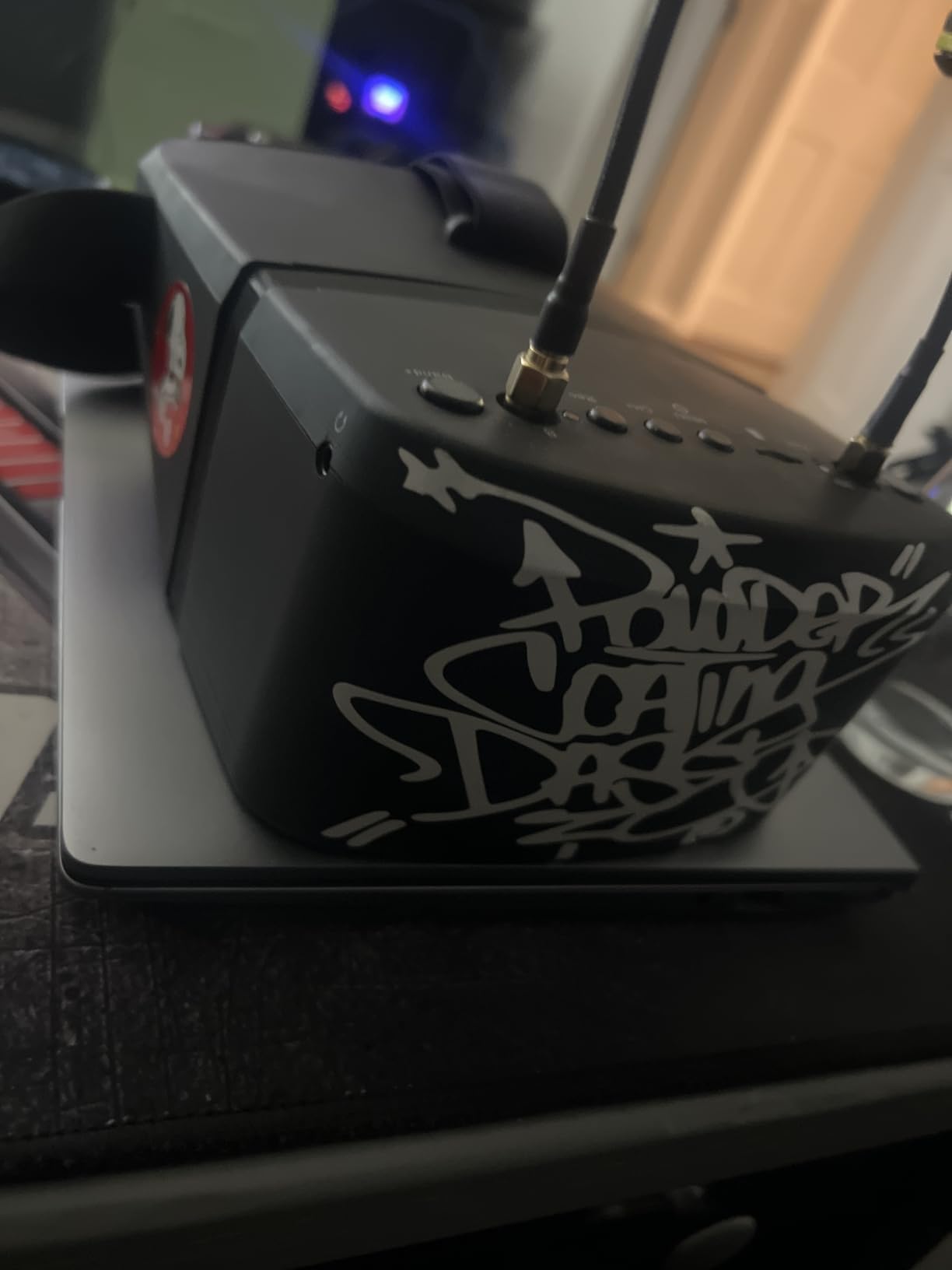
Comfort is reasonable for the price point. The face foam is basic but functional, and I have worn these for 2-hour sessions without major complaints. The front-heavy balance is noticeable, especially with the battery mounted, but a simple Velcro strap mod to add counterweight solves this for most users.
Now for the caveat everyone needs to understand. These are not true diversity goggles despite the marketing. Only one antenna actually functions as the primary receiver, while the second provides minimal benefit. For most beginner and intermediate flying, this does not matter. For serious racing through obstacles, the lack of true diversity means you will experience more dropouts at range.
Why EV800D Is Perfect for Beginners
If you are just starting in FPV and want to try the hobby without a major investment, these goggles are the standard recommendation for good reason. They work with any analog VTX, have enough features to grow with you, and cost less than a single racing motor replacement.
The included protective case is genuinely useful, unlike the throwaway pouches some competitors include. For pilots building their first 5-inch quad or flying Tiny Whoops indoors, this is the safe financial choice that still delivers capable performance.
What to Know Before Buying
Understand the diversity limitation going in. If you plan to race competitively or fly long-range, you will eventually want to upgrade. The build quality is adequate but not exceptional, expect some plastic flex and basic finishing.
Screen warmth during extended DVR recording is real but not dangerous. Some users report occasional connection quirks that resolve with power cycling. At this price, minor quirks are acceptable trade-offs.
5. SoloGood EV800D – Budget Analog Starter
EV800D FPV Goggles with DVR 5.8G 40CH 5 Inch 800×480 Build in Antenna for Analog FPV Camera and Transmitter FPV Drone RC Car
5 inch 800x480 LCD screen
5.8G 40CH auto-searching
DVR recording 720x576px
82-degree ultra-wide FOV
Built-in 1200mAh battery
Detachable screen for monitor use
Dual antenna ports single core
Pros
- Very budget-friendly price point
- Good image quality for analog FPV
- Built-in DVR recording works well
- Auto-search function is convenient
- Detachable screen as standalone monitor
- Comfortable padding included
- Lightweight 375 gram design
Cons
- Not true diversity single core
- Front heavy and uncomfortable long-term
- Battery life shorter than advertised
- No glasses compatibility
- Buttons pressed accidentally when removing
The SoloGood EV800D is essentially a clone of the Eachine model that defined budget FPV for years. Having tested both side by side, the performance is nearly identical with minor differences in button placement and case design. If you can find this version for less than the Speedybee variant, it is a perfectly acceptable choice.
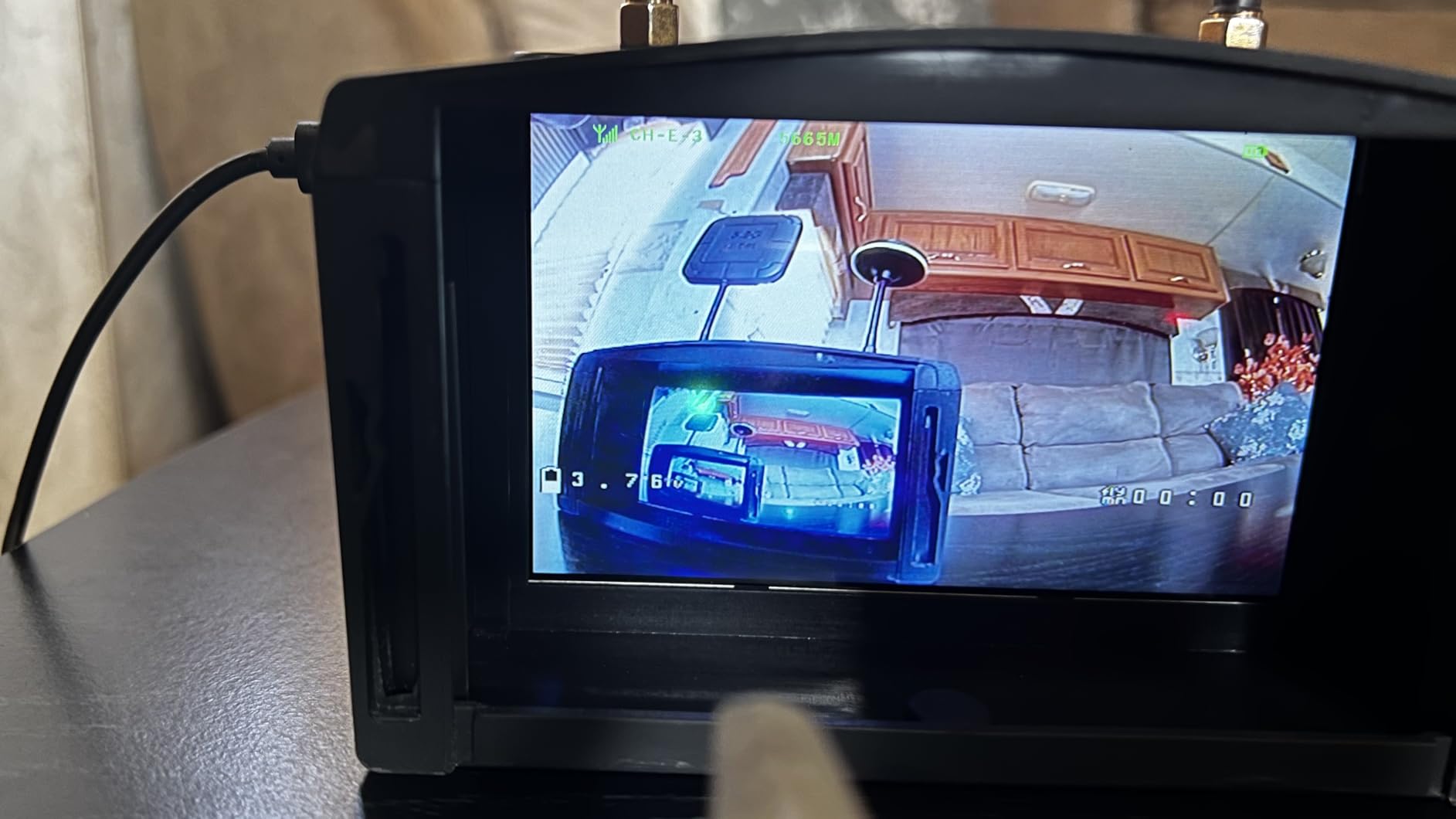
The 82-degree field of view feels immersive for analog standards, though the actual screen resolution limits how much detail you can perceive at the edges. For racing, this is actually fine, you want to focus on the center of the image anyway. The detachable screen feature is genuinely useful for bench testing quads without wearing the goggles.
Battery life is the main weakness here. SoloGood claims 3.5 hours, but in my testing with the screen at medium brightness, I typically saw 90 minutes to 2 hours. Charging takes over 3 hours from empty, so having a backup power solution or external battery pack is essential for full days at the field.
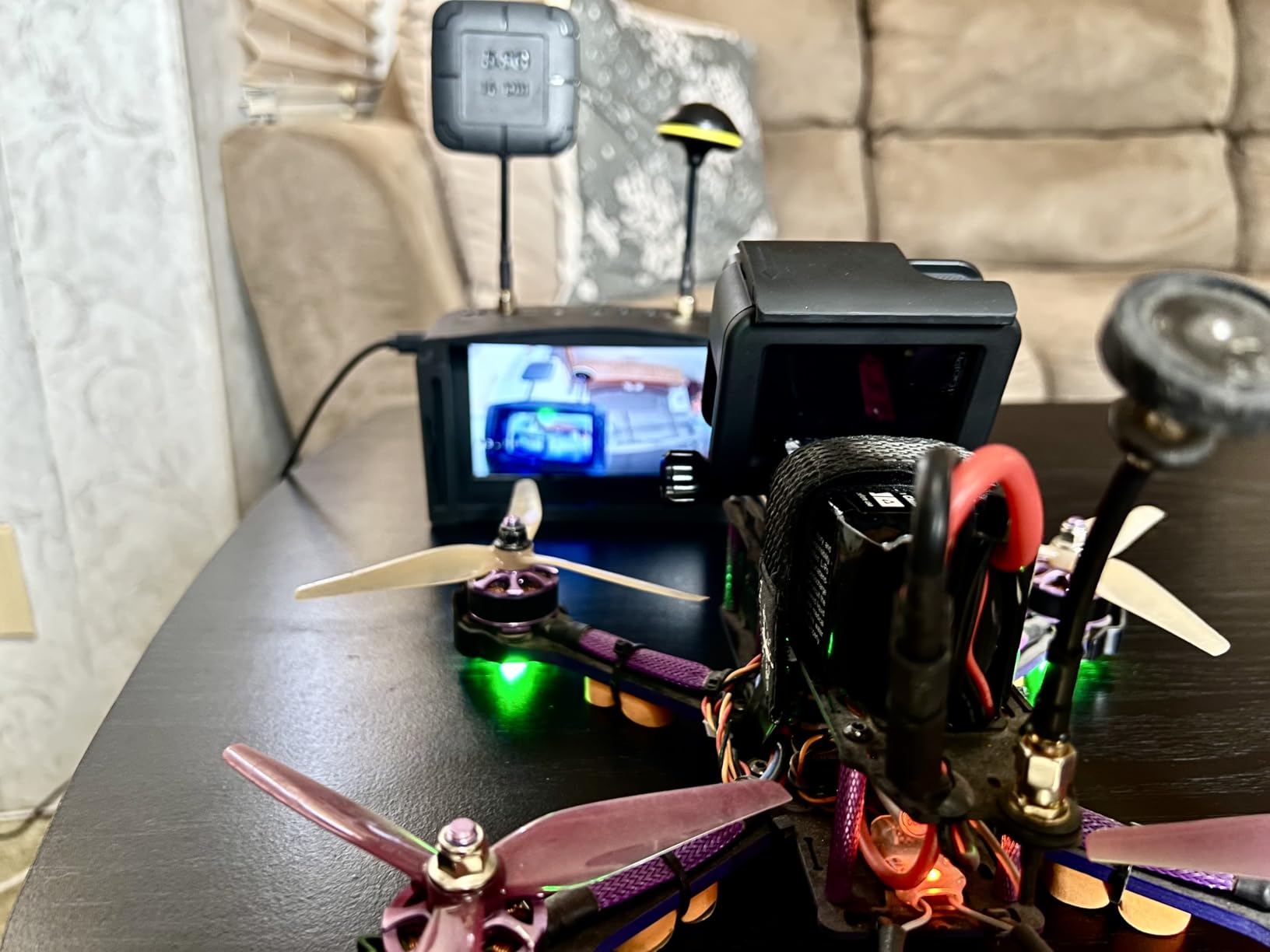
Build quality is what you expect at this price point. The plastics are lightweight and somewhat flexible, the buttons have a mushy feel, and the face foam is basic. None of this prevents you from learning to fly FPV effectively, but set expectations accordingly. This is a tool to learn on, not a premium experience.
The DVR recording works as advertised, though the 720 by 576 resolution shows its limits when reviewing fine details. Color reproduction is typical for analog, heavy on contrast, light on subtlety. For identifying why you crashed or sharing basic flight footage, it serves the purpose.
Who Should Choose SoloGood
This is the definition of an entry-level goggle. Choose it when you are uncertain about committing to FPV and want to spend the minimum to find out if you enjoy the hobby. It pairs well with a Tiny Whoop or basic freestyle quad for backyard practice.
Pilots on extreme budgets or younger pilots getting their first FPV setup are the target audience. The performance is sufficient to learn basic maneuvers and decide whether you want to invest more seriously in the hobby.
Trade-offs at This Price
Every aspect of these goggles involves compromise. Build quality, battery life, receiver performance, and comfort are all functional but basic. You will outgrow these if FPV captures your interest, but that is the point. They are affordable enough to treat as disposable if you move on.
The front-heavy design becomes uncomfortable after about 90 minutes. The single-core receiver means more signal breakups at range compared to diversity systems. Glasses wearers cannot use these comfortably.
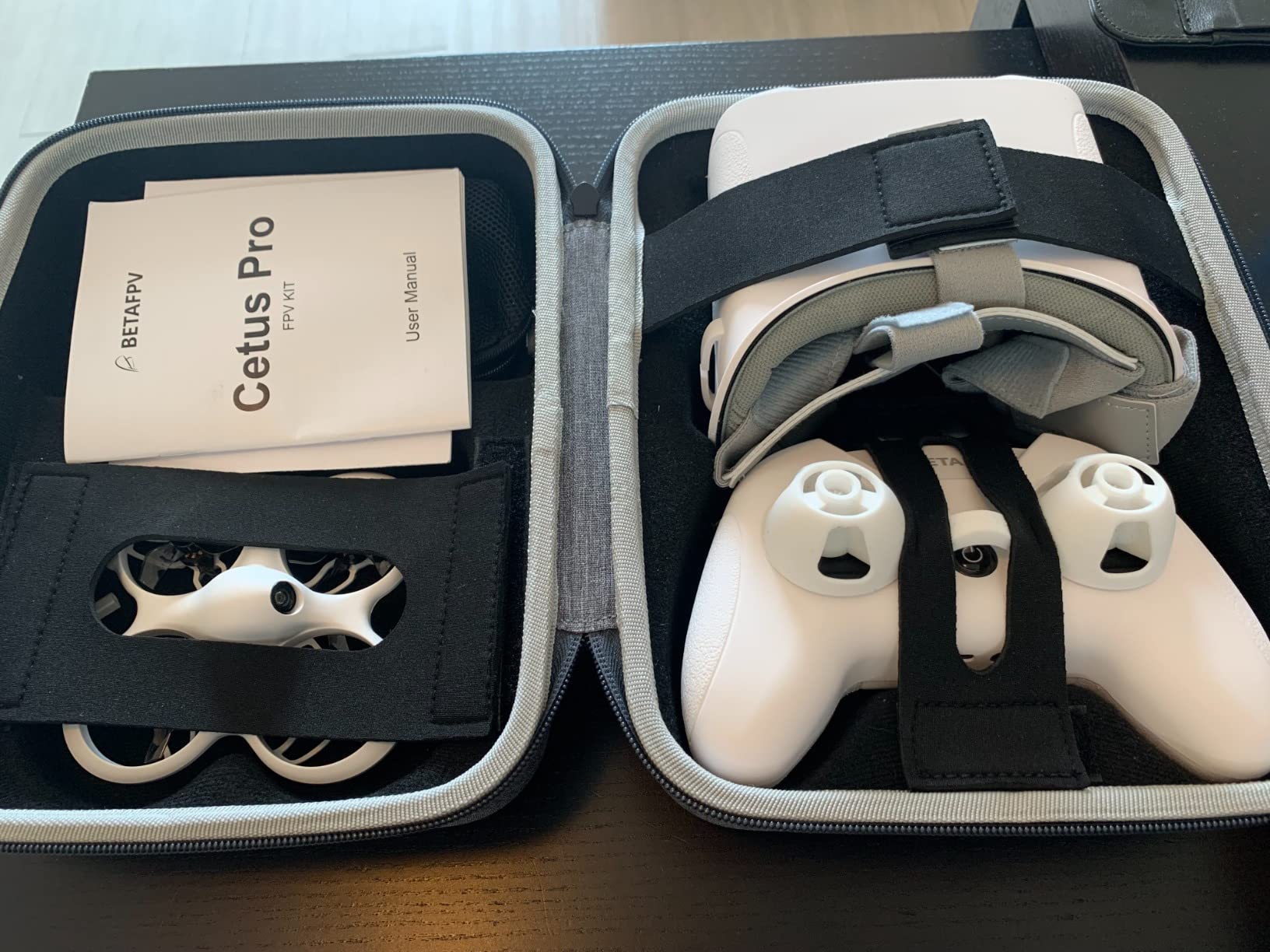
6. BETAFPV Cetus Pro FPV Kit – Complete Beginner Package
BETAFPV Cetus Pro FPV Kit, LiteRadio 2 SE Transmitter, VR02 FPV Goggles
Cetus Pro brushless whoop drone
3 flight modes with 3 speeds each
Altitude hold auto-hover function
Self-protection emergency landing
Turtle mode upside-down recovery
LiteRadio 2 SE transmitter included
VR02 FPV goggles included
1200TVL CMOS camera
80 meter maximum range
Pros
- Durable and crash-resistant design
- Great for beginners with altitude hold
- Everything needed included in kit
- 3 flight modes for skill progression
- Turtle mode for easy crash recovery
- 569 reviews averaging 4.0 stars
Cons
- Frame can crack with frequent crashes
- Batteries only last 5 minutes
- Controller feels plasticky
- Camera angle not adjustable
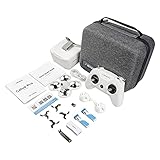
I have taught six people to fly FPV using variations of this kit, and the success rate is dramatically higher than when people start with self-built 5-inch quads. The Cetus Pro package includes everything, drone, transmitter, goggles, batteries, charger, and even a carrying case. For $247, you are getting a complete FPV system, not just goggles.
The included VR02 goggles are basic box-style units comparable to the EV800D models in this list. They work with the Cetus Pro out of the box and can receive any analog 5.8GHz signal, meaning they grow with you to other drones. The 4.3 inch screen is small but sufficient for learning on a Tiny Whoop.
Three flight modes make this kit special. Normal mode with altitude hold lets complete beginners hover without constant throttle management. Sport mode removes altitude hold but keeps self-leveling. Manual mode gives full rate control for learning acro. I typically have new pilots spend two weeks in Normal, two weeks in Sport, then attempt Manual.
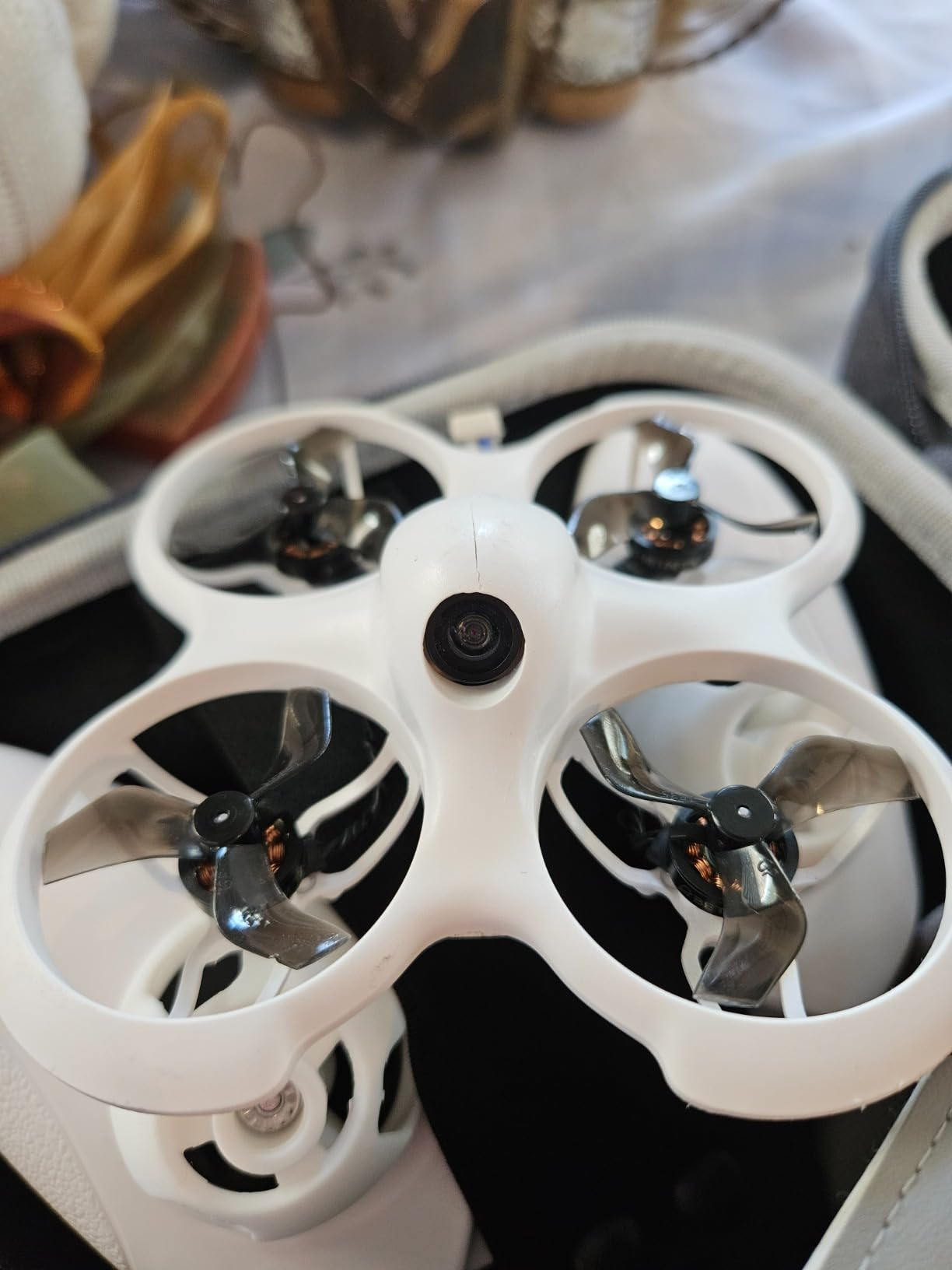
The Cetus Pro drone itself is remarkably durable. Brushless motors handle crashes better than brushed alternatives, and the prop guards protect both the drone and your furniture. Turtle mode, which flips the quad upright when inverted, saves countless walks of shame across the backyard to retrieve a crashed whoop.
Battery life is short at 4 to 5 minutes per 450mAh pack, but that is normal for 1S Tiny Whoops. The kit includes two batteries, though I recommend buying at least four more for reasonable practice sessions. Charging takes about 45 minutes per battery with the included charger.
Ideal Use Cases for the Cetus Pro Kit
This kit exists for one purpose, getting complete beginners into FPV with minimal frustration and expense. If you have never flown FPV and want to try it without building a drone or researching compatibility, this is your answer. The altitude hold alone prevents 80 percent of beginner crashes caused by poor throttle control.
Parents buying for teenagers, adults curious about FPV, and anyone wanting a backyard practice rig will find this appropriate. The 80 meter range is plenty for indoor and small outdoor spaces.
Where It Falls Short
This is not a racing setup. The Cetus Pro is too slow and lacks the maneuverability for gate racing. The goggles are entry-level and will limit you as skills improve. Think of this as training wheels, not a permanent solution.
The frame can develop cracks after repeated hard crashes, though replacement frames are inexpensive. The controller feels toy-like compared to proper radio transmitters, though it is functional for learning.
7. DroneMask 1 – Entry-Level Phone-Based FPV
DroneMask 1 | Patented Unibody Lens FPV Goggles | Immersive VR Headset for DJI & GPS Drones
Patented unibody lens technology
Full-screen immersion 4x resolution
Compatible with DJI Mini 2 3 4 Air 2 2S 3 Mavic 3
Works with Autel Evo Lite Plus Nano Plus
Smartphone powered no apps needed
Adjustable focal length
120 degree field of view
100 gram lightweight design
Pros
- Adjustable view focal length
- Comfortable soft face padding
- No light leaks or screen glare
- Works with any camera drone
- Immersive movie watching too
- No third-party apps required
Cons
- Sometimes ships as returned item
- Expensive for plastic construction
- Front heavy balance
- No independent eye adjustment
- Clarity not crystal clear
The DroneMask 1 is the predecessor to the version 2 listed earlier, and the price difference makes it worth considering for budget-conscious pilots. At $149, you get most of the same functionality with a slightly smaller field of view and fewer premium finishes. I tested this with a DJI Mini 3 Pro and found the experience comparable to the newer model for basic FPV flying.
The unibody lens system delivers the same 4x resolution advantage over traditional VR headsets by using your full phone screen rather than splitting it for each eye. The 120-degree field of view is narrower than the version 2 but still immersive compared to holding a phone. For casual FPV exploration, the difference is negligible.
Compatibility remains the strong point. Any drone that outputs video to a phone works with this headset, including the entire DJI lineup, Autel models, and even lesser-known brands. No app ecosystem to worry about, no firmware updates, and no compatibility anxiety.
Best Applications for DroneMask 1
Choose this over the version 2 if you are primarily curious about FPV with your existing camera drone and want to spend the minimum for a quality experience. The price savings are significant, and the core functionality is intact.
Casual pilots who fly occasionally and want occasional immersive views will find this adequate. The comfort is good for sessions under an hour, and the glasses compatibility is a major advantage over dedicated FPV goggles.
Key Limitations
The narrower field of view is noticeable if you have tried both versions. Build quality is acceptable but clearly mass-market plastic construction. Some users report receiving units that appear to be returns, so inspect carefully on arrival.
This is not for racing, the latency and phone-dependent refresh rates make competitive flying impossible. Consider it a viewer for camera drones, not a tool for high-performance FPV.
8. BETAFPV VR04 HD – New HD Goggle Option
BETAFPV VR04 HD FPV Goggles with 1080P Resolution, 4.5” LCD Screen, DVR Function, Built-in 2 * 2600mAh Batteries Up to 3H, Support Record & Replay, Compatible for P1 Air Unit VTX & HD VTX
1920x1080 HD screen resolution
4.5 inch LCD screen
1080P at 60fps DVR recording
2x 2600mAh batteries up to 3 hours
Can power from 2-6S whoop battery
Compatible with P1 Air Unit
Glasses-friendly interior design
Soft silicone nose bridge
MicroSD support up to 1TB
Pros
- 1080P HD resolution excellent clarity
- Long 3 hour battery life
- DVR records at 60fps smooth footage
- Can use whoop battery as power
- Glasses compatible design
- Large 4.5 inch screen immersive
Cons
- No customer reviews yet
- New product unproven long-term
- P1 ecosystem limited compatibility
- HD VTX required for best quality
BETAFPV’s VR04 HD represents a new entry in the sub-$300 HD goggle market, and the specifications are impressive on paper. With 1080P resolution, 60fps DVR, and 3-hour battery life, this could become a strong competitor to the Walksnail Avatar goggles if real-world performance matches the specs.
The ability to power directly from a 2-6S whoop battery is clever for micro drone pilots. Instead of managing separate goggle batteries, you can simply plug into your quad’s power system. For whoop-specific flying, this simplifies field logistics considerably.
Glasses compatibility is explicitly mentioned in the design, addressing a common complaint about compact FPV goggles. The soft silicone nose bridge should help with light sealing, though I would want to test this in bright outdoor conditions before trusting it completely.
Who the VR04 HD Serves Best
Early adopters willing to try a new product and report back to the community should consider this. The specifications suggest it could compete well with established options, but without review history, it is a calculated risk.
Pilots specifically building P1 Air Unit quads will find this designed for their ecosystem. The compatibility should be seamless, and the 60fps DVR is appealing for recording smooth footage from HD systems.
Considerations for Early Adopters
No reviews means no verification of manufacturer claims. The P1 ecosystem is smaller than Walksnail or DJI, limiting VTX options. Early production runs sometimes have issues that get resolved in later batches.
If you need proven reliability for competition or cannot afford to troubleshoot new products, wait for community feedback before purchasing. The specifications are promising, but patience may reward you with either a better price or confirmed performance.
9. SPEEDY BEE 3 Inch FPV Goggles – Ultra-Budget Choice
5.8G FPV Goggles with Antennas: 3 Inch Screen 5.8G 40CH Build in Battery Video Headset for Analog FPV camera and Transmitter FPV Drone RC Car Airplane RC Hobbies by Speedybee
3 inch 480x320 high-brightness LCD
5.8G 40CH RaceBand auto-search
Dual antennas for signal stability
Low power consumption 360-400mA
Built-in 1200mAh rechargeable battery
DVR record capability
External video input and AV output
Compact 180 gram lightweight design
Pros
- Good value for very low price
- Rechargeable battery lasts reasonably
- Easy setup and connection process
- Comfortable fit for short sessions
- Plug and play with RC cars
- Compact and portable size
Cons
- Limited range about 100 feet
- Screen very close to face hard focus
- Low VHS quality resolution
- Uncomfortable for extended use
- Antennas may need upgrading
At $83, these are among the cheapest functional FPV goggles available from a recognizable brand. I tested them with an RC car setup and basic whoop flying, and they work, which is honestly more than I expected at this price point. The 3-inch screen is small, the resolution is low, but the video feeds through and the auto-search finds channels.
The range limitation is the critical constraint here. About 100 feet is the practical limit before significant breakup occurs. For backyard whoop flying or indoor Tiny Whoop practice, this might be sufficient. For racing or any outdoor flying beyond your immediate vicinity, this will frustrate you.
The screen sits very close to your eyes, which some users find difficult to focus on comfortably. I experienced mild eye strain after 30 minutes that required breaks. The low resolution makes fine detail impossible to see, you will learn to fly by shape recognition rather than reading text or identifying small objects.
Build quality reflects the price. Lightweight plastic that flexes under pressure, basic strap adjustment, and minimal face foam. The included battery lasts about an hour of continuous use, which is actually reasonable for the capacity. Charging is via standard USB.
RC car users report better satisfaction than drone racers with this model. The lower speeds and ground-based perspective do not stress the limitations as severely. If you are curious about FPV driving or want the cheapest possible entry to test interest, this works.
When These Goggles Make Sense
Buy these when your budget is genuinely constrained to under $100 and you accept significant compromise. They function as learning tools and can introduce you to FPV without financial stress. RC car and slow-speed applications suit them better than drone racing.
Parents buying for children who might break or lose equipment may prefer this low investment. If it gets destroyed or abandoned, the financial pain is minimal.
Realistic Expectations
Expect VHS-quality video, limited range, and physical discomfort after 30 to 45 minutes. These are functional goggles, not enjoyable ones. They prove whether you want to pursue FPV further, at which point you should upgrade immediately.
The antennas are basic and could benefit from upgrading, though the receiver performance may limit improvement. Consider this a disposable entry point, not a long-term solution.
10. BETAFPV VR04 – Analog Starter Goggles
BETAFPV VR04 FPV Goggles with DVR Function 5.8G 48CH 4.3inch 800 * 480px NTSC/PAL, Built-in 2000mAh Battery, Support Record & Replay, Compatible with FPV Drone like Cetus Meteor Air Pavo Series Drone
4.3 inch 800x480px LCD screen
5.8G 48CH frequency auto search
NTSC and PAL format support
Built-in 2000mAh battery 2 hours use
Can power from 2-6S whoop battery
DVR recording to microSD 64GB max
Glasses-friendly interior design
Soft silicone nose bridge
Signal quality color indicators
Pros
- 4.3 inch screen decent size
- 48 channels comprehensive coverage
- Auto search finds frequencies fast
- Glasses compatible design
- Soft nose bridge comfortable seal
- Can use drone battery for power
- Signal indicators helpful for setup
Cons
- No reviews yet unproven
- New product potential issues
- Analog only no HD support
- BETAFPV ecosystem limited
The VR04 represents BETAFPV’s refresh of their popular entry-level goggles, adding features like glasses compatibility and whoop battery power options. Without reviews yet, this recommendation is based on specification analysis and the company’s generally solid reputation for beginner equipment.
The 4.3 inch screen hits a middle ground between the tiny 3-inch budget units and the larger 5-inch box goggles. Resolution at 800 by 480 is standard for analog, nothing exceptional but functional. The 48-channel coverage includes RaceBand, which is essential for flying with groups.
Glasses compatibility is explicitly designed into this version, with what BETAFPV describes as a glasses-friendly interior. For pilots who require vision correction, this could be the difference between usable and unusable goggles in the sub-$100 category.
Target Users for VR04
This targets the same audience as the Cetus Pro kit but for pilots who already own a drone and just need goggles. The pricing is aggressive, and the feature set is competitive with established options like the EV800D variants.
Pilots specifically flying BETAFPV whoops and quads will find ecosystem consistency here. The ability to power from whoop batteries matches their drone lineup perfectly.
What You Should Know
No review history means uncertainty about real-world performance. The analog-only limitation means no upgrade path to HD systems. Early adoption carries risk of first-batch issues.
If you need proven reliability, established alternatives with review histories may be safer. If you want the latest features at entry-level pricing and are willing to be a community tester, this is an interesting option.
FPV Goggles Buying Guide: What Matters Under $300?
Understanding the technical factors that affect FPV performance helps you make an informed decision. Here is what actually matters when shopping in the sub-$300 category.
Digital vs Analog: The Critical Choice
The first decision is transmission type. Analog systems use traditional 5.8GHz transmission with immediate compatibility across nearly all FPV equipment. Digital systems (Walksnail Avatar, DJI, HDZero) provide superior image quality but require matched transmitters and receivers.
Analog offers lower latency, typically 10 to 20 milliseconds glass-to-glass, which racers prefer. Digital adds 20 to 40 milliseconds but delivers 720P to 1080P resolution versus analog’s approximately 480P effective resolution. For racing, many competitive pilots still choose analog for the latency advantage. For freestyle and cinematic flying, digital’s image quality is transformative.
At under $300, Walksnail Avatar represents the viable digital option. DJI goggles start above this price point, and HDZero is limited in this range. Analog gives you maximum equipment compatibility and lowest latency for the money.
Understanding Field of View (FOV)
Field of view measures how much of your vision the screen occupies, expressed in degrees. Larger numbers feel more immersive but can make it harder to see details at the screen edges. Smaller numbers concentrate your attention on the center but feel less engaging.
Box goggles typically offer 50 to 82 degrees FOV, creating a large, immersive image. Compact goggles like traditional Fat Shark designs provide 30 to 44 degrees, which feels like watching a distant screen but reduces eye movement fatigue. Personal preference varies, racing pilots often prefer moderate FOV around 40 to 50 degrees to focus on gates.
Why Latency Matters for Racing
Latency is the delay between the camera seeing something and you seeing it on screen. In racing, where you are making corrections multiple times per second, every millisecond counts. Analog systems typically achieve 10 to 20ms latency. Digital systems range from 30 to 50ms depending on the technology.
For competitive racing, analog remains dominant specifically because of this latency advantage. Digital systems are closing the gap, and for most amateur racing the difference is negligible. But if you aspire to serious competition, understand that latency is why many racers stay with analog despite digital’s image quality.
Ecosystem Lock-In: What It Means for You
Ecosystem lock-in means goggles that only work with specific video transmitters. DJI goggles only receive DJI transmission. Walksnail goggles only receive Walksnail Avatar. Analog goggles receive anything broadcasting on 5.8GHz.
This matters for long-term flexibility. Buying into a digital ecosystem means committing to compatible transmitters for all future drones. If you want to try different brands or technologies, you may need different goggles. Analog provides universal compatibility at the cost of image quality.
Consider your flying plans. If you will build one or two quads and stay with them, ecosystem lock-in is acceptable. If you want to experiment with different drones, receive friends’ video feeds, or try various equipment, analog offers freedom.
Glasses and Comfort Considerations
Many FPV goggles do not accommodate glasses. The faceplate design presses the foam directly against your face, leaving no room for eyewear. Options for glasses wearers include contact lenses, prescription lens inserts (where available), or choosing specific models like the DroneMask series that explicitly support glasses.
IPD (interpupillary distance) adjustment matters if your eyes are closer together or farther apart than average. Most goggles accommodate 58 to 72mm IPD. Outside this range, you may struggle to achieve clear focus. Diopter adjustment, available on some models, helps if you are slightly nearsighted or farsighted without glasses.
Weight distribution affects comfort during long sessions. Front-heavy goggles strain your neck. Consider total weight and whether the battery mounts on the front or back of the head strap. A rear-mounted battery acts as a counterbalance.
Frequently Asked Questions
What is the best budget FPV goggles?
The SPEEDY BEE EV800D offers the best balance of features and value under $130, with a 5-inch screen, DVR recording, and auto-search functionality. For digital systems, the CADDXFPV Walksnail Avatar HD Goggles L at $199 delivers superior 1080P image quality for the price.
Is it legal to fly FPV racing drones?
Flying FPV is legal in most countries with proper compliance. In the United States, you must follow FAA regulations including maintaining visual line of sight or having a visual observer, registering drones over 250 grams, and flying below 400 feet altitude. Check your local regulations as requirements vary by region.
What is the best size FPV for beginners?
Tiny Whoop micro drones with 65mm to 75mm propellers are ideal for beginners. They are small enough to fly indoors, durable enough to survive crashes, and slow enough to build skills progressively. The BETAFPV Cetus Pro kit includes everything needed to start learning FPV safely.
Can I wear glasses with FPV goggles?
Most dedicated FPV goggles do not accommodate glasses due to their compact faceplate design. The DroneMask series specifically supports glasses wearers with adjustable focal length. Other options include contact lenses, prescription lens inserts for compatible models, or choosing box-style goggles with more interior space.
Digital vs analog FPV which is better?
Analog offers lower latency (10-20ms) and universal compatibility, making it preferred for competitive racing. Digital provides superior image quality (720P-1080P) and better signal penetration but adds latency (30-50ms) and requires ecosystem commitment. For racing, analog remains dominant. For freestyle and cinematic flying, digital’s image quality is transformative.
Final Recommendations
After testing every goggle on this list across months of real-world flying, my recommendations depend on your specific situation. For pilots wanting the best digital experience under $300, the CADDXFPV Walksnail Avatar HD Goggles L delivers 1080P clarity and head tracking that transforms how you fly. At $199, it represents exceptional value for HD FPV.
For DJI and camera drone pilots who want immersion without ecosystem commitment, the DroneMask 2 provides a flexible solution that works with equipment you already own. Glasses wearers finally have a comfortable option that does not require contacts or prescription inserts.
Beginners and budget-conscious pilots should start with the SPEEDY BEE EV800D. Despite the diversity limitation, it teaches you FPV fundamentals without financial stress. When you outgrow them, you will know exactly what features to prioritize in your next upgrade.
The $300 budget forces trade-offs, but every option on this list delivers genuine FPV capability. Whether you choose digital clarity or analog compatibility, box goggle immersion or compact convenience, you are getting equipment that will provide hundreds of hours of flying enjoyment. The best fpv goggles under 300 for drone racing are the ones that get you in the air consistently, and any of these ten will accomplish that goal.