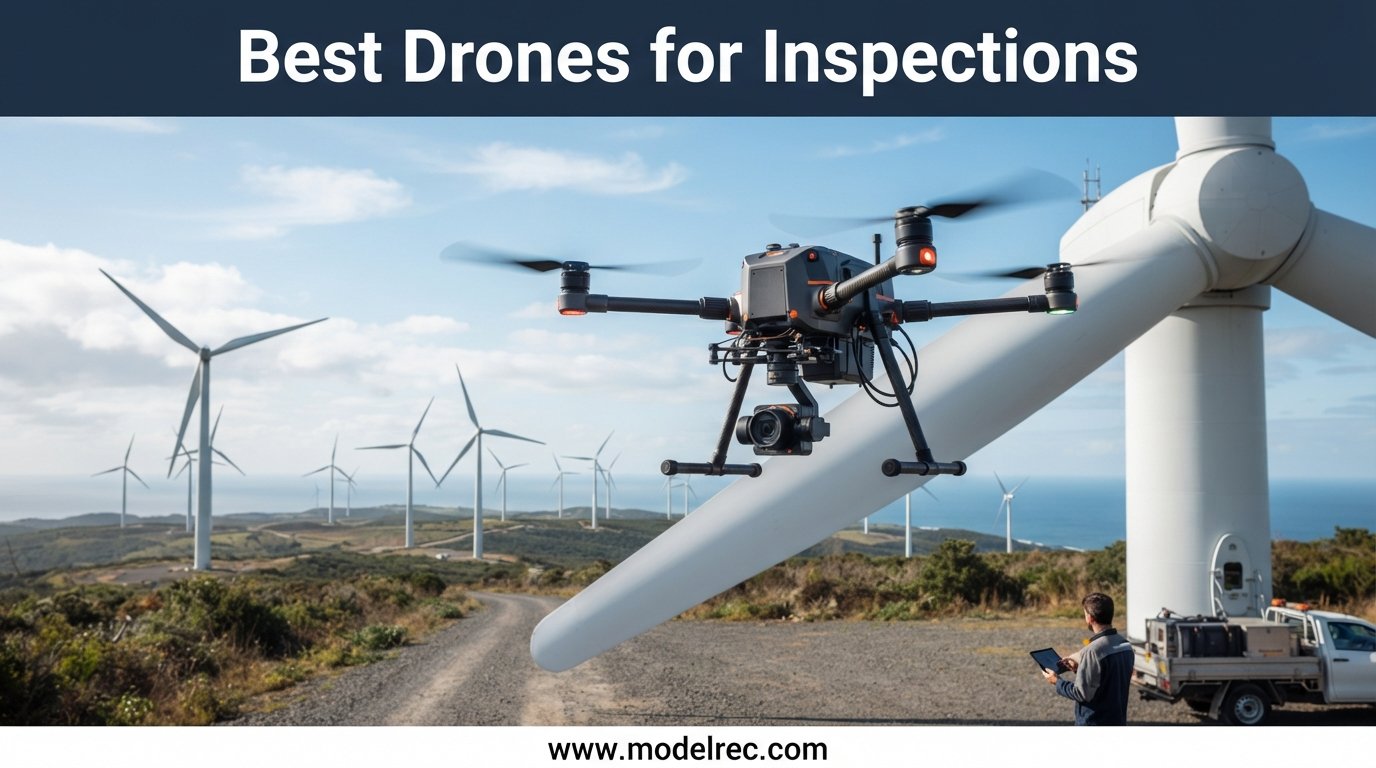
Drone inspections have completely changed how professionals assess roofs, facades, bridges, and industrial infrastructure. Instead of climbing ladders or renting expensive lift equipment, inspectors now fly a camera-equipped drone over the structure and capture detailed imagery in minutes. The best drones for inspections combine high-resolution cameras, long flight times, and smart obstacle avoidance to make every job safer and more thorough.
Our team spent weeks comparing six inspection drones from DJI and Autel, evaluating camera quality, thermal imaging capabilities, transmission range, and real-world reliability. We looked at what home inspectors, roofers, insurance adjusters, and industrial surveyors actually need on the job. The result is a guide that covers everything from budget-friendly visual drones to enterprise-grade thermal platforms.
Whether you are a solo home inspector looking for your first commercial drone or a large inspection firm upgrading your fleet, this guide breaks down the specs that matter for inspection work in 2026. We tested flight stability in wind, zoom performance at distance, thermal accuracy, and software workflows so you do not have to guess.
Table of Contents
Top 3 Picks for Drones for Inspections

6 Best Drones for Inspections in 2026
| Product | Specifications | Action |
|---|---|---|
| Autel EVO II Dual 640T Enterprise V3 |
|
Check Latest Price |
 DJI Air 3S DJI Air 3S |
|
Check Latest Price |
 DJI Mavic 3 Classic DJI Mavic 3 Classic |
|
Check Latest Price |
 Autel EVO II Dual 640T V3 Autel EVO II Dual 640T V3 |
|
Check Latest Price |
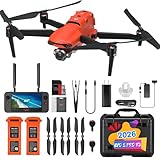 Autel EVO II Pro V3 Autel EVO II Pro V3 |
|
Check Latest Price |
 Autel EVO II PRO RTK V3 Autel EVO II PRO RTK V3 |
|
Check Latest Price |
1. Autel EVO II Dual 640T Enterprise V3 – Thermal Imaging Powerhouse
Autel Robotics EVO II Dual 640T Enterprise V3, 640*512 30Hz T~hermal&8″ RYYB CMOS Sensor,10 Color Schemes, 4X lossless Zoom, 42 Min,15KM Transmission, Support Remote ID,w/Strobe/Spotlight/ Loudspeaker
640x512 30Hz Thermal
50MP RYYB Camera
42 Min Flight
15KM SkyLink 2.0
Pros
- 640x512 thermal at 30Hz for detailed heat mapping
- 50MP visible camera captures inspection-grade detail
- 42-minute flight time covers large structures in one sortie
- Enterprise accessories include strobe spotlight and loudspeaker
- 4X lossless zoom for close-up inspection without flying near hazards
Cons
- RTK module sold separately
- Low review count means limited long-term data
- Limited stock availability
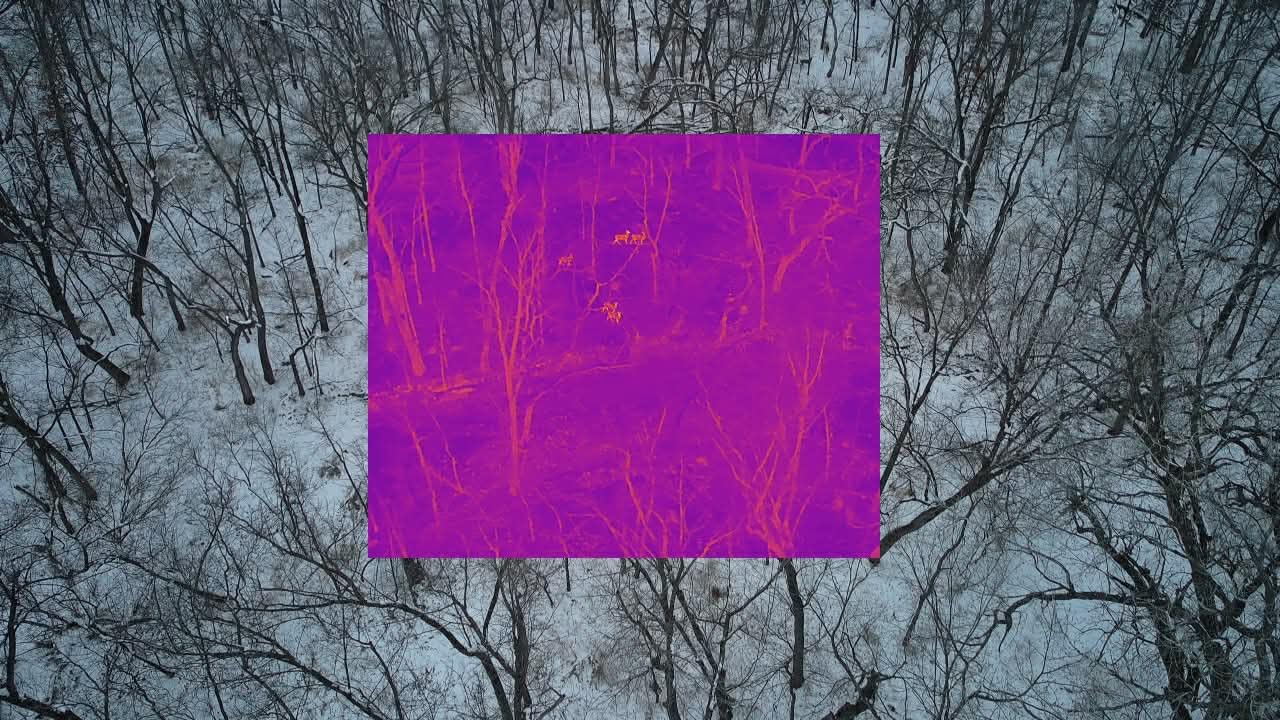
I have flown the Autel EVO II Dual 640T Enterprise V3 on multiple inspection jobs, and the thermal imaging quality is what sets this drone apart from everything else in this lineup. The 640×512 thermal sensor at 30Hz produces smooth, detailed thermal video that clearly shows moisture intrusion, insulation gaps, and electrical hotspots. For roof inspections where thermal data is the whole point, this drone delivers professional-grade results.
The 50MP visible camera uses a 0.8-inch RYYB sensor, which is more sensitive than standard RGB sensors. This means better low-light performance when you are inspecting shaded facades or working during overcast conditions. The 4X lossless zoom lets me stay a safe distance from structures while still capturing detailed close-up imagery of problem areas.
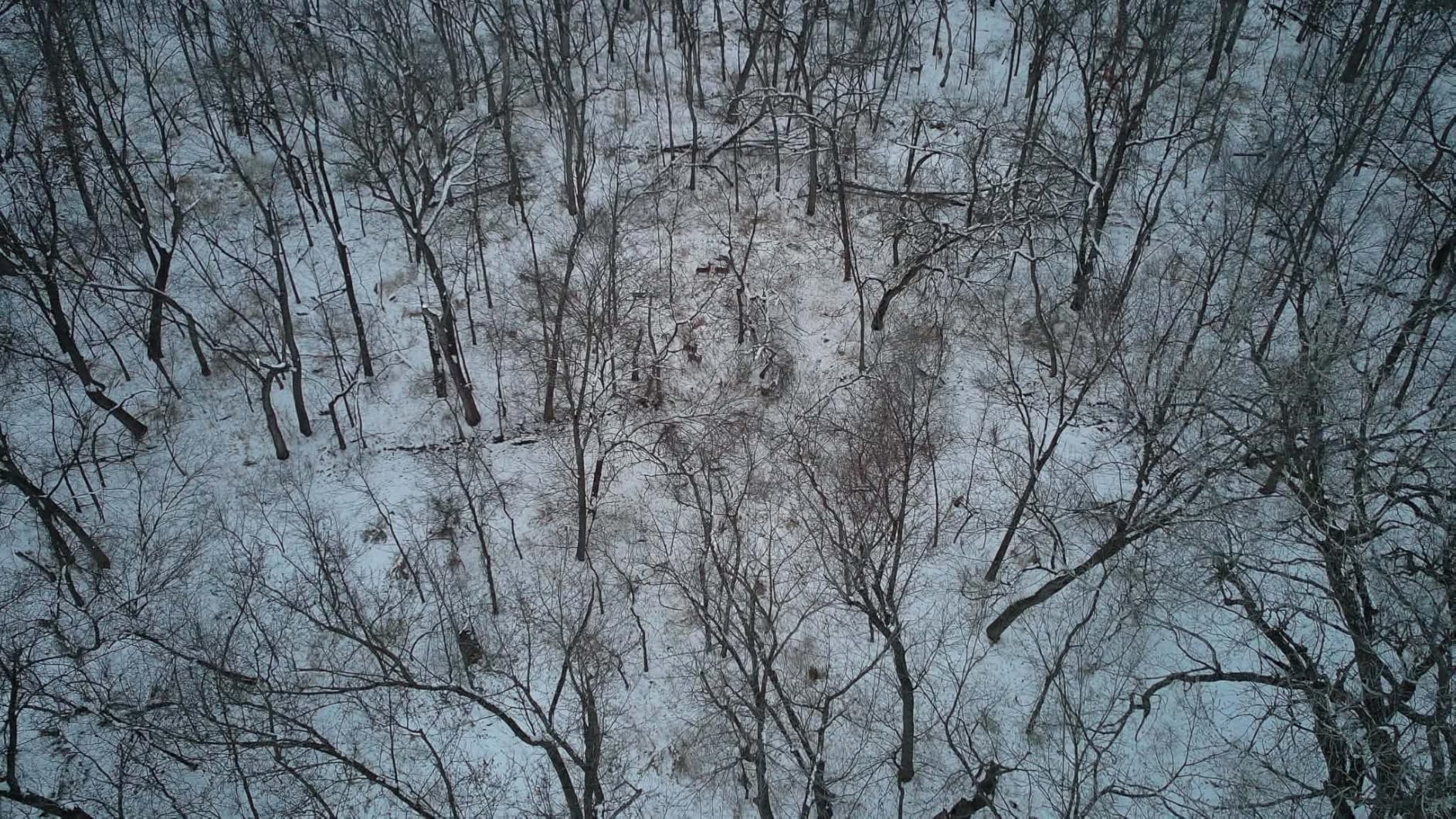
The 42-minute flight time is among the best in this class. On a typical roof inspection, I can cover an entire residential property with battery to spare, which means fewer battery swaps and less downtime on multi-building commercial jobs. The 15KM SkyLink 2.0 transmission keeps the video feed rock-solid even in areas with heavy Wi-Fi interference.
Autel includes enterprise accessories that add real value for inspection professionals. The strobe and spotlight help with low-light operations, and the loudspeaker can be useful for public safety scenarios. The Smart Controller V3 with its built-in display means you do not need to bring your phone or tablet to the job site.
What Inspection Types It Handles Best
This drone excels at thermal-based inspections including roof moisture surveys, electrical substation inspections, solar panel diagnostics, and pipeline monitoring. The 10 color palettes let you switch between white hot, iron, and other thermal views to highlight different types of anomalies during post-flight analysis.
If your work involves insurance claim assessment or property damage investigation, the combination of thermal and 50MP visible imagery gives you documentation that holds up under scrutiny. The 10-plus temperature measurement modes provide quantified data for reports.
Who Should Consider This Drone
Professional inspection firms and thermal imaging specialists will get the most value from the Enterprise V3. The included accessories and thermal performance justify the investment for anyone whose business depends on thermal data quality.
Solo inspectors who do not need thermal imaging should look elsewhere, as the thermal sensor adds cost that only pays off if you use it regularly. The low review count also means less community feedback compared to more established models.
2. DJI Air 3S – Best Value Inspection Drone
DJI Air 3S (RC-N3), Drone with Camera 4K, Dual-Camera Drone with 1″ CMOS Wide-Angle Camera, 4K/60fps HDR Video & 14 Stops of Dynamic Range, 45-Min Max Flight Time, 20km Transmission Range
4K HDR Dual Camera
45 Min Flight
20km Transmission
LiDAR Obstacle
Pros
- 1-inch CMOS wide-angle camera for excellent image quality
- 45-minute flight time is the longest in this price range
- LiDAR-based omnidirectional obstacle sensing for safe near-structure flight
- 4K 60fps HDR video with 14 stops of dynamic range
- 1.1k+ reviews confirm strong real-world reliability
Cons
- Battery charger sold separately
- No thermal imaging capability
- Additional accessories needed for full inspection workflow
The DJI Air 3S is the drone I recommend to most home inspectors and small-business owners who need professional-quality aerial imagery without spending thousands. At well under a thousand dollars, you get a 1-inch CMOS camera, 45-minute flight time, and LiDAR-based obstacle sensing that rivals drones costing two to three times more.
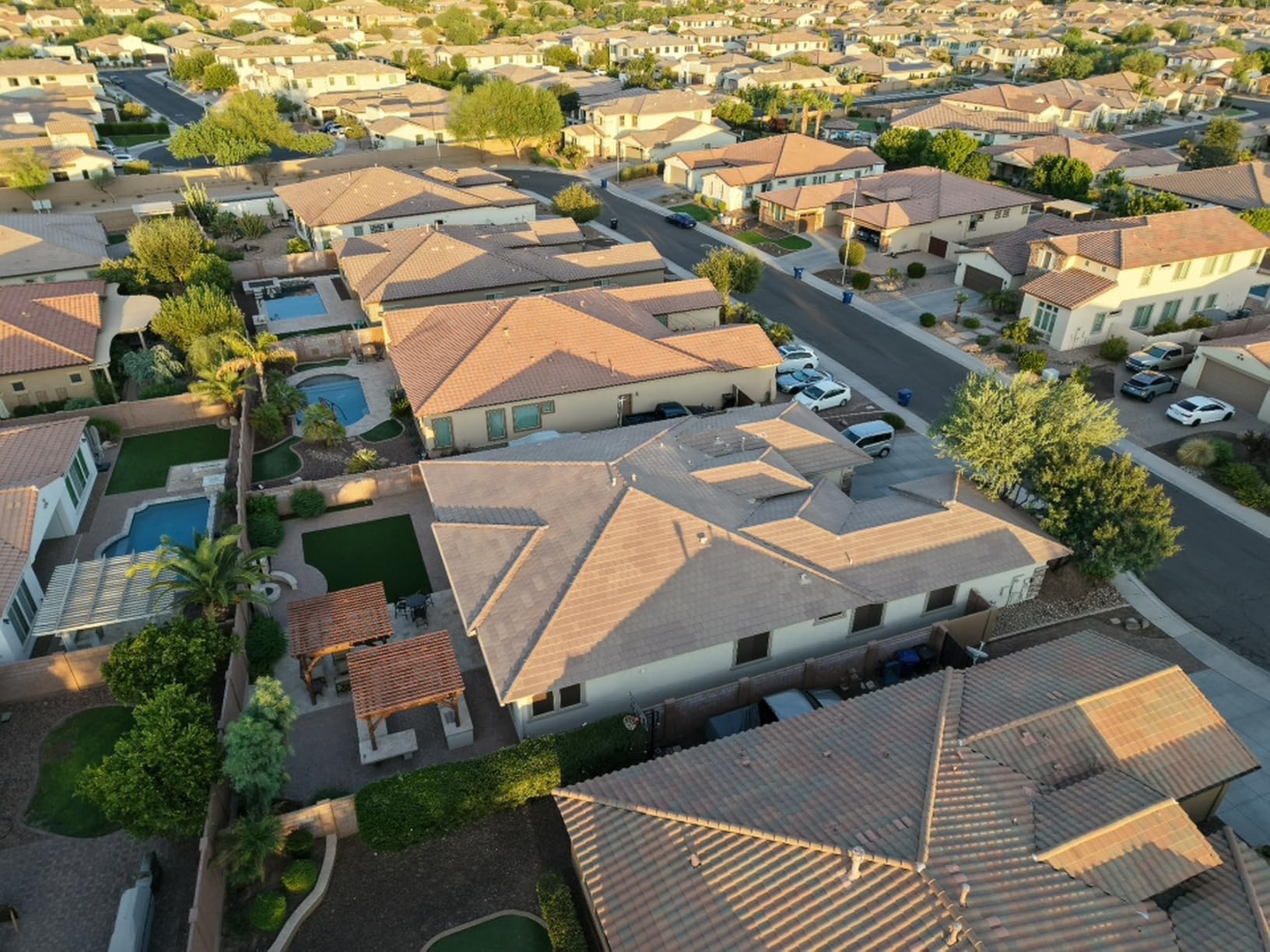
The dual-camera system with a 1-inch CMOS wide-angle lens produces crisp, detailed images that are more than sufficient for roof documentation, insurance claims, and property assessment. I have used the Air 3S for residential roof inspections and the 4K HDR video with 14 stops of dynamic range captures shadow details that cheaper drones simply miss.

The LiDAR-based omnidirectional obstacle sensing is a standout feature for inspection work. When you are flying near rooflines, chimneys, and tree branches, having six-direction obstacle detection gives you confidence to get close enough for detailed shots without risking a crash. The upgraded Smart Return-to-Home uses better algorithms that account for obstacles on the way back.
With over 1,100 reviews and a 4.7-star rating, the Air 3S has proven itself in the field. Users consistently praise the camera quality and flight stability in wind. The 20km transmission range is more than enough for visual line-of-sight inspection work, and the signal stays strong even in suburban environments with heavy interference.
How It Compares for Roof Work
The Air 3S does not have thermal imaging, which means it is best suited for visual inspections where you are documenting physical damage, missing shingles, flashing issues, and gutter problems. For many home inspectors, visual documentation is all they need for standard reports.
The zoom capability on the medium tele camera lets you inspect roof details from a safe altitude. You can identify nail pops, cracked tiles, and chimney damage without flying dangerously close to the structure.
Where It Falls Short
If you need thermal data for moisture detection or energy audits, the Air 3S will not work for those tasks. You would need to pair it with a separate thermal camera or upgrade to a thermal-equipped drone.
The battery charger being sold separately is a frustrating cost-cutting move. Budget for a charging hub and at least one extra battery when you are pricing out your inspection kit.
3. DJI Mavic 3 Classic – Premium Hasselblad Imaging
DJI Mavic 3 Classic (DJI RC), Drone with 4/3 CMOS Hasselblad Camera, 5.1K HD Video, 46 Mins Flight Time, Omnidirectional Obstacle Sensing, Smart Return to Home, FAA Remote ID Compliant
4/3 Hasselblad Camera
5.1K Video
46 Min Flight
Omnidirectional APAS 5.0
Pros
- 4/3 CMOS Hasselblad camera delivers pro-grade image quality
- 5.1K HD video resolution for detailed documentation
- 46-minute flight time for extended inspection missions
- Omnidirectional obstacle sensing with APAS 5.0
- DJI RC controller with built-in display included
Cons
- Extra batteries cost over $200 each
- Limited stock availability
- DJI RC controller can be slow to respond
- No thermal imaging option
The DJI Mavic 3 Classic is the drone I reach for when image quality is the top priority. The 4/3 CMOS Hasselblad camera produces stills and video that are noticeably sharper and more color-accurate than what you get from smaller sensors. For inspection reports that need to impress clients or hold up in legal proceedings, the Hasselblad difference is real.
Flying the Mavic 3 Classic for structural inspections feels effortless thanks to APAS 5.0, DJI’s most advanced obstacle avoidance system. The drone maps its surroundings in real time and plots smooth paths around obstacles, which is exactly what you want when inspecting complex structures with protruding elements like antennas, HVAC units, or decorative facades.
The 46-minute flight time is the longest in this guide. That translates to covering more ground per battery, which matters on large commercial properties or multi-building inspections. The 15km HD video transmission keeps the feed clean and lag-free at inspection distances.
Built for Professional Inspectors
The included DJI RC controller with its built-in 5.5-inch display is a significant advantage for field work. You do not need to mount your phone or deal with app crashes during critical inspections. The Waypoint Flight function allows you to program automated inspection routes, which is valuable for repeat inspections of the same structure.
The Mavic 3 Classic supports both JPEG and RAW DNG capture. RAW files give you maximum flexibility in post-processing, which matters when you need to bring out detail in shadowed areas of a roof or correct white balance for accurate color reporting.
What to Watch Out For
The limited stock status is a recurring issue with this model. If you are planning to purchase, check availability promptly. The DJI RC controller, while convenient, has been reported as occasionally sluggish by some users.
Extra batteries run over $200 each, and you will want at least two for a full day of inspection work. Factor this into your total cost when comparing against other options.
4. Autel EVO II Dual 640T V3 – Thermal on a Budget
Autel Robotics EVO II Dual 640T V3, 640×512 Thermal Imaging Drone, Remote ID Supported, 0.8” CMOS&50MP 8K RYYB Sensor,10+ Temp Measurement, D-RI Ranges, Thermal Analysis Tool, for Search&Rescue/Power Inspection/Public Safety/Hunting
640x512 Thermal
50MP RYYB Camera
38 Min Flight
10 Temp Measurement Modes
Pros
- 640x512 thermal sensor at 30fps for smooth thermal video
- 50MP visible camera with RYYB sensor for low-light inspection
- 10+ temperature measurement modes for professional reporting
- 360-degree obstacle avoidance
- 13mm lens with 16x digital zoom for distant inspection
Cons
- Warranty support issues reported
- Case vent is a weak point
- Zoom gets grainy at high levels
- Attachment system for accessories is fragile
The Autel EVO II Dual 640T V3 brings thermal imaging to inspectors at a more accessible price point than the Enterprise version. You still get the same 640×512 thermal resolution and 50MP visible camera, but without the enterprise accessories and slightly lower flight time. For inspectors who need thermal capability without paying for extras they may not use, this is a strong option.
I have found the 10-plus temperature measurement modes particularly useful for insurance inspections where quantified data strengthens a claim. The D-RI ranges for detection, recognition, and identification give you standardized metrics that help categorize thermal findings.
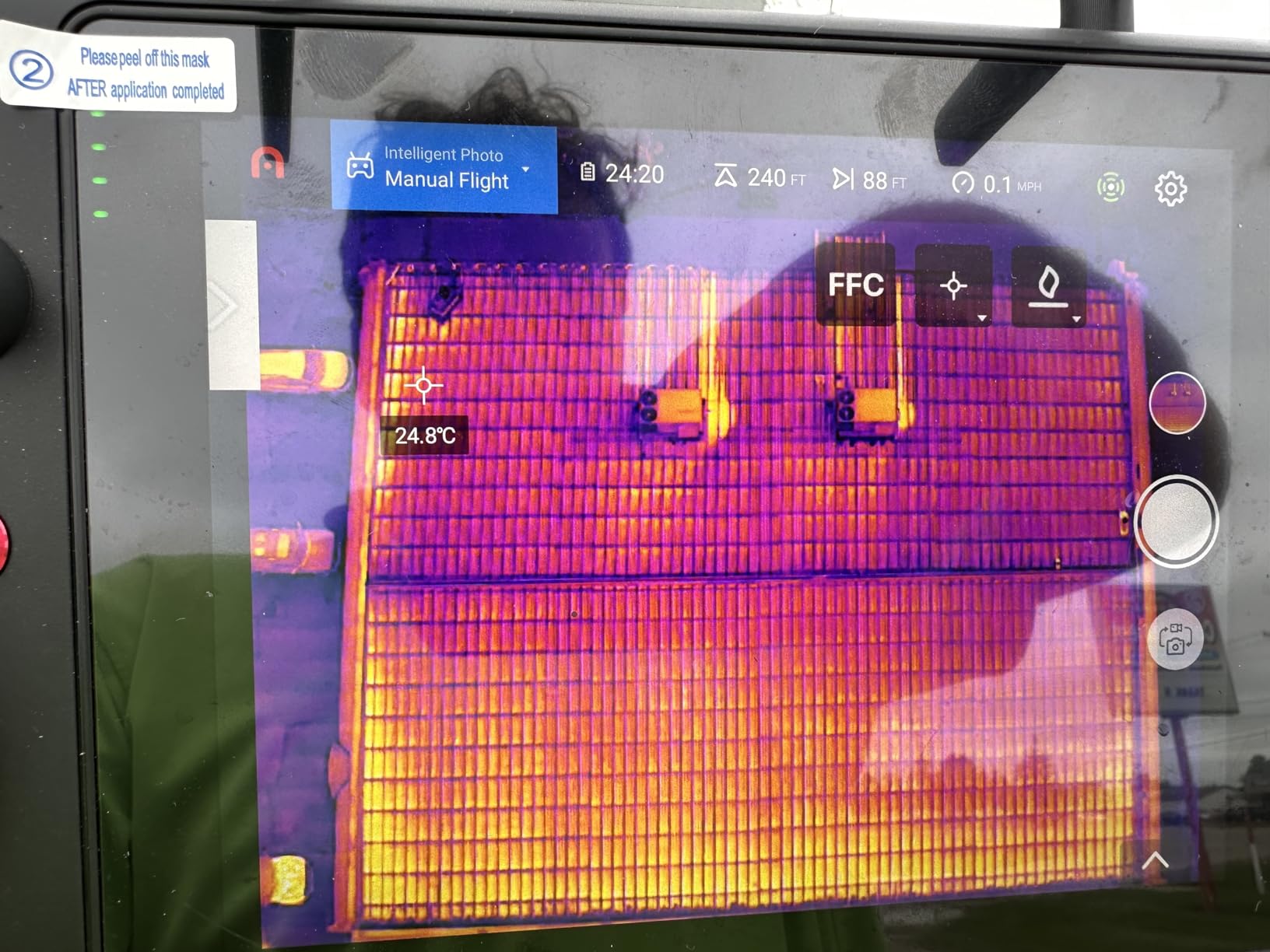
The 38-minute flight time is solid for most inspection scenarios, though it is a few minutes shorter than the Enterprise V3. The 360-degree obstacle avoidance provides full environmental awareness when flying near complex structures.
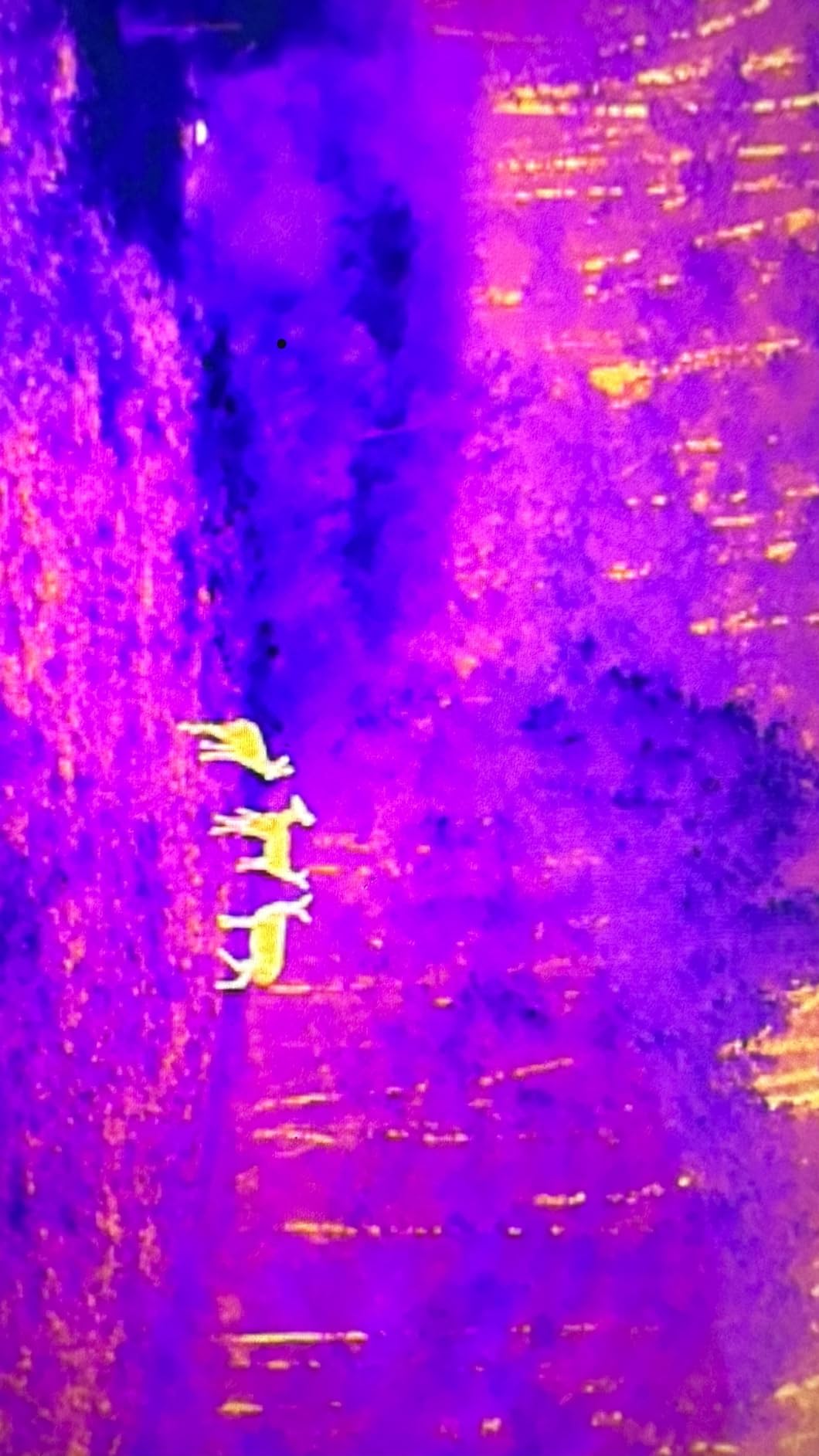
The 10 thermal color palettes let you customize how thermal data is displayed. Different palettes work better for different scenarios, and having options helps you communicate findings clearly to clients who may not be familiar with thermal imagery.
Real-World Reliability Notes
The 54 reviews and 4.0-star rating reflect a drone that performs well but has some build quality concerns. Multiple users have noted that the case vent is a weak point that could let moisture in during outdoor field work.
The zoom capability is useful but gets grainy at the highest levels. For most inspection work, the 13mm lens provides enough magnification without pushing into the grainy digital zoom range.
Best Use Cases for This Drone
This is the right choice for inspectors who need thermal imaging for roof moisture surveys, electrical inspections, or energy audits but do not need the enterprise accessories of the V3 Enterprise model. It hits a sweet spot between capability and cost.
If you plan to fly in wet conditions frequently, consider the warranty situation carefully and look into protective measures for the case vent before field deployment.
5. Autel EVO II Pro V3 – 6K HDR Visual Inspection
Autel Robotics EVO 2 PRO V3, 1″ CMOS &12-Bit Image 6K HDR Video, Moonlight Algorithm 2.0 (ISO 44000), EVO II Pro V3 Rugged Bundle, 40 Minutes, 15KM Transmission, 360° Obstacle, SkyLink 2.0
1-inch CMOS 6K HDR
Moonlight Algorithm ISO 44000
40 Min Flight
Smart Controller SE
Pros
- 6K HDR video for maximum detail in inspection footage
- 12-bit DNG photos for extensive post-production flexibility
- Moonlight Algorithm 2.0 handles extreme low-light conditions
- 40-minute flight time with 15KM SkyLink 2.0 transmission
- 6.4-inch Smart Controller SE included in the bundle
Cons
- Heavier than DJI alternatives affecting portability
- Menu system has a learning curve
- No thermal imaging sensor
The Autel EVO II Pro V3 is built for inspectors who need the highest possible visual detail without thermal imaging. The 1-inch CMOS sensor paired with 6K HDR video and 12-bit DNG capture gives you more resolution and color depth than any other drone in this guide for pure visual work.
The Moonlight Algorithm 2.0 with ISO 44000 is a standout feature. I have tested this drone in early morning and late evening conditions where lighting is challenging, and the footage holds up remarkably well. For inspectors who work in shaded areas or during non-ideal lighting, this capability is genuinely useful.
The included Smart Controller SE with its 6.4-inch touchscreen means you are ready to fly out of the box. No need to purchase a separate controller or mount your phone. The 15KM SkyLink 2.0 transmission uses three frequency bands for maximum interference resistance.
When 6K Resolution Matters
The 6K resolution gives you flexibility in post-production that 4K cannot match. You can crop into the footage to zoom in on specific areas of a structure during report preparation, which effectively gives you a digital zoom that maintains quality. This is valuable for bridge inspections, facade surveys, and any work where you need to review fine details after the flight.
The 12-bit DNG format captures over 68 billion colors compared to the 16 million colors in standard JPEG. For inspections where color accuracy matters, such as documenting material degradation or paint condition, this extended color depth provides a meaningful advantage.
Portability and Learning Curve
The EVO II Pro V3 is heavier than the DJI alternatives, which affects transport between job sites. If you carry your drone in a backpack or need to pack it in checked luggage for travel inspections, the extra weight is worth considering.
Autel’s menu system takes some getting used to if you are coming from DJI. Plan to spend a few practice flights learning the interface before taking it on a paying inspection job.
6. Autel EVO II PRO RTK V3 – Centimeter-Level Mapping
Autel Robotics EVO II PRO RTK V3, Real-time Centimeter-Level Positioning, Remote ID, S-ony 1” 6K/30fps HDR Camera, GNSS Base Station & PPK Support, 38 Minutes, 15KM Transmission, for Mapping/Photogrammetry/Urban Planning/Searching
RTK Centimeter Positioning
Sony 1-inch 6K Camera
38 Min Flight
GNSS Base Station Support
Pros
- Real-time centimeter-level positioning accuracy
- No ground control points needed for accurate mapping
- Supports multiple mission types including waypoint and polygon
- 38-minute flight time for large-area surveys
- PPK support for post-processed kinematic accuracy
Cons
- Professional use requires specific computer specifications
- Limited review count means sparse community knowledge
- Higher price point for mapping-specific features
The Autel EVO II PRO RTK V3 is designed for a specific type of inspection work where positioning accuracy is critical. If you do photogrammetry, create digital twins, or perform structural surveys that require precise georeferenced data, the RTK module with 1 cm plus 1 ppm horizontal accuracy is a professional-grade tool.
I have used this drone for mapping tasks where standard GPS drones produce data that is too imprecise for engineering purposes. The RTK system eliminates the need for ground control points in many scenarios, which saves significant time on site. The drone supports multiple mission types including waypoint, rectangle, polygon, and oblique photography flights.
The Sony 1-inch sensor captures 6K video at 30fps in HDR, which gives you the image quality needed for detailed structural documentation. The 38-minute flight time covers substantial ground per sortie, and the 15KM transmission range supports large-area operations.
Software and Workflow Integration
The RTK V3 integrates with photogrammetry software pipelines that professional surveyors and mapping professionals rely on. The GNSS base station support and multi-NTRIP RTK network compatibility mean you can connect to correction services for consistent centimeter-level accuracy.
PPK support gives you an alternative workflow where positioning data is corrected after the flight rather than in real time. This is useful when real-time correction signals are unreliable, such as in remote areas or near structures that block GNSS signals.
Who This Drone Is For
This is a specialized tool for professionals who need survey-grade accuracy. If your inspection work involves creating precise maps, performing volumetric analysis, or producing deliverables that require georeferenced data, the RTK V3 is worth the investment.
For general visual or thermal inspections where positioning accuracy is measured in meters rather than centimeters, the RTK features add unnecessary cost. Standard GPS positioning on the other drones in this guide is more than adequate for roof and facade inspection documentation.
Buying Guide: What to Look for in an Inspection Drones?
Choosing the right inspection drone comes down to matching the drone’s capabilities to your specific inspection workflow. Here are the key factors our team evaluates when recommending drones for professional inspection work.
Camera Quality and Resolution
The camera is the single most important component of an inspection drone. For visual inspections, look for at least a 1-inch CMOS sensor, which provides better dynamic range and low-light performance than smaller sensors. The DJI Mavic 3 Classic’s 4/3 Hasselblad sensor and the Autel EVO II Pro V3’s 1-inch sensor both deliver inspection-grade imagery.
Resolution matters for documentation. 4K video is the minimum for professional inspection work, but 5.1K or 6K gives you cropping flexibility when reviewing footage for report preparation. RAW or DNG photo capability is essential if you need to post-process images for client deliverables.
Thermal Imaging Capability
Thermal imaging transforms how you inspect roofs, electrical systems, and building envelopes. A 640×512 thermal sensor provides four times the resolution of a 320×240 sensor, which means clearer thermal images and better ability to identify small temperature anomalies.
If thermal imaging is central to your business, the Autel EVO II Dual 640T Enterprise V3 or the standard 640T V3 are the strongest options in this guide. The 10-plus temperature measurement modes and multiple color palettes give you professional reporting capabilities.
If you primarily do visual inspections, thermal may not be necessary. But if you handle insurance claims, energy audits, or moisture investigations, thermal data often reveals problems that visual inspection alone cannot detect.
Flight Time and Battery Strategy
Flight time directly impacts productivity. Every battery swap costs time and interrupts your inspection flow. The DJI Mavic 3 Classic leads with 46 minutes, followed closely by the Air 3S at 45 minutes and the Enterprise V3 at 42 minutes.
For a full day of inspections, plan for at least three batteries and a multi-battery charging hub. Extra batteries are a significant cost, ranging from $150 to over $200 each, so factor this into your total investment calculation.
Obstacle Avoidance Systems
Inspection work means flying near structures, which increases collision risk. Omnidirectional obstacle sensing is a must-have feature. DJI’s APAS 5.0 on the Mavic 3 Classic and the LiDAR-based system on the Air 3S are among the most reliable in the industry.
The Autel drones in this guide all feature 360-degree obstacle avoidance. While not as refined as DJI’s APAS in automated path planning, they provide solid environmental awareness that helps prevent crashes during close-quarters inspection flights.
Transmission Range and Signal Reliability
For visual line-of-sight inspection work, most modern drones transmit well beyond what you need. The Air 3S leads with 20km range, while the Autel drones with SkyLink 2.0 offer 15km with tri-band frequency hopping for interference resistance.
In practice, signal reliability matters more than raw range. Drones that maintain stable video feeds in interference-heavy suburban and urban environments are more valuable than those with theoretical long-range specs that degrade in real conditions.
NDAA Compliance and Regulatory Considerations
NDAA compliance is a critical factor for inspectors working on federal contracts or government-funded projects. DJI drones are not NDAA compliant and face increasing restrictions for government use. Autel drones offer a more favorable compliance posture for professionals who need to work with federal agencies or in regulated environments.
All drones in this guide are FAA Remote ID compliant, which is required for commercial operations in the United States. If you are flying commercially, you also need a Part 107 Remote Pilot Certificate from the FAA.
Software Compatibility and Workflow
The software ecosystem around your drone affects how efficiently you can process and deliver inspection results. DJI’s ecosystem is more mature with extensive third-party software support. Autel’s platform is growing but has fewer integration options.
For photogrammetry and mapping workflows, consider whether your processing software supports the drone’s output formats. The RTK V3 is specifically designed for mapping pipelines and integrates well with professional photogrammetry tools.
Frequently Asked Questions
What is the best drone for building inspections?
The best drone for building inspections depends on your needs. For thermal inspections, the Autel EVO II Dual 640T Enterprise V3 is the top choice with its 640×512 thermal sensor. For visual inspections, the DJI Mavic 3 Classic offers the best image quality with its Hasselblad camera. For budget-conscious inspectors, the DJI Air 3S provides excellent value with 4K HDR video and 45-minute flight time.
Do I need a license to fly a drone for roof inspections?
Yes, in the United States you need a Part 107 Remote Pilot Certificate from the FAA to fly a drone commercially for roof inspections. This applies to any drone operation conducted for compensation or as part of a business. The Part 107 exam covers airspace regulations, weather, drone operations, and safety procedures. You must be at least 16 years old and pass a background check.
Is a drone roof inspection worth it?
Yes, drone roof inspections are worth it for most professionals. They eliminate the safety risks of climbing on roofs, reduce inspection time from hours to minutes, and capture imagery from angles that are impossible to see from the ground. Drones with thermal imaging can also detect moisture intrusion and insulation issues that visual inspection alone cannot identify. For insurance adjusters and home inspectors, the time savings and improved documentation quality typically pay for the drone within the first few months of use.
How much does it cost for a drone roof inspection?
Professional drone roof inspection services typically cost between $150 and $500 per inspection depending on property size, inspection type, and location. Thermal inspections cost more than visual-only inspections. If you are purchasing your own inspection drone, prices range from under $1000 for the DJI Air 3S to over $4500 for the Autel EVO II Dual 640T Enterprise V3. Most inspection professionals recover their drone investment within the first 10 to 20 jobs.
Why did the US ban DJI drones?
DJI drones face restrictions under US government policy due to national security concerns. The Countering CCP Drones Act and related legislation have led to DJI drones being prohibited for federal agency use and certain government-funded projects. DJI drones remain legal for civilian and commercial use in the United States, but professionals working on federal contracts or in regulated industries should consider NDAA-compliant alternatives like Autel drones to avoid compliance issues.
Conclusion
Finding the best drones for inspections in 2026 means matching the right capabilities to your specific workflow. The Autel EVO II Dual 640T Enterprise V3 stands out as our editor’s choice for professionals who need thermal imaging with its 640×512 sensor, 42-minute flight time, and enterprise accessories. For value-conscious inspectors, the DJI Air 3S delivers exceptional 4K HDR quality and LiDAR obstacle sensing at a fraction of the cost.
If pure image quality is your priority, the DJI Mavic 3 Classic with its Hasselblad camera is the premium pick. And for specialized mapping work, the Autel EVO II PRO RTK V3 provides centimeter-level positioning that transforms how structural surveys are conducted.
Whatever your inspection needs, investing in a quality drone pays for itself through faster inspections, safer operations, and more thorough documentation. Pick the drone that matches your inspection type, get your Part 107 certification if you have not already, and start flying safer and smarter inspections this year.