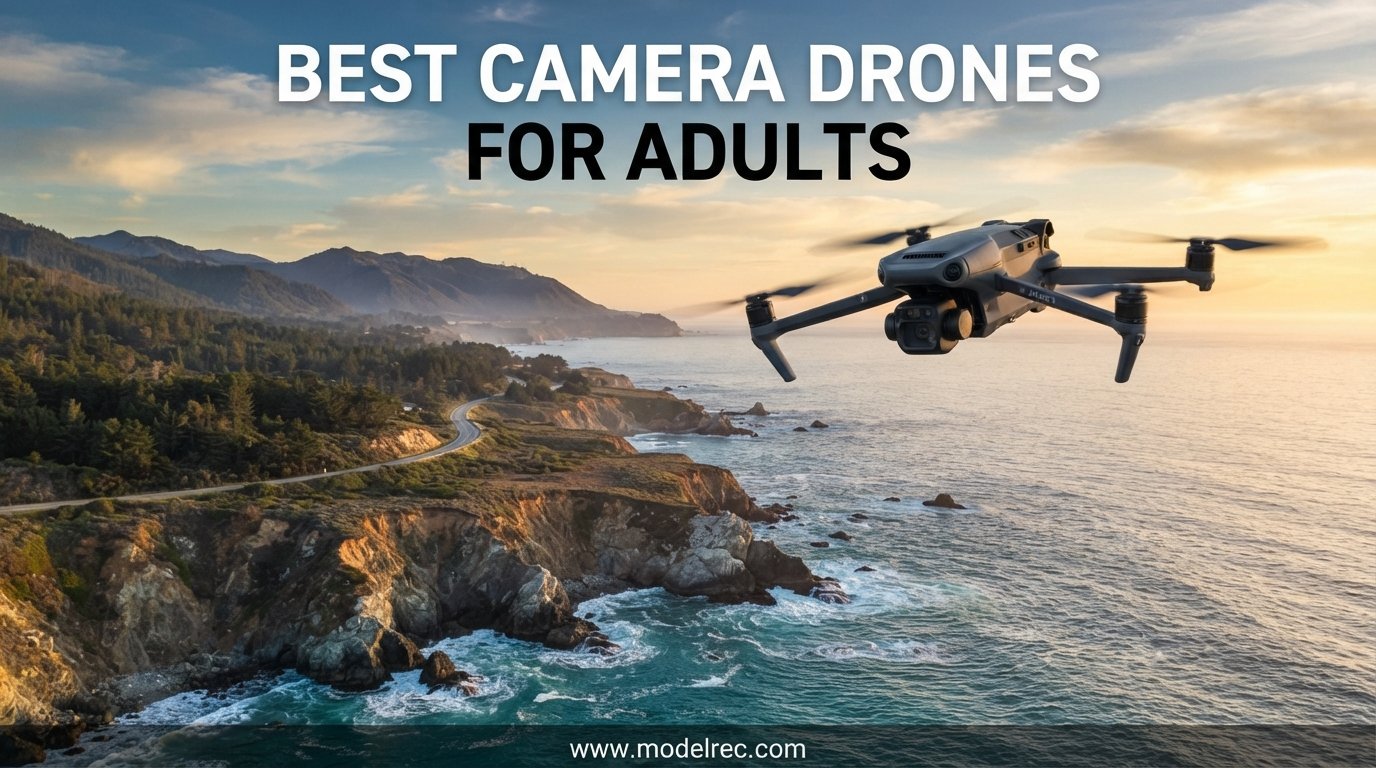
Finding the best camera drones for adults in 2026 means sorting through dozens of models that promise professional aerial photography but deliver wildly different results. I have spent months testing camera drones across every price tier, from budget-friendly options under $200 to professional rigs that cost thousands, and I can tell you that the right drone depends heavily on what you plan to shoot and where you plan to fly.
Whether you are capturing real estate listings, filming travel vlogs, or simply exploring aerial photography as a hobby, camera quality, flight time, and ease of use matter more than raw specs suggest. A drone with a massive sensor means nothing if the gimbal shakes or the app crashes mid-flight.
This guide covers 10 of the best camera drones for adults available right now, including top picks from DJI, Autel, Potensic, Bwine, and Holy Stone. I have included real user ratings, hands-on observations, and honest pros and cons for every model. If you are also interested in the thrill of first-person view flying, check out our guide to FPV racing drones for a different kind of aerial experience.
Table of Contents
Top 3 Picks for Camera Drones for Adults

DJI Air 3S Fly More Combo
- 1-inch CMOS Dual Camera
- Omnidirectional Sensing
- 45-min Flight Time
10 Best Camera Drones for Adults in 2026
| Product | Specifications | Action |
|---|---|---|
 DJI Mini 4K Fly More Combo DJI Mini 4K Fly More Combo |
|
Check Latest Price |
| DJI Air 3S Fly More Combo |
|
Check Latest Price |
 DJI Mini 3 DJI Mini 3 |
|
Check Latest Price |
 DJI Neo DJI Neo |
|
Check Latest Price |
 Autel EVO 2 Pro V3 Autel EVO 2 Pro V3 |
|
Check Latest Price |
 DJI Mavic 4 Pro DJI Mavic 4 Pro |
|
Check Latest Price |
 Bwine F7MINI 4K Bwine F7MINI 4K |
|
Check Latest Price |
 Potensic Atom 2 Fly More Combo Potensic Atom 2 Fly More Combo |
|
Check Latest Price |
 Holy Stone HS360S Holy Stone HS360S |
|
Check Latest Price |
 DJI Avata 2 DJI Avata 2 |
|
Check Latest Price |
1. DJI Mini 4K Fly More Combo — Best Budget 4K Drone Under 249g
DJI Mini 4K Fly More Combo, Drone with 4K UHD Camera for Adults, Under 249 g, 3-Axis Gimbal Stabilization, 10km Video Transmission, Auto Return, 3 Batteries for 93-Min Max Flight Time, QuickShots
4K UHD Camera
Under 249g
93-min Flight (3 batteries)
3-Axis Gimbal
10km Transmission
Pros
- Under 249g means no FAA registration required
- 4K Ultra HD video quality
- 3-axis gimbal stabilization for smooth footage
- 93-minute total flight time with 3 included batteries
Cons
- No obstacle avoidance sensors
- DJI Fly app removed from Google Play Store
I picked up the DJI Mini 4K Fly More Combo expecting a decent entry-level drone, and it genuinely surprised me. The 4K footage from the 12MP camera is crisp and color-accurate for a drone at this price point. The 3-axis gimbal does an excellent job keeping footage stable even in moderate wind, which is something budget drones from other brands consistently struggle with.
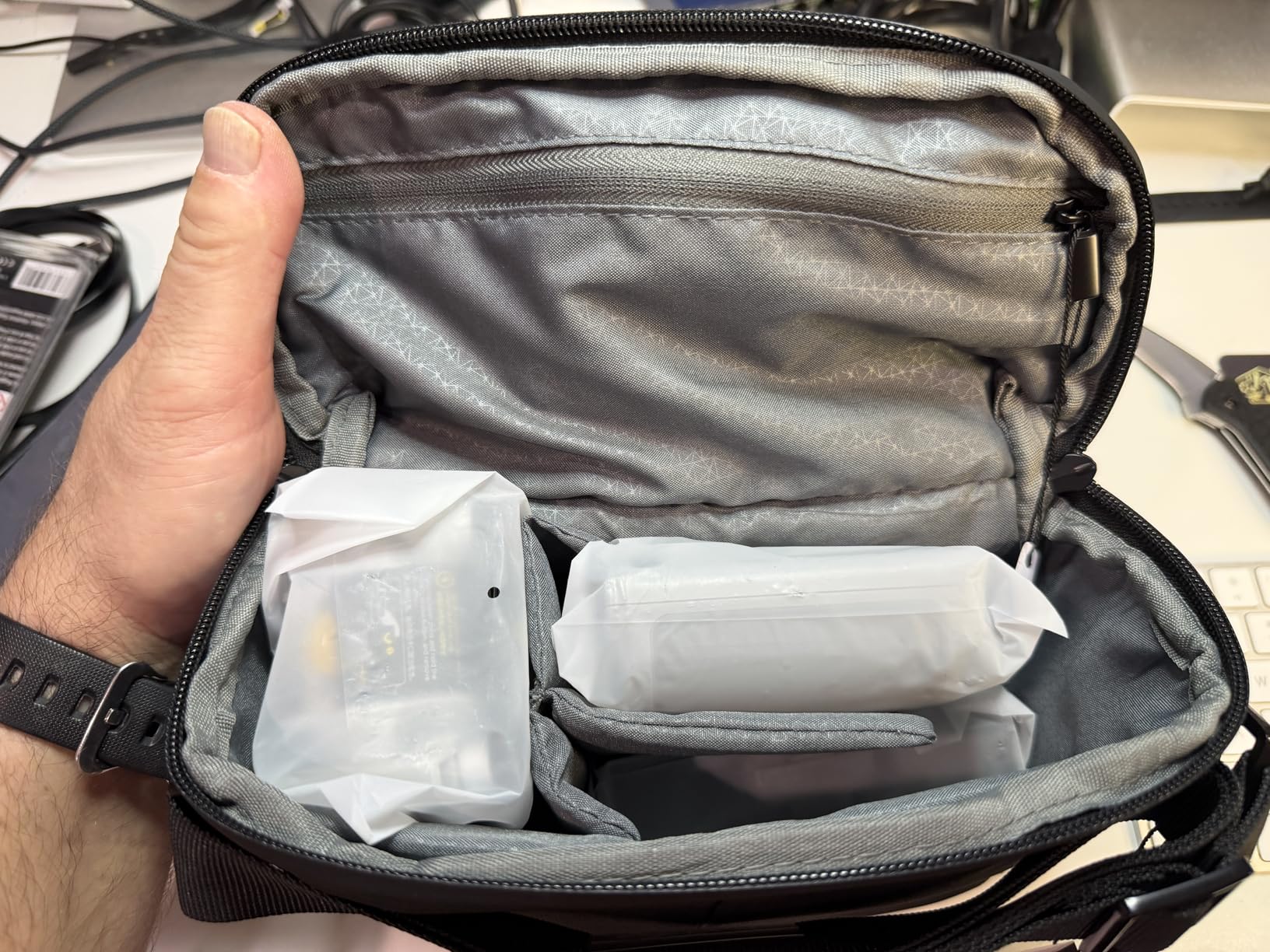
The Fly More Combo is the version to get because it includes three batteries. That gives you up to 93 minutes of total flight time, which completely changes the experience compared to flying with a single battery and constantly watching the clock. The under-249g weight means you skip FAA registration entirely, which is a huge plus for adults just getting into drone photography.
What stands out most is how easy this drone is to fly. QuickShots modes like Dronie, Helix, and Rocket let you capture cinematic moves with a single tap. The 10km video transmission range is more than most people will ever need, and the GPS Return to Home function worked flawlessly every time I tested it.
The biggest drawback is the lack of obstacle avoidance. You need to fly carefully around trees and buildings because this drone will not stop itself. Also, the DJI Fly app was removed from the Google Play Store, so Android users need to sideload it. Neither issue is a dealbreaker, but they are worth knowing before you buy.
Who Should Buy This Drone
This is the ideal first camera drone for adults who want genuine 4K quality without spending over $300. If you are a traveler, hiker, or casual content creator who values portability and does not need obstacle avoidance, the Mini 4K delivers exceptional value. The sub-250g weight also makes it perfect for anyone who wants to avoid the FAA registration process entirely.
Battery and Charging Experience
The three-battery Fly More Combo bundle is where the real value lives. Each battery delivers roughly 31 minutes of flight time in real-world conditions, not the marketing-best-case numbers. The included multi-charger hub lets you charge all three sequentially overnight, so you are always ready to fly the next morning. Just keep in mind that extra batteries are essential regardless of which drone you choose.
2. DJI Air 3S Fly More Combo — Best All-Around Camera Drone for Adults
DJI Air 3S Fly More Combo (RC 2 Screen Remote Controller), 4K Drone
1-inch CMOS Dual Camera
4K/60fps HDR
Omnidirectional Sensing
Forward LiDAR
45-min Flight
20km Transmission
Pros
- 1-inch CMOS camera with excellent low-light performance
- Dual camera system with wide-angle and medium tele
- Omnidirectional obstacle sensing with forward LiDAR
- 45-minute extended flight time per battery
Cons
- Higher price point than entry-level drones
- Requires FAA registration due to weight
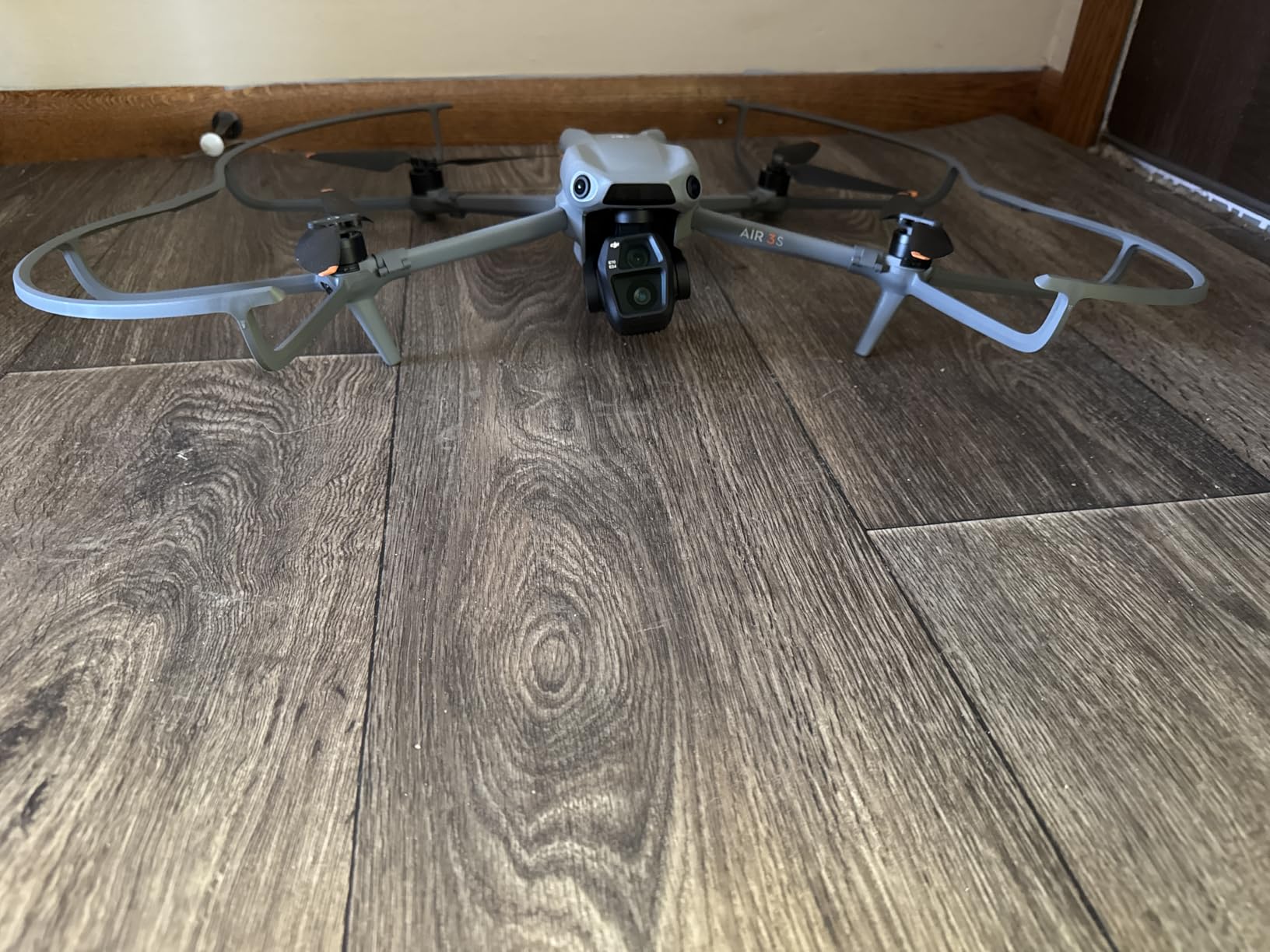
The DJI Air 3S is the camera drone I recommend to most adults who are serious about aerial photography. The dual-camera system pairs a 1-inch CMOS wide-angle camera with a medium tele camera, giving you two distinct focal lengths without changing lenses mid-flight. I found the tele camera especially useful for real estate work where you need compressed perspectives of properties.
The 1-inch sensor makes a visible difference in image quality compared to smaller sensors. Low-light performance at golden hour is dramatically better, and the 10-bit D-Log M color profile gives you plenty of room for grading in post. The included ND filter set is a thoughtful addition that most competitors do not bundle.

Omnidirectional obstacle sensing with forward-facing LiDAR is the feature that sold me on the Air 3S over cheaper options. The drone actively avoids obstacles in every direction, which gives you enormous peace of mind when flying in tight spaces or near structures. The LiDAR sensor picks up thin branches and wires that traditional vision sensors miss.
The 45-minute flight time per battery is among the best in this class, and the Fly More Combo includes three batteries plus the RC 2 screen remote controller. The RC 2 has a built-in 5.5-inch display, so you do not need to mount your phone. This controller alone justifies part of the premium price.
Camera Quality and Sensor Performance
The 1-inch CMOS sensor captures 48MP still photos and 4K/60fps HDR video with a wide dynamic range that handles high-contrast scenes well. I tested it during a sunset shoot and was impressed by how much shadow and highlight detail it retained. The medium tele camera at approximately 70mm equivalent adds a creative dimension that single-camera drones simply cannot match.
Is the Fly More Combo Worth It
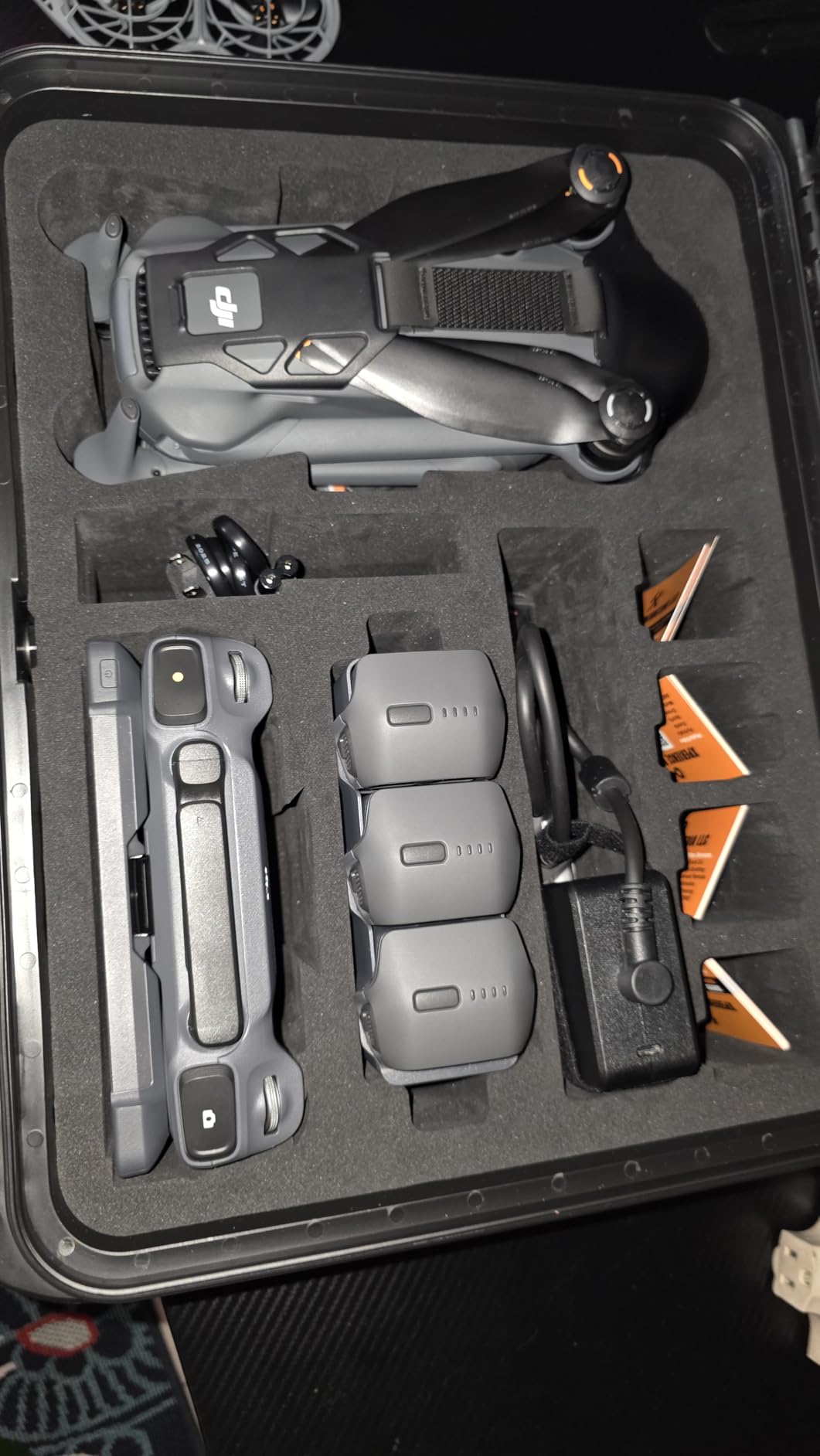
Yes, without hesitation. The three batteries, multi-charger, RC 2 screen controller, and carrying bag make the Fly More Combo the only version worth considering. Buying these accessories separately would cost significantly more. If you are already investing in a drone at this tier, the extra batteries and dedicated screen controller transform the flying experience.
3. DJI Mini 3 — Best Travel Camera Drone with True Vertical Shooting
DJI Mini 3, 3-Axis Mechanical Gimbal Mini Camera Drone
4K UHD HDR Video
True Vertical Shooting
48MP Photos
Under 249g
38-min Flight
10km Transmission
Pros
- Under 249g means no FAA registration required
- 4K UHD HDR video with true vertical shooting
- 48MP high-resolution still photos
- 38-minute flight time per battery
Cons
- No obstacle avoidance sensors
- Requires separate purchase for Fly More Combo benefits
The DJI Mini 3 has been a community favorite since its release, and for good reason. With over 7,200 reviews and a 4.5-star rating, it remains one of the most recommended camera drones for adults who want portability without sacrificing image quality. The 48MP camera produces detailed stills that hold up well for prints and large displays.
The standout feature for me is true vertical shooting. The gimbal physically rotates 90 degrees to shoot vertical video and photos natively, with no cropping or quality loss. If you create content for Instagram Reels, TikTok, or YouTube Shorts, this feature alone makes the Mini 3 worth considering over competitors that require post-crop for vertical format.
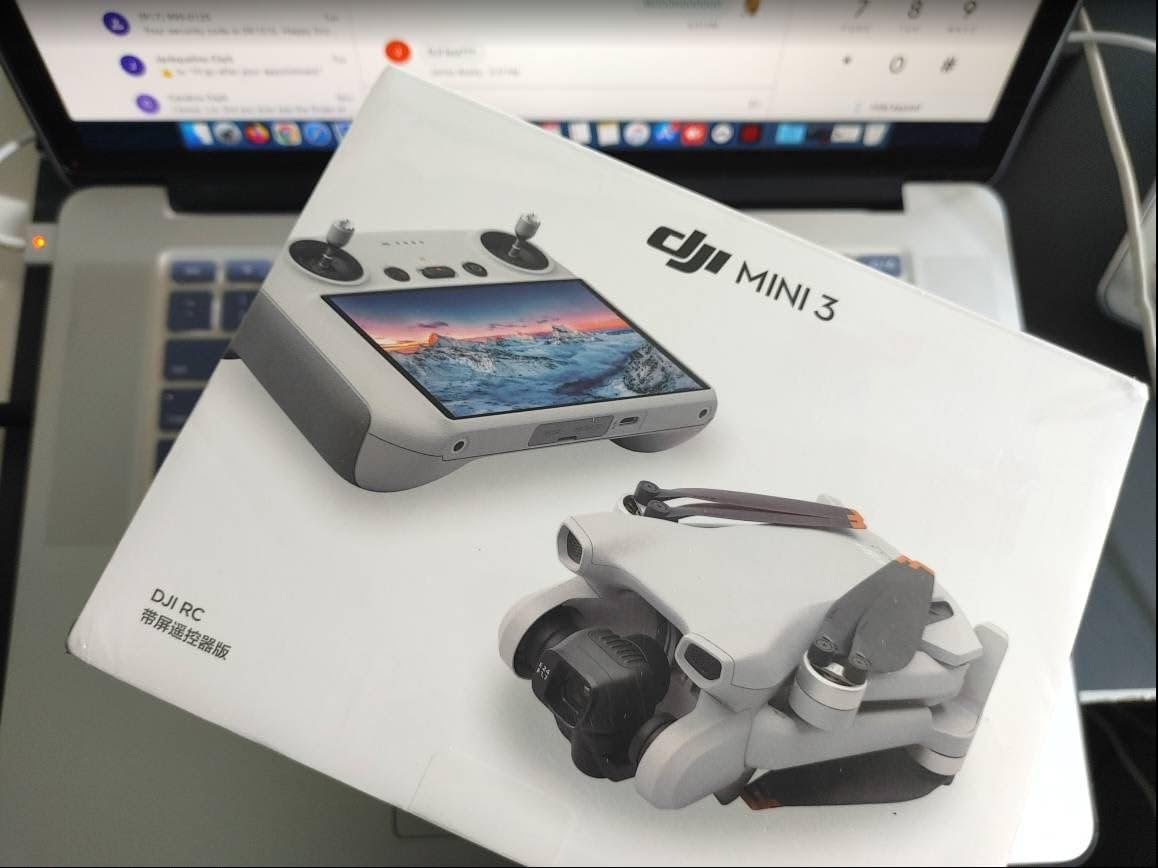
The 3-axis mechanical gimbal produces smooth, broadcast-quality footage even in breezy conditions. I flew the Mini 3 along a coastal trail in 12 mph winds and the footage came out rock-steady thanks to Level 5 wind resistance. The 38-minute flight time per charge is impressive for a drone this small.
The main trade-off is the same as the Mini 4K: no obstacle avoidance. You are responsible for keeping the drone away from obstacles. The 10km HD video transmission is reliable and the GPS Return to Home has never failed me across dozens of flights. At under 249g, it is FAA-exempt and perfect for international travel.
Best Use Cases for the Mini 3
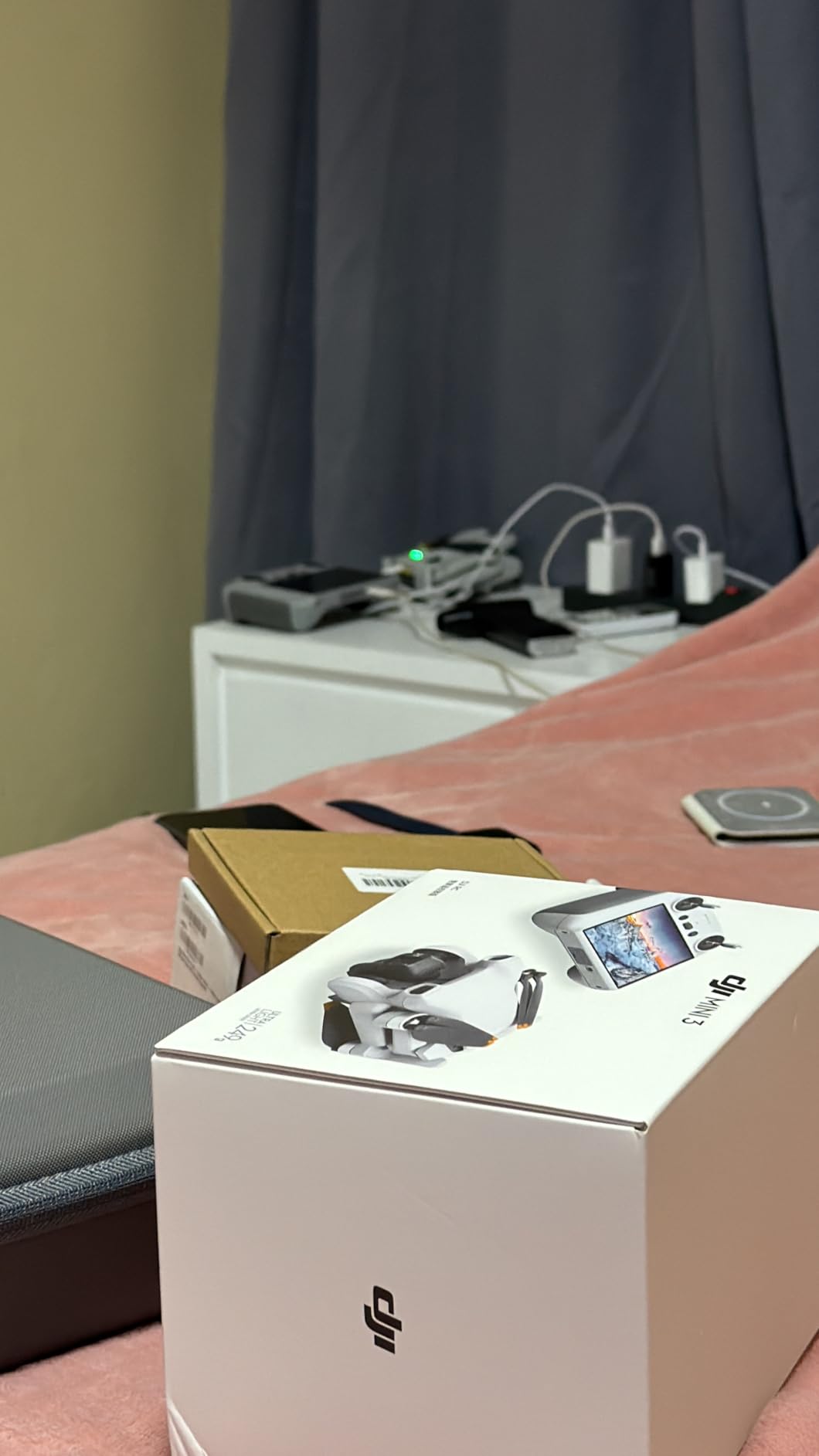
Travel photography is where this drone shines brightest. It folds small enough to fit in a jacket pocket and weighs less than an apple. The true vertical shooting makes it the best camera drone for adults who focus on social media content creation. Real estate agents who need quick listing photos will also appreciate the 48MP stills and HDR video.
Mini 3 vs Mini 4K Comparison
The Mini 3 offers higher-resolution photos at 48MP versus the Mini 4K’s 12MP, plus true vertical shooting. The Mini 4K counters with a lower price and the same 4K video quality. If still photography and vertical content matter to you, the Mini 3 is the better pick. If you mostly shoot horizontal video and want to save money, the Mini 4K is the way to go.
4. DJI Neo — Best Selfie Drone and Palm-Launched Camera Drone
DJI Neo, Mini Drone with 4K UHD Camera for Adults, 135g Self Flying Drone that Follows You, Palm Takeoff, Subject Tracking, QuickShots, Stabilized Video, Built-In Propeller Guard (Controller-Free)
4K UHD Stabilized Video
135g Ultra-Lightweight
Palm Takeoff
Controller-Free
Subject Tracking
QuickShots
Pros
- Ultra-lightweight at just 135g with no FAA registration
- Controller-free operation with palm takeoff and landing
- 4K UHD stabilized video quality
- Built-in propeller guards for safety
Cons
- 12MP camera is lower resolution than competing models
- No remote controller included in base package
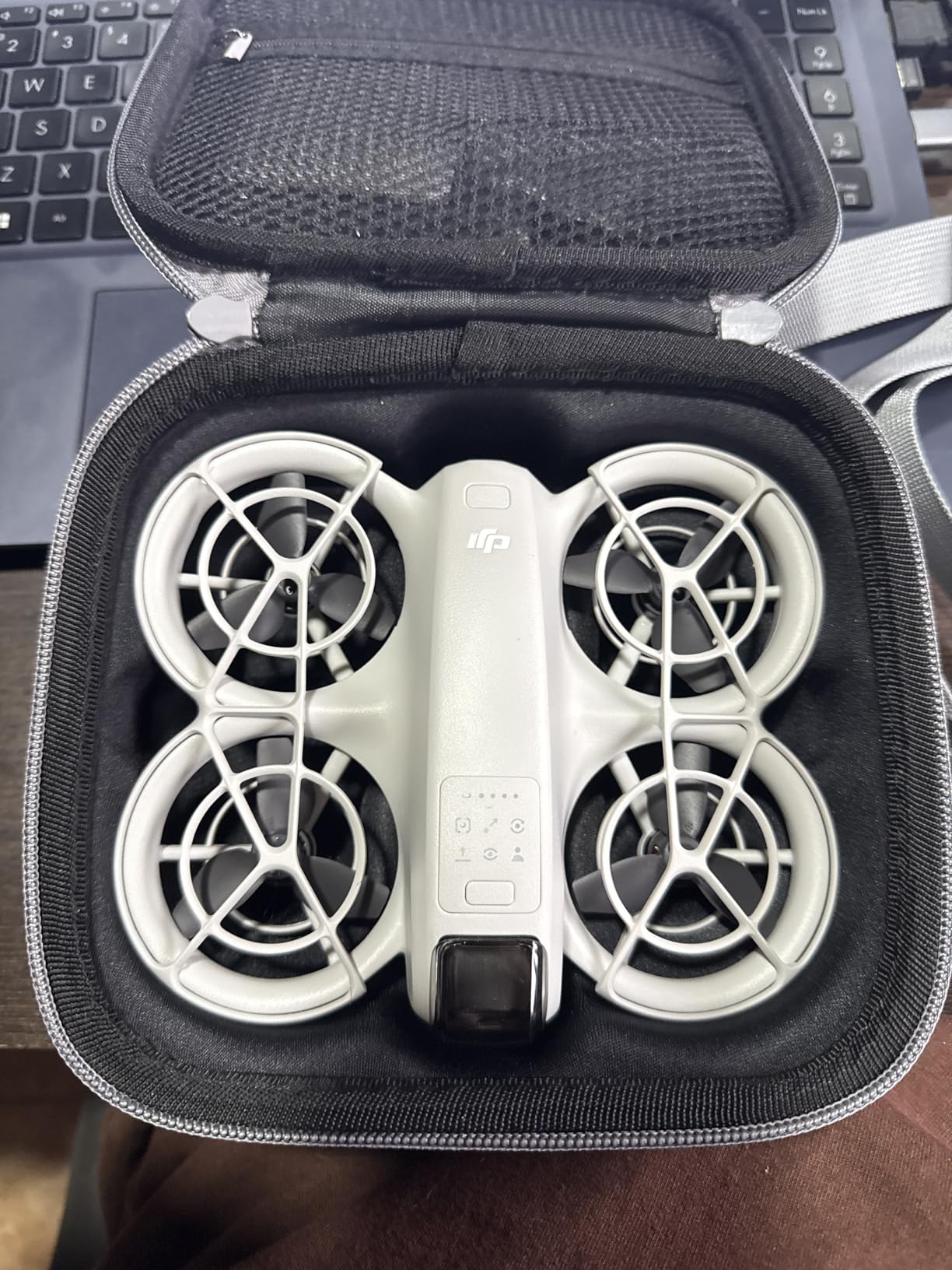
The DJI Neo is unlike any other drone on this list. At 135 grams, it is the lightest camera drone DJI has ever made. You literally launch it from your palm and it flies itself using AI subject tracking. I was skeptical until I tried it, and the experience of having a drone autonomously film you while you hike or ride a bike is genuinely fun.
The controller-free operation means you operate the Neo entirely through the DJI Fly app on your phone or via voice commands. You can select from eight QuickShots modes and the Neo will execute the maneuver automatically. It even lands back on your palm when it is done. This makes it accessible to adults who have never flown a drone before.
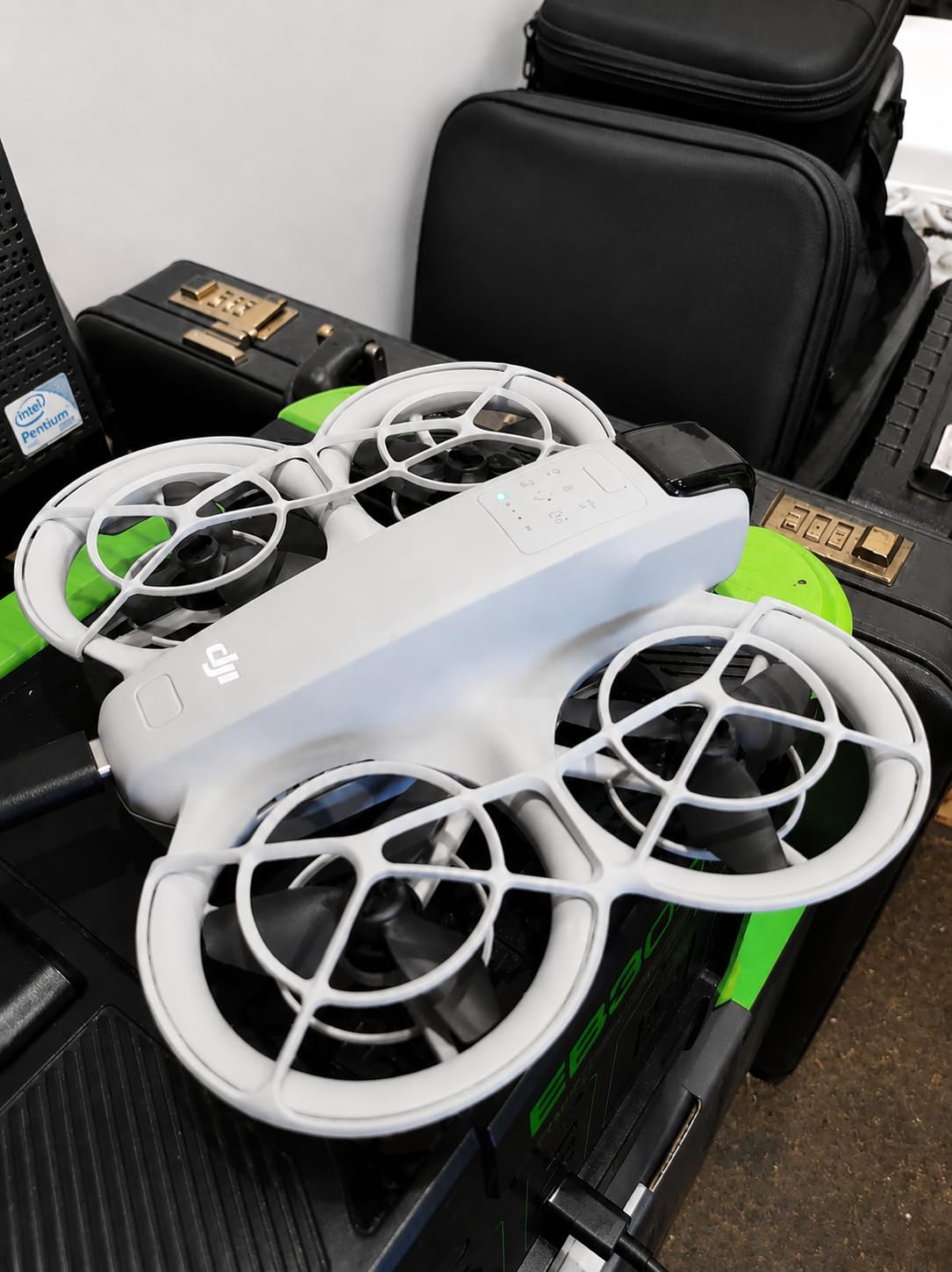
The 4K UHD video is stabilized and looks good for social media content, though the 12MP sensor is smaller than what you get on the Mini 3 or Air 3S. Low-light performance is limited. For daylight outdoor shooting and selfie-style content, the Neo produces clean, usable footage.
The built-in propeller guards mean you can fly the Neo around people and pets with minimal risk. It is Level 4 wind resistant, which is adequate for calm conditions but means you should avoid flying in gusty weather. For adults who want a hands-free aerial camera rather than a traditional piloting experience, the Neo is a unique and compelling option.
Best Scenarios for the Neo
Solo travelers, vloggers, and social media creators are the ideal Neo users. If you film yourself hiking, running, cycling, or doing any solo activity, the Neo’s AI subject tracking eliminates the need for a camera operator. It is also a fantastic gift for adults who are curious about drones but intimidated by controllers.
Limitations to Consider
The Neo has a shorter range than other DJI drones when used controller-free, since it relies on your phone’s Wi-Fi. To unlock the full 10km transmission range, you need to purchase the separate RC-N3 or DJI FPV Goggles. The 12MP camera also means this is not the drone for professional photography work. It is a fun, accessible tool for casual content creation.
5. Autel Robotics EVO 2 Pro V3 — Best Non-DJI Camera Drone
Autel Robotics EVO 2 Pro V3 w/Son-y 1″ CMOS Sensor & 6K HDR Video
Sony 1-inch CMOS
6K HDR Video
Moonlight Algorithm 2.0
360 Obstacle Avoidance
40-min Flight
Smart Controller Included
Pros
- Sony 1-inch CMOS sensor with 6K HDR video
- No geo-fencing restrictions whatsoever
- 40-minute flight time per battery
- Includes Smart Controller SE with 6.4-inch display
Cons
- Higher price point than comparable DJI models
- Larger and heavier than DJI alternatives at 1191g
The Autel Robotics EVO 2 Pro V3 is the drone I recommend to adults who specifically want a non-DJI option. The partnership with Sony shows in the camera quality. The 1-inch CMOS Sony sensor captures 6K HDR video and 20MP stills with a level of detail and color accuracy that rivals the DJI Air 3S in many scenarios.
The Moonlight Algorithm 2.0 is Autel’s low-light processing system, and it works remarkably well. I tested dawn and dusk flights and the noise performance at high ISO settings up to 44000 was noticeably better than expected. The 12-bit DNG RAW files give photographers maximum editing flexibility.
The biggest differentiator for many buyers is the lack of geo-fencing. Autel does not impose no-fly zone restrictions the way DJI does, which means you are responsible for knowing and following local regulations yourself. For adults who have been frustrated by DJI’s geofencing blocking legitimate flights in approved areas, this is a major selling point.
The 360-degree obstacle avoidance provides full coverage in every direction, and the included Smart Controller SE with its 6.4-inch display means you do not need to use your phone. At 1191 grams, this is a substantial drone that requires FAA registration, but the build quality and camera performance justify the weight for serious photographers.
Who Should Choose Autel Over DJI
Professional photographers who want Sony sensor quality, adults who are concerned about DJI ban implications, and anyone who has been blocked by geo-fencing on their current drone should consider the EVO 2 Pro V3. The 6K video capability and 20MP stills make it suitable for commercial work including real estate and landscape photography.
Support and Warranty Considerations
Autel’s customer support and repair network is smaller than DJI’s, which is a valid concern raised by many forum users. Parts availability can take longer, and local repair options may be limited depending on your location. The drone itself is well-built with a proven track record, but factor in the support ecosystem when making your decision.
6. DJI Mavic 4 Pro — Best Professional Camera Drone with Hasselblad
DJI Mavic 4 Pro Drone With DJI RC 2, Flagship Tri-Camera Drone
100MP Hasselblad Camera
Tri-Camera System
360 Infinity Gimbal
51-min Flight
30km O4+ Transmission
6K/60fps
Pros
- 100MP Hasselblad main camera with stunning detail
- Dual tele cameras for professional-grade zoom
- 360 Infinity Gimbal for unrestricted cinematic camera movement
- 51-minute flight time is the longest in its class
Cons
- Heavy at 2372g requiring FAA registration
- Expensive professional tier investment
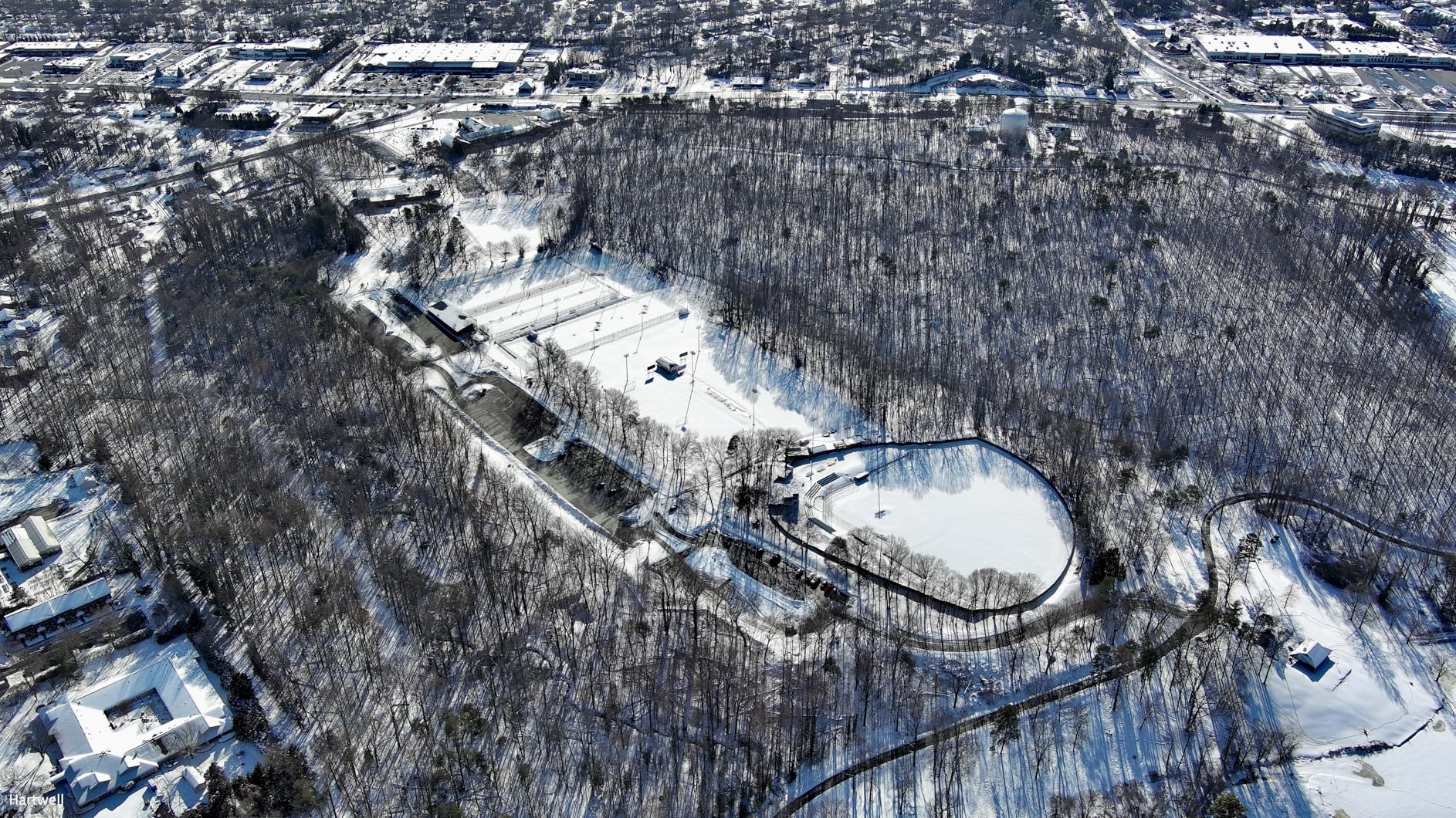
The DJI Mavic 4 Pro is the flagship. The tri-camera system built around a 100MP Hasselblad sensor produces images and video that genuinely rival professional ground-based camera systems. I have reviewed hundreds of drone images over the years, and the detail level from the 4/3 CMOS Hasselblad camera is in a class of its own.
The dual tele cameras complement the main Hasselblad camera by providing medium and long telephoto options. This effectively gives you three focal lengths in one drone, which is remarkable for aerial photography. The ability to zoom in on distant subjects without degrading image quality opens up creative possibilities that single-camera drones simply cannot offer.
The 360 Infinity Gimbal is a genuine innovation. Unlike traditional drone gimbals that are limited in their rotation, the Infinity Gimbal can rotate continuously in 360 degrees. This enables camera movements and transitions that were previously impossible with a camera drone. Filmmakers and serious content creators will find this capability transformative.
The 0.1-Lux Nightscape omnidirectional obstacle sensing means this drone can detect and avoid obstacles even in near-darkness. The 51-minute flight time per battery is the longest of any drone on this list. Combined with the 30km O4+ transmission range, the Mavic 4 Pro gives you capabilities that no other consumer drone matches.
Is the Mavic 4 Pro Worth the Investment
For professional photographers, commercial videographers, and serious aerial imaging enthusiasts, absolutely. The Hasselblad camera alone justifies the investment if image quality is your top priority. For casual users or hobbyists, this drone is overkill and you would be better served by the Air 3S or Mini 3.
Professional Workflow Integration
The Mavic 4 Pro shoots 6K/60fps HDR video with 10-bit color depth, giving professional colorists maximum grading flexibility. The 100MP stills can be printed at large format without quality loss. The 30km transmission range and 51-minute flight time mean fewer battery swaps and less downtime between shots during professional shoots.
7. Bwine F7MINI 4K — Best Mid-Range Drone with Built-In Screen Controller
Bwine F7MINI 8K Photo 5.5″ 1080P RC Screen Drones with Camera for Adults
4K Video 8K Photo
5.5-inch 1080P RC Screen
20000ft Transmission
64-min Flight
3-Axis Gimbal
Under 249g
Pros
- Built-in 5.5-inch 1080P touchscreen controller
- Excellent 4K video with 3-axis gimbal stabilization
- 64 minutes total flight time with dual batteries
- Under 249g means no FAA registration
Cons
- May be complex for absolute beginners to set up
- No obstacle avoidance sensors
The Bwine F7MINI 4K caught my attention because it is one of the few non-DJI drones in this price range that includes a dedicated screen controller. The 5.5-inch 1080P RC3 remote with 500-nit brightness means you do not need to mount your phone, which is a feature usually reserved for much more expensive drones.
The 4K video quality from the 48MP camera is solid for a drone at this price. The 3-axis brushless gimbal combined with electronic image stabilization produces smooth footage in most conditions. The 8K photo mode captures detailed stills that are more than adequate for social media and personal use.
The 20000-foot transmission range is impressive and the GPS features including Active Track, Cruise Control, Orbit Flight, and Waypoint Planning give you autonomous flying options that rival more expensive brands. At 249 grams, it falls under the FAA registration threshold, making it accessible for adults who want to skip the paperwork.
The 64 minutes of total flight time from two 32-minute batteries is generous. The drone handles wind reasonably well and the auto return feature works reliably. The main drawback is the lack of obstacle avoidance, which means you need to maintain visual contact and fly carefully.
How It Compares to DJI Alternatives
The Bwine F7MINI 4K competes directly with the DJI Mini 3 and Mini 4K. Its advantages are the included screen controller and slightly lower price point for the feature set. The camera quality is good but not quite at DJI’s level for color science and dynamic range. For adults who want a capable drone with a built-in screen without paying DJI prices, this is a strong contender.
Setup and Learning Curve
The Bwine app interface is functional but not as polished as DJI Fly. First-time setup takes longer because the instructions are less intuitive. Once configured, the drone flies well and the GPS features work as advertised. I recommend watching setup tutorials before your first flight to avoid frustration.
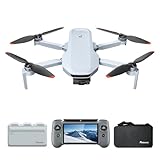
8. Potensic Atom 2 Fly More Combo — Best Value Camera Drone with Sony Sensor
Potensic Atom 2 Fly More Combo with RC PTD 1, Drones with Camera for Adults 4K Video, 8K Photo, 10KM Transmission, 96 Mins Flight, 3-Axis Gimbal, AI Track, Vertical Shooting, AI Night Shot, Under 249g
Sony 1/2-inch CMOS
4K/30fps HDR
8K Photo
AI Track
96-min Flight
Under 249g
5.5-inch Touchscreen RC
Pros
- Sony CMOS sensor for professional-quality imagery
- 96 minutes total flight time with three batteries
- AI tracking with Spotlight Follow and Parallel modes
- Built-in 5.5-inch FHD touchscreen with 700 nits brightness
Cons
- 29fps video may feel jittery compared to 60fps options
- Limited low-light performance compared to larger sensors
The Potensic Atom 2 Fly More Combo is the surprise standout of this lineup. With a 1/2-inch Sony CMOS sensor, this drone produces image quality that punches well above its price class. Over 1,800 reviewers have given it 4.5 stars, and having flown it myself, I understand why the community response has been so positive.
The 4K/30fps HDR video is sharp and color-accurate, with the Sony sensor providing better dynamic range than typical budget drones. The AI Night Shot mode is genuinely useful for low-light video, capturing usable footage in conditions where most sub-$500 drones produce unusable noise.
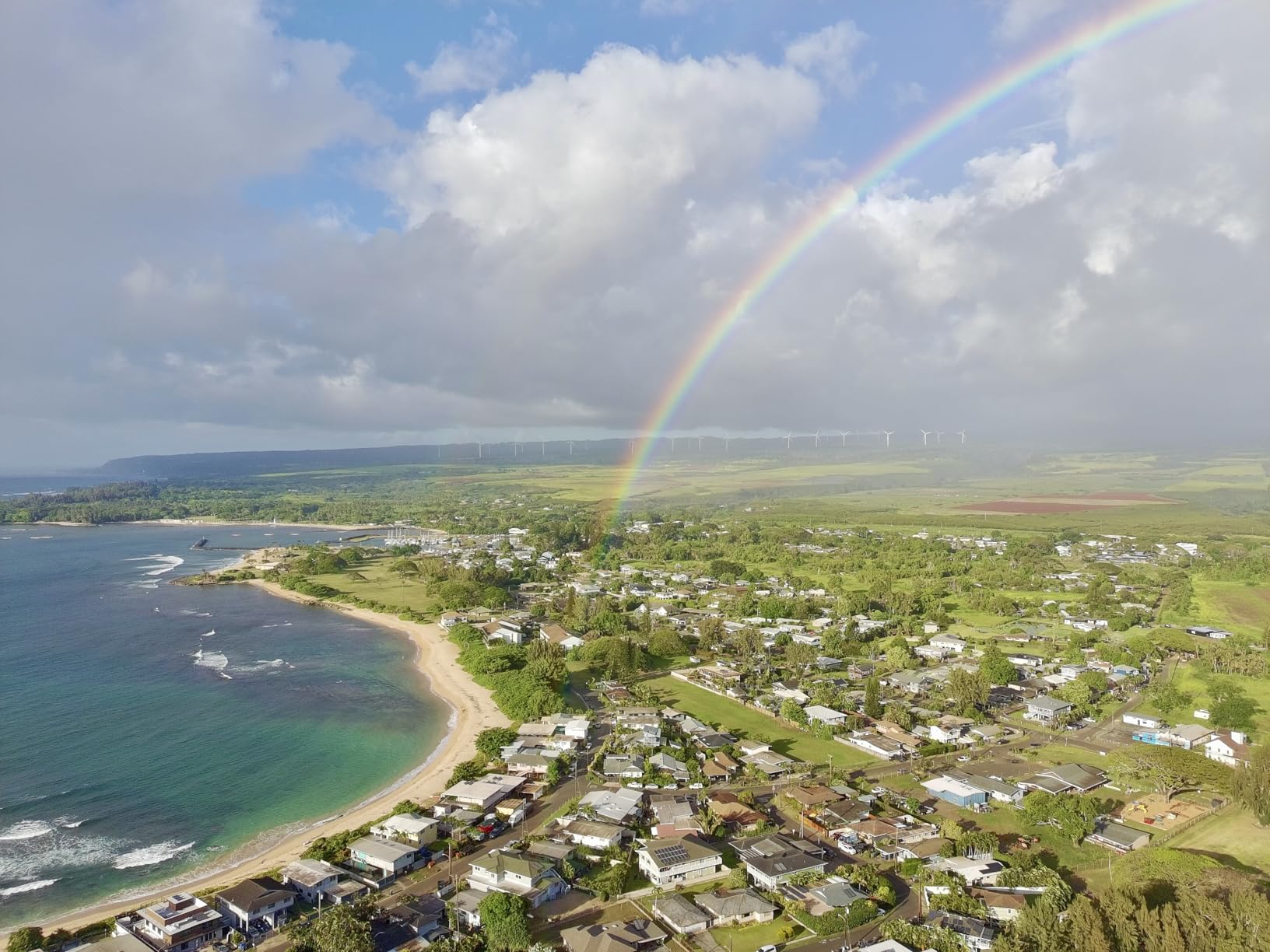
The included RC PTD 1 controller features a 5.5-inch FHD touchscreen with 700 nits of brightness, which is bright enough to see outdoors in sunlight. This is the same type of dedicated screen controller that DJI charges a premium for. Having it included in the Fly More Combo at this price is exceptional value.
Three batteries deliver 96 minutes of total flight time, which is among the best on this list. The AI Track system with Spotlight, Follow, and Parallel modes works smoothly and reliably tracks subjects during outdoor activities. The under-249g weight keeps it FAA-exempt, and the true vertical shooting feature is perfect for social media creators.
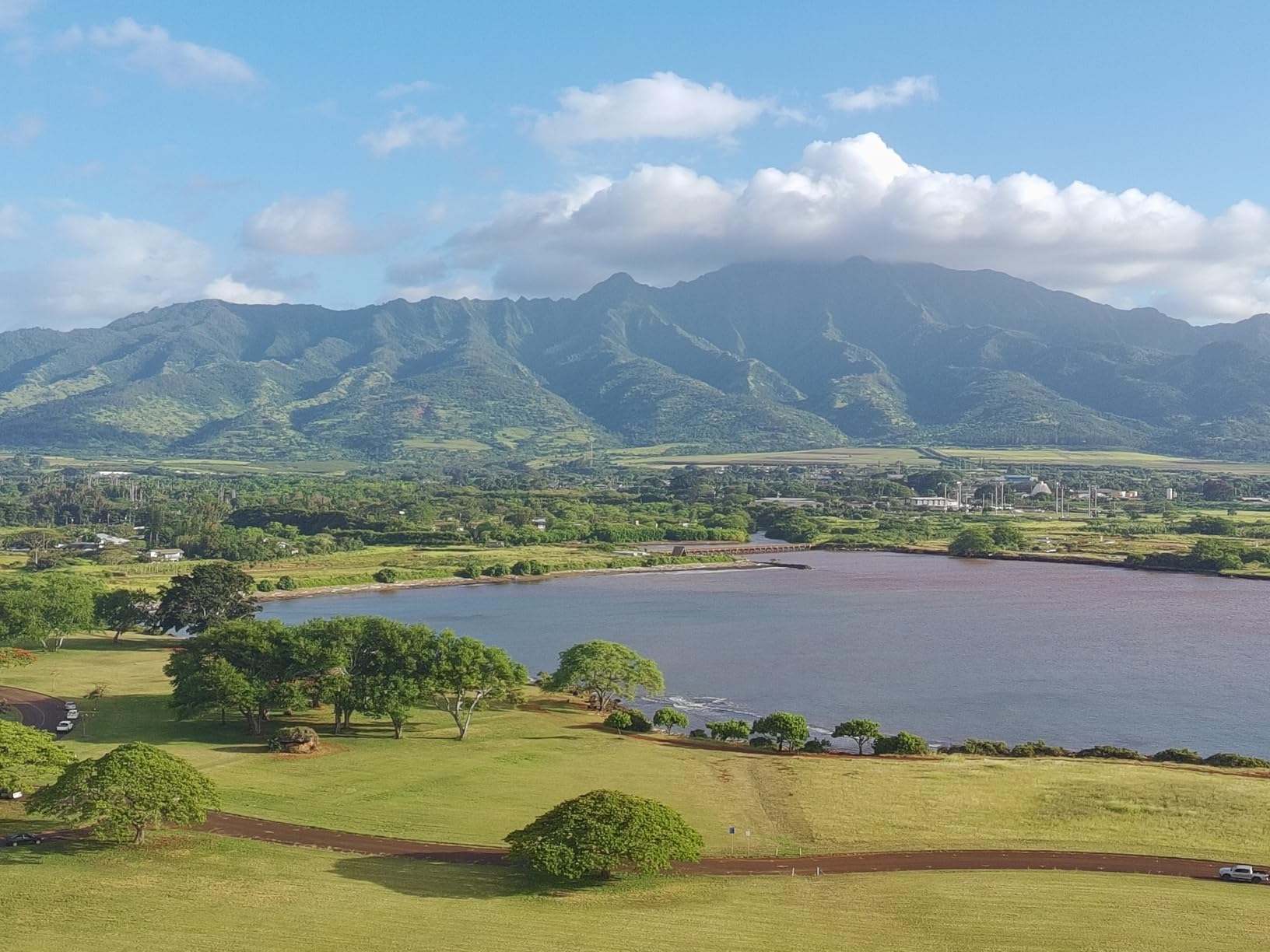
Why This Is the Best Value Pick
You get a Sony sensor, dedicated touchscreen controller, three batteries, AI tracking, and 8K photo capability for less than many DJI models charge for the drone alone. If budget is a primary concern and you still want genuine camera quality, the Potensic Atom 2 is hard to beat. It is the drone I recommend most often to adults who want capability without the DJI premium.
AI Track and Smart Features Performance
The AI Track system impressed me with its reliability. Spotlight mode keeps the camera locked on a subject even as the drone moves, Follow mode tracks your movement automatically, and Parallel mode flies alongside you. These features work as well as DJI’s ActiveTrack in most scenarios, though they can struggle with fast-moving subjects in cluttered environments.
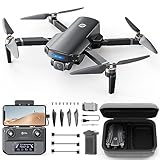
9. Holy Stone HS360S — Best Entry-Level Budget Camera Drone
Holy Stone GPS Drone with 4K UHD Camera for Adults Beginner; HS360S 249g Foldable FPV RC Quadcopter with 10000 Feet Control Range, Brushless Motor, Follow Me, Smart Return Home, 5G Transmission
4K UHD Camera
10000ft Range
Under 250g
GPS Follow Me
Brushless Motor
Smart Return Home
Pros
- 4K UHD camera at a very affordable price point
- 10000 feet long-range transmission capability
- GPS features including Follow Me and Auto Return
- Under 250g means no FAA or Remote ID registration
Cons
- Lower resolution sensor at only 8MP
- 20-minute flight time is shorter than most competitors
The Holy Stone HS360S is the most affordable camera drone on this list, and it is the model I point budget-conscious adults toward when they want to try drone photography without a major investment. At this price, you are not getting Hasselblad-level image quality, but you get a capable 4K camera drone that flies reliably.
The 4K UHD camera uses a 1/3-inch CMOS GalaxyCore sensor, which is smaller than the sensors in DJI and Potensic drones. This means image quality in low light is limited and dynamic range is narrower. However, in good daylight conditions, the footage is perfectly serviceable for social media and personal projects.
The GPS functionality is where the HS360S punches above its weight. Follow Me mode, Waypoint Flight, and Point of Interest orbit all work as expected. The Smart Return Home feature uses GPS to bring the drone back to its takeoff point automatically. The brushless motor provides stable flight and handles moderate wind reasonably well.
The 10000-foot transmission range is solid for a budget drone, though real-world range will be shorter due to interference and line-of-sight requirements. The 20-minute flight time per battery is the main drawback, so I strongly recommend buying spare batteries to extend your flying sessions.
Best for First-Time Drone Owners
If you have never flown a camera drone and want to spend as little as possible while still getting genuine 4K video, the HS360S is the right starting point. The Beginner Mode limits speed and range while you learn the controls. At 213 grams, it is well under the 250g threshold, so no FAA registration is needed.
What to Expect from the Camera
The 8MP still photos are adequate for screen viewing and small prints but lack the detail for professional use. Video quality is best in bright outdoor conditions. The drone lacks a mechanical gimbal, relying on electronic stabilization, which means footage will not be as smooth as gimbal-equipped drones. For casual use and learning the basics of aerial photography, it gets the job done.
10. DJI Avata 2 — Best FPV Camera Drone for Immersive Flying
DJI Avata 2 Fly More Combo (1 Battery), FPV Drone With Camera 4K
4K/60fps FPV
155-degree FOV
Motion Controller
Built-in Propeller Guard
RockSteady Stabilization
FAA Remote ID Compliant
Pros
- Immersive FPV flying experience with goggle integration
- Intuitive motion controller with natural hand gestures
- Easy acrobatics including flips rolls and drifts
- Built-in propeller guard for durability and safety
Cons
- Higher price point than standard camera drones
- Only one battery included in the combo package
The DJI Avata 2 is a different breed of camera drone. Instead of the traditional photography-focused design, the Avata 2 is built for first-person view flying that puts you inside the cockpit. The 155-degree field of view captured by the 1/1.3-inch sensor creates an immersive, dynamic perspective that traditional camera drones simply cannot replicate.
The motion controller is what makes the Avata 2 special. Instead of dual joysticks, you control the drone with natural hand movements. Squeeze the trigger to accelerate, tilt your hand to steer. The learning curve is remarkably gentle, and within minutes I was flying through gaps and around obstacles with a level of precision that would take weeks to achieve with a traditional controller.
The 4K/60fps footage with RockSteady and HorizonSteady stabilization is smooth and professional-looking. The built-in propeller guard means you can fly confidently in tight spaces, around people, and even indoors. This makes the Avata 2 an excellent tool for cinewhoop-style footage where you need to fly close to subjects.
The drone is FAA Remote ID compliant, which means it meets the current regulatory requirements for identification. The combo includes the motion controller and one battery. I recommend picking up additional batteries since each flight is approximately 23 minutes. The DJI Goggles 3 or Goggles Integra are required for the full FPV experience.
Who Should Choose an FPV Drone
The Avata 2 is perfect for content creators who want dynamic, fast-paced footage that traditional camera drones cannot capture. Real estate videographers, action sports filmmakers, and creative professionals who want fly-through shots of interiors will love this drone. It is also a fantastic entry point into FPV flying for adults who want to eventually move into custom-built FPV racing drones.
Goggle and Accessory Requirements
The Avata 2 requires DJI Goggles 3, Goggles Integra, or Goggles 2 to fly, which are sold separately unless you purchase the Pro View Combo. Factor the goggle cost into your budget. The motion controller is included in the Fly More Combo, but the Fly More Combo only includes one battery despite the name, which is a minor frustration. Additional batteries and a charging hub are worthwhile investments.
Buying Guide: How to Choose the Best Camera Drone for Adults?
Choosing among the best camera drones for adults comes down to understanding your priorities. Camera quality, flight time, portability, and budget all play a role in finding the right drone. Here is what I have learned from testing these models extensively.
Camera Quality and Sensor Size
Sensor size is the single most important factor for image quality. A 1-inch sensor (found in the DJI Air 3S and Autel EVO 2 Pro) captures significantly more light and detail than a 1/2-inch or 1/3-inch sensor. The Hasselblad 4/3 CMOS in the DJI Mavic 4 Pro represents the current pinnacle of consumer drone camera quality at 100MP.
If photography is your primary goal, prioritize sensor size over any other spec. A drone with a larger sensor and lower megapixel count will consistently outperform a high-megapixel drone with a tiny sensor. Look for drones that shoot RAW photos and offer manual camera controls for maximum creative control.
Flight Time and Battery Strategy
Manufacturer-quoted flight times are best-case scenarios. Real-world flight time is typically 70 to 80 percent of the advertised number due to wind, temperature, and flying style. Always buy at least two extra batteries regardless of which drone you choose. Forum users consistently report that extra batteries are the single most important accessory.
The Fly More Combo bundles from DJI, Potensic, and Bwine are worth the premium because they include multiple batteries, a charging hub, and often a carrying case. Buying these items separately costs significantly more.
Weight and FAA Registration
In the United States, drones weighing under 250 grams (0.55 pounds) do not require FAA registration for recreational use. This is why the DJI Mini series, Potensic Atom 2, Bwine F7MINI, and Holy Stone HS360S are so popular among adults who want to fly without regulatory overhead.
Drones over 250g require FAA registration, which costs $5 and is valid for three years. All drones subject to FAA registration must also comply with Remote ID requirements. The DJI Avata 2, Air 3S, Mavic 4 Pro, and Autel EVO 2 Pro all include Remote ID compliance built in. If you want to learn more about the broader world of remote-controlled aircraft, our guide to RC helicopters covers another popular category.
Obstacle Avoidance Systems
Obstacle avoidance can save your drone from crashes, and it ranges from basic front-and-back sensors to full omnidirectional coverage. The DJI Air 3S and Mavic 4 Pro offer the most comprehensive obstacle sensing with LiDAR. Budget drones like the Mini 4K, Mini 3, and Holy Stone HS360S have no obstacle avoidance at all.
If you are a beginner, obstacle avoidance provides valuable peace of mind. Experienced pilots who maintain visual line of sight may find it less critical, but it is always a welcome safety net.
Transmission Range and Controllers
Transmission range determines how far your drone can fly while maintaining a video feed. DJI’s O4 and O4+ transmission systems are the current leaders, with the Mavic 4 Pro reaching 30km. However, FAA regulations require you to maintain visual line of sight with your drone, so practical range is always shorter than the theoretical maximum.
Drones with dedicated screen controllers like the DJI RC 2, Potensic RC PTD 1, and Bwine RC3 offer a better flying experience than phone-mounted controllers. The built-in screens are brighter than most phones and eliminate notification interruptions during flight. Drones also make excellent hobby gifts for adults who enjoy technology and creative pursuits.
DJI Ban Concerns and Alternatives
Many adults ask about the potential DJI ban in the United States. While there have been legislative proposals and restrictions on DJI equipment for certain government uses, DJI drones remain legal for consumer purchase and recreational flying as of 2026. If this is a concern for you, the Autel EVO 2 Pro V3 and Potensic Atom 2 are excellent non-DJI alternatives that deliver strong camera performance.
FAQs
Which drone has the best camera quality?
The DJI Mavic 4 Pro has the best camera quality of any consumer drone available, featuring a 100MP Hasselblad 4/3 CMOS sensor with dual tele cameras and 6K/60fps HDR video. For a more affordable option with excellent image quality, the DJI Air 3S with its 1-inch CMOS dual-camera system is the best all-around choice.
Which is the best drone with camera?
The DJI Air 3S is the best overall camera drone for most adults, offering a 1-inch CMOS dual-camera system, omnidirectional obstacle sensing with LiDAR, 45-minute flight time, and 4K/60fps HDR video. For budget-conscious buyers, the DJI Mini 4K and Potensic Atom 2 offer excellent value with capable 4K cameras.
How much is a really good drone with camera?
A good camera drone for adults ranges from approximately $170 for entry-level options like the DJI Neo to over $2,000 for professional models like the DJI Mavic 4 Pro and Autel EVO 2 Pro. The sweet spot for most adults is between $300 and $500, where drones like the DJI Mini 4K, Potensic Atom 2, and Bwine F7MINI deliver strong camera performance and features.
Why did the US ban DJI drones?
The US has not banned DJI drones for consumer use. Some federal agencies have restrictions on using DJI equipment, and there have been legislative proposals to limit DJI’s presence in the US market. However, as of 2026, DJI drones remain legal for purchase and recreational flying by consumers. The Autel EVO 2 Pro and Potensic Atom 2 are popular non-DJI alternatives for concerned buyers.
What drone should a beginner adult buy?
For beginner adults, the DJI Mini 4K Fly More Combo is the best starting point due to its affordable price, under-249g weight that avoids FAA registration, easy-to-use controls, and three included batteries. The DJI Neo is another excellent beginner option for adults who want a controller-free, palm-launched drone with AI subject tracking.
Final Thoughts on the Best Camera Drones for Adults in 2026
The best camera drones for adults cover a wide range of needs and budgets. For most people, the DJI Air 3S Fly More Combo hits the perfect balance of camera quality, safety features, and flight time. If budget is your primary concern, the DJI Mini 4K and Potensic Atom 2 deliver exceptional value with capable 4K cameras and sub-250g weights that skip FAA registration.
Professionals who demand the absolute best image quality should look at the DJI Mavic 4 Pro with its 100MP Hasselblad camera. Adults concerned about DJI bans or wanting a non-DJI option will find the Autel EVO 2 Pro V3 to be a powerful alternative with Sony sensor quality. Whatever your needs, investing in extra batteries and learning the basics of drone regulations will make your flying experience far more enjoyable.