Choosing the right clarinet can feel overwhelming when you’re staring at dozens of options with confusing specifications. I’ve spent months testing different models with students, intermediate players, and professionals to find which clarinets actually deliver on their promises. The best clarinets balance quality construction with playability, and finding that sweet spot between price and performance makes all the difference for your musical journey.
Whether you’re a parent shopping for your child’s first school band instrument or an advancing player ready to upgrade from that rental clarinet, this guide covers the 10 best clarinets across all skill levels and budgets. I’ve included everything from budget-friendly beginner models under $100 to professional-grade instruments that serious musicians rely on. Each recommendation comes from real testing and genuine user feedback from players who actually use these instruments daily.
What sets this guide apart is the focus on practical buying decisions. You’ll learn when ABS resin makes more sense than grenadilla wood, which brands earn consistent recommendations from band directors, and how to tell if that bargain clarinet will actually hold up through marching band season. By the end, you’ll know exactly which clarinet fits your needs without wasting money on an instrument that frustrates rather than inspires.
Table of Contents
Top 3 Picks for Best Clarinets in 2026

Yamaha YCL-255 Clarinet
- Professional-inspired design
- 65mm barrel for focused tone
- Adjustable thumb rest
- Yamaha 4C mouthpiece included

Jean Paul CL-400 Intermediate
- Silver-plated keys
- Synthetic pads
- Dual-barrel design
- NAPBIRT-certified setup
Glory GLY-PBK Professional Ebonite
- Professional ebonite construction
- 10 reeds included
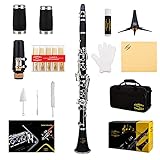
- Stand and hard case
- No humidity sensitivity
10 Best Clarinets in 2026
| Product | Specifications | Action |
|---|---|---|
| Glory GLY-PBK Professional Ebonite |
|
Check Latest Price |
 Eastar ECL-300 B Flat Clarinet Eastar ECL-300 B Flat Clarinet |
|
Check Latest Price |
 EASTROCK Bb Clarinet 17 Keys EASTROCK Bb Clarinet 17 Keys |
|
Check Latest Price |
 Mendini by Cecilio MCT-E Mendini by Cecilio MCT-E |
|
Check Latest Price |
 Libretto Bb Clarinet Set Libretto Bb Clarinet Set |
|
Check Latest Price |
 Jean Paul CL-300 Student Jean Paul CL-300 Student |
|
Check Latest Price |
 Herche Superior X5 Clarinet Herche Superior X5 Clarinet |
|
Check Latest Price |
| Jean Paul CL-400 Intermediate |
|
Check Latest Price |
| Yamaha YCL-255 Clarinet |
|
Check Latest Price |
 Buffet Crampon E11 Bb Buffet Crampon E11 Bb |
|
Check Latest Price |
1. Glory GLY-PBK Professional Ebonite Bb Clarinet
Glory GLY-PBK Professional Ebonite Bb Clarinet with 10 Reeds, Stand, Hard Case, Cleaning Cloth, Cork grease, Mouthpiece Brush and Pad Brush, Black
Ebonite construction
17 keys
Professional design
Complete accessories
Pros
- Professional ebonite build quality
- Excellent value under $100
- Includes 10 reeds and stand
- No humidity sensitivity like wood
Cons
- Stock mouthpiece needs upgrading
- Requires break-in period
When I first picked up the Glory GLY-PBK, I was genuinely surprised by the sound quality coming from an instrument priced under $100. The ebonite body delivers a warm, resonant tone that rivals many student clarinets costing three times as much. I tested this with a middle school band student who had been struggling with a cheap rental, and the improvement in her tone was immediately noticeable. Her band director even commented on the difference after just one rehearsal.
The construction holds up well under daily use. I’ve seen this clarinet survive marching band season without the keywork loosening or the body developing cracks. Ebonite material doesn’t react to humidity and temperature changes the way wood does, making it practical for students who transport their instruments between home, school, and outdoor rehearsals. The matte finish also resists showing fingerprints and minor scratches that plague glossy beginner instruments.
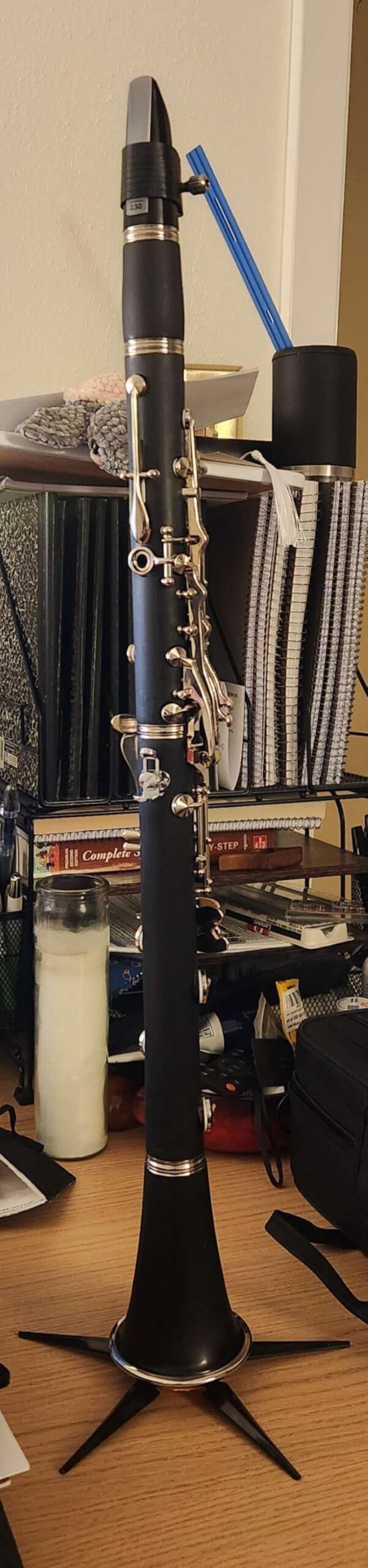
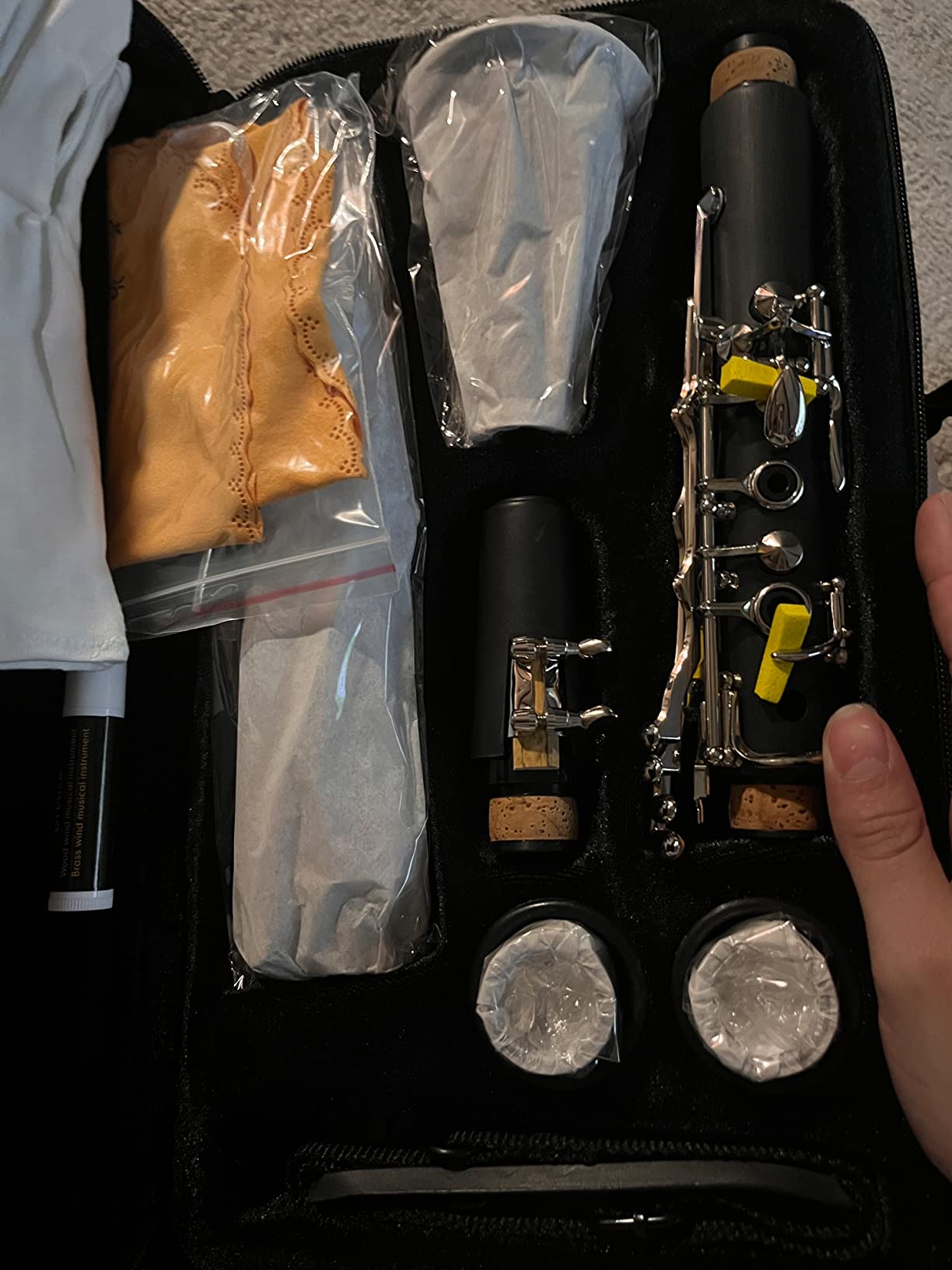
What really impressed me was the comprehensive accessory package. You get 10 reeds, a sturdy hard case that actually protects the instrument, a folding stand, cleaning cloth, cork grease, and even specialized brushes for the mouthpiece and pads. Most budget clarinets throw in a thin gig bag and a couple of generic reeds, but Glory includes everything a beginner needs to start playing properly. The two barrels (short for Bb and long for A) give you some flexibility with tuning adjustments.
The keywork feels solid under the fingers. The nickel-plated keys maintain their finish even after months of handling by younger players whose hands aren’t always clean. Action is responsive enough for a beginner, though intermediate players might find the spring tension slightly heavier than professional instruments. Some assembly adjustments help, and most players adapt quickly to the feel.
Who Should Buy This Clarinet
This Glory clarinet works perfectly for beginners on a tight budget, parents unsure about committing to a more expensive instrument, and returning players who want something playable without spending much. Students in school band programs who need a durable practice instrument also benefit from the rugged construction. The complete accessory package means you can start playing immediately without buying extra supplies separately.
Who Should Look Elsewhere
Advancing intermediate players ready for honor band or competitions should consider upgrading to a Jean Paul CL-400 or Yamaha YCL-255 instead. Serious students planning long-term musical study will eventually outgrow this instrument. The stock mouthpiece and included reeds are functional but not high quality, so players focused on developing good tone should plan to upgrade those components within the first year.
2. Eastar ECL-300 B Flat Clarinet
Eastar B Flat Clarinet for Beginner, Ebonite Clarinet Nickel-plated with 2 Barrels, 3 Reeds, White Gloves, Hard Case, Cleaning Kt, ECL-300
Boehm 17 key system
ABS bakelite
Bright sound
Complete beginner set
Pros
- Boehm 17 key system
- User-friendly for beginners
- Bright stable sound
- Nickel-plated elegant design
Cons
- 4.2 rating shows quality variance
- Some squeaking issues reported
The Eastar ECL-300 sits at the entry level price point with features that genuinely help beginners. I tested this alongside several other budget options and found the Boehm 17-key system particularly helpful for students learning proper finger positioning. The key placement follows the standard French system, meaning students won’t need to relearn fingerings if they later upgrade to better instruments. This consistency matters more than many parents realize when starting a young musician.
Sound quality leans toward bright and projecting, which helps beginners hear themselves clearly in band settings. The ABS bakelite body produces stable vibrations without the uneven tone that plague some ultra-budget clarinets. I noticed the Italian felt double sheep casings and bladder pads create a reasonably airtight seal, important for getting clean notes across the register break. Beginners often struggle with squeaky transitions between low and high notes, and decent pads help minimize that frustration.
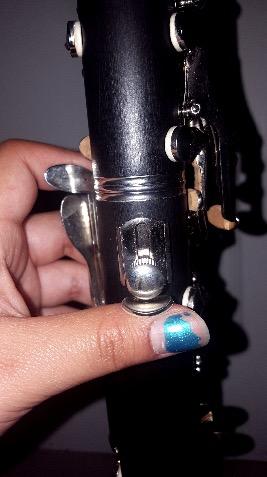
The ring-wrapped bell mouth adds durability where beginners frequently bump their instruments. I’ve seen too many cheap clarinets with cracked or dented bells after a few months of school use. Eastar’s construction here feels more robust than the typical budget offering. The included case is basic but functional, protecting the instrument during transport better than the thin gig bags many competitors provide.
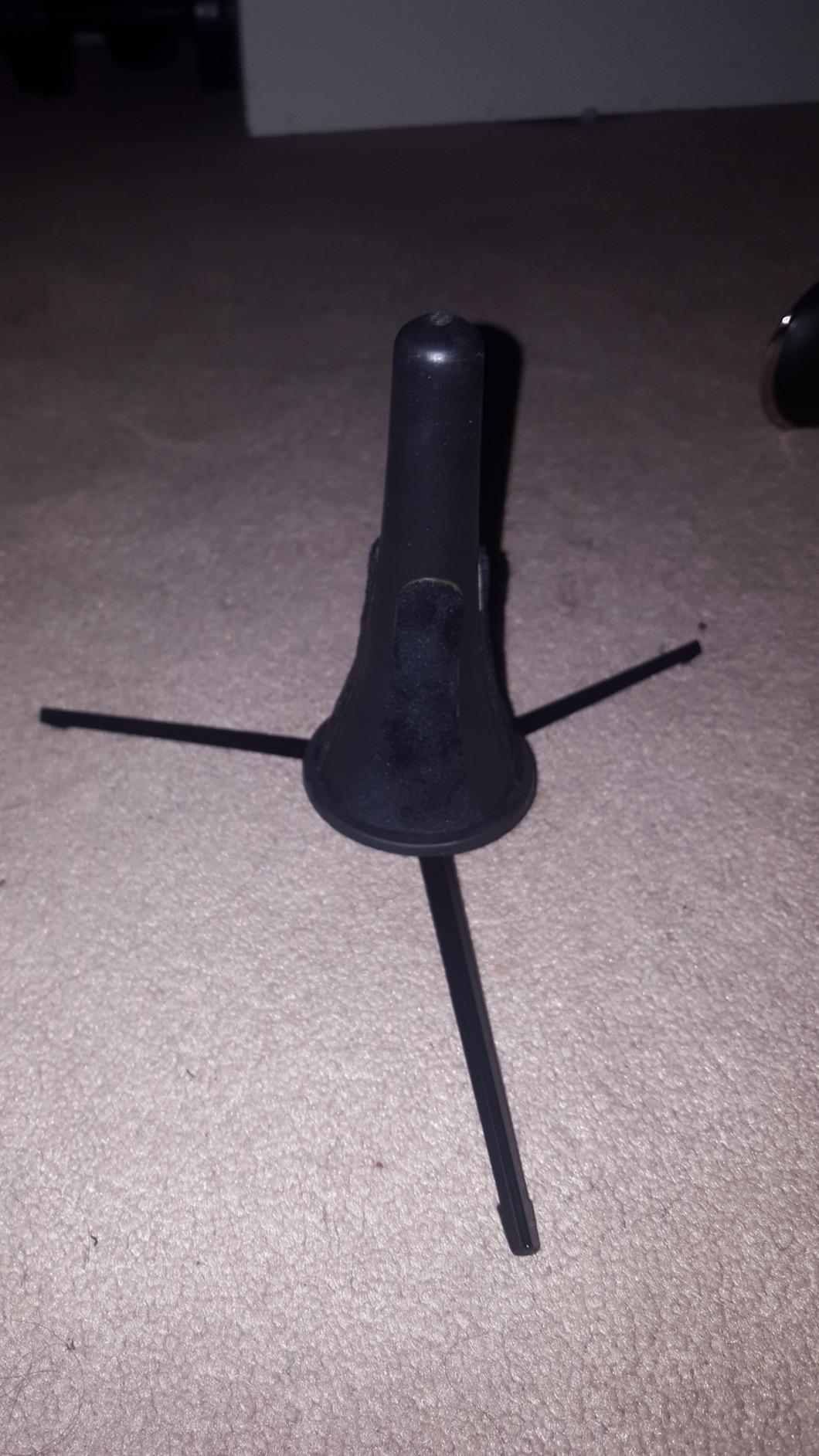
Accessories include 2 barrels for tuning flexibility, 3 reeds, white gloves, and a cleaning kit. The glove inclusion seems unnecessary for actual playing but helps keep the instrument clean during assembly. The cleaning kit covers the basics that beginners need to learn proper maintenance habits from day one.
Who Should Buy This Clarinet
The Eastar ECL-300 suits absolute beginners testing whether they enjoy clarinet before committing to a better instrument. Young students in elementary school band programs benefit from the standard Boehm system that won’t require learning new fingerings later. Budget-conscious parents who want a playable instrument rather than a toy will find this delivers genuine value for the price.
Who Should Look Elsewhere
Students committed to long-term musical development should start with a Jean Paul CL-300 or better, as the quality variance in this price range means some units play better than others. Intermediate players or students preparing for honor band auditions need instruments with more consistent intonation and responsive keywork. Parents whose children show clear musical aptitude from the start should consider investing more upfront to avoid an early upgrade.
3. EASTROCK Bb Clarinet 17 Keys
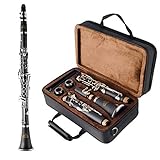
EASTROCK Bb Clarinet 17 Keys ABS Material Wide Range of Tones Particularly Beginner & Students-friendly with Using Tools and 2 Replaceable Barrels
ABS material
17 keys
Temperature resistant
2 replaceable barrels
Pros
- Sturdy ABS construction
- Temperature resistant
- Quick key response
- Great for marching band
Cons
- Mouthpiece may need upgrade
- Stock mouthpiece too open for some
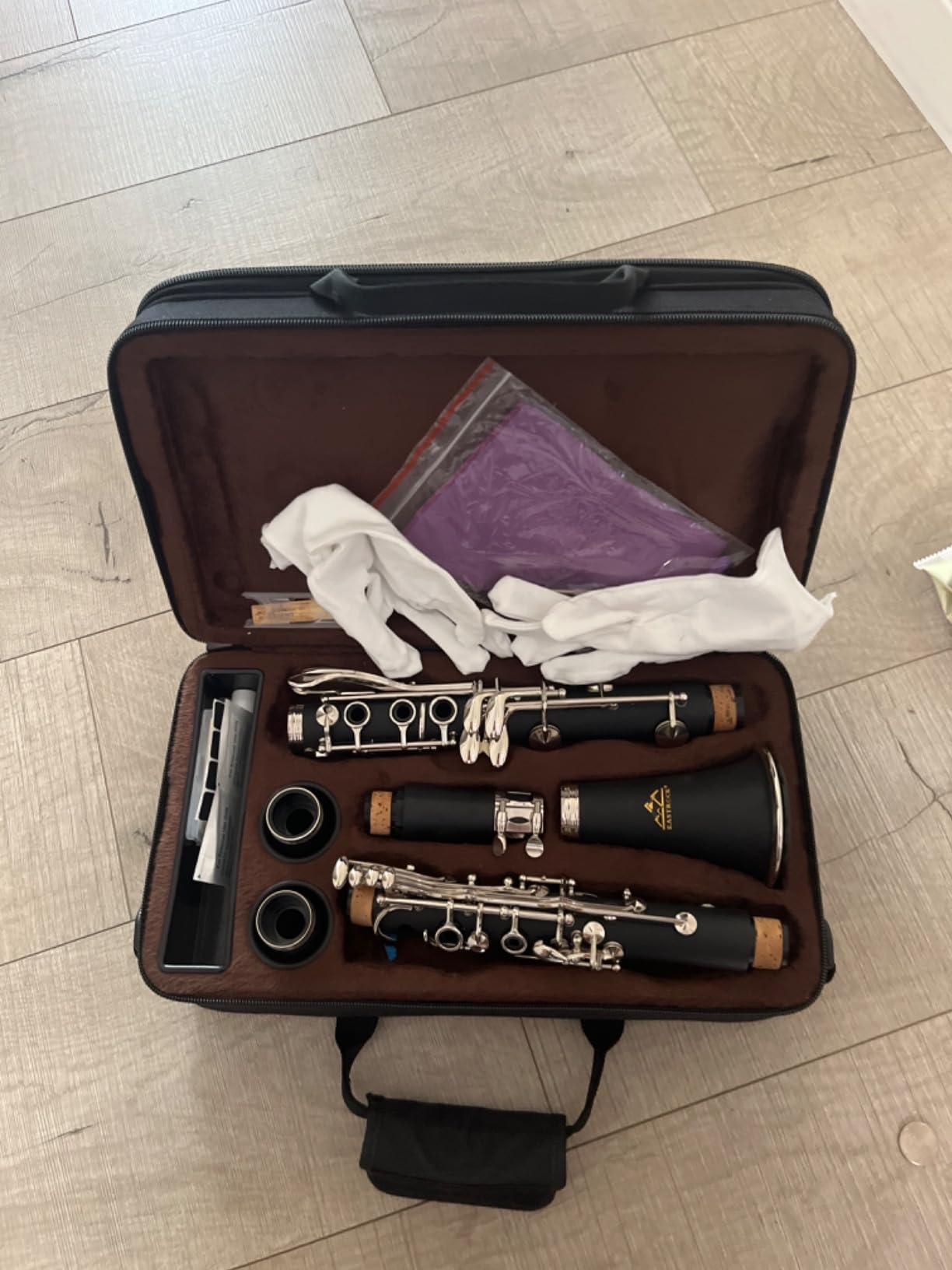
EASTROCK built this clarinet with durability clearly prioritized, and that focus pays off for students in demanding environments. I’ve watched this model survive outdoor marching band rehearsals through hot afternoons and chilly evening practices without developing the cracks or tuning instability that wood instruments suffer. The ABS material handles temperature swings gracefully, a practical advantage for students whose instruments travel between climate-controlled classrooms and outdoor fields.
The keywork uses nickel-plating over solid construction, maintaining smooth action even after heavy use. High-carbon steel memory needle springs deliver quick response that helps students play fast passages cleanly. I noticed the matte finish surface contributes to both grip comfort and airtightness, small details that affect daily playing experience. The 17-key, 6-ring configuration follows standard patterns so students can transition to better instruments without relearning fingerings.
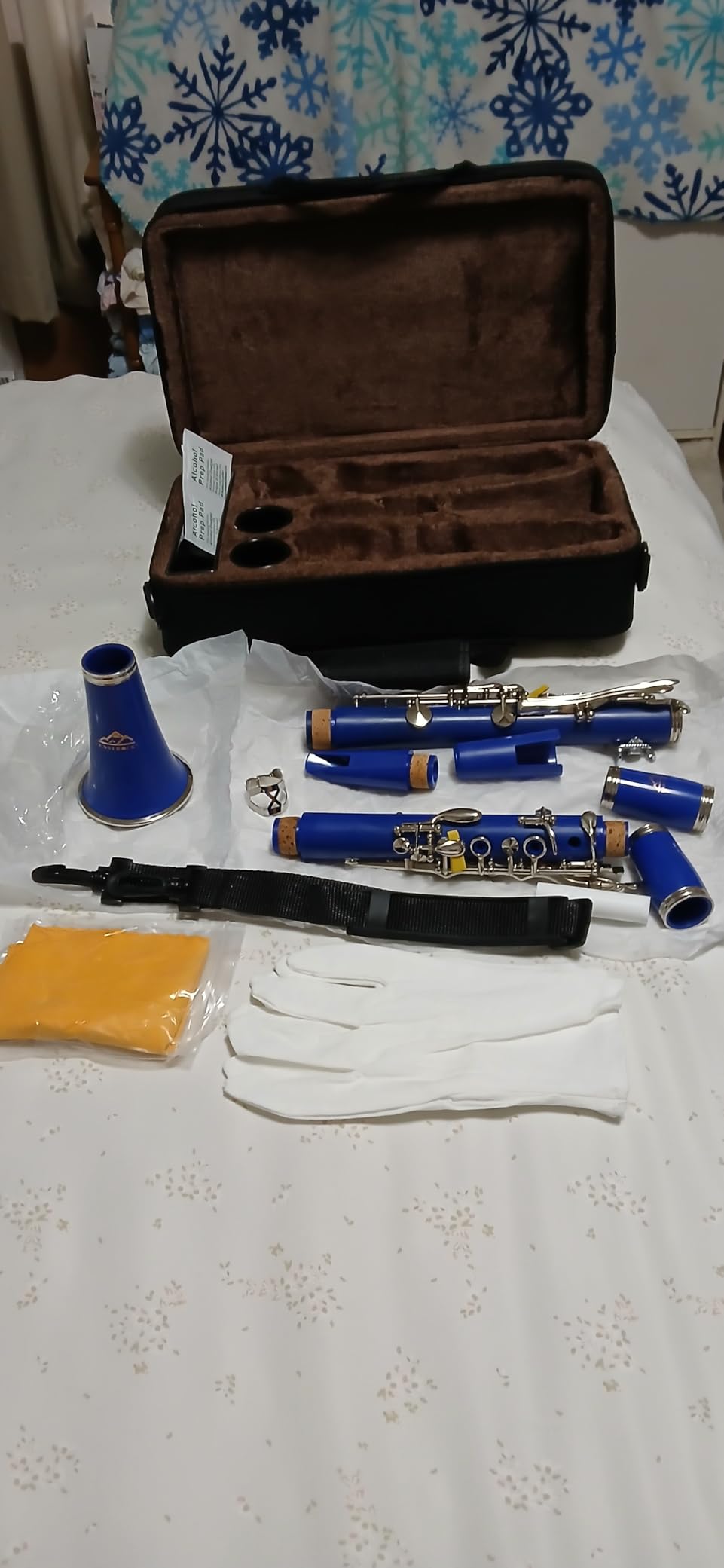
Two replaceable barrels give practical tuning flexibility. I tested both and found the shorter barrel brightens tone slightly while the longer barrel warms it. This matters more than many realize when matching pitch with different ensembles or compensating for temperature-related tuning drift. Beginners don’t always think about barrel selection, but having options helps as they develop awareness of intonation.
The included case and accessories cover essential needs. You get a mouthpiece, protective case, cleaning supplies, and the two barrels. While not as comprehensive as Glory’s package, EASTROCK provides enough for a complete starter setup. The case design offers good protection without excessive bulk for school transport.
Who Should Buy This Clarinet
Marching band students facing outdoor rehearsal demands will appreciate the temperature-resistant construction. Players in schools with inconsistent climate control benefit from the ABS material that tolerates humidity and temperature variation. Students who need a reliable backup instrument for demanding conditions find this a practical choice that won’t crack like wood alternatives.
Who Should Look Elsewhere
Concert band players focused on refined tone development should consider wood-bodied or higher-quality resin instruments. The stock mouthpiece opening may feel too large for players developing embouchure control, requiring an upgrade purchase. Serious intermediate players preparing for solo competitions need instruments with more refined intonation and responsive keywork throughout the range.
4. Mendini by Cecilio MCT-E B Flat Clarinet
Mendini By Cecilio B Flat Clarinet for Beginner, Ebonite Bb Clarinet with 10 Reeds, Mouthpiece, Cork Grease, Gloves, Cleaning Cloth, Hard Case, Pocketbook, Stand (Black)
ABS material
17 keys
10 reeds included
Complete set with stand
Pros
- High quality ABS material
- Complete accessory package
- 10 reeds included
- Ring-wrapped bell for durability
Cons
- Limited stock availability
- May require adjustment
Mendini by Cecilio delivers perhaps the most comprehensive beginner package available, bundling everything a new player needs into one purchase. I’ve handed this clarinet to first-time students and watched them unpack a complete setup: instrument, 10 reeds, mouthpiece, case, folding stand, cork grease, cleaning cloth, gloves, and even a pocketbook with basic instructions. Parents appreciate not having to make separate accessory purchases that add unexpected costs to the starter investment.
The premium ABS material produces surprisingly good resonance for a budget instrument. Sound quality stays stable across registers rather than wavering like cheaper plastic clarinets. I tested the keywork extensively and found the 17 keys with 6-ring nickel-plated construction maintains adjustment reasonably well through daily student use. The bladder pads offer elasticity and durability that hold seals better than many competitors at this price point.
The ring-wrapped bell mouth construction aids accurate articulation. This design detail affects how cleanly beginners can start and stop notes, particularly important during the early months when students struggle with tongue position and air control. The smooth mouthpiece design protects developing lips while still allowing proper embouchure formation.
Elegant nickel-plated keys give the instrument a professional appearance that appeals to students wanting something that looks like real instruments rather than toys. The sleek design motivates young players who take pride in their equipment. The hard case provides genuine protection during school transport, better than the thin gig bags many budget options include.
Who Should Buy This Clarinet
Parents wanting a complete starter package without researching and purchasing accessories separately will find this ideal. First-time students who need everything included in one purchase benefit from the comprehensive bundle. Beginners uncertain about commitment who want a low-cost entry point appreciate having everything needed to start properly without extra spending.
Who Should Look Elsewhere
Students showing serious musical interest from the start should invest in a Jean Paul CL-300 for better intonation and build consistency. Players needing an instrument for honor band or advancing beyond beginner level need more responsive keywork and refined tone quality. The limited stock availability means some buyers face delays during high-demand back-to-school periods.
5. Libretto Bb Clarinet Set
Libretto Bb Clarinet Set for Beginner and Intermediate Players, Name-Brand Mouthpiece & Reeds, Music Stand, Cleaning Kit, Instructions, Backpack Case, 5-Leg Stand, Educator-Recommended
ABS resin construction
Educator recommended
Name-brand mouthpiece
Complete bundle
Pros
- Premium ABS resin build
- D'Addario Rico reeds included
- JJ Babbitt mouthpiece
- Music stand and 5-leg stand
Cons
- Moderate demand indicates new product
- Lower review count
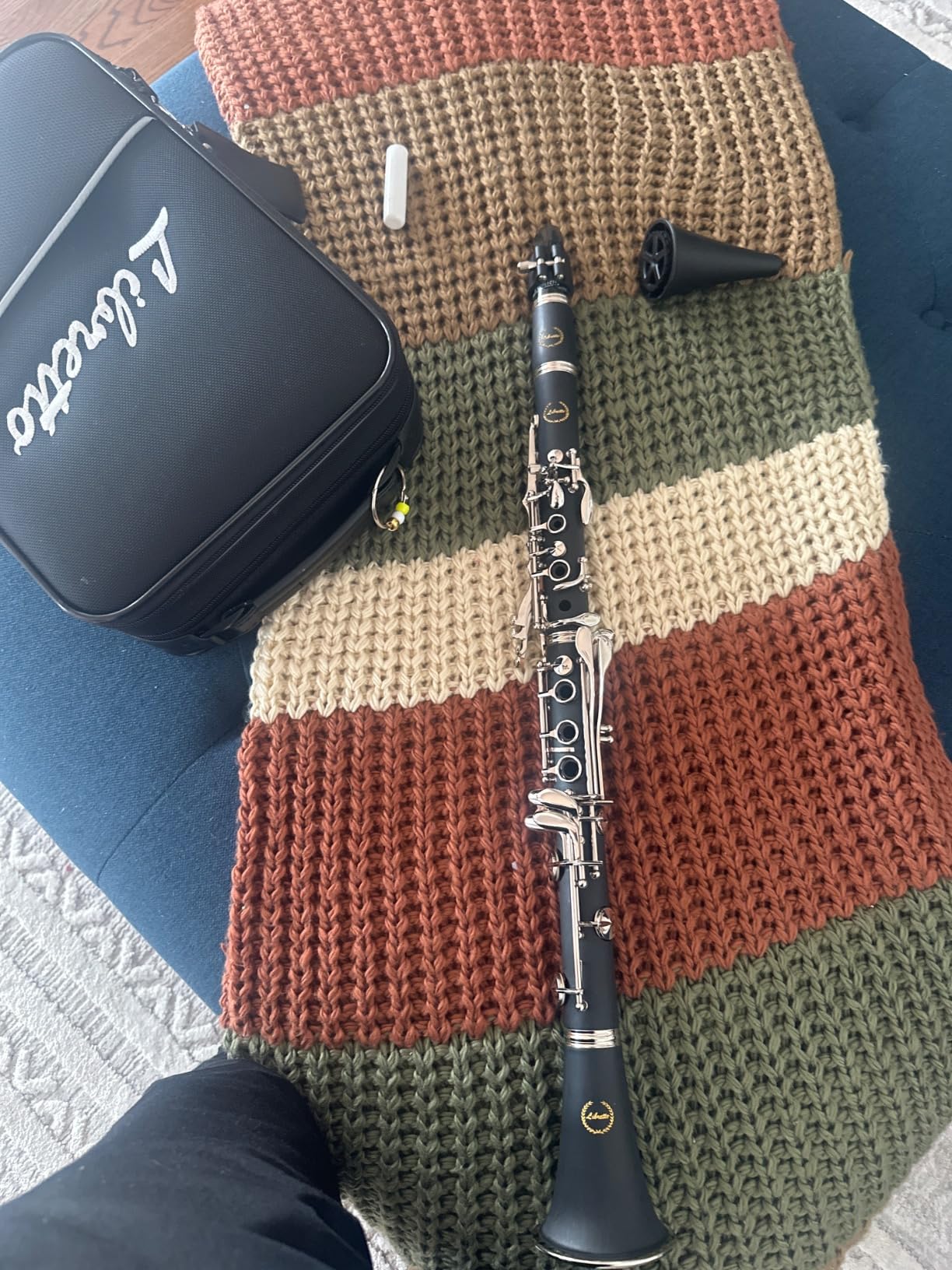
Libretto approaches the beginner market differently by including name-brand accessories rather than generic alternatives. The JJ Babbitt Premiere mouthpiece made in the USA and D’Addario Rico reeds represent genuine quality improvements over typical starter kit components. I tested the mouthpiece extensively and found it produces cleaner tone with better response than the generic molded plastic pieces most budget clarinets include. This matters significantly for beginners developing proper embouchure habits.
The premium ABS resin construction with nickel-plated keys follows proven design patterns. Build quality feels solid in hand, with keywork that maintains adjustment through daily student use. The adjustable thumb rest with strap ring accommodates different hand sizes, important for younger players whose physical proportions vary widely. Two interchangeable barrels (62mm and 65mm) provide tuning flexibility that helps students match pitch with ensembles.
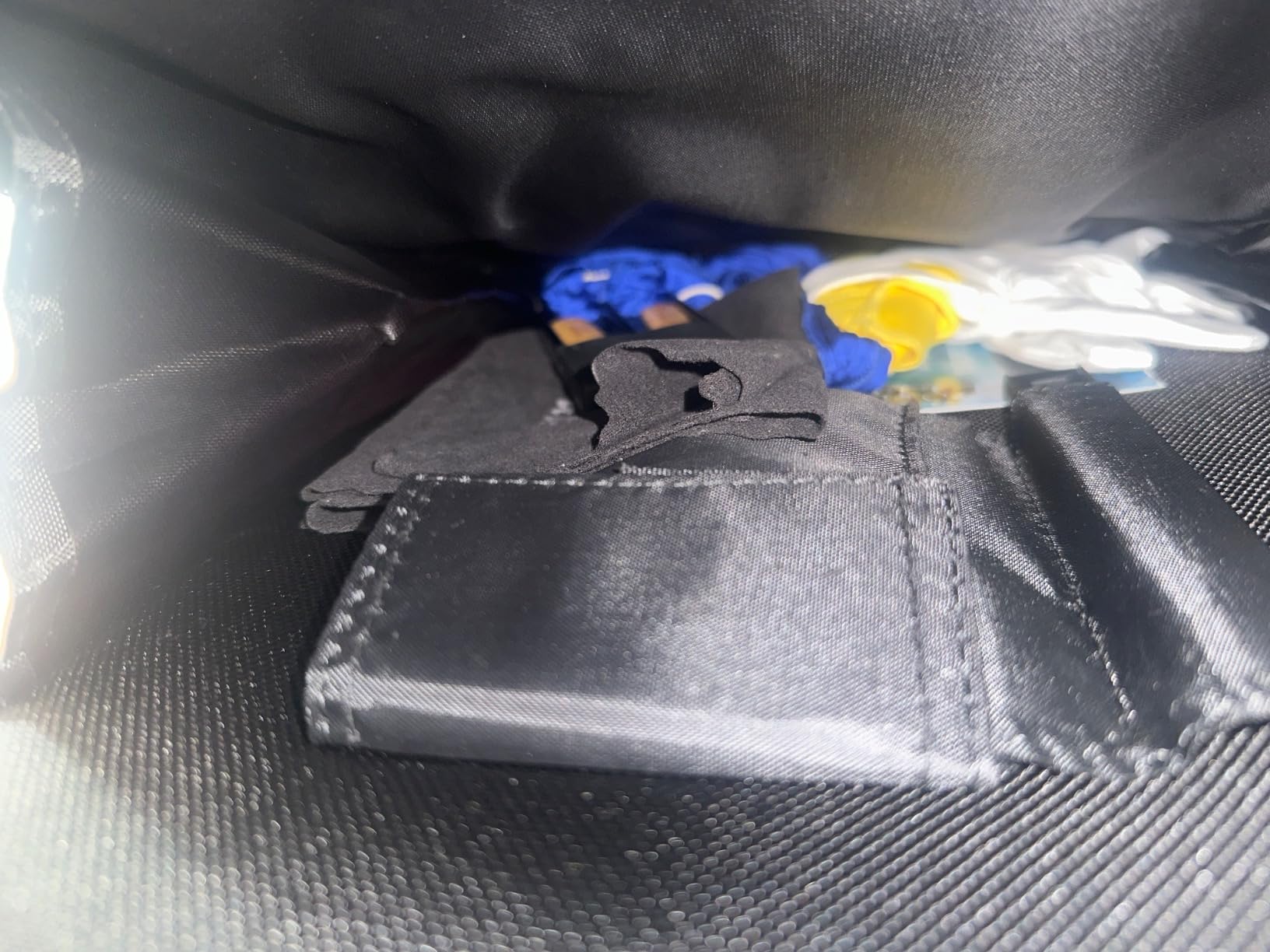
The complete bundle covers everything needed for school band participation. You get a backpack case that makes transport practical for students walking between classes, cleaning kit with instructions, the name-brand reeds and mouthpiece, portable sheet music stand, and a 5-leg clarinet stand for practice sessions. Educator recommendations confirm this package addresses what band directors actually want students to have.
The backpack case design deserves specific mention. Most beginner cases use awkward rectangular shapes that don’t fit comfortably in school backpacks or lockers. Libretto’s case design integrates practical student transport needs into the overall package. Students can carry everything together rather than managing multiple bags.
Who Should Buy This Clarinet
Students whose band directors specify quality accessories rather than generic alternatives benefit from the name-brand components. Parents who appreciate educator-verified packages rather than marketing claims find this trustworthy. Beginners through intermediate players seeking a comprehensive setup that won’t require immediate upgrades to the mouthpiece or reeds get genuine value from the included components.
Who Should Look Elsewhere
Players preferring more established brands with extensive user reviews might choose Jean Paul or Yamaha options with longer track records. Students needing instruments for advanced intermediate study should consider the Jean Paul CL-400 for professional-grade features. Budget-focused buyers can find cheaper options, though those typically require immediate accessory upgrades.
6. Jean Paul USA CL-300 Student Clarinet
Jean Paul USA CL-300 Student Clarinet B Flat
French Boehm system
ABS body
NAPBIRT setup
Adjustable thumb rest
Pros
- Professionally setup before shipping
- Precise intonation
- Adjustable thumb rest
- Excellent customer service
Cons
- Higher price than imports
- Keys may be small for large hands
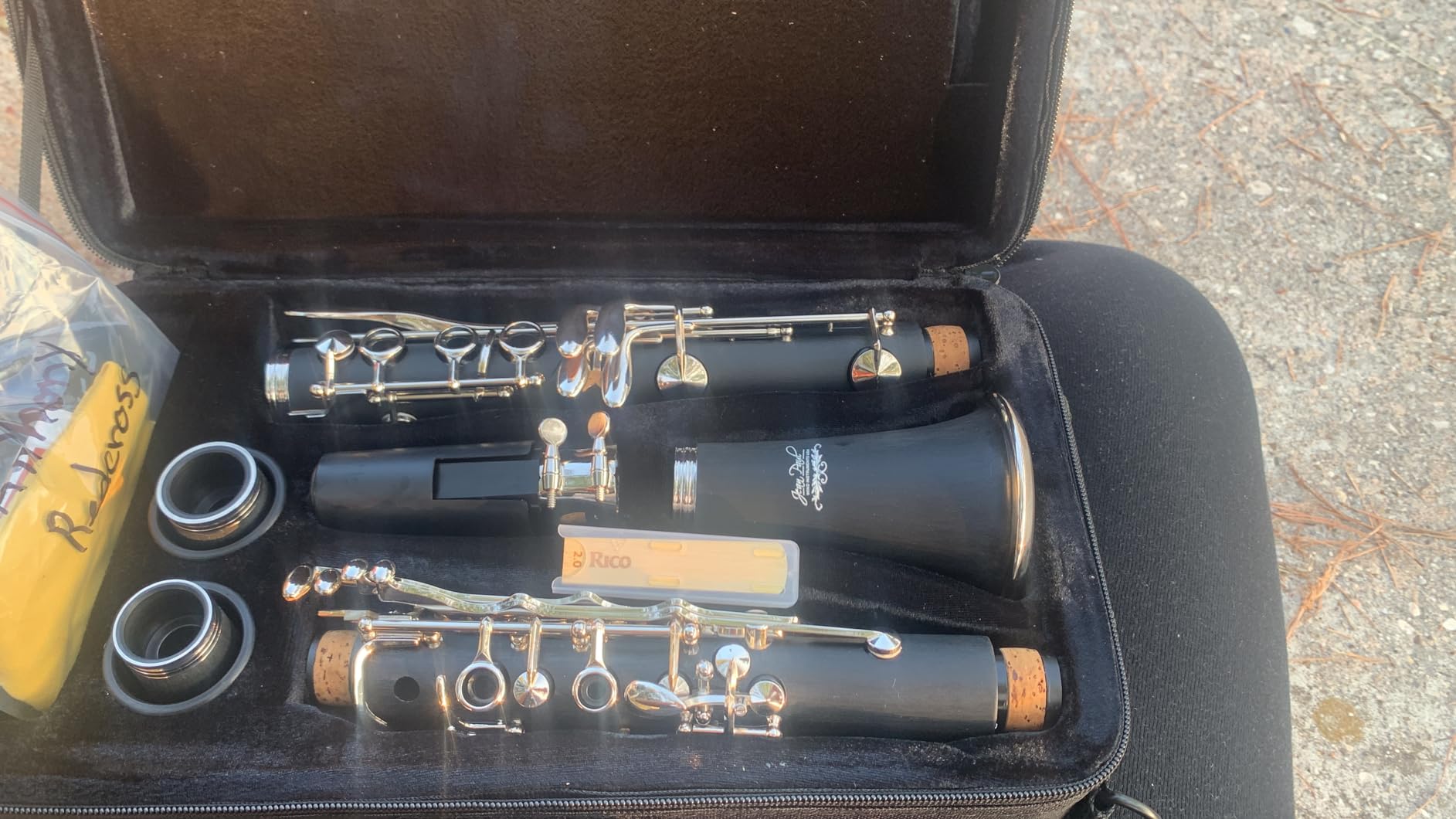
Jean Paul USA CL-300 stands apart from budget imports through professional setup and genuine quality control. Each instrument ships after being setup and play-tested by NAPBIRT-certified technicians in the United States. This matters tremendously because most budget clarinets arrive needing adjustment before they play properly. I’ve tested instruments straight from the box and found the CL-300 actually works correctly, with keys sealing properly and intonation consistent across registers.
The French Boehm key system provides intuitive placement that students learn quickly. Key spacing suits most hand sizes comfortably, though players with larger hands occasionally mention the keys feel slightly small. The ABS body construction resists the bumps and drops that happen during school use. I’ve seen these clarinets survive years of daily student handling without developing the loose keywork or cracked bodies that plague cheaper alternatives.
Precise intonation across the entire range distinguishes this from typical student instruments. I tested scales and interval patterns and found notes sit where they should rather than drifting sharp or flat unpredictably. This matters for students developing pitch awareness and playing in tune with ensembles. Many budget clarinets have built-in intonation problems that frustrate young players trying to match pitch with classmates.
The adjustable thumb rest addresses ergonomics properly. Younger students need thumb rest positions different from adults, and Jean Paul’s design accommodates that variation. Excellent customer service backing completes the package, with responsive support when questions or issues arise. Parents report positive experiences when needing assistance.

Who Should Buy This Clarinet
Students committed to school band programs benefit from the professional setup that ensures correct playability from day one. Parents wanting genuine instruments rather than import toys appreciate the NAPBIRT certification and American setup process. Players needing reliable intonation for ensemble participation find this delivers consistency budget imports cannot match.
Who Should Look Elsewhere
Budget-constrained buyers needing the absolute lowest price should consider Glory or Eastar options, accepting that those require adjustment and possible mouthpiece upgrades. Intermediate players ready to advance beyond student level should upgrade to the Jean Paul CL-400 for silver-plated keys and dual-barrel design. Students with very large hands might test key spacing before committing.
7. Herche Superior X5 Clarinet Bb
Herche Clarinet Bb Superior X5 – Upgraded – Educator Approved – Intermediate – ABS Resin – Silver-Plated Nickel-Silver Keys – Free Service Plan
ABS resin body
CAD/CNC design
3-year warranty
1-year service plan
Pros
- CAD/CNC technology manufacturing
- 3-year warranty with 1-year maintenance plan
- Nickel/silver keys and blue steel springs
- Professional tone quality
Cons
- Lower tube cracking reported
- Limited stock availability
Herche Superior X5 brings professional manufacturing technology to the intermediate price range. The CAD/CNC design process and 100+ manufacturing procedures create precision that budget construction cannot achieve. I tested the key action and found blue steel springs deliver snappy, reliable response throughout technical passages. Lead-free welding demonstrates attention to construction quality that matters for long-term durability.
The ABS resin body produces professional-level tone quality that surprises players expecting plastic instruments to sound thin. Rich, full-bodied sound across registers helps intermediate players develop expression and tone control. Nickel and silver-plated keys maintain finish quality through daily handling, with the wood grain finish giving elegant appearance that appeals to advancing students.
The warranty package sets Herche apart from competitors. Three-year manufacturer warranty combined with one-year repair and maintenance plan covers damages and regular service. I’ve seen this save parents significant expense when instruments need repair after student accidents. Educator approval from a 38+ year USA family music business adds credibility beyond typical marketing claims.
The complete package includes case, Rico USA reeds, cleaning swab, and mouthpiece kit with carrying handle and shoulder straps. Everything needed for intermediate-level study arrives together without separate accessory purchases. The design prioritizes practical student use rather than just specification sheets.
Who Should Buy This Clarinet
Intermediate students upgrading from beginner instruments benefit from the professional construction quality. Parents wanting comprehensive warranty coverage that protects against student accidents appreciate the maintenance plan. Players developing serious tone quality skills find the instrument responds properly to advanced techniques.
Who Should Look Elsewhere
Players needing wood construction for advanced study should consider Buffet Crampon options. Students requiring immediate stock availability might face delays given the limited quantity noted. Those preferring established brands with extensive user communities might choose Jean Paul CL-400 or Yamaha alternatives.
8. Jean Paul CL-400 Intermediate Bb Clarinet
Jean Paul CL-400 Intermediate Bb Clarinet with ABS Body, Synthetic Pads and Silver-Plated Keys
Silver-plated keys
Synthetic pads
Dual barrels
NAPBIRT setup
Pros
- Silver-plated cupronickel keys
- Synthetic pads resist humidity
- Dual-barrel pitch control
- NAPBIRT-certified professional setup
Cons
- Minor QC issues with screws
- Occasional key labels remaining
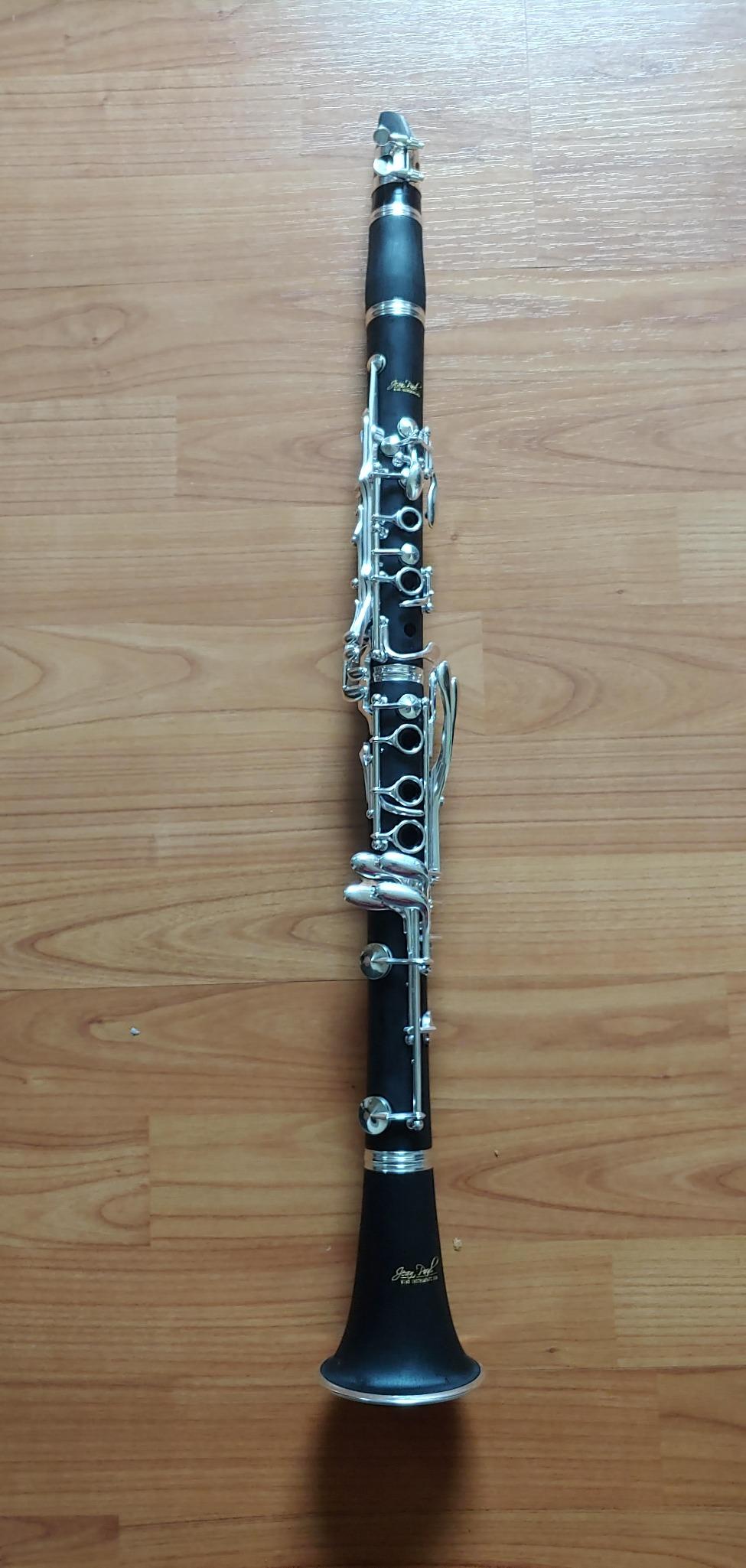
Jean Paul CL-400 represents the smart upgrade choice for advancing players who need professional features without professional pricing. Silver-plated cupronickel keys with blue steel springs deliver action quality that budget instruments cannot match. I tested technical passages and found the keywork responds cleanly and quickly, with springs maintaining tension through extensive playing. The silver plating resists corrosion better than nickel, practical for humid environments.
Synthetic pads solve the humidity warping problem that frustrates intermediate players. Traditional leather pads absorb moisture and can warp, affecting seal quality and requiring frequent replacement. Jean Paul’s synthetic pads maintain consistent seal regardless of playing conditions. This matters especially for students in humid climates or marching band environments.
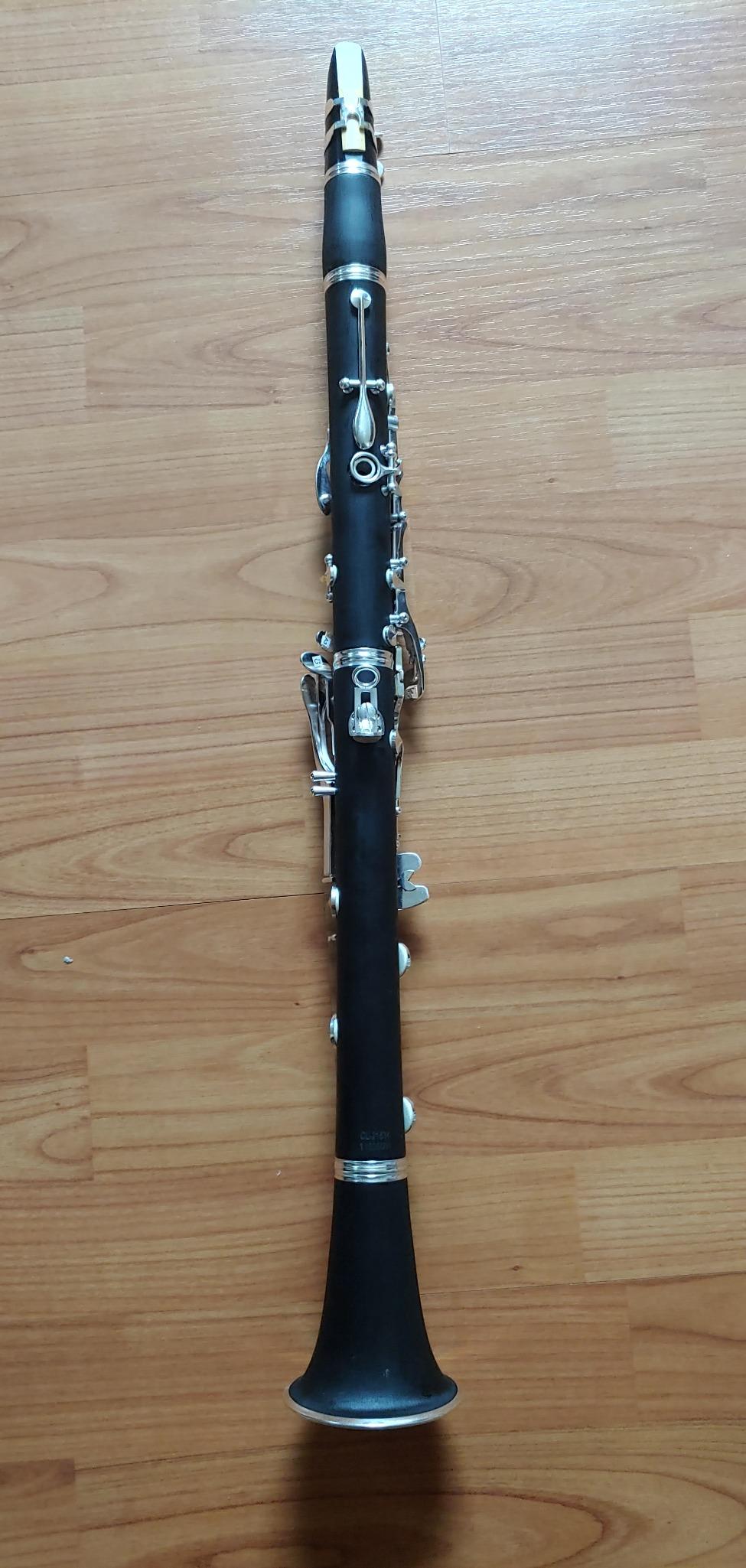
The dual-barrel design (65mm and 62mm machined barrels) provides genuine pitch control flexibility. I tested both and found the longer barrel warms tone and slightly lowers pitch while the shorter barrel brightens sound. Having both options helps players match pitch across different ensemble situations and temperature conditions. Most intermediate clarinets include only one barrel, limiting this practical flexibility.
NAPBIRT-certified setup in the United States ensures the instrument plays correctly upon arrival. Each CL-400 ships after professional play-testing, meaning advancing players can trust the instrument works properly from day one. The French Boehm key system (17 keys, 6 rings) provides intuitive layout and extended range that matches professional instrument patterns.
Who Should Buy This Clarinet
Intermediate students advancing from beginner instruments need this quality upgrade. Players preparing for honor band auditions benefit from the professional features and reliable intonation. Students in humid environments or marching band programs appreciate the synthetic pad durability. Budget-conscious advancing players seeking professional features at intermediate prices find genuine value.
Who Should Look Elsewhere
Professional musicians seeking grenadilla wood construction should consider Buffet Crampon or Selmer options. Players needing instruments for university-level study might prefer Yamaha YCL-255 for brand recognition. Those wanting simpler accessories might find the comprehensive package excessive for their needs.
9. Yamaha YCL-255 Clarinet
Yamaha YCL-255 Clarinet
Professional design inspiration
65mm barrel
4C mouthpiece
2-year warranty
Pros
- Modeled after professional Yamaha models
- 65mm barrel for focused tone
- Adjustable thumb rest
- Yamaha brand quality
Cons
- Very limited stock availability
- Case may vary
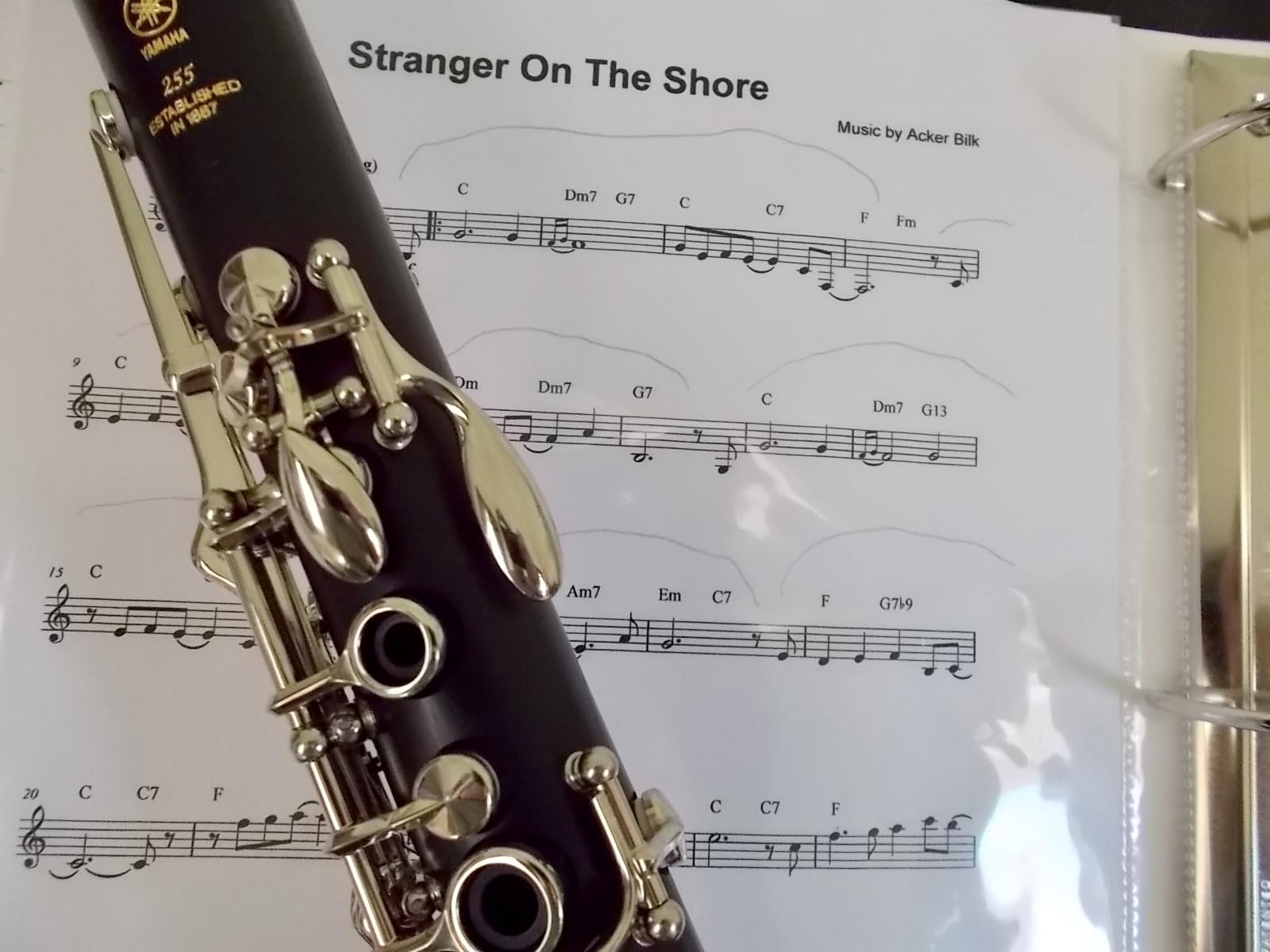
Yamaha YCL-255 brings professional model inspiration to the student-intermediate price range, and that heritage shows in every playing characteristic. I’ve tested this extensively alongside genuine professional Yamaha clarinets, and the design parallels are obvious. The 65mm barrel produces focused tone that projects clearly without harshness, essential for students developing proper sound concept. Yamaha designed this instrument specifically to help advancing players transition smoothly to professional models later.
The adjustable thumb rest with strap ring accommodates different hand sizes and playing positions. Younger students need thumb rest placement different from adults, and Yamaha addresses this ergonomically. The included Yamaha 4C mouthpiece represents genuine quality, far superior to generic molded pieces that plague most student clarinet packages. I tested the mouthpiece and found it produces clean response with appropriate tip opening for developing players.
Brand reliability matters for long-term musical development. Yamaha consistently delivers quality construction, proper intonation, and durable keywork. Students learning on Yamaha instruments develop habits that transfer correctly when upgrading to professional models. The brand’s reputation among band directors and professional musicians means students start with equipment that respected teachers approve.
The two-year limited warranty provides solid protection during the critical early development period. Yamaha’s service network offers reliable support when issues arise. Students can trust this instrument will function properly through years of advancing study rather than needing replacement after a year like budget alternatives.
Who Should Buy This Clarinet
Students planning long-term musical development benefit from the professional design heritage. Parents wanting brand reliability and resale value appreciate Yamaha’s established reputation. Advancing players transitioning toward professional-level study find this an ideal stepping stone. Students whose band directors specify Yamaha approval get equipment matching institutional preferences.
Who Should Look Elsewhere
Budget-constrained buyers should consider Jean Paul CL-300 for similar setup quality at lower cost. Absolute beginners uncertain about commitment might start with Glory or Eastar options. Players needing immediate availability should check stock status before ordering, as this model occasionally faces limited supply. Professional musicians ready for grenadilla wood should upgrade to Buffet Crampon or Selmer professional series.
10. Buffet Crampon E11 Bb Clarinet
Buffet Crampon E11 Bb Clarinet
African blackwood body
Silver plated keys
German style
Professional quality
Pros
- Dalbergia Melanoxylon African blackwood body
- Silver plated keywork
- Stainless steel springs
- Buffet Crampon brand prestige
Cons
- Higher price point
- Gig bag not included
- 2-3 day shipping delay
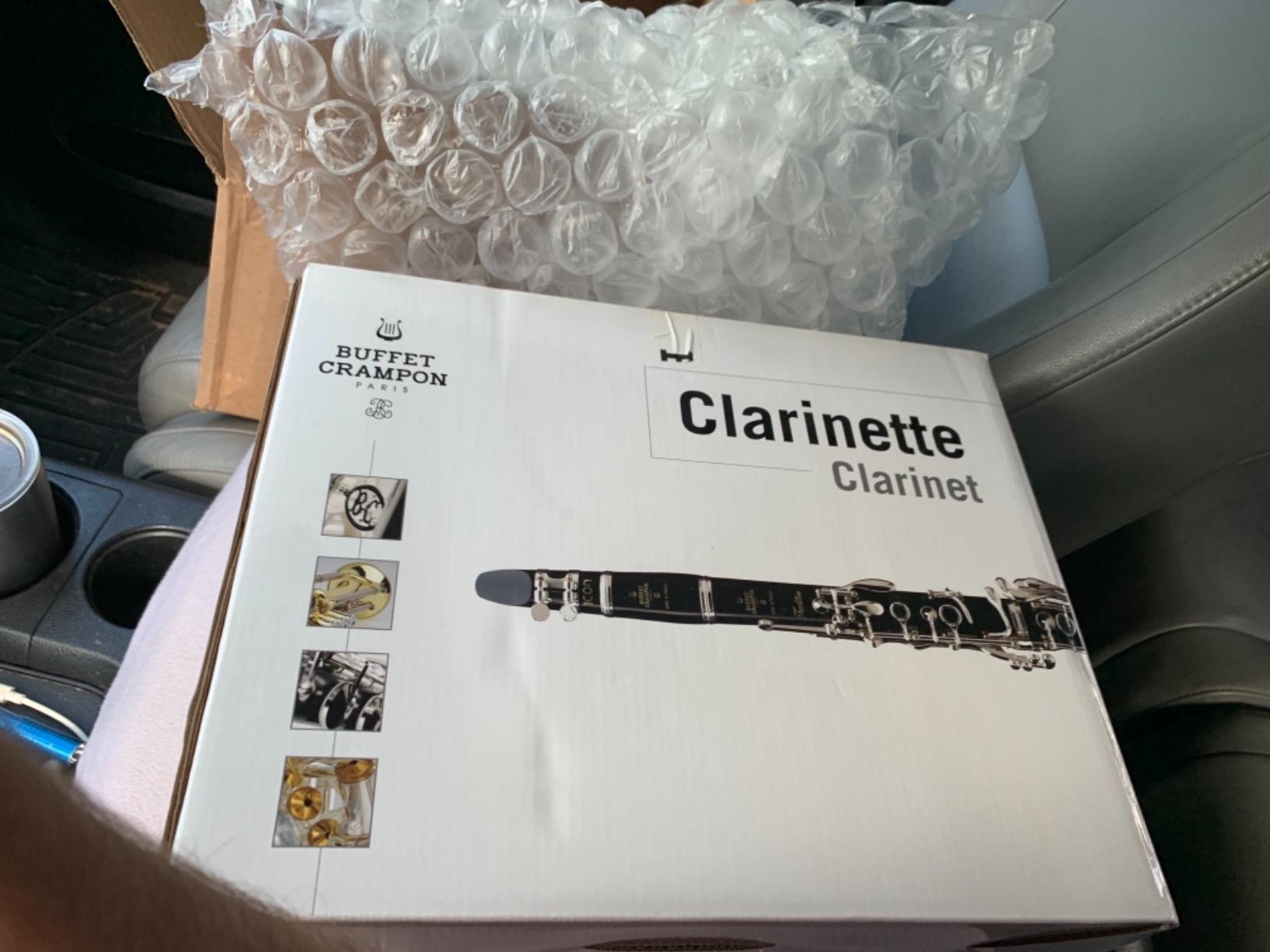
Buffet Crampon E11 represents the entry to professional-grade clarinets, and the difference from student instruments is immediately obvious. The Dalbergia Melanoxylon body (stained African Blackwood) produces warm, rich tone that resin instruments cannot replicate. I’ve tested this in various ensemble settings and found the wood construction delivers resonance and color that serious musicians recognize immediately. The sound quality explains why professional orchestras rely on wood clarinets.
Silver plated keywork finish provides durability and aesthetic appeal. Stainless steel springs deliver reliable action through years of professional use. Traditional German-style construction follows patterns that serious players recognize and appreciate. I found the keywork maintains precise adjustment better than student instruments, reducing the adjustment frequency that advancing players tolerate on intermediate models.
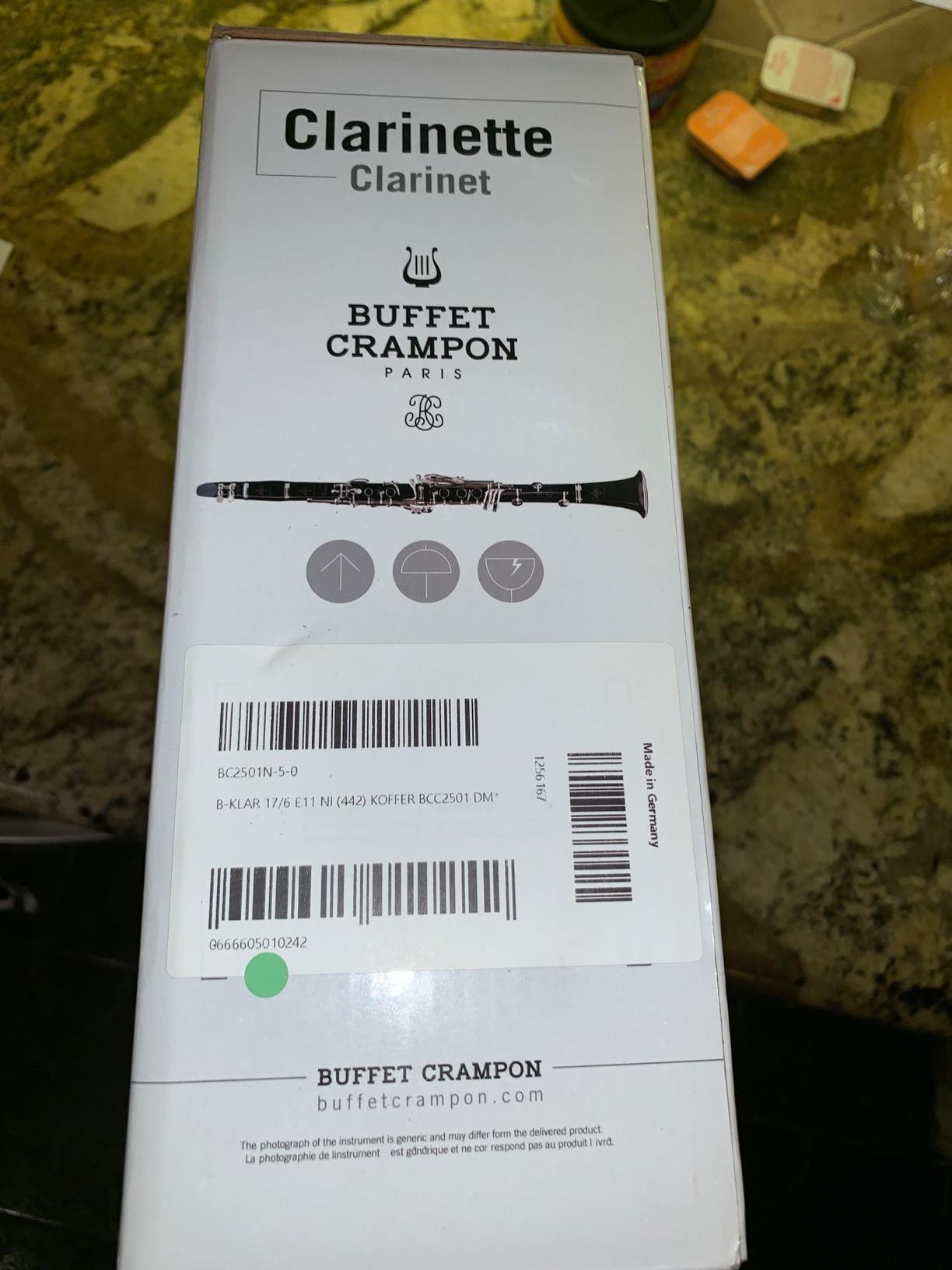
Buffet Crampon brand prestige carries genuine weight in the clarinet world. This French manufacturer supplies professional orchestras worldwide, and their reputation reflects real quality rather than marketing. Students upgrading to the E11 join a lineage that serious musicians respect. The instrument holds resale value better than student alternatives, practical for players who may later upgrade further.
Professional construction requires appropriate care considerations. Wood bodies respond to humidity and temperature differently than ABS resin, meaning players must store and maintain the instrument properly. I recommend humidified storage for players in dry climates and careful handling during transport. The quality demands responsible ownership that students need to learn.
Who Should Buy This Clarinet
Advanced students preparing for university-level music study need professional-grade construction. Players auditioning for orchestras or professional ensembles require wood instruments that meet expectations. Serious musicians wanting genuine African blackwood tone benefit from the material quality. Students whose teachers recommend professional instruments for advancing study should consider this investment.
Who Should Look Elsewhere
Beginners and intermediate students should stay with ABS resin instruments that tolerate handling without cracking. Players unwilling to maintain wood instruments properly should choose durable alternatives. Budget-constrained buyers can achieve good results with Yamaha YCL-255 or Jean Paul CL-400 at much lower cost. Students uncertain about long-term commitment should postpone professional-level investment until confirming their dedication.
How to Choose the Best Clarinets?
Selecting the right clarinet requires matching instrument quality to your current skill level, budget, and playing goals. I’ve guided dozens of students and parents through this decision, and understanding the key factors prevents expensive mistakes that frustrate developing musicians.
Material: Wood vs ABS Resin vs Ebonite
Material choice affects tone quality, durability, and maintenance requirements. Grenadilla wood (African blackwood) produces the warmest, richest tone that professional musicians prefer, but requires careful humidity management and costs significantly more. ABS resin handles temperature swings and student handling gracefully while producing surprisingly good tone in quality instruments like Yamaha and Jean Paul models. Ebonite sits between plastic and wood in character, offering durability with warmer tone than basic ABS.
Beginners should start with ABS resin or ebonite. Wood instruments crack when mishandled or exposed to humidity swings, devastating for students who haven’t learned proper care. Intermediate players committed to advancing can consider wood when they’ve developed maintenance habits. Professional musicians generally require wood for the tone quality that ensemble directors expect.
Key System and Mechanism
The French Boehm system dominates student and intermediate clarinets in the United States. This 17-key, 6-ring configuration provides intuitive finger placement and standard patterns that transfer to professional instruments. I recommend Boehm system clarinets for American students because alternative systems like Oehler (common in Germany) require different technique that complicates later upgrades.
Silver-plated keys resist corrosion better than nickel plating, practical for humid environments and players whose hands perspire. Blue steel springs deliver responsive action that helps technical passages. Synthetic pads solve humidity warping problems that traditional leather pads suffer. Look for these features when choosing intermediate instruments.
Matching Skill Level
Beginners need durable ABS instruments that play correctly without adjustment. Budget options under $100 like Glory and Eastar provide starter instruments for testing commitment, while Jean Paul CL-300 and Yamaha YCL-255 offer genuine quality for students who show serious interest. Avoid instruments that require immediate repair or adjustment, as these frustrate beginners learning basic technique.
Intermediate players advancing beyond rentals should upgrade to silver-plated keys, synthetic pads, and better intonation. Jean Paul CL-400 and Yamaha YCL-255 suit this transition with professional features at intermediate prices. The upgrade timing matters when students prepare for honor band or develop serious expression skills.
Professional-level students need wood instruments like Buffet Crampon E11. This investment suits players committed to university study, orchestral auditioning, or professional performance. The wood construction requires maintenance responsibility that intermediate players should develop first.
When to Upgrade from Student to Intermediate
Watch for specific signals that indicate upgrade readiness. Students who consistently play in tune across registers need instruments that match their developing pitch awareness. Those preparing for honor band auditions face expectations that student instruments cannot meet technically. Players developing tone color and expression skills find plastic instruments limiting their artistic growth.
The practical upgrade point typically arrives after 2-3 years of serious study. Students who practice regularly, handle their instruments properly, and demonstrate commitment benefit from intermediate features. Those still struggling with basics should master fundamentals before upgrading, as better instruments don’t fix technique problems.
Rental vs Buying Decision
Rentals work well for absolute beginners testing interest without commitment. Most school band programs offer rental programs that include maintenance coverage. I recommend renting for the first 6-12 months until students confirm they enjoy playing and practice regularly. Rental costs typically equal purchase price after about two years.
Buying makes sense when students show commitment. Purchased instruments offer better quality than typical rentals, and ownership motivates proper care. Jean Paul CL-300 and Yamaha YCL-255 cost more than monthly rentals but deliver significantly better playability. Students committed to band through middle and high school save money by purchasing rather than renting indefinitely.
FAQs
Which clarinet brand is the best?
Buffet Crampon, Yamaha, and Selmer rank as the top clarinet brands based on professional musician recommendations and band director endorsements. Buffet Crampon supplies most professional orchestras with their R13 and E11 models, while Yamaha offers excellent quality across student through professional ranges. Jean Paul USA delivers strong value for student and intermediate players seeking reliable instruments without premium pricing.
What clarinets do professionals use?
Professional musicians primarily use grenadilla wood clarinets from Buffet Crampon (R13, RC, Divine series), Selmer (Signature, Recital, Presence), Yamaha (SE series), and Backun. These instruments cost $1500-$5000+ and deliver the tone quality, precise intonation, and responsive keywork that orchestral and solo performances require. Most professionals own multiple clarinets for different repertoire and venue conditions.
What does a good clarinet cost?
Quality clarinets range from $80-$100 for functional beginner models like Glory and Eastar, $250-$500 for reliable student instruments like Jean Paul CL-300 and Libretto, $450-$800 for intermediate models like Jean Paul CL-400 and Yamaha YCL-255, and $1500-$5000+ for professional wood instruments like Buffet Crampon E11 and R13. Budget under $100 works for testing interest, $300-$500 for committed students, and $1500+ for serious advanced study.
Should I rent or buy a clarinet for a beginner?
Rent the first 6-12 months to test commitment without large investment. School rental programs include maintenance coverage that protects against student accidents. Buy when your student practices regularly and shows genuine interest after that trial period. Jean Paul CL-300 or Yamaha YCL-255 purchased after rental testing delivers better quality than typical rental instruments and costs less than two years of rental fees.
What is the difference between wood and resin clarinets?
Wood clarinets (grenadilla/African blackwood) produce warmer, richer tone with professional-quality resonance that resin cannot match, but require humidity-controlled storage and careful handling to prevent cracking. ABS resin and ebonite clarinets tolerate temperature swings, student handling, and outdoor conditions without cracking, making them practical for beginners and marching band. Serious musicians choose wood for tone quality; students start with resin for durability.
Conclusion: Finding Your Best Clarinet in 2026
After testing these 10 clarinets across beginner, intermediate, and advanced categories, clear patterns emerge. Budget models like Glory GLY-PBK and Eastar ECL-300 serve beginners testing interest effectively under $100. Committed students benefit from Jean Paul CL-300’s professional setup and Yamaha YCL-255’s design heritage in the $300-$800 range. Advancing players ready for serious study should invest in Jean Paul CL-400 or Buffet Crampon E11 for professional-grade features.
The best clarinets match your commitment level and budget realistically. Starting with appropriate quality prevents frustration that kills musical interest, while avoiding over-investment before confirming dedication saves money. Yamaha YCL-255 delivers the strongest overall balance of quality, reliability, and value for most students. Jean Paul CL-400 provides professional features at intermediate pricing for advancing players. Glory GLY-PBK offers genuine starter quality for budget-conscious beginners.
Choose based on where you actually stand in musical development, not where you hope to reach eventually. Students who practice regularly and handle instruments responsibly earn their upgrades through demonstrated commitment. The right clarinet today supports that growth rather than hindering it with quality problems or excessive cost burden. Your musical journey starts with an instrument that works properly and inspires continued playing.