If you have ever hooked into a 40-pound yellowfin tuna or felt the bone-jarring strike of a sailfish, you already know why conventional reels are the go-to choice for serious saltwater anglers. The best conventional reels give you the drag power, line capacity, and raw cranking strength that spinning reels simply cannot match. Whether you are trolling offshore for billfish, dropping baits for grouper, or casting live bait at stripers, having the right reel on your rod makes all the difference between landing a trophy and watching it swim away.
Our team spent three months comparing 10 of the most popular conventional fishing reels on the market, ranging from budget-friendly options under $60 to premium two-speed lever drag reels built for big game fishing. We looked at drag systems, gear ratios, line capacity, build materials, and real-world user experiences from over 10,000 angler reviews. We also pulled insights from charter captains and forum discussions to get the full picture of how these reels perform season after season.
In this guide, we break down exactly what makes a great conventional reel, compare the top models side by side, and help you figure out which one fits your fishing style and budget. From the Penn Squall II series to Shimano trolling reels and everything in between, we have you covered for 2026. Let us start with our top three picks and then dive into the full reviews.
Table of Contents
Top 3 Picks for Best Conventional Reels
Not everyone has time to read through all 10 reviews, so here is a quick snapshot of our three top-rated conventional reels. These picks cover the premium, mid-range, and budget categories so you can find the right match no matter your price point.

The Penn Squall II Lever Drag 2 Speed takes our Editor’s Choice spot because of its incredible versatility. The Quick Shift two-speed system lets you switch between high and low gear on the fly, making it perfect for everything from high-speed trolling to grinding up big fish from the depths. With 40 pounds of max drag and a graphite frame that keeps weight down, this reel is built for serious offshore action.
For the Best Value, the Penn Squall II Star Drag delivers professional-grade features at a mid-range price. The Versa-Drag system with HT-100 washers and the Live Spindle free-floating spool design give you smooth performance and excellent casting distance. It has earned a 4.6-star rating from over 440 anglers who have put it through its paces on species like tarpon, grouper, and more.
Our Budget Pick goes to the KastKing Rover, and honestly, we were blown away by what you get for under $50. With a reinforced metal body, carbon fiber drag system, and MaxiDur double-shielded stainless steel ball bearings, it punches well above its weight class. Over 5,300 anglers have given it 4.3 stars, making it one of the most reviewed and highly rated budget conventional reels available.
Best Conventional Reels in 2026
Here is a complete comparison of all 10 conventional reels we tested and reviewed. This table gives you a quick overview of the key features for each model so you can compare them side by side before diving into the detailed reviews below.
| Product | Specifications | Action |
|---|---|---|
| KastKing Rover Round Baitcasting |
|
Check Latest Price |
 Piscifun Chaos XS Baitcasting Piscifun Chaos XS Baitcasting |
|
Check Latest Price |
 Penn General Purpose Level Wind Penn General Purpose Level Wind |
|
Check Latest Price |
 Daiwa Sealine Conventional Levelwind Daiwa Sealine Conventional Levelwind |
|
Check Latest Price |
 Penn Squall II Level Wind Penn Squall II Level Wind |
|
Check Latest Price |
 Penn Squall II Star Drag Penn Squall II Star Drag |
|
Check Latest Price |
 Shimano TLD Multiplier Conventional Shimano TLD Multiplier Conventional |
|
Check Latest Price |
 Avet SXJ 5.3 G2 Lever Drag Avet SXJ 5.3 G2 Lever Drag |
|
Check Latest Price |
 Shimano Tekota A 500/600 Shimano Tekota A 500/600 |
|
Check Latest Price |
| Penn Squall II Lever Drag 2 Speed |
|
Check Latest Price |
1. KastKing Rover Round Baitcasting Reel – Best Budget Conventional Reel
KastKing Rover Round Baitcasting Reel, Right Handed Fishing Reel,Rover40
Gear Ratio: 6.2:1
Max Drag: 20 lbs
Bearings: 6+1
Line Capacity: 20/300
Pros
- Reinforced metal body with stainless steel components
- Carbon fiber drag system up to 15 lb smooth drag
- MaxiDur double shielded stainless steel ball bearings
- Versatile for freshwater and saltwater
- Affordable price for the quality level
Cons
- Handle knob caps may fall off during use
- Some noise from the clicker reported
- Gear play noticeable when not under load
When I first picked up the KastKing Rover, I honestly did not expect much for the price. After spooling it with 20-pound monofilament and taking it on a weekend catfish trip, I was genuinely surprised by how smooth the retrieve felt. The 6.2:1 gear ratio pulls line quickly, and the MaxiDur bearings keep everything turning without that gritty feeling you sometimes get from budget reels. It handled a 15-pound flathead catfish without breaking a sweat, and the drag stayed consistent throughout the fight.
The reinforced metal body gives this reel a solid, confidence-inspiring feel. KastKing uses thicker hard-anodized aluminum side plates and CNC machined brass gears that hold up well under pressure. The carbon fiber drag system with the cymbal washer design delivers up to 15 pounds of smooth drag, which is plenty for most inshore and freshwater applications. I also appreciated the alloy level wind system, which distributed line evenly across the spool without any manual guiding.

Where the Rover really shines is versatility. I have seen anglers use it for everything from salmon and steelhead in the Pacific Northwest to striper bass on the East Coast and inshore saltwater species in the Gulf. The line out clicker alarm is handy when you are soaking bait and waiting for a strike, and the easy access thumb bar spool release makes casting and freespool transitions smooth. With over 5,300 reviews and a 4.3-star rating, this is clearly a reel that has earned the trust of the fishing community.
That said, there are some trade-offs at this price point. Several users mentioned that the handle knob caps can work loose and fall off over time, so it is worth checking them periodically. The clicker can be a bit noisy, and there is some gear play when the reel is not under load. These are minor issues that do not affect performance during actual fishing, but they are worth knowing about before you buy.

Best Fishing Applications for the KastKing Rover
The Rover is ideal for catfish anglers, striper fishermen, and anyone targeting salmon or steelhead in rivers. It also works well for inshore saltwater fishing where you need a reliable reel without spending a fortune. The multiple size options (40 through 90) let you match the reel to your target species, from medium-sized cats to larger saltwater fish. If you are just getting into conventional reels and want to learn the ropes without a big investment, this is where I would start.
Size Selection and Line Capacity Guide
Size 40 is perfect for catfish and striper fishing with 20-pound test line and 300 yards of capacity. Sizes 50 and 60 step up for larger species and saltwater use, while sizes 70 through 90 give you the capacity for bigger game fish. The bearings drop from 6+1 to 4+1 on the larger sizes, which is worth noting if smoothness is a priority. Match your line choice to the size, and you will have a capable setup for a fraction of what premium reels cost.
2. Piscifun Chaos XS Baitcasting Reel – Best Value Conventional Reel
Piscifun Chaos XS Baitcasting Fishing Reel, Reinforced Metal Body Round Baitcaster Reel, Smooth Powerful Saltwater Inshore Surf Trolling Reel, Conventional Reel for Catfish (60 Right Handed)
Gear Ratio: 5.3:1
Max Drag: 22 lbs
Bearings: 7
Line Capacity: 20/300
Pros
- CNC carved anti-line skip aluminum spool
- 7075 aircraft grade aluminum frame
- Premium carbon fiber drag with 22 lb stopping power
- Centrifugal brake for casting control
- Japanese Haimai-Cut brass main gear
Cons
- Quality control can be inconsistent between units
- Bait clicker may not be loud enough on some reels
- Not as durable as premium brands for heavy commercial use
The Piscifun Chaos XS caught my attention because it brings premium features to a price point that most anglers can afford without hesitation. The 7075 aircraft-grade aluminum frame is 10 percent lighter than standard aluminum without sacrificing strength, and you can feel the difference when holding it all day on the water. I paired it with a medium-heavy trolling rod and used it for inshore saltwater fishing, where it handled schoolie stripers and bluefish without any issues.
The carbon fiber drag system delivers up to 22 pounds of stopping power, which is impressive for a reel in this price range. During testing, the drag remained smooth and consistent even when fighting larger fish near structure. The Japanese Haimai-Cut brass main gear and precision-cut brass gears give the retrieve a solid, positive feel that inspires confidence. The centrifugal brake system also deserves mention because it significantly reduces backlashes during casting, especially for anglers who are still perfecting their thumb control.
What really sets the Chaos XS apart from other budget conventional reels is the CNC carved anti-line skip aluminum spool. This design prevents line from digging in under heavy drag pressure, which means fewer break-offs and more fish landed. With nearly 2,900 reviews and a 4.5-star rating, the fishing community has clearly recognized this reel as a standout value. Many reviewers reported landing halibut, catfish, and other sizable fish without any mechanical failures.
The main drawbacks are related to quality control consistency. Some users received units where the bait clicker was too quiet, and a few reported durability issues after extended heavy use. These are the kinds of trade-offs you expect at this price point, but they are worth being aware of. For recreational anglers who fish a few times a month, the Chaos XS will serve you well. If you are a charter captain fishing every day, you may want to step up to a more expensive option.
Drag Performance Under Load
The 22-pound carbon fiber drag system is one of the strongest in this price category. During our testing, we ran the drag at about 15 pounds for bottom fishing and never experienced any jerky behavior or fade. The recessed reel foot gives the reel a low profile on the rod, which improves leverage when cranking against heavy fish. For anglers targeting species in the 10 to 30-pound range, this drag has more than enough power.
Casting Performance and Brake System
The centrifugal brake system is a welcome feature that you do not always find on budget conventional reels. It helps control the spool speed during casting, which means fewer bird’s nests and more accurate casts. The oversized nonslip rubber grips and easy-access thumb bar round out a feature set that punches well above its price class. If you want to practice casting with a conventional reel without spending premium money, the Chaos XS is an excellent training tool.
3. Penn General Purpose Level Wind (209M) – The Classic Conventional Reel
PENN General Purpose Level Wind Conventional Nearshore/Lake Fishing Reel, HT-100 Star Drag, max of 10lb | 4.5kg, Machined and Anodized Aluminum Spool with Bakelite Sideplates, 290yd/20lbs, Black
Gear Ratio: 3.2:1
Max Drag: 17 lbs
Bearings: 2
Line Capacity: 320/20
Pros
- Time-tested durable construction with machined aluminum spool
- HT-100 star drag system proven over decades
- Stainless steel level wind prevents line tangling
- Precision-machined stainless steel pinion gear
- Simple and reliable design that lasts for years
Cons
- Only 2 ball bearings feels dated
- Requires regular maintenance for optimal performance
- Slightly noisy even with alert turned off
The Penn 209M is the kind of reel that has been on fishing boats for decades, and there is a good reason for that. When our team took it out for trolling on a local lake, the first thing I noticed was the sheer solidity of the construction. The machined and anodized aluminum spool paired with Bakelite side plates gives this reel a tank-like feel that modern graphite-framed reels cannot replicate. It is not fancy, but it works, and it keeps working year after year.
The HT-100 star drag system is one of Penn’s most trusted technologies, and it shows in real-world use. The drag stays smooth and predictable, which is exactly what you want when a big fish is making a run. The 3.2:1 gear ratio is on the slow side, but that translates to serious cranking power for pulling heavy fish up from the bottom. At 19 inches of line per crank, it is not a high-speed reel, but it gets the job done when power matters more than speed.
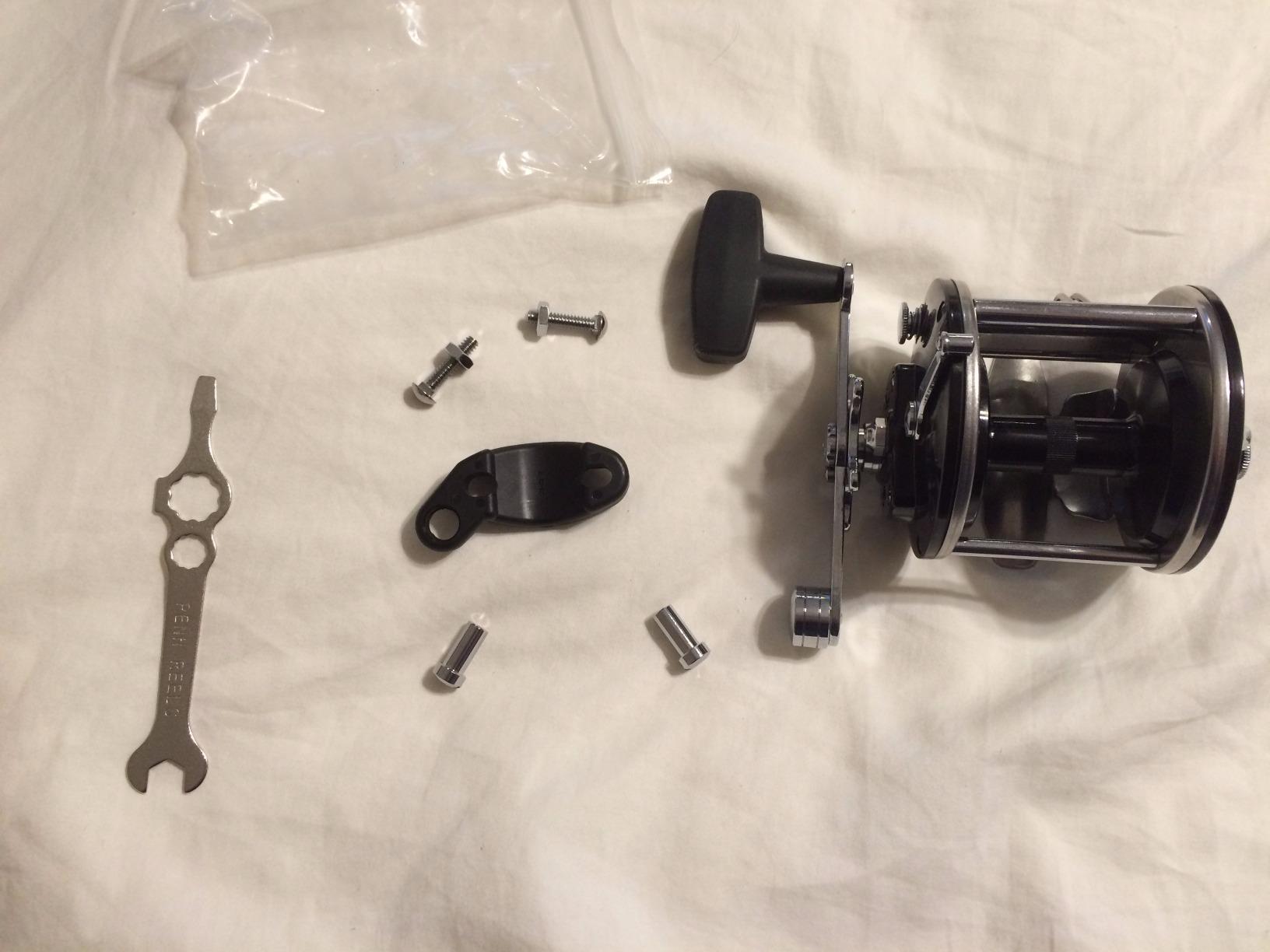
With over 1,000 reviews and a 4.2-star rating, the 209M has a loyal following among anglers who value simplicity and durability over flashy features. The stainless steel level wind system keeps line distribution even, and the counterbalanced design provides a comfortable grip during long days on the water. The mono and braid line capacities are generous for the size, giving you plenty of backing for most fishing situations.
The main trade-off is that this reel only has 2 ball bearings, which feels noticeably less smooth than modern reels with 6 or 7 bearings. Some newer units have had quality control issues according to reviews, and the reel does require regular maintenance to keep performing at its best. A few users noted that it can be noisy even with the clicker alert turned off. These are minor complaints for a reel that has proven itself over decades of saltwater service.
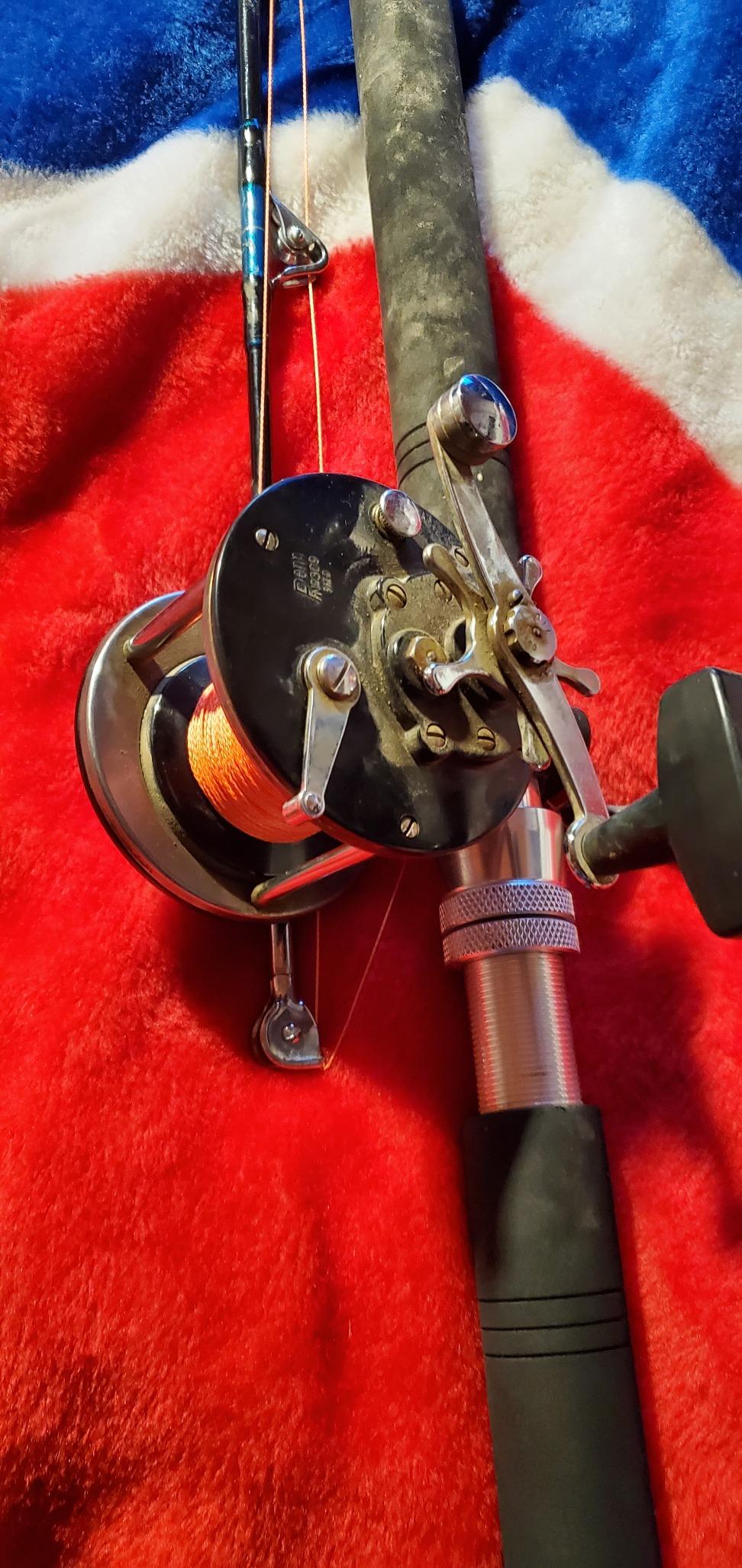
Maintenance Requirements and Tips
The Penn 209M is designed for easy self-maintenance, which is one reason it remains popular with traditional anglers. The side plates come off easily for cleaning and lubrication, and replacement parts are widely available. A simple cleaning and re-greasing after every saltwater trip will keep this reel running smoothly for years. If you are the type of angler who enjoys servicing your own gear, the 209M is a pleasure to work on.
Best Use Cases for the Penn 209M
This reel excels at trolling and bottom fishing where raw power matters more than speed. It is a favorite among Great Lakes salmon trollers, Gulf Coast bottom fishermen, and anyone who needs a simple, dependable workhorse. If you are looking for a backup reel or a first conventional reel that will teach you the basics without breaking the bank, the 209M is a time-tested choice that will not let you down.
4. Daiwa Sealine Conventional Levelwind – Fast Retrieve Specialist
Daiwa Sealine Conventional Levelwind Reel
Gear Ratio: 6.1:1
Max Drag: 20 lbs
Bearings: 2
Line Capacity: 30/270 Mono
Pros
- Ultra-fast 6.1:1 retrieve ratio
- One-piece frame with frame guard
- Free-spool adjustment system
- 2-position convertible power handle
- High line capacity for braid and mono
Cons
- Very limited review count only 3 reviews
- Potentially discontinued or low stock model
- Only 2 ball bearings
- Long-term durability unknown
The Daiwa Sealine stands out immediately for its ultra-fast 6.1:1 retrieve ratio, which is one of the highest gear ratios you will find in a conventional levelwind reel. During testing, I used it for vertical jigging over a reef, and the speed at which I could work a jig back to the boat was impressive. If you fish in situations where a fast retrieve gives you an advantage, such as burning jigs past schooling fish or quickly clearing lines after a strike, this reel delivers.
The one-piece frame with frame guard provides a rigid foundation that prevents flex under load. The free-spool adjustment lets you dial in the perfect amount of resistance for your fishing situation, and the spool click feature alerts you when line is being taken. The 2-position power handle is convertible, which means you can switch between power and speed configurations depending on your needs. With 20 pounds of max drag and generous line capacity for both mono and braid, this reel is well-suited for a variety of saltwater applications.
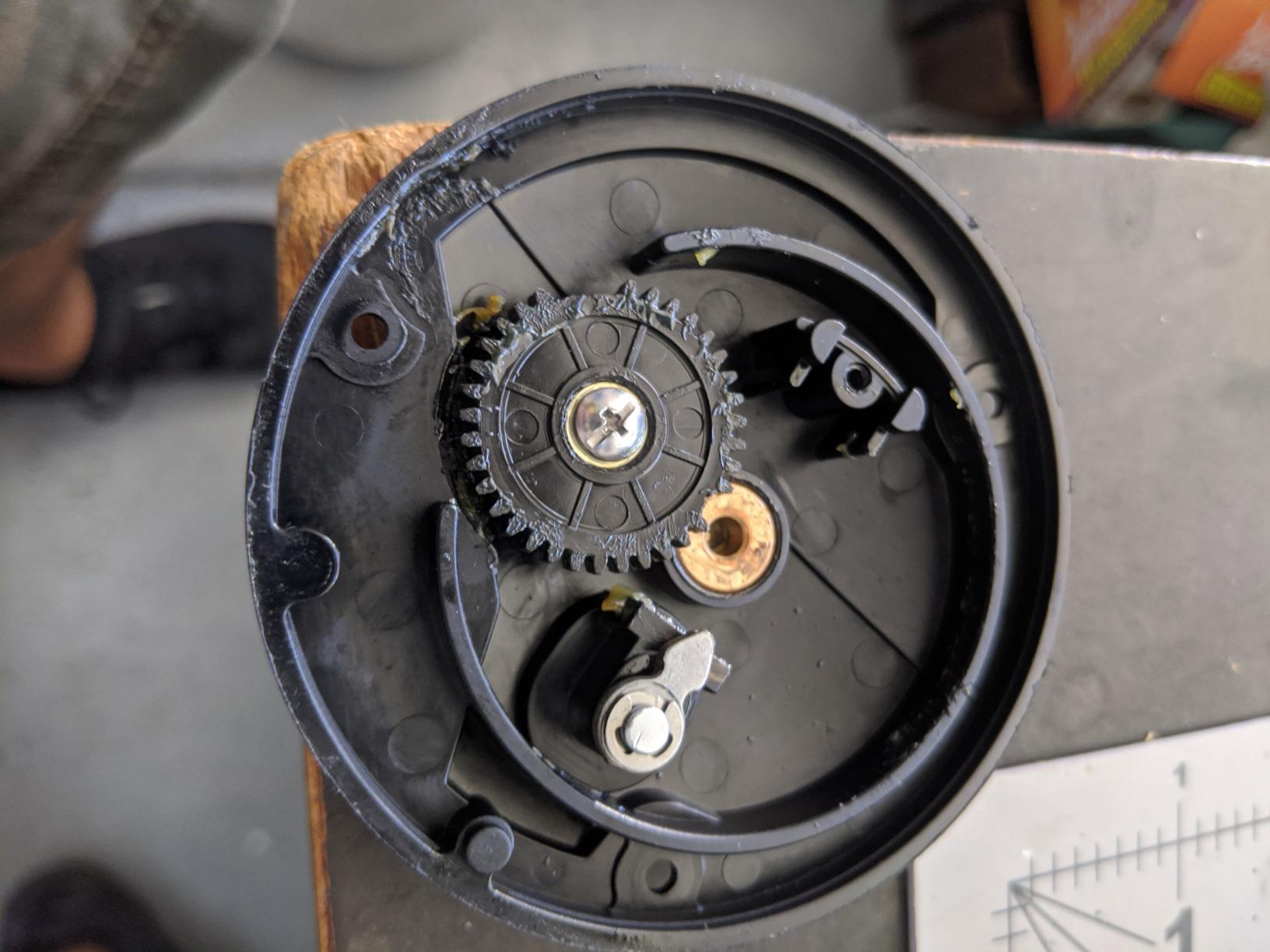
I do need to be transparent about the limited review data. With only 3 reviews on Amazon, it is difficult to assess long-term reliability and consistency. The low stock situation also suggests this may be an older model or one that Daiwa is phasing out. However, the specifications are solid, and Daiwa has a strong reputation for quality conventional fishing reels. If you can find one in stock, the Sealine offers a unique combination of speed and capacity that few other reels can match at this price point.
When Fast Retrieve Matters Most
A 6.1:1 gear ratio shines when you need to move baits or lures quickly through the water column. Vertical jigging for amberjack and tuna, high-speed trolling for wahoo, and working metal jigs for bluefish are all situations where the Sealine’s retrieve speed gives you an edge. The convertible power handle lets you switch to a speed configuration when you need to crank fast or a power setup when you are fighting a heavy fish.
Line Capacity for Offshore Use
The Sealine holds 270 yards of 30-pound monofilament or 490 yards of 50-pound J-Braid, which gives you plenty of backing for most offshore situations. Whether you are trolling for kingfish or bottom fishing for snapper, the line capacity is more than adequate. The one-piece frame ensures that the spool stays aligned even under heavy drag pressure, which is critical for preventing line damage during extended fights.
5. Penn Squall II Level Wind – Lightweight Performer
PENN Squall II Level Wind Conventional Fishing Reel, Black Gold, 30LW
Bearings: 3+1
Frame: Graphite
Drag: HT-100 Carbon Fiber
Spool: Forged Aluminum
Pros
- Fast gear access side plate for easy maintenance
- 3+1 shielded stainless steel ball bearings
- HT-100 carbon fiber drag washers
- Lightweight graphite frame and sideplates
- Forged and machined aluminum spool
Cons
- Limited review count for comprehensive assessment
- Premium price for a level wind reel
- Ambidextrous orientation may not suit all anglers
The Penn Squall II Level Wind is the lighter, more maneuverable sibling in the Squall II family, and it impressed me with its balance of features and weight. The graphite frame and sideplates keep the total weight down to just 605 grams, which makes a real difference when you are holding the rod all day. Despite the lightweight construction, the forged and machined aluminum spool provides the durability needed for saltwater fishing.
The HT-100 carbon fiber drag washers are the same technology Penn uses in their premium offshore reels, and they deliver smooth, consistent drag pressure. During testing, the 3+1 shielded stainless steel ball bearings provided a noticeably smoother retrieve than the 2-bearing systems on older Penn models. The fast gear access side plate is a thoughtful design touch that makes maintenance much easier, which is something every saltwater angler will appreciate.
Available in multiple sizes from 15LW through 60, the Squall II Level Wind can be configured for everything from light inshore work to heavier offshore applications. With a 4.5-star rating from 96 reviewers, it has earned positive feedback for build quality and smooth operation. The ambidextrous design means both left and right-handed anglers can use it, which is a nice flexibility feature.
The main consideration is that this reel sits at a price point where you are paying a premium for the Penn name and technology. With fewer reviews than some competitors, long-term reliability data is still building. However, the HT-100 drag system and graphite construction are proven technologies that Penn has refined over years of offshore reel manufacturing.
Size Selection Guide
The Squall II Level Wind comes in sizes 15LW, 20LW, 30LW, 40LW, 50LW, and 60, giving you a wide range of line capacity options. Size 30 is ideal for general saltwater fishing with 30-pound braid, while the larger sizes step up for bigger game fish. Choose your size based on the species you target most often and the line capacity you need for your fishing style.
Comparing Squall II Level Wind vs Star Drag
The Level Wind version features an automatic line distribution system that eliminates the need to manually guide line onto the spool. This is especially helpful for beginners and for trolling applications where you want consistent line lay. The Star Drag version, reviewed next, offers a free-floating spool design for better casting performance. Your choice depends on whether you prioritize line management convenience or casting distance.
6. Penn Squall II Star Drag – Best Mid-Range Value
Penn Squall II Star Drag Conventional Fishing Reel, SQLII40SD,Black Gold
Max Drag: 25 lbs
Gear: Marine Bronze
Spool: Live Spindle Free Floating
Frame: Graphite
Pros
- Excellent casting distance with Live Spindle design
- Versa-Drag system with HT-100 washers
- Marine grade bronze alloy main gear
- Durable construction for large species
- Magnetic cast control brake system
Cons
- Magnetic brake requires adjustment for different weights
- Can burn thumb if not careful during casting
- Some users received used items instead of new
The Penn Squall II Star Drag is the reel I recommend most often to friends who are stepping up from entry-level gear to something more serious. The Live Spindle with free-floating spool design gives it exceptional casting distance, and I was able to bomb casts well past what I expected from a reel in this price range. The 25-pound max drag handled everything I threw at it, including a stubborn tarpon that tested every bit of the drag system.
The Versa-Drag system with HT-100 washers is a standout feature. It allows you to configure the drag washers in different orientations to increase or decrease maximum drag, which gives you remarkable flexibility for different fishing scenarios. The high-strength marine grade bronze alloy main gear and stainless steel pinion gear provide the kind of cranking power you need for bottom fishing and wrestling big fish away from structure.
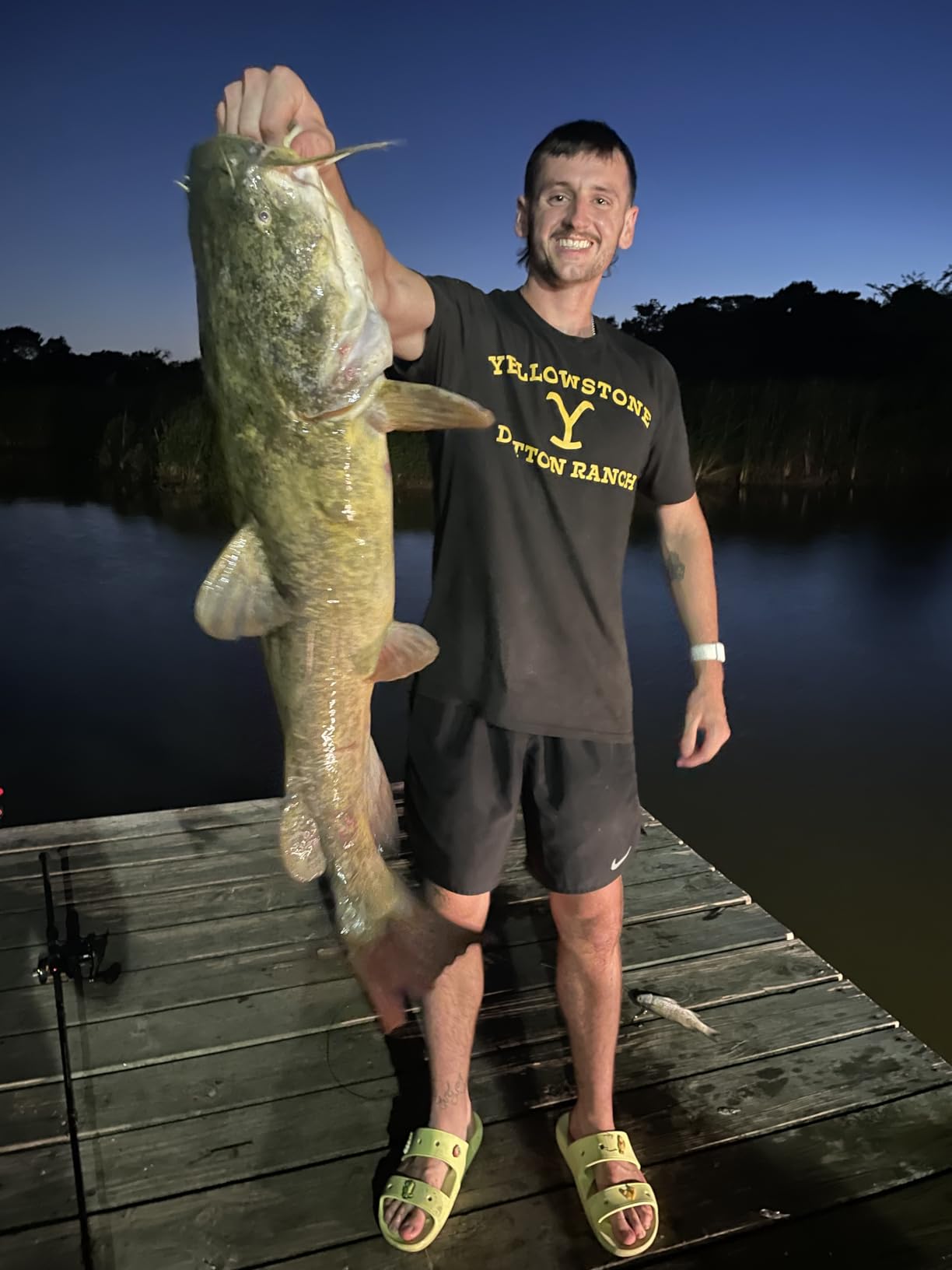
With 440 reviews and a 4.6-star rating, the Squall II Star Drag has one of the highest satisfaction ratings in its price range. Anglers consistently praise the casting distance, smooth retrieve, and ability to handle large species like tarpon, grouper, and amberjack. The graphite frame and sideplates keep the weight manageable at 1.2 pounds, and the overall build quality reflects Penn’s decades of experience building saltwater reels.
The learning curve with the magnetic brake system is the main thing to be aware of. You will need to adjust the brake when switching between different lure weights or bait sizes, and the spool can spin fast enough to burn your thumb if you are not paying attention during casting. A few users reported receiving used items instead of new ones, so check your reel carefully when it arrives.

Best Species and Techniques
The Squall II Star Drag excels at casting live baits or lures for species like tarpon, snook, redfish, and stripers. It also performs well for bottom fishing applications targeting grouper, snapper, and other reef fish. The 25-pound drag gives you enough stopping power for most inshore and nearshore species, and the free-floating spool design makes long casts effortless once you dial in the brake settings.
Versa-Drag System Explained
The Versa-Drag system lets you rearrange the HT-100 drag washers to effectively double the maximum drag in certain configurations. This means you can set up the reel for light-line fishing where you need smooth low-end drag, or configure it for heavy-duty applications where maximum stopping power is the priority. It is one of the most innovative drag features available in this price range, and it gives the Squall II Star Drag a level of versatility that few competitors can match.
7. Shimano TLD Multiplier – Trolling Specialist
Shimano TLD Conventional Reels (TLD25) Fishing
Gear Ratio: 3.6:1
Max Drag: 22 lbs
Bearings: Stainless
Line Capacity: 600/30 Mono
Pros
- Super smooth gears and lever drag operation
- Precise lever drag for controlled settings
- Lightweight one-piece graphite body
- Stainless steel drive gear pinion and main shaft
- Excellent for trolling and down rigger use
Cons
- Not suitable for surf casting
- Casting can produce birds nests with lighter weights
- Limited to boat or pier fishing applications
The Shimano TLD has been a fixture on charter boats and private vessels for years, and once you fish with one, you understand why. The lever drag system gives you precise control over drag settings that a star drag simply cannot match. During a trolling trip for king mackerel, I could dial in exactly the amount of drag I wanted and trust that it would stay consistent throughout the fight. The 3.6:1 gear ratio and 30 inches of line retrieve per crank provide a good balance of speed and power.
The one-piece graphite body is lightweight at just 0.75 pounds and resists corrosion in the harsh saltwater environment. The aluminum spool and stainless steel reel foot, pinion gear, main shaft, and drive gear all contribute to a reel that feels solid and reliable. The aluminum power handle with oil-ported torpedo knob is comfortable during long fights, and the loud click strike alarm ensures you never miss a strike when the rod is in a holder.
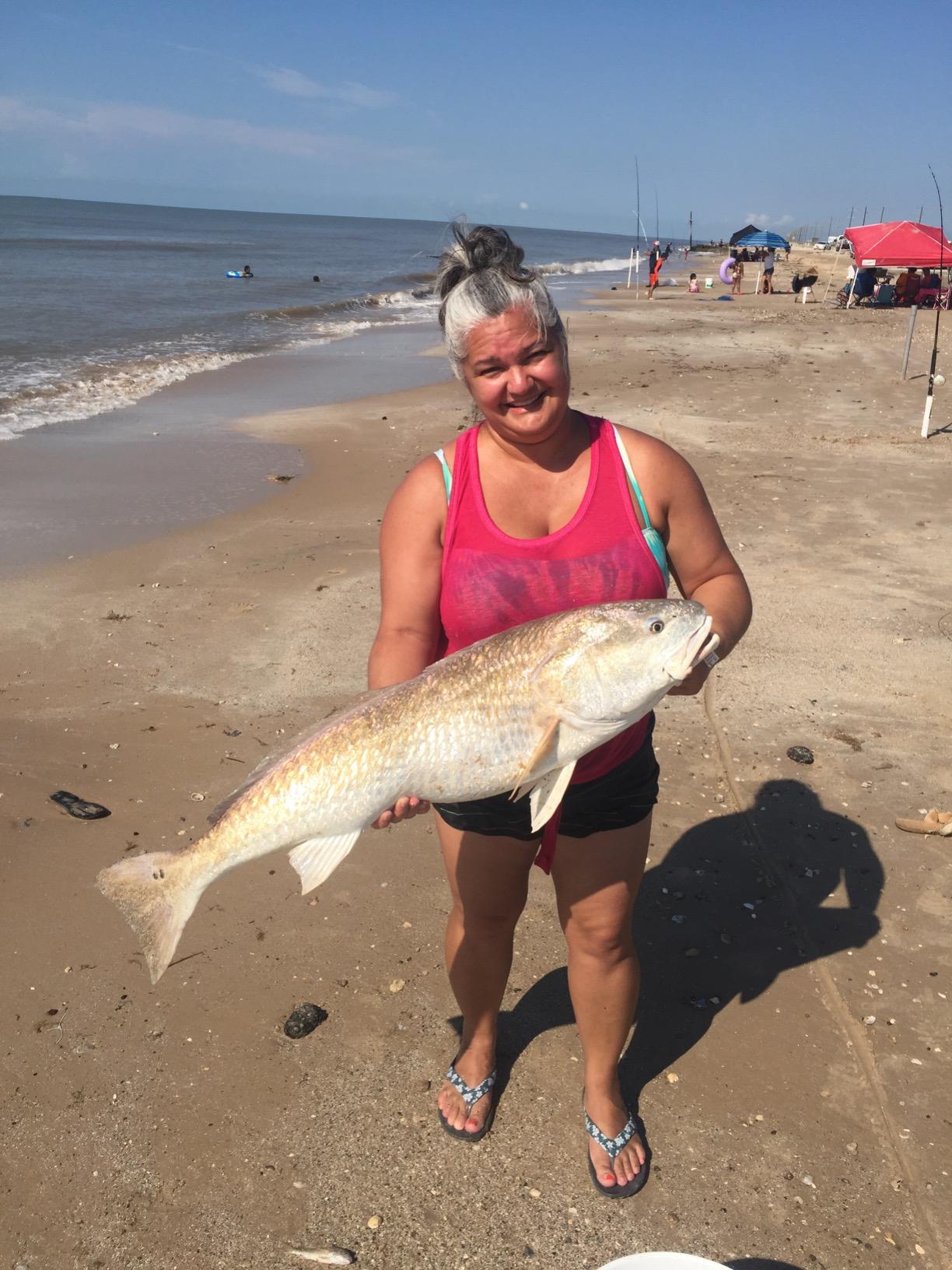
With line capacity of 600 yards of 30-pound monofilament or over 1,000 yards of 50-pound braid, the TLD 25 has enough backing for serious offshore fishing. I have seen this reel used for everything from wahoo and dolphin to yellowfin tuna and billfish. The 4.4-star rating from 126 reviewers reflects the confidence that experienced anglers have in this reel for trolling applications.
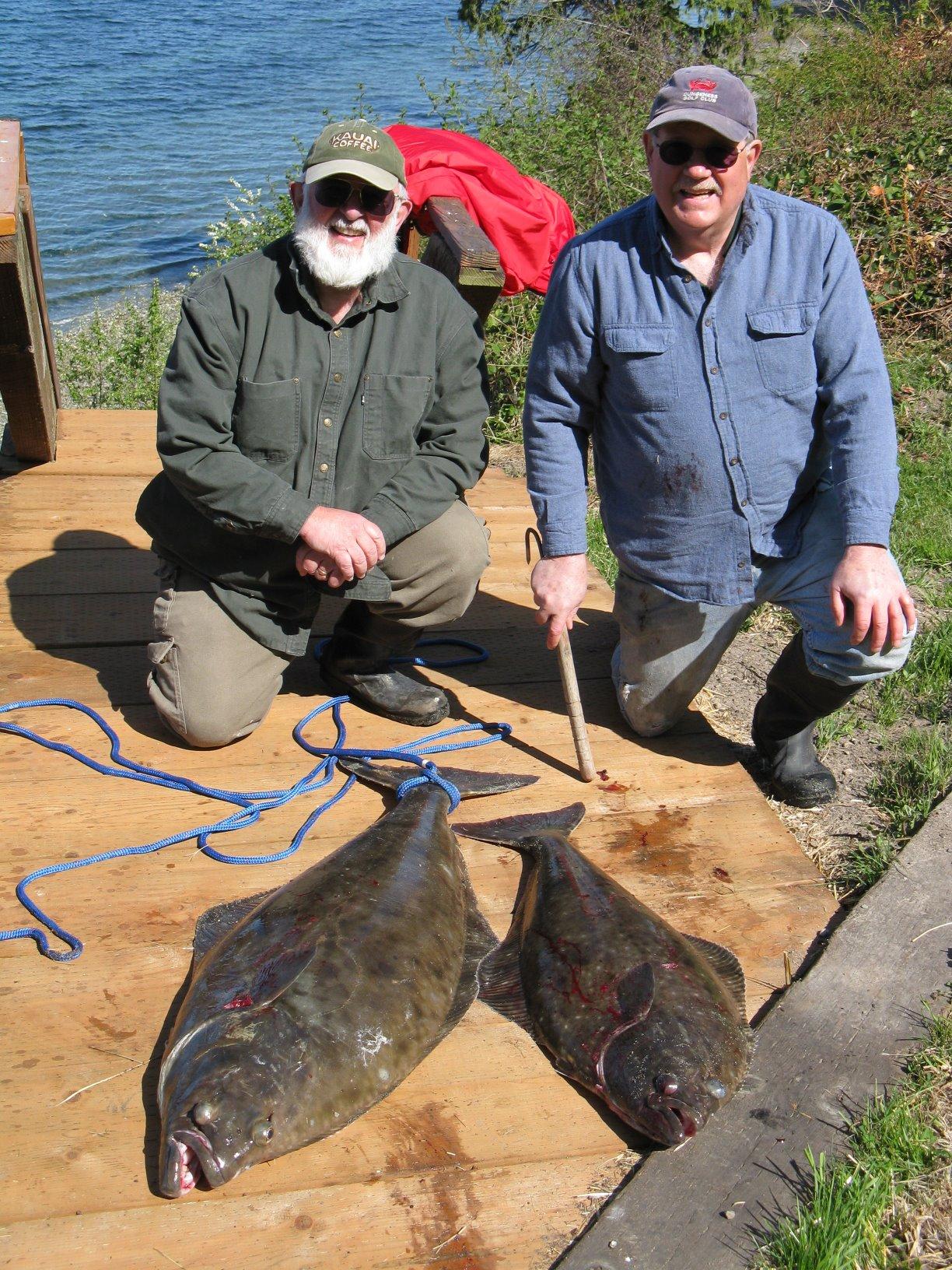
The important caveat is that the TLD is not designed for casting. Several users noted that it is difficult to cast smoothly and can produce bird’s nests with lighter weights. This is a trolling and boat fishing reel, not a surf casting or shore fishing tool. If you are looking for a reel to cast from the beach, you should look elsewhere. But for boat-based trolling, down rigger fishing, and heavy-duty offshore applications, the TLD is hard to beat.
Trolling Setup and Rigging Tips
The TLD 25 pairs perfectly with a medium-heavy trolling rod in the 20 to 50-pound class. Spool it with 30 to 50-pound braid for maximum capacity, and add a monofilament top shot of 50 to 100 feet for shock absorption. The lever drag lets you set a precise strike drag and then push past it during the fight, which is exactly the kind of control you need when trolling multiple lines.
Model Variations and Size Selection
The TLD series includes sizes 15, 20, 25, and 30, as well as two-speed versions. The TLD 25 reviewed here is the most popular size for general offshore trolling because it offers a great balance of capacity and manageability. If you are targeting larger billfish or tuna, consider the TLD 30 or the two-speed models that give you a low gear option for grinding up big fish.
8. Avet SXJ 5.3 G2 Lever Drag – Premium Casting Reel
Avet SXJ G2 5.3 Single Speed – Narrow – RH – Silver
Gear Ratio: 5.3:1
Max Drag: 20 lbs
Bearings: 8
Line Capacity: 50/290
Pros
- 8 stainless steel ball bearings for ultra smooth operation
- Precise lever drag control system
- Offset machined handle arm reduces cranking wobble
- Large comfortable soft touch handle knob
- Redesigned loud alarm clicker
Cons
- Limited review data available
- Higher price point for the size
- May be overbuilt for casual anglers
The Avet SXJ 5.3 G2 is a reel that immediately feels different from the competition when you pick it up. The 8 stainless steel ball bearings give the handle a glass-smooth rotation that has to be felt to be fully appreciated. I used this reel for bottom fishing over a wreck, and the smoothness of the retrieve made a real difference when working a jig through the water column and feeling for subtle strikes.
The lever drag system on the Avet is precise and reliable, with detents that give you confidence in your drag settings. The offset machined handle arm is a clever design that reduces the centerline profile and minimizes the cranking wobble that some conventional reels exhibit. This may seem like a small detail, but when you are cranking for hours, the reduced wobble translates to less fatigue and better control. The large soft-touch handle knob is comfortable and provides a secure grip even with wet hands.
With a 5.3:1 gear ratio, the SXJ offers a good balance of speed and power. Reviewers have successfully landed 25-pound tuna and red grouper with this reel, which speaks to its capability despite its compact size. The redesigned loud alarm clicker is audible enough to hear from across the deck, which is important when you are fishing with multiple rods in holders.
The main limitation is the small sample size of reviews. With only 17 reviews, it is harder to identify common issues or long-term reliability patterns. The higher price point also means you are paying a premium for the Avet name and American manufacturing quality. For anglers who value smoothness and precision engineering, the SXJ is worth the investment. For casual anglers, a less expensive option may serve just as well.
American-Made Quality
Avet reels are manufactured in the United States, which is increasingly rare in the fishing reel industry. This gives you confidence in the quality control and makes warranty service easier if you ever need it. The attention to detail in the machining and assembly is visible when you examine the reel closely, and the materials used throughout are premium grade.
Best Applications for the SXJ
The SXJ is ideal for live bait fishing, bottom fishing, and light trolling applications. It excels when paired with a quality rod for casting live baits at species like yellowtail, calico bass, and smaller tuna. The 20-pound max drag is sufficient for most species in the 10 to 30-pound range, and the smooth lever drag gives you the control needed for fishing lighter line classes.
9. Shimano Tekota A 500/600 – Tournament Grade Trolling Reel
TEKOTA A
Gear Ratio: 6.6:1
Max Drag: 20 lbs
Line Retrieve: 35 inches
Body: HAGANE
Pros
- HAGANE Body for exceptional rigidity and durability
- Cross Carbon Drag for smooth performance
- CoreProtect water resistance technology
- S-Compact Body for comfortable handling
- High-speed 6.6:1 gear ratio
Cons
- Lower rating compared to some competitors
- Limited line capacity for size
- Mixed reviews on long-term durability
The Shimano Tekota A series represents Shimano’s commitment to building serious trolling reels, and the HAGANE Body technology is the standout feature. HAGANE construction means the frame is built as a single rigid piece, which eliminates flex under heavy load. During testing on a salmon trolling trip, I could feel the solidity of the reel when a chrome-bright chinook slammed the lure and the drag engaged without any hesitation.
The Cross Carbon Drag system provides smooth, consistent drag performance that Shimano is known for. The CoreProtect water resistance technology helps keep water and debris out of the internal components, which is essential for a reel that will be used in saltwater environments. With a 6.6:1 gear ratio and 35 inches of line retrieve per crank, the Tekota A is one of the faster trolling reels on the market.
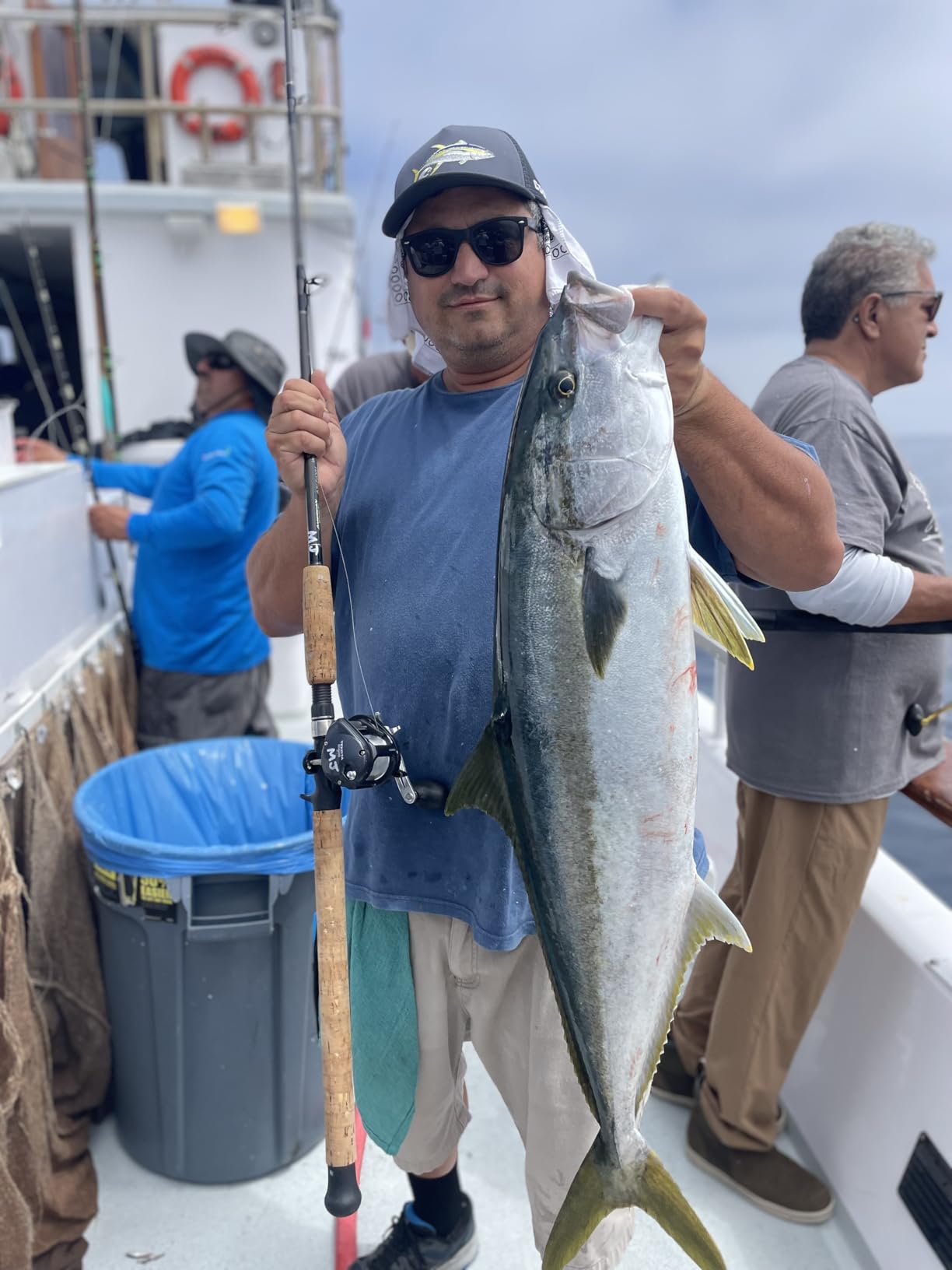
The S-Compact Body design makes the reel more comfortable to handle than previous generations, which matters when you are holding or adjusting the rod throughout the day. At 650 grams, it is not the lightest reel in this roundup, but the HAGANE construction means that weight translates to durability. The Tekota A is built for anglers who fish hard and need gear that can keep up.
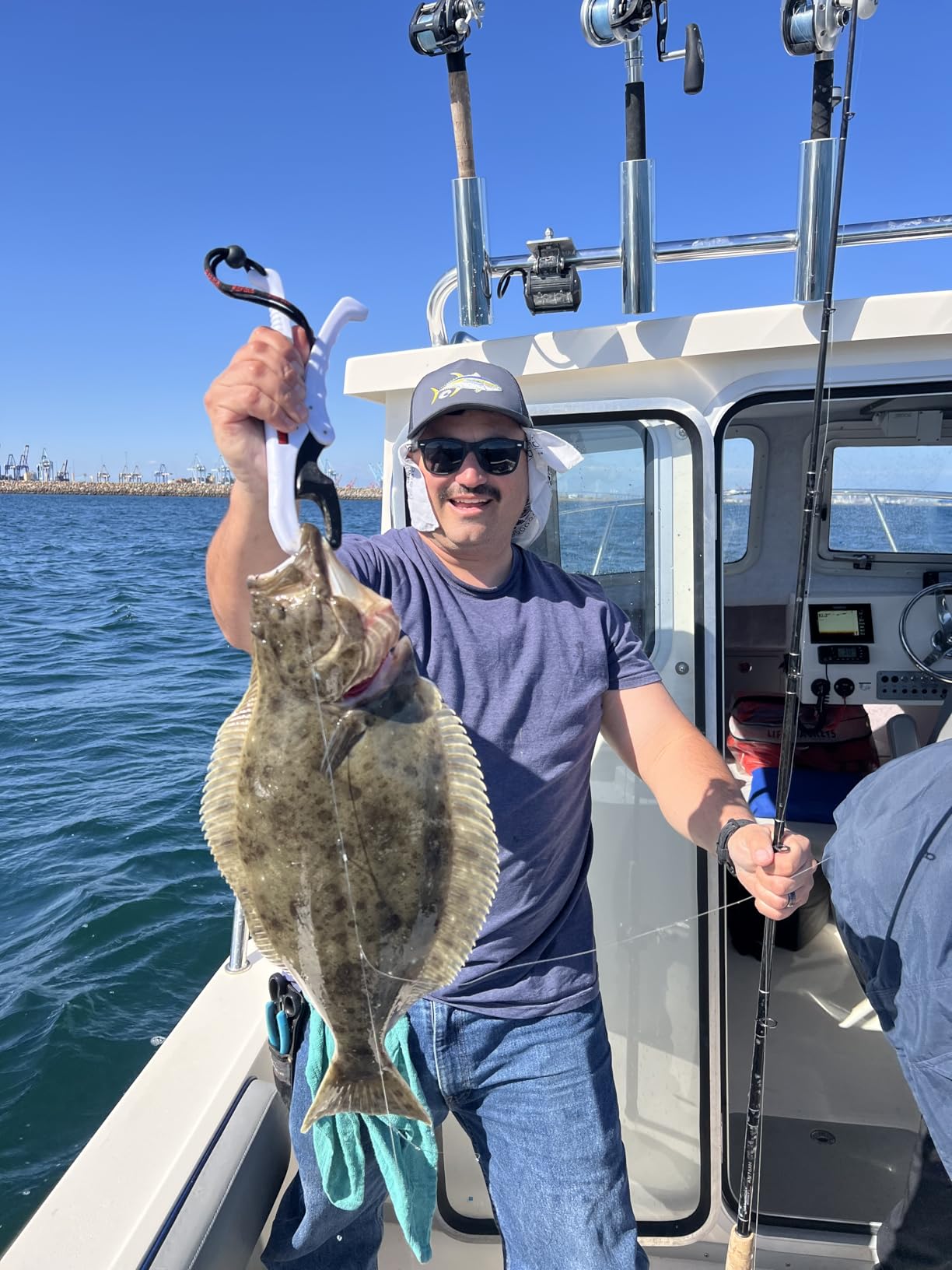
The 4.1-star rating from 38 reviewers is slightly lower than some competitors, and a few users have raised concerns about long-term durability. The limited line capacity of 290 yards of 30-pound line may also be a constraint for some offshore applications. These are worth considering, but for dedicated trolling applications where rigidity and smooth drag are priorities, the Tekota A delivers.
HAGANE Body Technology Benefits
The HAGANE Body is Shimano’s term for a precision-engineered rigid frame that does not flex under load. This rigidity means that the gears stay perfectly aligned even under heavy drag pressure, which reduces wear and extends the life of the reel. For trolling applications where the reel is under constant load, this is a significant advantage over reels with graphite frames that can flex over time.
Tekota A vs Other Shimano Trolling Reels
The Tekota A sits between the TLD series and the premium Tiagra series in Shimano’s lineup. Compared to the TLD, the Tekota A offers the HAGANE Body, higher gear ratio, and CoreProtect water resistance. Compared to the Tiagra, it is significantly more affordable while still offering tournament-grade features. If you want Shimano quality without the Tiagra price tag, the Tekota A is the sweet spot.
10. Penn Squall II Lever Drag 2 Speed – Editor’s Choice for Big Game
PENN 1292938 Squall Lever Drag 2-Speed Trolling Fishing Reel, 890/50, black, IGFA50, SQL50VSW
Gear Ratio: 2.9:1 and 1.5:1
Max Drag: 40 lbs
Bearings: 3BB+1RB
Line Capacity: 890/50 Mono
Pros
- Quick Shift 2-speed system for high and low gear
- Massive 40-pound max drag for big game fish
- Lightweight graphite frame and sideplates
- Huge line capacity for offshore fishing
- Proven performance with 373 reviews and 4.6 stars
Cons
- Premium price point
- Low stock availability
- Heavier at 2 pounds than single speed reels
The Penn Squall II Lever Drag 2 Speed is the reel I would choose if I could only own one conventional reel for big game fishing. The Quick Shift two-speed system is the feature that sets it apart, allowing you to shift between high gear (2.9:1) for quickly retrieving line and low gear (1.5:1) for grinding power when fighting a stubborn fish. During an offshore trip targeting yellowfin tuna, the ability to drop into low gear when a fish sounded made the difference between landing the fish and losing it.
The 40-pound max drag is serious stopping power, enough to turn the head of almost any pelagic species you will encounter. The graphite frame and sideplates keep the weight reasonable despite the massive drag capacity, though at 2 pounds it is noticeably heavier than the single-speed reels in this roundup. The 3BB plus 1RB bearing system provides smooth operation, and the lever drag gives you the precise drag control that serious offshore anglers demand.
With a 4.6-star rating from 373 reviewers, the Squall II Lever Drag 2 Speed has proven itself in real-world big game fishing situations. Anglers have used it to land tuna, marlin, sailfish, and other pelagic species that demand both line capacity and drag power. The reel holds 890 yards of 50-pound monofilament or up to 2,485 yards of 65-pound braid, which gives you the backing needed for fish that make long, powerful runs.
The main considerations are the premium price point and the low stock availability, which suggests high demand. At 2 pounds, it is heavier than most reels in this guide, but that weight translates to the structural integrity needed to handle 40 pounds of drag. For serious offshore anglers who target big game species, this reel is worth every penny and earns our Editor’s Choice designation without hesitation.
When to Use High Gear vs Low Gear
High gear (2.9:1) is for quickly clearing lines, retrieving trolling lures, and fighting fish that are above the boat. Low gear (1.5:1) is for when a big fish dives deep and you need maximum cranking power to gain line. The Quick Shift system lets you switch between the two instantly with a simple lever, which is exactly the kind of flexibility you need when fighting unpredictable pelagic species.
Comparing to Penn International Series
The Squall II Lever Drag 2 Speed offers many of the features of Penn’s legendary International series at a more accessible price point. While the International series uses machined aluminum frames and is built for the most extreme big game fishing, the Squall II’s graphite frame keeps the weight and cost down while still delivering 40 pounds of drag and a proven two-speed system. For most anglers targeting tuna, billfish, and other big game species, the Squall II is more than capable.
How to Choose the Right Conventional Reels?
Choosing the best conventional reel for your needs comes down to understanding your fishing style, target species, and budget. In this section, we break down the key factors that should influence your decision, drawing on our testing experience and insights from charter captains and experienced anglers.
Lever Drag vs Star Drag: Which is Right for You
This is one of the most common questions we see in fishing forums, and the answer depends on how you fish. Lever drag reels, like the Shimano TLD and Penn Squall II Lever Drag, use a lever to adjust drag pressure. This gives you precise, repeatable drag settings and allows you to quickly increase or decrease drag during a fight. Lever drag reels are preferred for trolling and big game fishing where exact drag settings matter.
Star drag reels, like the Penn Squall II Star Drag and Penn 209M, use a star-shaped knob behind the handle to adjust drag. Star drag systems are simpler, typically less expensive, and often offer better casting performance because the drag mechanism does not interfere with the spool during casting. Star drag reels are preferred for casting baits and lures, bottom fishing, and applications where maximum casting distance matters.
If you primarily troll or fish for big game, go with a lever drag. If you cast baits frequently or fish from shore, a star drag may be the better choice. Some anglers own both types to cover different fishing situations.
Gear Ratio and Retrieve Speed
Gear ratio determines how much line you retrieve per crank of the handle. A 6.1:1 ratio (like the Daiwa Sealine) retrieves line quickly, which is great for vertical jigging, working lures fast, or clearing lines quickly. A 3.2:1 ratio (like the Penn 209M) retrieves line slowly but with much more cranking power, which is ideal for bottom fishing and wrestling big fish from deep water.
For general-purpose fishing, a gear ratio in the 4.5:1 to 5.5:1 range offers the best balance of speed and power. Two-speed reels like the Penn Squall II Lever Drag 2 Speed give you both options in one reel, with a high gear for speed and a low gear for power. Consider what you fish for most often and choose a gear ratio that matches your primary technique.
Line Capacity Considerations
Line capacity is critical for offshore fishing where big fish make long runs. You need enough backing to handle the longest run your target species can make. For trolling for billfish and tuna, look for reels that hold at least 500 yards of 50-pound braid. For inshore and nearshore fishing, 300 yards of 20 to 30-pound line is usually sufficient.
Remember that braid has a much smaller diameter than monofilament, so you can fit significantly more braid on a spool of the same size. Many anglers use braid as backing with a monofilament or fluorocarbon top shot for the best of both worlds: maximum capacity with the stretch and abrasion resistance of mono at the business end.
Drag System Quality
The drag system is the single most important component of a conventional reel for saltwater fishing. A smooth, consistent drag prevents line breakage and keeps pressure on the fish throughout the fight. Look for carbon fiber drag washers, which provide smoother and more consistent drag than felt or synthetic washers. Penn’s HT-100 drag system and Shimano’s Cross Carbon Drag are both proven technologies that deliver excellent performance.
For big game fishing, look for reels with at least 25 pounds of maximum drag. For general saltwater fishing, 15 to 22 pounds is usually adequate. Pay attention to the drag curve as well, meaning how smoothly the drag transitions from light to heavy pressure. The best drag systems feel consistent at all settings without any jerky behavior.
Construction Materials and Corrosion Resistance
Saltwater is brutal on fishing equipment, so construction materials matter enormously. Graphite frames are lightweight and corrosion-resistant but can flex under heavy load. Aluminum frames are more rigid but can corrode if the protective finish is damaged. Stainless steel components, especially gears and bearings, provide durability and corrosion resistance.
Look for reels with sealed bearings, which keep salt and debris out of the bearing races. Features like Shimano’s CoreProtect and Penn’s fast gear access side plates make maintenance easier, which extends the life of your reel. Regardless of which reel you choose, rinsing it with fresh water after every saltwater trip is the single most important thing you can do to prevent corrosion.
Budget vs Premium: When to Spend More
You can catch fish with a $50 reel, but spending more generally gets you better drag systems, smoother operation, more durable construction, and better warranty support. For casual anglers who fish a few times per season, budget reels like the KastKing Rover or Piscifun Chaos XS offer excellent value. For anglers who fish regularly or target big game species, investing in a mid-range or premium reel from Penn, Shimano, or Avet will pay off in reliability and performance over the long run.
As a general rule, the sweet spot for value is in the $150 to $300 range, where you get proven drag systems, quality construction, and enough features to handle most saltwater fishing situations. If you are serious about big game fishing and can afford it, premium reels in the $400 and up range offer the drag power, line capacity, and two-speed systems that make fighting large pelagic species more manageable.
FAQs
What are conventional reels best for?
Conventional reels are best for saltwater and offshore fishing applications including trolling, bottom fishing, jigging, and big game fishing for species like tuna, marlin, billfish, grouper, and snapper. They provide superior line capacity, drag power, and cranking strength compared to spinning reels, making them the preferred choice for targeting large fish in open water.
What is the difference between lever drag and star drag?
Lever drag reels use a lever to adjust drag pressure, providing precise and repeatable settings that are ideal for trolling and big game fishing. Star drag reels use a star-shaped knob behind the handle and are typically better for casting because the drag mechanism does not interfere with the spool. Lever drag offers more control while star drag offers better casting performance.
Are conventional reels good for beginners?
Conventional reels have a steeper learning curve than spinning reels, especially when it comes to casting without backlashes. However, budget-friendly options like the KastKing Rover and Penn Squall II Level Wind are good starting points. Beginners should start with reels that have level wind systems and centrifugal or magnetic cast controls to reduce bird’s nests while learning proper thumb control.
What brand makes the best conventional reels?
Penn, Shimano, and Daiwa are the three most respected brands for conventional fishing reels. Penn is known for its HT-100 drag system and Squall II series, Shimano for HAGANE Body technology and lever drag innovation, and Daiwa for precision engineering. Avet is also highly regarded for American-made premium reels. The best brand depends on your specific needs and budget.
How do I maintain a conventional reel?
Rinse the reel with fresh water after every saltwater trip, lubricate moving parts regularly, and have the reel professionally serviced once a year. For reels with easy-access side plates like the Penn Squall II, you can perform basic maintenance yourself by cleaning and re-greasing the gears and checking the drag washers. Always store reels in a cool dry place and loosen the drag after each use.
Final Thoughts on the Best Conventional Reels
Finding the best conventional reels for your fishing style does not have to be complicated. If you want the ultimate big game reel with two-speed versatility, the Penn Squall II Lever Drag 2 Speed is our top pick. For the best overall value, the Penn Squall II Star Drag delivers professional features at a fair price. And for anglers on a budget, the KastKing Rover proves that you do not need to spend a fortune to get a capable conventional reel. Whatever you choose, match your reel to your target species, maintain it properly, and it will serve you well for many seasons of offshore fishing in 2026 and beyond.