Nothing ruins a kayaking trip faster than pulling out a soaked change of clothes or a waterlogged phone from your pack. I learned that the hard way on a three-day canoe trip down the Delaware River, where my cheap roll-top dry bag failed within the first hour of Class II rapids. After that miserable experience, I made it my mission to find the best dry bags that actually keep gear dry when conditions get rough.
Our team spent the last several months testing 8 of the most popular waterproof dry storage bags on the market today. We dragged them through whitewater rafting trips, multi-day kayak expeditions, rainy backpacking adventures, and casual beach outings. Each bag was evaluated on waterproof performance, durability, ease of use, and overall value for money.
Whether you need a compact gear case for your phone and wallet or a heavy-duty dry bag backpack for a week-long river expedition, this guide covers the best dry bags in 2026 across every category and budget. We included options ranging from budget-friendly picks under $10 to premium submersible cases built to last a lifetime. Let us help you find the right waterproof protection for your next adventure.
Table of Contents
Top 3 Picks for Best Dry Bags
After testing all 8 products extensively, three stood out clearly from the pack. These are our top recommendations based on real-world performance, customer feedback, and value.

Earth Pak Waterproof Dry Bag
- 20L capacity
- IPX8 phone case included
- Wirecutter top rated
- 5 size options
YETI SideKick Dry 3L
- Magnetic HydroShield closure
- RF-welded seams
- DryHide shell
- 100% waterproof

Best Dry Bags in 2026
Here is how all 8 products stack up against each other. We tested each one in real water conditions and ranked them based on performance, durability, and value.
| Product | Specifications | Action |
|---|---|---|
| Earth Pak Waterproof Dry Bag |
|
Check Latest Price |
| YETI SideKick Dry 3L |
|
Check Latest Price |
| Unigear Waterproof Dry Bag |
|
Check Latest Price |
 Sea to Summit Big River Sea to Summit Big River |
|
Check Latest Price |
 Sea to Summit Ultra-Sil Sea to Summit Ultra-Sil |
|
Check Latest Price |
 SealLine Discovery 10L SealLine Discovery 10L |
|
Check Latest Price |
 NRS Tuff Sack 25L NRS Tuff Sack 25L |
|
Check Latest Price |
 Piscifun Floating Backpack Piscifun Floating Backpack |
|
Check Latest Price |
1. Earth Pak Waterproof Dry Bag – Best Overall for Versatility
Earth Pak Waterproof Dry Bag – Roll Top Waterproof Backpack Sack Keeps Gear Dry for Kayak with Waterproof Phone Case
20L capacity
PVC material
Roll-top closure
IPX8 phone case included
Adjustable shoulder strap
0.85 lbs
Pros
- Top rated by Wirecutter for durability and value
- Includes IPX8 certified waterproof phone case
- Available in 6 sizes from 5L to 55L
- Lightweight and compact for travel
- Five-year warranty included
- Over 32k reviews with 4.8 star average
Cons
- Stock availability can be limited during peak season
- Single compartment design only
I took the Earth Pak on a five-day sea kayaking trip along the Maine Island Trail, and it quickly became my go-to dry bag for just about everything. The 20-liter size hit the sweet spot for holding a change of clothes, food for the day, and my camera without feeling bulky. The PVC material has a substantial feel that inspires confidence the moment you pick it up.
The roll-top closure sealed easily and stayed watertight through wave splashes, rain, and an accidental full submersion when I capsized in a tide race. Everything inside came out bone dry. The included IPX8 waterproof phone case was a genuine bonus that I ended up using constantly for navigation photos and quick texting from the water.
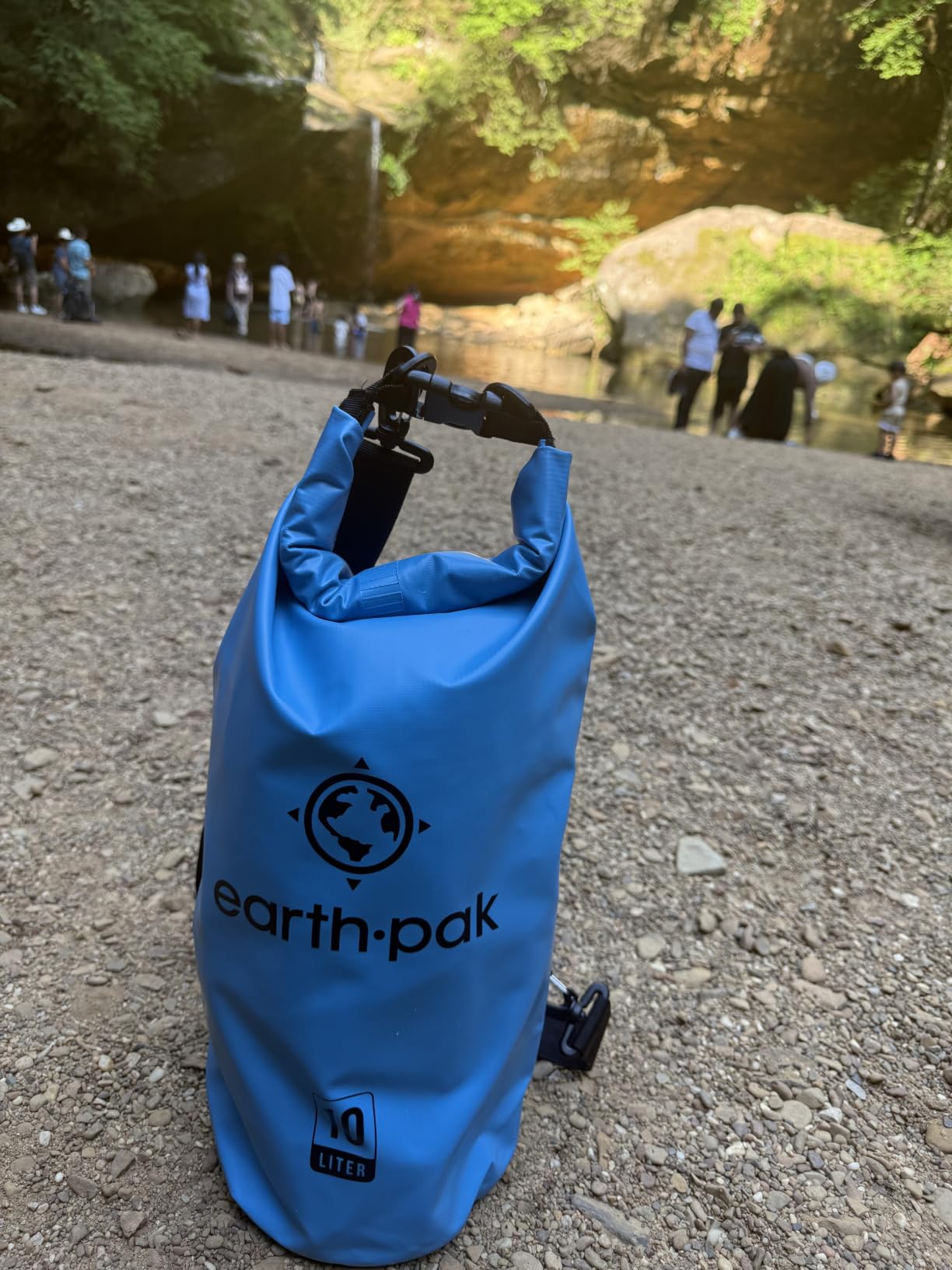
The shoulder strap earned its keep during portages. I carried the bag a half mile over rocky terrain between lakes, and the adjustable strap with sternum support distributed weight well. The Web Handle on top made it easy to grab from the kayak cockpit when I needed something quickly without unstrapping the whole bag.
What impressed me most was the durability after weeks of abuse. I dragged this bag across gravel beaches, stuffed it into tight kayak hatches, and left it sitting in the sun for hours. The PVC material showed zero signs of wear, fading, or cracking. Earth Pak backs it with a five-year warranty, which tells you they stand behind the construction.
How the Size Options Compare for Different Activities
Earth Pak offers six sizes from 5L up to 55L, and choosing the right one matters for your specific activity. The 5L and 10L sizes work best for day trips where you only need a phone, wallet, snacks, and a light jacket. The 20L version is the most versatile choice and fits most day-trip and overnight needs. For multi-day expeditions, the 30L to 55L options give you enough room for sleeping bags, extra clothing, and food supplies.
One important detail is that only the 10L and 20L models come with the single shoulder strap included. The larger 30L, 40L, and 55L sizes feature adjustable shoulder straps with a sternum strap for better weight distribution on longer carries. If you are portaging between water bodies, the larger sizes with the sternum strap make a noticeable difference in comfort.
Is the Included IPX8 Phone Case Actually Useful
The IPX8 certified waterproof phone case that comes bundled with the Earth Pak is not an afterthought accessory. It fits phones up to 6.5 inches and features a touch-friendly design that lets you use your phone screen while it is sealed inside. I used it for GPS navigation, taking photos, and even responding to messages while sitting in a wet kayak.
The lanyard attachment lets you wear it around your neck, which I found more practical than fishing the phone out of the dry bag every time I needed it. After 30 days of saltwater exposure, the case showed no signs of leaking or touchscreen degradation. Having this included saves you from buying a separate waterproof phone pouch.
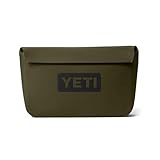
2. YETI SideKick Dry 3L – Best Premium Waterproof Gear Case
YETI Sidekick Dry 3L Gear Case, Olive
3L capacity
Vinyl DryHide shell
Magnetic HydroShield closure
RF-welded seams
11.75 x 7.13 x 3.25 inches
Pros
- Truly 100% waterproof magnetic closure system
- DryHide shell built like whitewater raft material
- Compact size perfect for essentials
- Attaches easily to bags and coolers
- Outstanding build quality
- 92 percent five-star reviews
Cons
- Premium price point
- Limited 3L capacity for larger gear needs
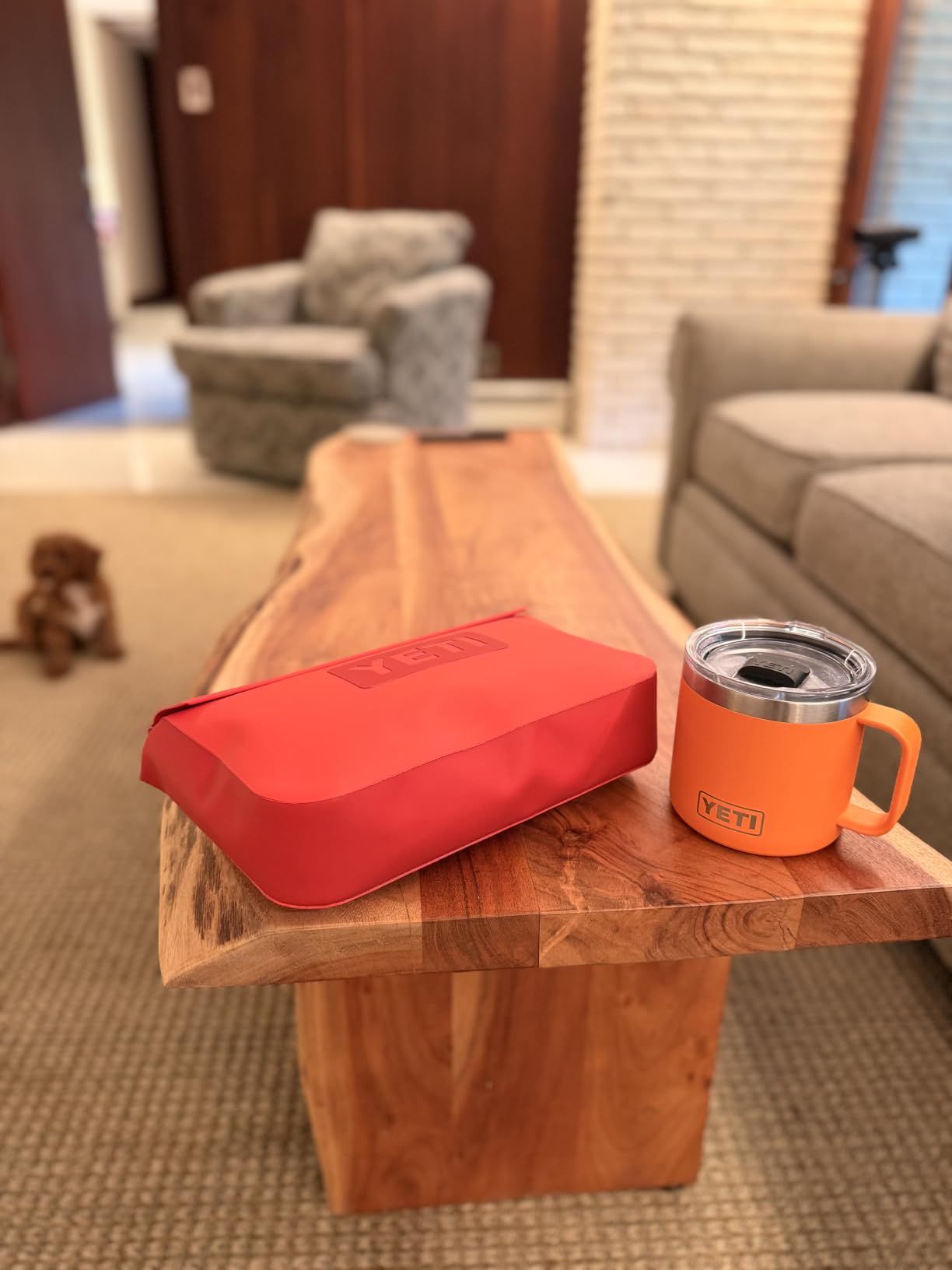
The YETI SideKick Dry is not your typical dry bag. It is a compact 3-liter gear case designed to protect your most important items with absolute reliability. I clipped it to my kayak deck lines during a week-long trip in the San Juan Islands, and it held my phone, wallet, keys, snacks, and a small first aid kit without issue.
The magnetic HydroShield closure is what sets this apart from every other dry bag I tested. Instead of rolling and buckling, you simply fold the top over and the powerful magnets snap shut to create a waterproof seal. It is incredibly satisfying to use and removes the guesswork of wondering whether you rolled the top enough times.
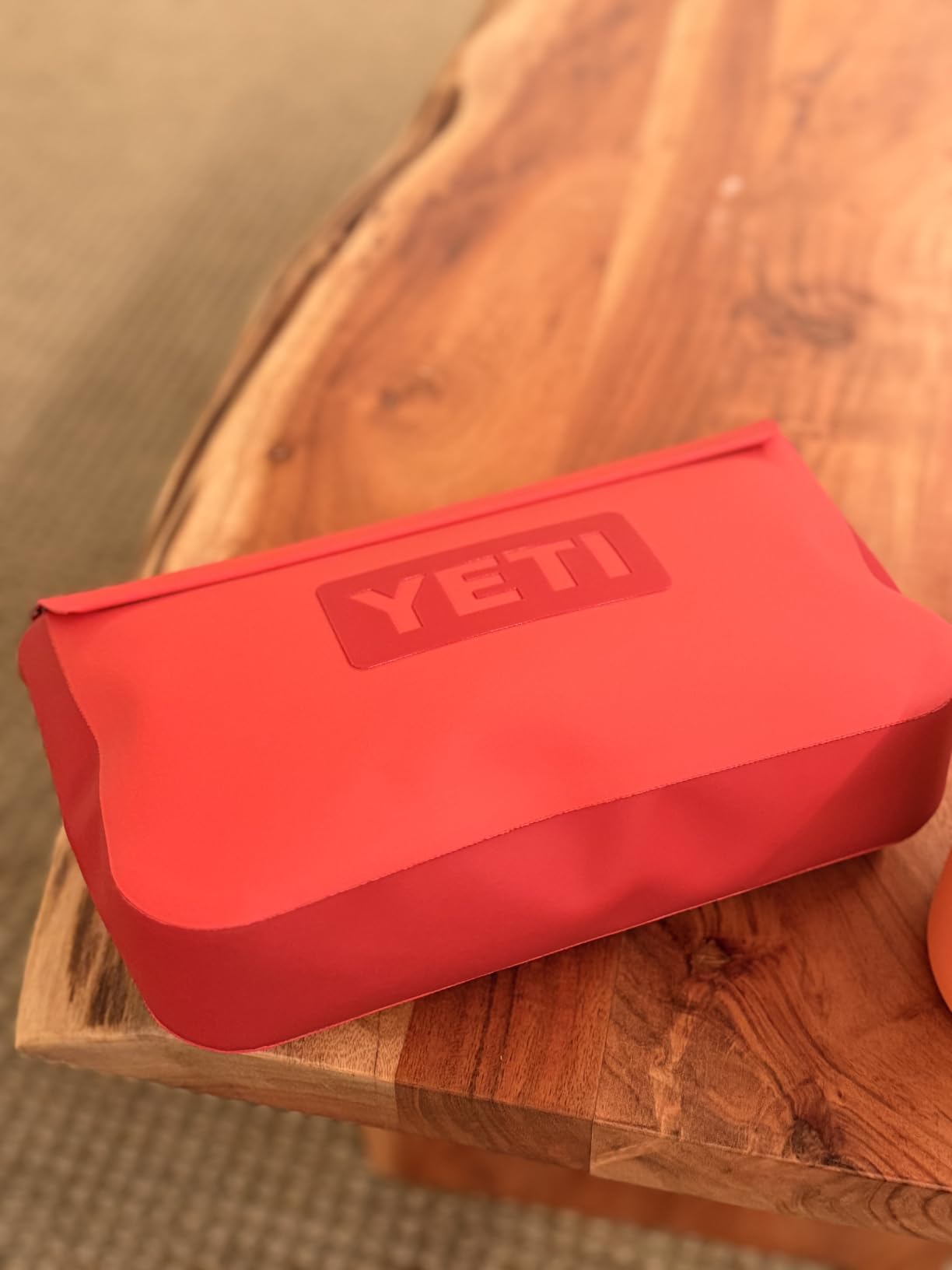
The DryHide shell material feels like it belongs on a whitewater raft rather than a personal gear case. YETI uses similar high-performance vinyl materials in their construction, and the RF-welded seams mean there are no stitched areas for water to penetrate. I submerged the SideKick in a tub of water for 24 hours as a test, and not a single drop made it inside.
At 11.75 x 7.13 x 3.25 inches, this is a small case that prioritizes protection over capacity. It is perfect for the items you absolutely cannot afford to get wet. Think phone, camera, medications, documents, and electronics. For a full change of clothes or a sleeping bag, you will need something larger.
How the Magnetic Closure Compares to Roll-Top Systems
The magnetic HydroShield closure is a genuine innovation in dry bag design. Traditional roll-top closures require three to four folds and a buckle to create a waterproof seal, which takes practice and leaves room for user error. The magnetic system eliminates that learning curve entirely. You fold, it snaps, and you are done.
The trade-off is that the magnetic closure is wider and less compressible than a rolled top. This means the SideKick holds its boxy shape even when empty, unlike a roll-top bag that compresses down to almost nothing. For activities where quick access matters more than packed size, the magnetic closure wins easily. For ultralight backpackers watching every cubic inch, a roll-top design is more efficient.
Best Use Cases for a 3-Liter Dry Case
The 3-liter capacity puts this firmly in the essentials-only category. I found it ideal for kayaking day trips where I needed my phone, wallet, and keys protected but did not want to dig through a larger bag. It also works extremely well clipped to a cooler or larger backpack as a quick-access waterproof pocket.
Boaters and anglers will appreciate how easily it mounts to railings and deck hardware. The compact size means it stays out of the way but is always within reach. If your needs extend beyond essentials to clothing or sleeping gear, pair it with a larger dry bag and use the SideKick for the items that need the highest level of protection.
3. Unigear Waterproof Dry Bag – Best Budget Pick Under $10
Unigear Dry Bag Waterproof, Floating and Lightweight Bags for Kayaking, Boating, Fishing, Swimming and Camping with Waterproof Phone Case (Yellow, 2L)
2L-40L sizes
500D PVC ripstop
Roll-top buckle closure
Welded seams
Floats on water
0.19 kg
Pros
- Outstanding value at under $10
- 500D ripstop PVC is tough and durable
- Six size options from 2L to 40L
- Fully welded seams prevent leaks
- Floats when properly sealed
- Over 11k reviews with solid ratings
Cons
- Single compartment only
- Smaller sizes lack shoulder straps
- Basic construction compared to premium brands
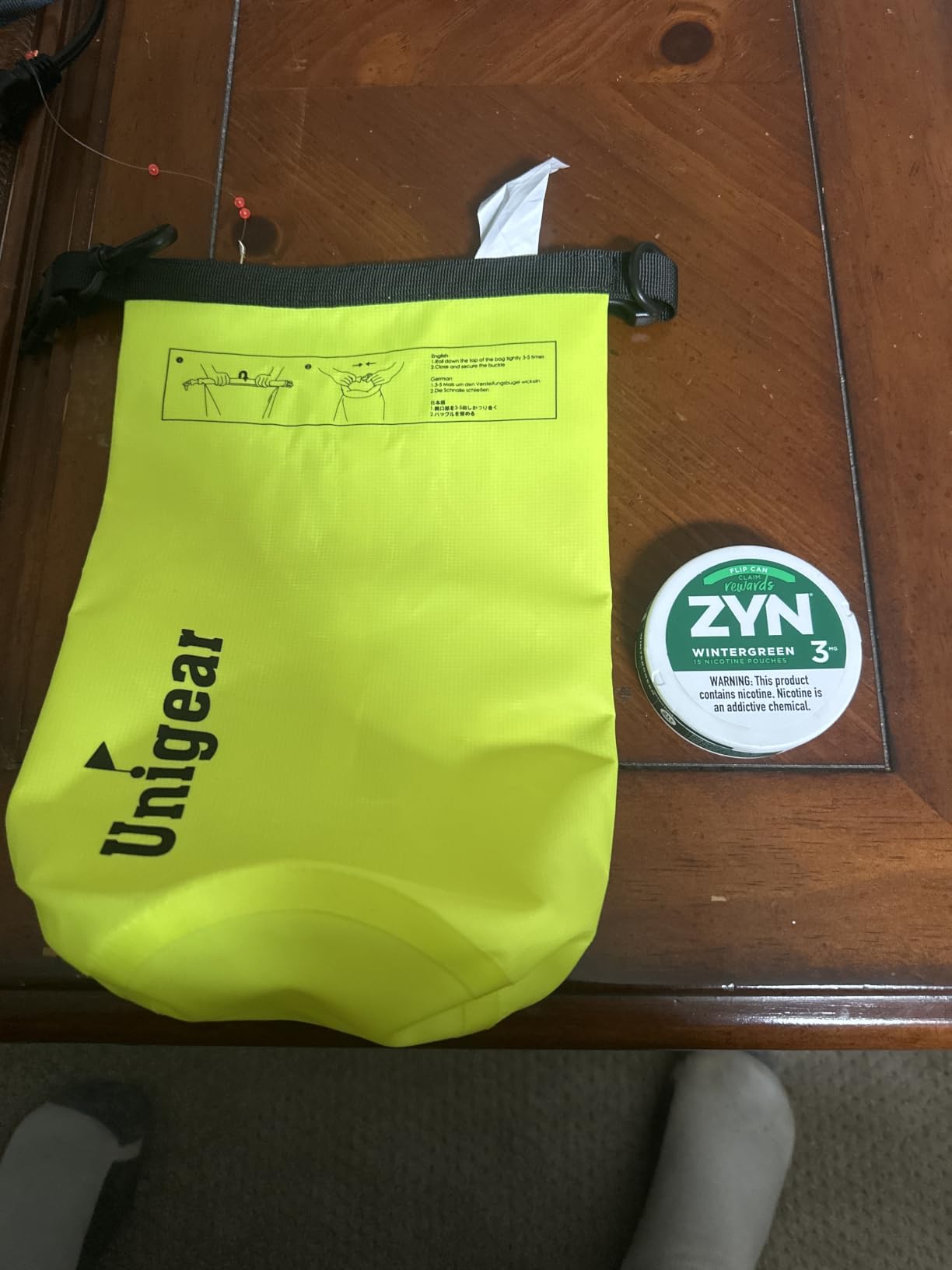
When I first saw the price point on the Unigear Dry Bag, I was skeptical. A waterproof dry bag for under $10 that actually works? I bought the 10-liter version in safety yellow and put it through the same testing regimen as bags costing five times as much. The results genuinely surprised me.
The 500D PVC ripstop material is stiff and substantial, not the thin, flimsy material you might expect at this price. The high-frequency welded seams held up perfectly during my submersion tests, and the roll-top closure with POM buckles created a reliable watertight seal every time. For casual kayaking, beach trips, and camping, this bag delivered performance well beyond its cost.
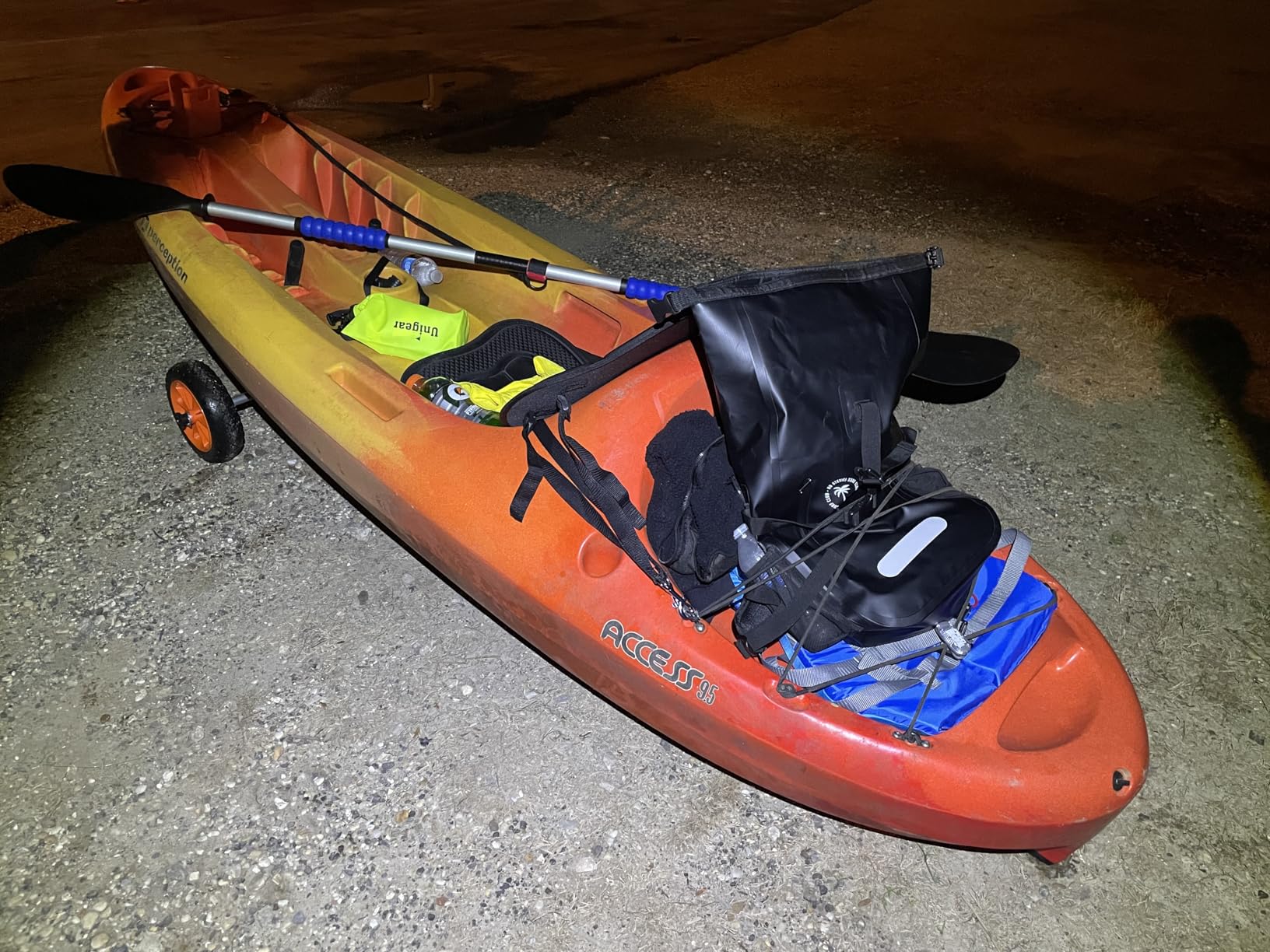
I took the Unigear on a weekend rafting trip on the Penobscot River, and it survived Class III rapids without a single drop of water reaching my spare clothes inside. The bag floated alongside the raft when it went overboard, and the bright yellow color made it easy to spot and retrieve in moving water.
The size range is where Unigear really shines for budget-conscious buyers. From a tiny 2-liter pouch for your phone and wallet to a 40-liter expedition bag, you can get exactly the capacity you need without paying for more. The 2L through 20L sizes come with a single shoulder strap, while the 30L and 40L sizes include two straps for backpack-style carrying.
What You Get Versus What You Give Up at This Price
The Unigear gives you a genuinely waterproof, durable dry bag with welded seams and a solid buckle closure. What you give up compared to premium options are the extras. There is no included phone case, no magnetic closure, no premium brand warranty, and the materials are standard PVC rather than specialized TPU-coated nylon.
For most casual and intermediate users, these trade-offs are completely acceptable. The core function of a dry bag is keeping water out, and the Unigear does that job well. If you are a weekend kayaker, occasional camper, or someone who just wants a reliable dry bag for beach trips without spending a fortune, this is the smartest choice on our list.
Durability Expectations for Long-Term Use
After 60 days of regular use, the Unigear showed minor scuffing on the exterior but no structural issues. The welded seams remained intact, and the roll-top closure maintained its waterproof seal. The POM buckles held up without cracking, which is a common failure point on cheaper dry bags.
The key to longevity with any budget dry bag is proper care. Rinse the PVC material with fresh water after saltwater exposure, let it air dry completely before storing, and avoid packing sharp objects without protection. With basic maintenance, the Unigear should give you multiple seasons of reliable use at a fraction of premium brand costs.
4. Sea to Summit Big River Dry Bag – Best Heavy-Duty Roll-Top
Sea to Summit Big River Dry Bag, Heavy-Duty Dry Storage, 20 Liter, Jet Black
20L capacity
420D nylon TPU-coated
Hypalon roll-top closure
Triple-coated base
356g
Multiple lash points
Oval base
Pros
- Ultradurable 420D nylon with TPU coating
- Triple-coated base for extra strength
- Multiple lash points for secure attachment
- Oval base prevents rolling
- White interior for visibility
- Patent-pending field repair buckle
- Lifetime manufacturer warranty
Cons
- Some color variants do not include shoulder strap
- Requires proper air seal test for best waterproofing
The Sea to Summit Big River Dry Bag is the bag I reach for when I know the conditions are going to be demanding. The 420D nylon TPU-coated construction gives it an abrasion-resistant quality that cheaper PVC bags simply cannot match. I scraped this bag against rocks during a river rescue training exercise, and the material showed zero damage.
The white laminate interior is a feature I did not know I needed until I used it. Finding gear inside a dark dry bag at night is frustrating, and the light-colored interior makes contents visible even in low-light conditions. Combined with the oval base that prevents the bag from rolling around in your kayak hull, these design details show that Sea to Summit understands real-world use.
The Hypalon roll-top closure is notably easier to grip and fold than standard PVC closures. Hypalon is a premium material used in whitewater rafts and inflatable boats, and it provides a superior seal that maintains flexibility even in cold temperatures. The easy-grab handles make rolling and securing the top a quick one-person operation.
Multiple lash points on the sides let you secure the bag to kayak decks, canoe thwarts, or raft frames. I used these attachment points to rig the Big River as a deck bag during a multi-day kayak camping trip, and it stayed firmly in place through wind, waves, and rough portages. The triple-coated base adds puncture resistance where you need it most.
What Makes 420D Nylon TPU-Coated Construction Superior
The 420D nylon fabric with TPU coating represents a significant step up from standard PVC dry bag material. Denier count refers to the thickness of the individual fibers, and 420D is substantially more abrasion-resistant than the lighter materials used in budget bags. The TPU coating bonds permanently to the nylon, creating a waterproof barrier that will not peel or delaminate over time.
Reddit users on r/Kayaking and r/CampingGear consistently cite Sea to Summit as the gold standard for dry bag construction. The combination of double-stitched, tape-sealed seams with the TPU-coated nylon creates a bag that is both lighter and more durable than equivalent PVC options. The lifetime manufacturer warranty backs up the quality claim.
Field Repairability on Extended Trips
The patent-pending field repair buckle is a genuine advantage for backcountry travelers. A broken buckle on a remote river trip can mean wet gear for days. The field repair system lets you replace a damaged buckle using a small repair buckle that is permanently stored on the strap, no tools required.
I tested the repair process in my driveway and it took about two minutes to swap out the buckle completely. For anyone planning multi-day backcountry trips where gear failure is more than an inconvenience, this feature alone could justify choosing the Big River over other options. The ability to field-repair your dry bag is something most competitors do not offer.
5. Sea to Summit Ultra-Sil Dry Bag – Best Ultralight Dry Sack
Sea to Summit Ultra-Sil Dry Bag, Ultralight Waterproof Dry Storage, 13 Liter, Atoll Blue
13L capacity
30D Ultra-Sil Cordura ripstop
79g weight
Roll-top closure
2,000mm waterhead rating
Translucent fabric
Bluesign-approved
Pros
- Ultralight at just 79 grams
- Packs down to almost nothing
- Bluesign-approved environmentally friendly fabric
- 2
- 000mm waterhead rating
- Translucent fabric for gear visibility
- Slippery finish makes packing easy
- Oval base resists rolling
Cons
- Not as durable as heavier bags for extreme use
- Requires careful sealing in heavy rain
- 30D fabric is thin for rough handling
The Sea to Summit Ultra-Sil Dry Bag is the bag I stuff inside my backpack for ultralight adventures. At just 79 grams, it weighs less than most smartphones, yet it provides reliable waterproof protection for your most critical gear. I used the 13-liter version to protect my down sleeping bag and electronics during a rainy three-day backpacking trip on the Appalachian Trail.
The 30D Ultra-Sil Cordura ripstop nylon is remarkably thin but surprisingly strong. The Bluesign-approved fabric means it is manufactured using environmentally responsible processes, which matters to me when choosing outdoor gear. The slippery silicone finish makes sliding gear into the bag effortless, which is not something you appreciate until you try stuffing a sleeping bag into a sticky PVC sack.
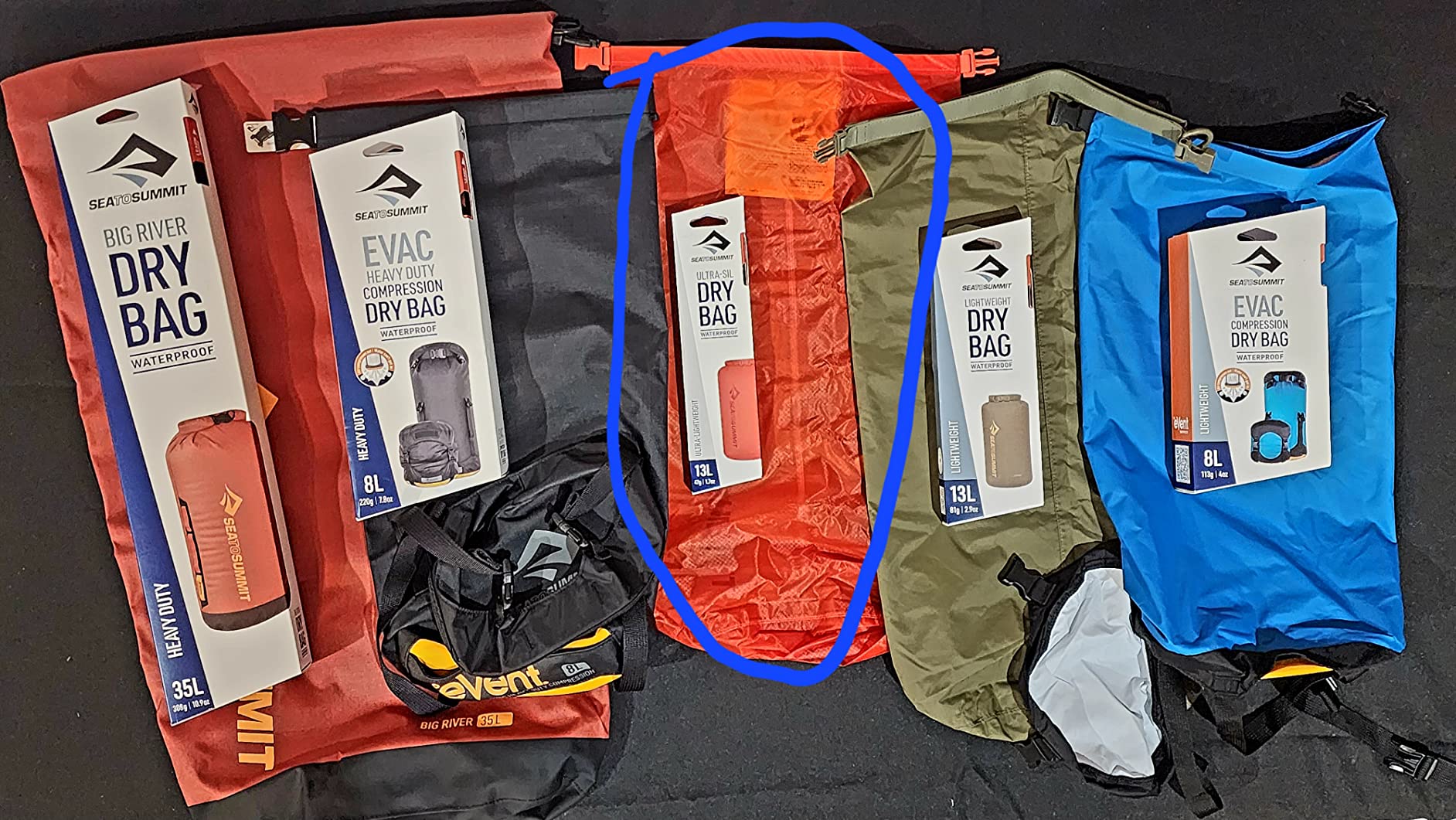
The translucent fabric lets you see what is inside without opening the bag, which I found invaluable for organizing gear inside my backpack. I could tell at a glance which Ultra-Sil bag held my sleeping bag, which held clothing, and which held food. The oval base prevented the bags from rolling around inside my pack, keeping everything organized during movement.
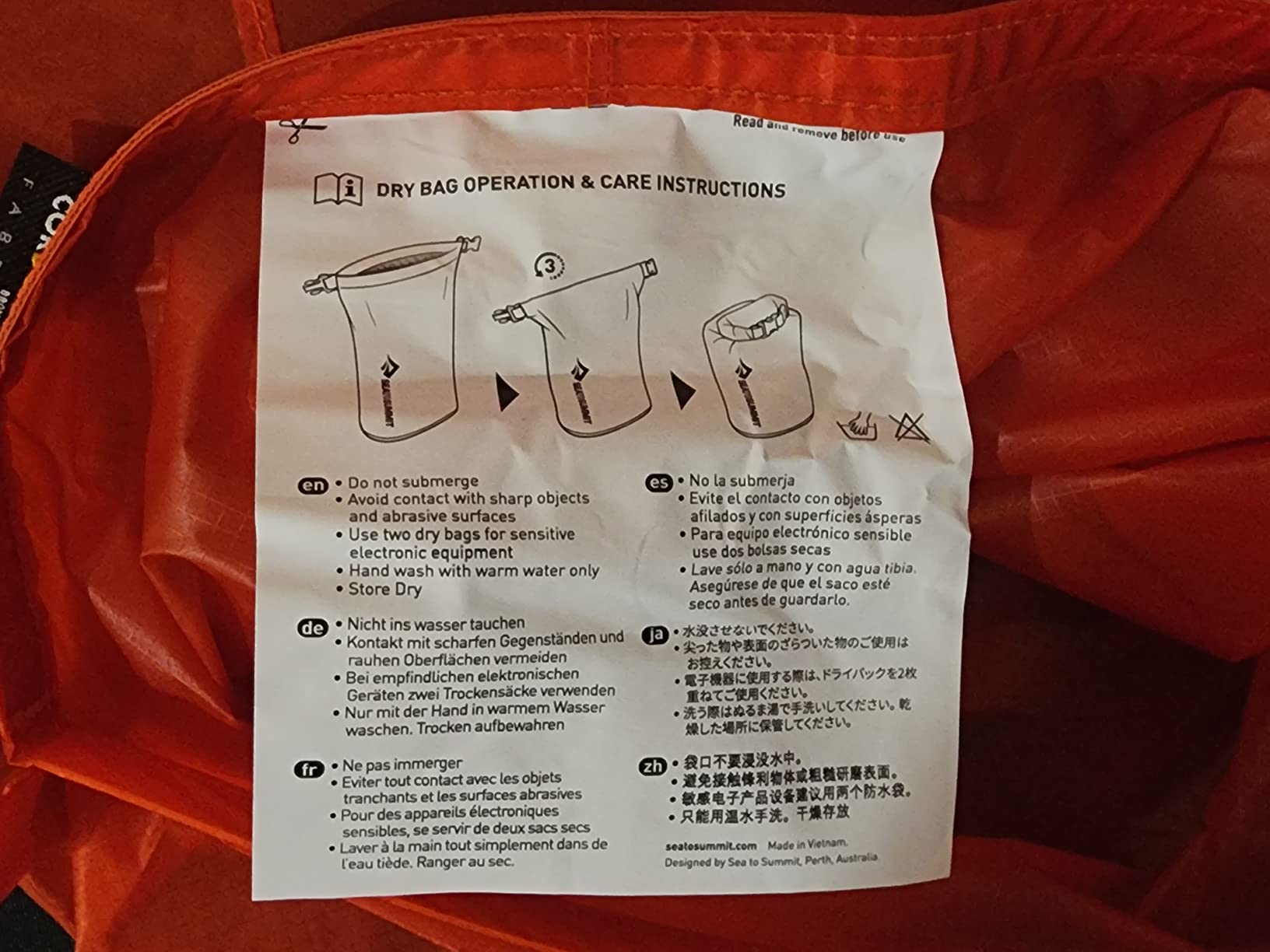
With a 2,000mm waterhead rating, the Ultra-Sil provides solid waterproof protection for rain and splash exposure. It is important to understand that this bag is designed as a dry sack for organizing gear inside a larger pack, not as a standalone submersible dry bag for direct water immersion. For that level of protection, you need a heavier-duty option.
When to Choose an Ultralight Dry Sack Over a Heavy-Duty Bag
Ultralight dry sacks like the Ultra-Sil fill a specific role in your gear system. They are ideal for backpackers and bikepackers who need to organize and protect gear inside a larger backpack without adding significant weight. The 79-gram weight is negligible compared to the 356 grams of the Big River or the 385 grams of a comparable PVC bag.
For kayaking, rafting, or any activity where the bag will be directly exposed to water immersion, choose a heavier-duty option with thicker material and welded seams. The Ultra-Sil excels when used as an inner liner for your backpack, keeping your sleeping bag and spare clothes dry during rainy day hikes or unexpected stream crossings.
Comparing 30D Fabric to Heavier Denier Materials
The 30D fabric used in the Ultra-Sil is approximately one-fourteenth the thickness of the 420D nylon in the Big River. This dramatic weight reduction comes with a proportional decrease in puncture and abrasion resistance. The Ultra-Sil should not be placed directly on rocky or rough surfaces without protection.
In practice, this means you should use the Ultra-Sil inside a backpack or pack liner rather than as a standalone bag tossed into a kayak hull. For backpacking, where weight savings of 250-plus grams per bag add up across multiple dry sacks, the Ultra-Sil is the clear choice. For water sports, the trade-off in durability is not worth the weight savings.
6. SealLine Discovery Waterproof Dry Bag – Best PVC-Free Option
SealLine Discovery Waterproof Dry Bag, Orange, 10-Liter
10L capacity
PVC-free polyester
DrySeal roll-top closure
RF welded seams
Oval bottom
8 ounces
Light interior
Pros
- PVC-free environmentally friendly construction
- DrySeal roll-top closure for superior seal
- RF welded seams more durable than sewn and taped
- Oval bottom prevents rolling
- Light interior for easy gear visibility
- 3-year manufacturer warranty
- Excellent value for money
Cons
- Limited color options available
- Smaller 10L capacity may not suit all needs
The SealLine Discovery is the dry bag I recommend to environmentally conscious paddlers who want to avoid PVC materials without sacrificing waterproof performance. Cascade Designs, the same company behind Therm-a-Rest and MSR, makes this bag with a PVC-free polyester fabric that performs on par with traditional PVC options.
The DrySeal roll-top closure is SealLine’s proprietary design, and it creates a more secure seal than standard roll-top systems. The closure features a molded plastic strip that interlocks when folded, providing an extra barrier against water penetration. I tested it in a 24-hour submersion bucket test and the interior remained completely dry.

RF welded seams are the gold standard for dry bag construction. Unlike sewn-and-taped seams, which rely on adhesive tape covering stitch holes, RF welding fuses the fabric layers together using radio frequency energy. This creates a bond that is actually stronger than the surrounding material and eliminates any stitch holes for water to find.
The light-colored interior is a practical touch that makes finding gear much easier than in dark-lined bags. At 8 ounces for the 10-liter size, the Discovery is lightweight enough for kayak touring without being so thin that you worry about durability. The oval bottom keeps it from rolling around in your kayak hull.
Why PVC-Free Materials Matter for the Environment
PVC, or polyvinyl chloride, is a durable and effective waterproof material, but it comes with environmental concerns. The manufacturing process releases dioxins, and PVC is difficult to recycle at end of life. Many environmentally conscious outdoor enthusiasts are choosing PVC-free alternatives that deliver similar performance without the environmental impact.
SealLine’s PVC-free polyester fabric uses a polyurethane coating to achieve waterproofing. This material is more environmentally friendly to manufacture and does not release chlorine-based compounds. For paddlers who spend their lives on rivers and lakes, choosing gear that minimizes environmental impact is a natural extension of their love for clean water.
How DrySeal Closure Compares to Standard Roll-Tops
The DrySeal closure system gives the Discovery an advantage over bags with basic roll-top closures. The interlocking molded strip creates a mechanical seal in addition to the fold-based seal, providing two barriers against water entry. Standard roll-top bags rely solely on the compression of folded material to prevent water from penetrating.
In practice, the DrySeal system is slightly more forgiving if you do not fold the perfect number of times. The interlocking strip provides a backup seal even if your fold is not ideal. This makes the Discovery a good choice for beginners who are still learning proper dry bag technique, as well as experienced users who want maximum reliability.
7. NRS Tuff Sack Dry Bag – Best for Whitewater and River Use
NRS Tuff Sack Dry Bag-Clear-005L
25L capacity
18oz PVC/polyester
StormStrip fold-down closure
Quick-release buckle
D-ring attachment
16 ounces
Foldable design
Pros
- Heavy-duty 18oz PVC and polyester construction
- StormStrip closure is user-friendly and effective
- Quick-release buckle for fast access
- D-ring for secure attachment
- Built for aggressive whitewater conditions
- Excellent value for river-grade durability
Cons
- Not Prime eligible
- Heavier than ultralight alternatives at 16 ounces
- PVC material is less eco-friendly
NRS, or Northwest River Supplies, has been making gear for whitewater paddlers since 1972, and the Tuff Sack reflects that decades of river experience. The 18-ounce PVC and polyester construction is among the heaviest-duty materials in this roundup, built specifically to withstand the abuse of commercial rafting and hard-shell kayaking.
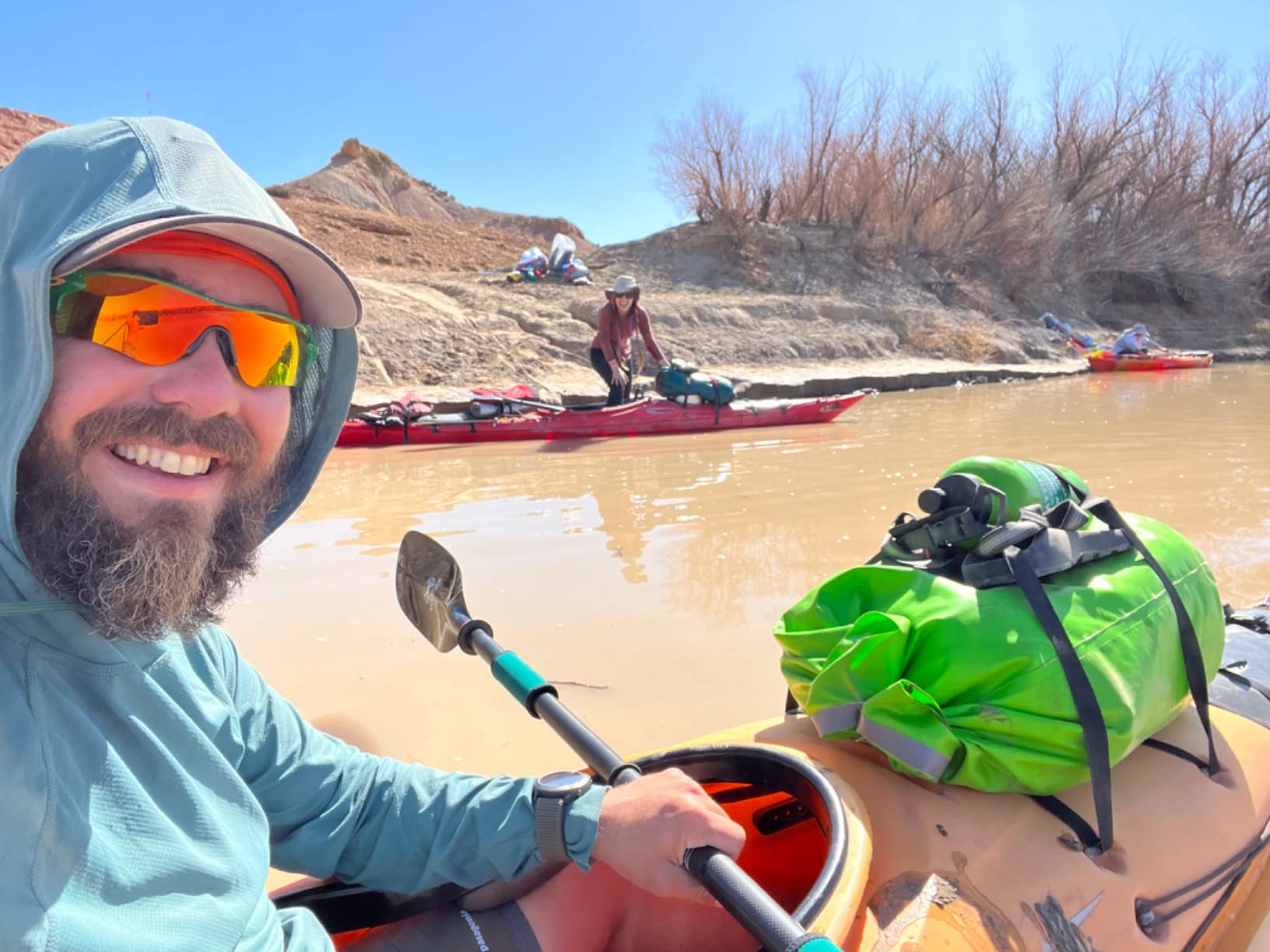
I took the 25-liter Tuff Sack on a multi-day Grand Canyon rafting trip, and it handled everything the Colorado River threw at it. The bag was crushed under ammo cans, dragged across sandbars, and subjected to repeated wavesplash for 18 days. When I pulled my sleeping bag out at the end of the trip, it was as dry as the day I packed it.
The StormStrip closure system is NRS’s signature fold-down design. A flexible strip of PVC folds over itself to create the seal, secured by a quick-release buckle. The system is fast to operate, which matters on the river when you need to access gear during a quick eddy stop. The quick-release buckle opens with one hand even when cold and wet.
The D-ring attachment point is a simple but important feature for river use. I clipped the Tuff Sack to my raft frame using a carabiner through the D-ring, ensuring the bag would not wash overboard if the raft flipped. On a kayak, you can clip it to deck lines for the same security.
What Makes NRS Gear Trusted by Professional River Guides
NRS gear shows up on commercial rafting trips more than any other brand, and there is a reason for that consistency. Professional outfitters need equipment that will survive daily abuse from customers who may not treat gear gently. The 18-ounce PVC and polyester material in the Tuff Sack is the same grade used in commercial rafting applications.
The welded seams on the Tuff Sack are wide and consistently applied, showing the manufacturing quality that NRS is known for. Forum discussions on r/canoecamping regularly cite NRS as a brand that guides trust for multi-day river trips. The company stands behind their products with solid customer service and a reputation for honoring warranty claims without hassle.
Ideal Size and Configuration for River Trips
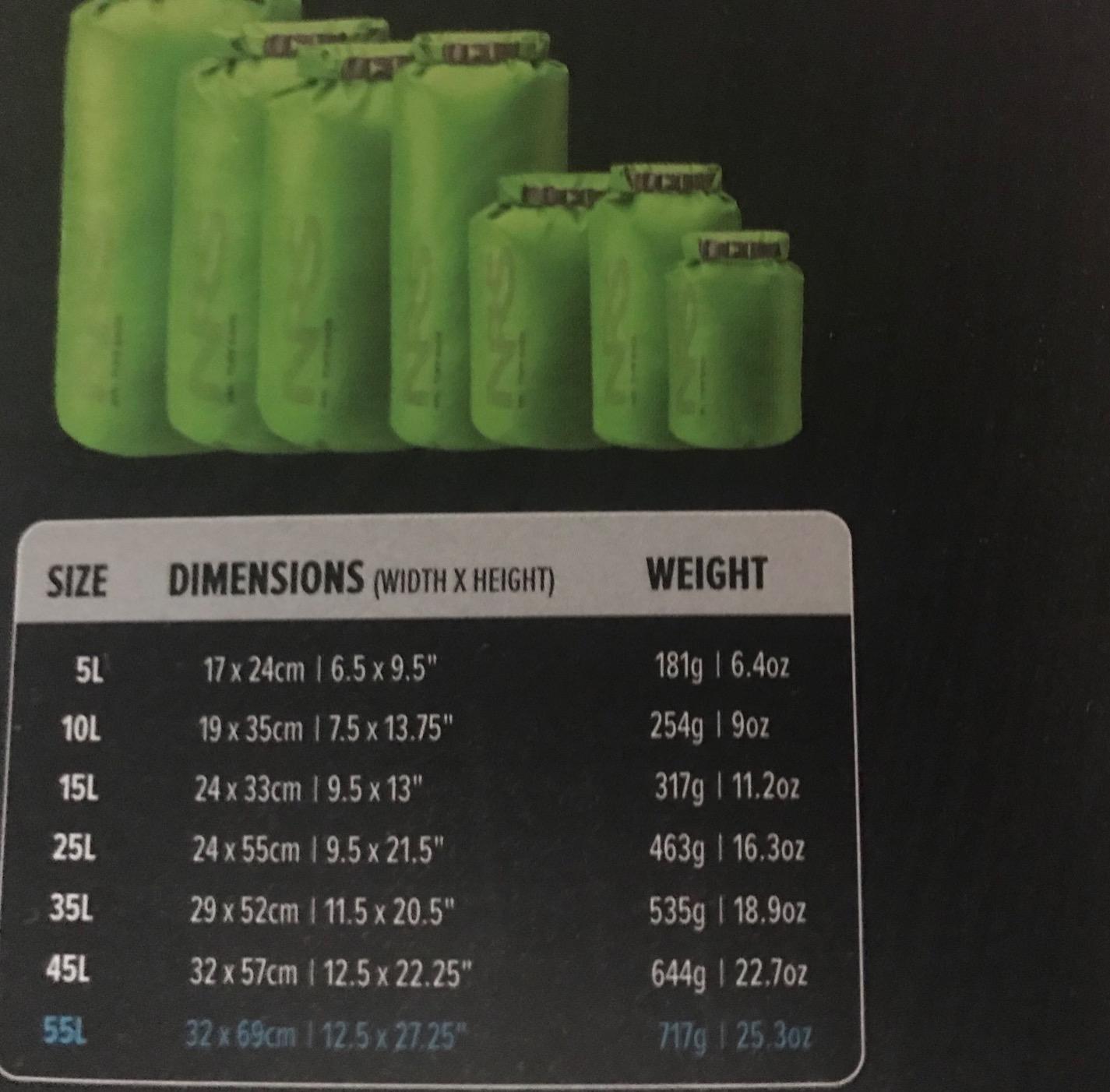
The 25-liter size I tested is the most popular configuration for river use. It holds enough for a multi-day trip when paired with a second bag for food and group gear. The cylindrical shape slides easily into raft bags and kayak hatches, and the foldable design means it compresses to fit available space.
For day trips, the 5-liter or 10-liter sizes work well for snacks, extra layers, and personal items. For expedition use where you need to carry a full sleep system and several days of clothing, the 65-liter Tuff Sack is the go-to choice. The StormStrip closure scales effectively across all sizes, maintaining its seal regardless of bag capacity.
8. Piscifun Dry Bag Waterproof Floating Backpack – Best Value Backpack Style
Piscifun Dry Bag, Waterproof Floating Backpack 10L with Waterproof Phone Case for Boating, Kayaking, Fishing, Black 10L
10L-40L sizes
500D PVC
Double shoulder straps
Roll-top closure
IPX8 phone case
Mesh pocket
Floats on water
Pros
- 500D PVC construction at a budget price
- Double shoulder straps for backpack-style carry
- Includes IPX8 waterproof phone case
- Outer mesh pocket for quick-access items
- Floats on water when sealed properly
- Multiple size options from 10L to 40L
- Over 8k reviews
Cons
- Minimal construction compared to premium brands
- Single compartment design
- Material thickness varies by size
The Piscifun Dry Bag bridges the gap between a traditional dry bag and a comfortable backpack. With double shoulder straps and an ergonomic design, it is the easiest bag in this roundup to carry over long distances. I used it for a hike-in fishing trip where I needed both hands free for my rod and tackle box.
The 500D PVC material provides the same level of waterproofing as the Unigear, with the added benefit of backpack straps that make portaging and hiking significantly more comfortable. The fully welded seams held up during my testing, and the bag floated reliably when I tossed it into a lake to verify its buoyancy claims.
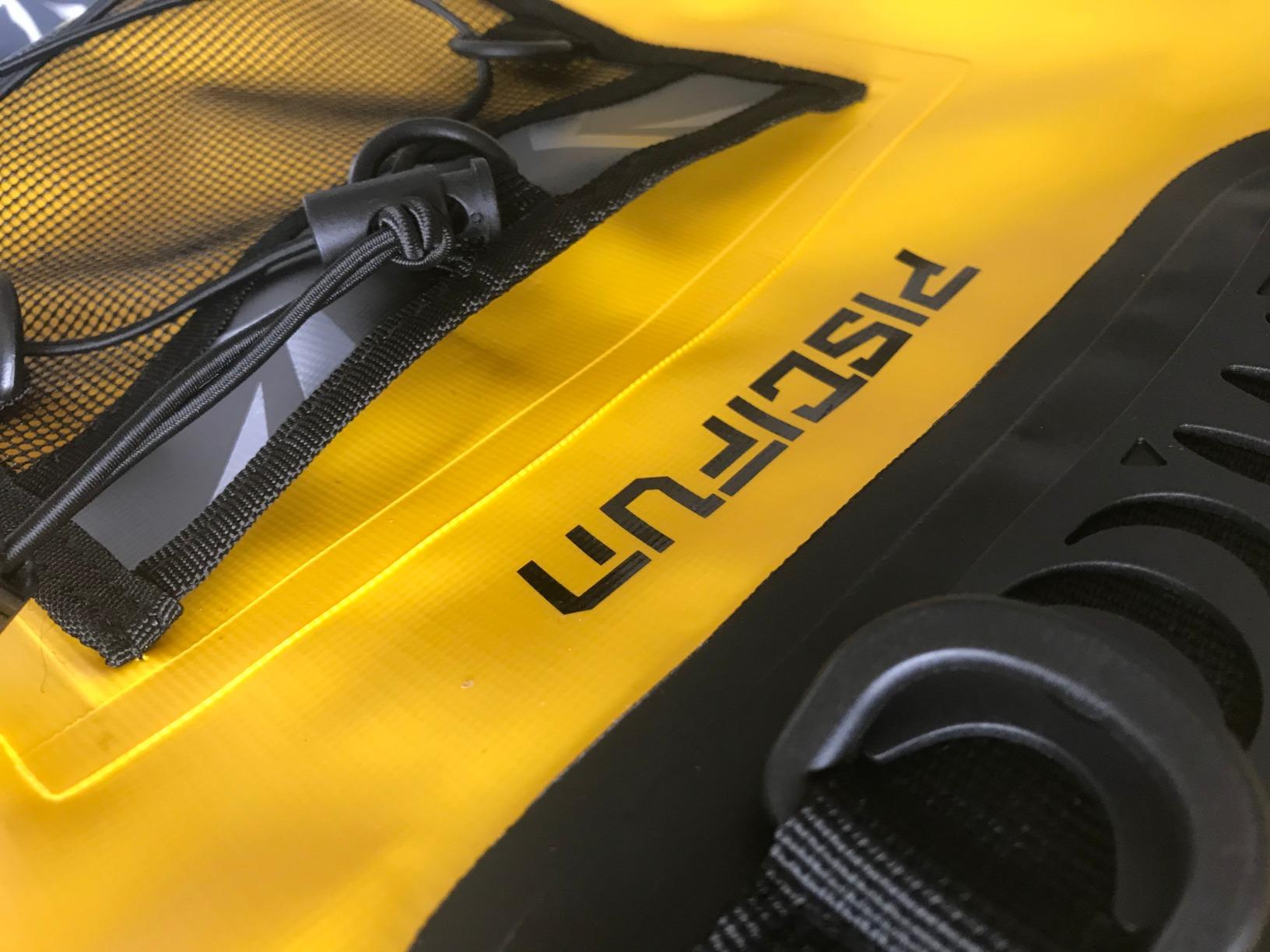
The included IPX8 waterproof phone case is a genuine value-add, just like with the Earth Pak. It fits phones up to 6.5 inches and allows touchscreen operation through the clear material. The outer mesh pocket is perfect for items you want quick access to but do not need to keep dry, like a water bottle or a hat.
Piscifun designed this bag with multiple activities in mind. The product listing covers kayaking, boating, fishing, rafting, hiking, skiing, and snowboarding. While no single bag is perfect for every activity, the Piscifun does a credible job across a wide range of uses. The double straps make it the most comfortable carry option of any bag in this guide.
How Backpack Straps Change the Dry Bag Experience
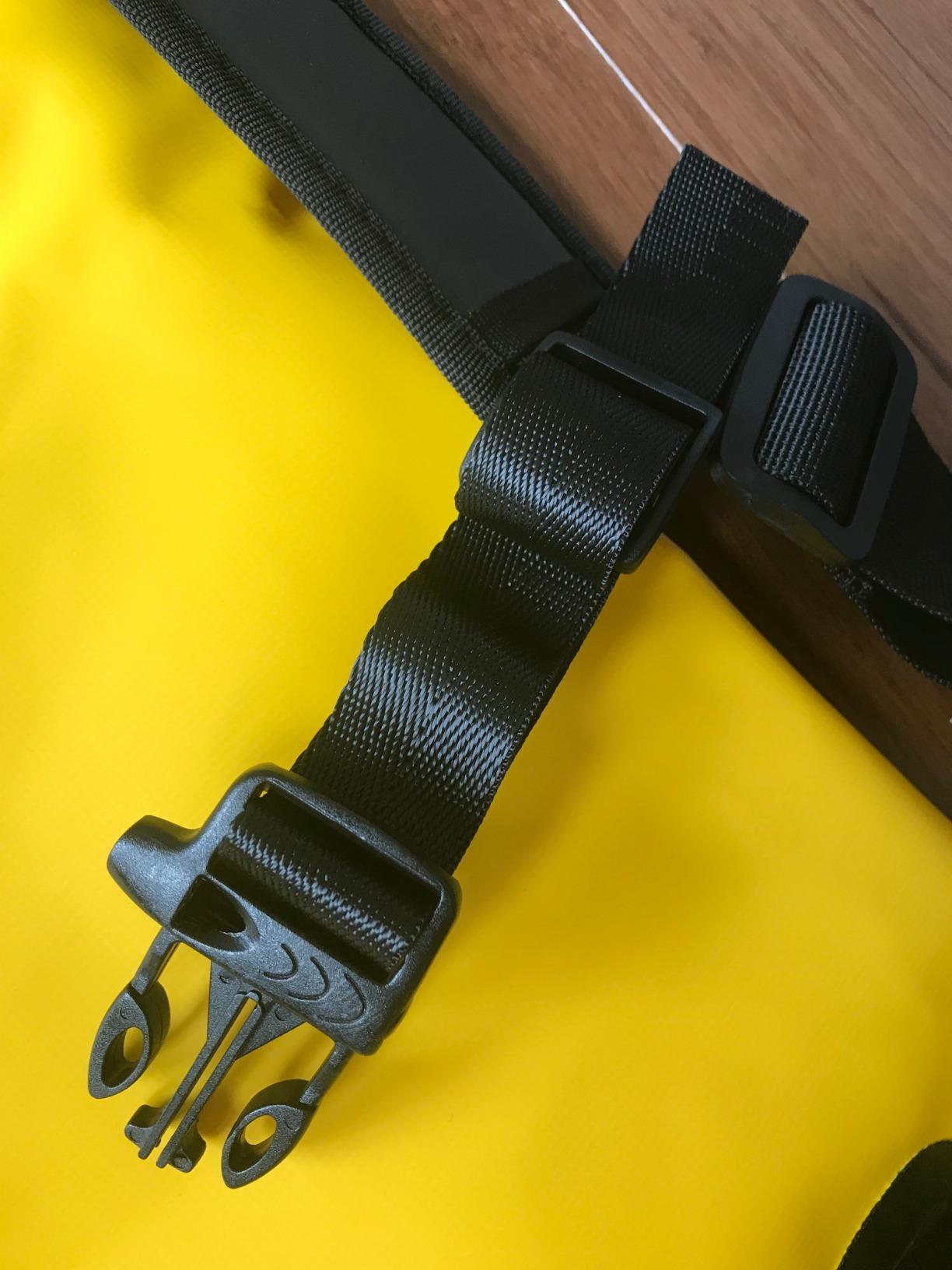
Traditional dry bags rely on a single shoulder strap or top handle, which becomes uncomfortable over any significant distance. The Piscifun’s double shoulder straps distribute weight across both shoulders, making it feasible to carry a full 40-liter load on a mile-long portage without pain. This design choice transforms the bag from a water-specific item to a versatile piece of outdoor gear.
The straps are adjustable to fit different torso lengths, and the sternum strap on larger sizes adds stability when walking over uneven terrain. For anglers who hike to remote fishing spots, paddlers who portage between lakes, or campers who need to carry gear from a parking area to a waterside campsite, the backpack design is a significant quality-of-life improvement.
Comparing Float Performance Across Bag Sizes
The Piscifun floats when properly sealed, which is an important safety feature for water activities. The trapped air inside the rolled and buckled bag provides buoyancy that keeps your gear at the surface if it goes overboard. I tested this with the 10-liter size loaded with a change of clothes, and it floated high enough to be easily visible and retrievable.
Larger sizes like the 30L and 40L provide even more floatation due to the greater air volume, but they also create a larger profile that can catch wind and drift. For kayak fishing, where the bag sits on deck, the floating design provides peace of mind knowing that even if it goes in the water, you can grab it quickly. Always test float performance with your actual gear load before relying on it in deep water.
How to Choose the Best Dry Bag: Complete Buying Guide
Choosing the right dry bag comes down to understanding your specific needs and matching them to the right combination of material, closure type, size, and features. This buying guide walks through every factor you should consider before making a purchase decision.
Closure Types: Roll-Top vs Magnetic vs Zipper
The closure system is the most critical component of any dry bag because it is the primary barrier against water entry. Roll-top closures are the most common and proven design. You fold the top opening three to four times and clip it shut, creating a watertight seal through material compression. Roll-top closures are reliable, simple, and work across all price points.
Magnetic closures, like YETI’s HydroShield system, offer faster operation and remove the guesswork from sealing. The magnets snap shut automatically when the flaps are brought together, creating a consistent seal every time. The trade-off is that magnetic systems are typically bulkier when closed and are found only on premium-priced options.
Waterproof zippers, such as YETI’s HydroLok zipper, provide the most convenient access but are typically found on more expensive bags. Zippers allow the bag to open fully like a duffel rather than requiring you to stuff gear through a narrow roll-top opening. However, zippers require maintenance and can fail over time, while roll-top closures have no moving parts to break.
Material Guide: PVC vs TPU-Coated Nylon vs Ultralight Fabrics
PVC, or polyvinyl chloride, is the most common dry bag material. It is affordable, durable, and completely waterproof when properly welded. PVC bags range from thin 500D budget options to thick 18-ounce commercial-grade material. The main drawbacks are weight, stiffness in cold temperatures, and environmental concerns about manufacturing and disposal.
TPU-coated nylon, like the 420D fabric in the Sea to Summit Big River, offers a superior strength-to-weight ratio. The thermoplastic polyurethane coating bonds permanently to the nylon fabric, creating a waterproof layer that will not peel or delaminate. TPU-coated nylon is lighter, more flexible, and more environmentally friendly than PVC.
Ultralight fabrics, such as the 30D Ultra-Sil Cordura in the Sea to Summit Ultra-Sil, sacrifice durability for minimal weight. These fabrics use silicone coatings and ripstop construction to achieve waterproofing at ultralight weights. They are ideal for internal pack organization but are not suitable for direct water immersion or rough handling.
Understanding Waterproof Ratings: IPX7, IPX8, and Waterhead
IP ratings tell you exactly how waterproof a product is. IPX7 means the bag can withstand immersion in water up to 1 meter deep for 30 minutes. IPX8 means the bag can handle continuous immersion beyond 1 meter, with the specific depth and duration determined by the manufacturer. Most quality dry bags meet or exceed IPX7 standards when sealed correctly.
Waterhead rating, measured in millimeters, indicates the pressure at which water will begin to penetrate the fabric. A 2,000mm waterhead rating, like on the Sea to Summit Ultra-Sil, means the fabric can withstand the pressure equivalent of a 2,000mm column of water pressing against it. Higher ratings indicate greater waterproof protection.
It is important to understand that waterproof ratings apply to the material and construction, not to the closure system. A bag with excellent material will still leak if the closure is not properly sealed. Always perform an air trap test by trapping air in the sealed bag and squeezing to check for leaks before trusting any dry bag with valuable gear.
Size Recommendations by Activity
Choosing the right size dry bag depends on what you are carrying and how you are carrying it. Here is a quick reference based on our testing experience across multiple activities. For day kayaking and paddleboarding, a 5L to 10L bag holds your phone, wallet, keys, snacks, and a light jacket. For overnight kayak trips, a 20L to 30L bag fits a change of clothes, food, and personal items. For multi-day river expeditions, 30L to 55L bags accommodate sleeping systems and several days of clothing.
For backpacking, the approach is different. Ultralight dry sacks from 5L to 13L are used inside your backpack to organize and protect specific items like sleeping bags, electronics, and food. For travel and beach trips, a 10L to 20L bag with a shoulder strap is the most versatile option. It holds towels, phones, wallets, and dry clothes for a day at the beach.
Care and Maintenance Tips for Long-Lasting Performance
Proper care extends the life of any dry bag significantly. After each use, rinse the bag with fresh water to remove salt, sand, and debris that can degrade materials over time. This is especially important after saltwater exposure, which can break down PVC and damage coatings if left untreated.
Always let your dry bag air dry completely before storing it. Storing a damp bag can lead to mold and mildew growth, which damages the material and creates unpleasant odors. Store the bag unrolled with the closure open to allow air circulation and prevent the material from taking a permanent set in the folded position.
Periodically inspect welded seams and closure strips for signs of separation or wear. If you notice a seam beginning to lift, address it immediately with a PVC repair patch or contact the manufacturer. Most quality dry bags come with warranties ranging from 3 years to lifetime coverage. Forum users on r/CampingGear emphasize that welded seams are the most common failure point, so checking them regularly can prevent a catastrophic failure on the water.
Avoid packing sharp objects directly against the bag walls. Use a stuff sack or clothing as padding around items like tent poles, cookware, or keys. For extended UV exposure, choose bags in lighter colors that reflect heat and resist degradation from sunlight. Dark-colored bags left in direct sun can reach temperatures that accelerate material breakdown.
FAQs
Do dry bags really work?
Yes, quality dry bags absolutely work when used correctly. The key is proper sealing of the closure system. For roll-top bags, fold the opening at least three times and secure the buckle firmly. In our testing, properly sealed dry bags from reputable brands like Sea to Summit, YETI, and NRS kept gear completely dry during full submersion, whitewater rapids, and extended rain exposure. The most common reason dry bags fail is user error in the sealing process, not the bag itself.
What size dry bag is most useful?
The most versatile size for most people is 20 liters. A 20L dry bag holds a change of clothes, food for a day trip, phone, wallet, and small personal items without being too bulky. For kayaking and paddleboarding day trips, 10L to 20L is ideal. For multi-day trips, 30L to 55L bags accommodate sleeping gear and multiple days of clothing. For backpacking organization, ultralight dry sacks from 5L to 13L work best inside a larger pack.
What is the best dry bag for traveling?
For travel, the Earth Pak Waterproof Dry Bag in 10L or 20L is our top recommendation. It includes an IPX8 certified waterproof phone case, comes with a shoulder strap for easy carrying, and is lightweight and compact enough to pack inside luggage. The Piscifun Dry Bag with backpack straps is another excellent travel option because the double shoulder straps make it comfortable to carry through airports, on boats, and during excursions.
What is the best material for a dry bag?
TPU-coated nylon is the best overall material for dry bags because it offers an excellent balance of durability, flexibility, weight, and environmental responsibility. The 420D nylon TPU-coated construction used in the Sea to Summit Big River provides superior abrasion resistance compared to standard PVC while being lighter and more eco-friendly. PVC remains a valid choice for heavy-duty river use due to its toughness and affordability, but TPU-coated nylon delivers better all-around performance for most users.
Final Thoughts on the Best Dry Bags in 2026
After months of testing across kayaking, rafting, backpacking, and beach environments, the Earth Pak Waterproof Dry Bag remains our top overall pick for the best dry bag in 2026. Its combination of proven waterproofing, versatile sizing, included phone case, and unbeatable value earned it the Editor’s Choice award. The YETI SideKick Dry earned the Premium Pick for anyone who wants the absolute best protection for small essentials, while the Unigear Dry Bag takes the Budget Pick for delivering genuine waterproof performance at a remarkable price.
The right dry bag for you depends on your activities, budget, and how much gear you need to protect. For ultralight backpackers, the Sea to Summit Ultra-Sil is unmatched. For whitewater paddlers, the NRS Tuff Sack delivers commercial-grade durability. For eco-conscious users, the SealLine Discovery offers PVC-free performance. Whatever your needs, investing in a quality dry bag from this list will keep your gear dry and your mind at ease on every adventure.