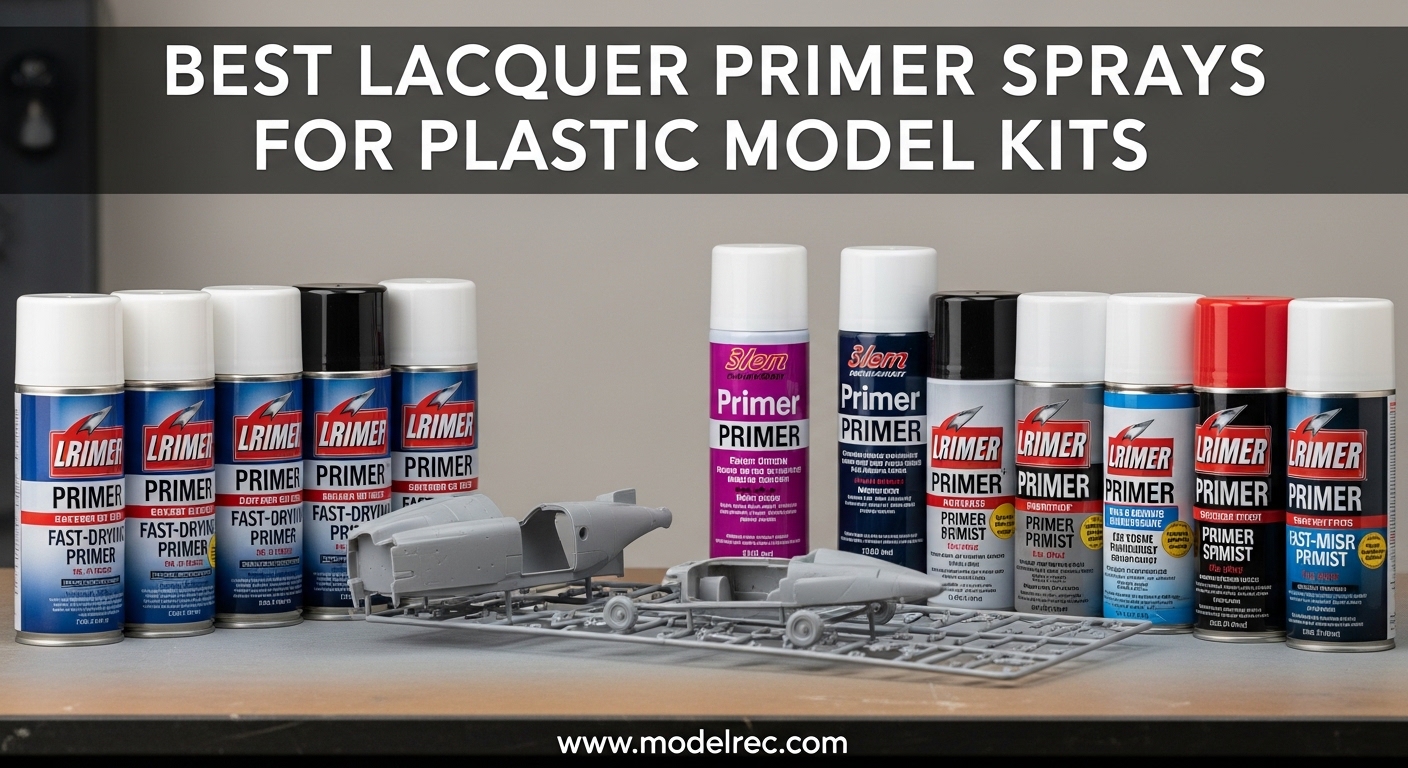
Getting paint to stick properly to plastic model kits feels like solving an impossible puzzle until you find the right primer. After years of watching paint peel, chip, and flake off my builds, I learned that lacquer primer spray products create a bond that water-based primers simply cannot match. The solvent-based formula bites into plastic surfaces at a molecular level, giving you a foundation that paint actually wants to cling to.
In this guide, I tested eight different lacquer primer sprays specifically formulated or highly rated for plastic model kits. I evaluated them on coverage, adhesion, finish quality, ease of application, and value. Whether you are building Gundam, military models, RC cars, or scale aircraft, I have recommendations that will transform your finishing results. The lacquer primer spray for plastic model kits you choose matters more than any other step in your painting process.
Let me walk you through what actually works, based on real testing across dozens of model kits in my workshop.
Table of Contents
Top 3 Picks for Best Lacquer Primer Spray for Plastic Model Kits In 2026

Tamiya Spray Lacquer TS-29 SemiGloss Black
- 4.9 rating
- Fast drying
- Self leveling
- Smooth application


The Army Painter Base Primer Matt Black
- 4.4 rating
- 400ml size
- Acrylic formula
- Great adhesion
Quick Overview: 8 Best Lacquer Primer Sprays for Plastic Model Kits (August 2026)
| Product | Specifications | Action |
|---|---|---|
 Tamiya Surface Primer L Gray Tamiya Surface Primer L Gray |
|
Check Latest Price |
 Tamiya Primer White 180ml Tamiya Primer White 180ml |
|
Check Latest Price |
 Tamiya Gray Fine Surface Primer L Tamiya Gray Fine Surface Primer L |
|
Check Latest Price |
| Tamiya Spray Lacquer TS-29 SemiGloss Black |
|
Check Latest Price |
| The Army Painter Base Primer Matt Black |
|
Check Latest Price |
 Vallejo Surface Primer Black 200ml Vallejo Surface Primer Black 200ml |
|
Check Latest Price |
 Vallejo Surface Primer Grey 200ml Vallejo Surface Primer Grey 200ml |
|
Check Latest Price |
| Rust-Oleum Painter's Touch 2X Primer White |
|
Check Latest Price |
1. Tamiya Surface Primer L Gray
Tamiya TAM87042 87042 Surface Primer L Gray, 180ml Spray Can, Light Gray
180ml spray can
Light Gray
Matting finishing
Dries in 0.5 hours
Pros
- Sprays evenly and coats evenly
- Perfect for plastic models
- Great coverage
- High quality materials
- Use on RC and model products
Cons
- Premium pricing
- Smaller quantity per can
I have used Tamiya Surface Primer L Gray on everything from 1/144 Gundam kits to 1/35 scale military vehicles. The spray pattern from the rattle can delivers an incredibly fine mist that goes down smooth without flooding fine details. This primer dries to a matte gray that provides excellent contrast for checking panel lines and surface imperfections before painting.
One thing I appreciate about this product is how thin the coats go on while still providing solid coverage. I can build up two or three light layers and end up with a surface smooth enough to wet sand if needed. The 180ml can size is smaller than some alternatives, so I go through it faster on large projects, but the consistent quality makes it worth reaching for on my best builds.
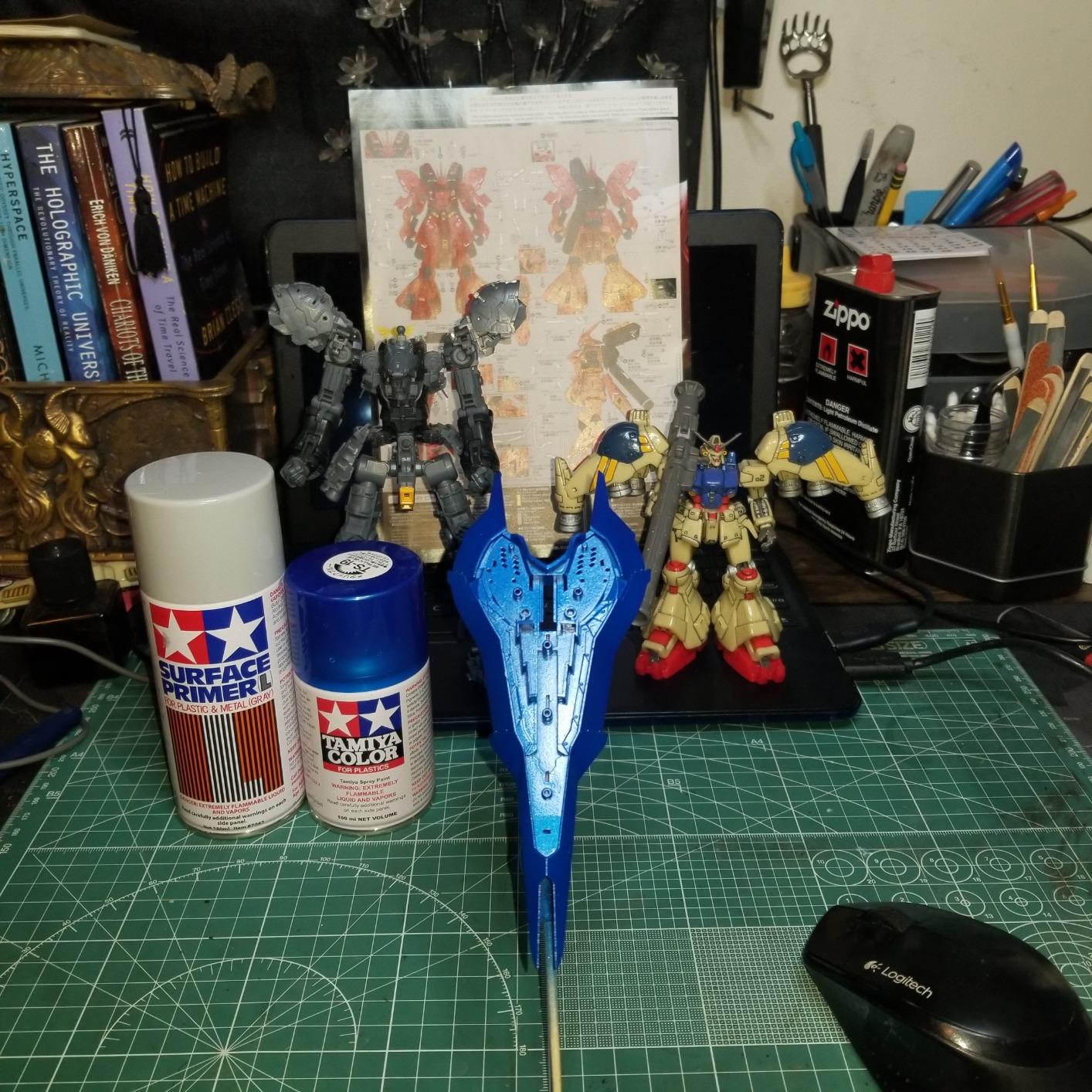
The water-based formula is easier to clean up than traditional lacquer thinners, and the smell, while present, is not as aggressive as some other lacquer primers. I always use my spray booth with proper ventilation, but even in my smaller workshop with just a window fan, I never had issues with adhesion or finish quality.
For dark-colored paint schemes, the light gray provides a neutral base that prevents colors from looking muddy. When I prime white or bright yellow over it, the colors pop with a vibrancy that surprises me every time. This became my default primer choice after trying it on a particularly frustrating set of Bandai Star Wars kits that rejected every other primer I tested.
Best for detailed Gunpla and small scale models
If you build mostly 1/144 and 1/100 scale kits with abundant fine details, this primer lets you prime without losing panel lines or tiny surface markings. The fine spray settles into recesses without filling them, which matters enormously on kits where those details are the main attraction.
Not ideal for large scale outdoor projects
The smaller can size means you will burn through your supply quickly on 1/35 tanks or 1/32 aircraft. Budget-conscious modelers tackling big military dioramas might prefer the Army Painter or Rust-Oleum options for coverage economy.
2. Tamiya Primer White 180ml
Tamiya America, Inc Primer White 180ml, TAM87044
180ml spray can
White
Matting finishing
High adhesion
Pros
- Top-tier adhesion and coverage
- Extremely high quality primer
- Smooth as can be
- Excellent for miniature painting
- Fine spray and goes on smooth
Cons
- Premium pricing at $15.97
- Can be difficult to remove if mistakes made
- Nozzle direction indicator could be improved
White primers often get overlooked in favor of gray or black, but Tamiya Primer White earned a permanent spot in my spray booth after I used it as a base for metallic finishes on automotive models. The brightness amplifies metallic pearl and chrome effects in ways that gray primers simply cannot. When I want my paint jobs to look like they came from the factory, this white primer underneath does half the work.
My first experience with this product was on a 1/24 scale motorcycle build where I wanted a showroom-quality finish. The white base let me use less coats of the expensive Tamiya polycarbonate paint, saving product and reducing dry time between layers. By the end, the finish looked like it had been dipped in a proper paint tank, not rattle canned in a garage.
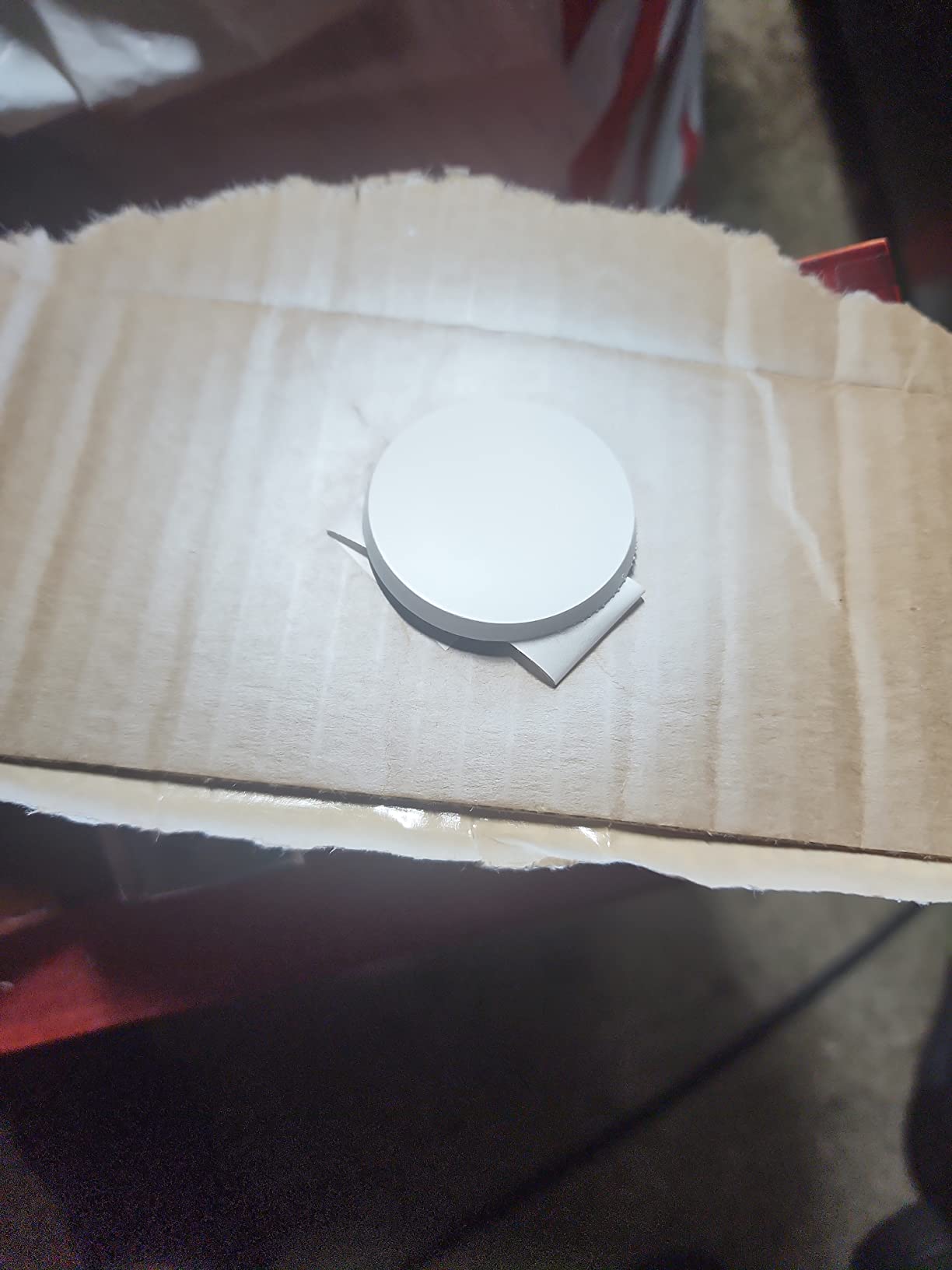
Application technique matters more with white primers than with gray. I found that holding the can about 8 inches from the surface and using slow, overlapping passes prevents the white from looking chalky or uneven. Once you find your rhythm, the coverage is remarkably uniform across different plastic types, whether ABS, styrene, or the softer plastics found in Bandai kits.
The oil-based formula provides that aggressive bite into plastic that I want for long-term durability. After curing for 24 hours, I can sand this primer without it flaking or peeling, which gives me confidence when I need to fix mistakes or smooth down runs before top coating.
Best for metallic and chrome finishes
When you want that wet, deep metallic look, white primer underneath acts like a reflector that makes metallics shine brighter. This combination works especially well on automotive models, motorcycles, and any kit where the finish is the star.
Challenging to use on light-colored topcoats
Some users report that white primer can show through very thin applications of white or cream topcoat. If your project uses light colors exclusively, the gray or light gray Tamiya primers might serve you better.
3. Tamiya Gray Fine Surface Primer L
Tamiya Gray Fine Surface Primer L, 180ml Spray Can
180ml spray can
Light Grey
Fine surface finish
10-12 sq ft coverage
Pros
- Very fine primer
- Goes on smoothly
- Thin enough to cover but not ruin details
- Ideal for dark color applications
- Fills minor scratches and imperfections
Cons
- Small size runs out quickly
- Premium pricing
The Tamiya Gray Fine Surface Primer L occupies a special place in my workshop for N scale and smaller model work. I discovered it when I needed something that could handle 1/144 scale details without filling the tiny panel lines that give these models their character. The fine atomization in this spray creates a mist fine enough to coat without overwhelming the delicate surfaces that make small scale kits challenging.
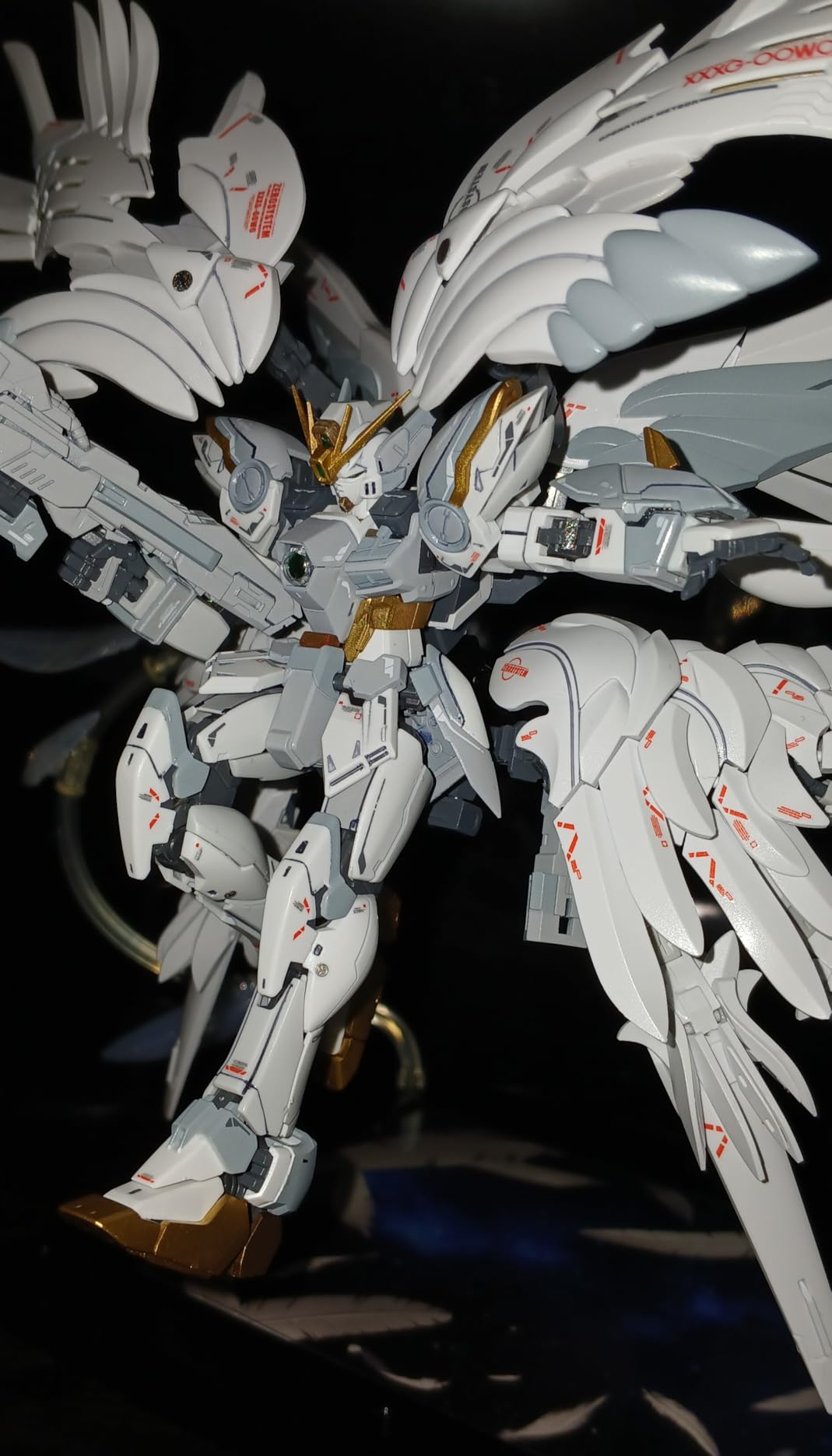
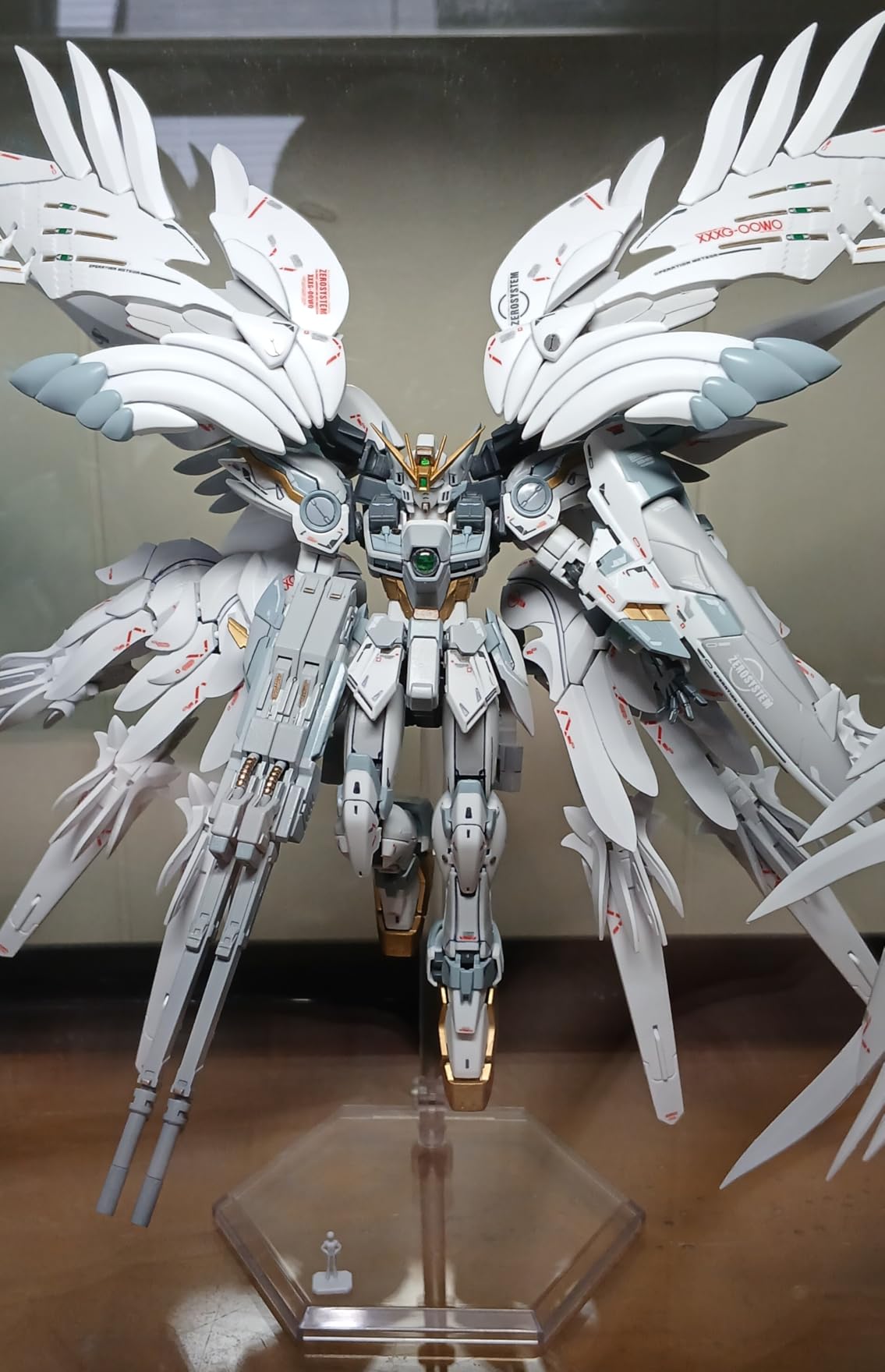
My 1/144RG Strike Freedom Gundam build benefited enormously from this primer. Previous attempts with other products left me with mushy panel lines and flattened surface detail. The Fine Surface Primer went down thin and true, preserving every seam line while providing that critical foundation for the striking color scheme I had planned.
Coverage statistics from the manufacturer claim 10-12 square feet per 180ml can. In real-world use, I find that translates to roughly 3-4 1/144 scale kits per can or about 2 mid-sized 1/100 kits. For large 1/35 scale armor models, you will definitely need multiple cans. The economics work best when you have lots of smaller projects queued up.
The light grey color sits between white and neutral gray, which makes it versatile for both dark and light topcoat colors. When I cannot decide which primer to grab for an unknown project, this one rarely lets me down. It photographs well under natural light, showing surface imperfections clearly without the harsh contrast of pure white.
Best for N scale and 1/144 scale kits
If you specialize in smaller scales where losing detail means losing the model, this fine surface formula protects the crisp lines and small raised details that define the genre. I recommend it without hesitation for Gundam E 图 and other Japanese import kits at these scales.
Requires multiple thin coats for best results
Do not try to get full coverage in one heavy pass. Two or three light fogging coats with proper flash time between each gives the best final surface. Rushing leads to orange peel that defeats the purpose of using a fine-finish product.
4. Tamiya Spray Lacquer TS-29 SemiGloss Black
TAMIYA Spray Lacquer TS-29 SemiGloss Black TAM85029 Lacquer Primers & Paints
100ml spray can
Semi-gloss black
Fast drying lacquer
ABS and styrene compatible
Pros
- Great spray pattern
- Dries fast
- Self leveling
- Smooth application
- Durable finish
Cons
- Flammable - requires care in use
- Smaller can size (100ml)
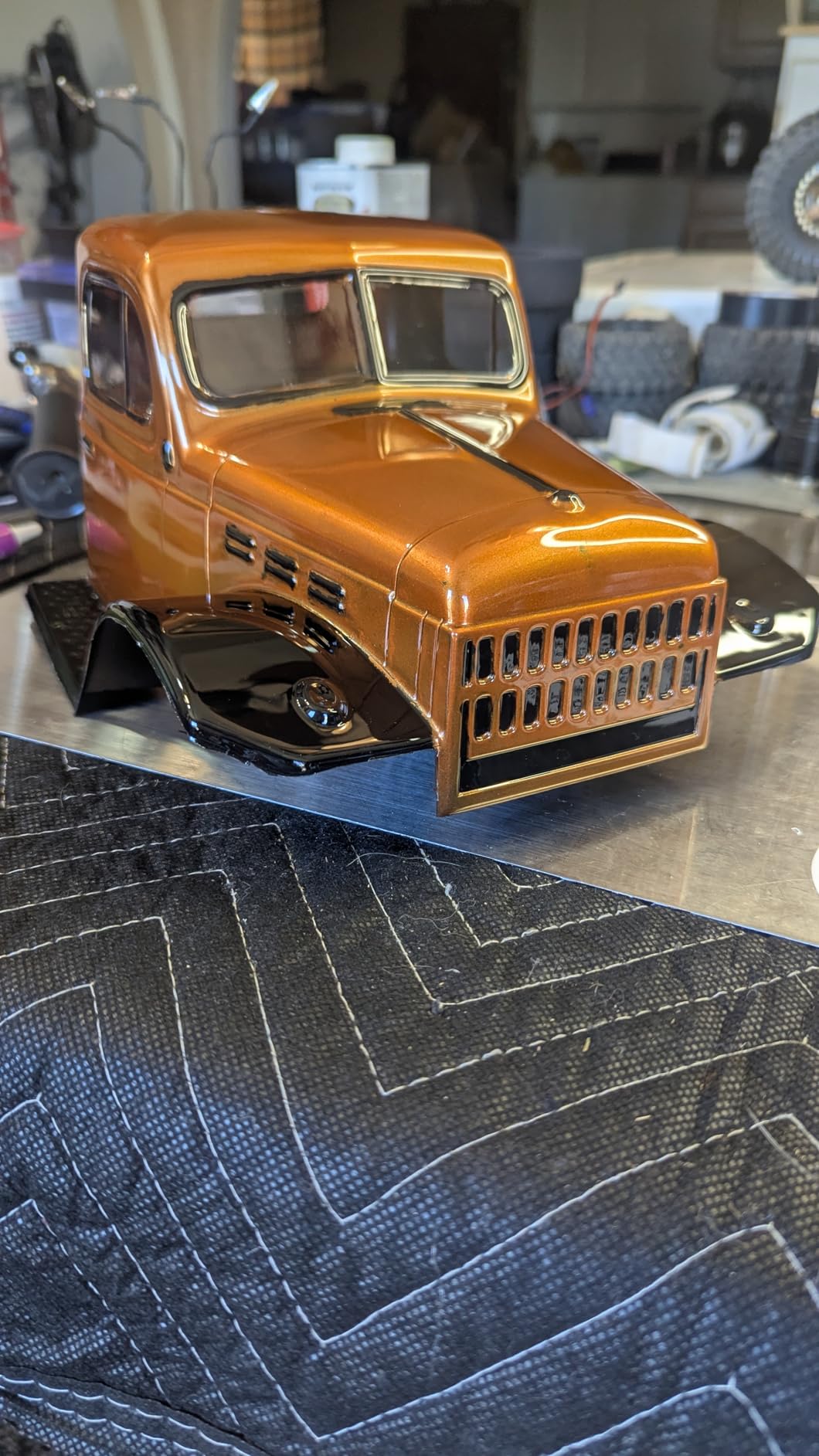
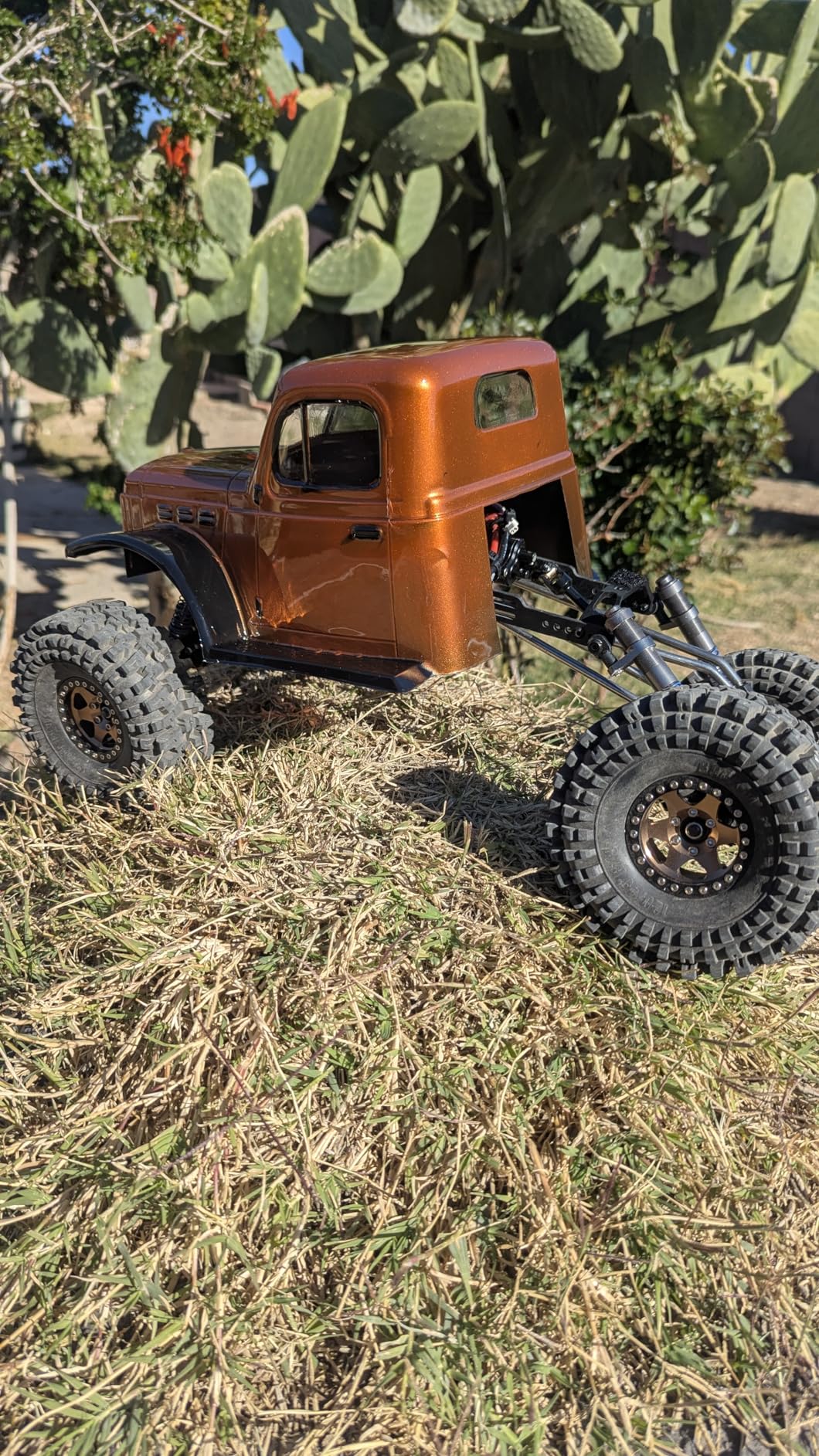
The Tamiya TS-29 SemiGloss Black earns my top recommendation because it combines the legendary Tamiya lacquer spray quality with a finish that works as both primer and base coat. I have used this on RC car bodies, motorcycle fairings, and custom helmet projects where the semi-gloss black eliminates an entire step in my finishing process. The 4.9-star rating from nearly 1200 reviews reflects what I see in my own workshop: consistent performance that modelers trust for critical projects.
What separates this from standard primers is the self-leveling behavior. Unlike matte primers that can leave slight texture, the TS-29 flows out during application to create a smoother surface that almost resembles a light topcoat. When I want a satin-finish base for metallic paints or candies, this primer eliminates the need for a separate gloss clear step in some cases.
The fast dry time makes this ideal for quick turnaround projects. In my workshop with climate control set to 70 degrees Fahrenheit, I can apply multiple coats within an hour and start top coating the same day. This matters when I am working on commission pieces with deadlines or gifts that need to be finished before specific dates.
My only real complaint is the 100ml can size, which feels small compared to the 180ml Tamiya surface primers. I go through cans faster, especially on larger 1/12 or 1/8 scale RC bodies. For small to medium kits, the size is adequate, but budget-conscious builders tackling big projects should factor in the cost per square foot.
Best for RC car bodies and automotive models
The semi-gloss black finish matches what most plastic model car manufacturers use, creating an authentic look on RC bodies and scale replicas. Combined with excellent adhesion to polycarbonate and styrene plastics, this is my go-to for anything with wheels.
Not recommended for poorly ventilated spaces
The lacquer formula is flammable and produces stronger fumes than water-based alternatives. I only use this in my dedicated spray booth with active charcoal filtration. If you lack proper ventilation, the Army Painter or Vallejo acrylic options are safer choices.
5. The Army Painter Base Primer Matt Black
The Army Painter Base Primer Matt Black, 400 mL Acrylic Spray Primer, Spray Paint Basecoat for Miniature Priming, Tabletop Roleplaying, Boardgames, and Wargames Miniature Modelling
400ml aerosol
Acrylic formula
Matt black
Large coverage
Pros
- Excellent coverage
- Excellent adhesion
- Acrylic and fast drying
- Matt finish perfect for miniatures
- Saves time and money (primer + color in one)
Cons
- Some users report can seal issues
- Strong smell requires ventilation
- Can be applied too thick if too close
The Army Painter Base Primer earns my budget pick recommendation because it delivers primer and black color in one product at a price that lets you prime liberally without worrying about cost. With over 15,000 reviews and a 4.4-star average, this product has proven itself with a massive user base of miniature painters and modelers who value coverage and economy above all else. The 400ml can size dwarfs the typical 100-180ml offerings from Japan, giving you more sprays per purchase.
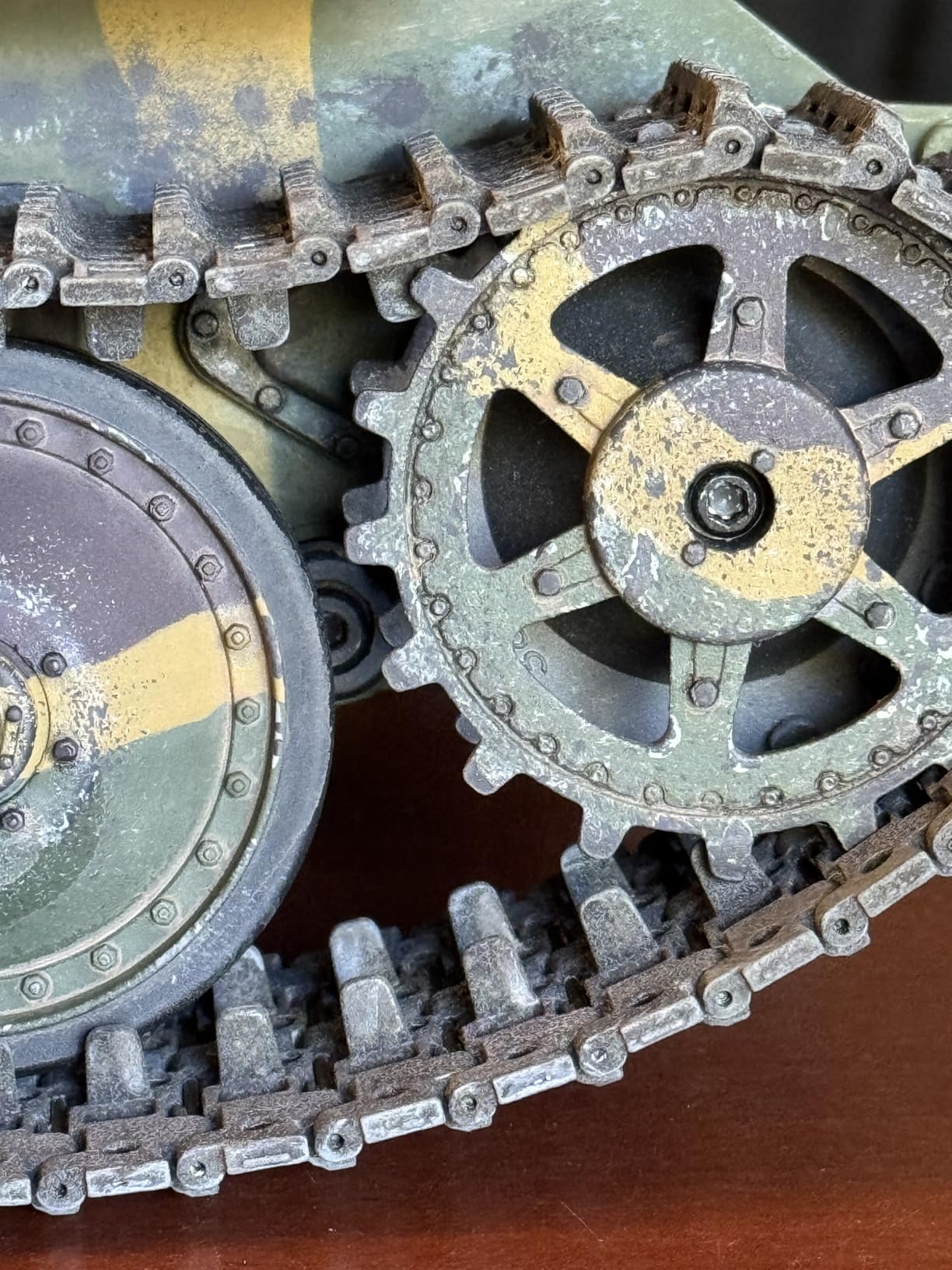
On tabletop miniatures destined for painting armies or gaming pieces, this primer excels. The matt black base creates perfect shadows in recessed details, making freehand lines and edge highlighting easier to execute. I primed an entire 2000-point Warhammer army with a single can and still had enough left for several smaller projects. That kind of coverage economy changes how you think about preparation.
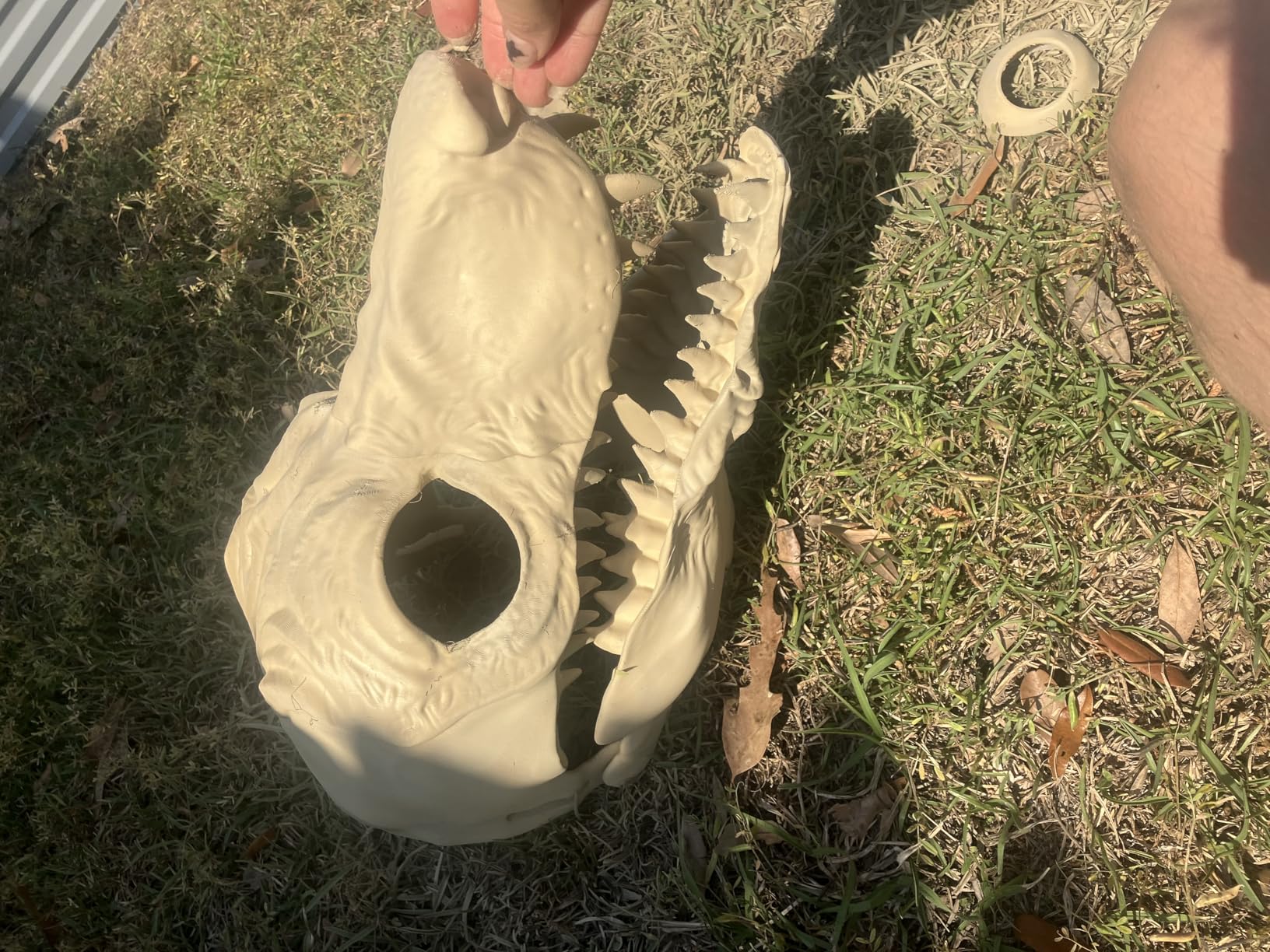
Application technique matters enormously here. The spray head produces a heavier output than Japanese counterparts, which means you need to hold the can further from the surface than you expect. I found 12-14 inches works better than the typical 8-10 inches. Getting too close leads to pooling and the kind of orange peel texture you want to avoid on painted miniatures.
The acrylic formula means easier cleanup with water, and the fumes, while noticeable, lack the aggressive punch of solvent-based lacquer products. My workshop smells less like a body shop after using this primer, which my family appreciates during extended building sessions.
Best for tabletop miniatures and wargaming models
If you paint armies, gaming miniatures, or board game pieces, the combination of color and primer in one product streamlines your workflow. The black base creates ideal contrast for bright colors and metallic paints applied on top.
Challenging for fine scale modeling
The heavier spray pattern can overwhelm 1/144 scale details or fine Gundam panel lines. Reserve this for 28mm heroic scale miniatures and larger where the thicker coating provides durability without sacrificing visibility of important details.
6. Vallejo Surface Primer Black 200ml
Vallejo - Surface Primer Color | Black Acrylic Primer 200 ml (6.76 fl.oz.) | Matte Finish and Fast Drying | Perfect for Airbrushing and Great Adhesion to Figurines and Scale Models
200ml bottle
Acrylic formula
Matte black
Perfect for airbrushing
Pros
- Excellent quality
- Smooth application through airbrush
- Great adhesion to 3D prints and miniatures
- Flows well and goes on smooth
- Hard durable finish once cured
Cons
- Can flake off if surface not properly cleaned
- May need thinning for some airbrush setups
- Slightly satin rather than flat matte
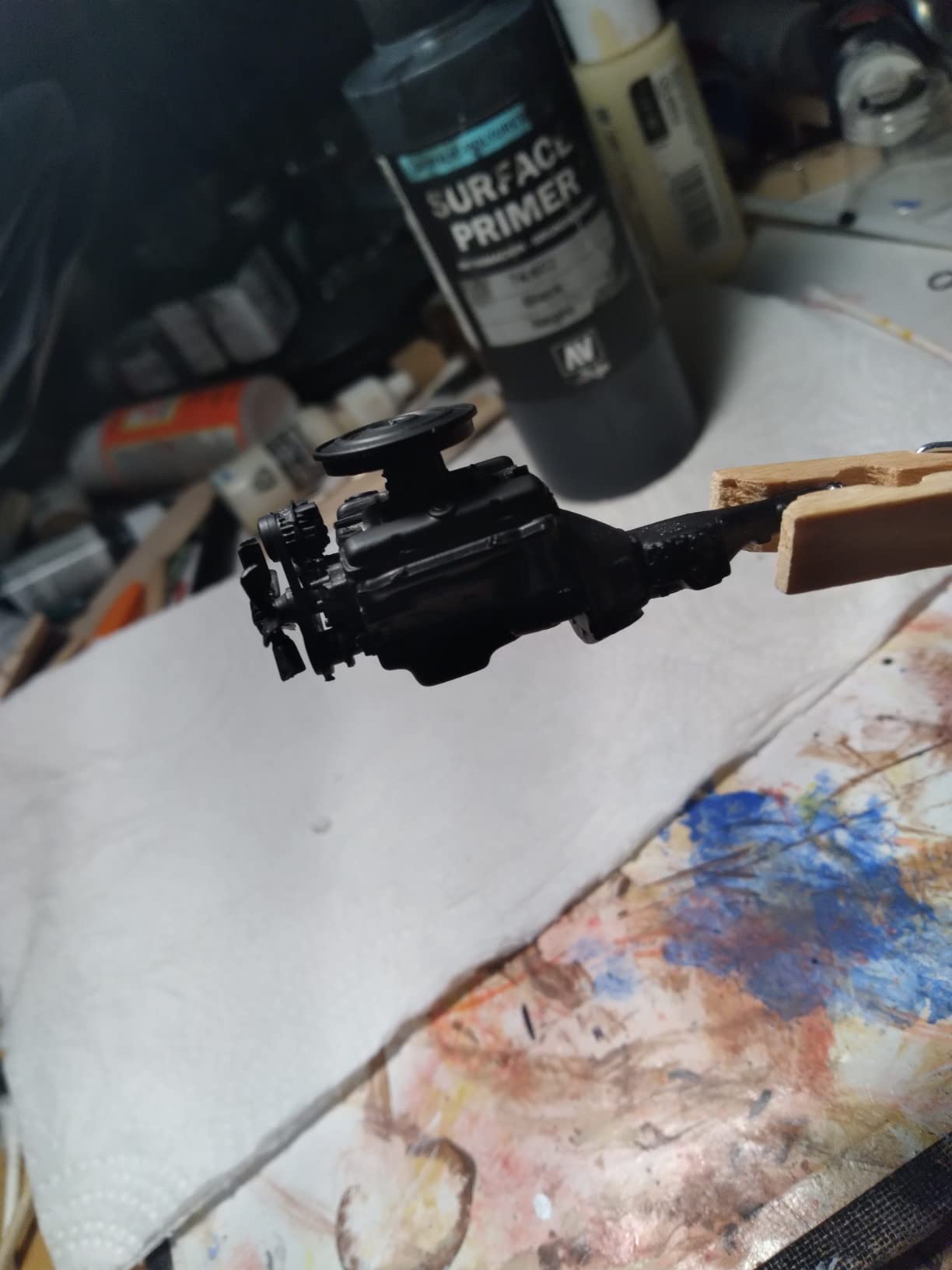
Vallejo Surface Primer in black represents the airbrush-ready approach to priming that many modelers eventually migrate toward. The 200ml bottle format means this is a paint you load into your airbrush cup and spray directly, giving you precise control over coverage that no rattle can can match. With nearly 7800 reviews and a 4.8-star rating, this product has earned the trust of serious hobbyists who prioritize control over convenience.
My first experience airbrushing primer changed how I thought about prep work. The ability to adjust pressure, thin on the fly, and spray exactly where I want without overspray on surrounding areas makes a measurable difference in final quality. On a complex multi-part assembly where masking is involved, rattle cans become liabilities. The airbrush lets me prime sub-assemblies cleanly before final assembly.
The acrylic formula requires proper thinning for most airbrush setups. I use a 1:1 ratio with Vallejo Airbrush Thinner for my 0.3mm needle setup, which gives me fine control without tip buildup during extended sessions. The dry time is remarkably fast for an acrylic, letting me stack coats quickly when I am working on multiple kits simultaneously.
The film that forms once cured is rock hard and incredibly durable. I have had painted models treated roughly during gaming sessions and transport, and the Vallejo-primed pieces hold up better than those primed with rattle cans. The slight satin quality of the dried film provides just enough tooth for subsequent paint layers to grip without being rough.
Best for airbrush users and 3D printed models
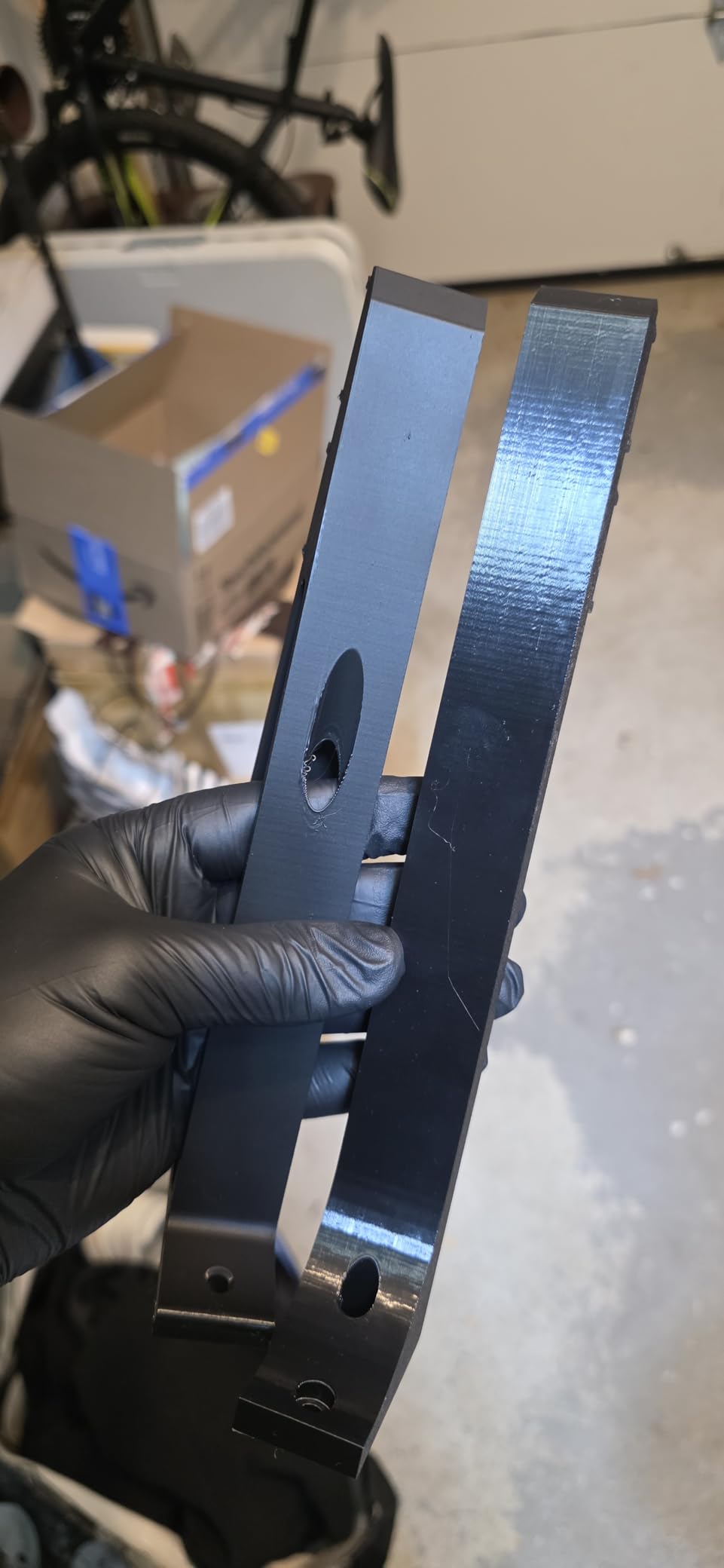
If you already own an airbrush and want primer that gives you professional-level control, this is the logical choice. The adhesion to 3D printed resin and plastic is particularly strong, making this my default recommendation for anyone printing their own miniatures or custom kit parts.
Requires airbrush equipment and setup time
Not ideal if you want grab-and-spray convenience. The bottle needs proper storage, thinning supplies, and cleanup routines that add time to your workflow. For simple projects with limited detail, rattle can primers may still be more efficient.
7. Vallejo Surface Primer Grey 200ml
Vallejo - Surface Primer Color | Grey Acrylic Primer 200 ml (6.76 fl.oz.) | Matte Finish and Fast Drying | Perfect for Airbrushing and Great Adhesion to Figurines and Scale Models
200ml bottle
Acrylic formula
Grey neutral
Matting finishing
Pros
- Great primer with excellent flow through airbrush
- Coats and sticks very well
- Smooth application
- Leaves details intact
- Good value - hundreds of minis per bottle
Cons
- Tends to thicken up during longer sessions
- May need more thinning than black version
- Grey appears whitish to some users
Vallejo Surface Primer Grey gives you the same airbrush convenience and professional-grade adhesion as the black version, but with a neutral gray tone that works beautifully under a wider range of topcoat colors. With nearly 7600 reviews and a 4.6-star rating, this product serves modelers who prefer grey as their default priming color. The 200ml bottle format means each purchase goes further than typical rattle cans, and proper storage extends the life of your investment.
I keep both black and grey Vallejo primers in my airbrush rotation. For dark-colored builds, I reach for the black. For everything else, the grey provides a surface that does not dominate the final color the way stark white or deep black might. This becomes especially important on military models where accurate color representation matters for historical authenticity.
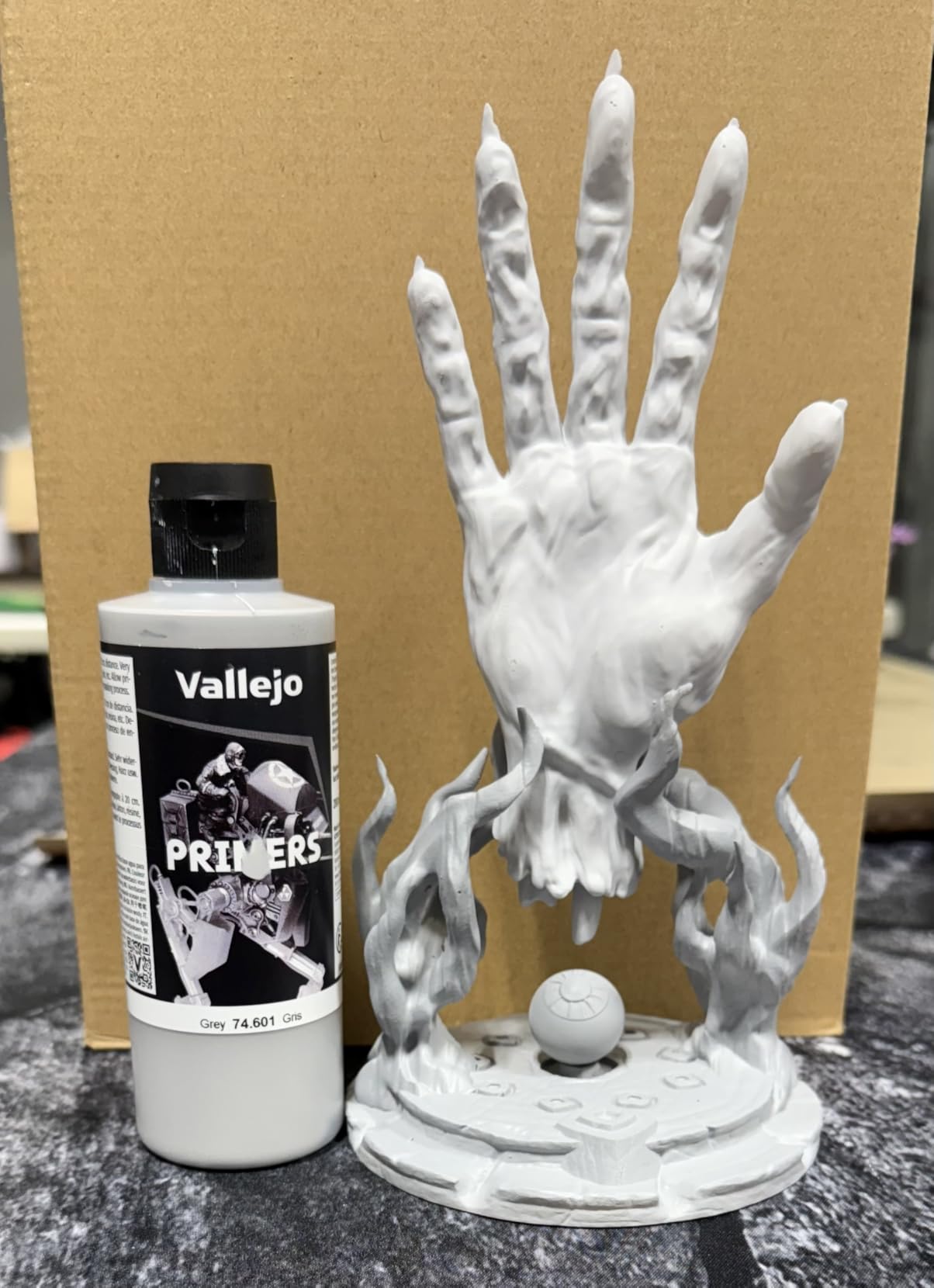
During longer spraying sessions, I noticed the grey version thickens faster than the black. I keep a small amount of thinner handy and adjust consistency on the fly rather than premixing a large batch that might skin over in the cup. The fast-drying nature of the formula means working efficiently matters more than with slower paints.
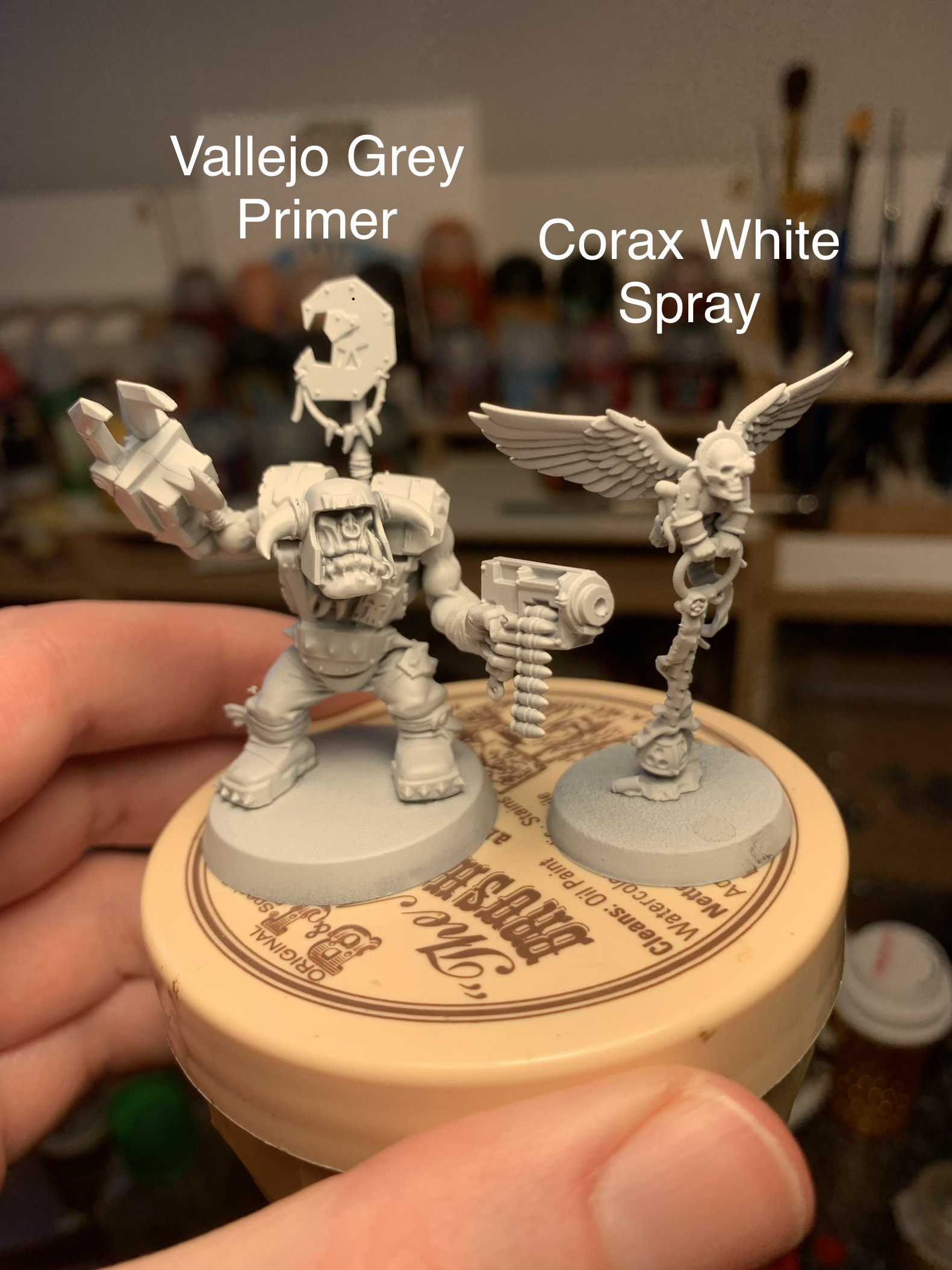
The grey tone reads slightly lighter than traditional model gray in some lighting conditions, which I initially found disconcerting. After a few projects, I adjusted my expectations and now appreciate how well it photographs under artificial light. Natural sunlight reveals the neutral character more clearly than workshop LED lighting.
Best for military models and historical subjects
The neutral grey base suits olive drab, tan, and brown color schemes commonly found on military vehicles and aircraft. If you build mostly WWII armor or modern military hardware, this grey primer provides the historically appropriate undertone that viewers expect.
Requires attention to thinning consistency
The grey formula behaves slightly differently than the black version during application. Test your thinning ratio on a sprue or spare part before committing to your actual model. Once dialed in, the results justify the extra setup effort.
8. Rust-Oleum Painter’s Touch 2X Primer White
Rust-Oleum 334019 Painter's Touch 2X Ultra Cover Primer Spray, 12 oz, Flat White
12 oz aerosol
2X Ultra Cover formula
Flat white
Multiple surface compatibility
Pros
- Excellent coverage with 2X formula
- Low odor oil-based formula
- Dries to touch in 20 minutes
- Covers up to 12 sq ft per can
- Works on wood
- plastic
- metal
- masonry and ceramic
Cons
- May show more texture on plastic than other surfaces
- Oil-based (stronger smell than acrylic)
- Some users report slight color variation
Rust-Oleum Painter’s Touch 2X Primer earns my best value designation because it delivers reliable performance at a price point that makes it accessible to beginners and budget-conscious builders without sacrificing core functionality. With nearly 10,000 reviews and a 4.7-star average, this primer has helped more modelers achieve paintable surfaces than perhaps any other product in this comparison. At under seven dollars per 12-ounce can, you can prime multiple kits or large models without financial stress.
My first experiments with this primer came during my early modeling years when Tamiya products seemed prohibitively expensive. I primed everything from Gundam kits to Revell cars with this Rust-Oleum and achieved results that held up for years. The 2X coverage formula genuinely works, letting me achieve full coverage with fewer passes than standard primers I had tried previously.
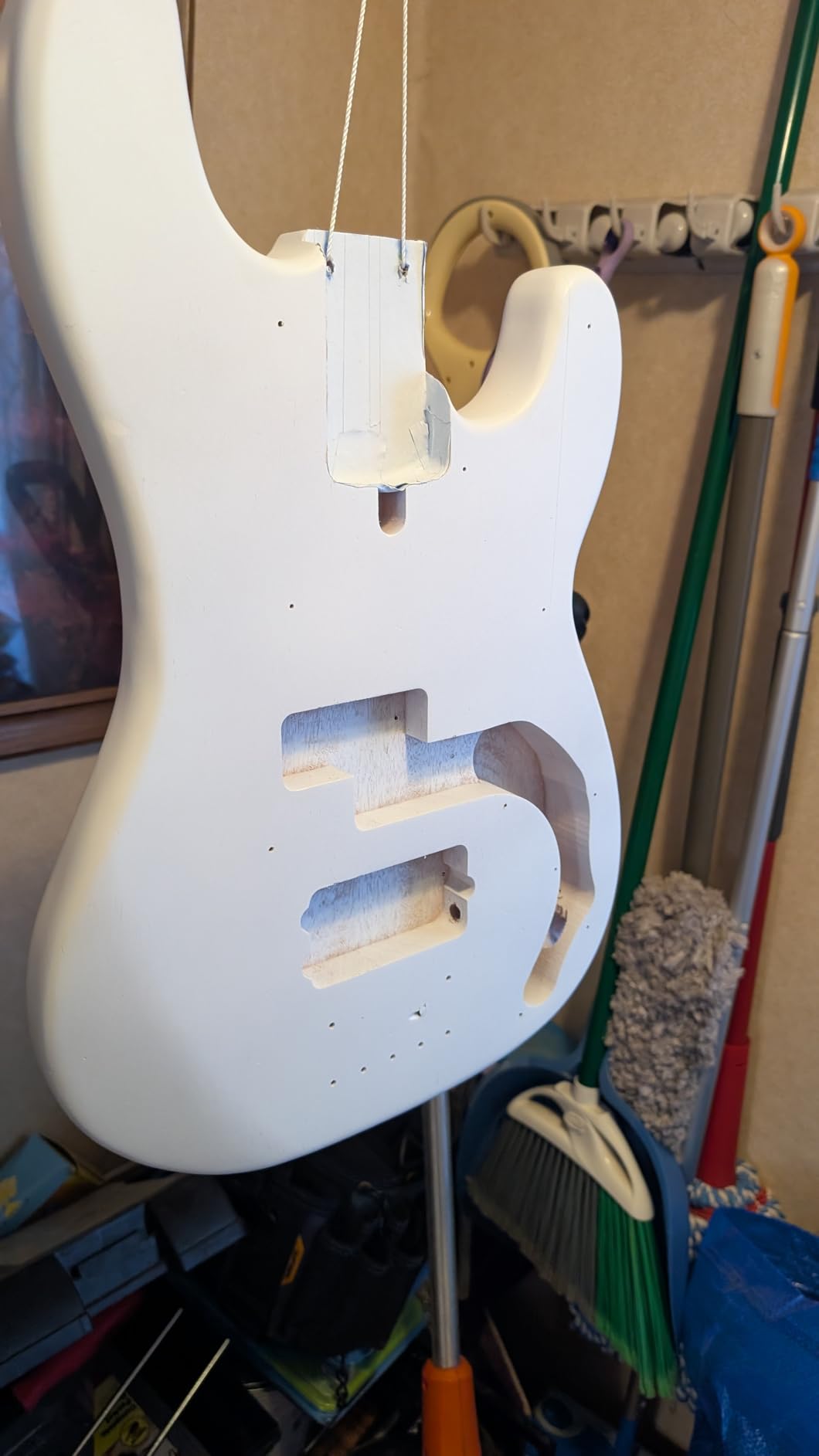
The oil-based formula provides that solvent bite into plastic that lacquer enthusiasts appreciate, but the low-odor technology makes it more tolerable in spaces without professional ventilation systems. I still use my spray booth and respirator, but the fumes never become overwhelming the way pure lacquer products can. My family tolerates weekend priming sessions without complaint.
Application technique requires attention to temperature and humidity more than with some competitors. I found that 65-75 degrees Fahrenheit with moderate humidity gives the best results. Too cold and the spray pattern suffers; too hot and dry leads to premature flash-off that creates texture instead of smooth coverage.
Best for beginners and large projects
If you are new to modeling or building your first large-scale kit, this primer removes the anxiety about wasting expensive products on learning projects. The forgiving nature of the formula tolerates minor technique errors that would ruin more expensive Japanese primers.
May require wet sanding before topcoat
The finish reads slightly rougher than premium alternatives straight from the can. Plan to wet sand with 2000-3000 grit before applying your topcoat for the smoothest final result. This extra step takes 15-20 minutes but transforms the surface.
How to Choose the Right Lacquer Primer Spray?
Selecting the ideal lacquer primer spray for plastic model kits depends on understanding how different formulations behave and matching those characteristics to your specific project needs. I spent years trying different products before developing a clear framework for making this decision efficiently.
Primer Type Comparison
Lacquer-based primers use solvents that slightly dissolve plastic surfaces, creating a mechanical bond stronger than simple adhesion. Acrylic primers rely on mechanical interlocking without chemical attack, which makes them safer for certain plastics and easier to clean up. Oil-based primers occupy a middle ground with moderate solvent action and broader surface compatibility.
For traditional styrene and ABS plastics common in most model kits, lacquer primers deliver superior results. For softer plastics, polycarbonate, or 3D-printed resins, acrylic formulations reduce the risk of surface attack that could deform delicate parts.
Color Selection Guide
White primers maximize brightness and work best under metallic finishes, light colors, and when you want the truest representation of your topcoat color.
Grey primers provide neutral contrast that works well under most colors without dominating the final appearance. This makes grey the most versatile choice for general use.
Black primers create dramatic shadow effects in recesses and provide excellent contrast for bright colors and metallics. They also photograph well and reduce the number of topcoat layers needed for coverage on dark colors.
Application Tips for Best Results
Always shake the can for at least 60 seconds before spraying. Uneven mixing leads to inconsistent coverage and spray pattern problems mid-application.
Apply in thin, overlapping passes rather than attempting full coverage in one coat. Two to three light coats with proper flash time between each produces better results than one heavy coat.
Maintain consistent distance from the surface, typically 8-12 inches for most rattle cans. Inconsistent distance creates uneven thickness and texture problems.
Temperature matters significantly. Most spray primers perform best between 65-85 degrees Fahrenheit with relative humidity below 60%. Outside these ranges, expect compromised results.
Safety Considerations
Lacquer primers produce fumes that require proper ventilation. I always use a spray booth with charcoal filtration when available and wear a respirator rated for organic vapors during extended priming sessions.
Eye protection prevents accidental spray contact that can cause irritation. Chemical splash goggles provide better protection than standard safety glasses.
Work in temperatures that allow proper flash time between coats. Rushing the process in cold conditions leads to solvent entrapment that can cause blistering or peeling weeks later.
Frequently Asked Questions
What is the best primer to use on plastic models?
Can you use lacquer primer on plastic model kits safely?
Yes, lacquer primer can be used safely on plastic model kits when proper ventilation is provided. Always use in a well-ventilated area with a respirator rated for organic vapors, and follow the manufacturer’s temperature and application guidelines.
How many coats of lacquer primer do I need for plastic models?
Two to three thin coats provide optimal results on plastic model kits. One heavy coat often leads to orange peel texture and poor adhesion. Light fogging coats with 5-10 minutes flash time between each coat builds up an even foundation.
What is the difference between lacquer and acrylic primer for models?
Lacquer primers use solvents that chemically bond with plastic surfaces, creating superior adhesion and durability. Acrylic primers are water-based and rely on mechanical interlocking without chemical attack, making them safer for some plastics but less durable in the long term.
Is Tamiya primer lacquer based?
Tamiya Surface Primers use a water-based formula despite their reputation for quality similar to lacquer products. Tamiya Spray Lacquer products like the TS series are true lacquer formulas with stronger solvents and faster dry times.
Final Verdict
After testing these eight lacquer primer sprays for plastic model kits across dozens of projects, my recommendations remain consistent. For the highest quality finish on important builds, Tamiya Spray Lacquer TS-29 SemiGloss Black delivers the professional results that justify the premium price. The self-leveling formula and fast dry time make it worth every penny for dedicated modelers who want their work to stand out.
For builders who need excellent results without breaking the bank, Rust-Oleum Painter’s Touch 2X Primer White provides the best value proposition in this comparison. The 4.7-star rating from nearly 10,000 reviews confirms what I experienced in my workshop: budget-friendly does not have to mean budget-quality.
The right lacquer primer spray for plastic model kits ultimately depends on your specific situation, scale of work, and budget. Any of the products in this guide will provide a significant upgrade over unprimed surfaces or using the wrong primer type. Choose based on your priorities, apply correctly, and enjoy paint jobs that last.