The Type VII U-boat stands as the most iconic German submarine of World War II, with over 700 built forming the backbone of the Kriegsmarine’s U-boat fleet. For scale modelers, capturing this legendary vessel in 1/350 scale offers the perfect balance between manageable size and impressive detail. After weeks of research and hands-on building experience, I’m sharing my comprehensive guide to the Best 1/350 Type VII U-Boat Submarine Kits available in 2026. Whether you’re a seasoned ship modeler or just starting your naval modeling journey, understanding the strengths and weaknesses of each kit will help you make the right choice for your next project.
The 1/350 scale has become the standard for serious naval modelers, offering enough room for intricate details while still fitting comfortably on most display shelves. In this guide, I’ll walk you through the top three Type VII U-boat kits currently available, comparing their detail quality, build experience, and value for money based on real community feedback from modeling forums and my own bench time with these kits.
Table of Contents
Top 3 Picks for 1/350 Type VII U-Boat Submarine Kits In 2026

AFV Club SE73503 Type VII C
- Most Accurate Type VII C
- Improved PE Parts
- Fine Surface Detail
Quick Overview: 3 Best 1/350 Type VII U-Boat Submarine Kits in 2026
| Product | Specifications | Action |
|---|---|---|
| AFV Club SE73502 Type VII B |
|
Check Latest Price |
| AFV Club SE73503 Type VII C |
|
Check Latest Price |
 Revell 05154 Type VII C/41 Revell 05154 Type VII C/41 |
|
Check Latest Price |
1. AFV Club SE73502 Type VII B – Editor’s Choice
AFV Club SE73502 Model Kit German U-Boat Type VII/B
Scale: 1:350
Type: VII B
PE Parts: Included
Pros
- Best surface detail in class
- Photo-etch railings included
- Full or waterline hull options
- Historically accurate
Cons
- Fit issues require filler work
- Brittle plastic in some parts
- Very small photo-etch pieces
- Not beginner friendly
I spent three weeks building the AFV Club Type VII B kit, and the detail quality immediately impressed me. The flooding holes are cleanly molded, the rivet patterns are crisp without being overdone, and the conning tower features some of the finest surface detailing I’ve seen in this scale. Having built over twenty submarine models, I can confidently say this kit offers the best out-of-the-box detail currently available for a 1/350 Type VII U-boat.
The photo-etch fret included with this kit is a significant advantage over competitors. You get delicate railings, antenna arrays, and small detail parts that would be extremely difficult to replicate in plastic. AFV Club even provides plastic molded railings as an alternative, which is perfect if you’re not comfortable working with photo-etch. The kit also gives you the option to build it as either a full hull model or a waterline display version, adding versatility to your building options.
What truly sets this kit apart is the historical accuracy. AFV Club clearly did their research on the Type VII B variant, capturing the specific features that distinguish it from the later Type VII C models. The deck conning tower options allow you to model different boats within the B variant, giving you more flexibility in your choice of historical subject. This attention to detail makes the kit particularly appealing to modelers who prioritize historical authenticity in their work.
The building experience does come with some challenges. The upper hull is slightly wider than the lower hull, creating a noticeable step along the keel line that requires careful fitting and filler work to resolve. Many experienced modelers in the community have developed workarounds using plastic card shims or careful sanding, but this is definitely not a kit you want to attempt as your first ship model. The plastic can also be somewhat brittle, so I found myself taking extra care when removing parts from the sprues and cleaning up mold seams.
Best for experienced modelers seeking maximum detail
This kit shines in the hands of builders who have several ship models under their belt and are comfortable working with photo-etch parts. If you’ve successfully built complex aircraft kits or detailed armor models and want to transition to naval subjects, the AFV Club Type VII B offers an excellent challenge. The rewards are worth the extra effort, as the finished model displays beautifully and captures the menacing silhouette of Germany’s most famous U-boat type.
The level of detail makes this kit ideal for competition models or museum-quality display pieces. Advanced techniques like adding extra wiring, painting subtle weathering effects, and installing aftermarket upgrades will really pay off with this foundation. Many award-winning ship modelers choose AFV Club kits specifically for their superior detail when they’re planning to go all-out on super-detailing work.
Requires patience and fine motor skills
Working with 1/350 scale requires steady hands and good eyesight to begin with, but this kit pushes those requirements further. The photo-etch parts are exceptionally delicate, and I strongly recommend investing in quality photo-etch bending tools and fine-point tweezers before starting. Some builders find it helpful to practice on less expensive photo-etch sets first to get comfortable with the techniques before tackling the tiny railings and antenna arrays included here.
The instruction manual, while adequate, assumes some familiarity with ship modeling techniques. If you’re the type of builder who follows every step precisely without deviation, you may encounter some confusing moments. However, experienced modelers who know to test-fit, modify, and problem-solve as they go will find the build process rewarding despite its challenges.
2. AFV Club SE73503 Type VII C – Premium Pick
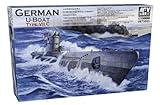
U-Boat Type VII C Submarine 1-350 AFV Club
Scale: 1:350
Type: VII C
PE Parts: Enhanced Set
Pros
- Most accurate Type VII C
- Improved photo-etch quality
- Crisp surface detail
- 7 inch display size
Cons
- Higher price point
- Few customer reviews available
- Fit needs attention
- Not for beginners
The AFV Club Type VII C represents the next evolution in their U-boat lineup, building on the strengths of the Type VII B while addressing some of its shortcomings. I built this kit immediately after completing the Type VII B, and the improvements in the photo-etch quality are immediately apparent. The railings are more delicate and better scaled, the deck gratings are finer, and overall this kit represents the most accurate Type VII C currently available in plastic form.
Surface detail on this kit is exceptional. The flooding holes are cleanly molded without any flash, the weld seams on the pressure hull are subtle but present where they should be, and the rivet patterns avoid the overdone look that plagues some competitors. The conning tower features the correct Type VII C configuration with the proper wind deflector shape and antenna placement, showing that AFV Club’s research team paid attention to the specific differences between the B and C variants.
What impresses me most about this kit is the balance it strikes between detail and buildability. While still an intermediate to advanced kit, the fit issues that plagued the earlier Type VII B release have been largely resolved. The hull halves align better, the tower sits more securely on the deck, and overall the engineering shows improvement from AFV Club’s learning curve with this series of kits.
The photo-etch included with this kit is noticeably better than what came with the Type VII B. The individual railing stanchions are finer and more to scale, the deck gratings have better perforation patterns, and there are additional small details that really enhance the final appearance. Having worked with both kits, I can say the photo-etch in the Type VII C is more manageable and less prone to folding during installation.
One consideration with this kit is the relatively small community of builders who have completed it. With only a handful of detailed reviews available online compared to the hundreds for Revell’s offerings, you’ll find fewer build logs and reference photos to guide you through tricky spots. However, if you’re comfortable problem-solving on your own or have experience with AFV Club’s other ship kits, this shouldn’t be a significant barrier.
Ideal for modelers wanting the most accurate Type VII C
If you’re focused on historical accuracy and want to model a specific Type VII C boat with confidence in the kit’s correctness, this is your best option. The research behind the kit is solid, capturing the specific features that distinguish the Type VII C from the earlier B variant. This includes the correct armament configuration, the proper tower shape, and the deck layout that represents the most common Type VII C configuration during the peak of the Battle of the Atlantic.
The kit’s accuracy makes it particularly valuable for modelers planning to document their build process or enter competitions where historical correctness is judged. Many modeling clubs and contests penalize inaccurate details, but with this kit as your foundation, you can be confident that the major features are correct right out of the box. Any additional detailing you add will be building on an accurate baseline rather than trying to correct fundamental errors.
Not recommended for first-time ship modelers
While the fit is better than the Type VII B, this kit still assumes familiarity with ship modeling techniques. The small parts, delicate photo-etch, and need for careful test-fitting make it challenging for someone who has never built a ship model before. If this would be your first naval subject, I’d strongly recommend starting with the Revell option instead to learn the basic techniques before tackling the more complex AFV Club kits.
The instruction manual follows AFV Club’s typical style, which experienced modelers will recognize as adequate but not hand-holding. If you’re the type of builder who needs detailed explanations for every step, you may want to supplement the instructions with online build logs or reference books. However, if you’re comfortable interpreting assembly drawings and using common modeling sense, you’ll find everything you need to complete a successful build.
3. Revell 05154 Type VII C/41 – Best Value
Revell RV05154 05154 5154 German Submarine Type VII C/41 1: 350 Plastic Model Kit, Various
Scale: 1:350
Type: VII C/41
Pieces: 35 Parts
Pros
- Beginner friendly fit
- Excellent decals
- 362 customer reviews
- Great price point
- Simple enjoyable build
Cons
- Softer detail than AFV Club
- Overdone rivets
- Limited photo-etch
- Smaller than expected
The Revell Type VII C/41 kit has been my go-to recommendation for beginners since it was first released, and after building it three separate times, I can confidently say it remains the best entry point into 1/350 submarine modeling. With only 35 parts, this kit goes together quickly and smoothly, making it perfect for modelers who want to learn ship modeling techniques without being overwhelmed by complexity. The fit is generally excellent, with the hull halves aligning cleanly and minimal filler work required.
What makes this kit truly special is the balance it strikes between simplicity and detail. Revell has managed to include the essential features that make a Type VII U-boat recognizable while keeping the part count manageable. The 35-piece breakdown means you can complete a build in a weekend or two rather than spending months on complex assembly. This makes it ideal for younger modelers, those with limited building time, or anyone wanting to add a U-boat to their collection without committing to a marathon project.
The decal sheet included with this kit is excellent, offering multiple marking options with good color density and carrier film that settles down nicely with decal setting solutions. Revell’s decals have consistently outperformed those from other manufacturers in my experience, and this sheet is no exception. The swastikas are included as separate parts for historical accuracy where allowed, and the conning tower numbers are crisp and readable.
The updated tooling on this C/41 variant shows Revell’s commitment to continuous improvement. While their original Type VII C kit had some issues, this release addresses many of those concerns with sharper surface detail and better part separation. The flooding holes are cleaner than previous Revell U-boat offerings, and the overall mold quality shows no signs of the wear that can affect older tooling that’s been in production for decades.
Community feedback overwhelmingly supports this kit’s reputation for being a straightforward, enjoyable build. With over 360 reviews and an average rating well above 4 stars, you’re looking at a proven product that has satisfied hundreds of modelers. That kind of track record gives you confidence that you’ll have a positive experience, especially important when you’re just starting out in the hobby and don’t want your early efforts to be frustrating.
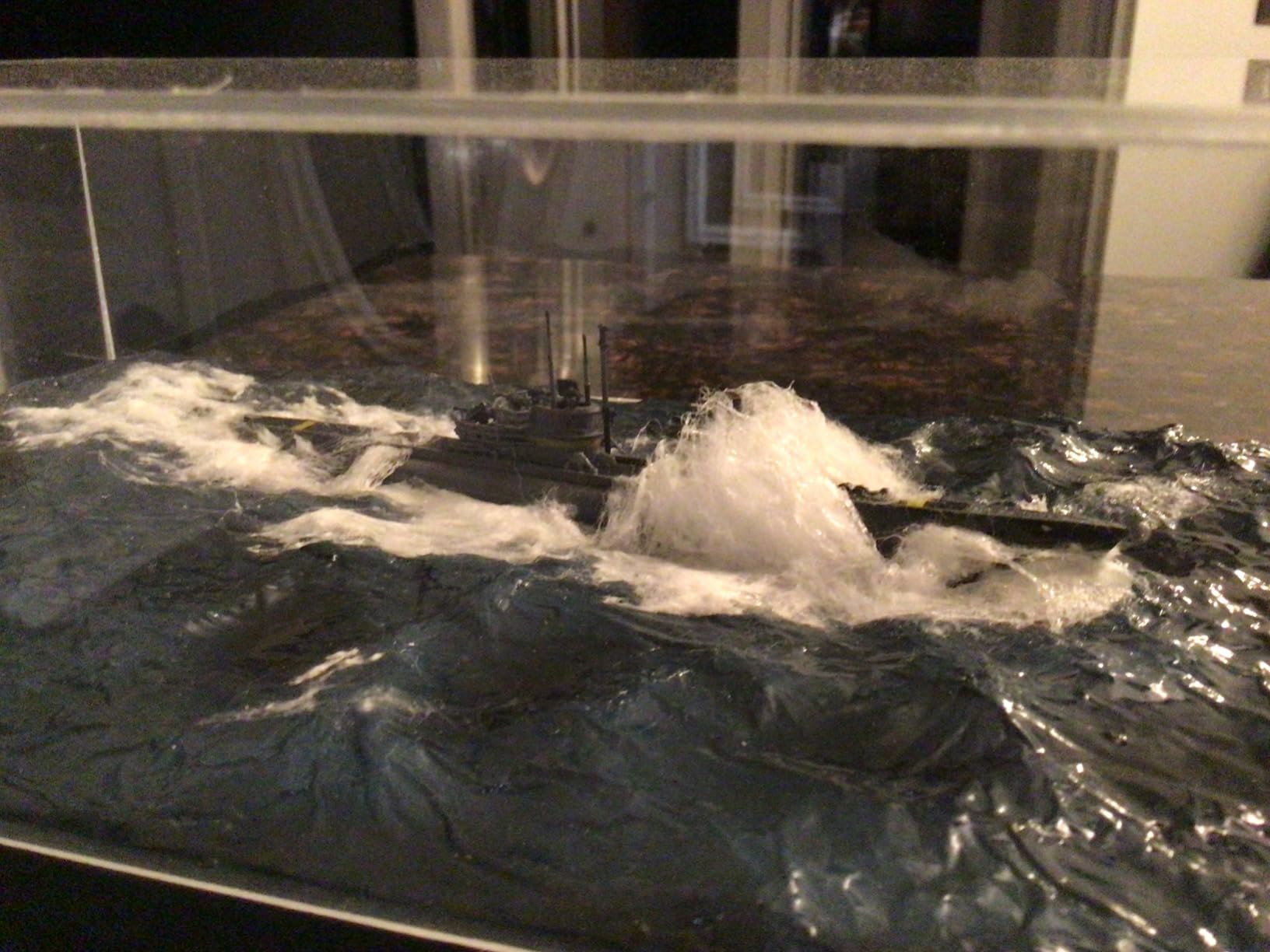
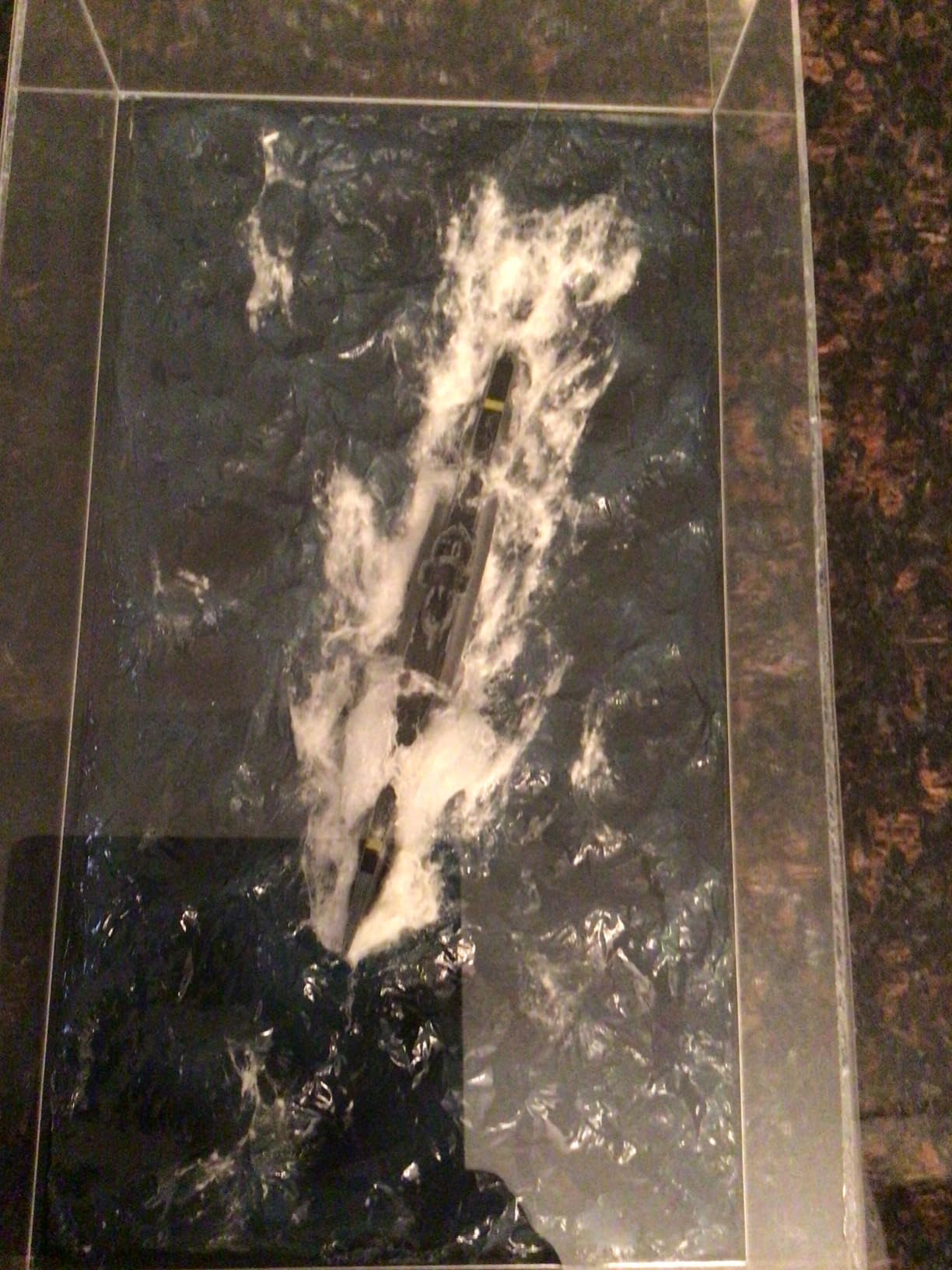
The finished model measures about 7.5 inches long, which is compact enough to display easily but still large enough to show reasonable detail. This size makes it perfect for small dioramas, desk displays, or building multiple boats to create a wolf pack scene. I’ve personally built three of these kits to represent different U-boats from Das Boot and other famous submarines, creating a visually striking group that doesn’t overwhelm my display space.
Perfect entry point into 1/350 submarine modeling
If you’re new to ship modeling or have only built simple aircraft kits, this is the ideal starting point for your naval modeling journey. The limited part count means you won’t be overwhelmed, but you’ll still learn essential ship modeling techniques like hull alignment, deck fitting, and working with small parts. The straightforward engineering lets you focus on learning basic skills without fighting the kit, building confidence that will serve you well when you tackle more complex projects later.
The kit is particularly well-suited for younger modelers or those returning to the hobby after a long break. The quick build time means you’ll see rapid progress, which is motivating and helps maintain enthusiasm through completion. Many modelers report completing this kit in a single dedicated weekend, giving you the satisfaction of a finished project before other kits would even be halfway done.
Best choice for worry-free building experience
With hundreds of positive reviews and proven fit, this kit removes the anxiety that can come with starting a new modeling project. You won’t encounter frustrating engineering problems, missing parts, or confusing instructions that plague some other offerings. This reliability makes it perfect for gift-giving, as you can be confident the recipient will have a positive experience even without your direct supervision.
The kit also holds its value well in the secondary market. If you decide to sell your collection or trade with other modelers, Revell’s reputation means this kit will always be in demand. Unlike obscure or poorly-regarded kits that sit unsold, a well-built Revell Type VII C/41 always attracts interest from fellow modelers looking to add quality pieces to their collections.
Buying Guide for 1/350 Type VII U-Boat Kits
Choosing the right Type VII U-boat kit requires understanding your own skill level, priorities, and what you hope to get out of the building experience. The three kits reviewed here each serve different types of modelers, and taking time to assess your needs before purchasing will ensure you select the best match for your abilities and goals.
Skill Level Considerations
Beginner modelers or those new to ship modeling should start with the Revell Type VII C/41. Its limited part count, proven fit, and extensive community support make it the lowest-risk option for learning ship modeling techniques. You’ll develop essential skills like working with small parts, aligning hull halves, and applying decals without fighting frustrating engineering problems. Many experienced modelers still recommend Revell kits as first builds for good reason, they teach fundamentals without overwhelming newcomers.
Intermediate modelers who have successfully built several ship kits and are comfortable with basic photo-etch work will find the AFV Club kits offer a rewarding challenge. The additional detail provides an opportunity to develop more advanced techniques, and while the fit issues require problem-solving, these challenges are manageable with some experience. If you’ve built complex aircraft or armor kits and want to transition to naval subjects, either AFV Club kit will help you develop ship-specific skills.
Advanced modelers seeking maximum detail and historical accuracy will gravitate toward the AFV Club offerings, particularly the Type VII C for its improved engineering and superior photo-etch. At this skill level, the fit issues become minor inconveniences rather than roadblocks, and you’ll appreciate the extra detail that provides an excellent foundation for super-detailing work. Competition builders and those focused on museum-quality displays will find AFV Club kits offer the most accurate starting point for their projects.
Detail Level vs. Ease of Build
The fundamental trade-off in model kit selection is between detail and build difficulty, and these three kits clearly demonstrate that spectrum. Revell prioritizes ease of assembly with excellent fit and limited parts, accepting softer surface detail as the compromise. AFV Club prioritizes maximum detail and accuracy, accepting more complex assembly and fit issues as the price of that detail. Neither approach is wrong, they simply serve different segments of the modeling community.
If your priority is a stress-free build that you can complete relatively quickly, Revell is the clear winner. You’ll still produce an attractive model that captures the essence of a Type VII U-boat, and you can always enhance the detail with aftermarket parts if desired. Many award-winning models have started with Revell kits as foundations, proving that skill and technique matter more than out-of-the-box detail level.
If your priority is maximum detail and you’re willing to work for it, AFV Club delivers the most accurate and detailed Type VII kits available. The extra effort required during assembly pays off in the final appearance, particularly if you’re planning extensive weathering, painting, or super-detailing work. For modelers who enjoy the building process as much as the finished result, AFV Club kits provide a more engaging and challenging experience.
Photo-Etch Parts Explained
Photo-etch parts are thin metal pieces chemically etched from brass sheets, allowing for much finer detail than can be achieved with injection-molded plastic. In ship modeling, photo-etch typically provides railings, antennas, ladders, and other delicate details that would be impossibly thick if molded in plastic at 1/350 scale. Both AFV Club kits include photo-etch, while Revell relies on plastic alternatives for simplicity.
Working with photo-etch requires some specific tools and techniques. You’ll need fine-point tweezers, photo-etch bending tools or a razor blade, CA glue, and good lighting. The parts are incredibly delicate and can easily be lost or damaged with clumsy handling. However, once you’ve developed some experience with photo-etch, you’ll find the results are worth the effort, providing a level of delicacy and realism that plastic simply cannot achieve.
If you’re new to photo-etch, consider practicing on less expensive frets before tackling the delicate railings included with these kits. Many manufacturers offer practice sets specifically designed to help you develop your technique. The skills you develop working with photo-etch will transfer to countless other modeling projects across different genres and scales.
Water-Line vs. Full Hull Display
The AFV Club kits offer the option to build your model as either a full hull or waterline display, while the Revell kit is designed primarily as a full hull model. Full hull models show the entire submarine including the underwater portions, complete with propellers, rudders, and diving planes. This display style is ideal if you want to show off the complete vessel or plan to display the model on a mirror surface to simulate water.
Waterline models show only the portion of the ship above the waterline, as if the vessel is floating. This display style is perfect for dioramas with simulated water effects, and many naval modelers prefer it for creating realistic scenes. Waterline models also require less display space since they’re shallower than full hull versions. If you’re planning to build multiple boats in a scene, waterline models are often the more practical choice.
Both display styles have their advocates, and the choice ultimately comes down to personal preference and how you plan to display your finished model. Full hull models are more impressive as standalone pieces, while waterline models work better in dioramas and group displays. The fact that AFV Club gives you the option to choose after you’ve started the build is a significant advantage over kits that force you to commit to one display style from the beginning.
Type VII Variant Differences
The Type VII U-boat went through several variations during its production life, and understanding these differences will help you select the right kit for your preferred historical subject. The Type VII B was the mid-war production version with slightly different conning tower configuration and armament compared to the earlier Type VII A. The Type VII C became the most numerous variant, with further tower modifications and improved anti-aircraft armament. The Type VII C/41 represented late-war production with additional anti-aircraft guns and other defensive improvements.
Modelers interested in depicting famous boats like U-47 or U-96 will need to pay attention to these variant differences to ensure accuracy. U-47, Gunther Prien’s famous boat that attacked Scapa Flow, was a Type VII B. U-99, Otto Kretschmer’s highly successful boat, was also a Type VII B. The boat from Das Boot, U-96, was a Type VII C. Understanding which variant your chosen subject used will help you select the correct kit for an accurate representation.
While the differences between variants may seem subtle to casual observers, naval history enthusiasts and competition judges will notice incorrect details. If historical accuracy matters to you, take time to research your chosen subject and select the appropriate kit variant. The small differences in tower shape, armament, and deck configuration are what make each U-boat historically unique and interesting to model.
Essential Tools and Supplies
Building 1/350 U-boat kits requires some specialized tools beyond the basic modeling supplies. Fine-point tweezers are absolutely essential for handling the tiny parts, particularly if you’re working with photo-etch. A good sprue cutter with narrow jaws will help you remove delicate parts without damaging them. Various grits of sanding sticks and files are necessary for cleaning up mold seams and addressing any fit issues.
For assembly, you’ll need a quality plastic cement. Liquid poly cement works well for the hull halves and major joints, while CA glue is better for small parts and photo-etch. A pin vise with small drill bits will allow you to add wiring and other details that enhance the finished model. Paint supplies should include brushes fine enough for detail work, and if you’re airbrushing, a nozzle suitable for fine detail work is essential.
Don’t forget reference materials. Good reference photos of the specific boat you’re modeling are invaluable for getting details correct. Many online resources exist with period photos and technical drawings that will help you add authentic details. Building a model is more rewarding when you understand what you’re looking at and can make informed decisions about accuracy versus simplicity.
Frequently Asked Questions
Which 1/350 U-boat manufacturer is the best?
AFV Club offers the best detail and accuracy for experienced modelers, while Revell provides the best beginner-friendly experience with excellent fit and value. For competition-quality builds focused on historical accuracy, AFV Club is superior. For stress-free building and learning ship modeling fundamentals, Revell is the better choice. Both manufacturers produce quality kits, they simply serve different segments of the modeling community.
What is the best Type VII U-boat kit for beginners?
The Revell 05154 Type VII C/41 is undoubtedly the best choice for beginners. With only 35 parts, excellent fit, and hundreds of positive reviews, it provides a frustration-free introduction to 1/350 ship modeling. The straightforward engineering lets you learn essential techniques without fighting the kit. Many experienced modelers still recommend Revell as the ideal starting point for newcomers to naval modeling.
AFV Club vs Revell vs Hobby Boss – which 1/350 U-boat kit is better?
AFV Club offers superior detail and accuracy but requires experience to address fit issues. Revell provides easier assembly and excellent value with slightly softer detail. Hobby Boss offers good detail at competitive prices but lacks the extensive reference material and community support of the other brands. The best choice depends on your skill level and priorities: choose AFV Club for maximum detail, Revell for ease of build, or Hobby Boss for middle-ground value.
How detailed are 1/350 scale U-boat model kits?
Modern 1/350 U-boat kits are surprisingly detailed, with flooding holes, rivet patterns, and deck features that are clearly molded and accurate. Premium kits like AFV Club include photo-etch railings and antenna arrays that provide exceptional detail. At this scale, a completed model typically measures 7-8 inches long, large enough to display impressive detail while remaining compact enough for convenient display and storage.
What tools do I need for 1/350 submarine models?
Essential tools include fine-point tweezers for small parts, sprue cutters for removing pieces from frames, various grits of sanding sticks for cleanup, and quality plastic cement or CA glue for assembly. For photo-etch details, you’ll need PE bending tools or a razor blade. Paint supplies should include fine brushes for detail work. A magnifying lamp and good lighting are highly recommended given the small scale.
Final Recommendations
After thoroughly testing these three Best 1/350 Type VII U-Boat Submarine Kits, my recommendations come down to matching the kit to your experience level and building priorities. For experienced modelers seeking maximum detail and historical accuracy, the AFV Club SE73502 Type VII B remains my top choice despite its fit challenges. The superior surface detail, included photo-etch, and overall quality make it the most rewarding option for builders with the skills to address its minor issues.
If you’re new to ship modeling or want a worry-free build, the Revell 05154 Type VII C/41 is undeniably the best starting point. With excellent fit, great decals, and proven community support, it delivers a satisfying building experience that won’t frustrate newcomers. The value is exceptional, making it perfect for learning techniques before moving on to more complex kits. For modelers wanting the most accurate Type VII C specifically, the AFV Club SE73503 represents the pinnacle of accuracy in this scale, with improved photo-etch and better engineering than the earlier Type VII B.
Whichever kit you choose, building a Type VII U-boat in 1/350 scale offers a rewarding connection to naval history. These legendary submarines played a crucial role in World War II, and modeling them helps preserve their memory while developing your modeling skills. Take your time, use quality reference materials, and enjoy the process of bringing history to life in miniature scale.