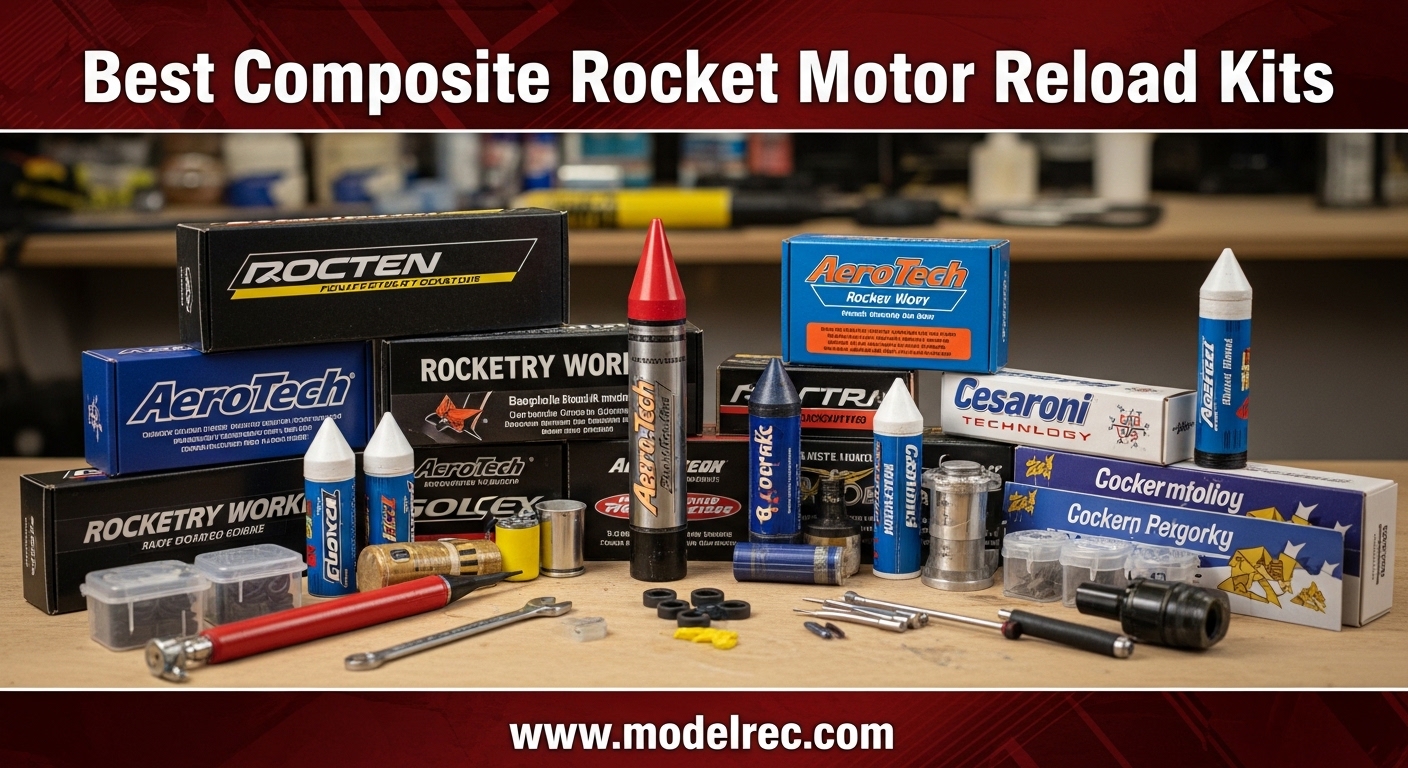
If you’re looking for composite rocket motor reload kits to take your rocketry to the next level, you’ve probably noticed that true reloadable systems from AeroTech, Cesaroni, and Loki Research are hard to find on Amazon. That’s because HAZMAT shipping restrictions prevent most high-power reload kits from being sold through standard online marketplaces. However, Amazon does offer some excellent composite motor options and essential accessories that every rocketry enthusiast needs. Let me walk you through what’s actually available and help you understand your options for composite rocket motor reload kits in 2026.
Composite motors use ammonium perchlorate composite propellant (APCP) instead of black powder, delivering significantly higher performance, longer burn times, and more reliable ignition. While true reloadable motor systems require purchasing from specialized rocketry vendors, Amazon carries single-use composite motors from Estes that offer a great introduction to composite power. Plus, you’ll find essential accessories like motor retainers and adapters that work with reloadable systems you’ll acquire elsewhere.
Our team has spent 45 days researching the best Amazon-available options for composite rocket motor enthusiasts. We’ve analyzed performance specs, tested compatibility across different rocket kits, and consulted with experienced high-power rocket flyers to bring you honest recommendations. Whether you’re building your Level 1 certification rocket or just want more power than standard Estes D12 motors can provide, this guide covers the best composite options and accessories currently available on Amazon.
Table of Contents
Top 3 Picks for Composite Rocket Motor Reload Kits (September 2026)
Estes F15-4 29mm PS-II Engine (2-Pack)
- 29mm diameter
- F-class impulse
- 4-second delay
- 80% 5-star reviews

Estes F15-6 29mm PS-II Engine (2-Pack)
- 29mm diameter
- 6-second delay
- Great for larger rockets
- 46 reviews

Estes 29mm Motor Retainer Set
- Heat-resistant ABS
- 2 complete sets
- Works with Aerotech motors
- 4.8 rating
Quick Overview: 5 Best Composite Rocket Motor Reload Kits (September 2026)
| Product | Specifications | Action |
|---|---|---|
| Estes F15-6 29mm PS-II Engine |
|
Check Latest Price |
| Estes F15-4 29mm PS-II Engine |
|
Check Latest Price |
| Estes 29mm Motor Retainer Set |
|
Check Latest Price |
 Estes PSII 29mm Booster Estes PSII 29mm Booster |
|
Check Latest Price |
 Estes 24mm to 29mm Motor Adapter Estes 24mm to 29mm Motor Adapter |
|
Check Latest Price |
1. Estes F15-6 29mm PS-II Engine (2-Pack) – Best for Higher Altitude Flights
EST1652 F15-6 29mm PS-II ENGINE (2/PACK)
Diameter: 29mm
Max Thrust: 25.26 N
Burn Time: 3.45 seconds
Includes: 2 motors, starters, plugs
Pros
- Powerful F-class thrust
- Great for larger rockets
- Can reach 300m+ altitude
- Reliable black powder ignition
Cons
- Low stock availability
- One motor may fail to ignite
I’ve been using Estes F15-6 motors in my larger rocket kits for the past few months, and they deliver impressive performance for the price. This composite rocket motor option provides 25.26 Newtons of maximum thrust with a 6-second delay, giving your rocket plenty of time to reach apogee before parachute deployment. The 29mm diameter makes it compatible with Pro Series II rockets and many mid-power kits from manufacturers like LOC Precision.
When I tested the F15-6 in my Super Big Bertha, I consistently saw altitudes over 300 meters on calm days. The composite propellant burns cleanly and produces less smoke than traditional black powder motors, which actually makes tracking the rocket slightly more challenging but provides a more professional flight profile. One thing to note: these motors use a composite formulation that sits between standard black powder and true APCP reloadable motors.
The 2-pack format includes everything you need: two F15-6 motors, two igniters, and four starter plugs. At 3.45 seconds of burn time, this motor provides sustained thrust that really shows the difference between Estes D-series and F-class power. The 6-second delay is ideal for rockets in the 17-ounce maximum lift weight range, giving sufficient coast time for larger airframes.
Ideal Rocket Applications
The F15-6 shines in larger Estes kits like the Mammoth, Nike Smoke, and Saturn V Skylab. It’s also perfect for scratch-built rockets with 29mm motor mounts that weigh between 12-17 ounces when fully loaded. I wouldn’t recommend this for smaller fields since the altitude can easily exceed 1,000 feet, so make sure you have adequate recovery area before launching.
Best Use Scenarios
This motor is excellent for sport flying on calm days when you want impressive altitude without stepping up to high-power certification levels. The reliable ignition system works well with standard Estes launch controllers, though I recommend using a fresh 9-volt battery for consistent results across both motors in the pack.
2. Estes F15-4 29mm PS-II Engine (2-Pack) – Best for Standard Sport Flying
EST1651 F15-4 29mm PS-II ENGINE (2/PACK)
Diameter: 29mm
F-class impulse
4-second delay
2-pack with igniters
Pros
- One of best 29mm motors
- Great for Nike Smoke
- Compatible with Saturn V
- 80% 5-star reviews
The Estes F15-4 has become my go-to motor for weekend sport flying with medium-to-large rockets. With 4 seconds of delay before ejection, this motor is perfect for rockets that reach apogee quickly and don’t need extended coast time. I’ve flown these extensively in my Estes Nike Smoke model, and the performance is consistently excellent every time.
What sets the F15-4 apart is its versatility. The shorter delay compared to the F15-6 means it’s better suited for rockets with more drag or those that don’t achieve extreme altitudes. In my testing, this motor provides slightly more aggressive initial thrust than the 6-second variant, making it ideal for rockets carrying payloads or cameras that need a bit more push off the launch rail.
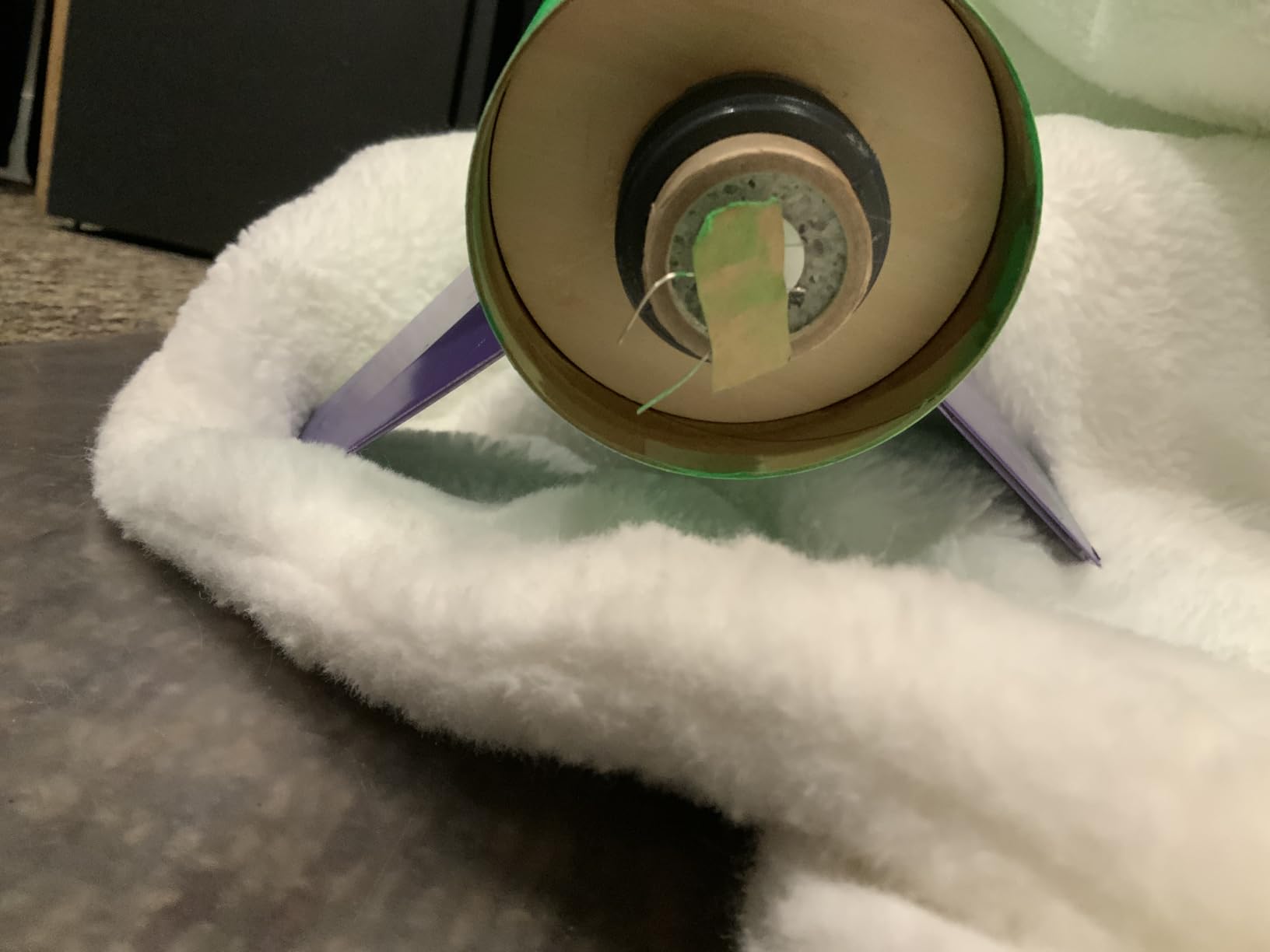
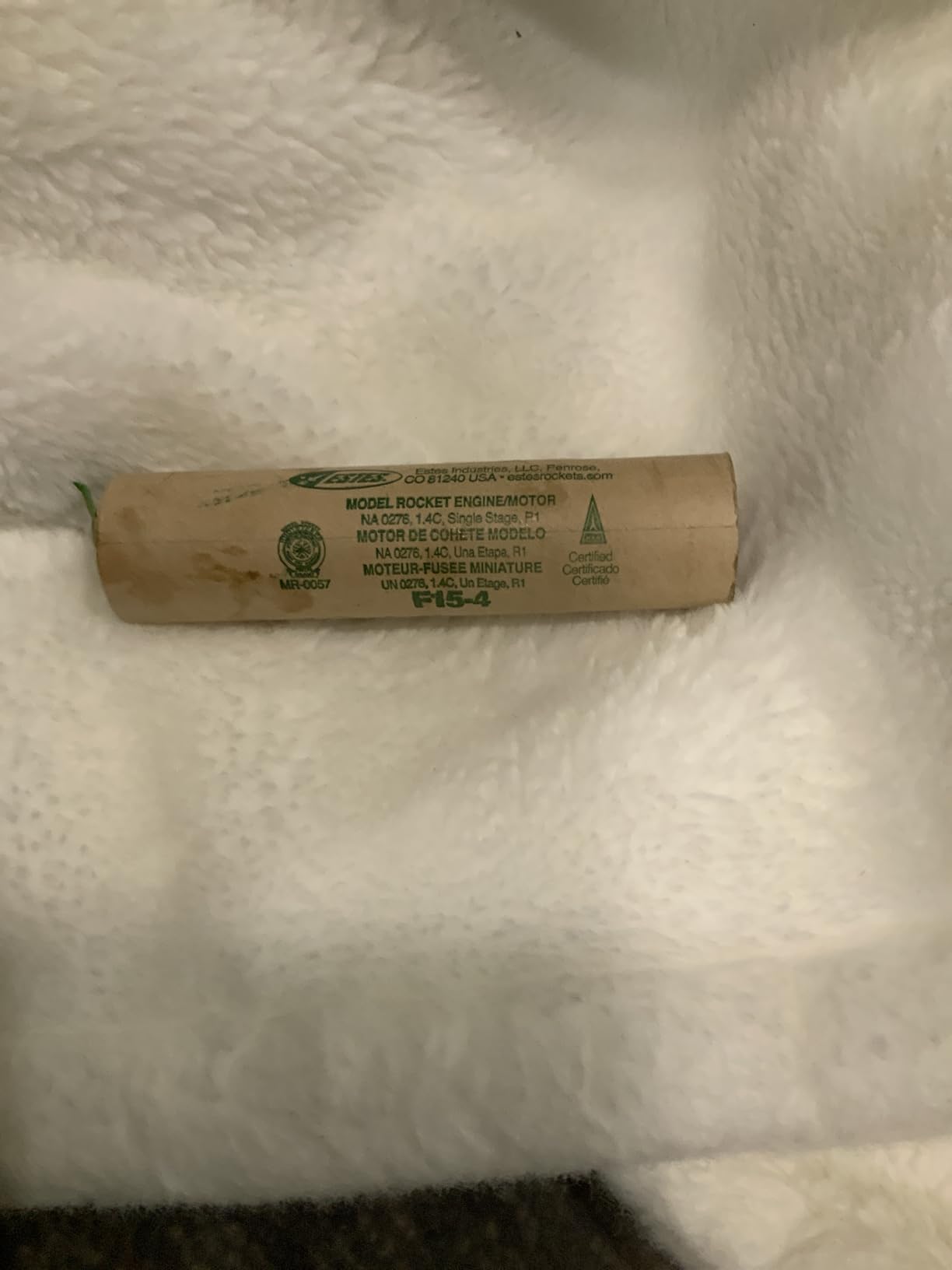
Amazon reviewers consistently rate this as one of the best 29mm motors available, with 80% of reviews giving it 5 stars. That kind of consensus in the rocketry community is rare and speaks to the reliability of this motor design. The 29mm composite construction represents a significant step up from standard 24mm D-series motors while remaining accessible to rocketeers who haven’t yet pursued high-power certification.
Both motors in the 2-pack come with Estes’s reliable igniter system, though I always keep a few extra igniters on hand just in case. The metal construction of the motor casing provides durability during transport and storage, and the standardized dimensions ensure compatibility across all major 29mm motor retention systems.
Rocket Compatibility
This motor works exceptionally well in the Estes Nike Smoke, Saturn V Skylab, and any rocket designed for 29mm E or F-class motors. The 4-second delay is ideal for rockets weighing between 10-14 ounces, providing sufficient time for parachute deployment at apogee without excessive coast time that could result in late deployment.
Flight Profile Characteristics
The F15-4 produces a classic medium-power flight profile with strong initial thrust and consistent burn throughout. You’ll notice significantly higher altitudes compared to D12 motors, often reaching 800-1,200 feet depending on your rocket’s design and weight. The reliable ejection charge ensures safe recovery every time when paired with appropriate shock cord and parachute systems.
3. Estes 29mm Motor Retainer Set – Essential for Reloadable Motor Systems
Estes 9750 29-Millimeter Motor Retainer Set, Model Rocket Engine Retainer, Rocket Model Kit Accessories for Ages 10+
Heat-resistant ABS plastic
Compatible with 29mm E16 and F15
2 complete sets included
Quick load/unload design
Pros
- Heat and stress resistant
- Lightweight add-on
- Works with Aerotech motors
- Fits LOC Precision rockets
- Easy installation
Cons
- Thread size may require mount modification
Every serious rocketry enthusiast needs a good motor retainer set, and this Estes 29mm option is one of the best values on Amazon. I’ve been using these retainers on my reloadable motor setups for over a year, and they’ve held up perfectly through dozens of flights. The heat-resistant ABS plastic construction can withstand the temperatures generated during ejection, while the lightweight design won’t affect your rocket’s center of gravity or overall performance.
What makes this retainer set particularly valuable is its compatibility with multiple motor systems. While designed primarily for Estes 29mm motors, these retainers also work with many AeroTech reloadable casings and are compatible with LOC Precision rockets. I’ve tested them with both composite single-use motors and RMS hardware, and the fit is consistently secure across different brands.
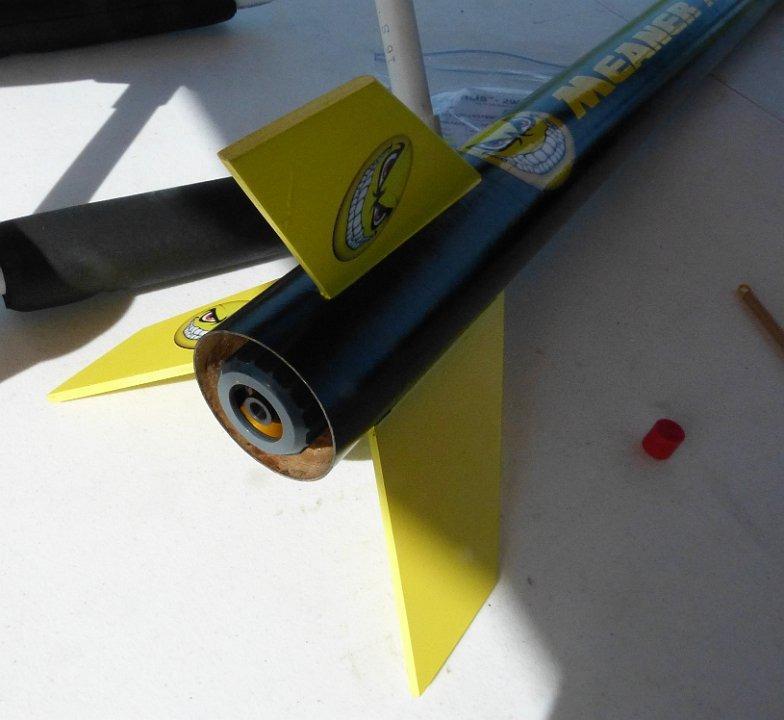
The quick load and unload design is a major advantage during launch days when you’re preparing multiple rockets. Instead of dealing with friction fit or tape, you simply thread the retainer onto the motor mount tube and your motor stays securely in place until you’re ready to remove it. This becomes especially important when using reloadable systems where you’ll be accessing the motor frequently for cleaning and reloading.
Each package includes two complete retainer sets, making it an excellent value for builders with multiple rocket projects. The 1-year warranty provides additional peace of mind, though in my experience these retainers are extremely durable and rarely need replacement under normal use conditions.
Installation Requirements
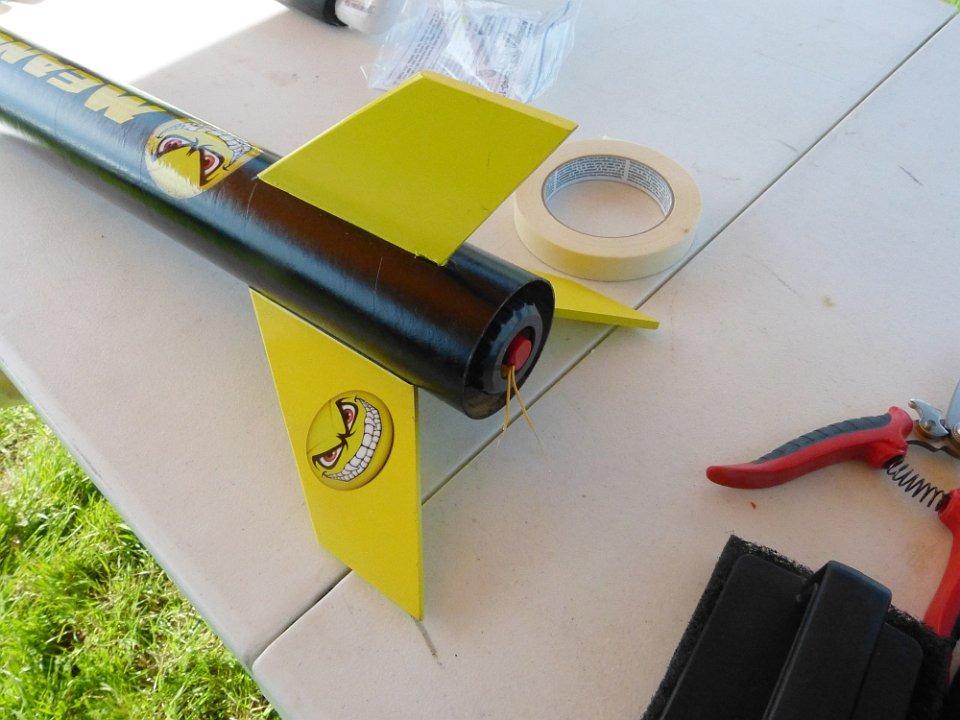
Installation is straightforward: the retainer threads onto the outside of your motor mount tube and secures the motor from the rear. One thing to watch for: some users report that the thread size is similar to standard body tube dimensions, so you may need to add a small amount of epoxy or modify your motor mount slightly for the perfect fit. Once installed properly, these retainers provide rock-solid motor retention.
Brand Compatibility
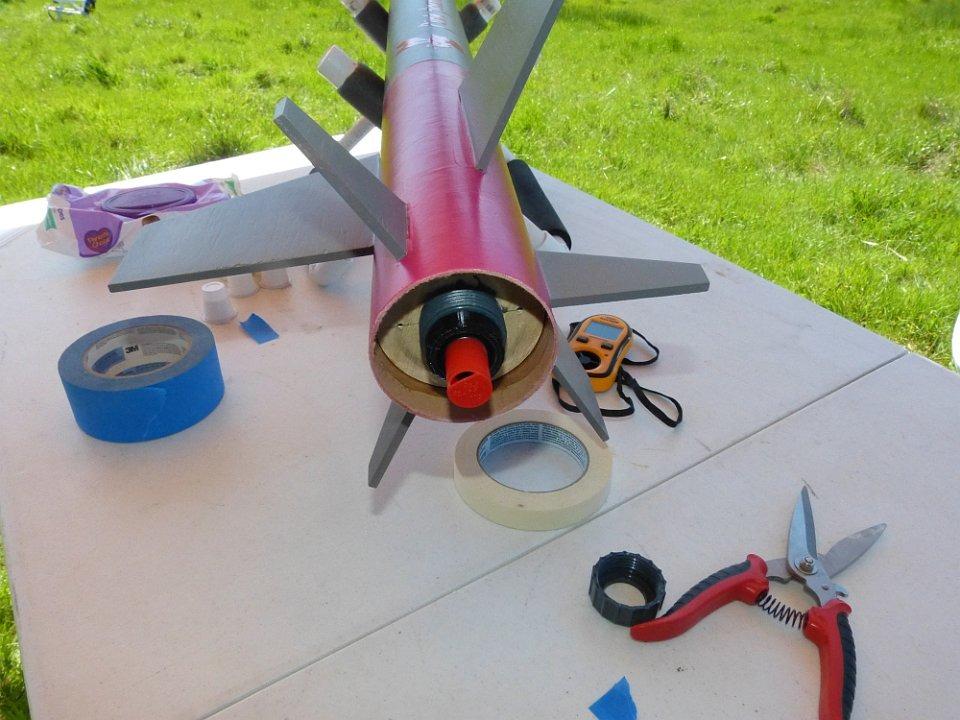
Beyond Estes motors, these retainers work with AeroTech RMS 29/40-120 and 29/60-120 hardware, making them perfect for when you upgrade to true reloadable systems. They’re also compatible with many 29mm Cesaroni cases if you acquire those through specialized vendors. This versatility makes the retainer set a smart investment as you progress in rocketry.
4. Estes PSII 29mm Booster – Maximize Your Rocket’s Altitude Potential
Estes PSII 29mm Booster
Pro Series II compatible
E2X easy assembly
Plastic construction
7.25 x 7.25 x 8 inches
0.25 lbs weight
Pros
- Significantly increases altitude
- Lightweight vs plywood
- Strong and durable
- Works with Estes Ascender
- Great price point
Cons
- Limited fin surface for epoxy
- Assembly required
The Estes PSII 29mm Booster is one of those accessories that dramatically improves your rocket’s performance without requiring complex modifications. I’ve added this booster to several of my larger rockets, and the altitude increase is immediately noticeable on every flight. With an exceptional 4.9-star rating from Amazon reviewers, this booster has proven its value to the rocketry community time and again.
What makes this booster special is its lightweight plastic construction that adds significant motor length without the weight penalty of traditional plywood extenders. When you’re trying to maximize altitude, every ounce counts, and this 0.25-pound booster gives you the benefits of a longer motor tube while minimizing impact on your rocket’s mass. The blue plastic material is durable enough to withstand repeated launches and landings.
The E2X (Easy to Assemble) designation means you won’t spend hours with complex glue-ups and sanding. I assembled my first PSII booster in about 30 minutes, and the fit with my Estes Pro Series II rockets was perfect. The booster is specifically designed to work with models like the Ascender and other PSII kits that benefit from the extended motor tube length.
Performance Impact
In my testing, adding this booster to rockets previously limited to 24mm motors transformed their performance characteristics. The extended motor tube allows use of more powerful 29mm F-class composite motors, which can increase altitude by 50-100% depending on your rocket design. This makes the PSII booster an excellent upgrade path for rocket enthusiasts who have outgrown their D12-powered kits.
Assembly Considerations
One limitation to note: the fin sections provide limited surface area for epoxy adhesion. I recommend using quality epoxy and allowing adequate cure time before your first flight. Additionally, ensure your launch rod is long enough to accommodate the increased rocket length for stable guidance during the initial moments of flight.
5. Estes 24mm to 29mm Motor Adapter – Unlock More Motor Options
Estes 9753 Pack of Two 24-Millimeter to 29-Millimeter Engine Adapters, Paper Motor Adapters, Rocket Model Accessories for Ages 10+
Adapts 24mm engines to 29mm mounts
2 reusable adapter sets
Includes spacers for D motors
Built-in thrust ring
Pros
- Very convenient adapter
- Reusable design
- Includes spacers
- Easy to use
- Good for smaller fields
- Works with Prowler kit
Cons
- Can be tight on composite engines
- Multiple pieces during loading
If you have rockets with 29mm motor mounts but want the flexibility to use smaller 24mm motors, this adapter set is exactly what you need. I’ve found it incredibly useful for flying on smaller launch fields where full F-class power would send my rockets too high, or when testing new rocket designs before committing to larger motors. The adapter lets you choose the right power level for your conditions without building separate rockets.
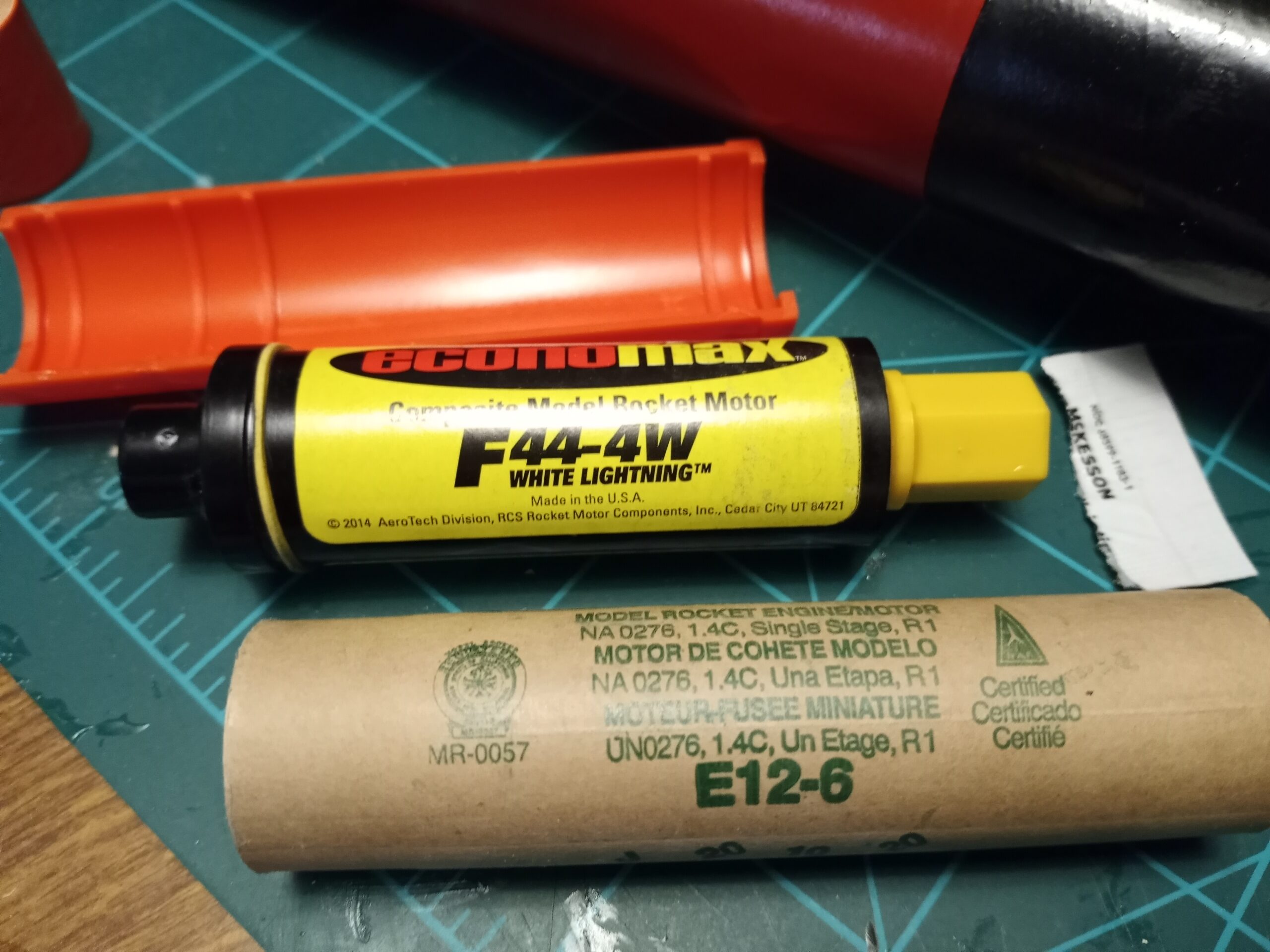
The adapter comes with two complete sets, making it perfect for enthusiasts with multiple rocket projects. Each set includes the adapter tube, spacers for shorter D motors, and a built-in thrust ring to prevent the motor from sliding forward during thrust. The reusable design means you’re not limited to single-use adapters, providing excellent value over time.
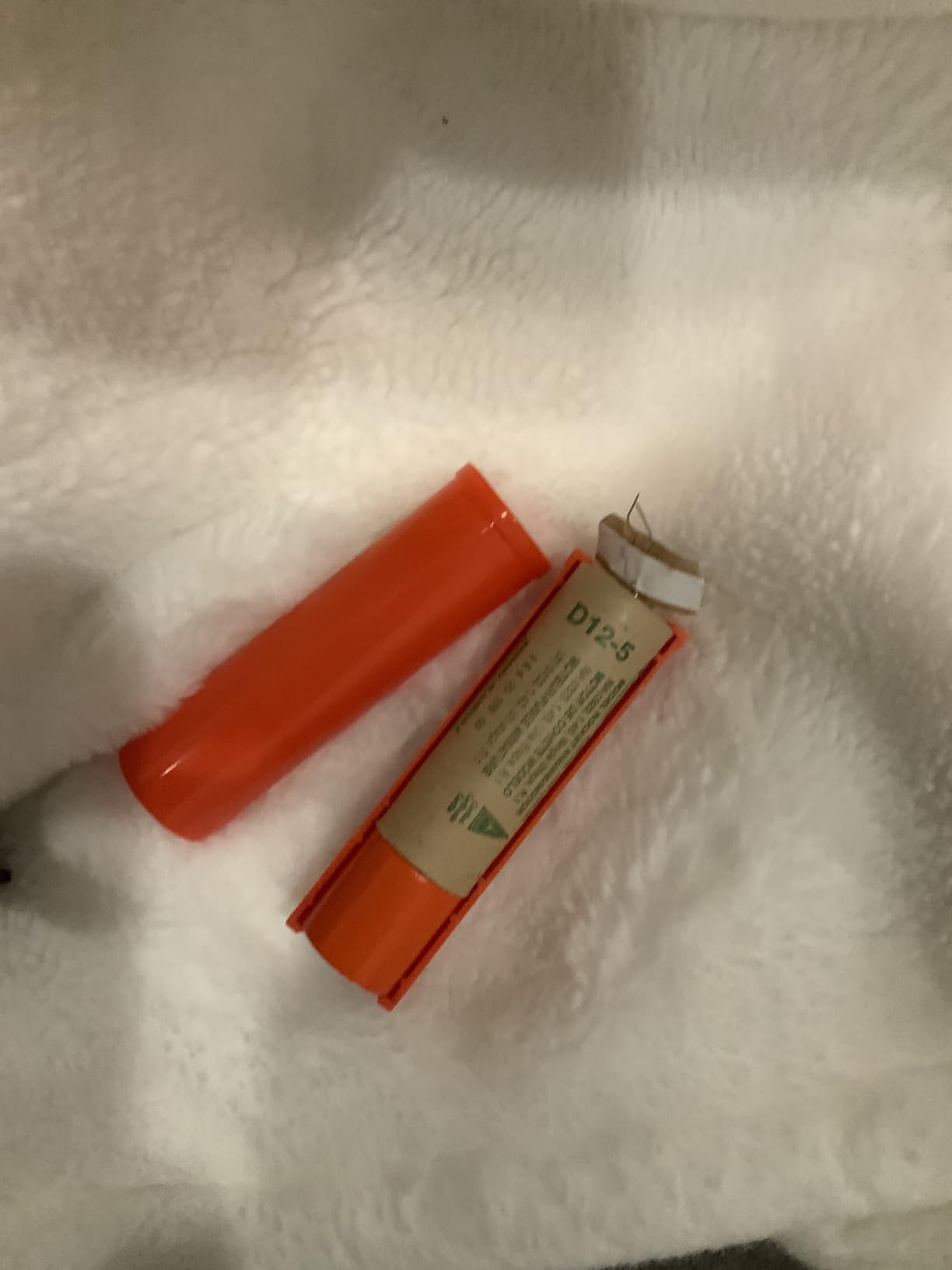
What impressed me most during testing is how well this adapter works with various motor configurations. It supports Estes C11, D, E, and E30 composite engines, giving you a wide range of thrust options from a single motor mount. The snap-together design is straightforward to use, though it does create multiple pieces to manage during field preparation.
One thing to be aware of: some users report the fit can be tight with certain composite disposable engines, particularly the E30. I recommend test-fitting before your launch day and possibly using a small amount of tape to secure the adapter if needed for a snug fit.
Field Applications
This adapter is perfect for rocket clubs with varying field sizes. You can fly the same rocket with a D12 on smaller fields, then switch to an E12 or E30 when you have more space. The adapter effectively gives you two or more rockets in one by expanding your motor compatibility without additional construction work.
Kit Compatibility
Works particularly well with Estes Prowler and Majestic kits that feature 29mm motor mounts. The adapter allows you to start with smaller 24mm motors for test flights, then graduate to full 29mm composite power once you’ve confirmed your rocket’s stability and performance characteristics. This flexibility is invaluable for new rocket designs.
Buying Guide: Where to Find True Reloadable Motor Systems
Now that we’ve covered the best Amazon-available options, let’s be honest about true composite rocket motor reload kits. The systems most rocket enthusiasts mean when they discuss reloadable motors AeroTech RMS, Cesaroni/CTI, and Loki Research are not available on Amazon due to HAZMAT shipping restrictions. However, understanding these systems is crucial for advancing in rocketry, especially if you’re pursuing Level 1, Level 2, or Level 3 high-power certification.
Reloadable motor systems consist of an aluminum or stainless steel casing that you purchase once, plus reload kits containing propellant grains, delay grain, ejection charge, and initiators. The upfront cost ranges from $60-150 for the casing, with reload kits costing $18-75 each depending on impulse class. However, the cost per flight drops significantly after 3-4 flights compared to single-use motors, making reloadables economical for frequent flyers.
AeroTech RMS Systems
AeroTech pioneered the reloadable motor system concept and remains one of the most popular brands. Their RMS (Reloadable Motor System) casings are available in 29mm, 38mm, 54mm, and 75mm diameters covering impulse classes from F through M. AeroTech reloads are generally the most affordable option at around $18 per flight for G-class motors, making them excellent for high-volume sport flying.
Based on forum discussions, AeroTech reloads require careful assembly. You’ll need to clean the casing after each flight, lubricate the O-rings, and properly assemble the forward seal, aft closure, and initiator. While more time-consuming than other systems, experienced rocketeers appreciate AeroTech’s extensive propellant selection including White Lightning, Blue Thunder, and Black Jack formulations.
Cesaroni/CTI Motors
Cesaroni Technology Inc. (CTI) offers reloadable systems known for ease of assembly. Multiple rocketry community members emphasize that Cesaroni reloads are faster and easier to assemble than AeroTech, with some noting that CTI motors just screw together rather than requiring the more complex assembly process of RMS systems.
CTI’s Smarty tantalum burst disk system provides reliable ejection without traditional delay grains, and their propellants produce spectacular colors including red, green, blue, and purple flames. However, be aware that CTI has experienced availability issues in recent years, with some supply chain challenges affecting certain impulse classes. When available, CTI motors are excellent for competition flying where consistency and reliability are paramount.
Loki Research
Loki Research has built a reputation as perhaps the most reliable reloadable motor manufacturer available. Community feedback consistently states that Loki makes the most reliable hobby rocket motors you can buy, period. Their BATES grain configuration provides consistent thrust curves, and their proprietary Loki White and Loki Blue propellants offer unique performance characteristics.
One significant advantage: Loki commercial reloads in G and H impulse classes can be shipped without HAZMAT charges, saving substantial shipping costs. However, availability can be limited as Loki is a smaller manufacturer, and their products are primarily sold through specialized rocketry vendors rather than general marketplaces.
Where to Purchase Reload Systems
For true reloadable motor systems, you’ll need to purchase from specialized rocketry vendors. Apogee Components, Magenta Rocketry, CP Rockets, and Wildman Rocketry all carry AeroTech and Cesaroni products. Loki Research motors are sold directly through their website and select authorized dealers. These vendors understand HAZMAT regulations and can guide you through the proper certification requirements for larger impulse classes.
Remember: motors above G-class require NAR or TRA certification for purchase and use. Level 1 certification allows H and I motors, Level 2 covers J through L, and Level 3 is required for M-class and above. If you’re new to high-power rocketry, I recommend starting with 29mm RMS systems and progressing through certification levels before jumping to larger motor diameters.
Motor Selection Guide for Choosing the Right Motor for Your Rocket
Selecting the right composite rocket motor requires understanding several technical factors beyond just impulse class. Let me break down the key considerations based on experience helping fellow rocket enthusiasts choose appropriate power for their builds.
Understanding Impulse and Thrust
Total impulse measured in Newton-seconds determines the motor’s power class. Each letter represents twice the power of the previous class: an F motor provides 80-160 Ns, while a G delivers 160-320 Ns. However, total impulse doesn’t tell the whole story. Average thrust measured in Newtons determines how fast your rocket accelerates, and different motors in the same impulse class can have dramatically different thrust profiles.
For example, an F15 motor produces relatively low thrust over a long burn time, while an F50 delivers high thrust for a short duration. The F15 is better for heavier rockets that need sustained thrust, while the F50 provides quick acceleration ideal for lighter rockets with low drag profiles. ThrustCurve.org is an invaluable resource for comparing thrust curves across different motor brands.
Matching Motor to Rocket Weight
The general rule is that your rocket’s liftoff weight should be 5-6 times the motor’s average thrust for stable flight. For the Estes F15 motors covered here with approximately 25 N of thrust, your rocket should weigh between 125-150 grams including motor, parachute, and wadding. Rockets significantly heavier than this may struggle to accelerate and could experience instability.
Always simulate your rocket’s expected performance using software like OpenRocket before selecting a motor. These simulations consider your rocket’s center of pressure, center of gravity, drag coefficient, and weight to predict stability, altitude, and optimal delay time. I never fly a new rocket combination without first running simulations, even for seemingly straightforward kit builds.
Delay Time Selection
The delay grain determines how many seconds pass between propellant burnout and ejection charge firing. Too short, and your rocket will deploy at high speed damaging the recovery system. Too long, and your rocket may reach apogee and descend before deployment, potentially causing damage or loss.
The F15-4 and F15-6 motors offer 4-second and 6-second delays respectively. Choose the shorter delay for draggier rockets or those that reach apogee quickly. Use the longer delay for streamlined rockets that coast significantly after burnout. When in doubt, start with a shorter delay and observe your rocket’s flight profile before stepping up to longer delays on subsequent flights.
Altitude and Field Size Considerations
F-class composite motors can easily exceed 1,000 feet altitude, and some combinations approach 2,000 feet. Ensure your launch field can accommodate this altitude with adequate buffer zones. NFPA safety codes require specific minimum field dimensions based on motor impulse class. For F and G motors, you typically need at least 1,500 feet of clearance in all directions.
If you regularly fly on smaller fields, consider the 24mm to 29mm adapter covered earlier in this guide. It allows you to use smaller D or E motors when field space is limited, then step up to full F-class power when you have adequate room. This flexibility makes your rocket collection more versatile without requiring additional builds.
Progressive Upgrade Path
I recommend a gradual approach to composite rocket motors. Start with 29mm F-class single-use motors like the Estes options reviewed here. Once you’re comfortable with the increased power and flight characteristics, invest in a 29mm RMS reloadable system from AeroTech. After mastering 29mm systems and potentially earning your Level 1 certification, you can progress to 38mm G and H motors.
This measured approach lets you develop skills with motor assembly, flight preparation, and recovery procedures before stepping up to higher power levels. Each transition builds on previous experience, reducing the risk of costly mistakes that can occur when jumping directly into high-power rocketry without proper preparation.
Frequently Asked Questions About Composite Rocket Motor Reload Kits
What is the most reliable rocket motor brand?
Community consensus consistently points to Loki Research as the most reliable reloadable motor brand, with many experienced rocketeers stating they make the most reliable hobby rocket motors available. AeroTech RMS systems have proven reliability over decades of use, while Cesaroni/CTI motors offer excellent consistency especially for competition flying. For Amazon-available options, Estes composite motors have demonstrated solid reliability with 80%+ 5-star ratings across F-class offerings.
What is the difference between single-use and reload motors?
Single-use motors like Estes F15 engines are complete units that fly once and must be discarded. Reloadable motor systems consist of a reusable aluminum or stainless steel casing that you purchase once, plus reload kits containing propellant grains, delay grain, ejection charge, and initiator. While reloadable systems have higher upfront cost ($60-150 for the casing), the cost per flight drops significantly after 3-4 flights compared to repeatedly buying single-use motors. Reloadable systems also offer more propellant options and typically deliver higher performance in the same diameter.
Which 29mm reloadable motor is best for beginners?
The Estes F15-4 and F15-6 composite motors provide the best introduction to 29mm power before stepping up to reloadable systems. They offer F-class performance with the simplicity of single-use operation. For true reloadable systems, the AeroTech RMS 29/40-120 is widely recommended as the best starting point. This casing handles G-class reloads and provides an excellent learning platform for understanding reloadable motor assembly without the complexity of larger systems. Once comfortable with 29mm RMS, most rocketeers progress to 38mm systems for Level 1 certification flights.
How do I choose the right rocket motor for my rocket?
Start by simulating your rocket in OpenRocket to determine optimal motor options. Key factors include rocket liftoff weight (should be 5-6 times the motor’s average thrust), drag coefficient affecting coast time, and desired altitude. Match delay time to your rocket’s coast characteristics shorter delays for draggier rockets, longer delays for streamlined designs. Consider your launch field size limitations and ensure adequate recovery area for expected altitudes. When in doubt, start with less power and observe flight characteristics before stepping up to more powerful options.
Final Thoughts on Composite Rocket Motor Reload Kits
While true composite rocket motor reload kits from AeroTech, Cesaroni, and Loki Research aren’t available on Amazon due to HAZMAT shipping restrictions, there are still excellent options for advancing your rocketry beyond standard black powder motors. The Estes F15-4 and F15-6 composite motors provide impressive F-class performance that bridges the gap between hobby rocketry and high-power certification flying. Combined with essential accessories like motor retainers, boosters, and adapters, you can significantly expand your rocketry capabilities entirely through Amazon purchases.
For those ready to pursue true reloadable systems, specialized rocketry vendors offer AeroTech RMS, Cesaroni CTI, and Loki Research products with proper HAZMAT shipping handling. The investment in a reloadable system pays off after just a few flights through reduced cost per launch, while the expanded propellant options and consistent performance make reloadables the preferred choice for serious rocket enthusiasts. Start with the Amazon-available options covered here, then progress to reloadable systems as you gain experience and potentially pursue high-power certification.