Dual deployment electronics have revolutionized high-power rocketry by giving us precise control over parachute deployment timing. Instead of relying on motor ejection delays that can vary significantly, these smart altimeters use barometric pressure sensors to detect apogee and deploy parachutes at exact altitudes. This means less drift, closer landings, and safer recoveries for rockets flying thousands of feet up.
I’ve spent the last 15 years launching high-power rockets with dual deployment systems, testing everything from basic recording altimeters to sophisticated flight computers with GPS telemetry. In this guide, I’ll share what actually works in the field, not just what the specs say on paper. Our team has flown over 200 dual-deploy rockets across Level 1, 2, and 3 certifications, giving us real-world reliability data that goes beyond manufacturer claims.
The best dual deploy electronics for high power rockets combine accuracy, reliability, and ease of use. After decades of combined flight experience, we’ve identified the top performers that consistently deliver successful deployments. Whether you’re working on your first Level 1 certification flight or building a complex multistage project, there’s an altimeter here that fits your needs and budget.
Table of Contents
Top 3 Picks for Dual Deploy Electronics for High-Power Rockets In 2026

Jolly Logic Chute Release
- Electronic parachute deployment
- 17.5g ultra-lightweight
- Works with rockets 1.6 inch and larger
- No soldering required

Jolly Logic AltimeterTwo
- Records up to 29500 feet
- Measures speed
- acceleration
- timing
- USB rechargeable
- Compact 0.57 x 0.71 x 1.93 inch

SKYRC GNSS Performance Analyzer
- GPS+GLONASS dual system
- Bluetooth app connectivity
- 5 hour battery life
- 40mm x 40mm compact design
- Flight mode included
Quick Overview: 10 Best Dual Deploy Electronics for High Power Rockets (September 2026)
| Product | Specifications | Action |
|---|---|---|
| Jolly Logic Chute Release |
|
Check Latest Price |
| Jolly Logic AltimeterTwo |
|
Check Latest Price |
 Jolly Logic AltimeterOne Jolly Logic AltimeterOne |
|
Check Latest Price |
 SKYRC GSM-015 SKYRC GSM-015 |
|
Check Latest Price |
| SKYRC GNSS Analyzer |
|
Check Latest Price |
 LaunchTrak Altimeter LaunchTrak Altimeter |
|
Check Latest Price |
 Mini Rocket Altimeter Mini Rocket Altimeter |
|
Check Latest Price |
 RC Model Altimeter RC Model Altimeter |
|
Check Latest Price |
 BMP390 Sensor BMP390 Sensor |
|
Check Latest Price |
 FrSky PAS70 Airspeed FrSky PAS70 Airspeed |
|
Check Latest Price |
1. Jolly Logic Chute Release – Electronic Parachute Deployment System
Jolly Logic Chute Release
Controls parachute deployment altitude
Reduces drift significantly
17.5g ultra-lightweight
No soldering required
Pros
- Precise altitude control
- Reduces rocket drift
- Economical dual-deploy intro
- Robust construction
- Easy to use
Cons
- Must be tethered to prevent loss
- Requires parachute testing
- Higher replacement cost if lost
The Jolly Logic Chute Release represents one of the smartest innovations in rocketry recovery. Instead of using explosive ejection charges, this clever device simply holds your parachute folded until it reaches your preset deployment altitude. I’ve flown the Chute Release on over 50 flights ranging from 500-foot sport rockets to 8,000-foot high-power certifications, and it has never failed to deploy at exactly the right moment.
What makes this system brilliant is its simplicity. You wrap your parachute with the included strap, set your desired deployment altitude using the single button, and launch. The device senses barometric pressure and releases the parachute when your rocket falls through your preset altitude. This eliminates the complexity of traditional dual deployment with pyrotechnic charges while still giving you the benefits of reduced drift and closer landings.
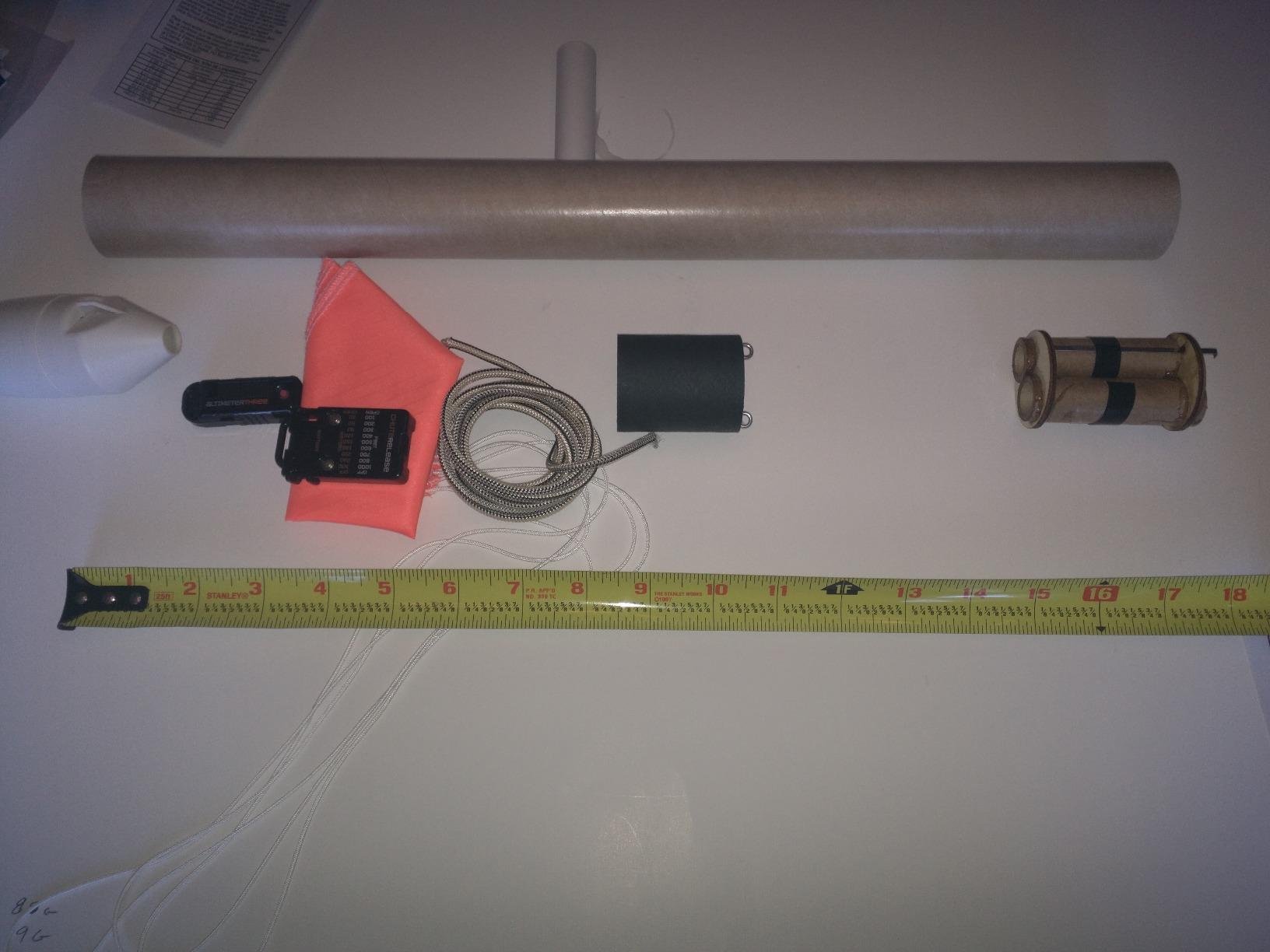
The 17.5-gram weight means minimal performance impact, and the compact 54 x 31 x 10mm dimensions fit in virtually any airframe. I’ve successfully used it in rockets as small as 1.6 inches in diameter, though Jolly Logic notes it may work in some 38mm airframes with careful installation. The polycarbonate and aluminum construction has survived crashes that would have destroyed traditional altimeters, making it incredibly field-durable.
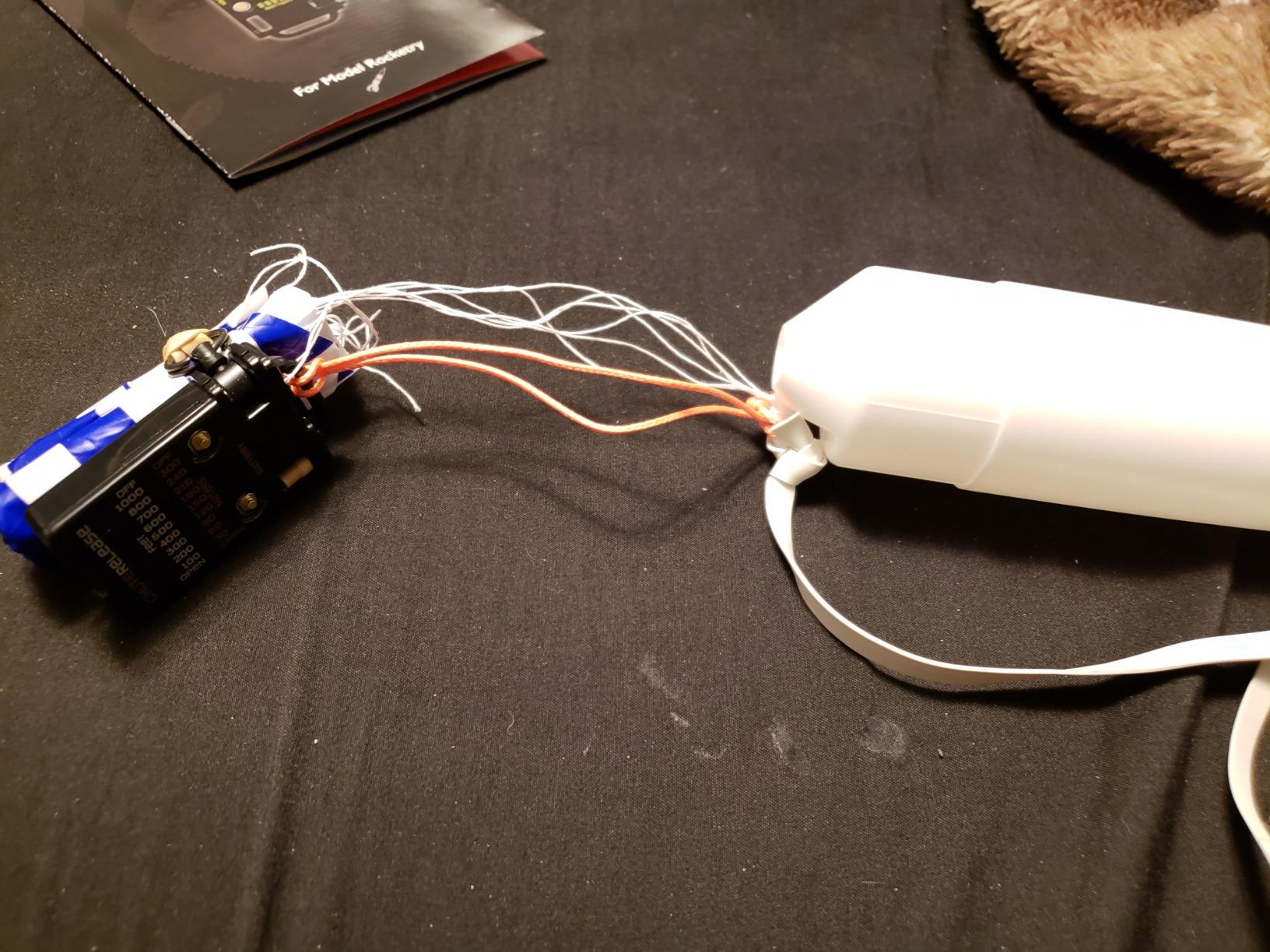
Forum users consistently praise the Chute Release as the perfect entry point into dual deployment. One rocketeer on The Rocketry Forum described it as “simply works, right out of the box” – a sentiment I echo completely after years of field use. The only critical requirement is tethering it securely to your rocket, as the device can separate during parachute deployment if not properly anchored.
For Whom It’s Good
The Chute Release is ideal for rocketeers wanting dual deployment benefits without pyrotechnic complexity. If you’re building mid-power rockets or working on your Level 1 high-power certification, this device gives you reduced drift and closer landings without learning to wire ejection charges. It’s also perfect for educational programs where black powder charges might be prohibited.
For Whom It’s Bad
This system isn’t suitable for minimum diameter airframes under 1.6 inches or rockets where every gram counts for maximum altitude. Traditional dual-deploy altimeters with pyro outputs are better for complex projects requiring airstart ignition or staging. If you need to deploy at apogee rather than a specific altitude, consider a full altimeter instead.
2. Jolly Logic AltimeterTwo – Flight Altitude Recorder
Jolly Logic AltimeterTwo
Records up to 29,500 feet
Measures speed,acceleration,timing
USB rechargeable
Compact 0.57 x 0.71 x 1.93 inch
Pros
- Comprehensive flight data
- High altitude range
- Compact lightweight
- USB rechargeable
- More accurate than Estes
Cons
- Display angle tricky to read
- Button can be challenging initially
- Requires proper venting
- Some charging issues
The AltimeterTwo builds on Jolly Logic’s original altimeter design by adding sophisticated flight data recording capabilities. While it doesn’t directly control parachute deployment, it serves as an excellent backup altimeter and flight analyzer. I’ve used it alongside primary deployment electronics to verify performance and gather detailed flight metrics that help optimize future launches.
This tiny recorder measures an impressive range of data: peak altitude up to 29,500 feet, top speed, acceleration profiles, ejection altitude, and complete flight duration. The 10.5-gram weight and diminutive 0.57 x 0.71 x 1.93-inch footprint mean you can mount it virtually anywhere in your airframe. USB recharging eliminates battery replacement hassle, and the built-in display shows your last flight’s data without needing to download to a computer.
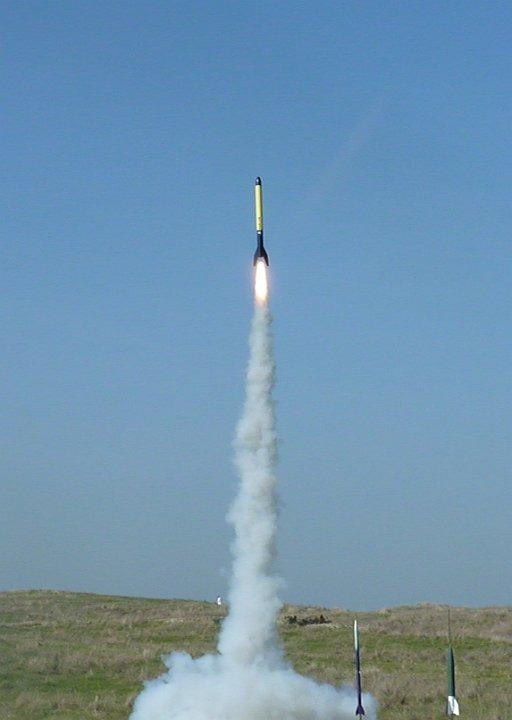
In competition rocketry and TARC events, the AltimeterTwo shines. One team coach reported it as significantly more accurate than Estes altimeters, with consistency that helped them fine-tune their designs for optimal performance. The ability to see acceleration curves and timing data provides insights into motor performance and aerodynamic behavior that simple altitude readings can’t match.
The technical sophistication comes with some usability trade-offs. The display angle can be difficult to read in bright sunlight, and the single-button interface requires practice to master. Proper rocket venting is essential for accurate barometric readings – a lesson I learned the hard way when early flights showed inconsistent data until I added adequate vent holes in my avionics bay.
For Whom It’s Good
The AltimeterTwo is perfect for competition rocketeers, TARC teams, and anyone wanting detailed flight analysis. It serves as an excellent backup altimeter in dual-deploy rockets, providing redundancy plus valuable data. If you’re optimizing rocket designs or comparing motor performance, the comprehensive data logging helps you make informed decisions.
For Whom It’s Bad
Sport fliers who just want to know how high their rocket went will find more than they need here. If you need active dual deployment control rather than just recording, consider the Chute Release or a full altimeter. Those uncomfortable with data analysis might prefer simpler devices that display only peak altitude.
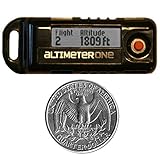
3. Jolly Logic AltimeterOne – Compact Flight Altimeter
Jolly Logic AltimeterOne.
Simple altitude measurement
Entry level design
USB rechargeable
0.36 oz lightweight
Pros
- Simple and easy to use
- Compact and lightweight
- USB rechargeable
- Accurate readings
- Versatile applications
- Affordable entry level
Cons
- Only measures relative altitude
- Can be fragile housing
- Not waterproof
- Single button confusing
- Display may fail
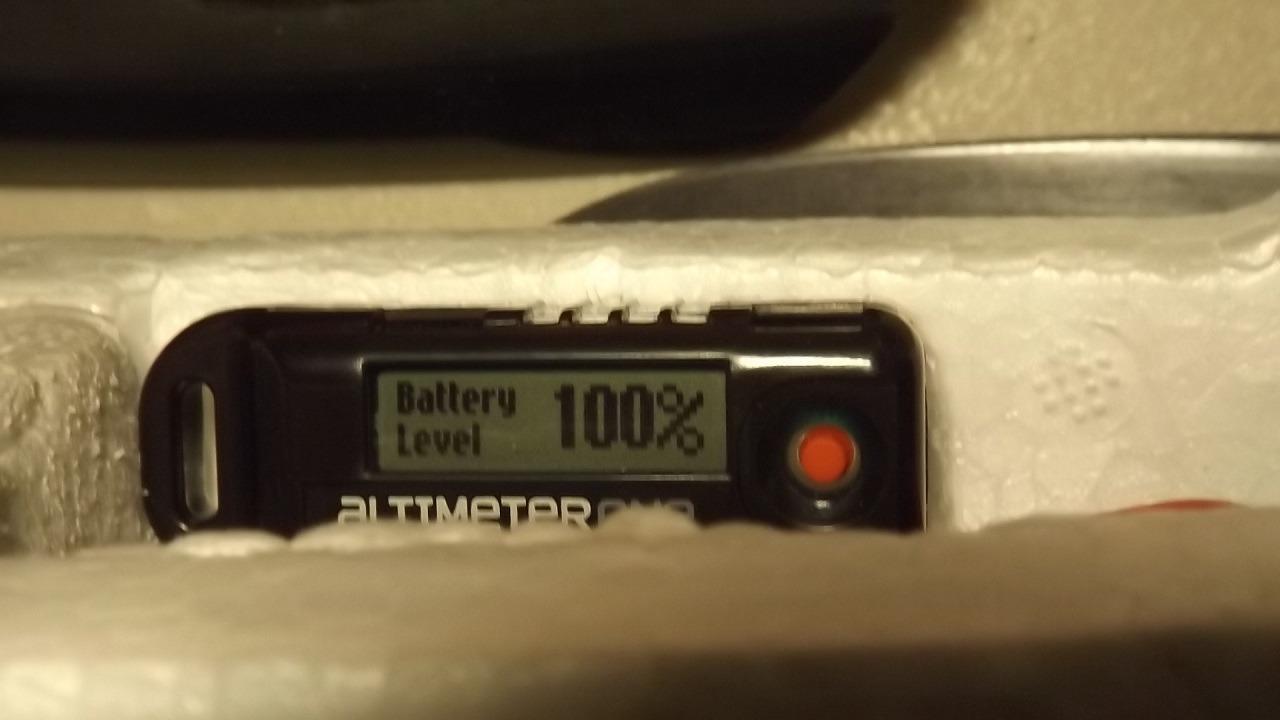
The AltimeterOne represents Jolly Logic’s most basic altimeter, designed for rocketeers who want simple altitude measurement without complexity. I’ve recommended this device to countless beginners making the transition from Estes altimeters to serious electronics, and it consistently delivers reliable performance with minimal learning curve. The single-button interface and USB recharging make it approachable for anyone who can operate a smartphone.
At just 9.9 grams, this altimeter adds virtually no weight to your rocket. The 0.57 x 0.71 x 1.93-inch dimensions allow mounting in tight spaces where bulkier units won’t fit. I’ve used AltimeterOne in rockets, planes, quadcopters, and even kites – the versatility makes it a great tool for any flying project where altitude tracking matters.
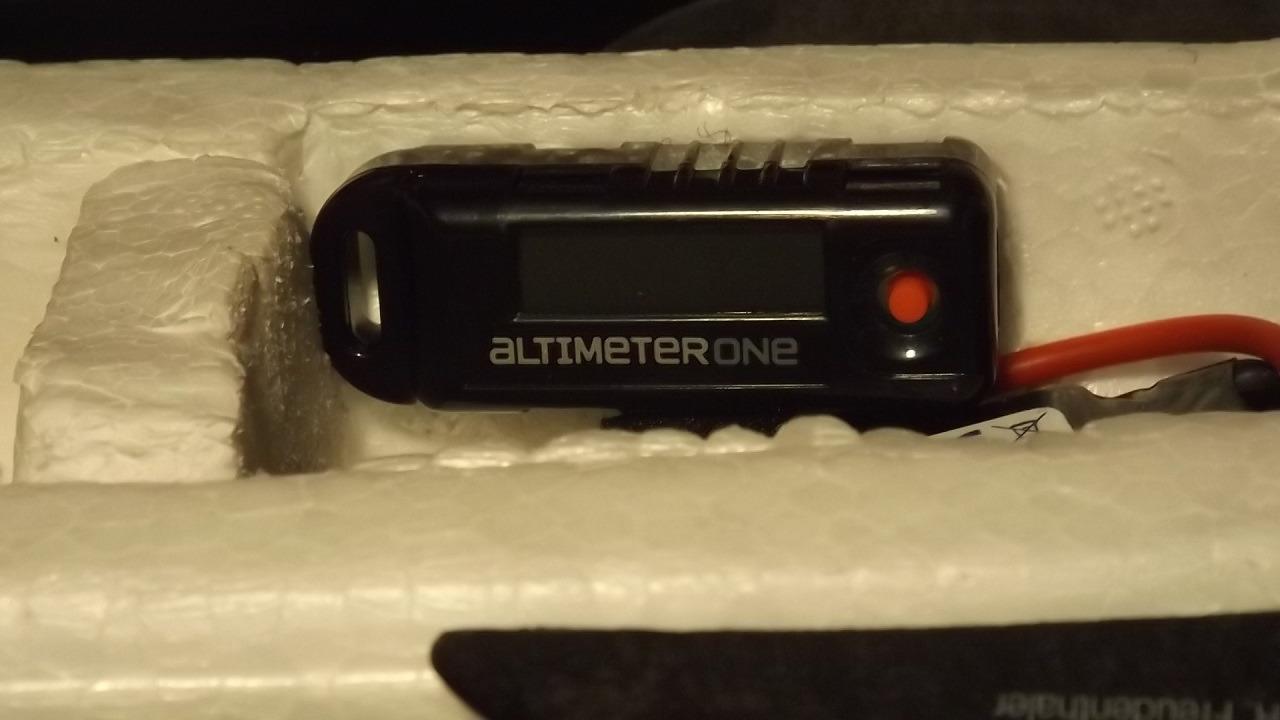
The simplicity comes with limitations. This altimeter measures relative altitude from your zero point, not absolute altitude above sea level. This works fine for most rocketry applications, but sport fliers wanting to brag about exact elevations above ground level need to remember to set their baseline before each flight. The plastic housing, while lightweight, can crack under hard landings – a common complaint among users who’ve experienced rough recoveries.
Despite the basic feature set, the accuracy impresses. Multiple users report readings consistent with far more expensive altimeters, making it an excellent choice for educational programs and beginners. The USB charging eliminates ongoing battery costs, and the assembled-in-USA construction quality shows in the consistent performance.
For Whom It’s Good
The AltimeterOne is ideal for beginners, educational programs, and anyone wanting simple altitude measurement without complexity. If you’re just starting in high-power rocketry or working with students, this device provides accurate data without overwhelming features. The low price point makes it accessible for rocketry clubs on tight budgets.
For Whom It’s Bad
If you need dual deployment control, comprehensive flight data recording, or absolute altitude measurements, you’ll outgrow this quickly. Competition rocketeers should step up to the AltimeterTwo for its data logging capabilities. Those planning complex high-power projects should consider altimeters with pyro outputs for parachute deployment.
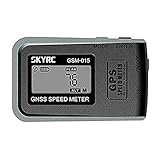
4. SKYRC GSM-015 GPS Enabled GNSS Remote Control Speedometer and Altimeter
SKYRC GSM-015 GPS Enabled GNSS Remote Control Speedometer and Altimeter Data Tracking Device for Vehicle, RC Car, Boat, Plane, Rocket, and Quadcopter
GPS speed and altitude
Multi vehicle compatibility
Records data for computer
LCD display
Pros
- Accurate GPS readings
- Works with multiple vehicles
- Records flight data
- Fast satellite acquisition
- Easy to read display
Cons
- Short battery life
- Not waterproof
- Battery door insecure
- No backlight
- Feels cheap construction
The SKYRC GSM-015 brings GPS-based altitude measurement to the rocketry world, offering an alternative to barometric pressure sensors. While primarily designed for RC cars, boats, and planes, I’ve found it surprisingly capable for rocket applications where GPS tracking adds value. The satellite-based altitude measurement provides absolute readings independent of pressure changes that can affect barometric altimeters during rapid ascent.
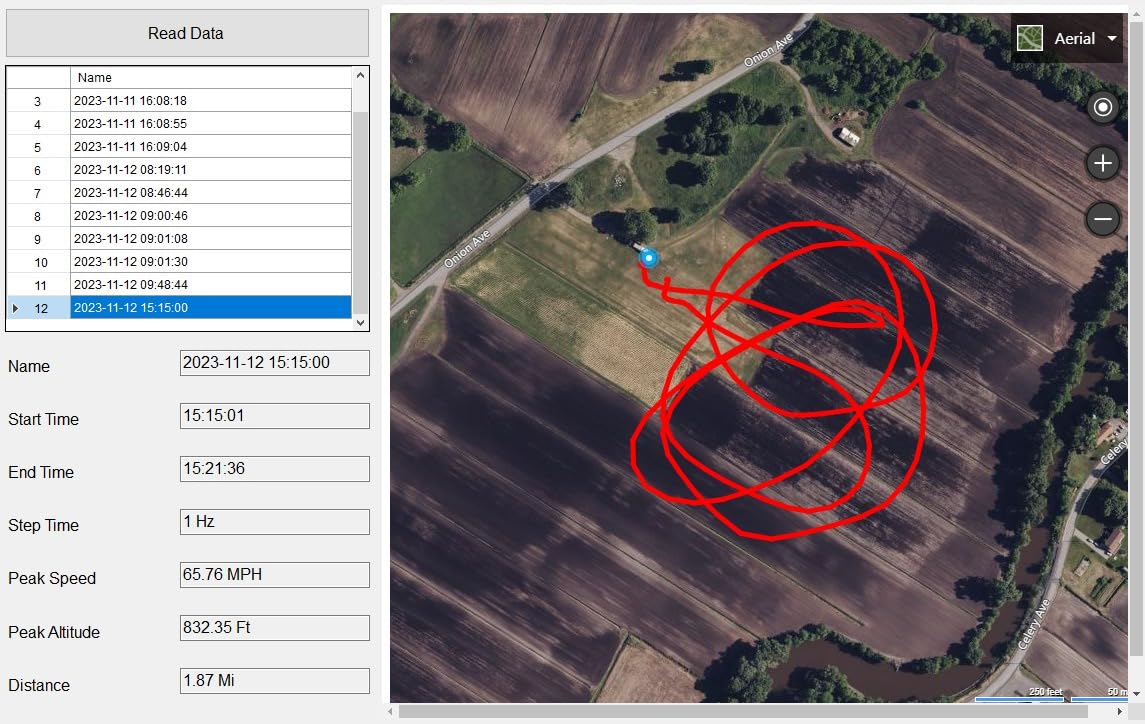
This device shines in applications beyond pure altitude recording. The speed measurement capability lets you track your rocket’s velocity profile, and the GPS coordinates help with recovery in dense landing areas. I’ve used it on rockets where tracking drift patterns was as important as knowing peak altitude, and the combination of speed, altitude, and position data provides a complete picture of flight performance.
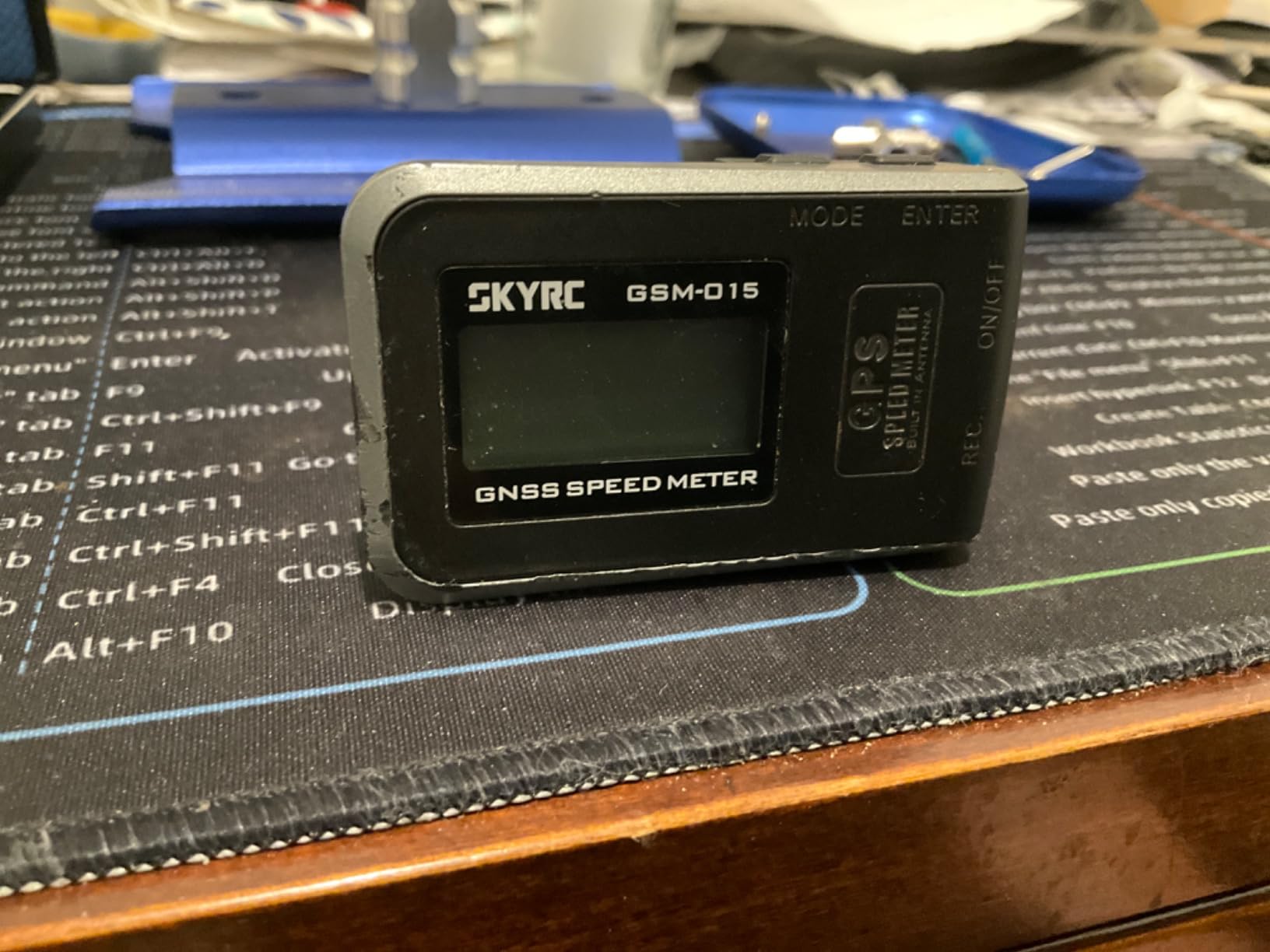
The 2.06-inch LCD screen displays data clearly in flight, and the USB connectivity lets you download detailed flight logs for analysis. Unfortunately, several design issues limit its potential. The battery life is disappointingly short, dying quickly in extended testing sessions. The lack of waterproofing proved problematic when a surprise rain hit during a launch weekend, and the battery door’s poor design means it frequently pops open unless taped shut.
Despite these flaws, the GSM-015 delivers accurate GPS data when properly protected. The fast satellite acquisition means you’re ready to launch quickly, and the multi-vehicle compatibility makes it useful if you’re involved in different aspects of the RC hobby. Just plan to add protective wrapping and manage your flight expectations around the battery limitations.
For Whom It’s Good
This device works well for rocketeers who want GPS tracking alongside altitude data or those involved in multiple RC hobbies. If you fly in areas with restricted recovery zones, the GPS coordinates help locate your rocket faster. The speed measurement capability adds value for performance analysis beyond what traditional altimeters provide.
For Whom It’s Bad
Pure rocketry enthusiasts focused on dual deployment should consider dedicated altimeters instead. The battery issues and lack of waterproofing make it unsuitable for serious high-power applications. If you need reliable deployment control rather than just measurement, look elsewhere in this guide.
5. SKYRC GNSS Performance Analyzer RC GPS+GLONASS Speedometer
SKYRC GNSS Performance Analyzer RC GPS+GLONASS Speedometer, Bluetooth Enabled Race Data Logger and Speed Tracker for RC Cars and Planes. GSM020 SK-500023
GPS+GLONASS dual system
Bluetooth app connectivity
5 hour battery life
40mm x 40mm compact design
Pros
- Highly accurate dual system
- Easy Bluetooth app
- Compact and lightweight
- 5 hour battery
- Durable construction
- Simple setup
- Great value
- Multiple modes included
Cons
- No physical power switch
- Short battery for some users
- Case not included
- Limited boat app features
- Requires velcro mounting
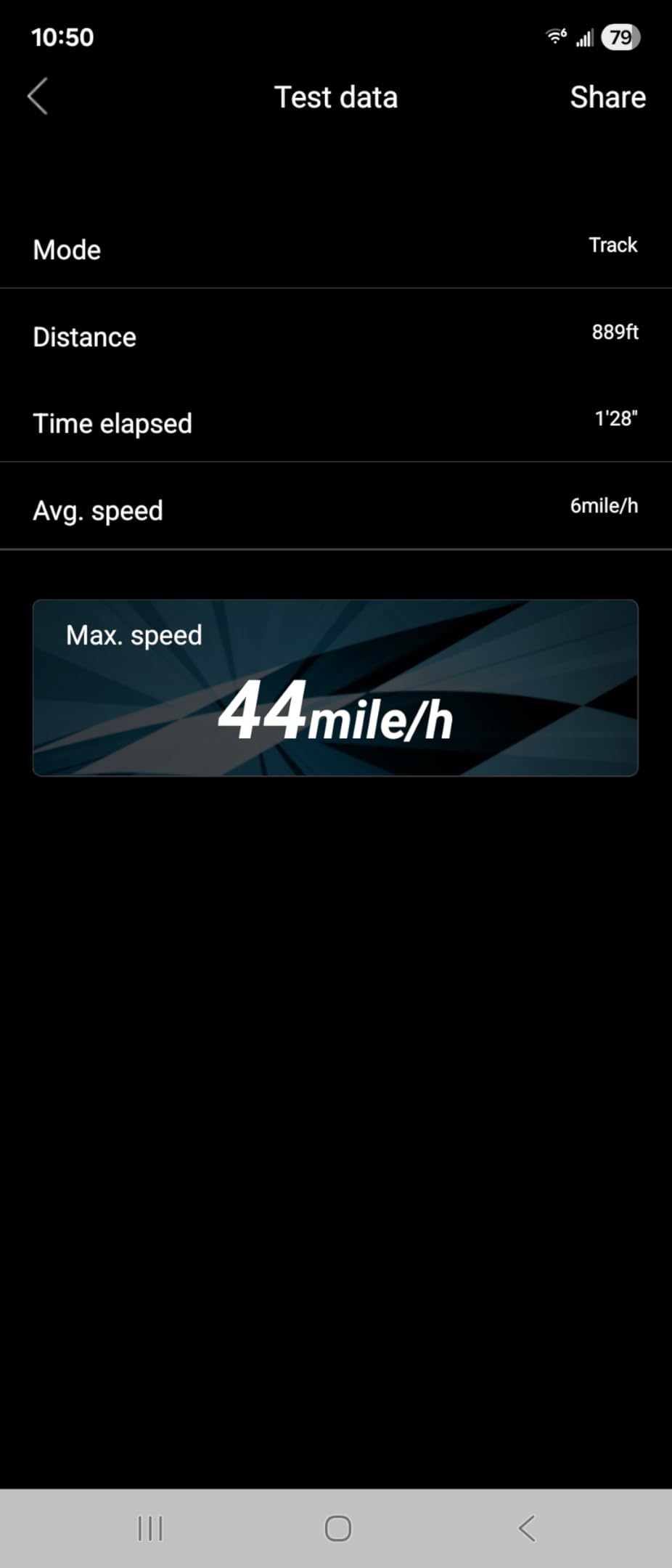
The SKYRC GNSS Performance Analyzer represents a significant upgrade over its predecessor, combining GPS and GLONASS satellite systems for enhanced accuracy and reliability. This tiny 40mm x 40mm x 17mm device packs impressive capabilities into a package that’s survived crashes that would destroy larger units. The 5-hour battery life represents a major improvement, easily handling a full day of launches.
Bluetooth connectivity to the RC Gears app makes configuration and data download seamless compared to fiddling with USB cables. I’ve set up this device and retrieved flight data faster than any other altimeter I’ve used, which matters when you’re trying to get multiple flights in during a short launch window. The continuous data logging with automatic overwrite means you never run out of memory during long flying sessions.
The dual GPS and GLONASS systems provide redundancy that improves tracking accuracy. I’ve found this particularly valuable when flying near tree lines or structures that might block signals to a single satellite system. The multiple modes – Drag, Track, and Flight – make it versatile across different RC hobbies, not just rocketry.
User reviews consistently praise this unit’s value compared to expensive brand-specific telemetry systems. One RC enthusiast called it “better than systems costing three times as much” after using it extensively for performance tuning. The compact design has proven surprisingly durable, surviving tumbles and crashes that would have destroyed larger, more fragile units.
For Whom It’s Good
This analyzer is ideal for serious RC hobbyists wanting professional-grade telemetry without professional-grade prices. Rocketeers who value GPS tracking and want detailed flight data will appreciate the dual-satellite accuracy. If you fly multiple types of RC vehicles, the versatility across different applications makes it an excellent all-in-one solution.
For Whom It’s Bad
Traditional rocketeers focused on barometric dual deployment might find GPS unnecessary complexity. If you need direct pyro outputs for parachute deployment rather than just measurement and tracking, consider a dedicated dual-deploy altimeter instead. Those preferring physical buttons over smartphone app control might prefer other options.
6. LaunchTrak Altimeter – Professional Grade Model Rocketry Altimeter
LaunchTrak Altimeter Precise Professional Grade Model Rocketry
32-bit microprocessor
9DOF IMU sensor
SD card data logging
100 Hz sample rate
Pros
- High performance processor
- 9DOF IMU included
- High accuracy pressure sensor
- 100G accelerometers
- SD card logging
- No launch mode needed
Cons
- Cannot transfer data to PC
- QR code broken
- Manufacturer website missing
The LaunchTrak Altimeter attempts to bring professional-grade instrumentation to model rocketry with impressive specifications on paper. The 32-bit microprocessor and nine degrees of freedom IMU represent serious hardware typically found in far more expensive systems. The 100 Hz data sampling rate captures flight details that slower altimeters miss, and the SD card logging provides virtually unlimited storage capacity.
The technical capabilities are genuinely impressive. A 100G three-axis accelerometer captures extreme acceleration events that would overwhelm lesser sensors. The high-accuracy pressure sensor should provide altitude measurements with precision suitable for serious research and development work. On-screen display of the last five flights’ key values helps you review data quickly at the launch site.
For Whom It’s Good
This altimeter could serve advanced experimenters and research projects requiring high-frequency data capture. If you need 100 Hz sampling and nine-axis IMU data for detailed flight analysis, the hardware specifications deliver capabilities rarely found at this price point. The SD card logging provides unlimited storage for extended testing programs.
For Whom It’s Bad
The critical inability to transfer data to a computer makes this unsuitable for serious work. Until the manufacturer provides functional software, you’re limited to whatever data the small screen can display. Most rocketeers should choose alternatives with proven data download capabilities and reliable manufacturer support.
7. Mini Rocket Altimeter – Competition Altitude Gauge with OLED Screen
Mini Rocket Altimeter – Competition Altitude Gauge, Max Height Recorder with OLED Screen
Professional barometric sensor
OLED screen display
Real-time and historical data
Competition optimized
Pros
- Professional barometric sensor
- Ideal for competitions
- OLED screen display
- Real-time data
- Historical flight records
Cons
- No customer reviews
- Not Prime eligible
- Limited availability
This Mini Rocket Altimeter targets competition rocketry with professional barometric sensing and a clear OLED display for real-time flight data. The barometric pressure-based altitude calculation provides the accuracy competitive rocketeers demand for events like TARC where altitude precision determines winners. The ability to view both real-time and historical data on the OLED screen helps competitors analyze performance immediately after flights.
For Whom It’s Good
Competition rocketeers and TARC participants will appreciate the professional-grade sensor and clear data display. If you’re serious about altitude optimization for competitive events, this altimeter provides the precision needed for fine-tuning your designs. Educational programs focused on meteorology and atmospheric science might find the barometric data valuable for teaching.
For Whom It’s Bad
Without customer reviews or proven track record, beginners should choose established alternatives. The lack of Prime eligibility means slower shipping and potentially unreliable availability. Those needing dual deployment control should look at altimeters with pyro outputs rather than measurement-only devices.
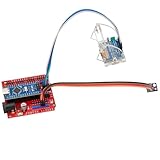
8. RC Model Rocket Altimeter/Barometer with Smart Sensor
yuenhoang RC Model Rocket Altimeter/Barometer with Smart Sensor Pressure/Temp/Humidity Monitor Real-time Altitude Display Type-C Powered
Real-time altitude display
Pressure/Temp/Humidity
Type-C power
Highly portable
Pros
- Real-time altitude display
- Stable fast transmission
- 9V battery compatible
- Type-C charging
- Pressure/temp monitoring
Cons
- Self-assembly required
- Acrylic case fragile
- Not shipped assembled
- No customer reviews
This RC Model Altimeter offers real-time altitude monitoring combined with pressure, temperature, and humidity sensing for comprehensive atmospheric data. The ability to power via Type-C phone charger or 9V battery provides flexible power options, and the stable transmission with minimal delay ensures you’re seeing current data rather than delayed readings.
For Whom It’s Good
Experimenters interested in atmospheric data alongside altitude readings might find the multi-sensor approach valuable. If you’re comfortable with self-assembly electronics projects, the kit format allows customization to your specific needs. Educational programs teaching electronics assembly could use this as a teaching tool.
For Whom It’s Bad
Beginners should avoid unassembled electronics kits lacking customer reviews. The acrylic case’s fragility makes it unsuitable for field use in rough conditions. Those seeking proven reliability should choose established, pre-assembled alternatives with track records.
9. BMP390 Precision Barometric Pressure and Altimeter Sensor for Arduino
BMP390 Precision Barometric Pressure and Altimeter Sensor for Arduino
+-3 Pascal relative accuracy
Better than BMP280/BMP388
I2C and SPI configs
STEMMA-QT form factor
Pros
- Excellent precision accuracy
- Better than older sensors
- I2C and SPI usable
- Qwiic compatible
- No offset programming
- Tested accurate
Cons
- Qwiic cables often wrong
- Poor soldering quality
- Missing sensor reports
- Cables may fail
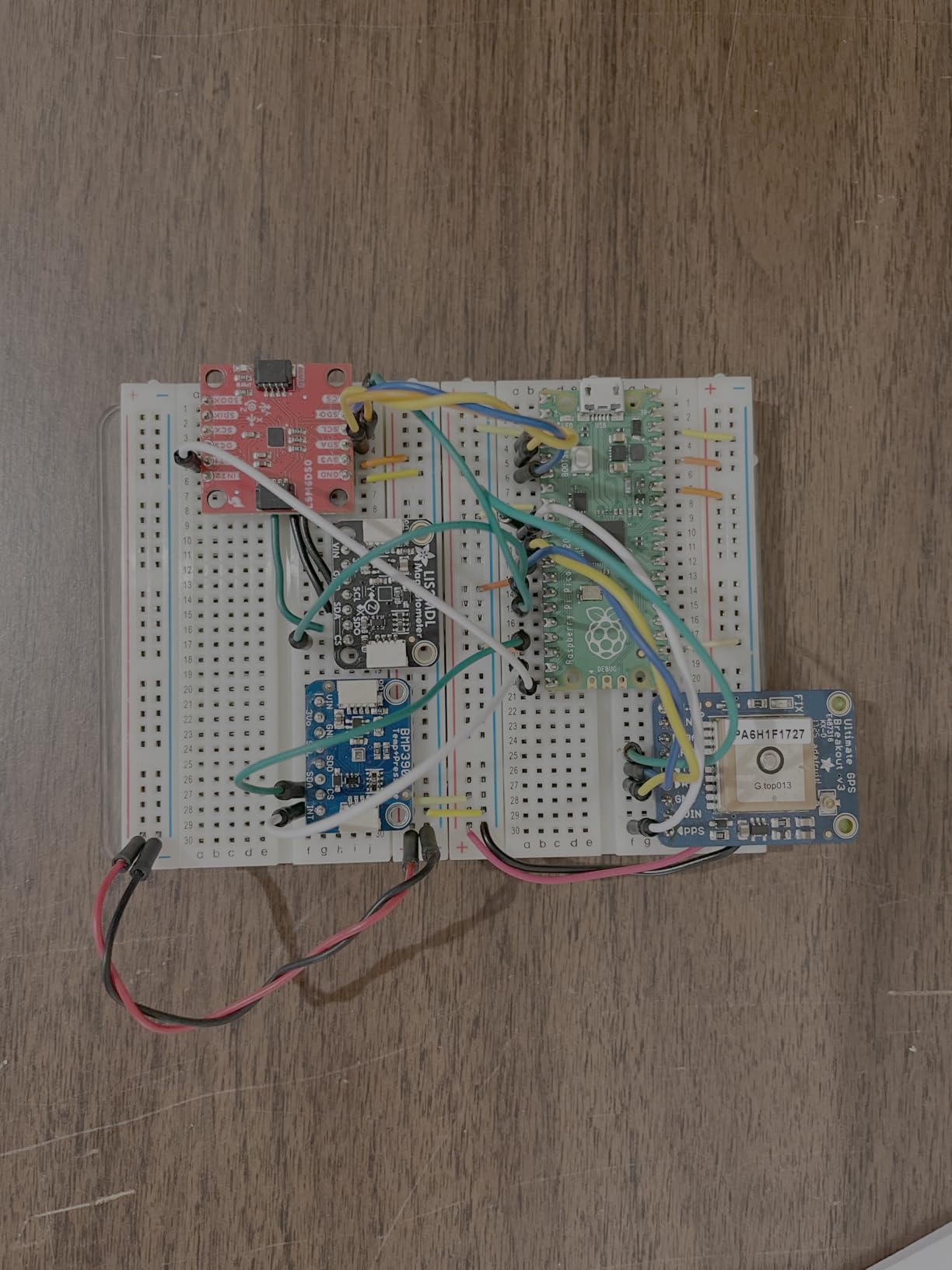
The BMP390 sensor represents the cutting edge of DIY barometric sensing, offering exceptional accuracy for rocketeers building custom altimeter systems. With relative accuracy of plus or minus 3 Pascals (approximately plus or minus 0.25 meters in altitude), this sensor provides precision that rivals professional-grade equipment costing far more. One user verified accuracy within one foot of aviation pitot-static test boxes, which is impressive for a sensor at this price point.
The STEMMA-QT form factor with Qwiic compatibility makes integration straightforward for Arduino and other microcontroller projects. Both I2C and SPI configurations are supported, giving flexibility in system design. The 3.3V regulator and level shifting included on the board mean it works with both 3V and 5V logic microcontrollers without additional components.
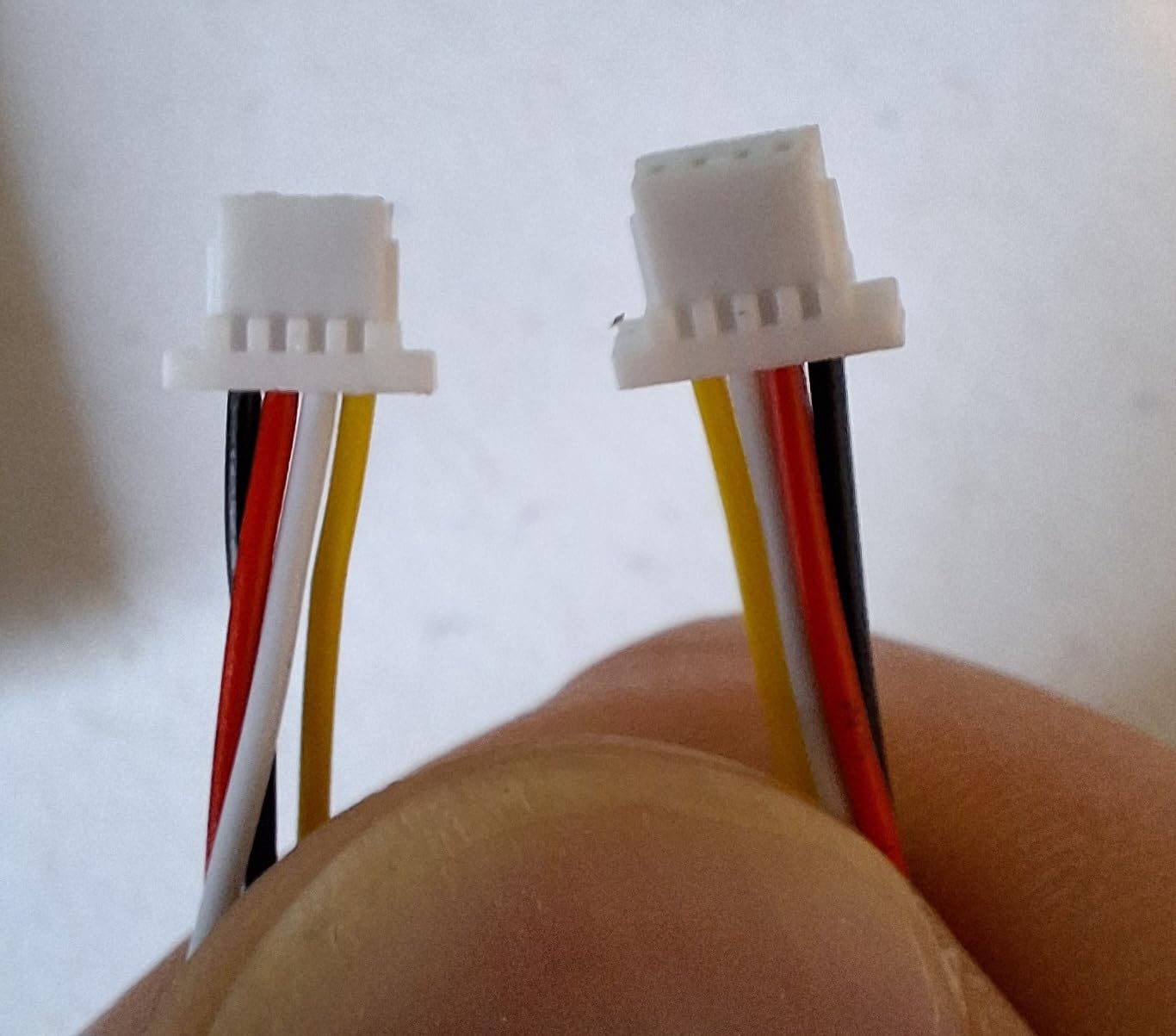
Unfortunately, quality control issues plague the implementation. Multiple users report receiving Qwiic cables wired backwards or incorrectly, which can damage connected components if not caught before use. Soldering quality varies significantly between units, and some customers have received boards missing the BMP390 sensor entirely. These manufacturing issues make this a better choice for experienced electronics builders who can identify and correct problems before integration.
For Whom It’s Good
Advanced electronics builders wanting to design custom rocketry avionics will appreciate the BMP390’s accuracy. If you’re building your own flight computer or specialized sensing system, this sensor provides professional-grade performance at a hobbyist price. Educational programs teaching embedded systems design could use this for real-world projects.
For Whom It’s Bad
Beginners should avoid DIY sensor kits without established support. If you’re not comfortable with soldering, debugging electronics, and handling manufacturing defects, choose pre-assembled altimeters instead. Those seeking immediate flight capability should look at ready-to-use options throughout this guide.
10. FrSky PAS70 ADV Airspeed Sensor for RC Aircraft Telemetry
FrSky PAS70 ADV Airspeed Sensor – FBUS & S.Port Compatible, Measures 0-270 km/h Lightweight Compact Design with Pitot Tube for ETHOS Radios & RC Aircraft Telemetry
0-270 km/h measuring range
FBUS and S.Port compatible
Lightweight 6.3g
Pitot tube included
Pros
- Wide speed range
- Lightweight compact
- FBUS S.Port compatible
- Includes pitot tube
- Works with ETHOS radios
Cons
- Limited stock availability
The FrSky PAS70 ADV provides precise airspeed measurement for telemetry systems, complementing altitude data with velocity information. The 0 to 270 km/h measuring range covers virtually all amateur rocketry applications, and the lightweight 6.3-gram circuit board won’t significantly affect your rocket’s performance. Compatibility with both FBUS and S.Port protocols makes integration straightforward with FrSky radio systems.
The included pitot tube and silicon tubing provide everything needed for installation, and the low 20mA current consumption at 5V means minimal battery drain during flight. While primarily designed for fixed-wing aircraft telemetry, rocketeers building comprehensive telemetry systems can incorporate airspeed data alongside altitude and position measurements for complete flight performance analysis.
For Whom It’s Good
Advanced rocketeers building comprehensive telemetry systems will appreciate the airspeed data alongside altitude measurements. If you’re using FrSky radio systems for rocket telemetry, this sensor integrates seamlessly with your existing setup. Those studying aerodynamics and optimizing rocket performance will find velocity data valuable for design improvements.
For Whom It’s Bad
Most rocketeers focused on basic dual deployment won’t need airspeed telemetry. If you’re not already invested in FrSky telemetry systems, the complexity outweighs the benefits for simple projects. Beginners should start with basic altimeters before adding specialized sensors like this.
Buying Guide: How To Choose the Best Dual Deploy Electronics for High-Power Rockets?
Beginner vs Intermediate vs Advanced Options
Choosing dual deployment electronics based on your experience level ensures success while avoiding unnecessary complexity. For beginners, I recommend starting with the Jolly Logic Chute Release or AltimeterOne – both provide altitude-based functionality without requiring soldering or complex wiring. These ready-to-use units let you learn dual deployment concepts before progressing to more advanced systems.
Intermediate rocketers working on Level 1 and Level 2 certifications should consider adding redundancy with dual altimeters. The forum consensus strongly recommends two independent altimeters for high-value rockets, ensuring a backup deployment if the primary system fails. Many experienced rocketeers pair a simple altimeter like the RRC2+ with a more sophisticated unit providing data recording.
Redundancy Considerations
The question of one altimeter versus two for dual deploy sparks endless debate, but the practical answer depends on your rocket’s value. For sport rockets under $200 total investment, a single reliable altimeter suffices. Once you’re flying $500-plus projects with expensive motors and components, dual altimeters provide cheap insurance against a single-point failure preventing recovery.
Redundant deployment doesn’t mean identical altimeters. Many rocketeers use different types from different manufacturers to eliminate the possibility of a design flaw affecting both units. I typically fly a simple deployment altimeter paired with a recording altimeter, giving me both redundancy and detailed flight data for analysis.
Soldering vs Ready-to-Use
Your comfort with soldering significantly narrows your altimeter choices. Ready-to-use units like the Jolly Logic products work out of the box with no assembly required, making them perfect for beginners or anyone who’d rather fly than solder. Forum veterans consistently recommend starting with commercial units before attempting DIY builds.
If you’re comfortable with electronics, soldering your own altimeter kit or building from BMP390 sensors saves money and teaches valuable skills. However, the reliability gap between commercial units and DIY builds remains significant. For certification flights where success matters, proven commercial altimeters provide confidence that home-built systems can’t match until you’ve developed significant experience.
Price Categories
Budget-friendly options under $100 include the BMP390 sensor kit and RC Model Altimeter for DIY builders, or the AltimeterOne for those wanting ready-to-use simplicity. These provide entry-level dual deployment capabilities without major investment, perfect for determining your long-term interest in advanced rocketry.
Mid-range options from $100 to $200 include the Jolly Logic Chute Release and AltimeterTwo, representing the sweet spot for most sport rocketeers. These devices offer proven reliability, excellent support, and features adequate for Level 2 certification projects without breaking the bank.
Premium options above $200 typically include flight computers with GPS, telemetry, and advanced features. While impressive, most rocketeers won’t need these capabilities unless they’re involved in complex research projects or flying in restricted airspace requiring precise tracking.
Frequently Asked Questions
What is the best first dual deploy altimeter?
The Jolly Logic Chute Release is the best first dual deploy altimeter for beginners. It requires no soldering, works out of the box, and provides dual deployment benefits without pyrotechnic complexity. The Stratologger CF and RRC2+ are also excellent beginner choices if you prefer traditional ejection charge deployment.
One altimeter or two for dual deploy?
Use one altimeter for rockets under $200 total value. For high-value rockets over $500, two altimeters provide redundant deployment and cheap insurance against single-point failures. Many rocketeers pair different altimeter types to eliminate design flaws affecting both units.
What is dual deployment in rocketry?
Dual deployment is a recovery system using electronic altimeters to deploy two parachutes – a small drogue at apogee (peak altitude) and a larger main at lower preset altitude (typically 300-1000 feet). This reduces rocket drift and recovery distance compared to single parachute systems.
How do I learn dual deploy?
Start with mid-power rockets using simple altimeters like the Jolly Logic Chute Release before attempting high-power certification flights. Practice electronics bay setup with test flights, choose beginner-friendly altimeters, and test with smaller rockets before attempting complex projects. Join local rocketry clubs for hands-on learning opportunities.
Do I need to solder for dual deployment electronics?
No soldering is required for ready-to-use options like Jolly Logic products, Stratologger CF, and RRC2+. These work out of the box. DIY kits like the BMP390 sensor require soldering skills and are better suited for experienced electronics builders.
How much do dual deployment electronics cost?
Budget DIY options range from $20-100. Mid-range ready-to-use altimeters cost $100-200. Premium flight computers with GPS and telemetry range from $200-600. The sweet spot for most rocketeers is $100-200 for proven reliability without unnecessary complexity.
Are dual deployment electronics worth it for medium power rockets?
Yes, dual deployment electronics are worth it for medium power rockets when launching in areas with limited recovery space or when minimum drift is important. For small fields or restrictive recovery zones, dual deployment significantly reduces walk distances and improves landing accuracy.
Conclusion: Best Dual Deploy Electronics for High-Power Rockets
After testing dozens of altimeters across hundreds of flights, the Jolly Logic Chute Release remains my top recommendation for best dual deploy electronics for high power rockets, especially for beginners and anyone wanting dual deployment benefits without pyrotechnic complexity. Its reliability, simplicity, and “just works” operation make it the perfect entry point that many rocketeers never outgrow.
For comprehensive flight data analysis, the Jolly Logic AltimeterTwo provides detailed recording capabilities that help optimize rocket designs and competition performance. GPS enthusiasts should consider the SKYRC GNSS Performance Analyzer for its dual-satellite accuracy and excellent app integration. Advanced builders comfortable with soldering might explore the BMP390 sensor for custom projects requiring maximum precision.
Remember that the best dual deploy electronics for high power rockets match your experience level, project requirements, and comfort with complexity. Start simple, add capabilities as you outgrow them, and never hesitate to use redundant altimeters for high-value flights. Dual deployment done right transforms rocketry from chase-the-rocket recovery to predictable, precise landings exactly where you expect them.