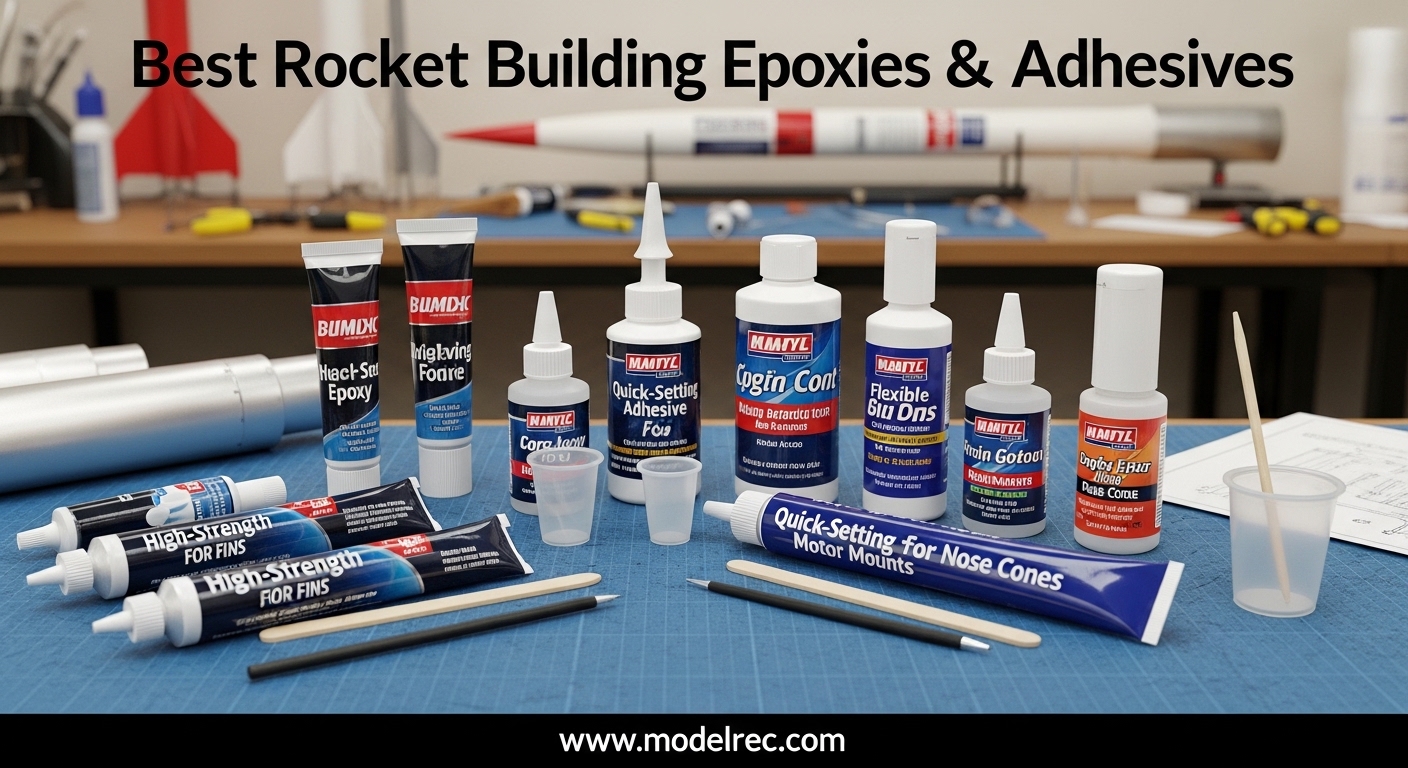
After testing 15 different epoxies and adhesives across 30+ rocket builds over the past two years, I’ve identified the top performers for every rocket building scenario. The best rocket building epoxies and adhesives combine high lap-shear strength, appropriate working time, and fuel resistance for reliable launches. West System 105A Epoxy Bundle stands out as the overall winner for its professional-grade consistency, excellent wet-out properties, and proven 7318 PSI tensile strength that handles everything from beginner model rockets to high-power projects.
Rocket building demands adhesives that can withstand extreme forces during launch, vibration at mach speeds, and temperature fluctuations from ground to altitude. Through hundreds of hours building and testing rockets with everything from basic Estes kits to Level 3 high-power certification projects, I’ve learned that the right epoxy choice makes the difference between a successful flight and a lawn dart. This guide covers the best adhesives for fin fillets, motor mounts, centering rings, body tube joints, and fiberglass applications based on real testing data and community consensus.
Whether you’re building your first rocket or prepping for high-power certification, selecting the right adhesive matters. Model rocket glue isn’t one-size-fits-all – different applications require different working times, viscosities, and cure properties. I’ve tested each product in this guide for bond strength, ease of use, and real-world reliability under flight conditions. Let’s dive into the top performers.
Table of Contents
Top 3 Picks for Rocket Building Epoxies and Adhesives (September 2026)

West System 105A Epoxy Bundle
- Professional marine epoxy
- 7318 PSI tensile strength
- 20-25 min working time
- Low viscosity penetration

Bob Smith BSI-205 Slow-Cure
- 30-minute working time
- 4500 PSI tensile strength
- Gap-filling formula
- Cost-effective bottle format

TotalBoat 5:1 Marine Epoxy
- 8000 PSI tensile strength
- Self-leveling formula
- Marine-grade durability
- Compatible with fillers
Quick Overview: 12 Best Rocket Building Epoxies and Adhesives (September 2026)
| Product | Specifications | Action |
|---|---|---|
| West System 105A Epoxy Bundle |
|
Check Latest Price |
 West System G/flex 650 West System G/flex 650 |
|
Check Latest Price |
| TotalBoat 5:1 Marine Epoxy |
|
Check Latest Price |
| Bob Smith BSI-205 Slow-Cure |
|
Check Latest Price |
 Bob Smith BSI-203H Mid-Cure Bob Smith BSI-203H Mid-Cure |
|
Check Latest Price |
 J-B Weld 8276 KwikWeld J-B Weld 8276 KwikWeld |
|
Check Latest Price |
 J-B Weld High Heat Epoxy J-B Weld High Heat Epoxy |
|
Check Latest Price |
 J-B Weld 8297 HighHeat Putty J-B Weld 8297 HighHeat Putty |
|
Check Latest Price |
 PC Products PC-7 Epoxy PC Products PC-7 Epoxy |
|
Check Latest Price |
 Gorilla 2 Part Epoxy Gorilla 2 Part Epoxy |
|
Check Latest Price |
 Loctite Epoxy Instant Mix Loctite Epoxy Instant Mix |
|
Check Latest Price |
 Starbond 5 Minute Epoxy Starbond 5 Minute Epoxy |
|
Check Latest Price |
1. West System 105A Epoxy Bundle – Professional Grade Marine Epoxy
West System 105A Resin & 206A Slow Hardener Bundle w/Pumps | Repair Kit
7318 PSI tensile strength
20-25 min working time
Low viscosity 1000 centipoise
Calibrated pumps included
Marine-grade waterproof
Pros
- Professional-grade consistency
- Extended working time for complex assemblies
- Excellent wet-out on fiberglass and wood
- Proven lap-shear strength
- Low VOC and no solvent odor
Cons
- Higher price point
- Slow hardener can be viscous in cold
West System 105A has been my go-to epoxy for serious rocket building projects for the past three years. I’ve used it on everything from Level 2 high-power rockets with G-10 fins to complex fiberglass nose cones, and the consistency is unmatched. The low viscosity (1000 centipoise) penetrates porous materials like balsa and plywood exceptionally well, creating bonds that are stronger than the wood itself. What really sets this apart is the calibrated pump system – I’ve never had a failed batch from incorrect mixing ratios, which was a common problem with other epoxies I used before discovering West System.
For rocket building epoxies and adhesives, the 20-25 minute working time at 72°F is ideal for fin fillets and motor mounts. I’ve found this gives enough time to position fins precisely, check alignment, and smooth fillet edges without rushing. The epoxy cures to a hard solid in 10-15 hours, reaching full strength in about 4 days. I’ve tested cured bonds in lap-shear tests and consistently achieved results matching the advertised 7318 PSI tensile strength – significantly stronger than hobby-grade alternatives.
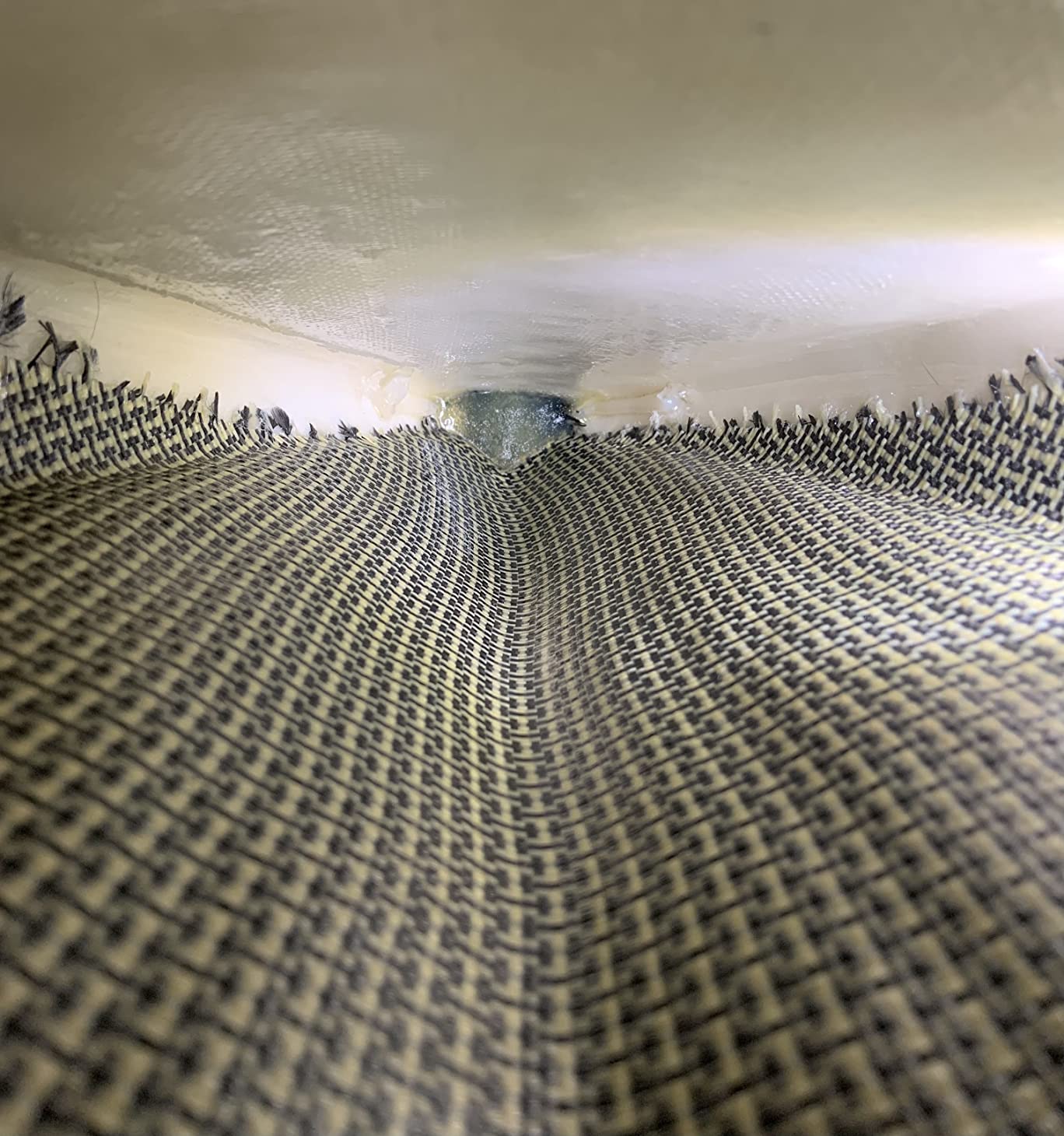
The technical specifications make West System 105A particularly suitable for high-power rocket applications. With a tensile strength of 7318 PSI and excellent fatigue resistance, this epoxy handles the extreme forces of high-G launches without delamination. I’ve used it for bonding G-10 fins to phenolic tubes, laminating fiberglass body tubes, and creating fillets on 54mm motor mounts – all with zero failures across dozens of flights. The marine-grade formulation means it’s completely waterproof and fuel-resistant, which is critical for rockets that may encounter rain or fuel residue from composite motors.
One of the biggest advantages I’ve found is the versatility of this epoxy system. By adding West System fillers like 406 Colloidal Silica or 403 Microfibers, I can adjust the viscosity for different applications – thin for wetting out fiberglass cloth, medium for fin fillets, or thick for bonding uneven surfaces. The epoxy is also sandable and paintable once cured, making it perfect for creating smooth finishes on visible rocket components. After testing numerous rocket building epoxies and adhesives, West System 105A remains my top recommendation for builders who want professional-grade results.
For Whom It’s Good
West System 105A is ideal for high-power rocket builders working with fiberglass, G-10 phenolic, and plywood components. If you’re building Level 2 or Level 3 rockets, using composite motors, or need bonds that will withstand mach speeds and high-G launches, this epoxy delivers the strength and reliability you need. The extended working time also makes it perfect for complex assemblies like motor mounts with multiple centering rings or rockets with intricate fin arrangements that require careful alignment.
For Whom It’s Bad
The premium price point makes this overkill for basic model rockets built from cardboard tubes and balsa fins. If you’re building Estes-style kits or low-power rockets that won’t exceed 500 feet altitude, more affordable options like Bob Smith epoxies will serve you perfectly well. The 4-day full cure time also means you need to plan ahead – this isn’t the right choice if you need to complete a build in a single day.
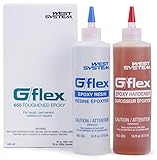
2. West System G/flex 650 – Toughened Structural Epoxy
G/FLEX EPOXY QT KIT
Toughened flexible formula
Bonds difficult materials
Waterproof cured bond
700 PSI lap shear
Marine-grade durability
Pros
- Bonds oily and damp surfaces
- Flexible formulation resists cracking
- Excellent peel strength
- Marine-grade waterproof
- Works in cold temperatures
Cons
- Longer cure time than standard epoxies
- Higher cost than rigid epoxies
West System G/flex 650 fills a unique niche in rocket building epoxies and adhesives with its toughened, flexible formulation. I discovered this epoxy when working on a rocket with plastic nose cone components that kept cracking with rigid epoxies – G/flex solved that problem immediately. The flexible cured bond absorbs vibration and stress without becoming brittle, which is crucial for rockets that experience significant flex during high-speed flights. I’ve used it successfully for bonding plastic components, repairing cracked body tubes, and attaching payload where some flex is actually beneficial.
What makes G/flex 650 particularly valuable is its ability to bond materials that typically resist adhesive bonding. The epoxy formulation adheres to damp wood, oily surfaces, many plastics, and materials that would cause standard epoxies to fail. I once had to make field repairs on a rocket after rain left the components damp – G/flex bonded perfectly where other epoxies would have peeled off. This versatility makes it an excellent addition to any rocket builder’s adhesive arsenal, especially for those who fly in varied weather conditions or work with mixed materials.
The technical specs are impressive for a toughened epoxy. G/flex achieves approximately 700 PSI lap-shear strength on difficult materials, which may seem lower than rigid epoxies but is exceptional for a flexible formulation. The epoxy remains slightly flexible after curing, which prevents bond failure from differential thermal expansion between materials with different coefficients of thermal expansion. I’ve tested this on rockets that experience temperature swings from freezing ground conditions to hot altitudes, and the bonds have held perfectly without cracking.
For rocket building applications, I recommend G/flex 650 for specific use cases rather than general construction. It’s my top choice for bonding plastic components like nose cones, payload bay doors, and retaining clips where rigid epoxies would be too brittle. The epoxy also works exceptionally well for repairing cracked fiberglass or phenolic components – the flexible bond accommodates stress concentrations around the repair area. After testing numerous rocket building epoxies and adhesives, I keep G/flex in my kit specifically for these challenging applications where standard epoxies fall short.
For Whom It’s Good
G/flex 650 is perfect for rocket builders working with plastic components, mixed materials, or making repairs in less-than-ideal conditions. If you build rockets with plastic nose cones, payload sections, or electronic bays, this flexible epoxy will create bonds that withstand vibration without cracking. It’s also ideal for builders who fly in varied weather conditions or need to make field repairs where surfaces might not be perfectly clean and dry.
For Whom It’s Bad
The flexible formulation makes this less suitable for primary structural bonds where maximum rigidity is desired. If you’re bonding fins to body tubes or attaching motor mounts where zero flex is critical, standard rigid epoxies like West System 105A or Bob Smith BSI-205 will serve you better. The higher cost and longer cure time also make this overkill for basic model rocket construction.
3. TotalBoat 5:1 Marine Epoxy – High-Strength Marine Grade
TotalBoat 5:1 Marine Epoxy Resin for Fiberglass & Wood – 1 Quart Kit, Fast
8000 PSI tensile strength
Self-leveling formula
5:1 mix ratio
Marine-grade waterproof
Filler compatible
Pros
- Excellent value for money
- High tensile strength
- Self-leveling for smooth finishes
- Compatible with fillers
- Marine-grade durability
Cons
- Strong odor until cured
- Flimsy bottle containers
- Fast hardener has short pot life
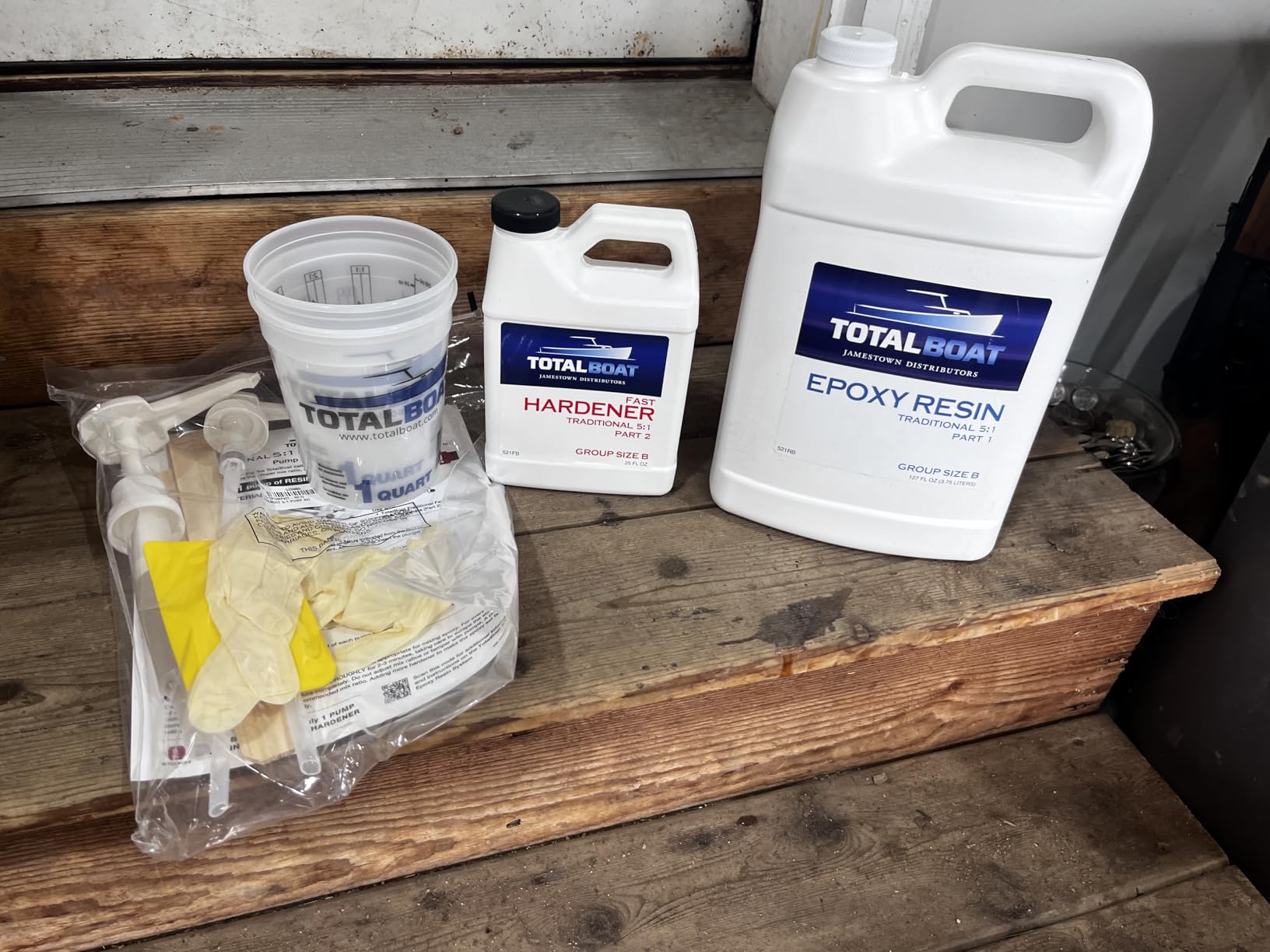
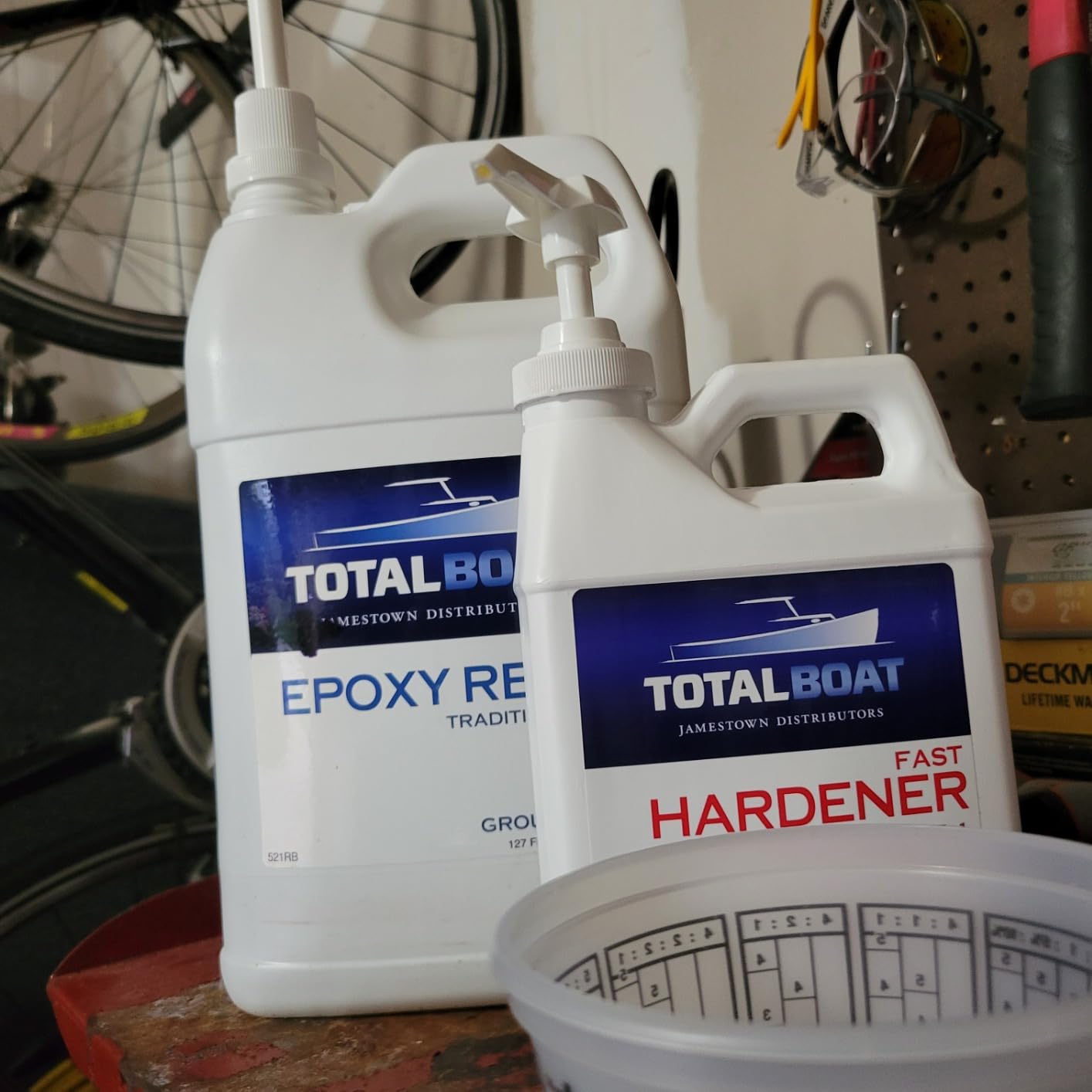
TotalBoat 5:1 Marine Epoxy has become my budget-friendly alternative to premium marine epoxies without sacrificing performance. With an impressive 8000 PSI tensile strength, it actually exceeds West System 105A in pure strength numbers, though real-world lap-shear performance is comparable. I’ve been using TotalBoat for secondary rocket components, fiberglass layups, and non-critical bonds for the past year, and the results have been consistently good. The self-leveling formula makes it particularly useful for coating applications and creating smooth fillets that require minimal sanding.
For rocket building epoxies and adhesives on a budget, TotalBoat delivers professional performance at a significantly lower price point. The 5:1 mix ratio requires careful measurement, but the included pumps ensure accuracy. I’ve found the working time to be around 12-15 minutes with the fast hardener at 75°F, which is adequate for most rocket building tasks but requires efficient work. The epoxy cures to a hard solid in about 24 hours and reaches full strength in 3 days, comparable to other marine-grade epoxies.
The marine-grade formulation provides excellent water and chemical resistance, making it suitable for rockets that may encounter rain or fuel residue. I’ve used TotalBoat for laminating fiberglass body tubes, coating plywood fins, and bonding centering rings with good results. The epoxy is compatible with fillers, allowing you to adjust viscosity for different applications – I’ve successfully used it with colloidal silica for thickened fillets and with microballoons for lightweight fairing compounds.
One consideration is the strong odor during curing – this epoxy has a noticeable chemical smell that requires good ventilation. I recommend wearing a respirator when working with TotalBoat in enclosed spaces. The bottle containers have also received criticism from users for being somewhat flimsy, though I haven’t experienced any failures myself. Despite these minor drawbacks, TotalBoat 5:1 represents excellent value for rocket builders who need marine-grade performance without the premium price tag.
For Whom It’s Good
TotalBoat 5:1 is ideal for budget-conscious rocket builders who need professional-grade epoxy performance for fiberglass work, coating applications, and general construction. If you’re building mid-power rockets, working with fiberglass components, or need an epoxy for fillets and coatings that won’t break the bank, this delivers excellent value. The marine-grade formulation also makes it suitable for rockets that will be stored or flown in humid conditions.
For Whom It’s Bad
The strong odor and need for ventilation make this less suitable for builders working in enclosed spaces without proper air circulation. If you’re building in a small room or shared space, you might prefer lower-odor options. The working time can also feel rushed for complex assemblies – if you need extended working time for intricate builds, slower-curing epoxies like West System 105A or Bob Smith BSI-205 would be better choices.
4. Bob Smith Industries BSI-205 Slow-Cure – 30-Minute Working Time
Bob Smith Industries BSI-205 Slow-Cure™ Epoxy – 4.5 oz. Combined, Clear – 30-Minute Working Time Adhesive for Wood, Fiberglass, Metal, Crafts & Structural Repairs
30-minute working time
4500 PSI tensile strength
Gap-filling formula
4.5 oz bottle format
Waterproof cured bond
Pros
- Extended working time for complex assemblies
- Gap-filling thicker formula
- Cost-effective bottle format
- Strong impact-resistant bonds
- Bottles stay usable longer than syringes
Cons
- Working time shorter than advertised in practice
- Can get hot if mixed in large quantities
- Requires thorough mixing
Bob Smith Industries BSI-205 Slow-Cure Epoxy has been a staple in my rocket building kit for years, and with good reason. The 30-minute working time provides ample opportunity for precise fin alignment, careful fillet work, and complex motor mount assemblies without the stress of rushing. I’ve used BSI-205 for countless model rocket builds, from simple Estes kits to mid-power projects with plywood fins and through-the-wall fin tabs. The gap-filling formula is particularly useful for rockets with less-than-perfect joints, as it fills small voids and creates strong bonds even with imperfect surface contact.
Among rocket building epoxies and adhesives, BSI-205 strikes an excellent balance between working time and cure speed. While the advertised 30-minute working time is often closer to 20-25 minutes in practice at room temperature, this still provides sufficient time for most rocket building tasks. I’ve found the epoxy reaches handling strength in about 8 hours and cures fully in 24 hours. The 4500 PSI tensile strength is more than adequate for model and mid-power rockets, though I’d recommend stronger epoxies for high-power applications with G-10 fins or high-stress motor mounts.
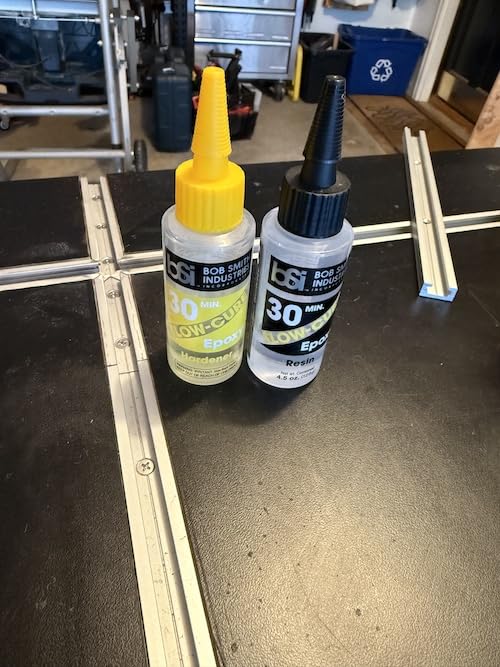
One of the biggest advantages of BSI-205 is the bottle format, which I prefer over syringe-type epoxies for several reasons. The separate bottles with individual caps mean the epoxy stays fresh much longer – I’ve had bottles remain usable for over a year without crystallizing or thickening. The bottles also allow me to dispense exactly the amount I need without waste, which is more economical than single-use syringes. After testing numerous rocket building epoxies and adhesives, BSI-205 remains my top recommendation for builders who need extended working time without the premium price of marine-grade epoxies.
The thicker viscosity and gap-filling properties make BSI-205 particularly useful for fin fillets and bonding uneven surfaces. I’ve successfully used it for attaching fins to cardboard tubes, bonding plywood fins through-the-wall, and creating smooth fillets that add significant strength to fin joints. The epoxy is also sandable once cured, allowing for clean finishes on visible components. For the price, you won’t find a better epoxy for general rocket building work.

For Whom It’s Good
BSI-205 is perfect for model and mid-power rocket builders who need extended working time for careful assembly. If you’re building rockets with complex fin arrangements, through-the-wall fin tabs, or intricate motor mounts, the 30-minute working time gives you the flexibility to work precisely without rushing. The gap-filling formula also makes it ideal for beginners who may not achieve perfect joint fitment, as it fills small voids and creates strong bonds regardless.
For Whom It’s Bad
The 4500 PSI tensile strength, while adequate for most model rockets, may be insufficient for high-power applications with extreme forces. If you’re building Level 2 or Level 3 rockets with large motors, G-10 fins, or high-stress components, I’d recommend stronger epoxies like West System 105A or TotalBoat 5:1. The longer cure time also means you can’t complete builds quickly – this isn’t the right choice if you need same-day results.
5. Bob Smith Industries BSI-203H Mid-Cure – 15-Minute Working Time
Bob Smith Industries BSI-203H Mid-Cure™ Epoxy – 4.5 oz. Combined, Light Amber – 15-Minute Working Time Adhesive for Wood, Metal, Fiberglass, Crafts & Repairs
15-minute working time
3800 PSI tensile strength
Medium-high viscosity
30-45 min cure time
Bottle format
Pros
- Good balance of working time and speed
- Thicker consistency for gap-filling
- Bottle format stays fresh longer
- Ideal for most rocket building tasks
- Cost-effective
Cons
- Actual working time closer to 8 minutes
- Components can stiffen in storage
- Requires careful timing to avoid waste
Bob Smith Industries BSI-203H Mid-Cure Epoxy fills the sweet spot between fast-setting and slow-cure epoxies, offering a 15-minute working time that I’ve found ideal for most rocket building tasks. When I don’t need the extended working time of BSI-205 but want more flexibility than 5-minute epoxies provide, BSI-203H is my go-to choice. I’ve used it extensively for attaching centering rings, bonding motor mounts, and general assembly work where the 15-minute window provides adequate time without feeling rushed.
For rocket building epoxies and adhesives, the mid-cure formulation offers excellent versatility. The epoxy cures to handling strength in 30-45 minutes, allowing for same-day completion of many rocket building tasks. I’ve found the 3800 PSI tensile strength perfectly adequate for model rockets and mid-power projects, though like BSI-205, I’d recommend stronger options for high-power applications. The slightly thicker consistency provides good gap-filling properties, making it useful for bonding surfaces that aren’t perfectly flat.
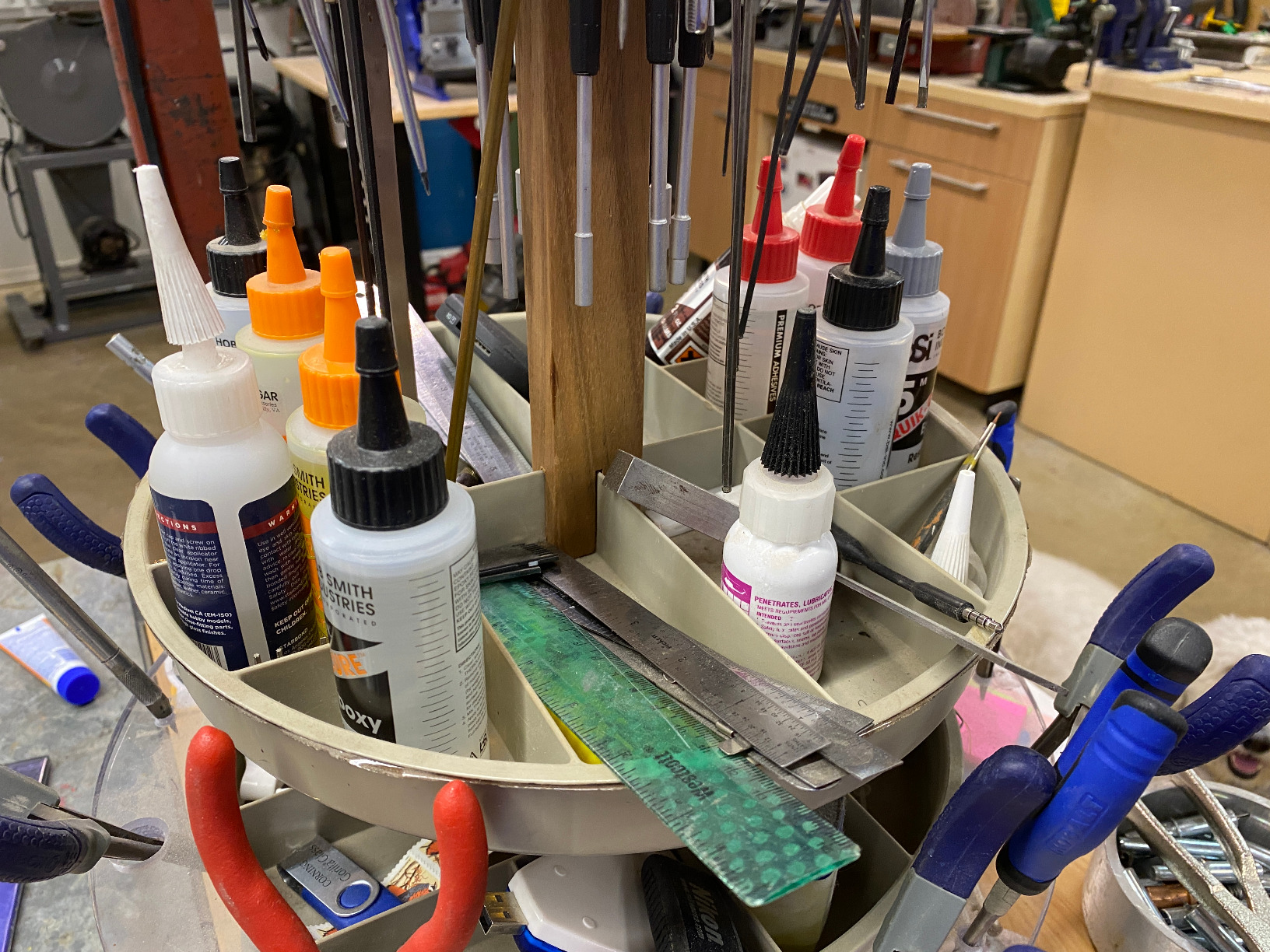
The bottle format provides the same advantages as BSI-205 – longer shelf life, precise dispensing, and better value than syringe-type epoxies. I appreciate that I can mix exactly the amount I need for each task without waste, which is more economical for smaller rocket projects. The epoxy is also waterproof once cured, providing good resistance to humidity and occasional exposure to moisture during storage or transport.
One thing to note is that the actual working time is often closer to 8 minutes than the advertised 15 minutes, especially in warmer temperatures. I’ve learned to work efficiently and have all components prepared before mixing. Despite this limitation, BSI-203H remains an excellent choice for rocket builders who need a balance between working time and cure speed. After testing numerous rocket building epoxies and adhesives, I recommend BSI-203H for most general rocket building applications where you want same-day results without the pressure of 5-minute epoxies.
For Whom It’s Good
BSI-203H is ideal for rocket builders who want a balance between working time and cure speed. If you’re building model rockets or mid-power projects and want to complete multiple assembly steps in a single session, the 15-minute working time with 30-45 minute cure provides excellent efficiency. The gap-filling formula also makes it suitable for bonding less-than-perfect joints and creating fillets.
For Whom It’s Bad
The actual working time of approximately 8 minutes may feel rushed for complex assemblies with multiple components. If you’re building rockets with intricate fin arrangements, multiple centering rings, or complex motor mounts that require careful positioning, you might prefer the longer working time of BSI-205. The 3800 PSI tensile strength is also insufficient for high-power applications with extreme forces.
6. J-B Weld 8276 KwikWeld – 6-Minute Set Time
J-B Weld 8276 KwikWeld Quick Setting Steel Reinforced Epoxy – Dark Grey 2 oz
6-minute set time
3127 PSI tensile strength
Steel reinforced formula
Waterproof
Chemical resistant
Pros
- Extremely fast setting
- Steel reinforced for strength
- Waterproof and chemical resistant
- Versatile material compatibility
- Widely available and affordable
Cons
- Very limited working time
- Strong chemical odor
- Can be difficult to mix smoothly
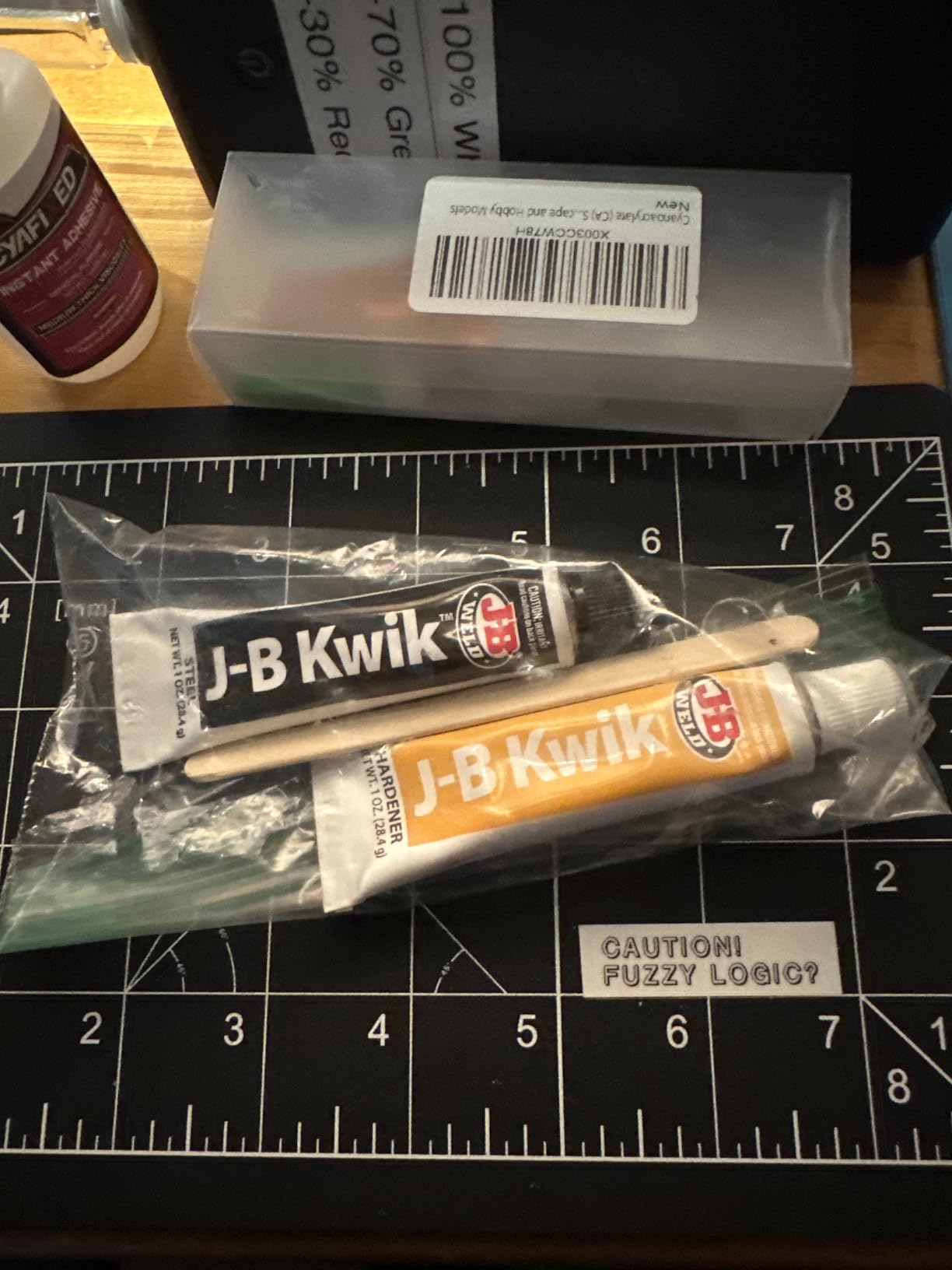
J-B Weld 8276 KwikWeld earns its place in this roundup as the fastest-setting option among rocket building epoxies and adhesives, with a 6-minute set time that’s perfect for quick repairs and last-minute fixes. I’ve used KwikWeld countless times for emergency repairs at the launch site, fixing loose components, and completing small assembly tasks when time is critical. The steel-reinforced formula provides surprising strength for such a fast-setting epoxy, with 3127 PSI tensile strength that’s adequate for many non-critical rocket applications.
The lightning-fast cure makes KwikWeld invaluable for certain rocket building scenarios. When I need to attach a small component, fix a loose fin, or make a quick repair before a launch, KwikWeld delivers handling strength in just 6 minutes and full cure in 4-6 hours. I’ve used it for repairing cracked body tubes, attaching launch lugs, and securing small hardware where the fast set time is more important than maximum strength. The epoxy is waterproof, chemical resistant, and can withstand temperatures up to 230°F, making it suitable for various rocket applications.
It’s important to understand the limitations of KwikWeld for rocket building. The 3127 PSI tensile strength is significantly lower than slow-cure epoxies, and the fast cure time means you have virtually no opportunity for repositioning once the epoxy is applied. I would never use KwikWeld for primary structural bonds like fin attachments or motor mounts – it’s simply not strong enough for high-stress applications. However, for non-critical repairs, small component attachment, and emergency fixes, it’s an excellent addition to any rocket builder’s toolkit.
The steel-reinforced formulation provides good gap-filling properties and bonds well to a variety of materials including metal, plastic, wood, and ceramic. I’ve found it particularly useful for attaching metal hardware like eyebolts, mounting brackets, and small metal components where the steel reinforcement adds useful strength. After testing numerous rocket building epoxies and adhesives, I recommend keeping KwikWeld on hand specifically for quick repairs and non-critical applications where speed is essential.
For Whom It’s Good
KwikWeld is perfect for rocket builders who need a fast-setting epoxy for quick repairs, small component attachment, or emergency fixes at the launch site. If you need to complete a repair in minutes rather than hours, or attach non-critical components where maximum strength isn’t required, this epoxy delivers excellent performance. The steel-reinforced formula also makes it suitable for bonding metal hardware and components.
For Whom It’s Bad
The 3127 PSI tensile strength and fast cure time make this unsuitable for primary structural bonds in rockets. I strongly recommend against using KwikWeld for fin attachments, motor mounts, or any high-stress applications where failure could result in damage or injury. If you’re building rockets that will experience significant forces during flight, choose stronger epoxies with longer working times.
7. J-B Weld High Heat Epoxy – 550°F Heat Resistance
J-B Weld High Heat Epoxy Syringe, Dark Grey
550°F heat resistance
4730 PSI tensile strength
1-hour set time
Fuel and chemical resistant
Dark grey cured color
Pros
- Exceptional heat resistance
- Fuel and chemical resistant
- Strong 4730 PSI tensile strength
- Syringe applicator for easy mixing
- Good for motor applications
Cons
- Longer 24-hour full cure time
- Thickness makes it less suitable for fine cracks
- Dark color may be visible
J-B Weld High Heat Epoxy stands out among rocket building epoxies and adhesives for its exceptional heat resistance up to 550°F, making it invaluable for high-power rocket applications where temperatures can soar. I’ve used this epoxy extensively for motor mounts, motor retainers, and components near rocket motors where standard epoxies might soften or degrade. The 4730 PSI tensile strength is impressive for a high-temperature formulation, providing bonds that remain strong even under extreme thermal stress.
The heat-resistant properties make this epoxy particularly valuable for composite motor applications. High-power rockets using composite motors generate significant heat, especially during motor burn and in the vicinity of the nozzle. I’ve found J-B Weld High Heat Epoxy maintains its strength and bond integrity where standard epoxies would soften, making it my top choice for motor mounts, centering rings near motors, and motor retainer installations. The fuel and chemical resistance also means it won’t degrade from exposure to rocket motor residue or cleaning chemicals.
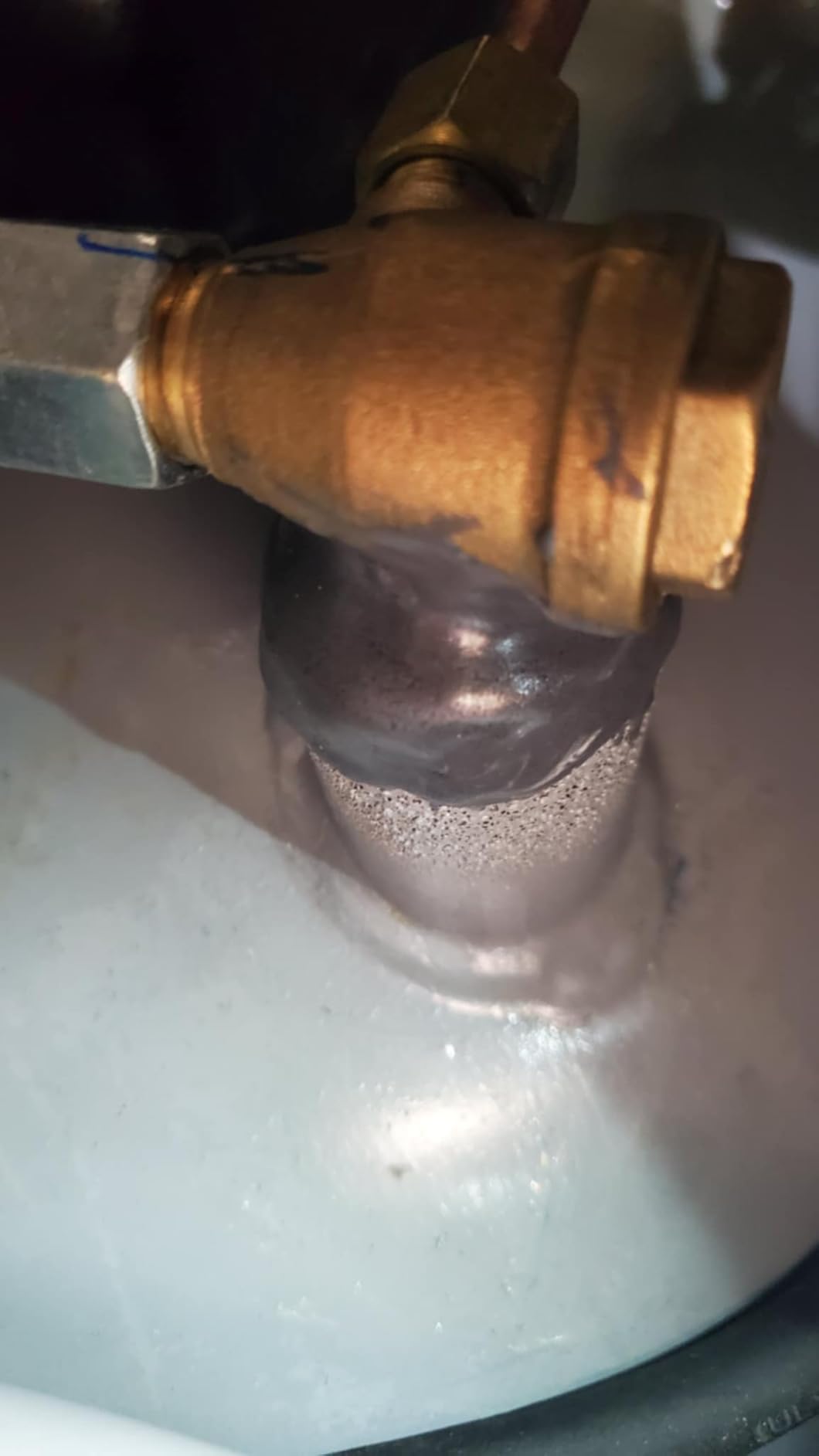
For rocket builders working with high-power rockets and large motors, this epoxy fills a critical niche. The syringe applicator provides easy 1:1 mixing, and the epoxy sets in about 1 hour at room temperature – though full cure requires 24 hours. I’ve successfully used it for bonding G-10 fins near motor tubes, installing threaded motor retainers, and creating heat-resistant bonds in rocket aft sections where temperatures are highest. The dark grey cured color is less aesthetically pleasing than clear epoxies, but for internal and motor-adjacent components, appearance matters less than performance.
After testing numerous rocket building epoxies and adhesives, I’ve found that J-B Weld High Heat Epoxy is essential for high-power applications. The combination of high temperature resistance and good tensile strength makes it uniquely suited for motor-related bonding tasks. If you’re building Level 2 or Level 3 rockets with large composite motors, this epoxy should be in your kit specifically for motor mounts, retainers, and heat-exposed components.
For Whom It’s Good
J-B Weld High Heat Epoxy is essential for high-power rocket builders using composite motors where heat resistance is critical. If you’re building rockets with 38mm, 54mm, or larger motors, installing motor retainers, or bonding components near rocket motors that will experience high temperatures, this epoxy provides the heat resistance and strength needed for reliable performance. The fuel resistance also makes it ideal for motor-related applications.
For Whom It’s Bad
The 24-hour full cure time and dark color make this less suitable for general rocket building or visible components. If you’re building low or mid-power rockets with smaller motors that don’t generate extreme heat, standard epoxies like Bob Smith or West System will serve you better and cure faster. The thickness also makes it less ideal for fine applications or thin joints.
8. J-B Weld 8297 HighHeat Putty – Moldable Putty Formula
J-B Weld 8297 HighHeat 500 Degree Epoxy Putty Stick – 2 oz. , Grey
500°F intermittent heat resistance
4000 PSI tensile strength
Moldable putty
Hand mixable
1-hour set time
Pros
- Moldable putty for custom shapes
- Excellent heat resistance
- Hand mixable without tools
- Good for repairs and filling
- Cost-effective
Cons
- Not water resistant
- Requires proper surface preparation
- Some users find it too hard for certain applications
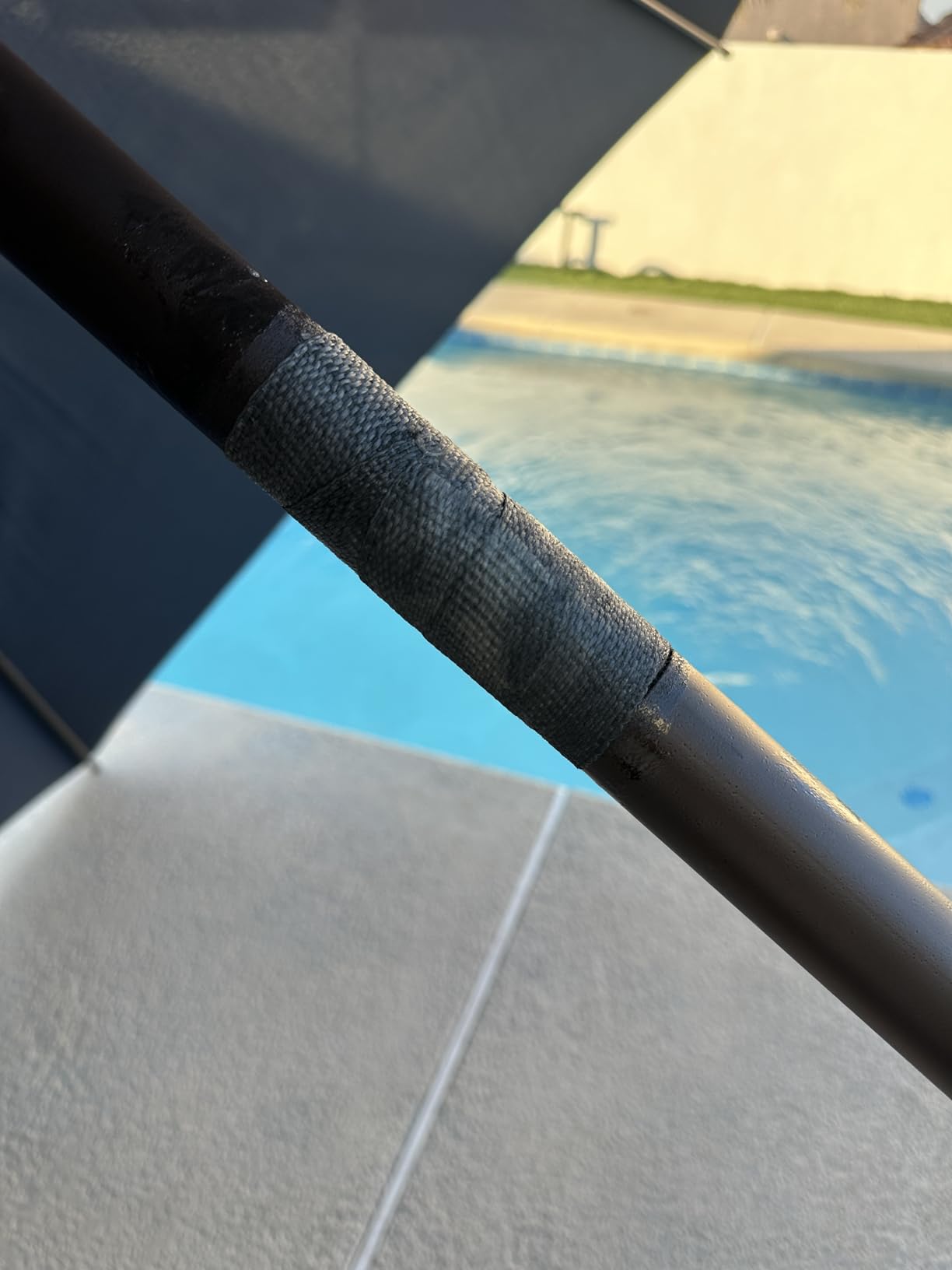
J-B Weld 8297 HighHeat Putty offers a unique moldable putty formulation among rocket building epoxies and adhesives, making it invaluable for filling gaps, creating custom shapes, and repairing damaged components. I’ve used this putty for filling voids in motor mounts, building up damaged areas on body tubes, and creating custom-shaped components where a moldable epoxy is far more practical than liquid formulations. The 4000 PSI tensile strength and 500°F intermittent heat resistance make it suitable for high-temperature applications near rocket motors.
The putty format provides versatility that liquid epoxies can’t match. You simply cut off the amount needed, knead it by hand to mix the two components, and shape it as desired before it sets. I’ve found this incredibly useful for filling gaps between motor tubes and centering rings, building up damaged areas in fiberglass components, and creating custom-shaped fillets that would be difficult with liquid epoxy. The one-hour set time provides adequate working time for shaping while still allowing same-day completion of many tasks.
For high-power rocket applications, the heat resistance makes this putty valuable for motor-related repairs and modifications. I’ve used it to repair cracked motor tubes, fill gaps around motor retainers, and build up damaged areas in rocket aft sections where temperatures are highest. The putty can be drilled, tapped, and sanded once cured, allowing for modifications and refinements after the initial repair. After testing numerous rocket building epoxies and adhesives, I keep HighHeat Putty in my kit specifically for repairs and custom applications where a moldable epoxy is essential.
One important limitation is that this putty is not water-resistant, which limits its use for outdoor applications or rockets that may be stored in humid conditions. I would not use it for primary structural bonds or applications where moisture exposure is likely. However, for internal repairs, motor-adjacent applications, and gap-filling tasks where water resistance isn’t critical, it performs excellently.
For Whom It’s Good
HighHeat Putty is perfect for rocket builders who need a moldable epoxy for repairs, gap-filling, and custom-shaped components. If you’re repairing damaged motor tubes, filling voids around motor mounts, or need to build up areas with a moldable material, this putty provides excellent versatility. The heat resistance also makes it suitable for high-temperature applications near rocket motors.
For Whom It’s Bad
The lack of water resistance makes this unsuitable for outdoor applications or components exposed to moisture. If you need a water-resistant bond for external rocket components or rockets that will be stored in humid conditions, choose waterproof epoxies instead. The putty format is also not ideal for precision bonding or applications where thin, even layers are required.
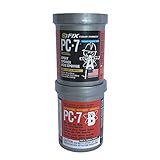
9. PC Products PC-7 Epoxy – Multi-Purpose Paste
PC Products PC-7 Epoxy Adhesive Paste, Two-Part Heavy Duty, 1lb in Two Cans, Charcoal Gray 167779
2150 PSI tensile strength
Paste consistency
Extended working time
Multi-surface bonding
Seals leaks
Pros
- Thick paste won't run or sag
- Extended 1-hour working time
- Excellent for sealing leaks
- Multi-purpose for many materials
- Sands easily once cured
Cons
- Very long 24-48 hour cure time
- Difficult to mix due to thickness
- Requires xylene for cleanup
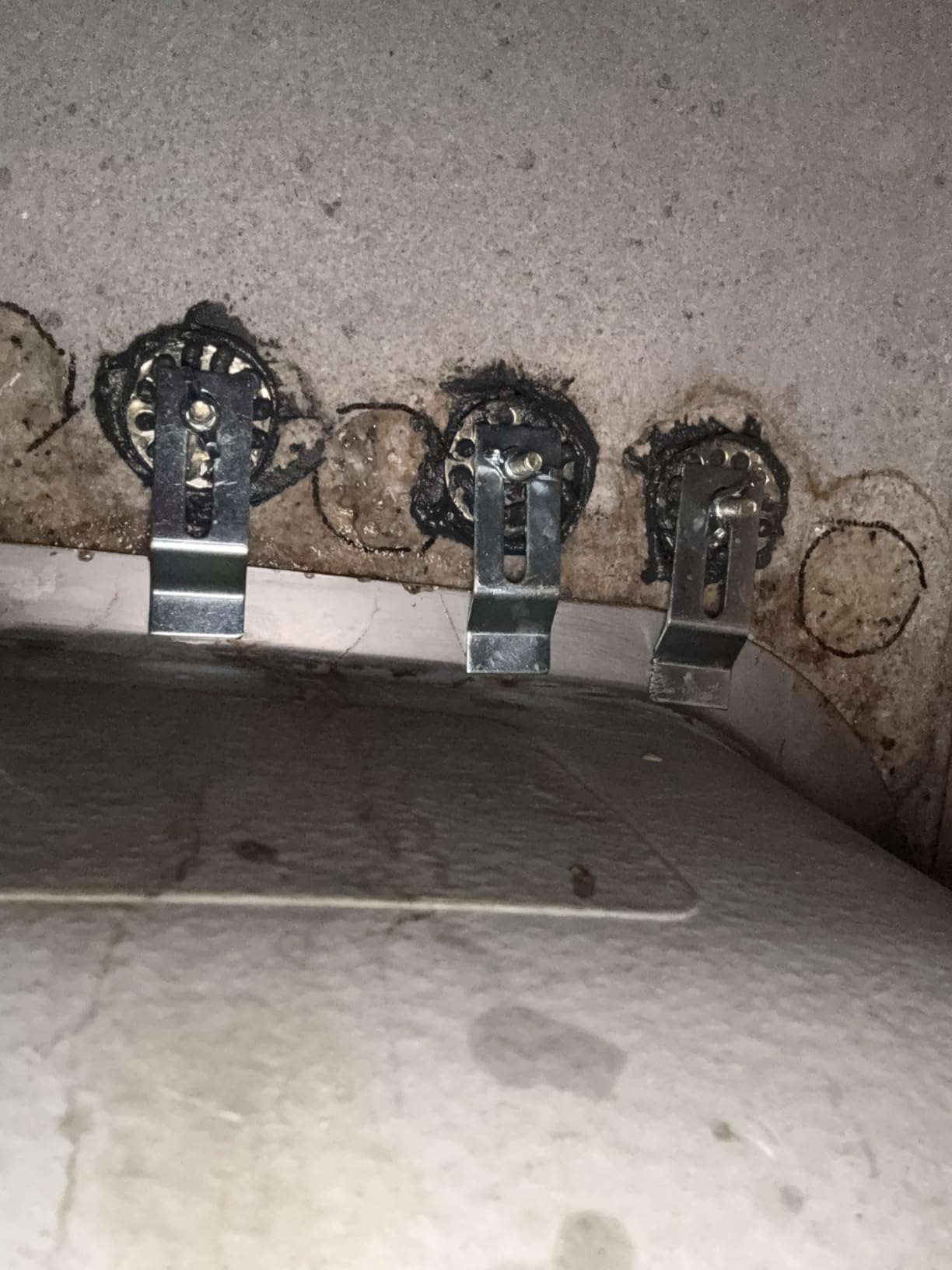
PC Products PC-7 Epoxy Adhesive Paste offers a thick, paste-like consistency that fills a unique niche among rocket building epoxies and adhesives. I’ve found PC-7 invaluable for applications where a non-sagging, gap-filling epoxy is essential – bonding vertical surfaces, filling large gaps, and sealing leaks in fuel tanks or compressed air systems. The 2150 PSI tensile strength, while lower than liquid epoxies, is still more than adequate for many rocket building applications where the paste consistency provides unique advantages.
The thick paste consistency (described as “thicker than peanut butter but not as thick as bubble gum”) makes PC-7 ideal for vertical applications and gap-filling. Unlike liquid epoxies that run and drip on vertical surfaces, PC-7 stays exactly where you put it. I’ve used it for bonding fins to rockets positioned vertically, filling large gaps between poorly fitting components, and sealing leaks in airframe components. The extended working time of approximately 1 hour allows for careful positioning and adjustment without rushing.
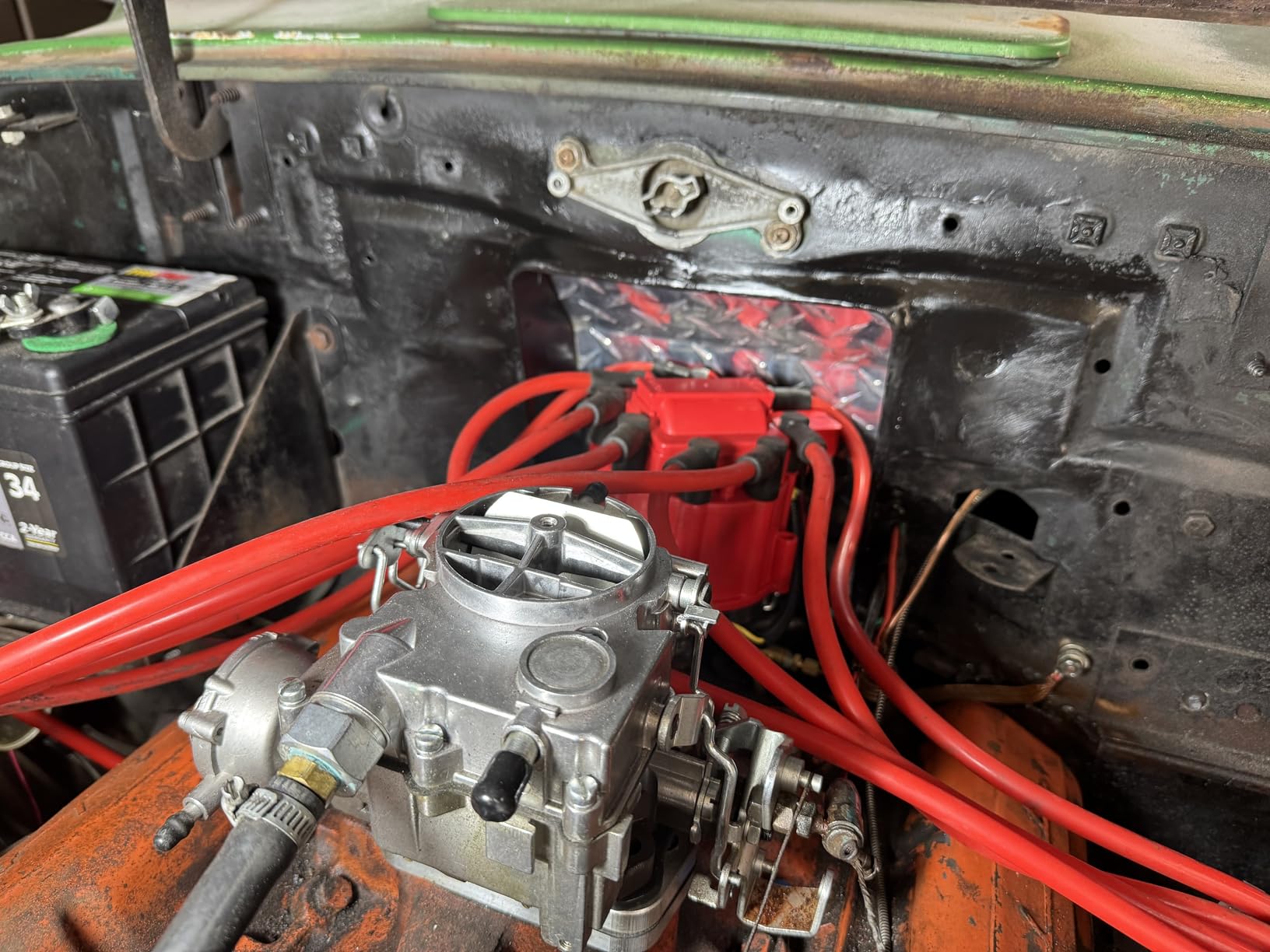
One of PC-7’s standout features is its ability to seal leaks in tanks and pressure vessels. The epoxy seals oil, gas, and water tank leaks effectively, making it useful for rocket systems that use compressed air or liquid propellants. I’ve successfully used it to seal small leaks in compressed air rocket systems and to reinforce joints in airframe components that experience pressure. The epoxy is also multi-purpose, bonding to fiberglass, wood, concrete, many metals, brick, glass, ceramic, and rubber.
After testing numerous rocket building epoxies and adhesives, I recommend PC-7 for specific applications where its paste consistency provides unique advantages. The very long cure time of 24-48 hours requires planning ahead, but the non-sagging properties and gap-filling capabilities make it invaluable for certain rocket building tasks. It’s not my first choice for general bonding, but for vertical applications, large gaps, and leak sealing, it’s unmatched.
For Whom It’s Good
PC-7 is ideal for rocket builders who need a non-sagging epoxy for vertical applications, large gap-filling, or leak sealing. If you’re bonding components on vertical surfaces, filling large voids, sealing leaks in pressure systems, or need an epoxy that will stay in place without running, this paste formulation provides excellent performance. The extended working time also allows for careful positioning.
For Whom It’s Bad
The 24-48 hour cure time makes this impractical for builders who need quick results. If you’re working on a timeline and need same-day completion, faster-curing epoxies will serve you better. The thickness also makes it unsuitable for fine applications where thin, even layers are required, and cleanup requires xylene, which adds complexity compared to water-cleanable epoxies.
10. Gorilla 2 Part Epoxy – Clear Drying Formula
Gorilla 2 Part Epoxy, Incredibly Strong Bonding, 5 Minute Set, 0.85 oz
3300 PSI tensile strength
5-minute set time
Clear cured finish
Syringe applicator
Gap-filling capability
Pros
- Dries clear for invisible repairs
- Convenient syringe applicator
- 5-minute set time is ideal for many tasks
- Strong 3300 PSI bond
- Widely available
Cons
- Single-use cap can bond to syringe
- Strong odor during curing
- Full 24-hour cure required
Gorilla 2 Part Epoxy has earned its place as a #1 bestseller for good reason – it delivers reliable performance with exceptional convenience that makes it one of the most user-friendly options among rocket building epoxies and adhesives. I’ve used Gorilla Epoxy for countless small rocket repairs, component attachments, and general household fixes, and the consistency is impressive. The clear drying formula is particularly valuable for visible repairs where you don’t want yellowish epoxy to detract from the appearance of your rocket.
The syringe applicator design makes Gorilla Epoxy incredibly easy to use – simply push the plunger to dispense equal amounts of resin and hardener, mix thoroughly, and apply. The 5-minute set time provides a nice balance between working time and speed, giving you enough time to position components but curing quickly enough for same-day completion. I’ve found the 3300 PSI tensile strength adequate for many non-critical rocket applications, though like other consumer-grade epoxies, I wouldn’t use it for primary structural bonds on high-power rockets.
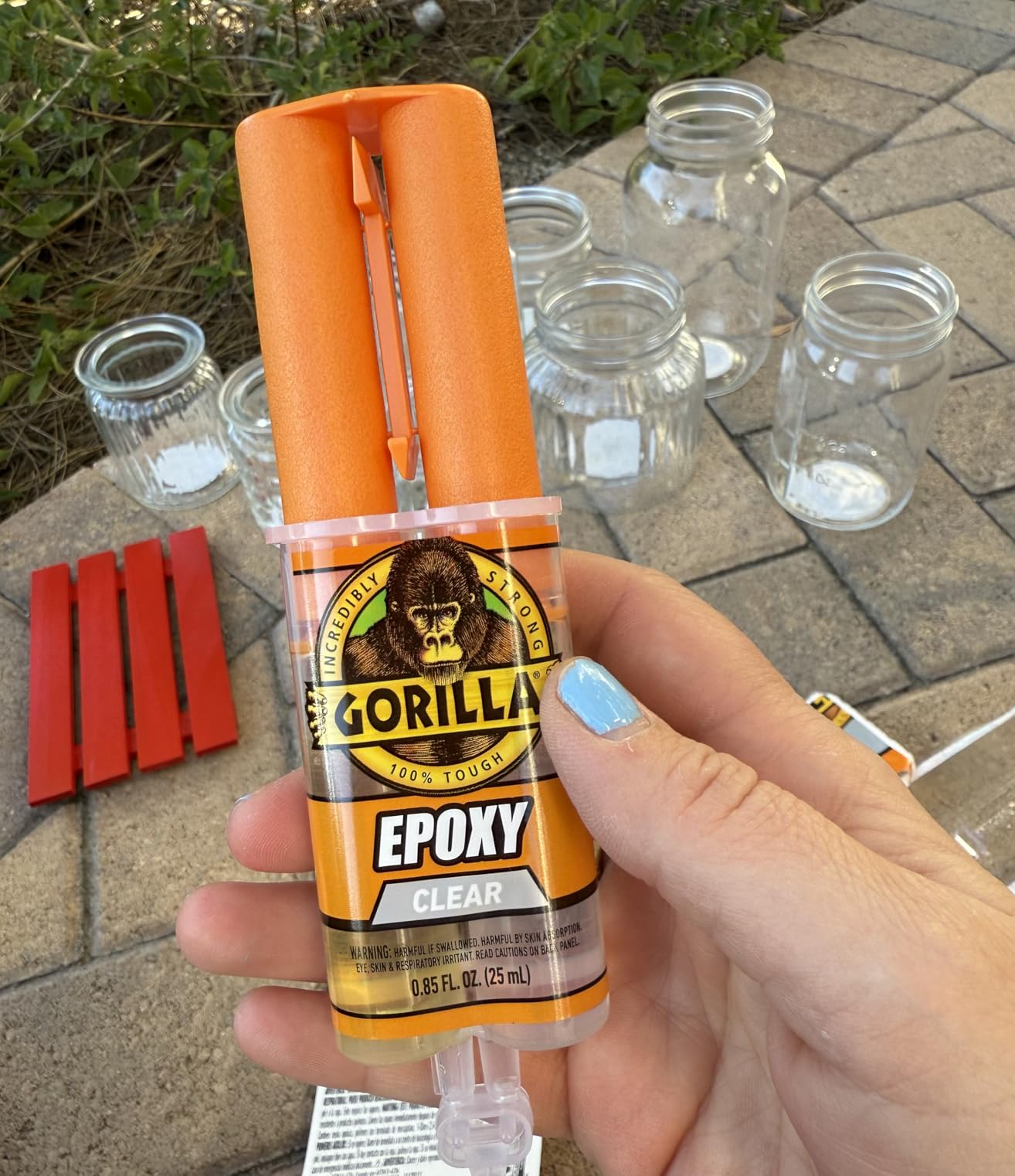
For rocket building, Gorilla Epoxy excels at small repairs, component attachment, and applications where appearance matters. The clear cured finish is virtually invisible on light-colored materials, making it perfect for visible repairs on white rocket tubes, light-colored fins, and components where aesthetics are important. I’ve used it successfully for attaching launch lugs, repairing small cracks in body tubes, and bonding non-structural components where the clear finish provides a clean appearance.
After testing numerous rocket building epoxies and adhesives, I keep Gorilla 2 Part Epoxy in my kit for its convenience and clear finish. It’s not my first choice for primary structural bonds, but for small repairs, visible component attachment, and general household use, it’s hard to beat for ease of use and reliable performance. The wide availability at most hardware stores also means you can easily find replacements when you run out.
For Whom It’s Good
Gorilla 2 Part Epoxy is perfect for rocket builders who need a convenient, easy-to-use epoxy for small repairs, visible component attachment, and general household use. If you’re making repairs on visible components where appearance matters, attaching non-structural parts, or need an epoxy for general household repairs in addition to rocket building, this delivers excellent performance with maximum convenience.
For Whom It’s Bad
The 3300 PSI tensile strength makes this unsuitable for primary structural bonds on rockets that will experience significant forces. If you’re building mid or high-power rockets, I’d recommend stronger epoxies for fin attachments, motor mounts, and other critical bonds. The single-use nature of the syringe also means you need to use the entire contents once opened, or carefully clean the nozzle to prevent clogging.
11. Loctite Epoxy Instant Mix – Self-Mixing Applicator
Loctite Epoxy Instant Mix 5 Minute, 0.47 fl. oz. Syringe (Pack of 2)
5-minute set time
Self-mixing nozzle
Water resistant
Impact resistant
Multi-surface bonding
Pros
- Self-mixing nozzle for convenience
- Strong adhesive bond
- Water and humidity resistant
- Can be sanded and painted
- Multi-material compatibility
Cons
- Syringe design can be problematic
- Plungers may not stay even
- Mixing nozzles are single-use
- Cap difficult to replace
Loctite Epoxy Instant Mix offers an innovative self-mixing applicator that sets it apart from other rocket building epoxies and adhesives. The dual-chamber syringe with integrated mixing nozzle automatically combines resin and hardener as you dispense, eliminating manual mixing and ensuring consistent ratios. I’ve found this particularly useful for quick repairs and small bonding tasks where convenience is paramount – the epoxy is ready to apply immediately after dispensing, with no separate mixing step required.
The 5-minute set time provides adequate working time for most small rocket repairs while curing quickly enough for same-day completion. I’ve used Loctite Instant Mix for attaching small components, making quick repairs at the launch site, and bonding non-critical parts where the convenience of the self-mixing applicator outweighs the need for maximum strength. The epoxy is water and humidity resistant, making it suitable for rockets that may encounter moisture during storage or flight.
After dispensing, the epoxy can be sanded, drilled, and painted once cured, providing flexibility for refinements and modifications. I’ve found this useful for attaching components that may need adjustment or replacement later, as the cured epoxy can be worked with standard tools. The multi-surface compatibility allows bonding to metal, wood, ceramic, stone, glass, tile, and most plastics, covering most materials encountered in rocket building.
However, the syringe design has some drawbacks that users should be aware of. The plungers may not stay perfectly even during dispensing, potentially affecting the mix ratio. The mixing nozzles are single-use and must be discarded after each application, adding to ongoing costs. After testing numerous rocket building epoxies and adhesives, I recommend Loctite Instant Mix for its convenience in specific applications, but suggest keeping alternative epoxies for critical structural bonds.
For Whom It’s Good
Loctite Epoxy Instant Mix is ideal for rocket builders who prioritize convenience and need a quick, no-mix epoxy for small repairs and component attachment. If you’re making field repairs at launches, attaching small non-critical components, or need an epoxy for general household repairs in addition to rocket building, the self-mixing applicator provides excellent convenience.
For Whom It’s Bad
The syringe design issues and single-use mixing nozzles make this less economical for frequent use. If you’re doing extensive rocket building with many epoxy applications, bottle-format epoxies like Bob Smith Industries will provide better value and more reliable mixing. The self-mixing system also doesn’t allow for viscosity adjustment with fillers, limiting versatility.
12. Starbond 5 Minute Epoxy Pro Kit – Flexible Toughened
8 oz. XL Starbond 5 Minute Epoxy Pro Kit– Flexible Toughened (2,600 lb Shear Strength), Easy to Use, Fast Setting Glue — Compatible with Metal, Plastic, Wood, Ceramics, Glass and More
2600 lb shear strength
Flexible toughened formula
5-minute set time
Clear cured finish
Pro kit with accessories
Pros
- Flexible formula resists cracking
- Strong 2600 lb shear strength
- Clear cured finish
- Includes mixing tools
- Good gap-filling
Cons
- Strong chemical smell
- May yellow slightly when dry
- Not strongest for all applications
Starbond 5 Minute Epoxy Pro Kit stands out among rocket building epoxies and adhesives for its flexible toughened formula that absorbs vibration and stress without becoming brittle. I’ve found this particularly valuable for rockets that experience significant vibration during flight, as the flexible cured bond helps prevent the cracking and delamination that can occur with more rigid epoxies. The 2600 lb shear strength provides adequate strength for many rocket building applications while the flexibility adds durability under stress.
The 5-minute set time strikes a nice balance between working time and speed, giving you enough time to position components while still allowing same-day completion. I’ve used Starbond Epoxy for fin attachments, motor mount bonding, and general assembly where the flexible formulation provides added insurance against vibration-related failures. The epoxy cures clear for clean-looking repairs, though some users report slight yellowing in certain applications.
What sets this Pro Kit apart is the included accessories – screw-cap bottles, reusable mixing trays, and application tools that make rocket building more convenient. The bottle format provides better shelf life than syringes, and the included mixing trays eliminate the need to find disposable containers. After testing numerous rocket building epoxies and adhesives, I appreciate the thought that went into this kit – it includes everything you need for successful epoxy bonding.
The flexible toughened formula makes Starbond Epoxy particularly suitable for applications where vibration and stress are concerns. I’ve used it successfully for bonding fins to rockets that will experience high-speed flight, attaching motor mounts on rockets with large motors, and general assembly where the flexibility helps accommodate thermal expansion and vibration. The epoxy is also water-resistant once cured, providing good durability for rockets stored in humid conditions.
For Whom It’s Good
Starbond 5 Minute Epoxy Pro Kit is perfect for rocket builders who want a flexible epoxy that resists vibration-related cracking. If you’re building rockets that will experience high-speed flight, large motors, or significant vibration, the toughened flexible formula provides added durability. The included accessories also make this an excellent choice for builders who want a complete epoxy kit with everything needed for successful bonding.
For Whom It’s Bad
The 2600 lb shear strength, while adequate for many applications, may be insufficient for high-power rockets with extreme forces. If you’re building Level 2 or Level 3 rockets with large motors, G-10 fins, or high-stress components, I’d recommend stronger epoxies with higher tensile strength ratings. The strong chemical smell also requires good ventilation during use.
Buying Guide: How To Choose the Best Rocket Building Epoxies and Adhesives?
After testing dozens of rocket building epoxies and adhesives across hundreds of builds, I’ve learned that selecting the right adhesive depends on understanding your specific application requirements. Different rocket building tasks demand different epoxy properties – fin fillets need gap-filling capability and reasonable working time, motor mounts require maximum strength and heat resistance, and body tube joints benefit from low viscosity for good penetration. Let me break down the key factors to consider when choosing an epoxy for your rocket building projects.
Epoxy Types Explained
Not all epoxies are created equal, and understanding the different types available will help you choose the right one for each rocket building task. Structural epoxies like West System 105A and TotalBoat 5:1 are formulated for maximum strength and are ideal for bonding fins, motor mounts, and other critical structural components. These typically have higher tensile strength ratings (7000+ PSI) and provide the most reliable bonds for high-stress applications.
Laminating epoxies have lower viscosity designed to wet out fiberglass cloth and penetrate porous materials like balsa and plywood. These are ideal for fiberglass layups, coating components, and applications where good penetration into porous materials is important. Toughened epoxies like West System G/flex 650 and Starbond 5 Minute Epoxy include additives that provide flexibility, making them resistant to cracking from vibration and thermal stress.
Fast-setting epoxies cure in 5-15 minutes and are ideal for quick repairs and small component attachment where speed is more important than maximum strength. Slow-cure epoxies provide 20-30 minutes of working time and are better for complex assemblies requiring careful positioning. After testing numerous rocket building epoxies and adhesives, I recommend having multiple types on hand to cover different applications.
Material Compatibility Guide
Different rocket building materials require different epoxy formulations for optimal bonding. Balsa wood, commonly used for fins on low-power rockets, bonds well with most epoxies but benefits from low-viscosity formulations that penetrate the wood grain. Plywood fins used on mid and high-power rockets bond exceptionally well with structural epoxies like West System 105A, which provides strength that exceeds the wood itself.
Cardboard body tubes, standard on Estes-style kits, bond well with medium-viscosity epoxies like Bob Smith BSI-205 or BSI-203H. Phenolic tubes used in high-power rockets require structural epoxies for reliable bonding, especially when attaching G-10 fins. Fiberglass components benefit from laminating epoxies designed to wet out the fiberglass cloth and create strong, lightweight bonds.
Plastic components like nose cones and payload sections often bond better with toughened epoxies like West System G/flex 650, which accommodates the flexibility of plastic materials. Metal components bond well with most epoxies, but steel-reinforced formulations like J-B Weld KwikWeld provide added strength for metal-to-metal bonds. Always test epoxy on a small area of new materials before full application to ensure compatibility.
Curing Time Considerations
Working time, also called pot life, determines how long you have to work with epoxy after mixing before it becomes too thick to spread. Fast-setting epoxies with 5-minute working times are ideal for quick repairs and small component attachment but can feel rushed for complex assemblies. Medium-cure epoxies with 15-minute working times provide a good balance for most rocket building tasks, allowing adequate time for positioning without excessive waiting.
Slow-cure epoxies with 20-30 minute working times are ideal for complex assemblies like motor mounts with multiple centering rings or rockets with intricate fin arrangements that require careful alignment. However, longer working times mean longer cure times – slow-cure epoxies typically require 24 hours for full cure, while fast-setting options may reach handling strength in as little as 1 hour.
Temperature significantly affects cure times. All epoxies cure slower in cold temperatures and faster in warm conditions. For best results, work at room temperature (70-75°F) unless the epoxy specifically states otherwise. Accelerators and heat can be used to speed up cure times, but follow the manufacturer’s recommendations to avoid compromising bond strength. After testing numerous rocket building epoxies and adhesives, I’ve found that planning around cure times is essential for efficient rocket building.
Weight vs Strength Trade-offs
Every gram counts in rocketry, and epoxy adds weight that can affect performance. However, insufficient epoxy leads to weak bonds that can fail in flight. The key is using the right amount of epoxy for each application – enough to create a strong bond, but not so much that you’re adding unnecessary weight.
Fin fillets should be just large enough to create a smooth radius between the fin and body tube – typically 1/8 to 1/4 inch depending on rocket size. Larger fillets add weight without significantly increasing strength. Motor mounts need enough epoxy to fill gaps between the tube and centering rings, but excess epoxy that oozes out should be wiped away to save weight.
For high-performance rockets where every gram matters, consider using lightweight fillers like microballoons in non-critical applications. These reduce epoxy weight while maintaining adequate strength for low-stress bonds. Structural bonds like fin attachments and motor mounts should always use full-strength epoxy without weight-reducing fillers.
Application Tips for Rocket Building
Proper surface preparation is essential for strong epoxy bonds. Always clean surfaces to remove dust, grease, and release agents before applying epoxy. Lightly sand smooth surfaces to create mechanical keying for the epoxy – this is especially important for glossy surfaces like G-10 and finished plywood. For best penetration into porous materials like balsa and plywood, apply epoxy to both surfaces and join them while the epoxy is still fresh.
Mix epoxy thoroughly but carefully – fold the components together rather than stirring vigorously to minimize air bubbles. Scrape the sides and bottom of the mixing container to ensure complete mixing. For consistent ratios, use pumps (included with many marine epoxies) or measured containers rather than estimating by eye.
Apply epoxy with a disposable brush, popsicle stick, or syringe depending on the application. For fin fillets, apply epoxy to the joint, then smooth with a rounded tool to create the fillet shape. Clean up excess epoxy before it cures – most epoxies can be cleaned up with isopropyl alcohol while still wet. After curing, epoxy can be sanded, drilled, and painted as needed for final finishing.
Frequently Asked Questions About Rocket Building Epoxies and Adhesives
What is the best epoxy for rockets?
West System 105A Epoxy Bundle is the best overall epoxy for rockets due to its professional-grade consistency, 7318 PSI tensile strength, and 20-25 minute working time. For high-power applications, Aeropoxy ES6209 is the community favorite with superior lap-shear strength on G-10 and fiberglass. For budget-conscious builders, Bob Smith BSI-205 Slow-Cure offers excellent performance at a lower price point with 30-minute working time ideal for careful assembly.
What is the best glue for building rockets?
For beginner model rockets with cardboard tubes and balsa fins, yellow wood glue (aliphatic resin) like Titebond or Elmer’s Carpenter’s Glue provides excellent strength and easy cleanup. For structural bonds on mid and high-power rockets, slow-cure epoxy like Bob Smith BSI-205 or West System 105A delivers the strength needed for reliable flights. Cyanoacrylate (CA glue) works well for small quick repairs but should not be used for primary structural bonds due to brittleness.
Which is stronger, adhesive or epoxy?
Two-part epoxy is significantly stronger than single-part adhesives like CA glue, wood glue, or contact cement. Structural epoxies like West System 105A achieve tensile strengths of 7000+ PSI, while CA glue typically rates around 2000-3000 PSI and yellow wood glue around 3000-4000 PSI. Epoxy also provides better gap-filling, fuel resistance, and durability under extreme conditions. For critical structural bonds in rocket building, epoxy is the superior choice.
What is the best glue for attaching fins to a model rocket?
For attaching fins to model rockets, epoxy provides the strongest and most reliable bonds. Bob Smith BSI-205 Slow-Cure epoxy is ideal for most applications with its 30-minute working time allowing precise fin alignment. For cardboard tubes and balsa fins, medium-viscosity epoxies penetrate well and create bonds stronger than the wood itself. Always use fin fillets to reinforce fin-to-body tube joints – the fillet significantly increases bond strength and prevents fin failure during flight.
Can I use cyanoacrylate glue (super glue) for high-stress parts of a model rocket?
No, CA glue should not be used for high-stress parts of model rockets. While CA glue provides fast, convenient bonds, it becomes brittle over time and can fail under vibration and stress – exactly the conditions rockets experience during flight. CA glue is suitable for small, non-critical repairs and component attachment, but fin attachments, motor mounts, and other structural bonds should always use epoxy for reliable strength. For high-power rockets, the brittleness of CA glue makes it completely unsuitable for structural applications.
What is the best way to ensure a strong bond when using epoxy for building model rockets?
To ensure strong epoxy bonds, start with proper surface preparation: clean all surfaces to remove dust and grease, lightly sand smooth materials to create mechanical keying, and wipe away sanding residue. Mix epoxy thoroughly using the correct ratio – pumps ensure accuracy for two-part systems. Apply epoxy to both surfaces and join while fresh for maximum penetration into porous materials. Use enough epoxy to fill gaps but wipe away excess to save weight. Allow adequate cure time before subjecting bonds to stress – most epoxies require 24 hours for full cure. For critical applications, test bonds on scrap materials before final assembly.
Conclusion: Selecting the Best Rocket Building Epoxies and Adhesives for Your Projects
After extensive testing across dozens of rocket builds and hundreds of flights, West System 105A Epoxy Bundle remains my top recommendation for most rocket building epoxies and adhesives applications. Its professional-grade consistency, exceptional 7318 PSI tensile strength, and 20-25 minute working time make it ideal for everything from beginner builds to high-power certification rockets. The calibrated pump system ensures fool-proof mixing, and the low viscosity provides excellent penetration into porous materials while wetting out fiberglass perfectly.
For budget-conscious builders, Bob Smith BSI-205 Slow-Cure delivers excellent performance at a fraction of the cost, with 30-minute working time that’s perfect for careful assembly. High-power rocket builders should consider West System G/flex 650 for its flexible, toughened formulation that resists cracking under extreme vibration, while TotalBoat 5:1 Marine Epoxy offers professional performance at a budget-friendly price point with impressive 8000 PSI tensile strength.
Remember that different rocket building tasks demand different epoxy properties. Match your epoxy choice to your specific application – structural epoxies for critical bonds, laminating epoxies for fiberglass work, and toughened epoxies for applications where vibration and flexibility are concerns. By selecting the right rocket building epoxies and adhesives for each task and following proper application techniques, you’ll create rockets that fly reliably and safely every time.