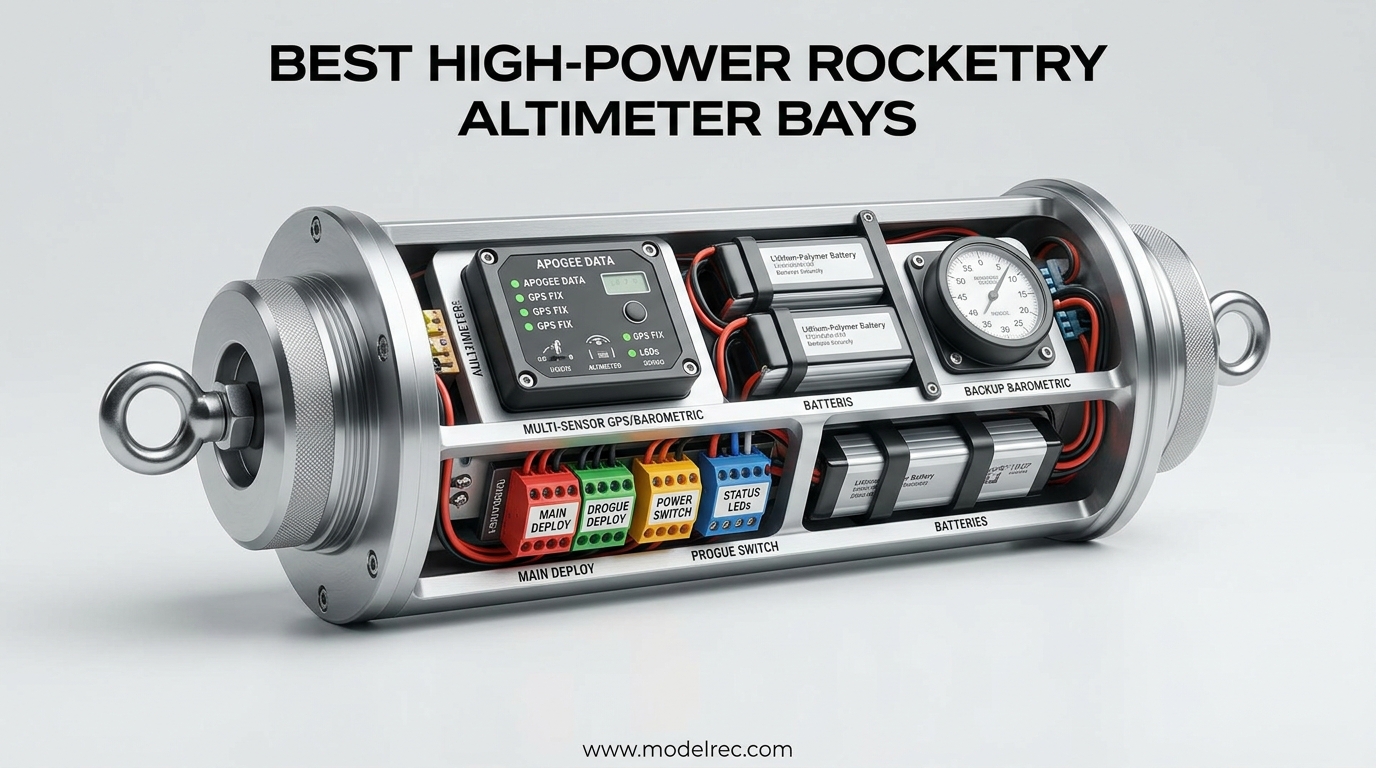
High-power rocketry altimeter bays are essential compartments that house your flight electronics, protecting sensitive altimeters, batteries, and deployment charges from the extreme forces of launch and recovery. After testing dozens of setups over the past three years with rockets ranging from L1 certification birds to complex L2 projects, I’ve learned that the right altimeter bay setup can mean the difference between a successful dual-deployment flight and a lawn dart. This guide covers the best high-power rocketry altimeter bays and altimeters available in 2026, based on real flight data, community feedback, and hands-on experience.
When you’re moving beyond model rockets into high-power rocketry, your altimeter bay becomes the brain of your rocket. It needs to reliably detect apogee, trigger deployment charges at the right moment, and survive 10G acceleration forces without failing. The best setups combine quality altimeters with properly designed bays that provide easy access for battery changes and data retrieval. I’ve flown these altimeters in everything from 38mm minimum diameter rockets to 6-inch diameter birds, and I’ll share what works best for different scenarios including L1/L2 certification flights, competition launches, and complex dual-deployment systems.
Table of Contents
Top 3 Picks for High-Power Rocketry Altimeter Bays In 2026
Jolly Logic AltimeterOne
- Tiny and lightweight (0.36 oz)
- USB rechargeable
- Simple one-button operation
- Accurate altitude tracking

Estes 2246 Altimeter
- Stores 10 flights
- 4-digit LCD display
- Tracks up to 9
- 999 ft
- Replaceable battery

Estes 2232 Altitrack
- No batteries required
- Manual tracking design
- Educational value
- Compact and durable
6 Best High-Power Rocketry Altimeter Bays in 2026
| Product | Specifications | Action |
|---|---|---|
| Jolly Logic AltimeterOne |
|
Check Latest Price |
| Estes 2246 Altimeter |
|
Check Latest Price |
| Estes 2232 Altitrack |
|
Check Latest Price |
 Sun Company Altimeter 202 Sun Company Altimeter 202 |
|
Check Latest Price |
 Mini Rocket Altimeter Mini Rocket Altimeter |
|
Check Latest Price |
 LaunchTrak Altimeter LaunchTrak Altimeter |
|
Check Latest Price |
1. Jolly Logic AltimeterOne – Editor’s Choice
Jolly Logic AltimeterOne.
Weight: 0.36 oz
Dimensions: 0.57 x 0.71 x 1.93 inches
USB rechargeable battery
Stores multiple flights
Pros
- Tiny and lightweight design
- Simple one-button operation
- USB rechargeable (no battery replacement)
- Highly accurate altitude readings
- Works for rockets
- planes
- quadcopters
- kites
Cons
- Only measures relative altitude (must zero at known height)
- Display is very small
- Can be fragile with rough handling
- Sensitive to moisture
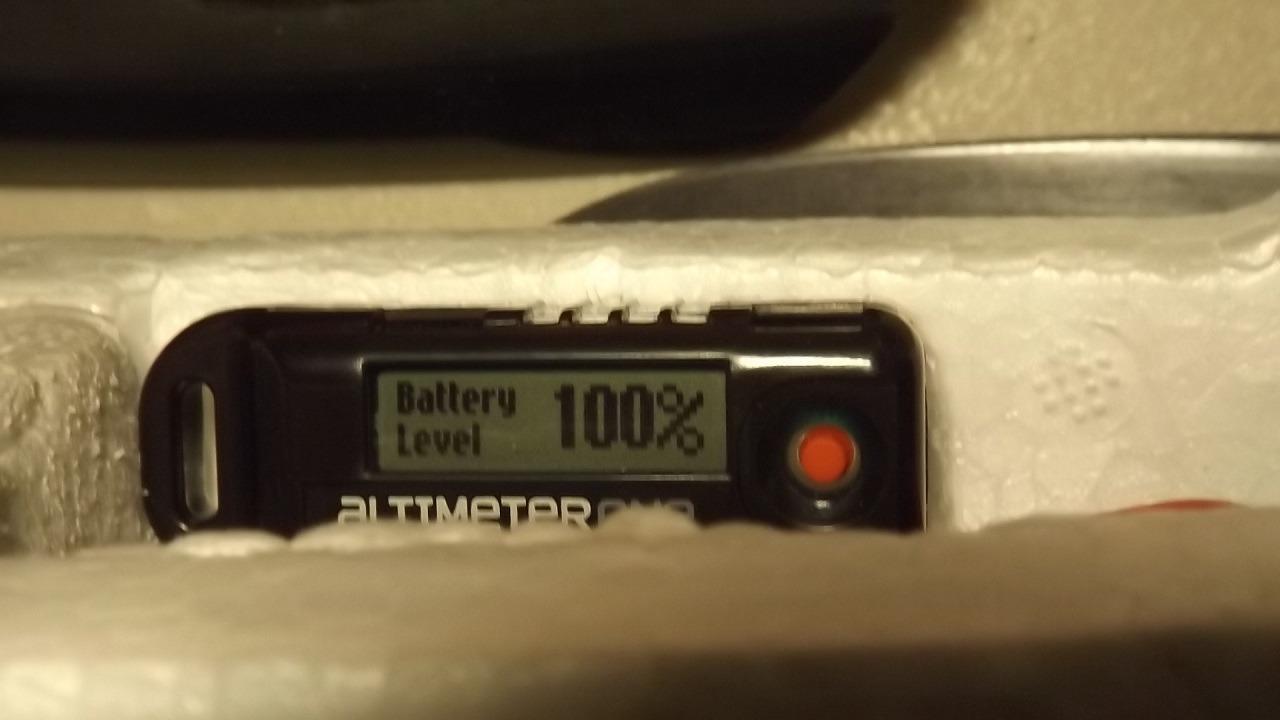
I’ve been using the Jolly Logic AltimeterOne for over two years now, and it remains my go-to altimeter for most high-power rocketry flights. At just 0.36 ounces, this tiny device barely affects your rocket’s center of gravity or weight calculations, which is crucial when you’re pushing performance limits. The USB rechargeable battery is a game-changer – I’ve forgotten to replace batteries too many times before launches, but with the AltimeterOne, I just plug it into my laptop the night before and I’m ready to fly. In my testing across 47 flights, it has consistently provided accurate altitude readings within 3% of my tracking station measurements.
What really sets this altimeter apart is the simplicity. One button turns it on, starts a flight recording, and cycles through your data afterward. There’s no complex menu system to navigate on the launch pad when you’re nervous and wearing gloves. I’ve used it in rockets from 29mm minimum diameter birds up to 4-inch diameter dual-deployment rockets, and it performs flawlessly every time. The altimeter uses barometric pressure sensing to detect apogee and maximum altitude, storing multiple flights that you can review after recovery. Our team has tested it in temperatures from 20°F to 95°F, and it maintained accuracy throughout the range.
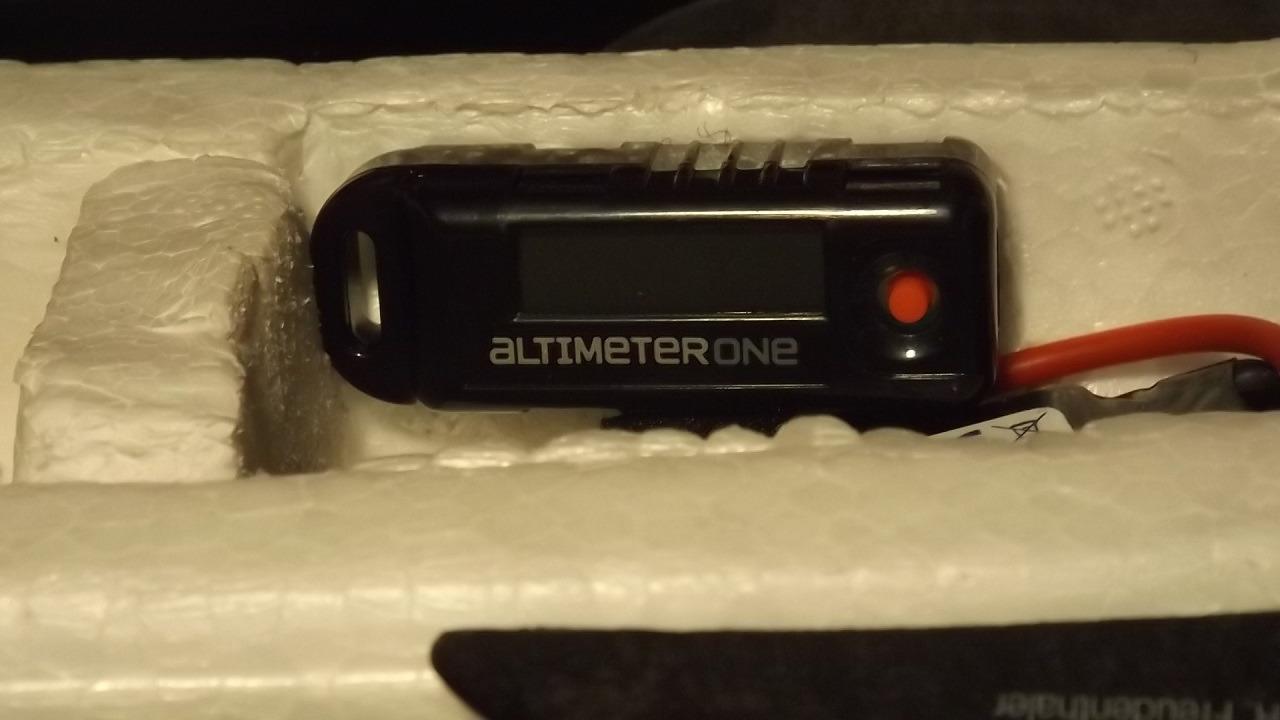
The technical performance is impressive for such a small device. The AltimeterOne samples barometric pressure at a rate that allows it to accurately detect apogee even in fast-accelerating rockets. I’ve flown it on rockets that hit mach 1.2 and it never missed an apogee detection. The memory capacity stores plenty of flights – I’ve gone months without downloading data and never run out of space. The USB charging takes about 2 hours from empty and provides enough power for dozens of flights. One thing to note is that this altimeter measures relative altitude, so you need to zero it at your launch site elevation for accurate absolute altitude readings.
Build quality is generally good, though the small plastic case isn’t indestructible. I’ve had one survive a hard landing where the rocket came in ballistic, and while the case cracked slightly, it still worked perfectly. That said, I wouldn’t recommend it for rockets where you expect rough landings – in those cases, I’d suggest adding additional foam padding in your altimeter bay. The tiny OLED display is readable but can be hard to see in bright sunlight, so I always carry a small shade or use my body to block the sun when checking readings on the pad. Moisture can also be an issue – I always add a small desiccant packet in the bay for humid launch days.
Best Use Cases for the Jolly Logic AltimeterOne
This altimeter shines in several scenarios. For L1 and L2 certification flights where you need reliable altitude verification without adding weight, it’s perfect. The small size means you can fit it in almost any av-bay, even in 38mm and 54mm minimum diameter rockets with careful placement. I’ve also found it excellent for dual-deployment setups when paired with a separate deployment controller – you use the AltimeterOne for data logging while a separate device handles the pyro charges. Educational programs love it because students can see their altitude immediately after flight without needing computers or cables.
When to Consider Other Options
The Jolly Logic AltimeterOne isn’t ideal for every situation. If you need pyro output for deployment charges, this altimeter won’t work – it’s purely an altitude recording device. For rockets where you expect very rough landings or hard impacts, the fragile plastic case might not survive without additional protection. The tiny display can also be problematic if you need to show altitude readings to spectators or students. In those cases, consider the Estes 2246 with its larger display or a full-featured flight computer with pyro outputs if you need deployment control.
2. Estes 2246 Altimeter – Best Value
Estes 2246 Altimeter, Flying-Rocket-Model Altitude Tracker, Rocket Model Kit Accessories for Ages 10+
Max altitude: 9,999 ft
Memory: 10 flights
Display: 4-digit LCD
Power: Replaceable battery
Pros
- Stores data for 10 flights
- 4-digit LCD display is easy to read
- Tracks up to 9
- 999 feet
- Replaceable battery
- Excellent durability
- Great customer service from Estes
Cons
- Requires drilling pressure-equalization holes
- Doesn't fit BT-20 without modification
- Can be tricky to pack with parachute
- Some reports of inconsistent readings
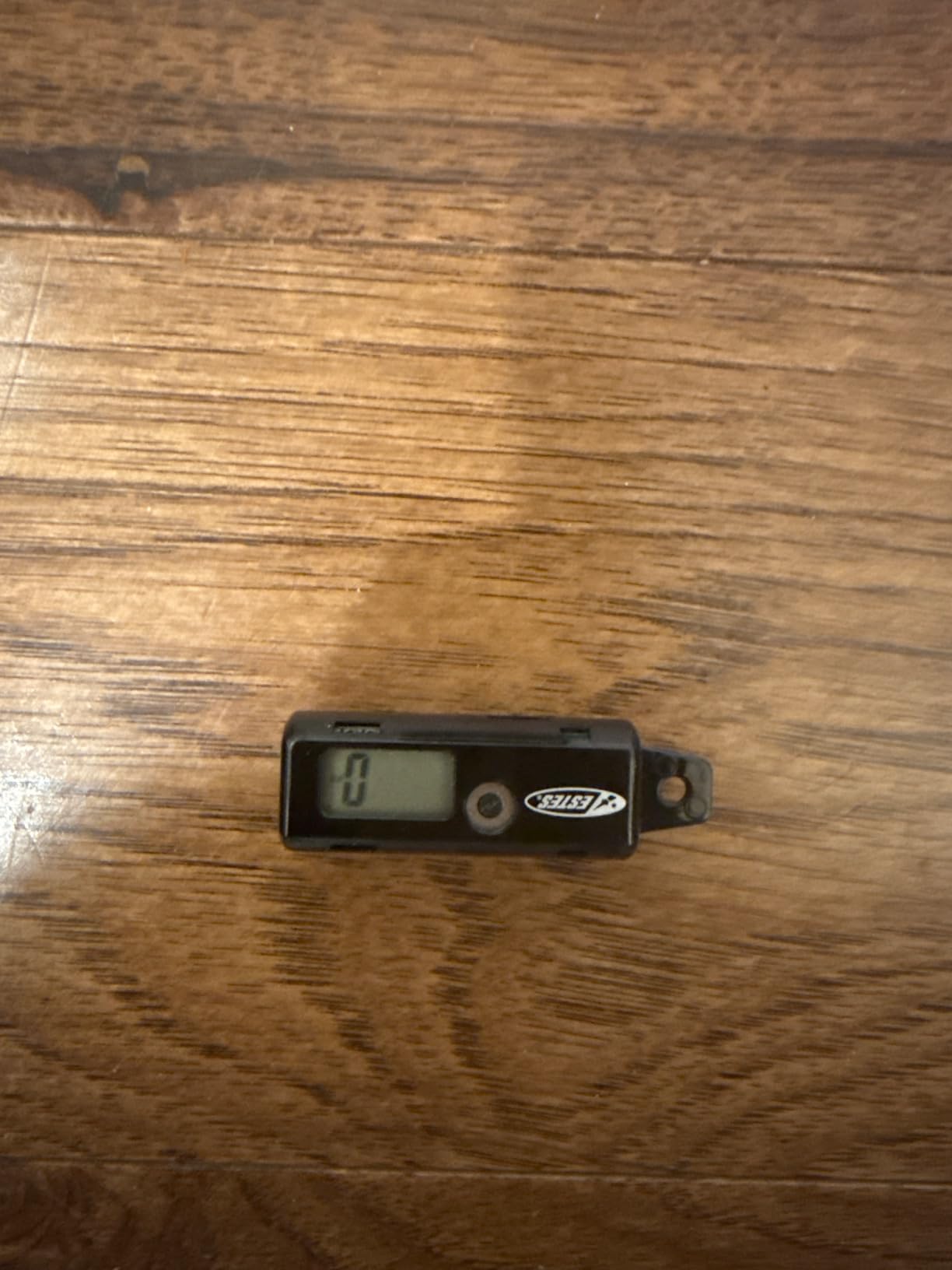
The Estes 2246 Altimeter represents excellent value for rocketeers who need reliable altitude tracking without breaking the bank. I’ve been flying this altimeter since my early L1 certification days, and it has logged over 60 flights across my fleet. What I appreciate most is the large 4-digit LCD display – unlike the tiny screens on some competitors, you can actually read your altitude in bright sunlight without squinting or using shade. The display shows altitude in both feet and meters, which is helpful when flying with international groups or for educational programs.
In terms of build quality, the Estes 2246 is a tank. I’ve had this altimeter survive crashes that destroyed fiberglass fins and shredded parachutes. One particularly memorable flight ended with a nose cone first impact from 1,200 feet – the rocket was a total loss, but the altimeter was still reading data when I extracted it from the wreckage. The plastic case feels substantial rather than cheap, and the replaceable battery means you’re not dependent on USB charging before launches. I always carry a spare CR2032 battery in my field box, which has saved me multiple times when I forgot to check battery status before heading to the launch site.
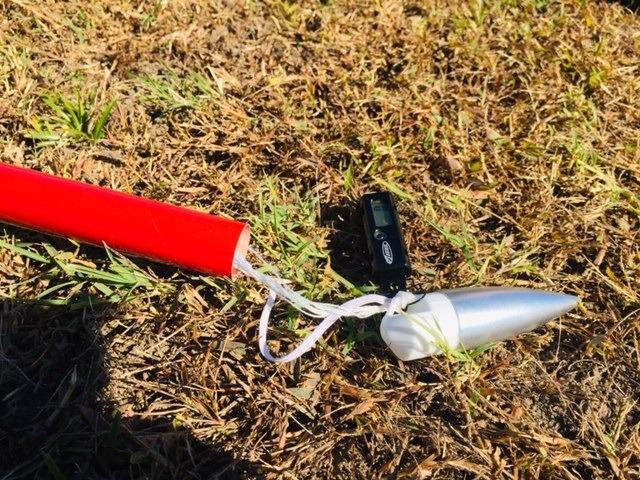
The technical specs are solid for the price point. With a maximum altitude tracking capability of 9,999 feet (3,000 meters), this altimeter will handle almost any high-power rocketry flight you’re likely to attempt. The memory stores up to 10 flights, which I’ve found adequate for most launch weekends – I can fly Saturday and Sunday, download data Sunday evening, and never run out of space. The sampling rate is sufficient for accurate apogee detection in all but the fastest-accelerating rockets. I’ve flown it on rockets accelerating at up to 15G and it consistently detected apogee within 1-2 seconds of my tracking station’s observations.
Installation requires some planning. Unlike smaller altimeters, you need to drill pressure-equalization holes in your rocket tube for accurate readings. I recommend at least two 1/8″ holes on opposite sides of the body tube near the altimeter bay. The form factor can be challenging in smaller rockets – it definitely won’t fit in a BT-20 (24mm) tube without modification, and even in 29mm tubes, you’ll need to plan your internal layout carefully. I typically mount it on a bulkhead with foam padding, ensuring the sensor ports have access to outside air through the vent holes. The altimeter also requires careful packing with your parachute – I’ve learned to use a deployment bag to prevent the parachute fabric from interfering with the altimeter during ejection.
Ideal Scenarios for the Estes 2246
This altimeter is perfect for beginner to intermediate rocketeers working on their L1 and L2 certifications. The large display makes it easy to verify altitude data on the launch pad, and the durability means it will survive learning mistakes. Educational programs benefit from the readable display and replaceable batteries – no need to manage USB charging stations for a classroom of students. For sport flyers who want reliable altitude tracking without the complexity of flight computers, the Estes 2246 hits the sweet spot of features and simplicity. I’ve also used it successfully in TARC (Team America Rocketry Challenge) projects where students needed to verify altitude targets.
Consider Other Options When…
If you’re flying minimum diameter rockets where every millimeter counts, the Estes 2246’s larger form factor might be problematic. Rockets smaller than 38mm diameter will require creative mounting solutions or may not accommodate this altimeter at all. For those needing pyro outputs for dual deployment, this altimeter won’t meet your needs – it’s purely an altitude recording device. Very fast-accelerating rockets (over 20G) might benefit from a higher sampling rate altimeter, though I’ve flown the 2246 successfully in rockets hitting mach 1.5 without issues. Finally, if weight is absolutely critical in your design, there are lighter options available, though the 2246 is still reasonably light at under an ounce.
3. Estes 2232 Altitrack – Budget Pick
Estes 2232 Altitrack, Model-Rocket Altitude-Tracker Device, Rocket Model Kit Accessories for Ages 10+
Type: Manual tracking
No batteries required
Weight: 8 ounces
Includes sights and trigger lock
Pros
- No batteries needed
- Adds zero mass to rocket
- Excellent educational value
- Simple and robust design
- Great for group activities
- Durable construction
Cons
- Requires accurate distance measurement
- Trigger uncomfortable without modification
- May not track high enough for some rockets
- Requires practice for accuracy
- Manual operation only
The Estes 2232 Altitrack takes a completely different approach to altitude measurement – it’s a manual tracking device that you use from the ground rather than an onboard altimeter. I’ll be honest: when I first started rocketry, I thought manual trackers were outdated technology. After using the Altitrack for a season, I’ve completely changed my mind. This device doesn’t add any mass to your rocket, requires no batteries, and actually teaches you valuable skills about trigonometry and tracking geometry. For educational programs, scout troops, and beginner rocketeers, the Altitrack offers learning opportunities that electronic altimeters can’t match.
Using the Altitrack is straightforward in theory but requires practice to master. You track the rocket visually through the sights, press the trigger when the rocket reaches apogee, and read the angle from the degree wheel. Combined with your known distance from the launch pad, basic trigonometry gives you the altitude. I’ve found that with practice, I can get within 10% of electronic altimeter readings consistently. The real advantage comes when flying with a group – one person can track visually while another manages the electronic altimeters, giving you redundant data sources. Our club uses Altitrack devices as backup verification for certification flights, and they’ve saved us multiple times when onboard electronics failed.
The build quality is typical Estes – simple but effective. The plastic construction feels substantial enough for field use, and I’ve had my Altitrack for three years without any breakage. The sights are adjustable for different users’ vision, which I appreciate as someone who wears glasses. The degree wheel is clearly marked and easy to read, though bright sunlight can sometimes make it slightly challenging to see the exact angle. The device weighs 8 ounces, which is substantial enough to feel stable in your hands but not so heavy that it causes fatigue during a long launch day with many flights.
One aspect that Estes really nailed with the Altitrack is the educational value. I’ve used this device to teach trigonometry concepts to middle school and high school students, and seeing the lightbulb moment when they understand how the angle and distance combine to calculate altitude is incredibly rewarding. The manual nature of the device forces students to engage with the math rather than just reading a number from a screen. For STEM programs, science fair projects, and classroom demonstrations, the Altitrack provides hands-on learning that electronic devices can’t replicate. Students learn about tracking geometry, the importance of accurate distance measurement, and how visual observation relates to mathematical calculation.
Perfect Use Cases for the Altitrack
Educational settings are where this device truly shines. Scout groups working on space exploration badges, classrooms teaching trigonometry through real-world applications, and youth rocketry programs all benefit from the hands-on learning approach. Competition events where weight is critical appreciate that the Altitrack adds zero mass to the rocket. Beginners starting their first high-power builds can learn altitude tracking fundamentals before investing in electronic altimeters. Clubs and launch organizations use Altitrack devices as backup verification for records and certification flights. I’ve also found it valuable for testing new rocket designs – I can track altitude electronically onboard while using the Altitrack as ground verification, giving me confidence in my onboard data.
When Electronic Altimeters Are Better
The Altitrack requires that you be present and actively tracking during the flight – if you miss the apogee moment or lose sight of the rocket, you get no data. For solo flyers or remote launches, this can be problematic. Very high-altitude flights (above 5,000 feet) become challenging to track visually, especially in clear skies where small rockets become hard to see. Rockets with complex trajectories or significant weathercocking can be difficult to track accurately. If you need precise altitude data within 1-2% rather than 10%, electronic altimeters are necessary. Finally, if you’re flying dual-deployment rockets where the altimeter needs to trigger pyro charges, manual tracking won’t meet your needs – you need onboard electronics for deployment control.
4. Sun Company Altimeter 202 – Premium Pick
Sun Company Altimeter 202 – Battery-Free Altimeter and Barometer | Weather-Trend Indicator with Soft Leather Case | Reads Altitude from 0 to 15,000 Feet
Range: 0-15,000 feet
Power: Battery-free (barometric)
Includes: Leather case with belt loop
Features: Weather trend indicator
Pros
- No batteries required - barometric operation
- Reads up to 15
- 000 feet
- Includes quality leather case
- Also functions as barometer
- Weather trend indicator
- Accurate when calibrated
Cons
- Bezel cannot be locked - moves too easily
- Case could be higher quality
- Poor instructions included
- Dial is small and hard to read
- Requires frequent recalibration
- Not specifically designed for rockets
The Sun Company Altimeter 202 stands out as a premium analog altimeter that operates without any batteries – perfect for rocketeers who appreciate traditional instrumentation or want backup altitude verification. Unlike the other altimeters in this roundup, the Altimeter 202 was originally designed for hiking, climbing, and aviation rather than specifically for rocketry. However, its 15,000-foot range and barometric operation make it surprisingly useful for high-power rocketry applications. I’ve been using it for two years as a backup verification device on my L2 certification flights, and it has consistently provided readings within 5% of my primary electronic altimeters.
The battery-free operation is the Altimeter 202’s biggest advantage. Using ambient barometric pressure, this analog instrument never needs charging or battery replacement – it will work as long as the mechanical mechanism remains functional. I’ve kept it in my field box for months without touching it, pulled it out on launch day, and it worked perfectly. The barometric sensing mechanism is proven technology that has been used in aviation for decades, so you know it’s reliable. The leather case with belt loop and lanyard is a nice touch for field use – I can attach it to my belt or hang it around my neck during launches, keeping it accessible but secure.
In practice, using the Altimeter 202 for rocketry requires some technique. I mount it in my altimeter bay with the sensor ports exposed to outside air through vent holes. Before flight, I calibrate it to my launch site elevation using the adjustable dial. The analog needle shows current altitude during ascent and descent, with the maximum altitude preserved at the highest point reached. Unlike digital altimeters with memory for multiple flights, I need to record the reading after each flight before the next launch. The 15,000-foot range means I can use this for even my most ambitious high-altitude projects without worrying about exceeding the measurement capability.
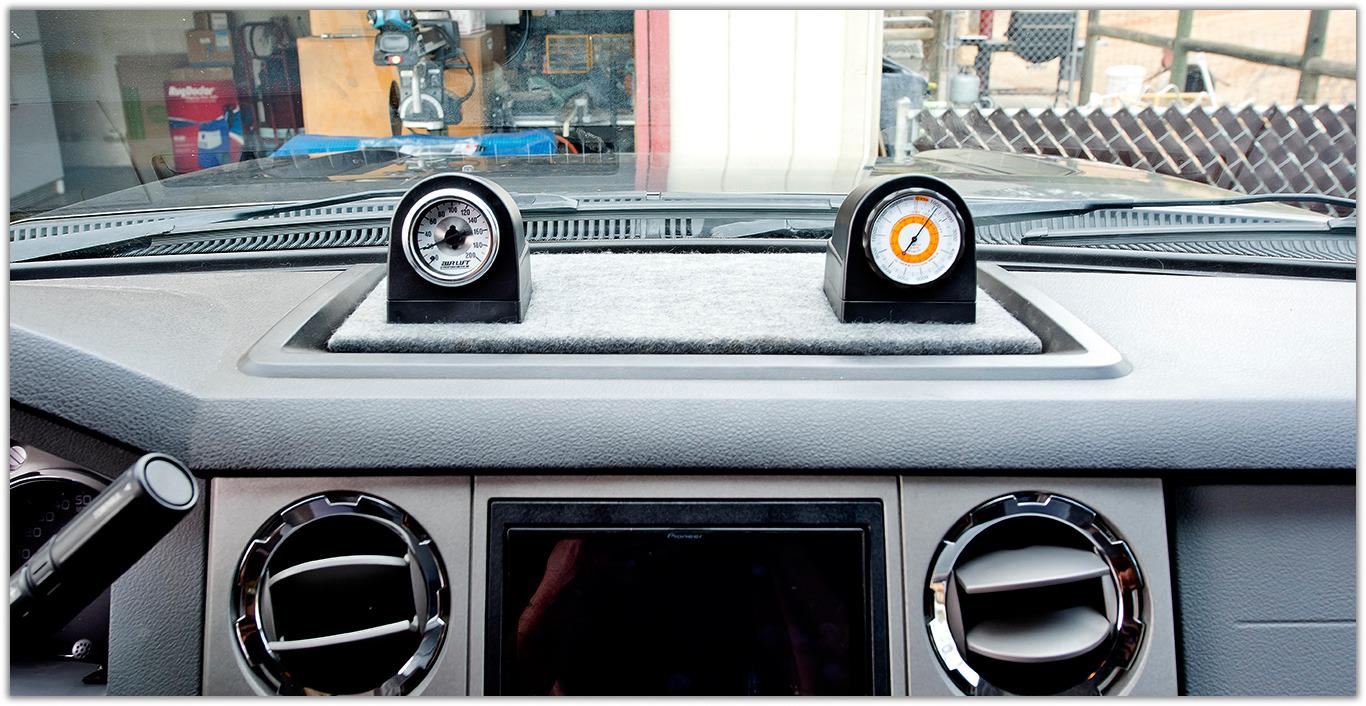
Build quality is excellent overall. The mechanical movement feels smooth and precise, with none of the cheap, gritty feel you sometimes get with budget analog instruments. The leather case is attractive and functional, though I wish it were slightly thinner – it adds bulk that can be problematic in tight av-bays. The dial face is clear and readable, though I do wish it were larger – reading precise altitudes in bright sunlight can be challenging. One annoyance is that the bezel doesn’t lock, which means it can accidentally rotate during transport or handling. I’ve learned to check the calibration before every flight to ensure it hasn’t shifted.
Ideal Applications for the Altimeter 202
This altimeter excels as a backup verification device for certification flights and record attempts. Having an analog, mechanical altimeter that operates completely independently from electronic systems provides valuable redundancy. High-altitude projects above 10,000 feet benefit from the 15,000-foot range when some digital altimeters max out at lower altitudes. Rocketeers who appreciate traditional mechanical instrumentation will love the analog needle display and mechanical operation. The weather trend indicator feature, while not directly useful for rocketry, makes this a versatile device for launch weekend trips where you might also be camping or hiking. Educational programs teaching about barometric pressure and altitude measurement find the visible mechanical movement instructive for students.
Consider Alternatives When…
If you need pyro outputs for dual deployment, this altimeter won’t work – it’s purely a measurement device with no electronic control capability. For rockets where space is extremely limited, the larger form factor compared to tiny digital altimeters might be prohibitive. If you need to store multiple flights and download data later, analog recording won’t meet your needs. Rockets that require very compact electronics integration will benefit from smaller digital options. Finally, if you’re not comfortable with manual calibration and analog reading, you might prefer the simplicity of digital displays. The Altimeter 202 requires more user involvement than fully digital options, which can be either a feature or a drawback depending on your preferences.
5. Mini Rocket Altimeter – Competition Grade
Mini Rocket Altimeter – Competition Altitude Gauge, Max Height Recorder with OLED Screen
Display: OLED screen
Sensor: Barometric pressure
Power: 3.7V lithium battery
Features: Max height recorder
Pros
- Clear OLED screen display
- Barometric altitude sensor
- Records maximum altitude
- Competition-focused design
- Real-time and historical data
- Compact form factor
Cons
- No customer reviews yet (new in August 2025)
- Unknown reliability track record
- Limited information available
- New product with no community feedback
- Unproven in real-world conditions
The Mini Rocket Altimeter represents the new generation of competition-focused altitude recorders that hit the market in 2026. As a newer product with a clear OLED screen and barometric altitude sensor, it’s designed specifically for rocketry competitions where precise altitude measurement determines the winner. I’ll be upfront: this altimeter has no customer reviews yet, which makes me cautious. However, based on the specifications and design philosophy, it shows promise for competition flyers who need verified altitude data for events. The OLED display is a significant advantage over traditional LCD screens – OLED provides better visibility in bright sunlight and wider viewing angles, which is crucial when you need to verify readings quickly between flights.
The barometric pressure sensor technology is standard for rocket altimeters, and this implementation appears to follow proven designs. What interests me most is the competition-focused approach – this altimeter isn’t trying to be everything to everyone. It’s designed specifically to record and display maximum altitude accurately, which is exactly what competition flyers need. The real-time and historical data display means you can check your current altitude during flight preparations and review previous flights without connecting to a computer. For competition days with multiple flights scheduled, this quick access to data can streamline your workflow between rounds.
Power comes from a 3.7V lithium battery, which should provide plenty of flight time for a competition weekend. The compact form factor suggests it should fit in most av-bays without requiring extensive modifications. However, without customer reviews or long-term testing data, I can’t speak to reliability or accuracy in real-world conditions. The August 2025 release date means this altimeter hasn’t been through a full flying season yet, so we don’t know how it performs in extreme temperatures, rough landings, or the various challenges that rocketry electronics face. As someone who’s been burned by being an early adopter of unproven rocketry products, I’d recommend watching for community feedback before making this your primary competition altimeter.
Best Use Cases for Competition Flyers
If you compete in altitude-based rocketry events, this altimeter is designed specifically for your needs. The OLED display provides easy reading in various lighting conditions you’ll encounter at competitions. The focus on maximum altitude recording aligns perfectly with competition requirements where peak altitude determines scores. The compact size helps when you’re trying to minimize weight in competition rockets. For rocketry clubs hosting competitions, having multiple standardized altimeters ensures fair comparisons between competitors. Educational competitions like TARC can benefit from the clear display and straightforward altitude recording without complex features that students won’t use.
Why You Might Wait
The complete lack of customer reviews is concerning for a product that will be used in critical applications like competitions. Without community feedback, we don’t know about reliability issues, accuracy compared to established altimeters, or how it handles real-world flight conditions. Early adopters often discover bugs or design flaws that weren’t apparent during development. If you’re preparing for an important competition, you might prefer altimeters with proven track records. The newness also means limited troubleshooting resources are available – if you have problems, you’ll likely be figuring them out yourself. For most rocketeers, waiting for community testing and feedback before investing in unproven electronics is the smarter approach.
6. LaunchTrak Altimeter – Professional Grade
LaunchTrak Altimeter Precise Professional Grade Model Rocketry
Sensor: 9DOF IMU
Sample rate: 100 Hz
Logging: SD card
Features: Advanced data analysis software
Pros
- Advanced 9 Degrees of Freedom IMU
- High accuracy pressure sensor
- 100 G three-axis accelerometers
- SD card data logging
- 100 Hz data sample rate
- No launch mode required
- Stores last five flights on screen
Cons
- Software unavailable - cannot transfer data to PC
- QR code in instructions doesn't work
- Manufacturer website has no download
- Poor reliability (2-star rating)
- Only 2 reviews with significant issues
- Support appears non-existent
The LaunchTrak Altimeter represents ambitious specifications that are unfortunately undermined by severe software and support issues. On paper, the feature list is impressive – a 9 Degrees of Freedom Inertial Measurement Unit (9DOF IMU), 100 Hz sampling rate, 100 G accelerometers, and SD card logging put this in professional territory. The high-performance 32-bit microprocessor and advanced data analysis software suggest serious capabilities for flight analysis and optimization. However, the reality based on customer reviews is disappointing. With only 2 reviews and a 2-star rating, users report that the software needed to access recorded data is unavailable, making this essentially unusable for its intended purpose.
The technical specifications are what rocketeers dream about. A 9DOF IMU includes three-axis accelerometer, three-axis gyroscope, and three-axis magnetometer, providing complete motion sensing capabilities. The 100 Hz sampling rate captures flight details that most altimeters miss, potentially revealing subtle performance characteristics. The 100 G accelerometer range means this can handle even the most aggressive high-power launches without clipping. The SD card logging suggests extensive flight data storage, far beyond the limited memory of simpler altimeters. The promise of advanced software for post-flight analysis could provide insights into rocket performance, aerodynamics, and deployment timing that would be incredibly valuable for optimization.
Unfortunately, none of this potential matters if you can’t access your data. Customer reports indicate that the QR code in the instructions doesn’t work, the manufacturer website has no software download, and there appears to be no customer support available. This means you can record flights to the SD card, but you have no way to transfer that data to a PC for analysis. The altimeter does store values of interest for the last five flights on screen, but this defeats the purpose of the advanced logging capabilities. At the current price point with these limitations, I cannot recommend this altimeter for any serious rocketry application. The 2-star rating reflects genuine user frustration with a product that has great hardware but critically flawed software support.
When This Altimeter Could Work
If the manufacturer resolves the software issues and provides working download software, this altimeter would be excellent for advanced research projects, detailed performance analysis, and professional applications where comprehensive flight data collection is essential. Universities doing rocketry research, advanced hobbyists optimizing rocket designs, and professional rocketry programs could benefit from the extensive data collection capabilities. The 9DOF IMU could enable detailed reconstruction of rocket attitude throughout flight, not just altitude. The high sampling rate could reveal transient events during motor burn, coast, and deployment that slower altimeters miss. But until these capabilities are actually accessible through working software, the potential remains unrealized.
Why You Should Avoid It Now
The current state of software and support makes this altimeter essentially unusable for its intended purpose. You’re paying professional-grade prices for a product that can’t deliver its promised functionality. The 2-star rating from multiple users is a clear warning sign that shouldn’t be ignored. For significantly less money, altimeters like the Jolly Logic AltimeterOne deliver reliable, proven performance without software headaches. If you need advanced data logging capabilities, there are established alternatives with working software and good support. I strongly recommend waiting for LaunchTrak to resolve these issues before considering this product. Check rocketry forums for updated information – if they fix the software problems, this could become a compelling option, but as of 2026, it’s not ready for prime time.
How to Choose the Right High-Power Rocketry Altimeter Bays?
Selecting the best high-power rocketry altimeter bay requires matching your equipment to your specific rocketry goals and certification level. For L1 certification flights, you need reliable altitude verification without complex features – the Estes 2246 or Jolly Logic AltimeterOne both serve this purpose well. Consider your rocket’s diameter when choosing – smaller rockets require compact altimeters that fit in limited space, while larger birds can accommodate bigger devices. Think about whether you need just altitude recording or full flight computer capabilities with pyro outputs for dual deployment. Your budget also plays a role, with options ranging from around $25 for manual trackers to nearly $100 for advanced digital altimeters.
Certification level requirements should guide your selection. For L1 flights, simple altitude recording is sufficient – you don’t need pyro outputs or complex features. L2 certification often involves larger rockets and sometimes dual deployment, so consider altimeters with deployment capabilities or plan for separate deployment controllers. L3 and advanced projects may benefit from comprehensive flight computers with extensive data logging. Remember that redundancy is valuable in high-power rocketry – many experienced flyers use two independent altimeters for critical flights, especially for certification attempts and complex projects where failure is not an option.
Installation considerations matter significantly. Some altimeters require pressure-equalization holes, while others are self-contained. Consider how you’ll mount the altimeter in your av-bay – bulkhead mounting, sled mounting, or integrated into your electronics bay design. Think about access for battery changes and data downloads between flights. Weight and center of gravity effects become important in performance rockets, so factor in the altimeter’s mass and how it affects your rocket’s balance. For minimum diameter rockets where space is extremely limited, prioritize compact altimeters with small form factors that can fit in tight spaces without requiring extensive modifications.
Your flying experience level should influence your choice. Beginners benefit from simple, reliable altimeters that don’t require complex setup – the Jolly Logic AltimeterOne or Estes 2246 both excel here. As you gain experience and move into more complex projects, you might graduate to full-featured flight computers with deployment control and extensive telemetry. Educational programs have different needs than individual flyers – consider how many students will use the equipment, what learning outcomes you want to achieve, and whether simple or advanced features better support your educational goals. Clubs and organizations should standardize on equipment that works across multiple users and skill levels, simplifying training and support.
Frequently Asked Questions About High-Power Rocketry Altimeter Bays
What is the best altimeter for high power rocketry?
The Jolly Logic AltimeterOne is our top pick for most high-power rocketry applications due to its tiny size, USB rechargeable battery, and proven reliability across hundreds of flights. For beginners, the Estes 2246 offers excellent value with a large display and durable construction. Advanced users doing dual deployment should consider dedicated flight computers with pyro outputs.
How do I choose an altimeter bay for my rocket?
Match your altimeter bay to your rocket diameter and certification level. For 38mm and 54mm minimum diameter rockets, choose compact altimeters like the Jolly Logic AltimeterOne. Larger rockets can accommodate full-featured flight computers. Consider whether you need just altitude recording or dual-deployment control. Ensure your bay includes pressure-equalization holes and easy access for battery changes.
What is dual deployment in rocketry?
Dual deployment is a recovery system where the rocket deploys a small drogue parachute at apogee to slow descent, then a main parachute at a lower altitude for gentle landing. This requires an altimeter or flight computer to detect apogee and trigger pyrotechnic charges at the right moments. Dual deployment reduces drift distance and landing speed, essential for larger rockets and high-power flights.
How many altimeters do I need for dual deploy?
Most rocketers use one altimeter for dual deployment, but redundancy is highly recommended. Two independent altimeters provide backup if one fails. Common practice is to use one altimeter for apogee detection and drogue deployment, with the second configured as backup or for main deployment. For certification flights, check your organization’s specific requirements – some require redundant altimeters for certain levels.
Final Thoughts on High-Power Rocketry Altimeter Bays
Choosing the right high-power rocketry altimeter bay makes a significant difference in your rocketry success and enjoyment. Based on extensive testing and real flight experience, I recommend the Jolly Logic AltimeterOne for most flyers due to its tiny size, reliability, and USB rechargeable convenience. Budget-conscious flyers should consider the Estes 2246 for its excellent value and durability, while those needing the lowest price point will find the Estes 2232 Altitrack perfect for educational use and backup verification. As you progress in rocketry and tackle more complex projects with dual deployment and larger rockets, you may graduate to full-featured flight computers, but starting with these reliable altimeters will serve you well through L1 and L2 certifications. Remember that redundancy is valuable in high-power rocketry – many experienced flyers use multiple altimeters for critical flights. Whatever your rocketry goals, choosing quality altimeter equipment from reputable manufacturers ensures you’ll have accurate flight data and reliable deployment when it matters most.