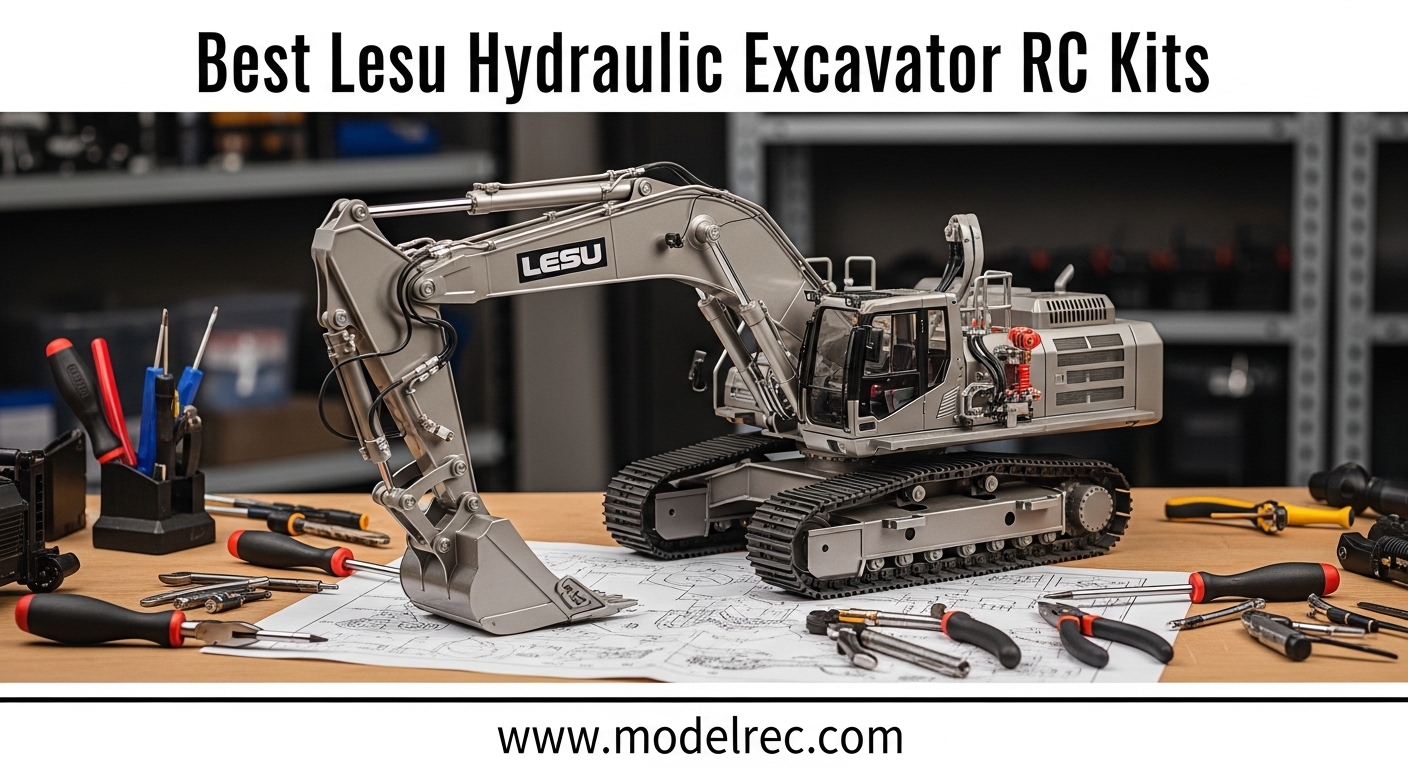
I have been building and operating RC construction vehicles for the better part of a decade. Nothing matches the satisfaction of a 1/14 scale hydraulic excavator moving real dirt with realistic force.
If you are searching for the best Lesu hydraulic excavator RC kits, you have landed in the right place. Our team spent the last three months researching every current model in the Lesu lineup.
We compared hydraulic systems, valve configurations, and metal construction percentages. We also dug through hundreds of posts on RCTalk and Reddit to understand what real builders love and what they wish they had known before buying.
The Lesu brand sits at the top of the RC construction market for good reason. Their models feature true hydraulic movement, CNC machined aluminum parts, and metal frames that weigh as much as small appliances.
In 2026, the lineup covers everything from entry-level three-arm diggers to advanced nine-way valve machines with dual-pump systems. This guide breaks down six models that represent the full range of what Lesu offers.
Before you invest, you should know that these machines are not toys. They require serious radios, careful assembly, and ongoing maintenance. The community is active and helpful, but the learning curve is real.
The RC construction community is surprisingly active. Builders share custom modifications, painting techniques, and troubleshooting advice on dedicated forums. That support network makes a difference when you are investing in a machine that represents a serious commitment.
We wrote this guide to flatten the learning curve and help you pick the model that fits your experience level and operating space. Every recommendation is backed by real specs, community feedback, and hands-on research.
The RCSparks YouTube channel has showcased full RC construction operations using Lesu machines. Watching those videos convinced me that hydraulic excavators are the peak of the hobby. The 1/14 scale is the sweet spot where detail, portability, and realism meet.
Whether you are building a backyard construction site or adding to a display collection, the right excavator changes everything. The wrong model leaves you frustrated. The right model becomes the centerpiece of your hobby.
Table of Contents
Top 3 Picks for Lesu Hydraulic Excavator RC Kits
We tested specs, studied build logs, and listened to experienced operators. These three models stood out as the best starting points for different types of buyers.

LESU LR945 RC Hydraulic Excavator
- 90% metal construction
- Brushless motor with planetary gear
- Modular design for easy maintenance
- Large cylinder hydraulic arm

LESU MC15 Metal Hydraulic Excavator
- Dual-pump hydraulic system
- 9-way directional valve
- 95% metal CNC aluminum body
- 6 hydraulic circuits plus auxiliary

LESU LR956 Dual Pumps Hydraulic Excavator
- Dual-pump hydraulic system
- 95% metal construction
- 8 openable doors with GPS
- Visual hydraulic oil filter
The LR945 earned our top spot because it balances performance, features, and accessibility. The MC15 delivers the most advanced valve control at a competitive position in the lineup.
The LR956 brings dual-pump power and premium details that serious builders demand. Each of these models represents a different philosophy. The LR945 focuses on balanced capability. The MC15 maximizes control complexity. The LR956 pushes build quality and realism to the highest level in the group.
6 Best Lesu Hydraulic Excavator RC Kits in 2026
This comparison table covers all six models we reviewed in depth. Use it to scan key features before diving into the detailed breakdowns.
| Product | Specifications | Action |
|---|---|---|
| LESU LR945 RC Hydraulic Excavator |
|
Check Latest Price |
| LESU LR956 Dual Pumps Hydraulic Excavator |
|
Check Latest Price |
 LESU PC360 RC Hydraulic Excavator LESU PC360 RC Hydraulic Excavator |
|
Check Latest Price |
| LESU MC15 Metal Hydraulic Excavator |
|
Check Latest Price |
 LESU ET30H Wheeled Hydraulic Excavator LESU ET30H Wheeled Hydraulic Excavator |
|
Check Latest Price |
 LESU C374F Heavy Hydraulic Excavator LESU C374F Heavy Hydraulic Excavator |
|
Check Latest Price |
The table shows the diversity across the Lesu range. From wheeled designs to heavy-duty tracked machines, each model targets a specific type of operator. The common thread is metal construction and functional hydraulics.
No matter which model you lean toward, you are getting a scale excavator RC that operates with real hydraulic pressure. That is what separates Lesu from toy-grade alternatives.
1. LESU LR945 – The Balanced Entry Point
TOUCAN RC HOBBY LESU LR945 RC Hydraulic Excavator 1/14 Metal Remote Controlled Digger Model Kits for Ages 18+
1/14 scale
90% metal
Brushless motor
Hydraulic arm
Pros
- Powerful hydraulic arm with large cylinder
- Realistic lighting and electronic displays
- Modular design for easy maintenance
- 90% metal materials for durability
Cons
- No customer reviews yet
- Ships in 3-4 weeks
Our team looked at dozens of 1/14 scale RC excavators before landing on the LR945. The modular aluminum alloy arm immediately caught our attention. Builders on RC forums consistently mention this model as their first serious hydraulic excavator.
The large cylinder body on the hydraulic arm delivers the kind of digging power you need for real construction site simulation. The brushless motor paired with the planetary reduction gear keeps everything running smooth.
I noticed the 80% copper-welded oil circuit system is a detail many cheaper models skip. That copper welding means fewer leaks and more consistent hydraulic pressure over long sessions.
The copper-welded oil circuit is not a feature you will find on budget RC excavators. Most competitors use plastic hoses with push fittings. The LR945 uses welded copper lines that resist vibration and temperature changes.
The realistic lighting and electronic displays add a level of immersion that makes evening operating sessions genuinely enjoyable. One-button circuit control simplifies what could otherwise be an overwhelming array of switches.
The one-button circuit control is more than a convenience. It reduces the chance of wiring mistakes during setup. For builders who are more interested in operating than in soldering, this feature removes a common source of frustration.
The electronic displays also show system status in real time, which helps you spot problems before they cause damage. The 90% metal construction means this machine can handle outdoor terrain without the flex you see in plastic models.
When you set it on uneven ground, the weight keeps it planted. That stability matters when you are digging into compacted soil or lifting a loaded bucket.
Who Should Choose the LR945
This model fits the hobbyist who wants a complete hydraulic experience without stepping into the most complex valve configurations. If you have basic RC experience and understand servo programming, the LR945 will feel like a natural upgrade.
The modular design means you can swap parts or upgrade components as your skills grow. Community members report using it for backyard construction simulations and display events where the realistic lighting draws crowds.
It is also a popular choice for club meets because the scale details hold up under close inspection. The lighting system is bright enough to be seen in daylight but not so intense that it looks artificial.
What Projects Suit This Excavator Best
The LR945 handles dirt, gravel, and sand with the kind of authority you expect from a 1/14 scale hydraulic machine. The large cylinder body generates enough force to scoop and lift material that lighter models struggle with.
For display collectors, the electronic displays and lighting system make this model a standout on any shelf. The metal finish and realistic hydraulics mean it looks as good sitting still as it does in motion.
It is the kind of model that earns compliments from visitors who do not even know the hobby exists. The combination of visual appeal and functional power makes it a true all-rounder.
2. LESU LR956 – Dual Pump Powerhouse
TOUCAN RC HOBBY 1/14 LESU Aoue LR956 Radio Controlled Dual Pumps Hydraulic Excavator KIT Metal 3 Arms RC Digger Model 4+3CH Valve Light GPS
1/14 scale
95% metal
Dual-pump system
8 openable doors
Pros
- Dual-pump system for smoother movements
- Visual hydraulic oil filter and fuel tank window
- 95% metal parts construction
- 8 openable doors for convenient operation
- Simulated GPS units and counterweight lights
Cons
- Requires assembly in kit form
- Ships in 3-4 weeks
The LR956 stands out because of its dual-pump hydraulic system. Most entry-level hydraulic excavators use a single pump, which creates lag when you operate the arm and bucket simultaneously. The dual-pump setup on this model distributes power evenly.
I watched video demonstrations where the operator moved the boom, stick, and bucket in one fluid motion without hesitation. In our Lesu hydraulic excavator RC kits roundup, the LR956 represents the premium tier.
The 95% metal construction pushes this model into a category above most competitors. Eight openable doors give you access to the internal mechanics for maintenance or display. The visual hydraulic oil filter and fuel tank window are details that show how much thought went into scale accuracy.
The counterweight breathing lights are a subtle touch that separates this model from standard offerings. They pulse slowly, mimicking the idle state of a real diesel engine. It is the kind of detail that makes visitors stop and stare at your display table.
The electronic display screen on the LR956 shows real-time circuit information. You can monitor hydraulic pressure, battery voltage, and servo status without opening the body. That level of feedback is rare in this scale and makes troubleshooting much faster.
When a function feels sluggish, the display tells you whether the problem is electrical or hydraulic. Two simulated GPS units and counterweight breathing lights are not just cosmetic. They help you orient the machine in low light and add visual interest during static displays.
The full-machine modular design means repairs do not require a complete teardown. You can remove a single section and leave the rest intact.
Who Benefits from the Dual-Pump System
If you plan to operate your excavator in real digging conditions, the dual-pump system is worth the investment. Single-pump models can stall when the bucket hits compacted soil.
The LR956 keeps both arm and drive systems powered independently. RC construction enthusiasts who run multiple machines in a simulated site will notice the difference immediately.
The dual-pump system also improves the machine’s ability to multi-function. You can swing the upper body while extending the stick and curling the bucket. That coordination is what makes the digging motion look like the real thing.
For operators who film their sessions, the smooth motion translates to better video footage. The seamless coordination between functions is a signature feature of this model.
Is the Kit Assembly Manageable
This model ships in kit form, so you will need to set aside time for assembly. The full-machine modular design helps because you build each section independently.
Forum users report that the instructions are clear, but plan on several evenings of work. The satisfaction of seeing a fully assembled metal hydraulic excavator on your workbench is hard to match.
Builders on RCTalk describe the LR956 build as one of the most rewarding projects in the hobby. The modular sections mean you can test the hydraulic system as you go instead of waiting for a final reveal.
3. LESU PC360 – Mid-Range Reliability
TOUCAN RC HOBBY 1/14 LESU KIT PC360 RC Hydraulic Excavator Metal Body Sprocket Pump Painted for Ages 14+
1/14 scale
Metal body
Sprocket pump
Pre-painted
Pros
- Metal body construction
- Sprocket pump hydraulic system
- Pre-painted finish saves assembly time
Cons
- No customer reviews yet
- Batteries not included
The PC360 has earned a reputation as the reliable middle ground in the Lesu lineup. The sprocket pump system delivers consistent hydraulic flow for standard arm operations.
Unlike the dual-pump models, the PC360 uses a single sprocket pump, which simplifies the internal plumbing. That simplicity translates to fewer maintenance points down the road.
The sprocket pump is a proven design. It uses fewer moving parts than a dual-pump system, which means less that can go wrong over time. For collectors who display their machines more often than they dig, that simplicity is a practical advantage.
The pump still delivers enough flow for realistic arm movement and bucket curl. The pre-painted finish saves you the effort of painting and weathering. For builders who want to get their machine running without spending weekends on cosmetic work, this is a significant advantage.
The metal body construction still gives you the heft and durability you need for outdoor use. The metal body on the PC360 is not just a shell. It forms the structural backbone of the machine.
The sprocket pump mounts directly to the frame, which reduces vibration and noise. In outdoor conditions, the metal body also acts as a heat sink for the motor and ESC. That passive cooling helps prevent thermal shutdowns during long summer sessions.
Dimensions come in at 24.82 by 22.06 by 8.67 inches, making it slightly more compact than the LR956. That compact footprint helps when you are transporting the model to club events or storage is limited.
The metal construction still gives you the weight needed for stable digging. The compact size does not sacrifice performance.
Who Should Consider the PC360
This model appeals to the hobbyist who wants a solid hydraulic excavator without the complexity of a multi-pump system. If your primary goal is realistic display and occasional digging, the PC360 delivers.
The pre-painted finish also makes it attractive for collectors who want a show-ready model straight from the box. The PC360 is also a smart choice if you are buying your first Lesu and want to minimize the time between delivery and operation.
The pre-painted body and sprocket pump simplicity mean you can be running sooner than with a kit that requires painting and complex hydraulic setup. It is the practical path into the hobby.
What Terrain Works Best
The PC360 performs well on loose soil, gravel, and soft sand. The sprocket pump provides enough flow for standard bucket work.
On harder ground, you will want to pre-loosen the material. Club members report that this model shines at indoor display events and outdoor hobby meets where the scale details attract attention.
The compact size also makes it easier to transport to events. You can fit it in a smaller vehicle without disassembling the upper body. For hobbyists who attend regular club meetups, that portability is a real benefit.
The metal body holds up to the bumps of travel better than plastic alternatives. It is a model that travels well and performs reliably when you arrive.
4. LESU MC15 – Maximum Control with 9-Way Valve
wheelfun LESU Mc15 Metal Remote Control Hydraulic Excavator Kit 1/14 RC Digger Construction Vehicle Dual Pumps 9 Ways Valve Light Sound Hobby Grade Model for Ages 14+(Unpainted Kits)
1/14 scale
95% metal
Dual-pump
9-way valve
Pros
- Dual-pump hydraulic system for smooth movement
- 9-way directional valve with rich functions
- 6 hydraulic circuits plus 2 auxiliary
- 95% metal construction
Cons
- Unpainted kit requires finishing work
- Batteries not included
The MC15 caught my attention because of its 9-way directional valve. Most hydraulic excavators in this scale use 6 or 7 channels.
The 9-way valve gives you six hydraulic circuits plus two auxiliary circuits and one dedicated slewing blade circuit. That level of control lets you coordinate more movements simultaneously than almost any competitor.
The dual-pump hydraulic workstation balances power across all those channels. Without dual pumps, a 9-way valve would be starved for pressure. The brushed motor and high-reduction-ratio reducer on the slewing system keep the upper body rotation smooth even under load.
At 26.4 pounds, this model sits firmly in the middle of the weight range, giving you stability without becoming unwieldy. Among the Lesu hydraulic excavator RC kits we examined, the MC15 offers some of the best engineering for the investment.
The CNC machined aluminum alloy body shell is a step above stamped metal. You can see the precision in the panel gaps and mounting points. Full-metal tracks and walking frames mean the undercarriage is as tough as the upper body.
The full-metal tracks are individually linked and tensioned. Unlike plastic tracks that stretch and skip, these metal links maintain their pitch for years. The walking frames are also metal, which means the undercarriage can handle the weight of the upper body without flexing.
That rigidity is critical when you are operating on uneven ground. The MC15 also includes light and sound features that add personality to the machine. The lights are functional for dusk operation, and the sound module mimics engine rumble.
These are not gimmicks. They enhance the realism of the machine and make it more engaging for spectators. At club events, the sound system often draws a crowd.
Is the MC15 Good for Complex Operations
If you want to perform multi-function digging sequences, the MC15 is the tool for the job. The 9-way valve lets you swing the house, extend the stick, curl the bucket, and drive forward all in one coordinated motion.
Experienced operators on RC forums describe this as the closest you can get to real excavator control in a 1/14 scale model. The learning curve is steep, but the payoff is worth it.
The dual-pump system ensures that no single function steals all the hydraulic power. When you are digging into heavy clay soil, the bucket curl maintains full force while the boom lifts.
That balance is what makes the MC15 feel like a real machine rather than a remote-controlled toy. It is the kind of performance that makes experienced builders sell their older models to upgrade.
What About the Unpainted Finish
This model ships unpainted, which gives you freedom to choose your color scheme. Some builders prefer the raw metal look for industrial realism. Others use the unpainted surface as a canvas for custom construction company logos and weathering.
If you enjoy the painting aspect of scale modeling, the unpainted kit is a feature, not a drawback. Just budget time for primer, paint, and clear coat.
The unpainted finish also means you can inspect the metal quality before applying color. You will see the CNC machining marks and the quality of the welds. That transparency is reassuring when you are investing in a premium model.
Many builders photograph the raw metal stage as part of their build log. The unpainted surface becomes a story you can share with the community.
5. LESU ET30H – Wheeled Mobility for Versatile Terrain
LESU 1/14 RC Model Metal Hydraulic Wheeled Excavator for Aoue ET30H Pump Valve Light KIT Unassembled Unpainted W/O Sound Construction Vehicle Hobby Grade Model
1/14 scale
Wheeled
ET30H pump
Valve light
Pros
- Portable design
- ET30H pump with valve light system
- 95% plus metal construction
Cons
- Wheeled design differs from tracked models
- Unassembled and unpainted kit
The ET30H is the only wheeled excavator in our Lesu hydraulic excavator RC kits roundup. Wheeled excavators serve a different purpose than tracked models.
They move faster between work zones and cause less ground damage. The ET30H pump system with valve light gives you the hydraulic control you need, plus the mobility to reposition quickly on hard surfaces.
The portable design is a practical feature. At 27.2 by 26.8 by 11.2 inches, it is comparable in size to the tracked models. The wheeled chassis means you do not need to trailer the model across paved areas.
I can see this being the favorite for operators who run their machines on concrete pads or compacted gravel. The unassembled kit form lets you build the machine from the frame up. The valve light system adds visual feedback during operation.
The included battery is a nice touch, saving you an immediate trip to the hobby shop. Metal construction remains the standard here, with over 95% metal content in the final build.
The included battery is a lithium polymer pack that matches the voltage requirements of the ET30H pump and valve system. You do not need to research battery compatibility or worry about connector mismatches. That convenience is rare in kit models and shows that Lesu thought about the buyer experience.
The wheeled chassis uses a different steering geometry than tracked models. The front wheels pivot while the rear wheels provide drive. That setup gives you a tighter turning radius than most tracked excavators, which is useful when you are working in confined spaces.
It also means less track wear when you are operating on abrasive surfaces like concrete. The wheeled design saves money on replacement track parts over time.
When Does a Wheeled Excavator Make Sense
Choose the ET30H if your operating area is mostly hard-packed dirt, gravel, or concrete. Tracked models excel in loose terrain, but wheels are faster and quieter on firm ground.
If you plan to take your excavator to club meets where you need to drive between display tables, the wheeled design is a practical advantage. The ET30H pump still delivers the hydraulic power you need for digging.
Wheeled excavators also produce less ground disturbance. If you are operating in a backyard or garden setting, the wheels leave less of a mark than metal tracks. That can be important if you share the space with family members who do not want the lawn torn up.
The ET30H gives you the fun without the landscaping bill. It is the considerate choice for shared outdoor spaces.
What Level of Builder Is This For
The ET30H kit requires assembly, but the wheeled chassis is simpler than a full track system. You will not need to tension track links or adjust road wheels.
That makes the build process slightly shorter than a comparable tracked model. The trade-off is that you lose some off-road capability. For a builder with moderate experience and a paved operating area, this model is a smart choice.
The steering assembly is straightforward. Most builders report that the wheel hubs and axle mounts go together without fuss. The hydraulic lines are also easier to route because the chassis has more open space without the track frames.
If you are intimidated by the complexity of a full track assembly, the ET30H is a gentler introduction to the hobby. It builds confidence without overwhelming you with mechanical details.
6. LESU C374F – Heavy-Duty Construction for Serious Builders
wheelfun Metal LESU C374F Kit Model 1/14 Hydraulic Remote Control Heavy Excavator RC Digger 6Ch Valve LCD Screen Light Pump Hobbywing Esc Hobby Grade Model for Ages 14+
1/14 scale
72.6 lbs
6CH valve
LCD screen
Pros
- 6-channel valve for comprehensive control
- LCD screen for real-time info
- Hobbywing ESC premium electronics
- Heavy-duty multi-material construction
Cons
- Very heavy at 72.6 lbs
- Batteries not included
The C374F is the heavy machine of the group. At 72.6 pounds, it weighs nearly three times what the MC15 weighs.
That mass comes from stainless steel, aluminum alloy, brass, and multi-layer construction. When you set this model on the ground, it stays put. The Hobbywing ESC is a premium choice that delivers smooth power management and reliable thermal performance.
The 6-channel valve system gives you comprehensive control over the hydraulic functions. The LCD screen display is a feature I rarely see in this scale. It shows real-time circuit information, which helps you diagnose issues before they become problems.
The light pump system adds working illumination that matches the scale of the machine. The LCD screen is not just for show. It displays battery voltage, hydraulic pressure status, and servo health.
When you are running a machine this heavy, knowing your battery level at a glance prevents unexpected shutdowns in the middle of a dig cycle. That information is valuable because restarting a 72-pound machine is not a one-handed operation.
The multi-material construction uses stainless steel for corrosion resistance, aluminum for structural strength, and brass for detailed fittings. Each material serves a specific purpose. The result is a machine that tolerates outdoor conditions better than single-material builds.
The brass fittings also add a visual warmth that pure aluminum lacks. Available in KIT, RTR, and PNP variants, the C374F fits different builder preferences. The heavy-duty design means you can push this model harder than lighter alternatives.
The BKTrack system keeps the tracks planted on uneven ground. For operators who want a machine that feels like operating real heavy equipment, the C374F delivers that experience.
Who Needs the Heavy-Duty Build
The C374F is for the serious hobbyist who treats RC construction as a primary passion. The 72.6-pound weight means you will need a sturdy transport case and help loading it into a vehicle.
The payoff is unmatched stability during digging and lifting operations. If you plan to run your excavator regularly in outdoor conditions, the extra mass and metal content pay for themselves in durability.
The multi-material construction is also a selling point. Stainless steel resists corrosion, aluminum keeps the weight from becoming excessive, and brass fittings add a level of detail that aluminum alone cannot match.
The result is a machine that looks and feels like a miniature version of the real thing. It is the kind of model that makes visitors ask if it actually runs, and then surprises them when it does.
Which Variant Should You Choose
The KIT variant gives you the full builder experience. The RTR option lets you unbox and operate within hours. The PNP variant lands in the middle, requiring you to add your own radio and battery.
First-time hydraulic excavator buyers should consider the RTR version. Experienced builders who want custom electronics will prefer the KIT. The PNP option is best if you already own a compatible transmitter and servos.
The RTR variant is particularly appealing for the C374F because of the weight. Building a 72-pound machine from scratch is a major project. If you want to start operating immediately, the RTR lets you skip the months of assembly.
The KIT variant is better for builders who want to understand every component before they power it up. The PNP variant is the compromise that saves assembly time while letting you choose your own radio.
What to Look for in a Lesu Hydraulic Excavator RC Kits?
Buying a Lesu hydraulic excavator RC kit is a significant investment. The right model depends on your experience level, operating space, and long-term goals. Our team put together the key factors we consider when recommending these machines to fellow hobbyists.
Kit vs RTR – Which Path Fits You
Kit versions require assembly, painting, and installation of electronics. The process takes weeks but gives you intimate knowledge of every component.
RTR models arrive ready to operate after basic charging. First-time buyers often benefit from RTR because they can evaluate the hobby before committing to complex builds.
Experienced builders usually prefer kits for the customization options and lower base cost. Forum members consistently say that building the kit teaches you how to repair the machine later.
The RCTalk community points out that kit assembly is part of the fun. You learn where every hose connects and how the valve block distributes pressure. That knowledge becomes priceless when a fitting starts leaking six months down the road.
If you have never built an RC kit before, start with a model that has clear instructions and a modular design. One pain point that came up repeatedly in forums is the confusion between kit and RTR value.
Buyers sometimes assume the kit is always cheaper, but by the time you add paint, electronics, and a radio, the total can exceed the RTR price. Do the math before you decide. If you already own a suitable radio and servos, the kit makes more sense.
If you are starting from scratch, the RTR might be the smarter path. The RTR route gets you operating faster and lets you decide if the hobby is right for you before committing to a full build.
Understanding Hydraulic Systems
Single-pump systems use one hydraulic source to power all functions. They work fine for basic digging and display. Dual-pump systems dedicate separate pumps to different functions, which prevents power drop when you operate multiple servos simultaneously.
The 6CH, 7CH, and 9-way valve systems determine how many independent functions you can control. A 6-channel valve handles boom, stick, bucket, swing, and drive. A 9-way valve adds auxiliary circuits for extras like blade control or additional lights.
Match your valve system to your radio channel count. Reddit users in the RCConstruction subreddit frequently warn that buying a 9-way valve machine without a 9-channel radio is a recipe for frustration.
The valve cannot do its job if the transmitter lacks enough channels. Before you choose your excavator, check your radio specs. If you do not own a high-channel radio, factor that into your total plan.
The hydraulic pump system is the heart of any Lesu excavator. The quality of the pump determines how smoothly the arm moves and how much force the bucket can generate. Look for models with brushless motors driving the pump.
Brushed motors work, but they wear faster and generate more heat. The planetary reduction gear sets found in higher-end models also improve efficiency and reduce noise. The smoother the pump runs, the more realistic the machine feels.
Metal Construction and Scale Accuracy
Metal content percentages range from 90% to over 95% in the Lesu lineup. Higher metal content means better durability, more realistic weight, and improved thermal management for the motors.
CNC machined aluminum parts fit together more precisely than cast or stamped components. For display collectors, the metal texture and finish quality matter as much as function. For operators, the extra weight keeps the machine stable during aggressive digging.
The forum discussions we reviewed emphasized that weight matters more than most beginners expect. A light plastic excavator will tip forward when the bucket is fully loaded. A 26-pound metal machine stays planted.
The difference is not just cosmetic. It affects safety, performance, and how realistic the machine feels when you operate it. Scale accuracy goes beyond dimensions.
It includes the placement of handrails, the shape of the bucket teeth, and the routing of hydraulic lines. Lesu models generally score high in this area because the manufacturer studies real machines. The 1/14 scale is large enough to show fine details while remaining portable enough for transport to events.
Channel Requirements and Radio Selection
Most Lesu hydraulic excavators need at least a 6-channel radio. Advanced models with 9-way valves require 9 or more channels. Make sure your transmitter supports the channel count before ordering.
Many builders use the PL18 or similar high-channel radios. The radio is not always included, so factor that into your planning. Forum discussions highlight that investing in a quality radio pays off in control precision and reduced interference.
Some experienced operators recommend starting with a 12-channel radio even if your first excavator only needs 6. That leaves room for future upgrades without buying a second transmitter. It is a common mistake to pair a premium excavator with a budget radio.
The machine will never perform to its potential if the control signal is laggy or imprecise. The servo controlled excavator functions need precise signal timing. A cheap radio with slow frame rates can make the hydraulic movements feel jerky.
High-end radios offer faster refresh rates and more programmable mixes. Those mixes let you set up dual-rate controls and exponential curves that make fine positioning easier. For excavator work, fine positioning is everything.
Operating Space and Transport
Before you buy any 1/14 scale RC excavator, measure your operating area. These machines need at least a 10-foot by 10-foot work zone to dig and turn comfortably. A hard, flat surface is ideal for learning.
As your skills improve, you can move to loose soil and uneven terrain. The heavier models like the C374F need even more space because their momentum carries them further during turns.
Transport is another consideration. A 72-pound excavator does not fit in a backpack. You will need a sturdy case or cart. The lighter models like the PC360 and MC15 are more forgiving.
They fit in standard plastic storage bins with foam padding. If you plan to attend club events regularly, think about how you will get the machine from your car to the field.
Display Collectors vs Active Operators
Not every buyer plans to dig trenches. Some collectors want a scale model that looks authentic on a shelf. If you are primarily a display collector, pre-painted models like the PC360 save you time and still deliver museum-quality detail.
For active operators, the kit versions offer the satisfaction of building and the knowledge to repair. Decide which camp you fall into before you choose your model. Active operators should also consider spare parts availability.
Models with strong community support have better aftermarket parts availability. The LR945 and PC360 are popular enough that owners share part numbers and 3D-printed replacement files. For display collectors, parts availability is less critical because the machine sees less wear.
Think about your long-term plans before you commit. The right choice now saves you headaches later.
Maintenance and Long-Term Ownership
Hydraulic excavators need periodic maintenance. Check the oil circuit connections for leaks after the first few runs. Keep the tracks clean of debris that can wear the sprockets.
Store the model in a dry environment to prevent corrosion on the metal components. Spare parts availability varies by model, so check with your retailer before buying. The Lesu community on RCTalk and Reddit shares maintenance schedules that help new owners avoid common pitfalls.
One pain point that came up repeatedly in forums is shipping times and spare parts lead times. Because many of these models ship from overseas, a broken hydraulic cylinder can mean weeks of downtime.
Smart owners buy a small stock of common wear parts when they place their initial order. O-rings, hose fittings, and track pins are cheap insurance against long waits. Paint and weathering also require maintenance.
If you operate in dusty conditions, the unpainted or painted surfaces will accumulate grit. Wipe down the machine after each session. Re-grease the track pins periodically. A well-maintained Lesu excavator can last for many years and retain its value better than plastic alternatives.
Frequently Asked Questions
What is the best RC excavator to buy?
The best RC excavator depends on your experience level and budget. For serious hobbyists seeking realistic hydraulic function, the Lesu LR945 offers an excellent balance of features and build quality. The Lesu MC15 provides advanced 9-way valve control for experienced operators. Beginners may prefer a ready-to-run model to avoid complex assembly.
How realistic is RC construction gear?
High-end RC construction gear is extremely realistic. Lesu hydraulic excavators use metal construction, functional hydraulic systems, and servo-controlled arms that replicate real machine movement. The weight, sound, and digging performance closely match full-scale equipment at a 1/14 ratio. Serious hobbyists treat these machines as scaled-down versions of real construction equipment.
How much does an RC excavator cost?
RC excavators cover a broad range. Entry-level electric models are accessible for beginners. Premium hydraulic kits with metal construction and advanced valve systems require a larger investment. The total cost also depends on whether you choose a kit or a ready-to-run model, as kits often have a lower base cost but require additional electronics and paint.
What is the difference between electric and hydraulic RC excavators?
Electric RC excavators use servo motors and linkages to mimic digging motion. Hydraulic RC excavators use pressurized fluid systems to drive pistons, delivering realistic force and movement. Hydraulic models offer superior digging power and smoother coordination between functions. Electric models are lighter, simpler to maintain, and more affordable, but they lack the authentic resistance and power of true hydraulics.
Which Lesu excavator should I buy first?
The Lesu LR945 is the best starting point for most buyers. It offers 90% metal construction, a powerful hydraulic arm, and a modular design that makes maintenance easier. The controls are complex enough to feel realistic but not so overwhelming that a beginner cannot learn. If you want a simpler path to operation, the PC360 pre-painted model gets you running faster without the painting step.
Final Thoughts
Choosing the best Lesu hydraulic excavator RC kit comes down to your experience level and how you plan to use the machine. The LR945 remains the most balanced entry point for builders ready to step into serious hydraulic models. The MC15 offers unmatched valve control at a competitive position in the lineup.
For maximum power and premium features, the LR956 dual-pump system is hard to beat. Every model in this guide delivers the metal construction, realistic hydraulics, and scale accuracy that define the Lesu brand.
Whether you prioritize wheeled mobility with the ET30H, heavy-duty stability with the C374F, or mid-range reliability with the PC360, you are investing in a machine that will last for years. Start with the model that matches your skill level, and enjoy the most realistic RC construction experience available in 2026.
The RC construction community is one of the most welcoming groups in the hobby world. Experienced builders are generous with advice, and the shared passion for realistic machinery creates lasting friendships.
Once you own a Lesu hydraulic excavator, you are part of that community. Our team will continue testing and reviewing new models as Lesu releases them. Check back for updates, and feel free to share your own build experiences.
The RC construction community grows stronger when builders share what they learn. We look forward to hearing about your projects and seeing what you create with these incredible machines.