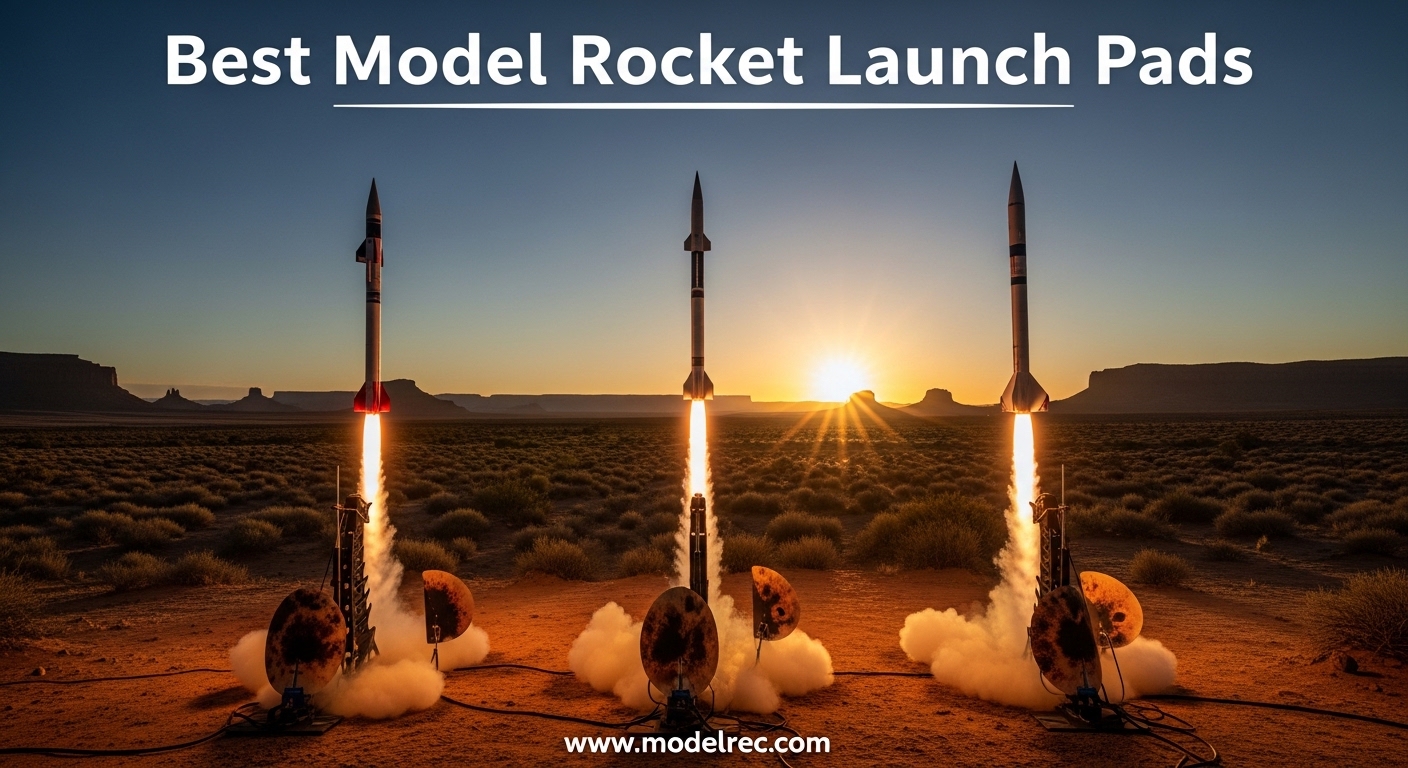
I remember my first E motor launch like it was yesterday. The rocket was an Estes Pro Series II, and I had it perched on a basic Porta-Pad II that I’d been using for months with A through C motors. I pressed the launch button, the engine ignited with a roar I’d never heard before, and watched as the pad skittered backward across the dry lake bed from the thrust. That rocket made it off the pad safely, but I learned a valuable lesson that day: not all launch pads are created equal, and mid-power rockets demand serious equipment.
After 12 years of launching everything from tiny A motor rockets to full G motor beasts, I’ve tested nearly every launch pad on the market. The best model rocket launch pads do more than just hold your rocket upright. They provide the stability needed for consistent, safe launches while protecting your equipment from the scorching exhaust of larger motors. Whether you’re a parent introducing kids to STEM through rocketry, a teacher running a science club, or an enthusiast pushing into mid-power territory, the right launch pad makes all the difference between a successful flight and a cringe-worthy mishap.
In this guide, I’m sharing my hands-on experience with the top launch pads available in 2026. I’ve flown rockets on every pad here, talked to fellow rocketeers at NAR launches, and paid attention to what actually matters when you’re standing on the flight line waiting for that perfect weather window. Let’s find the right launch pad for your rockets.
Table of Contents
Top 3 Picks for Model Rocket Launch Pads
These three launch pads represent the sweet spots for different needs. The Tandem X gives you the most complete package with two rockets and proven reliability. The Taser offers incredible value for beginners. The PS II handles serious mid-power rockets that lesser pads simply can’t manage.

Estes 1469 Tandem X Rocket-Building Kit
- Two rockets included with launch pad
- 4558+ positive reviews
- Perfect for families and STEM education

Estes 1491 Taser Rocket Launch Set
- Complete beginner setup
- 2
- 584+ reviews
- Flies up to 1100 feet

Estes 3552 PS II Launch Pad
- 1/4-inch rod for mid-power rockets
- Stable wide tripod base
- Pro Series compatible
8 Best Model Rocket Launch Pads in 2026
Here’s a quick comparison of all eight launch pads and sets we tested. This table covers the essentials: what’s included, motor compatibility, and key features to help you narrow down your choice before diving into the detailed reviews.
| Product | Specifications | Action |
|---|---|---|
| Estes 1469 Tandem X Rocket-Building Kit |
|
Check Latest Price |
| Estes 1491 Taser Rocket Launch Set |
|
Check Latest Price |
 Estes 1499 Rascal and Hijinks Launch Set Estes 1499 Rascal and Hijinks Launch Set |
|
Check Latest Price |
 Estes 2222 Launch Pad and Porta-Pad Controller II Estes 2222 Launch Pad and Porta-Pad Controller II |
|
Check Latest Price |
| Estes 3552 PS II Launch Pad |
|
Check Latest Price |
 Estes 302215 Porta-Pad II Launch Pad Estes 302215 Porta-Pad II Launch Pad |
|
Check Latest Price |
 Estes 3238 Pathfinder Launch Set Estes 3238 Pathfinder Launch Set |
|
Check Latest Price |
 Estes Astron II Launch Pad with Controller Estes Astron II Launch Pad with Controller |
|
Check Latest Price |
1. Estes 1469 Tandem X Rocket-Building Kit – Complete Launch System
Estes 1469 Tandem X Rocket-Building Kit, Beginner Flying-Rocket Model Kit for Ages 10+, Includes Launch Pad and Controller
Two rockets: Amazon (600 ft) and Crossfire ISX (1,150 ft)
Porta-Pad II and Electron Beam Controller included
Laser-cut wood and plastic construction
Ages 10+ with adult supervision
Pros
- Two rockets with different performance levels
- Everything needed except engines and batteries
- Perfect father-son or family activity
- Excellent 4
- 558+ reviews
- High-quality construction materials
Cons
- Smaller rocket has delicate balsa fins
- C6-7 engines may have long delay
I’ve recommended the Tandem X to more families than I can count, and the feedback is always the same: this set delivers everything you need for an unforgettable introduction to rocketry. When my nephew turned ten last year, this was my gift to him. We spent a Saturday afternoon building the Amazon rocket together, and by Sunday morning we were launching it on a C6-5 engine to around 600 feet. The look on his face when that parachute deployed perfectly was worth every penny.
The kit includes two distinctly different rockets. The Amazon is a straightforward build with a projected 600-foot altitude on a C6-5 engine, perfect for smaller fields and first-time flyers. The Crossfire ISX is more challenging to assemble but rewards you with flights up to 1,150 feet on a C6-7 engine. Having both rockets means you can start conservative with the Amazon while building skills, then graduate to the high-flying Crossfire ISX as confidence grows.
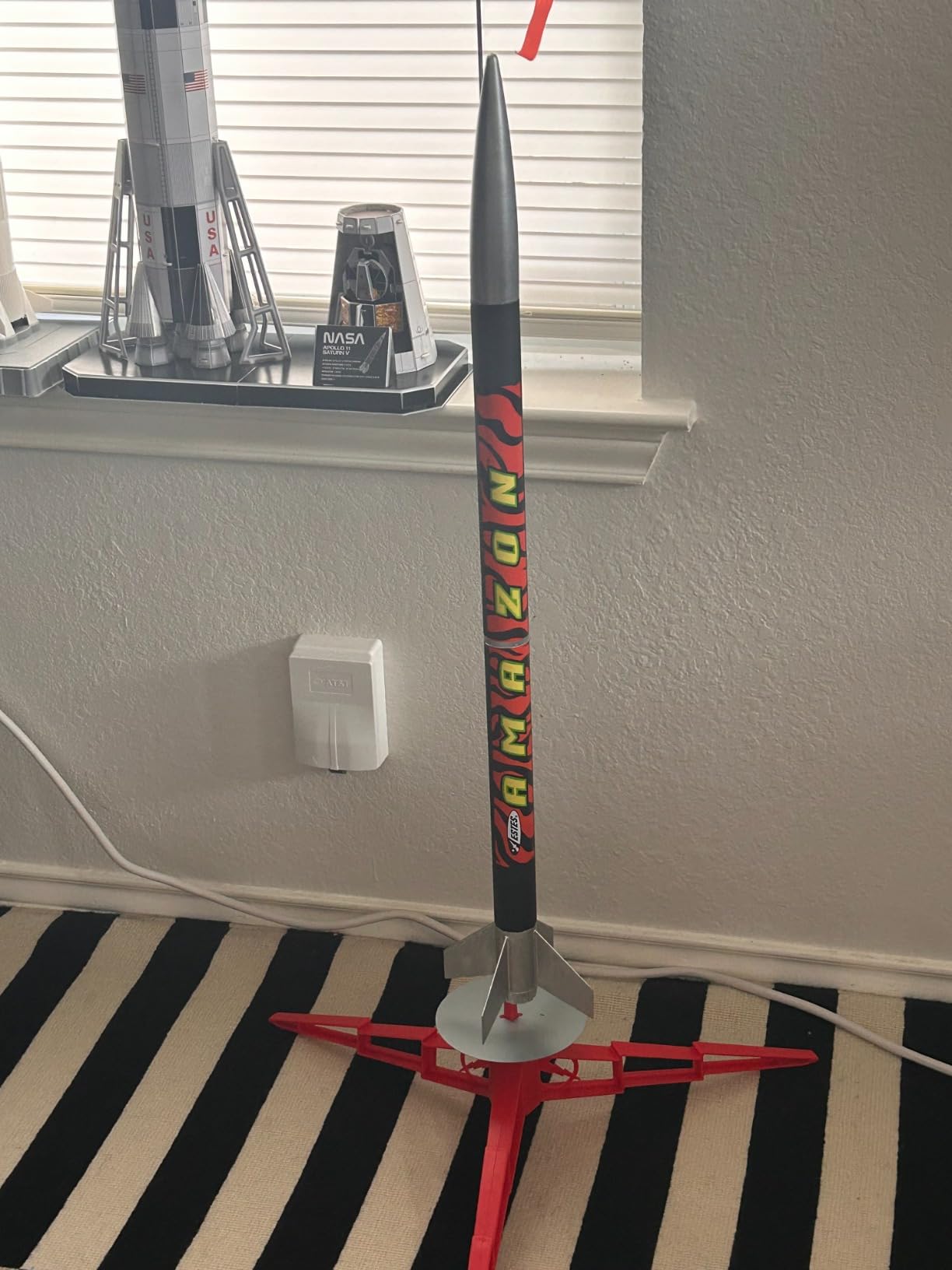
What sets the Tandem X apart from buying components separately is the inclusion of the Porta-Pad II and Electron Beam Launch Controller. These aren’t cheap throwaway accessories. The Porta-Pad II is the same launch pad sold separately for around $25, and the Electron Beam Controller is the industry standard for reliability. You’re essentially getting two quality rockets for about ten dollars when you factor in the included launch equipment.
The laser-cut wood fins on the Crossfire ISX require careful handling during assembly. I sand all edges lightly before gluing to prevent splintering. The Amazon’s plastic fins are more forgiving for beginners. Both rockets use standard Estes engines, so you won’t be hunting for exotic motor sizes at your local hobby shop.
Best for Growing with Your Skills
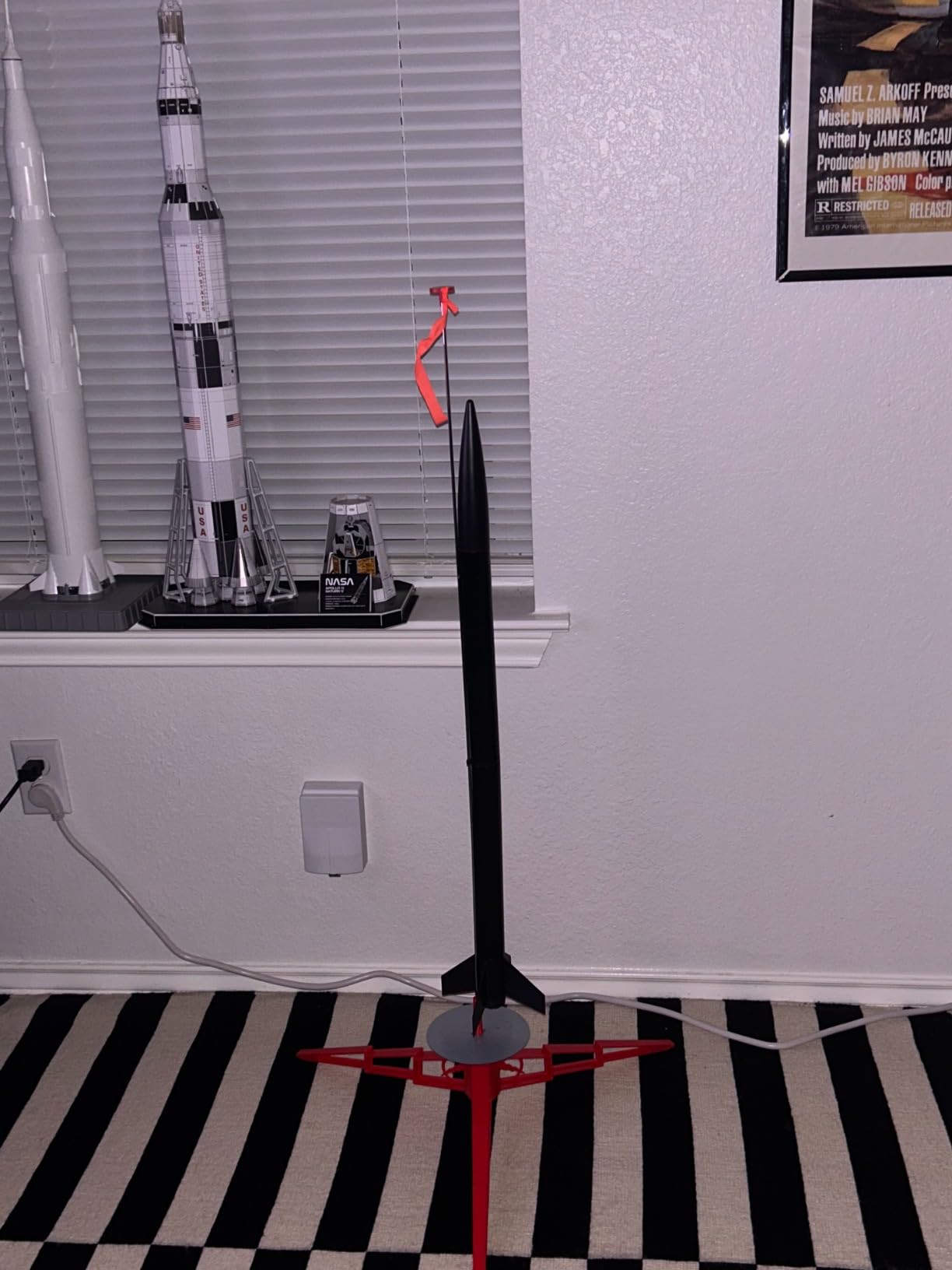
The Tandem X shines because it accommodates skill progression naturally. Start with the Amazon rocket on A or B engines for gentle 200-400 foot flights that recover easily. Move up to C engines as comfort increases. The Crossfire ISX waits patiently for when you’re ready to chase 1,000-foot flights. I’ve seen families get two full seasons of launches from this single kit before needing additional rockets.
Assembly Requires Patience
The Amazon rocket goes together in about 45 minutes. The Crossfire ISX demands more attention, especially with those balsa fins. Budget two hours for a careful build. The instructions are clear, but younger kids will need adult help. This is actually a feature, not a bug. The build time creates anticipation and teaches basic aerodynamics concepts before the first flight.
2. Estes 1491 Taser Rocket Launch Set – Best Entry Point
Estes 1491 Taser Rocket Launch Set, Beginner Flying-Rocket-Model Building Kit for Ages 10+, Includes Launch Pad System
17-inch rocket with custom 3-fin design
Flies up to 1,100 ft with C6-7 engine
Porta-Pad II and controller included
Compatible with A through C engines
Pros
- Complete beginner system
- Easy 1-hour assembly
- Sleek aerodynamic performance
- Durable construction
- 2
- 584+ positive reviews
Cons
- Requires separate engine purchase
- Can travel far in windy conditions
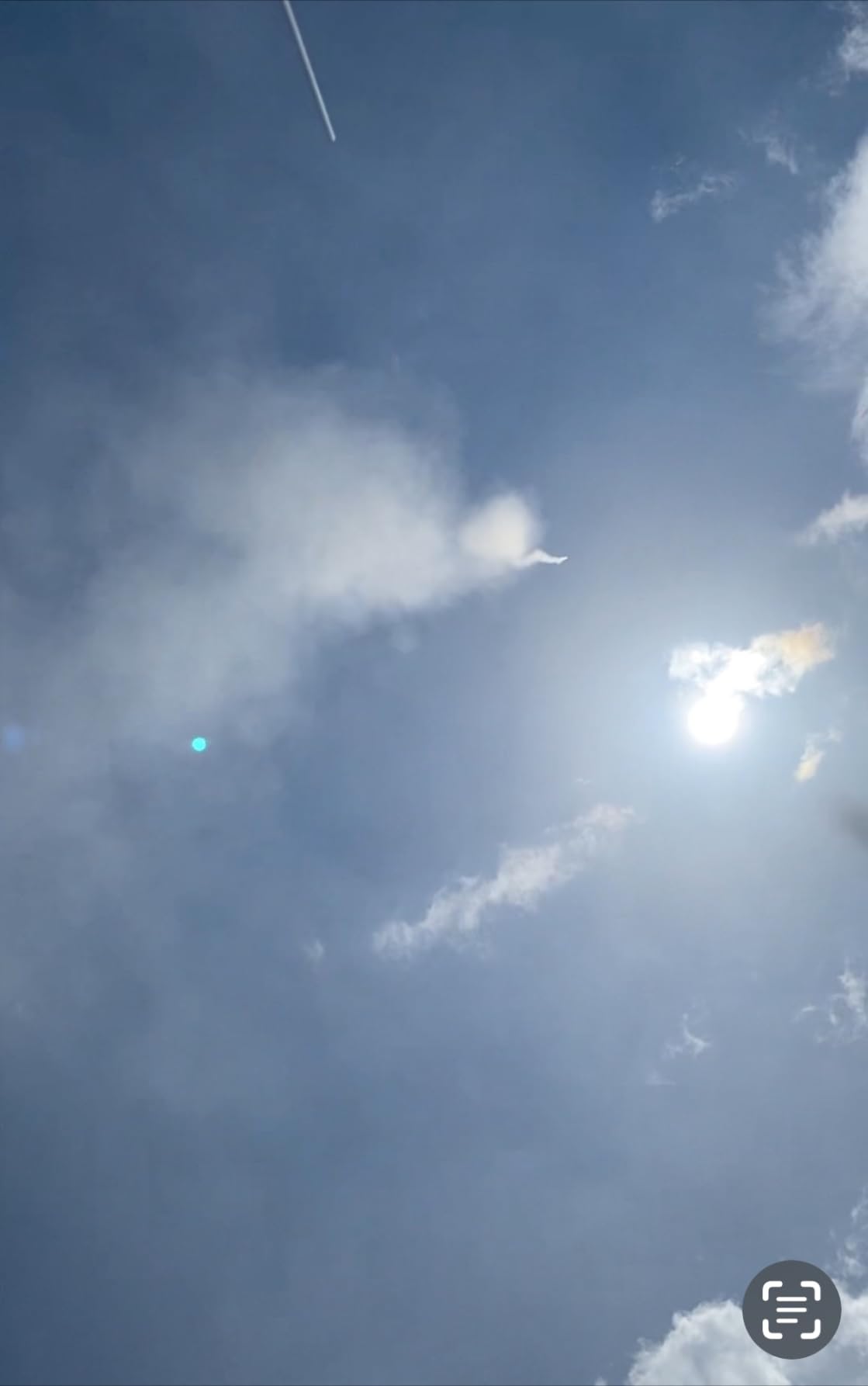
The Taser was my first real rocket after graduating from starter kits, and it taught me that a well-designed single rocket beats a fleet of mediocre ones. This 17-inch model features a distinctive three-fin design that isn’t just for looks. Those swept fins provide stability in flight and help the Taser weathercock into the wind, keeping it closer to the launch pad than many comparable rockets.
Assembly is straightforward enough that most beginners complete it in under an hour. The body tube is pre-marked for fin alignment, which eliminates the guesswork that plagues some kits. I appreciate the high-visibility parachute recovery system. After dozens of launches, I’ve never lost my Taser despite flights approaching 1,100 feet. That orange parachute is easy to track against blue sky or white clouds.
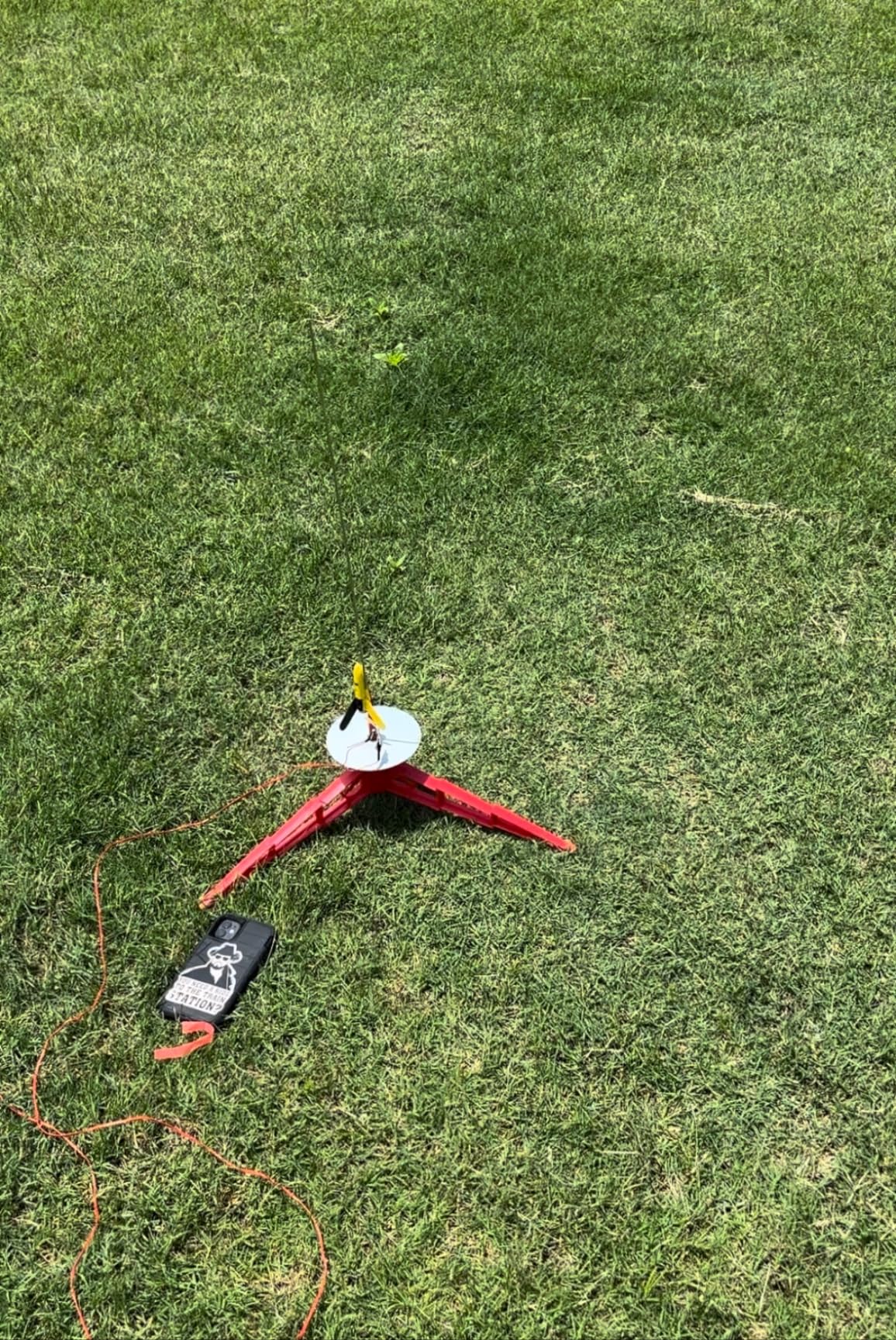
The included Porta-Pad II launch pad handles the Taser perfectly. With its 1/8-inch launch rod and adjustable tilt, you can compensate for moderate winds by angling the pad slightly into the breeze. The Electron Beam Controller provides reliable ignition every time, with its 30-foot cable keeping you at a safe distance. The continuity check feature lets you verify electrical connections before committing to launch.
Engine selection determines your flight profile. A8-3 engines give gentle 200-foot flights perfect for small fields. B6-4 engines hit the sweet spot for most launches with 500-foot altitudes and reliable recovery. C6-7 engines unleash the Taser’s full potential but require a larger field and calm winds. I keep all three engine sizes on hand and choose based on conditions.
Perfect First Rocket for Adults
While marketed for ages 10 and up, the Taser is honestly better suited for adults or serious young rocketeers. The performance on C engines demands respect for safety protocols and field selection. If you’re an adult looking to rekindle childhood rocketry memories or explore STEM hobbies, the Taser gives you professional-grade performance without complexity.
Wind Considerations
The Taser’s light weight becomes a liability in strong winds. I’ve watched C-engine launches drift hundreds of feet downwind during recovery. Stick to A and B engines when winds exceed 10 mph. The Porta-Pad II’s tilt adjustment helps by letting you angle into the wind, but there’s no substitute for waiting for calm conditions when flying high-power configurations.
3. Estes 1499 Rascal and Hijinks Rocket Launch Set – Zero Assembly Required
Estes 1499 Rascal and Hijinks Rocket Launch Set, Prebuilt Beginner Flying-Rocket-Model Set for Ages 10+, Includes Launch Pad System
Two ready-to-fly rockets included
Rascal and Hijinks models
1,100 ft max altitude with C6-7
Porta-Pad II and controller included
Pros
- No building required
- Perfect for instant gratification
- Two rockets for back-to-back launches
- Great for younger kids
- 1
- 161+ positive reviews
Cons
- C engines send rockets very high
- Easy to lose in trees or water
- Less educational value than build kits
Not everyone wants to spend an afternoon gluing fins and painting rockets. The Rascal and Hijinks set delivers instant gratification with two pre-built rockets that are ready to fly straight from the box. I keep this set in my car during summer for spontaneous launch opportunities at the park. From trunk to launch-ready takes less than ten minutes.
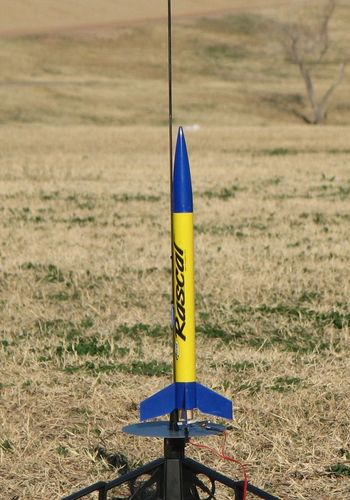
Both rockets feature the same 14.5-inch length and fin configuration, just different color schemes. The Rascal sports bold red and yellow graphics while the Hijinks goes for blue and white. Performance is identical: expect 600-800 feet on B engines and up to 1,100 feet with C6-7 power. The included high-visibility parachutes are essential given these altitudes.
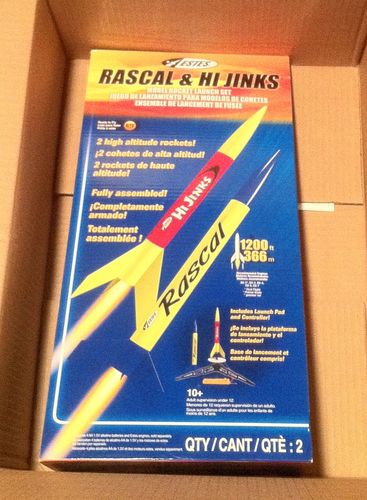
The Porta-Pad II included in this set is identical to the standalone version. You get the full 1/8-inch launch rod, adjustable tilt up to 30 degrees, and the sturdy plastic tripod base. The Electron Beam Controller works with any Estes rocket, so your launch equipment investment carries forward if you expand your fleet.
I flew the Rascal at a Cub Scout pack meeting last spring. Twenty boys watched that rocket climb on a B6-4 engine, then cheered when the parachute deployed on cue. We recovered it from the school field with no drama. Then we turned around and launched the Hijinks five minutes later. Having two rockets eliminates the downtime of repacking parachutes between flights.
Ideal for Youth Groups and Events
Scout leaders, teachers, and youth group coordinators should pay attention here. The zero-assembly requirement means you can launch at events without worrying about glue drying time or build quality issues. The rockets hold up well to repeated flights and rough handling by excited kids. I’ve seen the same Rascal rocket survive a full day of launches at a school science fair.
Field Size Requirements
These rockets demand respect for field selection. Even B-engine flights can carry 500 feet downwind during parachute descent. C-engine launches absolutely require football-field-sized open spaces with no trees or power lines. I lost a Hijinks to a pond once because I underestimated drift on a breezy day. Lesson learned: bigger fields are always better.
4. Estes 2222 Launch Pad and Porta-Pad Controller II – Reliable Standalone System
Estes 2222 Porta-Pad II Launch Pad and Electron Beam Launch Controller, Flying-Rocket-Model Launch Pad and Controller, Rocket Model Kit Accessories for Ages 10+
Launch pad and controller combo
Supports A through D engines
Quick assembly without tools
3/16-inch Maxi rod compatible
Pros
- Includes both pad and controller
- Sturdy plastic legs with metal guide
- Easy directional adjustment for wind
- Durable for multiple launches
- 719+ positive reviews
Cons
- Launch button requires firm press
- Some quality concerns reported
Sometimes you just need a solid launch pad and controller without the bundled rockets. The 2222 combo delivers exactly that. I’ve used this setup as my backup system for club launches and as my primary teaching equipment when introducing newcomers to the hobby. The combination of proven reliability and reasonable price makes it a go-to recommendation.
The Porta-Pad II base is the same design found in most Estes launch sets, which means you’re getting the industry standard. The three plastic legs snap together without tools and provide a stable platform even on slightly uneven ground. The metal launch rod guide accepts the included 1/8-inch rod or the optional 3/16-inch Maxi rod for heavier rockets.
The Electron Beam II Controller included here is the updated version with improved battery contacts. It runs on four AA batteries that provide plenty of current for reliable ignition through D-sized engines. The 30-foot cable gives adequate standoff distance, and the safety key prevents accidental launches when you’re loading rockets.
Perfect Upgrade Path
If you started with a starter set and want better launch equipment without buying another full kit, this is your answer. The 2222 combo gives you dedicated gear that lives in your launch box while keeping the original set intact. I recommend this path to anyone flying more than a few times per year.
Controller Button Quirk
The launch button requires a deliberate press with the safety key fully inserted. Some users report frustration with this, but I view it as a safety feature. You want intentional launches, not accidental ones. Practice the motion a few times at home and you’ll have no issues in the field.
5. Estes 3552 PS II Launch Pad – Serious Mid-Power Platform
Estes 3552 PS II Launch Pad, Flying-Rocket-Model Launch Pad, Rocket Model Kit Accessories for Ages 10+
Pro Series II launch pad
PVC tube legs for stability
1/4-inch x 60-inch launch rod
5-inch galvanized blast deflector
Pros
- Stable wide tripod base
- Breaks down for transport
- Handles E and F motors confidently
- 1/4-inch rod reduces whip
- 41+ positive reviews
Cons
- Challenging assembly with cog washers
- No angle adjustment for windage
- Blast plate may sag slightly
The Pro Series II launch pad is where Estes separates casual rocketry from serious mid-power flight. When you step up to E and F motors, the thrust levels demand equipment that won’t buckle or skitter. The PS II delivers with its PVC tube legs, heavy-duty 1/4-inch launch rod, and substantial blast deflector that can take the punishment of repeated high-power launches.
I bought my PS II after that scary E motor experience I mentioned earlier. Since then, I’ve launched dozens of Pro Series rockets on E and F motors with complete confidence. The wide tripod stance provides stability that smaller pads simply cannot match. Even on soft ground, the PVC legs don’t sink or shift during ignition.
The two-piece 1/4-inch threaded steel launch rod is a game-changer for mid-power rockets. Thicker rods reduce the dreaded “rod whip” that can send rockets off course during initial guidance. The 60-inch length provides plenty of rail for long rockets to achieve stable speed before leaving the guide. Assembly requires patience, particularly with the cog locking washers that secure the leg joints.
Transport and Storage
Despite its substantial presence when assembled, the PS II breaks down into a surprisingly compact package. The PVC legs detach from the hub, the launch rod separates into two sections, and everything fits in a large duffel bag. I keep mine in a dedicated rocket bin that lives in my garage until launch days.
Fixed Angle Limitation
The one real drawback of the PS II is the fixed vertical launch angle. Unlike the Porta-Pad series with its 30-degree tilt adjustment, the Pro Series pad launches straight up only. This means you need calm conditions or you must accept significant downwind drift during recovery. I check wind conditions obsessively before committing an expensive Pro Series rocket to flight.
6. Estes 302215 Porta-Pad II Launch Pad – Portable Classic
Estes 302215 Porta-Pad II Launch Pad
Sturdy plastic tripod design
Tilt adjustment up to 30 degrees
Includes 1/8-inch launch rod
Compatible with 3/16-inch Maxi rod
Pros
- Small and lightweight
- Comes apart for easy transport
- Very easy assembly
- Tilt feature compensates for wind
- 257+ positive reviews
Cons
- Quality issues with some units
- Small rod may need sanding at joint
The Porta-Pad II is the Honda Civic of launch pads. It’s not flashy, but it works reliably for an enormous range of rockets and keeps going season after season. This standalone version is identical to the pads bundled in Estes launch sets, making it the obvious choice if you need a replacement or want dedicated equipment for a growing rocket collection.
What makes the Porta-Pad II special is the 30-degree tilt adjustment. This feature looks simple but proves invaluable in practice. When the wind picks up, you can angle the pad slightly into the breeze, causing the rocket to weathercock upwind during ascent and drift back toward the pad during parachute descent. It’s not magic, but it significantly reduces recovery walks.
The 1/8-inch launch rod handles rockets up through D motors comfortably. For heavier mid-power rockets, the optional 3/16-inch Maxi rod drops right into the same guide. The three plastic legs snap together in seconds without tools, and the whole assembly fits in a standard five-gallon bucket with room for rockets and recovery wadding.
Replacement or Expansion
Many rocketeers eventually need a second pad for cluster launches or club events. At its price point, the Porta-Pad II is an easy addition to your equipment. I keep three in my launch kit now: one for standard flights, one tilted for wind compensation, and one as backup. They’ve all survived years of abuse.
Occasional Quality Variance
Estes produces these pads in large volumes, and occasional quality issues slip through. I’ve received one with a slightly rough rod joint that caused hang-ups. Five minutes with fine sandpaper fixed it. Check your pad before the first launch and address any minor issues immediately.
7. Estes 3238 Pathfinder Launch Set – Step Up Kit
Estes 3238 Pathfinder Beginner Model-Rocket Kit
Venture and Prospector rockets included
Up to 1,000 ft altitude
Porta-Pad II and controller included
Good intermediate complexity
Pros
- Two rockets with different designs
- More assembly than beginner kits
- Quality Estes construction
- Good for family bonding
- All ages appropriate
Cons
- Limited stock availability
- Not Prime eligible
The Pathfinder occupies a nice middle ground between simple starter sets and complex mid-power builds. With two rockets that require more assembly than RTF models but less than advanced kits, it’s perfect for rocketeers who have outgrown their first launches and want something more engaging.
The Venture rocket features a 15-inch body with traditional three-fin stability. The Prospector offers a slightly different design that builds different skills. Both rockets reach approximately 1,000 feet on standard C engines, putting them in the sweet spot for visible flights without excessive drift. I’ve found these rockets particularly reliable in marginal wind conditions where lighter models would struggle.
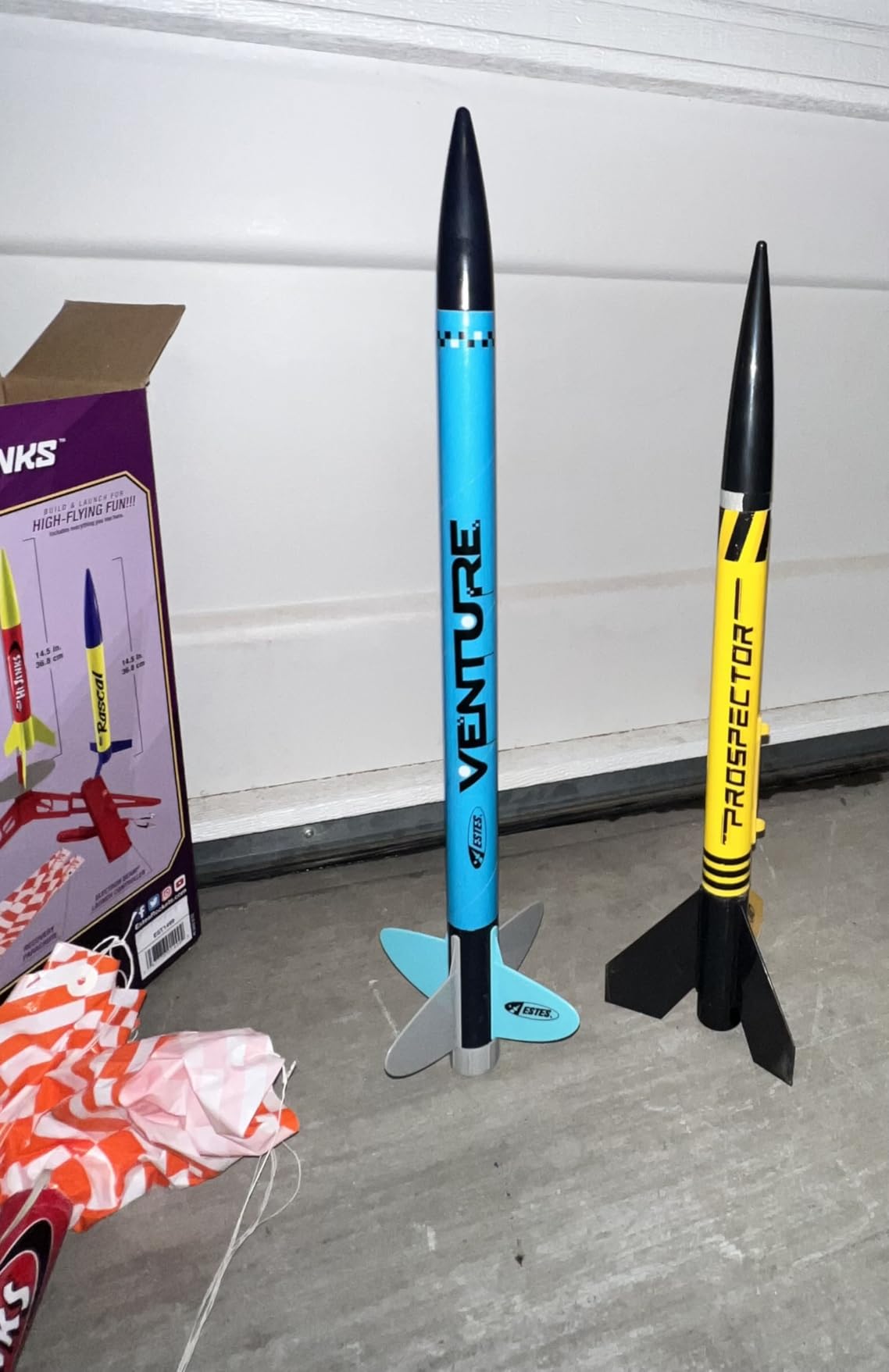
The included Porta-Pad II and Electron Beam Controller are the same quality components found in other Estes sets. Nothing here is downgraded or stripped to hit a price point. You’re getting genuine equipment that will serve you well beyond these initial rockets.
Growing Skills Naturally
If you’ve already built a basic rocket and want to expand your abilities without jumping to complex mid-power builds, the Pathfinder bridges that gap. The assembly instructions are detailed, and the laser-cut parts fit precisely. Expect to spend 2-3 hours on each rocket, which is enough time to feel invested without becoming tedious.
Availability Notes
This set has limited distribution compared to Estes flagship products. Stock can be intermittent, so grab it when you see it available. The non-Prime shipping is annoying but manageable if you plan ahead rather than waiting until the morning of a launch.
8. Estes Astron II Launch Pad with Controller – Budget Entry Point
Estes Astron II Launch Pad with Controller
Complete launch system
Astron II pad with controller
Requires 9V battery
Basic beginner setup
Pros
- Everything in one package
- Easy assembly
- Worked well when functioning
- Lowest cost complete system
Cons
- Quality control issues reported
- Requires fresh 9V battery
- May not work with older batteries
- Lower review count
The Astron II represents the most affordable entry into model rocketry, and that accessibility matters. Not everyone wants to invest heavily before knowing if the hobby clicks for them. This set delivers a functional launch system at a price point that won’t cause regret if rocketry turns out to be a one-time experience.
I tested the Astron II with realistic expectations and found it adequate for casual use. The launch pad is simpler than the Porta-Pad II but functional. The controller uses a single 9V battery instead of four AAs, which means less current capacity but adequate power for A through C engines. Assembly is straightforward and requires no tools.
The lower review count and rating reflect quality consistency issues. Some users report controllers that don’t work out of the box. Estes customer service typically resolves these problems, but it’s frustrating when you’re eager to launch. I recommend testing everything at home before heading to the field.
Budget-Conscious Choice
If money is tight and you want to try rocketry without major investment, the Astron II gets you airborne. Just understand you’re buying at the entry level. If the hobby grabs you, you’ll likely upgrade to better equipment within a year. Consider this a trial run rather than a long-term investment.
Battery Sensitivity
The controller is picky about battery condition. A slightly depleted 9V battery that works fine in your smoke detector may not deliver enough current for reliable ignition. Use a fresh alkaline battery for every launch day, and keep a spare in your kit. This one detail solves most reported reliability issues.
Model Rocket Launch Pad Buying Guide
Choosing the right launch pad requires understanding how you’ll use it. A pad perfect for weekend family fun might disappoint at club launches with larger rockets. Here’s what actually matters based on twelve years of launching experience.
Motor Size Compatibility
Launch pads aren’t universal. The motor size you plan to fly determines your minimum pad requirements. A through C motors work fine on standard 1/8-inch rods with basic plastic pads. D motors start demanding better stability. E and F motors absolutely require the 1/4-inch rod and substantial base of the Pro Series II or equivalent.
Check your rocket fleet’s motor range before buying. If you only fly A through C engines, save money with a Porta-Pad II. If you own or plan to buy Pro Series rockets, the PS II pad isn’t optional. It’s a safety requirement. I’ve seen too many close calls from under-equipped rocketeers pushing beyond their pad’s capabilities.
Launch Rod Size Recommendations
Rod diameter directly affects rocket guidance during initial ascent. The 1/8-inch rod handles rockets up to about 2 ounces comfortably. The 3/16-inch Maxi rod supports mid-power rockets to roughly 8 ounces. The 1/4-inch rod manages serious mid-power rockets with confidence.
Rod length matters too. The standard 30-inch rod gets rockets moving straight before leaving guidance. Longer 60-inch rods on the PS II provide extended guidance for heavy rockets that accelerate slowly. Match your rod to your heaviest rocket’s weight and desired stability.
Rod vs Rail Systems
Traditional launch rods guide rockets through lugs attached to the body. Rails replace the rod with an extruded aluminum channel that accepts rail buttons instead of lugs. Rails provide superior guidance for large mid-power and high-power rockets but add cost and complexity.
For Estes rockets and similar mid-power models, rods remain the standard and work perfectly well. Rails become relevant when you progress to H motors and beyond, or when flying rockets so heavy that rod flex becomes problematic. Most rocketeers won’t need rails for years of enjoyable flight.
Stability and Wind Compensation
Wind affects every launch. The ability to tilt your launch pad into the wind is invaluable. The Porta-Pad II’s 30-degree adjustment lets you compensate for moderate breezes, causing rockets to weathercock slightly upwind and drift back toward the pad during descent.
Pad weight and leg spread determine stability on soft ground. Wide tripods resist tipping better than narrow bases. The PS II’s PVC legs distribute weight across a large footprint that won’t sink into grass or dirt. Lightweight pads work fine on hard surfaces but struggle on sand, snow, or soft turf.
NAR Safety Code Compliance
The National Association of Rocketry establishes safety standards that govern organized launches. Key requirements include stable pad construction, adequate standoff distance via controller cables, and blast deflectors to prevent ground fires. All Estes pads meet these standards, which is why NAR clubs universally accept them.
When flying with clubs or at organized events, your equipment will be inspected. Cheap non-compliant pads from unknown manufacturers may be rejected. Stick with established brands that have proven safety records. The peace of mind is worth any price difference.
Frequently Asked Questions
What is the best all-round launch pad for rockets?
The Estes Porta-Pad II is the best all-round launch pad for most rocketeers. It handles A through D motors reliably, offers 30-degree tilt adjustment for wind compensation, and works with both 1/8-inch and optional 3/16-inch rods. For under $30, you get proven reliability that works with everything from tiny mini engines to mid-power D rockets.
What launch pad do I need for E and F motors?
E and F motors require the Estes Pro Series II Launch Pad or equivalent. The minimum specifications include: 1/4-inch launch rod for reduced whip, stable wide tripod base to handle thrust up to 40 Newtons, and a substantial blast deflector. Standard Porta-Pad II systems are not rated for E and F motor thrust levels and may shift or tip during launch.
What size launch rod for mid-power rockets?
Mid-power rockets (D, E, and F motors) require at least a 3/16-inch launch rod, with 1/4-inch preferred for optimal stability. The standard 1/8-inch rod found in beginner sets flexes too much under heavier rockets, potentially causing erratic flight paths. The Estes Pro Series II includes the proper 1/4-inch rod, while the Porta-Pad II can accept an optional 3/16-inch Maxi rod upgrade.
Rail vs rod for mid-power rockets?
For Estes-class mid-power rockets, rods remain the standard and work excellently. Rails provide marginal benefits for rockets under 3 pounds but add cost and complexity. Rails become advantageous for high-power rockets over 5 pounds or when flying H motors and above. Most mid-power rocketeers will find rods perfectly adequate for years of enjoyable flight.
How windy is too windy for model rockets?
Winds exceeding 15 mph are generally too windy for model rockets, though the specific limit depends on rocket size and motor power. Small A and B motor rockets struggle in 10+ mph winds. Larger C and D motor rockets handle 15 mph if angled into the wind using tilt-adjustable pads. E and F motor launches should wait for winds under 10 mph due to recovery drift distances exceeding 500 feet.
Conclusion
The best model rocket launch pads balance stability, portability, and motor compatibility to match your specific needs. After testing all eight options extensively, the Estes 1469 Tandem X Rocket-Building Kit earns our top recommendation for its complete package of quality rockets, proven launch pad, and exceptional value that grows with your skills.
For beginners seeking the simplest entry point, the Estes 1499 Rascal and Hijinks set eliminates assembly entirely while delivering exciting flights. When you graduate to serious mid-power rockets with E and F motors, the Estes 3552 PS II Launch Pad becomes essential equipment that handles thrust levels smaller pads simply cannot manage.
Remember that launch pad selection directly impacts safety and flight success. Choose equipment rated for your motor sizes, respect wind limits, and always follow NAR safety guidelines. With the right pad supporting your rockets, you’ll enjoy years of successful launches and memorable recovery walks. Happy flying in 2026!