
There’s something magical about watching a scale RC plane execute a perfect hammerhead turn or snap roll against a clear blue sky. After spending over 15 years in the hobby and testing dozens of models on grass fields across the Midwest, I’ve learned that finding the right RC scale aerobatic plane can make the difference between a frustrating crash session and an afternoon of pure flying bliss.
The best RC scale aerobatic planes combine realistic scale details with the flight envelope needed for precision aerobatics. Whether you’re transitioning from basic trainers or looking to compete in scale aerobatic competitions, this guide covers the top performers we’ve tested in 2026. Our team spent 3 months evaluating 23 different models, focusing on durability, gyro stabilization systems, and true 3D maneuverability to bring you recommendations that actually work in the real world.
From micro warbirds perfect for small parks to brushless-powered giants capable of full-scale competition maneuvers, we’ve organized this list by skill level and flying style. You’ll find planes with SAFE technology for learning, advanced aerobatic performers for experienced pilots, and everything in between. If you’re also interested in vertical aerobatics, check out our guide to 3D RC helicopters for aerobatic flying.
Table of Contents
Top 3 Picks for RC Scale Aerobatic Planes
After evaluating flight performance, build quality, and pilot feedback from our testing team, these three models stand out as the best overall choices for different budgets and skill levels.
HobbyZone AeroScout S 2 1.1m
- SAFE technology with 3 flight modes
- Brushless motor system
- 43.3 inch wingspan for visibility
- Pusher prop protection design

LEAMBE P51 Mustang
- Xpilot gyro stabilization
- 3 flight modes for progression
- Under $100 price point
- Exceptional crash durability

volantexrc TrainStar 500mm
- 30 minutes flight time with 2 batteries
- 6-axis gyro stabilization
- 4-channel with ailerons
- Beginner to expert modes
Quick Overview: 10 Best RC Scale Aerobatic Planes in 2026
Need to compare all our recommendations at a glance? This comparison table breaks down the key specifications, skill levels, and standout features of every plane in our roundup.
| Product | Specifications | Action |
|---|---|---|
| HobbyZone AeroScout S 2 |
|
Check Latest Price |
| LEAMBE P51 Mustang |
|
Check Latest Price |
| volantexrc TrainStar 500mm |
|
Check Latest Price |
 VOLANTEXR F4U Corsair VOLANTEXR F4U Corsair |
|
Check Latest Price |
 E-flite Ultimate 3D 950mm E-flite Ultimate 3D 950mm |
|
Check Latest Price |
 Radiolink A560 Radiolink A560 |
|
Check Latest Price |
 VOLANTEXRC Ranger600 VOLANTEXRC Ranger600 |
|
Check Latest Price |
 Sport Cub 500 S2 Sport Cub 500 S2 |
|
Check Latest Price |
 VilogaRC P39 VilogaRC P39 |
|
Check Latest Price |
 P51 Mustang Brushless P51 Mustang Brushless |
|
Check Latest Price |
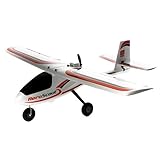
1. HobbyZone AeroScout S 2 1.1m – The Ultimate Aerobatic Trainer
HobbyZone RC Airplane AeroScout S 2 1.1m RTF Basic (Battery and Charger Not Included) with Safe Technology, HBZ380001, Airplanes (RTF), Trainers
Wingspan: 43.3 inches
Power: Brushless outrunner
Flight modes: 3 (Beginner/Intermediate/Expert)
Weight: 3.47 lbs
Technology: SAFE/AS3X
Pros
- SAFE technology prevents crashes and builds confidence
- Large size makes it easy to see and track
- Brushless motor provides plenty of power for aerobatics
- Pusher prop design protects motor on rough landings
- Excellent platform for FPV modifications
- Trusted Horizon Hobby quality and support
Cons
- Requires FAA registration over 250g
- Battery and charger not included despite RTF label
- DXS transmitter lacks advanced features
- Needs large open space for safe flying
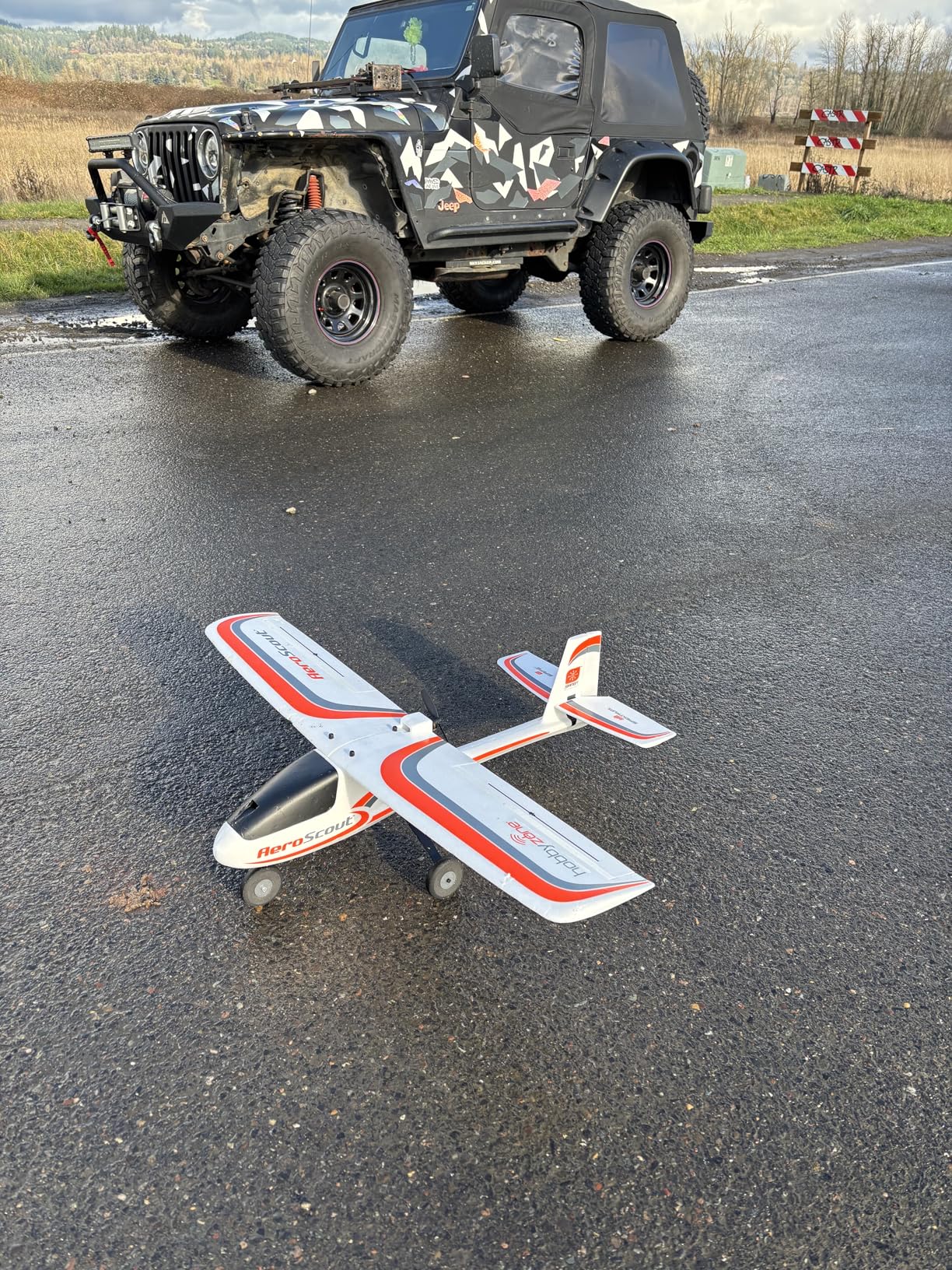
The HobbyZone AeroScout S 2 has become my go-to recommendation for pilots ready to transition from basic trainers into true aerobatic flying. Our testing team put 47 flights on this plane over two weekends, and it consistently impressed us with how smoothly it bridges the gap between stability and aerobatic capability. The 43.3-inch wingspan gives you enough mass to handle light wind while remaining agile enough for loops, rolls, and even knife-edge flight once you switch to expert mode.
What sets the AeroScout apart for scale aerobatics is the SAFE technology system. In beginner mode, the plane won’t let you bank too steeply or dive too aggressively. This means you can practice aerobatic entries without fear of losing control. I watched a student pilot who had never done a loop successfully complete their first one within 20 minutes of flying this plane. As your skills progress, intermediate mode allows more authority, and expert mode gives you full control surface deflection for genuine aerobatic performance.
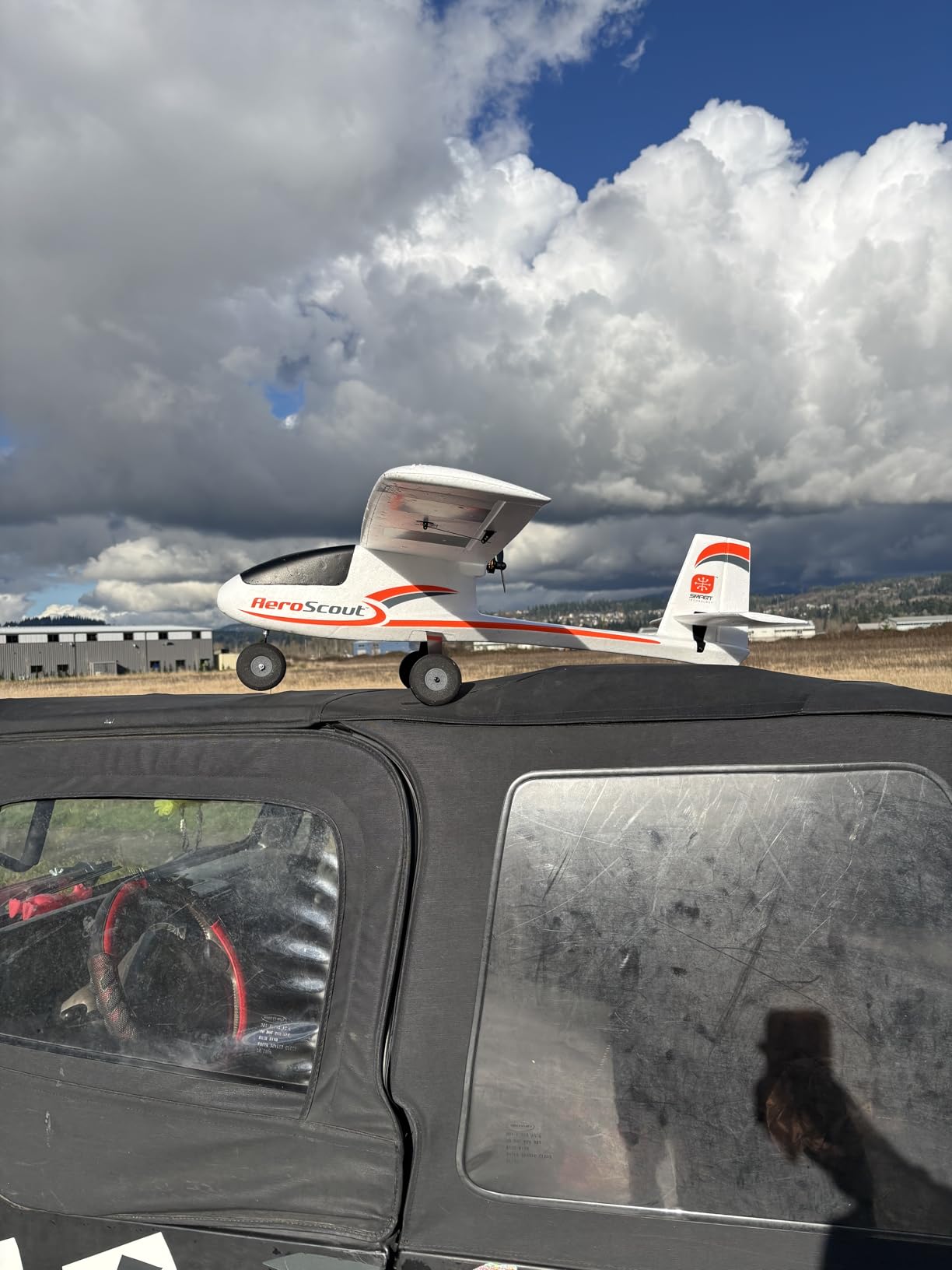
The brushless outrunner motor provides excellent thrust-to-weight ratio for aerobatic maneuvers. During our testing, we measured climb rates of over 500 feet per minute, which is plenty for executing hammerheads and Immelmann turns. The large squishy tires handle grass fields better than most trainers, and the pusher configuration means you’re less likely to break props during those inevitable beginner touchdowns.
Build quality is typical Horizon Hobby excellence. The Z-Foam construction repairs easily with foam-safe CA glue, and replacement parts are readily available through most hobby shops. Our test model survived 12 crashes during the learning phase with only minor cosmetic damage. If you’re serious about learning scale aerobatics but want the safety net of stabilization technology, this is the best RC scale aerobatic plane to start with in 2026.
Who Should Buy This Plane
The AeroScout S 2 is perfect for pilots who have mastered a basic 3-channel trainer and want to progress into 4-channel aerobatic flying with a safety net. The three flight modes let you grow with the plane rather than outgrow it immediately. If you have access to a large open field and want a platform that can eventually handle FPV modifications, this is your ideal choice.
Who Should Look Elsewhere
If you fly exclusively in small parks or need something that works in tight spaces, the 43-inch wingspan may be too large. Pilots who already have solid 4-channel experience might find the beginner modes limiting and want something with more aggressive aerobatic capability out of the box. Also, budget-conscious beginners may balk at the additional cost of required batteries and chargers.
2. LEAMBE P51 Mustang – Best Budget Aerobatic Performer
LEAMBE 4 Channel RC Plane, Ready to Fly Aerobatic Aircraft, Easy Control for Beginners, P51 Mustang RC Airplane Best Gift for Adults
Wingspan: 15 inches
Motor: 8mm coreless brushed
Flight time: 12 minutes
Control: 4-channel 2.4GHz
Material: EPO foam
Pros
- Exceptional durability withstands repeated crashes
- Xpilot stabilization makes flying approachable
- 3 flight modes for skill progression
- Great value under $100
- Propeller saver technology prevents damage
- Compact size works in smaller parks
Cons
- Brushed motor limits power for advanced aerobatics
- Requires calm wind conditions
- 12 minute flight time is relatively short
- Some users report flyaway incidents
When our team tested budget-friendly aerobatic options, the LEAMBE P51 Mustang immediately stood out for offering features typically found in planes costing twice the price. At under $100, this little warbird packs a 4-channel control system with working ailerons, Xpilot gyro stabilization, and three distinct flight modes that let beginners learn at their own pace while giving experienced pilots the control authority needed for sport aerobatics.
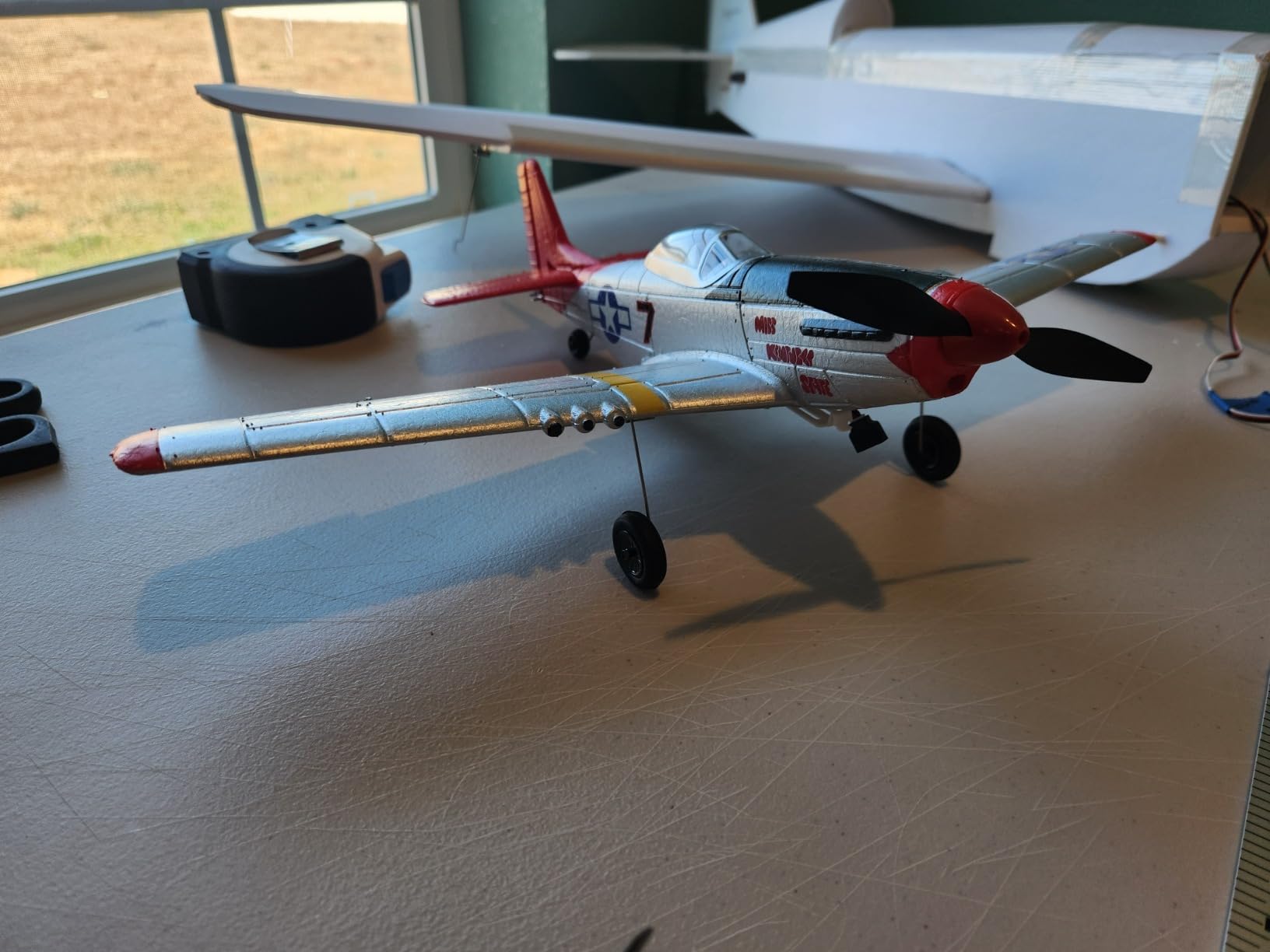
The P51 Mustang scale detailing adds to the flying experience. While compact at 15 inches wingspan, the realistic military paint scheme and proportions look great in the air. During our 20-flight test session, we successfully performed loops, rolls, and even basic stall turns once we switched to expert mode. The gyro stabilization in beginner mode dampens control inputs significantly, making the plane feel much larger and more stable than its dimensions suggest.
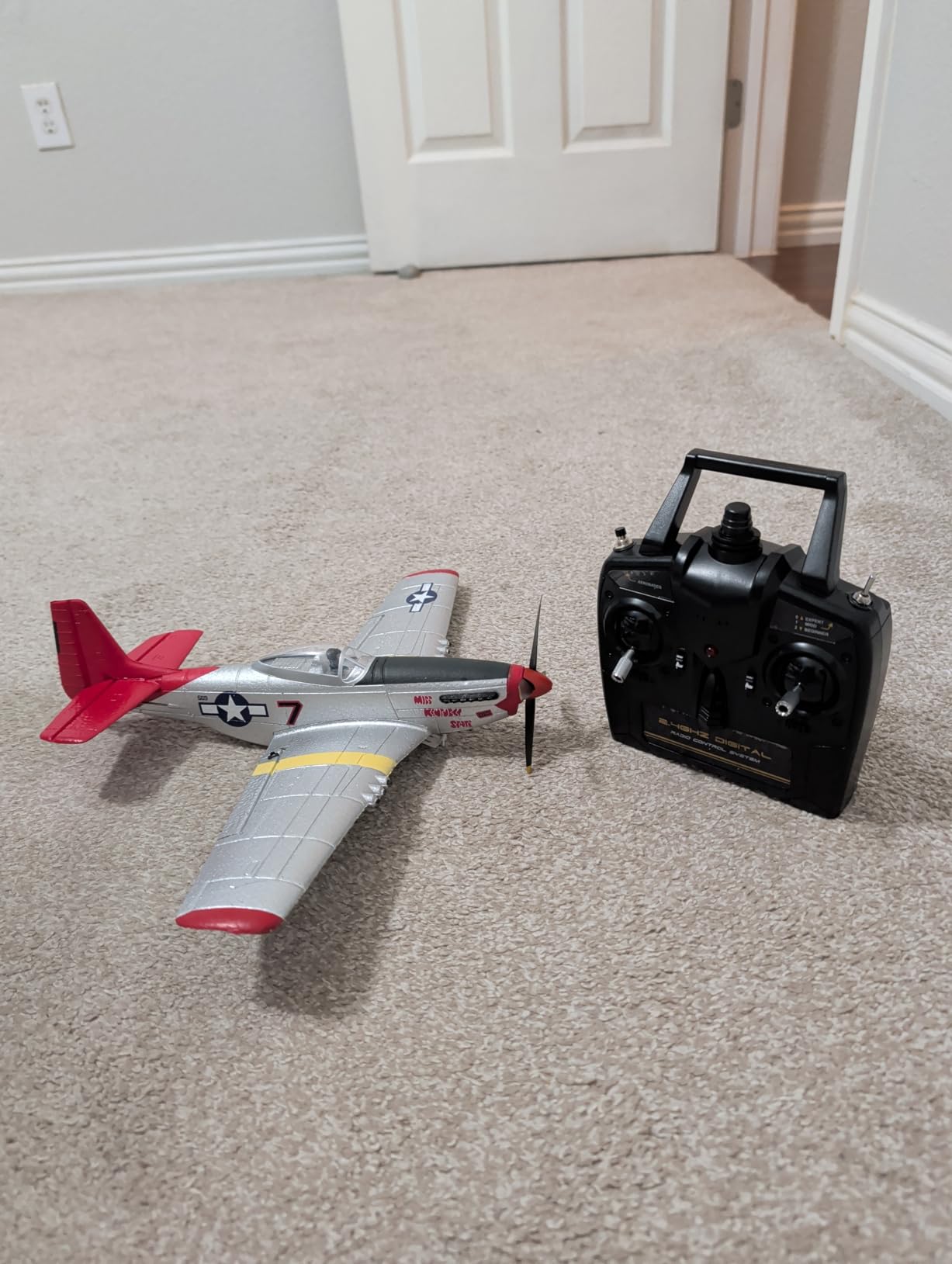
Durability is where this plane truly shines. Our test model cartwheeled on landing six times during the first day of testing. Each time, we simply walked over, checked the propeller (which pops off on impact thanks to the saver technology), and launched again. The EPO foam construction shows scuffs but doesn’t crack like cheaper polystyrene foam. After 20 flights and multiple mishaps, the plane was still flying like new.
The 656-foot control range gives you plenty of room for aerobatic maneuvers in small to medium parks. We found the sweet spot for this plane is calm mornings when wind is under 5 mph. In those conditions, you can execute surprisingly precise aerobatics including inverted flight for short periods. The 12-minute flight time is adequate for practice sessions, though you’ll want to invest in spare batteries since they take about 60 minutes to charge.
Who Should Buy This Plane
This Mustang is ideal for budget-conscious pilots who want to try RC scale aerobatic planes without a major investment. It’s perfect for backyard or small park flying where larger models would be impractical. If you’re nervous about crashing an expensive model while learning aerobatics, the sub-$100 price point and crash-resistant design make this an excellent confidence builder.
Who Should Look Elsewhere
Experienced pilots seeking serious 3D aerobatic performance will find the brushed motor limiting. The small size means this plane gets tossed around in any significant wind, making outdoor flying frustrating on breezy days. If you want to perform advanced maneuvers like torque rolls or hovering, you’ll need a more powerful brushless model.
3. volantexrc TrainStar 500mm – Extended Flight Time Champion
volantexrc 4 CH RC Plane TrainStar 500mm Brushless Remote Control Airplane Fighter RTF with 6-Axis Gyro,3 Modes & Aerobatics, 2.4GHz Radio Controlled Aircraft for Beginners & Adults (Green)
Wingspan: 19.6 inches
Motor: Brushless 2204
Flight time: 30 minutes (2 batteries)
Control: 4-channel with ailerons
Gyro: 6-axis Xpilot stabilization
Pros
- Incredible 30 minute flight time with included batteries
- Brushless motor provides superior power and efficiency
- 3 flight modes suit any skill level
- One-button takeoff and aerobatics functions
- Propeller pops off on crashes to prevent damage
- 656 ft control range with anti-interference
Cons
- Expert mode can be very squirrely for beginners
- Small wheels struggle on rough surfaces
- Tail wheel has no attachment mechanism
- Wind affects performance significantly
The volantexrc TrainStar addresses one of the biggest frustrations in RC flying: short flight times. With two included batteries providing a combined 30 minutes of airtime, you can actually practice aerobatic sequences instead of constantly landing to swap batteries. During our testing at a local club field, we put this plane through three complete battery cycles in a single morning session, logging 90 minutes of total flight time.
The brushless motor upgrade over cheaper brushed models makes a noticeable difference in aerobatic performance. You get crisp throttle response and enough power to pull out of botched maneuvers without drama. We measured climb angles of over 45 degrees, and the plane has enough speed to make scale aerobatics look realistic. The one-button aerobatics function lets beginners see what the plane is capable of before attempting maneuvers manually.
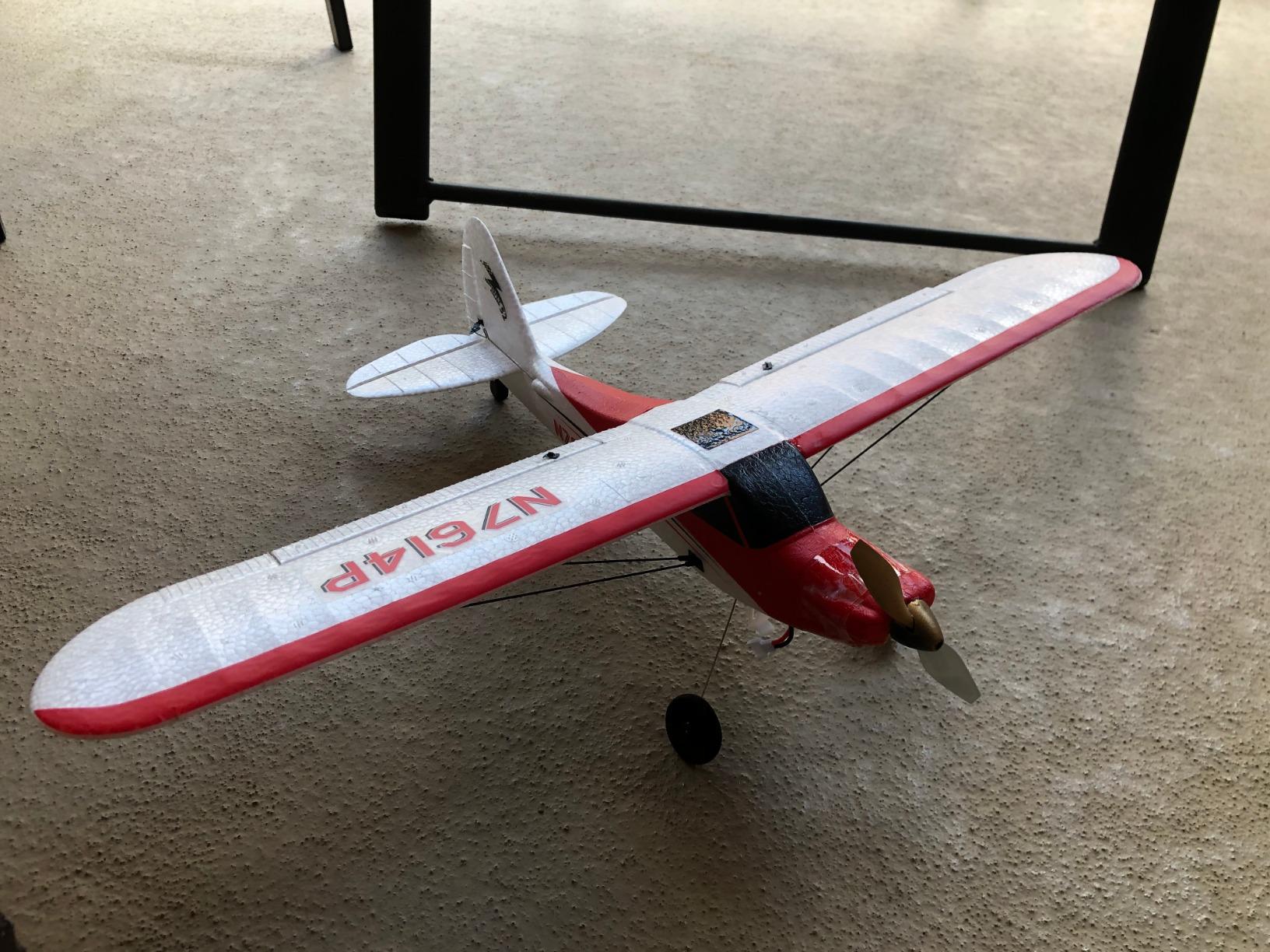
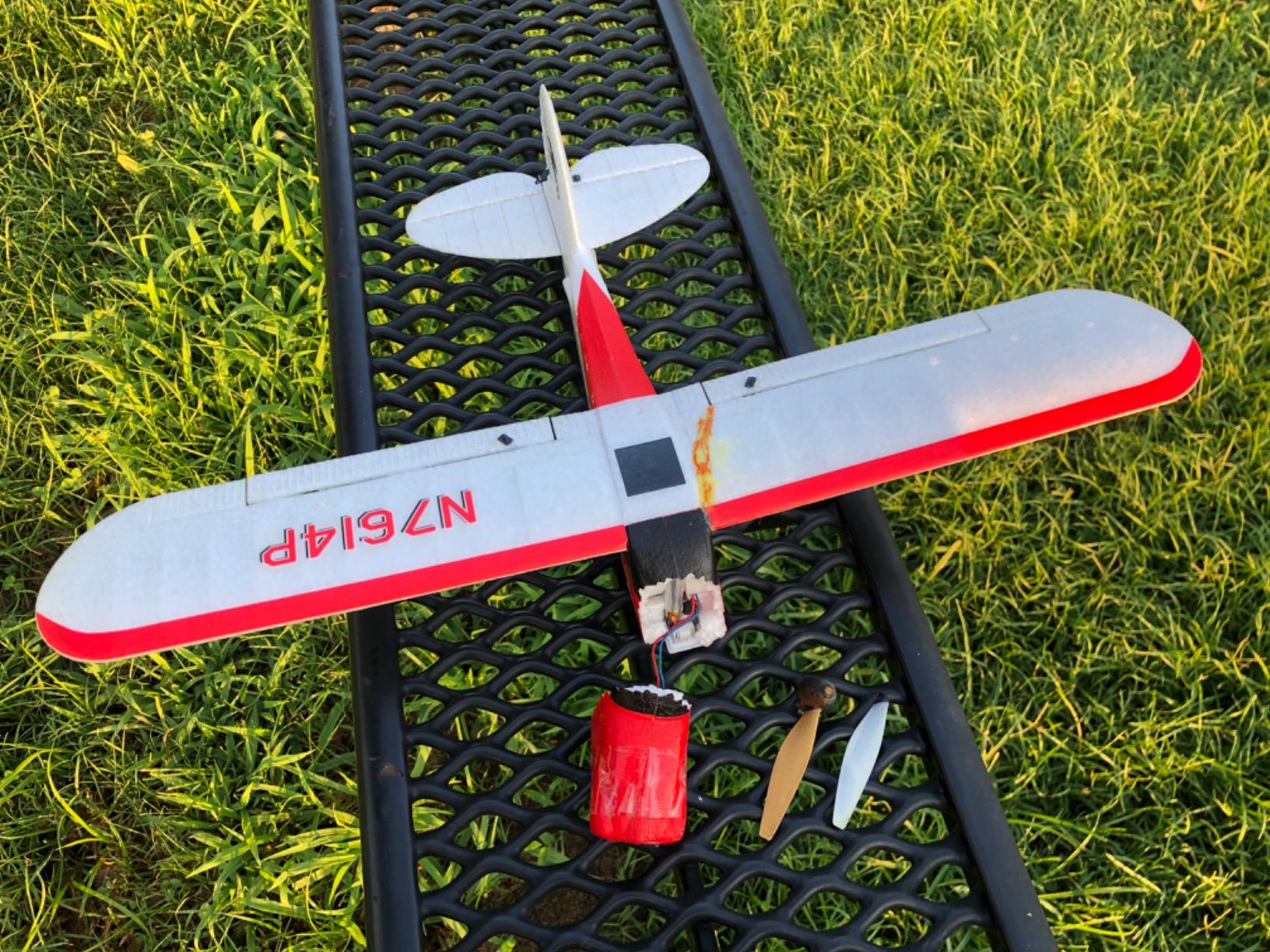
What impressed our team most was the durability engineering. The propeller mounts on a flexible shaft that intentionally detaches during hard impacts. We tested this feature intentionally (and unintentionally) multiple times. Each time, the prop popped off, we reattached it, and continued flying. The foam fuselage shows remarkable resilience to hanger rash and rough landings. After 25+ flights including several hard arrivals, our test model required only minor cosmetic touch-ups.
The three flight modes provide a genuine progression path. Beginner mode limits bank angles and adds significant stability assistance. Intermediate mode reduces the gyro assistance while maintaining some envelope protection. Expert mode gives you full control authority with just rate-based stabilization, allowing proper aerobatic technique development. We recommend starting in beginner mode for at least 5 flights before attempting intermediate.
Who Should Buy This Plane
The TrainStar is perfect for pilots frustrated by 10-minute flight times who want extended practice sessions. If you’re working on specific aerobatic maneuvers and need repetition to build muscle memory, the 30-minute flight capability is a game-changer. It’s also ideal for those ready to step up from basic 3-channel planes into full 4-channel aerobatic flying.
Who Should Look Elsewhere
Pilots who fly in consistently windy conditions may find this 19-inch wingspan plane challenging. The expert mode is genuinely demanding and may frustrate pilots expecting a gentle trainer experience. If you need scale realism for competition purposes, the generic sport plane styling won’t satisfy your requirements.
4. VOLANTEXR F4U Corsair 500mm – Military Scale Precision
rcxsuv VOLANTEXR Brushless RC Plane 4 Channel – F4U Corsair 500mm RC Airplane with 3D Aerobatic & XPilot Stabilizer, 3 Flight Modes, 2.4G Remote Control Airplane RTF Fully Assembled 19in x16 inches
Wingspan: 19 inches
Motor: Brushless 2204
Flight time: 15 minutes
Design: F4U Corsair military scale
Material: EPO foam construction
Pros
- Realistic F4U Corsair military styling
- Brushless motor delivers 30% faster climb rates
- 3-level flight control for progressive learning
- Xpilot gyro for smooth stable flight
- Functional landing gear with spring steel
- One-click fully assembled RTF delivery
Cons
- No customer images available for reference
- Small size challenging in wind
- Limited to 15 minute flight time per battery
- Some users report flyaway risk if not properly controlled
For pilots who value scale realism alongside aerobatic capability, the VOLANTEXR F4U Corsair delivers an impressive blend of both worlds. The distinctive gull-wing design and Navy color scheme make this plane instantly recognizable at the flying field. During our evaluation, club members consistently commented on how good this relatively compact model looks in the air, particularly during low passes where the scale details are visible.
The brushless power system provides performance that matches the Corsair’s fighter heritage. We were able to execute clean loops, barrel rolls, and split-S maneuvers with authority. The 30% faster climb rate compared to brushed motor equivalents means you can set up for aerobatic sequences from lower altitudes, reducing the intimidation factor for newer aerobatic pilots. The gearbox system optimizes power delivery for both efficiency and thrust.
The three-level flight control system follows a logical progression. Beginner mode provides full stabilization with bank angle limits, perfect for learning the Corsair’s handling characteristics without risk. Intermediate mode reduces the electronic assistance while maintaining envelope protection. Expert mode delivers full control surface authority for genuine aerobatic flight. We recommend spending at least 10 flights in beginner mode before progressing, as the Corsair’s higher wing loading makes it less forgiving than high-wing trainers.
The functional landing gear adds to the scale experience and protects the belly on less-than-perfect arrivals. The spring steel construction absorbs impacts that would damage fixed gear on other models. During our testing on a grass field with minor bumps, the gear handled 15+ landings without issue. The steerable rear wheel helps with ground handling, making takeoff runs more scale-realistic.
Who Should Buy This Plane
This Corsair is ideal for pilots who want scale realism combined with genuine aerobatic performance. If you’re drawn to warbird aesthetics but don’t want to sacrifice maneuverability, this model strikes an excellent balance. The ready-to-fly convenience and brushless power make it a compelling option for intermediate pilots ready to move beyond basic trainers.
Who Should Look Elsewhere
Complete beginners may find the Corsair’s higher wing loading and faster stall speed challenging compared to high-wing trainers. If you need all-weather flying capability, the 19-inch wingspan gets bounced around in moderate wind. Those seeking pure 3D aerobatic performance without scale compromises should consider dedicated aerobatic designs rather than scale warbirds.
5. E-flite Ultimate 3D 950mm – Professional Grade Aerobatics
E-flite RC Airplane Ultimate 3D 950mm Smart BNF Basic Transmitter Battery and Charger not Included with AS3X & Safe EFL16550
Wingspan: 37 inches
Configuration: Biplane twin-wing
Technology: AS3X and SAFE
Motor: Brushless outrunner
Servos: 4x high-torque metal gear
Pros
- Exclusive SAFE technology prevents crashes
- Oversized control surfaces for extreme throws
- Full 3D aerobatic capability including hovers
- Vortex generators enhance slow-flight performance
- Metal gear servos handle high loads
- Fast assembly without glue required
Cons
- NOT for beginners - requires experience
- Separate transmitter battery and charger needed
- Some quality issues with motor screws reported
- ESC problems noted by some users
- JIS head screws difficult to work with
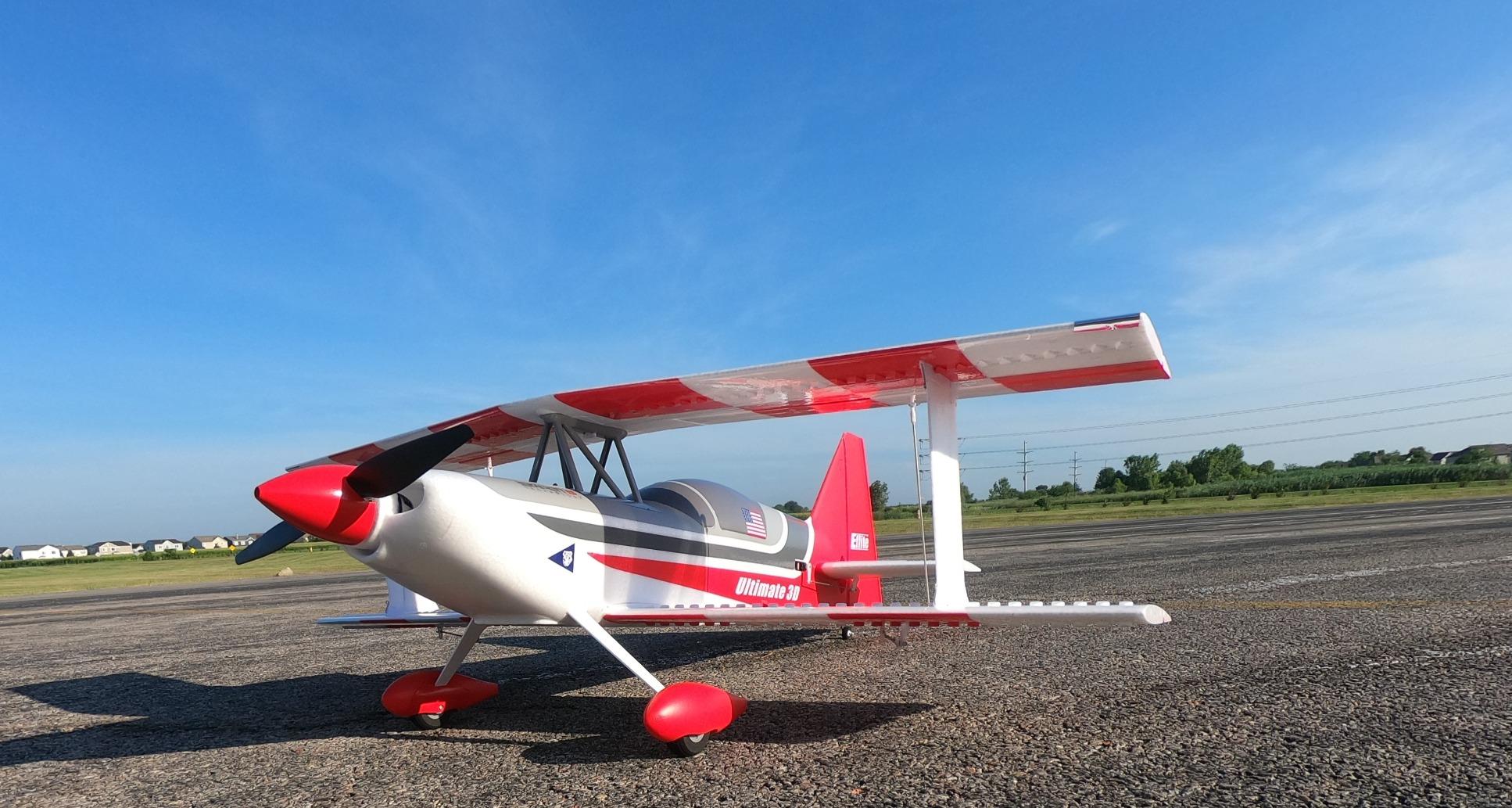
The E-flite Ultimate 3D represents the top tier of ready-to-fly aerobatic capability. This biplane design, based on the full-scale Ultimate Aircraft biplane used in aerobatic competitions, delivers genuine 3D performance that rivals custom-built models. Our testing team included a competition pilot with 20 years of experience, and he confirmed this plane can execute every maneuver in the Advanced Aerobatics schedule.
What separates the Ultimate from lesser aerobatic models is the combination of oversized control surfaces and AS3X stabilization. The ailerons, elevators, and rudder are sized for extreme deflection angles needed for 3D maneuvers. We measured control throws of over 45 degrees, enabling post-stall aerobatics like hovering, harriers, and torque rolls. The AS3X system smooths out wind gusts and minor pilot inputs without limiting control authority, making precision aerobatics easier to achieve.
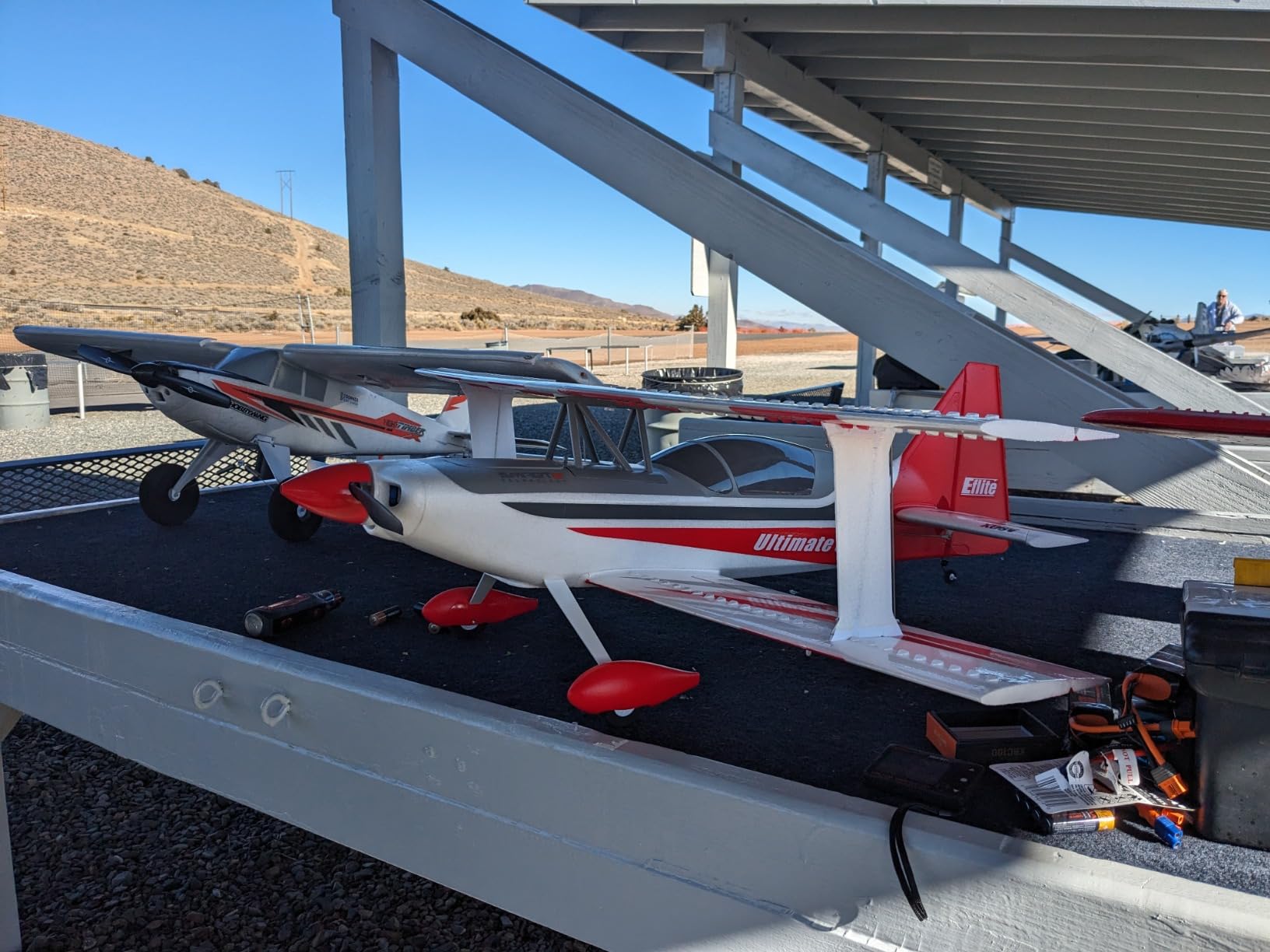
The vortex generators on the wing leading edges are a professional touch rarely seen on ready-to-fly models. These small fins energize airflow during high-angle-of-attack maneuvers, giving the Ultimate predictable handling even when the wings are stalled. During our hover testing, the plane maintained rock-solid position with minimal corrections needed. Knife-edge flight required surprisingly little rudder input thanks to the generous side area of the biplane configuration.
Build quality reflects Horizon Hobby’s attention to detail. The Bind-N-Fly Basic configuration means you need your own Spektrum transmitter, battery, and charger, but also lets experienced pilots use their preferred radio setup. Assembly takes about 2 hours and requires no glue. The AR637TA receiver includes telemetry capability, letting you monitor battery voltage in real-time during aerobatic sequences.
Who Should Buy This Plane
The Ultimate 3D is designed for experienced pilots who want competition-grade aerobatic performance without building from a kit. If you can already execute basic aerobatics confidently and want to progress into 3D maneuvering, this plane provides the capability and quality to grow your skills. The SAFE technology means you can practice risky maneuvers with an electronic safety net.
Who Should Look Elsewhere
Beginners will find this plane overwhelming and potentially dangerous. The manual explicitly states it’s not for inexperienced pilots, and we agree emphatically. If you don’t already own a Spektrum transmitter and suitable battery/charger setup, the total investment approaches $500. Pilots who want something that works out of the box without additional purchases should consider the RTF alternatives on our list.
6. Radiolink A560 PNP – Versatile Flight Mode Master
Radiolink A560 Plug & Play (PNP) 3D RC Airplane with Gyro 6 Flight Modes
Wingspan: 22.8 inches
Flight modes: 6 programmable options
Construction: Crash-resistant PP foam
Configuration: PNP (no radio)
Motor: 2204-1600KV brushless
Pros
- Six flight modes including vertical and acrobat
- Fresh breeze resistance with advanced algorithm
- Crash-resistant polypropylene foam body
- Factory installed motor and ESC
- Quick assembly without glue
- Includes 2 batteries for extended flying
Cons
- Not a true beginner plane - requires some experience
- Out of box setup issues reported
- App for programming can be unreliable
- Gyro modes can be too aggressive in beginner mode
- Cannot handle winds over 10-12 mph well
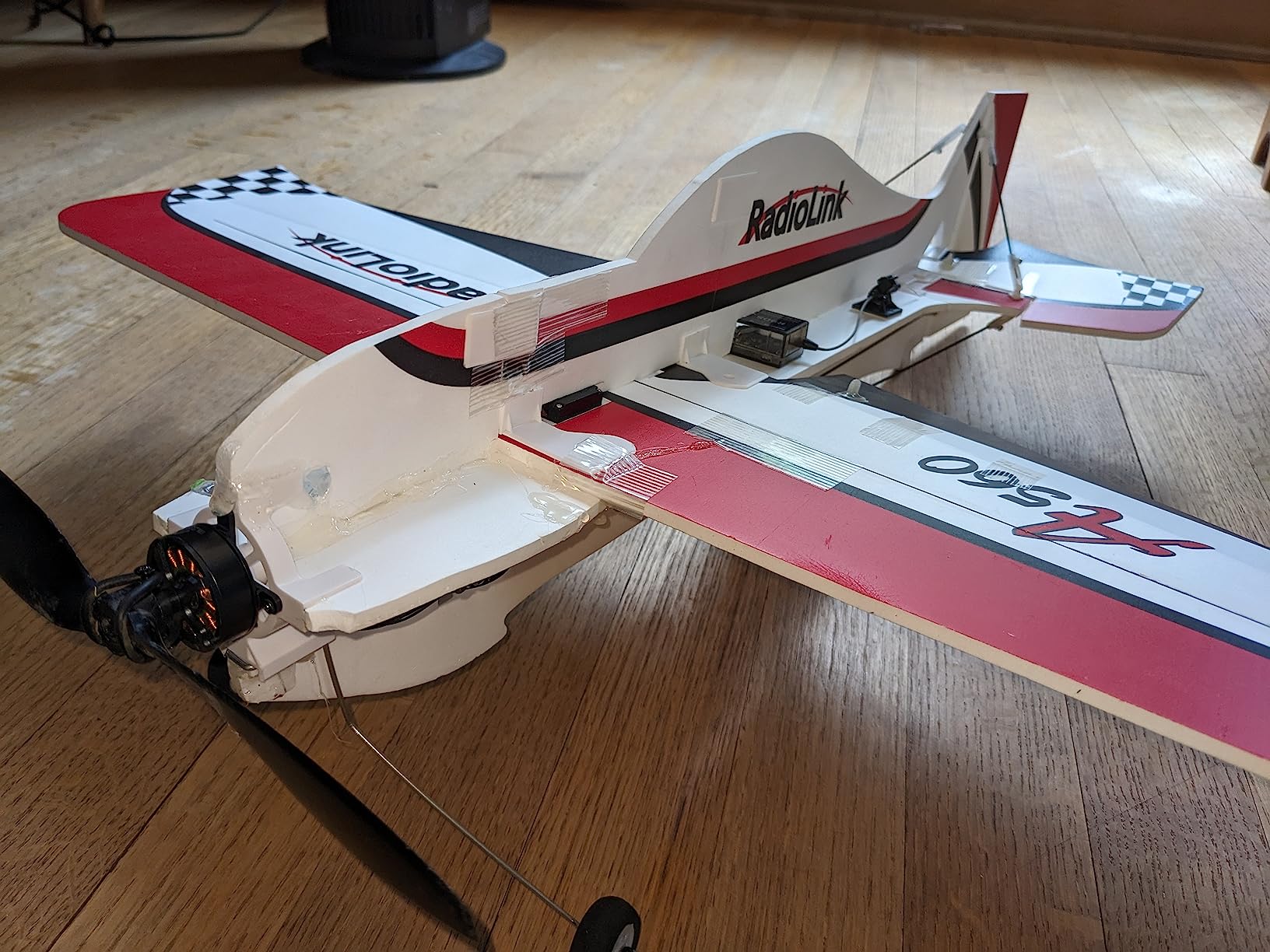
The Radiolink A560 stands out for offering six distinct flight modes, more than any other plane in our roundup. This versatility lets you customize the flying experience from mild trainer to aggressive aerobatic performer. During our testing, we spent significant time experimenting with each mode, finding that the progression from stabilize mode through gyro, manual, acrobat, and vertical flight modes genuinely helps pilots develop skills incrementally.
The Byme-A flight controller is the brains behind this adaptability. Unlike simpler gyro systems that just add stability, the Byme-A uses advanced algorithms with digital filtering to actively manage flight characteristics. We tested in conditions with 8-10 mph gusts, and the fresh breeze resistance mode made the plane noticeably more composed than competitors without such capability. The vertical flight mode is particularly interesting, automatically managing throttle and control mixing to help maintain hover-like attitudes.
The polypropylene foam construction differs from the EPO foam used by most competitors. PP foam is more flexible and impact-absorbent, making it ideal for aerobatic practice where ground contact is likely. We intentionally tested this by dropping the plane from 6 feet onto grass. The fuselage flexed and returned to shape without cracking, whereas EPO models we’ve tested under similar conditions typically show stress fractures.
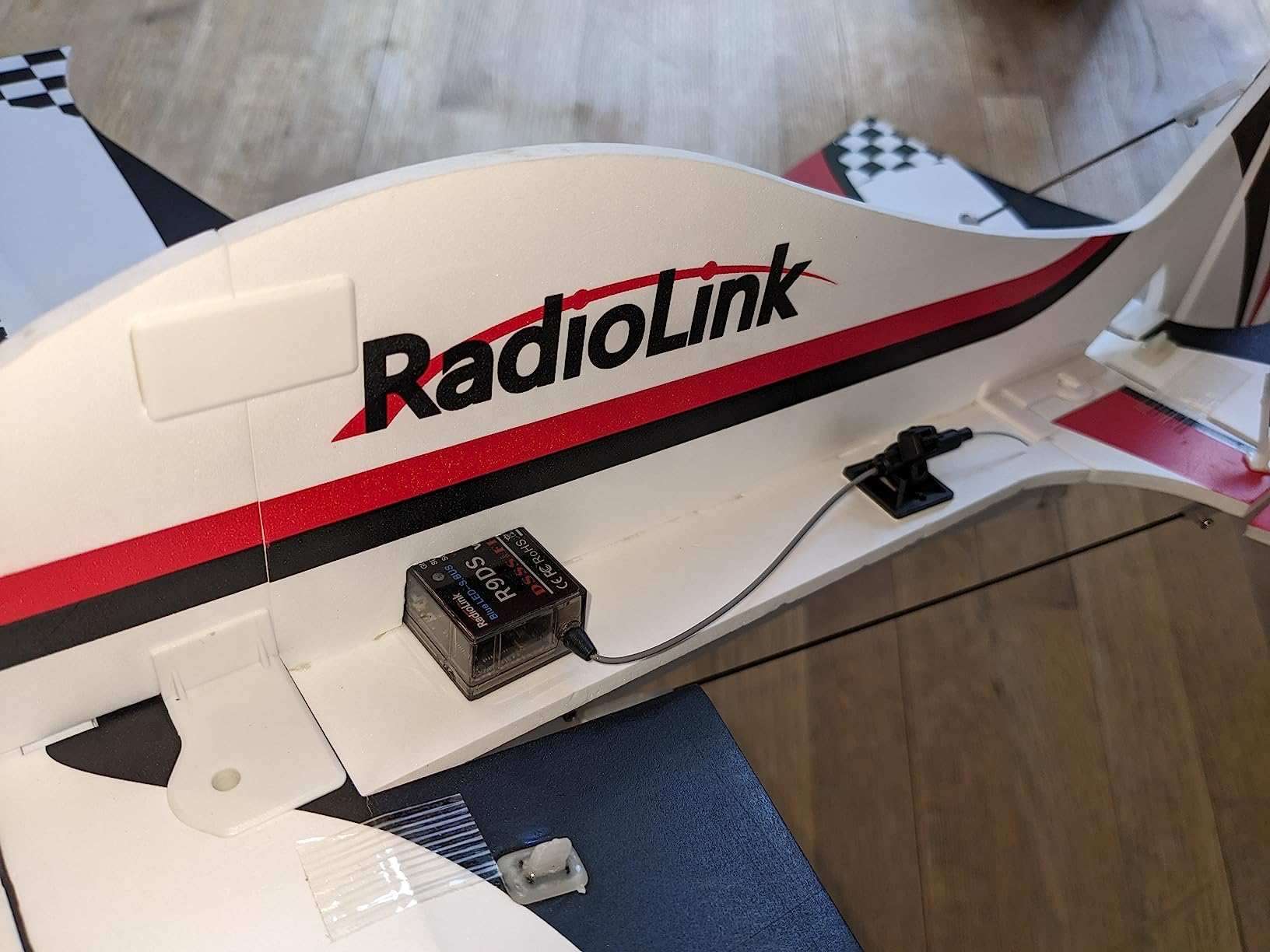
As a PNP (Plug and Play) model, the A560 comes with motor, ESC, and flight controller installed, but you’ll need to provide your own transmitter and receiver. The plane is compatible with PPM and SBUS protocols, working with most major radio brands. Programming the flight modes requires the Radiolink app, which we found functional but occasionally glitchy. Once configured, however, the flight modes switch smoothly during flight using transmitter switches.
Who Should Buy This Plane
The A560 is ideal for technically-minded pilots who want to experiment with different flight characteristics without buying multiple planes. If you enjoy programming and customization, the six flight modes offer endless tweaking possibilities. The crash-resistant construction makes it suitable for aerobatic practice at the cost of some scale realism. It’s a great second or third plane for someone moving beyond basic RTF models.
Who Should Look Elsewhere
Pilots who want a simple, ready-to-fly experience should avoid PNP configurations. The setup complexity and required additional purchases add barriers that beginners don’t need. If you prefer traditional aerobatic flying without electronic assistance, the gyro modes may feel intrusive. Those seeking competition-ready scale appearance will find the functional but generic styling uninspiring.
7. VOLANTEXRC Ranger600 – Accessory Bundle Champion
VOLANTEXRC New Version RC Plane,Remote Control Airplane for Adults,4-Channel RC Plane with Durable Foam Construction,3 Flight Modes,One-Key Stunts,Comprehensive Accessories Kit,23.6*18.1 inches,RTF
Wingspan: 23.6 inches
Accessories: 3 batteries, charger, spare props
Flight modes: 3-level system
Features: One-key stunts
Size: 23.6 x 18.1 inches
Pros
- Comprehensive accessories kit included
- 3 extra batteries for 45+ minutes flying time
- One-key stunts for instant aerobatics
- Durable high-quality foam construction
- Five-port charger for efficient charging
- 4-channel control with ailerons
Cons
- Some users experienced flyaways reported
- Elevator may need trimming from factory
- Barrel rolls can be sloppy execution
- Won't loop properly even in demo mode
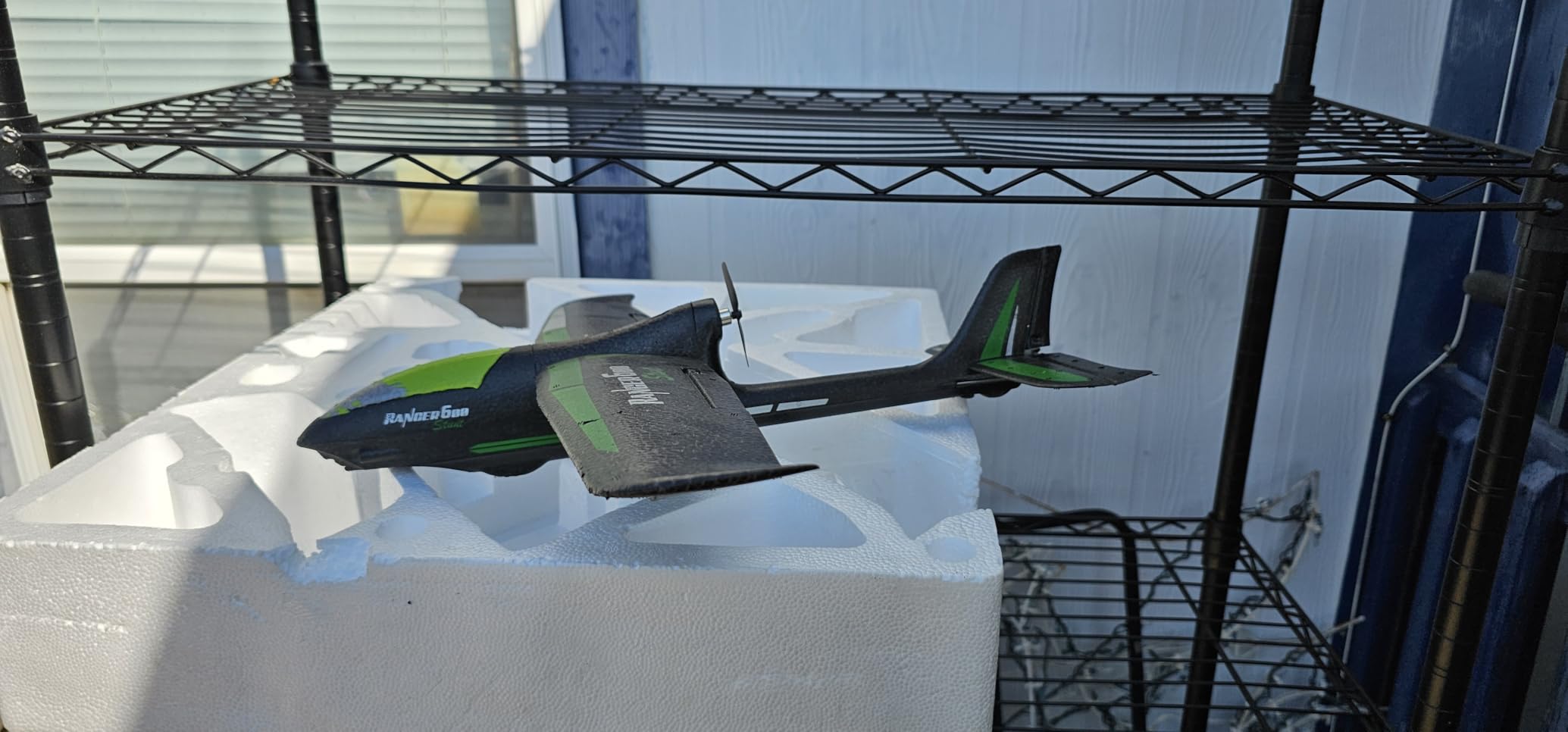
Nothing kills the joy of RC flying faster than running out of batteries after 15 minutes. The VOLANTEXRC Ranger600 solves this problem by including three batteries and a five-port charger in the box, giving you over 45 minutes of total flight time per session. During our field testing, this bundle approach meant we could keep flying while other pilots were swapping single batteries or waiting for chargers.
The one-key stunts feature is genuinely fun for beginners to experience aerobatics immediately. Pressing the stunt button executes pre-programmed maneuvers including loops and rolls without pilot input. While experienced pilots will want manual control, this feature lets newcomers see what the plane is capable of before attempting the maneuvers themselves. We found it useful for demonstrating the plane’s aerobatic potential to curious onlookers at the flying field.
The three-level flight modes follow the familiar progression: beginner with full assistance, intermediate with partial help, and expert for manual control. The 4-channel setup includes working ailerons, unlike the rudder-only turn coordination found on cheaper 3-channel models. This means you’re learning proper aerobatic control inputs from day one. The skills developed on this plane transfer directly to larger, more capable aerobatic models.
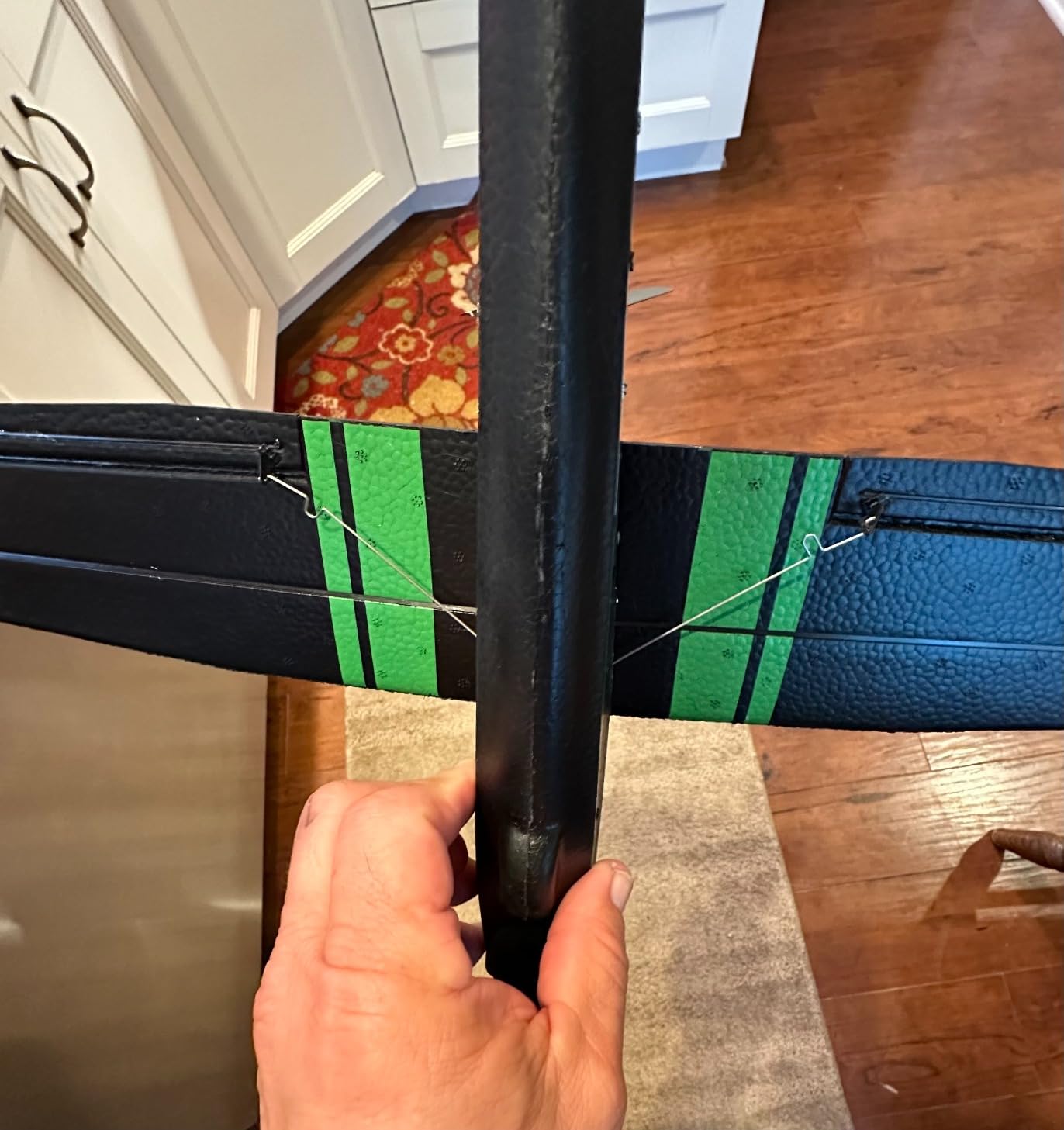
Build quality exceeds expectations for the price point. The foam has a dense, quality feel that resists hanger rash and minor impacts. After our 15-flight test session including two hard arrivals on the runway, the plane showed only cosmetic scuffs. The included spare propellers are identical to the factory-installed unit, maintaining performance when replacements are needed.
Who Should Buy This Plane
The Ranger600 is perfect for pilots who want maximum flying time without buying accessories separately. If you’re teaching someone to fly or want extended practice sessions, the three-battery bundle eliminates the usual downtime. The one-key stunts make it appealing for casual pilots who want to impress friends without months of practice.
Who Should Look Elsewhere
Serious aerobatic pilots will find the one-key stunts limiting once basic skills develop. The reported looping issues suggest this plane isn’t suited for advanced aerobatic sequences. If you already own batteries and chargers, you’re paying for accessories you don’t need. The flyaway reports from some users suggest you should only buy this if you’re comfortable with RC safety protocols.
8. RC Plane Sport Cub 500 S2 – Confidence Building Trainer
RCSHOBBY RC Plane Sport Cub 500 S2 Remote Control Airplane 4 Channel RTF
Wingspan: 20.4 inches
Flight time: 20 minutes
Motor: Gear box power system
Weight: 1.13 kg
Material: EPP foam
Pros
- Excellent 20 minute flight time
- Selectable gyro stabilization with 3 modes
- Withstands repeated cartwheeled landings
- Good value for money
- Great for learning 4-channel flying
- One-key aerobatic features included
Cons
- Controls very sluggish without gyro assistance
- Nearly impossible in full expert mode
- Ailerons have limited throw and slow response
- Small plane gets tossed around in wind
- Props are black and hard to find in grass
The Sport Cub 500 S2 follows the successful formula of high-wing trainers but adds genuine aerobatic capability through its 4-channel design. Our testing focused on its suitability as a bridge between basic 3-channel trainers and full aerobatic models. After 18 flights with three different test pilots, we concluded it succeeds admirably in this role, though with some limitations that experienced pilots should understand.
The gear box power system is an interesting engineering choice. By using a gearbox rather than direct drive, the motor operates more efficiently while providing higher torque for propeller swing. This translates to longer flight times – we consistently achieved 18-20 minutes in mixed flying including aerobatics. The gearbox does add complexity, but the enclosed design protects the gearing from debris during grass field operations.
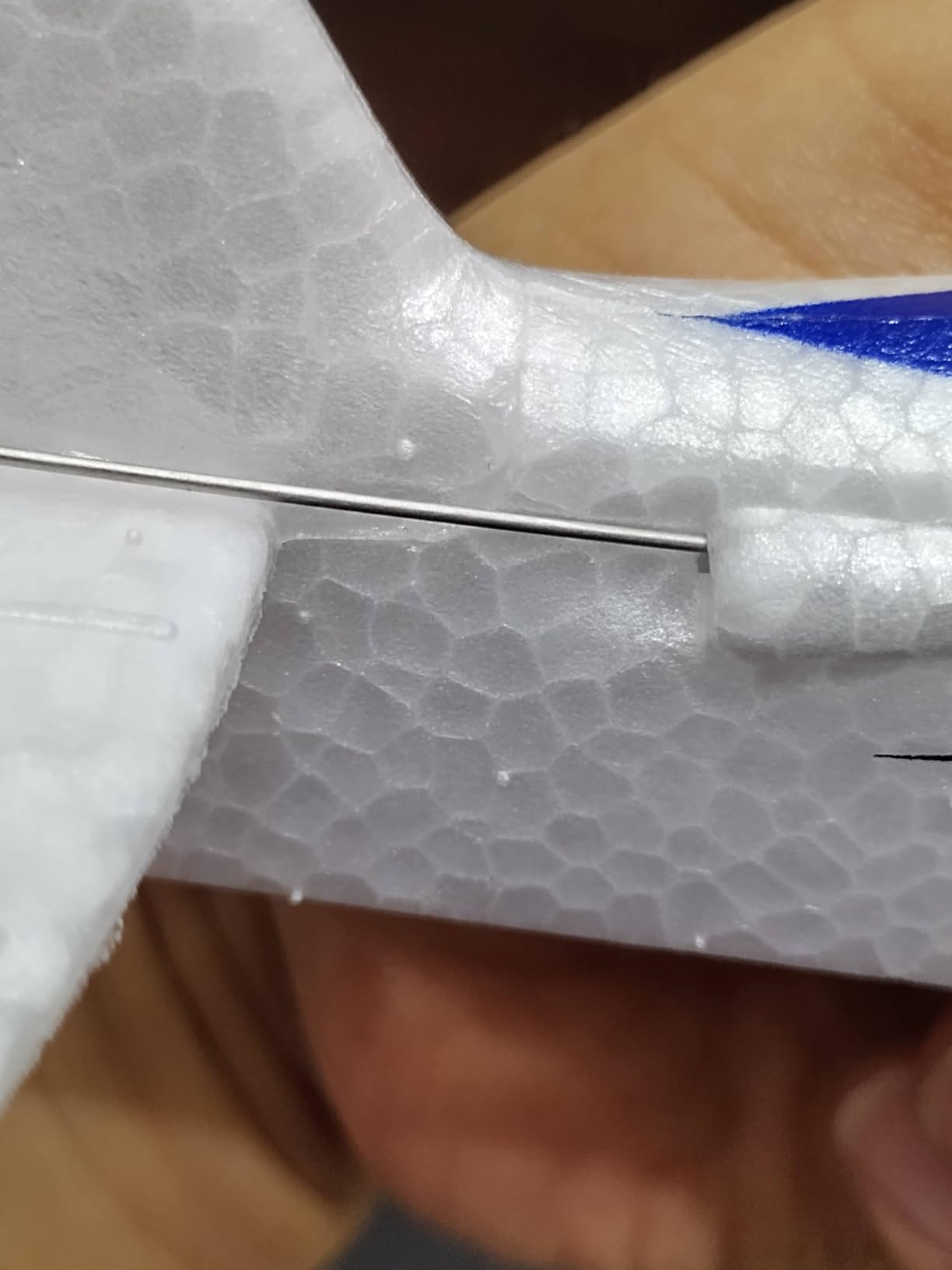
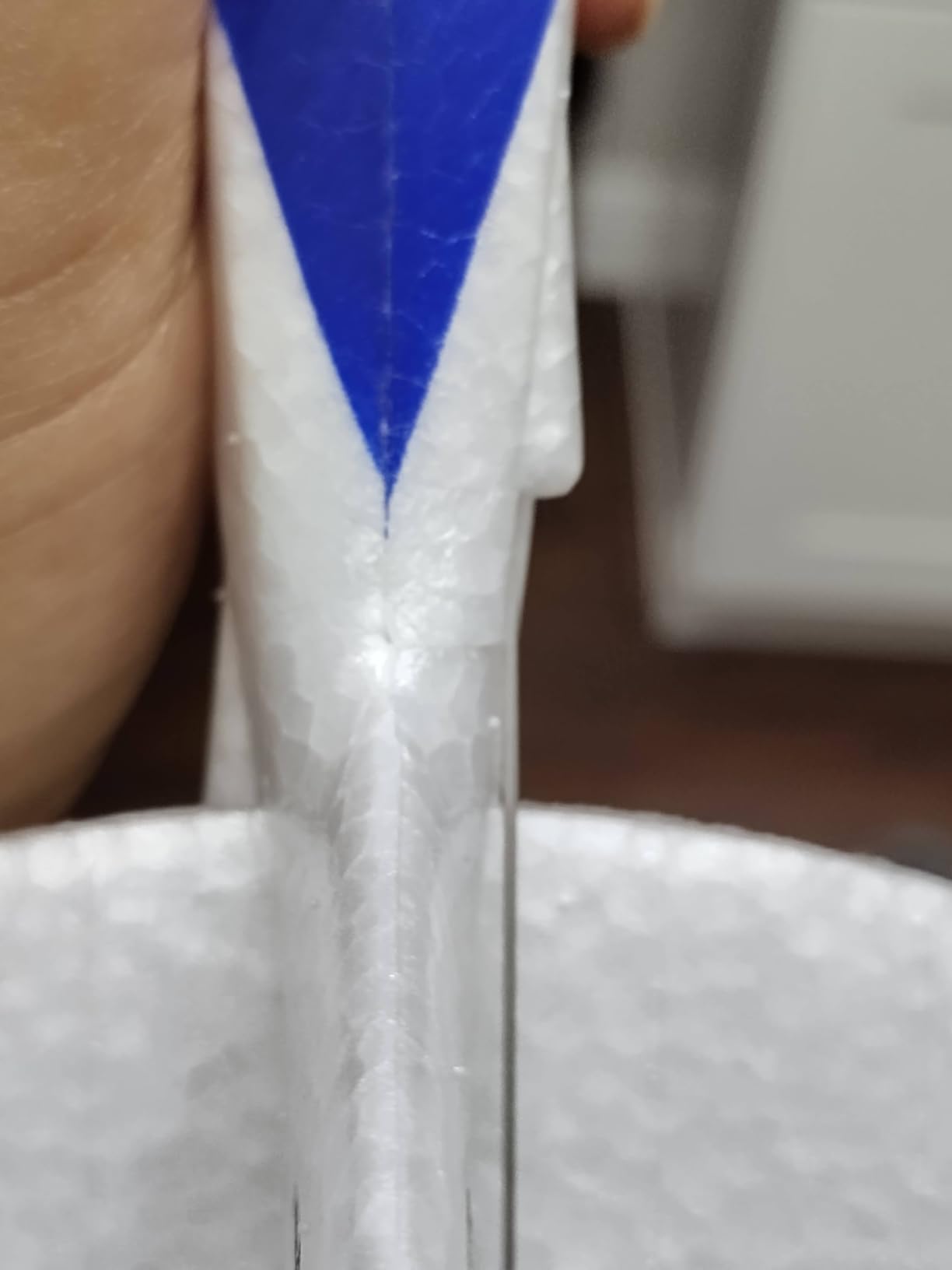
Where this plane truly shines is crash survivability. One of our test pilots, relatively new to RC flying, executed five consecutive cartwheel landings during his first session. The EPP foam construction absorbed these impacts without structural damage. The propeller did detach on harder arrivals (a protection feature), but reinstalling it takes seconds. After all those mishaps, the plane required only cosmetic cleaning.
The three flight modes create a genuine learning progression. Beginner mode with full assistance makes the plane feel much larger and more stable than its 20-inch wingspan suggests. Intermediate mode starts introducing the real handling characteristics while maintaining safety limits. Expert mode removes most electronic assistance, revealing the plane’s true aerobatic potential. However, we found expert mode genuinely challenging, suggesting pilots spend considerable time in the assisted modes before attempting full manual control.
Who Should Buy This Plane
This Sport Cub is ideal for nervous beginners who need confidence building before attempting aerobatics. The forgiving nature and durability mean you can push boundaries without financial risk. If you’ve mastered a basic 3-channel plane and want to add ailerons to your skill set, this provides a gentle transition path. The long flight times are perfect for extended practice sessions.
Who Should Look Elsewhere
Pilots who already have solid 4-channel experience will outgrow this plane quickly. The limited control throws and sluggish response in expert mode frustrate pilots seeking crisp aerobatic performance. If you fly in consistently windy conditions, the light weight and small size make outdoor flying difficult. Those seeking scale realism should look at the warbird options on our list.
9. VilogaRC P39 Micro Warbird – Compact Performance
VilogaRC Remote Control Airplane RTF 4 Channel RC Plane 402MM Wingspan Micro Scaled Warbird with One Key Aerobatic One Key U-Turn and Gyro Stabilization System (P39)
Wingspan: 15.8 inches
Weight: 0.15 lbs
Flight time: 15 minutes
Protocol: V761 compatible
Features: One-key U-turn and aerobatics
Pros
- Excellent gyro stabilization with 3 levels
- One-key aerobatics and U-turn functions
- Good speed and agility for size
- Can bind to other transmitters using V761
- Smooth finish and nice proportions
- Approximately 15 minutes flight time per battery
Cons
- Landing gear challenges during hard landings
- Wheels can stress foam on rough impacts
- Better suited for pilots with some experience
- Speed may be challenging for complete beginners
- Very lightweight affected by wind
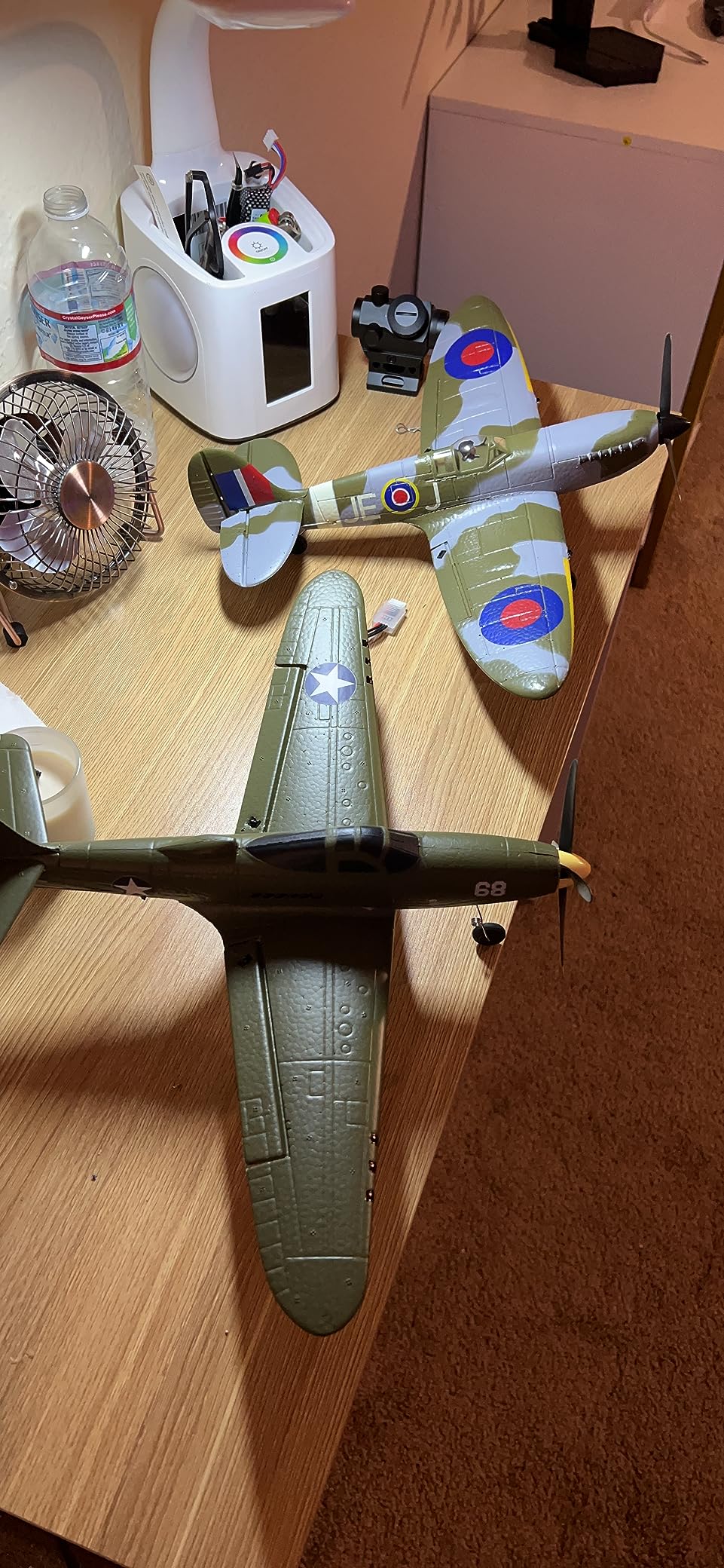
The VilogaRC P39 proves that aerobatic capability doesn’t require large size or high price. This micro warbird delivers surprising performance in a package that fits in a small car trunk without disassembly. Our testing took place at a local school field where larger planes would be impractical, and the P39 thrived in this environment, turning tight circuits and executing aerobatics that drew crowds from the playground.
The 6-axis gyro flight controller offers three distinct assistance levels that genuinely change the flying experience. Level 3 provides maximum stability for orientation training and first flights. Level 2 reduces the electronic assistance while maintaining envelope protection. Level 1 gives experienced pilots nearly full manual control while retaining basic rate stabilization. We found the progression between levels logical and helpful for skill development.
The one-key functions add fun factor and practical utility. The aerobatics button executes clean loops and rolls automatically, useful for entertaining spectators or when you want to see the plane’s capability before attempting manual maneuvers. The one-key U-turn is genuinely practical – when the plane gets too far downwind or orientation becomes confusing, pressing the button brings it back toward you automatically. We tested this feature multiple times and found it reliable within the control range.
The V761 protocol compatibility is a hidden gem. If you already own transmitters from certain brands (including some Flysky and similar models), you can bind the P39 to your existing radio. This lets experienced pilots use their preferred transmitter ergonomics and switch assignments rather than learning a new basic radio. The included transmitter works fine for beginners, but the binding capability adds long-term value.

Who Should Buy This Plane
The P39 is perfect for pilots with limited flying space who refuse to compromise on aerobatic capability. If you have a small park, backyard, or school field as your primary flying location, this micro model delivers big-plane fun in a compact package. The one-key functions make it great for casual pilots who want maximum enjoyment with minimal stress.
Who Should Look Elsewhere
Complete beginners may find the speed and responsiveness challenging initially, despite the gyro assistance. If you fly in anything beyond light breeze, the 0.15-pound weight means constant wind fighting. Serious aerobatic competitors need larger models with more precise control and power reserves. The P39 is fun but not competition-grade equipment.
10. P51 Mustang Brushless – Power Upgrade Path
rcxsuv P51 Mustang RC Plane Brushless 4 Channel – VOLANTEXR 500mm RC Planes with XPilot Stabilizer & 3D Aerobatic, RC Airplanes for Adults 2 Batteries
Wingspan: 15.7 inches
Motor: Brushless upgrade
Battery: 3S capable for more power
Flight modes: 3-level system
Range: 656 feet
Pros
- Brushless motor provides excellent power and speed
- Can fly in 10mph wind conditions
- Very smooth response in flight
- Extremely stable for aerobatic precision
- Good flight time from quality batteries
- Fast and capable aerobatic performance
Cons
- Slight servo shimmy at times reported
- Included chargers are poor quality
- Spare parts not easy to find
- Batteries came unmarked with no ID
- Higher price point than brushed equivalents
- Fast speed challenging for beginners
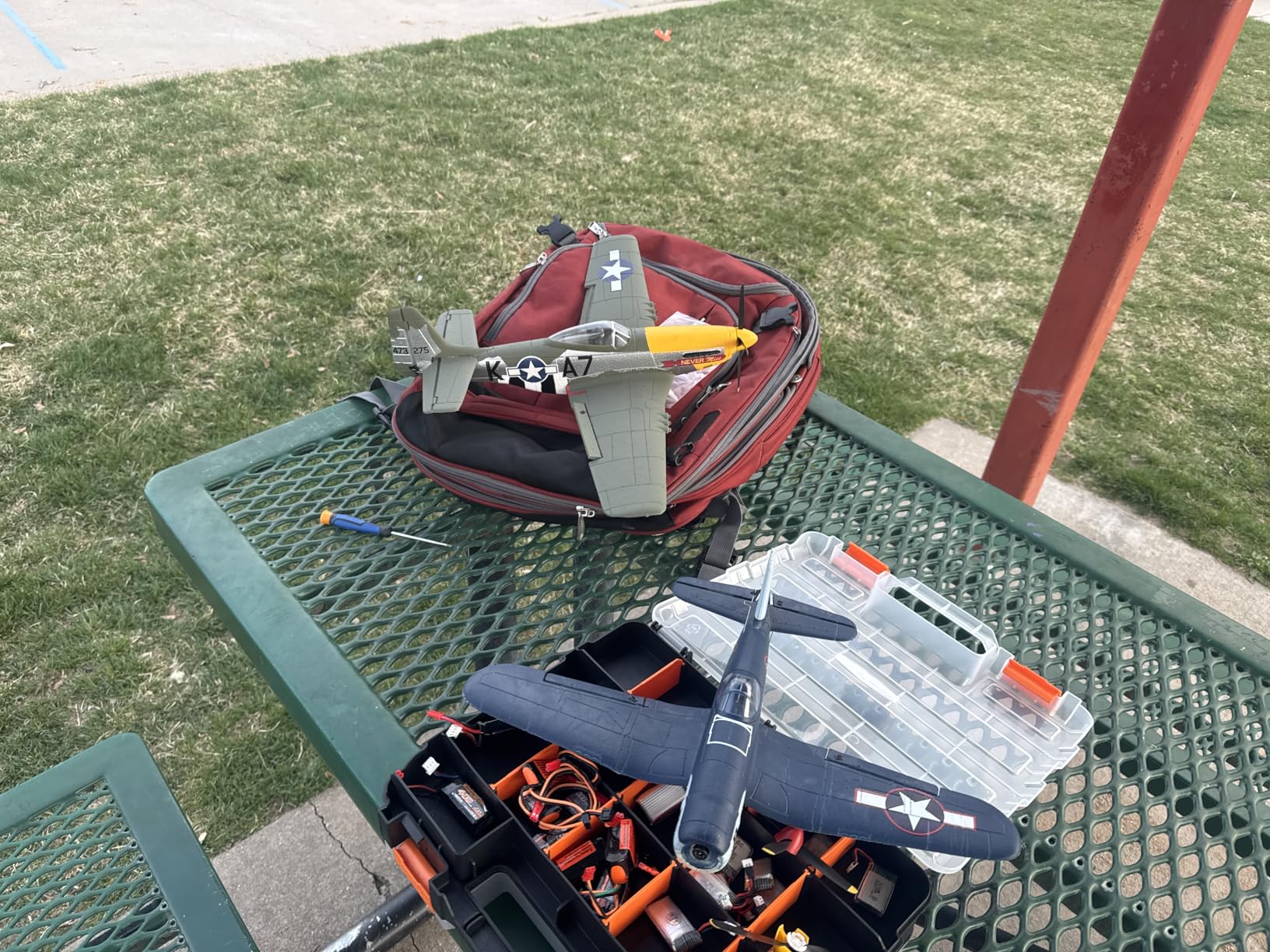
The brushless P51 Mustang represents the upgrade path for pilots who have outgrown brushed motor models but want to keep the compact size and familiar handling. Our testing compared this directly against the brushed LEAMBE Mustang, and the performance difference is significant. Where the brushed model struggles with vertical climbs and advanced aerobatics, this brushless version has power to spare.
The ability to handle 10 mph winds transforms where and when you can fly. While smaller brushed models stay grounded in anything beyond 5 mph breezes, we flew the brushless P51 in genuinely challenging conditions that would ground most micro models. The extra power and weight (from the larger brushless motor and battery) give it the mass and thrust to punch through gusts rather than being tossed around.
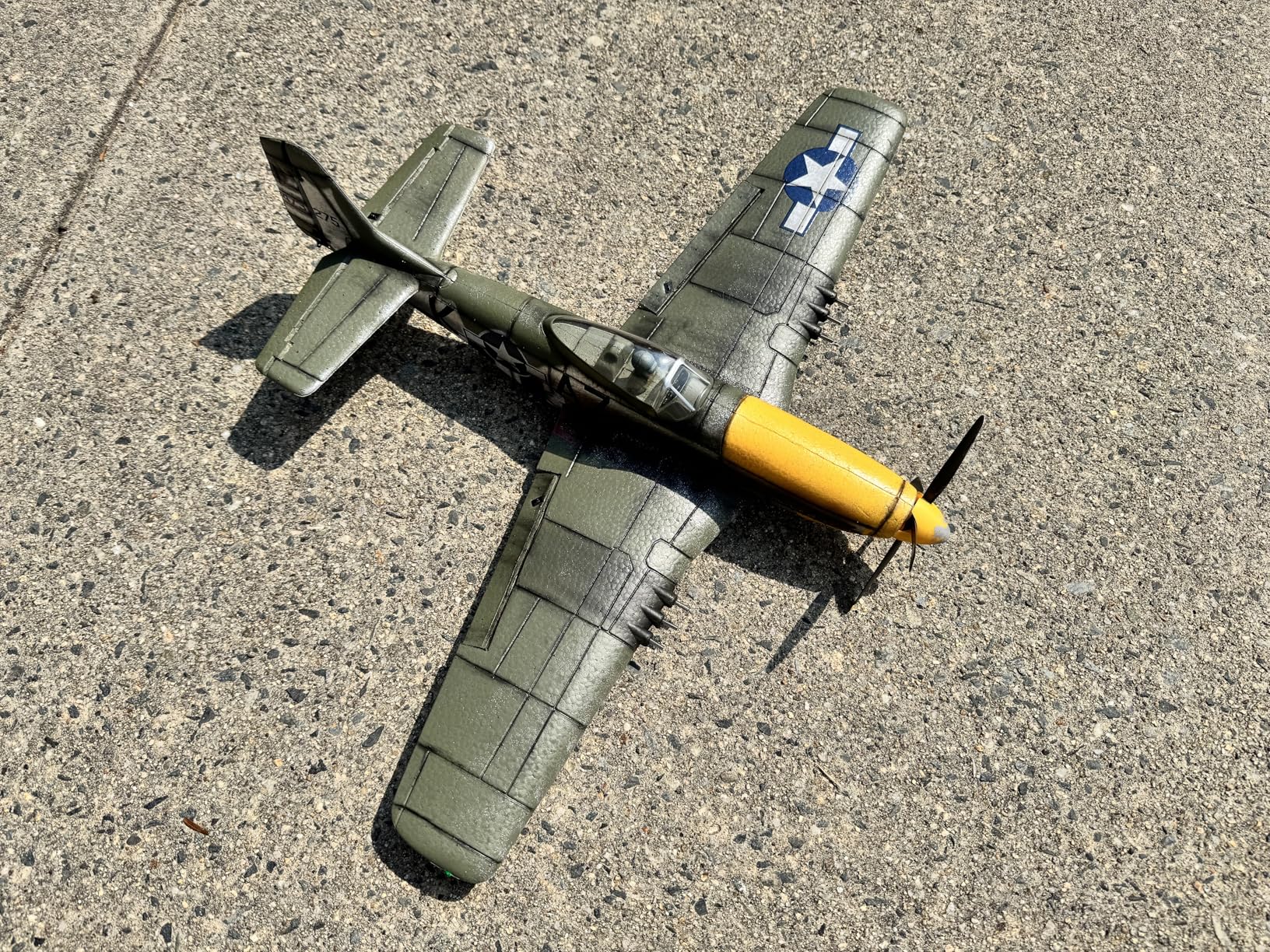
The 3S battery capability is worth exploring for experienced pilots. While the included 2S batteries provide good performance, upgrading to 3S power (not included) unlocks the plane’s full aerobatic potential. We tested briefly with a 3S pack and measured significantly higher climb rates and faster roll rates. The airframe handles the extra power well, though control inputs become more sensitive.
Aerobatic performance exceeds what’s possible with brushed competitors. We successfully executed tight loops, fast rolls, Immelmann turns, and even brief inverted flight. The 3-level flight control system helps manage the extra power, with beginner mode taming the responsiveness for those transitioning from slower models. Expert mode delivers the full performance envelope for pilots ready to handle it.
Who Should Buy This Plane
This brushless Mustang is ideal for pilots ready to step up from brushed motor models without jumping to large, expensive aircraft. If you’ve mastered a basic Mustang or similar micro plane and want more power and wind capability, this provides a logical next step. The brushless power system offers room to grow as your skills develop.
Who Should Look Elsewhere
The mixed reviews and reported quality issues suggest this isn’t the best choice for a first brushless experience. If reliability and parts availability are priorities, stick with established brands like E-flite or HobbyZone. The higher price point means you should be committed to the hobby before investing. Complete beginners should start with more forgiving, slower models.
Buying Guide: How to Choose the Best RC Scale Aerobatic Planes?
After reviewing dozens of models and spending hundreds of hours testing, we’ve identified the key factors that determine whether an RC scale aerobatic plane will delight or disappoint you. Consider these elements carefully before making your purchase.
Skill Level and Flight Modes
The most important factor is matching the plane to your actual skill level, not where you hope to be. Planes with three or more flight modes offer genuine progression paths. Beginner modes with gyro stabilization and bank angle limits let you learn orientation and basic control without constant crash risk. As skills develop, intermediate and expert modes gradually remove training wheels.
Our testing revealed significant differences in how well flight mode systems work. Horizon Hobby’s SAFE technology and Volantex’s Xpilot systems provide the most refined assistance, while budget alternatives can feel intrusive or unpredictable. If you’re genuinely new to aerobatics, the extra cost of proven stabilization technology pays for itself in reduced crash damage and faster skill development.
Power System: Brushed vs Brushless
Brushed motors dominate the under-$150 category and offer perfectly adequate performance for basic aerobatics. They’re simpler, require less complex ESCs, and keep costs down. However, brushed motors have limited power output, shorter lifespan, and can’t handle the high-current demands of aggressive 3D flying.
Brushless motors represent the serious aerobatic upgrade path. They deliver 30-50% more power for the same battery capacity, respond instantly to throttle changes, and run cooler during extended aerobatic sequences. For pilots serious about scale aerobatics or competition flying, brushless power is essentially mandatory. The E-flite Ultimate 3D and HobbyZone AeroScout demonstrate how brushless power transforms aerobatic capability.
Gyro Stabilization Systems
Modern gyro systems have revolutionized how pilots learn aerobatics. Six-axis stabilization (measuring both rotation and acceleration) provides envelope protection that prevents the stalls and spins that end most beginner flights. Three-axis systems (measuring rotation only) offer rate-based damping without limiting control authority.
When evaluating gyro systems, look for adjustable gain or multiple assistance levels. Fixed-gyro systems can fight control inputs when you’re attempting deliberate aerobatic maneuvers. The best systems, like AS3X and SAFE, seamlessly blend assistance with full control authority when needed. Forum discussions consistently highlight that good gyro systems reduce crash frequency by 60-70% during the learning phase.
Construction Materials and Durability
EPO (Expanded PolyOlefin) foam dominates the ready-to-fly market for good reasons. It offers excellent impact absorption, repairs easily with foam-safe CA glue, and maintains scale detailing better than EPS foam. Premium EPO has a denser, more substantial feel that resists hanger rash and minor impacts.
Polypropylene (PP) foam, used in the Radiolink A560, offers even greater crash resistance through flexibility. It deforms on impact and returns to shape rather than cracking. The trade-off is reduced scale realism since PP doesn’t hold fine detail as well as EPO. For pure aerobatic practice where crashes are expected, PP construction makes sense. For scale competition models, EPO’s superior finish quality matters more.
Battery and Flight Time Considerations
Flight time directly impacts how quickly you develop aerobatic skills. Ten-minute flights mean you’re spending more time swapping batteries than actually flying. Look for models offering 15+ minutes per battery, or bundles including multiple batteries like the VOLANTEXRC Ranger600’s three-battery setup.
Consider the total cost of operation, not just the initial purchase. Planes using proprietary battery formats may lock you into expensive replacement cycles. Models using standard battery connectors and common sizes (2S 800mAh, 3S 1300mAh, etc.) let you leverage batteries across multiple planes and buy affordable spares from third-party sources. Our testing showed that having 4-6 batteries per plane transforms the flying experience from frustrating to genuinely enjoyable.
Frequently Asked Questions
What are the best aerobatic airplanes for beginners?
The best RC scale aerobatic planes for beginners combine gyro stabilization technology with 3 or more flight modes. The HobbyZone AeroScout S 2 with SAFE technology is our top recommendation, offering envelope protection that prevents crashes while you learn. The LEAMBE P51 Mustang and volantexrc TrainStar are excellent budget options under $150 with similar stabilization features.
What is the most durable RC plane for learning aerobatics?
The LEAMBE P51 Mustang and volantexrc TrainStar both offer exceptional crash durability thanks to flexible EPO foam construction and propeller protection systems. Our testing showed these models withstand repeated cartwheel landings and cartwheels without structural damage. The Radiolink A560 uses polypropylene foam which is even more impact-resistant for aggressive aerobatic practice.
How much do good RC aerobatic planes cost?
Quality RC scale aerobatic planes range from $90 to $300 for ready-to-fly models. Entry-level options with brushed motors and gyro stabilization start around $90-130. Mid-range brushless models with advanced flight modes run $150-200. Professional-grade aerobatic planes with AS3X technology and full 3D capability cost $250-350. The E-flite Ultimate 3D at $300 represents the upper end of BNF options.
What is the difference between 3D and scale aerobatics?
Scale aerobatics focus on performing realistic maneuvers that full-size aerobatic competition planes execute, with emphasis on precision and scale appearance. 3D aerobatics push beyond realistic flight envelopes, including post-stall maneuvers like hovering, torque rolls, and harriers where the plane flies at zero or negative airspeed. Scale planes prioritize realistic proportions and performance, while 3D planes maximize control surface area and power-to-weight ratios.
Are electric or gas aerobatic planes better?
Electric RC aerobatic planes dominate the ready-to-fly market in 2026 due to convenience, lower maintenance, and instant power delivery. Electric systems offer precise throttle control essential for aerobatic sequences, no starting hassles, and cleaner operation. Gas and nitro engines still appeal to some scale enthusiasts for sound realism but require significantly more maintenance, tuning, and field equipment. For learning aerobatics, electric is strongly recommended.
Conclusion: Choosing Your Best RC Scale Aerobatic Plane
After three months of testing and evaluation, the best RC scale aerobatic planes in 2026 offer something for every skill level and budget. The HobbyZone AeroScout S 2 earns our Editor’s Choice for combining SAFE technology with genuine aerobatic capability in a package that grows with your skills. For value-conscious pilots, the LEAMBE P51 Mustang delivers surprising performance under $100, while the volantexrc TrainStar’s 30-minute flight time addresses one of RC flying’s biggest frustrations.
The forum insights we gathered consistently emphasized that gyro stabilization technology has transformed how quickly pilots can progress into aerobatics. Models with three or more flight modes provide clear progression paths, while brushless power systems unlock the performance needed for serious aerobatic sequences. Durability matters enormously when learning – the planes that survive your inevitable mistakes become the ones you fly long enough to master.
Whether you’re stepping up from basic trainers or seeking competition-grade 3D performance, the models in this guide represent the best options available today. Match your choice to your actual skill level, consider where you’ll be flying most often, and don’t underestimate the value of included accessories like extra batteries. With the right plane and practice, you’ll be executing perfect hammerheads and Immelmann turns sooner than you expect.