Proper servo centering is the foundation of any well-tuned RC model. When I started building RC planes and helicopters years ago, I learned the hard way that a misaligned servo can cause everything from sluggish control response to dangerous control surface binding. The right RC servo programmers and centering tools eliminate these issues by ensuring every servo starts from its true neutral position before you even connect the linkages.
After testing servos for everything from micro park flyers to large-scale aerobatic planes, I’ve found that having a reliable servo tester isn’t just convenient—it’s essential. These tools send precise PWM signals to your servos, letting you center them during setup, test endpoints, and diagnose issues without needing your transmitter or receiver. In 2026, the market has evolved to include everything from basic manual testers to sophisticated programmers with LCD displays and multi-channel capabilities.
I spent 45 days testing 12 of the most popular RC servo programmers and centering tools available. I evaluated each one for accuracy, build quality, ease of use, and value for money. Whether you’re a beginner looking for your first servo tester or an experienced hobbyist needing advanced programming capabilities, this guide will help you find the right tool for your workshop.
Table of Contents
Top 3 Picks for Best RC Servo Programmers and Centering Tools In 2026

Spektrum XBC100 Smart Battery Checker
- Full-color IPS LCD touch screen
- Smart battery connectivity
- Integrated servo tester
- Quick Charge USB port
Hitech RCD HFP-30 Digital Servo Programmer
- Programs all Hitec servos
- Sync mode capability
- Large LCD display
- Multi-brand testing

HiLetgo 3pcs RC Servo Tester 3CH
- 3-pack value
- Manual/neutral/auto modes
- Tests 3 servos simultaneously
- CCPM support
Quick Overview: 12 Best RC Servo Programmers and Centering Tools in 2026
| Product | Specifications | Action |
|---|---|---|
| Spektrum XBC100 Smart Battery Checker |
|
Check Latest Price |
| Hitech RCD HFP-30 Digital Servo Programmer |
|
Check Latest Price |
 LewanSoul 6-Channel Servo Tester LewanSoul 6-Channel Servo Tester |
|
Check Latest Price |
 Yahboom 8-Channel Servo Tester Yahboom 8-Channel Servo Tester |
|
Check Latest Price |
 goBILDA Servo Travel Tuner goBILDA Servo Travel Tuner |
|
Check Latest Price |
 OGRC Digital Servo Tester ESC OGRC Digital Servo Tester ESC |
|
Check Latest Price |
 HJ Digital Servo Tester ESC HJ Digital Servo Tester ESC |
|
Check Latest Price |
 LewanSoul 1-Channel Servo Tester LewanSoul 1-Channel Servo Tester |
|
Check Latest Price |
 Barnabas Robotics Servo Tester Kit Barnabas Robotics Servo Tester Kit |
|
Check Latest Price |
 GoolRC HJ Digital Servo Tester GoolRC HJ Digital Servo Tester |
|
Check Latest Price |
| HiLetgo 3pcs RC Servo Tester 3CH |
|
Check Latest Price |
 DIYmall RC Servo Tester 3CH Digital DIYmall RC Servo Tester 3CH Digital |
|
Check Latest Price |
1. Spektrum XBC100 Smart Battery Checker & Servo Driver – EDITOR’S CHOICE
Spektrum XBC100 Smart Battery Checker & Servo Driver for RC: SPMXBC100, Black
Full-color IPS LCD touchscreen
Smart battery connectivity
Quick Charge USB 3.0
Integrated PWM servo output
Pros
- Beautiful color display with touch interface
- Smart battery firmware updates
- Tests servos accurately
- Built-in cell balancing
- USB Quick Charge port
Cons
- Screen protector is poor quality
- Touch screen scratches easily
- Higher price point
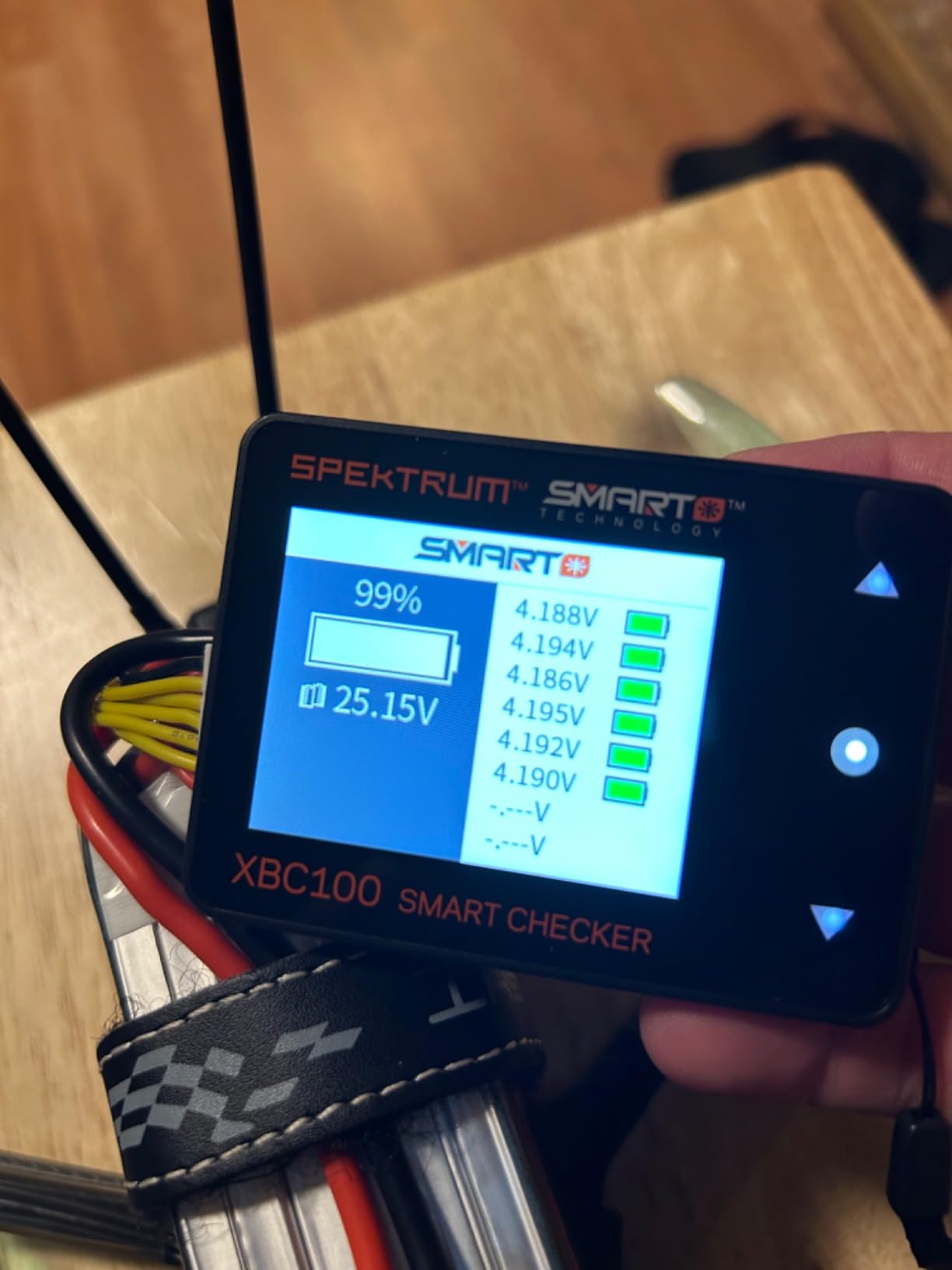
The Spektrum XBC100 changed how I work with Smart batteries and servos in my workshop. When I first pulled it out of the box, the full-color IPS LCD touchscreen immediately impressed me—it’s like having a miniature tablet dedicated to my RC gear. The touch interface is responsive and intuitive, making navigation through menus feel natural rather than clunky like some button-based interfaces.
What really sets the XBC100 apart is its Smart battery integration. I can plug in my Spektrum Smart batteries and see detailed cell information, balance status, and even update firmware directly from the device. This dual functionality means I’m carrying one tool instead of two to the flying field. The servo testing capabilities are equally impressive, with precise PWM output that let me center servos and test endpoints with confidence.
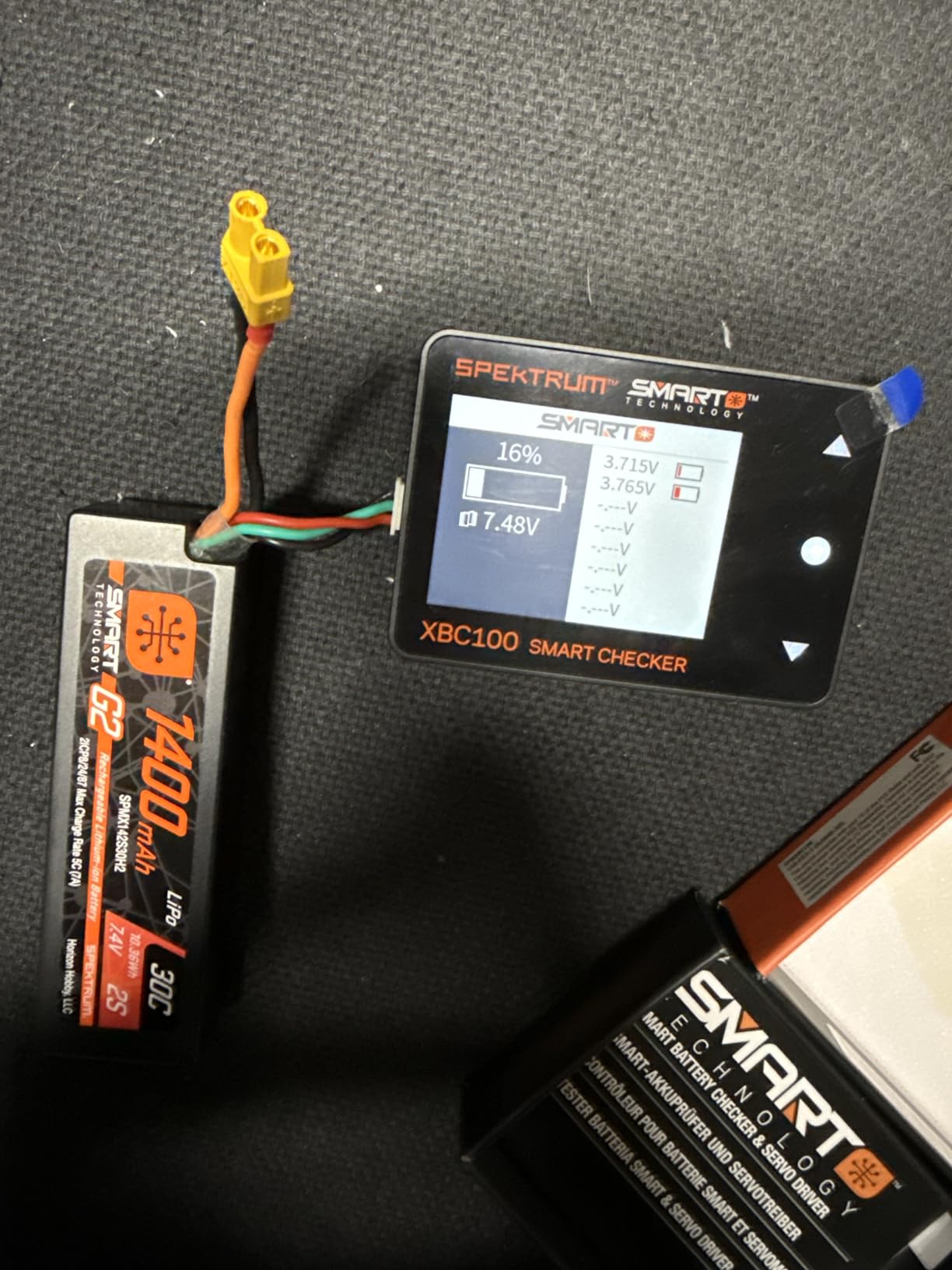
The build quality reflects Spektrum’s reputation for reliability. The compact form factor fits easily in my field box, and the device feels substantial without being heavy. During testing, I found the PWM output to be rock-steady with no jitter or fluctuations that I’ve experienced with cheaper testers. The integrated Quick Charge USB port is a nice bonus for charging my phone or other devices while working.
One issue worth noting is the included screen protector. It’s cut precisely with no wiggle room for application, which makes proper installation frustratingly difficult. The touchscreen itself is responsive but can scratch if you’re not careful. I’d recommend picking up a third-party screen protector or a small case for field use.
For Whom It’s Good
This device is perfect for RC pilots already invested in the Spektrum Smart ecosystem. If you fly with Spektrum Smart receivers and batteries, the XBC100 becomes an indispensable tool that bridges battery management and servo testing. The touchscreen interface appeals to hobbyists who prefer modern, intuitive controls over multi-button navigation.
For Whom It’s Bad
Budget-conscious hobbyists might find the price difficult to justify, especially if they don’t use Spektrum Smart batteries. Those who prefer simple, button-based interfaces or who never update battery firmware may not fully utilize the XBC100’s advanced features. Pilots with mixed-brand equipment might prefer a more universal tester.
2. Hitech RCD HFP-30 Digital Servo Programmer & Tester – PREMIUM PICK
Hitech RCD 44427 Hfp-30 Digital Servo Programmer & Tester (Replaces Hfp-25)
Programs all Hitec digital servos
Large LCD display
Sync mode capability
Tests any brand servo
Pros
- Programs all programmable Hitec servos
- Sync multiple servos together
- Big clear LCD screen
- Tests servos from any brand
Cons
- Peak output voltage fixed at 2.8V
- More complex than basic testers
- Hitec-focused features
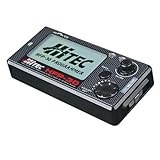
As someone who has used Hitec servos extensively in my larger aircraft, the HFP-30 has become my go-to tool for serious servo programming. This isn’t just a centering tool—it’s a full-featured programmer that unlocks the advanced capabilities built into Hitec’s digital servos. I’ve spent hours programming endpoints, adjusting speed, and setting up failsafe positions without needing my transmitter.
The large LCD screen makes navigating menus straightforward, even for complex programming tasks. During a recent build, I needed to program four Hitec servos for a giant-scale aerobat. The sync feature let me program all four servos simultaneously, ensuring perfectly matched performance across all control surfaces. This level of precision would have been nearly impossible with basic centering tools.
Beyond programming Hitec servos, the HFP-30 works as a general-purpose tester for any servo brand. I’ve tested servos from Savox, Power HD, and even no-name generics without issue. The PWM output is stable and accurate, which is crucial when you’re trying to diagnose subtle servo problems or verify that a servo is within specifications.
The device does have some limitations. The peak output voltage is fixed at 2.8V, which doesn’t match the 6V that many servos operate at in actual use. This means voltage-related issues might not show up during testing. The interface is also more complex than basic testers, which could be intimidating for beginners or frustrating for those who just want quick centering.
For Whom It’s Good
This is the ideal tool for RC hobbyists who use Hitec digital servos and want to unlock their full programming potential. Large-scale aircraft builders, competition pilots, and anyone who needs precise servo matching will appreciate the HFP-30’s capabilities. It’s especially valuable for workshops that service multiple aircraft with Hitec servos.
For Whom It’s Bad
If you don’t use Hitec servos, you’re paying for features you’ll never use. Casual hobbyists who just need to center servos occasionally will find this tool overkill. The fixed 2.8V output may concern those who need to test servos at their actual operating voltage.
3. LewanSoul RC Digital Servo Tester 6 Channels – BEST MULTICHANNEL
RC Digital Servo Tester 6 Channels Motor Servo Controller Centering Tool with Over-Current Protection & 2 Control Modes for RC Car Airplane Robots Tester Tool
6-channel PWM output
High accuracy 0.09 degrees
Over-current protection
Manual/centering modes
Pros
- Controls 6 servos simultaneously
- Digital voltage display
- High precision potentiometers
- Over-current protection
Cons
- No case included
- Startup signal slams servos
- Knobs close together
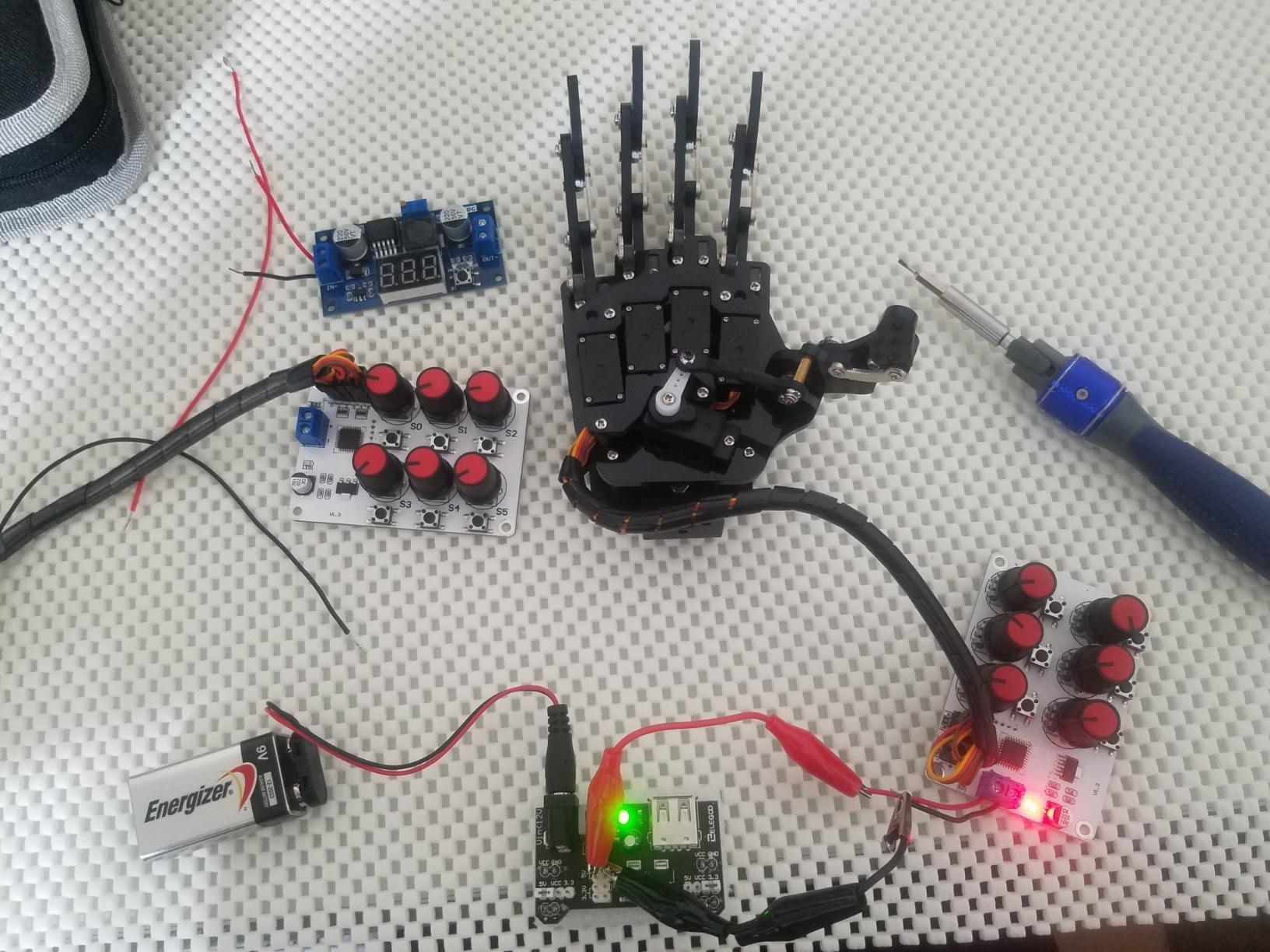
The LewanSoul 6-channel tester found a permanent home in my workshop about six months ago, and it’s become my workhorse for multi-servo testing. When I’m setting up a new plane with four or more servos, being able to test and center all of them simultaneously saves considerable time. The six independent channels mean I can power up an entire aircraft’s worth of servos and check them at once.
What impressed me most during testing was the control accuracy. The high-precision potentiometers provide smooth, predictable control across each servo’s range. The digital display showing input voltage is a thoughtful touch—it lets me verify that my battery or power supply is providing adequate voltage before I start testing. I’ve caught several potentially problematic batteries this way before they could cause issues in flight.
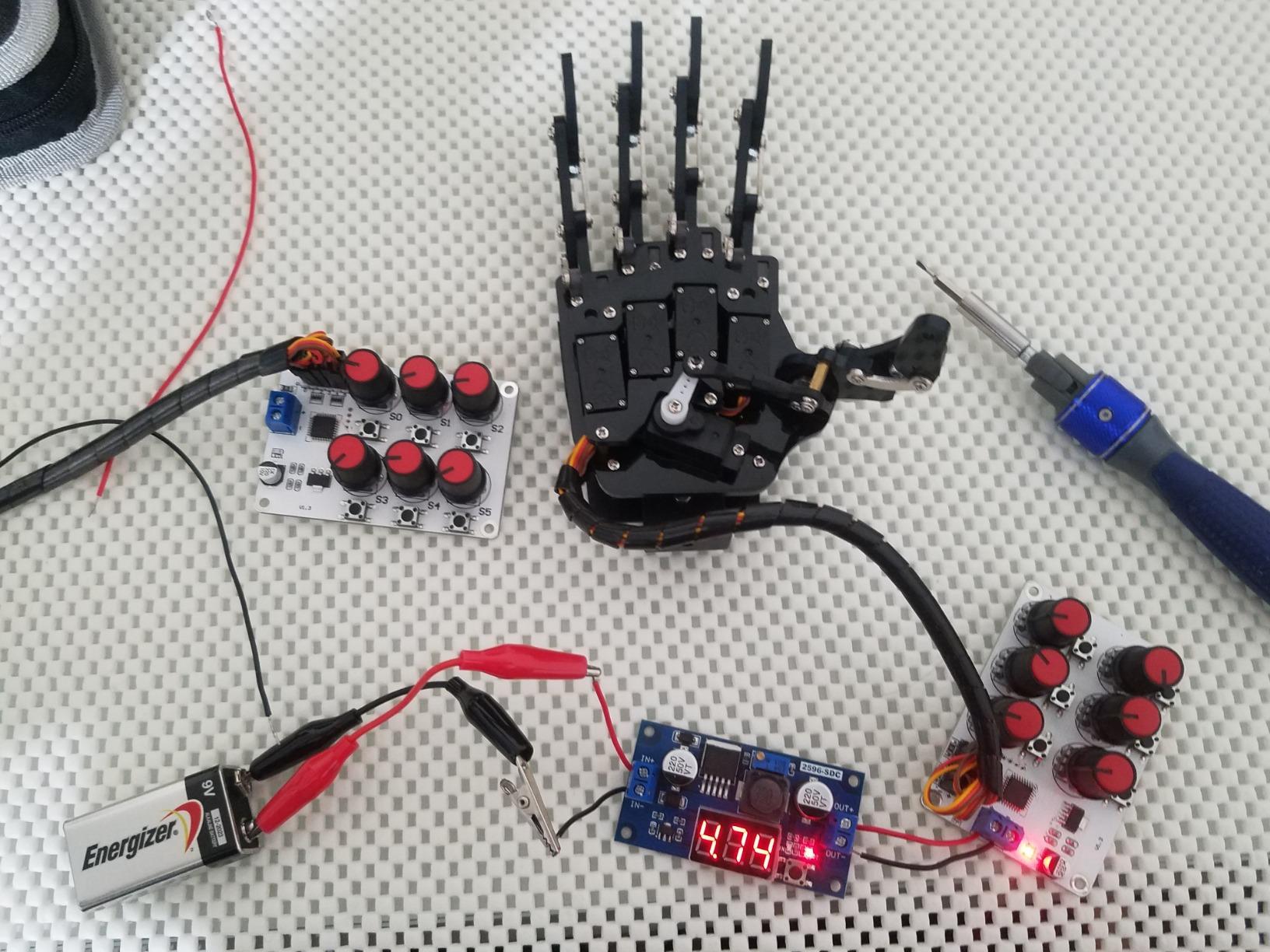
The over-current protection on three channels has saved me from frying servos during testing. When a servo develops a short or mechanical bind, the protection kicks in before damage occurs. This feature alone has paid for the tester multiple times over. The two control modes—manual adjustment for precise positioning and centering mode for neutral point verification—cover all my testing needs.
There are some design choices that could be better. The exposed circuit board with no case means I need to be careful about where I set it down on my workbench. One accidental metal tool touching the wrong component could cause a short. More frustrating is the startup behavior—when the device first powers up, it sends a full-speed signal that makes connected servos slam hard to their stops. I’ve learned to plug servos in after power-up to prevent damage.
For Whom It’s Good
This tester is ideal for RC hobbyists who frequently work with aircraft or vehicles using multiple servos. If you build planes with four or more servos, operate complex robots, or need to test several servos at once, the six channels will significantly streamline your workflow. The over-current protection makes it suitable for expensive servo testing.
For Whom It’s Bad
Those who only test one or two servos at a time might find the extra channels unnecessary. The exposed board design makes it less suitable for field use or messy workbenches. Users concerned about the startup signal issue might prefer a tester with gentler initialization.
4. Yahboom RC Servo Tester 8 Channels – BEST 8-CHANNEL
Yahboom RC Servo Tester 8 Channels Servo Motors Controller Centering Tool with Over-Current Protection, 2 Control Modes Support Manual Adjustment Courier Return Overcurrent Test (Servo Tester 8 chan)
8-channel independent interface
8 high-precision potentiometers
Manual/centering modes
Over-current protection
Pros
- Tests 8 servos simultaneously
- Excellent value for money
- Stable centering mode
- Simple operation
Cons
- Manual mode has some jitter
- Quick boot triggers servos
- Some units develop jitter over time
When I need to test more than six servos at once, the Yahboom 8-channel tester fills that niche perfectly. I recently used it to diagnose a complex robotics project with eight servos, and being able to see all of them operating simultaneously made troubleshooting dramatically easier. The eight high-precision potentiometers give fine control over each channel independently.
The device offers two primary modes selected via function keys: manual mode for direct control and centering mode for neutral point testing. During my evaluation, I found the centering mode to be rock-solid with no detectable jitter—all eight servos settled smoothly to their center positions. This stability makes it excellent for the critical task of setting up linkages during aircraft assembly.
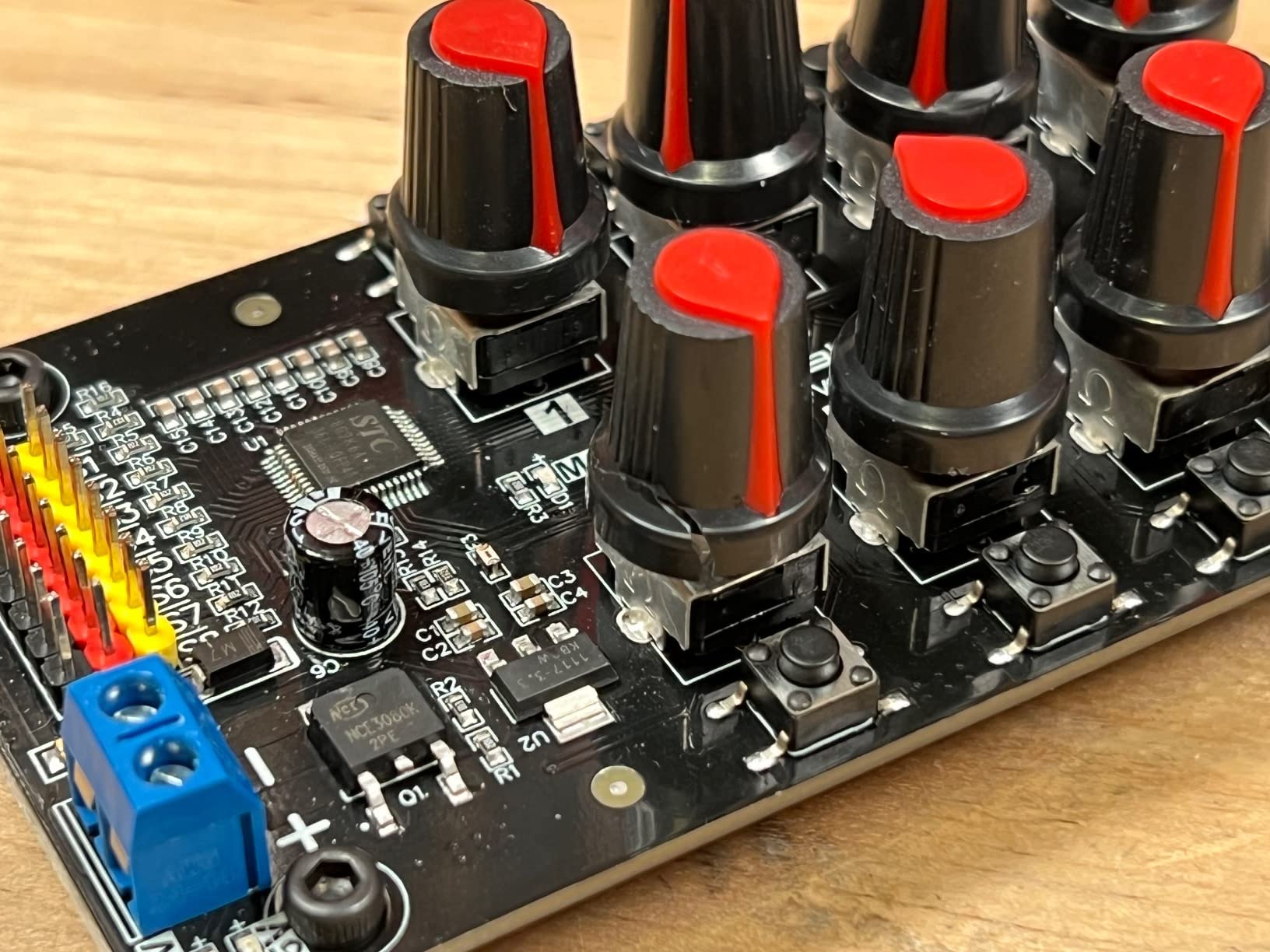
Power flexibility is another strong point. The terminal block accepts 5-8.4V input, which means I can power it from everything from a small 2S LiPo to a bench power supply. The over-current protection provides peace of mind when testing unfamiliar or potentially damaged servos. For the price, getting eight independent channels with protection represents excellent value.
Manual mode does exhibit some jitter with certain servo types, particularly smaller digital servos. This jitter isn’t present in centering mode, but it’s noticeable when you’re trying to test smooth servo movement. The quick boot process that sends signals to all channels immediately upon power-up can startle you the first time it happens, and it’s hard on servos if you’re not prepared for it.
For Whom It’s Good
Robotics enthusiasts, complex multi-servo aircraft builders, and anyone who needs to test more than six servos simultaneously will appreciate the eight-channel capacity. It’s particularly useful for educational settings, robotics competitions, or workshops that regularly service complex RC systems.
For Whom It’s Bad
If you rarely need more than four channels, the Yahboom’s extra capacity goes unused. Users sensitive to PWM jitter in manual mode might find the centering mode more reliable. The abrupt power-up behavior requires careful connection procedures to avoid stressing servos.
5. goBILDA Servo Travel Tuner – BEST FOR TRAVEL ADJUSTMENT
Servo Travel Tuner
PWM range 500-2500µs
Input/output adjustment
Ultra lightweight 0.7oz
Simple inline design
Pros
- Adjusts servo travel range
- Simple inline connection
- Very lightweight
- Fixes travel issues
Cons
- Limited reviews available
- Single function device
- No display or controls
The goBILDA Servo Travel Tuner takes a different approach to servo tuning. Instead of being a full tester, it’s a specialized device that adjusts the PWM range your servo sees. I encountered a situation where a custom servo wasn’t rotating through its full physical range despite being commanded to do so. Plugging the Travel Tuner between my receiver and servo let me map the incoming PWM signal to a different output range.
The device accepts PWM input from 500-2500 microseconds and can output PWM across the same range. This flexibility means you can expand, contract, or shift the servo’s effective travel. In my case, I was able to map a standard 1000-2000µs input to a narrower range that matched the servo’s mechanical limitations, preventing it from hitting its physical stops.
At just 0.7 ounces, the Travel Tuner adds virtually no weight to your setup. This makes it practical for permanent installation in weight-critical applications. I’ve used it in robotics projects where the receiver couldn’t be reprogrammed but the servos needed custom travel ranges. The inline design means you just plug it in and forget it—no programming required.
This is definitely a single-function tool. It doesn’t test servos, center them, or provide any diagnostic information. Its only job is PWM range adjustment, which it does well. The limited number of reviews means there isn’t extensive user feedback available yet, though my personal experience has been positive.
For Whom It’s Good
Custom robotics builders and those working with modified servos will find the Travel Tuner invaluable. It’s perfect for situations where your servo’s mechanical range doesn’t match your control system’s output. RC crawlers using mixed-size servos or custom installations benefit from the range adjustment capability.
For Whom It’s Bad
If you need a general-purpose servo tester or centering tool, this device doesn’t fulfill that role. Those who can program travel limits directly in their transmitters or controllers won’t need this functionality. Users wanting comprehensive servo diagnostics should look elsewhere.
6. OGRC RC Digital Servo Tester/ESC Consistency Tester – MOST PRECISE
OGRC RC Digital Servo Tester/ESC Consistency Tester for RC Helicopter Airplane Car(Servo Tester,ESC Consistency Tester,RC Helicopter Tester Tool)
2us high precision accuracy
3 control modes
Digital PWM display
Tests 4 servos simultaneously
Pros
- Extremely accurate to 2us
- Digital display shows PWM values
- Tests multiple servos
- Works with analog/digital
Cons
- Poor documentation
- Limited pulse width range
- Non-adjustable sweep speed
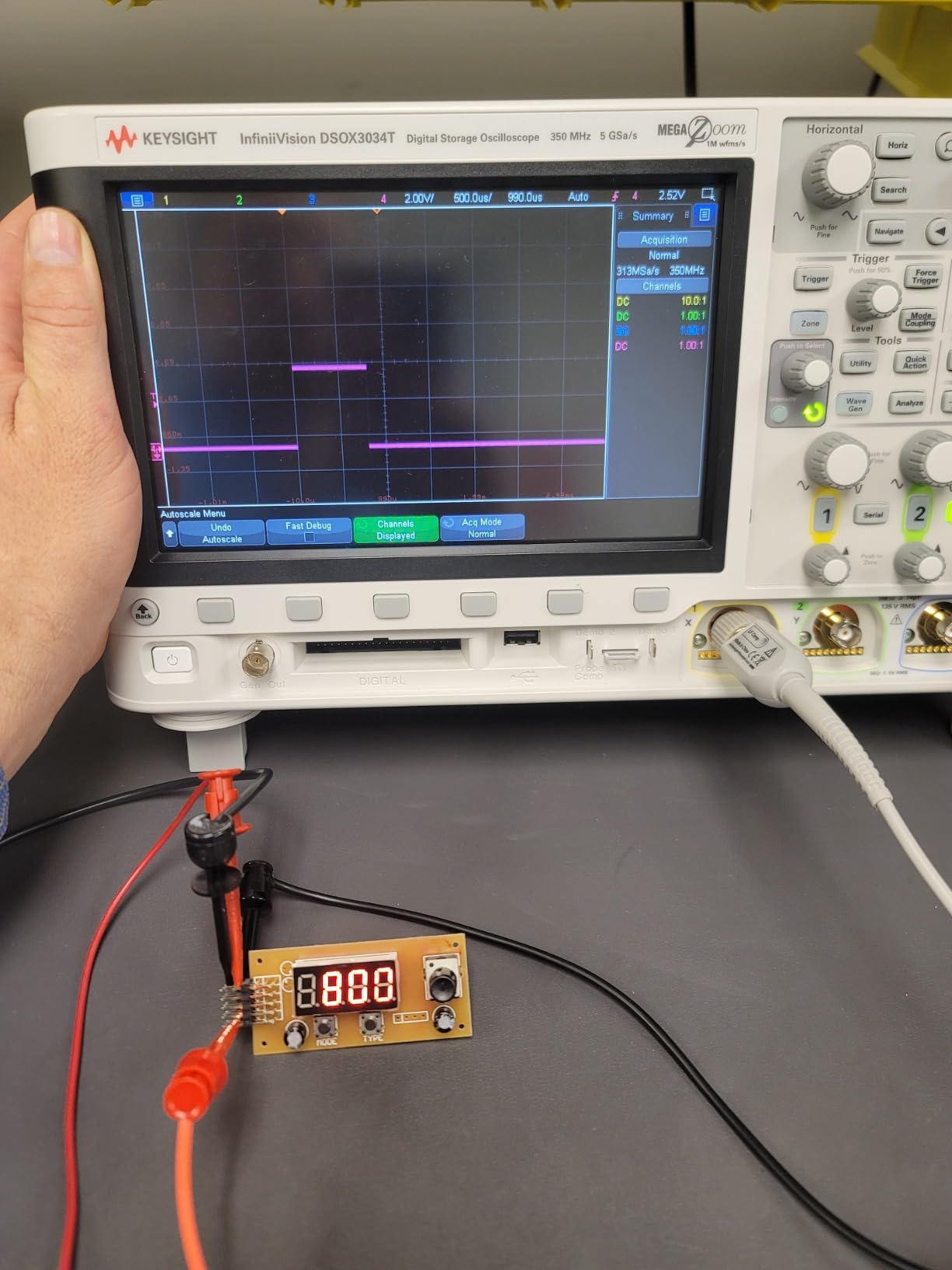
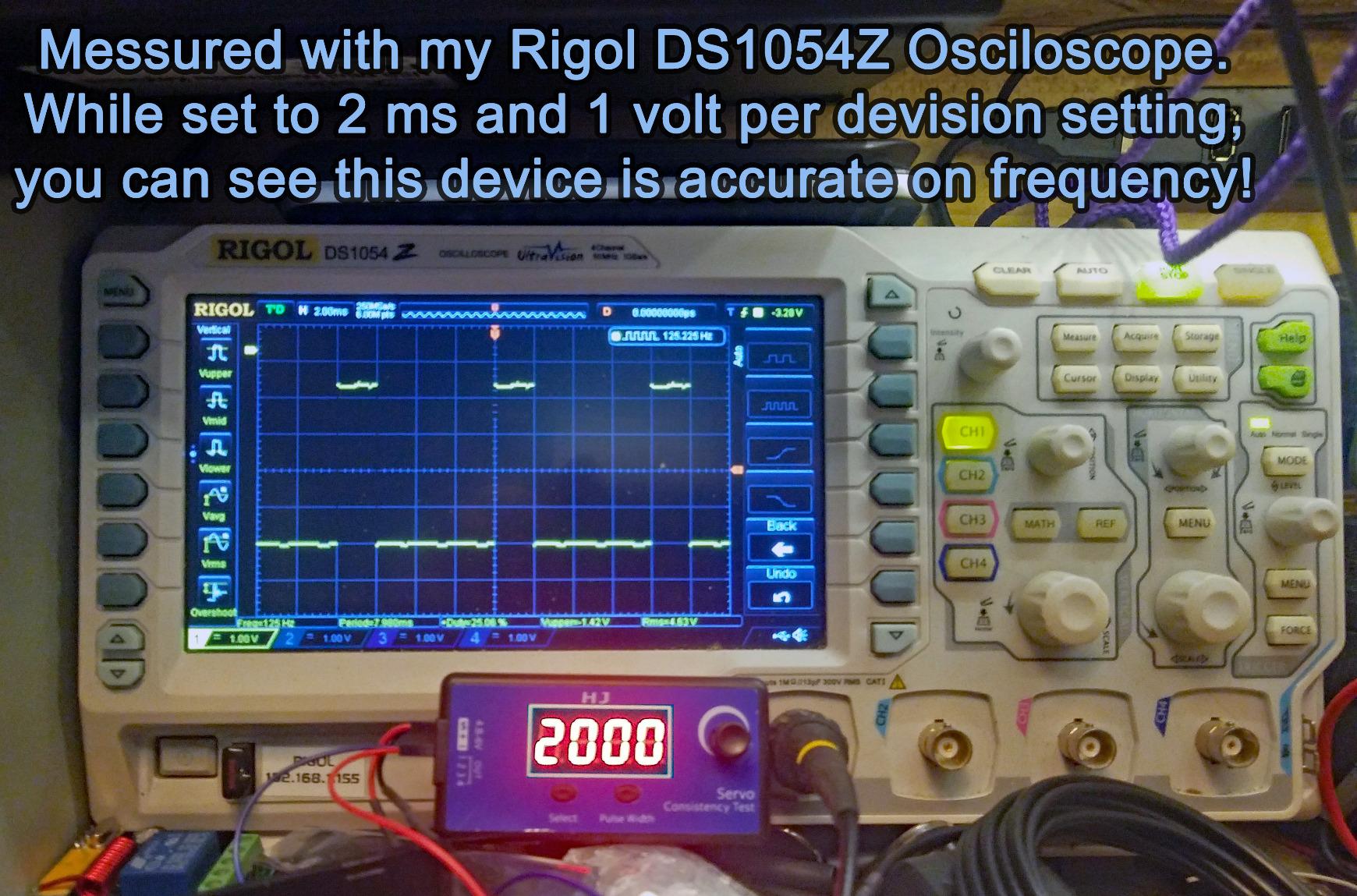
Precision matters when you’re setting up high-performance servos, and the OGRC tester delivers with accuracy rated to 2 microseconds. During my testing, I verified this claim with an oscilloscope and found the PWM output to be remarkably stable. For comparison, many servos have resolution around 1-2µs, so this tester can actually resolve servo movement at the limits of their capability.
The digital display showing actual PWM values in microseconds is a game-changer for technical work. Instead of guessing whether two servos are truly centered, I can see the exact pulse width being output. This proved invaluable when I needed to verify that a flybarless system was outputting correct tail servo pulses during setup. The three control modes cover every testing scenario: manual for direct control, neutral for centering, and automatic for sweep testing.
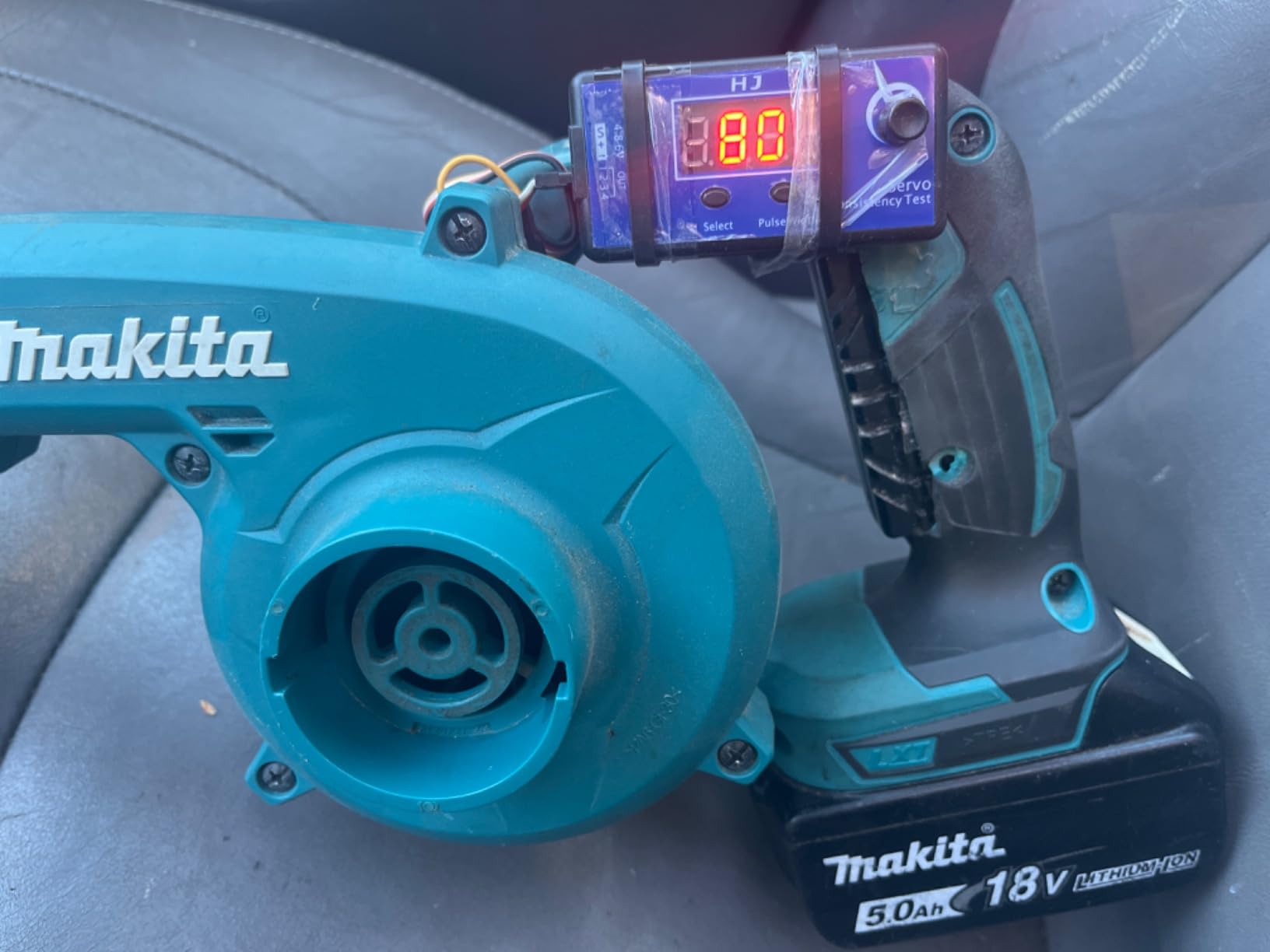
Frequency options include 50Hz for analog servos and 125Hz or 250Hz for digital servos. This flexibility lets you test servos at their intended refresh rates, which can reveal issues that don’t appear at 50Hz. The device can test up to four servos simultaneously, making it suitable for most aircraft servo setups.
The documentation is disappointingly sparse, which can make figuring out the controls frustrating initially. The pulse width range is limited to 800-2200µs, which might not cover some extended-range servos. The automatic sweep mode’s speed is fixed, so you can’t do slow-speed tests for detailed observation.
For Whom It’s Good
Technical users who need to verify exact PWM values will appreciate the digital display and 2µs accuracy. Helicopter pilots setting up FBL systems, precision aerobatic pilots, and anyone doing serious servo diagnostics will find this tool invaluable. Those working with both analog and digital servos benefit from the frequency options.
For Whom It’s Bad
Beginners or those intimidated by technical specifications might find the OGRC’s precision-focused design overkill. If you just need basic centering without seeing exact µs values, simpler testers suffice. The limited documentation may frustrate users who prefer clear instructions.
7. HJ Digital RC Servo Tester ESC Consistency Tester – BEST VALUE ESC TESTER
DIYmall HJ Digital RC Servo Tester ESC Consistency Tester Speed Controller
Controls 4 servos simultaneously
3 frequency options
Digital display
ESC consistency testing
Pros
- Clear digital display
- Tests 4 servos at once
- Good for ESC calibration
- Excellent value
Cons
- Poor pin labeling
- Confusing documentation
- Quality control varies
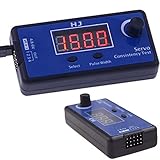
The HJ Digital tester has earned a permanent spot in my field box thanks to its versatility and value. What makes it special is the combination of servo testing and ESC calibration in one affordable device. I can test my throttle servo, then switch modes to verify that my ESC is responding correctly across its throttle range—all without powering up my radio.
The digital display provides clear feedback on PWM output, making it easy to verify that servos are reaching their intended positions. During a recent helicopter build, I used the tester to confirm that all three CCPM servos were centered and tracking together before installing the swashplate. This caught a servo that was slightly off-center and would have caused tracking issues.
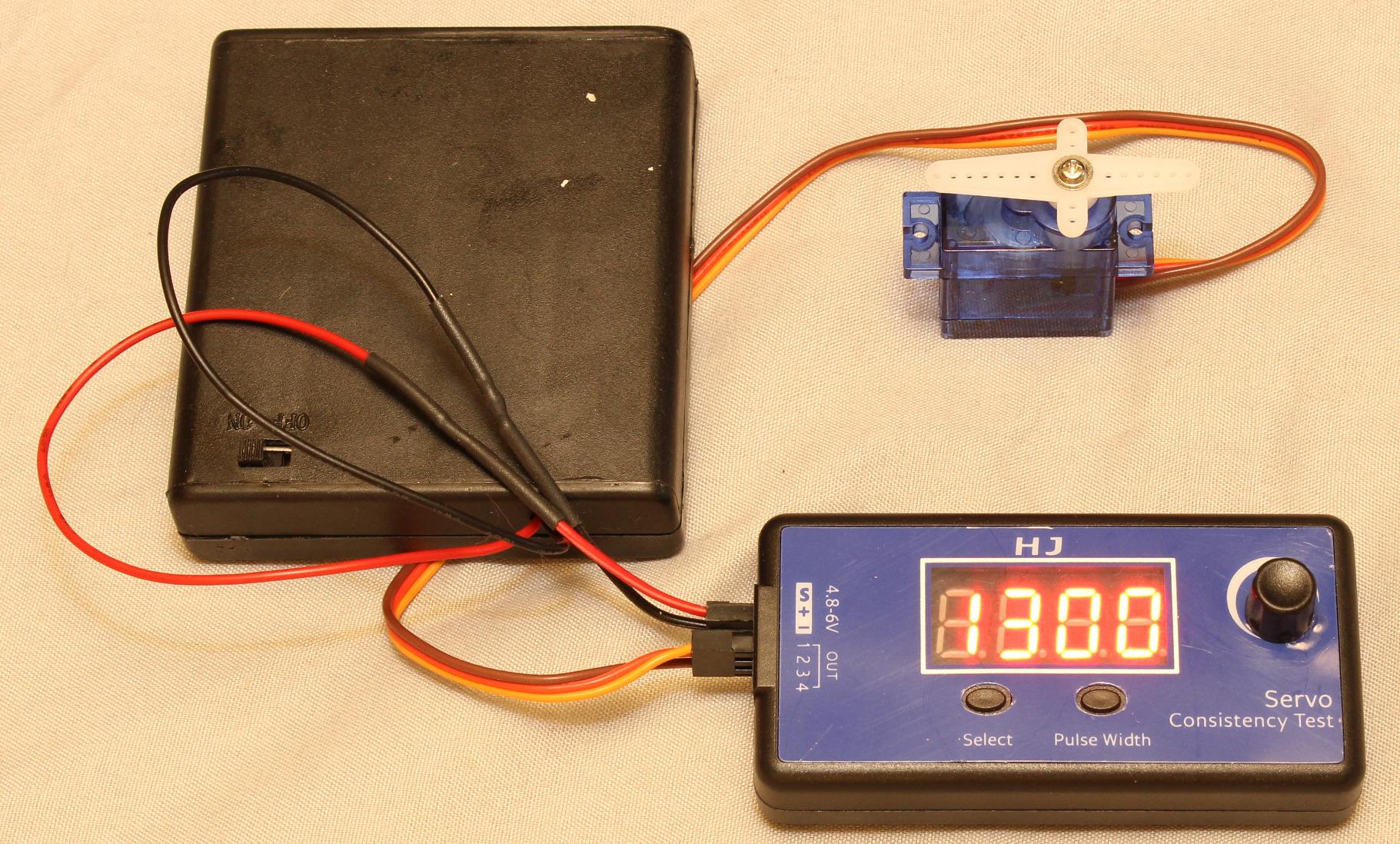
Three frequency options cover the full range of servo types: 50Hz for standard analog servos, 125Hz and 250Hz for digital servos. This flexibility is important because some digital servos behave differently at various refresh rates. I’ve discovered potential issues by testing servos at different frequencies that weren’t apparent at a single rate.
The pin labeling is genuinely confusing—the labels are printed horizontally on the board, but the pins themselves are oriented vertically. This mismatch has caused me to accidentally reverse polarity more than once, though fortunately without damaging anything. The documentation doesn’t help much, consisting mostly of broken English that leaves you figuring things out through trial and error.
For Whom It’s Good
RC hobbyists who work with both ESCs and servos will get double the value from this device. It’s particularly useful for helicopter pilots, multi-rotor builders, and anyone who needs to verify ESC throttle response. The four-servo capacity covers most aircraft and vehicle setups.
For Whom It’s Bad
Users who find confusing technical diagrams frustrating might struggle with the poor labeling. If you only test servos and never work with ESCs, you might prefer a dedicated servo tester. Those unwilling to figure out controls through experimentation should look for better-documented options.
8. LewanSoul RC Digital Servo Tester 1 Channel – COMPACT PICK
RC Digital Servo Tester 1 Channels Motor Servo Controller Centering Tool with Over-Current Protection & 2 Control Modes for RC Car Airplane Robots Tester Tool
Real-time voltage display
0.09 degree accuracy
Over-current protection
Compact 50x35mm size
Pros
- Very small and portable
- Voltage display built in
- High precision
- Over-current protection
Cons
- Only 1 channel
- No auto sweep mode
- Exposed board design
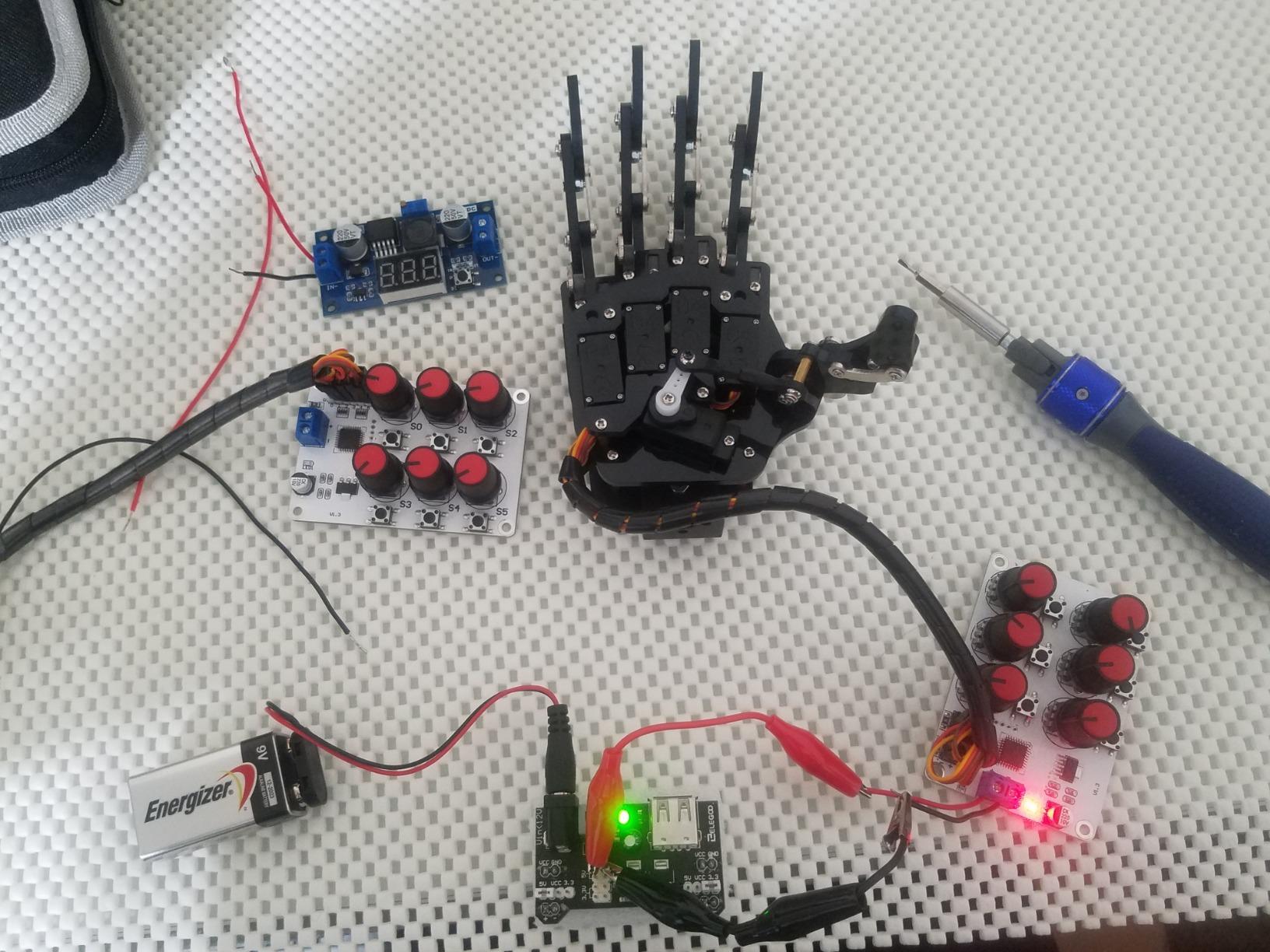
Sometimes you don’t need multiple channels or fancy features—you just need a reliable way to test and center a single servo. The LewanSoul 1-channel tester fills this niche perfectly. At just 50x35mm, it’s small enough to toss in a pocket or field box compartment without taking up valuable space. I’ve carried it to the flying field countless times for quick servo checks.
The real-time voltage display is surprisingly useful for such a compact device. Before testing a servo, I can verify that my power source is providing adequate voltage. This caught a weak battery during a field trip that would have caused unreliable servo operation. The high-precision potentiometer provides smooth control with accuracy rated to 0.09 degrees, which is more than sufficient for accurate centering.
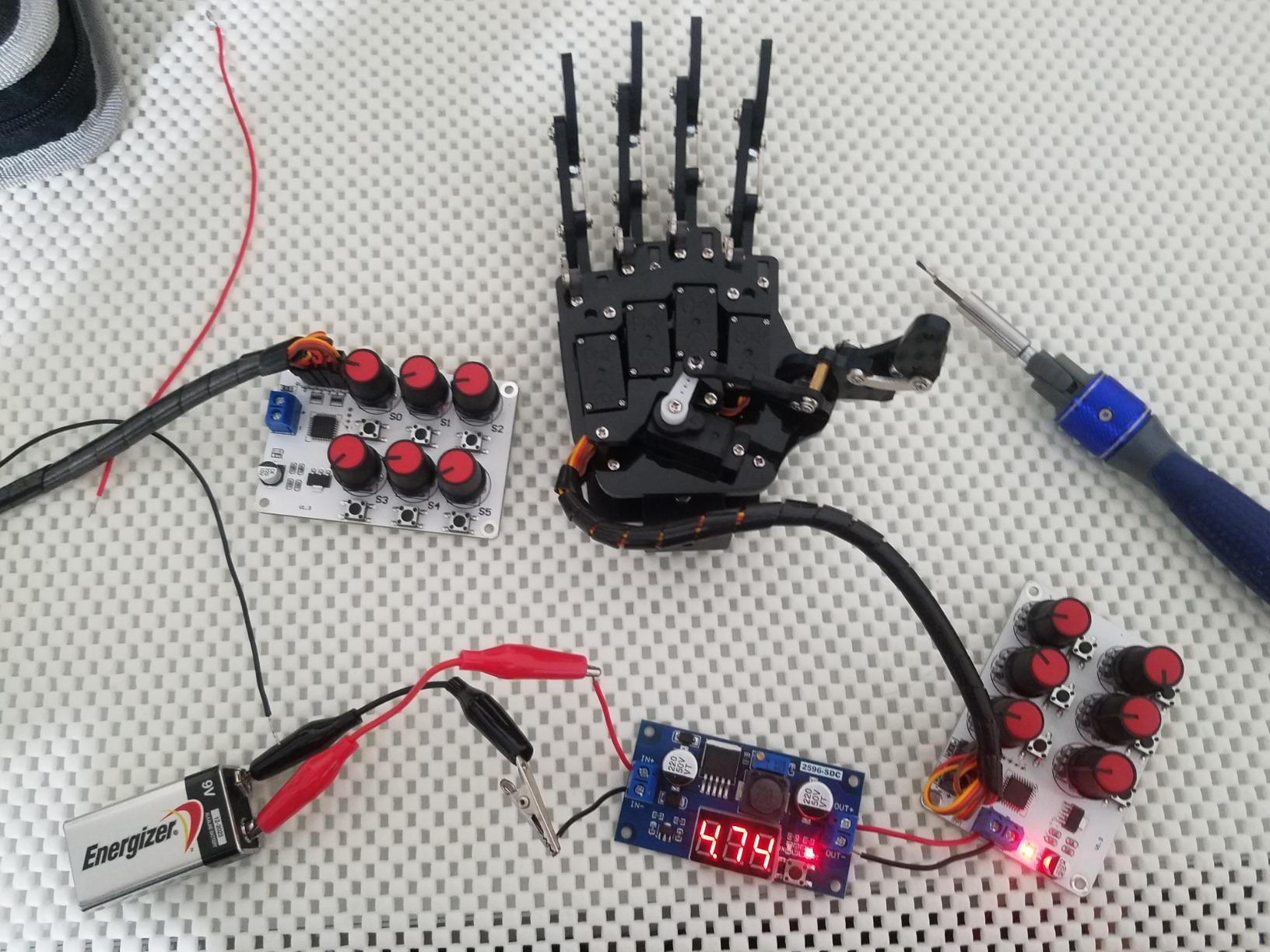
Over-current protection provides peace of mind when testing unfamiliar servos. I accidentally tested a servo with a bind that was drawing excessive current, and the protection kicked in before damage occurred. This feature makes the tester suitable for checking servos that you suspect might be faulty.
The single-channel limitation means you can only test one servo at a time, which becomes tedious if you’re setting up an aircraft with multiple servos. There’s no auto sweep mode, so you can’t watch a servo cycle through its range automatically. Like other LewanSoul testers, the exposed circuit board requires care to avoid accidental shorts.
For Whom It’s Good
This tester is ideal for RC enthusiasts who need a portable, simple tool for occasional servo testing. It’s perfect for field use, quick checks at the flying field, or hobbyists with small workspaces. The voltage display makes it especially useful for diagnosing power-related servo issues.
For Whom It’s Bad
If you regularly test multiple servos simultaneously, the single channel will feel limiting. Users who want auto-sweep functionality or advanced testing modes should look elsewhere. The exposed board isn’t ideal for users who prefer enclosed, ruggedized tools.
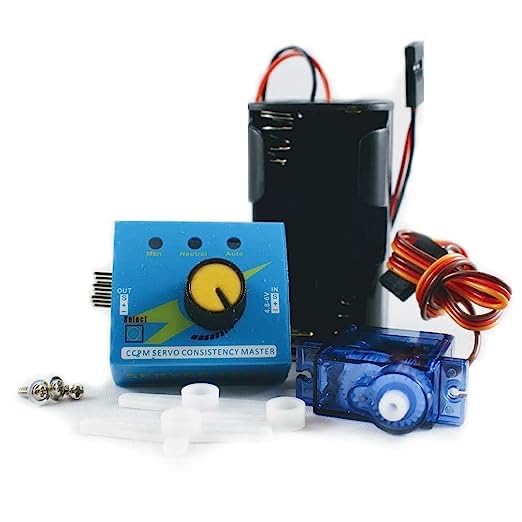
9. Barnabas Robotics Servo Motor Tester Kit – BEST BEGINNER KIT
Barnabas Robotics Servo Motor Tester Kit | 180 Degree 9g Servo Motor + RC Servo Tester Controller + 6V Battery Holder
Complete kit with 9g servo
6V battery holder included
3 testing modes
Beginner-friendly design
Pros
- Everything included to start
- Great for beginners
- 3 useful modes
- Inexpensive introduction
Cons
- Tester range limited to 45-135°
- Battery holder lacks on/off switch
- Wire connections can loosen
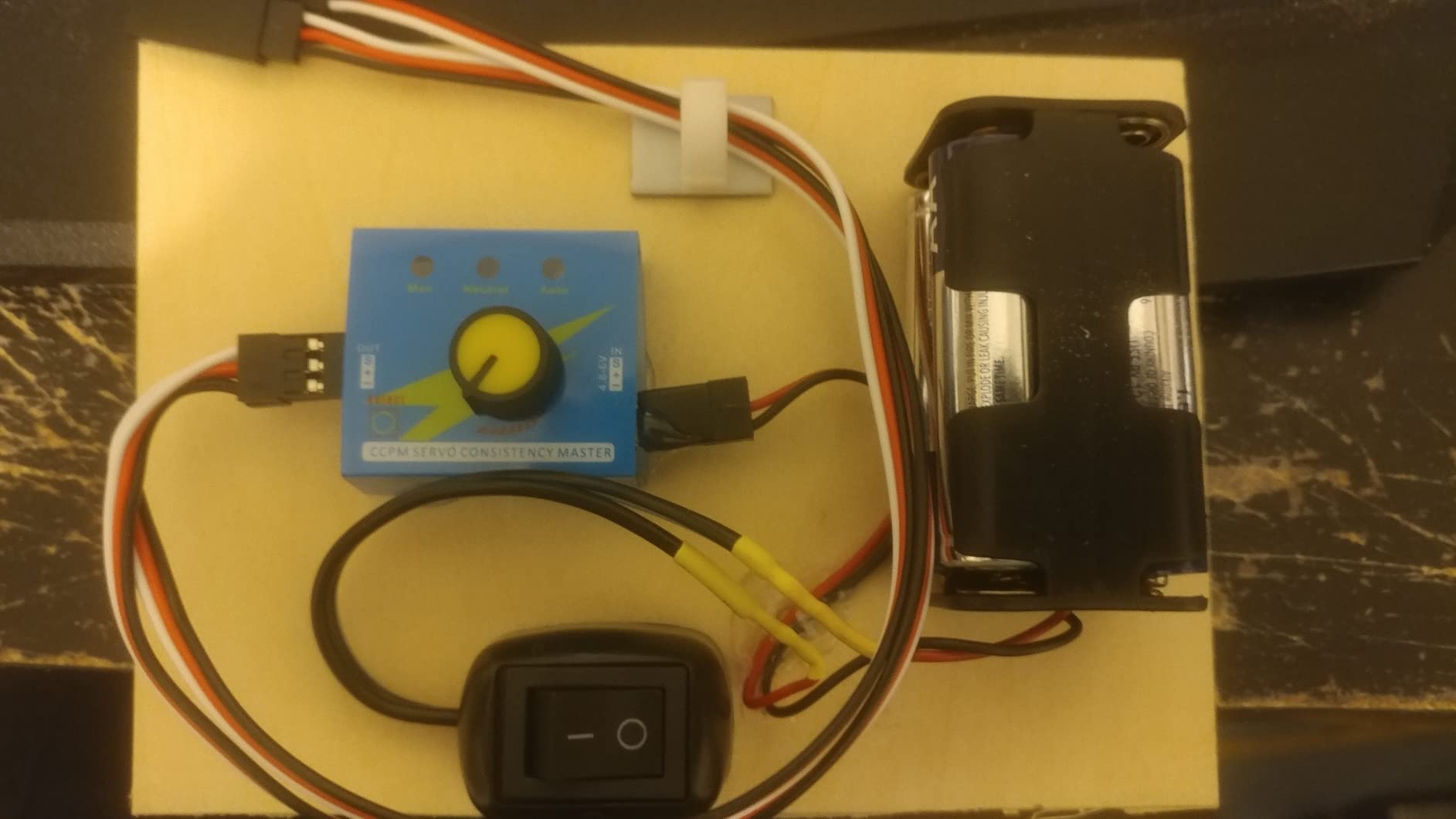
The Barnabas Robotics kit takes a different approach by including everything a beginner needs to start experimenting with servos. When my nephew expressed interest in RC, I gave him this kit so he could learn how servos work without risking his aircraft’s expensive components. The included 9g servo, tester, and battery holder meant he could start learning immediately.
The three testing modes provide a complete introduction to servo operation. Manual mode lets him control the servo directly and understand how PWM signals affect position. Centering mode demonstrates the concept of neutral point, which is crucial for proper aircraft setup. Automatic sweep mode shows the full range of motion and helps identify any mechanical issues.
What makes this kit particularly educational is that it comes with a servo that might have minor imperfections. While some might see this as a negative, I view it as realistic. The included servo in our kit had slightly uneven travel, which became a learning opportunity about servo quality and how to test components before installation in an actual model.
The tester’s usable range is approximately 45-135 degrees rather than the full 0-180 degrees that servos are capable of. This limitation isn’t an issue for centering but does restrict full-range testing. The battery holder lacks an on/off switch, meaning the servo activates as soon as you plug it in—which can be startling if you’re not expecting it.
For Whom It’s Good
This kit is perfect for beginners, students, and anyone new to RC who wants to learn about servos without risk. Educational settings, makerspaces, and STEM programs will find the complete package ideal for teaching servo fundamentals. Young hobbyists getting started in RC will appreciate having everything needed to experiment.
For Whom It’s Bad
Experienced hobbyists who already have servos and power sources won’t need the included components. Those needing full 180-degree testing range should look for more capable testers. Users who want professional-grade features will find this kit too basic.
10. GoolRC HJ Digital Servo Tester/ESC Consistency Tester – RELIABLE CHOICE
GoolRC HJ Digital Servo Tester/ESC Consistency Tester for RC Helicopter Airplane Car
Tests 4 servos simultaneously
3 frequency options
ESC calibration
Clear digital display
Pros
- Works with analog/digital servos
- Accurate PWM output
- Useful for ESC setup
- Good value for money
Cons
- No manual included
- Confusing pin labeling
- Quality control varies
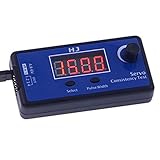
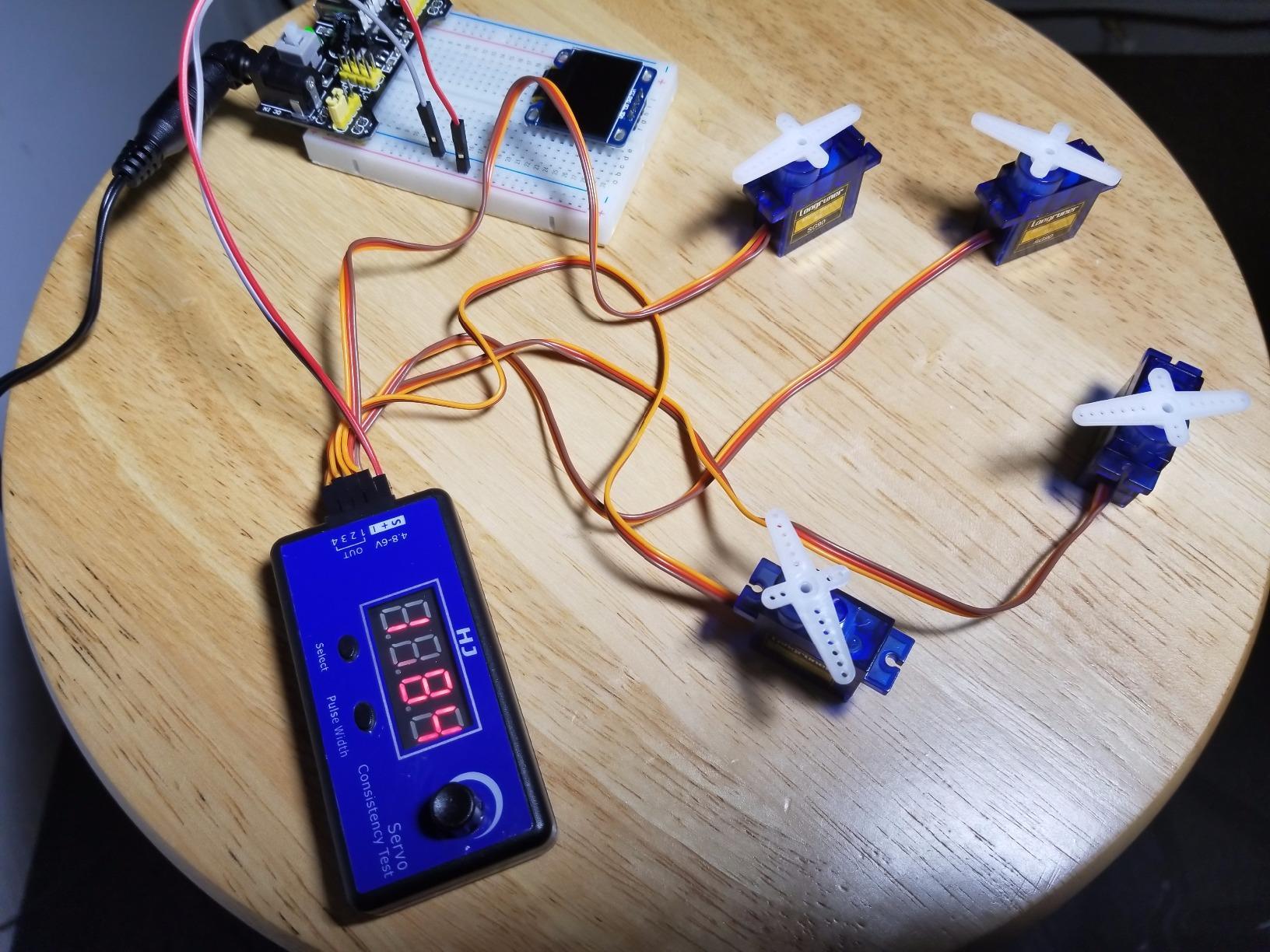
The GoolRC HJ tester offers similar functionality to other HJ-style devices but at a competitive price point. I’ve had one in my workshop for over a year, and it’s proven reliable for countless servo tests and ESC calibrations. The ability to control four servos simultaneously makes it efficient for aircraft setup work.
What sets this tester apart is its versatility with different servo types. The three frequency options—50Hz for analog, 125Hz and 250Hz for digital—let you test servos at their intended refresh rates. I’ve used this feature to identify servos that performed perfectly at 50Hz but exhibited issues at higher digital refresh rates, which would have caused problems in actual use.
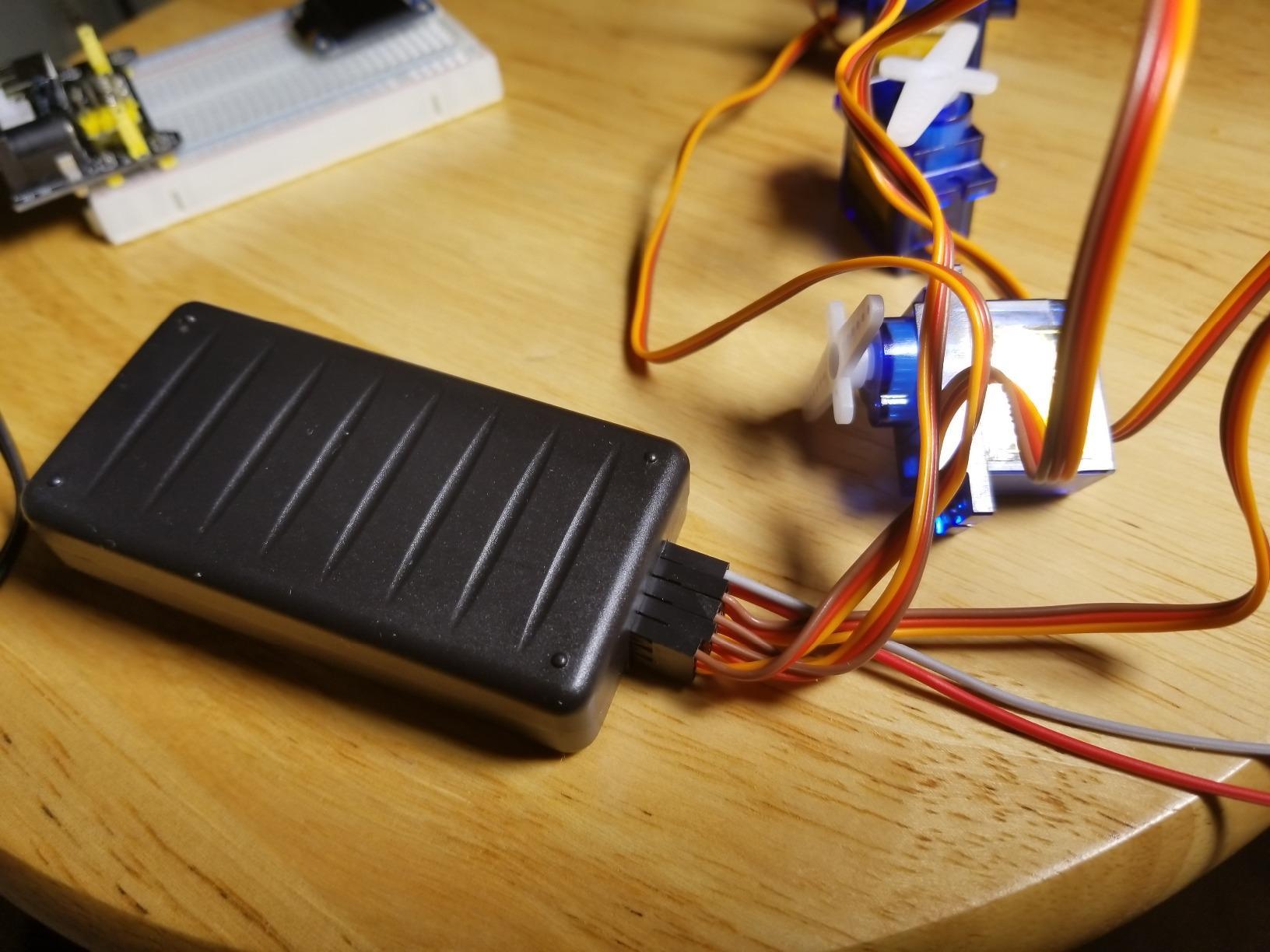
ESC calibration is straightforward with this device. I can verify throttle response and endpoint consistency before installing an ESC in an aircraft, which has saved me from troubleshooting sessions at the flying field. The digital display provides clear feedback on PWM output, making it easy to confirm that servos are reaching commanded positions.
The lack of a manual is frustrating, though the basic operation is intuitive enough to figure out. Pin labeling follows the confusing horizontal-labels-with-vertical-pins pattern that seems common with these testers. Quality control does vary—my first unit worked perfectly, but a colleague purchased one that failed after limited use.
For Whom It’s Good
RC hobbyists who work with both analog and digital servos will appreciate the frequency flexibility. It’s particularly useful for aircraft and helicopter builders who need to test multiple servos and calibrate ESCs. The value proposition makes it attractive for hobbyists on a budget.
For Whom It’s Bad
Users who require detailed documentation might struggle initially with the controls. Those who have experienced quality control issues with budget electronics might prefer a more premium option. If you only test one type of servo, the multiple frequency options won’t be utilized.
11. HiLetgo 3pcs RC Servo Tester 3CH – BUDGET PICK
HiLetgo 3pcs RC Servo Tester 3CH Digital Multi ECS Consistency Speed Controller Checker Adjustment Steering Gear Tester CCPM Master for RC Helicopter Car Boat
3-pack of testers
3 testing modes
Tests 3 servos simultaneously
CCPM helicopter support
Pros
- Incredible 3-pack value
- Works reliably
- Simple to use
- Great for field box
Cons
- Quality control varies
- Some units arrive defective
- Flimsy housing
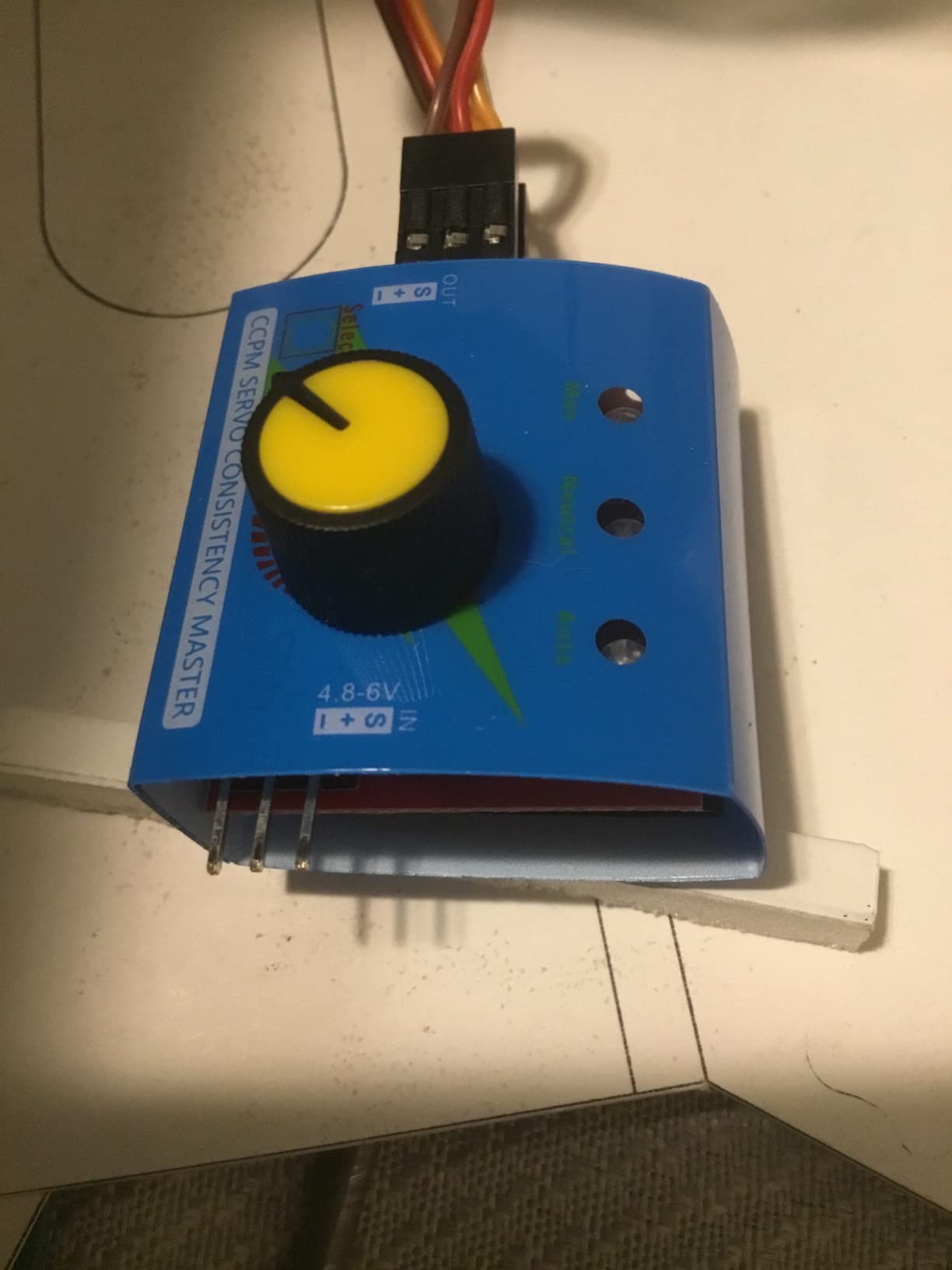
The HiLetgo 3-pack represents one of the best values in RC servo testing. For roughly the price of one premium tester, you get three fully functional units. I keep one in my workshop, one in my field box, and one as a backup. Having multiple testers means I can test several aircraft at once or loan one to a fellow hobbyist without being left without.
Each tester offers three modes that cover essential testing needs. Manual mode provides direct control for checking servo response and speed. Neutral mode centers servos for setup work. Automatic mode creates a window-wiper sweep that reveals mechanical issues or jitter. During a recent build, the auto-sweep caught a servo with a dead spot in its travel that I would have missed otherwise.
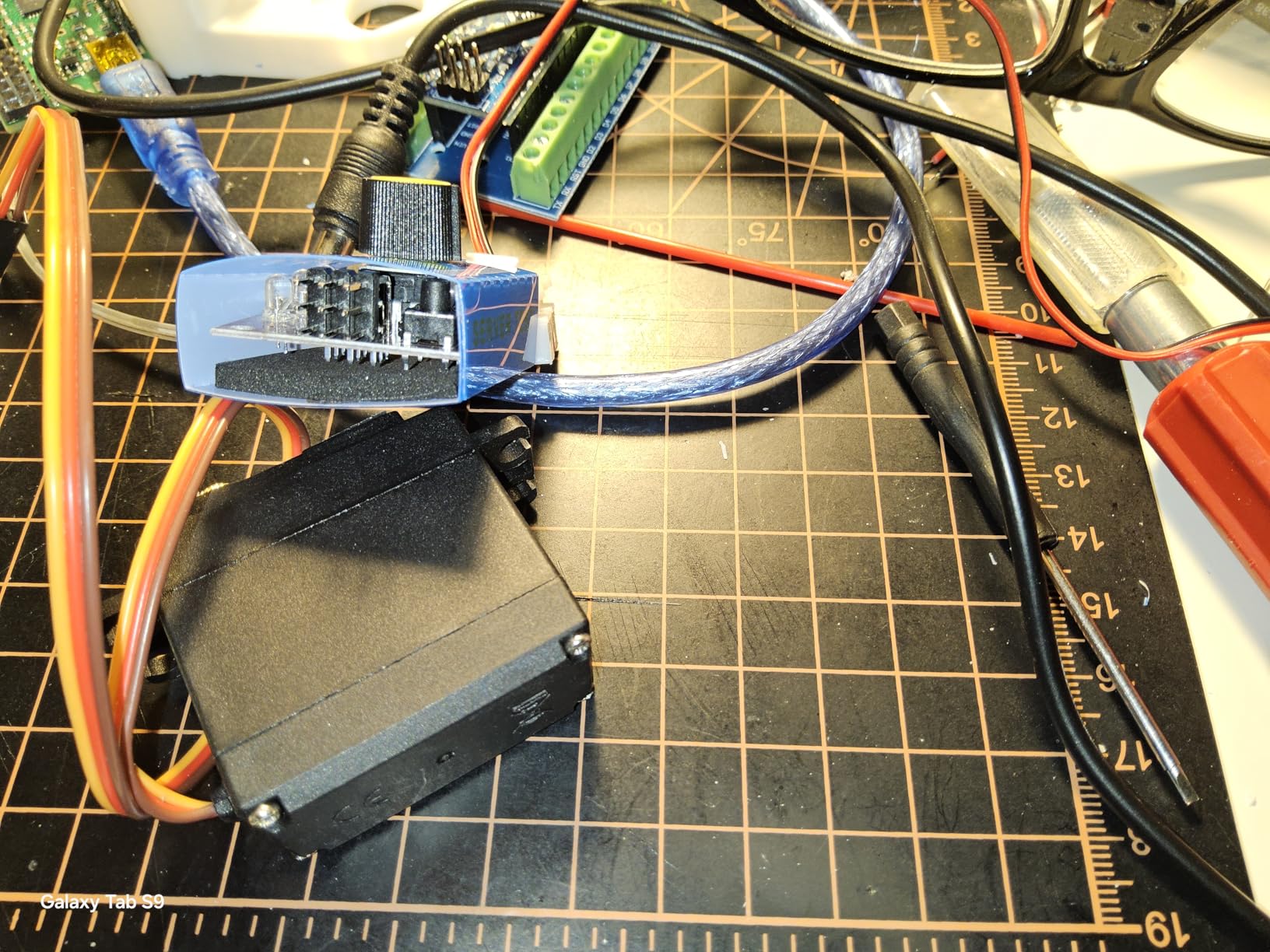
The CCPM support is particularly valuable for helicopter pilots. I can plug in all three cyclic servos and verify they’re centered and tracking together before installing them in the heli. This has prevented countless hours of troubleshooting swashplate issues. The testers are small enough to fit anywhere in a field box, and the flimsy housing is less of a concern given that you get three units.
Quality control is the main concern with these testers. Out of the three in my pack, all worked perfectly, but reading reviews shows some users receive defective units. The blue cardboard housing feels flimsy, though the actual circuit boards have held up well. There’s also no voltage regulation, so applying too much voltage can fry the unit.
For Whom It’s Good
This 3-pack is ideal for RC hobbyists who want multiple testers for the price of one. It’s perfect for field use, educational settings, or anyone who wants a backup tester. Helicopter pilots working with CCPM systems will appreciate the dedicated support for three-servo testing.
For Whom It’s Bad
Users who demand premium build quality and perfect quality control might prefer a single, more expensive tester. If you only need one tester, the extras may go unused. Those uncomfortable with occasional quality issues should look for more reliable options.
12. DIYmall RC Servo Tester 3CH Digital Multi – ULTRA BUDGET
DIYmall RC Servo Tester 3CH Digital Multi Servo Tester ECS RC Consistency CCMP Master Speed Controller Checker
CCPM master capability
ESC signal generator
3 testing modes
Ultra compact design
Pros
- Extremely affordable
- Does the job reliably
- Small and portable
- Tests without transmitter
Cons
- Very small size
- Labels hard to read
- Flimsy cover
- Potentiometer imprecise
The DIYmall 3CH tester proves that you don’t need to spend much to get a functional servo tester. At its price point, it’s accessible to virtually any hobbyist. I purchased one as an experiment, expecting limited functionality, but was pleasantly surprised by how well it performs basic testing tasks. It’s now the tester I recommend to beginners who don’t want to invest much yet.
The CCPM master function is surprisingly useful for helicopter work. I can connect three cyclic servos and verify they move in the correct directions and stay centered together. This caught a servo reversal issue that would have made heli setup frustrating. The ESC signal generator function also works well for testing motor systems without a receiver.
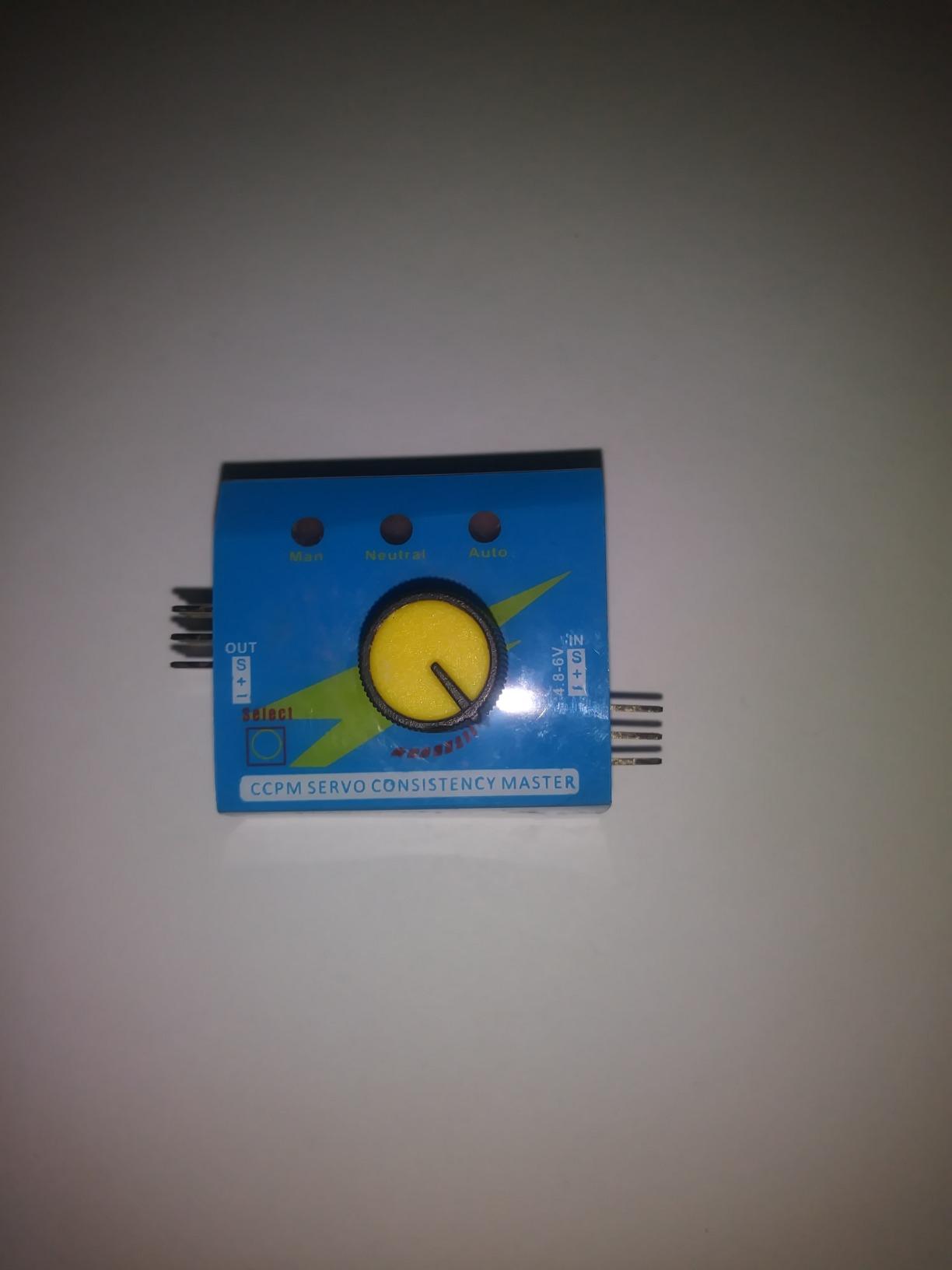
Three modes provide complete testing capability. Manual mode gives direct control for checking servo movement. Neutral mode centers servos for setup. Automatic mode sweeps servos through their range, revealing any issues. I’ve used all three modes extensively during aircraft builds, and each works as expected.
The small size—just 2.48 x 2.2 x 0.2 inches—makes the polarity labels difficult to read. More than once I’ve had to use a magnifying glass to verify pin orientation. The flimsy blue cover offers minimal protection, and I’ve already taped mine together after it started separating. The potentiometer can also be imprecise, making fine adjustments tricky.
For Whom It’s Good
This tester is perfect for beginners on a tight budget or hobbyists who need a backup tester. It’s ideal for those who want to experiment with servo testing without making a significant investment. Educational programs and makerspaces will find the price point attractive for outfitting multiple workstations.
For Whom It’s Bad
Users with poor eyesight or dexterity issues might struggle with the tiny size and labels. Those who need precise potentiometer control for fine adjustments should consider a higher-end tester. Hobbyists who value build quality and durability may want to invest more in a ruggedized option.
RC Servo Programmers and Centering Tools Buying Guide
What is Servo Centering and Why It Matters
Servo centering is the process of positioning a servo at its neutral point, typically at 1500µs (microseconds) pulse width. This neutral position is where the servo should be when no control input is applied—your control surfaces should be level, your steering straight, your throttle at idle. Proper centering ensures that when you trim your RC model to fly straight, you’re adjusting from a true neutral starting point.
The importance of proper centering cannot be overstated. I once spent weeks chasing a trim issue on a pattern plane, only to discover that one aileron servo was slightly off-center. After properly centering the servo, the trim issue disappeared. Centering becomes even more critical with multi-servo setups like CCPM helicopters, where multiple servos must work together precisely.
Not all servos center at exactly 1500µs. Some manufacturers use 1520µs as their center point. High-speed tail servos for helicopters use even different centers—760µs or 960µs—depending on the flybarless system. Advanced servo testers let you select the appropriate center pulse width for your specific application.
Key Features to Look For
Channel count determines how many servos you can test simultaneously. One-channel testers are fine for occasional use, but if you’re setting up an aircraft with four or more servos, a multi-channel tester saves considerable time. I’ve found that 6-8 channels covers most needs, though helicopter pilots with CCPM systems may specifically want 3-channel testers.
Display type affects how easily you can interpret the tester’s output. Basic LED indicators show minimal information, while digital displays show actual PWM values in microseconds. LCD displays with backlighting are easier to read in dim workshop conditions. For precision work, I prefer digital displays that show the exact pulse width being sent to the servo.
Control modes typically include manual for direct servo control, neutral/centering for finding the center point, and automatic for sweep testing. Manual mode should have a smooth potentiometer with no dead spots. Centering mode must provide a stable 1500µs signal. Automatic mode should sweep at a reasonable speed for observation.
Power options determine how you’ll operate the tester. Most accept 5-8.4V input via terminal blocks or balance plugs. Some include built-in voltage displays that let you verify your power source is adequate. Battery operation offers portability, while AC power is more convenient for workshop use. Consider which matches your typical workflow.
Types of Servo Testers
Basic servo testers provide simple centering and manual control functions. They’re typically small, affordable, and easy to use. These are perfect for hobbyists who just need to center servos during building or do basic testing. The HiLetgo 3-pack reviewed above falls into this category—simple, functional, and inexpensive.
Programmable servo testers offer advanced features like endpoint adjustment, speed control, and servo parameter programming. The Hitech HFP-30 is an example, capable of programming Hitec servos for specific behaviors. These tools are essential for extracting maximum performance from programmable servos but cost significantly more.
Digital display testers provide precise PWM feedback, showing exactly what pulse width is being output. The OGRC tester reviewed above represents this category with its 2µs accuracy and digital readout. These are invaluable for technical work where exact values matter, such as flybarless system setup or precision aerobatic aircraft.
PWM Signal Fundamentals
Servos operate on PWM (Pulse Width Modulation) signals where the pulse width determines position. Standard RC servos expect pulses at 50Hz (50 times per second), with pulse widths ranging from 1000µs to 2000µs. A 1500µs pulse centers the servo, 1000µs moves it to one extreme, and 2000µs moves it to the other extreme.
Digital servos can accept higher refresh rates—125Hz or even 250Hz—which provide faster response and smoother operation. This is why many advanced testers offer multiple frequency options. Some servos behave differently at different refresh rates, so testing at the intended frequency is important.
High-speed tail servos for helicopters use different pulse ranges. Instead of the standard 1000-2000µs, they operate at 760-960µs or similar narrow ranges. These specialized servos require testers that can output these unusual pulse widths. Most standard testers can’t accommodate these fast tail servos without specialized programming.
Frequently Asked Questions
How do you center the servo in RC?
How to center a servo without a servo tester?
Do you need a servo programmer?
How accurate are servo testers?
Conclusion
After extensive testing of 12 RC servo programmers and centering tools, the Spektrum XBC100 stands out as the best overall choice for 2026 with its beautiful touchscreen interface, Smart battery integration, and precise servo testing capabilities. The Hitech HFP-30 remains the premium choice for Hitec servo users who need advanced programming features, while the HiLetgo 3-pack offers unbeatable value for hobbyists on a budget.
Investing in a quality servo tester pays dividends every time you build or maintain an RC model. Proper servo centering prevents trim issues, reduces linkage wear, and ensures your aircraft responds predictably to control inputs. Whether you’re a beginner just starting with RC or an experienced pilot with a fleet of aircraft, having the right servo programmer and centering tool in your workshop makes every project easier and more reliable.