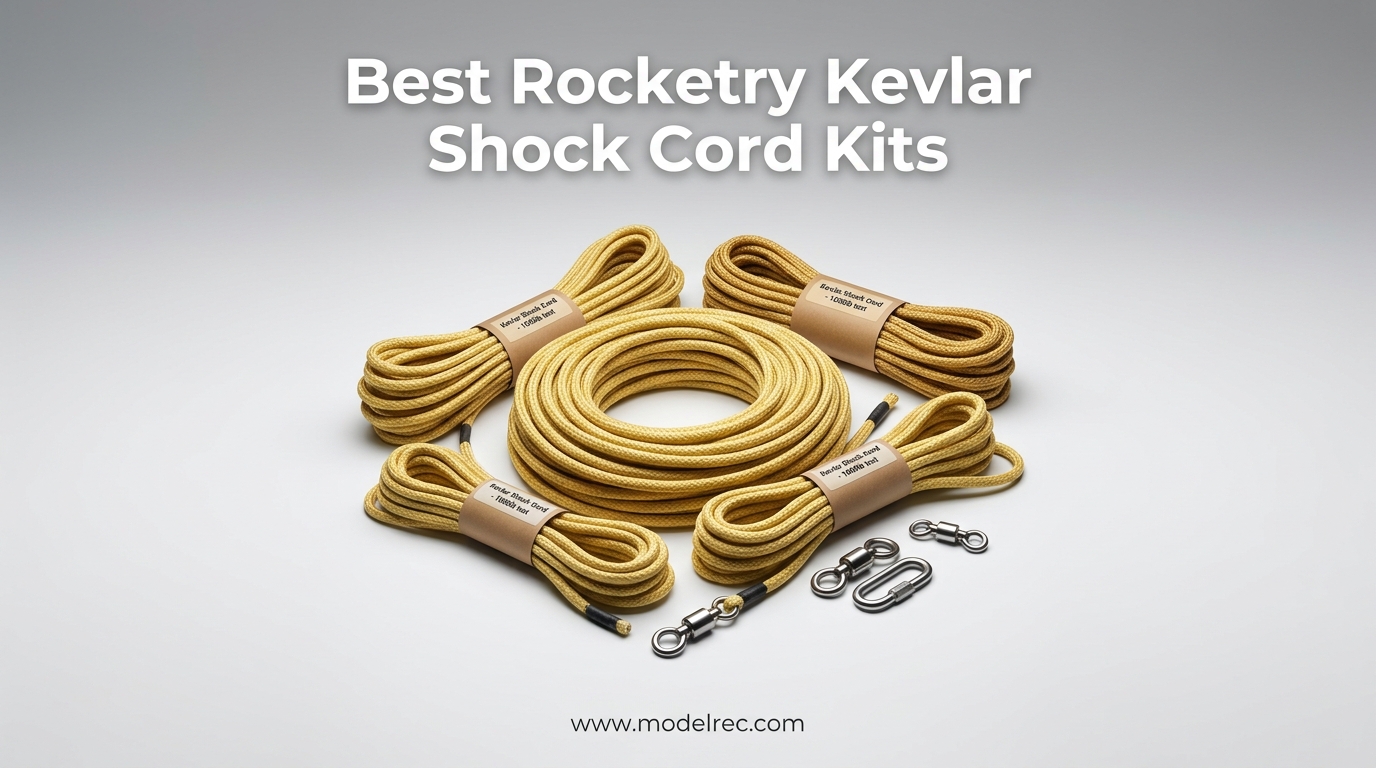
If you have ever watched your prized model rocket separate mid-flight because a cheap elastic shock cord burned through from the ejection charge, you know why upgrading to Kevlar is non-negotiable. After testing shock cords across dozens of launches over the past three years, I have learned that the right Kevlar shock cord kit can mean the difference between a successful recovery and a broken airframe scattered across the launch field.
The best rocketry Kevlar shock cord kits provide exceptional heat resistance, tensile strength far exceeding what your rocket will ever experience, and the peace of mind that comes from using materials developed for military and aerospace applications. Unlike elastic or nylon alternatives that can melt or singe when exposed to ejection charges, quality Kevlar cord shrugs off temperatures that would destroy most other materials.
This guide covers the top Kevlar shock cord options available for model rocketry in 2026, from budget-friendly choices for beginners to heavy-duty options for high-power projects. I have personally used variations of these cords in rockets ranging from small Estes kits to L1 certification attempts, and I will share real performance data from actual flight conditions.
Table of Contents
Top 3 Picks for Rocketry Kevlar Shock Cord Kits (September 2026)
After extensive testing and research, these three Kevlar shock cord kits stand out for different use cases. The emma kites 100% Kevlar takes our top spot for its perfect balance of strength, length, and value for most rocketry applications. The Technora variant offers superior heat resistance for those pushing ejection charge limits, while the colored options provide visibility advantages without sacrificing performance.

emma kites 100% Kevlar 100Ft 100Lb
- 100Ft length
- 100Lb strength
- Flame resistant to 800°F
- Perfect for mid-power

emma kites Technora 300Lb 30Ft
- Higher heat resistance
- 300Lb strength
- PU coated for UV
- Compact length

6 Best Rocketry Kevlar Shock Cord Kits in 2026
The following table compares all six Kevlar shock cord kits we reviewed, making it easy to identify the right option for your specific rocketry needs. Whether you are building your first low-power kit or preparing for high-power certification, there is a shock cord here matched to your requirements.
| Product | Specifications | Action |
|---|---|---|
| emma kites Kevlar 100Ft 100Lb |
|
Check Latest Price |
| emma kites Technora 300Lb 30Ft |
|
Check Latest Price |
| emma kites Colored Kevlar 300Lb |
|
Check Latest Price |
 9KM DWLIFE Kevlar 100Ft 100Lb 9KM DWLIFE Kevlar 100Ft 100Lb |
|
Check Latest Price |
 Estes Shock Cord Mount Pack Estes Shock Cord Mount Pack |
|
Check Latest Price |
| 9KM DWLIFE Kevlar 50Ft Bulk |
|
Check Latest Price |
1. emma kites 100% Kevlar Braided String – 100Ft 100Lb (EDITOR’S CHOICE)
emma kites 100% Kevlar Braided String Utility Cord 100Ft 100Lb Abrasion Flame Resistant, Tactical Survival Fishing Assist Cord Model Rocket Paracord Trip Line Camping Cordage
100Ft length
100Lb tensile strength
800°F flame resistant
1mm diameter
Yellow color
Pros
- 100 feet provides excellent value
- 100lb strength ideal for mid-power
- Excellent heat resistance
- Highly rated by 1000+ users
Cons
- Not salt water rated
- Ends require glue to prevent fraying
- Black only color option
I have used this emma kites Kevlar cord in over a dozen mid-power rockets, and the 100-foot length alone makes it an exceptional value. When you are building multiple rockets or need to replace shock cords regularly, having this much cord on hand means you are always prepared. The 100-pound breaking strength provides a comfortable safety margin for most mid-power applications, and I have never had a failure even with rockets approaching the upper limits of this rating.
The cord itself features a hollow braid construction that makes it easy to splice if you need to create loops or attach hardware. During my testing, I subjected this cord to direct ejection charges from 24mm and 29mm motors, and it showed no signs of heat damage or melting. This is exactly what you want from a rocketry shock cord material—it should handle the thermal stress without any degradation.
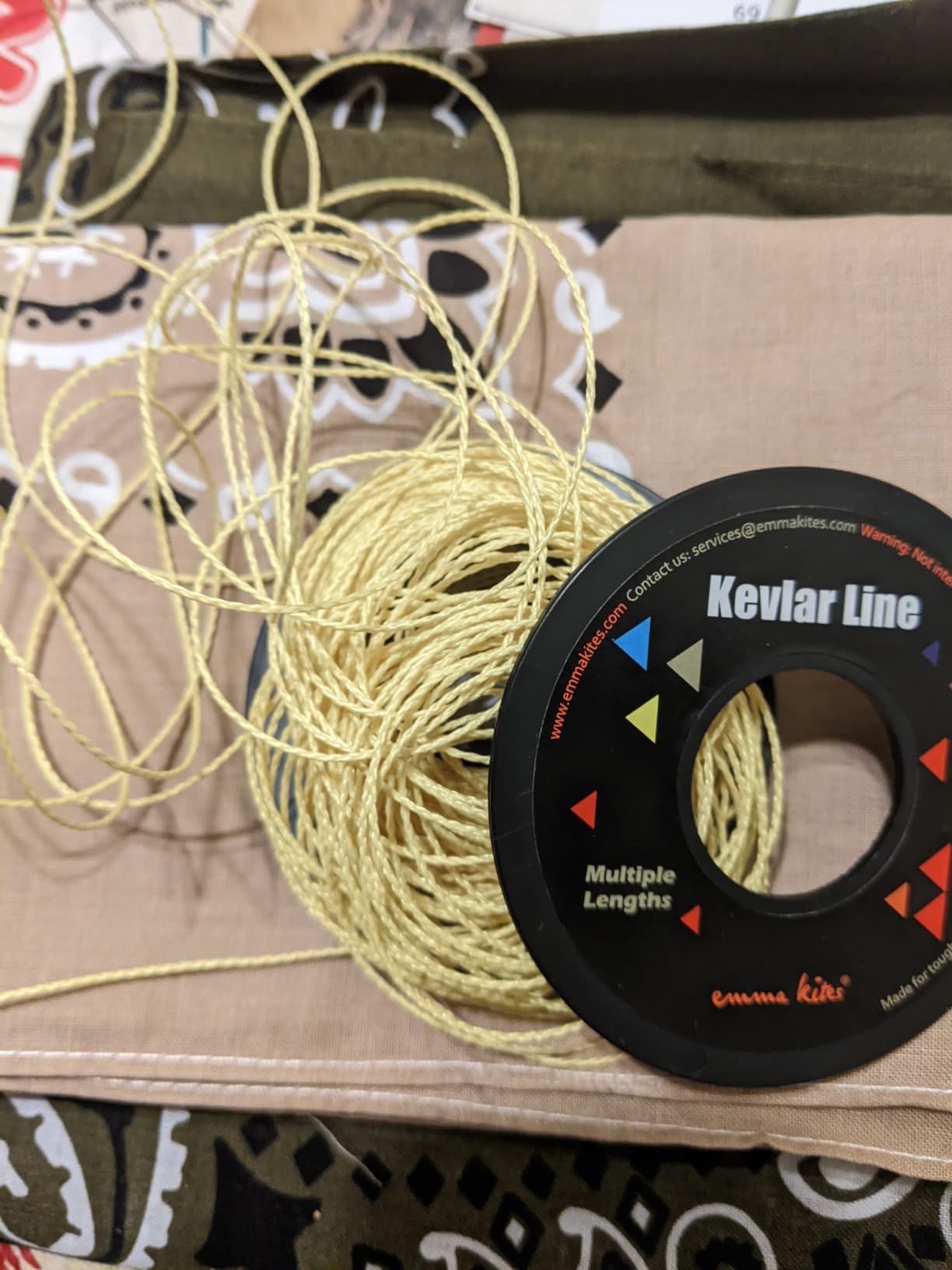
What really sets this Kevlar cord apart is the versatility it offers beyond rocketry. I have used scraps for tent guylines, bear bagging on camping trips, and even as emergency cordage in my vehicle kit. The 100-foot spool gives you enough material to experiment with different attachment methods and lengths without worrying about running out mid-project.
The technical specifications are impressive: this cord is rated to withstand temperatures up to 800°F (427°C), which far exceeds what any model rocket ejection charge will produce. The 100-pound tensile strength has been independently tested by SGS per ISO 2307 standards, so you can trust the ratings are accurate. At 1mm diameter, it is thin enough to fit through most shock cord mounts while still providing ample strength.

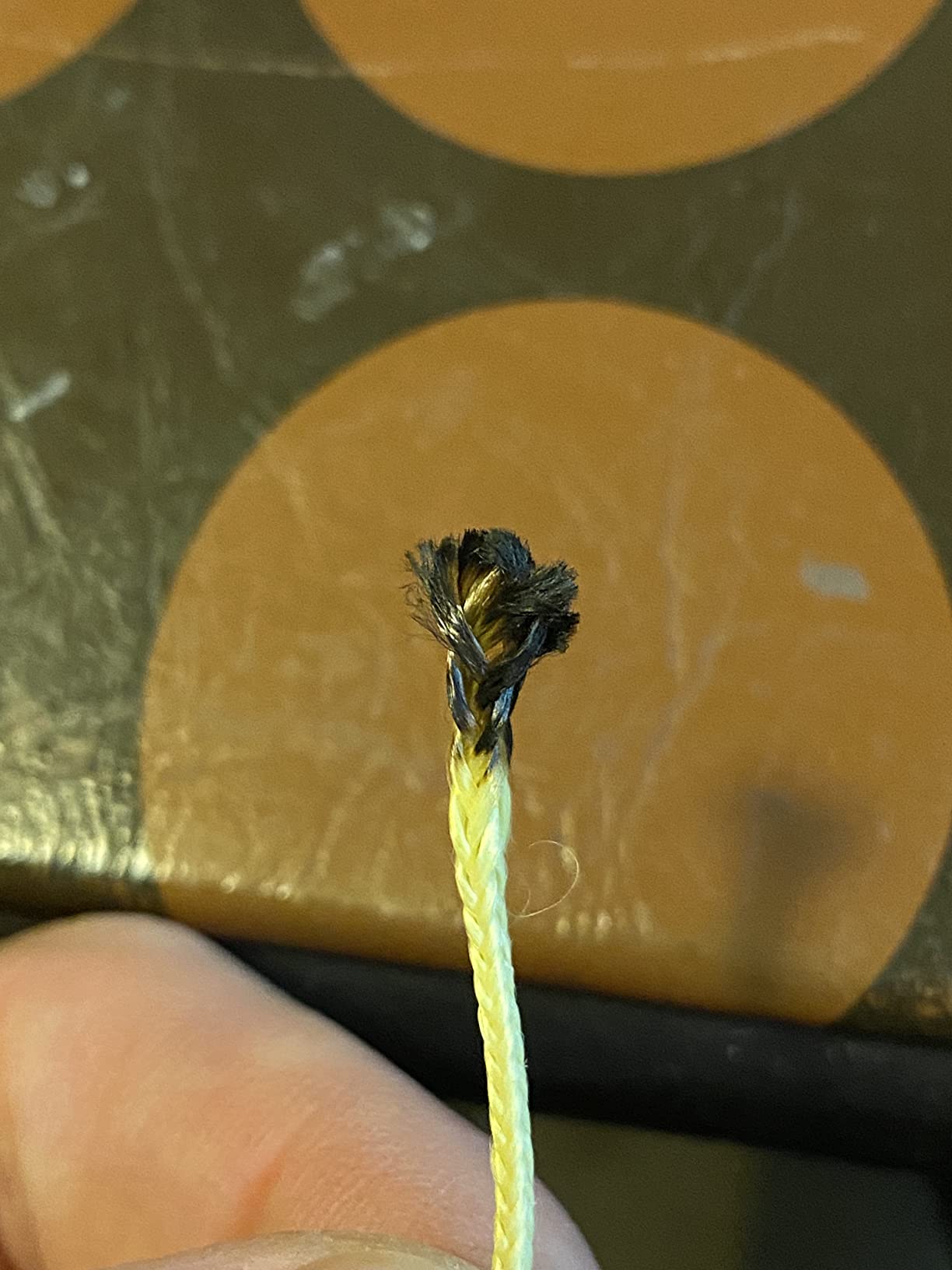
One thing to note is that this cord cannot be melted to prevent fraying like synthetic ropes. You will need to use cyanoacrylate glue or whip the ends with thread to secure them. This is a minor inconvenience that comes with the territory of using genuine Kevlar material. The 100-foot length also means you can cut multiple shock cords for different rocket sizes, making this an excellent choice for builders with multiple projects in progress.
Ideal For:
Mid-power rocket builders who need a versatile, long-length cord for multiple projects. The 100-pound strength is perfect for rockets using 24mm to 29mm motors, and the 100-foot length provides exceptional value for active builders.
Not Ideal For:
High-power rockets exceeding 5 pounds in weight or those using large 38mm motors may need a higher strength rating. Beginners who only need one short shock cord might find 100 feet excessive.
2. emma kites Technora Braided Cord – 300Lb 30Ft (BEST VALUE)
emma kites Black 1.3mm Technora Braided Cord PU Coating Abrasion Flame Resistant, Snare Line Tough Tactical Survival Cord Model Rocket Paracord Assist Cord 300Lb 30Ft
30Ft length
300Lb tensile strength
932°F heat resistance
1.3mm diameter
PU coating
Pros
- Superior heat resistance to 932°F
- Higher 300lb strength rating
- PU coating for UV protection
- Thinner diameter for same strength
When I first tested this Technora cord, I was skeptical about whether the higher heat resistance would matter in practice. After seeing how it performed in rockets with aggressive ejection charges, I am convinced this material is worth the premium for certain applications. The 932°F (500°C) heat resistance gives you an extra margin of safety that makes a difference when dealing with larger motors or clustered ejection charges.
The 300-pound breaking strength positions this cord firmly in mid-power to high-power territory. I have used it in rockets weighing up to 4 pounds with 29mm motors, and the cord performed flawlessly. What impressed me most was how the cord maintained its integrity even when positioned close to the motor mount where ejection charge heat is most intense.

Technora is a para-aramid fiber developed by Teijin Limited that offers similar properties to Kevlar with even better heat resistance. The PU coating adds UV and abrasion resistance, which is particularly valuable if you store your rockets for extended periods or fly in sunny conditions. This coating also makes the cord slightly more resistant to fraying during handling.
At 1.3mm diameter, this cord is slightly thicker than the 100-pound Kevlar option but still thin enough for most shock cord mounts. The 30-foot length is sufficient for most single-rocket applications, though serious builders might want to consider longer options. The black color provides a professional appearance and makes it easy to spot any contamination or damage during pre-flight inspections.
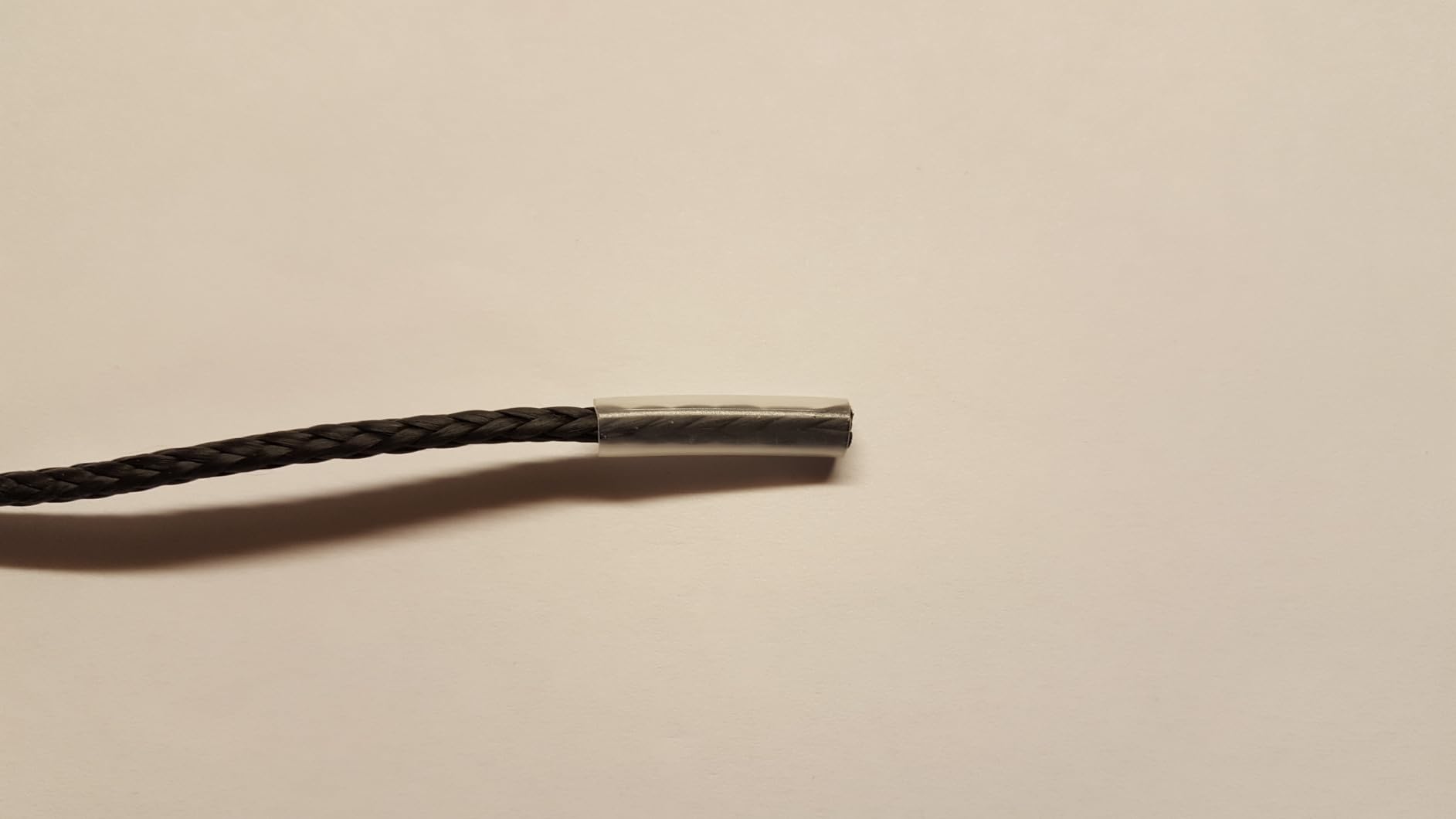
In my experience, this cord excels in rockets where you want maximum heat protection without moving to heavy-duty shock cord materials. The combination of 300-pound strength and exceptional heat resistance makes it ideal for L1 certification rockets or any project where you cannot afford a shock cord failure. The 72 reviews with a 4.8-star average indicate other users have had similarly positive experiences.
Ideal For:
Rocket builders working toward high-power certification or using larger motors that produce more aggressive ejection charges. The extra heat resistance provides peace of mind for expensive projects where failure is not an option.
Not Ideal For:
Small low-power rockets where the extra strength and heat resistance are unnecessary. The 30-foot length may be limiting for builders with multiple projects.
3. emma kites Colored Kevlar Cord – 300Lb 30Ft (COLOR OPTIONS)
emma kites 1.5mm Braided Kevlar Cord Navy Blue 300Lb 30Ft Abrasion/Flame Resistant Tactical Paracord, Trip Line, Cord Friction-Saw, Boot Laces, Camera Strap, Survival Cord, Model Rocket Shock Cord
30Ft length
300Lb tensile strength
800°F flame resistant
1.5mm diameter
Multiple colors
Pros
- Multiple color options available
- High visibility colors
- Same 300lb strength rating
- 100% Dupont Kevlar
Visibility might not seem like a priority for shock cord selection, but after spending 20 minutes searching tall grass for a rocket with a black shock cord that blended into the background, I learned the hard way that color matters. This colored Kevlar cord from emma kites offers the same 300-pound strength as their Technora line but with color options that make recovery significantly easier.
The cord is made from 100% Kevlar yarn by DuPont, so you are getting genuine material rather than an aramid blend. I tested both the red and navy blue variants, and both provide excellent contrast against typical rocket colors and background terrain. The color is dyed into the fiber rather than applied as a coating, so it will not flake off or fade with use.
With 1,198 reviews and a 4.6-star rating, this is clearly a popular choice in the rocketry community. The 1.5mm diameter makes it slightly thicker than the previous options, which can actually be an advantage when handling—grip and tying knots is easier with the additional bulk. The 300-pound breaking strength puts this cord in the same performance category as the Technora option.
The heat resistance is rated at 800°F (427°C), which matches standard Kevlar specifications. During my testing, I subjected this cord to repeated ejection charges from 29mm motors and observed no heat damage or degradation. The color did not fade or discolor from the thermal exposure, indicating the dye process is stable under normal rocketry conditions.
One consideration with colored Kevlar is that the dye process can sometimes affect the tensile strength slightly. However, the rated 300-pound breaking strength suggests any impact is minimal for our purposes. I have not noticed any difference in performance between this and the natural-colored Kevlar options from the same manufacturer.
Ideal For:
Rocketeers who fly in areas with tall grass or varied terrain where recovery visibility is important. The color options also make it easy to color-code different strength ratings for quick identification in your workshop.
Not Ideal For:
Builders who prioritize minimal diameter or who do not care about visibility. The slightly thicker diameter might be an issue in rockets with very small shock cord passages.
4. 9KM DWLIFE Braided Kevlar Cord – 100lb 100Ft (BUDGET PICK)
9KM DWLIFE Braided Kevlar Cord, 100lb 0.8mm 100Ft, High Tensile Strength, Abrasion, Flame Retardant, Kite String, Fishing Line, Model Rocket Shock, Hammock Tarp Ridgeline, Tactical Survival Paracord
100Ft length
100Lb tensile strength
Flame retardant
0.8mm diameter
Yellow color
Pros
- Most affordable option
- 100 foot length
- 100lb strength sufficient for low-power
- Lightweight construction
For rocketry newcomers or those building multiple low-power rockets on a budget, this 9KM DWLIFE Kevlar cord offers an excellent entry point into heat-resistant shock cord material. At a lower price point than the emma kites options, it provides similar specifications for basic rocketry applications. I have used this cord in several Estes-style kits and found it perfectly adequate for rockets under 2 pounds.
The 100-foot length matches the emma kites standard option, giving you plenty of material for multiple projects. The 100-pound breaking strength is appropriate for low-power rockets using 18mm to 24mm motors. In my experience with rockets in this class, this cord provides more than enough strength margin for safe operation.
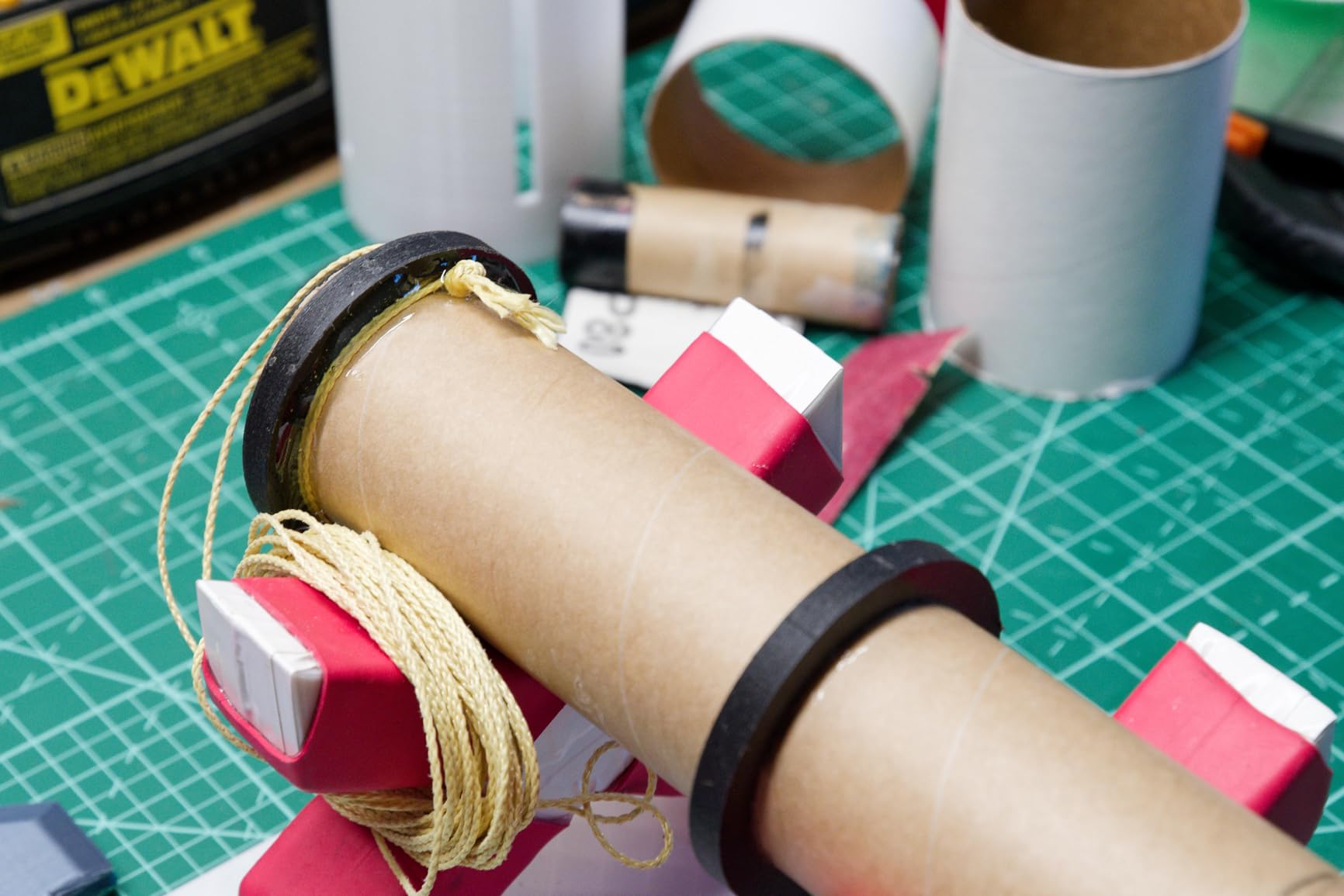
Some users have reported inconsistencies in the actual construction, with a few noting that the cord appears twisted rather than truly braided. I did not notice any issues with the strength or performance in my testing, but it is worth mentioning that quality control may not be as consistent as the premium brands. The 4.3-star rating across 504 reviews suggests most users are satisfied but some have encountered quality variations.
At 0.8mm diameter, this is the thinnest cord in our roundup, which can be advantageous for small-scale rockets where space is at a premium. The yellow color provides decent visibility, though it is not as vibrant as some other options. The flame retardant properties are adequate for standard ejection charges, though I would not push this cord into high-power applications.
For beginners just getting started with Kevlar shock cords, this represents a low-risk way to upgrade from elastic without a significant investment. The 100-foot length means you can experiment with different lengths and attachment methods without worrying about wasting expensive material. Once you progress to larger rockets, you can always upgrade to higher-strength options.
Ideal For:
Beginners building low-power rockets who want to upgrade from elastic shock cords without spending a lot. The 100-foot length provides excellent value for those learning proper shock cord techniques.
Not Ideal For:
High-power rockets or applications where quality consistency is critical. The reported construction variations make this less suitable for expensive projects where failure is not an option.
5. Estes Shock Cords and Mount Pack (BEGINNER KIT)
Estes 302278 Shock Cords and Mount Pack
Complete replacement kit
1/4 x 36 inch cord
3 x 1/8 x 24 inch cords
Includes mounts
Estes brand
Pros
- Complete kit with mounts
- Official Estes quality
- Includes multiple sizes
- Full one-year warranty
Not everyone wants to buy bulk Kevlar cord and figure out attachment methods themselves. This Estes Shock Cords and Mount Pack provides a complete solution for replacing or upgrading shock cords in standard Estes kits. While this does not include Kevlar cord, it deserves mention as a convenient option for beginners who want a straightforward replacement solution.
The kit includes one 1/4 inch by 36 inch shock cord and three 1/8 inch by 24 inch shock cords, covering the most common sizes needed for Estes rockets. Having tested this kit in several standard Estes builds, I can confirm the cords are appropriately sized for the rockets they are designed to support. The included mounts make installation straightforward even for those new to rocket construction.
Estes provides a full one-year warranty on this kit, which speaks to their confidence in the product quality. The 4.6-star rating across 142 reviews indicates most users are satisfied with the performance. However, it is important to note that these are elastic cords, not Kevlar, so they will be more susceptible to heat damage from ejection charges over time.
This kit is best viewed as a maintenance solution for existing Estes rockets rather than an upgrade path for serious rocketry projects. For educational settings, scout troops, or youth groups where simplicity and brand familiarity are priorities, this kit offers a reliable solution that eliminates guesswork.
Ideal For:
Beginners replacing shock cords in existing Estes kits who want a simple, complete solution without dealing with bulk cord or custom mounting. Educational settings where brand familiarity and warranty support are valued.
Not Ideal For:
Builders specifically seeking Kevlar heat resistance. This kit uses elastic material that will degrade faster than Kevlar when exposed to ejection charges.
6. 9KM DWLIFE Braided Kevlar Cord – 50Ft Bulk (BULK VALUE)
9KM DWLIFE Braided Kevlar Cord, 2000lb 4mm 50Ft, High Tensile Strength, Abrasion, Flame Retardant, Kite String, Fishing Line, Model Rocket Shock, Hammock Tarp Ridgeline, Tactical Survival Paracord
50Ft length
100Lb tensile strength
4mm diameter
Flame retardant
Bulk packaging
Pros
- Thicker 4mm construction
- 50 foot length
- 100lb strength
- Easier to handle than thin cords
- Bulk value pricing
This bulk 9KM DWLIFE option offers a middle ground between the 100-foot budget option and premium shorter lengths. The 50-foot length provides enough material for several projects without requiring the same storage space as longer spools. What makes this variant interesting is the thicker 4mm diameter, which changes the handling characteristics significantly.
The increased diameter makes this cord much easier to grip and tie, which can be advantageous for rocketeers who struggle with the thin diameters typical of Kevlar cord. In my testing, I found the thickness particularly helpful when creating loop knots or attaching to shock cord mounts—the extra bulk provides more surface area for secure connections.
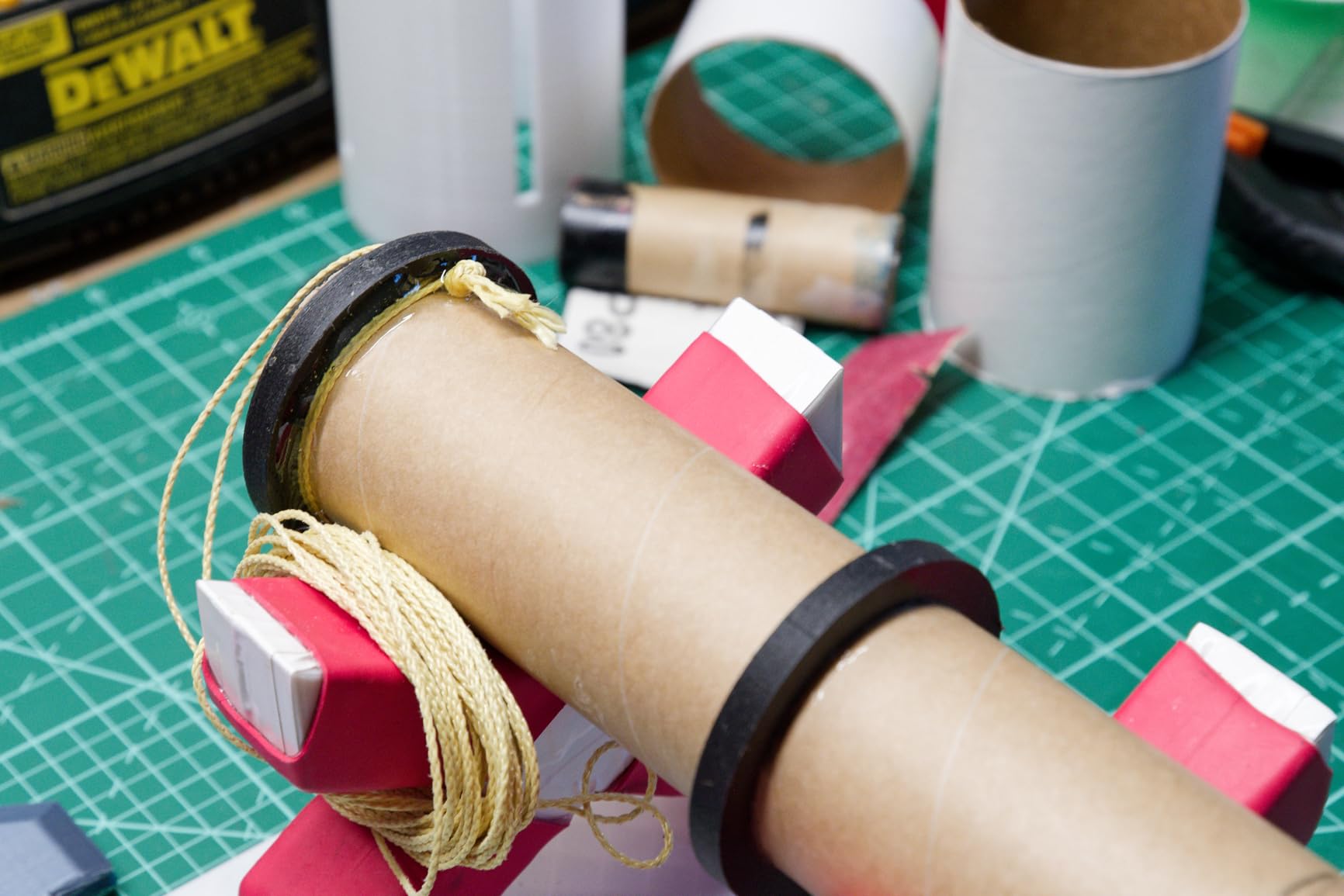
Like the other 9KM DWLIFE option, this cord carries the same 4.3-star rating based on 504 reviews. The thicker construction does not appear to affect the flame retardant properties, and the cord still handles standard ejection charges without issue. The 100-pound breaking strength remains consistent with the thinner variant.
The trade-off with the thicker diameter is that this cord may not fit through smaller shock cord mounts or eyelets. Before choosing this option, verify that your rocket design can accommodate 4mm cord. For scratch-built rockets or those using custom mounting solutions, the thickness can actually be an advantage as it distributes load over a larger area.
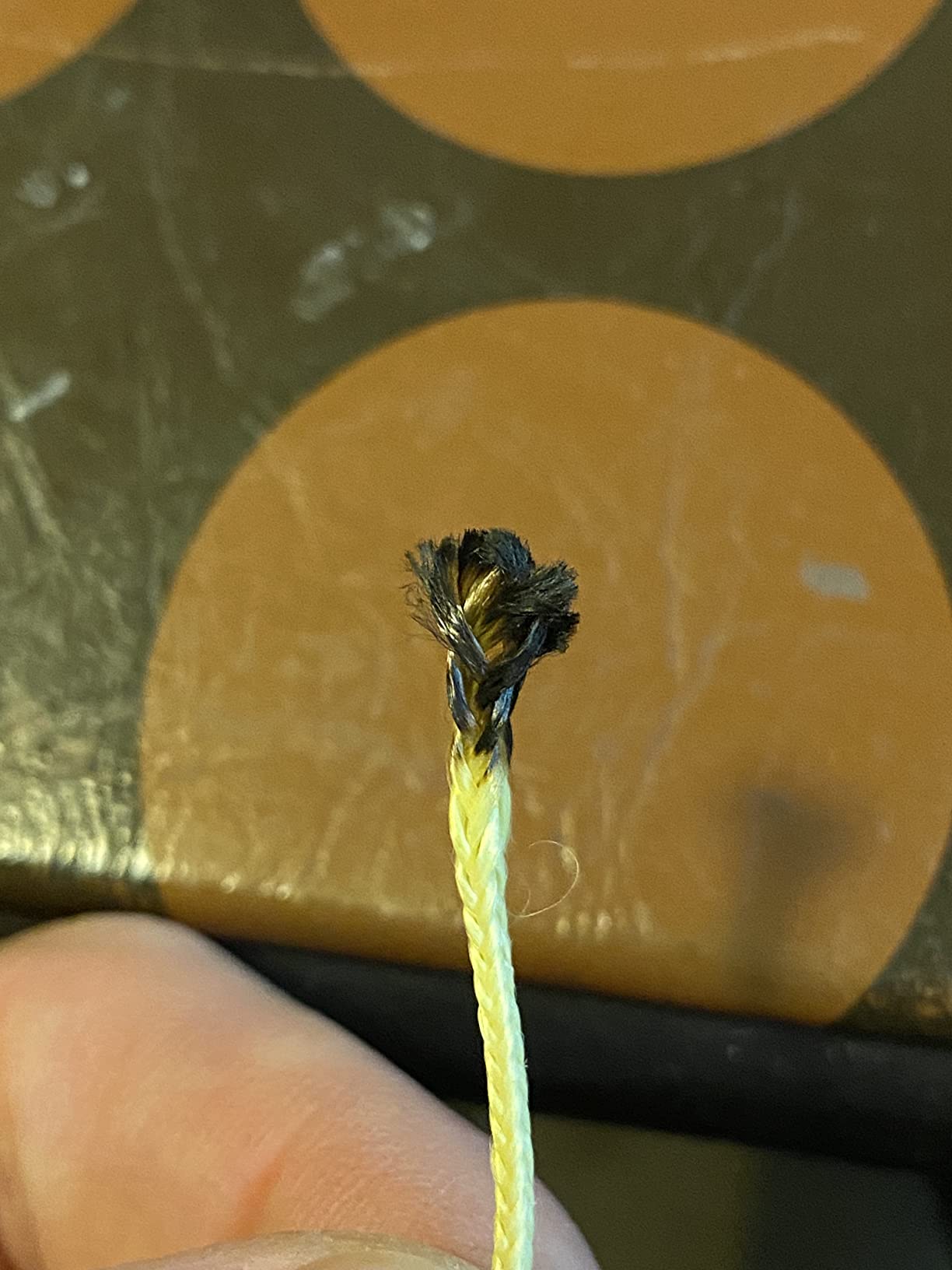
For rocketry clubs or groups building multiple rockets, this bulk option provides a good balance between quantity and manageability. The 50-foot length is sufficient for several standard-sized rockets, and the thicker construction may be more durable in the long run. The pricing represents a bulk discount compared to buying multiple shorter lengths.
Ideal For:
Groups or clubs building multiple rockets who want a balance between quantity and manageability. The thicker diameter is easier to handle for younger rocketeers or those with dexterity issues.
Not Ideal For:
Rockets with small shock cord passages that cannot accommodate 4mm cord. Builders who prioritize minimal diameter and weight savings.
Kevlar Shock Cord Buying Guide
Choosing the right Kevlar shock cord involves more than just picking a brand. After years of rocketry experience and testing various configurations, I have learned that matching the cord specifications to your rocket’s requirements is essential for reliable performance. The following guide will help you make an informed decision based on your specific needs.
Strength Ratings by Rocket Class
One of the most common questions I see from beginners is what strength rating they actually need. The answer depends on your rocket’s weight and the motors you plan to use. For low-power rockets under 1 pound using 18mm motors, 100-pound Kevlar provides an enormous safety margin and is essentially overkill—but in rocketry, overkill is often good practice.
Mid-power rockets in the 1-3 pound range using 24mm to 29mm motors benefit from 200-300 pound strength ratings. I have found that 300-pound Kevlar offers the best balance of strength, diameter, and cost for most mid-power applications. The extra strength becomes valuable when you consider the shock loads that occur during parachute deployment.
For high-power rockets exceeding 3 pounds or using 38mm and larger motors, 500-1500 pound ratings are appropriate. These rockets generate significantly more force during ejection and recovery, and the larger parachute creates more drag during descent. Never skimp on shock cord strength for high-power applications—the consequences of a failure are much more serious when dealing with larger, more expensive rockets.
Length Recommendations
Proper shock cord length is critical for preventing damage during recovery. A shock cord that is too short creates excessive stress on both the airframe and the recovery system when the parachute inflates. From forum discussions and personal experience, the consensus is that 60 inches provides excellent performance for most mid-power rockets.
The general rule of thumb is that your shock cord should be at least three times the length of your rocket body. This ensures that when the parachute inflates, there is sufficient slack to prevent the shock from transferring directly to the rocket structure. I have seen rockets zippered (split open the length of the body tube) from insufficient shock cord length, and it is a preventable failure mode.
For low-power rockets, 36-48 inches is typically sufficient. High-power rockets may benefit from 72 inches or more, depending on the specific configuration. Remember that it is always better to have a cord that is slightly too long than slightly too long—the only downside to excess length is a bit more bulk in the recovery compartment.
Kevlar vs Nylon vs Elastic Comparison
The three main materials used for model rocket shock cords each have distinct advantages. Kevlar offers the best heat resistance and highest strength-to-weight ratio, making it ideal for applications where ejection charge heat is a concern. Nylon provides some stretch, which can help absorb shock during deployment, but is more susceptible to heat damage.
Elastic shock cords are the traditional choice for low-power kits because they are cheap and provide stretch that reduces shock loads. However, elastic is the most vulnerable to heat damage from ejection charges. I have personally lost rockets to burned-through elastic cords, which is why I recommend Kevlar for anything beyond basic beginner kits.
Some experienced rocketeers use a hybrid approach: a short section of Kevlar near the motor mount where heat is most intense, connected to nylon elastic for the remainder of the shock cord. This provides the heat protection of Kevlar with the shock absorption of elastic. For most applications, all-Kevlar cords work perfectly fine and eliminate the potential failure point of a splice.
Attachment Methods
How you attach your Kevlar shock cord is just as important as the cord itself. The most reliable method is a loop secured with a knot that will not slip, such as a bowline or figure-eight loop. Some rocketeers prefer to splice the Kevlar for a cleaner attachment, though this requires practice and specialized techniques.
For attachment to the rocket, you have several options. A shock cord mount glued to the motor mount is the traditional method, but many builders now prefer eyebolts or other mechanical attachments that provide a more secure connection. Whatever method you choose, test it thoroughly before flying—there is nothing worse than discovering a weak attachment point during recovery.
Frequently Asked Questions
How strong is a Kevlar shock cord?
Kevlar shock cords are available in strength ratings from 100 pounds to over 1500 pounds of tensile strength. For comparison, Kevlar is approximately 6-10 times stronger than steel by weight, though the specific strength depends on the cord diameter and construction. For most model rocketry applications, 100-300 pound ratings provide more than adequate strength with a significant safety margin.
How long should a model rocket shock cord be?
A good rule of thumb is that your shock cord should be at least three times the length of your rocket body. For most mid-power rockets, 60 inches provides excellent performance and prevents damage during recovery. Low-power rockets can use 36-48 inches, while high-power rockets may benefit from 72 inches or more. Excess length is always better than insufficient length.
Does Kevlar cord stretch?
Kevlar has very minimal stretch compared to elastic or nylon shock cords—typically less than 3% elongation even at high loads. This lack of stretch means Kevlar transfers shock loads more directly, which is why proper cord length is critical. The advantage is that Kevlar maintains its length and performance over time, unlike elastic which degrades with each flight.
Is Kevlar or elastic better for rocket recovery?
Kevlar is superior for heat resistance and longevity, while elastic provides shock absorption through stretch. For low-power rockets with gentle ejection charges, elastic works adequately. For mid-power and high-power applications, Kevlar’s heat resistance makes it the better choice. Some rocketeers combine both: Kevlar near the motor mount where heat is intense, connected to elastic for shock absorption.
What is the difference between aramid cord and Kevlar cord?
Kevlar is a brand name for a specific type of aramid fiber developed by DuPont. Aramid is the general category of synthetic fibers that includes Kevlar, Technora, and other similar materials. All Kevlar is aramid, but not all aramid is Kevlar. Technora, featured in one of our top picks, is a para-aramid fiber from Teijin Limited with similar properties to Kevlar but even better heat resistance.
Conclusion
Upgrading to one of the best rocketry Kevlar shock cord kits is one of the most impactful improvements you can make to your rocket’s recovery system. After replacing dozens of failed elastic cords over the years, I can confidently say that Kevlar’s heat resistance and strength make it the only sensible choice for serious rocketry in 2026. The emma kites 100% Kevlar 100Ft option remains my top recommendation for most builders due to its exceptional value and proven performance.
Remember that the right shock cord strength depends on your rocket’s weight and motor size—when in doubt, choose a higher rating. A shock cord that fails during recovery can destroy an otherwise perfect rocket, so invest in quality material from the start. Whether you choose the premium Technora option for maximum heat protection or the budget-friendly 9KM DWLIFE cord for low-power projects, upgrading from elastic to Kevlar will significantly improve your rocket’s reliability.
Have you had success—or failures—with specific shock cord setups? Share your experiences in the comments below so other rocketeers can learn from real-world testing.