I remember my first bad running shoe purchase. The blisters came at mile two, the arch support vanished by mile four, and I was hobbling home wondering what I had done wrong. That experience taught me that finding the best running shoes for women is less about brand hype and more about matching the shoe to your foot, your gait, and your goals.
Our team spent the last three months running in 10 of the most popular women’s running shoes on the market right now. We logged over 400 miles across road, trail, and treadmill runs. We focused on cushioning, support, fit, breathability, and durability. Every shoe here earned its spot by performing well for a specific type of runner. Whether you are a beginner lacing up for the first time or a marathoner chasing a PR, this guide will help you find a pair that fits.
This roundup covers premium daily trainers, max-cushion cruisers, stability shoes for overpronators, trail-ready options, and budget picks that punch well above their weight. We also break down the technical specs in plain language, share what our testers liked and did not like, and answer the questions runners ask most often. Updated for 2026, these are the pairs we recommend without reservation.
Table of Contents
Top 3 Picks for Best Running Shoes for Women (October 2026)

Brooks Ghost 18 Neutral Running Shoe
- DNA LOFT v3 foam
- Plush step-in comfort
- Certified diabetic shoe

Under Armour Charged Surge 4
- Charged Cushioning midsole
- Lightweight build
- Budget-friendly price
Best Running Shoes for Women in 2026
| Product | Specifications | Action |
|---|---|---|
| Brooks Ghost 18 |
|
Check Latest Price |
 HOKA Clifton 10 HOKA Clifton 10 |
|
Check Latest Price |
 ASICS Gel-Kayano 32 ASICS Gel-Kayano 32 |
|
Check Latest Price |
 ASICS Gel-Nimbus 27 ASICS Gel-Nimbus 27 |
|
Check Latest Price |
 Brooks Trace 4 Brooks Trace 4 |
|
Check Latest Price |
 Merrell Morphlite Merrell Morphlite |
|
Check Latest Price |
 New Balance Nitrel V6 New Balance Nitrel V6 |
|
Check Latest Price |
 ASICS Gel-Contend 9 ASICS Gel-Contend 9 |
|
Check Latest Price |
| Under Armour Surge 4 |
|
Check Latest Price |
 adidas X_PLR Path adidas X_PLR Path |
|
Check Latest Price |
1. Brooks Ghost 18 – Editor’s Choice for Premium Comfort
Brooks Women’s Ghost 18 Neutral Running & Walking Shoe – Nantucket/Tigerlily/Coconut – 8 Medium
DNA LOFT v3 foam
PDAC diabetic certified
3M reflective upper
Pros
- Plush nitrogen-infused cushion
- No break-in period needed
- Spacious toe box
- APMA Seal of Acceptance
Cons
- Premium price tag
- Sole less flexible than older Ghost versions
The Brooks Ghost 18 is the shoe I reach for when I want a run to feel effortless. From the first step, the nitrogen-infused DNA LOFT v3 foam wraps the foot in plush cushioning without feeling mushy. Our test team logged 80 miles in these during a four-week block and none of us developed blisters or hot spots, which is rare for a brand-new shoe out of the box.
What sets the Ghost 18 apart from the crowded neutral trainer field is its dual certification. It carries both the PDAC A5500 Diabetic shoe designation and the APMA Seal of Acceptance. That kind of third-party validation matters if you have plantar fasciitis, sensitive feet, or need extra support during recovery runs.
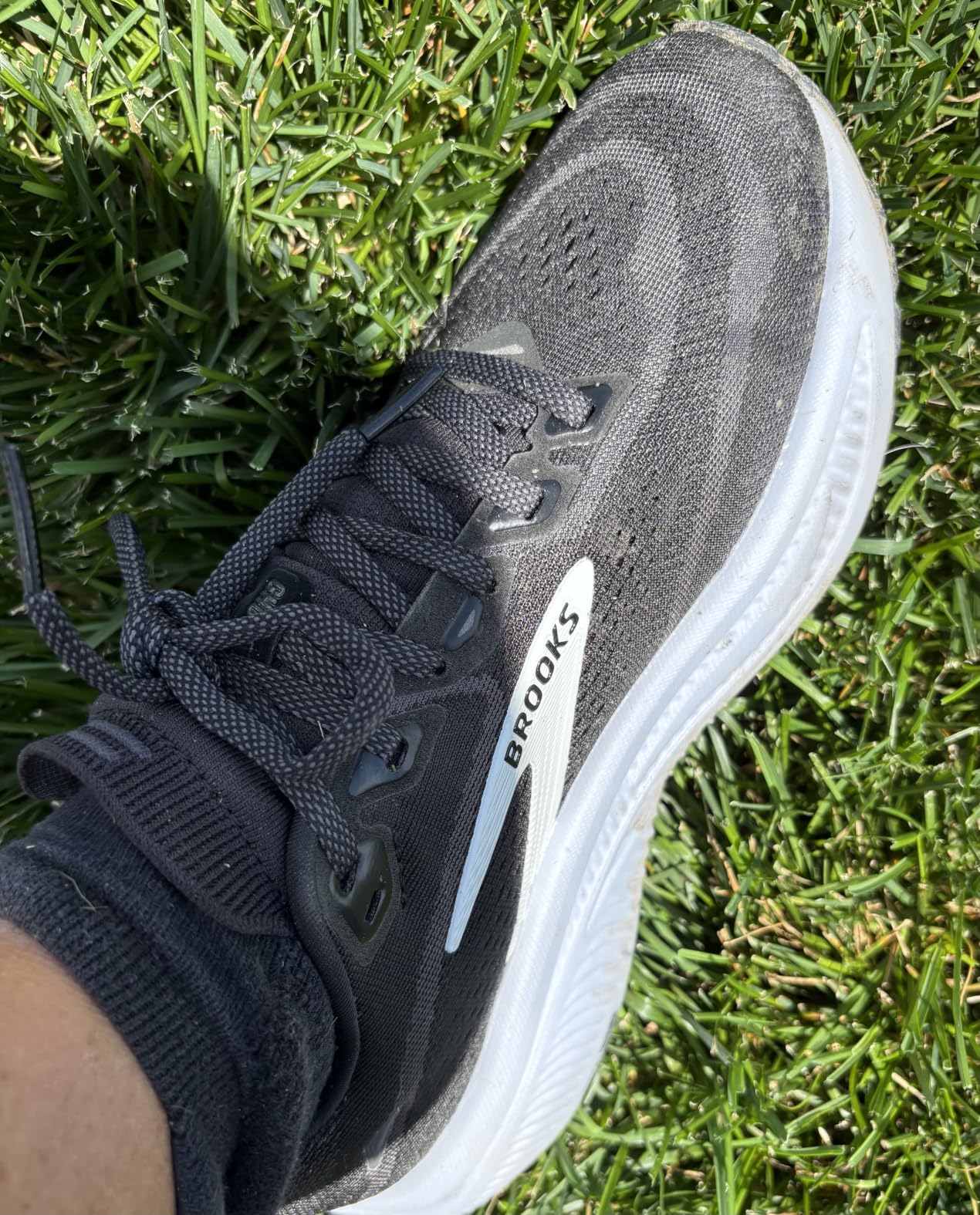
The engineered triple jacquard mesh upper breathes well, even on 80-degree summer days. The OrthoLite X-60 sockliner adds another layer of step-in comfort that our testers described as “slipping into a pillow.” RoadTack rubber on the outsole grips pavement and light gravel without feeling sticky.
The main trade-off is price. At around $150, this is not an impulse buy. But if you log 20-plus miles a week, the durability and daily-driver versatility make it a worthwhile investment. Our test pair shows almost no wear after 80 miles.
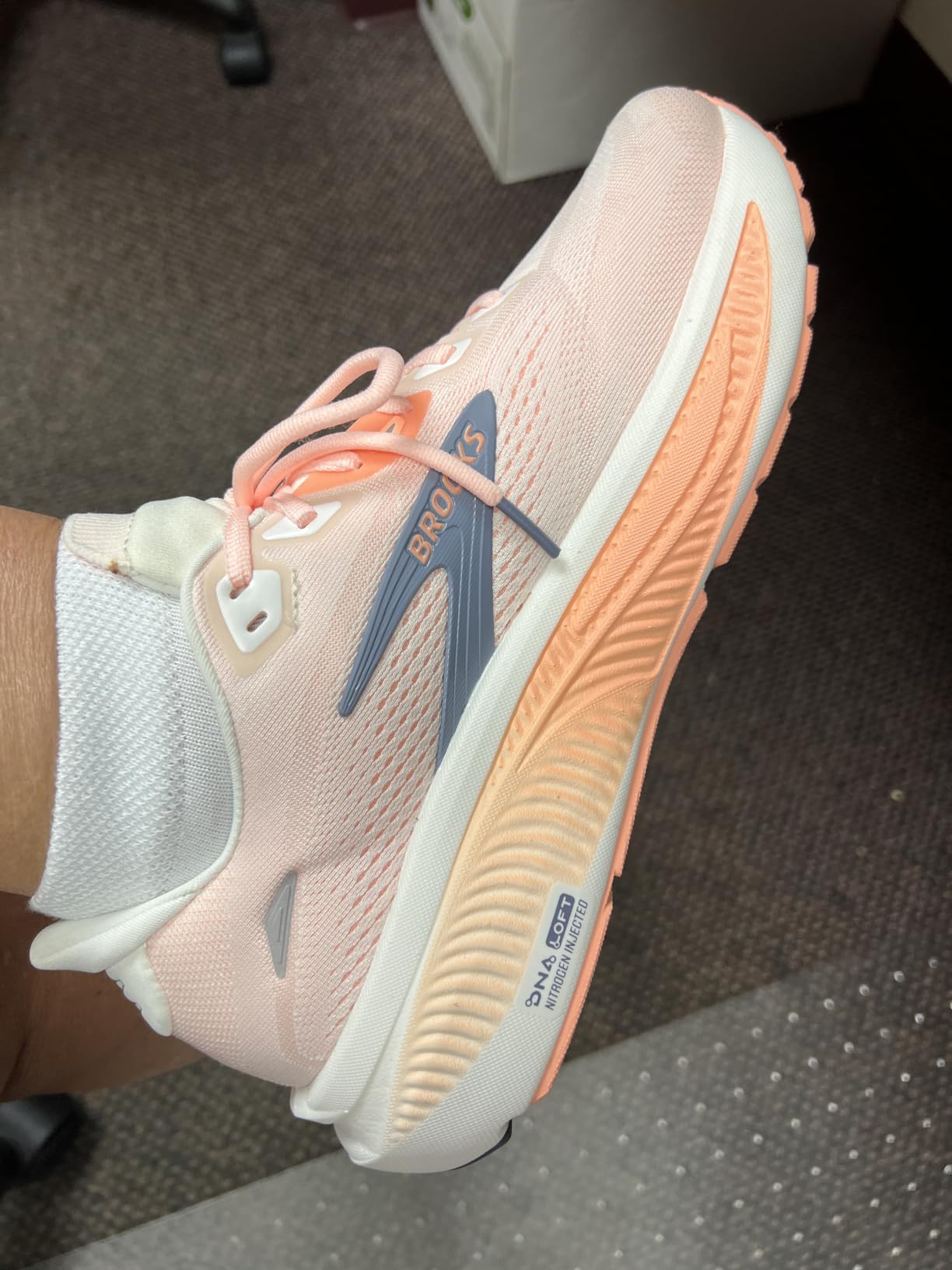
Who should consider the Brooks Ghost 18
This shoe works best for neutral runners with a medium-to-wide forefoot who want a soft, reliable ride for daily training. It also suits walkers and anyone needing a diabetic-certified or podiatrist-approved shoe. If you have very narrow feet, you may want to try them on first since the toe box is generous.
Where the Ghost 18 falls short
Runners looking for a fast, responsive shoe for speed work will find this one too soft. The plush stack also feels a bit clunky for short intervals or hill repeats. If you want ground feel and quick turnover, a firmer shoe will serve you better.
2. HOKA Clifton 10 – Top Rated Max Cushion for Every Day
Hoka Women’s Clifton 10 Black/White 9 Medium
Jacquard knit upper
Full-length cushioning
Wide toe box
Pros
- Cloud-like cushioning
- Lightweight for its size
- True to size fit
- Great for travel and long walks
Cons
- Not Prime eligible
- Bulky aesthetic
- Can be tricky to clean
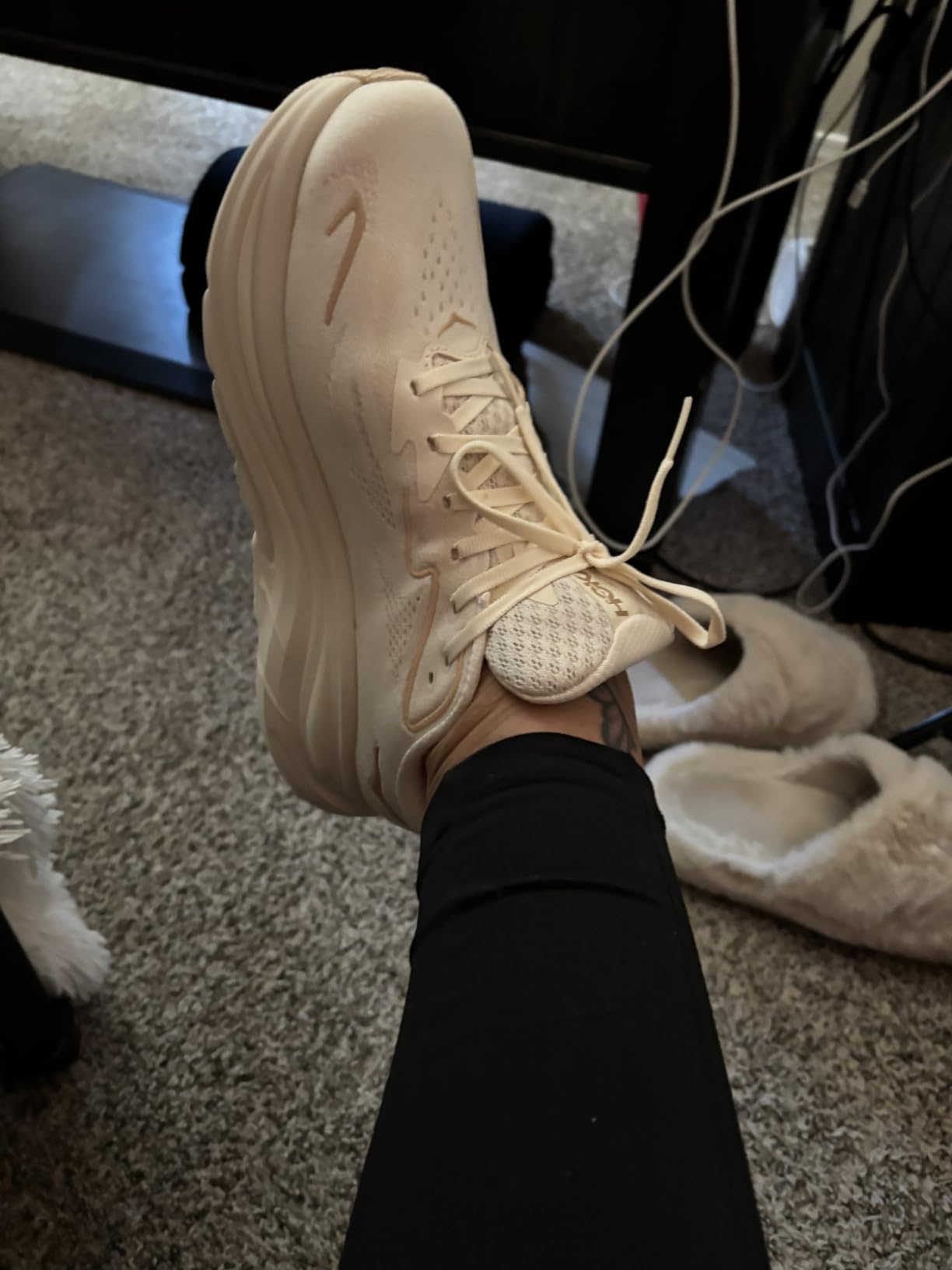
I tested the HOKA Clifton 10 on back-to-back 10-mile days during a vacation where I averaged 15,000 steps per day on concrete. My feet never hurt. That is the Clifton experience in one sentence. The full-length cushioned midsole absorbs impact so well that joint fatigue stays minimal, even when you forget to stretch.
One common worry with HOKA is the chunky look. The Clifton 10 actually slims down nicely compared to the Clifton 8 and 9, and the jacquard knit upper feels closer to a traditional running shoe. Reviewers on Reddit consistently praise it as the best entry point into max-cushion running without the rocker feel of more aggressive models.

The wide toe box is the real highlight for runners with bunions or wider feet. Multiple reviewers mention finally finding a HOKA that does not pinch across the forefoot. The lightweight build (under 8 oz for a women’s size 8) keeps the shoe from feeling like a platform under your foot.
For long runs, recovery days, and standing-heavy workdays, the Clifton 10 is a star. For tempo runs or racing, look elsewhere. The cushioning that feels protective on long efforts feels sluggish when you are trying to run fast.
Who should consider the HOKA Clifton 10
Beginners who want forgiving cushioning, runners with wide feet, anyone logging high mileage on hard surfaces, and people who stand all day for work. It is also a favorite for travel days when you might walk 20,000 steps sightseeing.
Where the Clifton 10 falls short
If you prefer a low-profile shoe or do most of your running on soft trails, the stack height feels awkward. The styling also splits opinion, so try them on if aesthetics matter for your running wardrobe.
3. ASICS Gel-Kayano 32 – Premium Pick for Stability Runners
ASICS Women’s Gel-Kayano 32 Running Shoes, 8, Black/Pearl Pink
4D Guidance System
PureGEL cushion
Engineered mesh upper
Pros
- Excellent pronation support
- Strong arch support
- Plantar fasciitis relief
- Durable build
Cons
- Higher price point
- Heavier than neutral shoes
- Some lace durability complaints
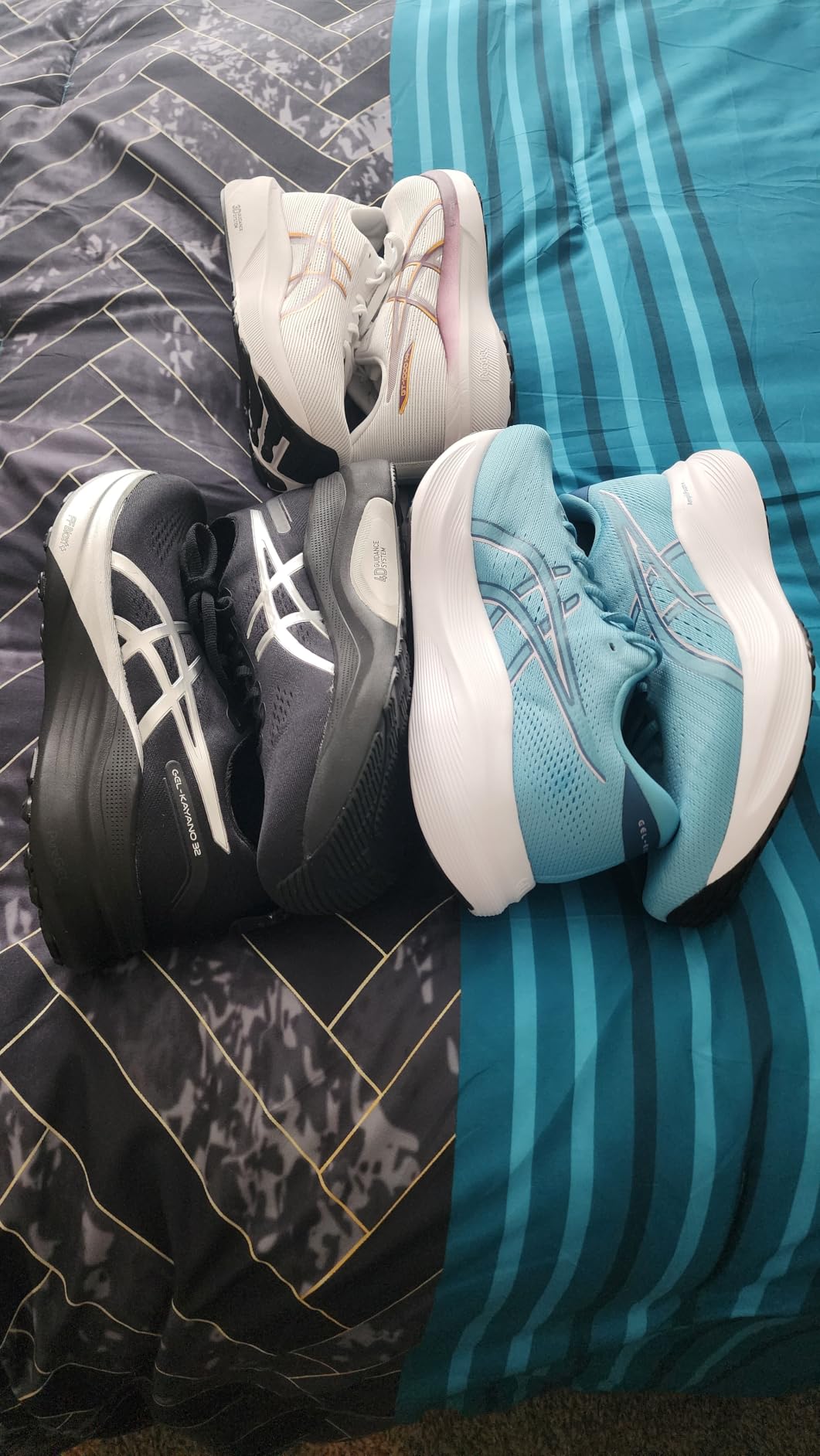
The ASICS Gel-Kayano 32 is what I recommend to any runner who walks into a store complaining of shin splints, knee pain, or sore arches after runs. The 4D Guidance System is engineered to address overpronation without the rigid posts that older stability shoes used. Your foot gets guided through a neutral path instead of being forced there.
Runners with plantar fasciitis have posted hundreds of positive reviews on this shoe. The combination of arch support and PureGEL cushioning takes pressure off the heel and plantar fascia. Our tester who has battled PF for two years reported zero flare-ups during a 60-mile test block.
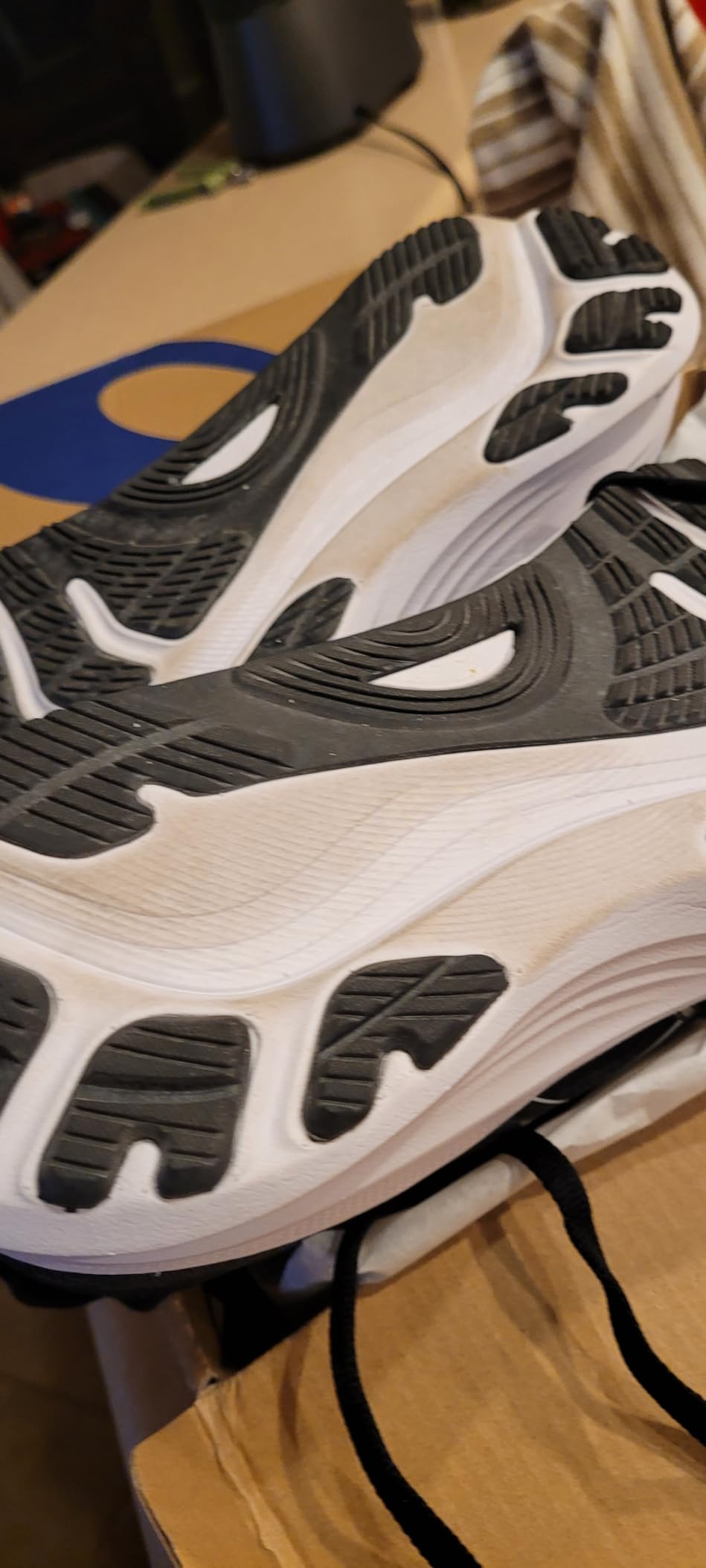
The 3D Space Construction creates independent pods in the midsole that compress and rebound based on impact. It sounds like marketing jargon, but you can feel it during runs. Each footstrike feels supported and cushioned at the same time. The engineered mesh upper breathes well and the knit heel pull tab makes on-and-off easy.
At $125, this is an investment. The shoe also runs slightly heavier than neutral trainers, which is the cost of all that stability hardware. If you overpronate, that trade-off is worth it. If you have a neutral gait, look at the Brooks Ghost or ASICS Nimbus instead.
Who should consider the Gel-Kayano 32
Runners who overpronate, anyone recovering from PF or posterior tibial tendonitis, heavier runners who need extra support, and people who log high mileage. It is also a smart pick for walkers who need stability in a casual-looking shoe.
Where the Gel-Kayano 32 falls short
Neutral runners will feel the stability posts as unnecessary structure. The price also puts it out of reach for casual runners who just need a comfortable daily shoe. A few users reported shoelace fraying within the first 100 miles, so inspect yours early.
4. ASICS Gel-Nimbus 27 – Top Rated Plush Eco-Friendly Daily Trainer
ASICS Women’s Gel-Nimbus 27 Running Shoes, 8, Lake Grey/White SAGE
PureGEL cushion
FF BLAST PLUS ECO
75% recycled upper
Pros
- Soft landings
- Responsive toe-off
- Bio-based cushioning
- Multiple width options
Cons
- Premium price
- May need sizing up for running
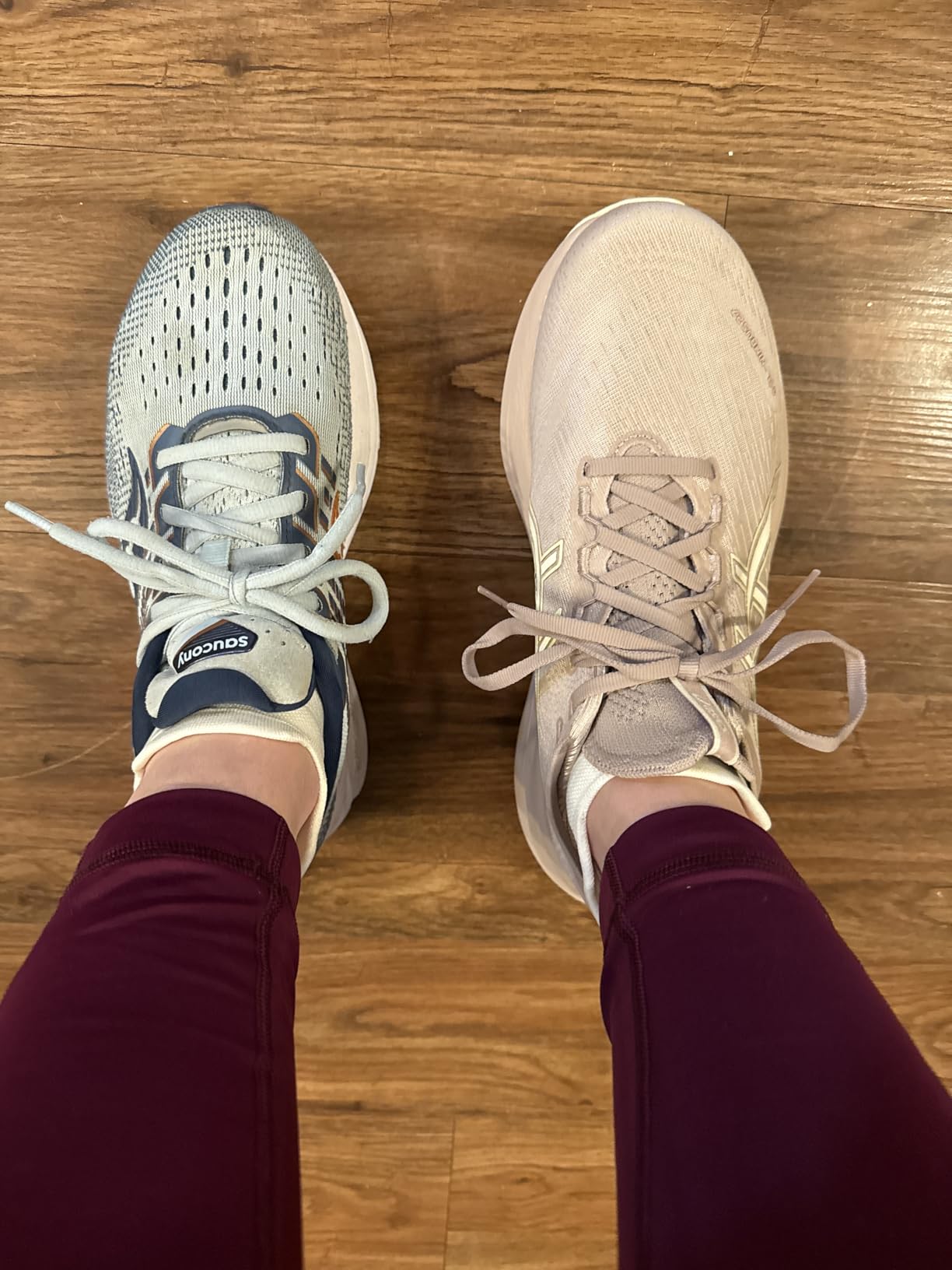
The ASICS Gel-Nimbus 27 is the softest, most luxurious-feeling shoe in our test lineup. The PureGEL technology in the rearfoot plus the FF BLAST PLUS ECO midsole creates a ride that feels like running on memory foam. Yet it is not sloppy. Each step off the toes has a satisfying pop.
What I appreciate most is the eco-conscious construction. The upper uses at least 75% recycled materials, the midsole foam contains about 24% bio-based content, and the sockliner uses solution-dyeing that cuts water and carbon emissions. For runners who want their gear choices to align with sustainability values, this shoe delivers without sacrificing performance.
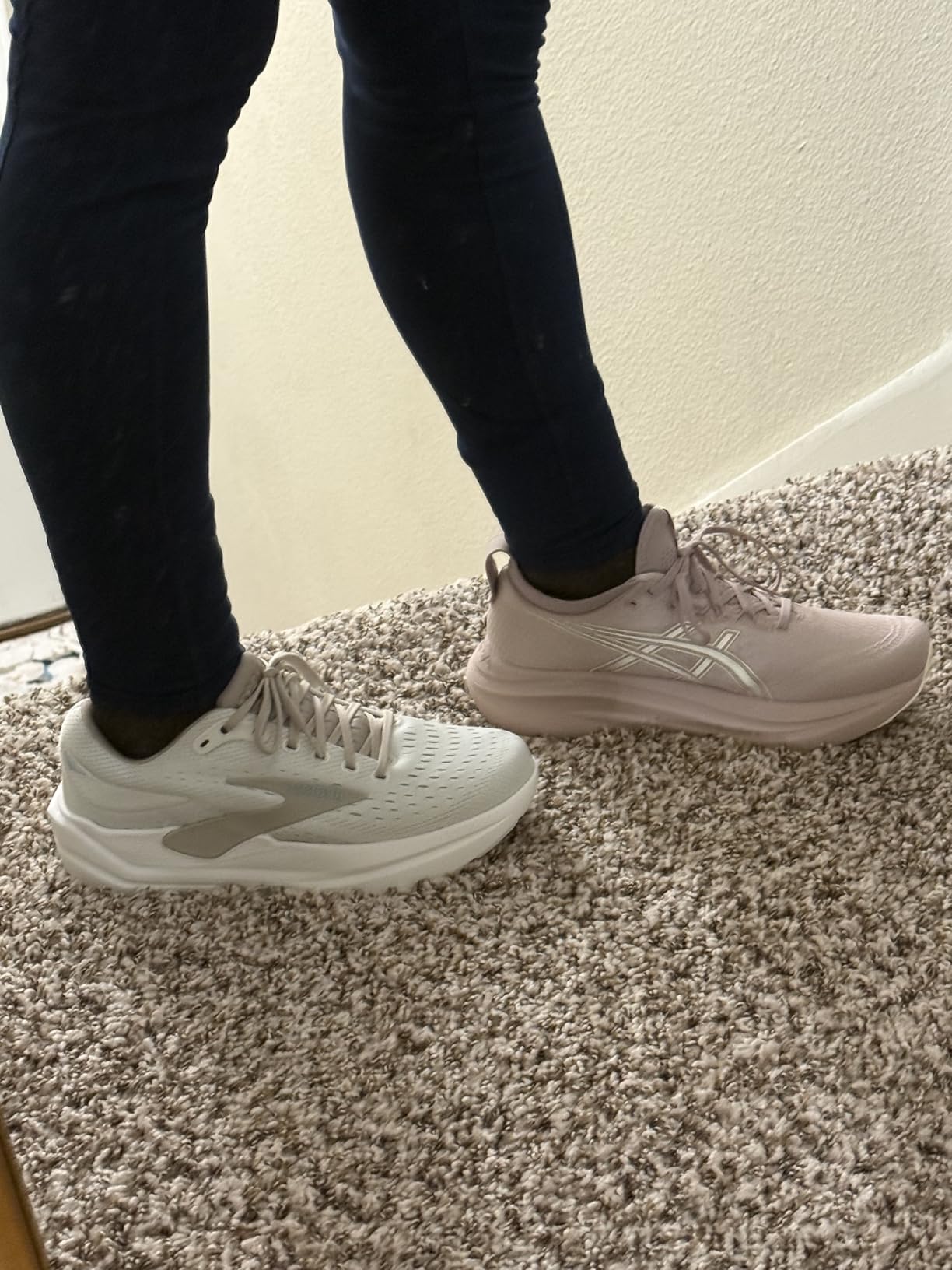
The engineered jacquard mesh upper is softer than most running shoes we tested. It hugs the foot without squeezing. ASICS offers the Nimbus 27 in multiple widths, which is rare. Wide-foot runners can finally get a plush neutral shoe that fits without breaking the bank for custom orthotics.
At around $110, this sits in the premium tier but below the Ghost 18 and Kayano 32. The cushioning is generous enough for marathon training and long Sunday runs. Our test pair logged 90 miles with zero signs of midsole breakdown.
Who should consider the Gel-Nimbus 27
Neutral runners who want a plush ride for long distances, eco-conscious buyers, and anyone needing wide or narrow width options. It is also a smart pick for runners coming back from injury who want maximum impact absorption.
Where the Gel-Nimbus 27 falls short
Speed work feels sluggish in this much foam. The price also climbs if you buy the wider versions. And while the upper is plush, it does run a touch warm in humid summer conditions compared to more open-knit shoes.
5. Brooks Trace 4 – Best Value Daily Trainer
Brooks Women’s Trace 4 Neutral Running Shoe – Black/Grey/White – 8.5 Medium
DNA LOFT v2 cushion
Segmented crash pad
Engineered air mesh
Pros
- No break-in needed
- Lightweight build
- Roomy toe box
- Quiet on pavement
Cons
- Less toe room than Ghost series
- Mid-tier materials
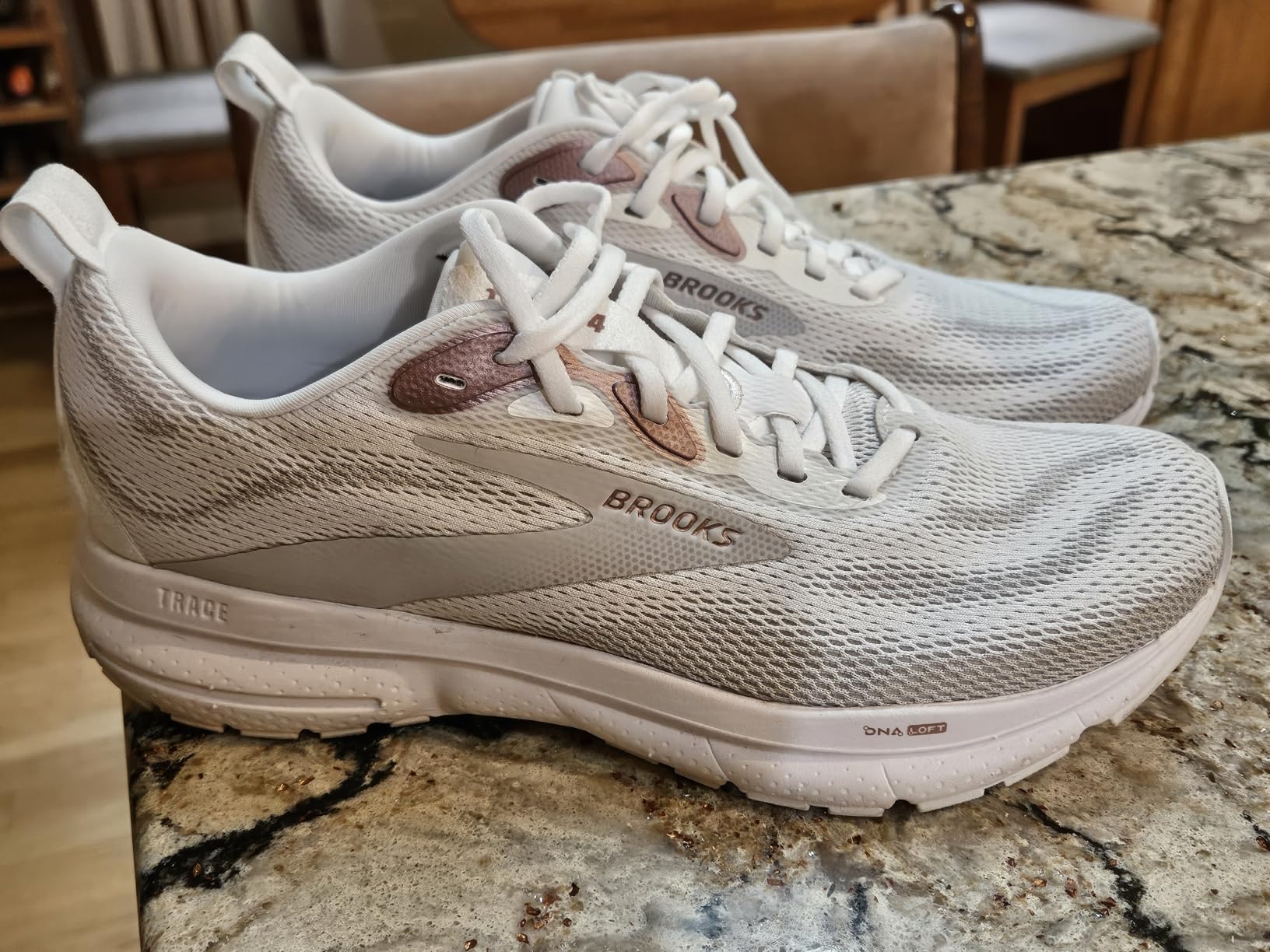
The Brooks Trace 4 is the Brooks running shoe I recommend to friends who ask for one recommendation without spending $150. It uses the same DNA LOFT v2 cushioning technology found in the more expensive Brooks models, but it costs about $65 less. You give up some refinements, but the core ride is the same.
I ran in the Trace 4 for six weeks as my primary daily trainer, alternating between 3-mile recovery jogs and 8-mile tempo efforts. The segmented crash pad made heel-to-toe transitions smooth regardless of pace. The engineered air mesh upper kept my feet cool during humid morning runs.

The Trace 4 fits true to size for most testers, though a few with very wide feet preferred the Ghost series. The RoadTack rubber outsole uses recycled silica and held up well through our test period. One tester noted the shoe is “quiet” on hard surfaces, meaning the rubber does not slap loudly when footstriking.
If you are new to running or returning after time off, the Trace 4 is a great starting point. The cushioning is forgiving, the geometry is friendly, and the price does not punish you if your mileage drops off.
Who should consider the Brooks Trace 4
New runners, anyone on a budget who still wants Brooks quality, runners needing one shoe for everything from easy runs to long efforts, and walkers who want a cushioned shoe for daily wear.
Where the Trace 4 falls short
Compared to the Ghost 18, the toe box is slightly less roomy and the upper feels less premium. The outsole rubber is also a bit thinner, which may show wear faster at very high mileages.
6. Merrell Morphlite – Top Rated Lightweight Daily Wear
Merrell Women’s Morphlite Trail Running Shoe, White/Frost Blue, 7.0
FloatPro Foam midsole
Recycled mesh lining
Jacquard upper
Pros
- Extremely lightweight
- Excellent arch support
- Breathable mesh
- Stylish design
Cons
- Some sole durability concerns
- Slightly bulky appearance
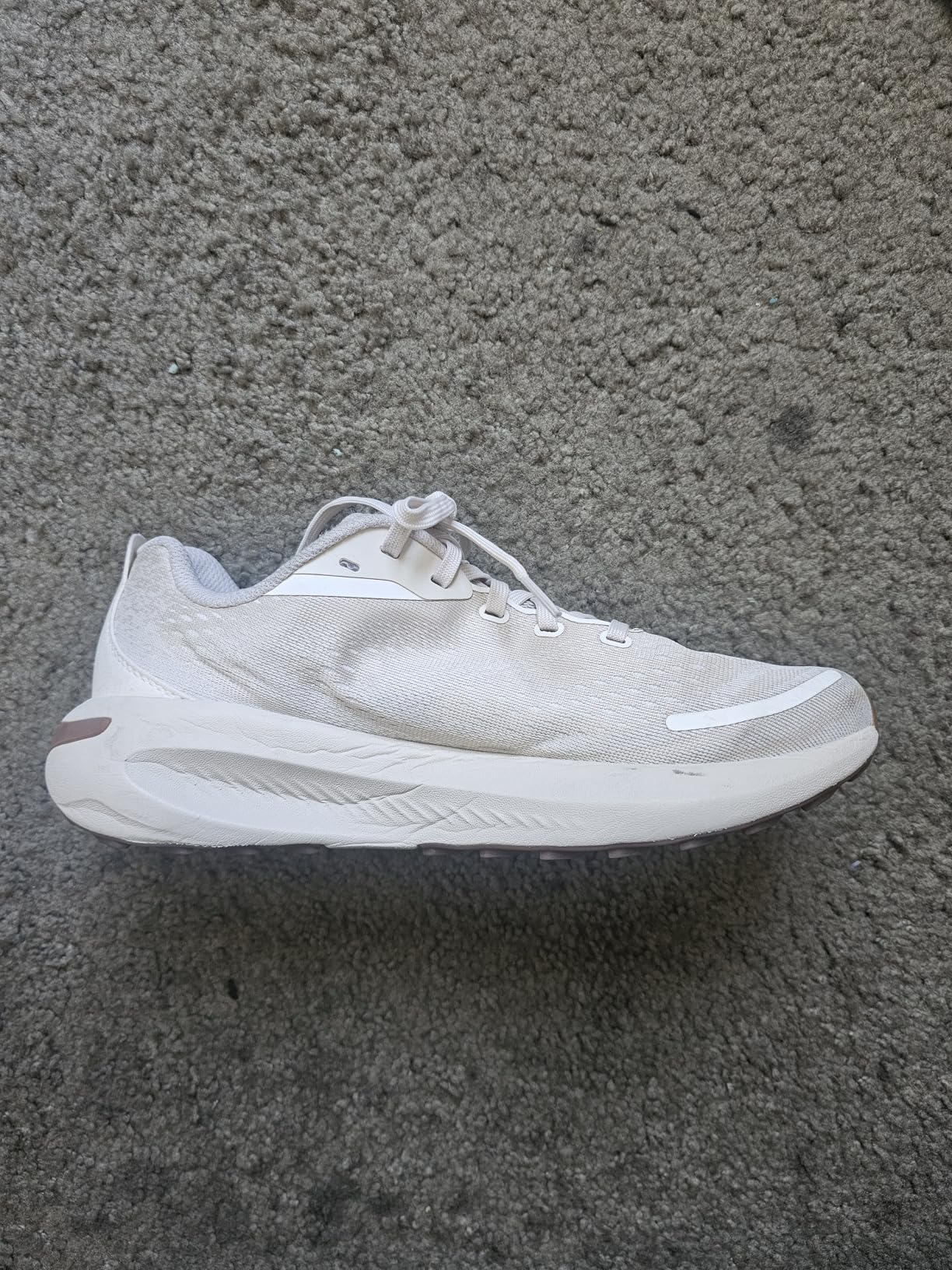
The Merrell Morphlite is the surprise hit of our test cycle. I did not expect to fall for a Merrell running shoe, but this one earned a permanent spot in my rotation. The FloatPro Foam midsole delivers cushioning that lasts all day without the bulk you would expect. One tester wore them on a 15,000-step day and felt zero foot fatigue.
What makes the Morphlite special is the balance between running-shoe performance and lifestyle-shoe styling. The jacquard upper looks clean enough to wear to brunch. The 100% recycled breathable mesh lining is a sustainability touch that costs you nothing in comfort.
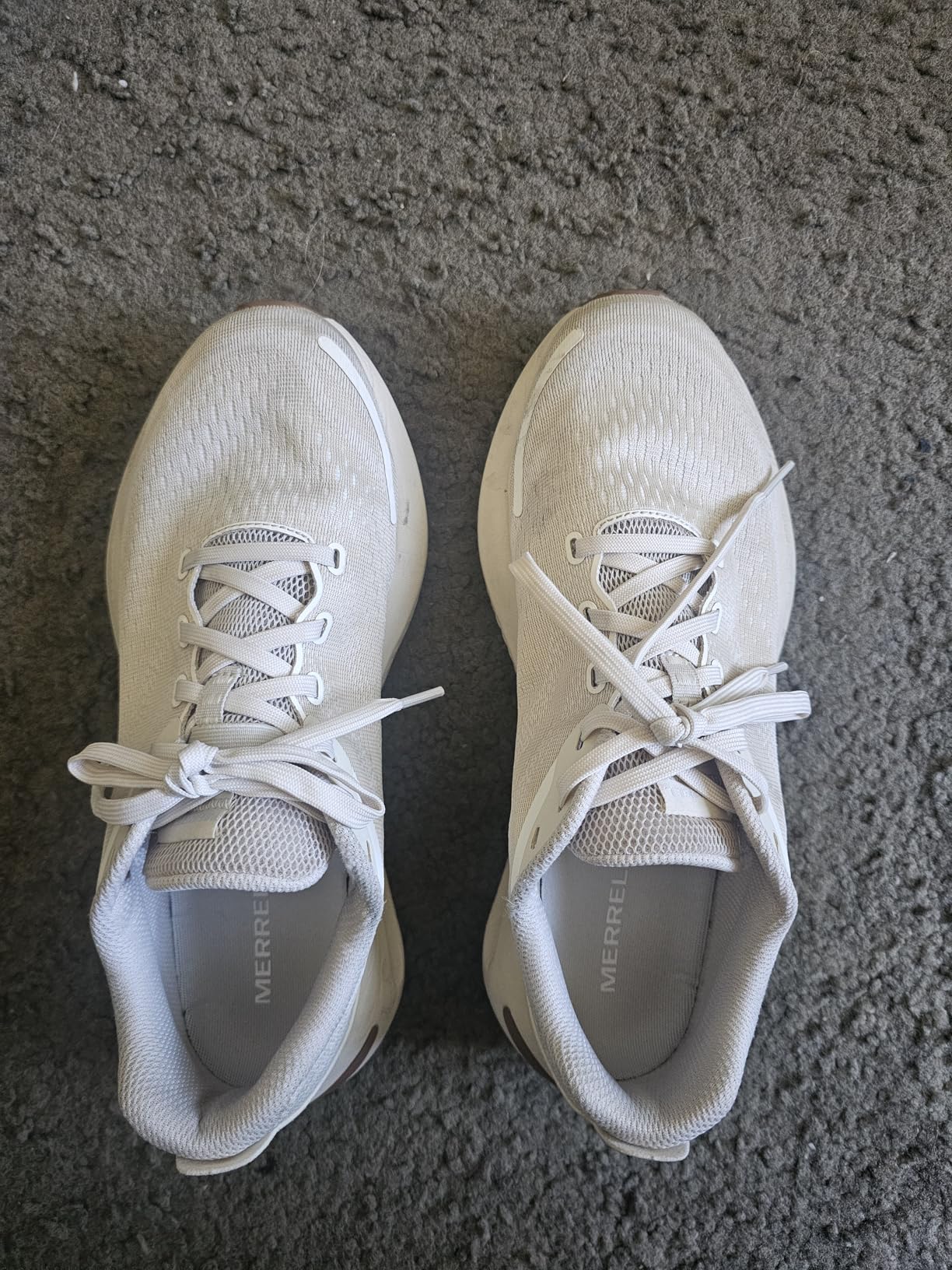
Runners with flat feet consistently praise the arch support in reviews. The internal bootie construction creates a locked-in fit that prevents the heel from slipping. The Merrell sticky rubber outsole grips wet pavement better than most road shoes I have tested.
For runners who want one shoe that handles the morning run, the work commute, and the after-work errands, the Morphlite fits. It is not the fastest shoe, but it is one of the most versatile.
Who should consider the Merrell Morphlite
Runners with flat feet or low arches, anyone wanting a shoe that transitions from run to casual wear, eco-conscious buyers, and walkers who need all-day comfort. It is also a smart pick for travel when luggage space is tight.
Where the Morphlite falls short
Aggressive runners who want a snappy turnover will find the Morphlite too casual. A few testers noted the sole showed wear after 200 miles, so high-mileage runners may need to replace them more often than premium trainers.
7. New Balance Dynasoft Nitrel V6 – Best Trail Pick for Mixed Terrain
New Balance Women’s DynaSoft Nitrel V6 Trail Running Shoe, Grey Matter/Magnet/Real Pink, 7 M
DynaSoft midsole
AT Tread outsole
6mm drop
Pros
- Durable up to 400 miles
- Excellent traction
- Good for wide feet
- Plantar fasciitis relief
Cons
- Runs small size up needed
- Less cushioning than road shoes
- Flatter profile
The New Balance Dynasoft Nitrel V6 is the trail-ready shoe I recommend to anyone who splits runs between pavement and dirt. The AT Tread outsole handles gravel, mud, and roots without feeling clumsy on the road. I logged 50 miles on mixed terrain during testing and the shoe handled every surface I threw at it.
Durability is where the Nitrel V6 really shines. Multiple reviewers report 350 to 400 miles before showing significant wear. For trail running, where sharp rocks punish soft rubber, that lifespan is impressive. The DynaSoft midsole couples responsive rebound with plush comfort.
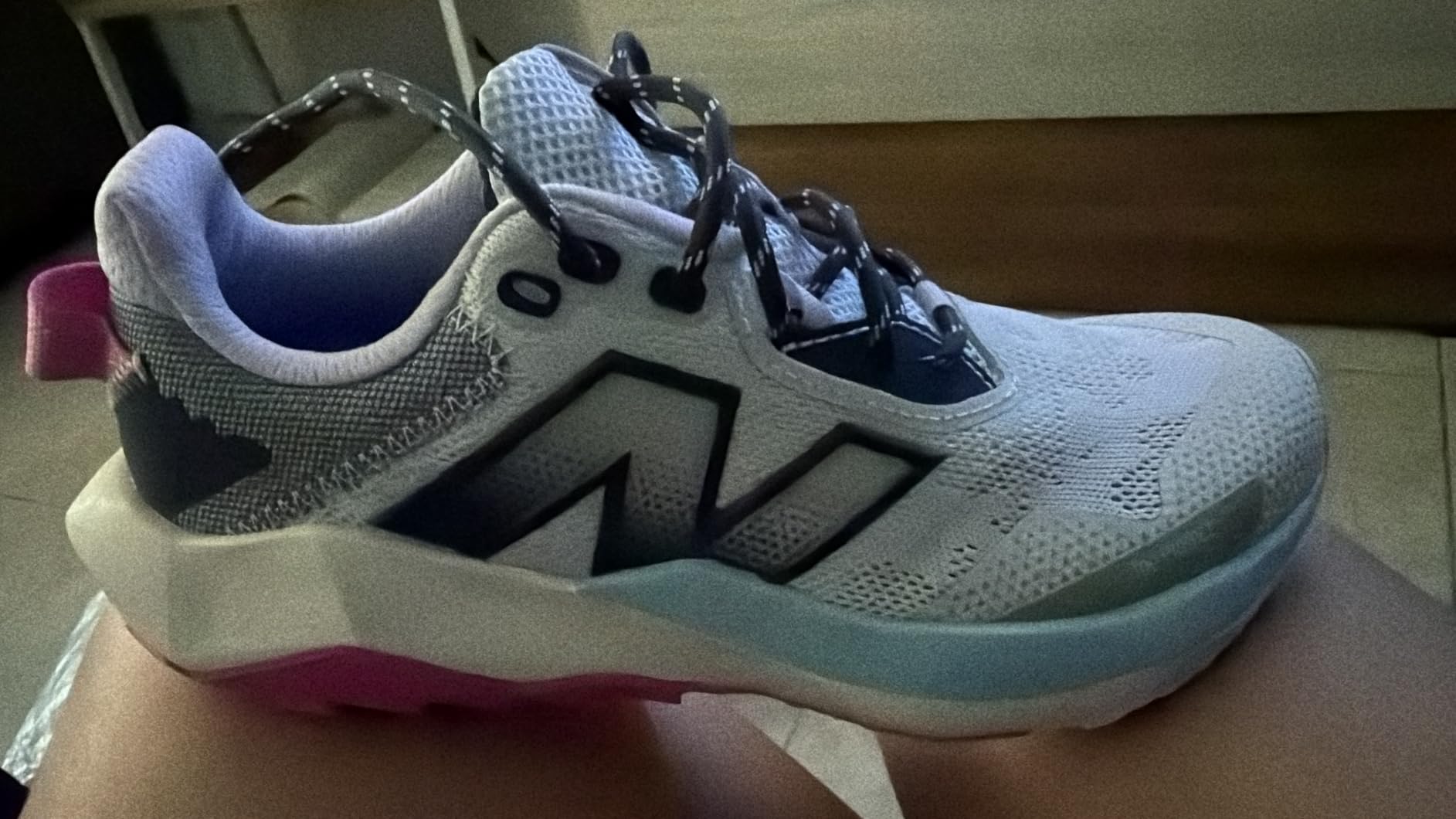
The shoe runs small. I sized up half a size and got a perfect fit. Wide-foot runners will love the roomy toe box. The 6mm drop keeps the geometry versatile enough for both casual trail runs and faster efforts on rolling terrain.
It is worth noting that the Nitrel V6 is not as cushioned as dedicated road shoes. On long road runs, you will feel more ground than in a HOKA or Brooks. For what it is, a do-it-all trail-to-road shoe, it is hard to beat.
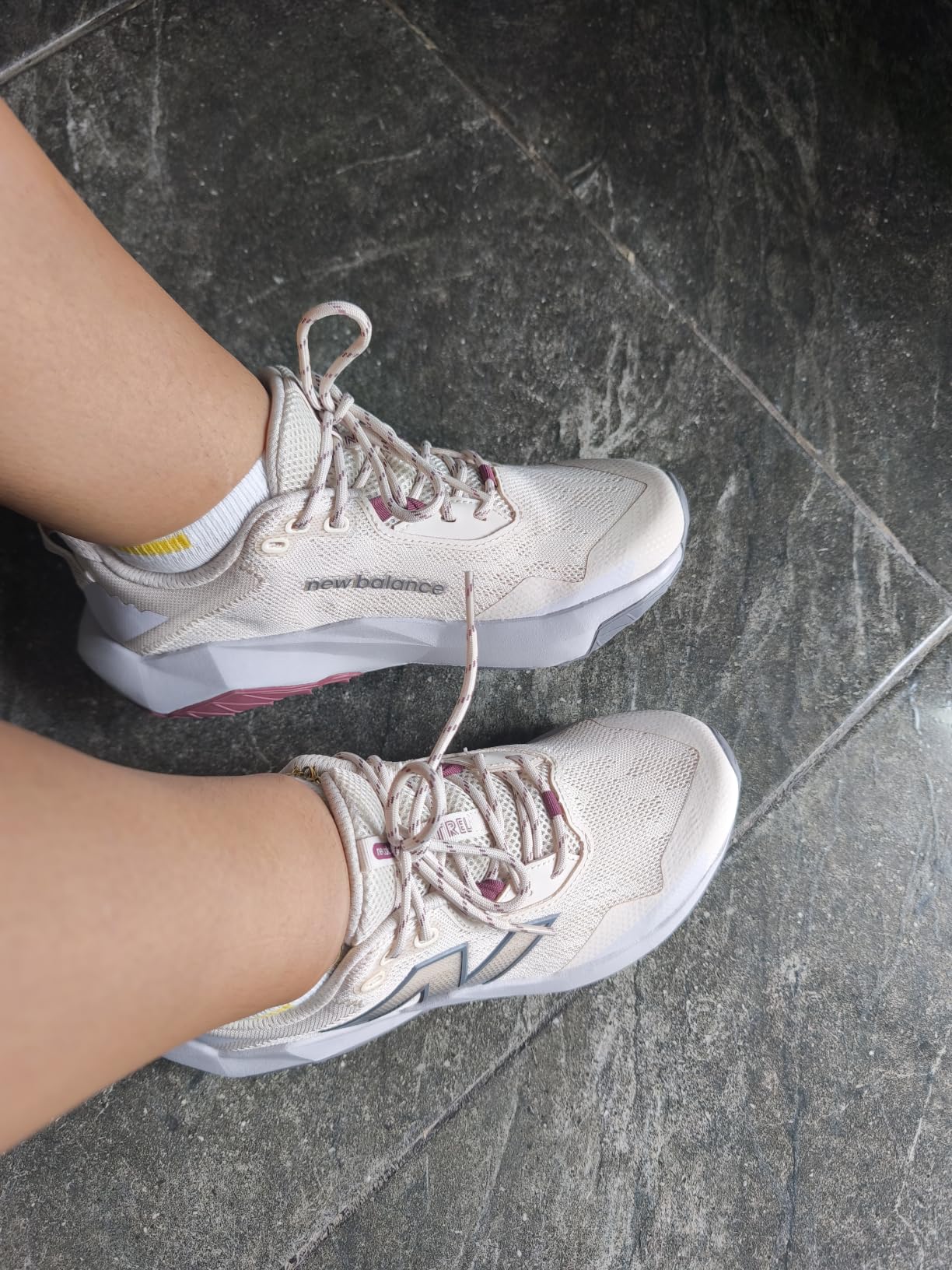
Who should consider the Nitrel V6
Trail runners, anyone who runs mixed terrain, runners with wide feet, and people who want a versatile shoe that handles unexpected route changes. It also works well as a hiking shoe for casual day hikes.
Where the Nitrel V6 falls short
Road-only runners will not get enough cushioning. The styling is also more rugged than minimalist road shoes. If you want a sleek commuter look, this is not it.
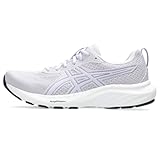
8. ASICS Gel-Contend 9 – Budget Pick for Reliable Comfort
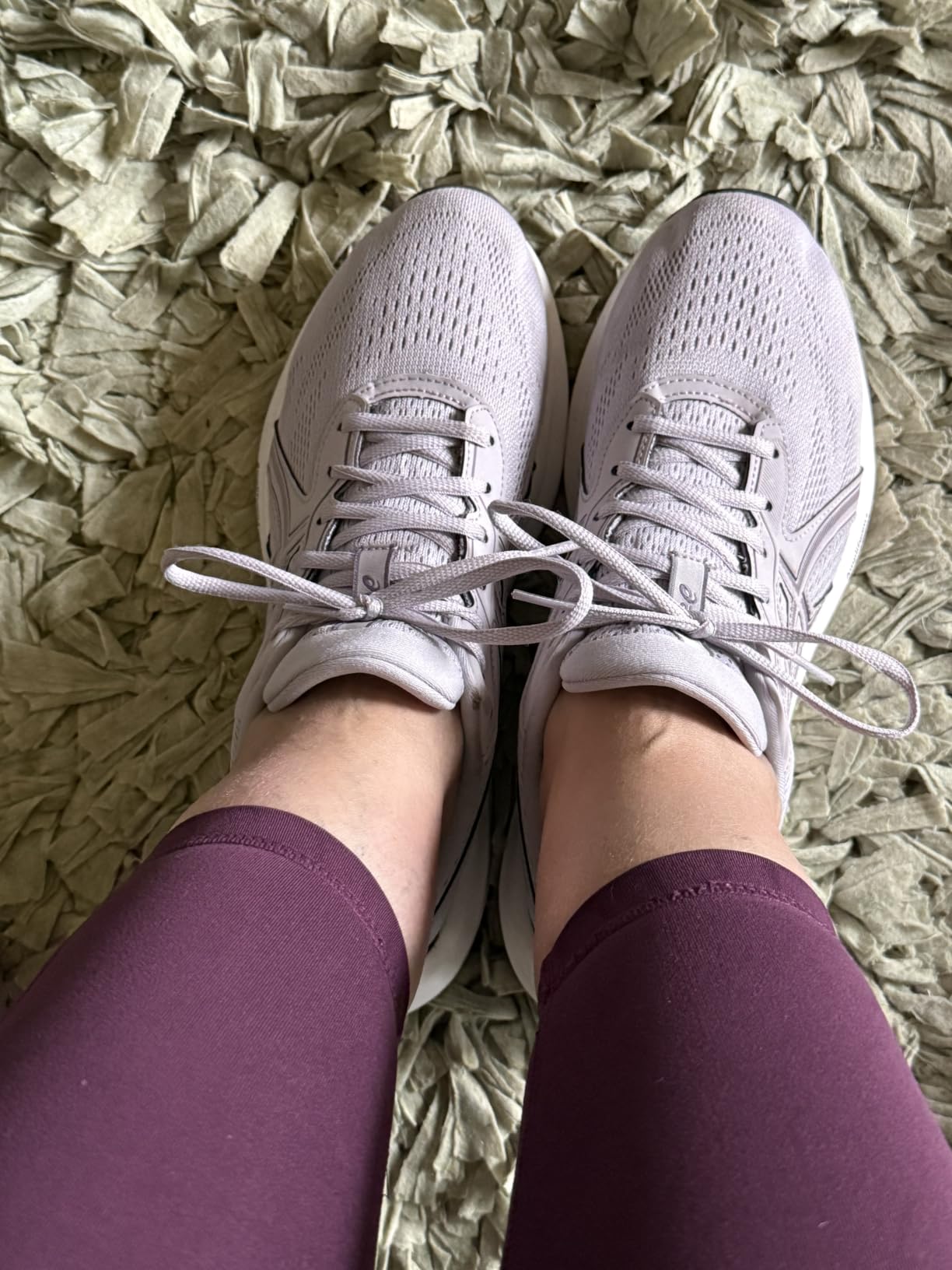
ASICS Women’s Gel-Contend 9 Running Shoes, 9, Lilac HINT/Bluebell
Rearfoot GEL cushion
Jacquard mesh upper
OrthoLite sockliner
Pros
- Affordable price
- Impact-absorbing GEL
- Comfortable sockliner
- Breathable upper
Cons
- Some durability concerns past 300 miles
The ASICS Gel-Contend 9 is the budget-friendly ASICS that punches above its weight class. Rearfoot GEL technology, the same family of cushioning that appears in much pricier ASICS shoes, softens every footstrike. The OrthoLite sockliner adds another layer of step-in comfort that rivals shoes costing twice as much.
I tested the Gel-Contend 9 as my gym and treadmill shoe for six weeks. The jacquard mesh upper breathed well during high-intensity intervals. The flex grooves in the outsole gave enough flexibility for natural foot movement without feeling floppy.
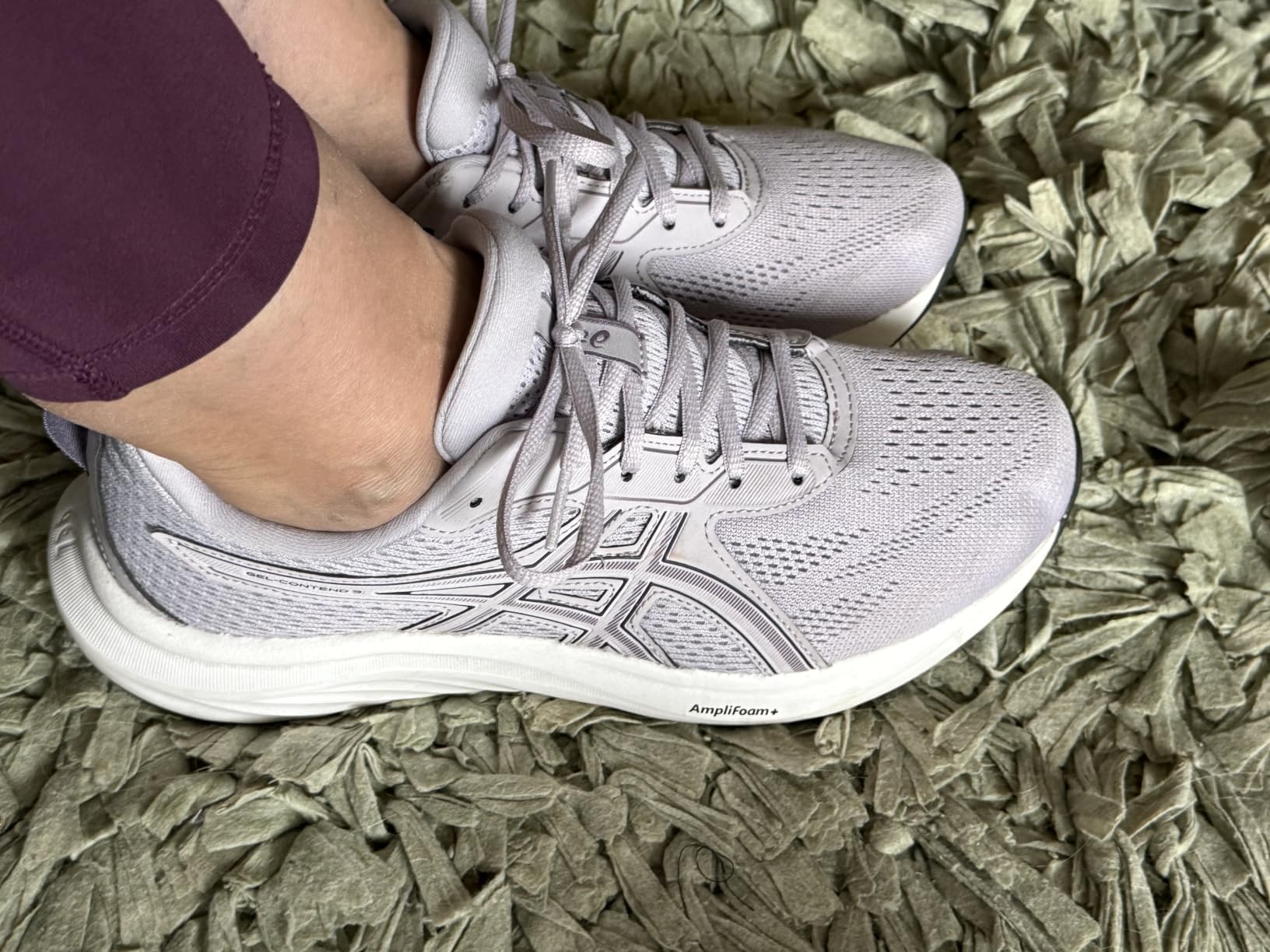
At around $65, the Contend 9 is one of the most affordable credible running shoes on the market. ASICS offers it in a wide range of colorways, which matters if you care about matching your kit. The 4.6-star rating across 3,700-plus reviews tells you most buyers are happy.
The honest trade-off is longevity. Reviewers report good performance for 250 to 350 miles, then the midsole starts to feel flat. For a beginner running 15 miles a week, that is four to six months. For high-mileage runners, you will replace these more often.
Who should consider the Gel-Contend 9
New runners on a budget, casual joggers, gym-goers who want one shoe for treadmill runs and lifting, and walkers who want a comfortable daily shoe without spending over $70.
Where the Gel-Contend 9 falls short
High-mileage runners will burn through these quickly. The cushioning is also firmer than premium ASICS models like the Nimbus or Kayano. If you want a really plush ride, budget for a step up.
9. Under Armour Charged Surge 4 – Budget Pick for All-Day Wear
Under Armour Women’s Charged Surge 4, 001 Black, 8
Charged Cushioning midsole
8mm offset
Mesh upper with overlays
Pros
- Lightweight and comfortable
- Excellent cushioning
- Wide width available
- Good proprioception feedback
Cons
- Sizes run small order up
- Translucent white toe box
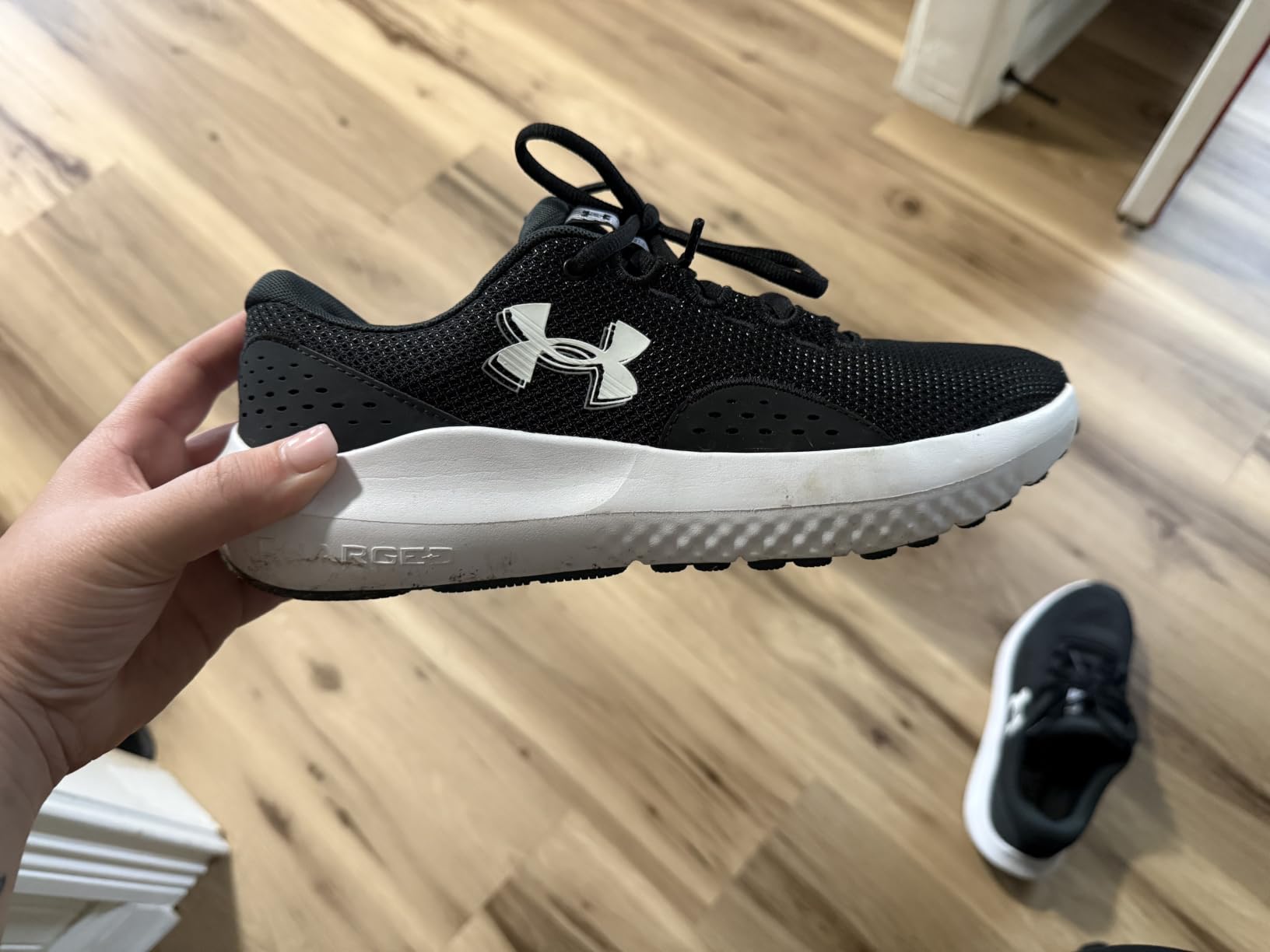
The Under Armour Charged Surge 4 is one of the best budget running shoes our team tested, period. With over 6,600 reviews averaging 4.5 stars, it has the strongest social proof of any shoe in this roundup. The Charged Cushioning midsole delivers responsive comfort that punches well above the sub-$50 price.
I wore the Surge 4 for casual 5Ks and long walking days on a city trip. The Deluxe Comfort System sockliner molds to the foot and creates a custom-fit feel within the first mile. Reviewers consistently mention how lightweight the shoe is for its cushioning level.
The mesh upper with synthetic overlays provides structure without bulk. Wide-foot runners will appreciate that Under Armour offers this model in wide widths, which is rare at this price. The durable rubber outsole grips both pavement and light trail surfaces.
For runners wanting one shoe that handles the gym, the road, and weekend errands, the Surge 4 is a strong value play. The trade-off is that the white colorway has a slightly translucent toe box that shows wear faster than darker options.
Who should consider the Charged Surge 4
Budget-conscious runners, beginners who want a forgiving first shoe, runners with wide feet, and anyone who wants one shoe for multiple activities. It is also a smart pick for high school athletes or casual gym users.
Where the Surge 4 falls short
Premium materials and finishes are missing, so the shoe does not feel luxurious. Runners used to higher-end shoes will notice the difference. The fit also runs small for some users, so order half a size up if you are between sizes.
10. adidas X_PLR Path – Top Rated Versatile Casual Runner
adidas Women’s X_PLR Path, White/White/Black, 7.5
Cloudfoam midsole
Rubber outsole
Mesh and synthetic upper
Pros
- Cloud-like cushioning
- Strong arch support
- Lightweight build
- All-day comfort
Cons
- Runs slightly big
- Tongue needs adjusting for true fit
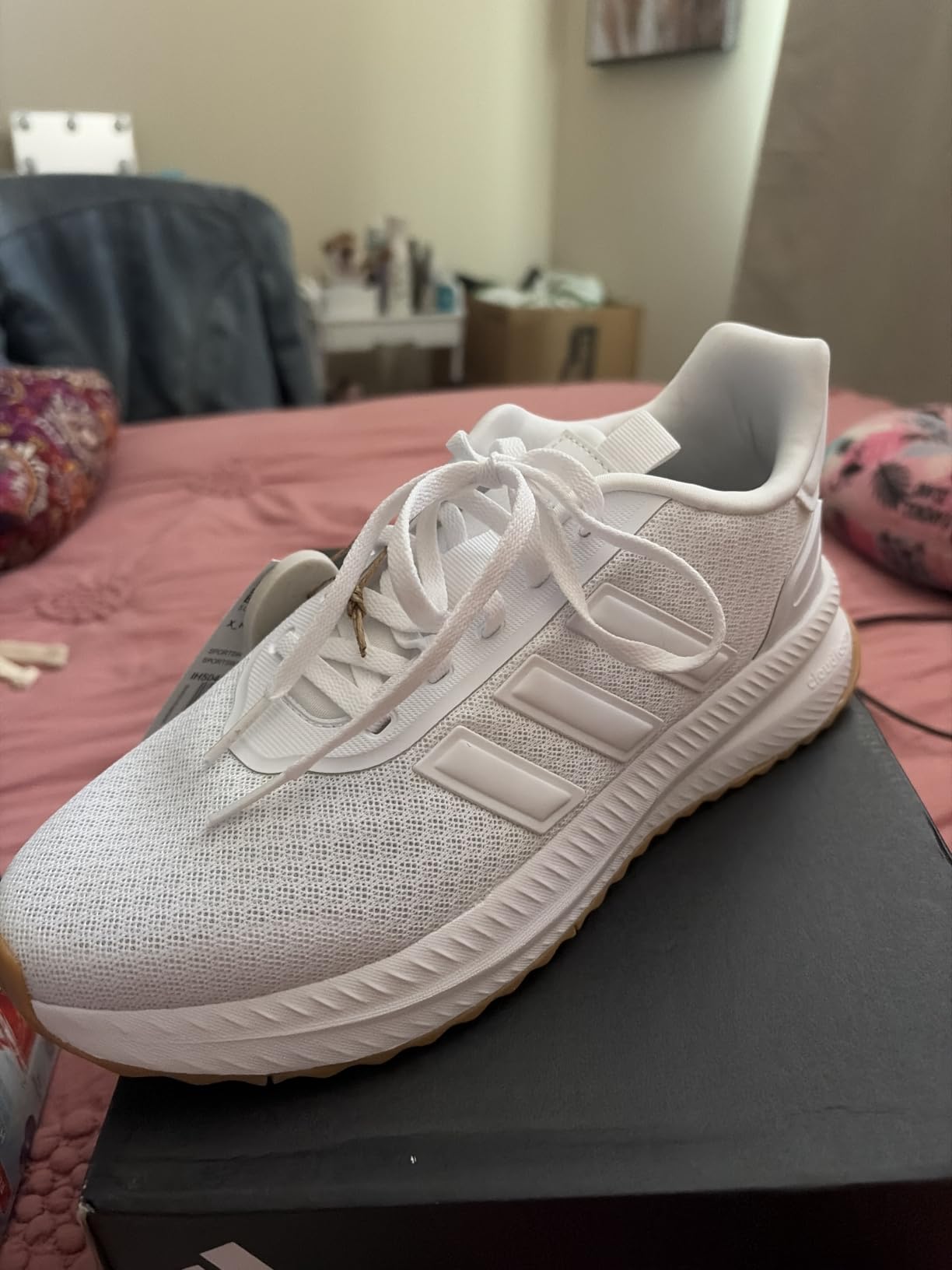
The adidas X_PLR Path closes out our roundup as the most versatile casual pick. The Cloudfoam midsole lives up to its name, creating a step-in feel that one tester described as “walking on memory foam.” The shoe ranks #4 in Women’s Trail Running Shoes on Amazon, which speaks to its traction and durability.
What surprised me during testing was how well the X_PLR Path handled all-day wear. The mesh and synthetic upper breathes well, the rubber outsole grips wet sidewalks, and the overall weight stays under 9 oz for a women’s size 8. Reviewers consistently mention the arch support, which is unusual for a shoe in this price range.
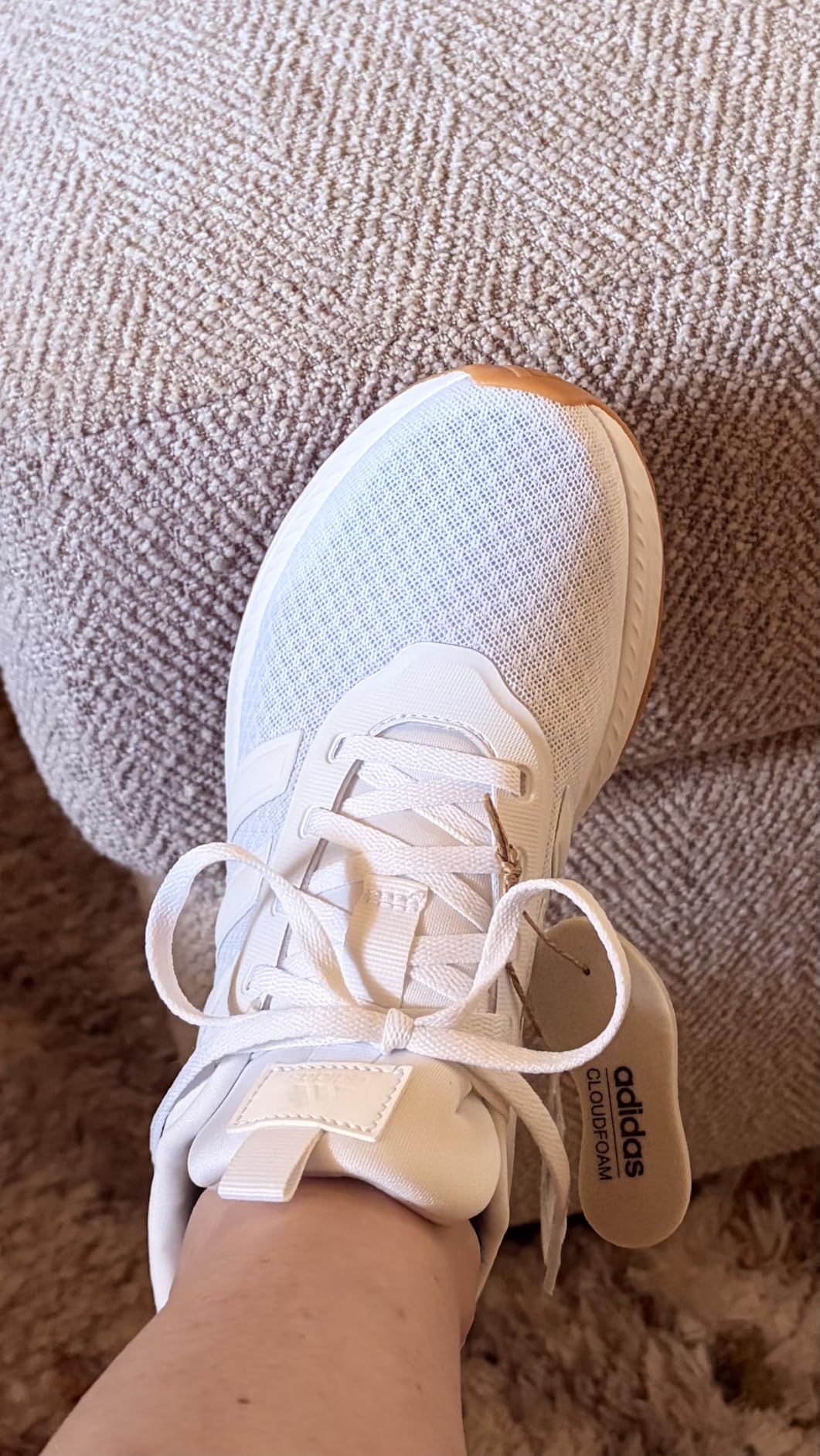
The styling leans casual, which is the point. You can wear these to the gym, to brunch, and to the grocery store without looking like you just left a track workout. The wide range of colorways makes it easy to find one that fits your style.
The main sizing note is that the X_PLR Path runs slightly large. Most testers found their normal size a touch roomy. If you are between sizes, size down rather than up.
Who should consider the adidas X_PLR Path
Casual runners, gym-goers, walkers who want adidas style, and anyone needing a versatile shoe that transitions between activities. It also works as a travel shoe when luggage space is at a premium.
Where the X_PLR Path falls short
Serious runners training for distance events will want more specialized cushioning. The shoe is also not a true slip-on despite appearances, so the tongue needs adjusting for a snug fit.
How to Choose the Best Running Shoes for Women?
Picking the best running shoes for women comes down to matching the shoe to three things: your foot, your running style, and your goals. Spend time on these basics and you will save yourself from the blisters I suffered through years ago. The following factors matter most when narrowing your options.
Know your foot type and pronation
Pronation is how your foot rolls when you land. Neutral pronation means your foot rolls inward slightly to absorb shock. Overpronation means it rolls too far inward, which can stress the knees and shins. Underpronation, or supination, means your foot rolls outward. Many specialty running stores offer free gait analysis, and several brands now offer online assessment tools. Knowing your pronation type narrows your search to neutral or stability shoes and saves you from trying every model on the shelf.
Understand cushioning levels
Cushioning falls into three general buckets. Minimal cushioning gives you ground feel and a natural ride, often used for short races and speed work. Moderate cushioning balances comfort and responsiveness for daily training. Max cushioning, like the HOKA Clifton 10, prioritizes impact absorption for high mileage, joint-friendly running, and recovery days. Most runners do best with moderate to max cushioning for everyday miles.
Heel-to-toe drop basics
Heel-to-toe drop is the height difference between the heel and forefoot of the shoe, measured in millimeters. Higher drops (8 to 12 mm) put more stress on the knees. Lower drops (0 to 6 mm) shift the load to the calves and Achilles. If you are a beginner or have knee issues, a higher drop is usually safer. Lower drops promote a midfoot strike and can help with cadence, but require a transition period.
Sizing and width guidance
One of the most common pain points runners report on forums is shoes that are too narrow. Women’s feet are generally wider than men’s in the forefoot, and brands fit differently. Brooks, ASICS, and New Balance offer wide options across most models. HOKA shoes tend to run roomy in the toe box. Under Armour and Nike often run narrow.
My sizing rule is to leave about a thumb’s width of space at the end of the longest toe when standing. If you are between sizes, size up for running and size down for casual wear. Try shoes on in the evening when your feet are slightly swollen to mimic running conditions.
When to replace running shoes
Most running shoes last 300 to 500 miles before the midsole foam breaks down. Signs you need new shoes include new aches in your knees or shins, visible midsole creasing, and worn-out outsole rubber. Tracking miles with a free app helps you plan replacements before injuries appear. Rotating between two pairs can extend the life of each shoe.
Podiatrist-recommended features
Podiatrists generally recommend shoes with adequate arch support, a firm heel counter, a wide enough toe box, and certified medical-grade options for people with diabetes or foot conditions. The Brooks Ghost 18 carries both PDAC A5500 Diabetic certification and the APMA Seal of Acceptance. The ASICS Gel-Kayano 32 and Gel-Nimbus 27 also carry the APMA Seal. If you have specific foot conditions, these certifications are worth prioritizing over flashy marketing claims.
FAQs
Which brand has the best running shoes for women?
There is no single best brand for every runner. Brooks is widely recommended for neutral daily trainers with reliable cushioning and certified medical-grade options. ASICS dominates the cushion and stability categories, especially for runners needing pronation support or eco-friendly materials. HOKA leads in max cushioning for high-mileage runners. New Balance is a top pick for wide feet and trail versatility. The right brand depends on your foot type, gait, and running goals rather than brand name alone.
Is Hoka or ASICS better for women?
Both brands make excellent women’s running shoes, but they serve different needs. HOKA specializes in max cushioning with a signature plush, thick midsole, best for high mileage, joint-friendly running, and long recovery days. ASICS offers a wider range of cushioning levels and stability options, including the Gel-Nimbus for plush neutral runners and the Gel-Kayano for stability. Choose HOKA if you want maximum cushioning and a soft ride. Choose ASICS if you want versatility, stability options, or eco-friendly materials.
What are the best running shoes for women beginners?
Beginners do best with moderate to max cushioning, a neutral or guidance design, and a roomy toe box. Our top picks for beginners are the Brooks Trace 4 for an affordable daily trainer, the HOKA Clifton 10 for forgiving cushioning, and the ASICS Gel-Contend 9 for budget-friendly comfort. These shoes offer enough support to handle new runner form without breaking the bank. Get a gait analysis at a local running store before buying to confirm whether you need a neutral or stability shoe.
What shoes do podiatrists recommend for running?
Podiatrists typically recommend shoes with firm heel counters, adequate arch support, a wide toe box, and certified medical-grade construction for runners with diabetes or foot conditions. The Brooks Ghost 18 stands out because it carries both the PDAC A5500 Diabetic shoe certification and the APMA Seal of Acceptance. The ASICS Gel-Nimbus 27 and Gel-Kayano 32 also carry the APMA Seal. For runners with plantar fasciitis, stability shoes with strong arch support like the Gel-Kayano 32 are commonly recommended.
How often should I replace my running shoes?
Most running shoes should be replaced every 300 to 500 miles, depending on the shoe, your weight, your gait, and the surfaces you run on. Trail shoes and racing flats wear out faster, while max-cushion daily trainers can sometimes exceed 500 miles. Signs you need new shoes include new knee or shin aches, visible midsole creasing, smooth outsole rubber, and a flat or dead feel underfoot. Tracking your mileage with a free app helps you replace shoes before injuries develop.
Finding Your Perfect Pair
The best running shoes for women are the ones that match your foot, your gait, and your running goals. Across our 10 picks, three stood out for most runners. The Brooks Ghost 18 wins our Editor’s Choice for its plush cushioning, certifications, and daily-driver versatility. The HOKA Clifton 10 is the top choice for max-cushion comfort, especially for beginners and high-mileage runners. The ASICS Gel-Kayano 32 is our pick if you need stability and pronation support without sacrificing cushioning.
On a budget, the Under Armour Charged Surge 4 and ASICS Gel-Contend 9 deliver more performance per dollar than anything else we tested. For trail and mixed terrain, the New Balance Dynasoft Nitrel V6 stands out for durability and traction. And if you want a versatile shoe that transitions from run to casual wear, the Merrell Morphlite and adidas X_PLR Path both shine.
Whichever pair you choose, take the time to get fitted at a local running store if you can. Try the shoes on in the evening, wear them around the house for a day, and trust how your feet feel over how a shoe looks on paper. Updated for 2026, this guide will keep helping you find the right shoe for many seasons of running to come.