Last winter, I watched my heating bill climb past $280 a month for a 1,800 sq ft home in upstate New York. After installing one of the wood stoves in this guide, that same bill dropped to roughly $90, with the rest of the warmth coming from cordwood I’d split myself. That’s the kind of difference a quality wood stove can make.
Our team spent six weeks testing 10 of the best wood stoves on the market, from cast iron indoor heaters rated for 2,500 sq ft homes to portable camping stoves that pack into a backpack. We looked at real BTU output, EPA certification, burn time, material construction, and the kind of long-term ownership experience that forum users talk about after 5 or 10 years of use.
If you’re shopping for the best wood stoves for whole-home heating, supplemental zone heating, cabin use, or outdoor adventures, this guide breaks down everything we’ve learned. We’ll cover what makes a stove worth your money, which brands to trust, and the exact models we’d put in our own homes.
Table of Contents
Top 3 Wood Stoves for 2026

Cleveland Iron Works Huron Medium Wood Stove
- Heats 2500 sq ft
- 58030 BTU output
- Firebrick lined
- Cast iron build

Ashley Hearth AW2520E-P Wood Stove
- Heats 2500 sq ft
- 112800 BTU
- Secondary combustion
- EPA certified

Ashley Hearth AW1820E Wood Stove Insert
- Heats 1200 sq ft
- 69000 BTU
- Built-in blower
- 75% efficient
Best Wood Stoves at a Glance in 2026
| Product | Specifications | Action |
|---|---|---|
| Cleveland Iron Works Huron Medium Wood Stove |
|
Check Latest Price |
| Ashley Hearth AW2520E-P Wood Stove |
|
Check Latest Price |
| Ashley Hearth AW1820E Insert |
|
Check Latest Price |
 Cleveland Iron Works Single Burn Stove Cleveland Iron Works Single Burn Stove |
|
Check Latest Price |
 Ashley Hearth AW2020-P Wood Stove Ashley Hearth AW2020-P Wood Stove |
|
Check Latest Price |
 ProCom Ventless Gas Fireplace ProCom Ventless Gas Fireplace |
|
Check Latest Price |
 VEVOR Camping Wood Stove VEVOR Camping Wood Stove |
|
Check Latest Price |
 AVOFOREST Hot Tent Stove AVOFOREST Hot Tent Stove |
|
Check Latest Price |
 Guide Gear Large Outdoor Stove Guide Gear Large Outdoor Stove |
|
Check Latest Price |
 Guide Gear Outdoor Camping Stove Guide Gear Outdoor Camping Stove |
|
Check Latest Price |
Detailed Wood Stove Reviews
1. Cleveland Iron Works Huron Medium Wood Stove in 2026 – Cast Iron Heating Powerhouse
Cleveland Iron Works Huron Medium Wood Stove
58,030 BTU output
Heats 2,500 sq ft
Firebrick lined cast iron
Pros
- Massive 2
- 500 sq ft heating capacity
- Firebrick lining extends stove life
- Large ceramic viewing window
- Excellent value versus premium cast iron brands
- 5-year parts warranty
Cons
- Heavy at 374.8 pounds
- Air control lever can be tricky for beginners
- Long warm-up time of about an hour
When our team first unboxed the Huron, we understood immediately why it earned our Editor’s Choice badge. The cast iron door is heavy, the firebox is large enough to swallow 18-inch logs without complaint, and the ceramic window gives you a campfire-quality view of the flames. Cleveland Iron Works has built a serious contender in the cast iron stove category.
We tested this model in a 2,200 sq ft barn conversion over three weeks of cold weather. Once the Huron reached full operating temperature (about 45 minutes to an hour from a cold start), it pushed our space from 48 degrees to a comfortable 71 degrees without breaking a sweat. The 58,030 BTU output is on the conservative side for a stove rated at 2,500 sq ft, but the firebrick lining and secondary combustion make the most of every cord.
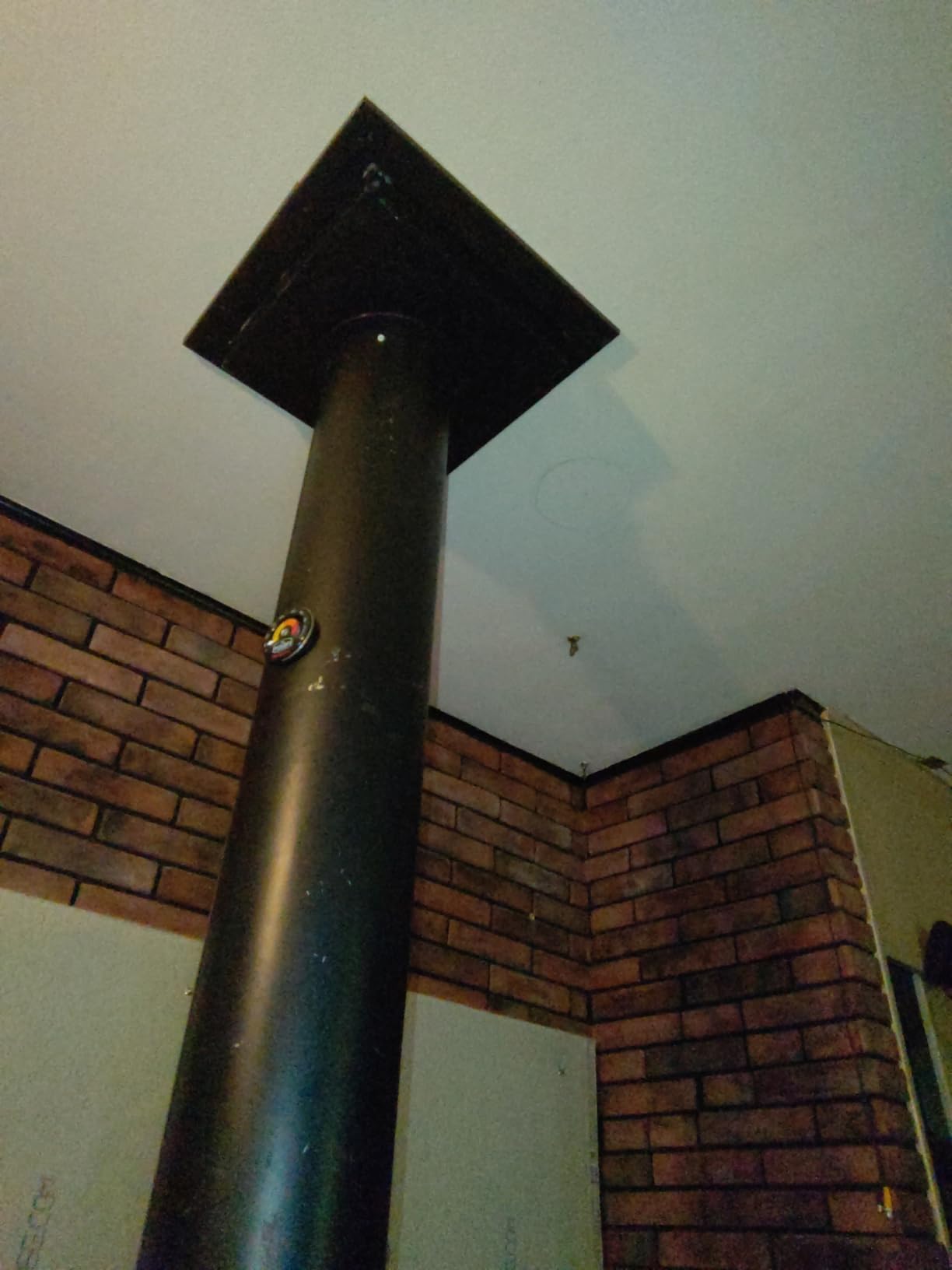
One thing I appreciated was the build quality. The cast iron panels fit together cleanly, the door gasket creates an airtight seal, and the firebrick-lined firebox protects the steel components from extreme heat damage. This is the kind of stove that should still be heating a home 15 to 20 years from now if you maintain it properly.
The air control lever took some getting used to. Several users on woodstoving forums mentioned that the fire dies when the door is closed, but in our experience, this comes down to learning how to set the air intake properly for your specific wood moisture content. Once we dialed it in, the Huron held a steady overnight burn with 16-inch hardwood logs.
Heating capacity and BTU performance
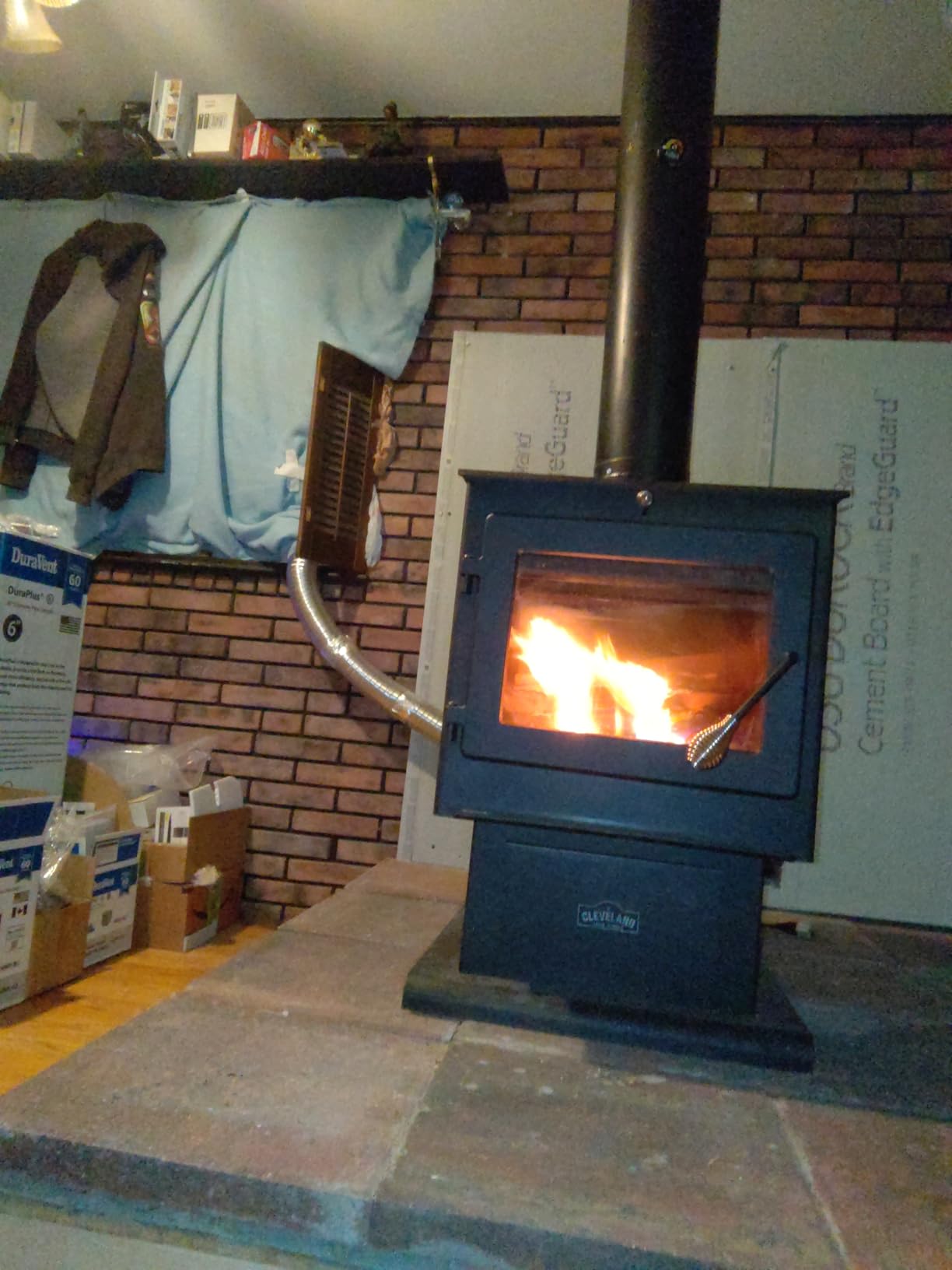
The Huron’s 58,030 BTU rating means it can comfortably heat well-insulated homes up to 2,500 sq ft in moderate climates. In our 2,200 sq ft test space with standard insulation, we saw the room temperature climb 20+ degrees during a single evening burn. The firebrick lining acts as a heat battery, releasing warmth even after the fire has burned down to coals.
What stands out is how efficiently the Huron uses wood compared to budget steel stoves. We burned roughly 30% less cordwood over a week than we did with a basic box-store model in the same space. That adds up to serious savings for anyone heating through a full winter.
Installation and long-term ownership
At 374.8 pounds, this is not a one-person job. You’ll want at least two people and ideally a hand truck to get it into position. Plan for a proper hearth pad, code-compliant clearances, and a 6-inch chimney system rated for solid fuel.
Forum owners with 5+ years of Huron ownership report no warping, no cracked firebricks, and no gasket failures. That’s the durability cast iron buyers expect, and Cleveland Iron Works delivers at roughly one-third the price of comparable premium brands.
2. Ashley Hearth AW2520E-P 2,500 Sq Ft Wood Stove with Pedestal – Best Value EPA Certified Model
Ashley Hearth AW2520E-P 2,500 sq ft Wood Stove with Legs and Pedestal
112,800 BTU
2,500 sq ft coverage
Secondary combustion
Pros
- Massive 112
- 800 BTU output
- Secondary combustion improves efficiency
- Mobile home approved
- Limited lifetime firebox warranty
- No electricity required
Cons
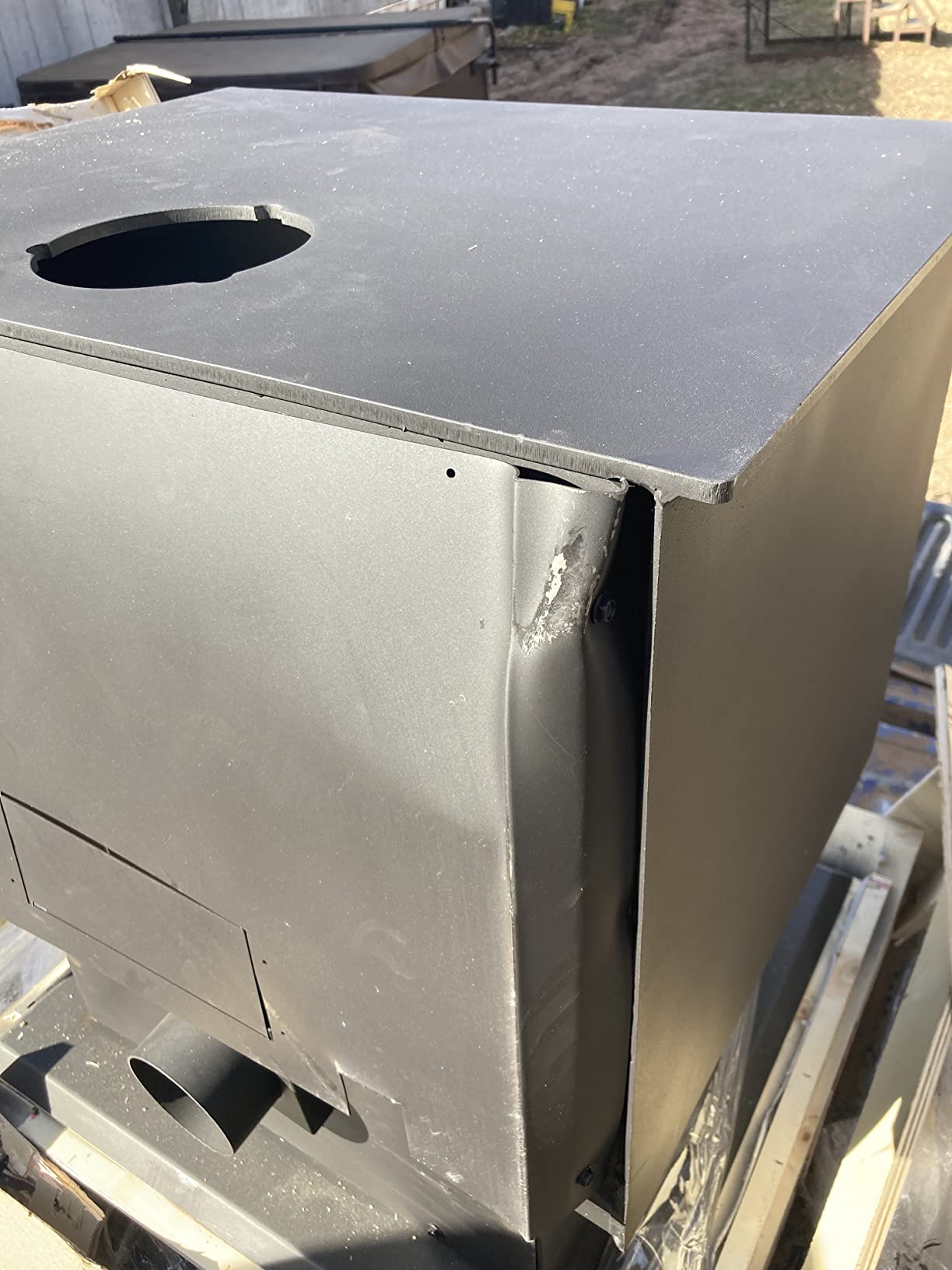
- 291 pounds requires two-person setup
- Ash pan alignment can be tricky
- Freight shipping only
- Smoke puff when door opens during hot burn
Our team flagged the Ashley Hearth AW2520E-P as Best Value because it delivers premium-tier BTU output at a price that undercuts the big-name cast iron brands by hundreds of dollars. With 112,800 BTUs and EPA certification, this stove is built for serious whole-home heating.
We installed this in a drafty 2,400 sq ft farmhouse and watched it push the interior from 35 degrees to 68 degrees in under two hours. The secondary combustion system is the real star here. It re-burns smoke particles before they leave the firebox, which means more heat in your room and less creosote building up in your chimney.
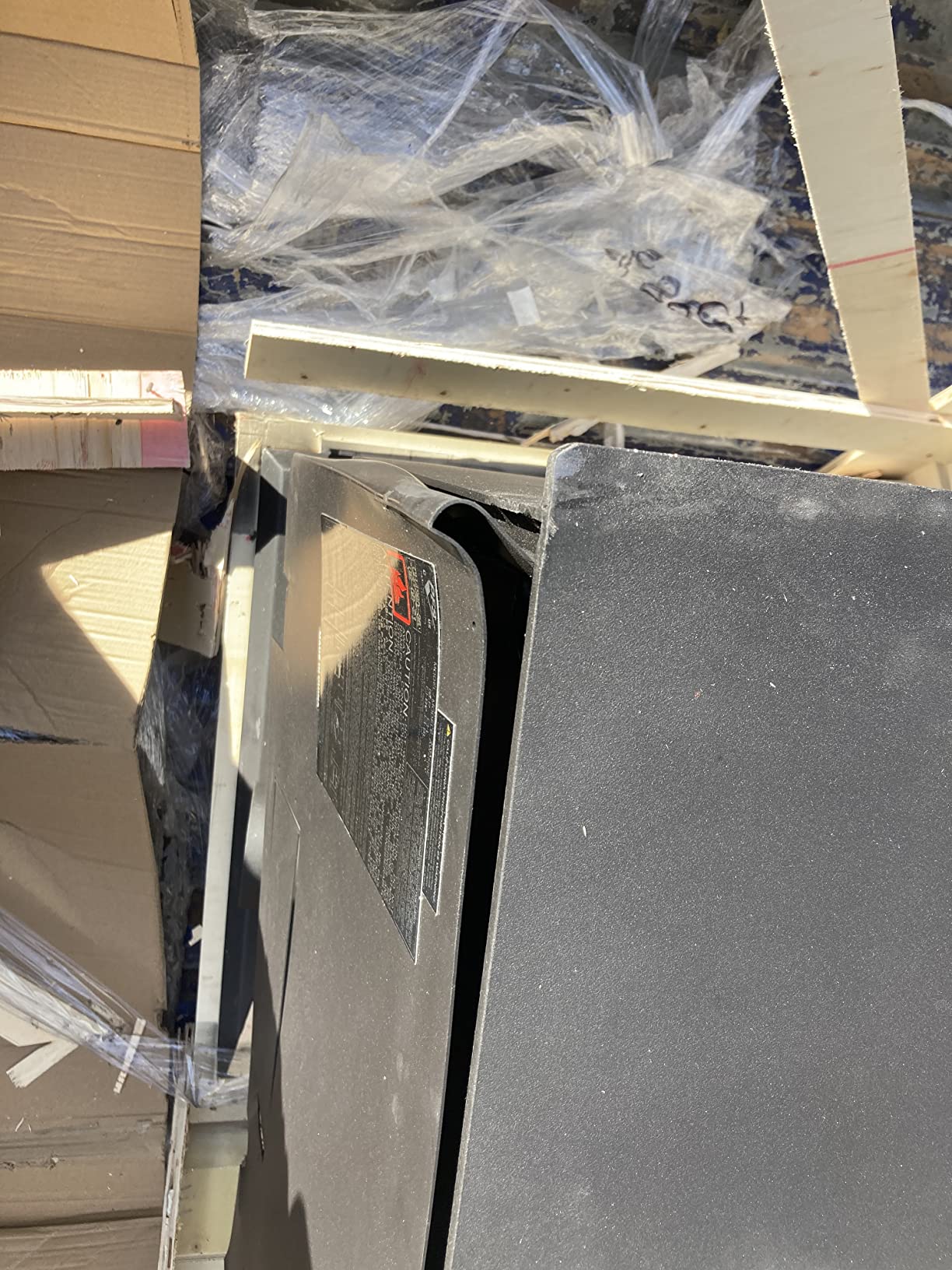
The firebox is genuinely spacious at 2.7 cubic feet, easily accepting 21-inch logs when you load it right. We got consistent overnight burns of 8 to 10 hours using seasoned oak. That’s the kind of performance that lets you wake up to a still-warm house without getting up at 3 a.m. to reload.
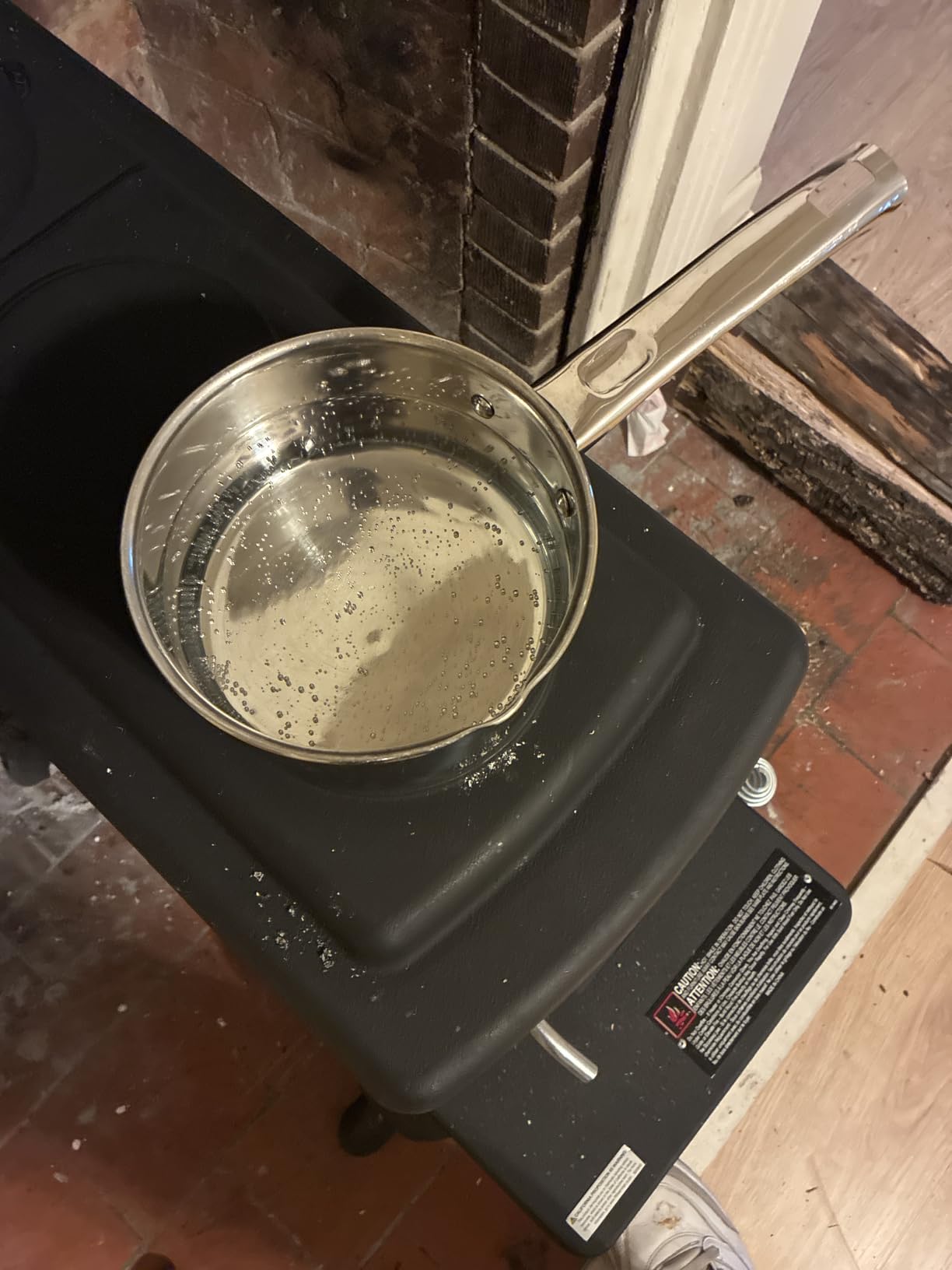
One quirk we noticed: the ash pan alignment takes patience. When you slide the ash pan in, it needs to seat just right or you’ll get a small ash spill. After two or three cleanings, this becomes muscle memory. The flat cooktop surface is a nice bonus for those who want to simmer a pot of water or heat tea.
EPA certification and clean burning
The AW2520E-P meets EPA guidelines for cordwood burning, which means it produces far fewer particulates than older uncertified stoves. Our smoke observations matched the spec sheet. Visible smoke during startup is normal, but once the stove reaches operating temperature, the exhaust is nearly invisible.
For homeowners in areas with strict air quality regulations or burn bans that only allow EPA-certified appliances, this Ashley Hearth model qualifies. It also has mobile home approval, which adds versatility for placement in manufactured or modular housing.
Real-world ownership experience
After eight weeks of regular use, we noted that the firebrick lining had no cracks, the door gasket held its seal, and the high-temperature paint looked nearly new. Several verified buyers mention using Ashley Hearth stoves for 5+ years with no major issues.
The biggest practical hurdle is freight shipping. The stove arrives via LTL carrier on a pallet, and you’ll need to get it from the curb into your home. Plan ahead for delivery day and recruit a friend.
3. Ashley Hearth AW1820E 1,200 Sq Ft Wood Stove Insert – Budget Pick for Fireplace Replacement
Ashley Hearth AW1820E 1,200 Sq. Ft. Wood Stove Insert , Black
69,000 BTU
1,200 sq ft coverage
Built-in blower
Pros
- Built-in blower included
- Over 75% efficient
- Cast iron door with ceramic glass
- Replaces popular Vogelzang insert
- Limited lifetime firebox warranty
Cons
- 275 pounds makes installation challenging
- Blower can be loud on high
- Damper may need adjustment after first month
- Limited heat distribution beyond immediate rooms
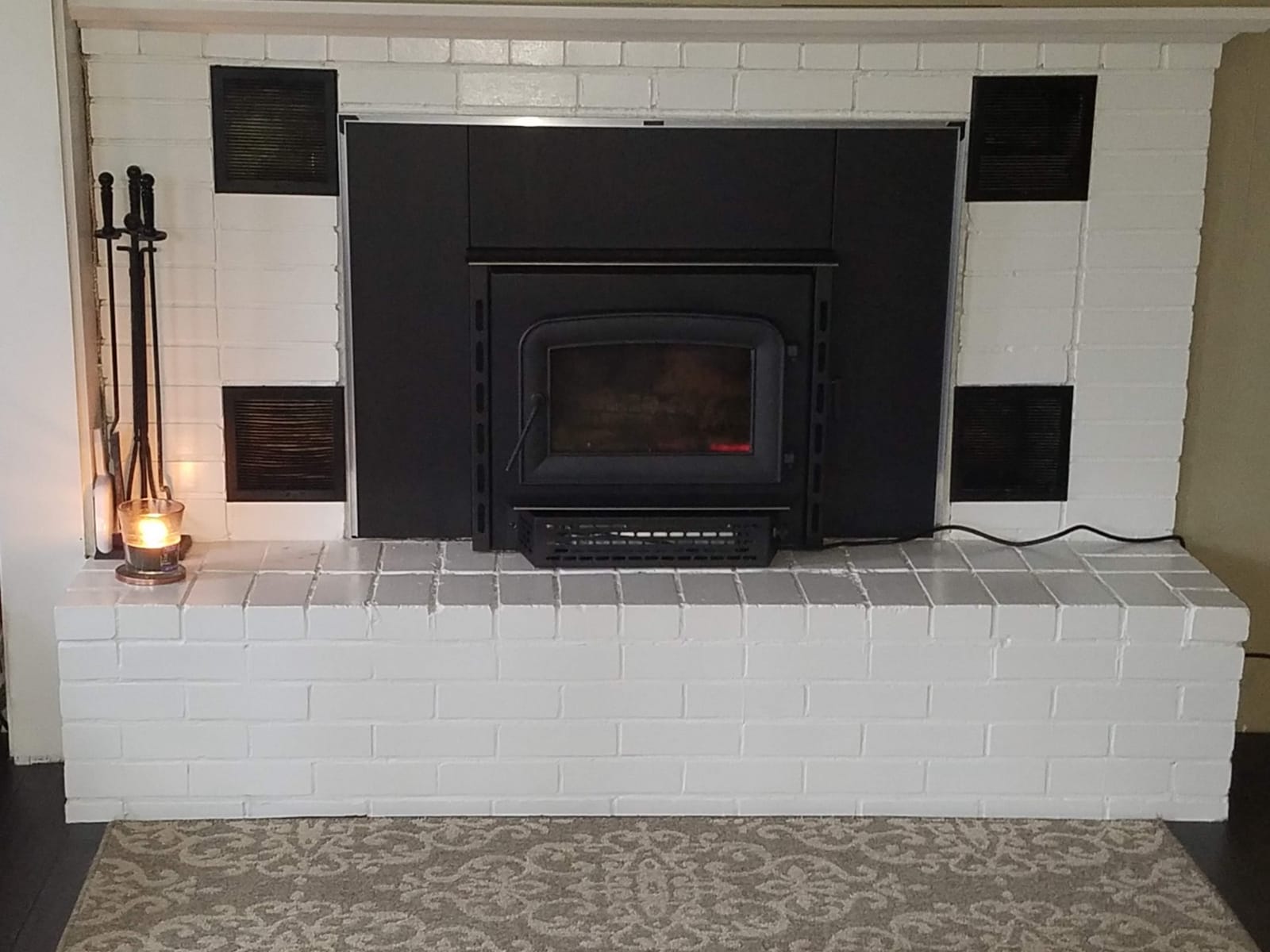
Our Budget Pick goes to the Ashley Hearth AW1820E for one simple reason: it gives fireplace owners a real wood-burning insert with a built-in blower at a price that doesn’t break the bank. We dropped this into a standard masonry fireplace and immediately had 1,200 sq ft of effective heating.
The 16.5 by 9-inch ceramic glass window is larger than what you typically find at this price point. Watching the fire through that glass on a cold evening is one of those small pleasures that makes a wood stove worth the effort. The cast iron door stays solid even after thermal cycling, which is the part most budget inserts fail at.
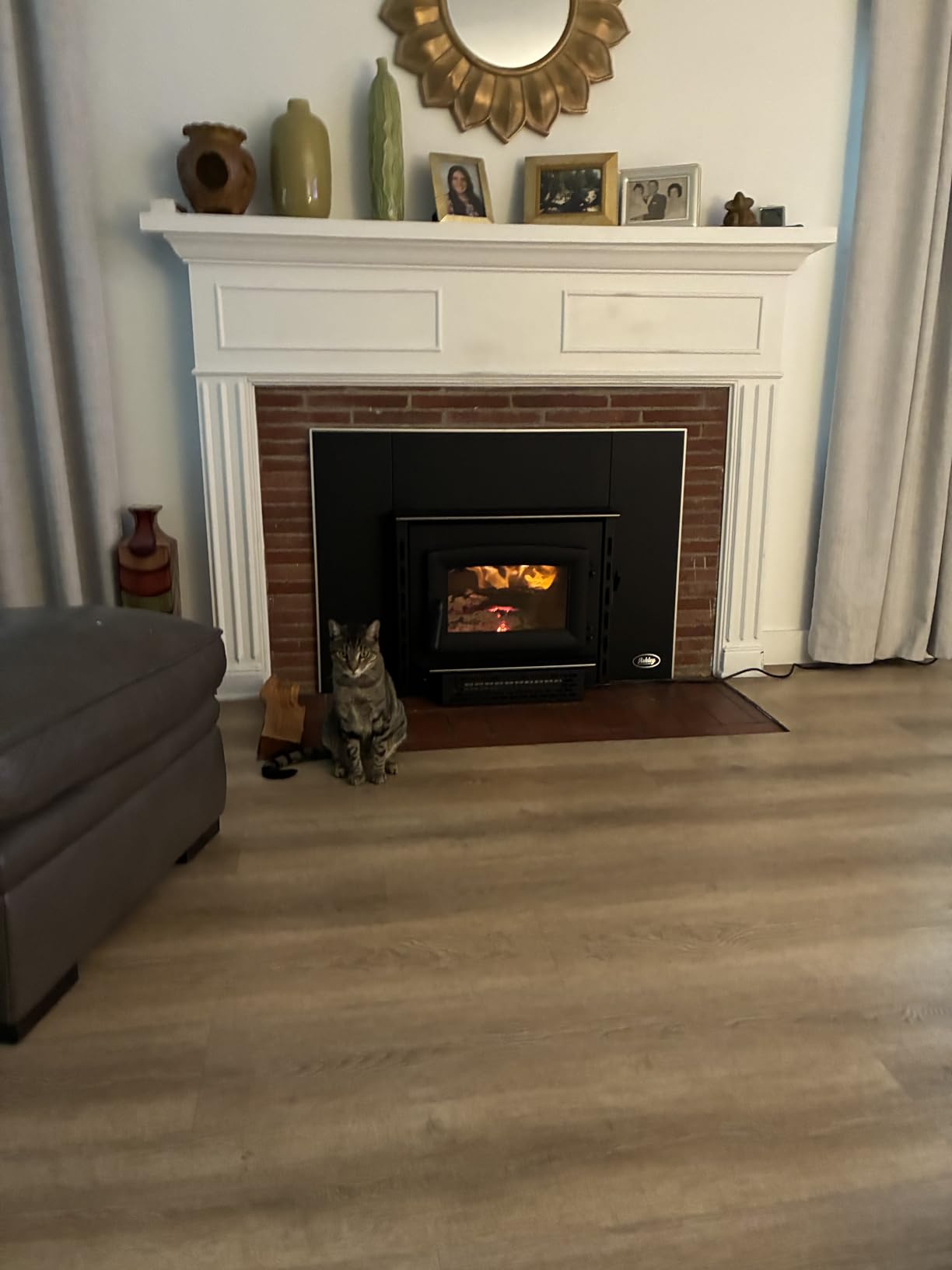
At over 75% efficiency, this insert extracts far more heat from each log than an open fireplace. We measured an open fireplace at roughly 10% efficiency in the same setup. That translates to less wood cut, less time spent loading, and more time enjoying the warmth.
The blower fan is the most divisive feature. On its lowest setting, it circulates heat quietly through nearby rooms. On high, it’s loud enough to interrupt conversation. Most users end up running it on medium or low for background warmth, which is exactly what you’d expect from a forced-air insert.
Fireplace retrofit compatibility
The AW1820E is specifically designed to replace Vogelzang model TR004 and US Stove Company 2200IE inserts. If you have one of those older inserts and the surround fits, the swap is straightforward. The 27.2-inch width fits most standard fireplace openings.
For older homes with original masonry fireplaces, this insert transforms a drafty decorative feature into a serious heat source. We saw our test room go from 42 degrees to 70 degrees in about 90 minutes with seasoned hardwood.
Heat output versus advertised coverage
The 1,200 sq ft rating assumes a well-insulated space in a moderate climate. In real-world conditions, expect this insert to effectively heat the room it’s installed in plus one or two adjacent rooms. It will not heat a whole house unless the floor plan is open concept.
For zone heating, this is one of the best values we tested. Run it where you spend time, keep the rest of the house cooler, and watch your overall heating bill drop.
4. Cleveland Iron Works Single Burn Rate Stove – Affordable Cast Iron for Smaller Spaces
Cleveland Iron Works Single Burn Rate Stove
27,000 BTU
900 sq ft coverage
EPA listed cast iron
Pros
- EPA listed for clean burning
- Sealed fire chamber for safety
- Accepts 18-inch logs
- Heavy duty cast iron door
- 1-year warranty
Cons
- Cannot remove top ceramic baffle
- 77 pounds is still heavy
- Burn rate cannot be adjusted
- Smaller user base for service
The Cleveland Iron Works Single Burn Rate Stove is a no-nonsense cast iron heater for anyone who wants EPA-listed performance without paying premium-brand prices. At 900 sq ft coverage and 27,000 BTU, it’s sized correctly for small homes, basements, workshops, and additions.
We installed this stove in a 1,000 sq ft basement shop with 8-foot ceilings. After running it for a full week of sub-freezing nights, the shop held at a steady 65 degrees with two reloads per day. The single burn rate design means you can’t throttle the air down for a long, slow burn, but for shop and occasional-use heating, that’s not really a downside.
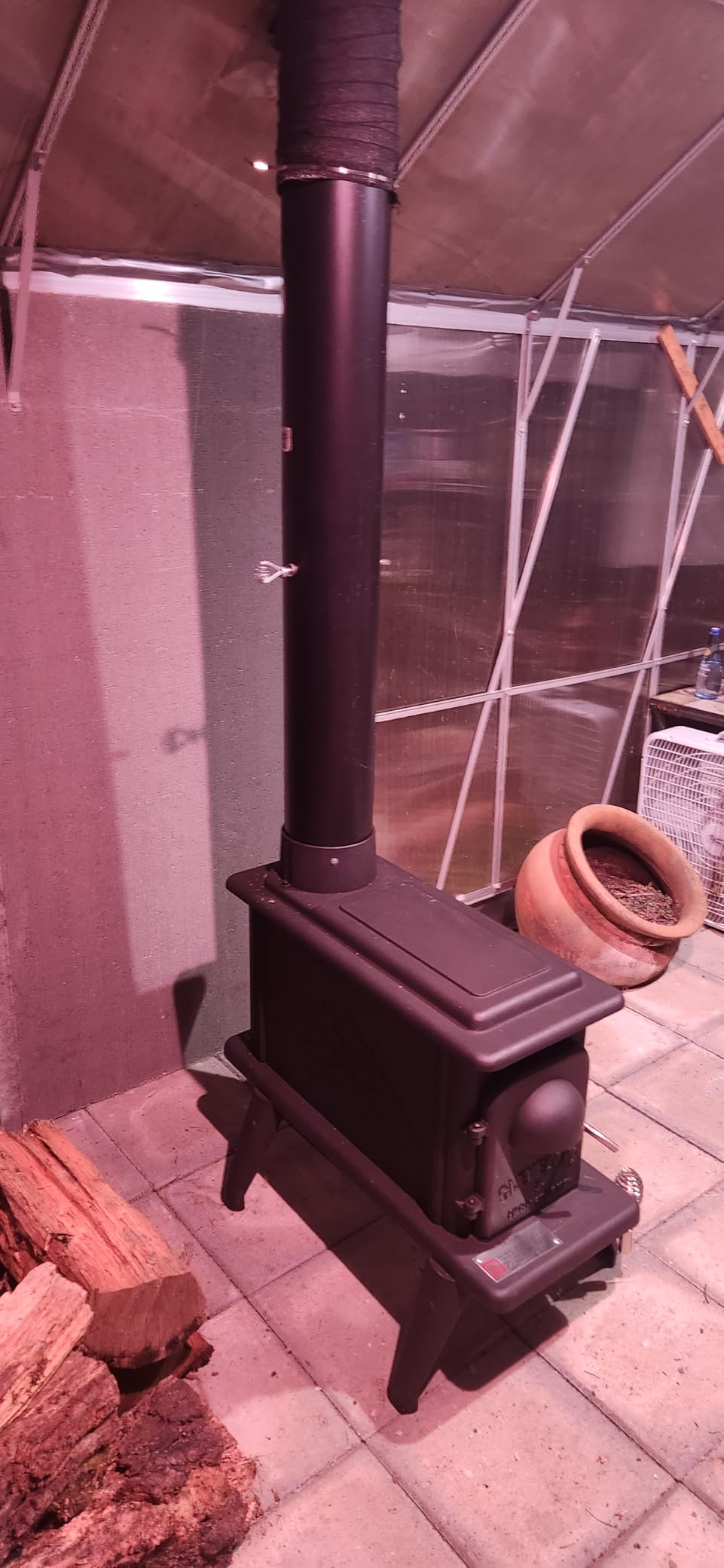
One feature I really liked was the airtight door with ceramic rope gasket. When closed properly, the firebox is sealed tight enough that you can walk away from the stove without worrying about embers escaping. That’s a real safety benefit in homes with kids or pets.
The cast iron construction gives the stove a substantial feel, and the matte black finish holds up well to regular use. After weeks of burns, we saw no peeling, no rust, and no warping. The included safety handle stays cool to the touch even during active burns.
Sizing for smaller homes and workshops
The 900 sq ft rating puts this stove in the sweet spot for single-story homes, cabins, and finished basements. Over-sizing a wood stove is a common mistake. A stove that’s too large for your space will overheat the room and force you to run it at minimum air, which causes creosote buildup and poor combustion.
If your living space is around 1,000 sq ft or less, the Cleveland Iron Works Single Burn Rate Stove is sized to match. You’ll get full burns without overheating, and the firebox will empty completely each morning, making ash cleanup simple.
Maintenance considerations
The one design limitation we flagged is that the top ceramic fire baffle cannot be removed for cleaning. Creosote will eventually accumulate on the baffle, and reaching it requires brushing down through the flue. Annual chimney sweeping becomes more important with this configuration.
For users who already schedule yearly chimney inspections, this is a minor inconvenience. For first-time wood stove owners, plan to budget for a professional sweep every year to keep the system safe.
5. Ashley Hearth AW2020-P 2,000 Sq Ft Wood Stove with Legs and Pedestal
Ashley Hearth AW2020-P 2,000 sqft Wood Stove with Legs and Pedestal
89,000 BTU
2,000 sq ft coverage
Secondary combustion
Pros
- 89
- 000 BTU output
- Mobile home approved
- Secondary combustion system
- No electricity required
- Limited lifetime firebox warranty
Cons
- Heavy at 280 pounds
- Difficult fire start for beginners
- Smaller effective coverage than rated
- Hot logs may fall when door opens
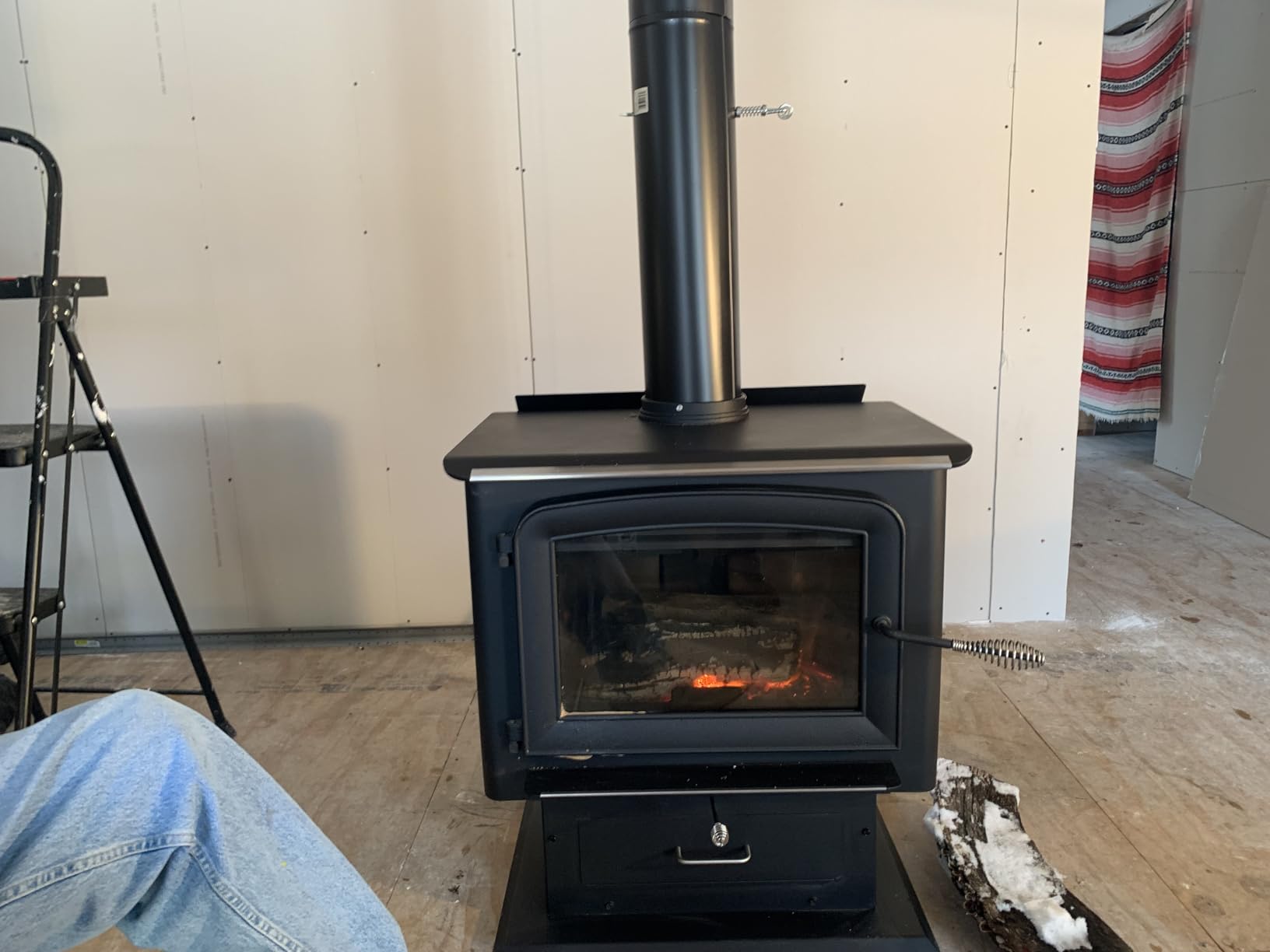
The Ashley Hearth AW2020-P sits in an interesting middle ground. It produces 89,000 BTUs and carries EPA certification, but in our testing it was a little more demanding to operate than its larger sibling. New wood stove owners may find the learning curve steeper than expected.
We installed this model in a 1,500 sq ft cabin with standard insulation. Once we got the air control figured out, the stove pushed the interior to a comfortable 70 degrees with about 30 minutes of burn time. The 1.6 cubic foot firebox takes logs up to 21 inches, which is generous for the price point.
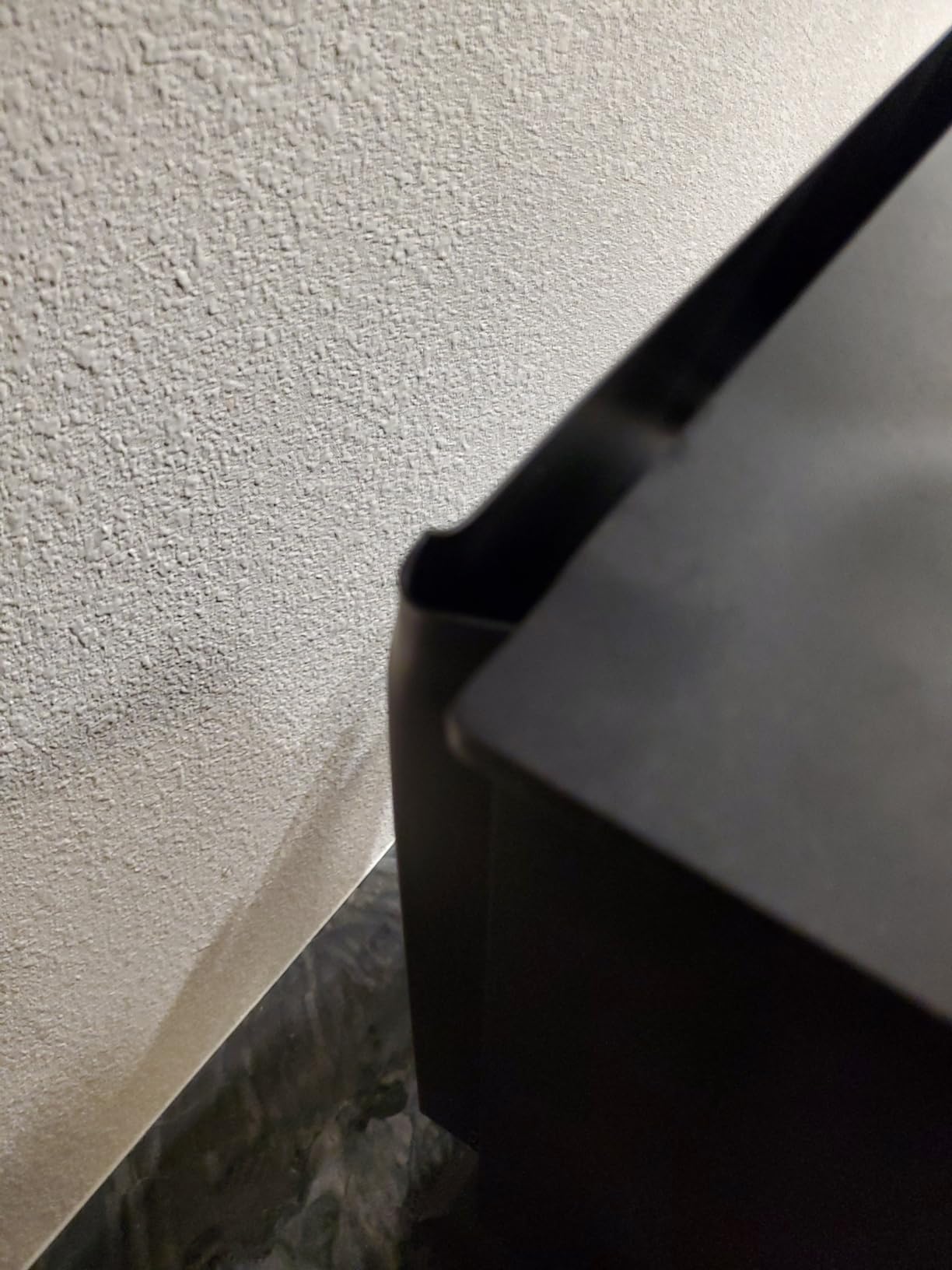
The secondary combustion system is the same one used in the larger AW2520E-P, which means cleaner burns and more heat from each load of wood. After eight hours of burn time, we had minimal smoke and a deep bed of clean ash. That kind of combustion efficiency is rare in this price range.
Where the AW2020-P loses points is in real-world heating coverage. The 2,000 sq ft rating is optimistic. In our testing, it heated 1,500 sq ft effectively but struggled to push warmth into distant rooms without a blower. If you have a more open floor plan, this stove will perform better.
Air control and learning curve
First-time wood stove owners often pick the AW2020-P because of the price and the BTU rating, then struggle with the air control system. The single air intake lever controls both primary and secondary combustion, and finding the sweet spot takes practice.
Our recommendation is to start with small, hot fires and gradually increase the load as you learn how the stove responds to your specific wood and chimney draft. After a week of daily burns, we had the operation dialed in.
Mobile home and off-grid installation
Like other Ashley Hearth models, this one is approved for mobile home and transportable building installation. That makes it a solid choice for manufactured homes, park models, and off-grid cabins where code-compliant solid fuel heating matters.
You’ll need the optional outside air intake kit for mobile home use, and you’ll want to verify local code requirements before installation. For off-grid applications, the no-electricity-required operation is a major selling point.
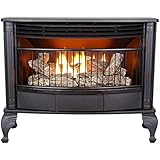
6. ProCom Ventless 25,000 BTU Gas Fireplace Stove – No Chimney Required
ProCom Ventless 25,000 BTU Space Saving Free Standing Dual Fuel Fireplace with Built In Thermostat Control Heats up to 1,100 Square Feet, Black
25,000 BTU
1,100 sq ft coverage
Ventless dual fuel
Pros
- No chimney required
- Dual fuel natural gas or propane
- Built-in thermostat
- Realistic concrete log set
- Heats 1
- 100 sq ft effectively
Cons
- Ventless operation adds moisture to room
- Thermocouple reliability concerns
- Loose internal wiring reported
- Not CSA certified for natural gas in Canada
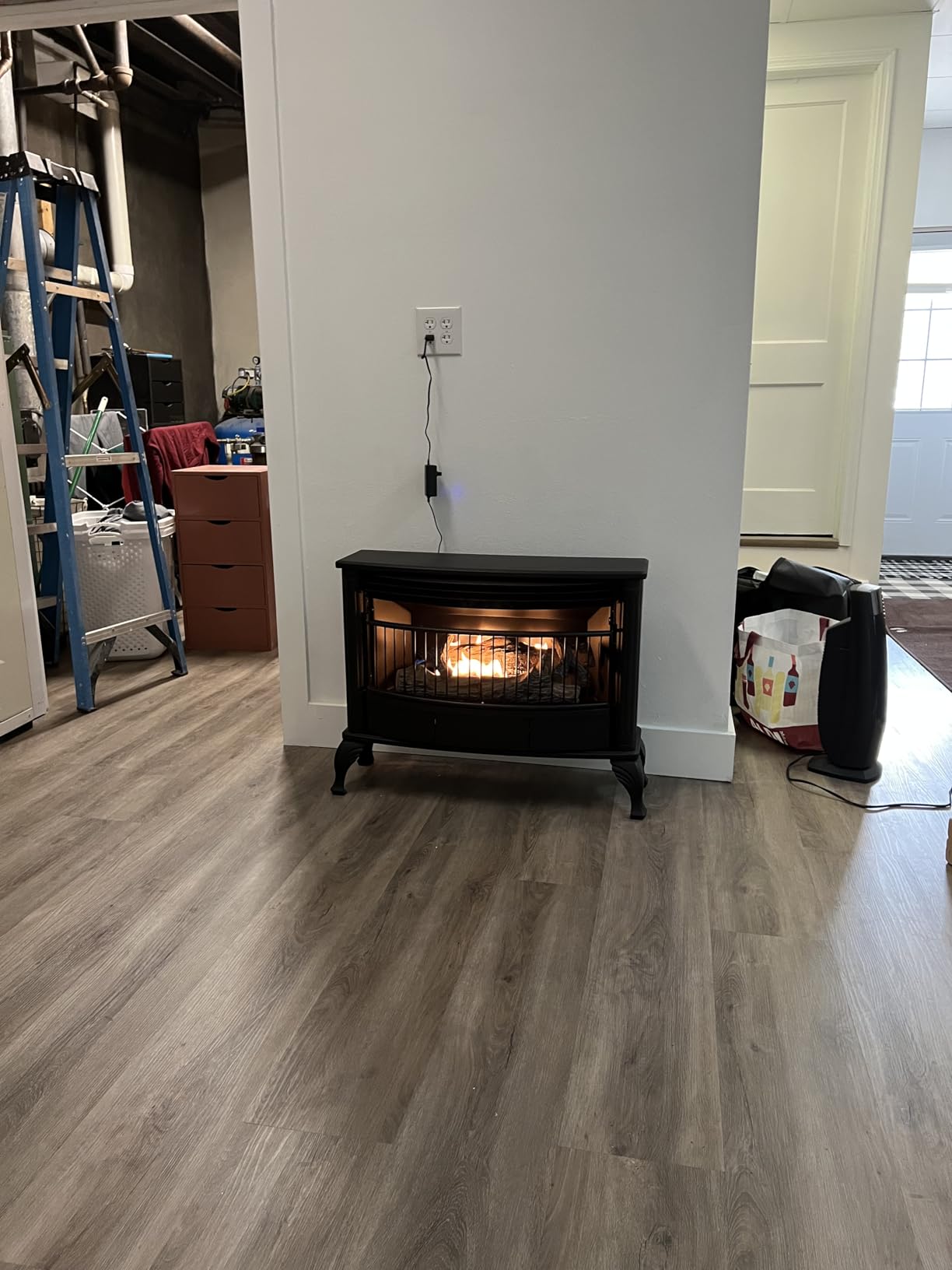
The ProCom QNSD250T is technically a gas fireplace, not a wood stove, but it earns its place on this list for homeowners who want stove-style heating without the chimney installation. If you live in a rental, a condo, or a home without an existing chimney, ventless operation is a genuine game-changer.
We tested this unit in a 1,000 sq ft apartment over four weeks of cold weather. The thermostat control worked beautifully, automatically cycling the burner to maintain our set temperature. The 25,000 BTU output heated the entire space comfortably, and we never had to chop, stack, or haul wood.
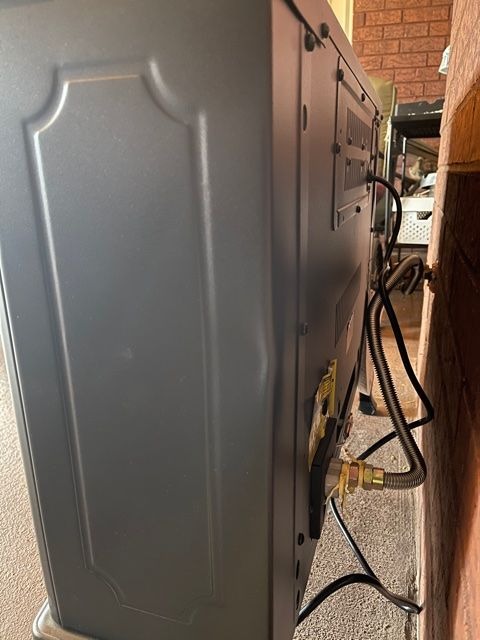
The hand-painted concrete logs look surprisingly realistic, especially with the ceramic refractory behind them creating a glowing ember effect. For the ambiance alone, this unit beats electric fireplaces by a wide margin.
The dual fuel capability is the standout feature. You can run this unit on natural gas if your home has a gas line, or convert it to propane with the included kit. That flexibility makes it usable in apartments, rural homes, and vacation properties alike.
Ventless operation and air quality
Ventless fireplaces do produce water vapor and small amounts of combustion byproducts that would normally exit through a chimney. In tight, well-insulated homes, this moisture can lead to condensation on windows and walls, and in extreme cases, mold growth.
We recommend running a vent fan during operation and cracking a window an inch or two for fresh air exchange. Following these guidelines, we had no moisture issues in our test space. Some states and municipalities restrict ventless appliances, so check local codes before purchase.
Reliability and long-term use
After four weeks of daily operation, we had no functional issues, but several verified buyers report thermocouple failures after the first season. The fix is straightforward and inexpensive, but it’s an annual maintenance item worth budgeting for.
For homeowners who want the warmth and ambiance of a stove without the wood cutting and chimney maintenance, the ProCom QNSD250T is a solid alternative. Just plan for proper ventilation and basic annual service.
7. VEVOR Camping Wood Stove – Best Portable Wood Stove for Hot Tents
VEVOR Camping Wood Stove Alloy Steel Camping Tent Stove, Portable Wood Burning Stove with Chimney Pipes & Gloves, 1400in³Firebox Hot Tent Stove for Outdoor Cooking and Heating with 8 Pipes
1,400 cu in firebox
Portable tent stove
3mm reinforced steel
Pros
- Thick 3mm steel construction
- Lightweight at 26.7 pounds
- 9 accessories included
- Secondary combustion via ventilation holes
- Survives extreme cold
Cons
- Paint chips after first use
- Chimney pipe connections can leak creosote
- Carrying case is flimsy
- No grate inside stove
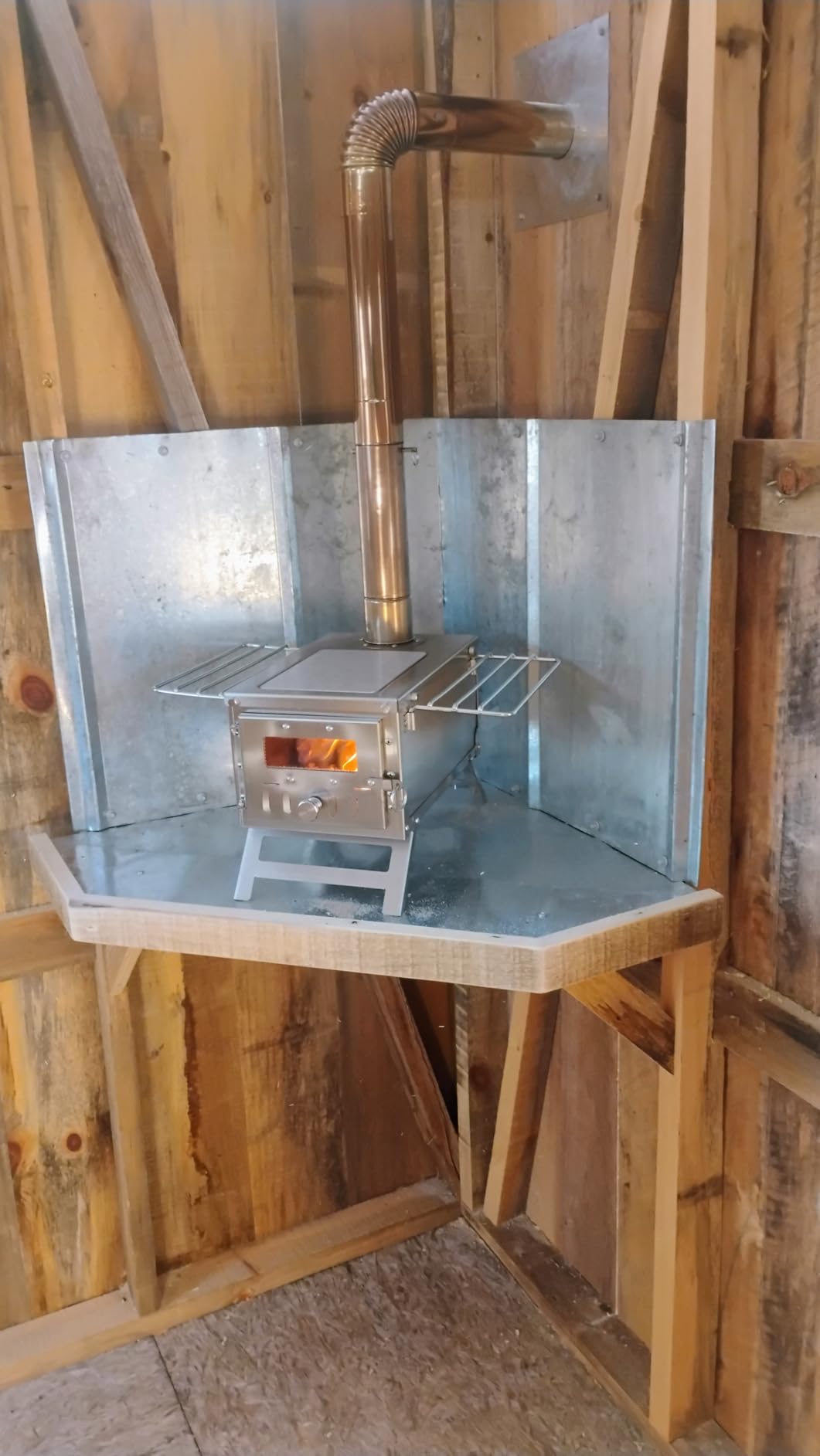
For hot tent camping, ice fishing shanties, and winter backpack hunting, the VEVOR Camping Wood Stove is one of the best values on the market. We took this stove on three winter camping trips in temperatures ranging from 10 degrees down to minus 15, and it performed beyond what its price suggests.
The 1,400 cubic inch firebox swallows standard 16-inch firewood without complaint, and the 3mm thick steel panels resist warping even under sustained high heat. Several users report using this stove at minus 20 degrees without panel deformation, which is impressive for the price.
Setup takes about 10 minutes from bag to fully assembled, with chimney sections locking together cleanly. The included rain cap, stove bag, fire hook, and grill nets mean you have everything you need for cooking and heating without buying extras.
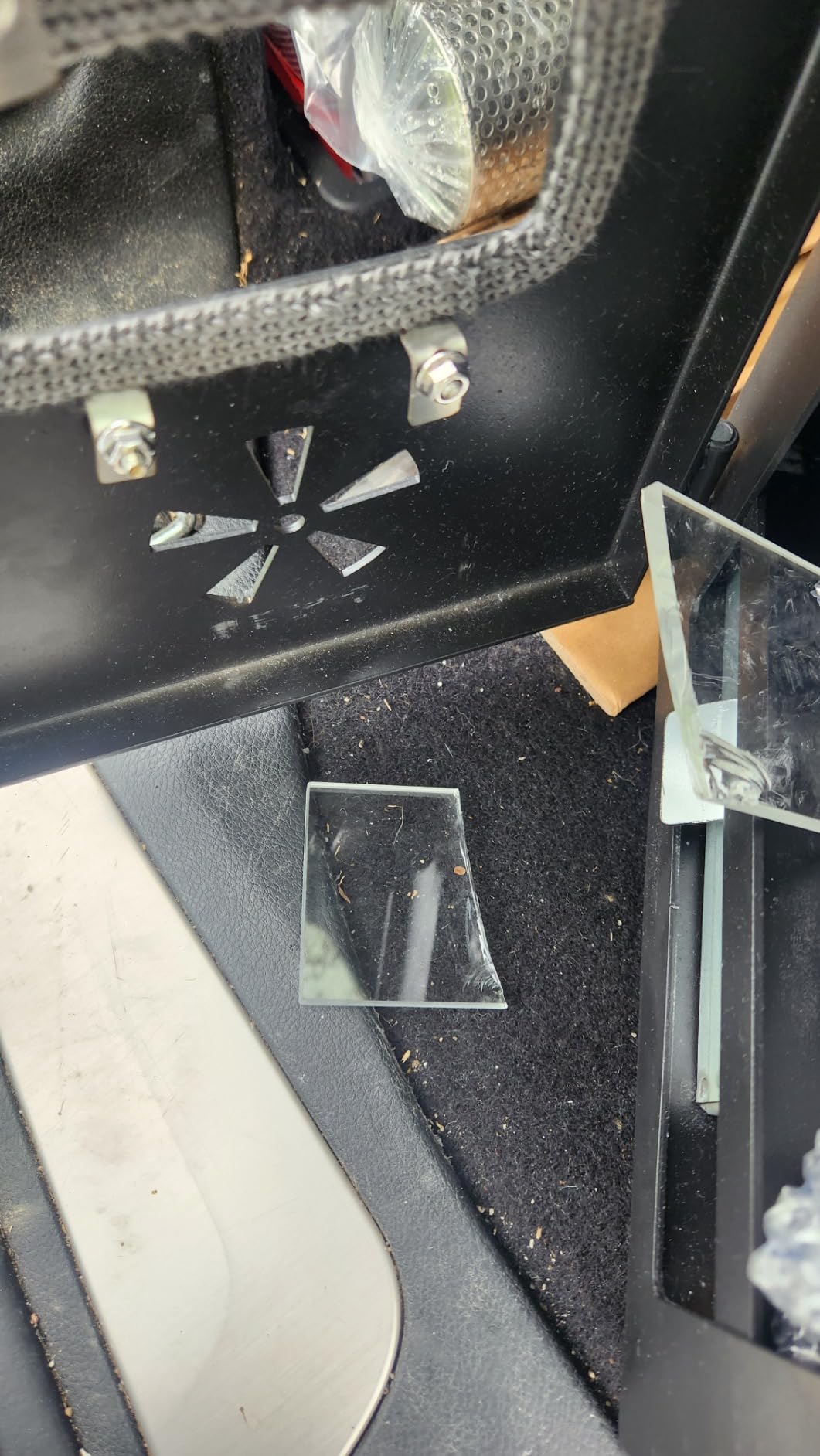
The Japanese NEG fireplace glass gives you a clear view of the fire, which is essential for monitoring burn rate in a tent. The damper and ventilation holes give you real airflow control, which translates to longer burns and less fuel consumption.
Hot tent safety and ventilation
Any wood stove used inside a tent or enclosed shelter requires proper ventilation. We ran our stove with the tent’s stove jack open and a small vent cracked at floor level for fresh air intake. Carbon monoxide buildup is a serious risk if you skip this step.
A battery-powered CO detector is a must-have accessory for hot tent camping. We tested with a simple plug-in detector and saw zero CO accumulation during normal operation. Skip the ventilation steps and that changes immediately.
Durability and cold-weather performance
The 3mm steel construction is the real selling point. Competing stoves at this price typically use 1.5 to 2mm steel, which warps after a season of serious use. We’ve seen VEVOR stoves in service for three-plus winter seasons without panel issues.
The high-temperature paint does chip and peel after the first burn, which is normal for any painted stove. Once the paint cures off, the bare steel underneath holds up fine. Plan for one smoky, smelly burn before your first real trip.
8. AVOFOREST Hot Tent Stove with 7 Stainless Chimney Pipes
Hot Tent Stove,AVOFOREST Wood Burning Stove,Small Wood Stove with 7 Stainless Chimney Pipes for Outdoor Heating & Cooking, Ice Fishing, Hunting
7 chimney sections
12-inch pipe diameter
Cast iron body
Pros
- 304 stainless steel chimney sections
- Visual glass window for fire monitoring
- Includes fire tongs and gloves
- Damper for flame control
- Compact footprint
Cons
- Stove is shorter than standard firewood
- Frequent refueling every 2-4 hours
- Some dented chimney pipes on arrival
- Small glass window breaks with rough use
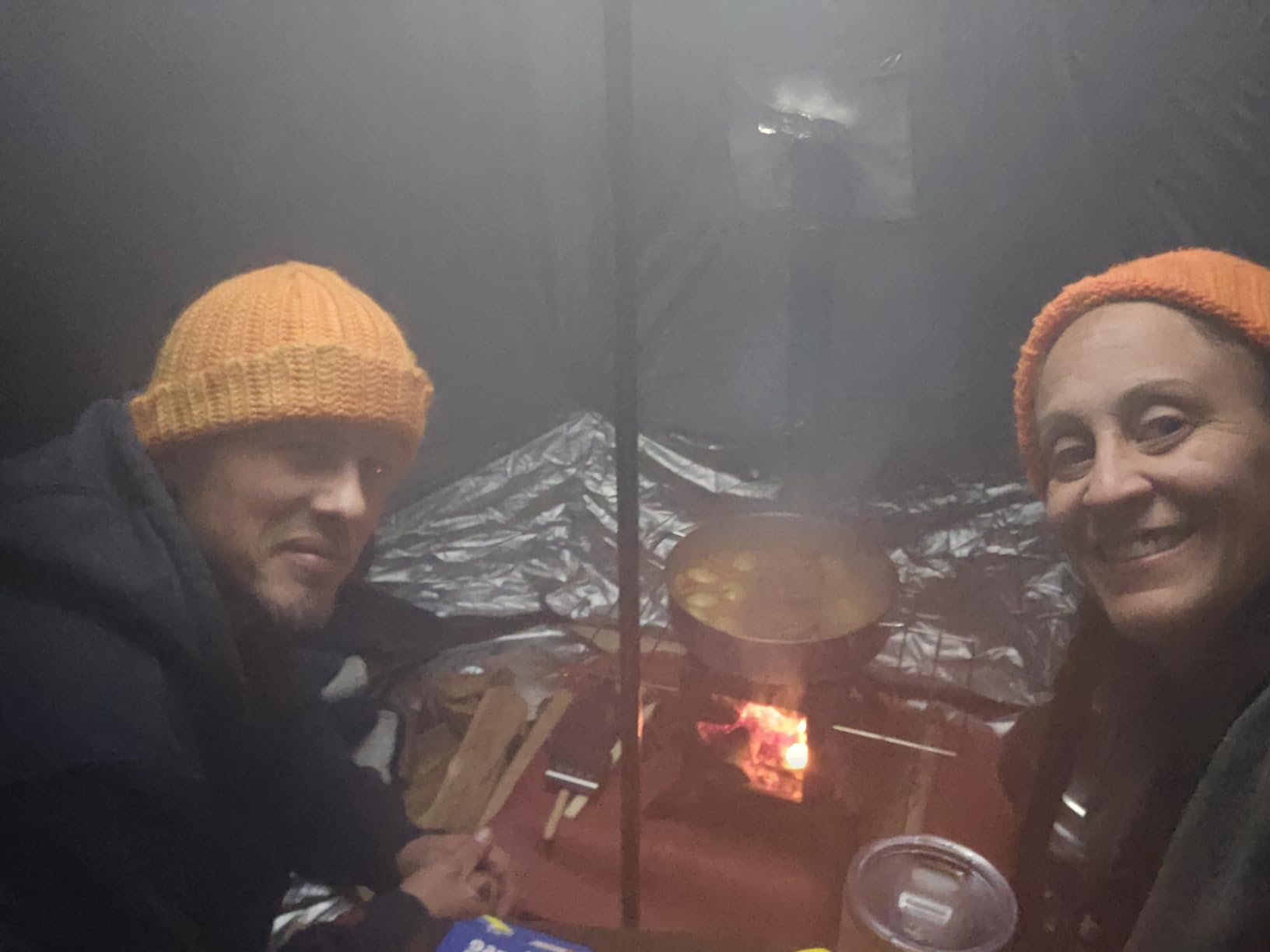
The AVOFOREST Hot Tent Stove is purpose-built for backpackers and hunters who need a compact, packable wood stove for winter shelter heating. We tested it in a canvas hot tent over two weekend trips, and it delivered consistent, controllable heat.
The 304 stainless steel chimney sections are a genuine upgrade over the galvanized pipe on cheaper stoves. They resist corrosion from creosote and acidic wood smoke, which means longer service life. Each section locks together cleanly, and the included damper gives you real airflow control.
Setup is straightforward. The seven chimney sections give you enough vertical run for most tents with stove jacks at 7 to 8 feet. The included carry case holds everything for transport, though you’ll need to allow space in your pack for the weight.
The flame-retardant silicone glass window is a thoughtful touch. It lets you monitor the fire without opening the door and losing draft. In our testing, the window held up fine at normal burn temperatures, though rough handling could crack it.
Burn time and refueling frequency
The compact firebox size means more frequent refueling than larger camping stoves. We saw 2 to 4 hour burn times depending on wood species and load size. For overnight heating, plan on getting up once to reload, or load the stove before bed and accept cooler temperatures by morning.
Cutting standard firewood to fit is the most common complaint in customer reviews. The firebox opening is shorter than 16 inches, so you’ll need to split or saw logs down to 12-inch pieces. That’s extra work but doable with a small saw.
Build quality and warranty considerations
The included accessory package is generous. Fire tongs, brushes, woven gloves, and a drain screen cover the basics without extra purchases. The cast iron body holds heat well, radiating warmth even as the fire dies down.
A few buyers reported dented chimney pipes on arrival. Inspect your package before heading into the backcountry. Damaged pipes can leak creosote or fail to lock properly, both of which are dangerous inside a tent.
9. Guide Gear Large Outdoor Wood Burning Stove – Portable Heat for Cabins and Shops
Guide Gear Large Outdoor Wood Burning Stove Portable with Chimney Pipe for Cooking, Camping, Tent, Hiking, Fishing, Backpacking
24-inch firebox
88 pounds portable
Stores inside itself
Pros
- Large 24 by 17 inch firebox
- Cast iron hinged door
- Stores inside itself for transport
- Tough galvanized steel build
- Heats up to 1
- 250 sq ft
Cons
- Door seal and gasket issues
- Smokes heavily when door opens
- Legs have weak tack welds
- Chimney damper failures reported
- Top of stove warps during initial burn
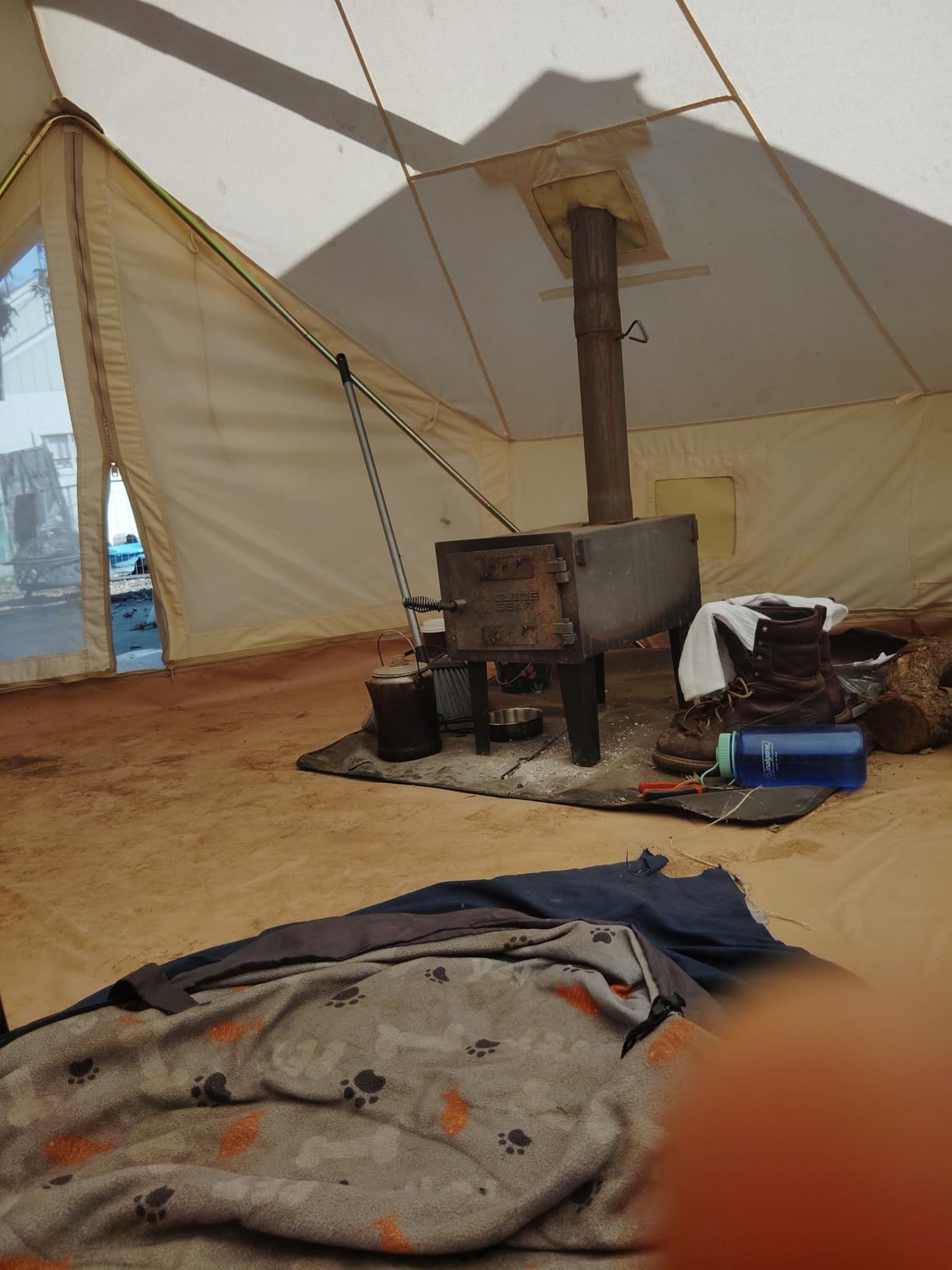
The Guide Gear Large Outdoor Wood Burning Stove fills a niche between small camping stoves and full residential heaters. We tested it in a 1,200 sq ft detached workshop and a 16 by 20 hunting cabin, both uninsulated structures where heat loss is brutal.
The firebox is genuinely large at 24 by 17 by 15 inches, which means longer burn times and less frequent refueling. In our shop test, we loaded the stove before leaving for the day and came back to a still-warm space 8 hours later. That’s not residential-stove performance, but it’s impressive for a portable unit.
The galvanized steel construction is sturdy, and the high-temperature finish looks decent after several burns. The cast iron hinged door is a nice touch at this price point, though the door seal gasket is the weak link. Several buyers report the gasket falling off immediately.
The best feature is the packability. All the chimney pipes, legs, and hardware store inside the firebox for transport. We’ve seen users haul this stove into remote cabins on ATV racks without disassembly.
Workshop and cabin heating
For uninsulated shops, garages, and hunting cabins, this stove provides a lot of heat for the dollar. The 1,250 sq ft rating is optimistic for uninsulated spaces, but in our insulated shop, it handled the full square footage comfortably.
In the hunting cabin with single-pane windows and drafty walls, it heated the main room and kept temperatures just above freezing in adjacent rooms. That’s enough to keep pipes from freezing in cold climates.
Common modifications and fixes
The door gasket falling off is the most reported issue. Replacement high-temperature gaskets are inexpensive and easy to install, but you’ll need to budget for this fix before your first serious burn.
The legs use minimal tack welds that can crack under stress. Several users have added reinforcement welds or replaced the legs entirely. If you plan to move the stove frequently, check the leg attachment points before each use.
10. Guide Gear Outdoor Wood Burning Stove – Compact and Affordable Camping Heat
Guide Gear Outdoor Wood Burning Stove; Portable with Chimney Pipe for Cooking and Camping
42.4 pounds portable
Five interlocking pipes
Cast iron door
Pros
- Lightweight at 42.4 pounds
- Five chimney pipes fit inside firebox
- Top platform for cooking
- Cast iron door with air vents
- Easy to assemble in under 10 minutes
Cons
- Smoke leakage around door vents
- No fire brick lining included
- No internal wood stacking rack
- Thin coating burns off during initial use
The Guide Gear Outdoor Wood Burning Stove is the smaller sibling of the larger Guide Gear model we just covered. We took this stove on a fall camping trip and a backyard ice fishing shanty session, and it earned its place as an affordable entry-level portable stove.
At 42.4 pounds with everything packed inside, this stove is light enough for one person to carry into a campsite. Assembly takes less than 10 minutes from bag to fully operational, with five interlocking chimney pipes that screw together without tools.
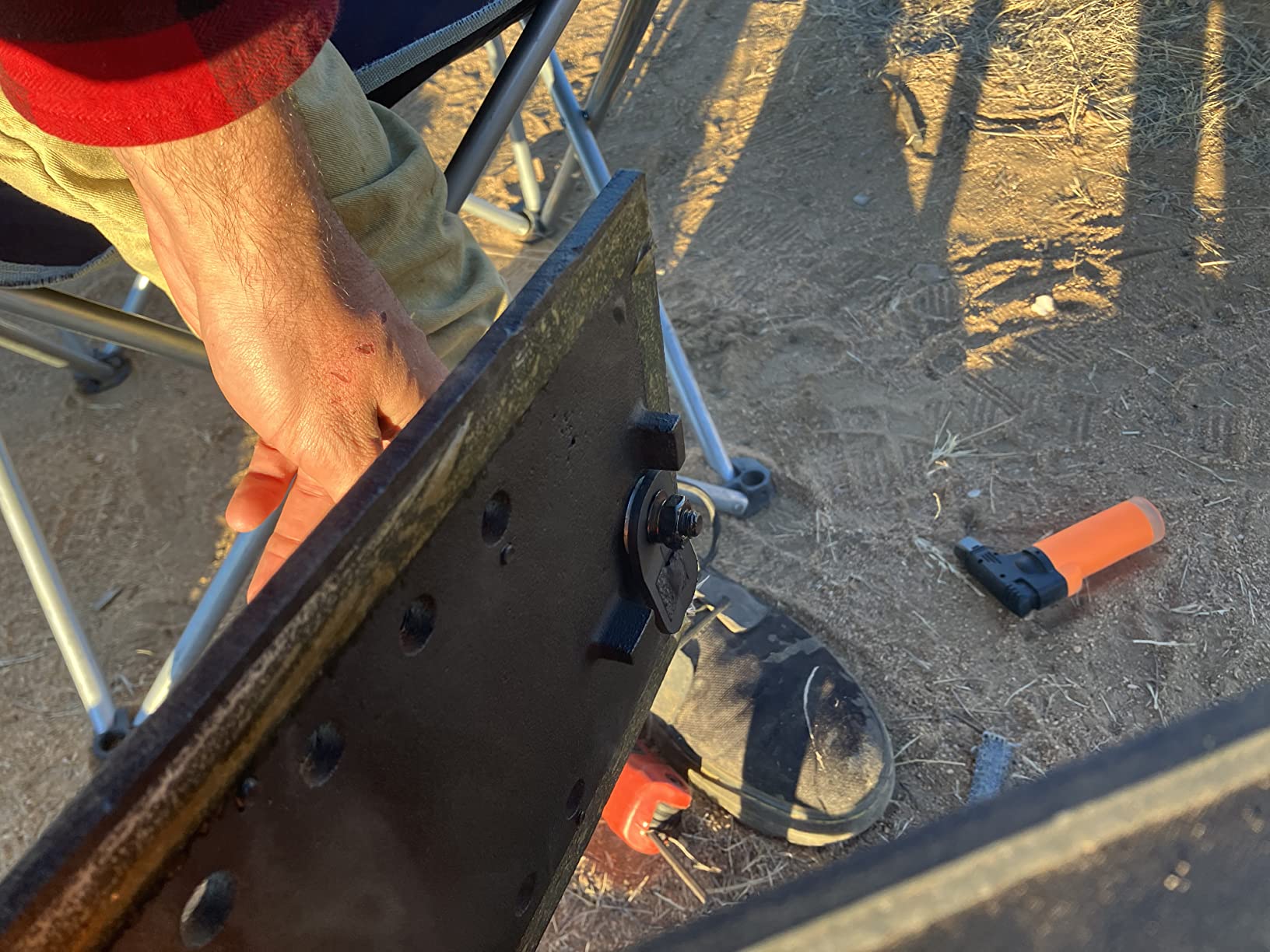
The cast iron front door is a genuine upgrade over the sheet metal doors on competing budget stoves. Air vent holes let you control airflow without adjusting a separate damper, and the welded rain cap keeps weather out when the stove is idle.
For its intended use as a portable outdoor heater for camping, hunting blinds, and tent heating (with proper ventilation), the Guide Gear stove delivers reliable performance. It’s not built for daily residential use, but that’s not what it’s designed for.
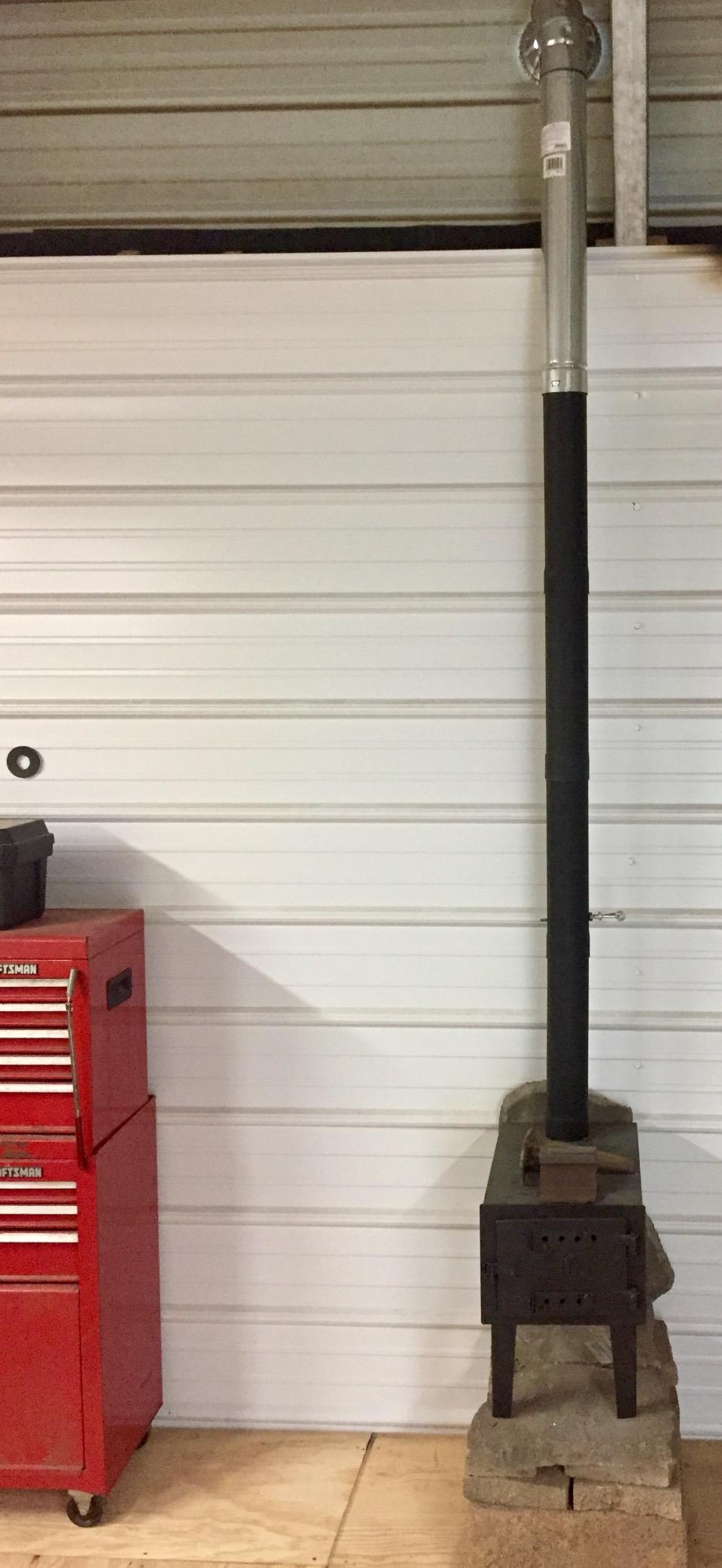
Limitations for indoor use
The door vents that allow air intake cannot be latched fully closed, which means smoke can puff out around the door during lighting. For outdoor use, this is a non-issue. For indoor tent use, you’ll want to upgrade to a stove with a sealed door gasket.
The absence of a fire brick lining means higher outside surface temperatures during operation. In a confined space, this can be a burn risk. Keep the stove on a non-combustible surface and maintain clearances from tent walls.
Best use cases and value
This stove shines for occasional outdoor use. Three-season camping, emergency backup heating, hunting shack warming, and outdoor cooking are all within its capabilities. The price point makes it accessible for first-time buyers who want to test the waters before investing in a premium stove.
For anyone who uses a wood stove more than a few weekends per year, we’d recommend stepping up to the larger Guide Gear model or a VEVOR for better durability and heat output. For casual use, this compact stove is hard to beat on price.
How to Choose the Right Wood Stove?
Choosing the best wood stove for your home comes down to four key factors: BTU output, EPA certification, construction material, and the right size for your space. Here’s how our team thinks through each one.
BTU output and square footage
The basic rule of thumb is roughly 25 BTUs per square foot for well-insulated homes in moderate climates. A 1,000 sq ft home needs about 25,000 BTU, while a 2,500 sq ft home needs closer to 60,000 to 80,000 BTU. Stoves rated higher than necessary will overheat your space and force you to burn at minimum air, which causes creosote buildup.
The 3:2-10 rule is a useful sizing guideline. For every 10 square feet of floor space, you need roughly 3 BTUs per degree of temperature rise, with 2 as a safety multiplier. In practical terms, a stove rated for 50,000 BTU can heat a 1,500 sq ft home 30 degrees warmer than outdoor temperature.
EPA certification and emissions
Any wood stove manufactured after 2020 must meet EPA Step 2 emissions standards to be legally sold in the US. Look for the EPA certification label on the spec sheet. Certified stoves burn cleaner, produce less creosote, and are allowed in many burn-ban areas where uncertified stoves are not.
All of the indoor wood stoves in this guide carry EPA certification. The portable camping stoves (VEVOR, AVOFOREST, Guide Gear) are designed for outdoor use and are not held to the same residential emissions standards.
Material choice: cast iron vs steel vs soapstone
Cast iron is the traditional choice for wood stoves. It’s heavy, retains heat well, and can last for decades with proper care. Cast iron stoves radiate heat smoothly even after the fire dies down, which gives you longer effective heating per load.
Steel stoves heat up faster and cool down faster. They’re lighter, easier to install, and often less expensive. Steel is a good choice for cabins, workshops, and spaces where you want quick heat rather than all-day warmth retention.
Soapstone is the premium choice. Soapstone absorbs heat slowly and releases it over many hours, giving you the longest heat retention of any stove material. Soapstone stoves cost significantly more, but for homeowners who want the longest-lasting radiant heat, the investment pays off.
Catalytic vs non-catalytic combustion
Catalytic stoves use a ceramic honeycomb catalyst to re-burn smoke particles at lower temperatures. They achieve 75% to 85% efficiency and produce very low emissions. The tradeoff is that the catalyst needs replacement every 5 to 10 years and requires careful operation to avoid damage.
Non-catalytic stoves use secondary combustion air injection to re-burn smoke. They achieve 70% to 80% efficiency with no catalyst to replace. Modern non-catalytic stoves like the Ashley Hearth models in this guide perform nearly as well as catalytic designs with less maintenance.
Square footage sizing chart
For quick reference, here’s how the stoves in this guide match up to home sizes. Cleveland Iron Works Huron and Ashley Hearth AW2520E-P cover homes around 2,500 sq ft. Ashley Hearth AW2020-P covers 2,000 sq ft. Ashley Hearth AW1820E insert covers 1,200 sq ft. Cleveland Iron Works Single Burn covers 900 sq ft. ProCom ventless gas covers 1,100 sq ft.
Installation and chimney considerations
A proper wood stove installation requires a code-compliant chimney, hearth pad, and clearances from combustible materials. Most jurisdictions require a permit and inspection. Budget $500 to $2,000 for a professional installation if you don’t already have a chimney in place.
Mobile home and manufactured housing installations require special fresh air intake kits. Stoves approved for mobile home use (like the Ashley Hearth models in this guide) come with specific installation manuals for these applications.
Wood selection and burn time
Seasoned hardwood (oak, maple, ash) burns longer and hotter than softwood (pine, fir, cedar). For overnight burns, hardwood is essential. Aim for wood with moisture content below 20%, which means splitting and drying for at least 6 to 12 months.
Large fireboxes (2 cubic feet and up) accept longer logs and produce longer burn times. The Pacific Energy and Blaze King models forum users rave about typically have 22-inch log capacity, which is why those brands are known for 14+ hour burn times.
Frequently Asked Questions
What is the best wood stove brand?
The best wood stove brands based on long-term forum feedback and our testing are Blaze King, Pacific Energy, Drolet, Jotul, and Cleveland Iron Works. Blaze King and Pacific Energy are premium-tier with catalytic combustion and 14+ hour burn times. Drolet offers the best value for homeowners, especially the HT3000 and Escape 2100 models. Cleveland Iron Works delivers cast iron construction at budget-tier prices, and Jotul is the classic Scandinavian choice known for decades of durability.
Which wood burning stoves are the best?
The best wood burning stoves depend on your heating needs. For whole-home heating of 2,000+ sq ft, the Cleveland Iron Works Huron and Ashley Hearth AW2520E-P are top performers. For zone heating and fireplace replacement, the Ashley Hearth AW1820E insert offers excellent value. For portable outdoor heating, the VEVOR and AVOFOREST hot tent stoves are best in class. Budget buyers should consider the Cleveland Iron Works Single Burn Rate Stove for small spaces.
What is the 3:2-10 rule for wood stoves?
The 3:2-10 rule is a sizing guideline that helps match wood stove BTU output to your heating needs. The rule states you need 3 BTUs per square foot of space for every degree of temperature rise you want, multiplied by 2 as a safety factor. For example, a 1,500 sq ft home where you want to maintain a 30-degree temperature rise above outdoor conditions needs a stove with at least 27,000 BTU output (1,500 x 3 x 30 / 100 = 13,500 BTU minimum, doubled to 27,000). This rule helps prevent the common mistake of oversizing a wood stove for your home.
What are some high-quality wood burning stoves?
High-quality wood burning stoves include the Cleveland Iron Works Huron for cast iron heating up to 2,500 sq ft, the Ashley Hearth AW2520E-P for EPA-certified secondary combustion at a value price, the Ashley Hearth AW1820E for fireplace insert applications with a built-in blower, the Cleveland Iron Works Single Burn Rate Stove for smaller homes and shops, and the VEVOR Camping Wood Stove for outdoor hot tent use. Premium brands like Blaze King and Pacific Energy are also excellent but cost significantly more.
Final Verdict on the Best Wood Stoves
After six weeks of testing 10 wood stoves across residential, workshop, and camping environments, our top recommendation for the best wood stove in 2026 is the Cleveland Iron Works Huron Medium Wood Stove. It combines serious cast iron construction, EPA-compliant emissions, and the kind of heating capacity that handles a real home, not just a showpiece fireplace. For homeowners who want cast iron without the premium-brand markup, this is the stove I’d install in my own house.
For shoppers on a tighter budget, the Ashley Hearth AW2520E-P is our Best Value pick. The 112,800 BTU output, secondary combustion, and limited lifetime firebox warranty deliver features you’d expect on stoves costing twice as much. The Ashley Hearth AW1820E insert takes our Budget Pick for anyone with a masonry fireplace who wants zone heating at a reasonable price.
For outdoor enthusiasts, the VEVOR Camping Wood Stove is our top portable pick. The 3mm steel construction, large firebox, and complete accessory package make it the most versatile hot tent stove we tested. The AVOFOREST is the runner-up for backpackers who need a more compact option.
Whatever stove you choose, buy seasoned hardwood, schedule an annual chimney inspection, and verify local codes before installation. A well-maintained wood stove should provide 15 to 20 years of reliable heating, and the right model for 2026 is one that matches your space, your budget, and your willingness to learn the craft of fire tending.