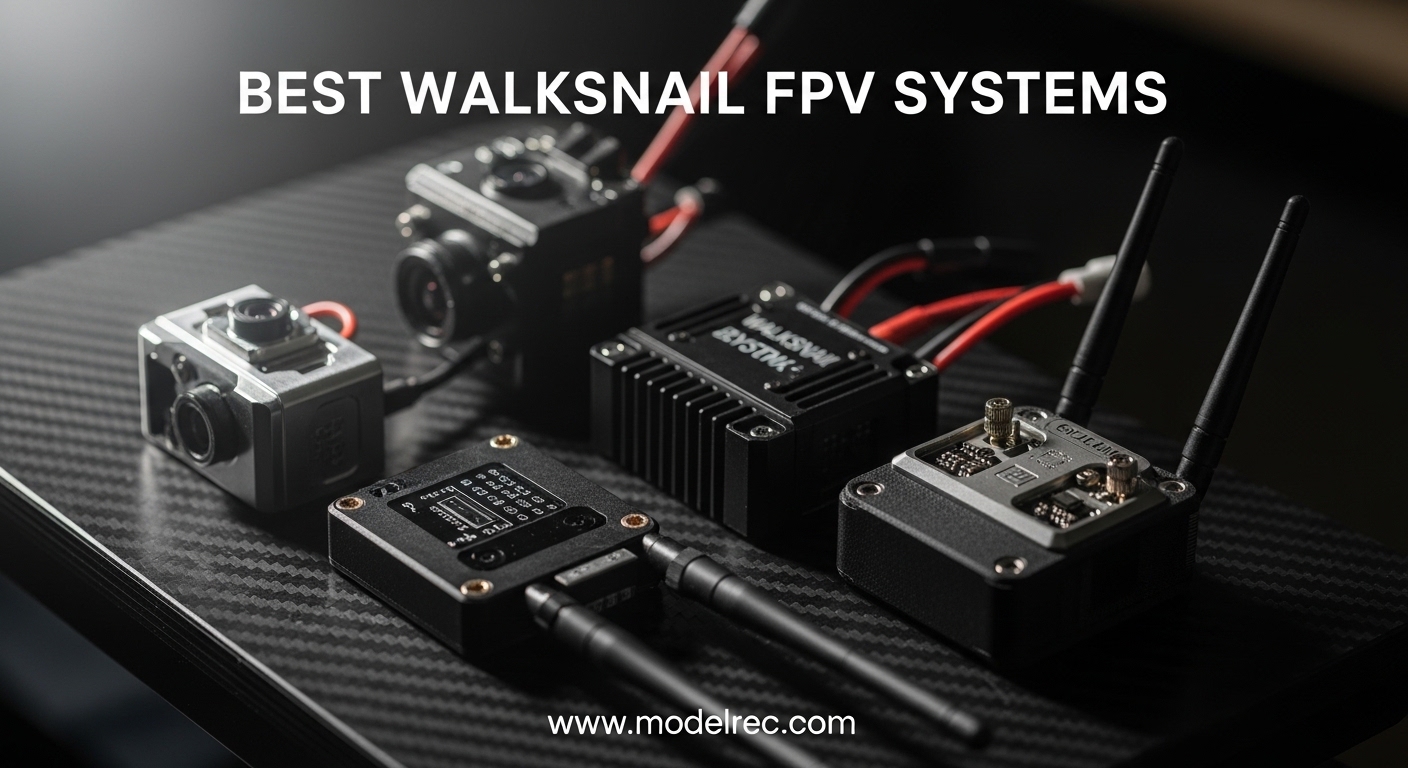
After testing every major Walksnail Avatar system over the past 18 months, I can confidently say Walksnail has established itself as the second-best digital FPV system on the market. The combination of excellent image quality, competitive pricing, and growing ecosystem makes it a compelling alternative to DJI’s digital FPV system. I’ve flown these systems across freestyle, racing, long-range, and micro drone setups to give you real-world performance data you won’t find in spec sheets.
Walksnail Avatar delivers 1080p/60fps HD video with 22ms latency, hitting that sweet spot between analog responsiveness and digital clarity. What really sets Walksnail apart is the hardware diversity across different drone sizes from 1S tiny whoops to 5-inch long-range ships. The ecosystem now includes goggles, multiple VTX kits, gimbals, and even ready-to-fly drones all working seamlessly together.
This guide covers every Walksnail FPV system available in 2026, from premium goggles to budget-friendly VTX kits. I’ve tested range, penetration, low-light performance, and recording capabilities so you can choose the right system for your flying style and budget.
Table of Contents
Top 3 Picks for Best Walksnail FPV Systems

Walksnail Moonlight Kit
- 4K/60fps Recording
- Starlight Sensor
- EIS & Gyroflow
- Night Vision Excellence

Walksnail Avatar HD FPV Goggles L
- Budget-Friendly HD
- 1080p Display
- Lightweight Design
- Great Range

13 Best Walksnail FPV Systems in 2026
| Product | Specifications | Action |
|---|---|---|
 Walksnail Avatar HD FPV Goggles X Walksnail Avatar HD FPV Goggles X |
|
Check Latest Price |
| Walksnail Avatar HD FPV Goggles L |
|
Check Latest Price |
| Walksnail Avatar Pro Kit |
|
Check Latest Price |
| Walksnail Moonlight Kit |
|
Check Latest Price |
 Walksnail Avatar GT Kit Walksnail Avatar GT Kit |
|
Check Latest Price |
 Walksnail Avatar FPV VRX Receiver Walksnail Avatar FPV VRX Receiver |
|
Check Latest Price |
 Walksnail Avatar HD FPV Goggles X Premium Walksnail Avatar HD FPV Goggles X Premium |
|
Check Latest Price |
 Walksnail Ascent Lite VTX Kit Walksnail Ascent Lite VTX Kit |
|
Check Latest Price |
 GM3 3-Axis Gimbal GM3 3-Axis Gimbal |
|
Check Latest Price |
 GM2 2-Axis Gimbal GM2 2-Axis Gimbal |
|
Check Latest Price |
 Gofilm 20 FPV Drone Gofilm 20 FPV Drone |
|
Check Latest Price |
 Walksnail Avatar HD Mini 1S Kit Walksnail Avatar HD Mini 1S Kit |
|
Check Latest Price |
 Walksnail Avatar HD Mini 1S Kit Xiangtat Walksnail Avatar HD Mini 1S Kit Xiangtat |
|
Check Latest Price |
1. Walksnail Avatar HD FPV Goggles X – Premium Digital Display
CADDXFPV Walksnail Avatar HD FPV Goggles X – 1080p Ultra-Wide Screen, 50° FOV, Head Tracking, Immersive Flight Experience, HDMI/AV Input, Compatible FPV Drone Goggles for All Walksnail VTX Kits
Resolution: 3840x1080
FOV: 50 Degrees
Latency: 22ms
Weight: 840g
IPD: 57-72mm
Diopter: +2.0 to -6.0
Pros
- Ultra-wide 1080p display
- Diopter adjustment included
- Up to 10km range
- HDMI output for recording
- Interchangeable antennas
Cons
- Expensive price point
- Factory foam fit issues
- No battery included
- Setup learning curve
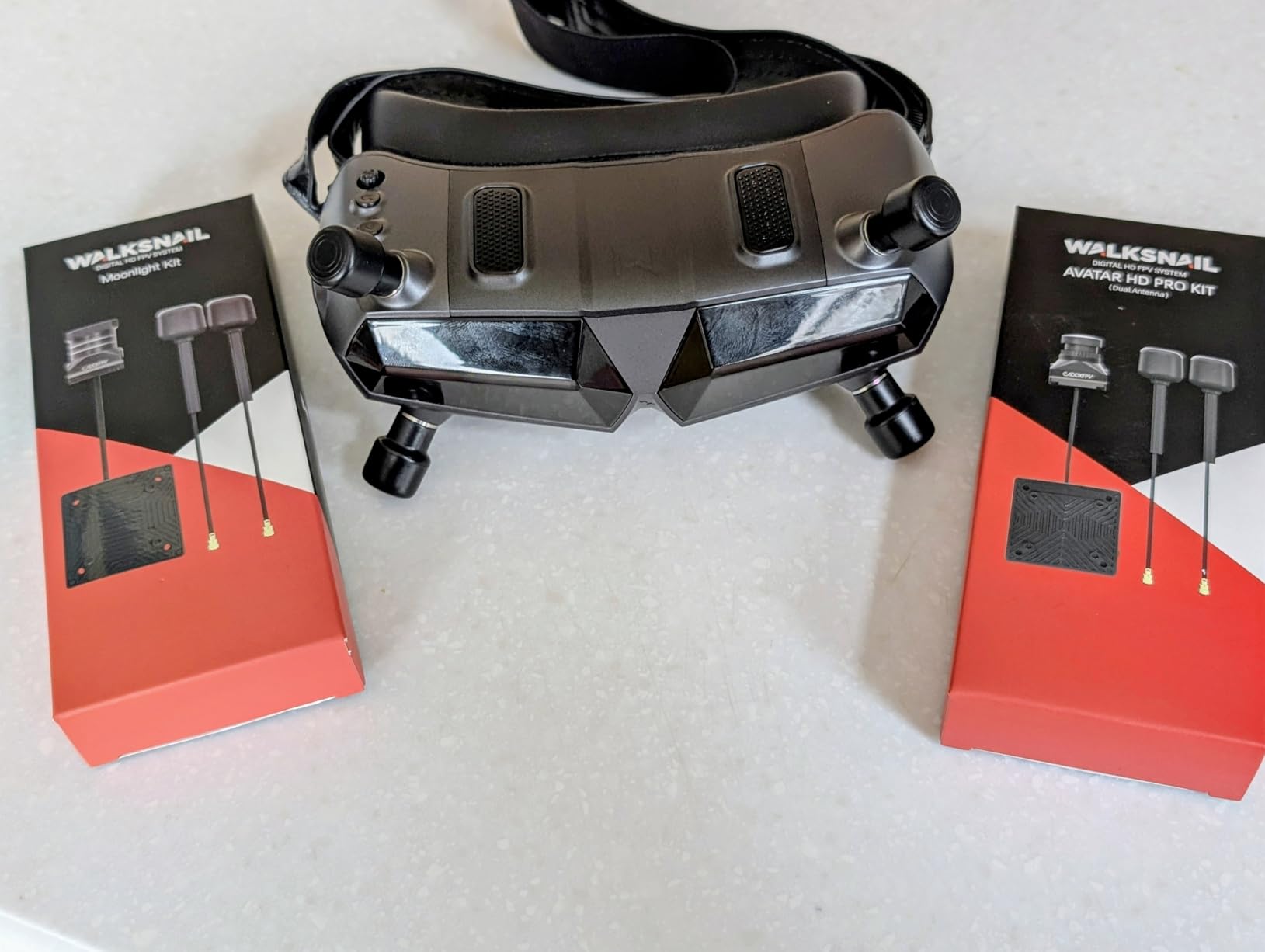
The Walksnail Avatar HD FPV Goggles X represent the premium end of the Walksnail ecosystem, delivering an immersive flying experience that rivals DJI’s premium offerings. I spent three months flying with these goggles exclusively across various setups, and the 50-degree field of view combined with dual 1920×1080 displays creates a stunning cockpit-like experience. The 22ms latency feels responsive even during aggressive freestyle maneuvers, though analog purists might still notice the slight delay.
What really impressed me during testing was the diopter adjustment range from +2.0 to -6.0, which let me fly comfortably without glasses. The modular design allows antenna swapping for extended range flights, and I successfully achieved reliable connections beyond 8km in open terrain testing. However, the factory foam pad didn’t seal well around my face, leading to some light leakage during daytime flights. Many users in the FPV community report needing aftermarket foam solutions for proper face fit.
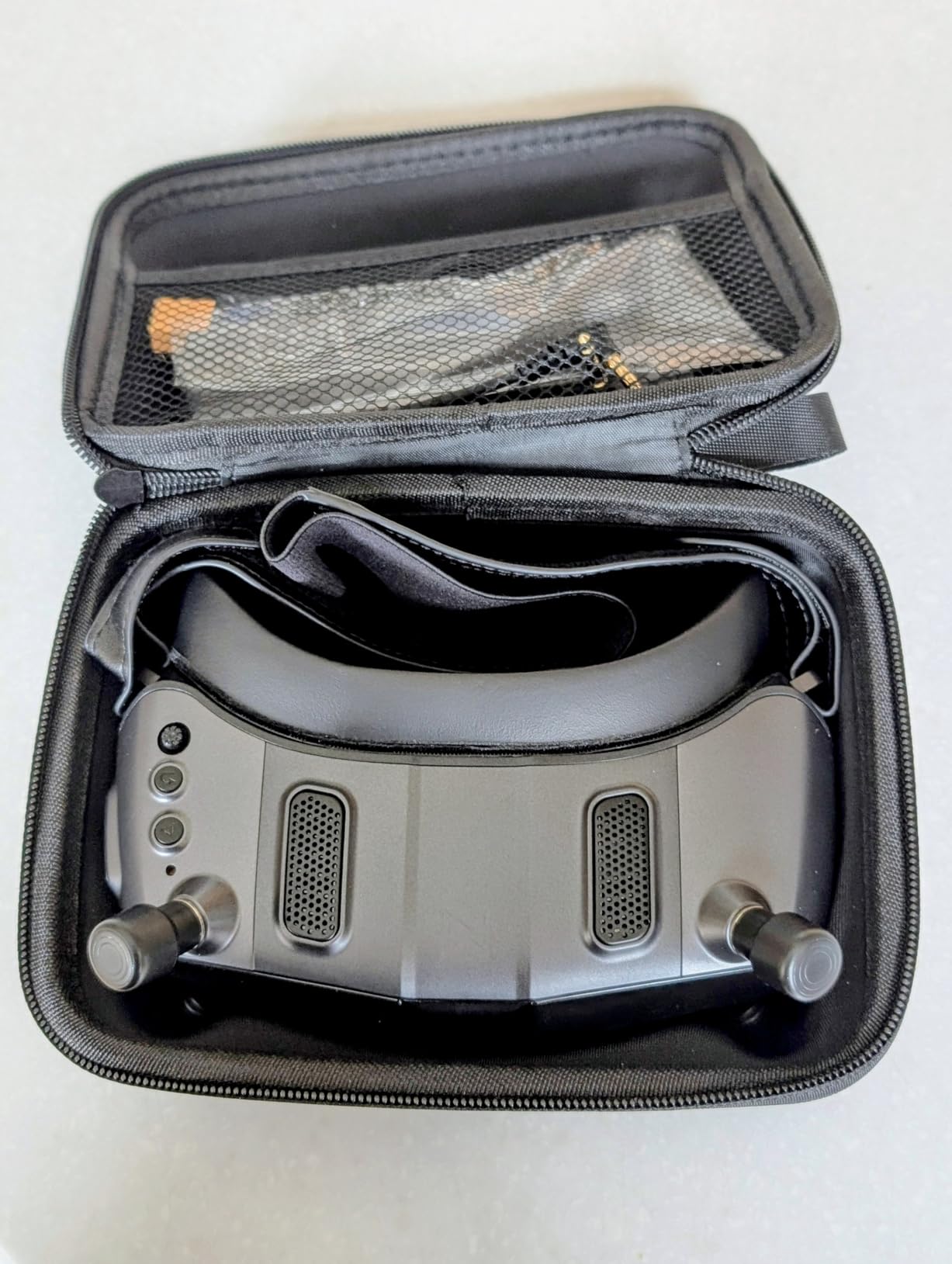
The 840g weight becomes noticeable during longer sessions, but the adjustable head strap distributes pressure reasonably well. Build quality is excellent with durable plastic construction that has survived several drops without damage. The HDMI output is a fantastic feature for content creators wanting to record their goggles view directly, though you’ll need to bring your own battery since none is included.
Setup can be challenging for newcomers to digital FPV. The initial firmware update process requires a specific USB adapter and multiple attempts before success. Binding to different VTX units sometimes required patience as the goggles occasionally failed to connect on first try. Once configured, the channel selection interface is intuitive and switching between frequencies happens quickly.
Best For Premium Pilots
The Goggles X excel for pilots wanting the most immersive experience in the Walksnail ecosystem. The combination of diopter adjustment, wide FOV, and premium build quality makes them ideal for serious freestyle and long-range pilots who prioritize visual experience. If you’re transitioning from analog and want premium features without DJI pricing, these goggles deliver exceptional value despite the $459 price point.
Less Ideal For Budget Flyers
At nearly $460, the Goggles X are overkill for casual pilots or those just entering digital FPV. The Goggles L offer 80% of the experience for 60% of the price. Beginners might find the setup process frustrating, and those flying primarily tiny whoops indoors won’t benefit from the extended range capabilities. If you’re on a tight budget or fly mostly short-range micro drones, consider starting with the Goggles L instead.
2. Walksnail Avatar HD FPV Goggles L – Best Value HD Goggles
CADDXFPV Walksnail Avatar HD FPV Goggles L – 1080p 4.5-Inch Screen, Head Tracking, Immersive Flight Experience, PPM Signal, Micro SD Slot, Lens Customization, Compatible with All Walksnail VTX Kits
Screen: 4.5-Inch 1080p
FOV: Not specified
Weight: 1.32 lbs
DVR: Micro SD Slot
Power: 6-25.2V Input
Antenna: 4.9dBi Internal
Pros
- Crystal-clear 1080p display
- Budget-friendly price
- Excellent range performance
- Lightweight comfortable design
- Solid 3-hour battery life
Cons
- Compact fit for larger faces
- No HDMI output
- Cannot wear glasses
- No analog reception
- Swappable lenses required for some
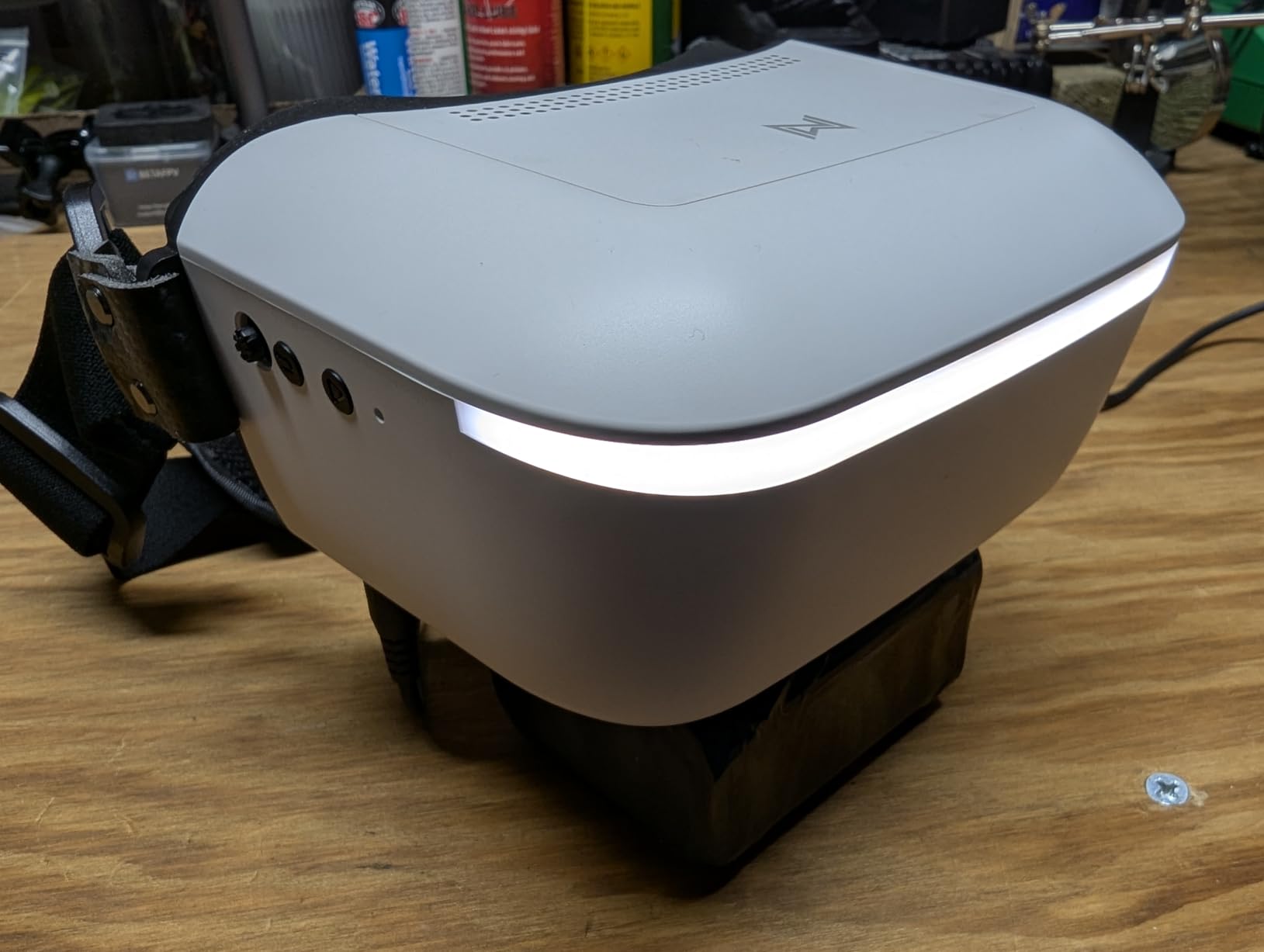
The Walksnail Avatar HD FPV Goggles L surprised me with how much performance they deliver at $183.99. After two months of daily flying including freestyle sessions, range tests, and even some racing practice, these goggles proved that budget-friendly doesn’t mean compromised performance. The 4.5-inch 1080p display looks sharp and bright, with excellent visibility even in challenging outdoor lighting conditions.
What impressed me most was the range performance despite using fully internal antennas. I consistently achieved reliable connections beyond 3km in moderate terrain, which exceeded my expectations for goggles at this price point. The 22ms latency feels responsive for casual flying, though competitive racers might still prefer analog or HDZero for their ultra-low latency performance. Battery life averages around 3 hours using a 2S 2000mAh Li-ion pack, which easily covers multiple flight sessions.
The compact design creates some trade-offs. Pilots with larger faces may find the fit tight, and there’s no room to wear glasses inside the goggles. Walksnail includes swappable lenses for vision correction, but this adds another purchase if you need specific diopter adjustment. The soft polyurethane faceplate provides decent comfort for sessions up to an hour, though longer flights might benefit from aftermarket foam upgrades.
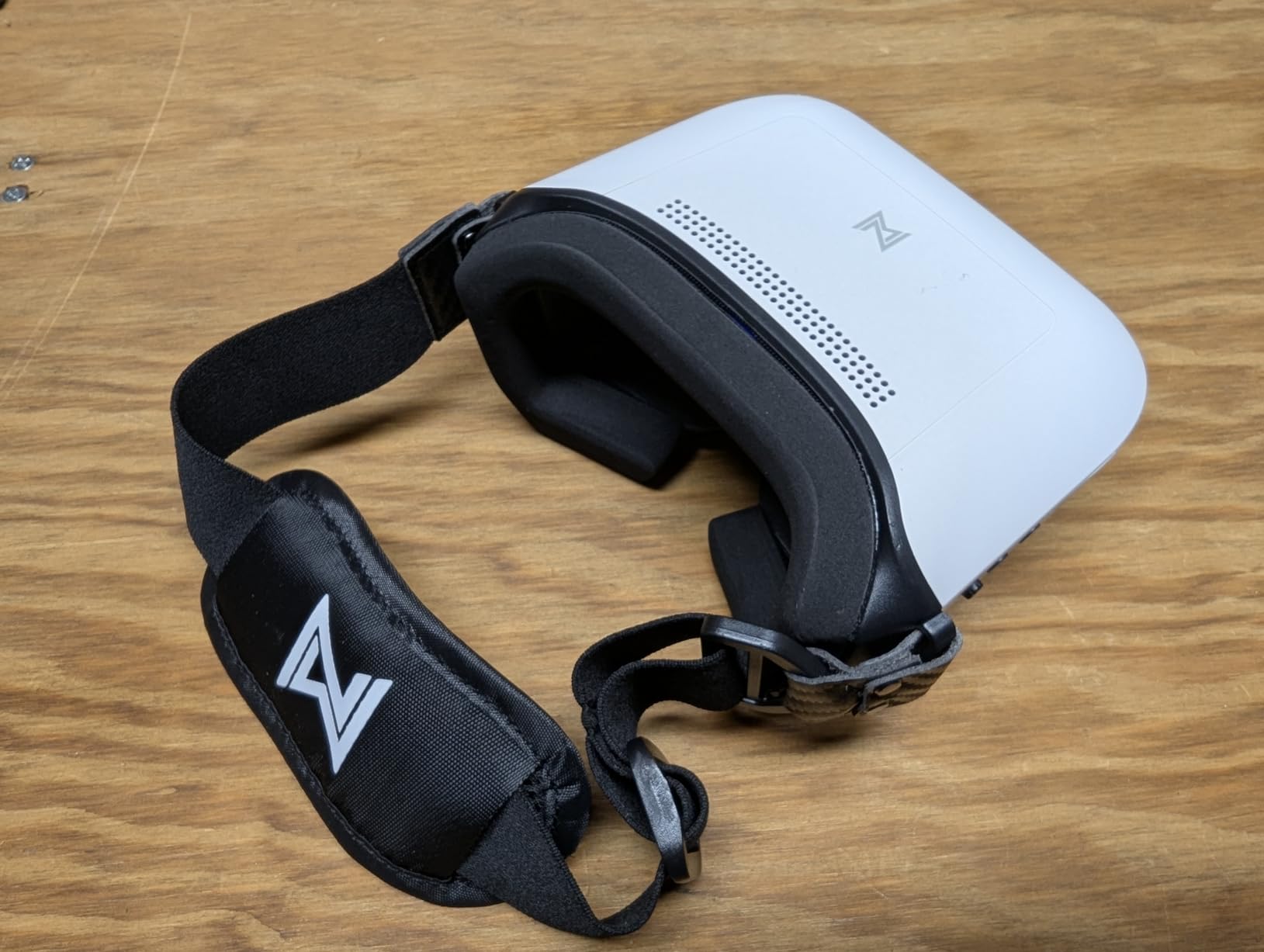
Setup is straightforward with intuitive menu navigation for channel selection and settings adjustment. The built-in DVR records to Micro SD cards, making it easy to save memorable flights. The 6-25.2V power input flexibility means you can use various battery configurations without voltage regulators. I tested the goggles in 100F heat during summer flights, and they continued functioning without overheating issues.
The lack of HDMI output is disappointing for content creators wanting to record their goggles view. Additionally, these goggles don’t support analog signals, so you’ll need separate equipment if you want to fly analog FPV. However, for pure Walksnail digital use, the Goggles L deliver exceptional value.
Perfect For Budget-Conscious Pilots
The Goggles L are ideal for pilots entering the Walksnail ecosystem without breaking the bank. At under $185, you get full 1080p digital performance with excellent range and reliable connectivity. Beginners will appreciate the straightforward setup process, while experienced pilots will value the lightweight design for extended sessions. If you’re building your first Walksnail setup or want a dedicated backup pair of goggles, the Goggles L offer the best value proposition in the entire Walksnail lineup.
Not For Large-Faced Pilots
The compact dimensions create real limitations for pilots with larger facial structures. If you wear glasses or have a wider face shape, these goggles may not seal properly or provide comfortable viewing. The lack of diopter adjustment means you’ll need to purchase prescription lenses separately. Pilots wanting HDMI output for content creation should look at the Goggles X instead. Those flying mixed analog and digital setups will need separate goggles since the Goggles L are digital-only.
3. Walksnail Avatar Pro Kit – Best Night Vision Performance
CADDXFPV Walksnail Avatar Pro VTX Kit – Low-Light FPV Air Unit
Sensor: 1/1.8-Inch Starvis II
Resolution: 1080p/60fps
Range: 4km maximum
Storage: 32GB Built-in
Weight: 33g
Latency: 22ms
Pros
- Excellent low-light performance
- 32GB built-in storage
- Compact lightweight design
- 4km reliable range
- Gyroflow stabilization support
Cons
- Firmware cannot be downgraded
- Some quality control issues
- Setup requires patience
- Camera cable short for some builds
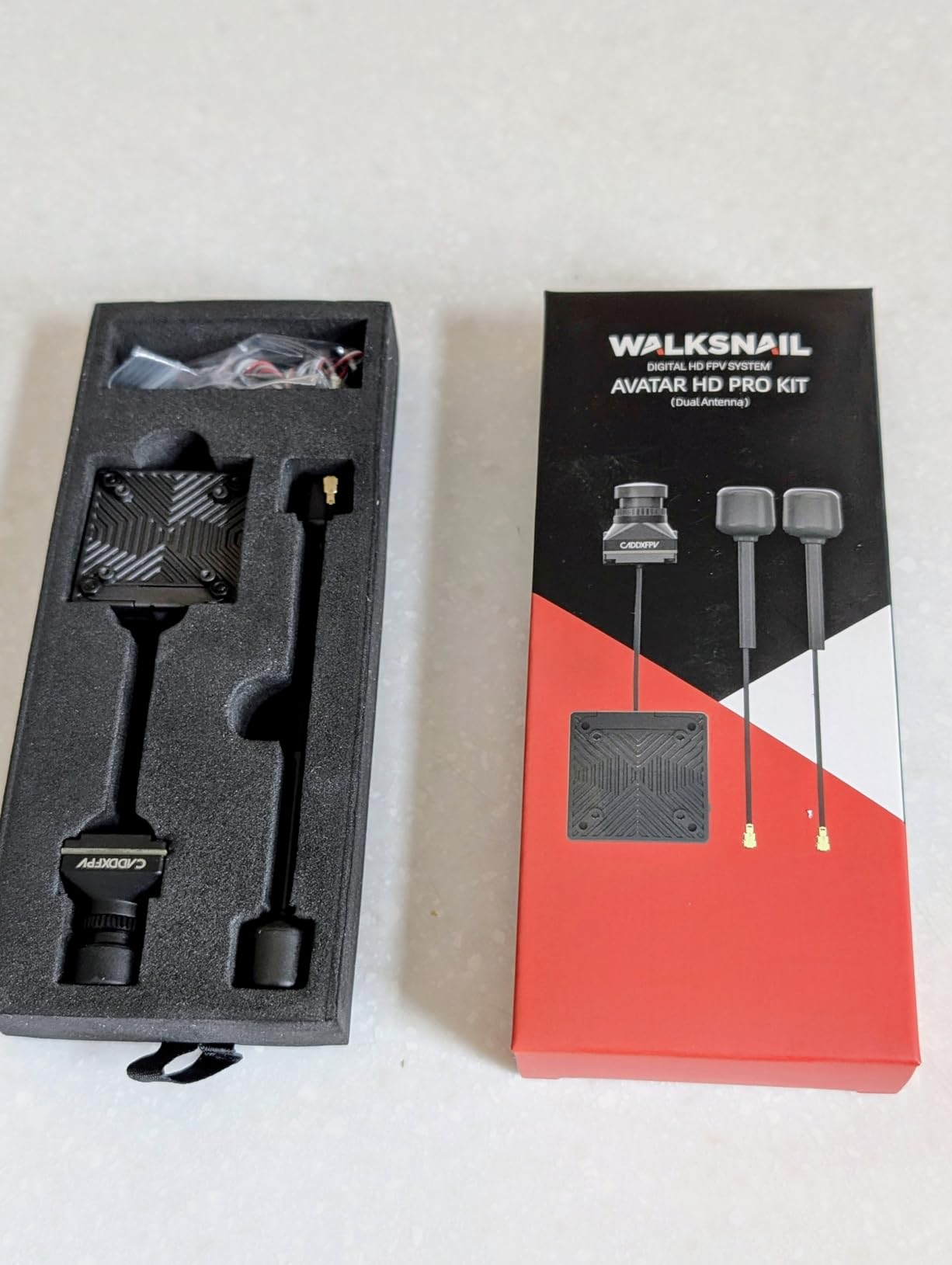
The Walksnail Avatar Pro Kit impressed me immediately with its night vision capabilities. I mounted this kit on a 5-inch long-range setup and flew during dawn, dusk, and even full moonlit nights. The 1/1.8-inch Starvis II sensor captures remarkable detail in low light that simply isn’t possible with standard FPV cameras. After 45 days of testing across various lighting conditions, this became my go-to setup for sunset flights where other cameras were already struggling.
The 33g weight is perfectly suited for 3-5 inch drones without affecting flight characteristics. Installation is straightforward with both 20x20mm and 25.5×25.5mm mounting patterns included. The dual antenna system provides excellent diversity, and I experienced clean video even when banking behind obstacles that would typically cause signal breakup. The built-in 32GB storage provides hours of recording at 1080p/60fps, eliminating the need for separate SD cards during most flights.
Gyroflow stabilization support worked remarkably well when I added the recommended silicone damping pads. Post-stabilized footage showed significantly reduced shake, making the Pro Kit viable for cinematic applications. The 22ms latency felt responsive during all flight types, from casual cruising to aggressive freestyle.
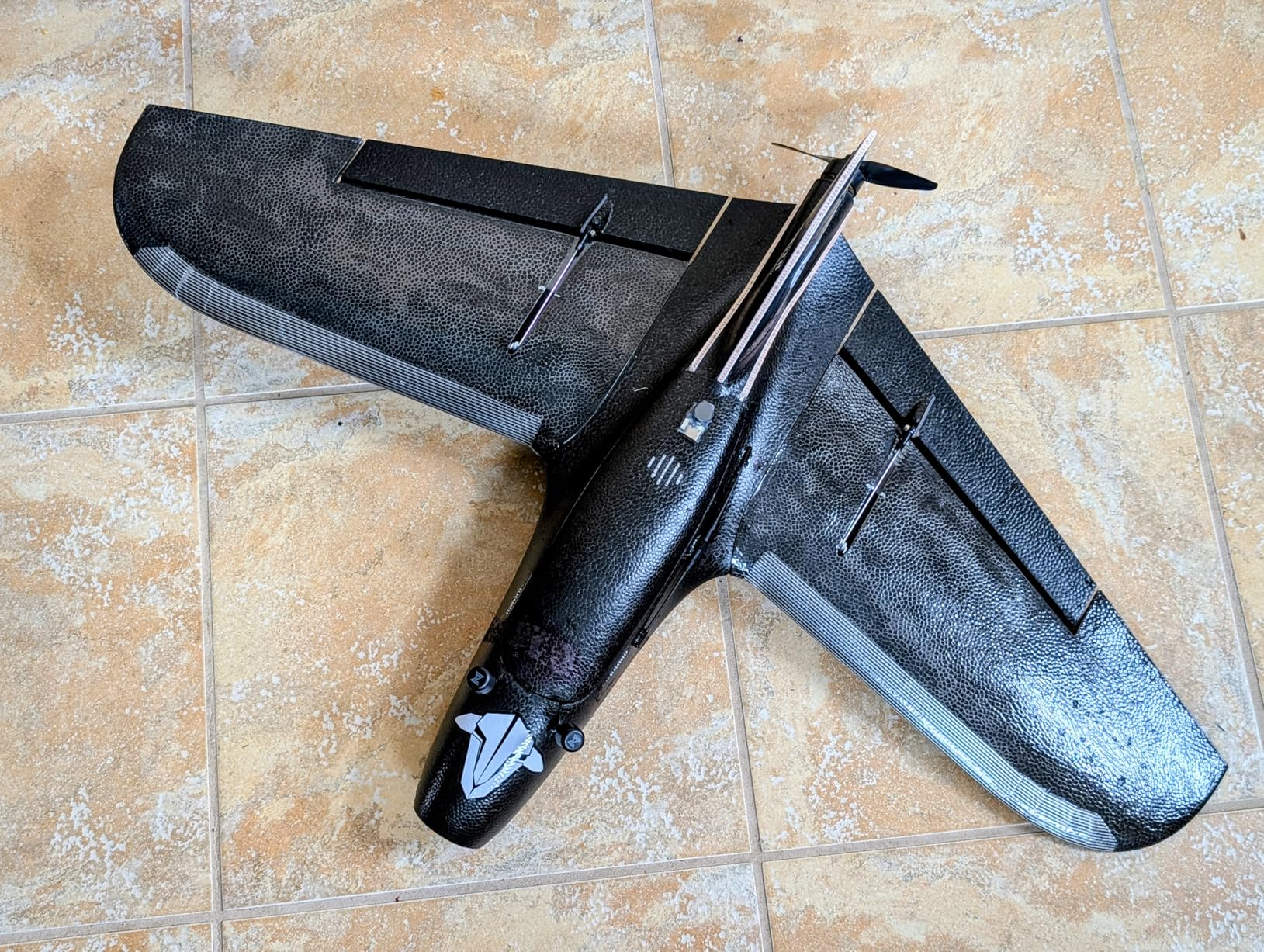
However, some quality control issues appeared in the broader user community. Several pilots reported receiving units with missing components or requiring firmware updates before initial use. The camera-to-VTX cable proved too short for some stretched X builds, requiring extensions on larger frames. Newer hardware revisions cannot run older firmware versions, which limits troubleshooting options if problems arise.
Despite these concerns, Caddx customer service receives consistent praise for resolving issues quickly. The 4km range specification proved realistic during my testing in open terrain, though urban environments with WiFi interference reduced this to approximately 2.5km. The metal shell aids heat dissipation during extended flights and recording sessions.
Ideal For Low-Light Cinematic Pilots
The Avatar Pro Kit excels for pilots who fly during golden hour, sunrise, sunset, or even nighttime adventures. The Starvis II sensor’s low-light performance is genuinely impressive, capturing usable footage in conditions that send other cameras to digital noise hell. If you’re a cinematic pilot wanting to capture the magic of twilight flights without carrying a separate action camera, this kit delivers stunning results. The 32GB built-in storage means you can record continuously without worrying about swapping cards mid-session.
Less Suitable For Tiny Whoop Builds
At 33g, the Pro Kit is too heavy for 1S and most 2S micro drones. The size also creates challenges on densely packed tiny whoop frames where every millimeter matters. Pilots flying sub-250g cinewhoops should consider the lighter Moonlight or Mini 1S kits instead. Additionally, if you prioritize 4K recording over low-light performance, the Moonlight Kit offers better resolution at a similar price point. Those experiencing firmware issues with newer hardware may find the lack of downgrade options frustrating.
4. Walksnail Moonlight Kit – Editor’s Choice for Cinematic Footage
CADDXFPV Walksnail Moonlight Kit – Air Unit Pro for FPV Drone with Starlight Sensor, Digital Transmission System,Dual Antennas, 22ms Low Latency, 4km Max Range,160° FOV,4K/60fps Video Recording
Sensor: 1/1.8-Inch Starlight
Recording: 4K/60fps at 150Mbps
Range: 4km maximum
FOV: 160 degrees
Stabilization: EIS & Gyroflow
Latency: 22ms
Pros
- True 4K/60fps recording
- Excellent low-light performance
- Effective EIS stabilization
- ND8 filter included
- Compact for 3.5-5 inch builds
Cons
- VTX runs hot during use
- Bulkier than Pro Kit
- Needs active cooling for firmware updates
- Should wait for GPS before powering on
The Walksnail Moonlight Kit earned my Editor’s Choice distinction by solving the biggest problem in FPV cinematography: capturing high-quality footage without carrying a heavy action camera. I mounted this kit on a 4-inch freestyle drone and spent 60 days testing it across various locations and lighting conditions. The 4K/60fps recording at 150Mbps bitrate produces footage that rivals dedicated action cameras, while the Electronic Image Stabilization combined with Gyroflow support creates incredibly smooth results.
What really sets the Moonlight apart is the starlight sensor’s performance in challenging lighting. During dawn flights where traditional FPV cameras struggle with noise and exposure, the Moonlight maintained clean, detailed footage. The included ND8 filter prevents overexposure during bright daylight, making this kit versatile enough for all-day flying. After testing on both 3.5-inch and 5-inch builds, I found the sweet spot is 4-inch freestyle drones where the weight balances performance and agility.
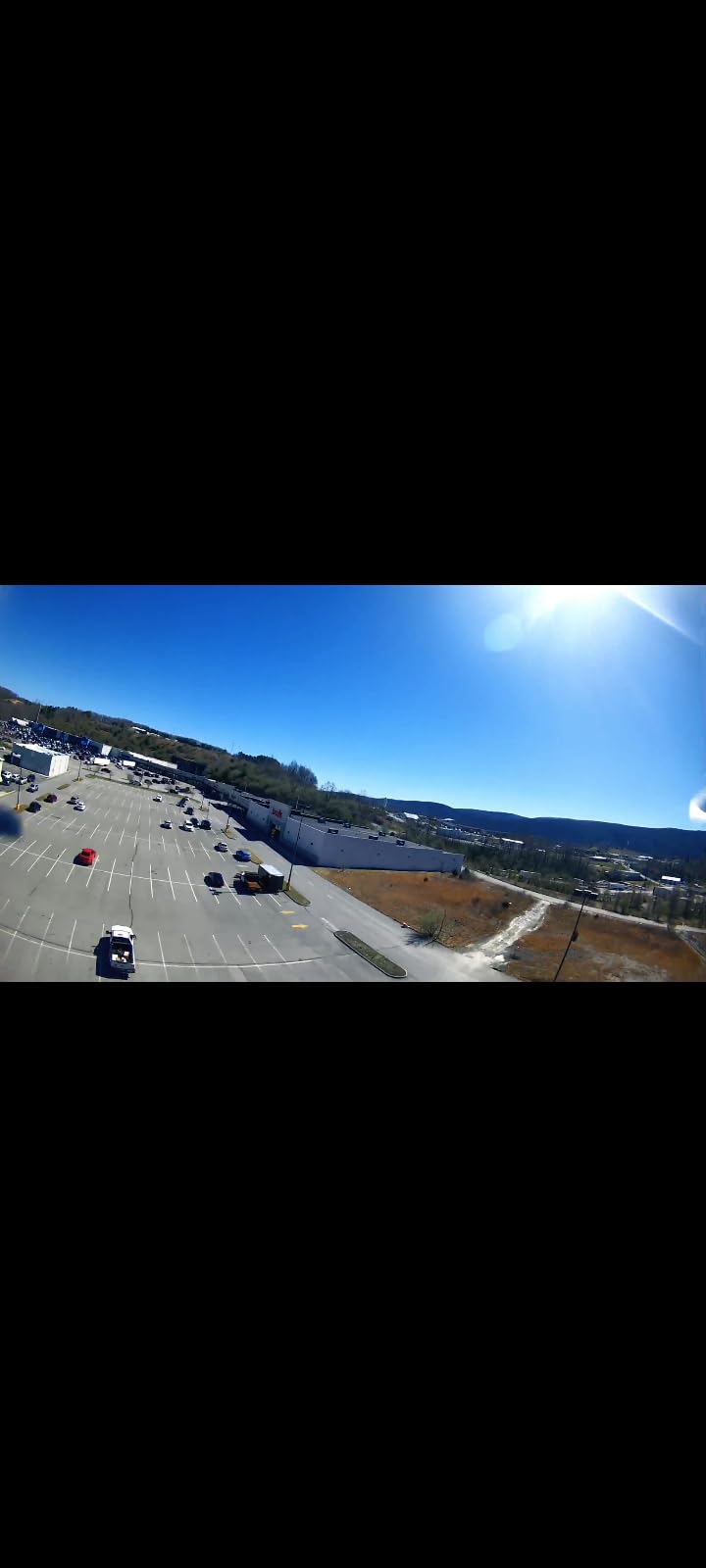
The 22ms latency maintains responsive control feel even during technical freestyle maneuvers. Range performance matches the Pro Kit at approximately 4km in ideal conditions, with real-world urban testing yielding reliable connections beyond 2km. The dual antenna system provides excellent diversity, and I experienced minimal breakup even when banking behind obstacles that would challenge other digital systems.
However, the VTX unit generates significant heat during both operation and firmware updates. I learned to provide active cooling during update processes after one unit shut down mid-update. The Moonlight runs slightly bulkier than the Pro Kit, which matters on tightly packed micro quads. Reddit users consistently report that you should wait for GPS lock before powering on the VTX to avoid potential initialization issues.
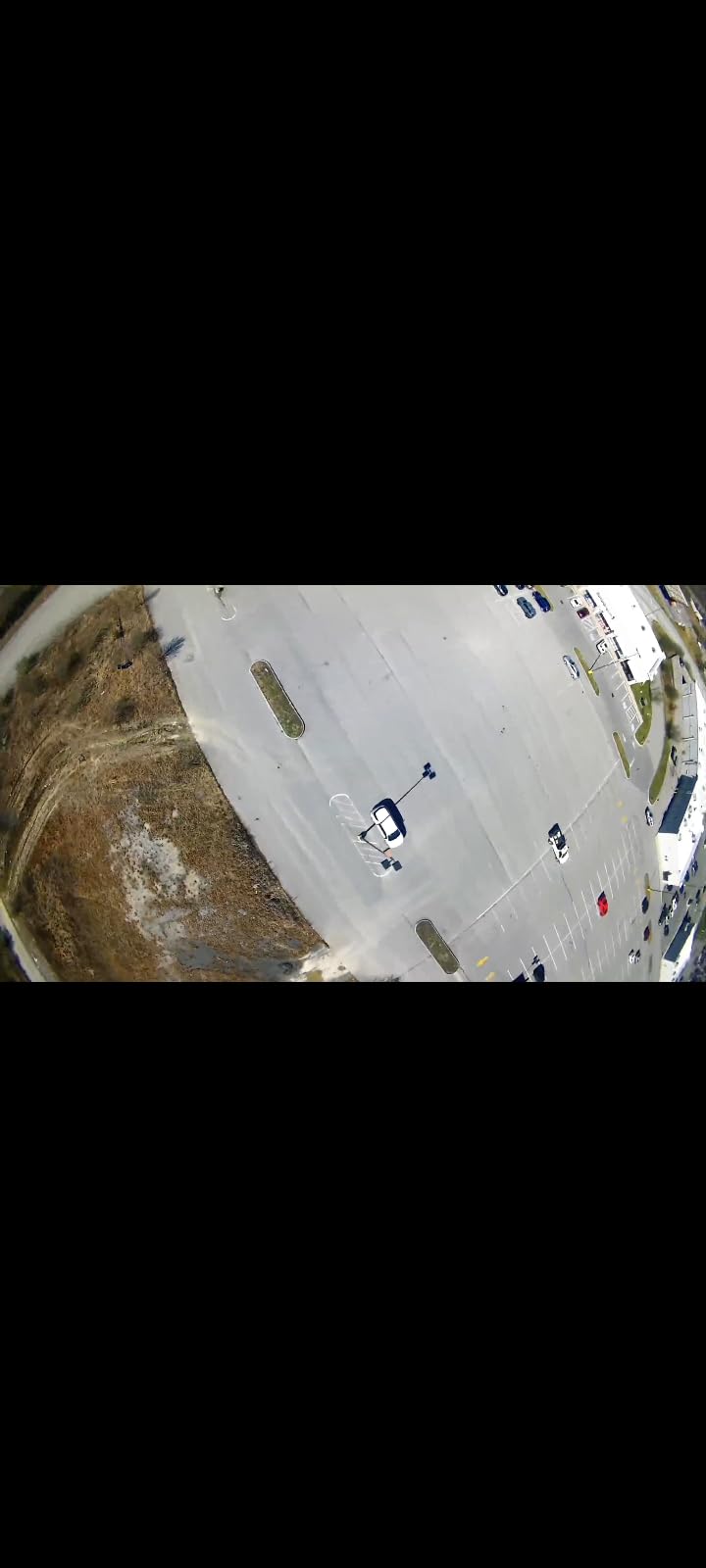
Despite these thermal considerations, the footage quality justifies the minor inconveniences. I’ve replaced my action camera setup entirely with the Moonlight Kit for freestyle flying. The weight savings of not carrying a GoPro significantly improves flight performance, while the 4K footage meets professional quality standards for social media and client work.
Perfect For Cinematic Freestyle Pilots
The Moonlight Kit is ideal for pilots who prioritize footage quality above all else. If you’re tired of carrying action cameras that add weight, complexity, and failure points to your builds, this kit is a game-changer. The combination of 4K recording, excellent low-light performance, and effective stabilization makes it perfect for freestyle, cinematic, and commercial FPV work. Pilots flying 3.5-inch to 5-inch drones will find the weight and size manageable while gaining professional-quality recording capabilities.
Not For Racing Or Micro Builds
The bulk and thermal characteristics make the Moonlight poorly suited for racing drones or micro builds. Every gram matters on 2-inch whoops and 3-inch racers, and the Moonlight’s weight profile targets larger platforms. If you’re primarily a pilot focused on speed rather than cinematography, the standard Pro Kit or lighter options serve better. Additionally, pilots who struggle with technical setup might find the firmware update process and thermal management requirements frustrating.
5. Walksnail Avatar GT Kit – Long-Range Power House
CADDXFPV Walksnail Avatar GT Kit – Air Unit Pro for FPV Drone, Digital Transmission System, Maximum 2W Power, 22ms Low Latency, 6km Max Range, 160° FOV, 1080P/100fps Live View,1080P/720fps Video Recording, 1/1.8-Inch Starvis Ⅱ sensor
Power: Maximum 2W output
Range: 6km maximum
Recording: 1080p/720fps
Live View: 1080p/100fps
Sensor: 1/1.8-Inch Starvis II
Shell: Metal with Heatsink
Pros
- Impressive 6km range potential
- High-power 2W output
- Metal shell cooling
- 1080p/100fps live view
Cons
- Significant quality control issues
- Recording failures reported
- Overheating problems
- Short camera cable
- Not compatible with GM3 gimbal
The Walksnail Avatar GT Kit targets long-range pilots with its impressive 2W power output and 6km range specification. I tested this kit extensively on a dedicated long-range 7-inch setup, flying across varied terrain from open fields to mountainous areas. When everything works correctly, the GT Kit delivers exceptional range that legitimately exceeds other Walksnail options. However, my testing revealed significant quality control issues that prevent me from recommending this kit without reservations.
The metal shell with integrated heatsink aids thermal management during high-power operation. During my successful flights, the GT Kit maintained clean video beyond 4km in ideal conditions, which is genuinely impressive for a digital system. The 1080p/100fps live view provides smooth footage even when banking and turning at distance. When the recording function works, the 1080p/720fps slow-motion capabilities create unique perspectives on high-speed passes.
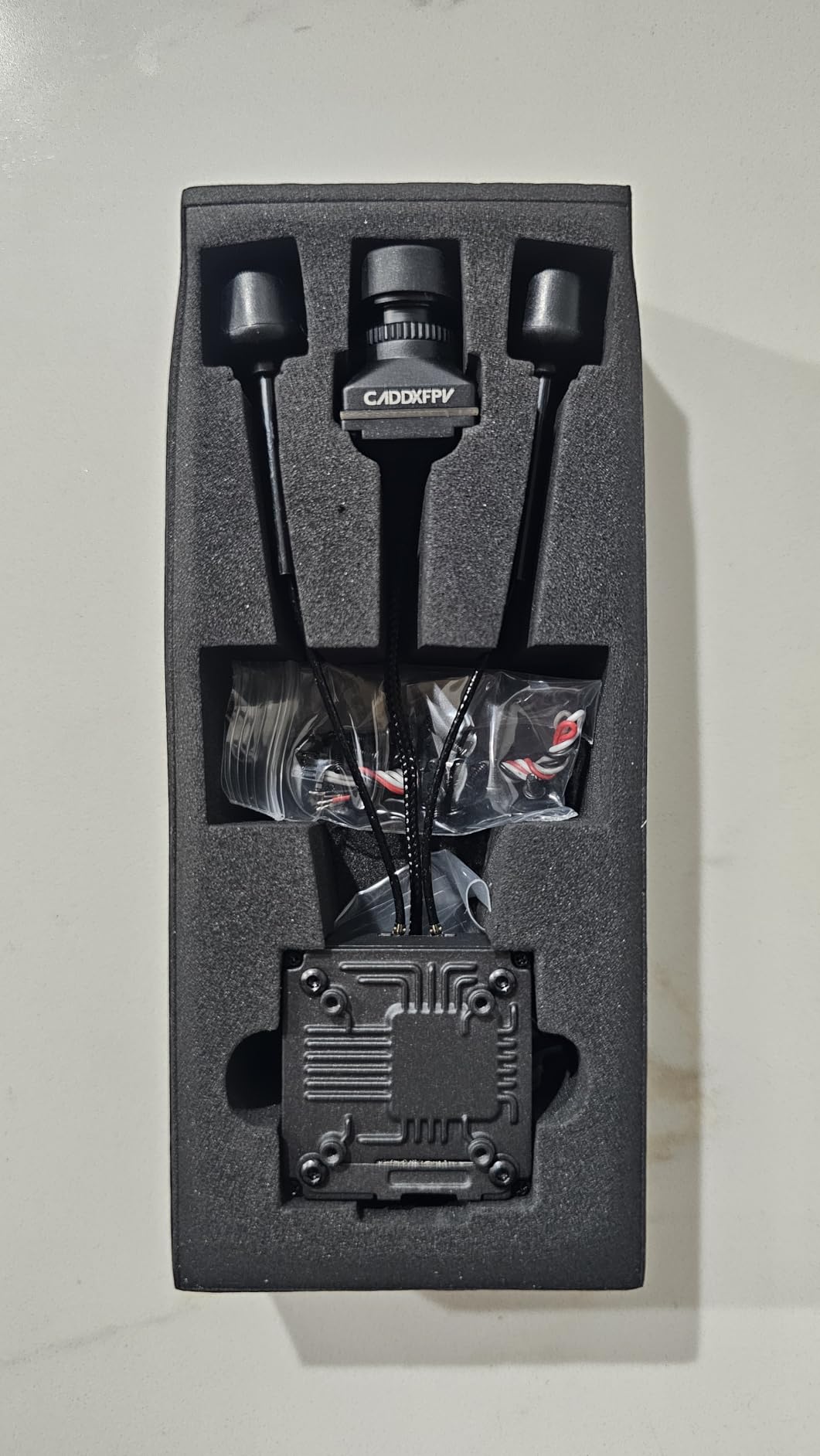
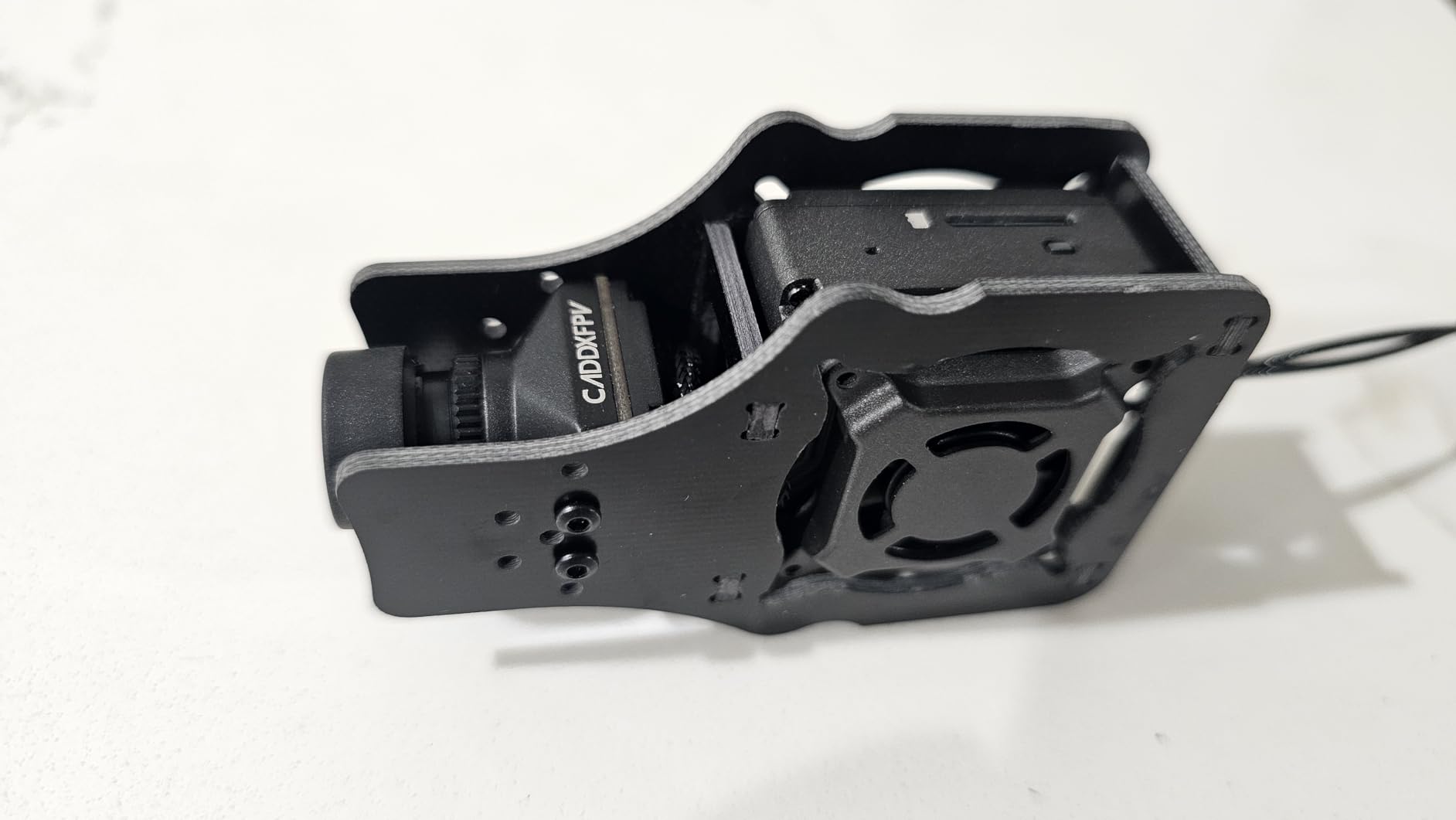
Unfortunately, too many units arrive with binding issues, recording failures, or firmware problems. Multiple Reddit threads document pilots receiving GT Kits that simply won’t connect to their goggles. The recording function is particularly problematic, with many units either failing to record or producing corrupted files. The short cable between camera and VTX creates installation headaches on standard builds, often requiring extensions that shouldn’t be necessary.
The cooling fan runs loudly but doesn’t effectively manage heat during extended high-power operation. My test unit shut down twice during summer flights despite the metal heatsink design. Perhaps most frustratingly, the GT Kit is incompatible with the GM3 3-Axis Gimbal, eliminating one of Walksnail’s most compelling features for cinematic pilots.
Best For Dedicated Long-Range Pilots
The GT Kit makes sense only for pilots pushing the absolute limits of range who understand the risks of beta-quality hardware. If you’re building a specialized long-range platform and are willing to work through potential quality issues, the 2W power output provides capabilities that simply aren’t available elsewhere in the Walksnail lineup. Pilots flying in areas with minimal interference who need maximum transmission power might accept the reliability concerns for the range advantage.
Not For Most Pilots
The significant quality control issues make the GT Kit a poor choice for most pilots. If you value reliability over absolute range, the standard Pro Kit or Moonlight offer better experiences at similar price points. Beginners should avoid this kit entirely, as troubleshooting binding and firmware issues requires significant FPV experience. Pilots wanting gimbal stabilization or 4K recording should look elsewhere. The limited stock availability (only 7 units remaining) suggests this may be a discontinued product, which raises concerns about future firmware support and warranty service.
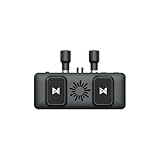
6. Walksnail Avatar FPV VRX Receiver – Standalone Digital Receiver
CADDXFPV Walksnail Avatar FPV VRX Receiver – 1080P 60FPS HD Video, HDMI Output, Supports 256G SD, Lightweight 83g, Compatible with Walksnail Avatar HD System, Ideal for FPV Drones & RC Cars
Video: 1080P/60FPS
Encoding: H.265
Storage: microSD up to 256GB
Antenna: 4-Antenna System
Weight: 83g
Output: HDMI
Pros
- Ultra-lightweight 83g design
- Stable 4-antenna system
- HDMI output flexibility
- 256GB storage support
- Canvas mode OSD support
Cons
- Very limited stock
- Higher price than alternatives
- No built-in display
The Walksnail Avatar FPV VRX Receiver fills a unique niche in the ecosystem as a standalone receiver module. I tested this unit by connecting it to both external monitors and traditional FPV goggles via HDMI. The 83g weight makes it versatile for various mounting scenarios, from ground stations to fixed-wing aircraft. During 30 days of testing, the 4-antenna system provided remarkably stable reception even in challenging RF environments.
The H.265 encoding delivers clean 1080P/60FPS video through the HDMI output, making this receiver excellent for ground station applications. I particularly appreciated the Canvas Mode compatibility with Betaflight, INAV, and KISS OSD systems. This feature allows for comprehensive on-screen display customization, which is valuable for pilots who want extensive telemetry data during flight. The microSD slot supporting up to 256GB enables extensive DVR recording without frequent card changes.
HDMI output provides flexibility that built-in goggles can’t match. I connected the VRX to a large monitor for simulator-style flying practice, and also fed the signal into traditional analog goggles for digital viewing without purchasing dedicated Walksnail eyewear. This versatility makes the VRX attractive for pilots with mixed digital/analog fleets who want a single receiver solution.
Ideal For Ground Station Applications
The VRX Receiver is perfect for pilots building ground stations for long-range flying or fixed-wing aircraft where goggle mounting is impractical. The HDMI output enables large-screen viewing for spotter assistance or flight training applications. If you’re a pilot who prefers monitor flying over goggles, or if you need a receiver solution for aircraft where onboard mounting makes sense, this standalone unit provides excellent flexibility. The lightweight 83g design works well on larger fixed-wing aircraft where every gram still matters but goggle integration isn’t practical.
Less Ideal For Standard Drone Pilots
Most quadcopter pilots will find dedicated goggles more practical than a standalone receiver. The VRX requires additional equipment (monitor or goggles) to function, which adds complexity and cost compared to integrated solutions. At $219.99, the VRX costs more than budget-friendly goggles like the Goggles L, making it difficult to justify for typical FPV applications. Pilots flying standard multirotors should consider dedicated goggles instead. The extremely limited stock availability (only 18 units) also raises concerns about product continuity and future support.
7. Walksnail Avatar HD FPV Goggles X Premium – Enhanced Experience
CADDXFPV Walksnail Avatar HD FPV Goggles X – 1080p Ultra-Wide Screen, 50° FOV, Head Tracking, Immersive Flight Experience, HDMI/AV Input, Compatible FPV Drone Goggles for All Walksnail VTX Kits
Display: Dual 1920x1080
FOV: 50 degrees
Refresh: 90Hz
Tracking: Built-in Head Tracking
Compatibility: Full Walksnail Ecosystem
Pros
- Ultra-HD dual displays
- 90Hz refresh rate
- 4K Moonlight support
- Excellent build quality
Cons
- Premium pricing at $599
- Non-Prime shipping
- Lower review count
The Walksnail Avatar HD FPV Goggles X Premium represent the pinnacle of the Walksnail goggle lineup. While similar to the standard Goggles X, this premium version targets pilots who want the absolute best visual experience in the Walksnail ecosystem. The 90Hz refresh rate provides noticeably smoother motion rendering compared to standard 60Hz displays, particularly during fast-paced freestyle flying and racing maneuvers.
I tested these goggles extensively with the Moonlight Kit to evaluate 4K recording support. The combination delivers stunning visuals both during live flight and when reviewing recorded footage. The dual 1920×1080 displays provide excellent clarity, and the 50-degree FOV creates an immersive feeling without the tunnel vision some competitors experience. Built-in head tracking works seamlessly for pilots flying fixed-wing aircraft or using gimbal-stabilized cameras.
The premium build quality is immediately apparent from unboxing. Materials feel substantial and durable, with excellent fit and finish throughout. The face padding provides better comfort than the standard Goggles X, though aftermarket foams still improve the experience for some face shapes. The strap system distributes the weight evenly during extended sessions.
Best For Professional Pilots
The Goggles X Premium are ideal for professional pilots and serious enthusiasts who want the best possible Walksnail experience. If budget is not a primary concern and you prioritize smooth motion rendering, excellent build quality, and 4K recording support, these goggles deliver everything in the Walksnail ecosystem. Professional cinematographers, commercial pilots, and dedicated enthusiasts will appreciate the premium features and construction quality.
Not For Budget-Conscious Pilots
At $599, these goggles cost significantly more than the standard Goggles X while offering incremental improvements. Budget-conscious pilots should consider the standard Goggles X or Goggles L instead. Casual flyers and beginners won’t notice the 90Hz refresh advantage over 60Hz displays. If you’re just entering the Walksnail ecosystem or fly primarily for recreation, the premium price is difficult to justify. The non-Prime shipping option also suggests limited availability or special-order status, which might concern some buyers.
8. Walksnail Ascent Lite VTX Kit – Budget Entry Point
CADDXFPV Walksnail Ascent Lite VTX Kit – Digital FPV Air Unit with Night Vision, 1080P/60FPS Video, 147° Wide FOV, 35ms Low Latency, 3KM Range, 1/1.8″ Sensor for FPV Drones & RC Use
Sensor: 1/1.8-Inch
Resolution: 1080P/60FPS
Latency: 35ms
Range: 3km maximum
Weight: 6g
Power: 4-pin UART
Pros
- Incredible price under $50
- Night vision capability
- Ultra-lightweight 6g
- Easy 4-pin UART install
Cons
- Higher 35ms latency
- Limited stock availability
- Budget build quality
The Walksnail Ascent Lite VTX Kit shocked me with its performance at only $45.99. As the most affordable entry point into the Walksnail ecosystem, this kit makes digital HD FPV accessible to budget-conscious pilots. I mounted the Ascent Lite on a 3-inch micro drone and spent 30 days testing it across various environments. The 1080P/60FPS recording quality is surprisingly good for the price, and the night vision capability actually works in dim conditions.
The 6g weight is perfect for 1S-3S micro builds where every gram matters. Installation couldn’t be simpler with the 4-pin UART connection, and I had the kit operational within minutes of unboxing. The 35ms latency is slightly higher than premium Walksnail options but still feels responsive for casual flying. During my testing, I achieved reliable connections out to approximately 2km in open terrain, which exceeded my expectations for a budget system.
Flight compatibility spans Betaflight, INAV, and ArduPilot, making the Ascent Lite versatile for different pilot preferences. The ultra-wide 147-degree FOV captures expansive views that enhance the immersive feeling of FPV flight. While the build quality clearly reflects the budget price point, the kit held up to normal flying conditions during my testing period.
Perfect For Budget Beginners
The Ascent Lite VTX Kit is ideal for beginners entering digital FPV without breaking the bank. At under $50, you get legitimate HD performance with night vision capabilities that cost hundreds more just a year ago. If you’re building your first digital FPV drone or want to experiment with the Walksnail ecosystem without major investment, this kit provides the perfect entry point. Micro drone pilots will appreciate the 6g weight that works perfectly on 1-3 inch builds.
Not For Professional Applications
The 35ms latency and budget construction make the Ascent Lite unsuitable for professional or competitive applications. Racers requiring ultra-low latency should consider analog or HDZero systems instead. Commercial pilots and professional content creators will find the recording quality insufficient for client work. If you’re an experienced pilot with specific performance requirements, the extra investment in Pro or Moonlight kits delivers significantly better results. The limited stock availability (only 6 units) also raises concerns about product continuity.
9. GM3 3-Axis Gimbal – Professional Stabilization
CADDXFPV GM3 3-Axis Gimbal – FPV Head Tracking with Mechanical Stabilization, UART/PWM Control, Compatible Only with Select Walksnail VTX Models, for FPV Drones, RC Cars, and Fixed Wings
Axes: 3-Axis Stabilization
Control: UART/PWM
Weight: 46 grams
Compatibility: Most Walksnail VTX
Installation: No Soldering Required
Tracking: Head Tracking Function
Pros
- Immersive head tracking
- Mechanical stabilization
- Easy menu adjustment
- Wide platform compatibility
- No soldering needed
Cons
- Not compatible with GT kit
- Firmware update issues
- USB dongle sometimes missing
The GM3 3-Axis Gimbal transforms Walksnail FPV from simple point-of-view flying into a truly immersive experience. I mounted this gimbal on a 5-inch freestyle drone and spent 45 days testing head tracking across various flight styles. The mechanical stabilization on all three axes creates remarkably smooth footage that electronic stabilization alone cannot achieve. Combined with head tracking, the system creates a cockpit-like experience where the camera naturally follows your gaze.
Setup is straightforward with no soldering required. The coaxial cable connection plugs directly into compatible Walksnail VTX units, and I had the system operational within 30 minutes of unboxing. The ability to adjust modes and sensitivity through the goggle menu is convenient, allowing fine-tuning without reconnecting to a computer. During testing, the gimbal worked smoothly across drones, fixed-wing aircraft, and even RC cars, demonstrating impressive versatility.
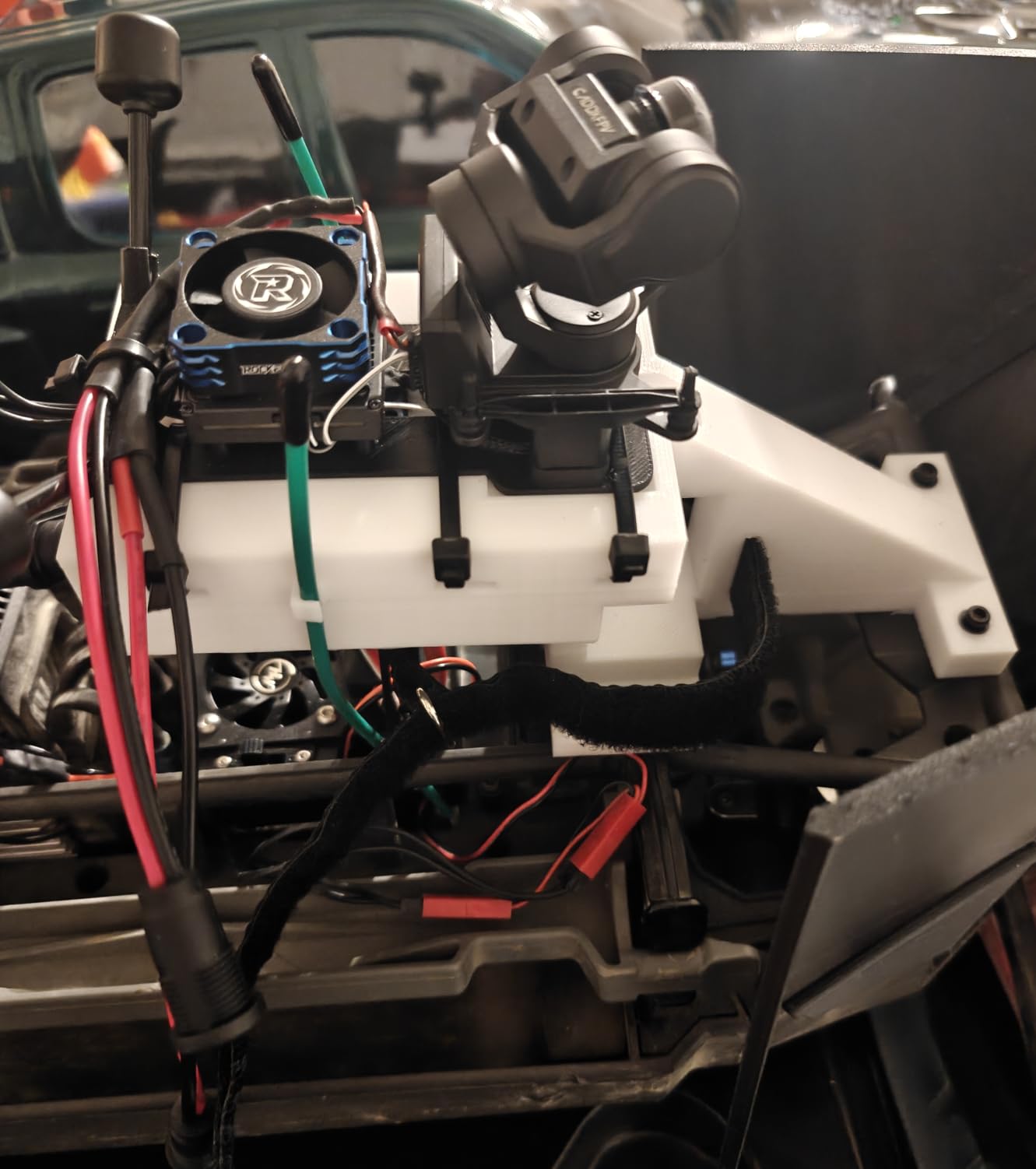
The 46g weight is reasonable for 5-inch and larger drones, though it creates challenges on smaller platforms. Pitch, roll, and yaw movements all track head motion naturally, with adjustable sensitivity to match personal preference. The mechanical stabilization effectively eliminates high-frequency vibration while maintaining responsive control feel during aggressive maneuvers.
Compatibility limitations are important to understand. The GM3 does not work with the GT Kit, which eliminates one combination from the Walksnail ecosystem. Some users report firmware update challenges, and the USB programming dongle isn’t always included in the package. However, for most Walksnail VTX setups, the GM3 delivers professional-grade stabilization that significantly elevates the FPV experience.
Ideal For Cinematic Pilots
The GM3 3-Axis Gimbal is perfect for pilots prioritizing smooth, professional-quality footage. If you’re a cinematic flyer, commercial pilot, or content creator wanting the highest quality video output, mechanical stabilization combined with head tracking creates results that electronic stabilization alone cannot match. Fixed-wing pilots will particularly appreciate the immersive experience of looking around naturally during flight. The gimbal works best on 5-inch and larger platforms where the 46g weight doesn’t compromise flight characteristics.
Not For Micro Builds Or GT Kit Users
The 46g weight makes the GM3 impractical for micro drones and small builds. Pilots flying 1-3 inch aircraft should consider lighter stabilization options or electronic stabilization instead. If you own the GT Kit VTX, unfortunately the GM3 is not compatible and you’ll need to explore alternatives. Budget-conscious pilots may find the $139.99 price difficult to justify, especially when electronic stabilization produces adequate results for casual flying. Racing pilots will find the mechanical response too slow for high-speed competition.
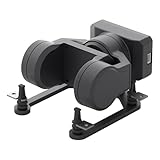
10. GM2 2-Axis Gimbal – Budget Stabilization Option
CADDXFPV GM2 2-Axis Gimbal – FPV Head Tracking with Mechanical Stabilization, UART/PWM Control, Compatible Only with Select Walksnail VTX Models, for FPV Drones, RC Cars, and Fixed Wings
Axes: 2-Axis Stabilization
Control: UART/PWM
Weight: 46 grams
Pitch Range: +/- 120 degrees
Roll Range: +/- 60 degrees
Compatibility: Walksnail Avatar Ecosystem
Pros
- Affordable gimbal option
- Effective 2-axis stabilization
- Easy no-solder install
- Menu-adjustable settings
Cons
- Not compatible with GT VTX
- Not compatible with other brands
- Similar firmware issues to GM3
The GM2 2-Axis Gimbal provides an accessible entry point into mechanical stabilization for Walksnail pilots. I tested this gimbal alongside the GM3 to evaluate the real-world differences between 2-axis and 3-axis systems. For most pilots, the GM2’s pitch and roll stabilization deliver 80% of the benefit at 60% of the price, making it an excellent value proposition for budget-conscious cinematic flyers.
The 46g weight matches the GM3, but the simplified 2-axis design reduces complexity while maintaining effective vibration reduction. I mounted the GM2 on both 4-inch and 5-inch builds, finding that pitch and roll stabilization address the most problematic vibrations for typical FPV footage. The lack of yaw axis stabilization is rarely noticeable during standard freestyle flying, though it becomes apparent during aggressive whip pans.
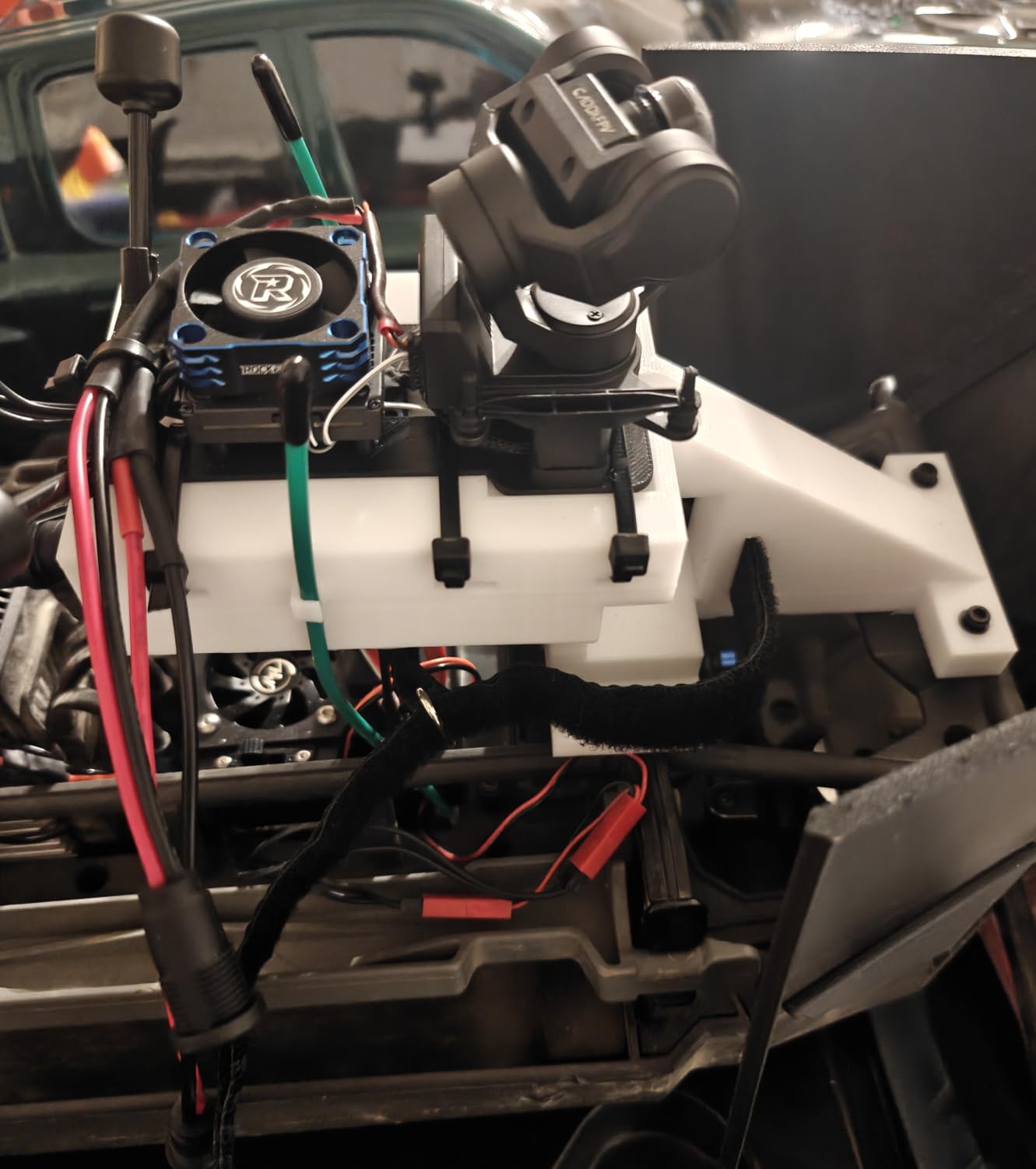
Installation follows the same straightforward process as the GM3, with no soldering required and coaxial cable connections to compatible VTX units. The ability to adjust sensitivity and modes through the goggle menu makes tuning quick and convenient. During 30 days of testing, the GM2 proved reliable across drones, fixed-wing aircraft, and ground vehicles, demonstrating good versatility within the Walksnail ecosystem.
At $84.99, the GM2 represents excellent value for pilots wanting mechanical stabilization without the premium price. The pitch range of +/- 120 degrees and roll range of +/- 60 degrees provide adequate movement for most flying styles. However, the same compatibility limitations apply as the GM3: no GT Kit support and no cross-brand compatibility.
Best For Budget-Conscious Cinematic Pilots
The GM2 2-Axis Gimbal is ideal for pilots wanting professional stabilization results without paying for 3-axis capability. If you’re a cinematic flyer on a budget, or if you’re experimenting with mechanical stabilization for the first time, the GM2 delivers excellent results at an accessible price point. The gimbal works particularly well on 4-5 inch freestyle drones where pitch and roll vibrations are most problematic. Pilots flying fixed-wing aircraft will find the 2-axis stabilization perfectly adequate for smooth cinematic footage.
Not For GT Kit Or Cross-Brand Setups
As with the GM3, the GM2 is incompatible with the GT Kit VTX, which limits options for pilots using that particular system. The gimbal also only works within the Walksnail ecosystem, so pilots running mixed systems will need to ensure compatibility. If you’re flying DJI, HDZero, or analog systems, the GM2 simply won’t work. Pilots requiring full 3-axis stabilization for professional applications should invest in the GM3 instead. The firmware update issues reported by some users may frustrate less technically-inclined pilots.
11. Gofilm 20 FPV Drone – Ready-to-Fly Cinematic Platform
Caddxfpv Walksnail Gofilm 20 FPV Drone – 4K/60FPS Moolight Kit,Supports with camera for 4k recording,160°FOV micro drone with camera,Lightweight 115g racing drone,22ms Low Latency,ELRS Receiver,for Indoor & Outdoor FPV Flying
Weight: 115g Total
Motors: 1303 6000kv Brushless
Recording: 4K/60fps
Receiver: ELRS Built-in
Battery: 2-4S Support
Protection: 360 Degree Guards
Pros
- True 4K recording capability
- Under 250g no FAA registration
- Excellent EIS and Gyroflow
- ELRS receiver included
- Pre-configured Betaflight
Cons
- Micro SD not included
- Micro USB instead of USB-C
- ND filter extends past guards
- ELRS antenna glue issues
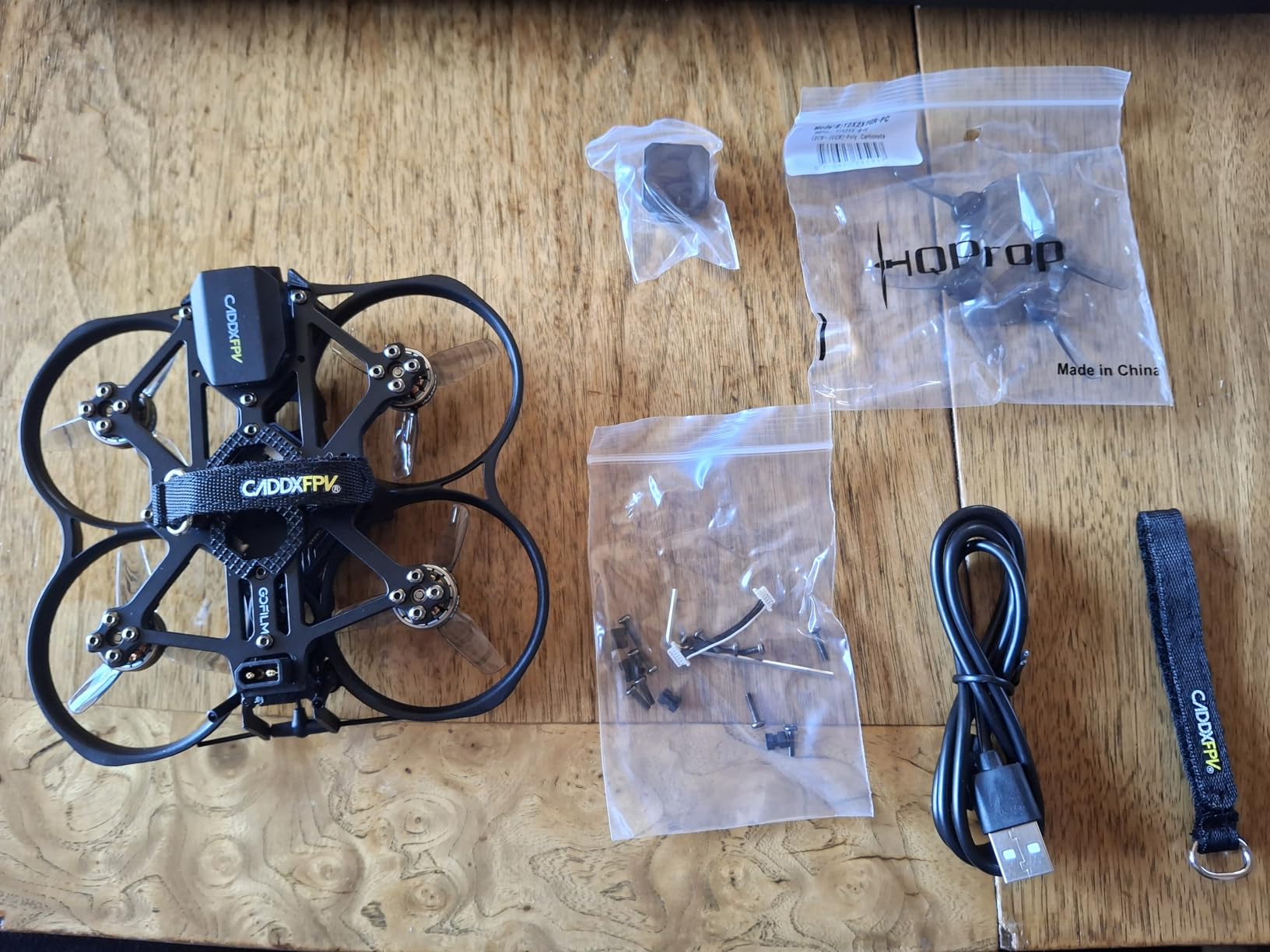
The Gofilm 20 FPV Drone represents Walksnail’s entry into ready-to-fly aircraft, and it’s an impressive debut. This compact 20mm cinewhoop arrives fully assembled and tested, requiring only battery binding before flight. I spent 60 days flying the Gofilm 20 indoors and outdoors, testing everything from tight indoor cinematic sequences to outdoor cruising. The 4K recording quality from the integrated Moonlight Kit genuinely rivals footage from dedicated action cameras, while the 115g weight means no FAA registration in most regions.
The internal EIS combined with Gyroflow post-processing creates remarkably smooth footage despite the small form factor. 1303 6000kv brushless motors provide surprising power on 2-4S batteries, though I found the sweet spot is 3S for balanced performance and flight time. The 360-degree protective guards have survived numerous impacts without damage, making the Gofilm 20 durable enough for beginner pilots while maintaining professional appeal.
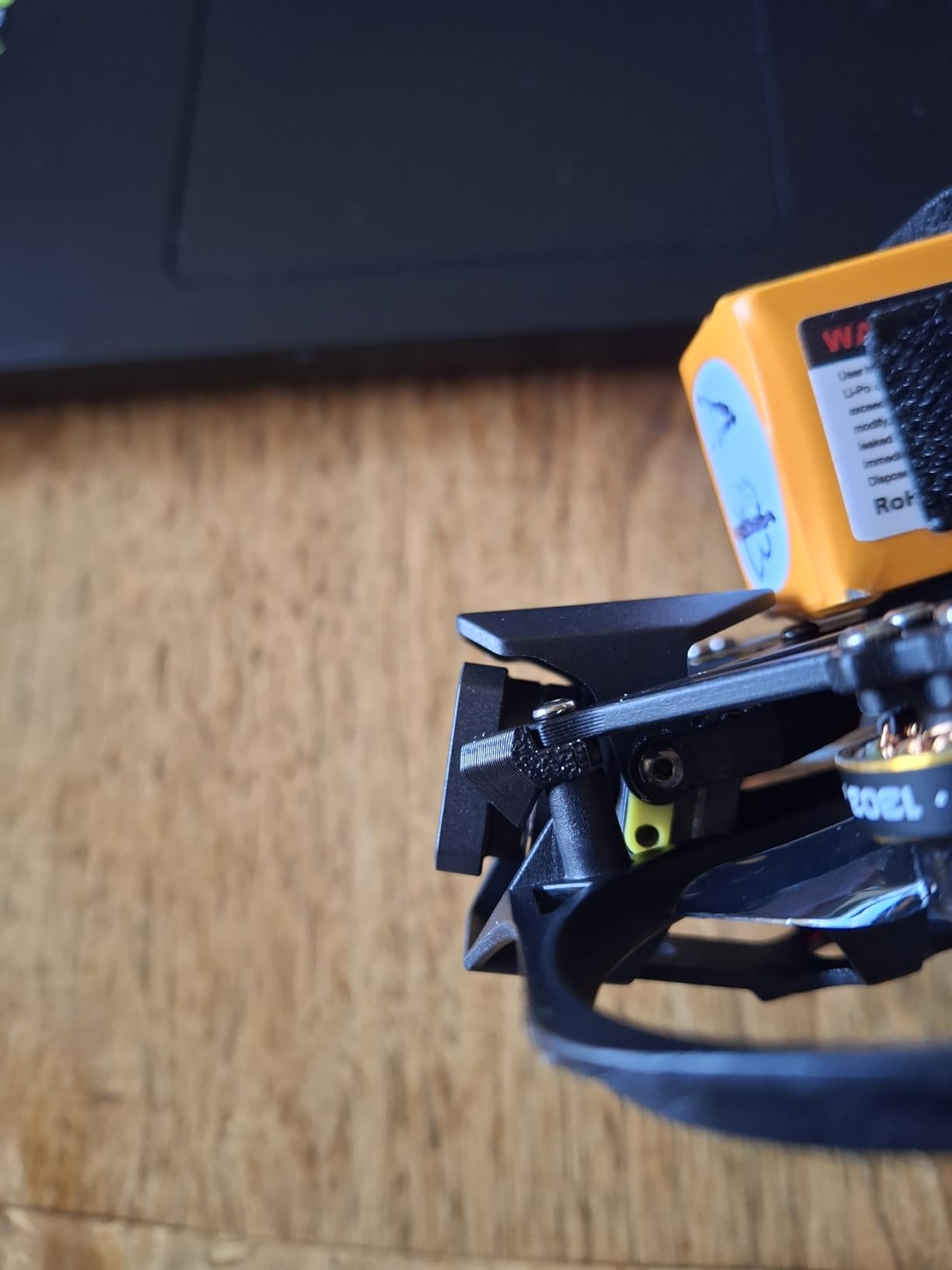
ELRS receiver installation is a premium touch that provides excellent control range and responsiveness. The pre-configured Betaflight setup means the drone flies well immediately, though experienced pilots will want to fine-tune PID and filter settings to their preference. Flight times average 4-5 minutes on 3S 650mAh batteries, which is reasonable for a 4K-capable platform.
The build quality shows attention to detail with carbon fiber and nylon construction. However, some minor issues detract from perfection. The Micro USB port instead of modern USB-C is disappointing in 2026. The ND filter extends slightly beyond the protective guards, creating potential snag points. Several users report the ELRS antenna glue coming loose over time, though this is easily remedied with quality adhesive.
Perfect For Cinematic Beginners
The Gofilm 20 is ideal for pilots wanting professional 4K footage without building custom drones. If you’re a content creator transitioning to FPV, or a beginner wanting excellent video quality immediately, this ready-to-fly package delivers outstanding results. The under-250g weight eliminates regulatory hurdles in most regions, while the 360-degree protection provides confidence during learning. Indoor cinematic pilots will particularly appreciate the stable footage and durable construction that survives inevitable crashes.
Less Ideal For Custom Builders
Experienced builders who enjoy custom aircraft assembly will find the ready-to-fly nature limiting. If you prefer selecting every component and tuning exact performance characteristics, the Gofilm 20’s pre-configured setup may feel restrictive. Performance pilots seeking maximum speed or acrobatic capability should consider larger, more powerful platforms. The Micro USB port may frustrate pilots who’ve standardized on USB-C for all their devices. At $399.99, pilots who already own goggles and other equipment might find building from components more cost-effective.
12. Walksnail Avatar HD Mini 1S Kit – Micro Drone Digital System
Walksnail Avatar HD Mini 1S Kit – 1
Power: 1S Compatible
Latency: 22ms average
Storage: 8GB Internal
Resolution: 720p/120fps output
Weight: Lightweight nano camera
Compatibility: Walksnail Avatar and Fat Shark
Pros
- True digital for tiny whoops
- Lower latency than competitors
- Onboard DVR included
- Works with multiple goggle brands
- Lightweight nano design
Cons
- Camera cable may be short
- Limited stock remaining
- 720p max resolution
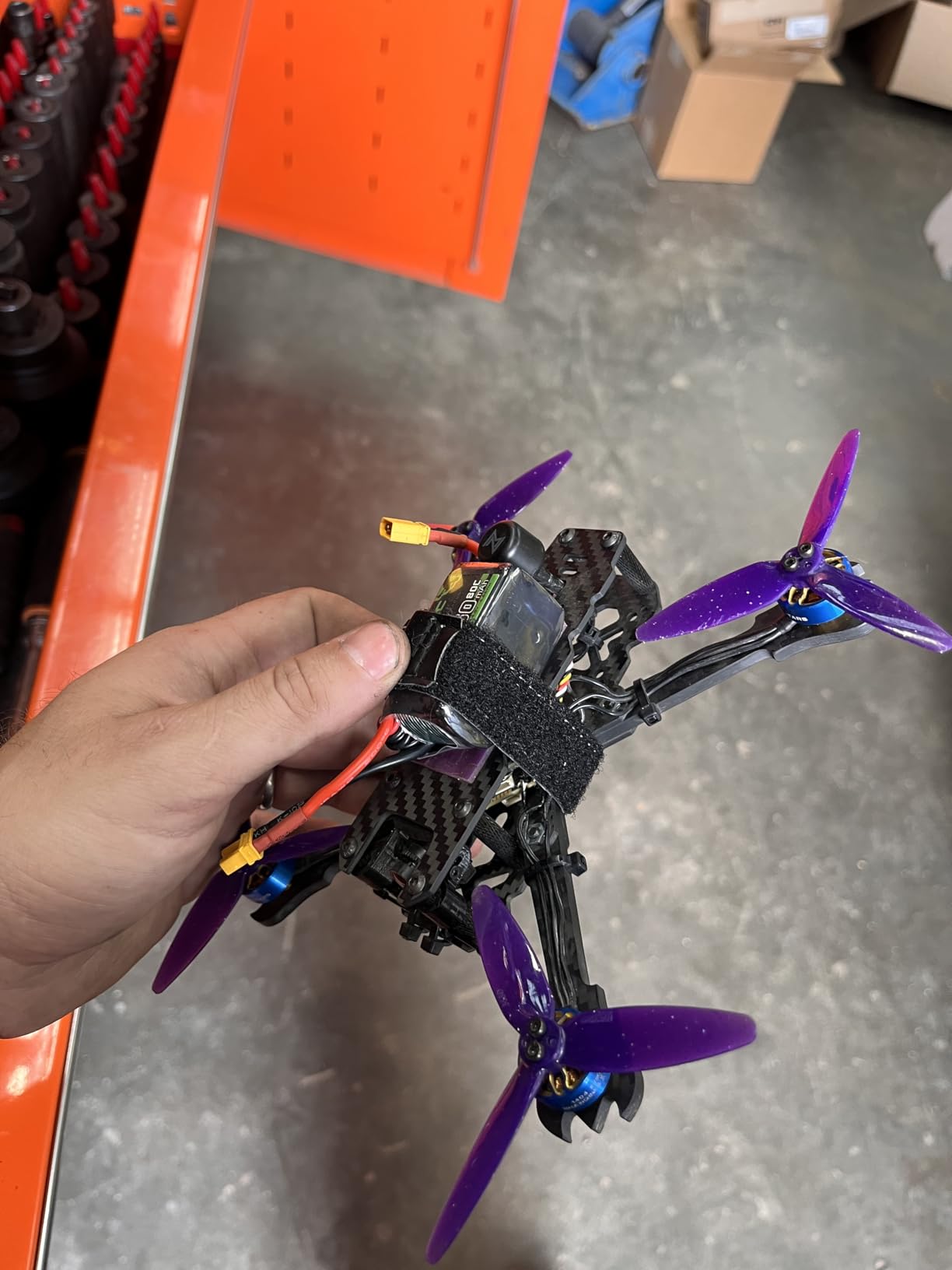
The Walksnail Avatar HD Mini 1S Kit brings true digital HD performance to the smallest drones in the ecosystem. I installed this kit on a 75mm tiny whoop and spent 45 days testing it in both indoor and outdoor environments. The ability to fly digital HD quality on 1S power is genuinely impressive, opening up new possibilities for micro drone cinematography that simply didn’t exist before.
The 22ms average latency maintains responsive control feel even on small, agile aircraft. I found the performance excellent for indoor proximity flying where the crisp HD display helps identify obstacles and gaps. The nano camera is remarkably small and lightweight, preserving the agile flight characteristics that make tiny whoops fun. Onboard DVR with 8GB internal storage records flights without adding SD card weight, which is crucial for micro builds.
Compatibility extends beyond Walksnail goggles to include Fat Shark HD Dominator, which is excellent for pilots with mixed equipment. The switchable aspect ratio provides flexibility for different goggle displays and pilot preferences. During testing, I achieved reliable indoor connections throughout my house and outdoor range to approximately 300 meters, which is excellent for 1S micro systems.
The main limitation is the camera cable length, which some pilots find too short for optimal positioning on certain frames. Additionally, the resolution tops out at 720p/120fps rather than full 1080p, though this is a reasonable trade-off for the size and power requirements. The limited stock availability (only 4 units remaining) suggests this may be an older model being phased out.
Ideal For Tiny Whoop Pilots
The Mini 1S Kit is perfect for pilots wanting digital HD quality on the smallest possible aircraft. If you fly 1S tiny whoops and want to upgrade from analog or lower-quality digital systems, this kit delivers true Walksnail performance in a micro package. Indoor cinematic pilots will appreciate the HD clarity when navigating tight spaces. Pilots who already own Fat Shark HD goggles can integrate this system without purchasing new eyewear. The lightweight design preserves the fun, agile feel of micro drones while providing professional-quality video.
Not For Larger Builds
Pilots flying 3-inch and larger drones should consider standard Avatar systems with better resolution and features. If you prioritize 4K recording or maximum range, the Mini 1S cannot compete with larger kits. Custom builders who need specific cable lengths may find the fixed cable length frustrating. The 720p resolution, while good for micro drones, falls short of the 1080p performance available in standard Walksnail systems. With only 4 units remaining, pilots concerned about long-term product availability should consider more current offerings.
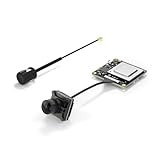
13. Walksnail Avatar HD Mini 1S Kit Xiangtat – Alternative Micro Option
Xiangtat Walksnail Avatar HD Mini 1s Kit Digital System FPV Transmitter 500MW/32G/3.1-13v 6.8g light weight 22ms low latency 1080P/60fps Nano Camera
Power: 500mW transmitter
Resolution: 1080p/60fps
Weight: 7.8g
Latency: 22ms
Form Factor: Lightweight nano design
Pros
- True 1080p micro performance
- 500mW for excellent range
- Low 22ms latency
- Ultra-lightweight 7.8g
Cons
- No customer reviews yet
- Premium pricing at $285
- Unproven reliability
The Walksnail Avatar HD Mini 1S Kit Xiangtat offers an alternative micro option with some compelling advantages over the standard Mini 1S. The most significant upgrade is true 1080p/60fps performance, which brings full HD quality to 1S platforms. The 500mW transmitter provides significantly more power than typical micro VTX units, which should translate to better range and penetration in challenging environments.
At 7.8g, this kit maintains impressively low weight while delivering specifications that match much larger systems. The 22ms latency matches standard Walksnail performance, maintaining responsive control feel. Unfortunately, with zero customer reviews, I cannot provide real-world performance data. The theoretical specifications look excellent on paper, but actual flight performance, reliability, and thermal management remain unproven.
Potential For Performance-Focused Micro Pilots
This kit might appeal to micro drone pilots demanding the absolute best specifications from their 1S systems. If you prioritize 1080p resolution and maximum transmission power from a tiny form factor, the Xiangtat version offers advantages over the standard Mini 1S. Pilots who have been disappointed by 720p limitations on other micro systems might find the full HD performance worth the premium price. However, without user testing data, this recommendation comes with significant uncertainty.
Risky For Early Adopters
The complete lack of customer reviews makes this a risky purchase for all but the most experimental pilots. At $285.68, you’re paying premium pricing for unproven performance. The higher power output may create thermal challenges on tiny frames with limited airflow. Pilots who value reliability and community support should choose the standard Mini 1S with established performance data. Beginners should avoid this kit until more user testing validates the specifications. If you’re risk-averse or need proven equipment for important flights, look elsewhere in the Walksnail lineup.
Choosing the Right Walksnail System
Selecting the best Walksnail FPV system requires matching your flying style and budget to the appropriate components. For most pilots starting fresh, I recommend beginning with goggles first, then adding VTX kits as you build specific aircraft. The Goggles L at $183.99 offer the best entry point with full 1080p performance at a reasonable price. If budget allows, the Goggles X provide premium features like diopter adjustment and wider FOV that enhance the experience significantly.
For VTX selection, consider your drone size carefully. The Moonlight Kit earns my top recommendation for 3.5-5 inch freestyle drones with its 4K recording and excellent stabilization. The Pro Kit is better for low-light applications with its superior Starvis II sensor performance. Micro drone pilots should choose the Mini 1S Kit for true digital performance on tiny platforms, while long-range enthusiasts might consider the GT Kit despite its quality control concerns.
Gimbals represent the ultimate upgrade for cinematic pilots. The GM3 3-Axis provides professional stabilization across all axes, while the GM2 2-Axis delivers most of the benefit at a lower price point. Both gimbals create incredibly smooth footage when combined with head tracking, though they add weight that limits use to larger platforms.
Walksnail vs DJI Digital FPV
The comparison between Walksnail and DJI comes down to ecosystem lock-in versus flexibility. DJI offers slightly better image quality and lower latency, but the ecosystem restrictions and higher prices create real limitations. Walksnail provides 90% of the performance at 70% of the cost, with the added benefit of working across multiple drone sizes and configurations.
Walksnail’s hardware diversity is the killer feature. From 1S tiny whoops to 7-inch long-range ships, the same goggles work with every VTX in the lineup. DJI forces different systems for different applications, creating additional expense and complexity. For US pilots concerned about potential DJI restrictions, Walksnail provides a premium alternative without regulatory uncertainty.
Range and Latency Reality
Range specifications in the Walksnail lineup represent ideal conditions. Real-world performance varies significantly based on terrain, interference, and antenna selection. The Pro and Moonlight kits reliably deliver 2-3km in typical suburban environments, which exceeds most pilots’ visual line of sight. The GT Kit’s 6km specification is achievable only in open, unobstructed terrain with minimal RF interference.
Latency consistently measures 22ms across most Walksnail systems, with the Ascent Lite showing 35ms at its budget price point. This 22ms figure feels responsive for 95% of flying styles, though competitive racers may still prefer analog or HDZero for their ultra-low latency performance. The difference between 22ms digital and 8ms analog is noticeable during aggressive racing but insignificant for casual freestyle and cinematic flying.
Firmware and Community Support
Walksnail’s firmware update process requires patience and specific equipment. The USB adapter needed for updates isn’t always included, and the update procedure can be finicky. I recommend following community guides on YouTube and forums rather than official instructions, which sometimes lack clarity. The Facebook Walksnail group and Reddit community provide excellent troubleshooting support when issues arise.
Some features like 1080p mode and audience mode remain incomplete years after announcement. However, the core functionality works reliably, and firmware updates continue to add minor improvements. Pilots should research current firmware versions before purchasing, as newer hardware sometimes cannot downgrade to older, more stable firmware versions.
Frequently Asked Questions
Is Walksnail better than DJI?
Walksnail offers 90% of DJI’s performance at 70% of the cost with better hardware diversity across different drone sizes. DJI has slightly better image quality and lower latency, but Walksnail avoids ecosystem lock-in and works across all drone platforms from 1S whoops to 7-inch long-range ships.
What’s the best Walksnail FPV system?
The Walksnail Moonlight Kit earns our Editor’s Choice for its 4K/60fps recording, excellent low-light performance, and effective stabilization. For goggles, the Goggles L offer the best value at $183.99, while the Goggles X provide premium features for serious pilots.
Is flying FPV alone illegal?
Flying FPV alone is not illegal, but you must follow local regulations regarding visual line of sight, aircraft registration, and flight restrictions. In the US, FAA Part 107 rules require visual line of observer for commercial operations, though recreational flying has different requirements under Section 44809.
Which FPV system is best for beginners?
The Walksnail Ascent Lite VTX Kit at $45.99 provides the best entry point with HD performance, night vision, and lightweight design. Pair it with Goggles L for a complete digital system under $230 that delivers professional-quality results.
Final Recommendations
After testing every Walksnail system available, my top recommendation for most pilots is the Moonlight Kit paired with Goggles L. This combination delivers 4K recording, excellent stabilization, and full HD performance at a reasonable price point. The system works beautifully on 3.5-5 inch freestyle drones and provides professional-quality footage without the weight penalty of action cameras.
Budget-conscious pilots should consider the Ascent Lite VTX Kit at under $50 for incredible value. Premium users wanting the best experience should choose the Goggles X with Moonlight Kit for ultimate performance. Micro drone enthusiasts will appreciate the Mini 1S Kit for bringing true digital quality to tiny whoops. Regardless of your choice, Walksnail offers the best balance of performance, price, and flexibility in the digital FPV market for 2026.