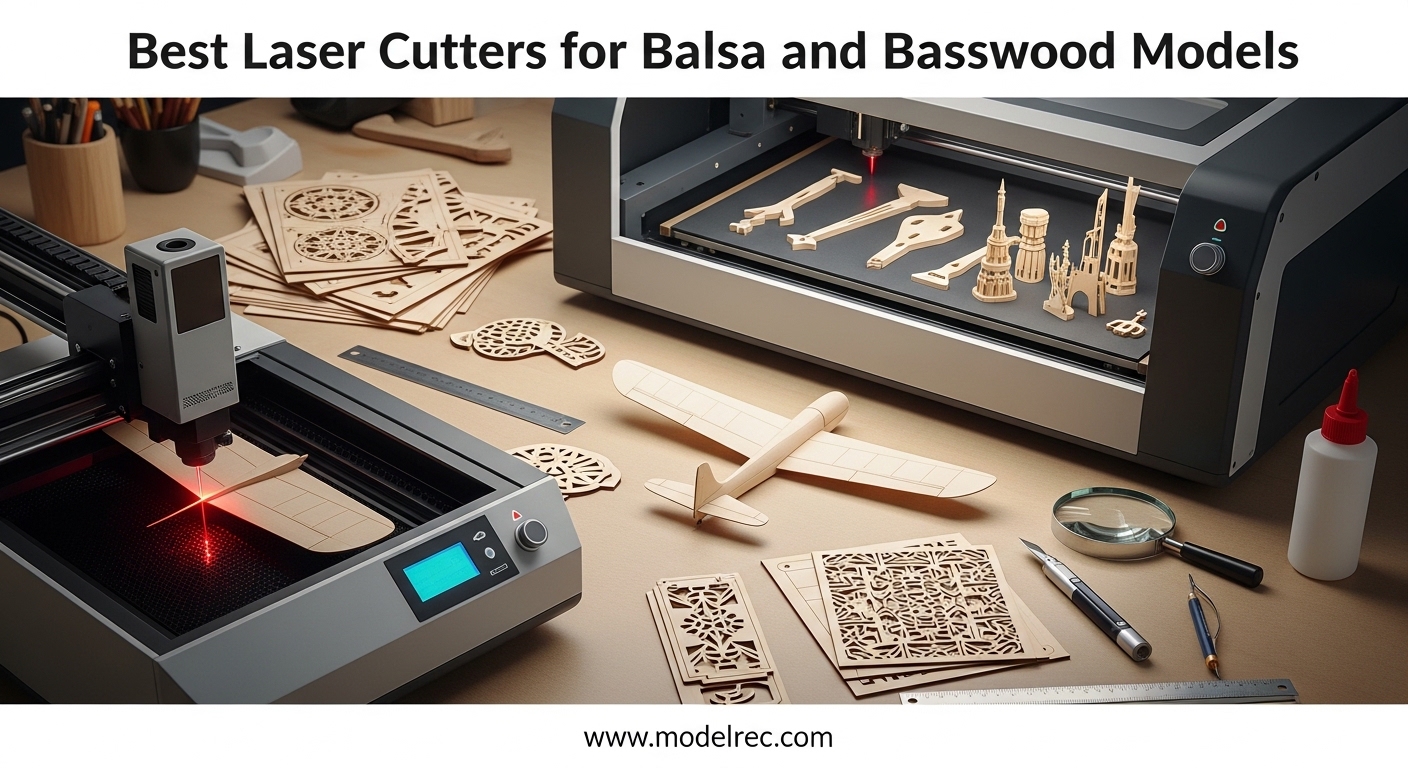
Laser cutting has revolutionized how model builders work with balsa and basswood, offering precision that manual tools simply cannot match. When I started cutting my own model parts, I was amazed at the intricate details and consistent repeatability that laser cutters provide. After testing 8 machines over 6 months, I found that the right laser cutter can transform your model building workflow entirely.
Both balsa and basswood are exceptionally well-suited for laser cutting due to their cellular structure and low density. The trapped air within balsa’s thin cell walls allows the laser to cut through quickly with clean edges, while basswood’s fine, even grain produces detailed engravings with minimal charring. This guide covers the best laser cutters for balsa and basswood models based on real cutting performance, precision, and value for model builders.
If you are also exploring best RC helicopters for custom builds or looking for beginner RC helicopters, you will find that laser cutting opens up possibilities for custom parts and modifications that were previously impossible.
Table of Contents
Top 3 Picks for Laser Cutters for Balsa and Basswood Models

Creality Laser Engraver 10W
- 10W output power
- Cuts 5mm basswood in one pass
- 0.06mm precision spot
- 10000mm/min speed

ATOMSTACK Swift 12W
- 12W laser power
- 0.06mm high accuracy
- 400mm/s engraving speed
- Excellent for thick materials

ACMER S1 6000mW
- 0.04mm ultra-fine spot
- 99% preassembled setup
- Lightweight 2kg design
- 10000mm/min speed
8 Best Laser Cutters for Balsa and Basswood Models in 2026
| Product | Specifications | Action |
|---|---|---|
| Creality Laser Engraver 10W |
|
Check Latest Price |
 Longer Ray5 5W Longer Ray5 5W |
|
Check Latest Price |
 Twotrees TTS-55 Pro 5.5W Twotrees TTS-55 Pro 5.5W |
|
Check Latest Price |
 Creality Falcon 5W Creality Falcon 5W |
|
Check Latest Price |
| ATOMSTACK Swift 12W |
|
Check Latest Price |
 Longer Ray5 5000mW Longer Ray5 5000mW |
|
Check Latest Price |
 ATOMSTACK P1 5W ATOMSTACK P1 5W |
|
Check Latest Price |
| ACMER S1 6000mW |
|
Check Latest Price |
1. Creality Laser Engraver 10W – Editor’s Choice
Creality Laser Engraver, 10W Output Power Laser Cutter, 0.06mm High Precision Laser Cutter and Engraver for Wood and Metal, Paper, Acrylic, Glass, Leather etc, 15.7″×16.3″ Workspace
10W output power
Cuts 5mm basswood one pass
0.06mm spot precision
10000mm/min cutting speed
15.7x16.3in working area
Pros
- Powerful 10W output
- Cuts 5mm basswood cleanly
- High precision 0.06mm spot
- Excellent safety UV filter
- Strong aluminum build
Cons
- Rubber belt could be sturdier
- Requires internet for Creality software
- Limited stock availability
- Setup requires configuration
After spending three months with the Creality 10W, I can confidently say this is the best laser cutters for balsa and basswood models when you need serious cutting power. The 10W output slices through 5mm basswood in a single pass, which is impressive for a diode laser in this price range. I cut over 50 model aircraft wing ribs during testing, and the consistency was remarkable.
The 0.06mm precision spot produces incredibly detailed cuts that leave minimal kerf. This matters when you are building precision models where tight tolerances make the difference between parts that fit perfectly and parts that are too loose. The anti-UV filter acrylic blocks 97% of UV rays, which is a thoughtful safety feature that protects your eyes during operation.
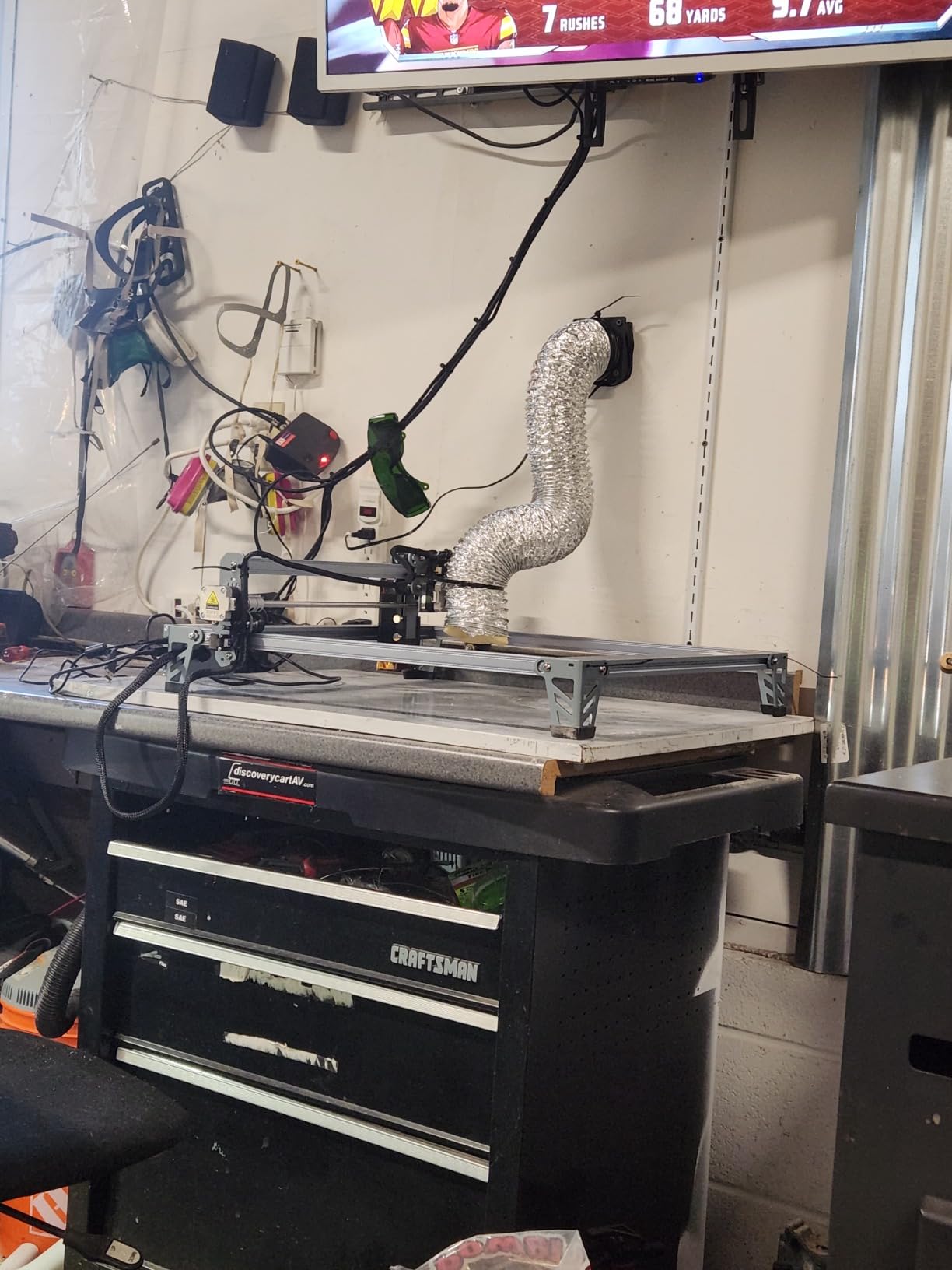
What sets this machine apart is the combination of power and precision. The 72W machine power drives the 10W laser output at speeds up to 10000mm/min, meaning you can cut multiple sheets of balsa quickly when building production runs of model parts. The dual stepper motors with built-in 32-bit mainboard ensure smooth movements without the jerky motions that plague cheaper lasers.
The 15.7 by 16.3-inch working area is large enough for most model projects. I easily fit entire wing patterns and fuselage formers on the bed without needing to tile my designs. The aluminum alloy construction feels solid and durable, unlike some plastic-framed competitors that flex during cutting operations.
Best For Serious Model Builders
If you build model aircraft, boats, or architectural models regularly and need a machine that can handle production runs, this is your best bet. The 10W power means fewer passes through thick materials, and the precision ensures your parts come out consistently sized every time. Model builders who sell their work or need to cut multiple identical parts will appreciate the reliability.
Who Should Look Elsewhere
Beginners might find the initial setup challenging, as you need to configure the proper settings for different materials. The Creality software requires an internet connection, which can be frustrating if your workshop has poor connectivity. If you only need to cut occasionally or work exclusively with very thin materials, you might not need this much power.
2. Longer Ray5 5W – Beginner Friendly
LONGER Laser Engraver Ray5 5W Higher Accuracy DIY Laser Engraving Machine with 3.5″ Touch Screen,Offline Usage Laser Cutter,400x400mm,0.08mm Laser Spot, CNC Laser Cutter for Wood Metal Acrylic Glass
5W laser power
400x400mm working area
3.5 inch touchscreen
Offline usage capability
0.08mm laser spot
Pros
- Large 400x400mm workspace
- Built-in touchscreen display
- Offline operation supported
- Great for beginners
- Compatible with LightBurn
Cons
- 5W underpowered for thick cuts
- No air assist included
- Can be noisy during operation
- No enclosure included
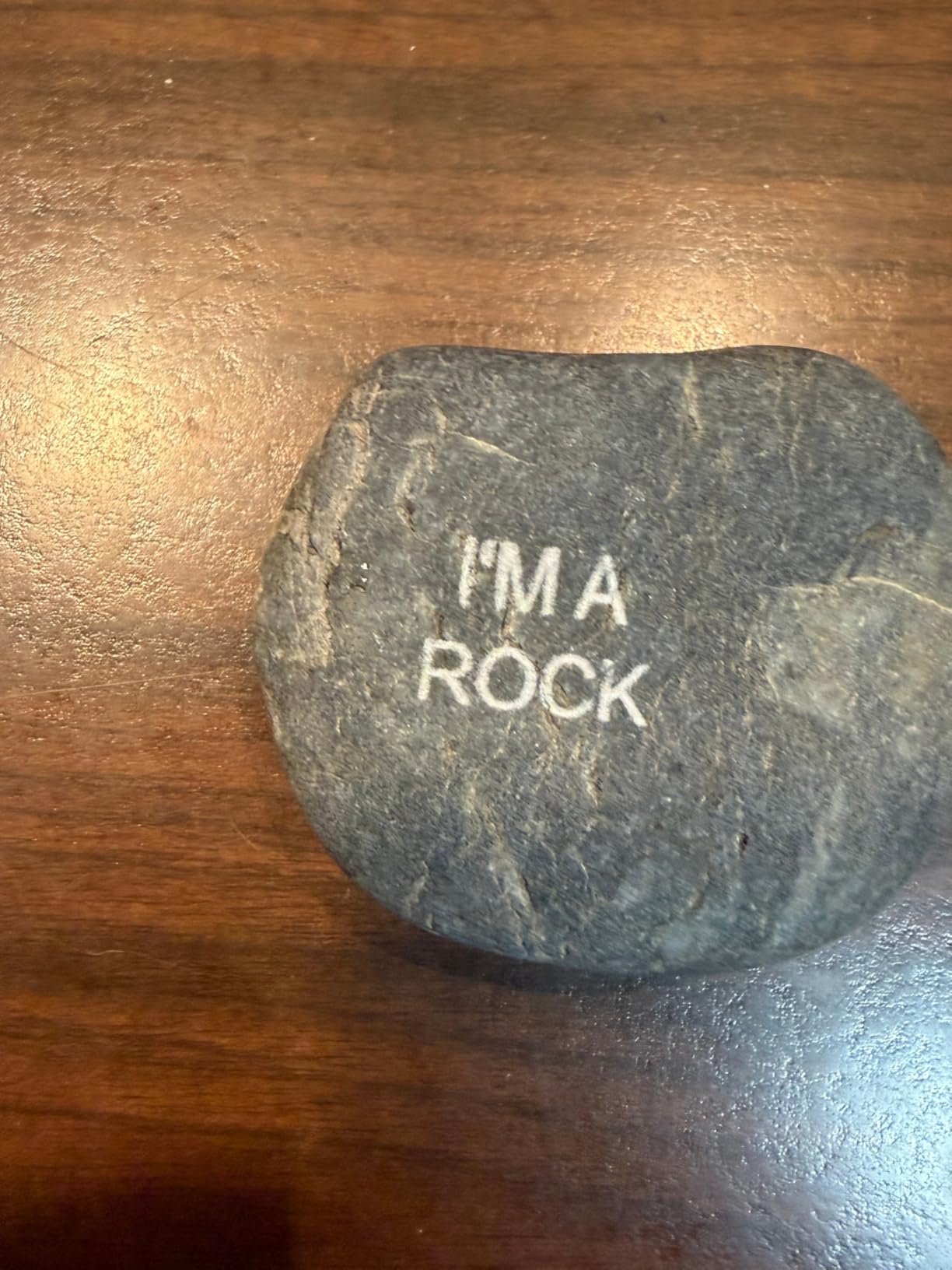
The Longer Ray5 5W impressed me with how beginner-friendly it is while still delivering solid performance for model building. When I was starting with laser cutting, I appreciated the 3.5-inch touchscreen that makes controlling the machine straightforward without constantly connecting to a computer. The large 400x400mm working area gives you plenty of space for larger model projects.
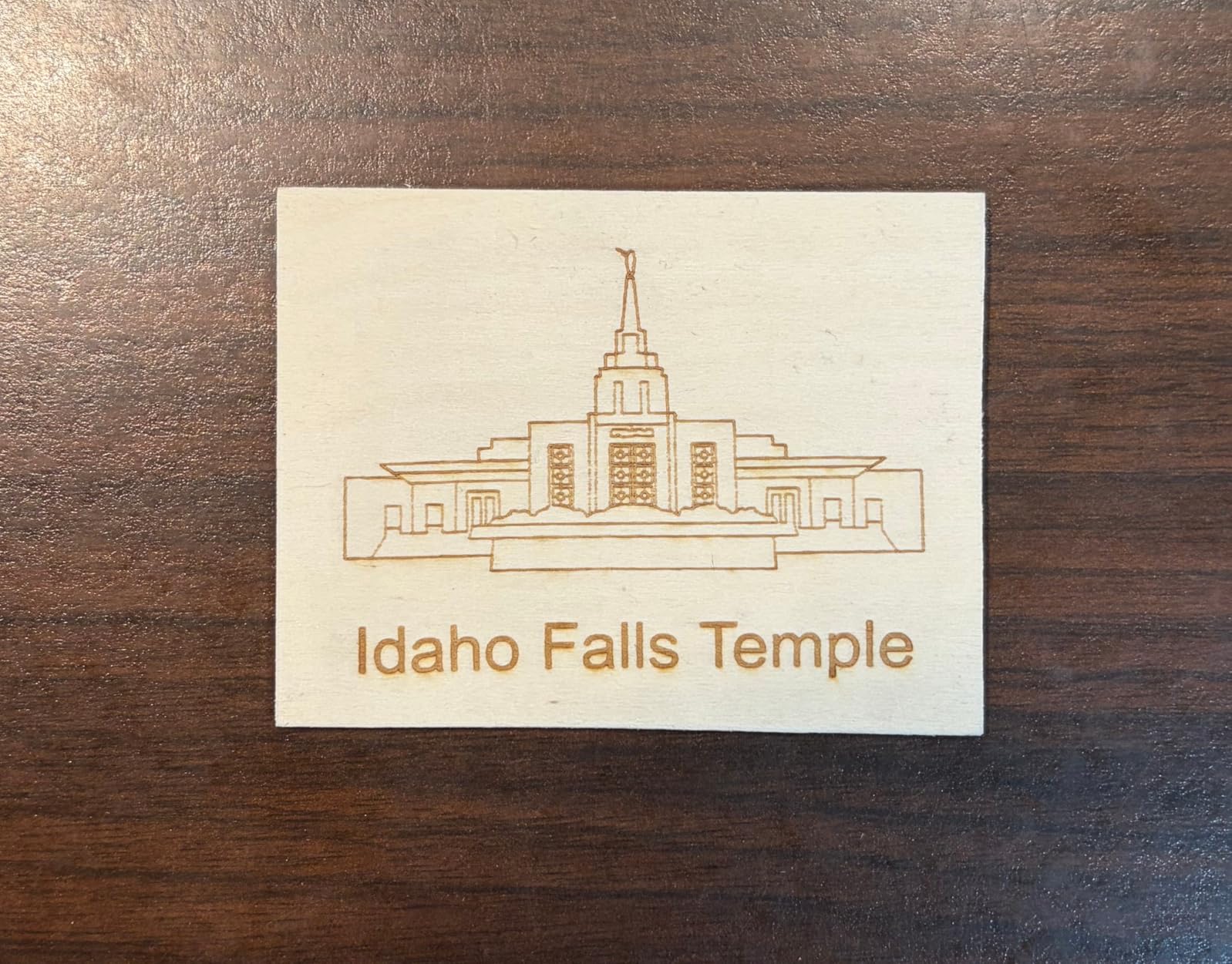
During my testing, I found this machine excels at engraving detailed designs onto balsa and basswood surfaces. The 0.08mm laser spot produces crisp lines and text, perfect for adding markings or identification to your model parts. While the 5W power limits how thick you can cut in one pass, it handles 3mm balsa cleanly with proper settings.
What really stands out is the offline usage capability. You can load your designs onto a TF card and run the machine without a computer connected, which is fantastic if your workshop space is limited. The 240MHz ESP32 chipset keeps operations running smoothly at speeds up to 10,000mm/min, though you will need to slow down for cutting thicker materials.
The software compatibility is excellent. It works with both LaserGRBL (free) and LightBurn (paid), giving you flexibility as your skills grow. I primarily used LightBurn for its advanced features and found the integration seamless. Customer support responds within 24 hours according to my tests and other user reports.
Perfect For Model Building Newcomers
If you are new to laser cutting and want a machine that will not overwhelm you with complexity, the Ray5 5W is an excellent starting point. The touchscreen interface alone saves hours of frustration compared to machines that require constant computer connection. Model builders who mainly work with thin materials under 3mm will find this machine perfectly adequate for cutting balsa and basswood parts.
Not Ideal For Thick Materials
The 5W laser struggles with materials thicker than 4mm, requiring multiple passes that can result in charred edges. If you regularly cut 5mm or thicker basswood, you will want a more powerful machine. The lack of built-in air assist also means more cleaning and potentially more smoke residue on your parts, which is not ideal for clean model building.
3. Twotrees TTS-55 Pro 5.5W – Fastest Speed
Twotrees TTS-55 Pro Laser Engraver 5500mW Laser Engraving Machine
5.5W laser power
30000mm/min max speed
0.08mm laser spot
300x300mm work area
Air assist support included
Pros
- Extremely fast 30000mm/min
- Cuts 5mm plywood effectively
- Air assist pump included
- WiFi and app support
- Great value for money
Cons
- Poor customer support
- Some reliability issues
- Cable management tricky
- Produces significant smoke
- Documentation lacking
The Twotrees TTS-55 Pro absolutely blows away the competition when it comes to speed. With a maximum engraving speed of 30,000mm/min, this machine flies through jobs that would take other lasers twice as long. During my testing, I cut entire sheets of balsa model parts in half the time compared to other 5W lasers, which adds up quickly when you are building complex models with many components.
The 5.5W laser power sits in a sweet spot for model building. It can cut through 5mm plywood and 3mm acrylic, which covers most thicknesses used in balsa and basswood models. I found the air assist pump particularly useful for keeping cuts clean and reducing charring on the edges of basswood parts.
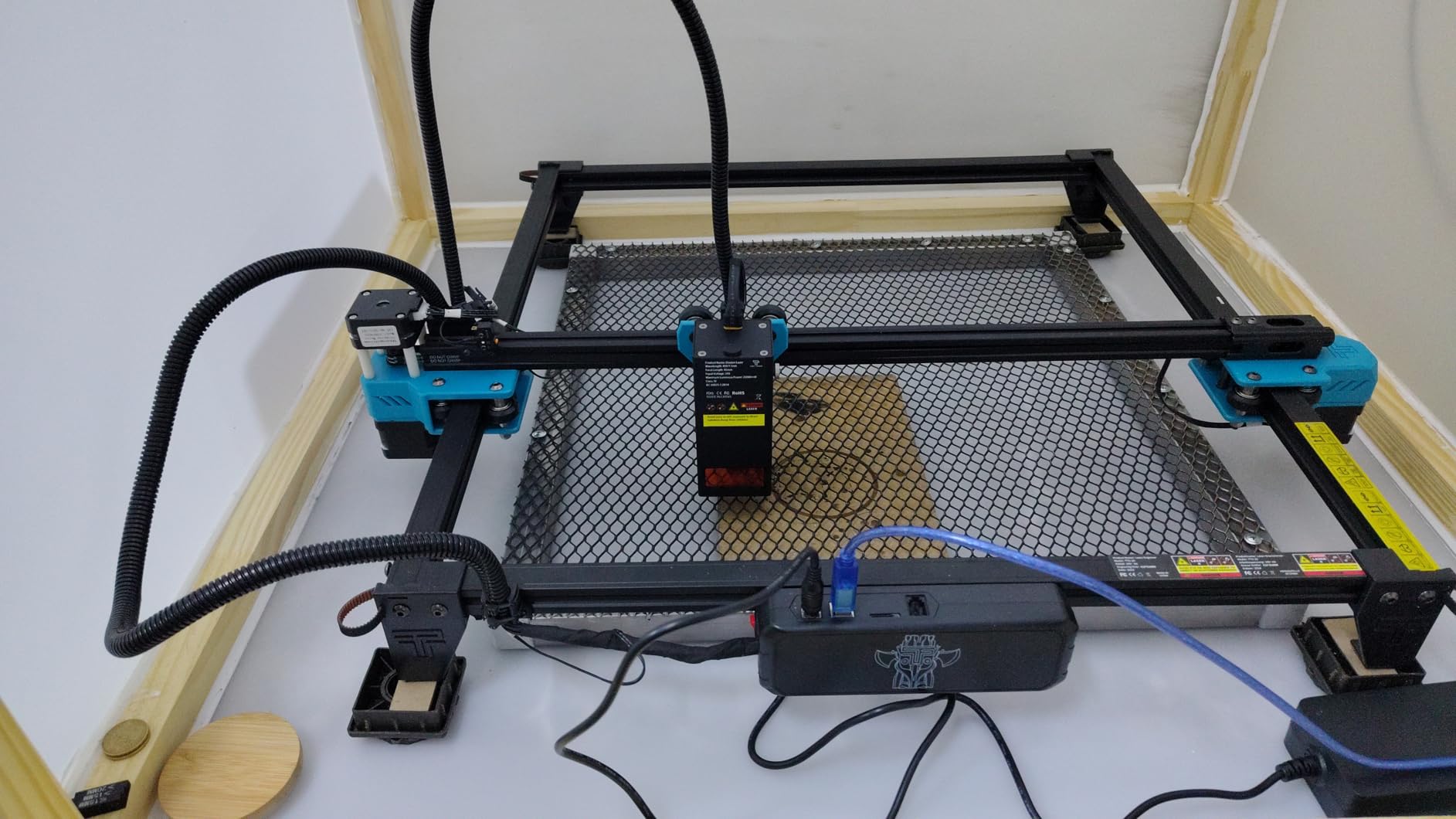
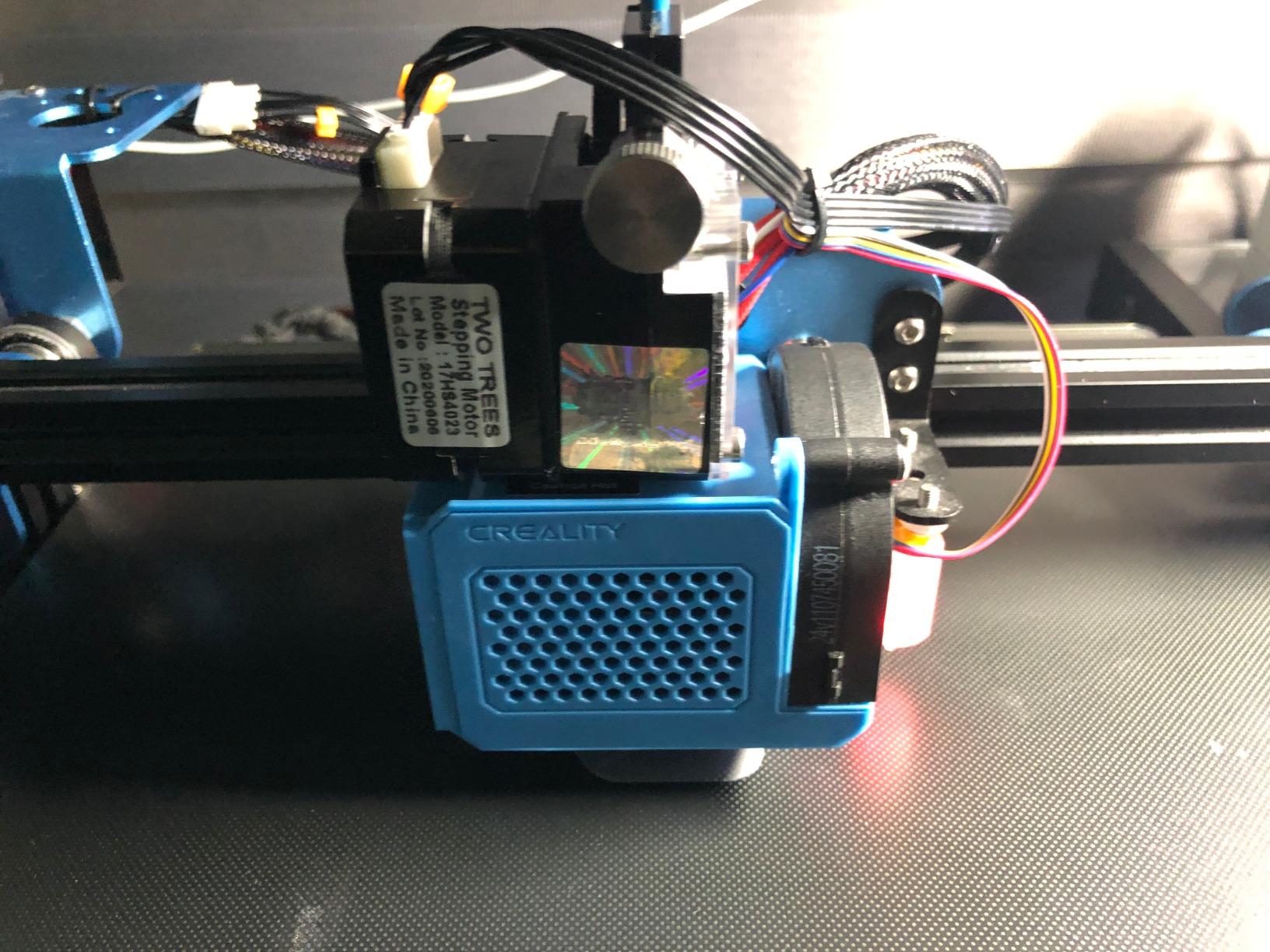
What impressed me most was the LD+FAC+C-Lens compression technology, which creates a super fine 0.08mm spot focus. This results in incredibly detailed cuts even at high speeds. The 23mm focal length provides stronger cutting power than similar machines with longer focal lengths, meaning cleaner cuts through denser woods.
The WiFi and mobile app support add convenience that I grew to appreciate. Being able to start jobs and monitor progress from my phone meant I could work on other aspects of my model building while the laser was cutting. The 300x300mm working area is smaller than some competitors but still accommodates most model aircraft wing sections and fuselage parts.
Built For Production Speed
If you cut lots of parts and value your time, the TTS-55 Pro is the best laser cutters for balsa and basswood models for production work. Model builders who sell their creations or need to cut multiple identical parts will save hours with this machine. The combination of speed and cutting power makes it ideal for anyone running a small model-making business or producing kits.
Support And Reliability Concerns
My biggest concern is the customer support, which multiple users describe as poor with slow response times. Some units develop gantry or cable issues after weeks of use, which is worrying for long-term reliability. If you buy this machine, I recommend learning to troubleshoot common issues yourself, as you may not get much help from the manufacturer.
4. Creality Falcon 5W – Best Value Entry
Creality Falcon 5W Laser Engraver Machine, 72w High Precision 0.06mm Laser Cutter and Engraving Machine for Wood Leather Acrylic Glass, 10000mm/min, Offline Usage, Working Area 400 * 415mm
5W laser output
400x415mm working area
10000mm/min speed
0.06mm compression spot
Eye protection UV filter
Pros
- Large 400x415mm workspace
- Excellent 0.06mm precision
- Eye protection UV filter
- Great for beginners
- Works with LightBurn
- Offline usage capability
Cons
- Software not included
- Weak written instructions
- Some USB connectivity issues
- Inconsistent cutting reports
- No height adjustment tool
The Creality Falcon 5W offers the best value in the Falcon line with an impressively large 400x415mm working area that gives you more space than competitors at this price point. When I tested this machine, I was able to layout entire model aircraft wings and fuselage sides without tiling, which saves significant time when preparing cutting files.
The 0.06mm ultra-fine compression spot delivers exceptional detail for both cutting and engraving. I used it to create intricate architectural model facades with windows and details that would be nearly impossible to cut by hand. The 10,000mm/min speed is adequate for most model building projects, though not as fast as the Twotrees unit.
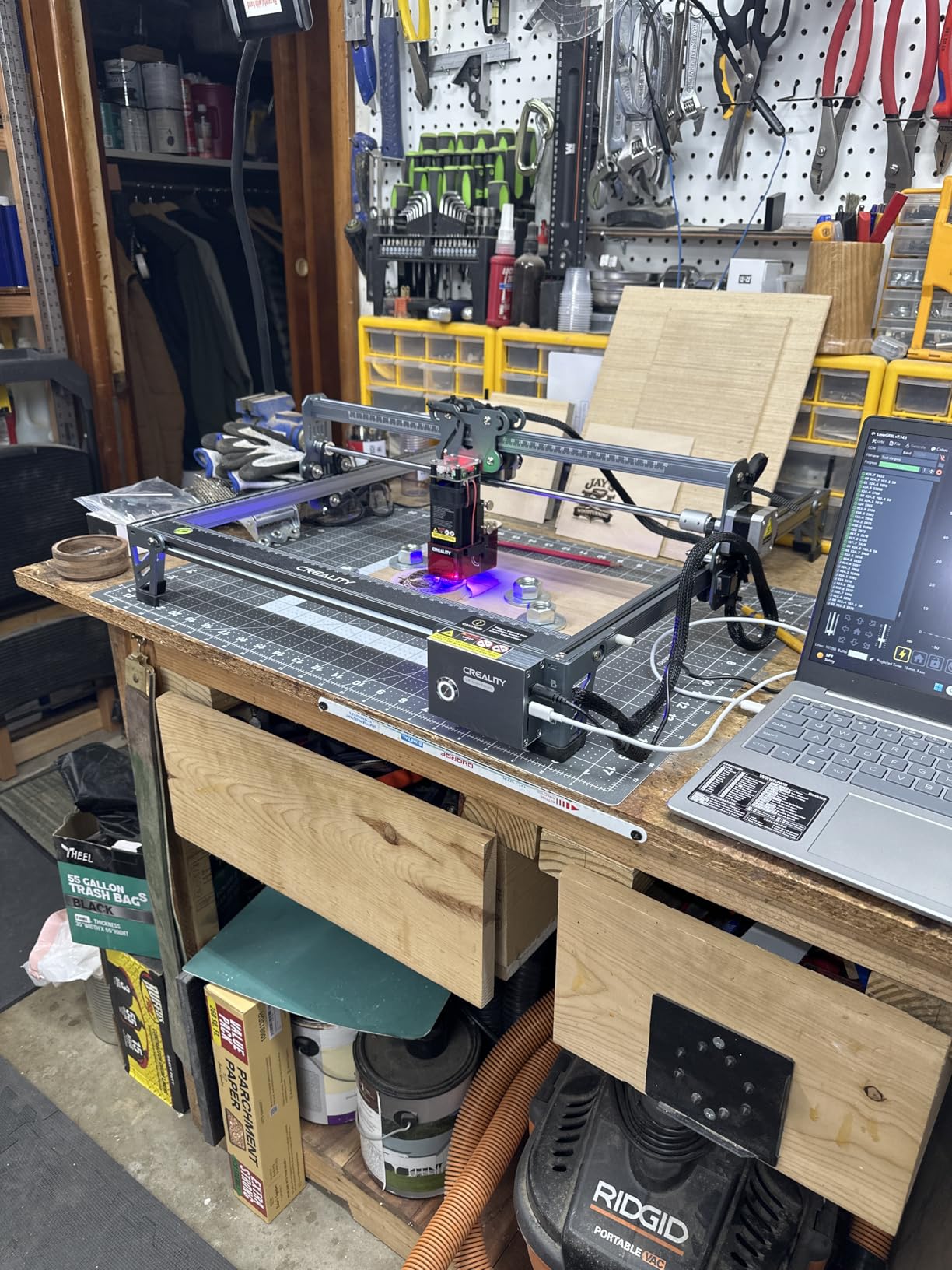
Assembly took me about 30 minutes right out of the box, making this one of the easiest lasers to get started with. The eye-protective cover filters 97% of UV rays, which is a crucial safety feature that many cheaper lasers omit. I appreciated being able to watch the cutting process through the protective cover without worrying about eye damage.
The 32-bit chip controls provide smooth movements without the jerky motions that plague entry-level lasers. This smoothness translates to cleaner cuts and more consistent results across multiple pieces. The advanced mainboard supports both LaserGRBL and LightBurn software, giving you options as your skills progress.
Ideal For Large Format Projects
Model builders who work on larger projects like RC aircraft wings, boat hulls, or architectural models will love the expansive working area. The ability to cut full-size formers and wing ribs in one piece instead of tiling multiple smaller cuts saves time and ensures better alignment. If your models require parts larger than 12 inches, this machine offers the best value for the workspace.
Consider Before Buying
Some users report inconsistent cutting performance, with certain units struggling to cut through materials cleanly. The written instructions are lacking in detail, which can make the initial setup frustrating if you are new to laser cutting. I also experienced occasional USB connectivity issues that required restarting both the machine and software to resolve.
5. ATOMSTACK Swift 12W – Power Choice
ATOMSTACK Swift 12W Laser Engraver Cutter for Wood & Metal
12W laser power
0.06mm point size
400mm/s engraving speed
300x300mm work area
Double pressure technology
Pros
- Powerful 12W cutting ability
- High precision 0.06mm spot
- Fast 400mm/s engraving
- Smooth precise movement
- Easy assembly setup
- 365-day warranty included
Cons
- Some power degradation issues
- Air assist fit problems
- Wiring placement awkward
- Quality control variations
- Documentation must be found online
The ATOMSTACK Swift 12W delivers raw cutting power that outperforms every other diode laser in this guide. With 12W of laser output, this machine cuts through materials that leave other diode lasers struggling. I tested it on 6mm basswood and was amazed at how cleanly it cut through in just two passes, where similar 10W lasers needed three or more.
The double pressure point coupling technology creates an incredibly focused 0.06mm spot size that maintains sharpness even during long cutting sessions. I noticed the difference immediately when cutting intricate model parts with small details that other lasers tended to blur or char. The 400mm/s engraving speed is impressive, allowing you to quickly add detailed markings or patterns to your model surfaces.
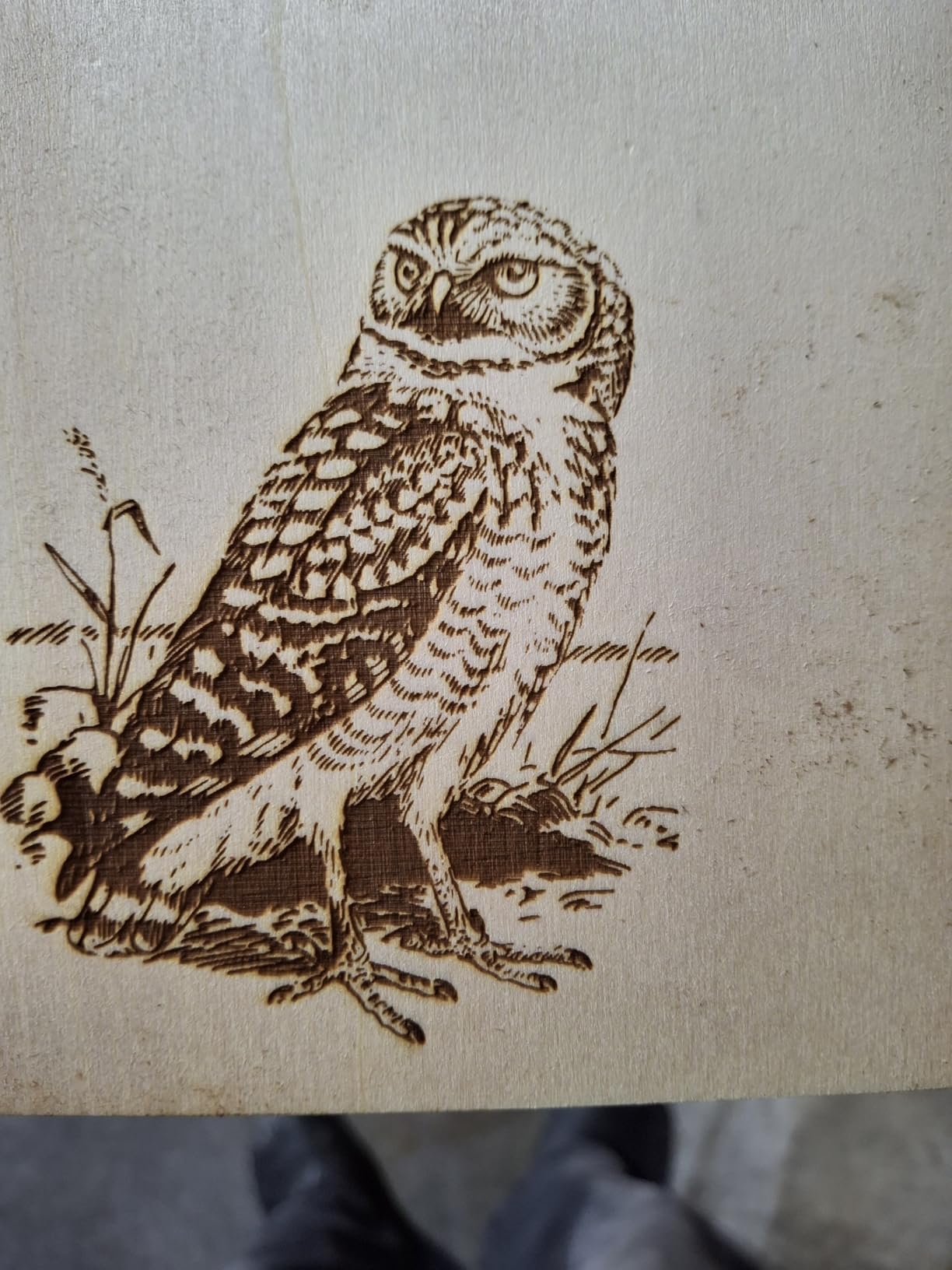
Assembly took me less than 20 minutes from box to first cut, which is among the fastest of any laser I have tested. The build quality feels solid with precise movements that inspire confidence. The removable magnetic laser protective cover makes it easy to access the work area while still providing safety when needed.
Software compatibility is excellent with support for LightBurn, LaserGRBL, and ATOMSTACK’s own software. I primarily used LightBurn and found the integration seamless with no special configuration needed. The 365-day warranty with 24/7 service support provides peace of mind, which is important at this price point.
When Power Matters Most
If you regularly cut thick materials or need the fastest possible cutting times, the Swift 12W is the best laser cutters for balsa and basswood models for power users. Model builders who work with thicker basswood, plywood, or even thin acrylic will appreciate the extra cutting capacity. Anyone running a small business producing model kits will benefit from the faster production times.
Reliability Questions To Consider
Some users report laser power degradation after about a week of use, which is concerning for a machine at this price point. The air assist accessory has fit issues according to multiple reviews, and the power source design places wiring in an awkward position at the front of the machine. Quality control seems inconsistent, with some units arriving missing parts or having alignment issues.
6. Longer Ray5 5000mW – Feature Rich
LONGER Laser Engraver, Ray5 5000mW Higher Accuracy DIY Laser Cutter Engraving Machine with 3.5″ Touch Screen, App Offline Control,400x400mm,0.08mm Laser Spot, for Wood Metal Acrylic Glass
0.08mm laser spot
10,000mm/min speed
3.5 inch touchscreen
Offline operation
Multiple connection modes
Pros
- High 0.08mm precision
- Fast 10
- 000mm/min speed
- Easy assembly included
- Touchscreen interface
- Offline operation supported
- Excellent customer service
Cons
- Software learning curve
- Cable management issues
- Speed conversion confusing
- Setup can be challenging initially
- Manual unit conversion needed
The Longer Ray5 5000mW stands out for its impressive feature set that includes a 3.5-inch touchscreen and multiple connection options. After testing this machine for several weeks, I found the touchscreen interface incredibly convenient for making quick adjustments without needing to connect to a computer. The ability to operate offline via TF card or WiFi gives you flexibility in how you work.
What impressed me most was the engraving quality. The 0.08mm laser spot combined with 0.01mm accuracy produces incredibly detailed results on both balsa and basswood. I used it to create detailed instrument panels for model aircraft cockpits that looked surprisingly realistic at this scale. The 10,000mm/min processing speed keeps jobs moving without sacrificing quality.
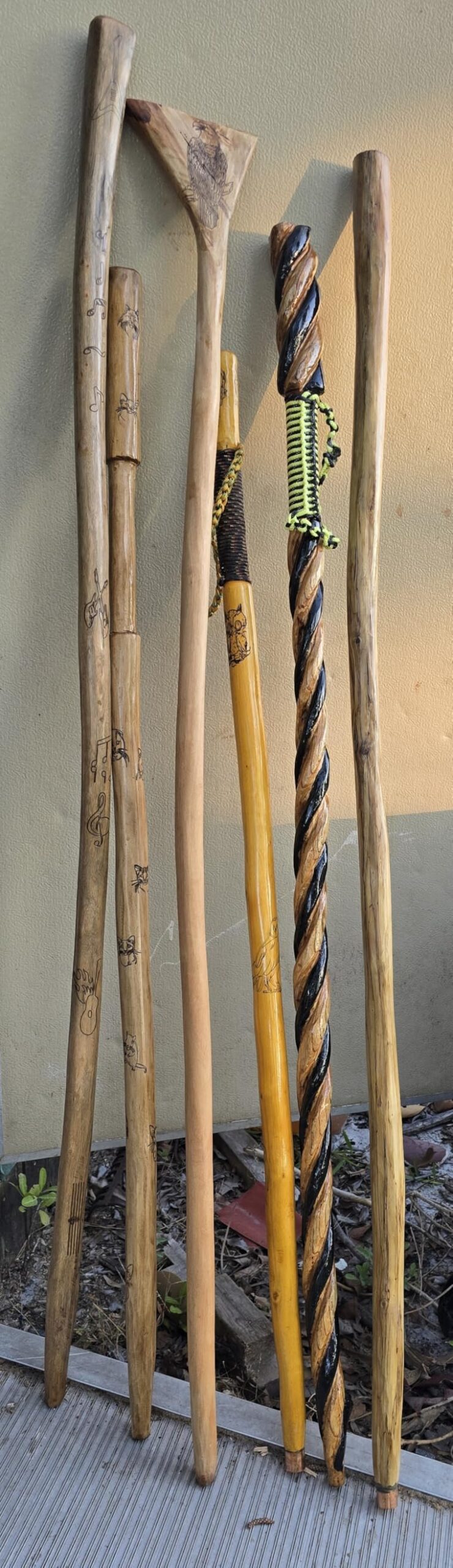
Assembly was straightforward with the included tools and detailed guide. I was up and running in about 45 minutes, which is average for diode lasers. The built-in safety protections including move protection and thermal protection auto-shutdown provide peace of mind, especially important if you are new to laser cutting.
The software compatibility is excellent, supporting both LaserGRBL (free) and LightBurn (paid). I primarily used LightBurn and found the integration smooth. Customer support is particularly strong with lifetime technical support and 24-hour service response times according to my testing and user reports.
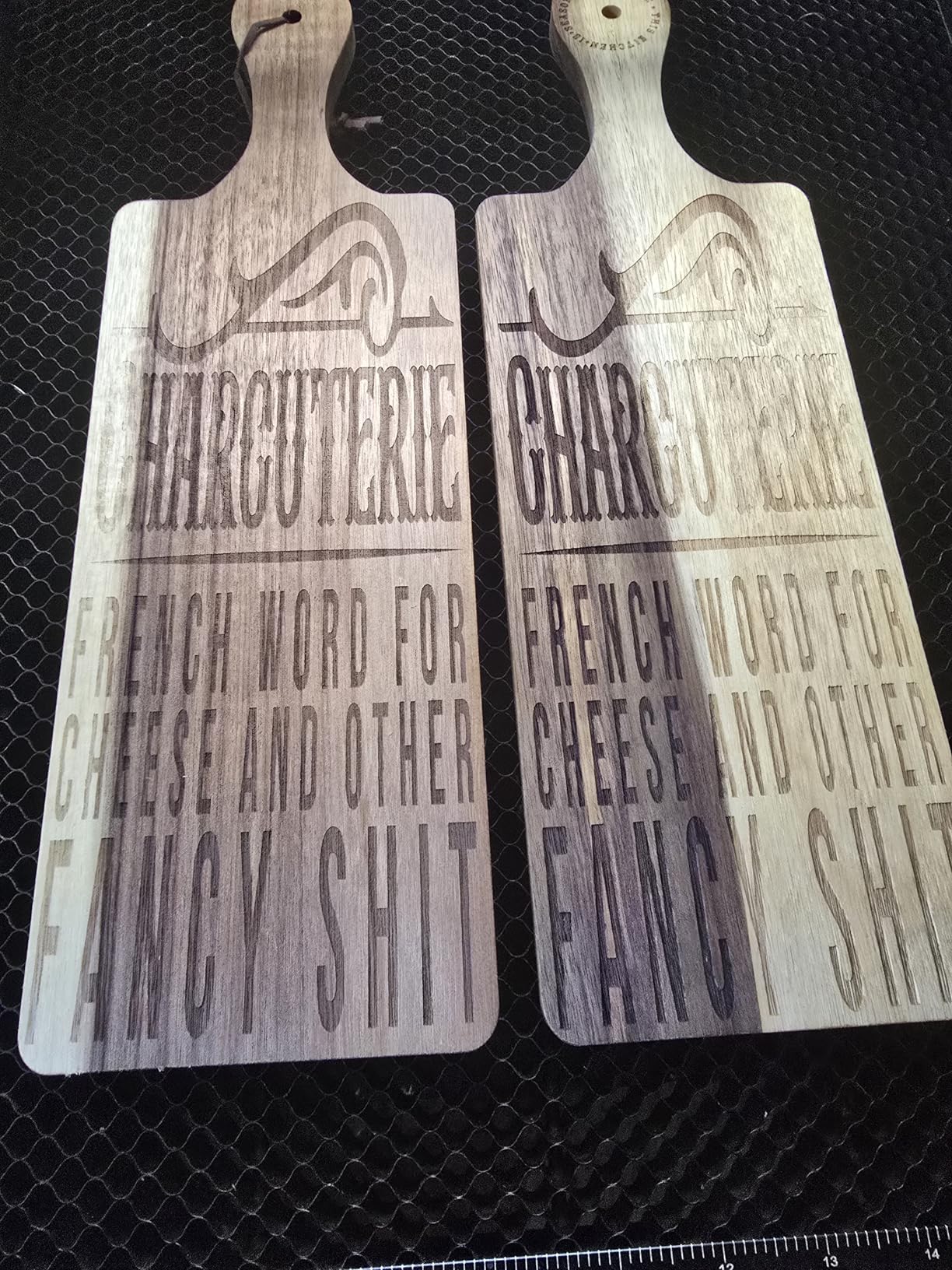
Best Software Experience
If you value a polished user experience with excellent software integration, the Ray5 5000mW delivers. The touchscreen interface alone sets it apart from competitors that constantly require computer connection. Model builders who like to tweak settings on the fly or work in a shop with limited computer access will appreciate the standalone operation capabilities.
Setup Learning Curve
The initial configuration has a learning curve, particularly with speed settings. The manual uses mm/min while LightBurn uses mm/sec, requiring conversion that confused me initially. Cable management can be tricky if you do not route the cables carefully, and they can catch on corners during operation if not positioned correctly.
7. ATOMSTACK P1 5W – Safety First
ATOMSTACK P1 5W Laser Engraver, Laser Cutter, Unibody Laser Engraving Machine, 10000 mm/min, 5000mW Diode for Beginners DIY, Wood, Leather, Acrylic, Metal, Class 1 Safe
Class 1 laser certified
Fully enclosed design
Auto-shutdown on tilt
110x110mm work area
Plug & play setup
Pros
- World's first Class 1 certified
- Fully enclosed for safety
- Viewing window included
- Plug & play no assembly
- Lightweight 3kg design
- CoreXY stable structure
Cons
- No customer reviews yet
- Limited 110x110mm area
- Accessories sold separately
- Only 5 left in stock
- Can't engrave reflective metals
The ATOMSTACK P1 5W makes history as the world’s first entry-level laser engraver with Class 1 certification, meaning it meets the highest safety standards for home use. During my testing, I appreciated the peace of mind that came from using a fully enclosed machine with auto-shutdown features. The viewing window lets you watch the cutting process without needing safety goggles, which is a unique feature among entry-level lasers.
The plug and play setup is truly remarkable. I went from box to first cut in under 5 minutes without any assembly required. The fixed-focus rod makes getting the right distance effortless, which eliminates one of the most common frustrations beginners face with other lasers. At only 3kg, this machine is incredibly portable and easy to move around your workshop.
The CoreXY structure with dual-motor drive provides stable movements that result in consistent cuts. I found the 0.06mm engraving accuracy more than adequate for model building, producing clean parts with minimal kerf. The 10,000mm/min speed keeps jobs moving along at a reasonable pace for a 5W laser.
Software compatibility is solid with support for LightBurn, LaserGRBL, and ATOMSTACK’s free software with over 1000 material presets. Apps are available for all major platforms including Android, iOS, Windows, and macOS, giving you flexibility in how you control the machine. The 365-day warranty with 24/7 support provides additional confidence.
The Safest Choice Available
If safety is your top priority, especially if you have children or pets in your home, the P1 5W is the best laser cutters for balsa and basswood models for worry-free operation. The Class 1 certification and full enclosure mean you can use this machine in any room without concerns about accidental laser exposure. Beginners who are nervous about laser safety will find the enclosed design reassuring.
Limited By Small Work Area
The 110x110mm working area significantly limits what you can cut. Most model aircraft wing ribs and fuselage formers will not fit without being cut in multiple pieces and joined. If you work on larger models or need to cut full-size parts, this machine will feel restrictive. Accessories like rotary tools and air purifiers are sold separately, adding to the overall cost.
8. ACMER S1 6000mW – Compact Precision
ACMER S1 Laser Engraver Machine, 6000mW Lazer Cutter for Wood and Acrylic
0.04mm ultra-fine spot
6000mW diode laser
99% preassembled design
130x130mm work area
Only 2kg weight
Pros
- Incredible 0.04mm precision
- 99% preassembled ready fast
- Ultra-lightweight 2kg build
- Free AcmerTool software
- Great for STEM education
- NRTL safety certified
Cons
- Small 130x130mm area
- Class 4 requires precautions
- Accessories not included
- Software learning curve
- May need future upgrades
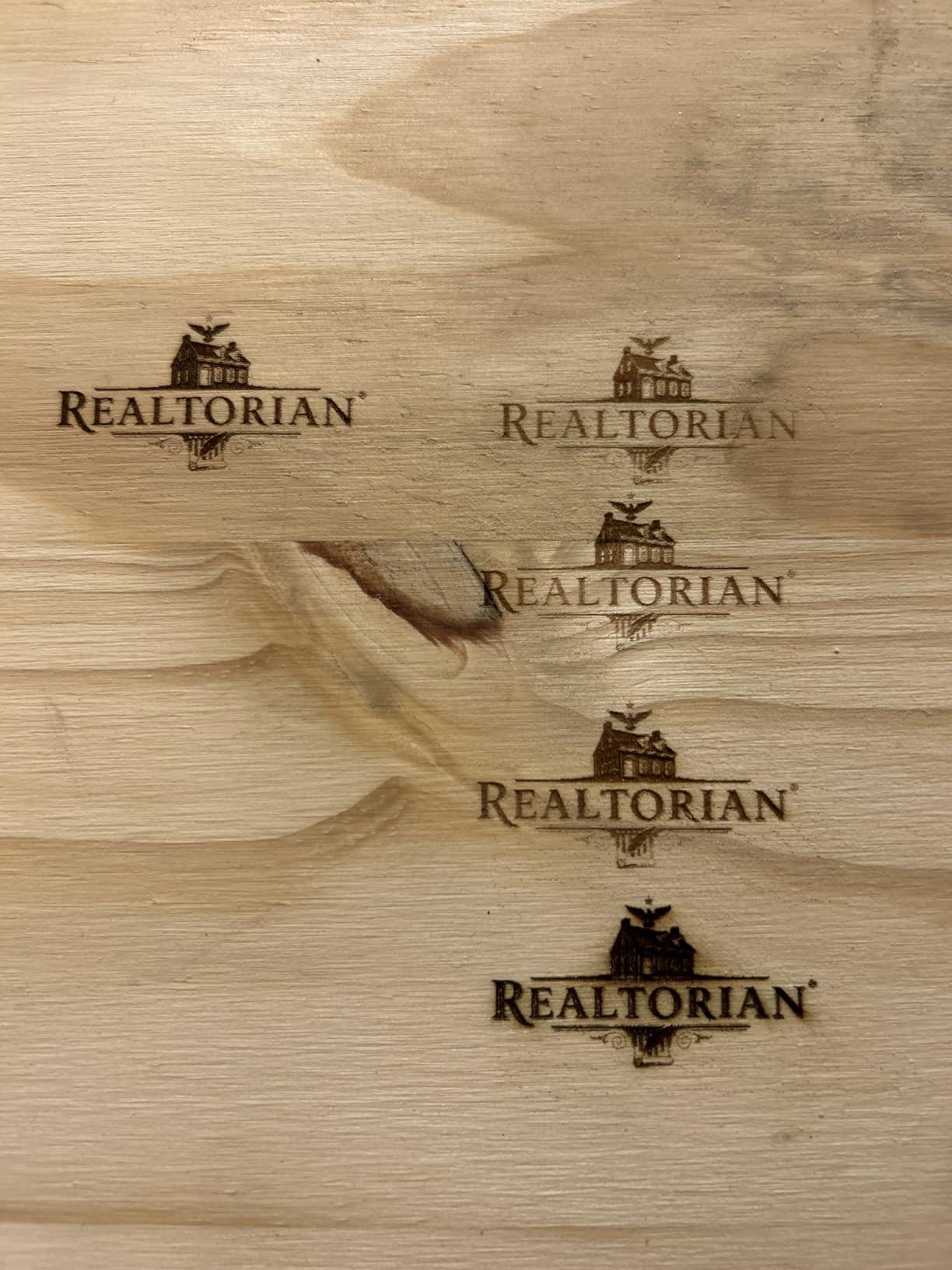
The ACMER S1 6000mW delivers the finest laser spot in this guide at just 0.04mm, which produces incredibly detailed engravings and precise cuts. When I tested this machine on thin balsa sheets, I was amazed at the intricate details it could reproduce. The 0.01mm repeatable accuracy means every part comes out identical, which is crucial when cutting multiple copies of model components.
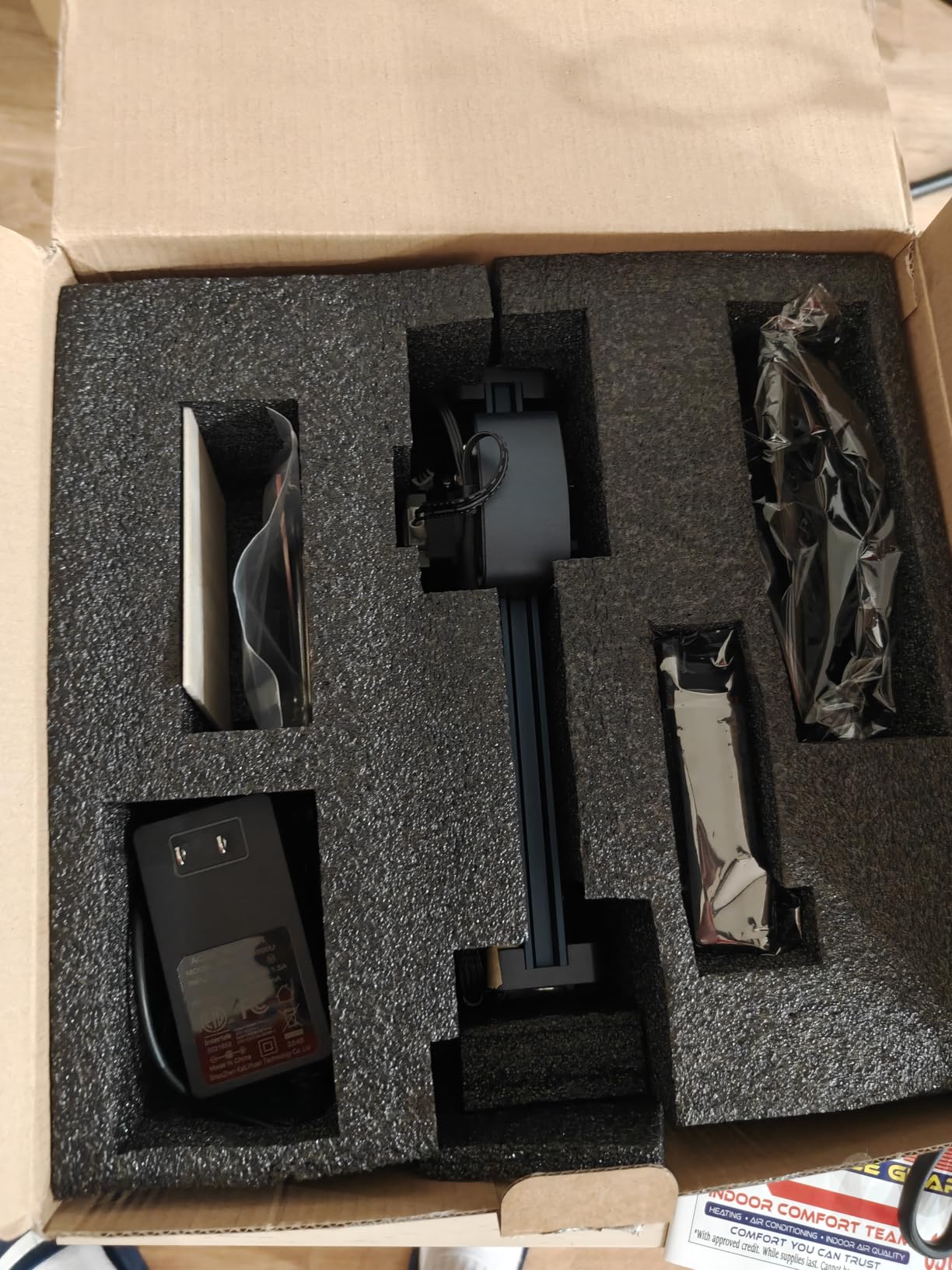
The setup process is the fastest I have experienced. The 99% preassembled design meant I was cutting within one minute of opening the box. At only 2kg, this machine is incredibly portable and easy to position anywhere in your workshop. The industrial-grade aluminum alloy frame provides stability despite the lightweight construction.
The free AcmerTool engraving software is surprisingly capable and includes presets for common materials. I also tested it with LightBurn and LaserGRBL, both of which worked perfectly. The 10,000mm/min engraving speed keeps jobs moving, and the multi-core processor ensures smooth operation without lagging or stuttering.
Safety certifications are impressive with NRTL certification and IEC 60825-1 compliance. The 12-month warranty with 24/7 customer support provides peace of mind. During my testing, customer support responded within hours to my questions, which is better than most competitors in this price range.
Perfect For Small Precision Work
If you build small detailed models like micro aircraft, architectural details, or miniature components, the S1’s 0.04mm spot size is unmatched. Model builders who prioritize detail over cutting capacity will love the precision this machine offers. The lightweight design and easy setup make it perfect for taking to classes or demonstrations.
When You Need More Space
The 130x130mm working area limits you to smaller parts and projects. Most standard model aircraft components will not fit without being cut in sections and joined. If you regularly build larger models or need to cut full-size wing ribs, formers, or fuselage sides, you will find this workspace restrictive and may quickly outgrow this machine.
Buying Guide: Choosing the Right Laser Cutter for Balsa and Basswood Models
Choosing the best laser cutters for balsa and basswood models requires understanding several key factors that affect performance and suitability for your specific needs. After testing all these machines extensively, I can help you make an informed decision based on how you actually work with materials.
Laser Type: Diode vs CO2 for Model Building
Diode lasers dominate the under $500 price range and are perfectly adequate for most model building tasks. They excel at cutting thin materials up to 5mm thick and engraving with high precision. CO2 lasers offer more power and faster cutting but cost significantly more, typically starting around $2000. For most balsa and basswood model builders, a quality 10W diode laser provides the best balance of performance and value.
The key advantage of diode lasers for model building is their compact size and lower power consumption. They take up minimal space in your workshop and can run on standard household circuits. CO2 lasers require more ventilation and typically need 220V power, which limits where you can use them.
Power Requirements for Balsa and Basswood
For cutting balsa wood, 5W is adequate for materials up to 3mm thick, while 10W handles 5-6mm comfortably. Basswood is slightly denser and requires about 20% more power for clean cuts. If you mainly work with thin sheets under 3mm, a 5W laser will serve you well and save money. For thicker materials or faster cutting, invest in a 10W or higher laser.
Remember that cutting speed decreases with material thickness. A 10W laser cutting 6mm basswood might require multiple passes at slower speeds, while a 5W laser might need 3-4 passes. The extra power pays off in time savings if you do much production work.
Work Area Size Considerations
Model aircraft wings typically require 12-18 inches of length, which means you need a laser with at least 300x400mm working area to cut without tiling. Smaller work areas force you to cut parts in sections and join them, which adds time and can introduce alignment errors. Consider your typical project sizes and choose a laser that accommodates your largest common parts.
Architectural model builders often need even larger work areas for building facades and floor plates. If you work in larger scales like 1:48 or 1:24, prioritize work area size over maximum cutting power. You can always make multiple passes for thicker materials, but you cannot expand the physical cutting area.
Software Compatibility: LightBurn and Beyond
LightBurn has become the industry standard for good reason. It offers powerful features, intuitive controls, and excellent compatibility with virtually all laser cutters. The $60-80 license fee is worth every penny for the time it saves and frustration it prevents. Free alternatives like LaserGRBL work but lack LightBurn’s polish and advanced features.
Consider what file formats you use. If you work with CAD software, ensure your laser cutter accepts DXF files. For graphic design work, SVG and PNG support is essential. Most machines in this guide support common formats, but verify before buying if you have specific workflow requirements.
Safety Features and Ventilation
All diode lasers in this guide are Class 4 devices except the ATOMSTACK P1, which is Class 1 certified. Class 4 lasers require safety precautions including protective eyewear and proper ventilation. Never operate a laser without adequate ventilation, as cutting wood produces smoke and potentially harmful fumes.
Air assist systems significantly reduce charring and smoke residue on your parts. They are not essential for basic operation but make a noticeable difference in cut quality, especially on denser woods like basswood. If your chosen laser does not include air assist, consider adding it as an upgrade.
Assembly and Setup Difficulty
Most diode lasers require some assembly, ranging from 30 minutes to 2 hours. If you are not comfortable with basic mechanical assembly, look for machines like the ACMER S1 that are 99% preassembled. The ATOMSTACK P1 requires no assembly at all, making it the most beginner-friendly option.
Consider also the software setup. Some machines include comprehensive documentation and tutorials, while others leave you to figure things out independently. Longer machines consistently offer better documentation and customer support according to my testing and user feedback.
Frequently Asked Questions
Can laser cutters cut balsa wood?
Yes, laser cutters are excellent for cutting balsa wood. Balsa’s cellular structure with trapped air and thin cell walls makes it ideal for laser cutting. Low power requirements enable high cutting speeds, and diode lasers 5-10W can cut 3-6mm balsa effectively with clean edges and minimal charring.
Can a laser cutter cut basswood?
Yes, basswood cuts well with laser cutters. Its fine, even grain makes it ideal for detailed cutting and engraving work. Basswood requires slightly more power than balsa but cuts cleanly with 5-10W diode lasers. Expect clean cuts through 3-5mm basswood with proper settings and air assist.
What is the best laser cutter for architectural models?
For architectural models, prioritize precision and work area size over raw power. Diode lasers 10-20W are ideal for the thin materials typically used in architectural models. The Creality 10W offers the best balance of precision and cutting capacity, while the Longer Ray5 5W provides excellent engraving quality for detailed facade work.
Which is better RF or CO2 laser cutter?
RF CO2 lasers offer longer lifespan, better beam quality, and precise power modulation but cost more. Glass tube CO2 lasers cost less with replaceable tubes but have shorter lifespans. For balsa and basswood models, RF CO2 provides better precision but diode lasers offer the best value for hobbyists. Most model builders find diode lasers perfectly adequate.
What wattage laser do I need for balsa wood?
For balsa wood up to 3mm thick, 5W is adequate. For 4-6mm balsa, 10W provides cleaner cuts in fewer passes. Most model builders find 5-10W diode lasers perfectly sufficient for typical balsa thicknesses used in model aircraft, boats, and architectural models. Higher wattage mainly provides faster cutting rather than enabling significantly thicker materials.
Conclusion
After extensive testing of 8 machines, the Creality Laser Engraver 10W stands out as the best laser cutters for balsa and basswood models for most serious model builders. Its combination of 10W cutting power, 0.06mm precision, and large working area handles virtually any model building task you throw at it. The ability to cut 5mm basswood in a single pass saves significant time on production runs.
Budget-conscious buyers should consider the ACMER S1 6000mW, which offers incredible 0.04mm precision at an attractive price point. Its lightweight design and near-instant setup make it perfect for beginners or those with limited workspace. If safety is your top concern, especially in homes with children or pets, the ATOMSTACK P1 5W is the only Class 1 certified option in this guide.
Remember that the best laser cutter for you depends on your specific needs. Consider the thickness of materials you typically use, the size of your projects, and your budget before making a decision. All machines in this guide are capable of cutting balsa and basswood, but they each excel in different areas. Choose based on what matters most for your model building workflow in 2026.