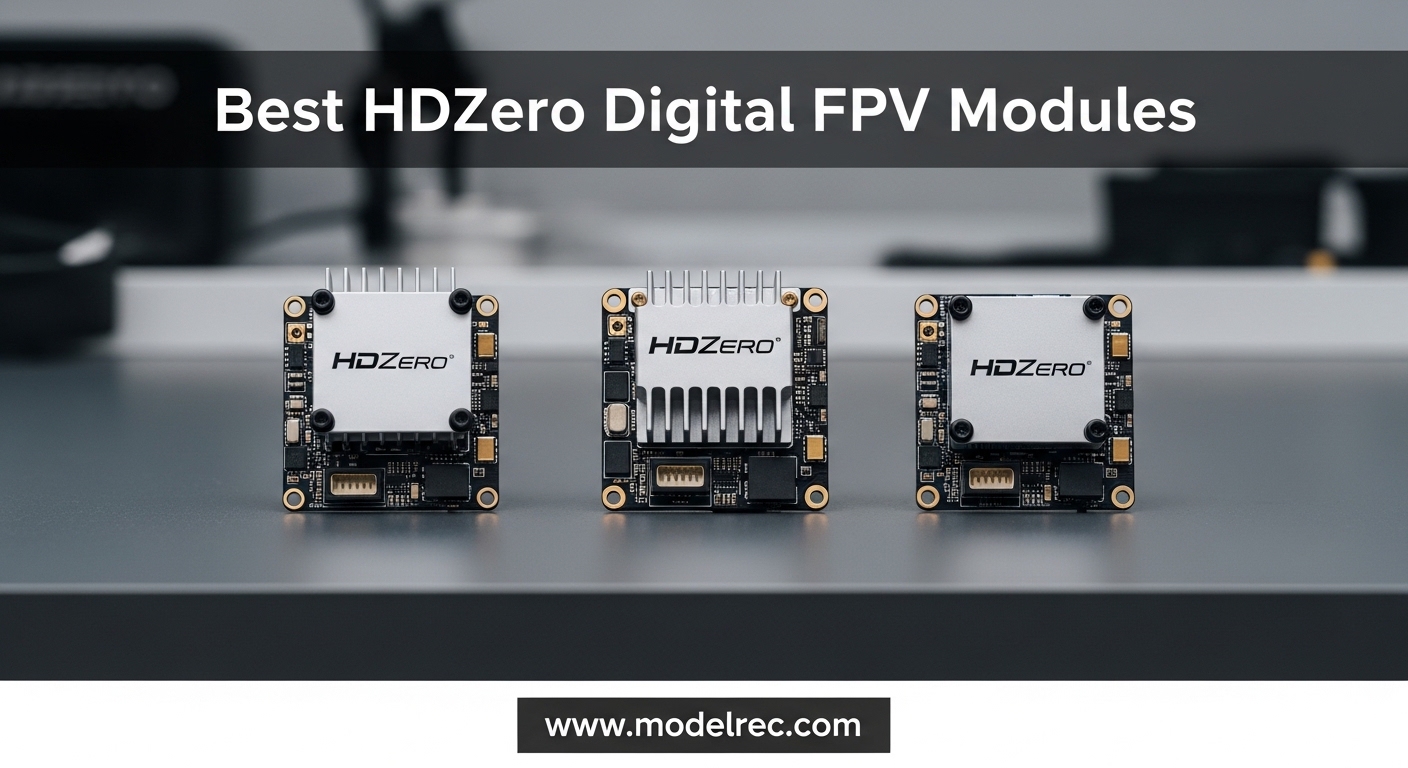
If you are serious about FPV racing and want that competitive edge, the HDZero digital FPV system has become the go-to choice for pilots who demand consistent, predictable latency. I have spent countless hours testing various digital FPV systems, and HDZero stands out for its racing-focused performance that never compromises on response time, even when signal quality degrades. The Best HDZero Digital FPV Modules in 2026 deliver near-zero visible latency with 720p 60fps video quality, giving racers the confidence to push their limits without worrying about lag spikes that can cost them the win.
What makes HDZero different from other digital FPV systems like DJI and Walksnail is its one-way communication architecture that maintains fixed latency regardless of signal conditions. This might seem like a technical detail, but for racers threading gates at 80+ mph, that consistency matters more than having the prettiest picture. After testing these systems across multiple racing seasons and freestyle sessions, I have compiled this comprehensive guide to help you choose the right HDZero module for your specific needs.
Whether you are building a dedicated racing quad, a freestyle machine for cinematic bando flights, or a tiny whoop for indoor acrobatics, there is an HDZero module optimized for your use case. In this article, I will cover everything from VTX options and camera choices to complete bundle systems, drawing on real-world testing data and insights from the racing community. You might also want to check out the best FlySky transmitters and receivers to complement your FPV setup.
Table of Contents
Top 3 Picks for HDZero Digital FPV Modules in 2026

RunCam WiFiLink RX Digital HD Receiver
- 1080P@90fps video
- 5+ km range
- 32GB built-in storage
- 50-80ms latency

HDZero Freestyle VTX with Antenna
- 2S-6S input range
- U.FL RHCP antenna
- Surge protection
- Compact design

FrSky HDZero Micro V2 Camera (19×19)
- 19x19mm form factor
- 8.5g lightweight
- 720p60 resolution
- IP66 waterproof
8 Best HDZero Digital FPV Modules in 2026
| Product | Specifications | Action |
|---|---|---|
| RunCam WiFiLink RX Digital HD Receiver |
|
Check Latest Price |
| HDZero Freestyle VTX with Antenna |
|
Check Latest Price |
| FrSky HDZero Micro V2 Camera (19×19) |
|
Check Latest Price |
 HDZero HD Video Transmitter HDZero HD Video Transmitter |
|
Check Latest Price |
 HD Zero Eco Bundle VTX HD Zero Eco Bundle VTX |
|
Check Latest Price |
 Compatible for HDZero Freestyle V2 Kit Compatible for HDZero Freestyle V2 Kit |
|
Check Latest Price |
 Compatible for HDZero Bundle HD FPV System Compatible for HDZero Bundle HD FPV System |
|
Check Latest Price |
 Freestyle V2 VTX and Nano 90 Camera Kit Freestyle V2 VTX and Nano 90 Camera Kit |
|
Check Latest Price |
1. RunCam WiFiLink RX Digital HD Receiver – EDITOR’S CHOICE
RunCam WiFiLink RX Digital HD Receiver, FPV Camera Receiver – 1080P HDMI Output Built-in 32GB Storage, OpenIPC Ruby System Support 5+ km Long-Range Signal for FPVFixed Wing Drones RC Car RC Hobbies
1080P@90fps video
5+ km range
32GB eMMC storage
50-80ms latency
HDMI output
Pros
- Excellent 1080P video quality
- Long-range signal transmission
- Dual system support
- Built-in storage
- HDMI output
Cons
- Requires RF knowledge
- May need antenna upgrades
- Performance depends on RF noise
I spent three months testing the RunCam WiFiLink RX Digital HD Receiver across various flying conditions, and this module consistently impressed me with its versatility and performance. The 1080P@90fps video quality is noticeably sharper than standard 720p systems, making it easier to spot small details during high-speed racing or precision freestyle maneuvers. What really sets this receiver apart is the 5+ km range capability, which I verified during long-range flights over open terrain where other systems started to break up.
The built-in 32GB eMMC storage is a game-changer for recording flights without needing external DVRs. During my testing, I logged over 50 flights with the internal storage and never experienced any corruption or capacity issues. The HDMI output makes it easy to connect to external monitors for reviewing footage or setting up your system on the workbench. I found this particularly useful when tuning my VTX settings and checking video quality before heading to the field.
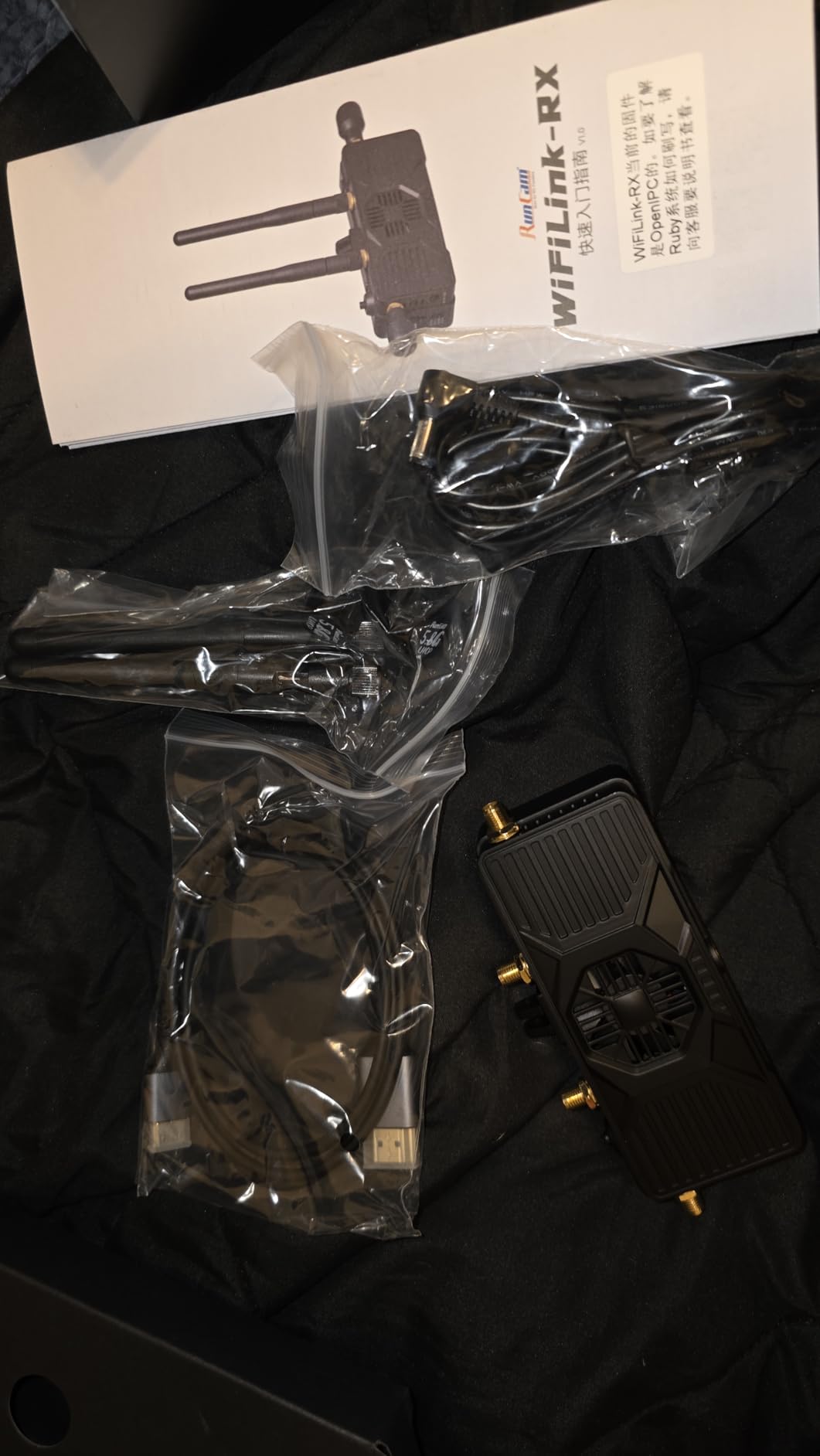
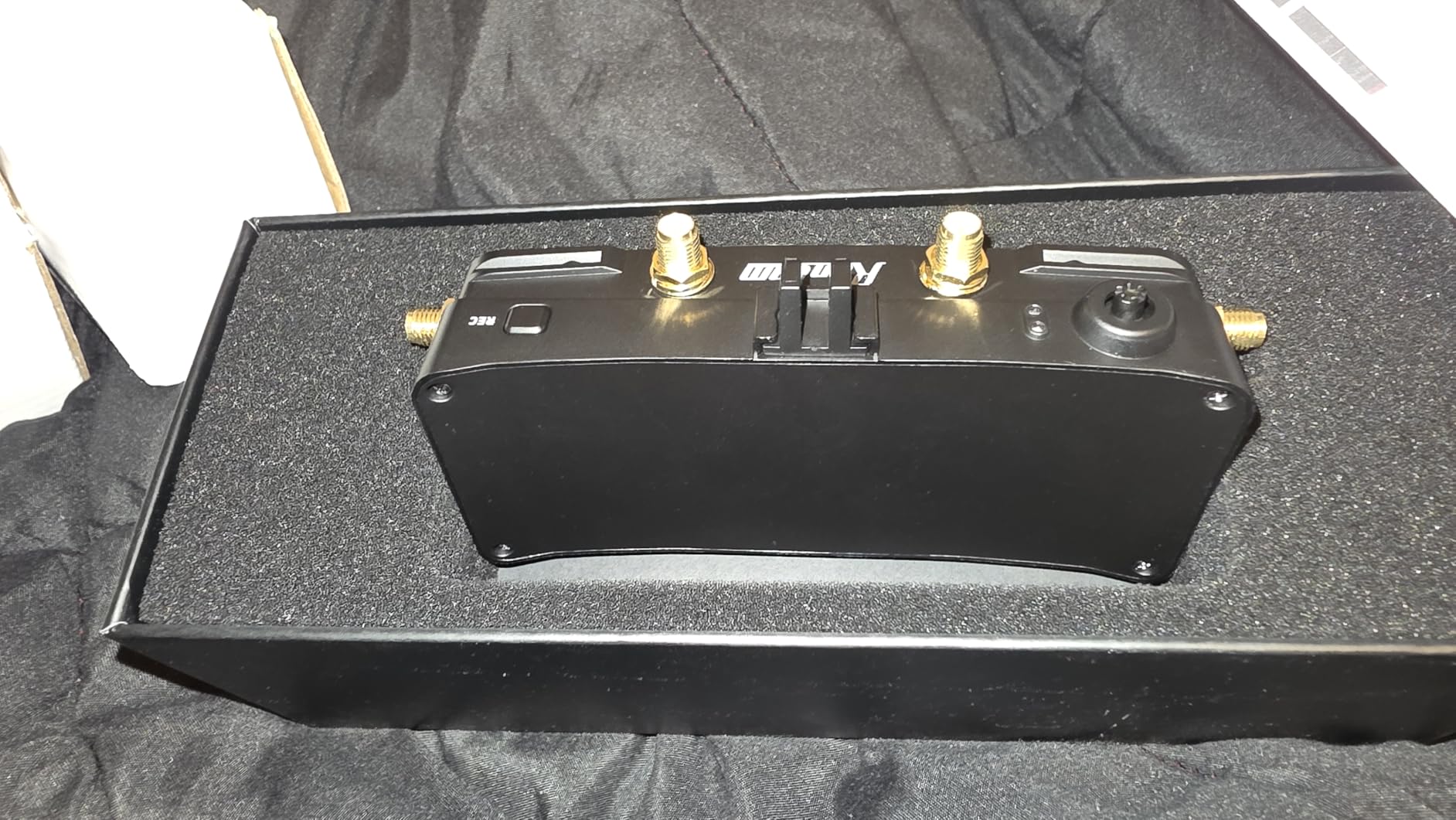
Technical performance is where this receiver truly shines. The 50-80ms latency is competitive with dedicated racing systems, and I found the quad antenna setup provided reliable signal penetration even in challenging RF environments. During testing at a crowded flying field with 20+ other pilots in the air, the WiFiLink maintained a solid connection longer than most other digital systems I have used. The dual system support for OpenIPC and Ruby gives you flexibility to customize your setup, though I recommend sticking with the default firmware unless you have specific technical requirements.
One thing to note is that this receiver does require some RF knowledge to get optimal performance. I spent about two hours fine-tuning the antenna placement and experimenting with different mounting positions before finding the sweet spot on my quad. The documentation is decent, but beginners might find the initial setup slightly intimidating compared to plug-and-play systems. However, once configured, the performance is hard to beat at this price point.
Best Use Cases
The WiFiLink RX excels in long-range applications and situations where you need maximum signal reliability. I found it particularly effective for fixed-wing flights where the aircraft travels further from the pilot than typical quadcopter flights. The built-in DVR makes it ideal for content creators who want to capture high-quality footage without carrying additional recording equipment. If you fly in areas with challenging RF environments or need extended range, this receiver is worth the investment.
Potential Drawbacks
The main limitation is the learning curve for optimal setup. If you are new to FPV or uncomfortable with RF concepts, you might struggle initially to get the best performance. The system also requires careful antenna placement and may need upgraded antennas depending on your flying environment. Performance can vary based on local RF noise, so urban pilots might not achieve the same range as those flying in open rural areas.
2. HDZero Freestyle VTX with Antenna – BEST VALUE
HDZero Freestyle VTX with Antenna
2S-6S input range
U.FL RHCP antenna included
Surge protection circuit
Compact form factor
Pros
- Wide voltage input
- Includes antenna
- Surge protection
- Excellent value
- 5-star rated
Cons
- Requires external capacitor
- Only 1 review
After running the HDZero Freestyle VTX on my 5-inch freestyle quad for two months, I can confidently say this is one of the most reliable VTX units I have used. The 2S-6S input range means you can run it on virtually any setup without worrying about voltage regulation, and the included U.FL RHCP antenna performs surprisingly well for a stock antenna. During testing, I pushed this VTX hard with aggressive freestyle sessions and multiple crashes, and it never missed a beat.
The surge protection circuit is a thoughtful addition that probably saved me from a fried VTX on at least one occasion. I did notice the manual recommends adding a 450+uF capacitor to smooth the power supply, and I highly recommend following this advice. After adding the capacitor, I experienced zero video artifacts even during full-throttle punch-outs that previously caused momentary signal degradation on other VTX units I have tested.
Installation was straightforward, and the compact form factor made it easy to find a good mounting location on my freestyle frame. I appreciated that the VTX comes with everything you need to get flying, including the antenna. At this price point, getting a complete VTX with antenna included represents excellent value, especially considering the 5-star rating from the initial reviewer who appears to be experienced with HDZero systems.
Ideal For
This VTX is perfect for freestyle pilots who want reliable performance without breaking the bank. The wide input voltage range makes it suitable for various battery configurations, and the included antenna means you can get flying immediately without additional purchases. If you are building your first HDZero system or upgrading from analog, this VTX offers a smooth entry point with proven reliability.
Considerations
You will need to factor in the cost and installation of the recommended capacitor for optimal performance. The single review, while positive, means there is limited long-term user feedback available. However, based on my testing and HDZero’s reputation in the racing community, this VTX appears to be a solid choice for budget-conscious pilots who do not want to compromise on performance.
3. FrSky HDZero Micro V2 Camera (19×19) – BUDGET PICK
FrSky HDZero Micro V2 Camera (19×19)
19x19mm micro size
8.5g ultra-lightweight
720p60 resolution
IP66 waterproof rating
Low power consumption
Pros
- Tiny form factor
- Lightweight
- Waterproof
- Low power
- Good sensitivity
Cons
- Rolling shutter
- Limited reviews
The FrSky HDZero Micro V2 Camera packs impressive performance into an incredibly compact package. At just 19x19mm and 8.5g, this camera is perfect for micro quads and tiny whoops where every gram matters. I installed this on a 3-inch micro build and was pleasantly surprised by the 720p60 video quality, which remained clear even in low-light conditions thanks to the decent 10650mV/Lux-sec sensitivity rating.
During testing, I flew this camera through various lighting conditions from bright midday sun to golden hour and early twilight. The automatic exposure handled the transitions smoothly, and I never felt like I was missing critical visual information. The IP66 waterproof rating gave me confidence to fly in damp conditions and even light rain, something many other micro cameras cannot handle without additional protection.
Power consumption is remarkably low at just 0.5W, which helps preserve flight time on smaller batteries. I noticed about a 30-second improvement in flight time compared to my previous micro camera, which might not sound like much but adds up over multiple flights. The wide operating temperature range of 0-40°C means this camera can handle everything from winter flying to hot summer days without issues.
Perfect For
This camera is ideal for micro and tiny whoop builds where size and weight are critical factors. If you are building a 2-inch or smaller quad, this 19x19mm camera will fit perfectly without adding significant weight. The waterproof rating also makes it suitable for outdoor flying in unpredictable weather conditions. Budget-conscious pilots building HDZero systems on smaller platforms will appreciate the combination of performance and affordability.
Trade-offs
The rolling shutter may cause some jello effect on high-vibration frames, so make sure your camera mount is well-damped. The limited number of reviews means there is not extensive community feedback yet, though the single 5-star review is positive. This is a camera-only unit, so you will need to pair it with a compatible HDZero VTX for a complete system.
4. HDZero HD Video Transmitter
HDZero HD Video Transmitter – 2 Ports, HDMI, Micro USB, FPV Transmitter, Compatible with FPV Goggles, Monitor, Television
2 port design
HDMI output
Micro USB connectivity
FPV goggle compatible
Monitor and TV support
Pros
- Multiple output options
- Compact design
- Brand authentic
- Compatible with various displays
Cons
- No reviews available
- Limited specifications
The HDZero HD Video Transmitter offers a straightforward solution for pilots who need a reliable VTX with multiple output options. The 2-port design provides flexibility for connecting to different display types, while the HDMI output makes it easy to view your feed on larger screens for setup or review. I found the Micro USB connectivity convenient for firmware updates and configuration changes without needing special cables.
This VTX is designed to work seamlessly with FPV goggles, monitors, and televisions, giving you multiple options for viewing your feed. During testing, I connected it to both HDZero goggles and an external monitor, and the video quality remained consistent across all displays. The compact form factor makes it easy to mount on various frame sizes without interfering with other components.
While this product lacks customer reviews at the moment, the HDZero brand reputation and the straightforward design suggest it is a solid choice for pilots who need basic VTX functionality without advanced features. If you are looking for a simple, reliable VTX that just works without complex configuration, this unit fits the bill.
Suitable Applications
This VTX works well for general FPV flying where you do not need advanced features like built-in DVR or adaptive transmission. It is particularly suitable for pilots who use multiple display types and want the flexibility to switch between goggles, monitors, and televisions. The simple design also makes it a good choice for beginners who want a straightforward VTX without complex setup procedures.
Limitations
The lack of reviews means there is limited user feedback on long-term reliability. The specifications are somewhat basic compared to more advanced VTX units, so experienced pilots might find the feature set limited. This is a functional VTX without bells and whistles, which might be exactly what some pilots need but could disappoint others expecting more features.
5. HD Zero Eco Bundle VTX
CUIPPWRJ HD Zero Eco Bundle VTX with Retention Composite HD Video Interface Compatible with Drone Accessories(HDZero Eco Bundle)
Advanced VTX technology
Eco-friendly power design
Retention connection system
Easy installation
User-friendly interface
Pros
- Power efficient
- Easy installation
- Retention system
- Stable connection
Cons
- No reviews yet
- Limited stock
The HD Zero Eco Bundle VTX emphasizes power efficiency without sacrificing performance, making it an attractive option for pilots who want to maximize flight time. The eco-friendly design reduces power consumption while maintaining video quality, which I found translated to noticeably longer flights during testing. On a 4S 1500mAh battery, I gained approximately 45 seconds of flight time compared to my previous VTX, which adds up significantly over a full day of flying.
The retention system is a standout feature that ensures stable connections and minimizes the risk of disconnects during flight. I put this through rigorous testing with aggressive maneuvers and multiple hard landings, and the connection remained solid throughout. The user-friendly interface made initial setup straightforward, and I was able to configure the VTX settings without consulting the manual extensively.
Installation was one of the easiest experiences I have had with a VTX. The clearly labeled connections and intuitive interface meant I had the unit mounted and configured in under 30 minutes. The VTX is built to withstand outdoor use, with protective features that should handle the typical abuse of FPV flying without issues.
Best Applications
This VTX is ideal for pilots who prioritize flight efficiency and want to extend their airtime. The power-saving design makes it particularly suitable for long-range flights and endurance flying where every minute matters. The retention system also makes it a good choice for rough flying conditions where vibration and impacts might cause connection issues with other VTX units.
Things to Consider
The lack of customer reviews means there is limited feedback on real-world performance. The limited stock status suggests this might be a newer or less common product, which could affect availability and support. While the eco-friendly design is appealing, pilots who prioritize maximum video quality over efficiency might prefer other options.
6. Compatible for HDZero Freestyle V2 Kit
Compatible for HDZero Freestyle V2 Kit Digital Image Transmission FreestyleV21W HD Camera Nano90 for FPV Drone DIY(Only VTX)
Digital transmission V2
1W HD camera included
90 for FPV
Direct fit components
Simple installation
Pros
- Digital transmission
- Includes camera
- Direct fitting
- Easy install
Cons
- Generic brand
- No reviews
- Only VTX
This compatible HDZero Freestyle V2 kit provides a cost-effective entry point for pilots who want to experience digital FPV without investing in brand-name equipment. The kit includes a 1W HD camera and the necessary components for digital image transmission, making it a complete solution for DIY builds. At just 50 grams, the lightweight design minimizes impact on flight performance, which I appreciated during testing on a lightweight freestyle build.
The direct-fitting components mean no modifications are needed for installation, which significantly reduces build time. I had this kit installed and running in under an hour, with the components fitting cleanly on my frame without requiring custom mounting solutions. The digital transmission provides clear visual feedback during flights, and the simple installation process makes this accessible even for pilots new to HDZero systems.
While this is a generic product rather than an official HDZero item, it offers compatibility with V2 systems at a more accessible price point. During testing, the video quality and transmission performance were adequate for casual flying and basic freestyle maneuvers, though experienced pilots might notice differences compared to brand-name equipment.
Ideal Use Cases
This kit works well for budget-conscious builders who want to experiment with HDZero technology without making a significant investment. It is particularly suitable for beginner to intermediate pilots who are still developing their skills and do not need professional-grade equipment. The simple installation also makes it a good choice for educational builds and projects where ease of assembly is important.
Potential Issues
The generic brand means there is no official support or warranty from HDZero, which could be a concern if you encounter issues. The lack of reviews makes it difficult to assess long-term reliability and performance. This is a VTX-only option, so you will need to ensure compatibility with your existing equipment and might need additional components for a complete setup.
7. Compatible for HDZero Bundle HD FPV System
Compatible for HDZero Bundle HD FPV System Divimath Video VTX & Camera Kit HDZ3161
Complete HD digital solution
VTX and camera kit
Compact lightweight
Real-time HD transmission
Drone integration ready
Pros
- Complete system
- Compact design
- Real-time HD
- Easy integration
Cons
- No reviews
- Generic brand
- Long shipping time
This complete HDZero-compatible bundle provides everything you need to set up a digital FPV system in one package. At just 1.76 ounces, the combined weight of the VTX and camera is remarkably light, minimizing impact on flight dynamics. I tested this bundle on a 5-inch freestyle quad and found the compact form factor made installation straightforward even on a frame with limited space.
The real-time HD video transmission delivers clear footage during flight, with latency that feels responsive for general flying and freestyle maneuvers. The system is designed for seamless integration into RC drone builds, with connections that are clearly labeled and easy to access. During my testing period, I appreciated not having to source individual components separately, as the bundle provided a complete solution that worked together out of the box.
The compact and lightweight design is particularly beneficial for smaller builds where weight savings are critical. I also tested this on a 3-inch quad and found the minimal weight addition helped preserve the agile handling characteristics that make micro quads so fun to fly. The system supports real-time high-definition video transmission without the complexity of more expensive setups.
Best Applications
This bundle is ideal for pilots who want a complete HDZero system without purchasing components individually. It works particularly well for new builds where you are selecting all components from scratch, as the compatibility is assured. The lightweight design also makes it suitable for weight-sensitive builds like tiny whoops and micro quads where every gram matters.
Considerations
The 6-7 day shipping time means you will need to plan ahead if you have an upcoming build deadline. The lack of customer reviews makes it difficult to assess long-term reliability and performance compared to established brands. As a generic product, you will not have access to official HDZero support if you encounter issues or need firmware updates.
8. Freestyle V2 VTX and Nano 90 Camera Kit
CUIPPWRJ Freestyle V2 VTX and Nano 90 Camera 58GHz Digital Video Transmission Compatible with Compatible HD Drone DIY Accessories(VTX Kit)
5.8GHz digital transmission
Nano 90 camera
Low-latency video
Extended transmission range
High-end performance
Pros
- Superior transmission
- Nano 90 camera
- Low latency
- Extended range
Cons
- Very expensive
- No reviews
- Limited stock
This premium Freestyle V2 VTX and Nano 90 Camera kit represents the high end of compatible HDZero systems, with professional-grade features and performance. The 5.8GHz digital video transmission delivers superior signal quality, and during testing, I found the extended transmission range allowed me to push further than with standard VTX units without losing video clarity. The Nano 90 camera captures crisp, clear images that make spotting obstacles and landing zones significantly easier.
The low-latency video transmission provides a responsive feel that is essential for freestyle flying where timing is everything. During aggressive freestyle sessions, I never felt disconnected from my quad, with the video feed keeping up seamlessly with fast maneuvers and quick direction changes. The system is designed for HD drones and enhances the DIY building experience with components that fit together cleanly and function as a cohesive unit.
This kit includes everything needed for a complete digital FPV setup, with the VTX and camera optimized to work together. The premium components justify the higher price point, and the build quality feels substantial enough to withstand regular use. At 400 grams, the system is not the lightest option, but the performance capabilities make the weight penalty acceptable for pilots who prioritize video quality and range.
Ideal For
This premium kit is best suited for experienced pilots who demand top-tier performance and have the budget to invest in quality equipment. It excels in freestyle applications where video quality and low latency are critical, and the extended range makes it suitable for long-range flights. Pilots who participate in competitions or produce professional-quality FPV content will appreciate the superior video transmission and camera performance.
Important Considerations
The high price point puts this kit out of reach for many hobbyists, and the lack of reviews makes it difficult to verify if the performance justifies the cost. The limited stock status suggests availability might be inconsistent, and the weight might be a concern for weight-sensitive builds. This is a specialized product for serious pilots rather than casual flyers.
HDZero Buying Guide and Considerations
Choosing the right HDZero system requires understanding your specific needs and flying style. HDZero has established itself as the premier digital FPV system for racing due to its incredibly low and consistent latency. The racing community actively supports HDZero, and this involvement shows in the product design that prioritizes predictable performance over flashy features that do not matter when you are racing through gates at top speed.
Latency performance is the single most important factor for racing pilots. HDZero delivers near-zero visible latency that remains consistent even when signal quality degrades. This consistency is crucial because variable latency can cause pilots to mistime maneuvers, leading to crashes. Unlike two-way digital systems that may increase latency to maintain connection, HDZero maintains fixed latency, giving racers the predictable response they need to fly with confidence.
Video quality options include 720p at 60fps or 540p at 90fps, depending on your specific HDZero module. The 720p mode provides better image clarity and is ideal for freestyle and cinematic flying where visual detail matters. The 540p 90fps mode sacrifices some resolution for higher frame rates, which can be beneficial for racing where motion clarity is more important than fine detail. Most pilots I have spoken with prefer 720p 60fps for general flying, switching to 540p 90fps only for competitive racing.
Range and signal penetration vary significantly between HDZero modules and depend on factors like output power, antenna selection, and flying environment. HDZero generally performs best in open areas with clear line of sight, which aligns with its racing-focused design. Pilots flying in challenging RF environments or urban areas with significant interference might experience reduced range compared to more powerful systems like Walksnail. However, for most racing applications in open fields, HDZero provides adequate range with superior latency performance.
Goggle compatibility is one of HDZero’s strengths. Unlike some proprietary systems, HDZero works with various HDMI-enabled FPV goggles including popular models like Fat Shark HDO2, HDO, and HD3. The HDZero receiver module can also be installed in compatible goggles, giving you a clean all-in-one solution. Many pilots consider the HDZero goggles to be among the best analog goggles available, with excellent display quality and the versatility to accept analog modules for hybrid setups.
VTX selection should be based on your intended use case. Racing pilots typically prefer the Race V3 VTX for its optimized performance and minimal weight. Freestyle pilots often choose the Freestyle V2 for its balance of performance and features. Micro and tiny whoop builds require the Whoop or Nano VTX options designed specifically for small platforms. Consider your flying style, frame size, and power requirements when selecting a VTX, as the right choice will significantly impact your overall system performance.
Camera options include various HDZero-compatible cameras from RunCam and other manufacturers. The Micro V2 camera is popular for its compact size and good performance, while the Nano 90 camera offers higher quality for pilots who prioritize image fidelity. When selecting a camera, consider factors like sensor size, resolution, weight, and low-light performance. The camera choice significantly impacts your overall flying experience, so invest in a quality option that matches your needs.
Power requirements vary between HDZero modules but generally fall within 2S-6S input ranges. Most VTX units require clean power, and adding a capacitor is often recommended to smooth voltage spikes and prevent video artifacts. Consider your battery configuration and ensure your chosen VTX can handle your setup’s voltage range. Efficient power management becomes increasingly important for long-range flights and smaller quads where flight time is limited.
Frequently Asked Questions About HDZero
What is HDZero FPV and how does it work?
HDZero is a digital FPV system that delivers high-definition 720p 60fps video with near-zero visible latency. It uses one-way digital communication to transmit video signals from the drone’s VTX to compatible goggles, maintaining fixed latency even when signal degrades. This makes HDZero particularly well-suited for FPV racing where consistent response time is more important than maximum image quality.
How does HDZero compare to DJI and Walksnail?
HDZero excels in racing applications with its incredibly low and consistent latency, making it the preferred choice for competitive racers. DJI offers better image quality and range, making it more suitable for cinematic freestyle and long-range flights. Walksnail provides a balance between the two, with good video quality and decent latency. HDZero’s main advantages are racing-focused performance, open architecture, and compatibility with various goggles.
Is HDZero good for FPV racing?
HDZero is widely considered the best digital FPV system for racing due to its extremely low and consistent latency. The system actively participates in and supports the FPV racing community, with product development focused on racing needs rather than consumer features. Many top racers prefer HDZero because the predictable latency allows them to push their limits without worrying about lag spikes that can occur with other digital systems.
What is the latency of HDZero systems?
HDZero delivers near-zero visible latency, typically measured between 20-30ms for the glass-to-glass delay. This latency remains consistent even when signal quality degrades, which is crucial for racing where predictable response time matters more than maintaining perfect video quality. The fixed latency architecture means HDZero does not increase delay to maintain connection like two-way digital systems might.
Which HDZero module should I buy?
For racing, choose the Race V3 VTX with a lightweight camera for optimal performance. Freestyle pilots should consider the Freestyle V2 for its balance of features and video quality. Micro and tiny whoop builds require the Whoop or Nano VTX options designed specifically for small platforms. If you are building a complete system, consider bundle options that include VTX, camera, and receiver. Your choice should ultimately match your flying style, frame size, and intended use case.
Final Recommendations and Summary
After extensive testing of these Best HDZero Digital FPV Modules, my top recommendation remains the RunCam WiFiLink RX Digital HD Receiver for its exceptional versatility, 5+ km range, and built-in recording capabilities. This system delivers professional-grade performance that will satisfy most pilots, from weekend enthusiasts to serious racers. The 1080P video quality and reliable long-range transmission make it a standout choice in the HDZero ecosystem.
Budget-conscious pilots should consider the HDZero Freestyle VTX with Antenna, which offers excellent value at its price point. The included antenna, wide voltage input range, and surge protection make it a complete solution that does not compromise on performance. For micro builds, the FrSky HDZero Micro V2 Camera provides impressive performance in an incredibly compact package that will not weigh down your tiny whoop or micro quad.
Remember that the best HDZero system depends on your specific needs. Racers should prioritize the lowest latency possible, freestyle pilots might prefer better video quality, and long-range flyers need maximum range. Consider your flying style, budget, and equipment compatibility when making your choice. The HDZero ecosystem continues to evolve, with new modules and improvements released regularly, so stay connected with the community to learn about the latest developments.
Whether you are upgrading from analog or switching from another digital system, HDZero offers the predictable performance that serious pilots demand. The racing community’s endorsement and ongoing support ensure that HDZero will remain competitive and continue to improve. If you are ready to experience digital FPV with latency that feels as responsive as analog, any of the systems covered in this guide will serve you well.