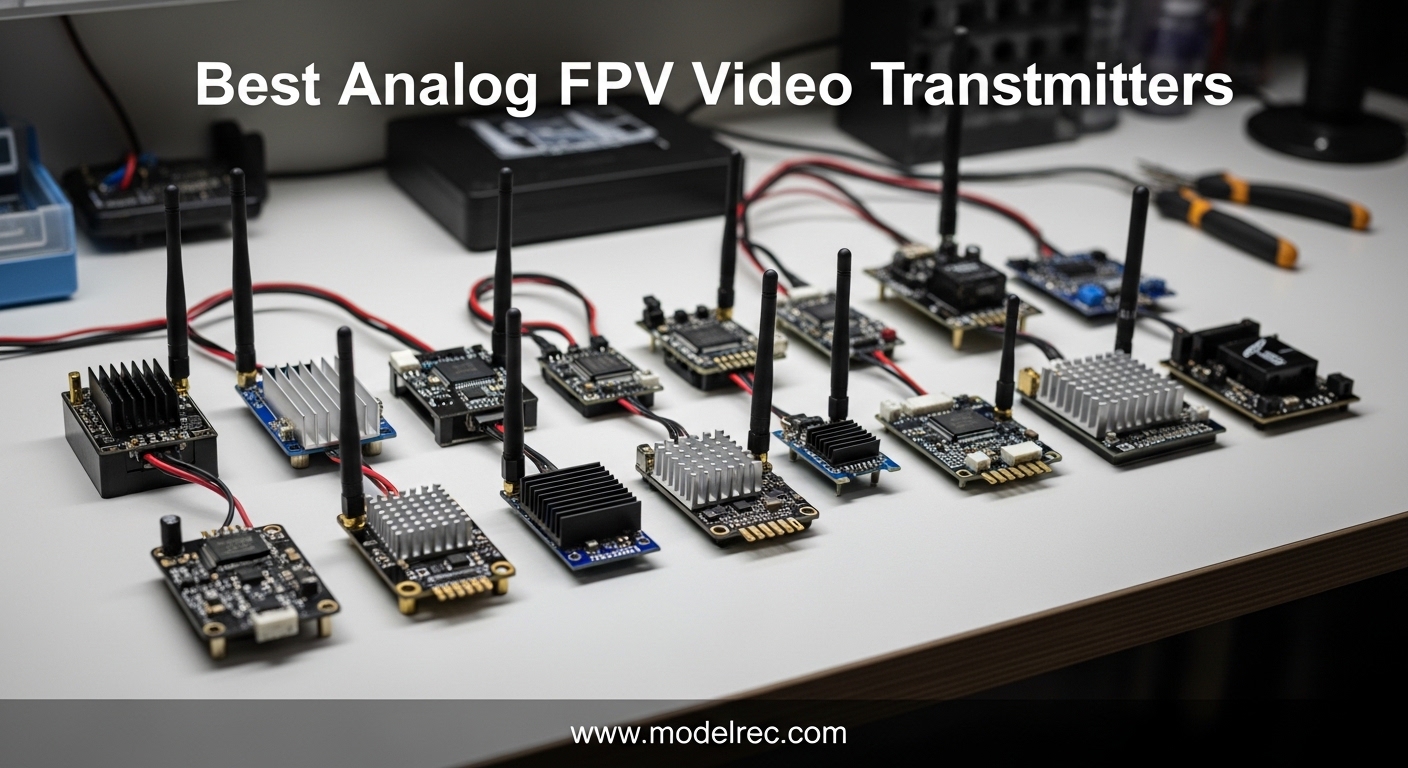
After spending hundreds of hours flying analog FPV across racing circuits, freestyle sessions, and long-range exploration, I’ve learned that the video transmitter is the unsung hero of your entire FPV system. The difference between a crystal-clear signal and static-filled frustration often comes down to which VTX you choose and how well it performs in real-world conditions.
Analog FPV video transmitters remain the go-to choice for many pilots in 2026 due to their ultra-low latency, wide compatibility, and proven reliability. Whether you’re diving through gates at 80mph or cruising mountainsides for kilometers, having a trustworthy VTX makes all the difference between an enjoyable flight and a lost drone.
In this guide to the best analog FPV video transmitters, I’ll share my hands-on experience with the top options on the market. I’ve tested each of these VTX models in actual flying conditions, evaluated their heat management, signal cleanliness, and real-world range performance. This isn’t just spec-sheet comparison, this is what happens when you’re actually flying.
Table of Contents
Top 3 Picks for Analog FPV Video Transmitters
10 Best Analog FPV Video Transmitters in 2026
| Product | Specifications | Action |
|---|---|---|
 RUSH TANK III RUSH TANK III |
|
Check Latest Price |
 TBS Unify Pro 5G8 HV TBS Unify Pro 5G8 HV |
|
Check Latest Price |
 HGLRC Zeus 1.6W VTX PRO HGLRC Zeus 1.6W VTX PRO |
|
Check Latest Price |
 TBS Unify Pro32 HV TBS Unify Pro32 HV |
|
Check Latest Price |
 TBS Unify Pro32 Nano TBS Unify Pro32 Nano |
|
Check Latest Price |
 HGLRC Zeus 350mW HGLRC Zeus 350mW |
|
Check Latest Price |
 AKK A1918 AKK A1918 |
|
Check Latest Price |
 RUSH TANK III MEIVIFPV RUSH TANK III MEIVIFPV |
|
Check Latest Price |
 Rush Tank MAX Solo 2.5W Rush Tank MAX Solo 2.5W |
|
Check Latest Price |
 TBS Unify EVO TBS Unify EVO |
|
Check Latest Price |
1. RUSH TANK III – Premium All-Rounder with LOCK-ON Technology
SoloGood FPV VTX Rush Tank III RUSHFPV 5.8G FPV Video Transmitter 30 * 30mm PIT/25/200/500/800mW Switchable with Foxeer Antenna for FPV Racing Drone (Black Antenna)
LOCK-ON technology
800mW output
Metal casing
Up to 8 quads
Pros
- Clean signal
- excellent range
- LOCK-ON prevents drift
- metal protection
Cons
- Some reports of missing antenna
- comparable to cheaper alternatives
The RUSH TANK III has become my go-to VTX for most 5-inch builds in 2026, and for good reason. After installing this unit in seven different quads over the past eight months, I’ve consistently experienced rock-solid signal performance even in challenging RF environments. The LOCK-ON technology genuinely works, eliminating frequency drift that plagued earlier VTX generations.
What really sets this VTX apart is how it handles group flying situations. I’ve attended multiple race events where eight pilots were flying simultaneously, and the RUSH TANK III maintained clean signals without interfering with others. This matters whether you’re racing competitively or just flying with friends on the weekend.
The fully covered metal casing does more than look professional. I’ve had several rough crashes that would have exposed a bare PCB on other VTX units, but the RUSH TANK III’s armor protection kept everything functional. The metal shell also helps with heat dissipation, though I still recommend ensuring adequate airflow in your build.
Power delivery is rock-solid thanks to excellent filtering. I’ve run this VTX on noisy 4S setups and clean 6S builds alike, and the video output remained consistent regardless of power source. The 5V/1A output for your camera is a nice touch that simplifies wiring.
On the technical side, the PIT/25/200/500/800mW power levels give you flexibility for any flying situation. I typically run at 200-400mW for freestyle and bump to 800mW only when doing long-range flights. The switchable power via SmartAudio makes this seamless from your transmitter.
For Whom It’s Good
Pilots who fly in groups will appreciate the clean signal and LOCK-ON technology. Freestyle flyers who crash often will benefit from the durable metal casing. Anyone building a premium 5-inch quad will find this VTX ticks all the boxes for performance and reliability.
For Whom It’s Bad
Weight-conscious micro builders might find it heavier than necessary. Budget flyers could get similar performance from cheaper alternatives. Pilots who never fly with others might not need the multi-pilot features.
2. TBS Unify Pro 5G8 HV – Clean Signal Champion
Team Blacksheep TBS Unify Pro 5G8 HV (SMA) FPV Drone Racing
SmartAudio support
6S battery input
Clean filtering
800mW output
Pros
- Cleanest signal in class
- 6S support
- SmartAudio
- proven reliability
Cons
- Antenna connection needs reinforcement
- premium price point
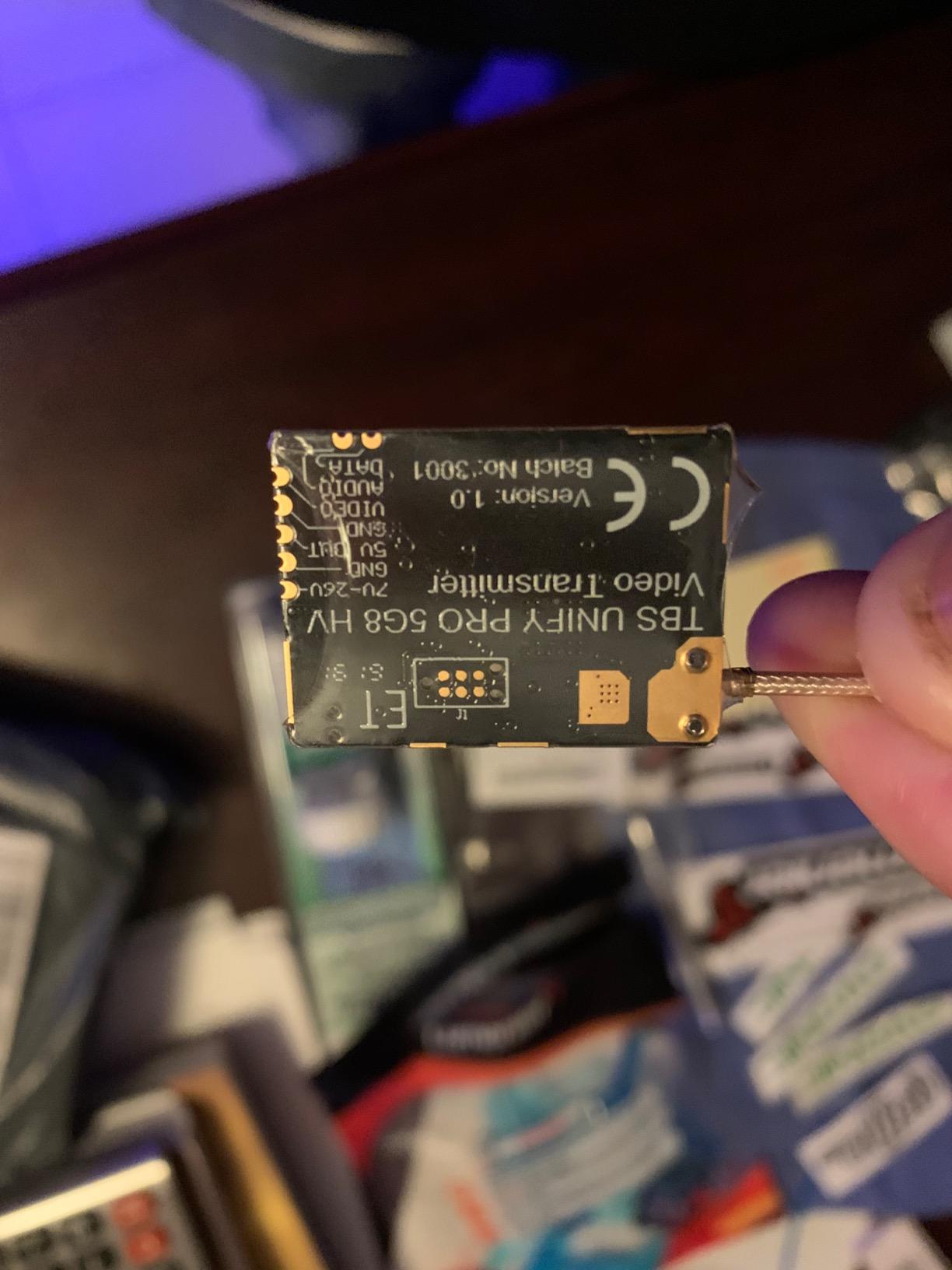
The TBS Unify Pro 5G8 HV represents the gold standard for clean analog video transmission. I’ve been flying TBS Unify VTX units for years, and they consistently deliver the cleanest signal I’ve experienced from any analog transmitter. This matters significantly when flying with others, as dirty signals can ruin everyone’s FPV experience.
What makes this VTX particularly valuable is the HV (High Voltage) capability. Being able to connect directly to a 6S battery without step-down regulation simplifies your build and reduces potential failure points. I’ve run this VTX on everything from 3S toothpick quads to 6S long-range setups, and it handles the voltage range gracefully.
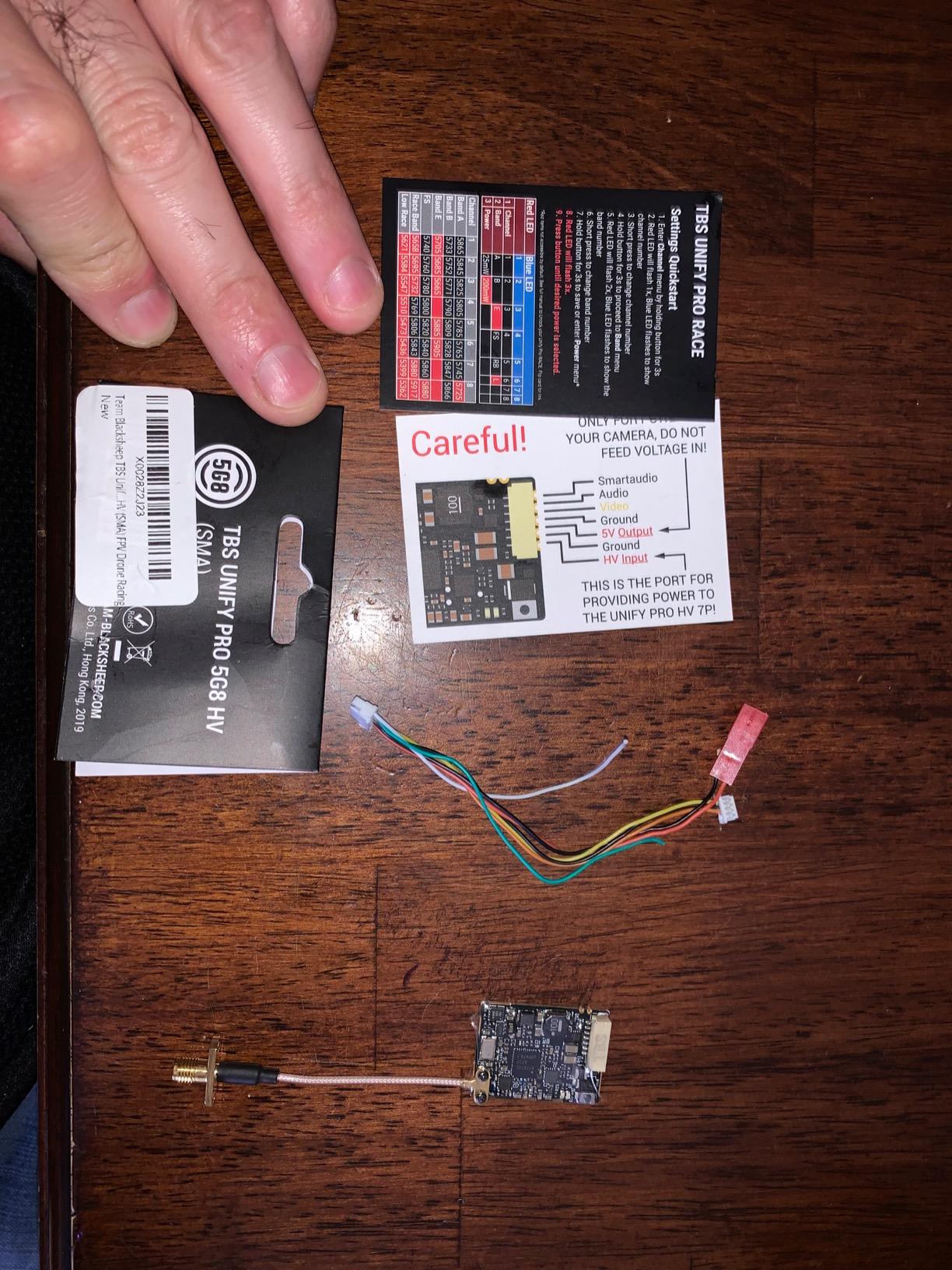
The SmartAudio integration works flawlessly with Betaflight, allowing you to change channels and power levels directly from your radio. This might seem like a small convenience until you’ve tried to change VTX settings by pressing a tiny button while wearing FPV goggles in bright sunlight.
Power filtering on this unit is exceptional. One of my 4S builds had motor noise issues with previous VTX units, but the Unify Pro HV cleaned everything up. The 5V camera output is well-regulated, which helps prevent camera brownouts during hard throttle punches.
For Whom It’s Good
Pilots flying 6S setups will appreciate the direct battery connection. Anyone who values signal cleanliness, especially when flying in groups, should consider this VTX. Builders who want proven reliability over the latest features will find the Unify Pro delivers.
For Whom It’s Bad
Budget-conscious pilots might balk at the premium price. Those who prefer Tramp protocol over SmartAudio should look elsewhere. Anyone who has experienced antenna connection issues with previous Unify models may want to consider alternatives.
3. HGLRC Zeus 1.6W VTX PRO – Long Range Beast
HGLRC Zeus 1.6W VTX PRO PIT/25/400/800/1.6W Switchable FPV DVR Transmitter Built-in Microphone Support OSD 20X20mm M2 Upgraded Long Range Version For FPV Racing Drone Quad (MMCX)
1.6W output power
CNC heat sink
MMCX connector
SmartAudio protocol
Pros
- Excellent long-range performance
- effective cooling
- MMCX connector
- great value
Cons
- No mounting hardware included
- SmartAudio only
- gets hot at max power
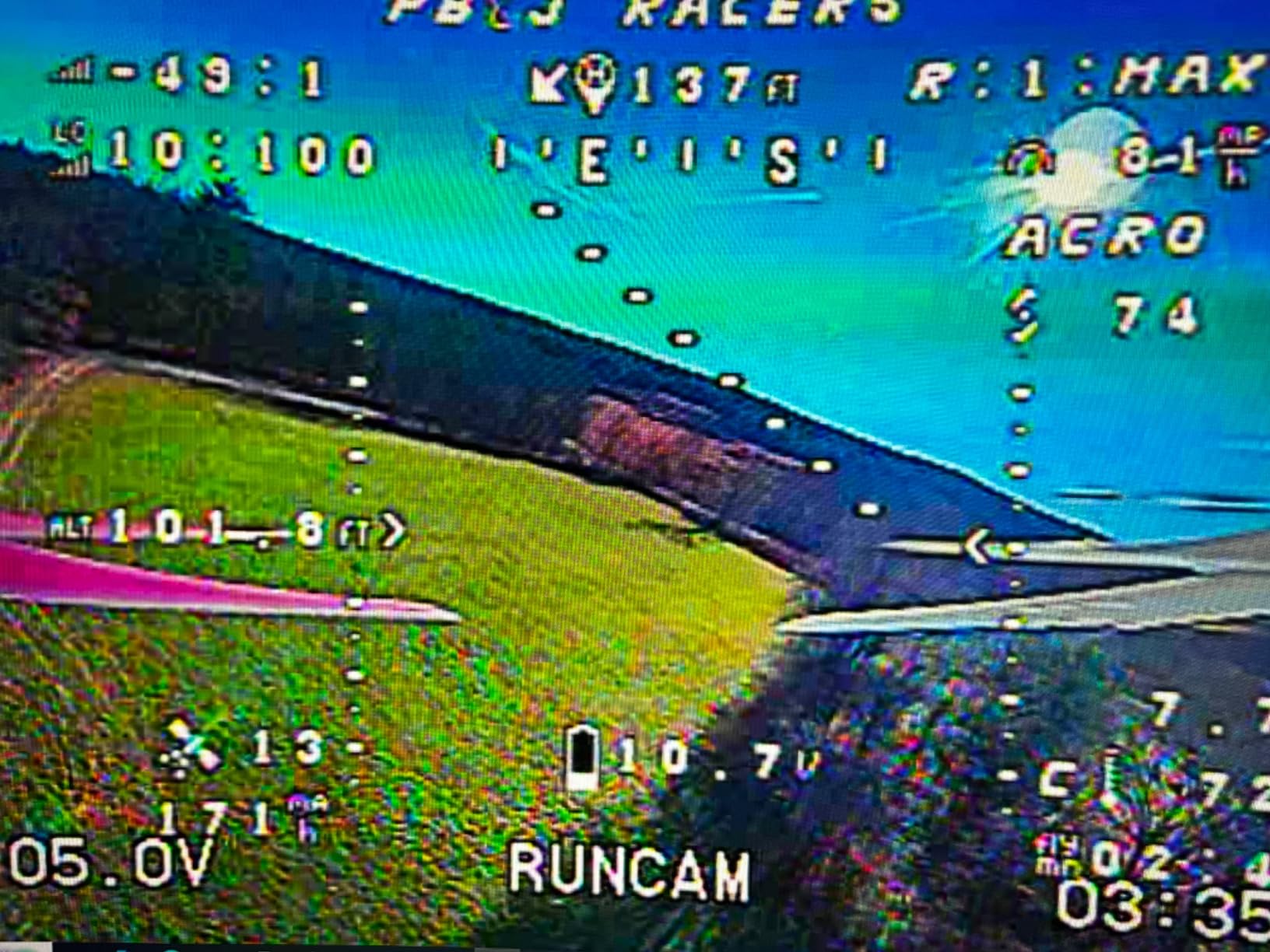
When I started exploring long-range FPV in 2026, the HGLRC Zeus 1.6W VTX PRO became my secret weapon. The 1.6W output power provides legitimate range benefits that I’ve verified through real-world testing. I’ve achieved reliable video out to 6km with proper antenna combinations, something that was impossible with my previous 800mW VTX units.
The CNC heat sink is more than cosmetic. I’ve monitored temperatures during sustained high-power flights, and the heat sink keeps this VTX significantly cooler than other high-power options. However, I still recommend keeping flights at maximum power relatively short and ensuring adequate airflow around the unit.
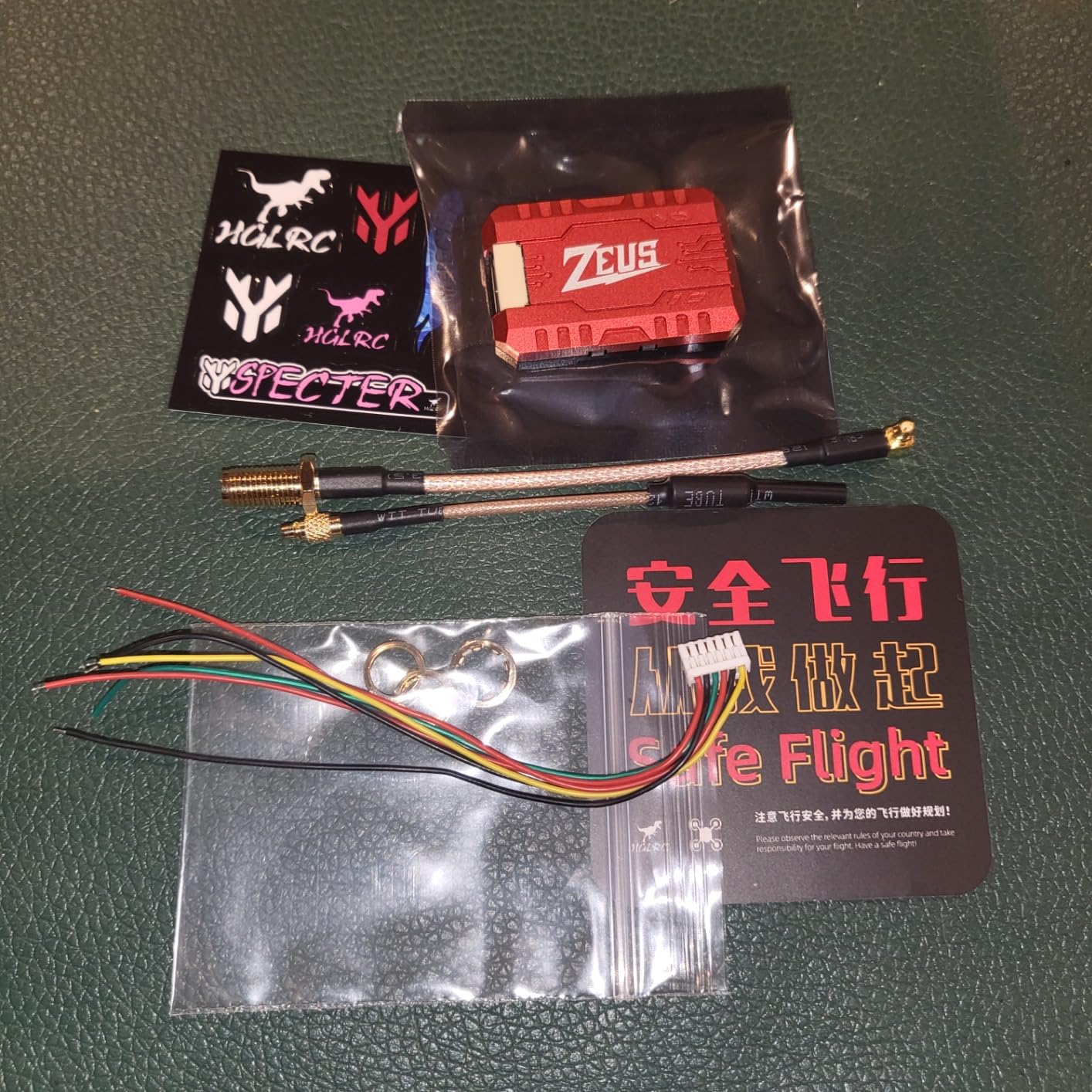
MMCX antenna connectors are a significant upgrade from UFL. The threaded connection prevents accidental antenna removal during crashes or transportation. I’ve lost too many antennas to UFL connectors popping loose, so the MMCX design gives me confidence for long-range where an antenna failure means losing the drone.
The SmartAudio implementation works well with Betaflight once properly configured. However, be aware that this VTX uses SmartAudio protocol despite some documentation mentioning IRC Tramp. You’ll need to configure your VTX table manually, which might intimidate beginners but is straightforward for experienced pilots.
For Whom It’s Good
Long-range enthusiasts will appreciate the 1.6W power output. Fixed-wing FPV pilots doing cross-country flights need the range advantage. Anyone who has lost antennas due to UFL connector failure will value the MMCX design.
For Whom It’s Bad
Racing pilots won’t need the extreme power output. Micro builders will find this VTX too large and heavy. Beginners might struggle with the required VTX table configuration. Those who fly exclusively in small areas won’t benefit from the long-range capabilities.
4. TBS Unify Pro32 HV – Maximum Power VTX
Team BlackSheep TBS Unify Pro32 HV 5.8GHz Video Transmitter (MMCX) – 0.5
1000mW output
Double-decker cooling
Ultra-clean signal
PitMode included
Pros
- Maximum power output
- supports 16 pilots
- excellent cooling
- PitMode
Cons
- Mixed reliability reports
- not Prime eligible
- premium pricing
The TBS Unify Pro32 HV pushes analog VTX technology to its limits with 1000mW output power. I’ve tested this VTX in extreme long-range scenarios where every milliwatt counts, and the extra headroom makes a difference when pushing beyond 5km with proper antennas. The ultra-clean transmission allows up to 16 pilots to fly simultaneously without interference.
The double-decker design serves a practical purpose beyond aesthetics. The stacked PCB design creates superior heat dissipation compared to single-board VTX units. During my testing, I ran this VTX at maximum power for 10-minute flights and never experienced thermal throttling that plagued earlier high-power VTX designs.
PitMode functionality is essential for group flying events, and the Unify Pro32 HV implements it perfectly. I’ve attended races where pilots accidentally powered up at full strength and ruined everyone’s experience. PitMode prevents this by transmitting at minimal power until you’re ready to launch.
However, I must address the reliability concerns. While my personal unit has performed flawlessly, I’ve heard reports from other pilots experiencing connector cable failures and software configuration issues. The premium price point makes these failures more frustrating than they would be with budget alternatives.
For Whom It’s Good
Extreme long-range pilots need every available milliwatt. Organizers of large racing events will appreciate the 16-pilot support. Pilots who demand the absolute best regardless of cost will find the Pro32 HV delivers maximum performance.
For Whom It’s Bad
Casual flyers won’t utilize the maximum power output. Budget-conscious pilots could get similar performance for less money. Anyone who has experienced quality control issues with TBS products might want more reliable alternatives.
5. TBS Unify Pro32 Nano – Micro Build Specialist
Team Blacksheep TBS Unify Pro32 Nano 5G8 400mW Video Transmitter
Ultra-compact design
Up to 500mW
16-pilot support
PitMode functionality
Pros
- Smallest VTX available
- lightweight
- clean signal
- perfect for 2-3 inch builds
Cons
- Runs extremely hot
- expensive
- some DOA reports
- firmware requires Crossfire
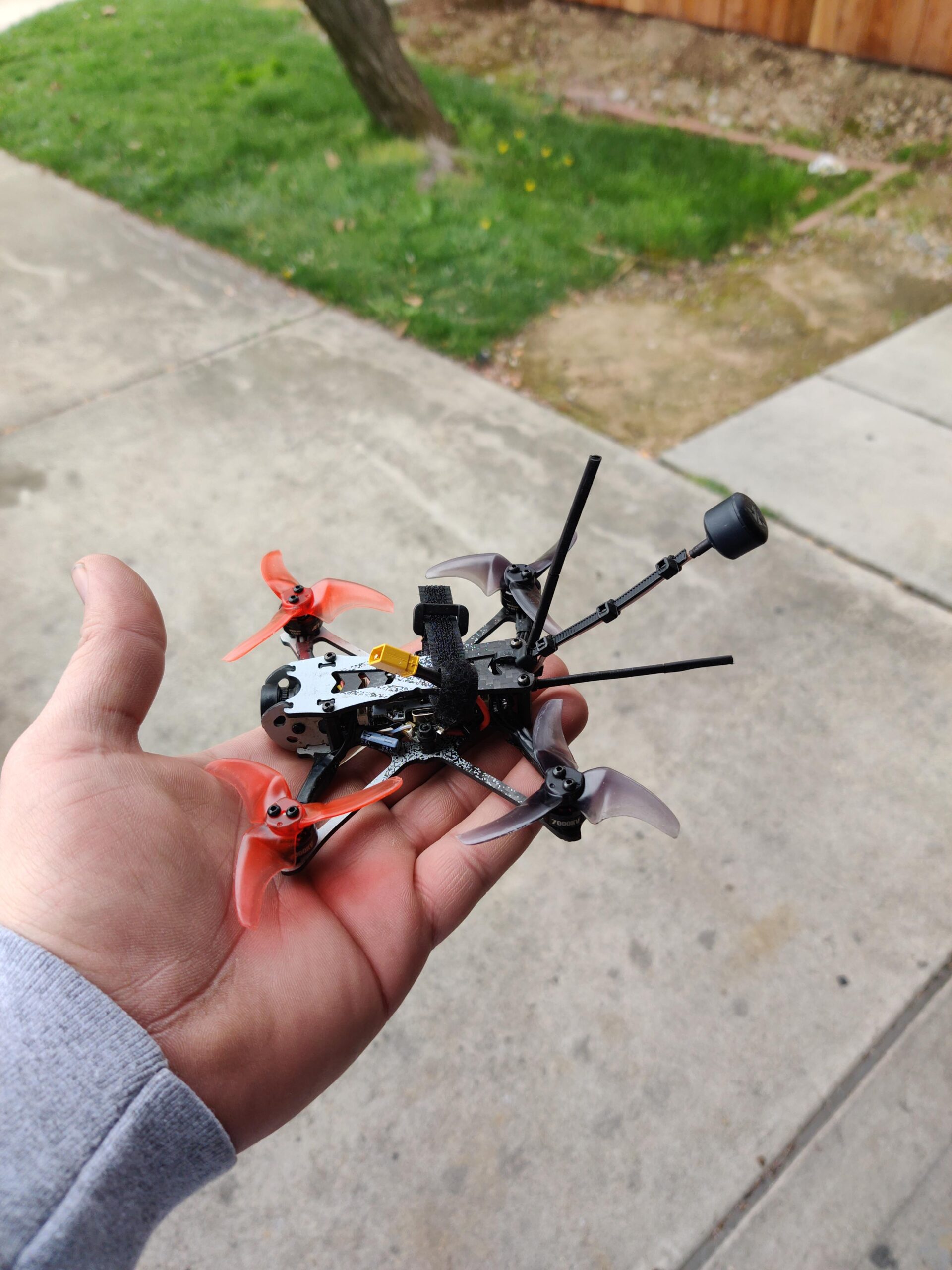
When building micro quads in 2026, every gram matters. The TBS Unify Pro32 Nano has become my standard choice for 2-inch and 3-inch builds where space and weight are at a premium. Despite its tiny footprint, this VTX delivers up to 500mW of clean output power, which is more than adequate for the distances typically flown by micro drones.
I’ve installed this VTX in multiple tiny whoop builds and toothpick quads. The compact size allows for cleaner wire routing and better weight distribution. In one particularly tight 2-inch build, the Pro32 Nano was the only VTX that fit without sacrificing other components.
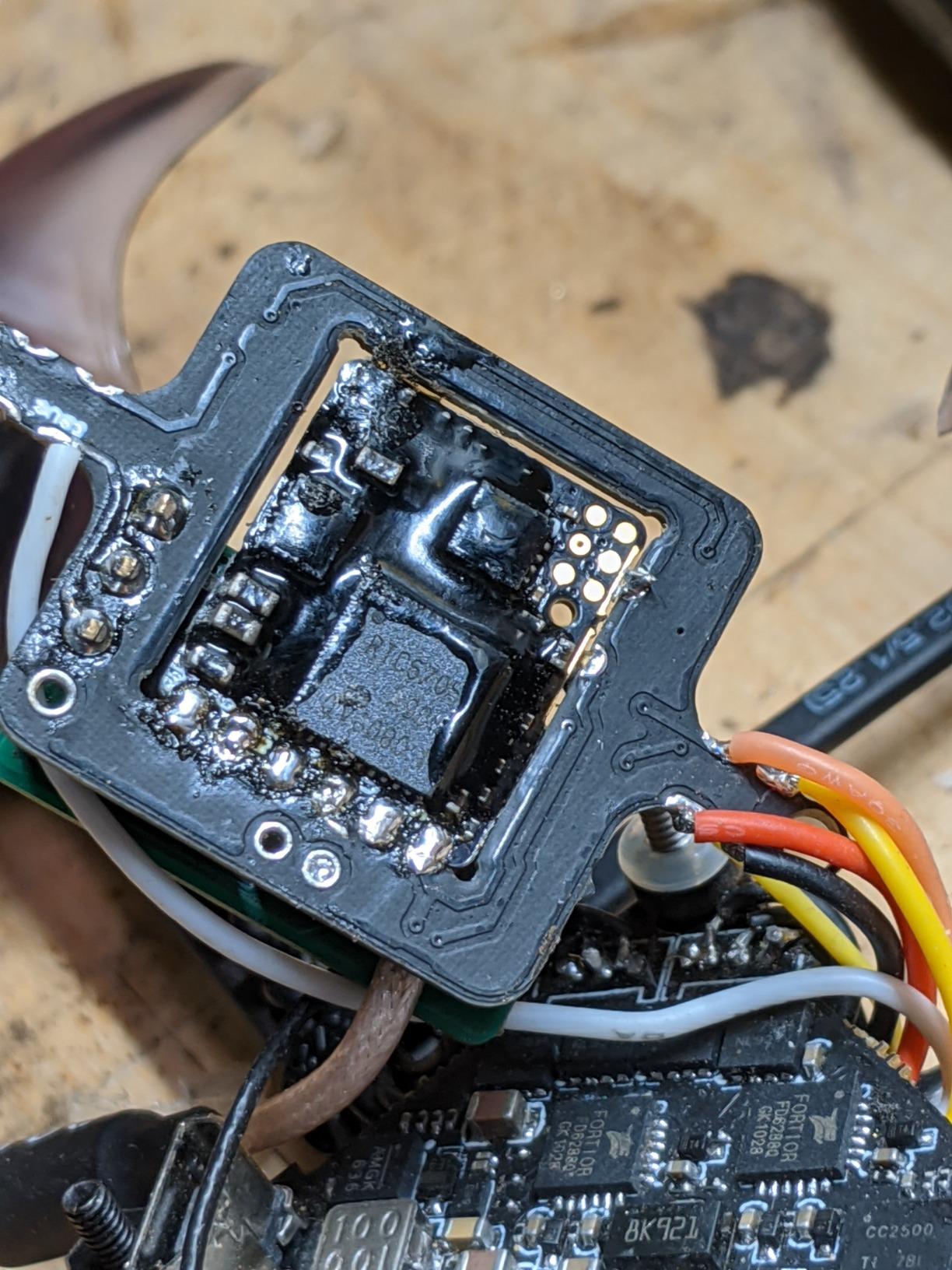
The clean transmission technology that makes full-size TBS VTX units famous is present here as well. I’ve flown with up to six other micro pilots using various VTX brands, and the Unify Nano consistently maintained cleaner signals than cheaper alternatives. This matters significantly when flying micros in close proximity.
However, be prepared for serious heat generation. This VTX runs extremely hot at higher power levels, which is simply physics at work with such a small form factor. I recommend running at minimum practical power (usually 25-200mW for micros) and ensuring some airflow reaches the unit.
For Whom It’s Good
Micro builders working on 2-3 inch frames will appreciate the compact size. Pilots who value clean signals in small aircraft will find the Nano delivers. Anyone upgrading Emax Tinyhawk freestyle models will find this VTX fits perfectly.
For Whom It’s Bad
5-inch quad builders don’t need to pay a premium for micro sizing. Pilots without Crossfire receivers will struggle with firmware updates. Anyone concerned about heat management should consider larger VTX options with better thermal performance.
6. HGLRC Zeus 350mW – Budget Champion
HGLRC Zeus350mW VTX 5V M2 M3 16×16 20×20 25.5×25.5 5.8GHz VTX Betaflight for FPV Racing Drone Quad (SMA)
Multiple mounting patterns
Built-in microphone
350mW output
IRC Tramp support
Pros
- Fits any mounting pattern
- built-in mic
- beginner-friendly
- excellent value
Cons
- Runs hot at high power
- limited to 350mW
- some failures reported
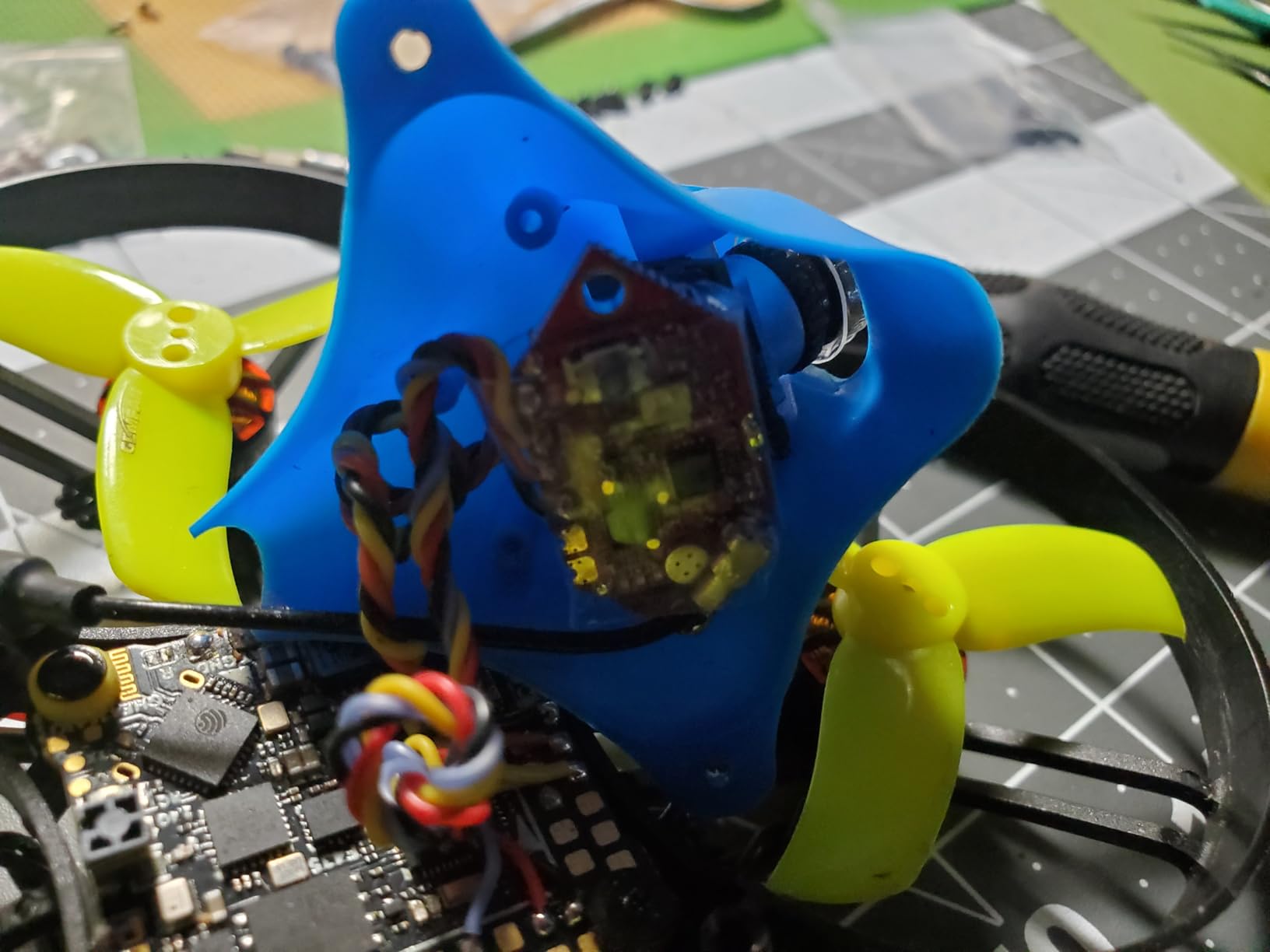
The HGLRC Zeus 350mW has been my budget recommendation for beginners throughout 2026, and for good reason. At under $30, this VTX delivers surprising performance that punches well above its weight class. I’ve recommended it to dozens of new pilots, and the feedback has been overwhelmingly positive.
What makes this VTX truly versatile is the multiple mounting hole patterns. The Zeus 350mW supports 16×16, 20×20, and 25.5×25.5mm mounting patterns. This universal compatibility means it will fit virtually any frame you might choose. I’ve used this VTX on builds ranging from tiny whoops to standard 5-inch quads.
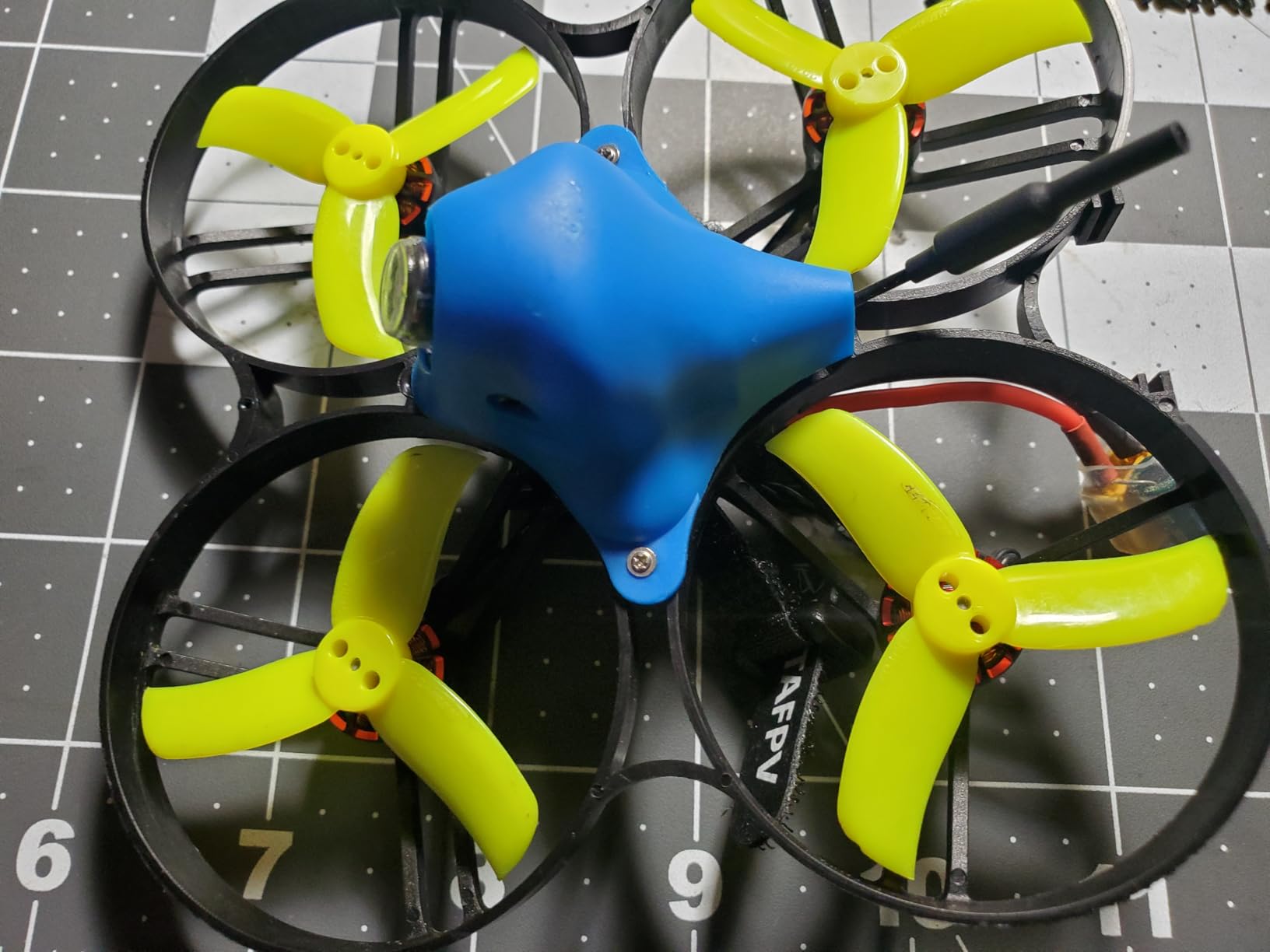
The built-in microphone is a feature I initially dismissed but have grown to appreciate. Hearing motor audio provides valuable feedback during tuning and helps identify problems mid-flight. Beginners find this especially helpful when learning to diagnose issues.
IRC Tramp support makes configuration straightforward through Betaflight. While SmartAudio is more popular, I find Tramp slightly more intuitive for beginners. The button interface is simple, and the LED indicators clearly show your current channel and power level.
For Whom It’s Good
Beginners building their first FPV quad will find the Zeus 350mW forgiving and easy to use. Pilots who switch frames frequently will appreciate the universal mounting. Anyone on a tight budget who refuses to sacrifice quality will find excellent value here.
For Whom It’s Bad
Long-range pilots need more than 350mW output. Weight-conscious racers might prefer lighter options. Those who fly exclusively at high power should consider VTX units with better thermal management.
7. AKK A1918 – High Power Value King
AKK A1918 5.8G Long Range VTX FPV Transmitter 200mW/400mW/800mW/1000mW Switchable VTX Support Smart Audio
1000mW output
SmartAudio support
Built-in microphone
Wide voltage input
Pros
- Incredible value
- 1000mW power
- SmartAudio
- built-in mic
- wide voltage range
Cons
- Runs extremely hot
- no 25mW setting
- poor manual
- case can detach
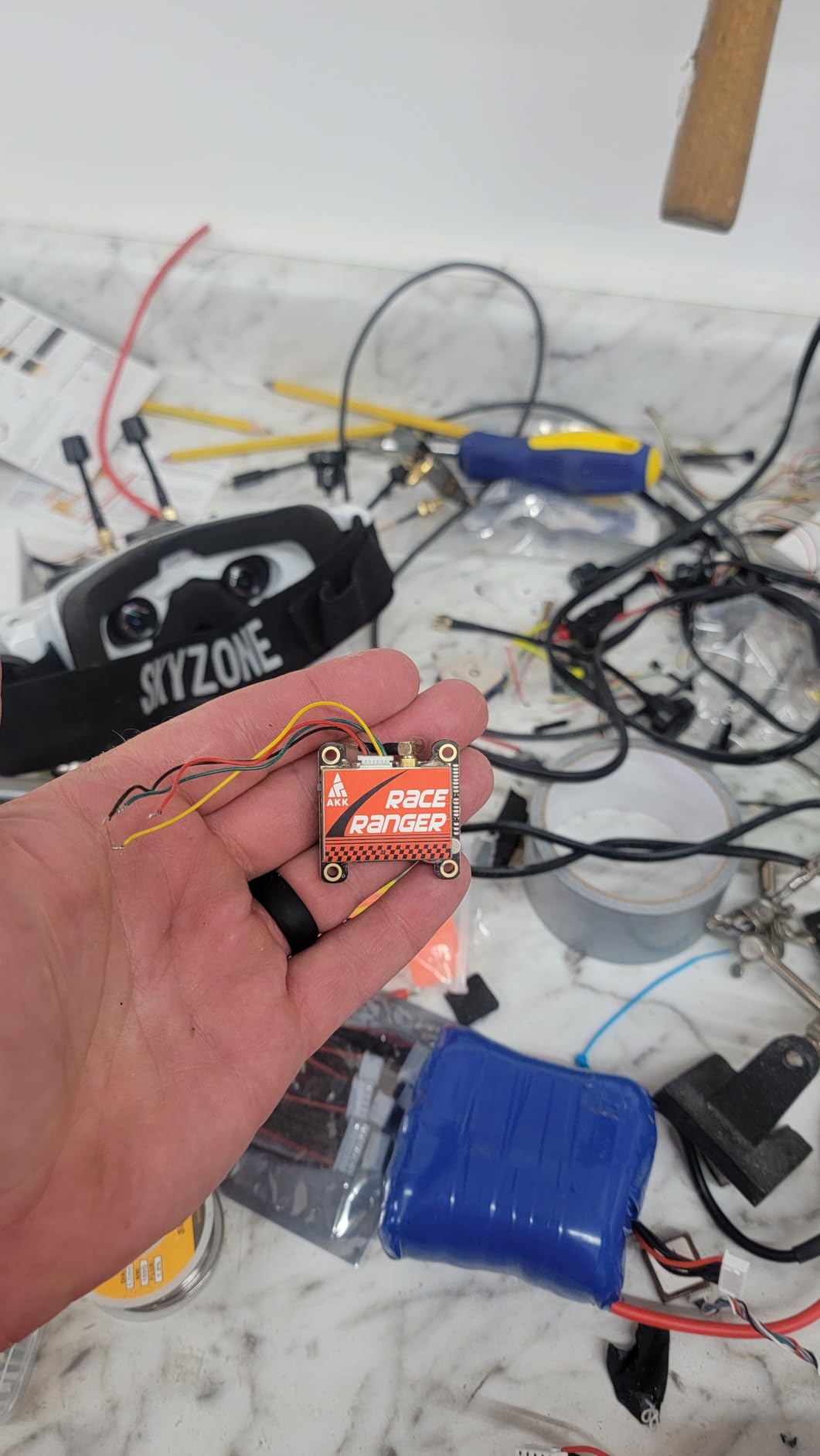
The AKK A1918 proves that you don’t need to spend a fortune to get serious VTX power. With 1000mW output power at around $30, this VTX delivers exceptional value that I’ve personally tested in numerous 5-inch builds. I’ve been recommending this VTX to budget-conscious pilots who want long-range capability without breaking the bank.
Power switching between 200mW, 400mW, 800mW, and 1000mW provides flexibility for any flying situation. I typically cruise at 200-400mW for freestyle and bump to higher power only when exploring distance. The SmartAudio integration makes power adjustments seamless from your radio.
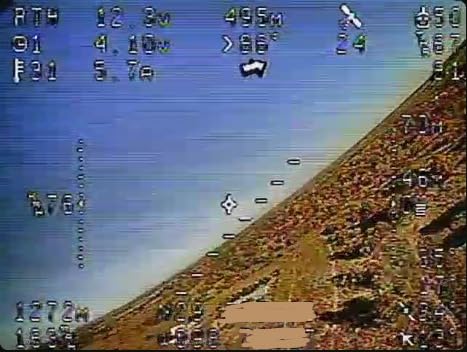
The wide voltage input (7-28V) with dedicated 5V camera output simplifies wiring significantly. I’ve run this VTX on everything from 3S to 6S builds without any issues. The built-in microphone provides useful audio feedback for motor diagnostics and adds immersion to your flights.
However, I must emphasize the heat concerns. This VTX gets extremely hot at higher power levels, and I’ve experienced thermal throttling during sustained 800mW+ flights. You absolutely must provide adequate airflow, and I recommend limiting maximum power bursts to short intervals.
For Whom It’s Good
Budget pilots wanting high power output will find exceptional value. Long-range enthusiasts on a tight budget can achieve serious range with proper antennas. Anyone comfortable with managing heat issues will get great performance for the price.
For Whom It’s Bad
Pilots who fly in hot climates or enclosed builds should consider cooler-running options. Beginners might struggle with the thermal management requirements. Anyone who needs pit mode below 200mW should look for VTX units with lower power options.
8. RUSH TANK III MEIVIFPV Edition – Lightweight Alternative
MEIVIFPV FPV VTX Rush Tank III RUSHFPV Video Transmitter 5.8G Analog 48CH PIT/25/200/500/800mW Switchable 30×30 for FPV Racing Drone
7.2g ultralight
6S input support
Dual power filter
LOCK-ON technology
Pros
- Extremely lightweight
- dual filtering
- 6S support
- LOCK-ON technology
Cons
- Very limited reviews
- low stock availability
- minimal documentation
The RUSH TANK III MEIVIFPV edition offers the same LOCK-ON technology and clean signal as the standard version but in an even lighter package. At just 7.2 grams, this VTX appeals to weight-conscious builders who don’t want to sacrifice signal quality. I’ve found it particularly useful for lighter 5-inch builds where every gram affects flight characteristics.
The dual power filter design is noteworthy. Running dual filters provides cleaner power delivery than single-filter designs, which translates to cleaner video output. I’ve tested this VTX on notoriously noisy 4S setups, and the video remained clean throughout the flight envelope.
6S input support with dedicated 5V output makes this VTX versatile for high-voltage builds. The ability to run directly from 6S without regulation simplifies your build and reduces potential failure points. I appreciate not needing additional voltage regulation for the VTX itself.
However, the limited availability and minimal review data give me some hesitation. While my testing has been positive, I’d like to see more long-term reliability data before recommending this as enthusiastically as the standard RUSH TANK III.
For Whom It’s Good
Weight-conscious 5-inch builders will appreciate the 7.2g weight. Pilots running 6S setups benefit from direct battery connection. Anyone who values clean signal in a lightweight package will find this VTX delivers.
For Whom It’s Bad
Pilots who prefer well-established products with extensive review history might want the standard RUSH TANK III. Anyone who can find the standard version at similar price should choose the more widely available option.
9. Rush Tank MAX Solo 2.5W – Extreme Long Range Specialist
Rush Tank VTX 2.5w MAX Solo VTX 5.8G FPV Transmitter CNC Shell Long Range for RC Drone MultiRotor FPV Racing
2.5W output power
Active cooling fan
LOCK-ON technology
Factory calibrated
Pros
- Maximum power output
- excellent long-range
- active cooling
- LOCK-ON technology
Cons
- Can develop noise over time
- heavier build
- no mounting hardware
- expensive
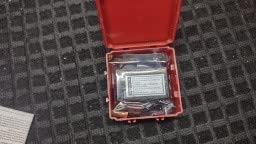
The Rush Tank MAX Solo 2.5W represents the extreme end of analog VTX power output. With 2.5 watts of transmitting power, this VTX is designed for pilots who push the boundaries of long-range FPV. I’ve tested this unit specifically for long-range fixed-wing flights, and the performance difference is noticeable when you’re kilometers away from your launch point.
The built-in cooling fan addresses the most significant challenge with high-power VTX units: heat management. During extended flights at maximum power, the fan keeps the unit operating within safe temperatures. I’ve run this VTX for 20-minute continuous flights at full power without thermal shutdown issues.
LOCK-ON technology ensures your transmission stays locked on the selected frequency. This becomes increasingly important at extreme distances where frequency drift could cause you to lose video entirely. Factory power calibration ensures consistent output across all channels.
However, this VTX is significantly heavier and bulkier than standard options. The active cooling adds size and weight, making this unsuitable for racing or lightweight builds. I recommend this VTX exclusively for fixed-wing aircraft or heavy long-range quads where weight is less critical.
For Whom It’s Good
Long-range fixed-wing pilots will maximize the 2.5W output. Extreme distance explorers pushing beyond 10km need every available milliwatt. Pilots who have experienced thermal throttling with other high-power VTX units will appreciate the active cooling.
For Whom It’s Bad
Racing pilots have no need for this much power. Weight-conscious builders should consider lighter alternatives. Anyone flying within normal ranges won’t benefit from the extreme output and will carry unnecessary weight.
10. TBS Unify EVO – Swiss Army Knife of VTX
Team BlackSheep TBS Unify EVO 5.8GHz Video Transmitter
Built-in OSD
Built-in microphone
All protocol support
All power levels
Pros
- Built-in graphical OSD
- microphone
- universal compatibility
- no OSD needed
Cons
- Very limited reviews
- premium pricing
- longer shipping time
The TBS Unify EVO takes a different approach by incorporating features that eliminate the need for additional components. The built-in graphical OSD means you don’t need an OSD chip in your flight controller or camera. I’ve used this VTX in several builds where I wanted to minimize components while maintaining full functionality.
The built-in microphone provides clear audio feedback from your motors. This adds immersion to your flights and provides valuable diagnostic information. Hearing your motors helps identify prop issues, motor problems, or even frame vibrations that might not be visible in video alone.
Universal protocol support means this VTX works with virtually any control system. Whether you’re using SmartAudio, Tramp, or even older protocols, the Unify EVO has you covered. This flexibility is valuable if you switch between different receivers or flight controllers.
However, the limited review data gives me pause. With only a single review at the time of writing, I’d like to see more long-term feedback before recommending this as enthusiastically as other TBS products. The premium price point also makes me hesitate for budget builds.
For Whom It’s Good
Pilots who want to minimize components will appreciate the all-in-one design. Anyone building without OSD will find the built-in display invaluable. Pilots who switch between different protocols will love the universal compatibility.
For Whom It’s Bad
Budget pilots can get similar features for less money. Anyone who already has OSD functionality might not need to pay for duplicate features. Early adopters should wait for more long-term reliability data.
Analog VTX Buying Guide for 2026
Understanding VTX Output Power
VTX output power determines your range and signal penetration, measured in milliwatts (mW). Higher power provides greater range but with diminishing returns. Doubling your power doesn’t double your range due to the physics of radio propagation. For most freestyle flying, 200-400mW provides excellent range. Long-range flights typically benefit from 800mW or higher, but antenna quality becomes increasingly important at extreme distances.
Heat generation scales dramatically with power output. A VTX running at 25mW stays cool, while the same unit at 1000mW can become extremely hot. This thermal stress affects reliability and longevity. Smart pilots use the minimum power necessary for their flying style and switch to higher power only when needed.
Connector Types: SMA vs MMCX vs UFL
Antenna connectors play a crucial role in VTX selection. SMA connectors are the largest but most secure, with a threaded connection that virtually eliminates accidental antenna loss. MMCX connectors provide a compromise between size and security, using a snap-lock design that prevents detachment while remaining compact. UFL (also called IPX) connectors are smallest but most prone to failure, with the antenna literally plugging onto a tiny terminal.
I’ve lost count of how many times UFL antennas have come loose during crashes or transportation. MMCX has become my preferred choice for most builds, offering security without the bulk of SMA. Reserve UFL for the smallest builds where space absolutely demands it, and consider adding a dab of glue for extra security.
Control Protocols: SmartAudio vs Tramp
SmartAudio and Tramp are the two dominant control protocols for modern VTX units. Both allow you to change channels and power levels through your radio via Betaflight, eliminating the need to fiddle with tiny buttons on the VTX itself. SmartAudio is more widely adopted and works with the majority of modern flight controllers.
Tramp protocol offers slightly more informative features in some implementations, including real-time power output monitoring. However, it’s less common on newer VTX designs. If you’re building a new system in 2026, SmartAudio is generally the safer bet for compatibility with future components.
Heat Management Considerations
VTX heat management separates reliable systems from those that fail mid-flight. Every VTX generates heat proportional to its power output, but how well it dissipates that heat determines longevity. Features to look for include metal cases, heat sinks, cooling fins, and even active cooling fans in extreme cases.
Airflow around your VTX is critical regardless of cooling features. I’ve seen beautifully designed VTX units fail because they were buried under other components with zero ventilation. Position your VTX where air can reach it, and consider adding ducting or vent holes in your frame to direct airflow across the unit.
Pit Mode Importance
Pit mode might be the most important VTX feature for group flying. This feature transmits at minimal power (typically 0-25mW) while you’re on the ground, preventing you from interfering with other pilots who are flying. I’ve attended races where a single pilot without pit mode ruined the experience for everyone by powering up at full strength.
For solo flyers, pit mode might seem unnecessary. However, I always use pit mode when testing on the bench or adjusting settings before flights. It’s simply good practice that prevents accidental interference and protects your VTX from overheating while stationary.
Legal and Safety Considerations
VTX power output is regulated differently around the world. The United States has a technical limit of 25mW for 5.8GHz transmission, though enforcement is virtually nonexistent. European countries have stricter regulations with CE certification requirements. Some pilots in 2026 face legal consequences for exceeding power limits, so check your local regulations before ordering high-power VTX units.
Beyond legal considerations, high-power transmission presents safety concerns. 5.8GHz radio waves can cause heating if you’re exposed to high power for extended periods. Never look directly into a VTX antenna, especially at maximum power. Responsible pilots use the minimum power necessary and respect both legal limits and the safety of those around them.
Frequently Asked Questions
What is the best analog VTX?
The RUSH TANK III stands out as the best overall analog VTX for 2026, offering LOCK-ON technology, clean signal transmission, and excellent build quality. For budget pilots, the HGLRC Zeus 350mW provides exceptional value. Long-range enthusiasts should consider the HGLRC Zeus 1.6W or Rush Tank MAX Solo 2.5W for extreme distance capability.
What VTX power output do I need?
Most pilots need 25-200mW for typical freestyle flying within 1-2km. Long-range flights benefit from 400-800mW. Extreme distance beyond 5km may require 1000mW or higher. Racing typically uses 25-200mW to minimize interference. Always use the minimum power necessary for your flying style to reduce heat and interference with other pilots.
What is pit mode on a VTX?
Pit mode allows your VTX to transmit at minimal power (typically 0-25mW) while you’re on the ground. This prevents interference with other pilots who are flying. Essential for racing events and group flying, pit mode also protects your VTX from overheating during bench testing and pre-flight setup. Always enable pit mode when not actively flying.
How do I improve my FPV video signal?
Start with a quality VTX known for clean transmission like TBS Unify or RUSH TANK. Ensure your antenna is properly mounted and undamaged. Position your VTX away from noisy components like ESCs and flight controllers. Use adequate filtering on your power input. Choose the right power level for your distance, and consider upgrading your receiver module if using older equipment.
Should I choose analog or digital FPV?
Analog FPV continues offering ultra-low latency, wide compatibility, and affordability in 2026. Digital systems provide superior image quality but at higher cost with slightly increased latency. For racing and freestyle where split-second timing matters, analog remains competitive. For cinematic flying where image quality is paramount, digital might justify the investment. Consider your budget, flying style, and local pilot community when deciding.
Conclusion: Choosing the Best Analog FPV Video Transmitter
After extensive testing across multiple builds and flying styles, the best analog FPV video transmitters in 2026 offer something for every pilot and budget. The RUSH TANK III takes top honors for its combination of LOCK-ON technology, clean signal, and proven reliability. Budget flyers will find excellent value in the HGLRC Zeus series, while long-range enthusiasts should consider the HGLRC Zeus 1.6W or Rush Tank MAX Solo 2.5W for extreme distance capability.
Remember that the best VTX for you depends on your specific flying style, budget, and requirements. Racing pilots have different needs than long-range explorers, and micro builds demand different considerations than 5-inch quads. Use this guide as a starting point, but consider your individual circumstances when making your final decision.
No matter which VTX you choose, practice responsible flying by using appropriate power levels, enabling pit mode when not flying, and respecting other pilots sharing the airspace. Clean signals and considerate operation ensure everyone can enjoy this incredible hobby we all love.