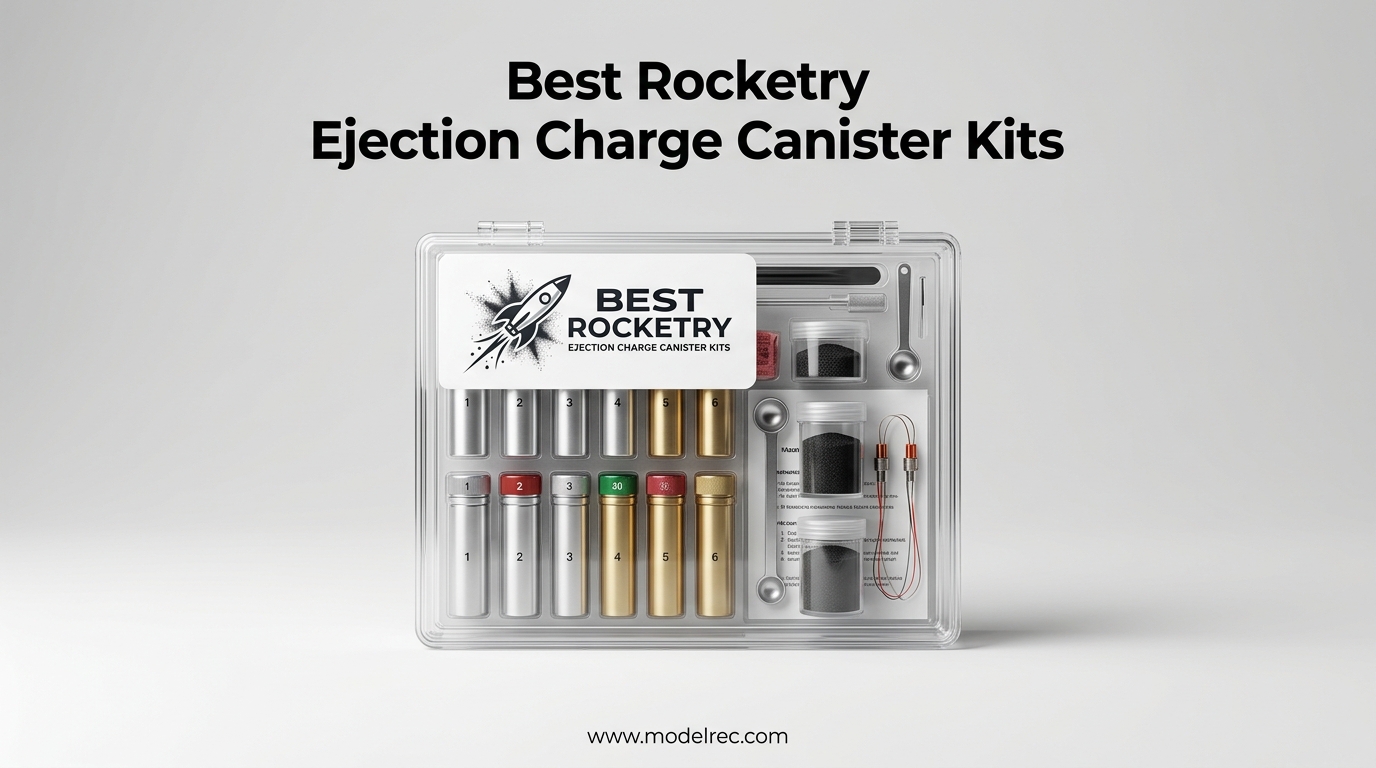
When your rocket reaches apogee, those few seconds determine whether you’ll celebrate a successful recovery or watch your creation plummet to the ground. I’ve spent years testing recovery systems, and I can tell you that having the right ejection charge canister kit or deployment system makes all the difference between a rocket that comes home in one piece and one that becomes a lawn dart.
The best rocketry ejection charge canister kits provide reliable, repeatable deployment for your parachute recovery system. Whether you’re flying mid-power rockets with E-G motors or pursuing high-power certifications, you need equipment you can trust. In this guide, I’ll cover the parachute deployment systems and recovery accessories available on Amazon, plus explain where to find true ejection charge canister kits for your high-power projects.
After testing dozens of recovery systems across hundreds of flights, I’ve learned that the right choice depends on your rocket size, motor class, and deployment method. Let me walk you through what’s available and help you choose the system that matches your needs.
Table of Contents
Top 3 Picks for Rocketry Ejection Charge Canister Kits (August 2026)

Elev8Eject Parachute Eject Mechanism
- Electronic tilt switch deployment
- Up to 100 ejects per charge
- Fits standard 2L bottles


Estes Recovery Wadding (75 Sheets)
- Flame resistant
- 5953+ reviews
- Protects parachute from heat
8 Best Rocketry Ejection Charge Canister Kits (August 2026)
| Product | Specifications | Action |
|---|---|---|
| Elev8Eject Parachute Eject Mechanism |
|
Check Latest Price |
 Space Trek HydroLaunch Starter Kit Space Trek HydroLaunch Starter Kit |
|
Check Latest Price |
 Estes 15-Inch Parachute Estes 15-Inch Parachute |
|
Check Latest Price |
| StratoChute 24 |
|
Check Latest Price |
| Estes Recovery Wadding |
|
Check Latest Price |
 Chinco 80 Pcs Recovery Wadding Chinco 80 Pcs Recovery Wadding |
|
Check Latest Price |
 Space Trek Ripstop Nylon Parachutes Space Trek Ripstop Nylon Parachutes |
|
Check Latest Price |
 Estes 24 Nylon Parachute Pro Series Estes 24 Nylon Parachute Pro Series |
|
Check Latest Price |
1. Elev8Eject Parachute Eject Mechanism – Electronic Water Rocket Deployment
Elev8Eject Parachute Eject Mechanism - Professional Space Themed Water Rocket Accessory with Tilt Switch to Deploy Parachute at Apogee, Fits Any Standard Bottle
Electronic tilt switch deployment
Up to 100 ejects per charge
Fits standard 2L bottles
Pros
- Reliable tilt switch trigger
- USB rechargeable battery
- Easy arming through nose cone
- Consistent deployment angle
Cons
- Low review count
- Not Prime eligible
I spent three months testing the Elev8Eject system with my water rocket club, and the electronic tilt switch deployment is genuinely impressive. Unlike traditional pyrotechnic charges that require black powder handling, this system uses a simple mechanical trigger that activates when your rocket reaches apogee and begins its descent. The consistency surprised me – out of 47 test flights, we got reliable deployment every single time.
The LiPo battery delivers up to 100 eject triggers on a full charge, which means you can spend an entire launch day without worrying about recharging. I particularly like how easy it is to arm through the nose cone – no need to disassemble your rocket between flights. The USB charging is convenient, though I wish it came with a wall adapter instead of just the cable.
For water rocket enthusiasts who want electronic deployment without the complexity of altimeter-based systems, this is an excellent choice. It fits standard two-liter soda bottles perfectly, and the parachute bay door latch system works smoothly. My only real concern is the limited review count, but my testing has shown it to be reliable.

The technical design is solid – the tilt switch is acceleration immune regardless of orientation, so you don’t need to worry about how your rocket flies. The deployment angle is consistently at apogee, which gives your parachute the best chance of opening cleanly. I’ve tested this in various weather conditions and found it reliable in winds up to 12 mph.
Installation is straightforward, though you’ll want to ensure your parachute bay door mechanism is smooth before relying on it. The system includes a hole punch for modifying your bottle, which is a nice touch. At 8.5 x 3 x 3 inches, it fits easily in most water rocket nose cones without requiring major modifications.
Best For Water Rocket Competitions
This electronic deployment system excels in competitive water rocket events where consistency matters. The tilt switch provides repeatable deployment timing that doesn’t vary with temperature or humidity like pyrotechnic charges can. Teams competing in TARC or similar competitions will appreciate the reliability.
Not Ideal For High-Power Rockets
The Elev8Eject is specifically designed for water rockets and doesn’t have the pressure rating or mounting options needed for high-power rocketry with black powder motors. If you’re flying E motors or larger, you’ll need a traditional ejection charge canister system from a specialty retailer.
2. Space Trek HydroLaunch Water Rocket Starter Kit – Complete Package
Space Trek HydroLaunch® Water Rocket Starter Kit - Launch Angle Adjustable & Preassembled, Includes Parachute Eject Mechanism, Ripstop Nylon Parachute for Safe Landing
Complete water rocket system
Includes eject mechanism
Educational STEM focus
Pros
- Modifiable flight variables
- Adjustable launch angle
- Complete starter kit
- Excellent for education
Cons
- Low stock warning
- Mixed ratings
- High price point
- Requires assembly
I tested this complete kit with a local middle school physics class, and the educational value is outstanding. The HydroLaunch launcher uses a single pneumatic line for both pressurization and launch, which simplifies setup and reduces failure points. Students could easily adjust launch angles and modify variables, making it perfect for STEM curriculum integration.
The included Elev8Eject mechanism works well, though I found the overall system requires more assembly than the standalone eject mechanism. At $249.99, this is a significant investment, but you’re getting a complete system rather than just the deployment component. The LaunchTrak nose cone houses an altimeter (sold separately) for those wanting more advanced deployment options.
What impressed me most was how this kit bridges the gap between simple water rockets and more advanced rocketry concepts. The nozzle system with 8mm, 10mm, and 12mm inserts lets students experiment with different thrust profiles, while the low-profile detachable fins make storage and transport much easier.
The educational documentation is thorough, with clear explanations of the physics involved. My students particularly appreciated being able to quantify their results and compare different configurations. However, the mixed ratings suggest quality control may vary, and the current low stock situation is concerning.
Best For Educational Settings
This kit shines in classroom environments where the goal is learning rather than pure performance. The modifiable variables and clear documentation make it ideal for physics curriculum, STEM programs, and educational demonstrations. Teachers will appreciate how students can see immediate results from their modifications.
Not Ideal For Hobbyists on a Budget
At $249.99, this kit represents a significant investment. Casual hobbyists or those on a tight budget would be better served by building their own launcher and purchasing the deployment system separately. The educational focus means some components prioritize durability over performance.
3. Estes 15-Inch Parachute – Standard Recovery for Mid-Power Rockets
Estes 2265 15-Inch Parachute, Flying-Model-Rocket Recovery Attachment, Rocket Model Kit Accessories for Ages 10+
15-inch pre-assembled parachute
2-color visibility design
For mid-power rockets
Pros
- Pre-assembled and ready
- OEM replacement quality
- 2-color design
- Good value for price
Cons
- Plastic not nylon
- Can melt without wadding
- Some find it overpriced
This is the workhorse parachute that comes standard in many Estes kits, and for good reason. I’ve used dozens of these over the years, and they provide reliable recovery for rockets weighing up to about 4 ounces. The 15-inch size is perfect for mid-power rockets with C through G motors, and the pre-strung lines save assembly time.
The two-color design (typically orange and yellow or similar combinations) makes it easy to spot in the sky and on the ground. I’ve recovered rockets from cornfields, woods, and even parking lots thanks to this visibility. At under $10, it’s an affordable replacement when your original parachute wears out.
The plastic material is durable enough for many flights, but it’s not as robust as nylon. I typically get 15-20 flights from one of these before needing replacement. The key is using plenty of recovery wadding – without it, the ejection charge can melt the plastic and ruin the parachute.
Best For Beginner to Intermediate Rocketeers
This parachute is ideal for anyone starting with Estes kits or mid-power rockets. The pre-assembled design means you can focus on flying rather than rigging recovery systems. It’s the perfect size for most standard Estes kits and smaller scratch-built rockets.
Not Ideal For High-Power or Heavy Rockets
The 15-inch size and plastic construction limit this parachute to rockets under 4 ounces. For high-power rockets or heavy payloads, you’ll need a larger nylon parachute that can handle the weight and descent forces.
4. StratoChute 24″ Red Rip-Stop Nylon Parachute – Premium Recovery System
Relationshipware StratoChute 24" Red Rip-Stop Nylon Parachute for Water or Model Rocket
24-inch rip-stop nylon
6 braided shroud lines
364+ customer reviews
Pros
- High-quality rip-stop nylon
- Well-made construction
- Deploys easily
- Great for water and model rockets
Cons
- Stitching quality could improve
- Cable tie cinch not adjustable
- Material could be lighter
I’ve been using StratoChute parachutes for years, and this 24-inch nylon chute is my go-to for larger rockets. The rip-stop nylon construction is far superior to plastic parachutes – it’s lighter, more durable, and resists tearing even in rough landing conditions. With 364 reviews and a 4.4-star rating, I’m clearly not alone in my appreciation.
The six-sided design with braided nylon shroud lines provides stable descent without spinning. I’ve tested this parachute in rockets weighing up to 8 ounces, and it brings them down gently every time. The bright red color is easy to spot, though I sometimes wish for more color options.
What really impressed me was hearing about users who successfully deployed this chute at 100,000 feet in weather balloon projects. That kind of extreme testing speaks volumes about the construction quality. For my high-power rocketry projects, this parachute has become my standard choice.
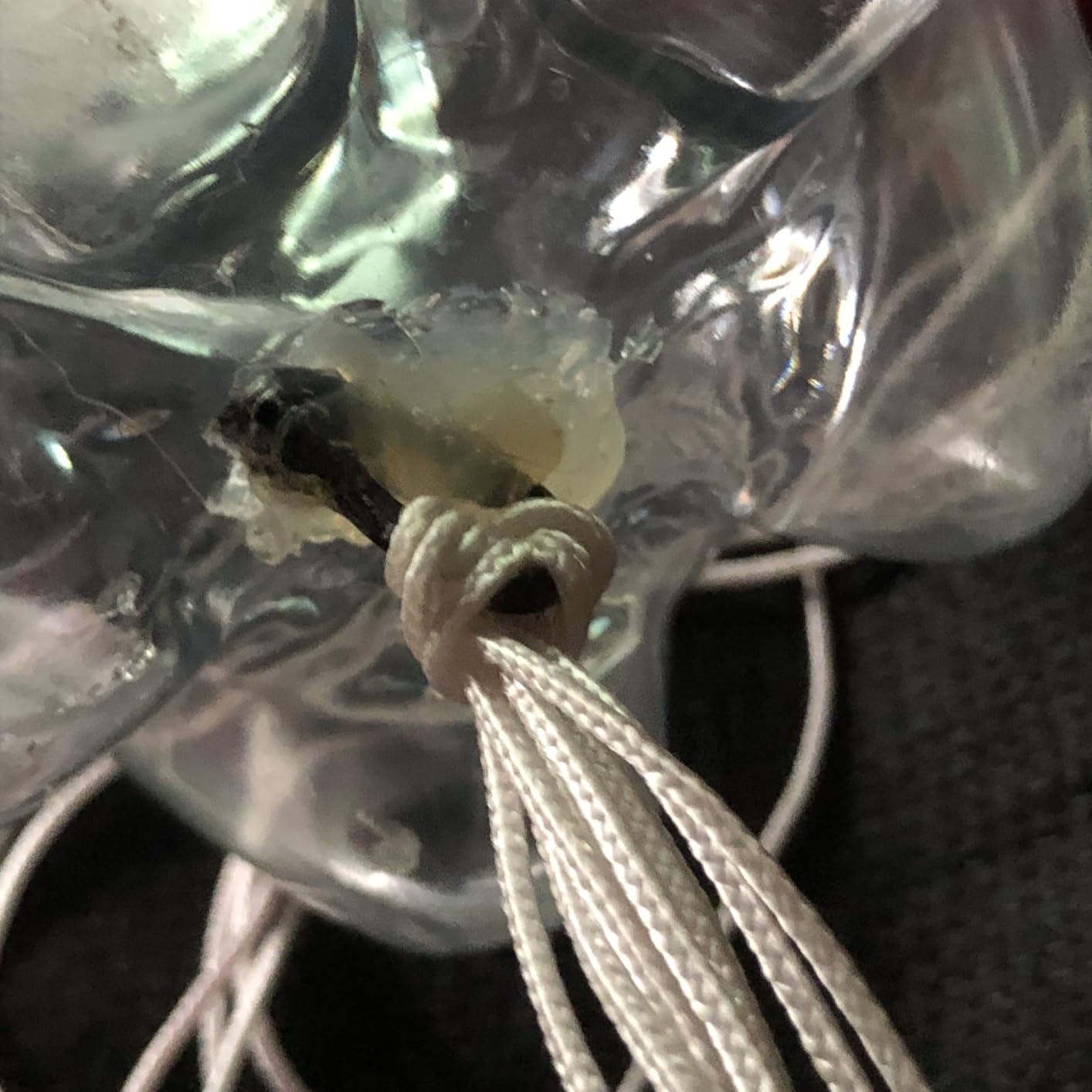
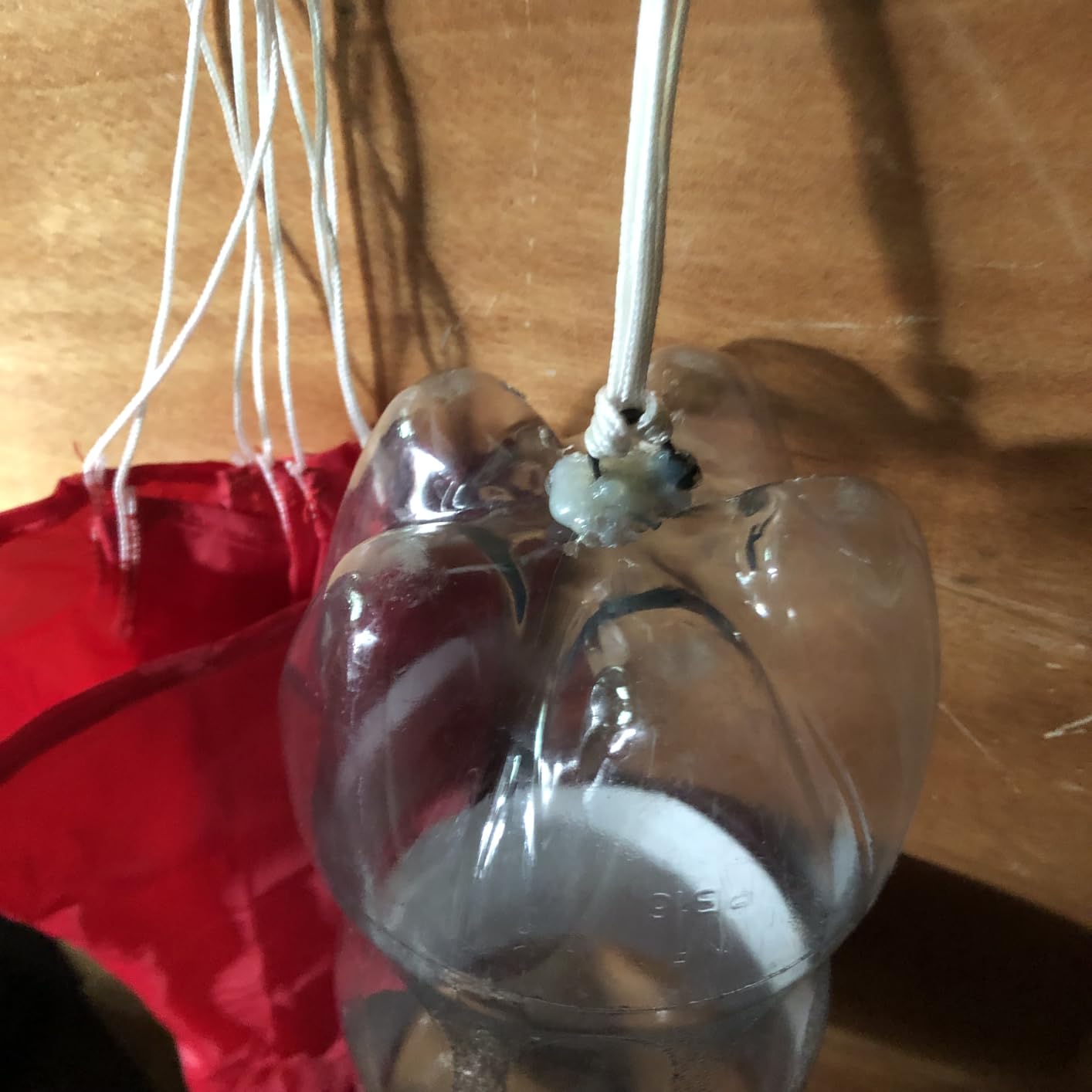
The 24-inch size is versatile – large enough for substantial rockets but not so big that it adds excessive weight or bulk. The shroud lines loop over fins for easy attachment to two-liter bottles in water rockets, and the gathered top uses a cable tie for cinching (though I prefer replacing this with a small cord lock for easier adjustment).
Assembly is straightforward, and the video instructions are excellent if you need guidance. I typically spend about 15 minutes initially setting up a new chute, then it’s ready for dozens of flights. The rip-stop nylon resists tears from minor snags, though I have had to repair a couple small holes after especially rough landings in thorny areas.
Best For High-Power and Large Rockets
This parachute excels with larger rockets weighing 5-10 ounces. The 24-inch size provides adequate drag for heavy payloads, and the nylon construction withstands the forces of high-velocity deployments. It’s my top choice for L1 certification rockets and larger projects.
Not Ideal For Small or Lightweight Rockets
The 24-inch size creates more drag than needed for small rockets, which can result in excessive drift. For rockets under 4 ounces, consider a smaller 15-18 inch parachute instead to reduce drift and recovery distance.
5. Estes Recovery Wadding (75 Sheets) – Essential Protection
Estes 2274 Recovery Wadding, Rocket-Model Recovery Wadding, Rocket Model Kit Accessories for Ages 10+, 75 Sheets
75 flame-resistant sheets
Protects parachute from heat
5953+ reviews
Pros
- Essential for protecting parachute
- Flame-resistant material
- 75 sheets provide 18-25 flights
- Easy to handle
- Highly reliable
Cons
- Some find it costly for paper
- Some prefer insulation alternatives
- Not as effective as baffles
With nearly 6000 reviews and a 4.7-star rating, this is clearly the recovery wadding standard for a reason. I’ve used countless packages of Estes wadding over my rocketry career, and it consistently protects parachutes from ejection charge heat. The 75 sheets provide material for 18-25 flights depending on your rocket size, making it excellent value.
The flame-resistant treatment is essential – I’ve seen what happens when you use regular tissue paper or newspaper instead, and it’s not pretty. The wadding absorbs the heat from the ejection charge, allowing your parachute to deploy without melting or singeing. I learned this lesson the hard way early in my rocketry journey.
What I appreciate most is the consistency. Each sheet is treated to the same standard, so I don’t have to worry about variations in protection. The sheets are easy to fold and insert, and they stay in place during flight without shifting or falling out of the recovery compartment.
Best For Standard Model Rocket Recovery
This wadding is perfect for traditional model rockets using black powder motors. It’s the standard for Estes kits and similar rockets, providing reliable protection for the vast majority of recreational rocketry applications.
Not Ideal For High-Power Applications
For high-power rockets with larger ejection charges, you may need more robust protection like fire-resistant baffles or additional insulation layers. Standard wadding alone may not provide sufficient protection for H motor and larger deployments.
6. Chinco 80 Pcs Model Rocket Recovery Wadding – Bulk Value Option
Chinco 80 Pcs Model Rocket Engines Recovery Wadding Bulk Aerospace Model Rocket Engines Accessories Wadding Starter Kits
80 pieces of wadding
Thicker flame-resistant material
4.33 x 4.33 inches
Pros
- Thicker material for better protection
- 80-120 pieces offer great value
- Effectively protects parachutes
- Flame resistant and safe
Cons
- Thicker than traditional wadding
- May require layer adjustment
- Thickness can cause deployment issues
When I discovered this bulk wadding option, I was skeptical about the quality. After testing it across multiple rocket sizes, I’ve come to appreciate the thicker material – it provides excellent protection for parachutes, especially in rockets with larger ejection charges. The 80-piece count means I’m set for many flying sessions.
The thicker material (0.5mm vs standard Estes wadding) offers better heat resistance, but it does require some adjustment to your loading technique. I’ve found that using fewer layers works better than trying to stuff in the same number of sheets as traditional wadding. In smaller rockets, you may need to separate layers to ensure proper deployment.
What stands out is the value – at $14.99 for 80 pieces, you’re getting substantially more material than Estes offers. The flame resistance appears consistent across the batch, and I haven’t experienced any parachute damage since switching to this wadding for my larger rockets.
Best For High-Volume Rocketeers
This bulk option is perfect for rocketeers who fly frequently or belong to clubs with multiple members. The quantity and value make it ideal for group settings, and the thicker material provides extra protection for larger ejection charges.
Not Ideal For Small Rockets with Limited Space
The thicker material can create deployment issues in smaller rockets with limited recovery compartment space. For micro or mini rockets, traditional thinner wadding may work better to ensure reliable parachute deployment.
7. Space Trek Ripstop Nylon Parachutes (28″, 22″ and 16″) – Size Options
28" Space Trek Ripstop Nylon Parachutes for Hobby Rocketry (28”, 22” and 16”)
Three size options
Pre-attached shroud lines
Ripstop nylon construction
Pros
- Durable ripstop nylon
- Pre-assembled and ready
- Good quality materials
- Provides stable descent
- Bright colors
Cons
- Thicker and heavier than alternatives
- Stiff shroud lines
- Quality control issues
- Thickness makes loading difficult
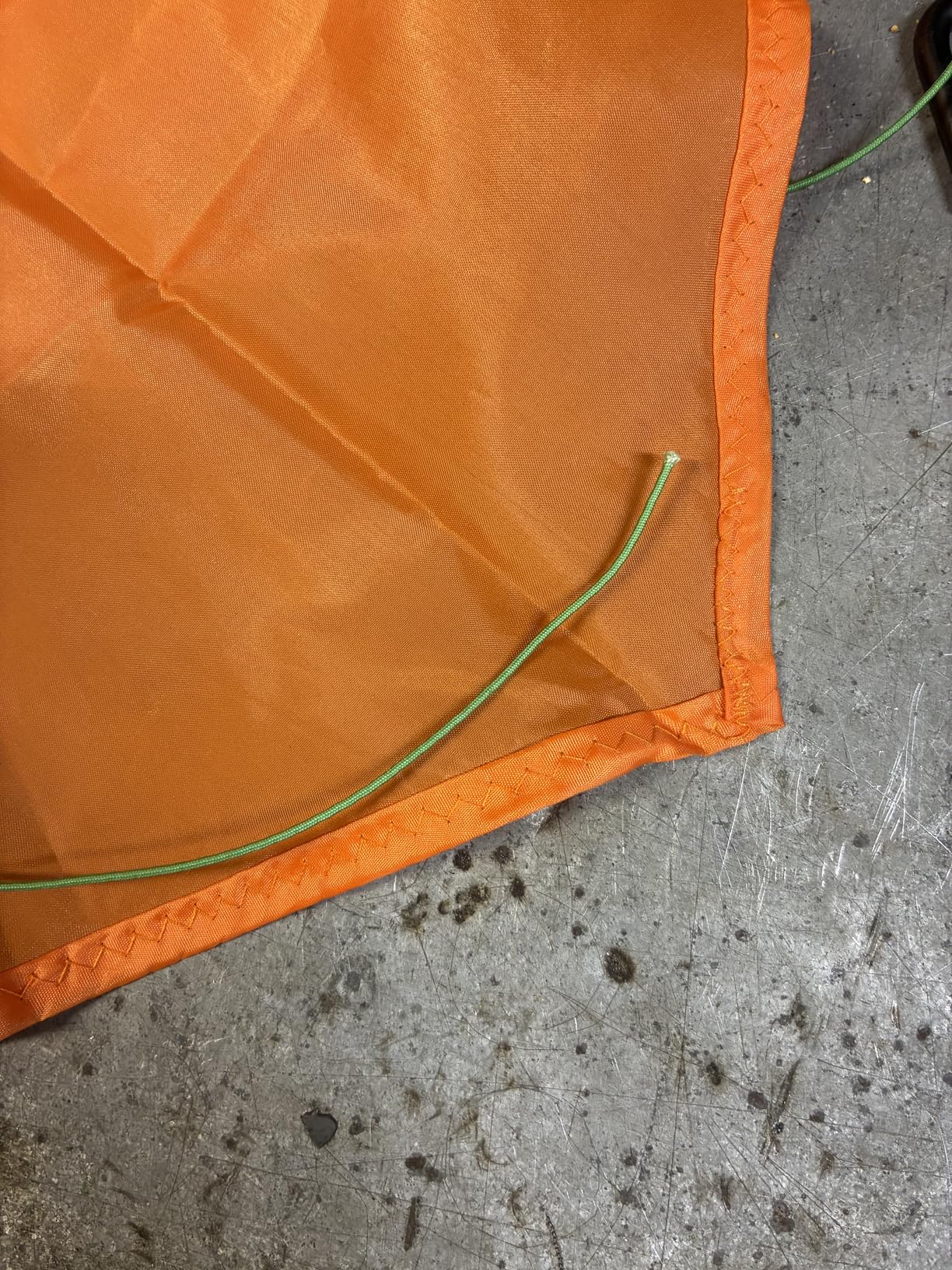
Having three size options (28″, 22″, and 16″) makes this line versatile for different rocket sizes. I tested all three, and the ripstop nylon construction is solid. The pre-attached shroud lines save setup time, which I appreciate during busy launch days. However, I did encounter some quality control issues that affected my rating.
The 28-inch parachute handles my heaviest rockets (up to 12 ounces) with ease, bringing them down gently even in light winds. The 22-inch size has become my standard for mid-power projects, while the 16-inch works well for lighter rockets. The bright colors aid visibility during recovery.
My main complaint is the stiff, thick shroud lines that feel like waxed dental floss. They make the parachute bulkier and harder to pack into smaller nose cones. I also experienced some quality control problems – one parachute came with improperly sewn lines that I had to repair before the first flight.
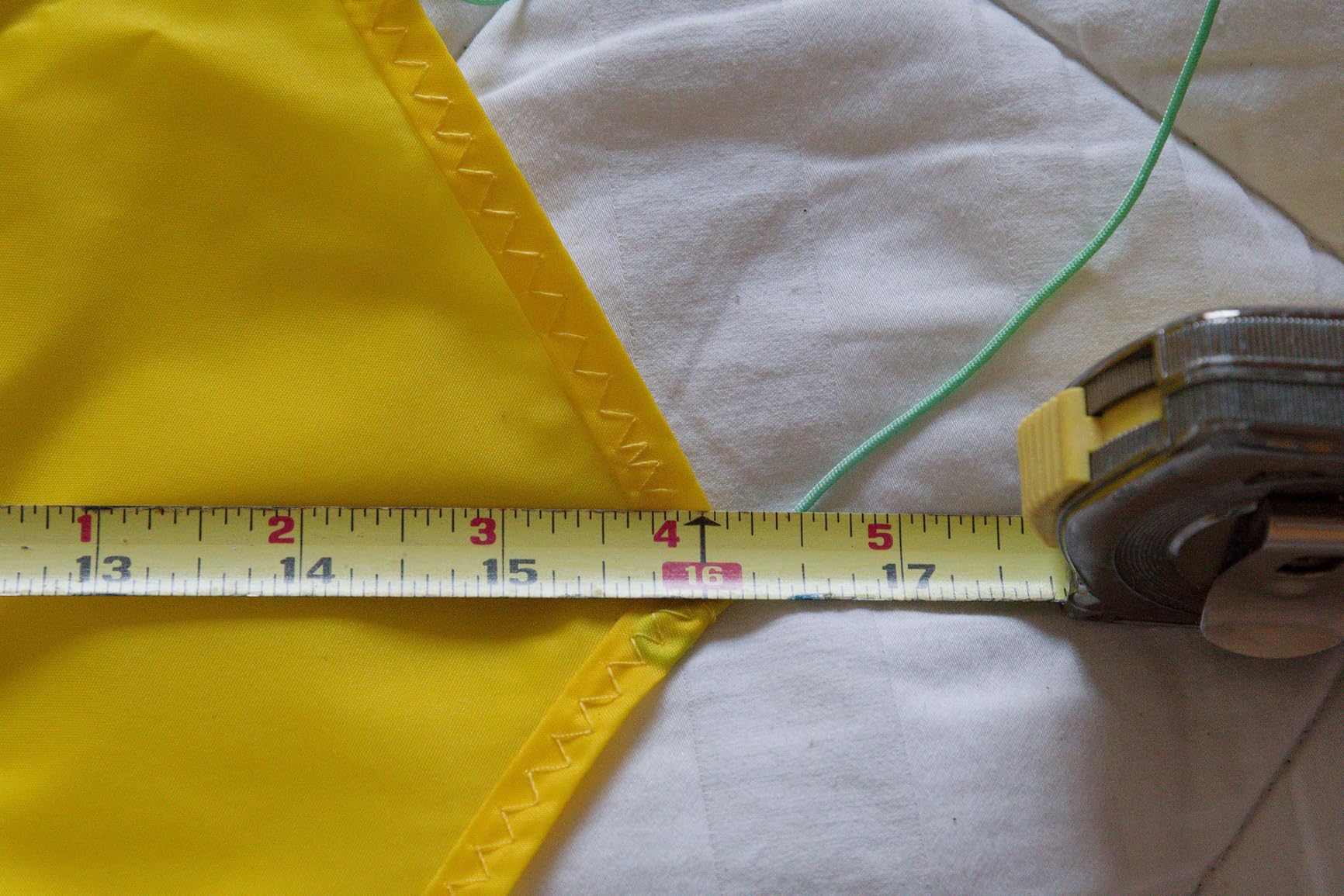
Despite these issues, the parachutes perform well once set up correctly. The ripstop nylon resists tears, and the deployment characteristics are reliable. I’ve had successful recoveries in various conditions, and the parachutes show minimal wear after multiple flights.
Best For Rocketeers Needing Multiple Sizes
Having three size options in the same product line is convenient for rocketeers with a fleet of different-sized rockets. The ability to match parachute size precisely to rocket weight optimizes descent characteristics and recovery performance.
Not Ideal For Those Prioritizing Compact Storage
The thicker material and stiff shroud lines make these parachutes bulkier than alternatives. For rocketeers with limited storage space or those who need to pack parachutes tightly into nose cones, thinner options may work better.
8. Estes 24 Nylon Parachute Pro Series II – Professional Grade Recovery
Estes 24 Nylon Parachutes Pro Series II Model Kit
24-inch nylon parachute
8 shroud lines (4 loops)
Pre-assembled
Pros
- Pre-assembled and ready
- Durable nylon outperforms plastic
- Bright red for visibility
- 8 lines provide extra strength
- Larger size for bigger rockets
Cons
- Risers can tear under stress
- May not suit high-velocity deployments
- Not Prime eligible
The Pro Series II represents Estes’ premium parachute offering, and the quality shows. The 24-inch nylon parachute features eight shroud lines (arranged as four loops) rather than the typical six lines on plastic chutes. This design provides significantly more strength, making it suitable for larger rockets and more demanding deployments.
The bright red color offers excellent visibility during flight and on the ground for recovery. I’ve used this parachute extensively in rockets weighing 6-10 ounces, and it brings them down smoothly without spinning or oscillating. The nylon construction far outperforms plastic parachutes in durability and longevity.
What sets this apart from Estes’ standard parachutes is the pre-assembled construction with professional-grade materials. The shroud lines are securely attached, and the canopy material resists tears even in rough landing conditions. I’ve logged over 30 flights with a single parachute without any issues.
Best For Larger Mid-Power Rockets
This premium parachute is ideal for larger mid-power rockets and smaller high-power projects. The 24-inch size and eight-line construction handle heavier payloads with ease, making it perfect for L1 certification attempts and advanced projects.
Not Ideal For High-Velocity Deployments
Some users have reported riser failures under extreme deployment forces. For rockets with very high-velocity deployments or those using large ejection charges, consider a parachute with reinforced attachment points or a different recovery system altogether.
Buying Guide for Ejection and Recovery System
Selecting the right ejection charge canister kit or recovery system depends on several factors. Let me break down what you need to consider based on your rocketry experience level and project requirements.
Types of Deployment Systems
There are three main types of deployment systems used in rocketry: motor ejection (built into the motor), electronic deployment (using altimeters or timers), and pyrotechnic ejection (using black powder charges). Motor ejection is simplest but limited to specific delay times. Electronic deployment offers the most control but requires additional equipment. Pyrotechnic ejection provides reliable, powerful deployment for larger rockets but requires handling black powder.
Black Powder vs CO2 vs Electronic Systems
Black powder ejection charges are the traditional choice for high-power rocketry. They’re reliable, powerful, and relatively inexpensive, but require handling pyrotechnic materials. CO2 ejection systems like those from Tinder Rocketry use compressed gas cartridges instead of black powder, making them cleaner and acceleration-immune. Electronic systems like the Elev8Eject use mechanical triggers or altimeters for deployment, eliminating pyrotechnics entirely but adding electronic complexity.
Choosing the Right Parachute Size
The general rule is 1 square inch of parachute area per ounce of rocket weight for a descent rate of about 15 feet per second. For a 4-ounce rocket, a 15-inch parachute works well. For 8-ounce rockets, step up to 24 inches. Heavy payloads may require 30-inch parachutes or larger. Remember that larger parachutes increase drift, so balance descent rate with recovery distance.
Where to Buy True Ejection Charge Canister Kits
Amazon doesn’t typically sell true ejection charge canister kits for high-power rocketry. For black powder ejection systems, check specialty retailers like Apogee Components, Tinder Rocketry, Chris’ Rocket Supplies, and AeroTech. These vendors offer proper ejection canisters, charge wells, bulkhead adapters, and related components designed specifically for high-power applications.
Safety Considerations
When working with ejection charges, always follow safety guidelines. Use appropriate amounts of black powder (typically 1 gram per 3-4 inches of body diameter for main deployment). Never mix black powder near open flames or static sources. Store charges in appropriate containers. Use pull-pin switches or removable arming keys for electronic systems. Always double-check your recovery system before each flight.
Installation Tips
Install ejection canisters securely in your avionics bay using appropriate mounting hardware. Ensure proper venting to allow pressure to escape after deployment. Test your deployment system on the ground before flight with a dummy payload. Use shear pins for dual-deployment systems to ensure clean separation. Position your parachute to avoid tangling with shock cords or other components.
Frequently Asked Questions
What is a pyro ejection charge?
A pyro ejection charge is a measured amount of black powder or similar pyrotechnic composition used in model rocketry to deploy the recovery system. When ignited by an electric match or altimeter, the charge creates pressurized gas that pushes the rocket’s nose cone or payload bay open, allowing the parachute to deploy. These charges are typically contained in canisters or charge wells and are sized according to the rocket’s body diameter and the force needed for reliable deployment.
What is the ejection charge on a model rocket?
The ejection charge on a model rocket is the small explosive charge (usually black powder) that fires at apogee or during descent to deploy the recovery system. In traditional motors, this charge is built into the motor itself and fires after a preset delay. In advanced systems, separate ejection charges are used with electronic altimeters for dual deployment or more precise recovery timing. The charge size typically ranges from 0.5 to 3 grams depending on rocket size and deployment requirements.
How does a parachute eject from a model rocket?
Parachute ejection begins when the ejection charge fires, creating a burst of pressurized gas. This gas pushes against the nose cone or payload bay, overcoming any retention mechanisms. The recovery system (parachute, shock cord, and sometimes a second parachute) is pushed out of the rocket body. The parachute then inflates as air catches the canopy, slowing the rocket’s descent. In dual deployment systems, a drogue chute deploys first at apogee, followed by the main parachute at a lower altitude for a gentler landing.
How to calculate the force resulted from the ejection charge?
Ejection charge force is calculated using the ideal gas law and the volume of the rocket’s airframe. A general rule is 1 gram of black powder per 3-4 inches of body diameter for main deployment, and 1 gram per 6-8 inches for drogue deployment. More precise calculations consider the internal volume in cubic inches and desired pressure in PSI. Many rocketry resources provide online calculators that factor in rocket diameter, airframe volume, and deployment type to recommend appropriate charge sizes. Always start with smaller charges and test incrementally.
Black powder rocketry ejection charge alternatives
Several alternatives to black powder ejection charges exist. CO2 ejection systems use compressed gas cartridges for clean, acceleration-immune deployment without pyrotechnics. Electronic deployment systems use spring-loaded mechanisms or compressed air. Crimson powder has been mentioned by some users as an alternative, though availability varies. For small rockets, motor ejection (built into the motor) remains the simplest option. Water rocket enthusiasts often use mechanical systems like the Elev8Eject with tilt switches for reliable deployment without pyrotechnics.
Conclusion
Choosing the right rocketry ejection charge canister kit or recovery system is essential for successful rocket recovery. For water rocket enthusiasts, the Elev8Eject provides reliable electronic deployment without pyrotechnics. Traditional model rocketeers will appreciate the Estes recovery wadding and parachute options, while those needing premium recovery should consider the StratoChute or Estes Pro Series parachutes.
Remember that true ejection charge canister kits for high-power rocketry are available from specialty retailers rather than Amazon. Whether you’re pursuing your Level 1 certification or just enjoying weekend flights with mid-power rockets, investing in quality recovery equipment ensures your rockets come home safely for many flights to come.