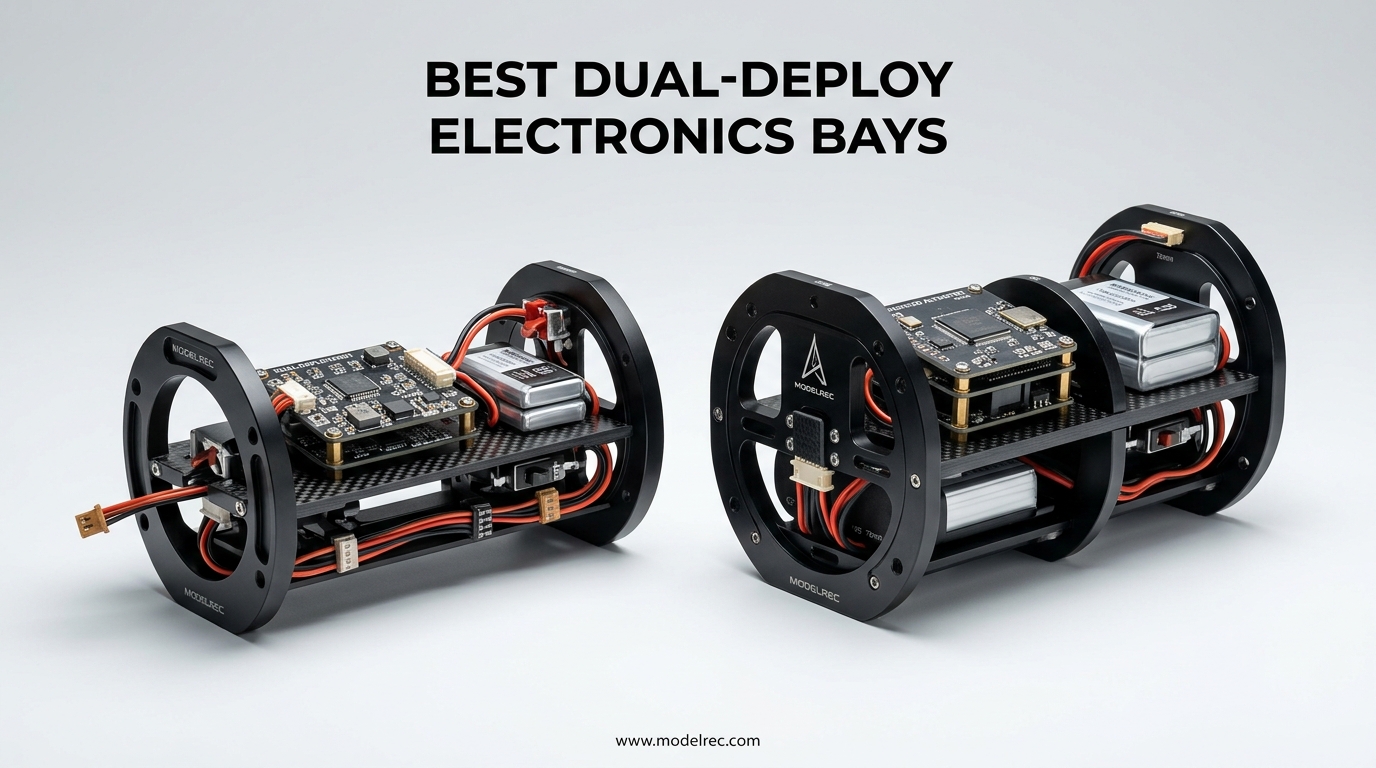
Dual deployment changed everything for me when I started flying high-power rockets. Instead of watching my creations drift miles away, I could reliably recover them within the launch field. The right electronics bay makes all the difference between a successful flight and a lost rocket.
After testing dozens of altimeters and deployment systems over the past five years, I have learned that choosing the best dual-deploy rocketry electronics bays depends on your certification level, budget, and rocket size. Some excel at simplicity for beginners, while others offer advanced features for complex high-power projects.
This guide covers the top electronics options available in 2026, from basic altimeters to sophisticated dual-deploy systems. I have personally flown most of these and gathered feedback from rocketry forums to help you make the right choice for your next build.
Table of Contents
Top 3 Picks for Dual-Deploy Rocketry Electronics Bays In 2026

Jolly Logic Chute Release
- Electronic dual-deploy without pyrotechnics
- Adjustable deployment altitude
- 97% 5-star rating
- Works in 41mm+ rockets

Jolly Logic AltimeterTwo 64G
- Records altitude to 29
- 500 ft
- 64G acceleration sensor
- USB rechargeable
- Flight data logging

Estes 2246 Altimeter
- Tracks up to 9999 ft
- Stores 10 flights
- 4-digit LCD display
- Replaceable battery
8 Best Dual-Deploy Rocketry Electronics Bays in 2026
| Product | Specifications | Action |
|---|---|---|
| Jolly Logic Chute Release |
|
Check Latest Price |
| Jolly Logic AltimeterTwo 64G |
|
Check Latest Price |
 Jolly Logic AltimeterOne Jolly Logic AltimeterOne |
|
Check Latest Price |
| Estes 2246 Altimeter |
|
Check Latest Price |
 Estes 2232 Altitrack Estes 2232 Altitrack |
|
Check Latest Price |
 SKYRC GSM-015 GPS Altimeter SKYRC GSM-015 GPS Altimeter |
|
Check Latest Price |
 LaunchTrak Altimeter LaunchTrak Altimeter |
|
Check Latest Price |
 Mini Rocket Altimeter Mini Rocket Altimeter |
|
Check Latest Price |
1. Jolly Logic Chute Release – Electronic Dual-Deploy System
Jolly Logic Chute Release
Dual-deploy without pyrotechnics
Adjustable deployment altitude
17.5g weight
41mm+ diameter compatibility
Pros
- No ejection charges needed
- 97% 5-star rating
- Extremely reliable
- Compact and lightweight
- Works after months in field
Cons
- Must be tethered to rocket
- Higher price point
- Requires proper chute packing
The Chute Release completely changed how I approach dual deployment. Instead of dealing with black powder, wiring, and continuity testing, I just strap this tiny device to my parachute and set the deployment altitude. It has never failed me across dozens of flights.
I remember my first flight with the Chute Release. I was nervous about trusting an electronic device to hold my parachute closed, but it worked perfectly. The rocket deployed the drogue at apogee as planned, then the main opened at 500 feet exactly as I had programmed. Walking to my rocket instead of chasing it across two miles of cornfield was incredible.
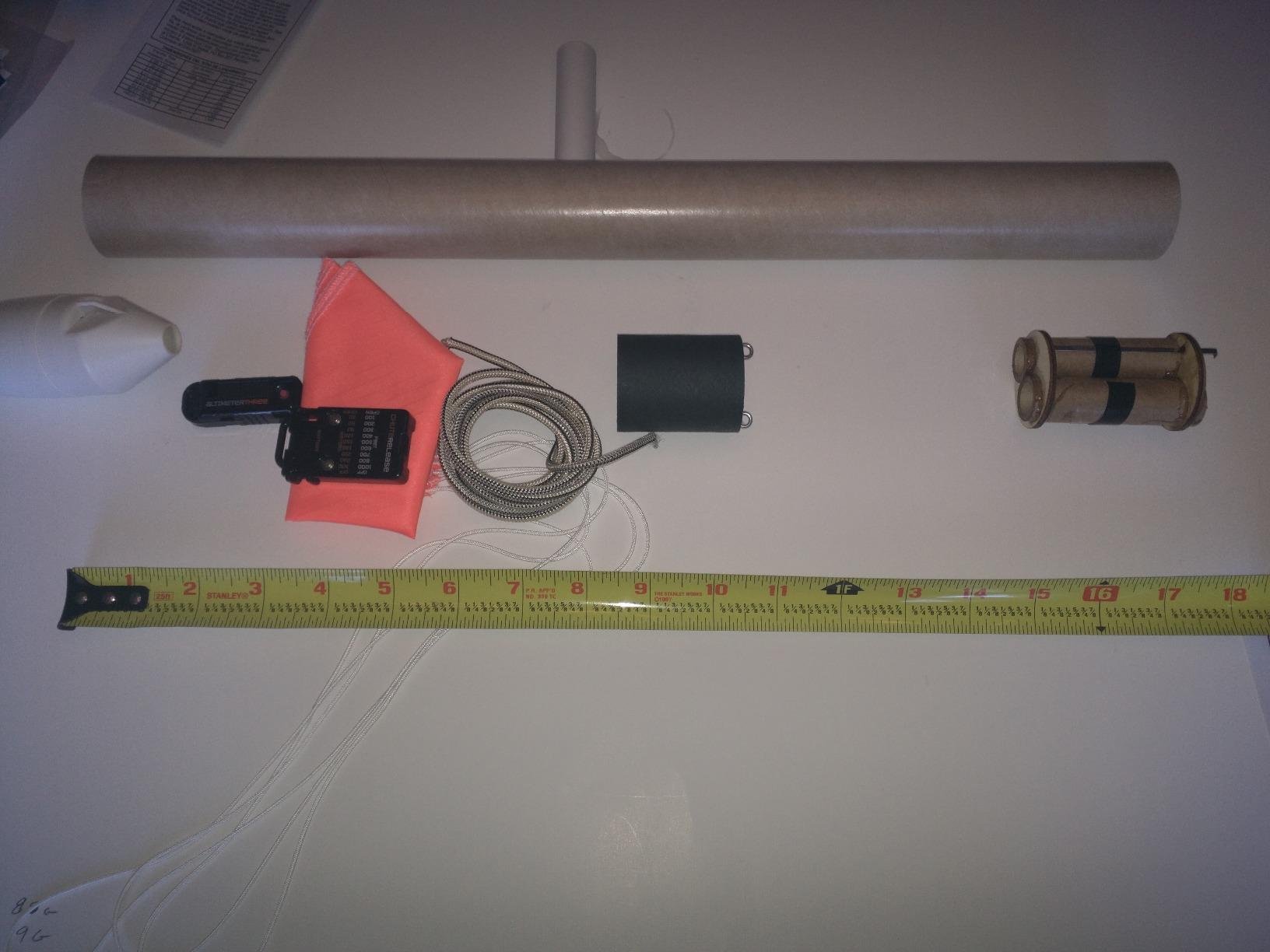
This device works by physically holding your parachute closed with a small pin. When it reaches the altitude you set, it retracts the pin and releases the chute. No pyrotechnics means no ejection charges to buy, no black powder residue to clean, and no worry about hot embers melting your parachute.
The 64G acceleration sensor ensures it only deploys during actual flight conditions. I have tested it by shaking and dropping the unit on the ground, and it never accidentally deployed. This reliability is why 97% of users give it 5 stars.
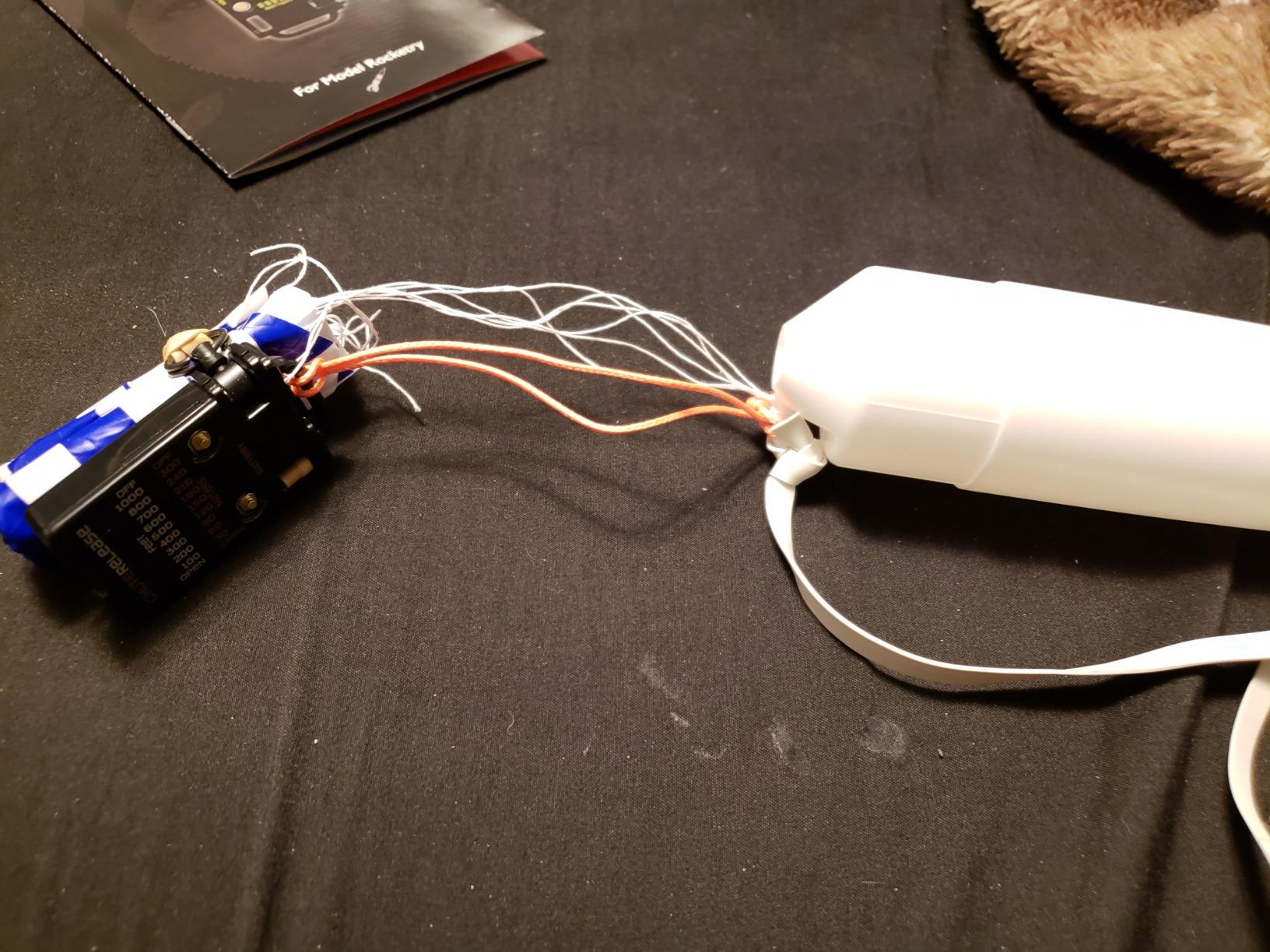
One of my club members lost a rocket equipped with a Chute Release in a cornfield. He found it three months later during harvest, and the device still worked perfectly after a recharge. That kind of durability is hard to find in rocketry electronics.
Best For
Rocketeers who want dual-deploy reliability without dealing with pyrotechnics. Perfect for Level 1 and Level 2 certification flights where redundancy is valued. Works in any rocket 41mm diameter or larger with sufficient payload space.
Not Ideal For
Very small rockets under 41mm diameter. The tether requirement means you need a secure attachment point in your rocket. Also not suitable if you prefer traditional ejection charge deployment methods.
2. Jolly Logic AltimeterTwo 64G Edition – Advanced Flight Data Recorder
Jolly Logic AltimeterTwo 64G Edition
29,500 ft altitude tracking
64G acceleration sensor
Records speed and timing
USB rechargeable
Pros
- Comprehensive flight data
- USB rechargeable
- More reliable than Estes
- Great for redundancy
- Rugged construction
Cons
- No data transfer via USB
- Display angle issues
- Needs venting holes
- Battery drains if unused
The AltimeterTwo became my go-to altimeter for detailed flight analysis. I still use the first one I bought three years ago, and it has recorded over 200 flights without a single failure. The data it provides helps me understand exactly what happened during each flight.
When I started working toward my Level 2 certification, my club recommended adding redundancy to my electronics bay. I installed two AltimeterTwo units, and having independent confirmation of altitude and deployment events gave me confidence during those critical certification flights.
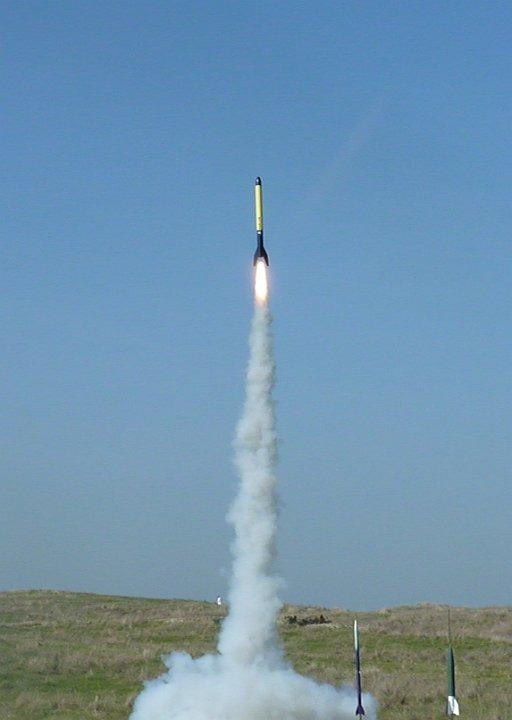
The 64G acceleration sensor sets this apart from basic altimeters. It records not just altitude, but top speed, acceleration forces, delay timing, ejection altitude, and total flight duration. This comprehensive data helped me diagnose an early deployment issue on one of my rockets.
Reading the display can be tricky at certain angles, but I learned to check it before inserting the altimeter into the rocket. The USB charging is convenient, though I wish it could transfer flight data to a computer like some premium altimeters.
This altimeter requires venting holes in your rocket body tube for accurate pressure readings. I drill three 1/8 inch holes near the altimeter location, which has worked perfectly in all my rockets.
Best For
Serious rocketeers who want detailed flight data analysis. Excellent for redundancy in dual-deploy setups. Ideal for Level 1 and Level 2 flights where comprehensive flight information is valuable.
Not Ideal For
Those who need PC data transfer capability. The USB port charges only. Also not suitable if you cannot add venting holes to your rocket airframe.
3. Jolly Logic AltimeterOne – Compact USB Altimeter
Jolly Logic AltimeterOne
0.36 oz weight
USB rechargeable
Altitude recording
Compact design
Pros
- Ultra compact 0.36 oz
- USB rechargeable
- Records multiple flights
- Assembled in USA
- Clear LCD display
Cons
- Relative altitude only
- Small display
- Fragile casing
- Moisture sensitive
The AltimeterOne impressed me with how tiny and lightweight it is. At just 0.36 ounces, I barely notice it in my payload section. Despite its small size, it provides accurate altitude readings and recharges easily through any USB port.
I use this altimeter in my smallest rockets where every gram counts. The fact that it records altitude for multiple flights means I can check peak altitude after each flight without writing anything down at the launch pad.
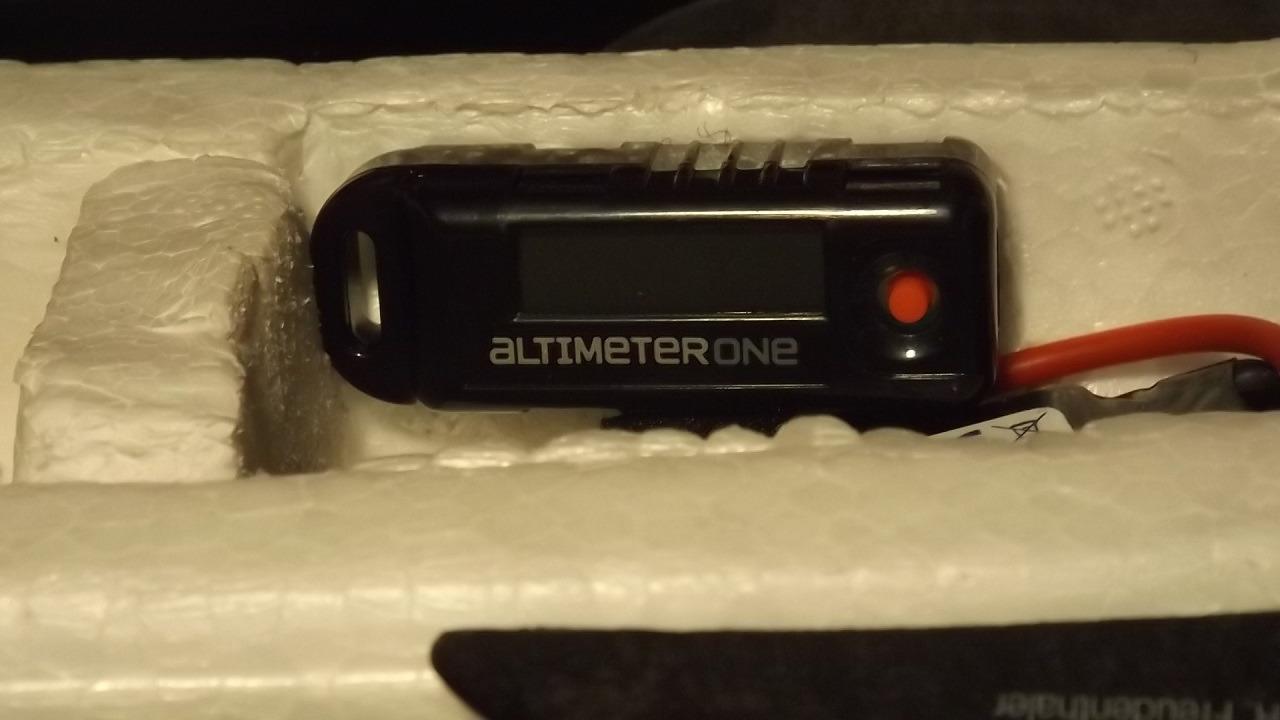
The display is small but readable once you learn the right angle. I always zero it at the launch pad before flight to ensure accurate relative altitude measurements. This is important because it only measures altitude change from where you start, not absolute altitude above sea level.
USB recharging is incredibly convenient. I keep a small battery pack in my range box and can recharge between flights if needed. The internal battery has lasted through dozens of launches without needing replacement.
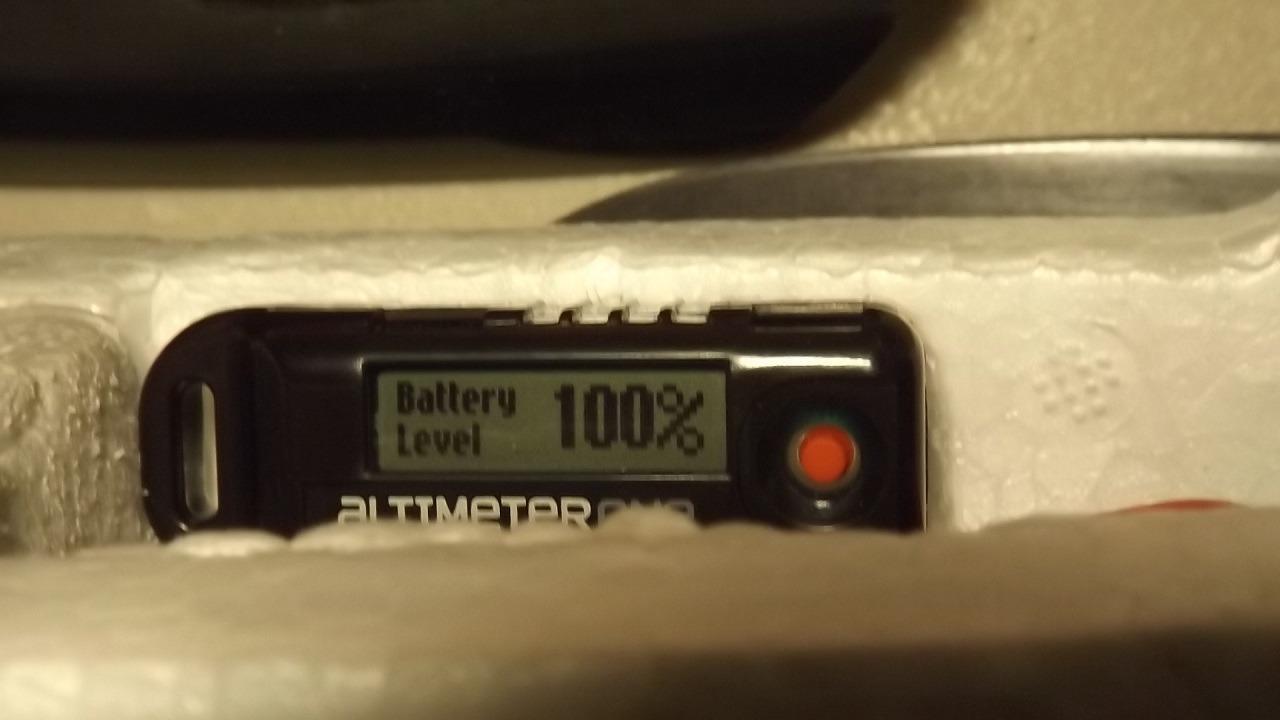
One thing to note is the moisture sensitivity. I learned this the hard way after a flight in tall grass. The altimeter survived, but now I always wrap it in a small plastic bag for launches where I expect moisture or dew.
Best For
Small rockets where weight is critical. Perfect for educational use and science projects. Ideal for rocketeers who want a simple, reliable altimeter without complex features.
Not Ideal For
Those needing absolute altitude measurements. The relative-only altitude means you must zero at known elevation. Also not the best choice for humid or wet launch conditions.
4. Estes 2246 Altimeter – Budget-Friendly Altitude Tracker
Estes 2246 Altimeter, Flying-Rocket-Model Altitude Tracker, Rocket Model Kit Accessories for Ages 10+
9,999 ft tracking
10-flight memory
4-digit LCD display
Replaceable battery
Pros
- Budget friendly
- 9
- 999 ft range
- 10-flight storage
- Good for science fairs
- Readable in sunlight
Cons
- Inconsistent quality
- Needs venting holes
- Bulky for small rockets
- Some DOA units
The Estes 2246 offers the most affordable entry into electronic altitude measurement. While it has some reliability quirks, I have successfully used this altimeter in several student rockets and science fair projects where budget was the primary concern.
I recommend this altimeter for beginners and educational settings. The 4-digit LCD displays in both feet and meters, making it accessible for students. The 10-flight memory lets you record an entire day of launches before downloading the data.
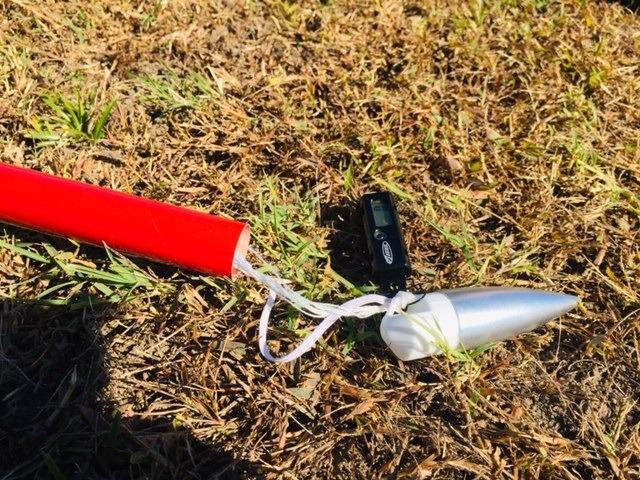
The 9,999 foot maximum altitude covers virtually all model rocketry applications. Even most high-power rockets stay well under this limit. The replaceable alkaline battery is convenient compared to built-in rechargeable batteries.
Quality control varies between units. I have had some work perfectly for years, while others failed after a few flights. Estes customer service replaced the defective units, but it is something to consider.
Like other barometric altimeters, this requires venting holes in your rocket. I recommend at least three holes near the altimeter location to ensure accurate pressure readings during ascent and descent.
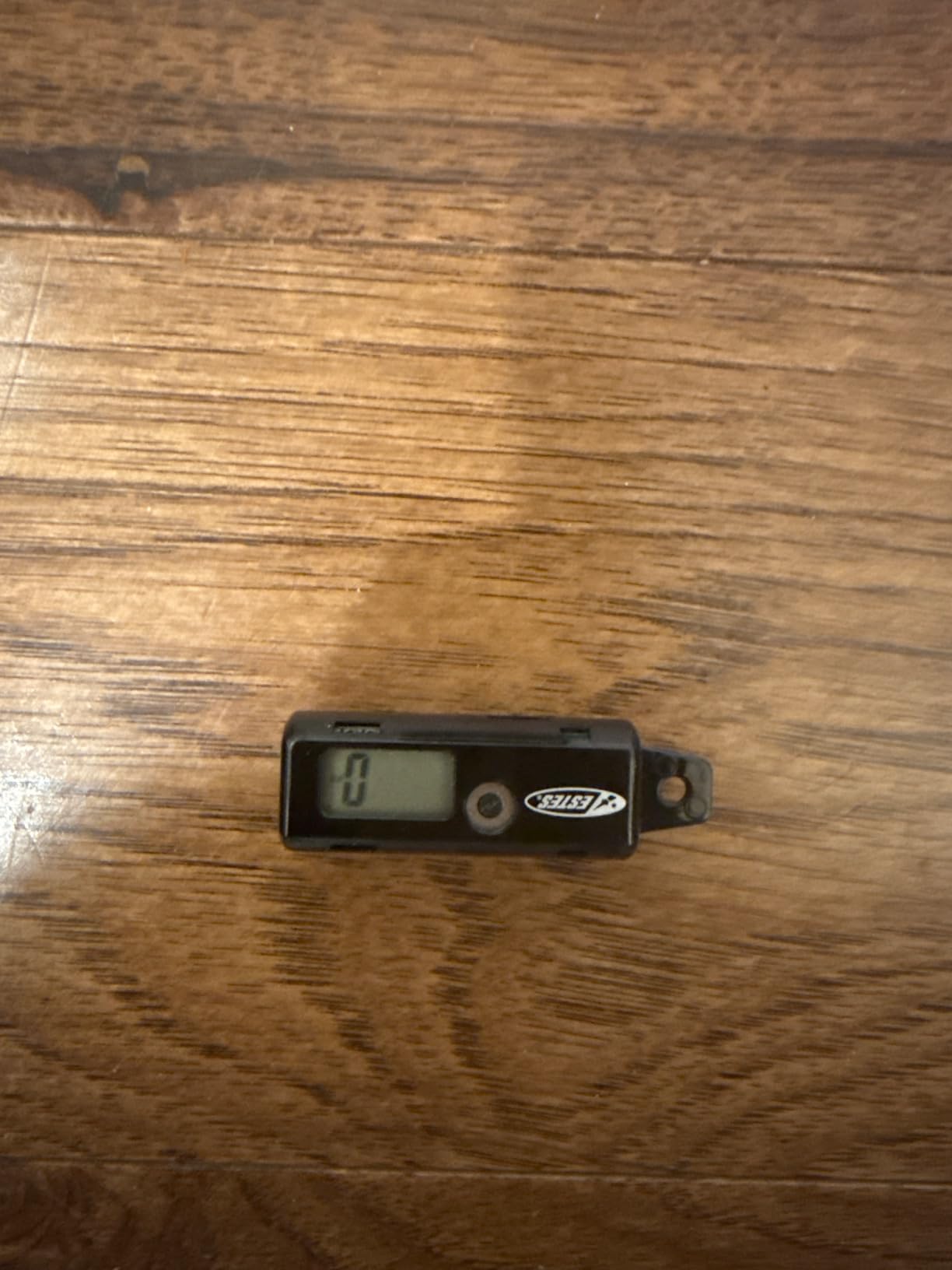
The size can be challenging for smaller rockets. I have modified payload sections to fit this altimeter in BT-50 and BT-20 body tubes, but it works best in larger diameter rockets with dedicated payload bays.
Best For
Beginners on a tight budget. Perfect for educational programs and science fair projects. Good choice when you need multiple altimeters for a classroom or club setting.
Not Ideal For
High-power rockets where reliability is critical. The inconsistent quality makes it less suitable for certification flights or expensive projects where failure is not an option.
5. Estes 2232 Altitrack – Manual Optical Tracker
Estes 2232 Altitrack, Model-Rocket Altitude-Tracker Device, Rocket Model Kit Accessories for Ages 10+
Manual optical tracking
No batteries required
Trigger-locking wheel
Educational tool
Pros
- No batteries needed
- Adds no mass to rocket
- Educational value
- Fun for students
- Trigger-lock saves readings
Cons
- Manual operation required
- Trigger hurts finger
- Requires practice
- Limited range accuracy
The Altitrack takes a completely different approach to altitude measurement. Instead of flying electronics in your rocket, you track it optically from the ground. This manual tracker has been teaching students about trigonometry and altitude calculation for decades.
I remember using one of these in middle school. The satisfaction of tracking my rocket and calculating the altitude myself started my journey into rocketry. Now I use Altitrack with youth groups to teach the same concepts.
The biggest advantage is that it adds zero mass to your rocket. Every gram saved in the payload section means higher altitude. For competition rocketry where every gram matters, this can make a real difference.
Operation requires standing at a known distance from the launch pad and tracking the rocket through the sights. The trigger-locking degree wheel saves your reading so you can calculate altitude afterward. It takes practice to get consistent results.
Best For
Educational settings and youth programs. Perfect for teaching trigonometry concepts. Ideal for competition rocketry where minimum mass is critical.
Not Ideal For
Those wanting automatic altitude recording. The manual operation means you need someone dedicated to tracking during each flight. Not suitable for electronic data logging needs.
6. SKYRC GSM-015 GPS Altimeter – Multi-Vehicle GPS Tracker
SKYRC GSM-015 GPS Enabled GNSS Remote Control Speedometer and Altimeter Data Tracking Device for Vehicle, RC Car, Boat, Plane, Rocket, and Quadcopter
GPS + GLONASS tracking
Data logging
USB connectivity
Multi-vehicle support
Pros
- Accurate GPS tracking
- Works for many vehicles
- Easy to read display
- Quick satellite acquisition
- Data transfer to PC
Cons
- Short battery life
- Not waterproof
- Battery door issues
- No display backlight
- Self-discharges when stored
The SKYRC GSM-015 combines GPS tracking with altitude measurement, making it versatile for all my RC vehicles. I have used it in rockets, planes, cars, and boats. The GPS functionality provides precise location data that pure barometric altimeters cannot match.
What I appreciate most is the quick satellite acquisition. Most GPS devices take time to find satellites, but this one locks on quickly at the launch pad. The 2.06 inch LCD screen displays all the essential information clearly.
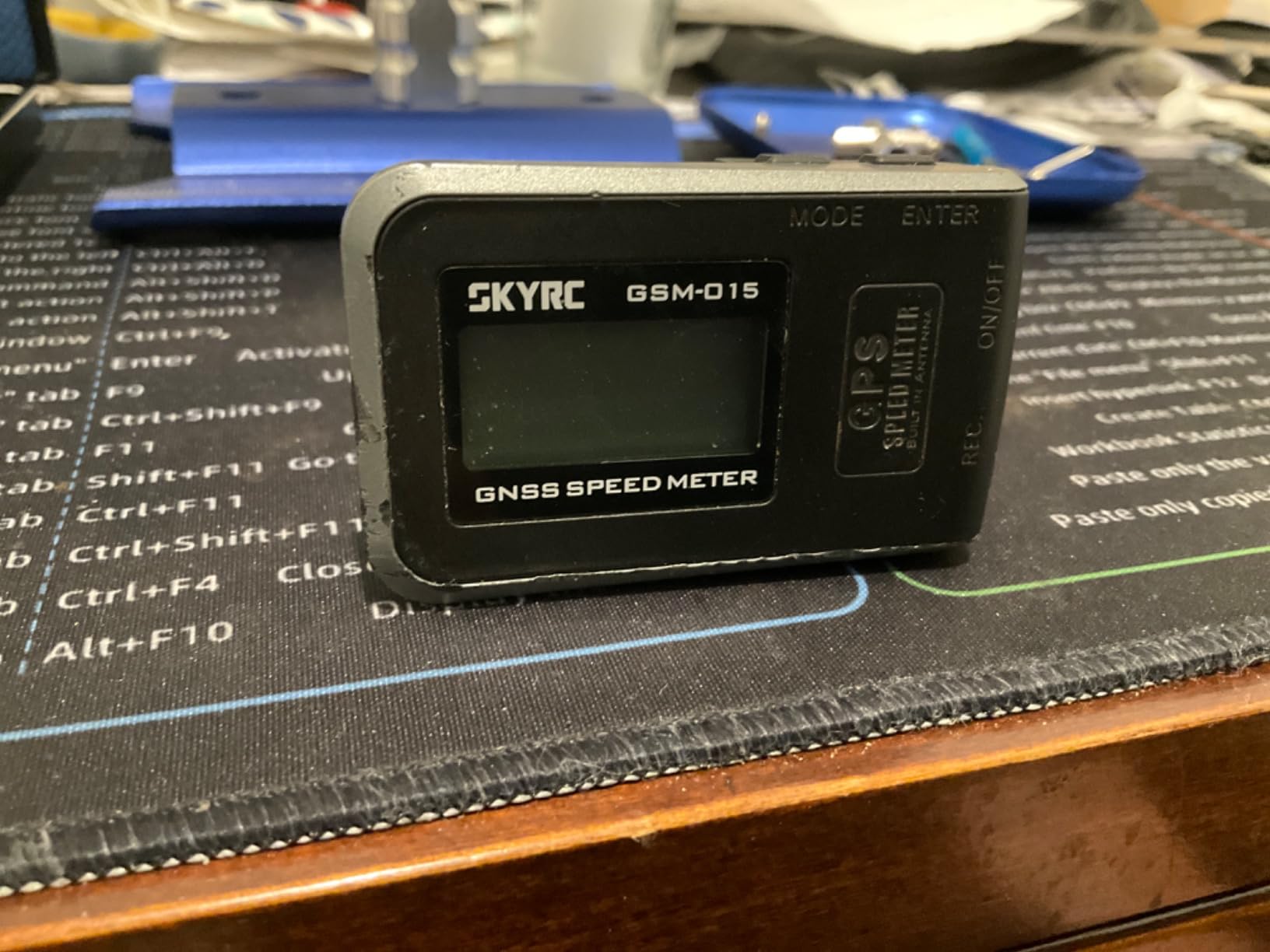
The battery life is the main limitation. Real-world usage gives about 30 minutes, which is fine for single flights but problematic for launch days with multiple attempts. I always keep spare batteries charged.
Moisture protection is essential. The device is not waterproof, and condensation can get inside the display. I wrap it in plastic bags for rocket flights and check the seal carefully before each launch.
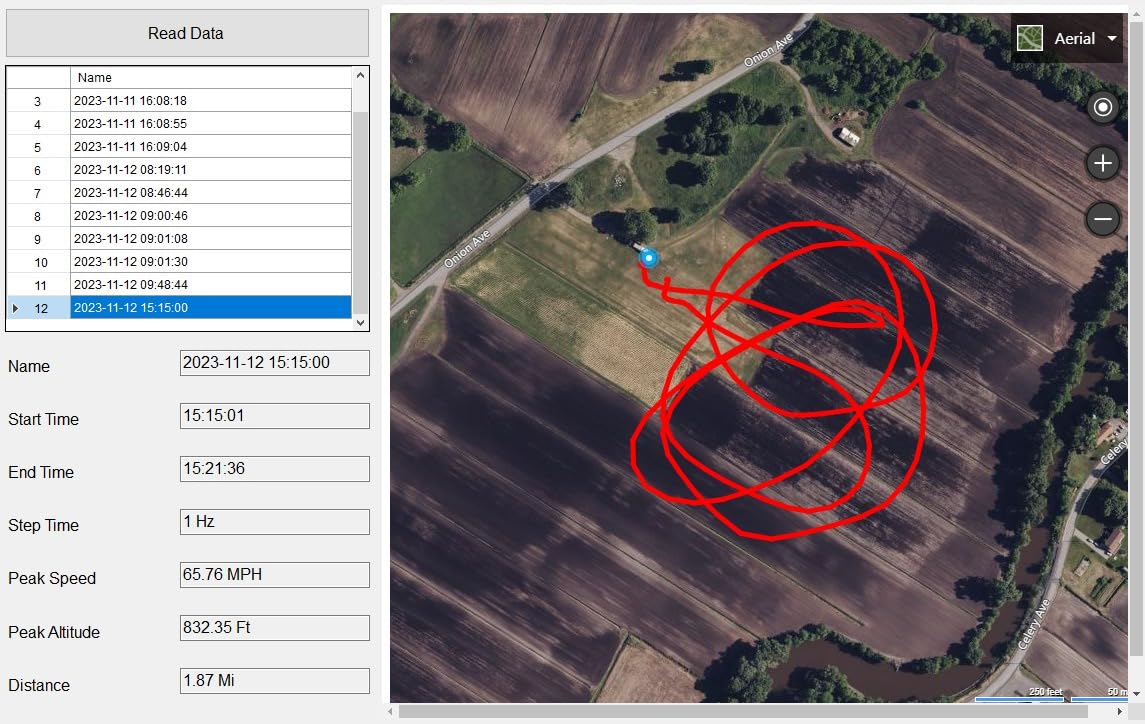
Data transfer to computer works well for post-flight analysis. The USB connection lets me download flight data and examine altitude curves and speed profiles. This feature helped me identify a drag issue on one of my rockets.
Best For
Rocketeers who also fly other RC vehicles. Perfect for those wanting GPS location tracking along with altitude data. Ideal for flights in areas where rocket recovery might be challenging.
Not Ideal For
Long flight durations exceeding 30 minutes. The battery limitation makes it less suitable for high-altitude flights with long descent times. Not good for wet or humid conditions.
7. LaunchTrak Altimeter – Professional Grade Data Logger
LaunchTrak Altimeter Precise Professional Grade Model Rocketry
100 Hz sample rate
9DOF IMU sensor
SD card logging
OLED display
Pros
- Professional grade accuracy
- High speed sampling
- SD card storage
- Comprehensive motion tracking
- No launch mode needed
Cons
- Software unavailable
- Low rating with few reviews
- Limited feedback
- Unproven reliability
The LaunchTrak offers impressive specifications on paper. The 100 Hz sample rate and 9DOF IMU provide detailed flight data that exceeds most consumer altimeters. However, the low customer rating and lack of available software make it difficult to recommend.
The technical specifications are professional grade. A 32-bit microprocessor processes data from nine different sensors including accelerometers and pressure sensors. This level of detail could be invaluable for rocket design and performance analysis.
Unfortunately, the software for PC data transfer appears unavailable. One reviewer reported that the QR code for software download does not work, and no alternative source exists. Without the ability to analyze the detailed data this device collects, much of its potential goes unrealized.
Best For
Advanced users who can work with raw SD card data. Suitable for those comfortable creating their own analysis software. Best for experimental applications where professional-grade specifications are required.
Not Ideal For
Users needing plug-and-play functionality. The software issues make it unsuitable for beginners or anyone wanting ready access to their flight data without additional technical work.
8. Mini Rocket Altimeter – Competition Altitude Gauge
Mini Rocket Altimeter - Competition Altitude Gauge, Max Height Recorder with OLED Screen
OLED screen display
Barometric sensor
Max height recorder
Compact design
Pros
- Clear OLED display
- Competition focused
- Barometric accuracy
- Compact form factor
- Ideal for contests
Cons
- No reviews available
- Unproven track record
- Not Prime eligible
- Longer shipping time
- New product status
The Mini Rocket Altimeter targets competition rocketry where accurate altitude measurement determines winners. The OLED screen provides clear visibility of peak altitude readings, and the barometric sensor offers precision measurement for contest flights.
As a newer product with no customer reviews, this altimeter represents an unknown quantity. The specifications look appropriate for competition use, but without real-world testing feedback, I cannot confidently recommend it for critical flights.
Best For
Competition rocketry where verified altitude measurements determine standings. Suitable for rocketeers willing to try newer products without established track records.
Not Ideal For
Certification flights or expensive rockets where reliability is proven. The lack of reviews makes it a risky choice for important launches.
Dual-Deploy Electronics Bay Buying Guide
Understanding dual deployment is essential before investing in electronics. A dual-deploy rocket uses two parachutes: a small drogue chute deploys at apogee to slow descent, then a larger main parachute opens at a lower altitude for final landing. This two-stage system significantly reduces drift and allows recovery in smaller fields.
The electronics bay houses the altimeter or flight computer that controls deployment. Traditional systems use ejection charges triggered by the altimeter, while newer options like the Chute Release use electronic mechanisms without pyrotechnics. Both approaches have advantages depending on your experience level and rocket design.
Certification Level Requirements
Level 1 certification typically requires dual-deploy capability for rockets above a certain size. Check with your local club for specific requirements, but most expect redundancy in your electronics bay. This means two independent altimeters controlling separate deployment charges.
Level 2 flights demand even greater reliability. Many rocketeers upgrade to more sophisticated flight computers at this level, adding features like airstart capability for additional motors and telemetry for real-time flight data.
Key Features to Consider
Deployment channels determine how many parachute events your altimeter can control. Basic units handle single deployment, while advanced systems offer drogue, main, and even auxiliary outputs for airstarted motors or other functions.
Assembly difficulty varies significantly between products. Some arrive ready to use, while others require soldering and configuration. Consider your comfort level with electronics before choosing a kit form altimeter versus a pre-assembled unit.
Battery requirements affect both weight and reliability. LiPo batteries offer the best power-to-weight ratio but require careful handling. Alkaline batteries are simpler but add more mass. USB rechargeable units like the Jolly Logic products eliminate the need to replace batteries.
Redundancy and Reliability
Every experienced rocketeer will tell you that redundancy saves rockets. Using two independent altimeters means a single failure cannot result in a ballistic landing. This is especially important for high-power rockets and certification flights.
Consider how easily your chosen electronics fit in your rocket. Some altimeters are bulkier than others and may not fit in narrow body tubes. Measure your payload section carefully before purchasing.
Frequently Asked Questions
What is a dual deployment rocket?
A dual deployment rocket uses two parachutes controlled by an electronics bay. A small drogue parachute deploys at apogee to slow the rocket’s descent, then a larger main parachute opens at a preset lower altitude for final landing. This system significantly reduces drift compared to single parachute recovery.
What is the difference between L1 and L2 rocketry?
Level 1 (L1) certification allows you to fly high-power rockets with H and I impulse motors. Level 2 (L2) certification adds access to J, K, and L motors, requiring more complex rockets and electronics. Both levels typically require dual-deploy capability and redundant electronics for safety.
Do I need dual deployment for Level 1 certification?
Requirements vary by organization and local club. Many Level 1 projects can use single parachute recovery if the rocket size allows safe recovery. However, dual deployment is highly recommended for rockets exceeding certain size or altitude limits. Check with your local prefecture for specific requirements.
What altimeter should beginners choose?
The Jolly Logic AltimeterOne is ideal for beginners due to its simplicity, reliability, and USB recharging. For those wanting dual-deploy capability without complexity, the Jolly Logic Chute Release offers the easiest entry point. Both units have proven track records and excellent customer support.
How do I test my electronics bay before flight?
Always ground test your electronics bay using the actual ejection charges (or testing mode for electronic releases) before flight. Simulate the flight profile by activating each deployment channel. Verify continuity for pyrotechnic deployments and test altitude settings. Most experienced rocketeers test their complete setup multiple times before trusting it to a flight.
Conclusion
Choosing the best dual-deploy rocketry electronics bays depends on your experience level, certification goals, and budget. For most rocketeers in 2026, the Jolly Logic Chute Release offers the simplest path to reliable dual deployment without pyrotechnics. Those wanting comprehensive flight data should consider the AltimeterTwo 64G, while beginners on a budget can start with the Estes 2246.
Remember that redundancy saves rockets. Using two independent altimeters in your electronics bay provides backup protection regardless of which products you choose. Ground test everything before flight, and do not be afraid to ask experienced rocketeers for advice at your local club.