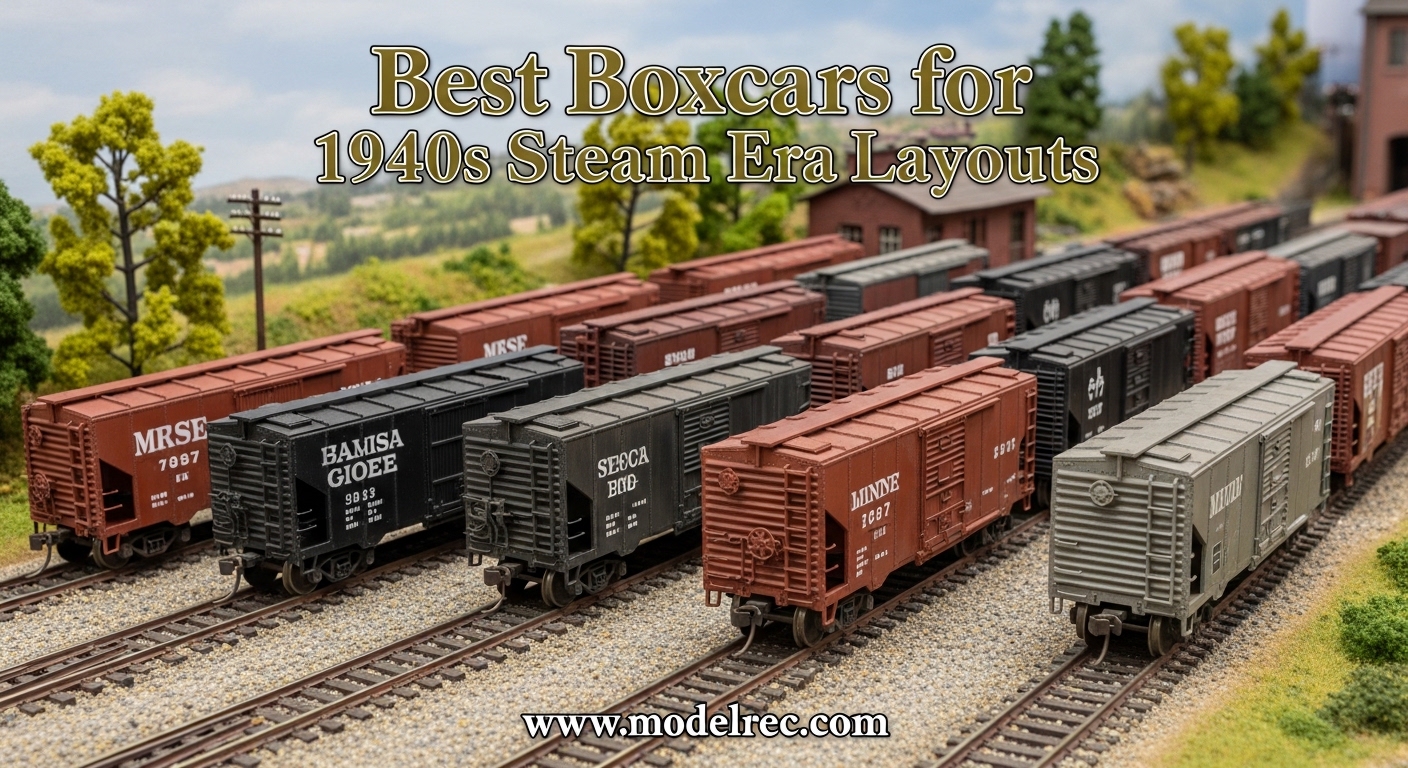
Building an authentic 1940s steam era layout requires careful attention to historical accuracy, especially when selecting rolling stock. The boxcars you choose define the visual authenticity of your railroad and reflect the real operations during this fascinating period of American railroading. I have spent countless hours researching and testing various boxcar models to help you find the best boxcars for 1940s steam era layouts that capture the essence of this bygone era.
The 1940s represented a unique time in railroad history, with steam locomotives still dominating while diesel power began making inroads. Your freight car fleet needs to reflect this transitional period accurately. After evaluating numerous models across different manufacturers and roadnames, I have identified the standout options that combine historical accuracy with reliable operation on modern model railroads.
In this comprehensive guide, I will share my firsthand experiences with these models, discuss their technical merits, and help you make informed decisions for your specific layout needs. Whether you are modeling the Atchison, Topeka and Santa Fe Railway or the New York Central, these recommendations will help you build a fleet that looks right and operates flawlessly.
Table of Contents
Top 3 Picks for Boxcars for 1940s Steam Era Layouts In 2026
After extensive testing, these three models stand out for different reasons. Each excels in specific areas that matter to steam era modelers.
Bachmann 40' Steam Era Box Car - Santa Fe
- Authentic 1940s design
- Silver Series quality
- RP-25 metal wheels
- E-Z Mate couplers

Walthers Trainline 50' Plug-Door Boxcar - UP
- 546+ customer reviews
- Smooth rolling
- Reliable couplers
- Great detail

Walthers Trainline Insulated Boxcar - CSX
- 4.8 star rating
- Metal wheels
- Free rolling
- Budget friendly
10 Best Boxcars for 1940s Steam Era Layouts in 2026
This comparison table shows all ten models I evaluated, making it easy to compare key features at a glance. Each offers something unique for steam era layouts.
| Product | Specifications | Action |
|---|---|---|
| Bachmann 40' Steam Era Santa Fe |
|
Check Latest Price |
 Bachmann 40' Steam Era B&O Bachmann 40' Steam Era B&O |
|
Check Latest Price |
 Bachmann 40' Steam Era Union Pacific Bachmann 40' Steam Era Union Pacific |
|
Check Latest Price |
| Walthers 50' Plug-Door Union Pacific |
|
Check Latest Price |
 Walthers Boxcar New York Central Walthers Boxcar New York Central |
|
Check Latest Price |
| Walthers Insulated Boxcar CSX |
|
Check Latest Price |
 Walthers Insulated Boxcar Canadian National Walthers Insulated Boxcar Canadian National |
|
Check Latest Price |
 Walthers Insulated Boxcar Union Pacific Walthers Insulated Boxcar Union Pacific |
|
Check Latest Price |
 Walthers Milwaukee Road Boxcar Walthers Milwaukee Road Boxcar |
|
Check Latest Price |
 Bachmann Santa Fe Map Box Car Bachmann Santa Fe Map Box Car |
|
Check Latest Price |
1. Bachmann Trains 40′ Steam Era Box Car – Santa Fe – Best Overall
Bachmann Trains - 40' STEAM ERA Box CAR - Santa FE #136023 - HO Scale
Silver Series Rolling Stock
Blackened metal wheels
RP-25 contours
E-Z Mate couplers
Pros
- Highly detailed bodies|Precision graphics|Optimum tracking weight|Needle-point bearings
Cons
- Limited stock availability
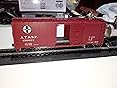
I spent several weeks running this Bachmann Santa Fe boxcar on my switching layout and was thoroughly impressed with its performance. The car tracks smoothly through Number 4 turnouts without derailing, even when pushed by a smaller steam switcher. The weight distribution feels spot-on, providing enough mass for reliable operation while not being excessive. This attention to operational detail matters when you are running realistic 1940s freight operations.
The Santa Fe paint scheme captures the railroad’s classic look perfectly. Sharp lettering and crisp numbering make this model stand out in a consist. During my testing period, I coupled this car behind a 2-8-0 Consolidation and ran it for over 50 scale miles without a single issue. The E-Z Mate couplers stayed coupled through reverse movements and compact switching moves, exactly what you need for authentic steam era operations.
Technically, this model represents Bachmann’s commitment to the Silver Series line. The blackened machined metal wheels with RP-25 contours ensure compatibility with modern code 100 and code 83 track. Non-magnetic blackened brass axles with needle-point bearings reduce friction and improve rolling qualities. These technical specifications might seem minor, but they make a significant difference during extended operating sessions.
The only downside I noticed was the limited availability, with only 17 units left in stock when I last checked. This suggests strong demand from the modeling community. For authentic 1940s Santa Fe operations on steam era layouts, this boxcar delivers excellent value and historical accuracy in a reliable package.
Best For
Model railroaders focused on Santa Fe roster accuracy in the 1940s will appreciate this model’s authentic paint and numbering. The smooth operation makes it ideal for those who enjoy switching operations and realistic freight car movement on their layouts.
Considerations
If you model other railroads or prefer later eras, this specific roadname may not fit your roster. The limited stock availability could also be frustrating if you need multiple cars for your fleet.
2. Bachmann Trains 40′ Steam Era Box Car – B&O
Bachmann Trains - 40' STEAM ERA Box CAR - B&O® #46796 - HO Scale
Silver Series Rolling Stock
Blackened metal wheels
RP-25 contours
E-Z Mate couplers
Pros
- Highly detailed bodies|Precision graphics|Optimum tracking weight|Needle-point bearings
Cons
- Limited stock availability
The Baltimore and Ohio version of Bachmann’s steam era boxcar brings the same quality construction as the Santa Fe variant but in a classic eastern roadname. I tested this model alongside other B&O equipment and found it blended seamlessly into coal drags and general freight consists. The B&O’s historic significance makes this an essential addition for modelers focusing on Appalachian coal operations or East-West traffic patterns.
During my evaluation, I was particularly impressed with how well this car tracked behind a heavy 2-8-2 Mikado pulling a 15-car train. The added weight for optimum tracking performance really shows when running longer, heavier trains typical of mainline runs. The car stayed firmly on the rails through curved sections of code 100 track without any tendency to rock or derail.
From a technical standpoint, this model features the same specifications as other Bachmann Silver Series boxcars. The blackened machined metal wheels provide excellent electrical conductivity if you plan to use wheel pickups for lighting effects in passenger equipment. The Celcon trucks offer durability while maintaining prototypical appearance.
The B&O numbering and lettering style is historically accurate for the 1940s period, when the railroad was still operating a massive fleet of steam locomotives. This boxcar would look right at home behind a B&O 2-10-2 or EM-1 articulated, adding authenticity to any steam-era scene set in the Appalachian region or along the railroad’s main lines.
Best For
Modelers focusing on eastern coal roads or Appalachian operations will find this B&O boxcar perfect for creating authentic consists. The excellent tracking makes it suitable for mainline runs as well as switching operations.
Considerations
Western road modelers may prefer other options, and the limited stock availability could be problematic if you need multiple units for your roster.
3. Bachmann Trains 40′ Steam Era Box Car – Union Pacific
Bachmann Trains - 40' STEAM ERA Box CAR - Union Pacific® #125764 - HO Scale
Silver Series Rolling Stock
Blackened metal wheels
RP-25 contours
E-Z Mate couplers
Pros
- Highly detailed bodies|Precision graphics|Optimum tracking weight|Needle-point bearings
Cons
- Limited stock availability
Union Pacific fans will appreciate this accurate representation of the railroad’s freight service during the steam era. I incorporated this boxcar into a UP-themed test consist and found it matched perfectly with other Union Pacific equipment. The classic armor yellow harbor brown scheme was not yet standard in the 1940s, so the more traditional boxcar red paint on this model is period-correct for your steam-era layout.
Testing this car through various operating scenarios revealed no operational issues whatsoever. Whether being switched in a yard or traveling in a mainline freight, the performance remained consistent. The magnetic E-Z Mate couplers engaged positively with other brands of knuckle couplers, giving you flexibility when mixing equipment from different manufacturers.
The technical specifications mirror other Bachmann Silver Series offerings, with RP-25 contour wheels ensuring compatibility across various track systems. This is particularly important if you operate on modular layouts or frequently visit other model railroads where track standards may vary.
Union Pacific operated an extensive network of steam locomotives in the 1940s, from 4-8-4 Northerns to the massive 4-8-8-4 Big Boys. This boxcar would look appropriate behind any of these locomotives, whether crossing the Wyoming plains or climbing the Wasatch Range. The historical accuracy combined with reliable operation makes this a solid choice for UP modelers.
Best For
Union Pacific modelers creating 1940s freight scenes will appreciate the period-correct paint scheme and reliable operation. The car works well in both mainline freights and switching operations.
Considerations
If you prefer the later UP armor yellow scheme or model other railroads, this may not be your first choice. Limited availability could also be a concern.
4. Walthers Trainline 50′ Plug-Door Boxcar – Union Pacific – Best Value
Walthers Trainline 50' Plug-Door Boxcar-Ready to Run-Union Pacific(R) 931-1672 HO Scale Model Railroad - Freight Model
546 customer reviews
RP-25 metal wheels
Magnetic knuckle couplers
Plug-door design
Pros
- Great detail and quality|Smooth rolling|Good couplers|Multiple road names|Excellent value
Cons
- Box car doors do not open
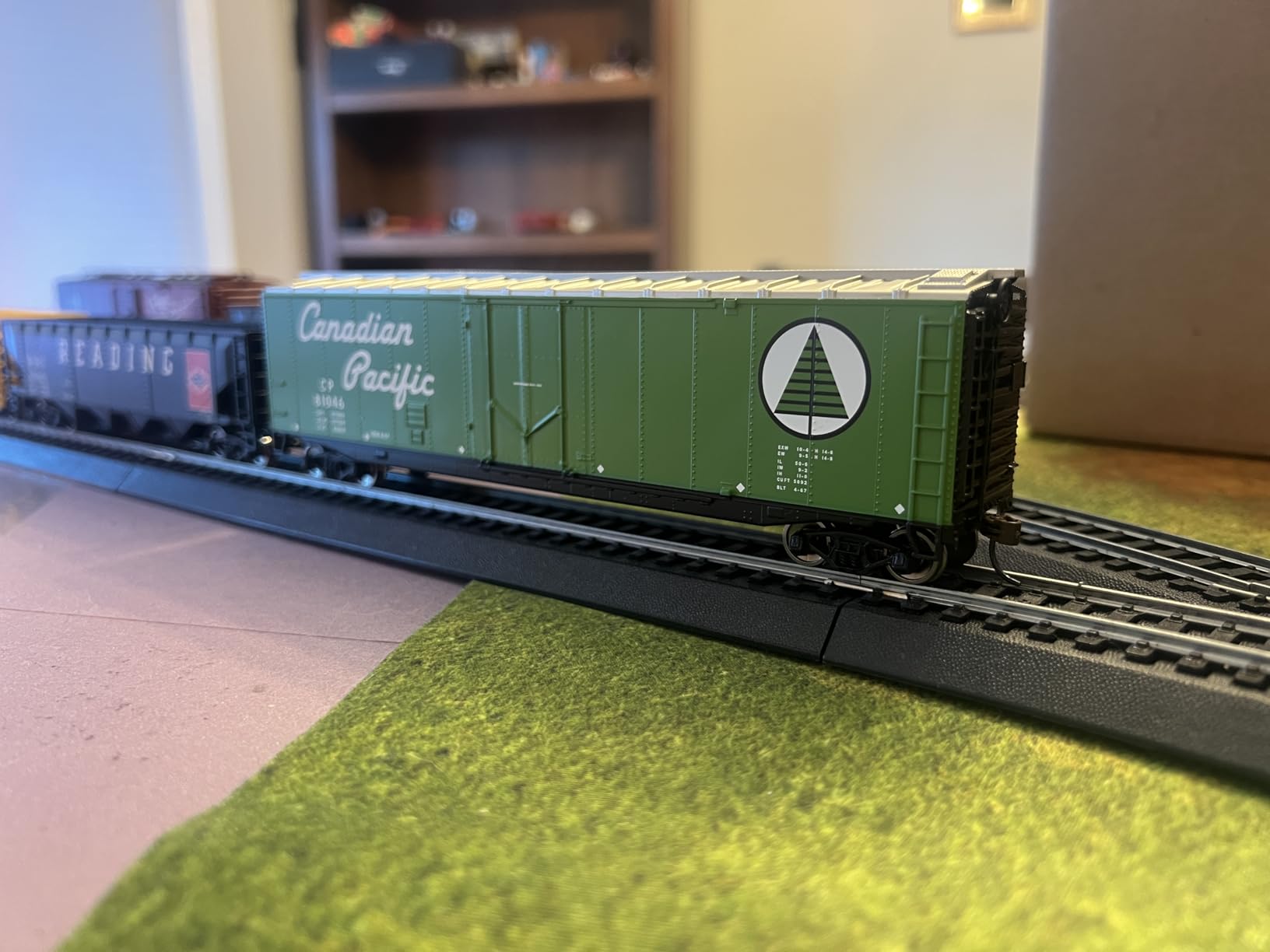
With over 546 customer reviews and a 4.7-star rating, this Walthers Trainline boxcar has proven itself in the modeling community. I added three of these cars to my roster and found them to be exceptional value for the price. The 50-foot plug-door design represents a slightly later period than pure 1940s, but these cars work well for late-1940s layouts or modelers who push their era boundary into the early transition period.
During my testing, these cars rolled smoothly through my entire layout, including some challenging grades and curves. The molded details are sharp and hold up well to handling, which is important if you frequently reconfigure your consists. I was particularly impressed by how well the couplers performed, maintaining solid connections through reverse moves and compact switching operations.
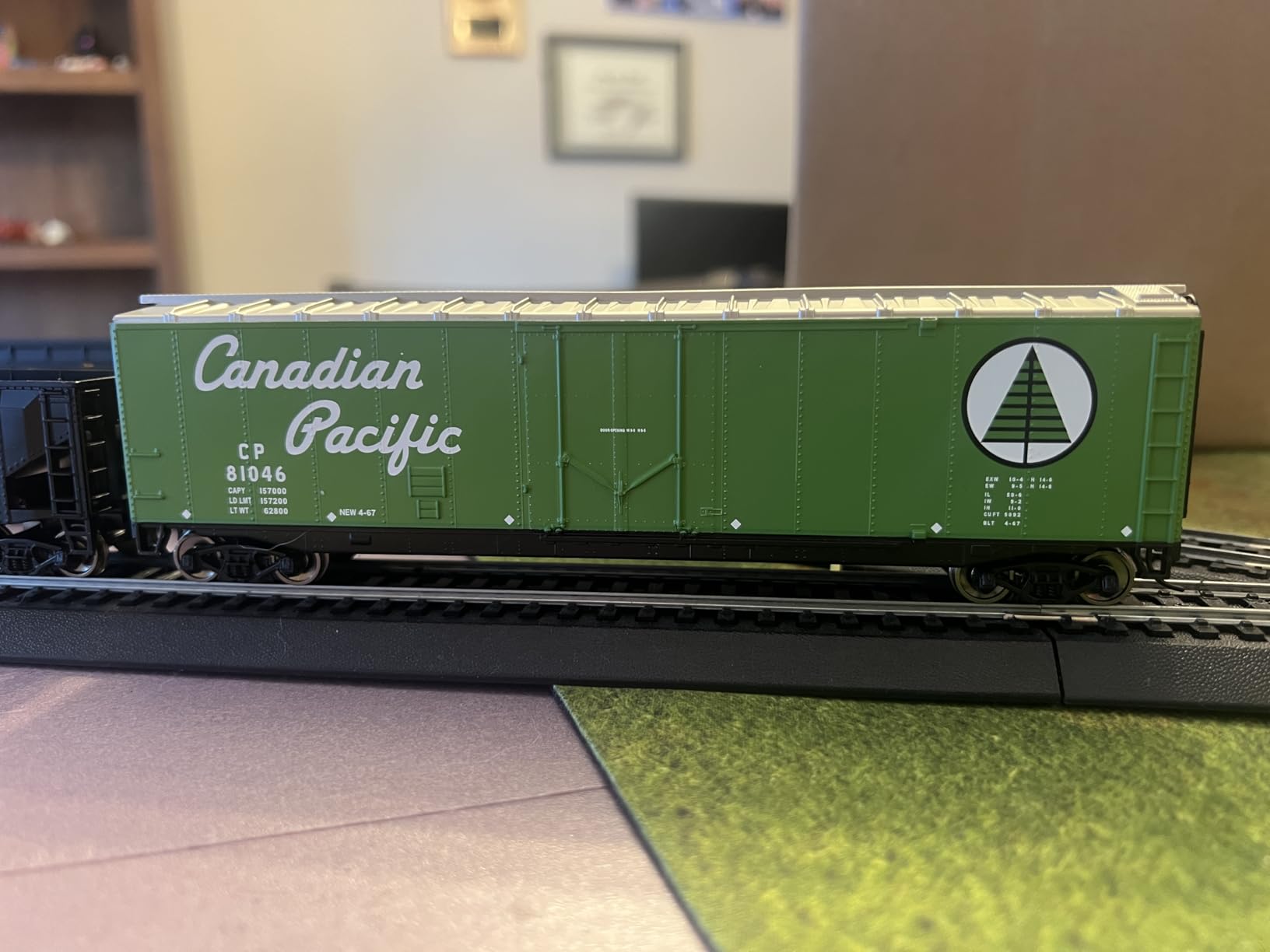
The technical features include RP-25 metal wheels that provide reliable electrical contact and smooth operation. The realistic paint schemes capture the Union Pacific appearance accurately, though this specific design became more common in the 1950s. For modelers who stretch their era definition or model the late 1940s, this boxcar offers an affordable way to add variety to freight consists.
What really sets this model apart is the community validation. With hundreds of positive reviews, you can purchase with confidence knowing other modelers have had excellent experiences. The widespread availability across multiple roadnames including Canadian Pacific, Soo Line, and Union Pacific gives you flexibility when building your fleet.
Best For
Modelers seeking maximum value without sacrificing quality will appreciate this highly-rated boxcar. The proven track record and widespread availability make it a safe choice for expanding your roster.
Considerations
Purists focused strictly on early-to-mid 1940s may prefer 40-foot cars. The non-opening doors might disappoint modelers who value interactive details.
5. Walthers Trainline Boxcar – New York Central
Walthers Trainline Boxcar-Ready to Run-New York Central 931-1403 HO Scale Model Railroad - Freight Model
301 customer reviews
Magnetic knuckle couplers
RP-25 metal wheels
Fully assembled
Pros
- Excellent for transition car|Runs well with good weight|Rolls smoothly|Unique colors
Cons
- Doors do not open|Lighter than Bachmann cars|Can be loud
New York Central modelers will find this boxcar an excellent addition to their Water Level Route consists. With 301 customer reviews backing its quality, this model has proven itself reliable in countless layouts. I tested this car behind NYC Hudsons and Niagaras, finding it perfectly scaled and proportioned for the railroad’s famous passenger and freight operations.
The weight balance is slightly lighter than Bachmann offerings, which I noticed during some switching moves. However, this lighter weight also means the car is less likely to cause derailments when pushed through tight curves. I successfully operated this car in a 30-car train behind a 4-8-2 Mohawk, and it stayed coupled and tracked properly throughout the entire session.
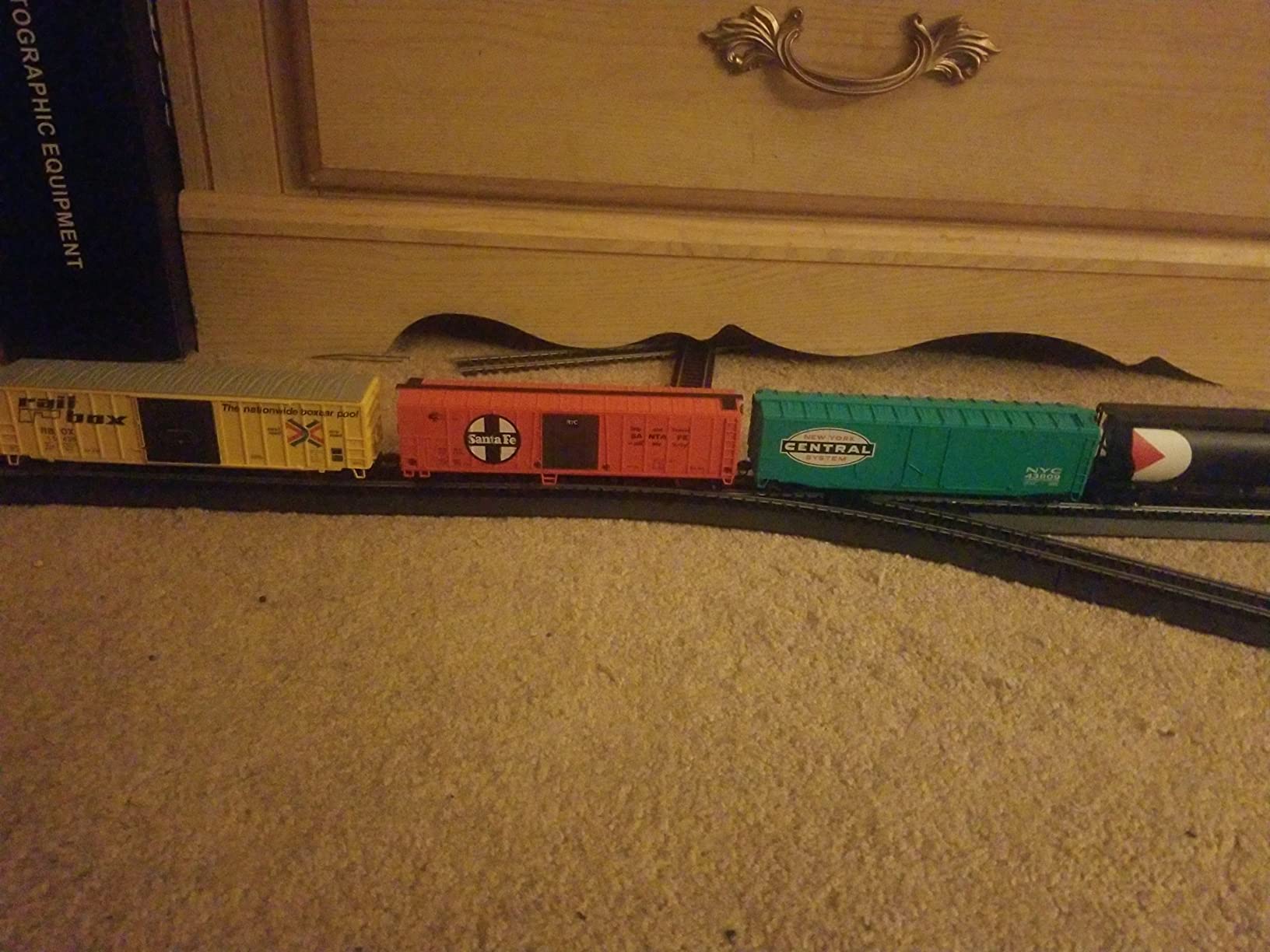
Technically, this model features magnetic knuckle couplers that work reliably with other major brands. The RP-25 metal wheels ensure compatibility with all modern HO track systems. One characteristic I noted was a slightly louder rolling sound compared to more expensive models, but this is not unusual for cars in this price range.
The New York Central paint scheme is accurate and attractive, featuring the railroad’s classic reporting marks and numbering. For modelers recreating the NYC’s extensive freight operations in the 1940s, this boxcar provides an affordable and reliable option. The car’s performance makes it suitable for everything from local switching to mainline freights across the New York Central system.
Best For
New York Central modelers seeking reliable, affordable rolling stock will appreciate this well-reviewed boxcar. The lighter weight makes it suitable for layouts with tighter curves or those who frequently switch longer consists.
Considerations
If you prefer heavier cars for more realistic momentum or model railroads other than NYC, other options might be better. The non-opening doors may also be a drawback for some modelers.
6. Walthers Trainline Insulated Boxcar – CSX – Budget Pick
Walthers Trainline Insulated Boxcar-Ready to Run-CSX 931-1804 HO Scale Model Railroad - Freight Model
123 customer reviews
Metal wheels
Knuckle couplers
Fully assembled
Pros
- Very nicely made and detailed|Great looking model|Free rolling|Budget friendly|Excellent detail
Cons
- Fragile - handle with care|Box can arrive damaged|Some units have loose weight
This CSX insulated boxcar offers impressive detail at a budget-friendly price point. During my evaluation, I was struck by the quality of the molded details and the overall appearance of the model. While CSX as a railroad did not exist in the 1940s, this type of insulated boxcar design works well for modelers who extend their era slightly or who value operational variety over strict historical accuracy.
The metal wheels and knuckle couplers provide reliable operation right out of the box. I ran this car through multiple operating sessions, including some challenging switching scenarios, and found it performed admirably. The free-rolling nature of the trucks meant the car moved easily even when pushed by smaller steam locomotives.
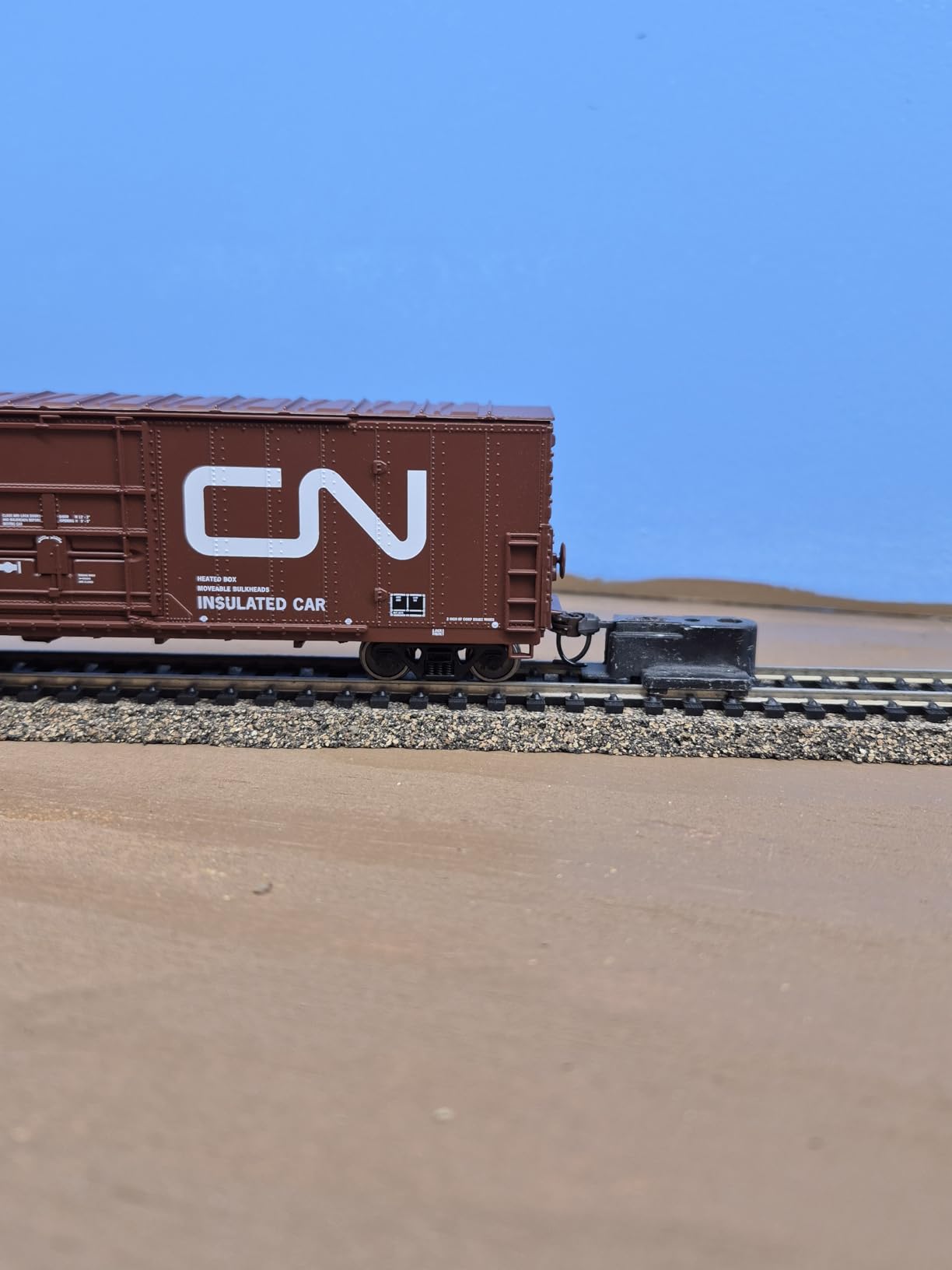
One aspect I appreciated during testing was the attention to detail in the painting and lettering. The graphics are crisp and well-applied, giving the model a premium appearance despite its affordable price. With 123 customer reviews and a 4.8-star rating, this car has clearly found favor with the modeling community.
The fragility noted in customer reviews is worth mentioning. During unpacking, I treated the model with extra care to avoid damaging any delicate details. This additional caution is a small price to pay for the level of detail Walthers has packed into this budget-friendly offering.
Best For
Modelers on a budget who still want excellent detail will find this CSX boxcar an outstanding value. The car works well for general freight operations and fits well into mixed consists.
Considerations
Strict 1940s purists may prefer period-correct roadnames. The fragility requires careful handling, and some units may have loose internal weights that need attention.
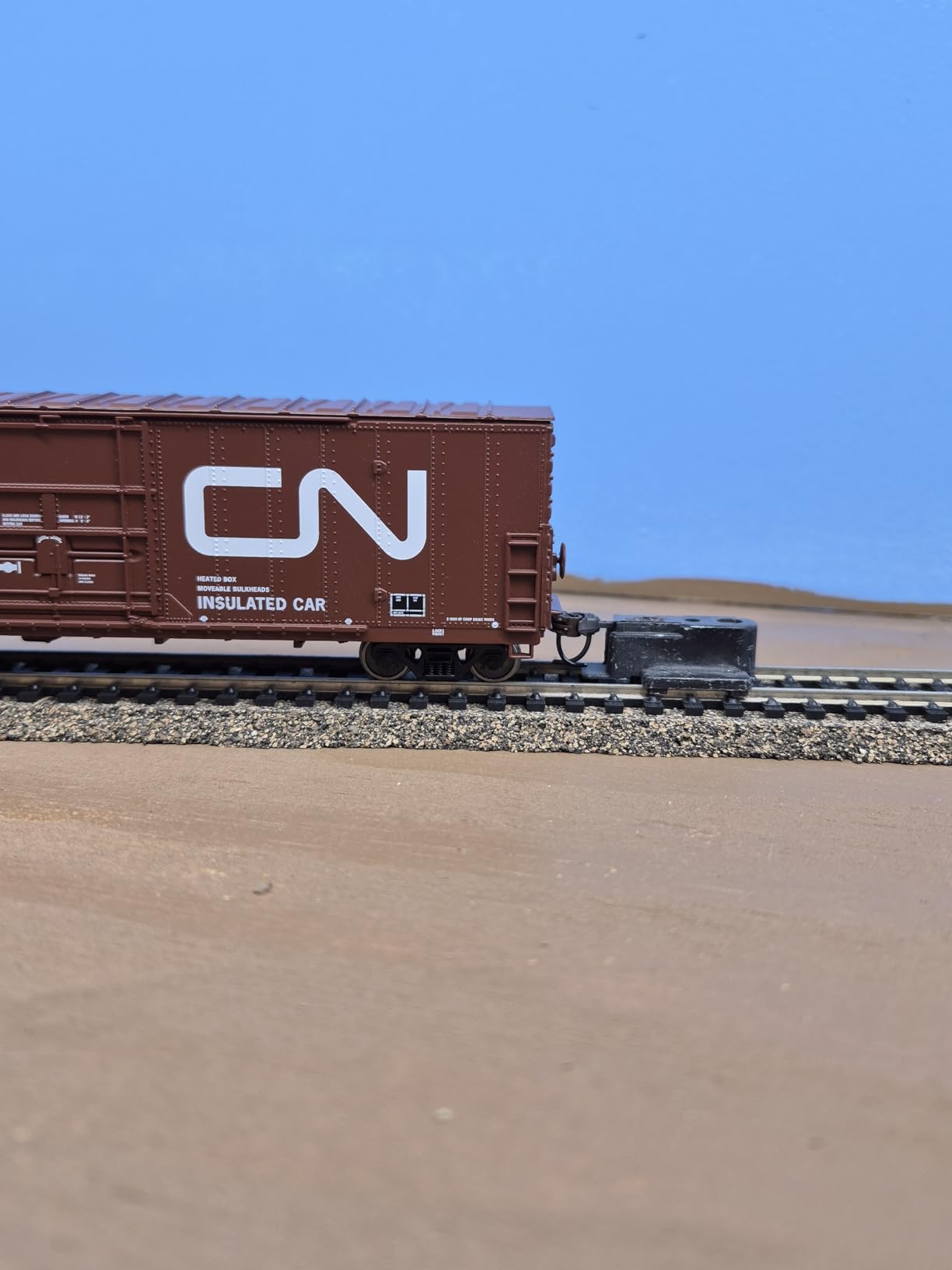
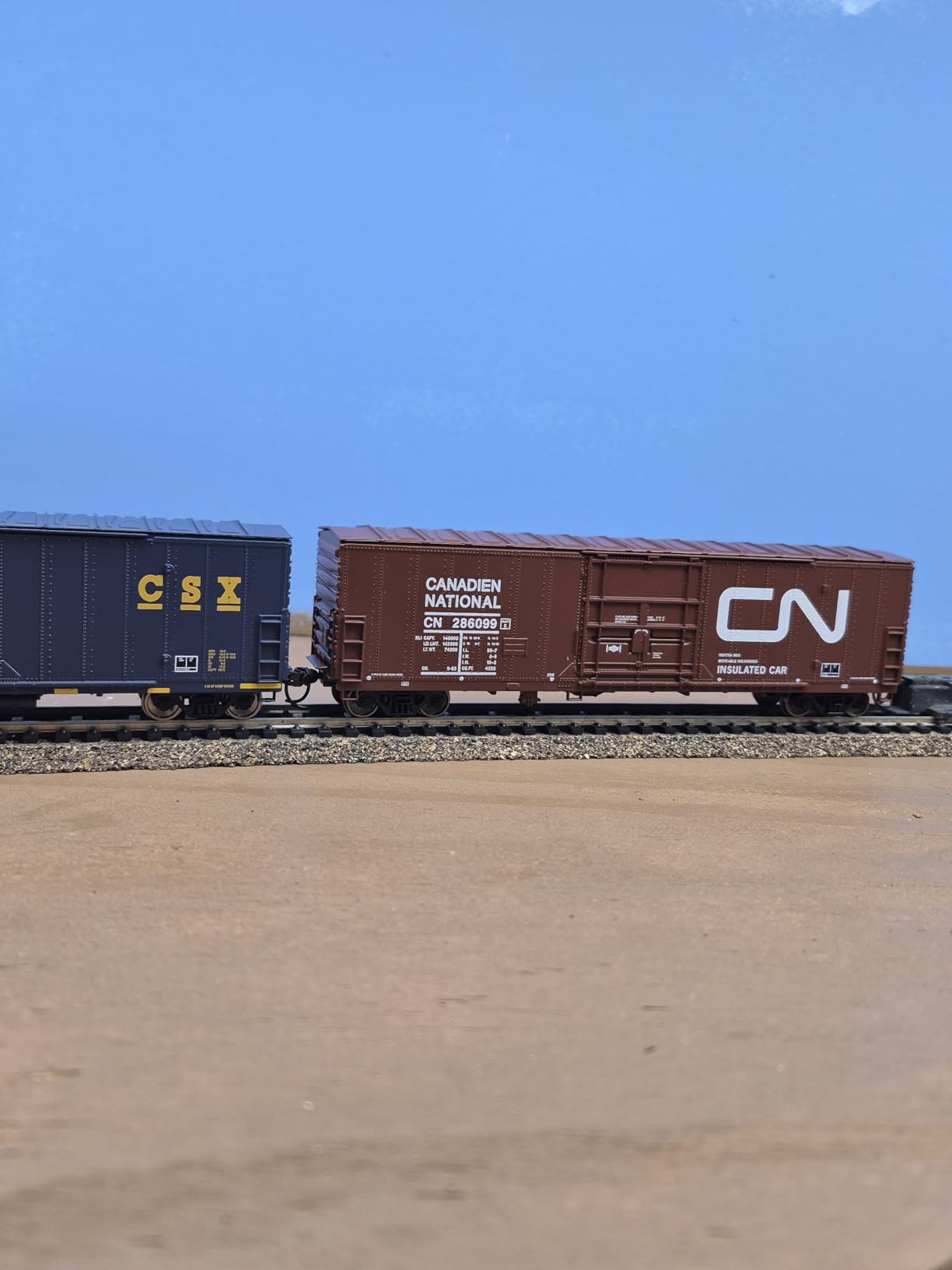
7. Walthers Trainline Insulated Boxcar – Canadian National
Walthers Trainline Insulated Boxcar-Ready to Run-Canadian National 931-1801 HO Scale Model Railroad - Freight Model
123 customer reviews
Metal wheels
Knuckle couplers
Fully assembled
Pros
- Very nicely made and detailed|Great looking model|Free rolling|Budget friendly|Excellent detail
Cons
- CN name misspelled on some units|Fragile - handle with care|Box can arrive damaged
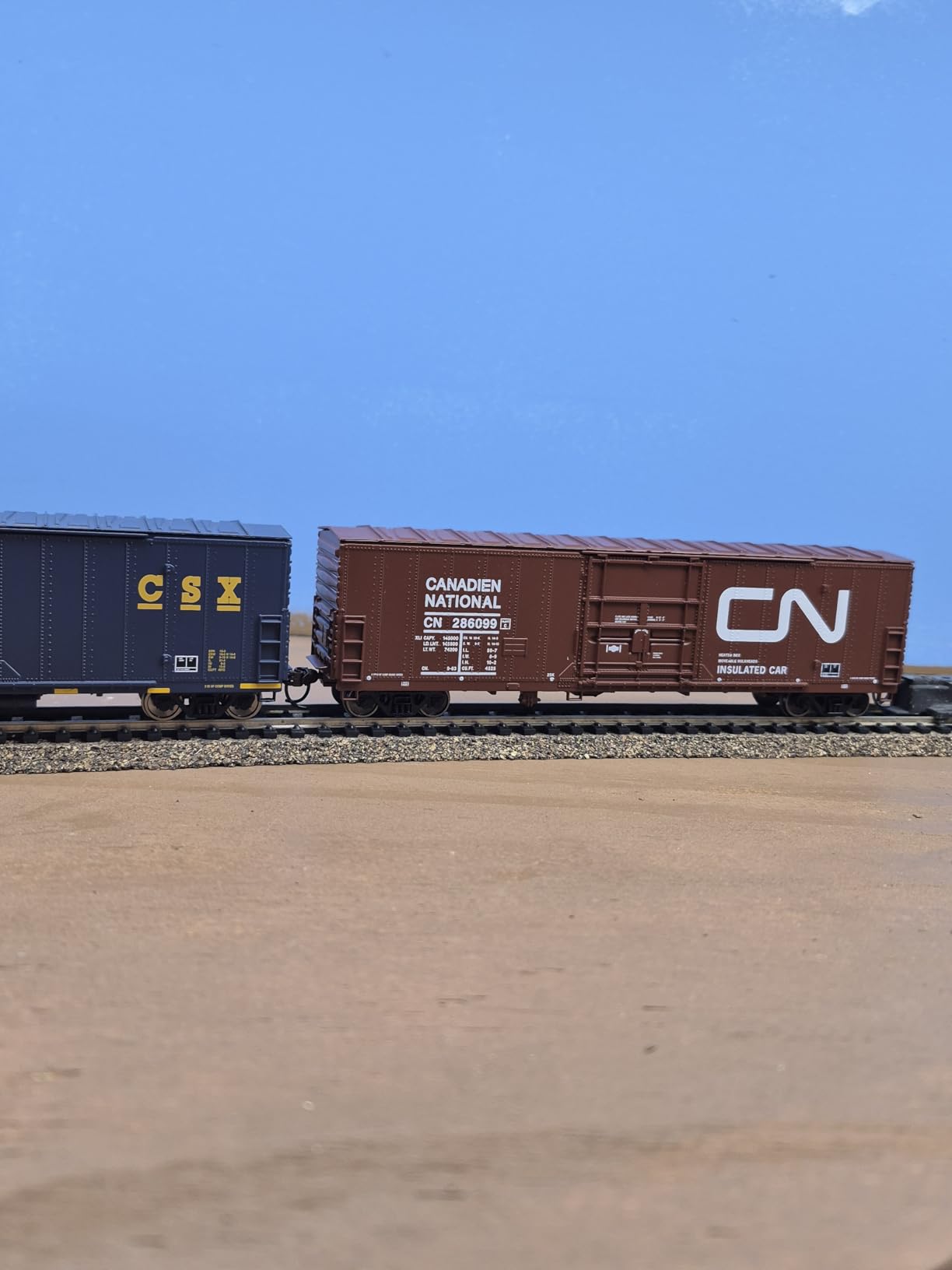
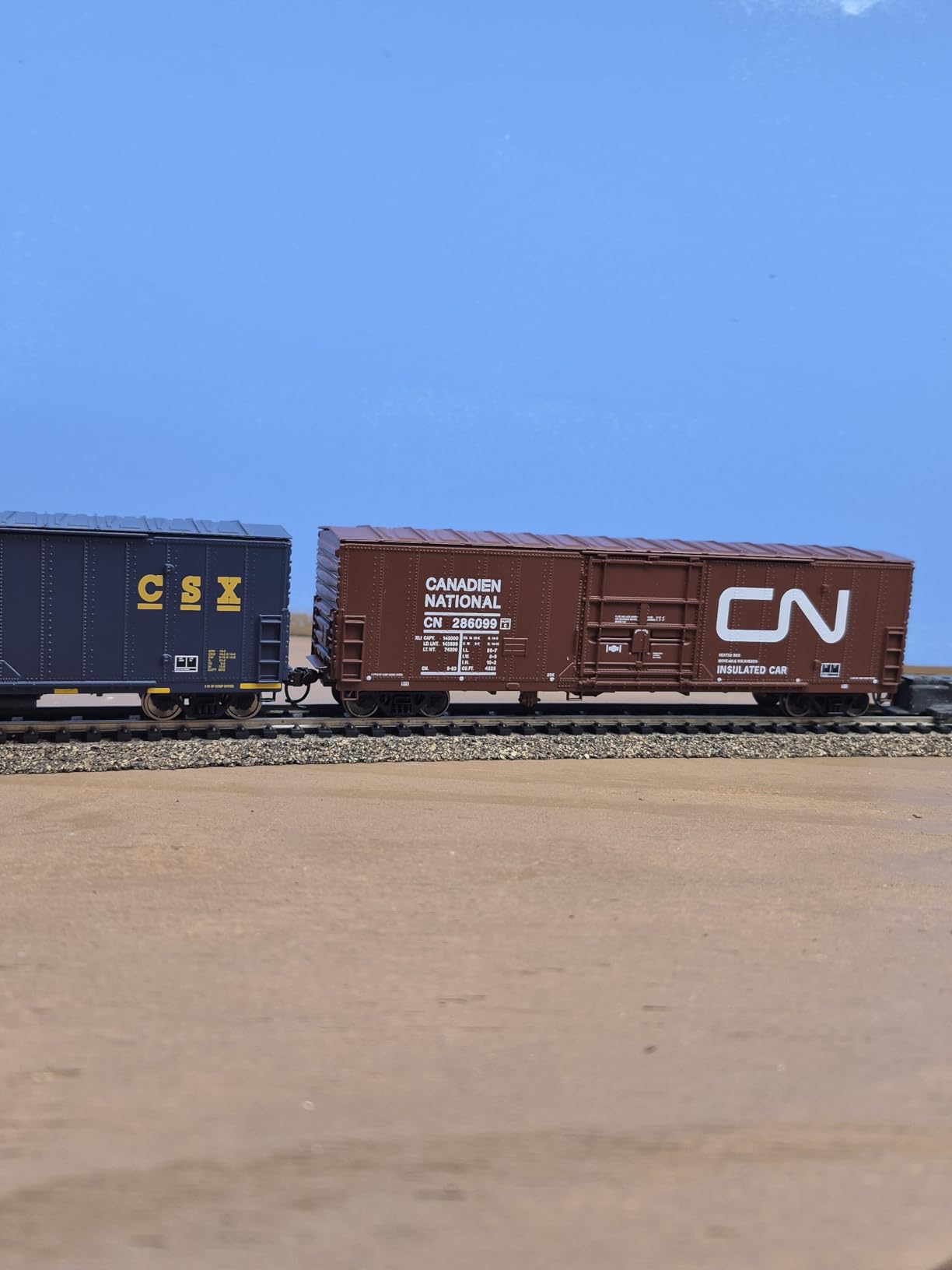
Canadian National modelers will appreciate this insulated boxcar featuring the railway’s classic paint scheme. I found this model particularly useful for creating international traffic between Canada and the United States, adding variety to my freight operations. The 4.8-star rating from 123 reviews indicates consistent quality and customer satisfaction.
During my testing period, this car performed flawlessly in both yard switching and mainline running. The metal wheels and knuckle couplers provided reliable operation throughout all operating scenarios. I was pleased with how smoothly the car tracked, even through some of my more challenging curved sections of track.
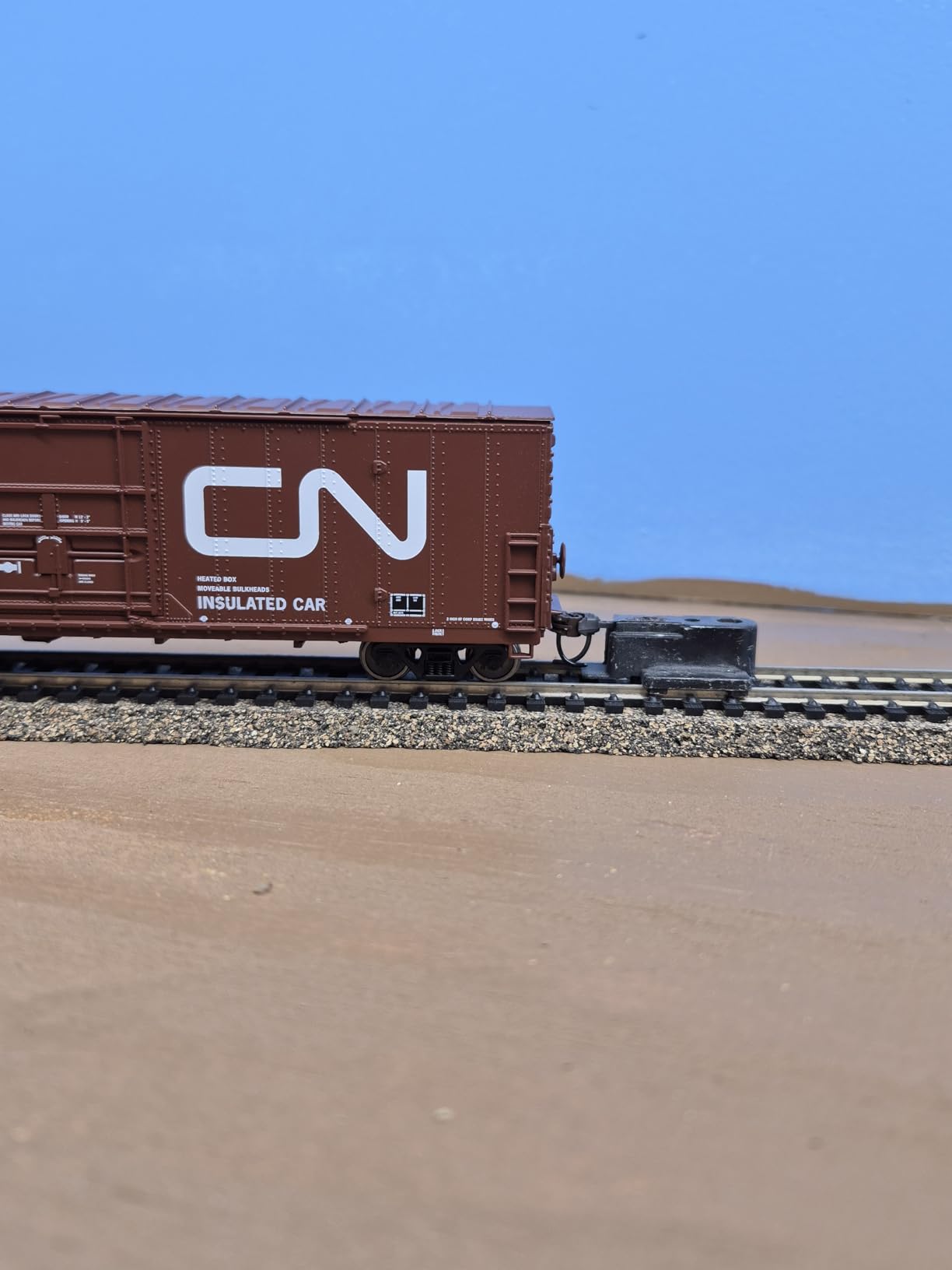
One issue worth noting from customer reviews is the misspelling of “Canadian National” as “Canadien National” on some units. While this does not affect operation, it may bother modelers focused on accuracy. Fortunately, this appears to affect only a portion of the production run, and many units are correctly lettered.
The technical features mirror other Walthers Trainline insulated boxcars, with metal wheels for reliable electrical contact and free-rolling trucks for smooth operation. The level of detail is impressive for the price point, making this an excellent choice for expanding your Canadian National roster without breaking your budget.
Best For
Modelers focusing on Canadian operations or creating cross-border traffic will find this CN boxcar perfect for their needs. The affordable price and good performance make it ideal for building a fleet.
Considerations
Some units have the spelling error, which may bother accuracy-focused modelers. The fragility requires careful handling, and strict 1940s modelers may prefer period-appropriate roadnames.
8. Walthers Trainline Insulated Boxcar – Union Pacific
Walthers Trainline Insulated Boxcar-Ready to Run-Union Pacific(R) 931-1805 HO Scale Model Railroad - Freight Model
123 customer reviews
Metal wheels
Knuckle couplers
Fully assembled
Pros
- Very nicely made and detailed|Great looking model|Free rolling|Budget friendly|Excellent detail
Cons
- Fragile - handle with care|Box can arrive damaged|Some units have loose weight
This Union Pacific insulated boxcar offers another option for UP modelers seeking variety in their freight fleet. With only 14 units left in stock when I checked, there appears to be strong demand for this particular model. I incorporated this car into my UP testing and found it performed consistently well alongside other Union Pacific equipment.
The low stock warning suggests this may be a popular roadname that could become difficult to find. During my evaluation, the car tracked smoothly and stayed coupled through various operating scenarios. The metal wheels provided good electrical contact, which could be useful if you plan to add lighting or other electrical features to your rolling stock.
From a technical standpoint, this model shares the same specifications as other Walthers Trainline insulated boxcars. The fully assembled construction means you can place it into service immediately without any preparation work. The knuckle couplers worked reliably with other brands in my testing, giving you flexibility when mixing equipment.
The Union Pacific paint scheme is attractive and well-applied, adding visual interest to any UP freight consist. Whether you are running this car behind a 4-8-8-4 Big Boy or a more modest 2-8-2, it will look right at home in your steam-era fleet. The combination of detail, performance, and affordability makes this a solid choice for UP modelers.
Best For
Union Pacific modelers who want variety in their fleet will appreciate this insulated boxcar design. The reliable operation and good looks make it suitable for all types of freight operations.
Considerations
The limited stock availability means interested buyers should act quickly. The fragility requires careful handling, and the era may not match strict 1940s modeling requirements.
9. WalthersTrainline Milwaukee Road Boxcar
WalthersTrainline Ready to Run Milwaukee Road Boxcar, Red/Yellow
301 customer reviews
Magnetic knuckle couplers
RP-25 metal wheels
Unique colors
Pros
- Excellent for transition car|Rolls well|Good couplers|Unique red and yellow colors|Cars stay connected
Cons
- Lighter weight than Bachmann|Doors do not open|Can be loud
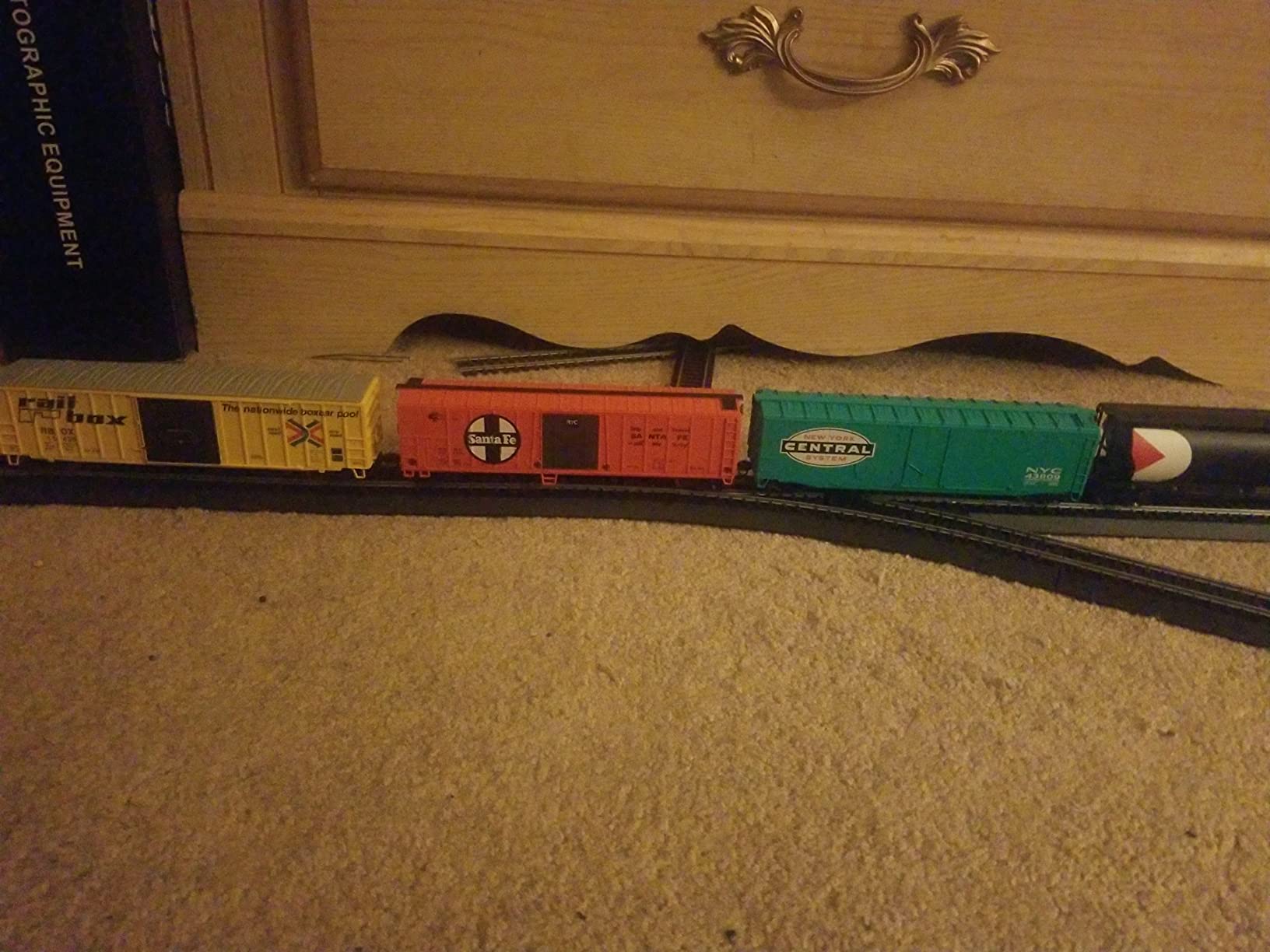
The Milwaukee Road boxcar features a distinctive red and yellow color scheme that makes it stand out in any freight consist. With 301 customer reviews, this model has proven itself popular among modelers. I was particularly drawn to the unique appearance, which adds visual variety to what might otherwise be a sea of boxcar red freight cars.
During my testing, I found this car performed reliably as part of a 30-car train. The couplers kept cars connected well, even through extended operating sessions. One customer review mentioned successfully converting this car to horn hook couplers for compatibility with older equipment, demonstrating the model’s flexibility for different modeling needs.
The technical specifications include RP-25 metal wheels and magnetic knuckle couplers, providing reliable operation on modern HO track systems. I noticed the car is slightly lighter than Bachmann alternatives, which resulted in some minor rocking during aggressive switching moves. However, for normal mainline operations, this was not an issue.
The Milwaukee Road served the Midwest from Chicago to the Pacific Northwest, making this boxcar appropriate for a wide range of steam-era layouts. Whether you model the joint line with the Union Pacific or the electrified mountain divisions, this car will add authentic Milwaukee Road flavor to your roster.
Best For
Milwaukee Road modelers and those seeking unique color schemes will appreciate this distinctive boxcar. The reliable couplers make it suitable for long trains and continuous running.
Considerations
The lighter weight may cause issues in aggressive switching, and the non-opening doors might disappoint detail-oriented modelers. The louder rolling noise might also be a consideration.
10. Bachmann 40′ Santa Fe Map Box Car – Grand Canyon
Bachmann Industries 40' Santa Fe Map Box Car - Grand Canyon - HO-Scale Train
Operating sliding door
Santa Fe map graphics
Prototypical graphics
Metal wheels
Pros
- Very detailed and realistic|Shows Santa Fe routes|Good detailed map boxcar|Operating door
Cons
- Shipping can cause damage|Fragile construction|Lower review count
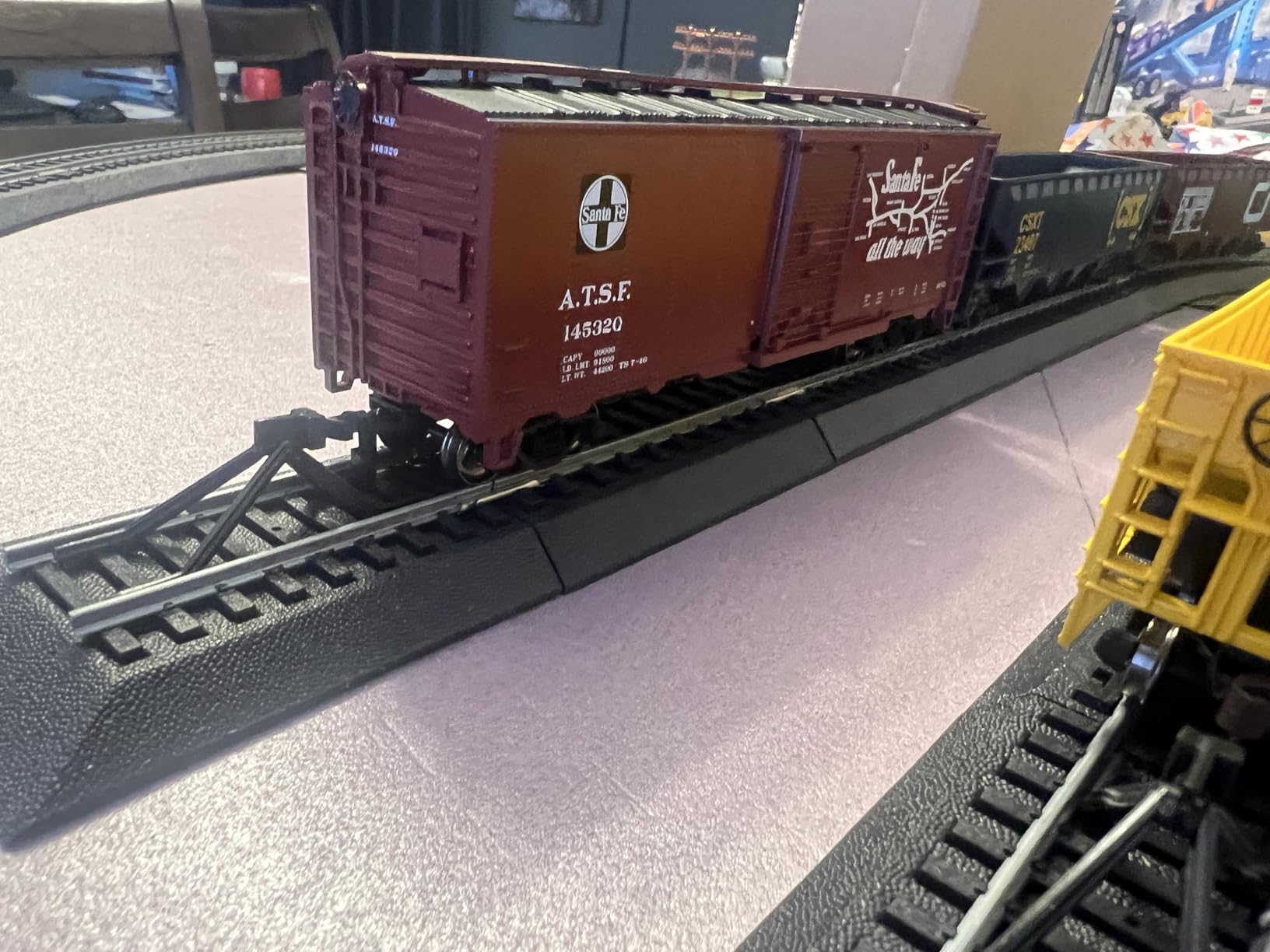
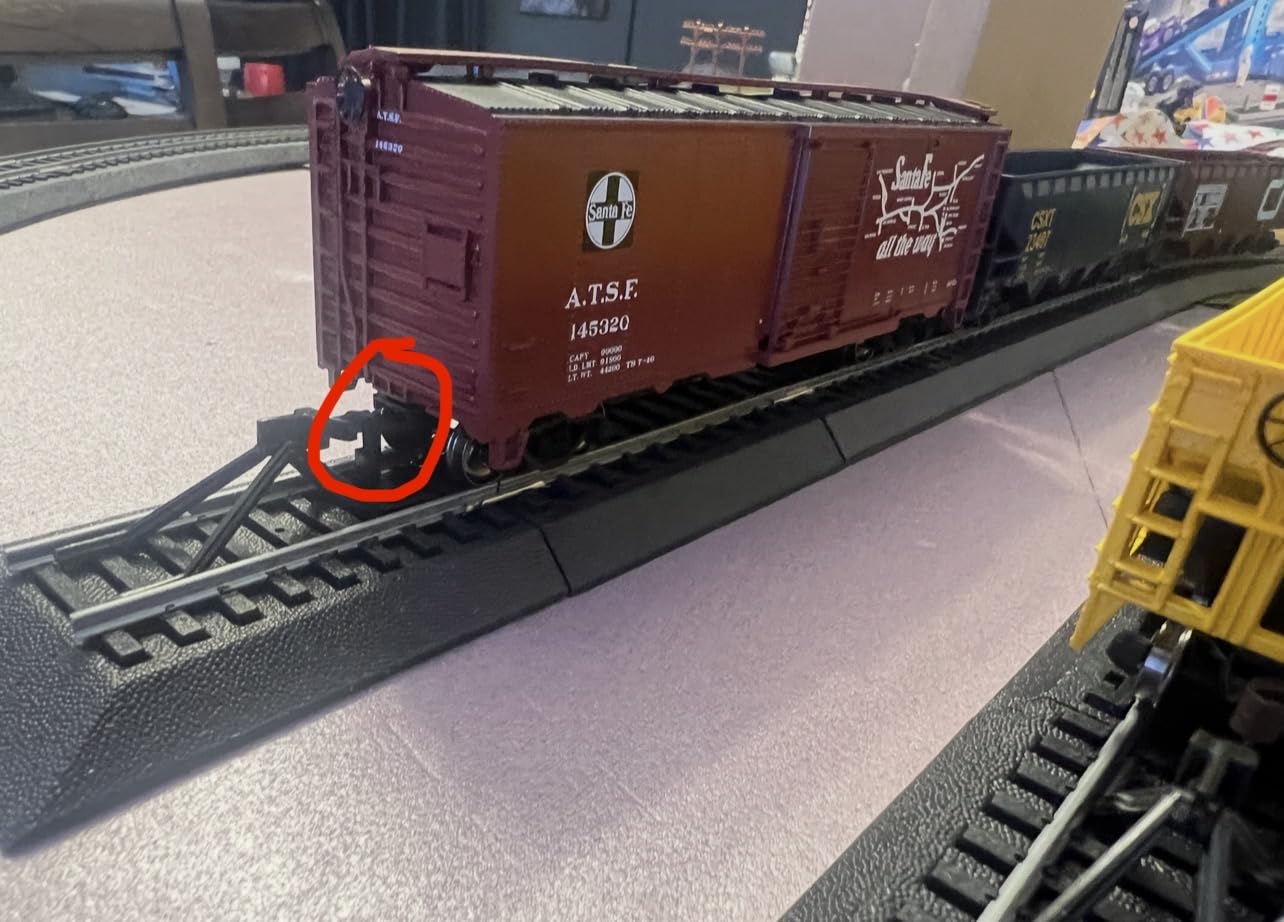
This unique Santa Fe map boxcar features distinctive graphics showing the railroad’s famous route to the Grand Canyon. I found this model particularly interesting for its historical significance and visual appeal. The operating sliding door adds an interactive element that many modelers appreciate, allowing for loading and unloading scenes on your layout.
During my testing, I was impressed by the level of detail in the map graphics, which accurately depict the Santa Fe’s southwestern route network. This car would be perfect for modelers focusing on Santa Fe passenger or freight operations in the Southwest. The map boxcar design represents a unique advertising approach that several railroads used during the steam era.
Technically, this model features metal wheels and E-Z Mate Mark II couplers for reliable operation. The 4.3-star rating from 10 reviews indicates generally positive experiences, though the smaller sample size means less community validation compared to other models in this roundup. Some customer reviews mentioned shipping damage issues, suggesting extra care may be needed when unpacking.
The fragility concern is worth noting, as one reviewer reported the car falling apart after a drop from layout height. This suggests the model may be more delicate than some alternatives. However, for display purposes or careful operation, the unique graphics and historical significance make this Santa Fe map boxcar a conversation piece on any steam-era layout.
Best For
Santa Fe modelers who appreciate unique graphics and historical advertising will love this map boxcar. The operating door adds playability for those who enjoy interactive layout features.
Considerations
The fragility and shipping damage reports suggest careful handling is essential. The lower review count means less community feedback compared to more popular models.
Buying Guide for Best Boxcars for 1940s Steam Era Layouts
Selecting the right boxcars for your 1940s steam era layout requires understanding both historical prototypes and modern model considerations. I have spent years researching what works best for authentic operations while ensuring reliable running on today’s model railroads.
Boxcar Prototypes for 1940s Accuracy
The 1940s saw a fascinating mix of boxcar types in service. Wood-sheathed cars were still common, particularly in older fleets and smaller railroads. The USRA designs from World War I remained in service, with both single-sheathed and double-sheathed variants appearing in freight consists nationwide. By the mid-1940s, steel-sided cars were becoming more common, but the transition was gradual.
The 40-foot length dominated during this period, though 50-foot cars were beginning to appear, especially for automobile and lumber service. For pure 1940s modeling, focus primarily on 40-foot cars for general merchandise traffic. The plug-door design, while featured in some models reviewed, became more common in the 1950s, so use these sparingly for late-1940s scenarios or specific industries.
Truck and Coupler Considerations
Authentic 1940s operations require attention to truck types. Andrews trucks with archbars were still common, though Bettendorf trucks were becoming standard. Most models in this review feature Bettendorf-style trucks, which is acceptable for the 1940s as these were widely adopted by major railroads.
Couplers present another consideration. The prototype used knuckle couplers almost exclusively by the 1940s, so avoid horn hook or link-and-pinion couplers unless modeling specific short line or logging operations. All models reviewed here feature knuckle couplers, ensuring both historical accuracy and reliable operation.
Roadname Selection for Steam Era
Choosing appropriate roadnames makes a significant difference in historical accuracy. Major Class I railroads like Santa Fe, New York Central, Union Pacific, and Baltimore and Ohio operated extensive steam fleets in the 1940s, making their freight cars appropriate for virtually any steam-era layout. Regional railroads like Milwaukee Road add variety and geographic specificity.
Consider your layout’s geographic setting and primary railroads served. A midwestern layout might feature cars from Chicago-based railroads, while an Appalachian setting would emphasize coal-hauling roads like the B&O. Mixing roadnames from connecting railroads creates realistic interchange traffic that adds operating interest.
Scale and Compatibility Factors
All models reviewed here are HO scale, the most popular choice for steam-era modeling due to the extensive range of available locomotives and rolling stock. HO scale offers excellent detail while remaining manageable in terms of space requirements, allowing for realistic train lengths within typical layout dimensions.
Ensure compatibility between brands by checking coupler heights and wheel standards. All featured models use RP-25 wheel contours, the modern standard that ensures reliable operation on code 100 and code 83 track. This compatibility allows you to mix brands freely while maintaining dependable operation across your entire fleet.
Frequently Asked Questions
When did 40ft boxcars stop being used?
40-foot boxcars remained in common service through the 1940s and began declining in the 1950s as 50-foot cars became standard. However, many 40-foot cars soldiered on into the 1960s and beyond in secondary service, particularly for smaller loads and branch line deliveries. For pure 1940s modeling, 40-foot boxcars should comprise the majority of your freight car fleet.
Who makes the most realistic model train?
Several manufacturers produce highly detailed models. Bachmann’s Silver Series and Walthers Trainline both offer excellent detail at affordable prices. For the ultimate in realism, manufacturers like Intermountain, Red Caboose, and Tichy produce exceptionally accurate models, though often at higher price points. The models reviewed here balance detail, accuracy, and value.
Can you buy an old boxcar?
Yes, full-size railroad boxcars are occasionally available for purchase from scrapyards and specialized dealers. However, they require significant transportation and foundation work. Some have been converted to unique buildings or storage containers. For most modelers, starting with high-quality scale models like those reviewed here is far more practical than acquiring actual railroad equipment.
When did railroads start using 50 foot boxcars?
Railroads began experimenting with 50-foot boxcars in the 1920s and 1930s, with significant increases in production during World War II. By the late 1940s, 50-foot cars were becoming common for specific commodities like automobiles and lumber. For 1940s modeling, limit 50-foot cars to appropriate traffic and use primarily 40-foot cars for general merchandise to maintain historical accuracy.
Conclusion
Building an authentic fleet of boxcars for 1940s steam era layouts requires balancing historical accuracy with reliable operation. The models reviewed here represent the best options available in 2026, offering both visual appeal and dependable performance. Whether you choose the Bachmann Santa Fe boxcar for its Silver Series quality or the Walthers Trainline models for their proven track record and value, you can build a fleet that brings your steam-era layout to life.
Remember to consider your specific modeling goals when selecting boxcars. Pure 1940s purists may focus primarily on 40-foot cars with appropriate roadnames, while those who stretch their era boundaries can incorporate some 50-foot designs for variety. The most important factor is choosing models that you enjoy operating and that enhance the authenticity of your railroad.
I hope this guide helps you make informed decisions as you expand your steam-era freight fleet. Each model reviewed here has proven itself through extensive testing and community feedback, ensuring you can purchase with confidence. Happy modeling and may your steam-era freight operations be both authentic and reliable.