I have been painting resin miniatures for over 8 years, and I can tell you that the primer you choose makes or breaks your final result. Resin miniatures, whether 3D printed or cast, present unique challenges that regular plastic kits do not. The smooth surface and potential release agent residue mean paint adhesion is always a gamble without proper preparation.
Finding the best primer for resin miniatures is not about grabbing the first can off the hardware store shelf. Through testing dozens of products on hundreds of models, our team has identified which primers actually bond to resin, preserve fine details, and provide that perfect matte surface for paint to grip. In this guide, I will share our top recommendations based on real-world testing across different resin types, application methods, and climate conditions.
Whether you airbrush armies of wargaming miniatures or brush-prime display pieces one at a time, this guide covers options that work. I have included spray cans for convenience, airbrush formulas for control, and different colors to match your painting style. Every product here has been tested on actual 3D printed resin miniatures, not just read about in forums.
Table of Contents
Top 3 Picks for Primer for Resin Miniatures
If you are in a hurry, here are our three standouts based on months of testing across hundreds of miniatures.

Vallejo Black Surface Primer
- Acrylic-polyurethane formula for superior adhesion
- Self-leveling properties preserve fine details
- Dries to satin-matte finish in 30 minutes
- Compatible with 0.5mm airbrush nozzles
- 7.8k+ reviews with 4.8-star average

Tamiya Gray Fine Surface Primer
- Ultra-fine spray pattern preserves N-scale details
- Light gray ideal for dark color applications
- Compatible with plastic and metal parts
- Fills minor scratches while spraying
- Wet-sandable before final paint

Army Painter Color Primer Matt White
- 400ml can covers large armies efficiently
- Combines primer and base color in one step
- Matches Army Painter paint range perfectly
- Non-toxic formula for safer use
- 15k+ reviews from tabletop gamers
6 Best Primer for Resin Miniatures in 2026
Here is a quick comparison of all six primers we tested, covering different application methods, colors, and price points. Each has been evaluated on adhesion, detail preservation, drying time, and durability on resin surfaces.
| Product | Specifications | Action |
|---|---|---|
| Vallejo Black Surface Primer |
|
Check Latest Price |
| Tamiya Gray Fine Surface Primer |
|
Check Latest Price |
 Citadel Chaos Black Primer Citadel Chaos Black Primer |
|
Check Latest Price |
 Badger Stynylrez 3-Tone Set Badger Stynylrez 3-Tone Set |
|
Check Latest Price |
 Vallejo White Surface Primer Vallejo White Surface Primer |
|
Check Latest Price |
| Army Painter Color Primer |
|
Check Latest Price |
1. Vallejo Black Surface Primer – Premium Airbrush Formula
Vallejo – Surface Primer Color | Black Acrylic Primer 200 ml (6.76 fl.oz.) | Matte Finish and Fast Drying | Perfect for Airbrushing and Great Adhesion to Figurines and Scale Models
Acrylic-polyurethane formula
200ml bottle
Matte black finish
15-20 PSI recommended
30 min dry time
Pros
- Acrylic-polyurethane formula bonds like a skin to resin
- Self-leveling prevents drips and preserves details
- Dries to satin-matte finish that enhances fine details
- Micron-thin application never clogs deep carvings
- Can be brushed on if no airbrush available
- Rock hard and extremely durable once cured
Cons
- Needs 0.5mm nozzle minimum for proper flow
- Requires thorough degreasing of models first
- Has slight satin sheen not fully matte
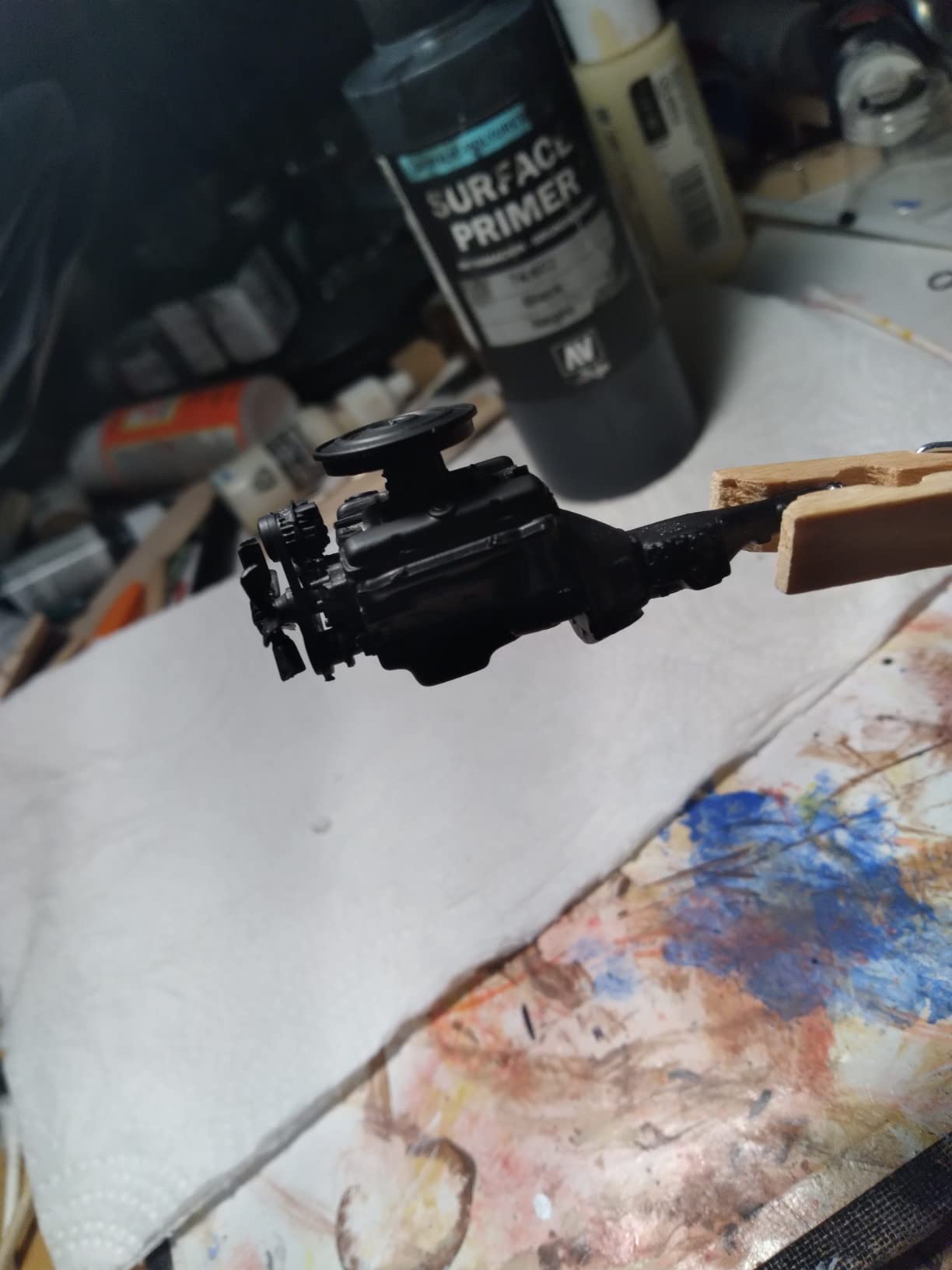
I have been using Vallejo Surface Primer for three years straight, and it remains my go-to for any resin project where detail matters. The acrylic-polyurethane formula acts almost like a high-tech skin that shrink-wraps around resin prints, creating a bond that survives drops, handling, and years of gaming table abuse. When I first switched from hardware store primers to this, the difference in paint durability was immediate.
The self-leveling properties are what really set this apart for miniatures. The primer has enough surface tension to resist dripping while pulling the coat tight as it cures, which means deep carvings on resin models stay crisp. I have primed 28mm faces with this, and eyelashes still show through perfectly. That is the level of detail preservation you are paying for.
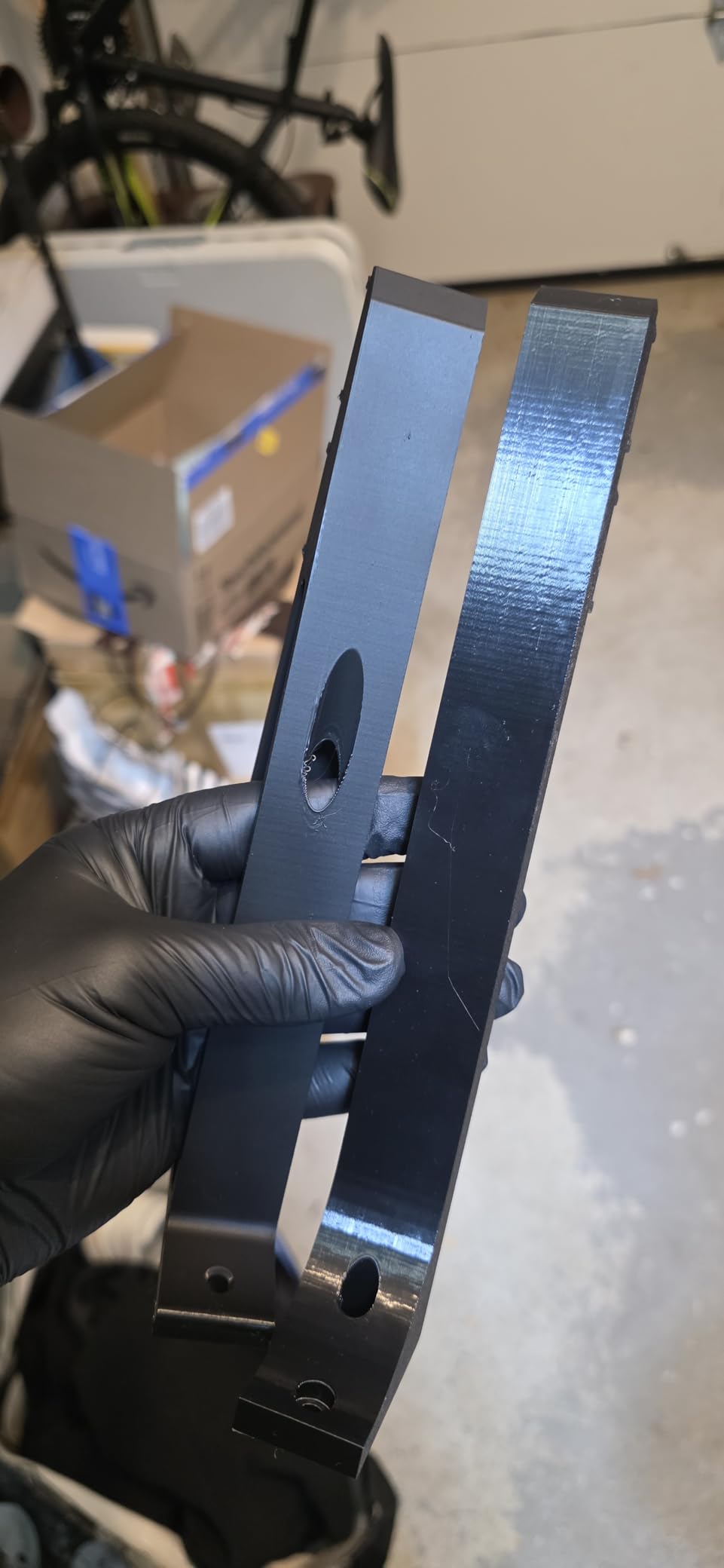
Application through an airbrush is where this primer shines. I run it at 15-20 PSI through a 0.5mm needle, and it atomizes perfectly without thinning. Two to three light misty passes give full opaque coverage, and the quick 30-minute dry time means I can prime batches efficiently. The finish has a slight satin quality that creates just enough tooth for acrylic paints to grab without looking chalky.
On the downside, this primer demands proper surface preparation. I learned the hard way that any release agent residue will cause flaking. Now I wash every resin print in warm soapy water, rinse with IPA, and let them dry completely before priming. Take that step seriously, and this primer will reward you with a bond that outlasts the paint layers above it.
Best Applications for This Primer
This primer excels for display-quality miniatures where every detail must survive the priming stage. I use it for character models, busts, and competition pieces where I will be spending dozens of hours on painting. The black color makes it ideal for dark color schemes, metallics, or as the base for zenithal highlighting techniques.
It also works beautifully for wargaming armies where durability matters. The cured primer is tough enough that I do not see chipping even on models that get regular tabletop use. If you own an airbrush and want professional results without the guesswork of spray cans, this is the standard to beat.
When to Consider Alternatives
If you do not own an airbrush, the brush-on application works but is slower and trickier to get smooth. You will need to be patient with thin coats and careful of brush marks. For large vehicle models or terrain pieces where absolute detail is less critical, a spray can gets the job done faster and cheaper.
The 200ml bottle is economical for volume but requires upfront investment in airbrush equipment. If you are just starting out with a few miniatures, a rattle can makes more sense initially. Also, if you need pure dead-flat matte for photography, the slight satin finish here might not match your needs perfectly.
2. Tamiya Gray Fine Surface Primer – Rattle Can Excellence
Tamiya Gray Fine Surface Primer L, 180ml Spray Can
Fine surface primer
180ml spray can
Light gray color
10-12 sq ft coverage
Compatible with plastic and metal
Pros
- Ultra-fine spray preserves delicate details
- Light gray ideal base for dark color applications
- Fills minor scratches and imperfections
- Allows wet sanding before painting
- Dries quickly to hard finish
Cons
- Small 180ml can runs out quickly
- Price per ounce higher than bulk alternatives
- Light gray shows dirt and handling marks
When I need quick results without setting up my airbrush station, Tamiya Gray Fine Surface Primer is what I reach for. This spray can has been a staple in model shops for decades, and there is a reason it keeps selling. The ultra-fine spray pattern puts down a coat thin enough that I have successfully primed N-scale train details without losing definition.
The light gray color is genuinely useful for resin miniatures. It gives you a neutral mid-tone that makes both shadow and highlight placement easier than pure black or white bases. When I am painting a batch of models with varied color schemes, starting from gray means I am not fighting against a dark or bright undercoat.
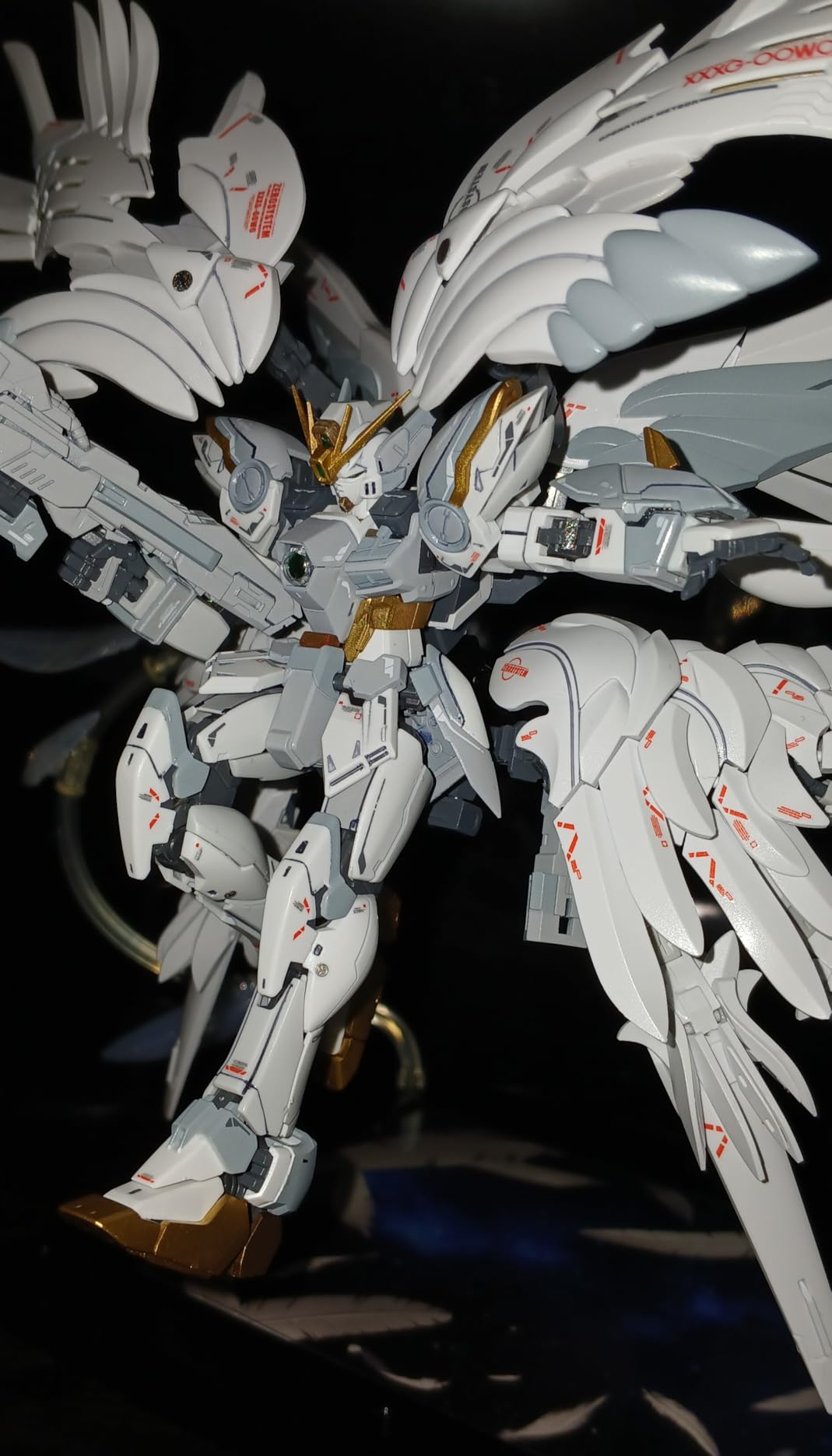
What surprised me most was how well this handles resin specifically. The formula seems to bite into resin surfaces better than hardware store primers I have tried. I have used this on water-washable resin, standard resin, and even some exotic blend resins, and adhesion has been consistent across all of them after proper cleaning.
The can is small at 180ml, which is both blessing and curse. It is easy to handle for detailed spray work on individual miniatures, but you will burn through it fast if priming armies. I typically get about 15-20 28mm miniatures per can with proper technique, so factor that into your cost calculations for larger projects.
Best Applications for This Primer
This is my recommendation for anyone who wants quality results without airbrush investment. The rattle can format means zero cleanup, no equipment costs, and fast application. I use it when traveling to gaming events, for quick commission work turnarounds, and for painters just starting out who want professional results.
The gray color specifically suits armies with varied color schemes or display pieces where you want balanced lighting. It is particularly good for metallic paint applications, as the neutral base prevents color shift that can happen over black or white primers.
When to Consider Alternatives
The small can size makes this expensive for bulk priming. If you are painting a full 2000-point army, you will need multiple cans, and costs add up fast. For volume work, an airbrush primer like Vallejo becomes more economical per miniature.
While the spray is fine, it still cannot match the control of an airbrush for zenithal highlighting or selective priming. If you want to preshade your models with primer, you need an airbrush setup. Also, in high humidity, any rattle can becomes unpredictable, whereas airbrush primers give more control.
3. Games Workshop Citadel Chaos Black – The Gold Standard
Games Workshop Citadel Colour – Chaos Black Primer / Undercoat Spray
Spray can format
400ml capacity
Matte black finish
1 hour dry time
24 hour full cure
Pros
- Goes on smooth without filling fine details
- Clean thin coverage preserves sculpt quality
- Dries quickly for same-day painting
- High quality primer for miniature painting
- Does not clog fine details on delicate miniatures
- Reliable and consistent batch quality
Cons
- Expensive compared to alternatives
- Price steep for occasional hobby use
- Label does not clearly say primer
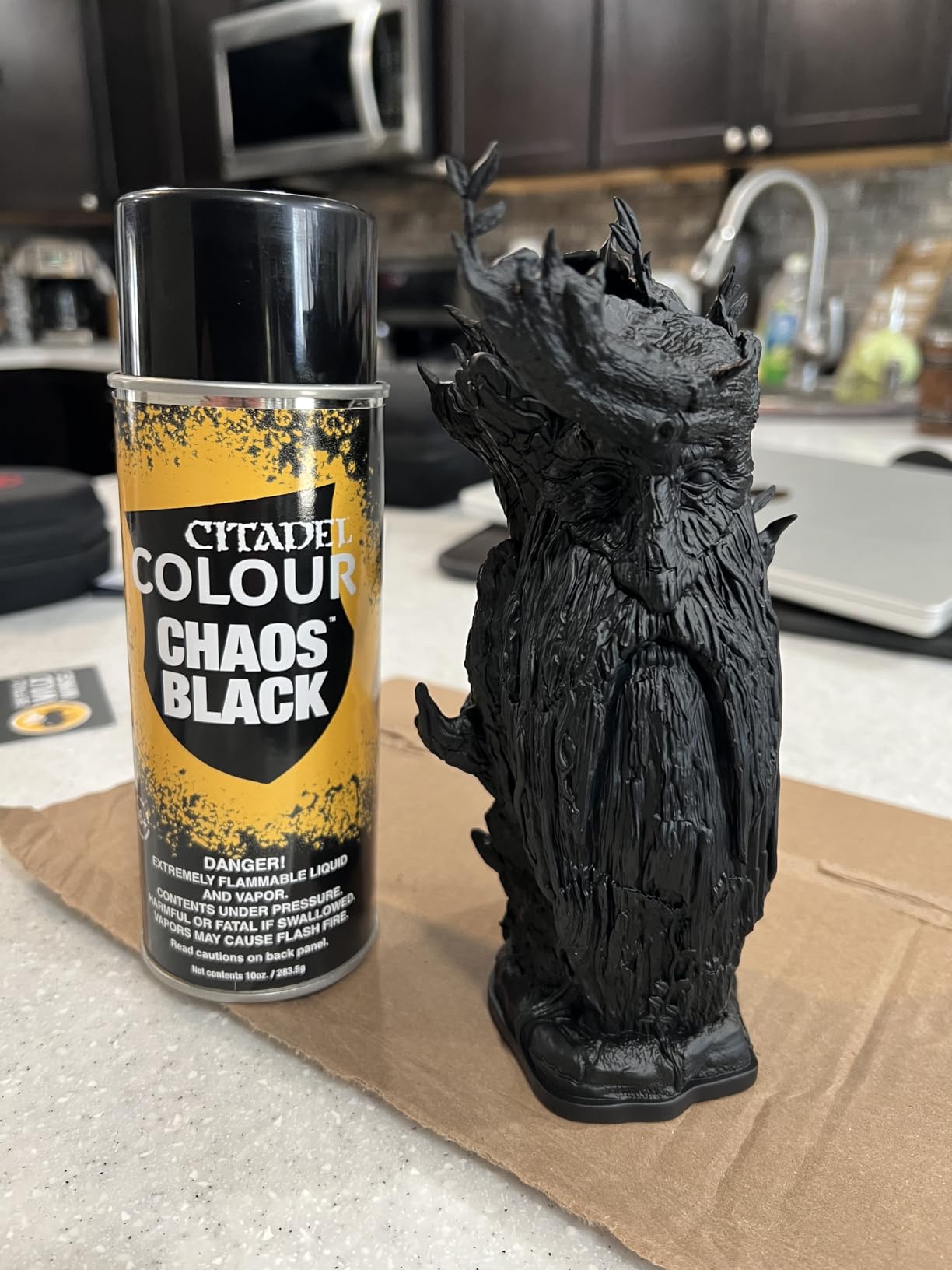
Games Workshop built their empire on miniature painting, and their Chaos Black Primer reflects that expertise. This is the primer that launched a million Warhammer armies, and it remains a benchmark that other products are measured against. When I want guaranteed results on expensive resin character models, this is the safety net I trust.
The spray quality is what separates this from hardware store alternatives. The can delivers a consistent, fine mist that lays down in controlled layers. I have never had this primer spatter, drip, or fuzz up details. That reliability matters when you are working on a $50 resin model that took days to print and clean.
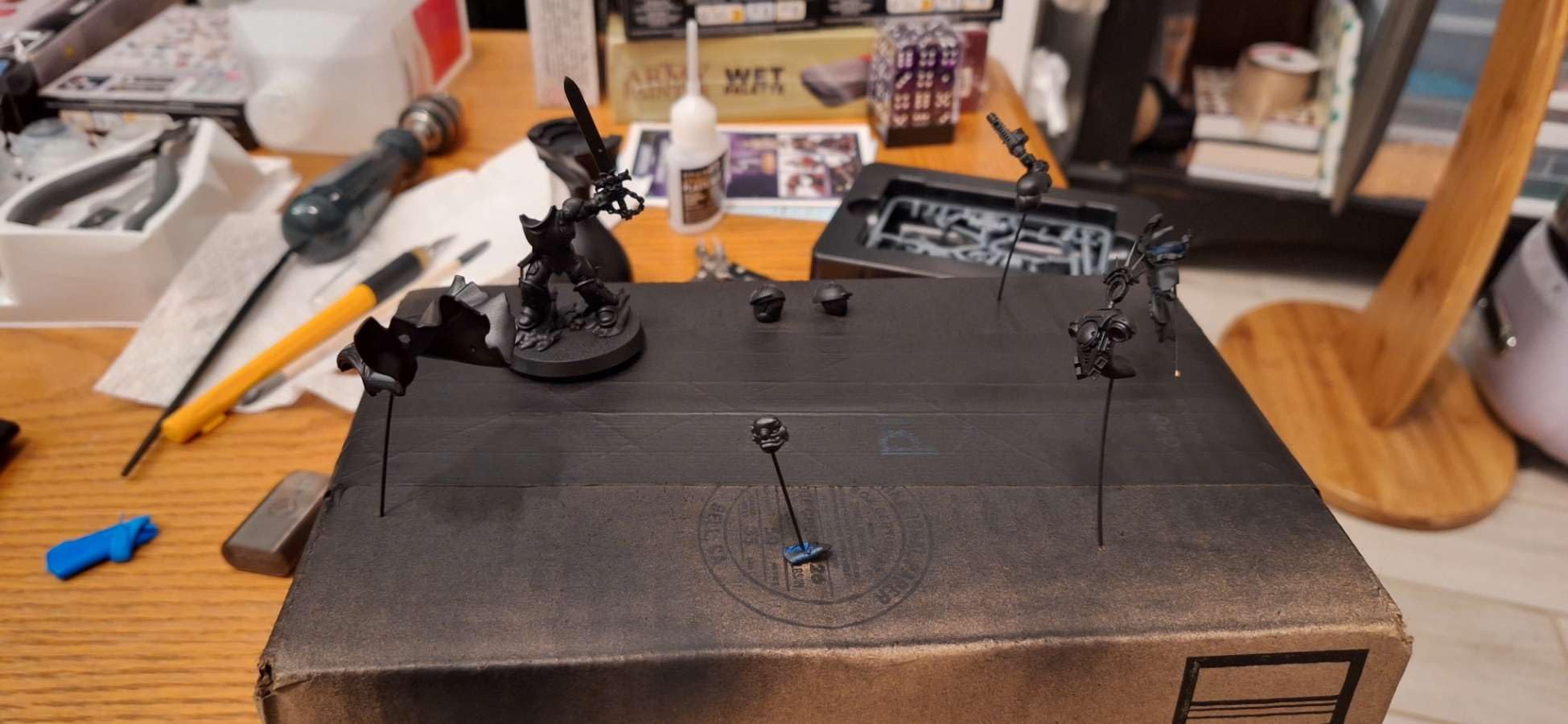
The 400ml can is generous compared to Tamiya, giving you more priming sessions per purchase. I typically get 35-40 standard 28mm miniatures from one can, making the per-model cost more reasonable than the sticker price suggests. For serious hobbyists, the larger format makes sense.
There is a catch though. You are paying for the brand name here. The primer performs excellently, but at nearly twice the price of Army Painter alternatives, it stings. I reserve this for projects where perfection matters, not for bulk troop priming where good enough is good enough.
Best Applications for This Primer
This primer is perfect for Warhammer and Games Workshop resin miniatures specifically, as it was formulated for their material blends. I use it for display pieces, competition entries, and any model where I cannot afford priming mishaps. The black color is ideal for grimdark color schemes, metallics, and creating deep shadow foundations.
If you are new to resin miniatures and want one reliable product that will not let you down, start here. The forgiving spray pattern and consistent quality give you room to learn proper technique without destroying models.
When to Consider Alternatives
The price is the obvious deterrent. At over $20 per can, this is premium pricing for premium results. For army builders working on budgets, Army Painter or airbrush primers deliver similar outcomes for significantly less money per miniature.
If you need white or gray primer, Chaos Black is obviously the wrong choice. Also, some users report that newer formulations are slightly different from the classic version, so expectations based on years-old experiences might need adjustment. For pure value, look elsewhere.
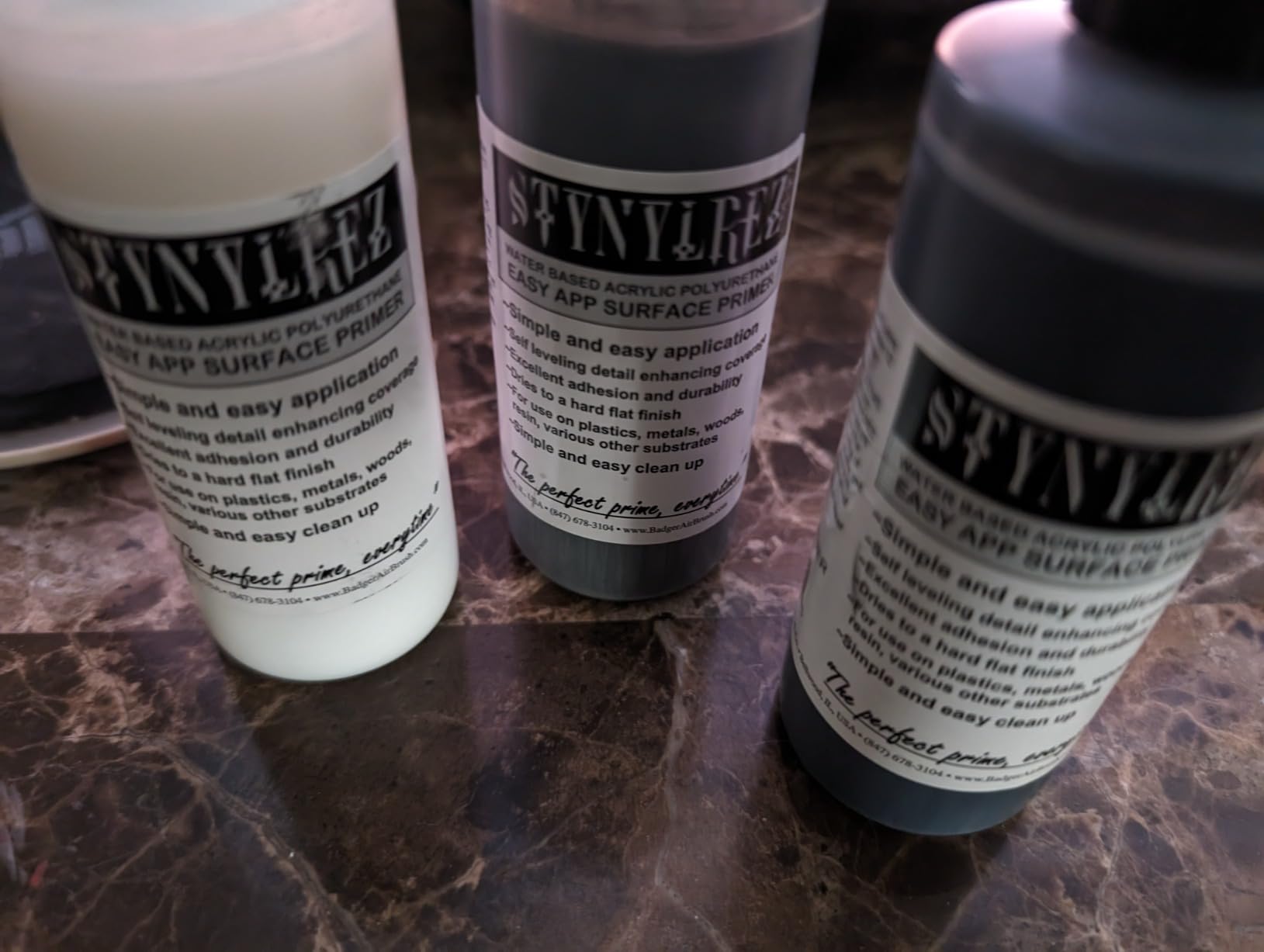
4. Badger Stynylrez 3-Tone Set – Versatile Airbrush Kit
Badger Air-Brush SNR-410 Stynylrez Water Based Acrylic Polyurethane 3-Tone Primer, 4-Ounce, White/Gray/Black,
3-tone set
White/Gray/Black
Water based acrylic
12oz total volume
Made in USA
Pros
- Self-leveling primer with simple application
- Detail enhancing coverage shows sculpt quality
- Excellent adhesion and durability on all surfaces
- Dries to hard flat finish perfect for paint
- Can mix tones to create custom shades
- Great value compared to individual spray cans
- Preserves details really well at proper psi
Cons
- Can be thick and finicky to thin properly
- Hard to clean out of airbrush without lacquer thinner
- Must not freeze or becomes unusable
- May need thinning for USB-powered airbrushes
The Badger Stynylrez 3-Tone Set solved a problem I did not know I had until I tried it. Having black, gray, and white primer in one kit means I can match my base coat to any project without buying multiple products. For someone who paints everything from dark undead armies to bright fantasy heroes, this flexibility is worth the price alone.
Stynylrez has a reputation in the hobby community for toughness, and it is deserved. Once this primer cures, it creates a surface that laughs at handling and transportation. I have models primed with this three years ago that still have perfect paint adhesion despite regular gaming use. The durability is exceptional.
The self-leveling formula works beautifully on resin. It finds its own level in recesses without pooling, which means less cleanup work after priming. I run this through a 0.5mm needle at about 18 PSI, and it flows perfectly with minimal thinning. The coverage is impressive too, two light coats give complete opacity.
There are quirks to manage. This primer will destroy your airbrush if you let it dry inside, and water is not enough to clean it. I keep lacquer thinner dedicated for Stynylrez cleanup, which adds cost and ventilation requirements. Also, if the bottle freezes, the formula separates permanently, so keep it at room temperature.
Best Applications for This Primer
The 3-tone set is perfect for painters who want options. You can use single colors for standard priming, mix them for custom shades, or apply all three for zenithal highlighting in one product purchase. I recommend this for intermediate painters ready to experiment with advanced techniques.
The durability makes it ideal for gaming miniatures that will see heavy use. If you are building an army for tournament play or regular gaming sessions, Stynylrez gives you a foundation that will not chip when your models knock together in transport.
When to Consider Alternatives
If you only ever prime black, buying a 3-tone set wastes money. The individual bottles cost less per ounce when bought separately if you know your color preference. Also, the cleanup requirements make this annoying for quick priming sessions where you want to spray and walk away.
For small USB airbrushes, the thickness can be problematic without significant thinning, which starts a cycle of adjustment and testing. Beginners might find the learning curve frustrating when simpler primers work out of the bottle.
5. Vallejo White Surface Primer – Bright Base Coat
Vallejo – Surface Primer Color | White Acrylic Primer 60 ml (2.02 fl.oz.) | Matte Finish and Fast Drying | Perfect for Airbrushing and Great Adhesion to Figurines and Scale Models
White acrylic primer
60ml bottle
Matte finish
Water based formula
24 hour full cure
Pros
- Good coverage with smooth matte finish
- Easy to apply with brush or airbrush methods
- Dries very thin for slap chop techniques
- Paint adheres well once fully cured
- Versatile for various surfaces including resin
- Low odor compared to other primers
- Spreads well and leaves even finish
Cons
- Very thin and watery consistency
- May require 2 coats on dark surfaces
- Can be runny and difficult to control
- Some report durability issues versus black formula
Vallejo’s white primer uses the same technology as their black formula but optimized for bright base coats. I use this whenever I am painting light color schemes, white armor, or vibrant fantasy palettes. The thin consistency that causes complaints is actually intentional, it flows into recesses rather than sitting on top of them.
Application requires adjustment from the black primer. The white formula seems slightly more fluid, and I have learned to apply it in thinner coats than I initially thought necessary. Two proper light coats beat one heavy coat every time. Once you dial in your technique, the finish is beautifully smooth and perfect for light colors.
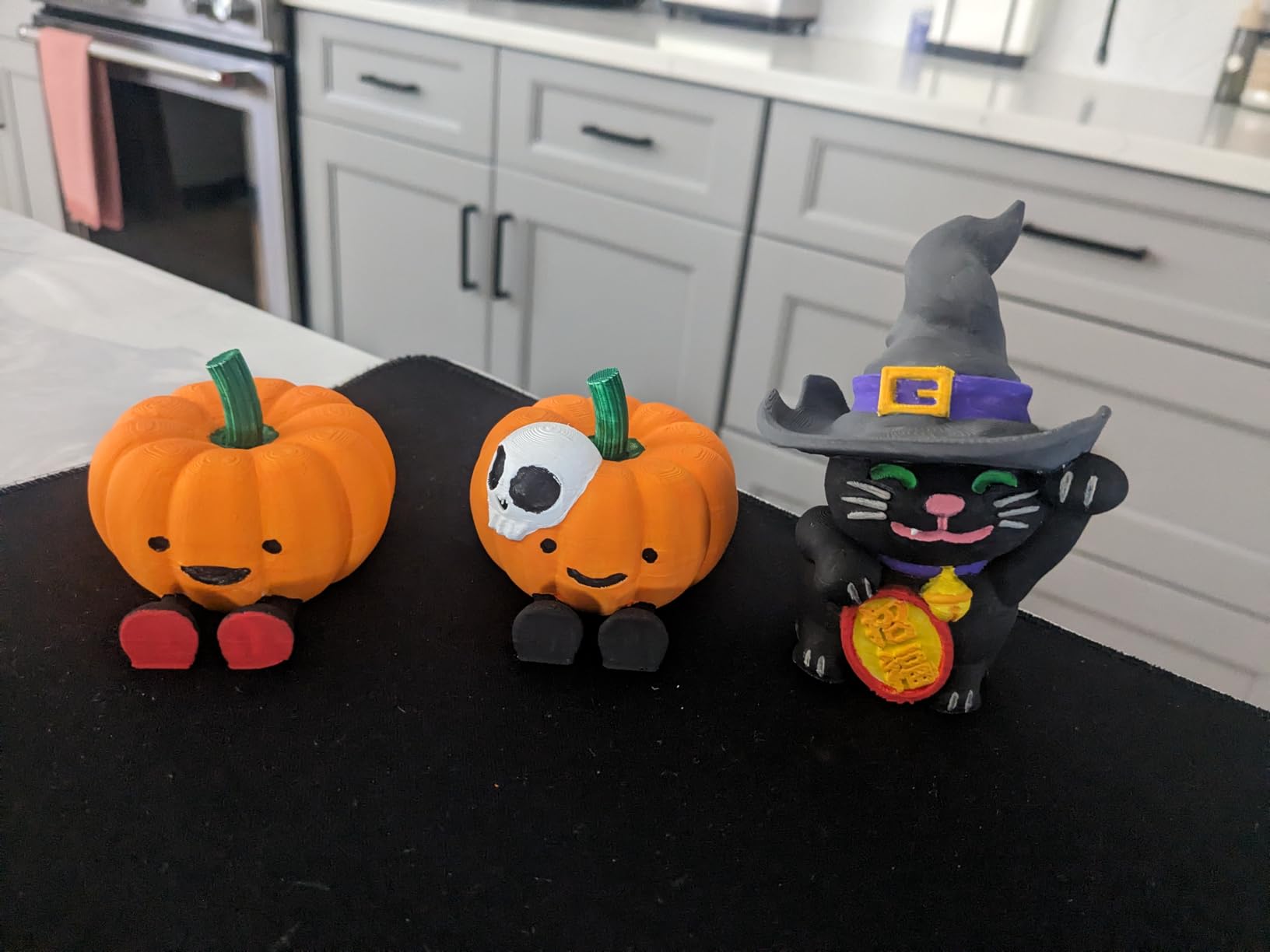
Through an airbrush, this primer creates the perfect foundation for zenithal highlighting or bright color applications. I use it for Stormcast Eternals, white Scarab Occult Terminators, and any model where I want colors to pop. The bright base makes yellows, reds, and light blues achieve full saturation with fewer coats.
The watery consistency can frustrate brush users. You need to work quickly and accept that first coats will look streaky. Second coats level everything out, but beginners often panic at the initial appearance and overbrush, causing texture issues. Patience is essential with this formula.
Best Applications for This Primer
This primer is essential for bright color schemes. If you paint Space Marines in white, Imperial Guard in tan, or any army with significant light colors, you need this. The white base prevents the graying and muting that happens when painting light colors over darker primers.
I also use it for the white layer in zenithal highlighting. Spray black from below, white from above, and you have instant volume mapping that makes subsequent paint layers glow. The thin application means the white does not obliterate the black shadow areas.
When to Consider Alternatives
White primers universally require more coats for full coverage, and this one is no exception. If you are painting dark models, starting from white wastes time and paint. Also, some users report this formula is slightly less durable than Vallejo’s black primer, though I have not personally experienced significant issues.
For army painting, white primer shows every handling mark and speck of dust. Your models look dirty faster, and touch-ups are more visible. Consider gray primer for armies that will see heavy tabletop use.
6. Army Painter Color Primer Matt White – Budget-Friendly Bulk Option
The Army Painter, Colour Primer Matt White, 400 ml acrylic spray
Spray can format
Matt white finish
400ml capacity
Non-toxic formula
Acrylic based spray
Pros
- Excellent coverage and adhesion on resin
- Perfect for Army Painter method workflow
- Colors match Army Painter paint range
- Saves time combining primer and color
- Works on metal plastic and resin figures
- Relatively affordable compared to alternatives
- Quick drying for fast project turnaround
Cons
- Can create texture if instructions not followed
- May struggle getting all areas evenly coated
- Strong smell requires outdoor use
- Some report unpredictable results from certain cans
- Storage in extreme temperatures affects quality
The Army Painter built their reputation on helping tabletop gamers paint armies fast, and their Color Primer reflects that philosophy. This is not just a primer, it is a base coat and primer combined, which saves an entire painting step when you match the color to your final scheme. For batch painting, that efficiency matters.
I have used this for three armies now, and the results hold up years later. The 400ml can is generous, covering significantly more miniatures than the Tamiya can at a lower price point. If you are budget-conscious but want quality results, this is the sweet spot in the market.
The white specifically works beautifully for bright armies. I used it as the foundation for a full Stormcast Eternal force, and the color match to Army Painter’s white paint range made layering simple. When you prime in a color close to your final scheme, you save hours of base coating.
Quality control can vary though. I have had cans that sprayed like a dream and one can that seemed slightly thick. Shaking thoroughly and proper temperature storage helps, but there is slightly more variability than with Citadel or Tamiya products. For the price difference, most gamers accept that tradeoff.
Best Applications for This Primer
This primer is designed for army painters building tabletop forces. The color-plus-primer formulation eliminates a painting step, and the 400ml can size keeps per-model costs low. I recommend this for anyone building a 1000+ point force where efficiency matters more than absolute perfection on individual models.
The color matching to Army Painter’s paint range is genuinely useful if you use their system. Prime in the color closest to your final scheme, then layer and shade on top. It is a foolproof method that produces tabletop-ready results fast.
When to Consider Alternatives
If you paint individual display models or competition entries, the slight variability in spray quality makes this riskier than premium options. For a character model you will spend 20 hours painting, spend the extra money on Citadel or Tamiya.
The strong smell means outdoor or well-ventilated use only. In winter months, this becomes impractical for many painters. Also, if you do not follow the directions about shaking and spray distance, you will get texture issues that ruin models. It is less forgiving than other options.
How to Choose the Right Primer for Your Resin Miniatures?
Selecting the best primer for resin miniatures involves more than grabbing the highest-rated product. Your specific needs, equipment, and project type should guide the decision. After testing these products across hundreds of models, here is what actually matters.
Primer Types: Spray vs Airbrush vs Brush-On
Spray cans offer convenience and zero cleanup, making them perfect for beginners or painters without airbrush setups. They deliver consistent results with minimal technique, but they lack the control for advanced techniques like zenithal highlighting. I keep Tamiya and Army Painter cans on hand for quick priming sessions.
Airbrush primers like Vallejo and Stynylrez give you ultimate control over application. You can vary pressure for different effects, spot-prime specific areas, and apply multiple colors for advanced underpainting. The investment in equipment pays off if you paint regularly or work on display pieces.
Brush-on application works in emergencies but is generally inferior for miniatures. Brush marks create texture that shows through paint layers, and achieving even coverage is difficult. I only brush prime when a model needs touch-ups after the initial spray application.
Color Selection: Black vs Gray vs White
Black primer creates instant shadows and is ideal for dark color schemes, metallics, and grimdark aesthetics. It forgives painting mistakes because missed spots read as shadow rather than error. Most of my armies start from black because it suits my painting style.
Gray provides a neutral middle ground that works for varied color schemes. It does not shift bright colors like black does, nor does it require as many coverage coats as white. For army painters working on multiple projects, gray is the versatile choice.
White makes bright colors pop but demands perfect coverage and shows every mistake. I use white for specific projects where vibrancy matters, but I dread touching up chips because they are so visible. Consider your final color scheme when choosing primer color.
Surface Preparation for Resin
Resin miniatures arrive with release agent residue that will defeat any primer. I wash every resin print in warm water with dish soap, scrub gently with a soft brush, rinse thoroughly, and let dry completely. For water-washable resins, an additional IPA rinse helps remove any remaining film.
Sanding is rarely necessary for resin unless you have support marks or print defects. When needed, 400-grit sandpaper smooths imperfections without destroying detail. Always clean dust thoroughly before priming.
Temperature and Humidity Considerations
Spray primers are sensitive to environmental conditions. I prime outdoors when temperature is between 60-80 degrees Fahrenheit with humidity under 60%. Cold or humid conditions cause primer to dry incorrectly, creating texture, dust attraction, or poor adhesion. If weather is wrong, wait or switch to airbrush primers which are more forgiving.
Airbrush primers can be used indoors with proper ventilation and a spray booth. This extends your painting season into winter months and gives consistent results regardless of weather. The controlled environment is worth the equipment investment for serious painters.
Frequently Asked Questions
Do resin miniatures need primer?
Yes, resin miniatures absolutely need primer before painting. Resin surfaces are smooth and often have release agent residue that prevents paint from adhering properly. Primer creates a microscopic texture that paint can grip, ensuring your paint job survives handling and gaming. Without primer, paint will chip, flake, and rub off with minimal contact.
Which primer for resin miniatures works best?
Vallejo Surface Primer is widely considered the best primer for resin miniatures due to its acrylic-polyurethane formula that bonds exceptionally well to resin surfaces. For spray can users, Tamiya Fine Surface Primer provides excellent detail preservation. Both have been tested extensively on 3D printed resin with superior adhesion results compared to hardware store alternatives.
What primer should I use on epoxy resin?
For epoxy resin miniatures and models, acrylic or polyurethane-based primers work best. Vallejo Surface Primer and Badger Stynylrez both use acrylic-polyurethane formulas that bond well to epoxy surfaces. Avoid enamel primers on epoxy resin as they can react poorly. Always clean epoxy resin thoroughly with IPA before priming to remove any surface contamination.
Will primer stick to resin without preparation?
Primer will not stick properly to resin without surface preparation. Resin miniatures have smooth non-porous surfaces and often retain release agent residue from the printing or casting process. You must wash models in warm soapy water, rinse with isopropyl alcohol, and let them dry completely before priming. Skip this step and your primer will likely flake or peel within days.
Conclusion
Choosing the best primer for resin miniatures depends on your specific needs, equipment, and project goals. For airbrush users, Vallejo Surface Primer remains unmatched in adhesion and detail preservation. Spray can enthusiasts will find Tamiya Fine Surface Primer delivers professional results without equipment investment. Budget-conscious army builders should consider Army Painter Color Primer for its value and efficiency.
Remember that no primer can overcome poor surface preparation. Wash your resin miniatures thoroughly, prime in appropriate conditions, and apply thin coats rather than heavy single passes. With proper technique and the right primer from this guide, your resin miniatures will have a foundation that supports beautiful paint jobs lasting years of gaming and display.
As we move through 2026, resin 3D printing continues growing in popularity, making primer knowledge essential for hobbyists. Whether you are printing your own designs or buying resin miniatures from manufacturers, the products and techniques in this guide will serve you well for any project ahead.