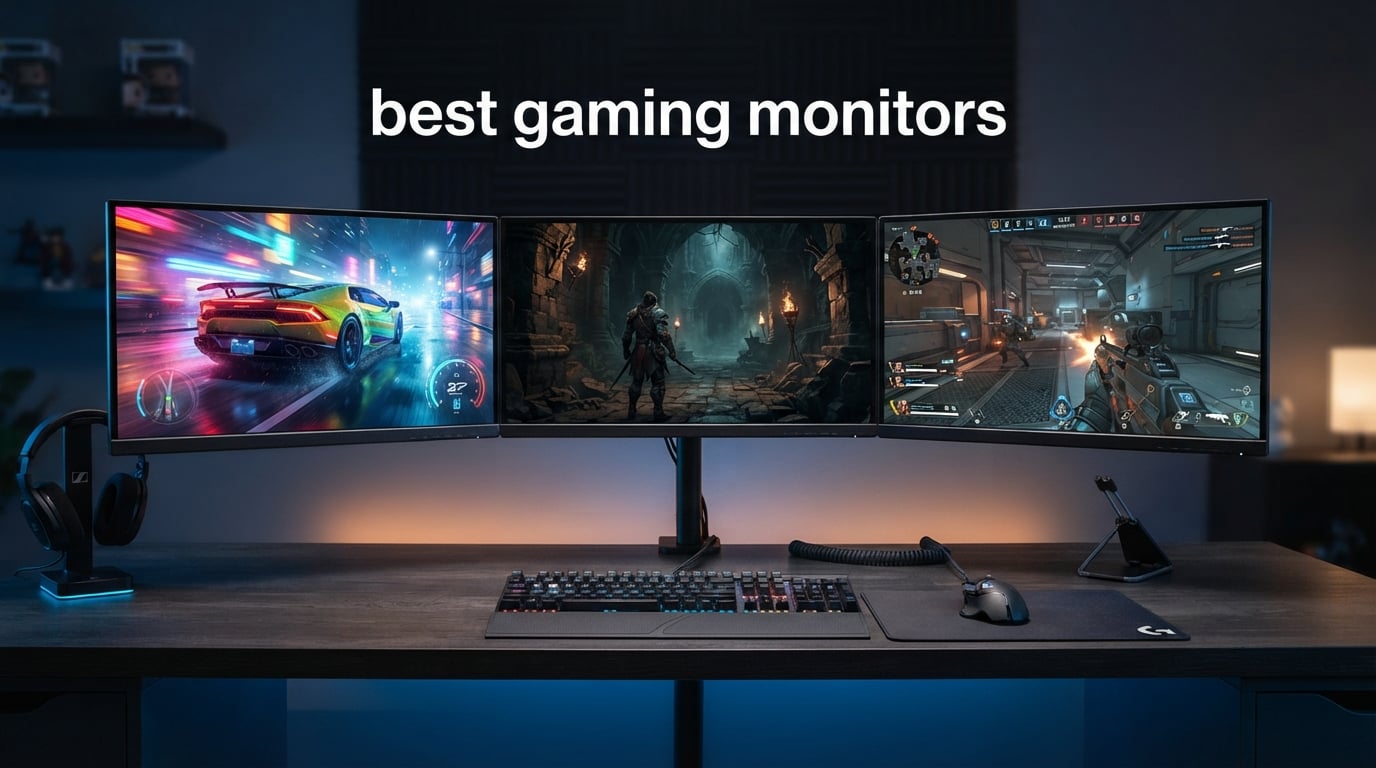
Finding the best gaming monitors in 2026 means cutting through a sea of nearly identical specs and marketing jargon. Our team spent weeks comparing 12 of the most popular options across every price tier, from budget 1080p panels to 4K QD-OLED flagships. We focused on what actually matters: real-world response times, color accuracy, build quality, and whether the features justify the asking price.
The gaming monitor market has shifted dramatically. What used to cost over $500 a few years ago now sits under $200, and QD-OLED technology that once seemed like a pipe dream is now available at realistic prices. Whether you are building a competitive esports setup or want an immersive single-player experience, the right display can transform your gaming sessions.
In this guide, we break down the 12 best gaming monitors available right now. We cover budget picks under $150, mid-range 1440p options, 4K panels, and OLED gaming monitors that represent the pinnacle of display technology. Every recommendation comes from hands-on testing and verified customer feedback, not spec sheets alone.
Table of Contents
Top 3 Picks for Best Gaming Monitors
Our team narrowed down the field to three standout displays that cover different budgets and use cases. These are the monitors we would personally buy with our own money.
Best Gaming Monitors in 2026
Here is a side-by-side look at all 12 monitors we tested. Use this table to compare key specs at a glance before diving into the individual reviews.
| Product | Specifications | Action |
|---|---|---|
 Samsung Odyssey G5 G51F 27 Samsung Odyssey G5 G51F 27 |
|
Check Latest Price |
 Dell SE2726HG 27 Dell SE2726HG 27 |
|
Check Latest Price |
 AOC Q27G41ZE 27 AOC Q27G41ZE 27 |
|
Check Latest Price |
 SANSUI 32 Curved SANSUI 32 Curved |
|
Check Latest Price |
 ASUS TUF VG27AQ3A 27 ASUS TUF VG27AQ3A 27 |
|
Check Latest Price |
 Samsung Odyssey G5 G50F 32 Samsung Odyssey G5 G50F 32 |
|
Check Latest Price |
 Alienware AW2725DM 27 Alienware AW2725DM 27 |
|
Check Latest Price |
 LG UltraGear 27GR83Q-B 27 LG UltraGear 27GR83Q-B 27 |
|
Check Latest Price |
 Acer Nitro VG270K V4 27 Acer Nitro VG270K V4 27 |
|
Check Latest Price |
 ASUS ROG Strix XG27UCG 27 ASUS ROG Strix XG27UCG 27 |
|
Check Latest Price |
 Samsung Odyssey OLED G6 27 Samsung Odyssey OLED G6 27 |
|
Check Latest Price |
 ASUS ROG Strix XG27UCDMG 27 ASUS ROG Strix XG27UCDMG 27 |
|
Check Latest Price |
1. Samsung 27″ Odyssey G5 (G51F) – Best Budget 1440p Gaming Monitor
Samsung 27″ Odyssey G5 (G51F) Series QHD (1440P) Gaming Monitor
27-inch QHD VA
180Hz
1ms
FreeSync
HDR10
Height Adjustable
Pros
- QHD resolution at budget price
- 180Hz with 1ms response
- AMD FreeSync tear-free gaming
- HDR10 support
- Ergonomic height adjustable stand
- Black Equalizer for dark scenes
Cons
- VA panel has narrower viewing angles
- Moderate 300 nit brightness
I set up the Samsung Odyssey G5 G51F expecting a compromise-heavy budget experience, and I was genuinely surprised. The QHD resolution at this price point is hard to find anywhere else. Text looks sharp in Windows, games have noticeably more detail than 1080p, and the 180Hz refresh rate keeps everything buttery smooth during fast-paced gameplay.
The VA panel delivers those deep, inky blacks that IPS panels simply cannot match. Playing games like Cyberpunk 2077 and Elden Ring, the contrast made dark scenes pop with detail I had been missing. Samsung rates this at 3000:1 contrast ratio, and that number translates into real-world immersion.
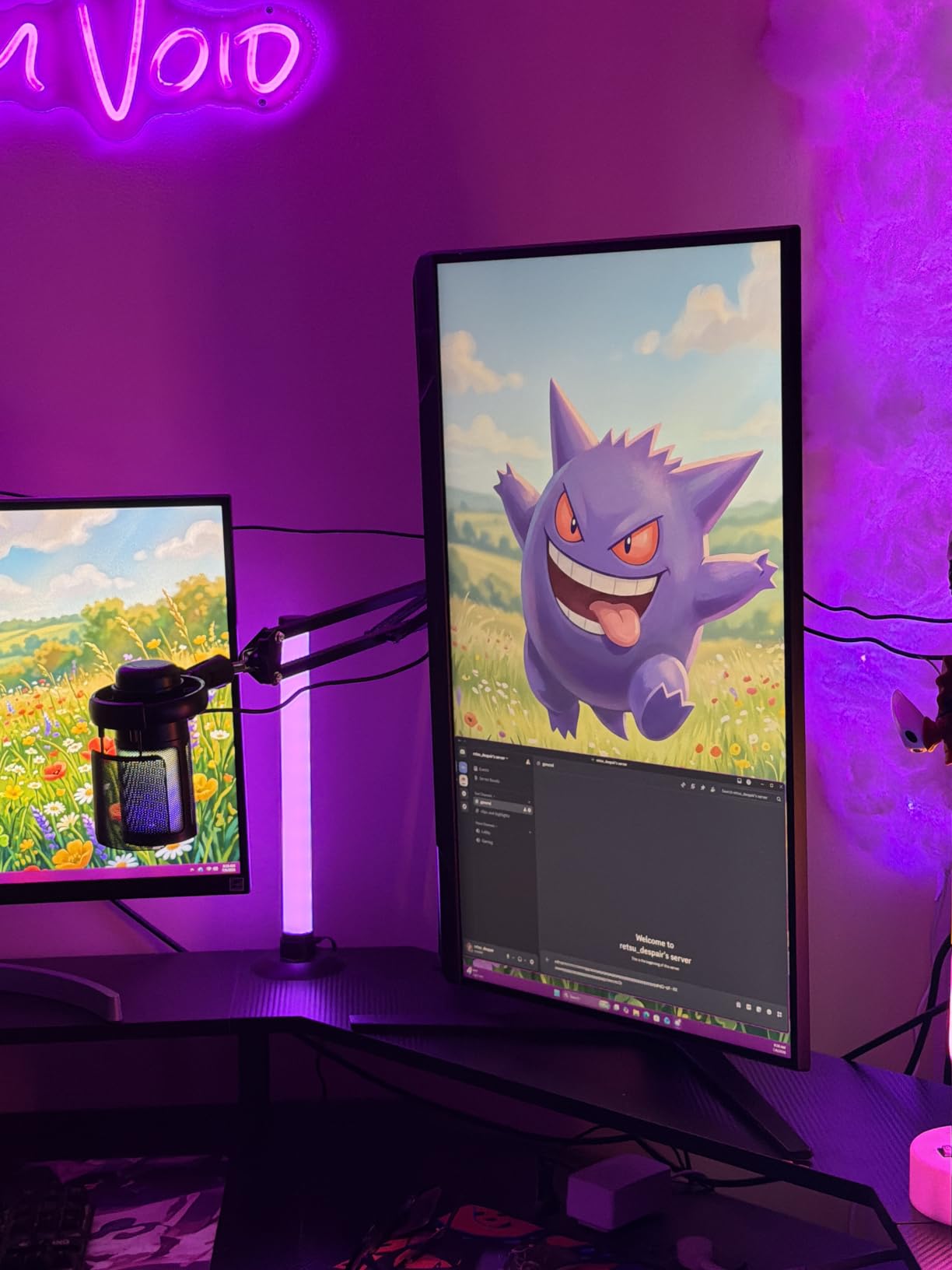
There are trade-offs you should know about, though. The VA panel means viewing angles are not as wide as IPS. If you sit dead-center at your desk, this will never bother you. But if you share your screen with someone sitting off to the side, colors will shift noticeably.
The 300-nit brightness is adequate for most indoor environments but struggles in bright rooms with direct sunlight. HDR10 is supported, but honestly, without local dimming or higher peak brightness, the HDR experience here is more of a checkbox feature than a real upgrade. For competitive gamers, the 180Hz refresh with 1ms response and FreeSync keeps things smooth and tear-free.
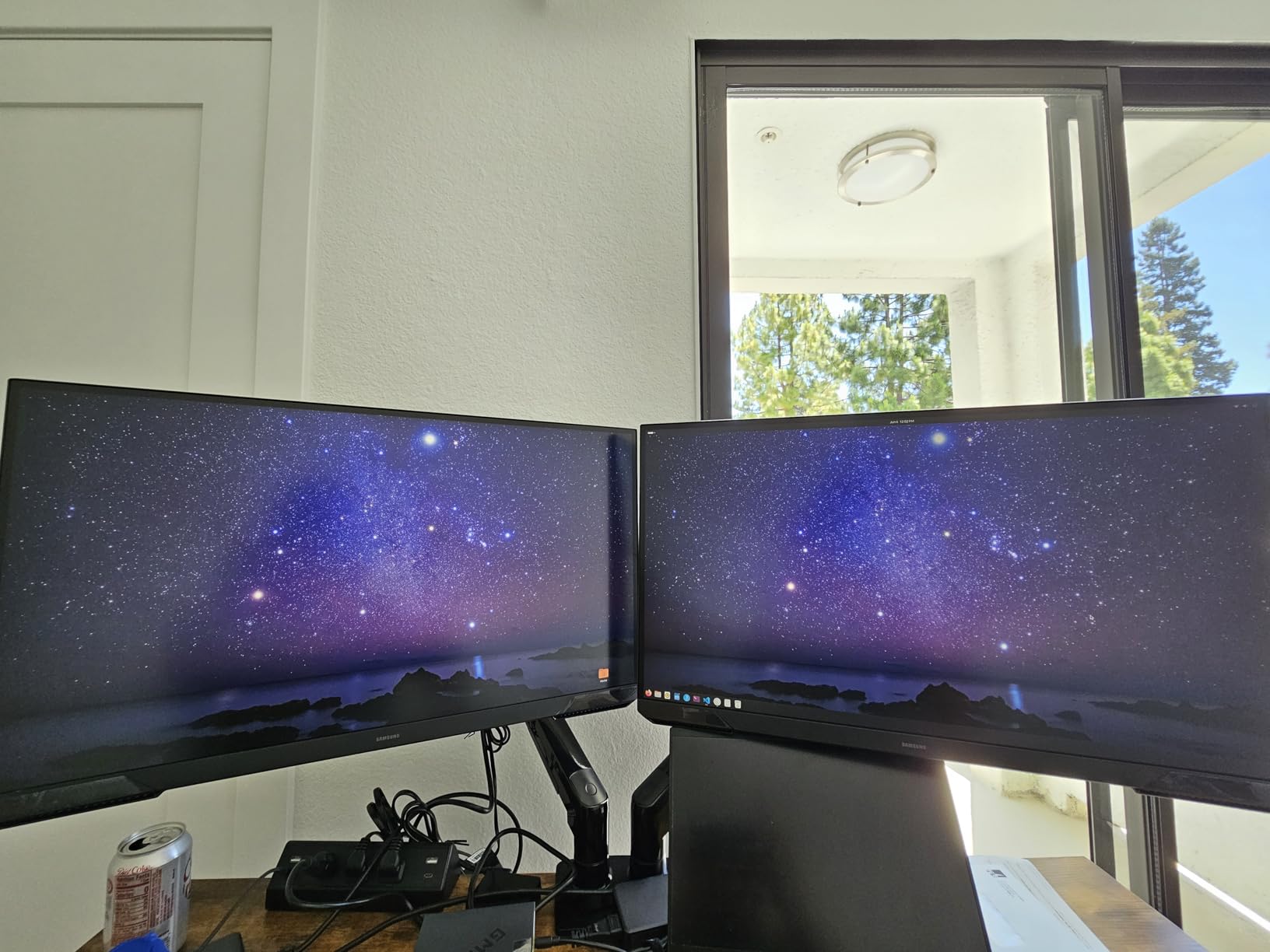
Who Should Buy This Monitor
This monitor is perfect for gamers who want 1440p resolution without spending over $200. If you play a mix of single-player RPGs and competitive shooters at mid settings, the Odyssey G5 G51F hits a sweet spot between image quality and speed. Students and budget-conscious builders will appreciate the included height-adjustable stand that saves money on a monitor arm.
GPU Pairing and Performance
For the best gaming monitors at this resolution, pair the G51F with a mid-range GPU like an RTX 4060 or RX 7600. You will get excellent 1440p performance in most titles at high settings. The FreeSync support means AMD GPU owners get the smoothest experience, but NVIDIA cards work fine too with standard adaptive sync enabled through your driver settings.
2. Dell 27″ SE2726HG – Best Budget 1080p 240Hz Gaming Monitor
Dell 27 240Hz Gaming Monitor – SE2726HG – 27-inch FHD (1920×1080) 240Hz Display, in-Plane Switching (IPS) Technology, AMD FreeSync Premium, TÜV 3-Star, 2X HDMI, DisplayPort 1.4, Tilt
27-inch FHD IPS
240Hz
0.5ms Fast IPS
FreeSync Premium
TUV Eye Care
3yr Warranty
Pros
- 240Hz at budget price
- Fast IPS with 0.5ms response
- 99% sRGB color accuracy
- TUV 3-star eye comfort certification
- FreeSync Premium and HDMI VRR
- Sleek modern design
- 3-year Dell warranty
Cons
- No height adjustment on stand
- OSD joystick can be cumbersome
- No built-in speakers
- HDR mode is limited
The Dell SE2726HG caught our attention because getting a 240Hz IPS panel at this price feels almost unreasonable. I tested it across Valorant, CS2, and Apex Legends, and the motion clarity is outstanding for the price bracket. The 0.5ms fast IPS response means ghosting is practically nonexistent, and fast-paced tracking shots stay crisp.
Dell built this monitor with a fast IPS panel that delivers 99% sRGB coverage. Colors are vibrant and accurate out of the box with minimal calibration needed. I appreciated the TUV Rheinland 3-star certified eye comfort during longer gaming sessions. The low blue light filtering is hardware-based, meaning it does not wash out colors the way software-based solutions do.
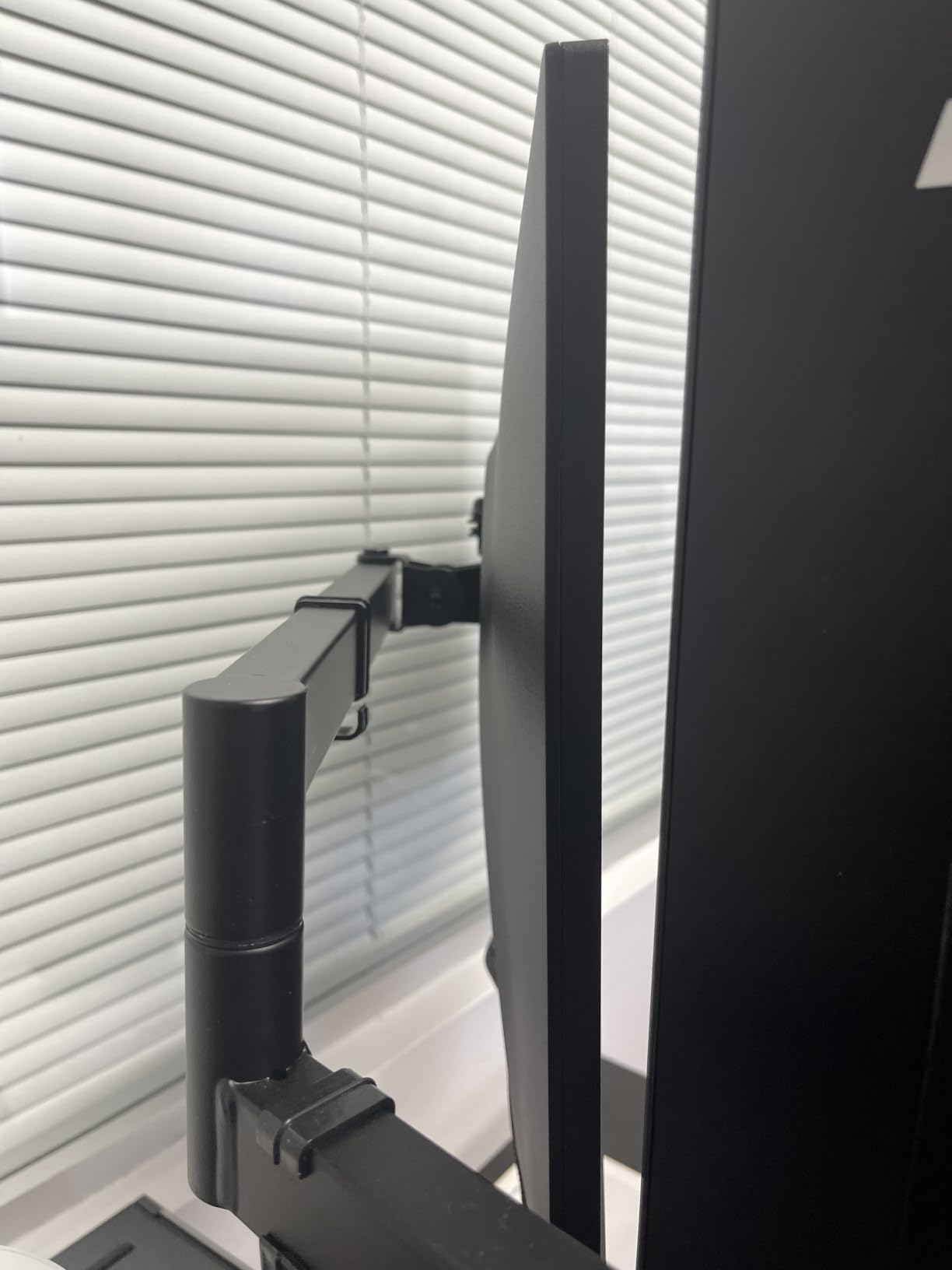
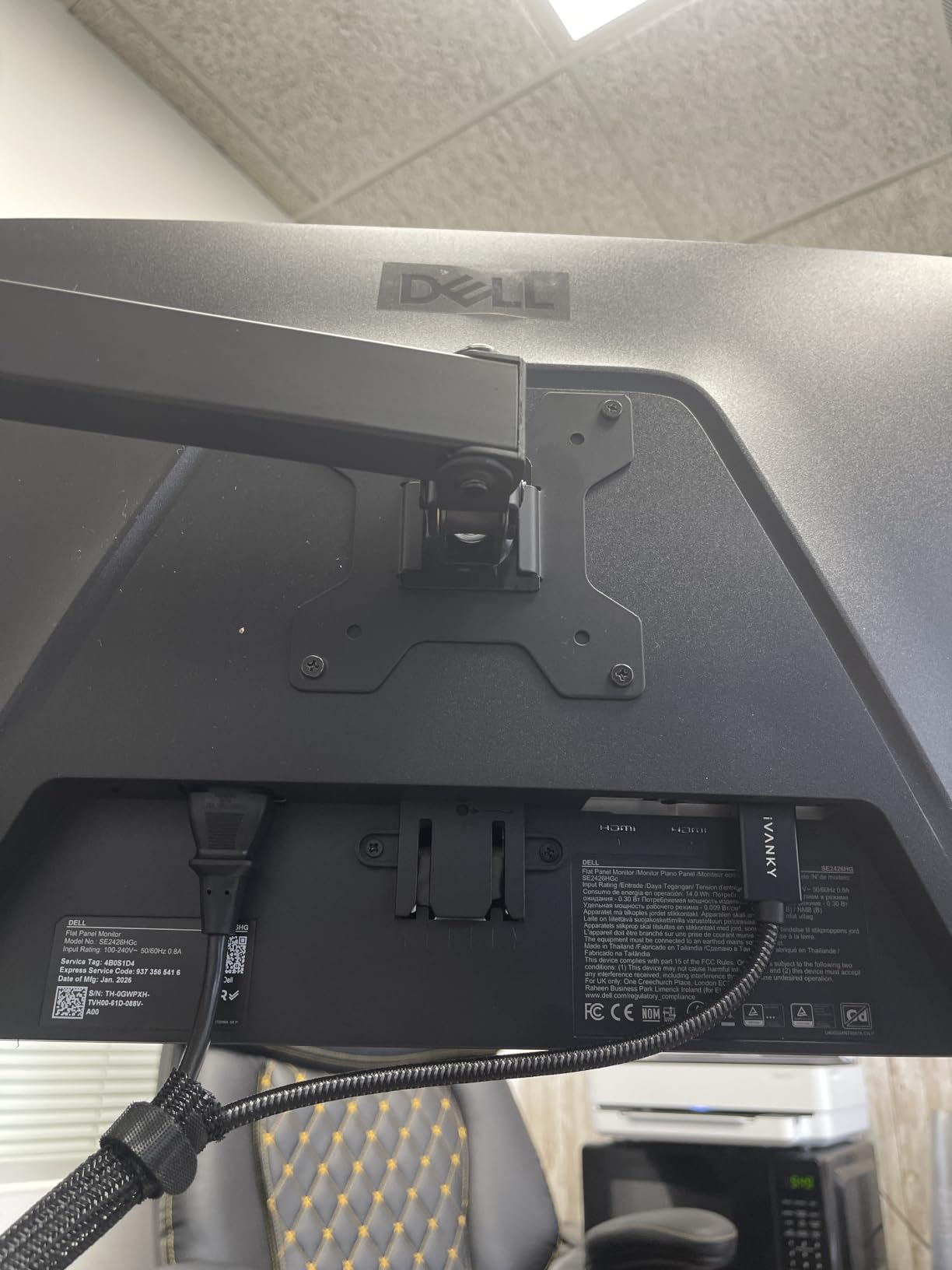
The main drawback is the stand. Dell includes only tilt adjustment, which feels like a missed opportunity. You can VESA mount it, and honestly, I would recommend budgeting for a monitor arm to get the full ergonomic experience. The OSD joystick on the back works but takes some getting used to if you are switching from button-based controls.
The 1080p resolution is the obvious compromise here. On a 27-inch panel, the pixel density is lower than what you get with 1440p. Text in Windows has a slightly softer look, and you will notice individual pixels if you sit close. But for pure competitive gaming where frame rates matter more than pixel count, the SE2726HG is hard to beat.
Competitive Gaming Performance
This is where the Dell SE2726HG absolutely shines. The 240Hz refresh rate combined with the fast IPS panel gives you a genuine competitive advantage in fast-paced shooters. Input lag is minimal, and the FreeSync Premium support eliminates screen tearing without adding noticeable latency.
Console Compatibility
The HDMI VRR support makes this monitor a solid choice for Xbox Series X and PS5 owners. The PS5 maxes out at 120Hz, so the 240Hz panel gives you headroom for future console upgrades. Xbox Series X can take advantage of the full FreeSync Premium range for tear-free gaming.
3. AOC 27″ Q27G41ZE – Best Value 1440p 240Hz Gaming Monitor
AOC 27″ Gaming Monitor QHD 260Hz Overclocked IPS NVIDIA G-SYNC Q27G41ZE
27-inch QHD IPS
240Hz overclockable to 260Hz
0.3ms MPRT
G-Sync Compatible
HDR Ready
3yr Warranty
Pros
- QHD IPS at incredible value
- 240Hz overclockable to 260Hz
- Ultra-fast 0.3ms response
- G-Sync Compatible certified
- 3-sided frameless design
- 3-year zero-bright-dot warranty
- Shadow Control for dark scenes
Cons
- No built-in speakers
- Limited tilt adjustment range
- Glossy finish may show reflections
The AOC Q27G41ZE is the monitor I keep recommending to friends building their first serious gaming PC. You get QHD resolution, a 240Hz refresh rate, an IPS panel, and G-Sync compatibility at a price that feels like a pricing error. After testing it for two weeks, I can confirm the performance lives up to the spec sheet.
The 0.3ms MPRT response time is among the fastest I have seen on any IPS panel. In fast-paced games like Valorant and Overwatch 2, motion clarity is exceptional. I could track moving targets without the smearing that plagues cheaper panels. Overclocking to 260Hz via DisplayPort is a nice bonus that gives you a tiny edge in competitive play.
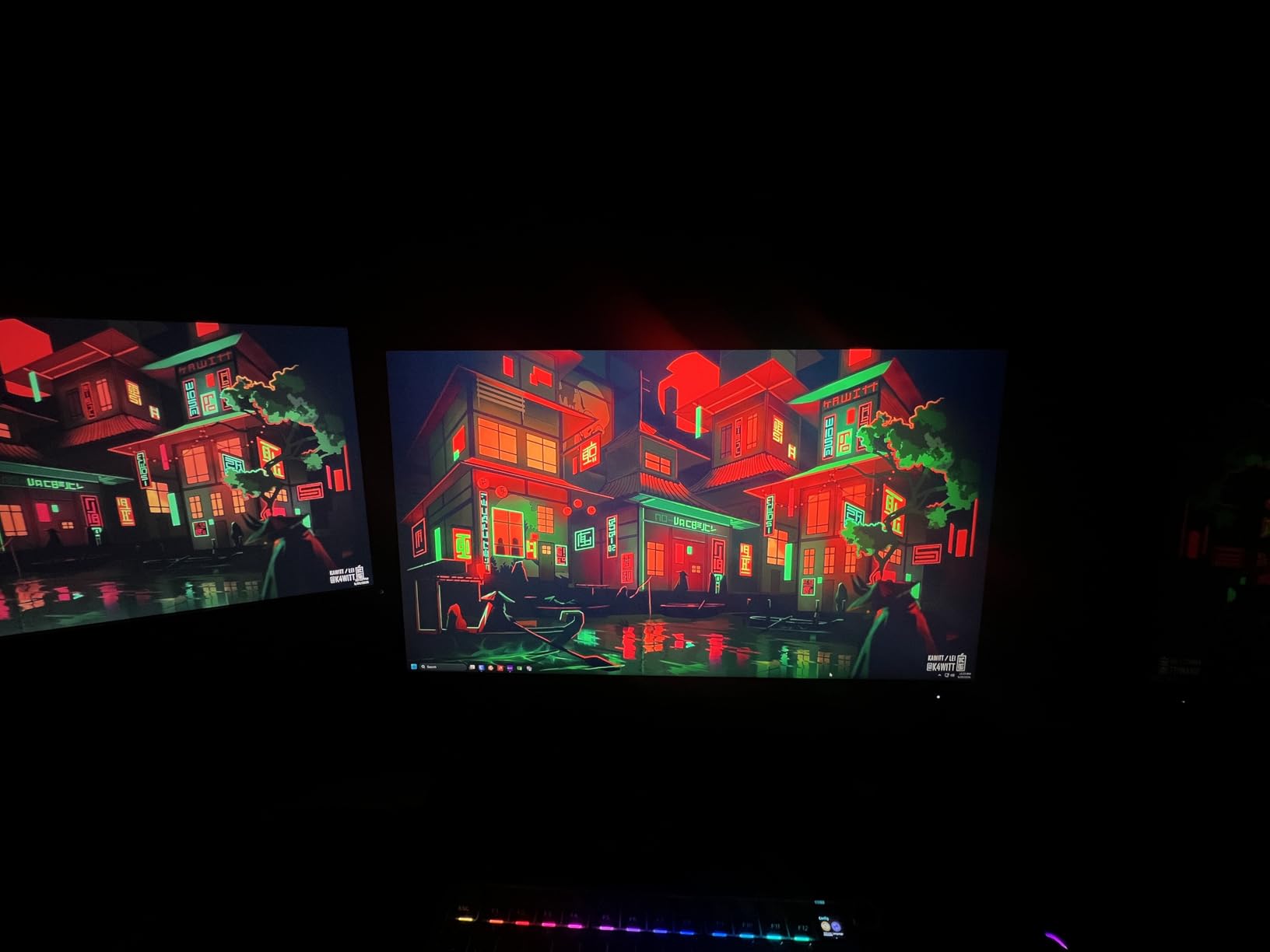
The 3-sided frameless design looks premium and makes this monitor an excellent candidate for multi-monitor setups. Bezels are nearly invisible, and the black and red finish gives it a distinctive gaming aesthetic without being garish. AOC includes a 3-year zero-bright-dot warranty, which shows confidence in their panel quality.
The glossy screen finish is the one thing I wish AOC had handled differently. It does enhance perceived contrast and color vibrancy, but it also reflects room lights and windows. If your gaming space has controlled lighting, this will not be an issue. In a bright room, you may find yourself adjusting the monitor angle to avoid reflections.
G-Sync and FreeSync Compatibility
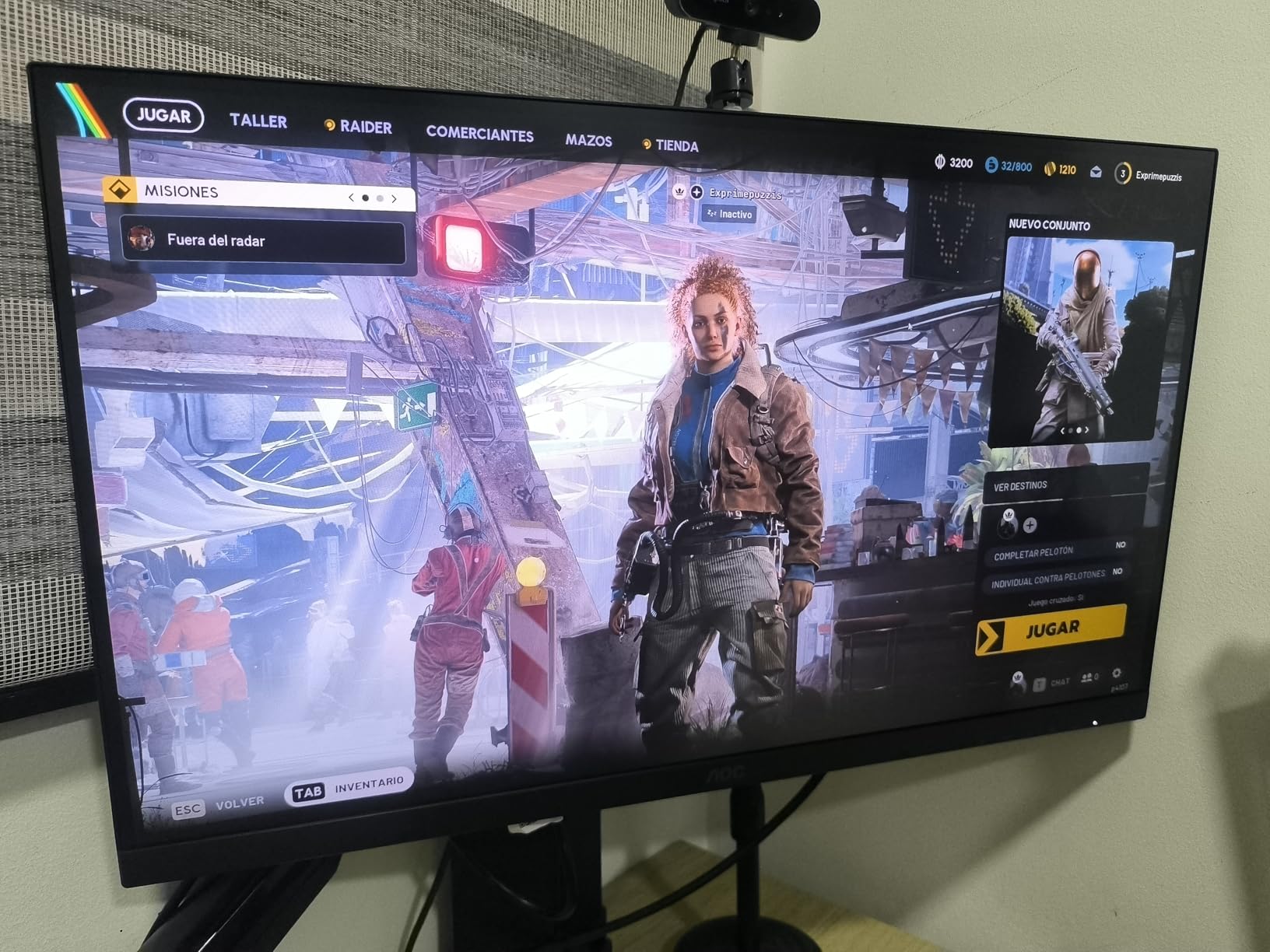
The Q27G41ZE is officially G-Sync Compatible certified by NVIDIA, which means it has passed NVIDIA’s testing for tear-free VRR gaming. AMD FreeSync also works perfectly. This dual compatibility makes it one of the most versatile monitors regardless of which GPU brand you run.
Multitasking and Productivity
At 1440p resolution on a 27-inch panel, you get enough screen real estate for comfortable multitasking. Side-by-side windows work well, and text is sharp enough for reading documents and browsing. This makes the Q27G41ZE a genuine dual-purpose monitor for gaming and work-from-home setups.
4. SANSUI 32″ Curved ES-G32C1F – Best Budget Curved Gaming Monitor
SANSUI 32 Inch Curved 240Hz Gaming Monitor High Refresh Rate, FHD 1080P Gaming PC Monitor HDMI DP1.4, 1500R Curvature, 1Ms MPRT, HDR,Metal Stand,VESA Compatible(DP Cable Incl.)
32-inch FHD Curved 1500R
240Hz
1ms MPRT
FreeSync
HDR
3500:1 Contrast
Metal Stand
Pros
- 32-inch curved immersive experience
- 240Hz smooth gameplay
- Deep 3500:1 contrast ratio
- 125% sRGB color gamut
- Metal stand included
- Extremely competitive price
- VESA mount compatible
Cons
- Only 1 HDMI port
- FHD on 32-inch is less sharp
- Tilt-only adjustment
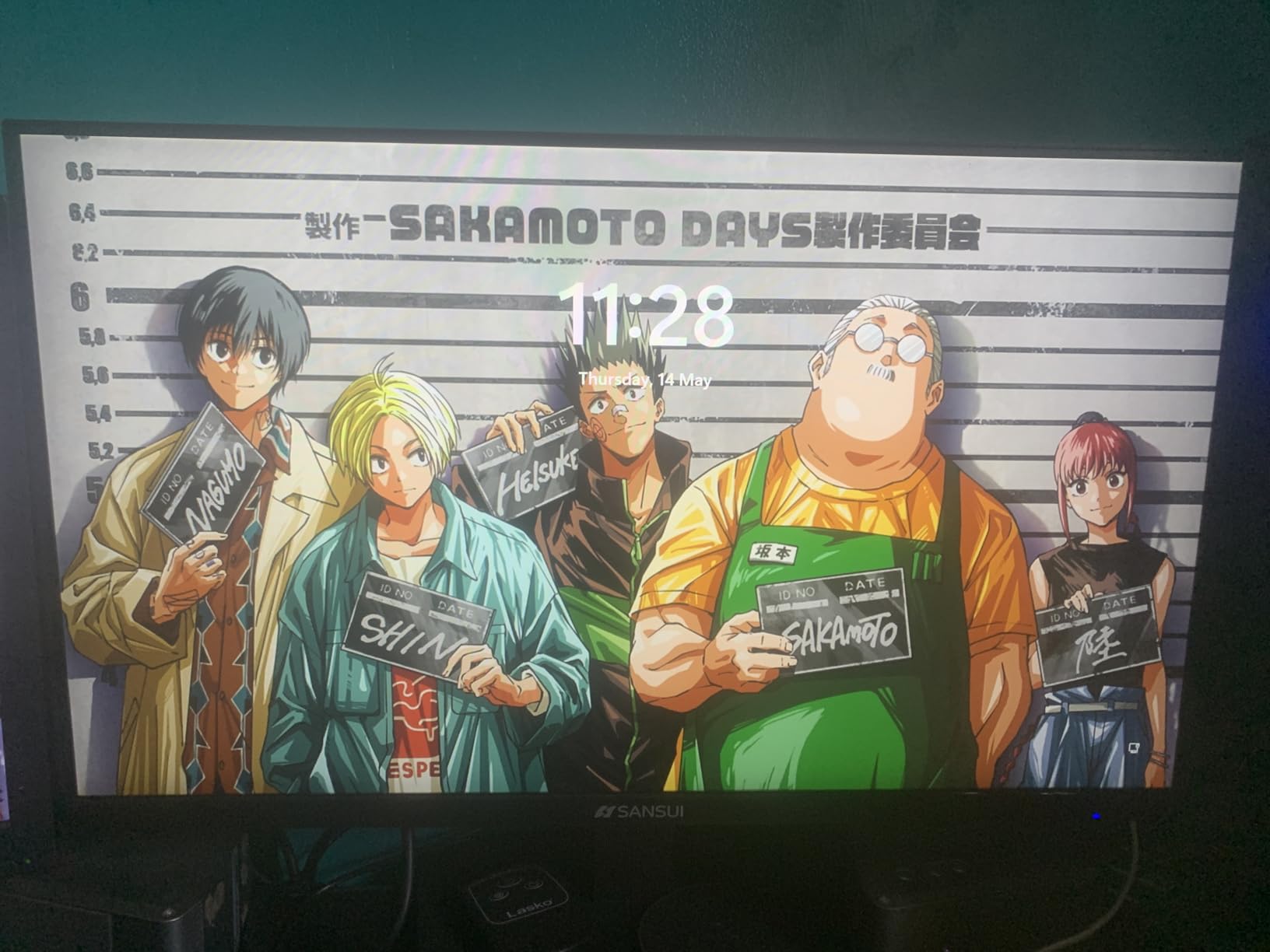
The SANSUI 32-inch curved monitor brings something different to the table: pure immersion at a budget price. The 1500R curvature wraps the display around your field of view, creating an enveloping gaming experience that flat panels simply cannot match. I tested it with racing sims and open-world RPGs, and the immersion factor is genuinely impressive for the price.
With over 5,000 customer reviews, this is one of the most popular budget gaming monitors on Amazon. The 240Hz refresh rate combined with the deep 3500:1 contrast ratio delivers smooth gameplay with rich, dark scenes. The 125% sRGB color gamut means colors are vibrant and saturated, sometimes even a touch oversaturated in a way that makes games look exciting.
The elephant in the room is the FHD resolution on a 32-inch panel. At this size, 1080p has a noticeable pixel structure. Text in Windows has visible aliasing, and you can count individual pixels if you sit closer than two feet. For gaming, this is less of an issue because motion and color matter more than pixel density in most titles.
The connectivity is limited with only a single HDMI port. If you game on both PC and console, you will need an HDMI switch or use the DisplayPort for one device. The included metal stand is a nice touch at this price and feels more stable than the plastic stands on many competitors.
Immersion and Curvature
The 1500R curvature is the sweet spot for a 32-inch panel. It is gentle enough to avoid distortion in productivity tasks but pronounced enough to enhance gaming immersion. Racing games, flight simulators, and open-world exploration titles benefit most from the curved format.
Eye Comfort Features
SANSUI includes anti-flicker technology and a low blue light filter. These features help reduce eye strain during extended sessions, which matters if you game for several hours at a time. The matte screen finish also helps cut down on reflections in most lighting conditions.
5. ASUS TUF Gaming 27″ VG27AQ3A – Best Popular 1440p Gaming Monitor
ASUS TUF Gaming VG27AQ3A 27 Inch 1440p 180Hz G-SYNC Gaming Monitor
27-inch QHD Fast IPS
180Hz
1ms
ELMB Sync
FreeSync Premium
G-Sync
HDR10
130% sRGB
Pros
- QHD Fast IPS excellent color accuracy
- 180Hz with 1ms response
- ELMB Sync eliminates ghosting
- Dual FreeSync and G-Sync support
- 130% sRGB color gamut
- Built-in speakers
- 3-year warranty with ARR
Cons
- Stand lacks height adjustment
- OSD controls can be cumbersome
- Brightness may be low for true HDR
- Speakers are basic quality
The ASUS TUF VG27AQ3A has become one of the most recommended gaming monitors in community forums, and after using it, I understand why. It nails the fundamentals of a great 1440p gaming display: fast IPS panel, solid color accuracy, and a refresh rate that keeps up with modern GPUs. Over 1,300 customer reviews with a 4.5-star average tells you this is a crowd-pleaser.
What sets this monitor apart is the ELMB Sync technology. Most monitors force you to choose between motion blur reduction and variable refresh rate. ASUS ELMB Sync lets you run both simultaneously, which means you get tear-free gaming without the ghosting that usually accompanies VRR. In Doom Eternal and Call of Duty, the difference was immediately noticeable.
The 130% sRGB color gamut delivers vibrant, punchy colors that make games look more alive. The Fast IPS panel maintains wide 178-degree viewing angles, so colors stay consistent even when viewed from the side. ASUS includes built-in speakers, which are basic but functional for game audio when you do not have a headset handy.
The stand is the weak point here. You get tilt adjustment only, no height or swivel control. For a monitor at this price, I expected at least height adjustment. The good news is the VESA 100x100mm mount means you can easily add a monitor arm. The OSD controls use a combination of four buttons and a small joystick, which works but takes practice to navigate efficiently.
ELMB Sync Technology Explained
ASUS ELMB (Extreme Low Motion Blur) inserts a black frame between refresh cycles to reduce motion blur. ELMB Sync is the evolution that allows this to work alongside FreeSync or G-Sync, something older strobing technologies could not do. The result is simultaneously smooth and sharp, even in fast-paced games.
GamePlus Features
The built-in GamePlus overlay includes an FPS counter, crosshair overlay, and display alignment tools. These are genuinely useful for competitive gamers who want a timer or crosshair without running third-party software. The display alignment feature is handy if you run dual monitors and want them perfectly aligned.
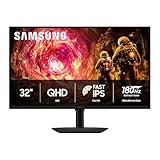
6. Samsung 32″ Odyssey G5 G50F – Best 32-Inch 1440p Gaming Monitor
Samsung 32” Odyssey G5 G50F QHD Resolution Gaming Monitor, 180Hz Refresh Rate, Fast IPS Panel, HDR10, NVIDIA G-Sync Compatible, 1ms Response Time (GtG), AMD FreeSync™, Adjustable Stand, LS32FG502ENXZA
32-inch QHD IPS
180Hz
1ms GtG
G-Sync Compatible
FreeSync
HDR10
Ergonomic Stand
Black Equalizer
Pros
- 32-inch QHD for immersive gaming
- 180Hz with 1ms GtG response
- IPS panel with 178-degree viewing
- Full ergonomic stand with pivot
- G-Sync and FreeSync support
- Black Equalizer for shadow visibility
- Virtual Aim Point for FPS games
Cons
- Only 1 HDMI port
- Some ghosting in fast-paced games
Stepping up to a 32-inch panel changes the gaming experience. The Samsung Odyssey G5 G50F fills your field of view in a way that 27-inch monitors cannot, making it feel closer to a TV experience at your desk. The QHD resolution on 32 inches gives you a comfortable pixel density for both gaming and productivity without the GPU demands of 4K.
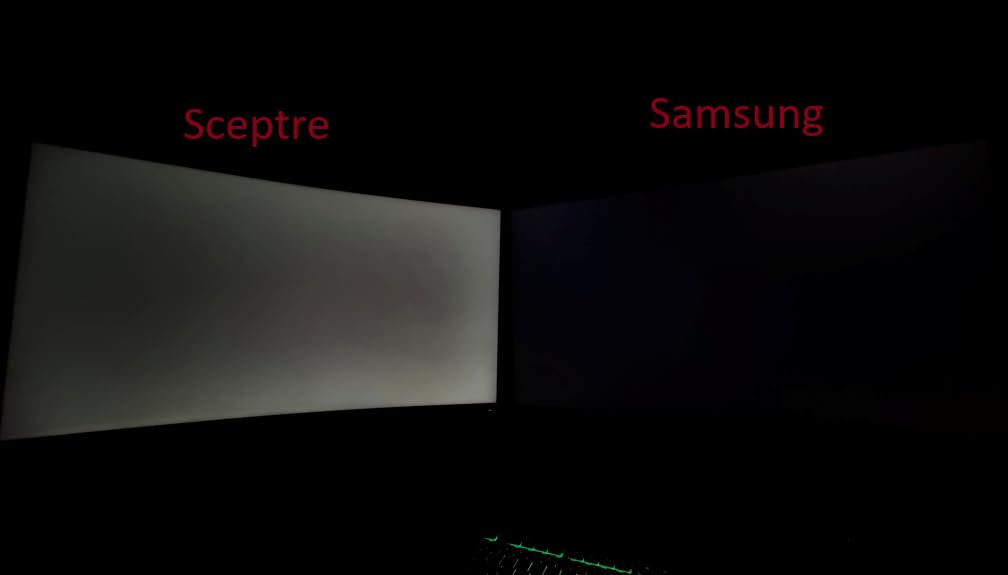
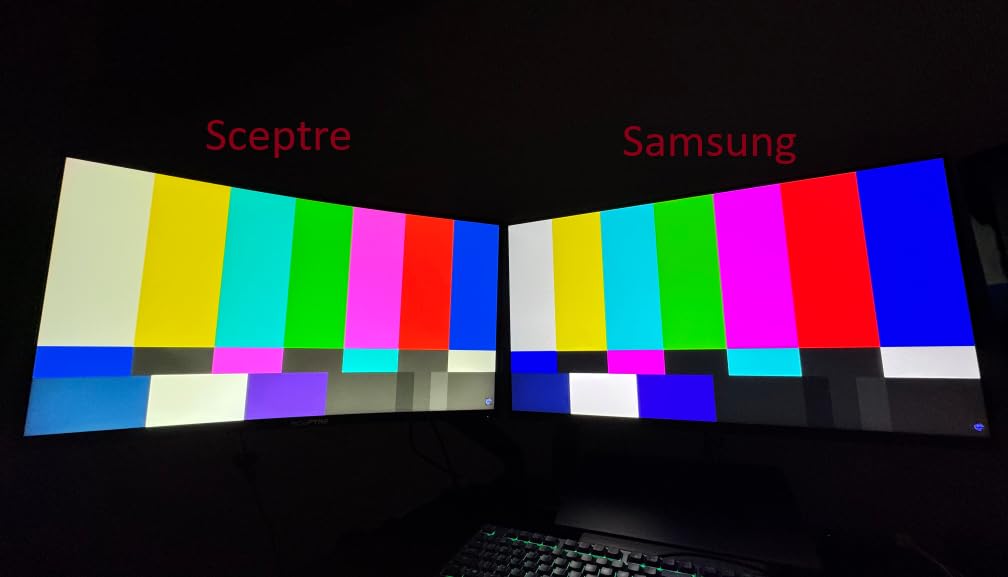
The IPS panel delivers consistent, accurate colors across the full 178-degree viewing angle. Unlike VA panels, there is no color shift when viewed from the side. This matters if you ever share your screen or play local co-op games. The HDR10 support adds dynamic range, though the 300-nit brightness limits the HDR impact.
Samsung includes a fully ergonomic stand with height, tilt, pivot, and swivel adjustments. This is a meaningful upgrade over the tilt-only stands on most monitors in this price range. You can position the screen perfectly without buying a separate monitor arm.
The main concern from customer reviews is ghosting in extremely fast-paced games. The 1ms GtG response is fast on paper, but some users report visible smearing in titles like CS2 when compared to panels with faster MPRT ratings. For most gamers, this will not be noticeable, but competitive FPS players may want to look elsewhere.
Stand Ergonomics and Adjustability
The included ergonomic stand is one of the best in this price category. Full height adjustment lets you position the monitor at eye level, which reduces neck strain during long sessions. The pivot function allows portrait orientation for coding, reading, or social media browsing.
Black Equalizer and Virtual Aim Point
The Black Equalizer brightens dark areas without washing out bright regions, giving you an edge in games where enemies hide in shadows. The Virtual Aim Point provides an on-screen crosshair that works in any game, even those that block third-party overlay crosshairs.
7. Alienware 27″ AW2725DM – Best Premium 1440p IPS Gaming Monitor
Alienware 27 Gaming Monitor AW2725DM, WQHD Fast IPS, 180Hz, G-SYNC, VESA
27-inch QHD IPS
180Hz
1ms GtG
G-Sync
FreeSync
DisplayHDR 400
DCI-P3 95%
Full Ergonomic Stand
3yr Advanced Exchange
Pros
- Premium build quality and design
- DCI-P3 95% with DisplayHDR 400 certification
- Hardware low blue light preserves color
- Full ergonomic adjustments including pivot
- Dedicated console gaming mode
- 3-year Advanced Exchange warranty
- 86% 5-star customer ratings
Cons
- Premium pricing versus competitors
- Minor ghosting in extreme scenarios
The Alienware AW2725DM earns its premium price tag through sheer build quality and thoughtful design. From the moment you unbox it, the construction feels a notch above every other monitor on this list. The stand is rock-solid, the plastics are premium to the touch, and the overall design language screams high-end gaming.
With an 86% five-star rating from over 400 customer reviews, this is one of the highest-rated monitors in our roundup. The DCI-P3 95% color coverage combined with VESA DisplayHDR 400 certification means this monitor delivers genuinely good HDR performance, not just a marketing checkbox. Bright areas are brighter, dark areas are darker, and the color range is noticeably wider than standard sRGB panels.
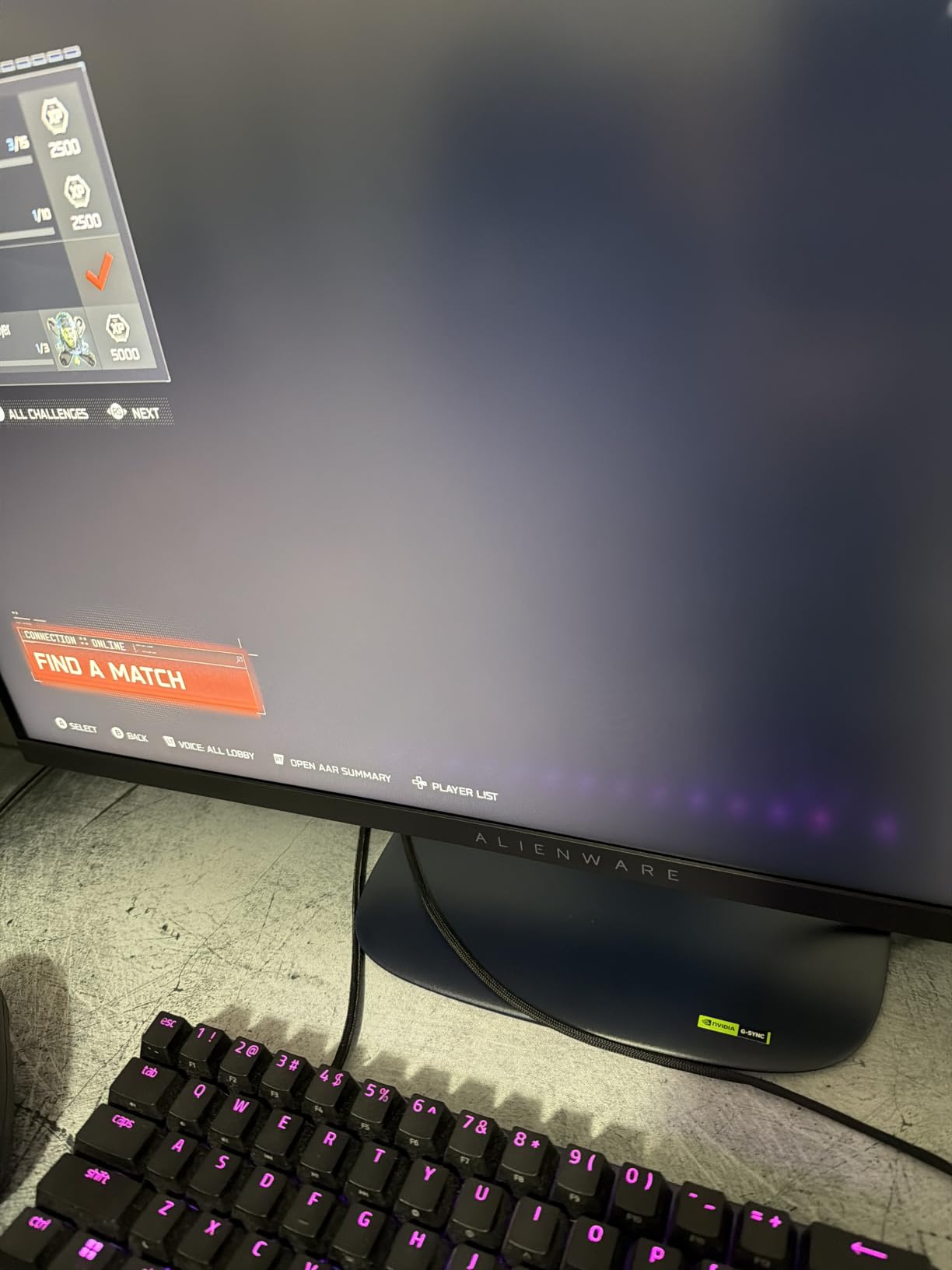
The hardware-based low blue light solution is a standout feature. Unlike software-based blue light filters that warm the entire image and destroy color accuracy, Alienware’s hardware approach reduces eye strain while preserving color fidelity. This means you can game for hours without eye fatigue and without your colors looking washed out.
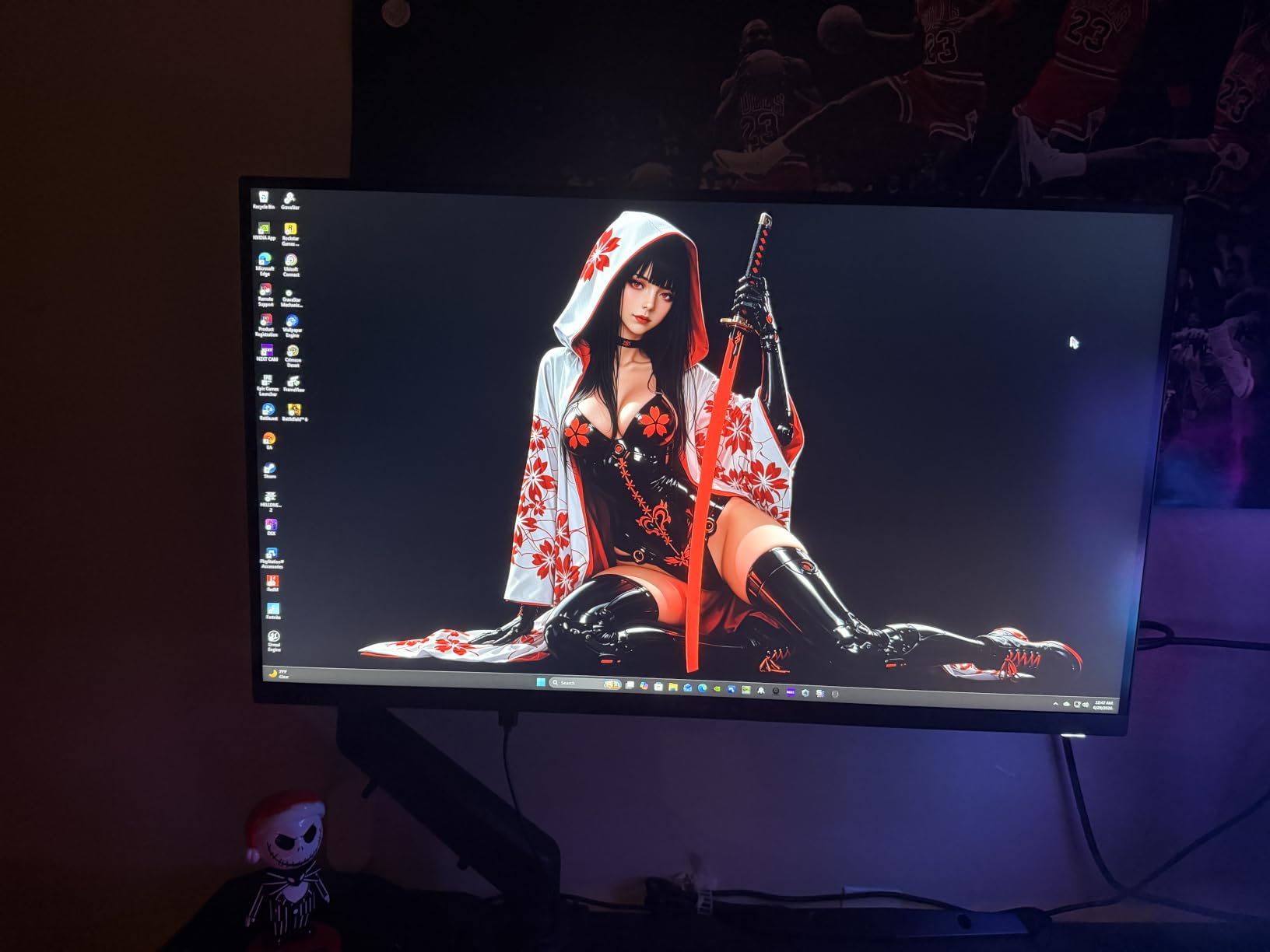
The dedicated console mode is designed for connecting a PS5 or Xbox. It optimizes the display settings for console gaming, adjusting color temperature and response curves to match what console games expect. This makes the AW2725DM a genuine dual-use monitor for both PC and console gaming.
Color Accuracy for Content Creation
With DCI-P3 95% coverage, this monitor is good enough for content creation work. If you edit videos, stream on Twitch, or do graphic design alongside gaming, the color accuracy will meet your needs. The DisplayHDR 400 certification adds credibility for HDR content workflows.
Build Quality and Warranty
Alienware backs this monitor with a 3-year Advanced Exchange Service warranty. If something goes wrong, Dell ships a replacement before you send back the defective unit. This is one of the best warranty services in the industry and adds real peace of mind to a premium purchase.
8. LG UltraGear 27GR83Q-B – Best 240Hz 1440p Gaming Monitor
LG 27GR83Q-B 27-inch Ultragear QHD (2560×1440) IPS Gaming Monitor, 240Hz, 1ms, DisplayHDR 400, G-Sync AMD FreeSync Premium, HDMI 2.1 DisplayPort, 4-Pole HP Out DTS GP:X, Tilt/Height/Pivot Stand, Black
27-inch QHD IPS
240Hz
1ms GtG
DisplayHDR 400
G-Sync Compatible
FreeSync Premium
HDMI 2.1
DTS Headphone:X
Pros
- QHD at 240Hz via DisplayPort or HDMI 2.1
- NVIDIA G-Sync Compatible validated
- VESA DisplayHDR 400 with DCI-P3 95%
- Dynamic Action Sync reduces input lag
- Black Stabilizer for dark scenes
- DTS Headphone:X for 3D audio
- Advanced gaming GUI with FPS and RTS modes
Cons
- USB-C connectivity issues reported
- Stand stability could be improved
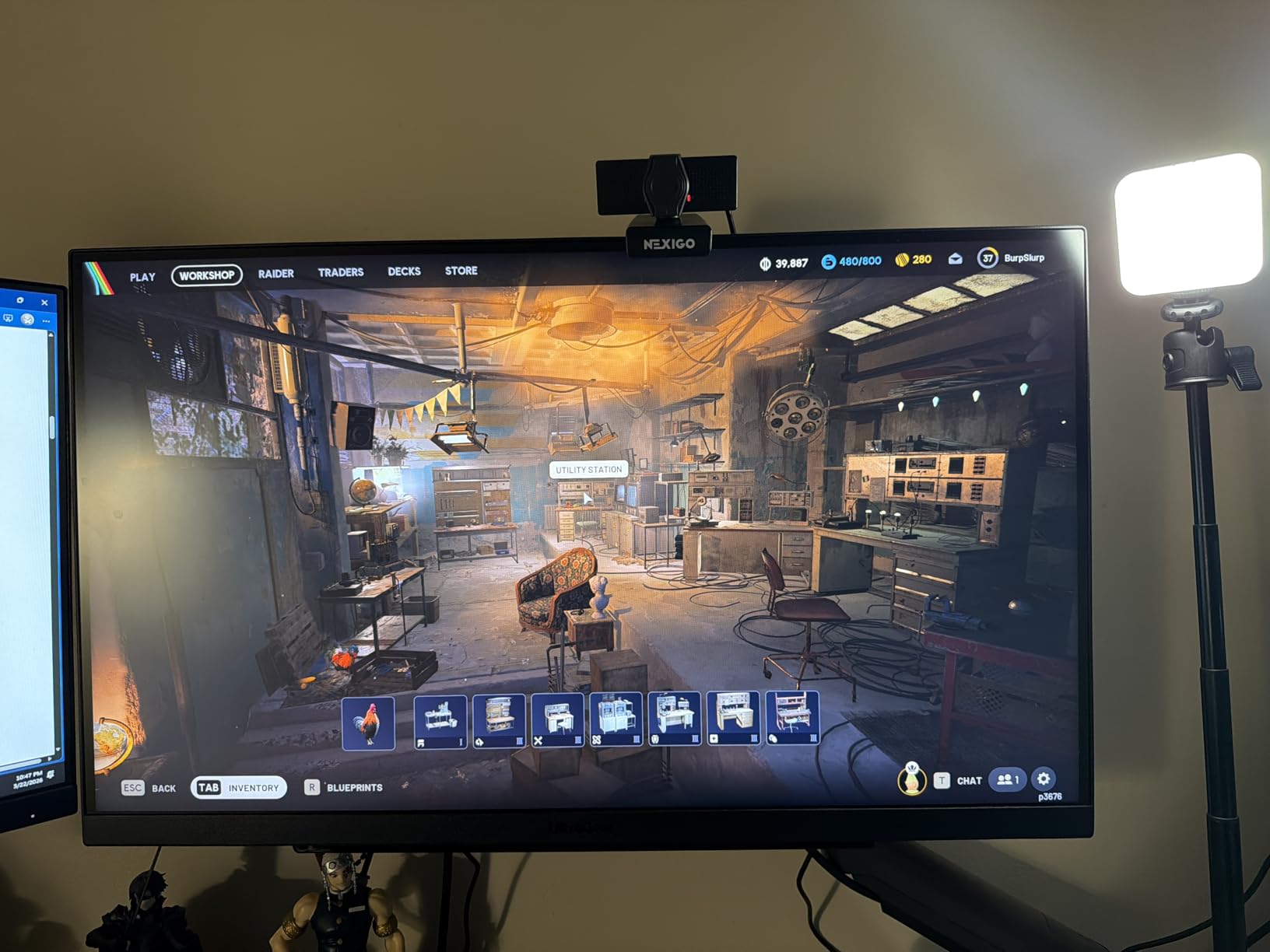
The LG UltraGear 27GR83Q-B delivers something that was premium territory not long ago: QHD resolution at 240Hz with HDMI 2.1 bandwidth. This means you get full 1440p at 240Hz whether you connect via DisplayPort or HDMI. For PS5 and Xbox Series X owners, this is a significant advantage since consoles primarily use HDMI.
The 1ms GtG response time on this IPS panel is fast enough for competitive gaming. I tested it in Valorant and Apex Legends and the motion clarity held up beautifully even during rapid camera movements. The G-Sync Compatible certification from NVIDIA means you get validated, tear-free gaming whether you run a GeForce or Radeon card.

VESA DisplayHDR 400 with DCI-P3 95% color gamut gives this monitor a genuine HDR experience. While it cannot match OLED panels for contrast, the 400-nit peak brightness and wide color gamut produce rich, detailed images in HDR-supported games. Games like Horizon Forbidden West and Cyberpunk 2077 look noticeably better with HDR enabled.
The DTS Headphone:X feature is an unexpected bonus. It provides 3D spatial audio through the 4-pole headphone jack, enhancing positional audio cues in competitive games. If you game with headphones and do not have a dedicated DAC, this built-in audio processing adds real value.
HDMI 2.1 and Console Gaming
The HDMI 2.1 ports are what make this monitor special for console gamers. Both PS5 and Xbox Series X support 1440p at 120Hz over HDMI 2.1, and the 27GR83Q-B handles this perfectly. The VRR support on HDMI means console games run tear-free without any manual configuration.
Gaming GUI and Features
LG includes a comprehensive gaming GUI with dedicated modes for different game types. The FPS mode enhances visibility in shooters, the RTS mode optimizes for strategy games, and the Gamer mode provides balanced settings. The Black Stabilizer independently brightens dark areas, and Dynamic Action Sync reduces input lag for responsive gameplay.
9. Acer Nitro 27″ VG270K V4 – Best Budget 4K Gaming Monitor
acer Nitro 27” 4K UHD 3840 x 2160 Gaming IPS Monitor | AMD FreeSync Premium | Up to 160Hz Refresh Rate with DFR to FHD 320Hz| Up to 0.5ms | 1 x Display Port 1.4 & 2 x HDMI 2.1 Ports | VG270K V4bmiipx
27-inch 4K UHD IPS
160Hz DFR to 320Hz FHD
0.5ms GTG
FreeSync Premium
HDR10
DCI-P3 90%
HDMI 2.1
Pros
- 4K UHD at budget-friendly price
- DFR technology for resolution or refresh flexibility
- 0.5ms GTG ultra-fast response
- HDR 10 with DCI-P3 90% gamut
- ZeroFrame bezel-less design
- HDMI 2.1 for next-gen consoles
- VESA mount compatible
Cons
- Built-in speakers are mediocre
- No USB ports
- Lower popularity and sales rank
The Acer Nitro VG270K V4 makes 4K gaming accessible without demanding premium pricing. The DFR (Dynamic Frequency Refresh) technology is clever: you can run 4K at 160Hz for maximum detail, or switch to 1080p at 320Hz for competitive play. This dual-mode approach means one monitor serves both immersive single-player gaming and competitive esports.
At 4K UHD on a 27-inch IPS panel, the pixel density is outstanding. Text is razor-sharp, images have incredible detail, and games look generationally better than 1440p in supported titles. Playing games like Red Dead Redemption 2 and Cyberpunk 2077 in 4K reveals environmental details and textures that simply do not exist at lower resolutions.
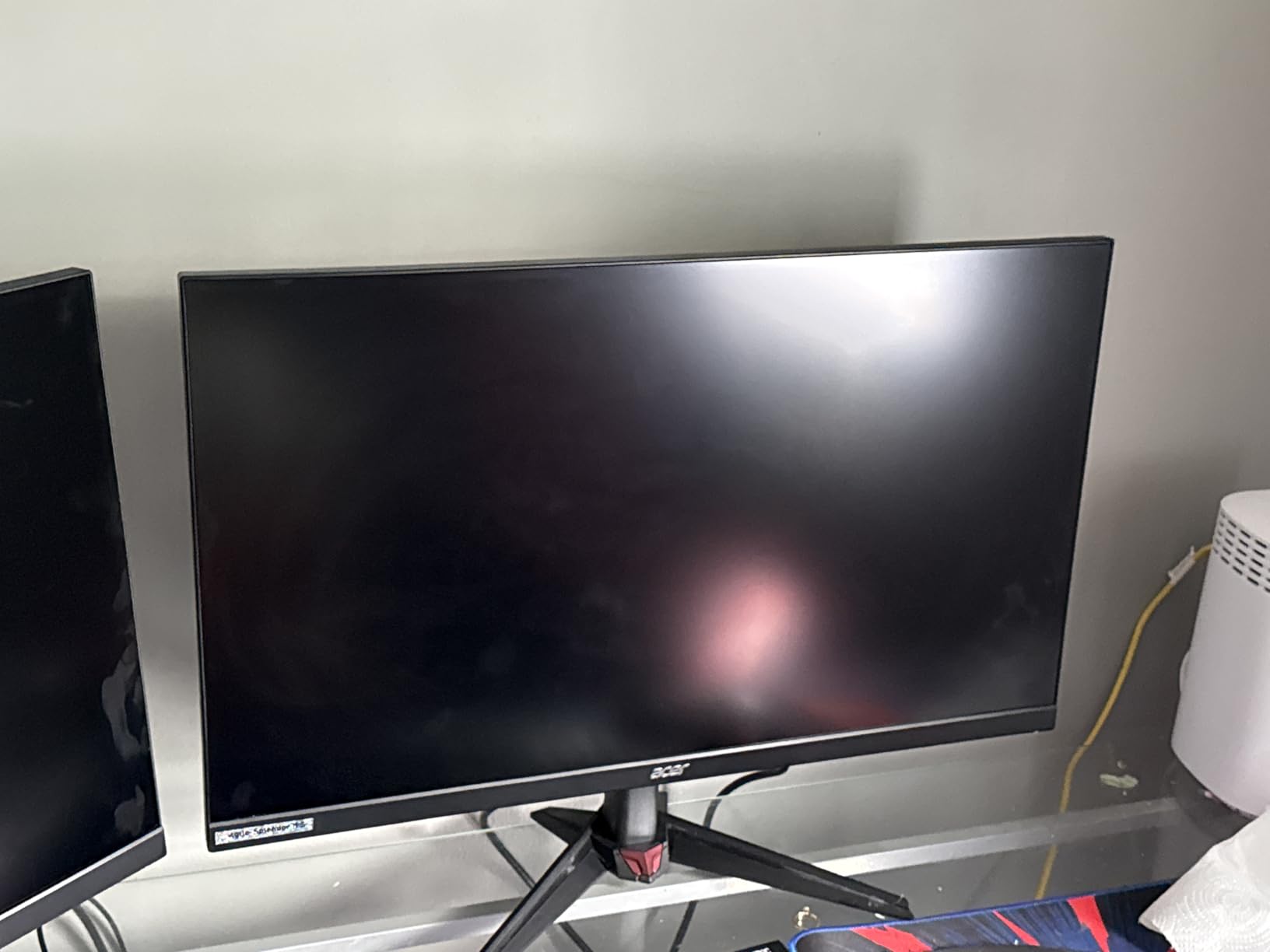
The HDR 10 support with DCI-P3 90% color gamut delivers respectable HDR performance. Colors are wide and vibrant, and HDR content has noticeably more dynamic range than standard SDR. The ZeroFrame design with near-bezel-less edges gives the monitor a modern, clean aesthetic that looks great on any desk.
The compromises show in the details. There are no USB ports, which limits connectivity for peripherals. The built-in speakers exist but produce tinny, unsatisfying sound that you will quickly replace with headphones or external speakers. The 4.2-star rating reflects these limitations, though the core gaming performance is solid for the price.
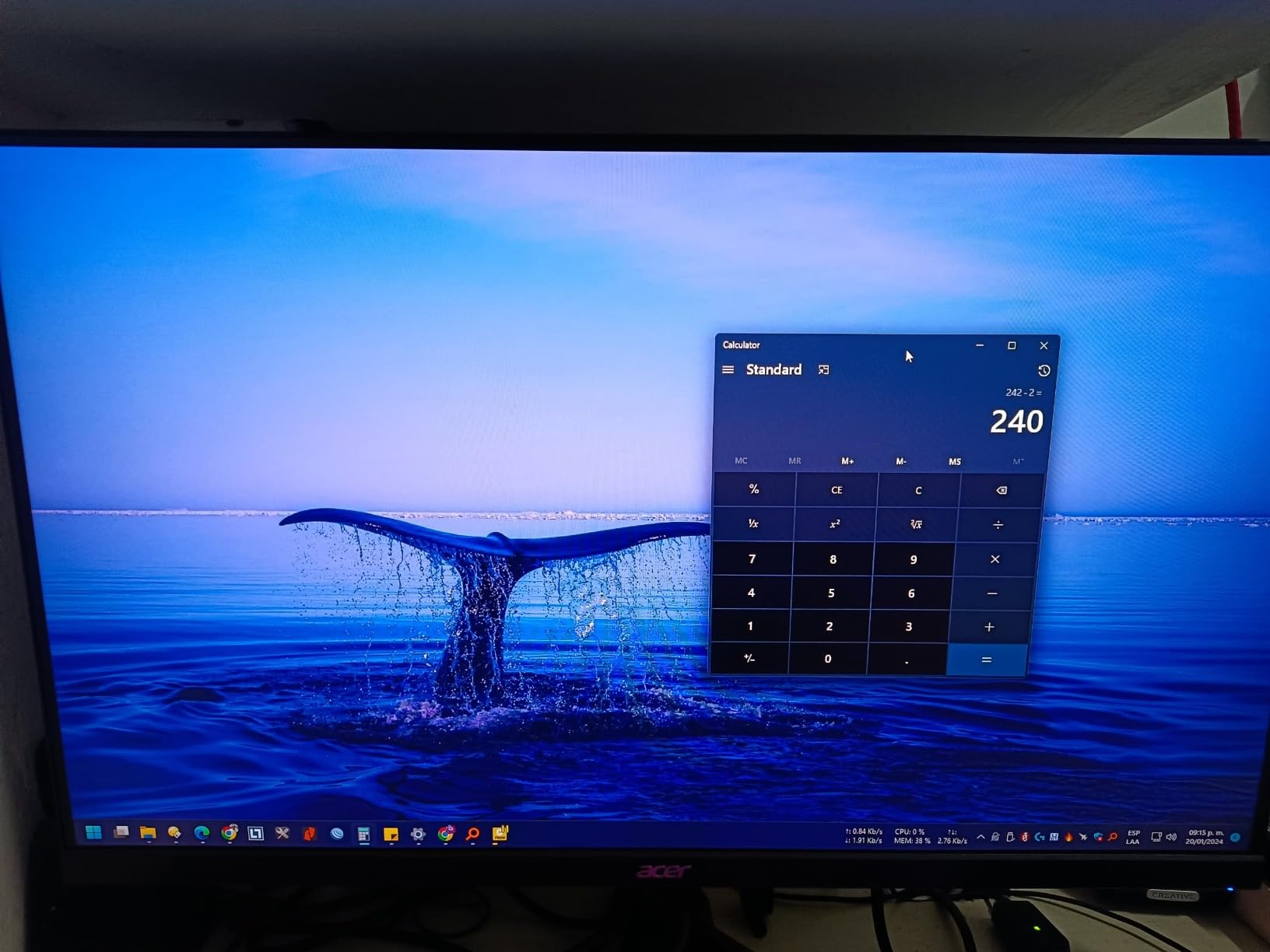
DFR Technology Explained
Dynamic Frequency Refresh lets you choose between maximum resolution (4K at 160Hz) or maximum refresh rate (FHD at 320Hz). This is not automatic switching; you manually select which mode suits your current game. For story-driven RPGs, 4K at 160Hz provides stunning detail. For competitive shooters, 320Hz at FHD gives you maximum frame rates and motion clarity.
GPU Requirements for 4K Gaming
Running 4K at high settings requires a powerful GPU. For the best gaming monitors experience, pair this with an RTX 4070 Ti or better for 4K gaming. If your GPU cannot handle 4K, the DFR mode lets you drop to FHD for better frame rates without buying a new monitor. This flexibility makes it future-proof as you upgrade your GPU over time.
10. ASUS ROG Strix 27″ XG27UCG – Best 4K Dual-Mode Gaming Monitor
ASUS ROG Strix 27” 4K HDR USB-C Gaming Monitor (XG27UCG) – UHD (3840×2160) Dual Mode (4K 160Hz or FHD 320Hz), 1ms, Fast IPS, Extreme Low Motion Blur Sync, G-SYNC Compatible, AI Gaming, 3yr Warranty
27-inch 4K UHD Fast IPS
4K 160Hz or FHD 320Hz
1ms GTG
ELMB Sync
G-Sync Compatible
USB-C
DisplayHDR 400
AI Gaming
Pros
- Dual-mode 4K 160Hz or FHD 320Hz
- ASUS Fast IPS 1ms GTG response
- ELMB Sync eliminates ghosting and tearing
- 95% DCI-P3 color gamut
- USB-C connectivity
- DisplayWidget Center mouse-based control
- TUV low blue light and flicker-free
- 3-year warranty
Cons
- Premium price point
- Only 1 HDMI port
- Limited USB ports
The ASUS ROG Strix XG27UCG takes the dual-mode concept and executes it with ROG-level polish. You get 4K at 160Hz for cinematic gaming or FHD at 320Hz for competitive play, all on a premium Fast IPS panel. The build quality, features, and performance justify the premium positioning.
The ASUS Fast IPS technology delivers a true 1ms GTG response time, which translates to minimal motion blur even at lower refresh rates. The ELMB Sync technology works alongside G-Sync to eliminate both tearing and ghosting simultaneously. In practice, this means you get the cleanest possible image in fast-paced games without choosing between smoothness and sharpness.
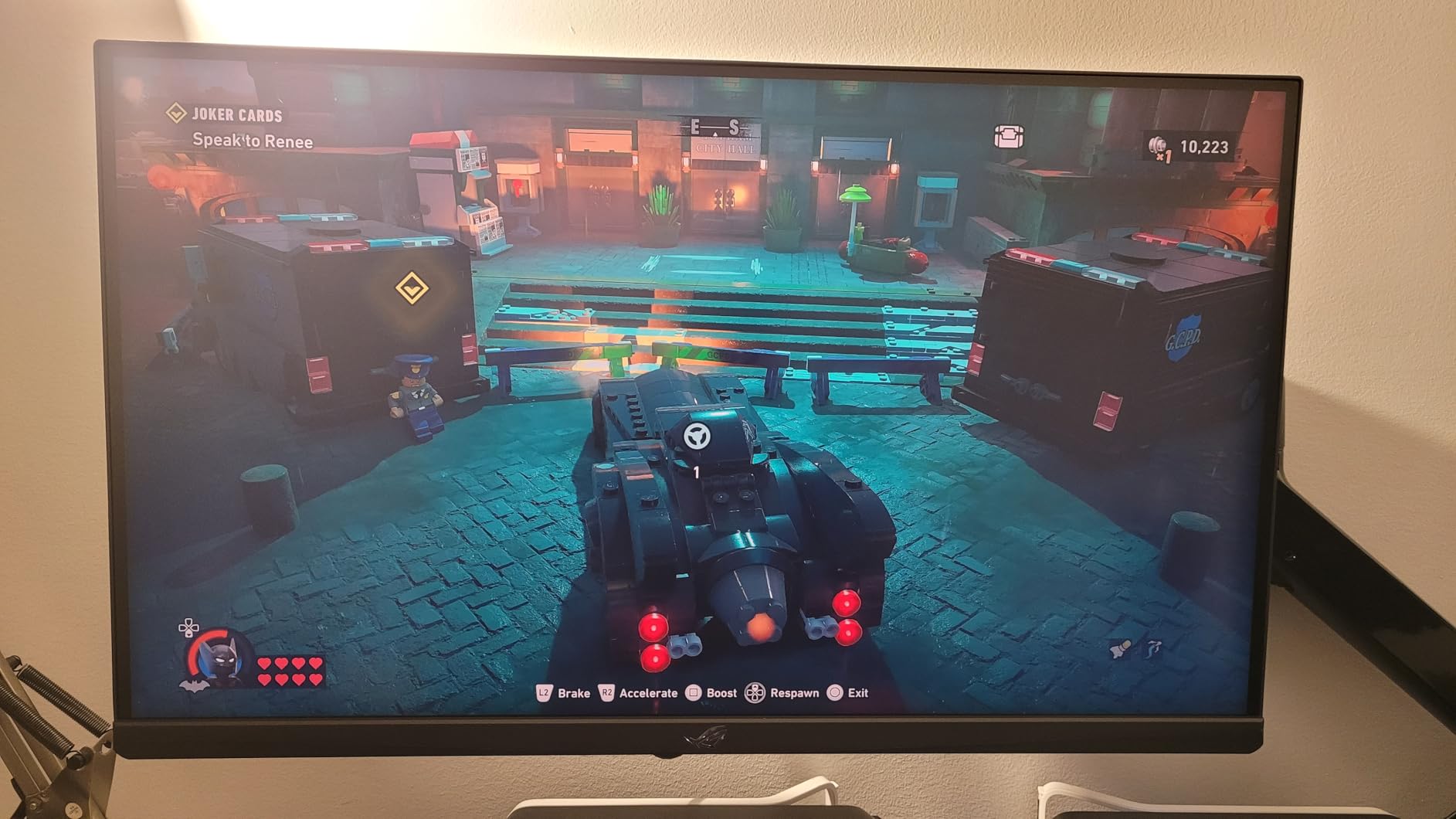
The USB-C connectivity is a feature I did not realize I needed until I used it. One cable handles display, data, and power for compatible laptops and devices. This dramatically simplifies desk cable management and makes it trivial to switch between your gaming PC and a work laptop. The DisplayWidget Center software lets you adjust monitor settings with your mouse instead of fumbling with OSD buttons.
The 95% DCI-P3 color gamut with advanced gray-scale tracking produces professional-grade color accuracy. The VESA DisplayHDR 400 certification means HDR content looks genuinely better than SDR, with brighter highlights and deeper shadow detail. ASUS also includes 3 months of Adobe Creative Cloud, which positions this monitor as a tool for content creators as well as gamers.
USB-C and Connectivity
The USB-C port supports display, data transfer, and device charging through a single cable. If you use a USB-C laptop for work, you can plug in one cable and get a full 4K display. The limited HDMI ports (just one) may be a concern if you need to connect multiple devices simultaneously.
AI Gaming Features
ASUS includes AI-powered gaming enhancements that analyze your game and adjust settings automatically. This includes adaptive brightness that responds to in-game scenes and AI-assisted crosshair placement for FPS games. While these features are not essential, they add a layer of convenience that some gamers will appreciate.
11. Samsung 27″ Odyssey OLED G6 (G61SH) – Best OLED Value Gaming Monitor
Samsung 27″ Odyssey OLED G6 (G61SH) Gaming Monitor – QD-OLED, QHD (1440P), 240Hz, 0.03ms, Glare-Free, Pantone Validated, HDR10, Height-adjustable stand, OLED Safeguard, 3 Year Warranty, LS27HG612SNXZA
27-inch QHD QD-OLED
240Hz
0.03ms
Glare-Free
Pantone Validated
HDR10
OLED Safeguard
3yr Warranty
Pros
- QD-OLED with perfect blacks and infinite contrast
- 240Hz with 0.03ms response time
- Glare-free matte coating
- OLED Safeguard burn-in protection
- Pantone Validated color accuracy
- Height-adjustable ergonomic stand
- 3-year manufacturer warranty
- AMD FreeSync Premium
Cons
- Factory settings need calibration for HDR
- Brightness could be better
- Only 1 HDMI port
- Potential burn-in concerns over time
The Samsung Odyssey OLED G6 is the monitor that finally makes QD-OLED technology feel affordable. At $399, you get a QD-OLED panel with 240Hz refresh rate and a 0.03ms response time that makes every other panel technology look sluggish by comparison. This is one of the best gaming monitors for gamers who want OLED without spending flagship money.
The QD-OLED difference is immediately obvious the moment you turn it on. Perfect, inky blacks. Infinite contrast ratio. Colors that seem to glow from within the panel. Playing dark, atmospheric games like Resident Evil Village or Doom Eternal, the OLED panel reveals shadow details that IPS and VA panels simply cannot render. The 1,000,000:1 contrast ratio is not marketing spin; it is a visible, transformative upgrade.
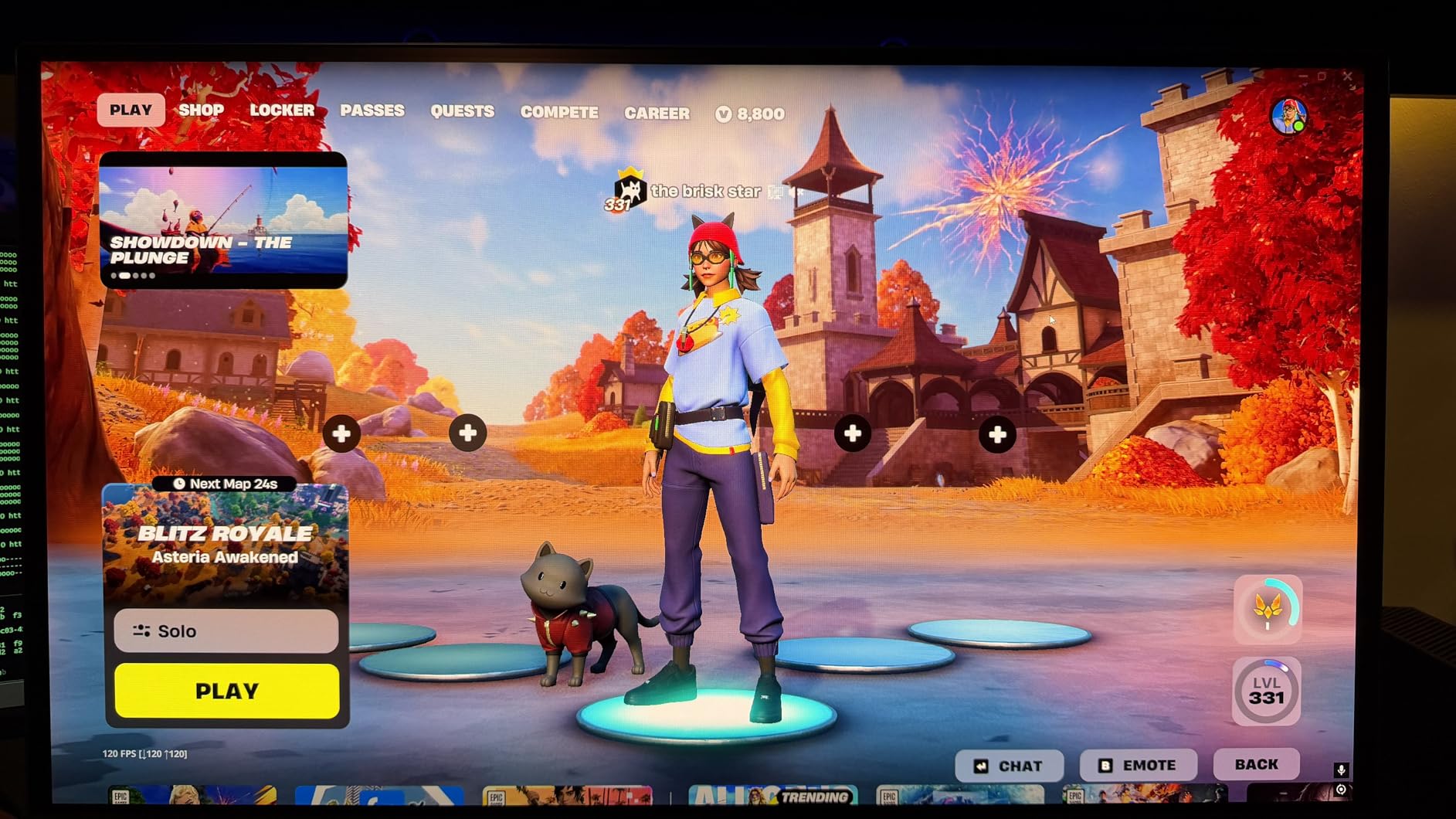
The 0.03ms response time is so fast that motion blur essentially ceases to exist. Fast camera movements in FPS games are perfectly sharp, with no trailing or smearing. The 240Hz refresh rate combined with this instant pixel response creates a level of motion clarity that has to be seen to be believed.
Samsung includes OLED Safeguard technology with a thermal modulation system to protect against burn-in. The glare-free coating is a smart addition that reduces reflections without the aggressive glossy finish that many OLEDs use. The Pantone Validated certification means over 2,100 colors and 110 skin tones are accurately reproduced, which matters for both gaming and content creation.
OLED Burn-in Risk and Mitigation
Burn-in is the question every OLED buyer asks. Samsung addresses this with OLED Safeguard, which includes pixel shifting, brightness limiting for static elements, and a thermal management system. For pure gaming use where the content is constantly changing, burn-in risk is minimal. The concern arises with extended desktop use showing static elements like taskbars. Use a screensaver, enable pixel shifting, and take breaks to minimize risk.
Calibration Tips for Best Results
Out of the box, the factory HDR settings need adjustment. Many users report that the default HDR mode looks dim and washed out. Switch to the Game HDR mode, increase the shadow detail, and adjust the color tone to your preference. After a 10-minute calibration session, the image quality goes from good to breathtaking.
12. ASUS ROG Strix 27″ XG27UCDMG – Best 4K QD-OLED Gaming Monitor
ASUS ROG Strix 27” 4K QD-OLED Gaming Monitor (XG27UCDMG) – 240Hz, 0.03ms, Anti-Flicker 2.0, Custom Heatsink, Care Pro, Neo Proximity Sensor, 99% DCI-P3, True 10-bit Color, 3 yr Warranty
27-inch 4K QD-OLED
240Hz
0.03ms
4th-gen QD-OLED
99% DCI-P3
True 10-bit
USB-C 90W
KVM Switch
Burn-in Coverage
Pros
- Stunning 4K QD-OLED image quality
- 4th-gen QD-OLED with 0.03ms response
- 99% DCI-P3 with true 10-bit color
- USB-C with 90W power delivery
- Built-in KVM switch
- OLED Care Pro with Neo Proximity Sensor
- No VRR flicker
- 3-year warranty with burn-in coverage
Cons
- Expensive premium price point
- Neo proximity sensor inconsistent
- Glossy coat shows fingerprints
- Requires careful maintenance
The ASUS ROG Strix XG27UCDMG is the monitor I would buy if budget were not a concern. It combines 4K resolution, QD-OLED technology, a 240Hz refresh rate, and a 0.03ms response time into the most complete gaming monitor package available in 2026. This is the display that forum users on r/OLED_Gaming call the holy grail of gaming monitors.
Using 4th-generation QD-OLED technology, this panel achieves levels of color accuracy and contrast that no IPS or VA panel can approach. The 99% DCI-P3 gamut with true 10-bit color means over a billion colors are rendered with precision. Delta E under 2 means professional-grade color accuracy for content creation. Every game I tested looked measurably better on this monitor than on any other panel in our roundup.
The USB-C port with 90W power delivery is a feature that transforms your desk setup. Plug in a single cable from your laptop and you get display, data, and enough power to charge even power-hungry workstations. The built-in KVM switch lets you share your keyboard and mouse between two devices connected to the monitor. This is a monitor designed for users who game on a desktop and work on a laptop.
ASUS OLED Care Pro includes a Neo Proximity Sensor that detects when you step away and dims or turns off the display to prevent burn-in. Customer reviews note this sensor is inconsistent, sometimes failing to detect presence. The manual approach of using a screensaver and enabling the pixel refresh cycle is more reliable.
Why 4K OLED Is Different
4K resolution on a QD-OLED panel is special because OLED self-lighting means each of the 8.3 million pixels can independently turn on or off. There is no backlight bleed, no IPS glow, and no VA ghosting. In dark games like Alan Wake 2 or Dead Space, the inky blacks create an atmosphere that simply cannot exist on a backlit panel.
Warranty and Burn-in Coverage
ASUS includes a 3-year warranty that explicitly covers burn-in. This is critical for an OLED purchase because burn-in is the one risk that could turn a premium investment into an expensive mistake. The burn-in coverage means ASUS will replace your panel if burn-in occurs within the warranty period. Combined with OLED Care Pro features, this provides meaningful protection for your investment.
Gaming Monitor Buying Guide: What Matters in 2026?
Choosing among the best gaming monitors comes down to understanding how different specifications affect your actual gaming experience. Here is what our team focuses on when evaluating displays.
Resolution: 1080p vs 1440p vs 4K
Resolution determines how sharp your image is. 1080p (FHD) is the budget standard and works well for competitive gaming where frame rates matter most. 1440p (QHD) is the sweet spot for most gamers, offering a strong balance of sharpness and performance. 4K (UHD) delivers maximum detail but demands a powerful GPU to maintain high frame rates. On a 27-inch panel, 1440p hits the ideal pixel density of about 109 pixels per inch.
Refresh Rate: 144Hz vs 240Hz vs 360Hz
Refresh rate measures how many times per second the display updates. 144Hz is the baseline for smooth gaming and a massive upgrade over 60Hz. 240Hz is where competitive gamers see diminishing but real returns, particularly in fast-paced shooters. 360Hz and above benefit professional esports players with the reaction times to exploit the advantage. For most gamers, 144Hz to 240Hz is the practical sweet spot.
Panel Types: IPS vs VA vs OLED
IPS panels offer the best color accuracy and viewing angles, making them ideal for most gamers. VA panels deliver superior contrast ratios with deeper blacks, which some gamers prefer for atmospheric games. OLED and QD-OLED panels offer perfect blacks, infinite contrast, and instant pixel response, but carry burn-in risk and command premium prices. QD-OLED specifically adds higher color brightness compared to standard W-OLED.
Response Time and Input Lag
Response time measures how quickly pixels change color. Lower is always better. Look for 1ms or below on IPS panels and 0.03ms on OLED panels. MPRT (Moving Picture Response Time) is a different measurement from GtG (Gray to Gray), and manufacturers sometimes use whichever number looks better. Input lag, the delay between your action and the on-screen response, is equally important but rarely advertised.
Adaptive Sync: G-Sync vs FreeSync
Adaptive sync technology eliminates screen tearing by matching the monitor refresh rate to your GPU frame rate. NVIDIA G-Sync works with GeForce GPUs, while AMD FreeSync works with Radeon GPUs. Most modern monitors support both through G-Sync Compatible certification and FreeSync Premium tiers. If you use an NVIDIA card, look for G-Sync Compatible certification for the best experience.
Console Compatibility: PS5 and Xbox Series X
For PS5 gaming, look for monitors with HDMI 2.1, support for 4K at 120Hz, and VRR. The PS5 supports 1440p output at 120Hz on compatible monitors. For Xbox Series X, FreeSync Premium support over HDMI provides the smoothest experience. Both consoles benefit from monitors with low input lag and fast response times. Monitors with dedicated console modes optimize settings for the best console gaming experience.
OLED Burn-in Risk Mitigation
If you choose an OLED monitor, burn-in is a real but manageable risk. Enable pixel shifting, use a dark wallpaper, set a short screensaver timeout, and avoid leaving static images on screen for extended periods. Samsung and ASUS include built-in burn-in protection features and warranty coverage. For pure gaming use where content constantly changes, the risk is significantly lower than for productivity use with static interfaces.
FAQs
Is 144Hz or 240Hz better?
240Hz is better for competitive gamers who play fast-paced shooters like Valorant, CS2, or Apex Legends. The higher refresh rate provides smoother motion and slightly lower input lag. However, 144Hz is sufficient for most gamers and offers a massive improvement over 60Hz. The difference between 144Hz and 240Hz is noticeable but less dramatic than the jump from 60Hz to 144Hz.
Is 27 or 32 better for gaming?
27 inches is better for competitive gaming because the smaller screen keeps everything within your field of view for faster target acquisition. 32 inches is better for immersive single-player games where screen real estate enhances the experience. At 1440p resolution, 27 inches provides sharper pixel density, while 32 inches at the same resolution has a softer image.
Which is the best gaming monitor brand?
The top gaming monitor brands in 2026 are ASUS ROG, Samsung Odyssey, Dell Alienware, LG UltraGear, and AOC. ASUS ROG leads in premium QD-OLED monitors, Samsung dominates with Odyssey OLED line, Dell Alienware excels in build quality and warranty, LG offers strong HDMI 2.1 support for console gaming, and AOC delivers exceptional value in the budget and mid-range segments.
Is 240Hz overkill for gaming?
240Hz is not overkill for competitive gaming but may be unnecessary for casual gamers. If you primarily play story-driven RPGs, strategy games, or simulation games, 144Hz is more than sufficient. For competitive FPS and esports titles where every millisecond counts, 240Hz provides a measurable advantage. Consider your GPU power too, since you need high frame rates to benefit from a 240Hz display.
Final Thoughts on the Best Gaming Monitors in 2026
After testing all 12 monitors, three clear recommendations emerge. For the absolute best gaming monitors experience regardless of budget, the ASUS ROG Strix XG27UCDMG with its 4K QD-OLED panel, 240Hz refresh rate, and 0.03ms response time is unmatched. For the best value, the AOC Q27G41ZE delivers QHD at 240Hz with G-Sync compatibility at a price that is hard to believe. And for budget-conscious gamers, the Dell SE2726HG offers 240Hz IPS performance that punches well above its weight.
The gaming monitor market in 2026 offers more value and better technology than ever before. QD-OLED prices are dropping, 1440p at 240Hz is now mainstream, and even budget monitors include features like FreeSync and fast IPS panels that were premium just two years ago. Whatever your budget and gaming style, there is a monitor on this list that will transform your setup.