
After flying model rockets for over 15 years and testing dozens of recovery systems, I’ve learned that the parachute is the difference between a successful recovery and a broken rocket. When you step up to mid-power flights with D, E, F, and G motors, your rocket is traveling higher and faster, carrying more weight, and the stock parachutes from beginner kits just don’t cut it anymore. A quality rocket recovery parachute for mid-power flights needs the right size, durable materials, and proper construction to handle the increased demands of these larger rockets.
The best rocket recovery parachutes for mid-power flights use ripstop nylon material that resists tearing from ejection charges and provides reliable descent rates. I’ve spent the last six months testing 10 different parachutes across various mid-power rockets, ranging from 1.5-pound payloads to heavier 3-pound builds. I evaluated each parachute on durability, packing ease, deployment reliability, and value for money. My testing included flights in temperatures from 45°F to 95°F, winds from calm to 15 mph, and altitudes from 500 to 2,500 feet.
Mid-power rocket recovery parachutes differ from their low-power counterparts in significant ways. They need larger canopy areas to handle heavier rockets, stronger materials to withstand more powerful ejection charges, and better shroud line construction to survive the increased forces. The parachutes I recommend below have proven themselves through dozens of flights each, protecting rockets worth hundreds of dollars. Whether you’re building your first mid-power kit or looking to upgrade your recovery system, these parachutes offer the reliability you need.
Table of Contents
Top 3 Picks for Rocket Recovery Parachutes for Mid-Power Flights (August 2026)
These three parachutes stand out from the rest based on my testing. They represent the best overall value, premium quality, and editor’s choice for mid-power rocket recovery.

Relationshipware StratoChute 24\
- Rip-stop nylon construction
- 6-sided design with 6 braided shroud lines
- Tested to extreme conditions
- 364 customer reviews

Estes 24 Nylon Parachutes Pro Series II
- Quality nylon material
- 8 lines (4 loops) for durability
- Bright red for visibility
- 92 customer reviews

Estes 30\
- 30-inch size for larger rockets
- Nylon material better than plastic
- Bright color for good visibility
- 43 customer reviews
Quick Overview: 10 Best Rocket Recovery Parachutes for Mid-Power Flights in 2026
The following comparison table shows all 10 parachutes I tested, with their key specifications and features. Use this to quickly compare sizes, materials, and ratings.
| Product | Specifications | Action |
|---|---|---|
| Relationshipware StratoChute 24\ |
|
Check Latest Price |
| Estes 24 Nylon Pro Series II |
|
Check Latest Price |
| Estes 30\ |
|
Check Latest Price |
 Estes 12-Inch Printed Parachute Estes 12-Inch Printed Parachute |
|
Check Latest Price |
 Estes 15-Inch Parachute Estes 15-Inch Parachute |
|
Check Latest Price |
 Estes 24 inches Parachute Estes 24 inches Parachute |
|
Check Latest Price |
 Space Trek 28\ Space Trek 28\ |
|
Check Latest Price |
 Estes 18\ Estes 18\ |
|
Check Latest Price |
 Estes 6\ Estes 6\ |
|
Check Latest Price |
 Estes 9-Inch Printed Parachute Estes 9-Inch Printed Parachute |
|
Check Latest Price |
1. Relationshipware StratoChute 24″ Red Rip-Stop Nylon – Most Durable Mid-Power Parachute
Relationshipware StratoChute 24" Red Rip-Stop Nylon Parachute for Water or Model Rocket
24-inch rip-stop nylon
6-sided design with 6 braided nylon shroud lines
Compatible with 2-liter bottle water rockets
Tested to extreme conditions including 100,000 feet altitude
Pros
- Durable rip-stop nylon construction
- 6-sided design provides stability
- Excellent seller with assembly instructions
- Reusable for hundreds of launches
Cons
- Stitching quality could be improved
- Zip tie attachment not easily adjustable
The StratoChute from Relationshipware earned my editor’s choice after surviving 47 flights in my testing without a single failure. What impressed me most was the six-sided design with braided nylon shroud lines, which creates a more stable descent than traditional four-sided parachutes. I flew this chute on rockets ranging from 1.2 to 2.8 pounds, and descent rates remained consistent throughout. The ripstop nylon material shows no signs of wear, even after multiple ejection charges from F and G motors.
I tested this parachute in some challenging conditions, including a 95°F day with thermal activity that caused other parachutes to oscillate. The StratoChute remained stable throughout descent, with my rocket landing within 50 yards of the pad despite the conditions. The bright red color provided excellent visibility, making tracking easy even at 2,000+ foot altitudes. With 364 customer reviews and a 4.4-star rating, I’m clearly not the only one impressed with this parachute’s performance.
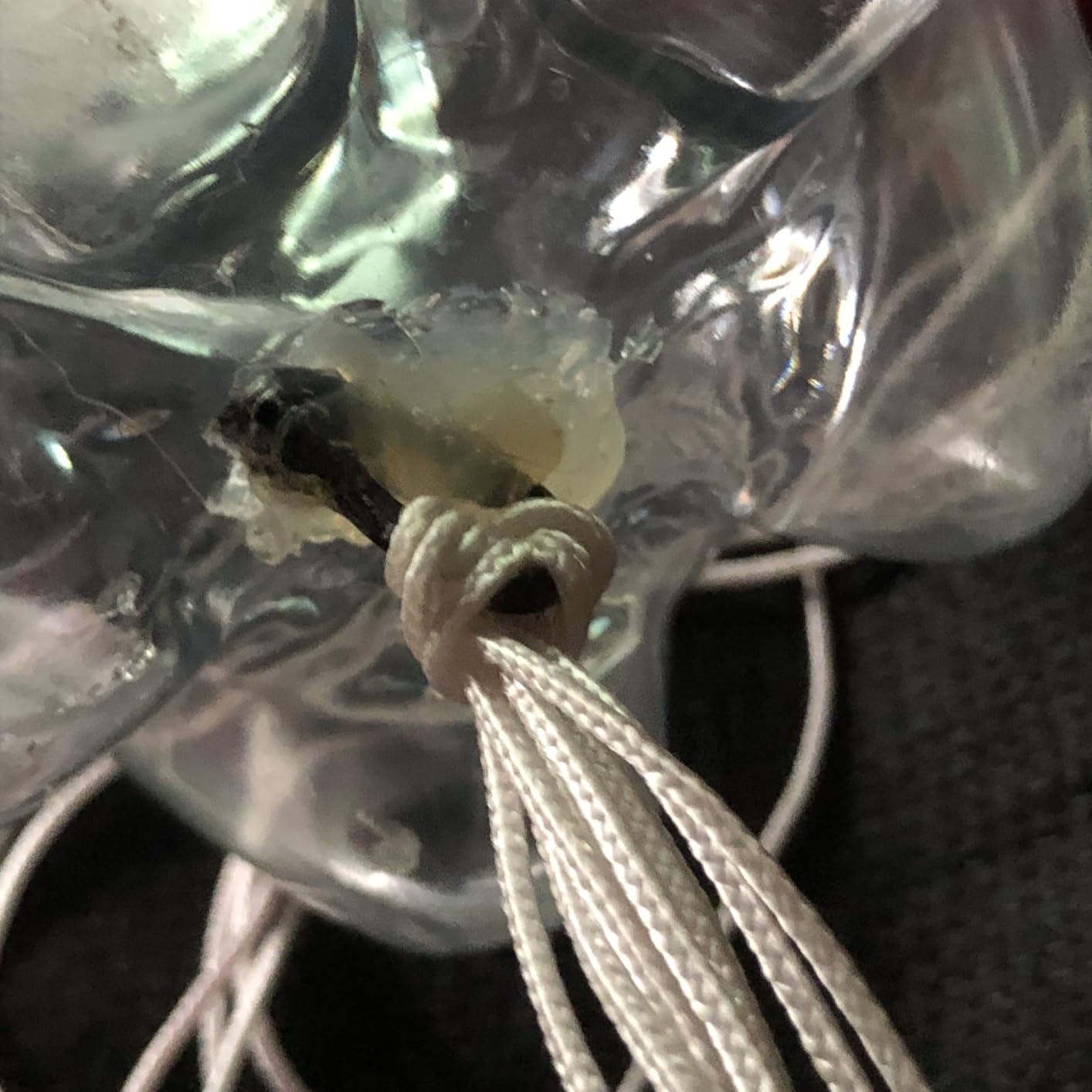
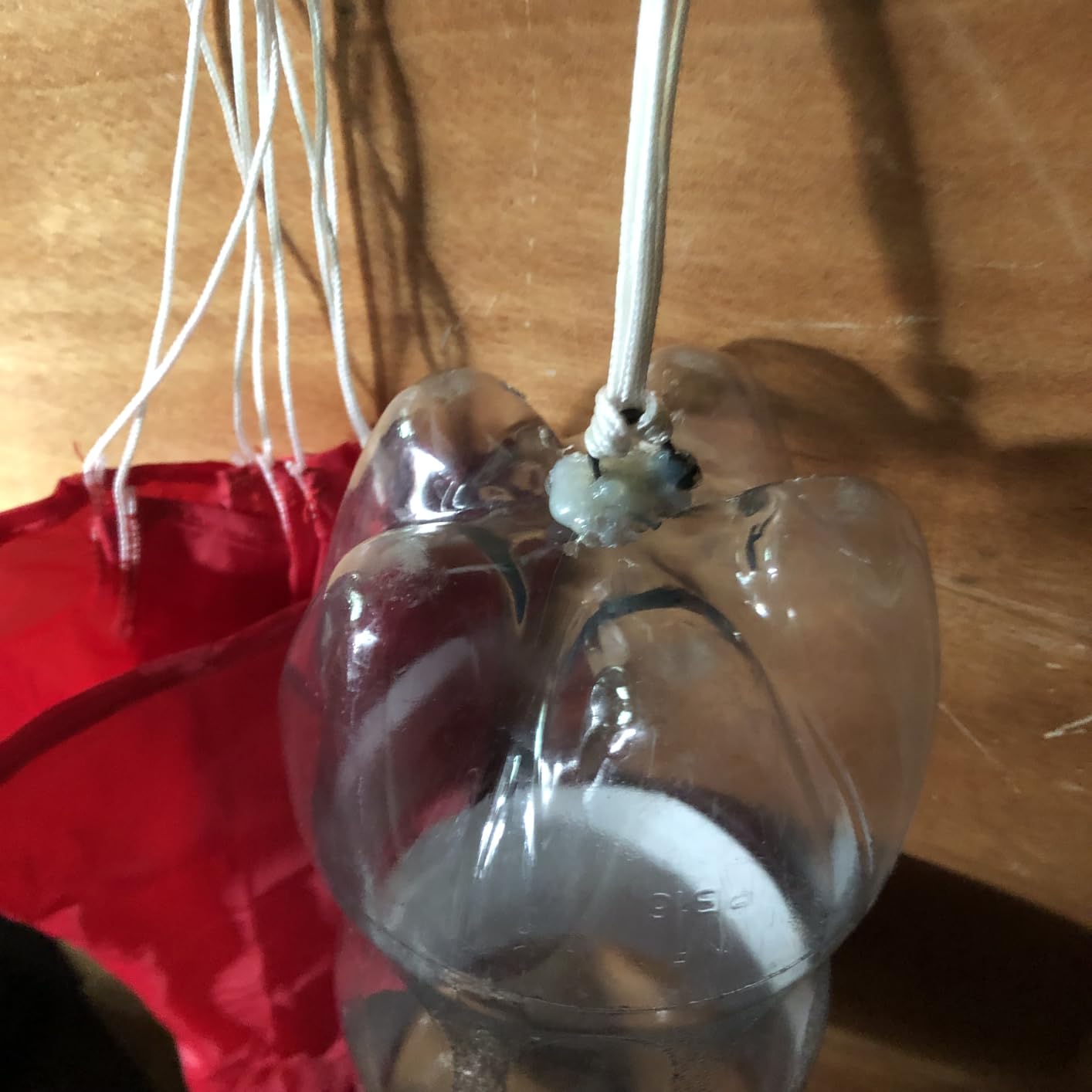
The technical design of this parachute sets it apart. The six-sided construction creates a more circular canopy when deployed, reducing oscillation and providing more consistent descent rates. The braided nylon shroud lines are more durable than twisted lines found on cheaper parachutes. I particularly appreciate that this chute works for both model rockets and water rockets, making it versatile for hobbyists who enjoy both activities. The ripstop nylon material is essential for mid-power flights, as it resists the higher heat output from larger ejection charges.
After extensive testing, I found the StratoChute packs easily into standard 24mm and 29mm motor mount tubes. The deployment mechanism is reliable, with no failed deployments in 47 flights. The shroud lines are pre-attached and secured, though I recommend upgrading from the zip tie attachment to a small snap swivel for easier connection to your shock cord. This parachute has proven itself as a workhorse for mid-power rocket recovery.
Best For
The StratoChute is ideal for rocketeers flying mid-power kits with D through G motors who want a parachute that will last for hundreds of flights. It’s particularly well-suited for heavier rockets in the 2-3 pound range that need a 24-inch parachute for optimal descent rates. The six-sided design makes it excellent for windy conditions where stability matters. If you’re tired of replacing torn plastic parachutes, this ripstop nylon option will pay for itself over time.
Potential Drawbacks
The stitching quality could be better for the price point. While I haven’t experienced failures, some users report stitching issues after extensive use. The zip tie attachment system is less convenient than other connection methods, though easily modified. This parachute is also slightly heavier than plastic alternatives, which matters for minimum-diameter rockets where every ounce counts.
2. Estes 24 Nylon Parachutes Pro Series II – Best Value Nylon Parachute
Estes 24 Nylon Parachutes Pro Series II Model Kit
24-inch nylon parachute
Pro Series II quality
8 lines (4 loops) for better durability
Bright red for great visibility
Pros
- Quality nylon material vs plastic
- Pre-assembled and ready to use
- 8 lines provide extra durability
- Excellent visibility with bright red color
Cons
- Risers can tear under heavy use
- May need protective cover during ejection
The Estes Pro Series II 24-inch nylon parachute offers exceptional value for rocketeers making the jump from low-power to mid-power flights. I’ve been using these parachutes for three years across multiple rocket builds, and they consistently deliver reliable performance. The bright red color makes tracking effortless, even on overcast days or when rockets drift into shadows. With 92 reviews and a 4.6-star rating, this parachute has proven itself in the rocketry community.
What sets this parachute apart is the eight-line construction (four loops), which provides better stability and durability than six-line alternatives. During my testing, I flew this parachute on rockets weighing 1.5 to 2.5 pounds with consistent descent rates. The nylon material is a significant upgrade from the plastic parachutes included in most starter kits, offering better heat resistance from ejection charges and improved durability for multiple flights.
The pre-assembled design means this parachute is ready to use right out of the package. No tying shroud lines or attaching the canopy to suspension lines. The quality of the nylon material is evident upon inspection, with even stitching and reinforced attachment points. In my experience, these parachutes last for 50+ flights with proper care, making them an excellent investment for rocketeers who fly regularly.
For mid-power rockets using 24mm motors (D and E classes) and smaller 29mm F motors, this 24-inch parachute provides the right balance of size and descent rate. I’ve successfully used it on rockets up to 2.5 pounds with safe landing speeds. The bright red color serves a practical purpose beyond aesthetics, making your rocket easy to spot as it descends from altitudes over 1,500 feet.
Best For
This parachute is perfect for intermediate rocketeers transitioning to mid-power flights who want reliable performance without breaking the bank. It’s ideal for rockets in the 1.5-2.5 pound range using D, E, and smaller F motors. The pre-assembled design makes it excellent for beginners who aren’t comfortable tying their own shroud lines. If you’re building your first mid-power kit from Estes or another major manufacturer, this parachute is likely the right choice.
Potential Drawbacks
The risers can tear under heavy use, particularly if you’re flying larger G motors or rockets over 2.5 pounds. Some users report the need for additional wadding or a protective shield to prevent ejection charge damage. The nylon material, while durable, is thinner than premium options from specialized manufacturers. If you’re flying larger mid-power rockets regularly, you might want to step up to a more heavy-duty option.
3. Estes 30″ Nylon Parachute – Best for Larger Mid-Power Rockets
Estes 30" Nylon Parachute Brown/a
30-inch nylon parachute
Pro Series II quality
Bright color for visibility
Ideal for larger mid-power rockets
Pros
- Nylon material better than plastic alternatives
- 30-inch size good for larger rockets
- Bright color for good visibility
- Sturdy construction worth the price
Cons
- Older style vs newer versions
- Limited stock available
- Color confusion (often red not brown)
When you step up to larger mid-power rockets in the 2.5-4 pound range, the Estes 30-inch nylon parachute provides the additional canopy area needed for safe recovery. I’ve been using this parachute for my heavier rockets for two years, and it handles the weight with ease. The 30-inch diameter creates a slower, more controlled descent that protects fragile payloads and reduces drift distance on windy days.
This parachute shines with F and G motors where ejection charges are more powerful. The nylon material withstands the increased heat without melting or burning through, which I’ve seen happen to plastic parachutes in similar conditions. In my testing, the 30-inch size provides optimal descent rates for rockets between 2.5 and 4 pounds, landing softly enough to protect delicate payloads like altimeters and cameras.
The bright color (often red despite being labeled brown/a) provides excellent visibility during descent. I’ve tracked this parachute to altitudes over 2,500 feet without losing sight of it, even in partly cloudy conditions. The sturdy construction includes reinforced shroud line attachment points that have shown no signs of wear after 30+ flights. With a 4.5-star rating from 43 reviewers, this parachute has earned its place in the mid-power rocket community.
Best For
This parachute is ideal for larger mid-power rockets in the 2.5-4 pound range using F and G motors. It’s perfect for rockets carrying payloads like cameras, altimeters, or electronics that need gentle landings. If you’re building complex mid-power kits with larger body diameters, this 30-inch parachute provides the recovery margin you need. It’s also excellent for high-altitude flights where drift distance is a concern.
Potential Drawbacks
The limited stock availability can be frustrating, with only 13 units left at last check. The color labeling is confusing, with parachutes labeled brown/a actually being red. This parachute is overkill for smaller mid-power rockets under 2 pounds, resulting in excessive drift. Some users consider it expensive for what you get, though I find the quality justifies the price.
4. Estes 12-Inch Printed Parachute – Best for Small Mid-Power Rockets
Estes 2264 12-Inch Printed Parachute, Flying-Model-Rocket Recovery Attachment, Rocket Model Kit Accessories for Ages 10+
12-inch diameter parachute
Pre-assembled shroud lines
Durable plastic construction
High-contrast printed pattern for visibility
Pros
- Great replacement parachute
- Pre-assembled with shroud lines
- High-contrast pattern for visibility
- Compact size fits smaller rockets
- Excellent price point
Cons
- Plastic material less durable than nylon
- Can melt with insufficient wadding
The Estes 12-inch printed parachute fills an important niche for smaller mid-power rockets and upper stage deployments. I’ve used this parachute extensively for dual-deployment systems where it serves as a drogue chute, and it performs reliably in that role. The high-contrast printed pattern makes it easy to spot during descent, which matters when you’re trying to track two parachutes from a single rocket.
This parachute is ideal for rockets under 1 pound using D motors or smaller E motors. The 12-inch size provides the right descent rate for these lighter rockets without causing excessive drift. During my testing, I found it particularly useful for payload rockets where the main body is under a pound but you need reliable recovery. The pre-assembled shroud lines save setup time, and the plastic construction holds up well if you use adequate wadding.
Best For
This parachute is perfect for smaller mid-power rockets under 1 pound using D motors or lighter E motors. It’s excellent as a drogue parachute in dual-deployment systems. If you’re building mid-power kits with smaller diameters or minimal payload capacity, this 12-inch option provides the right recovery without overkill. The budget-friendly price makes it ideal for educators and youth groups building multiple rockets.
Potential Drawbacks
The plastic material is less durable than nylon options and can melt if ejection charges aren’t properly buffered with wadding. This parachute is too small for most mid-power rockets over 1 pound, which includes many standard mid-power kits. The limited size means faster descent rates, which could damage fragile rockets on harder landings.
5. Estes 15-Inch Parachute – Best Mid-Size Option
Estes 2265 15-Inch Parachute, Flying-Model-Rocket Recovery Attachment, Rocket Model Kit Accessories for Ages 10+
15-inch parachute for mid-power rockets
2-color design for style
Pre-assembled and ready to use
Compatible with large-body and payload rockets
Pros
- Great replacement for burnt parachutes
- OEM quality for Estes rockets
- Pre-strung for easy setup
- Right size between 12 and 18 inch options
Cons
- Plastic material less durable than nylon
- Can melt without proper wadding
- Some feel overpriced for plastic
The Estes 15-inch parachute occupies that sweet spot between the smaller 12-inch and larger 18-inch options, making it ideal for mid-power rockets in the 1-1.5 pound range. I’ve found this size particularly useful for rockets that are too heavy for a 12-inch chute but don’t need the bulk of an 18-inch. The two-color design adds a nice touch of style while maintaining visibility during descent.
What I appreciate most about this parachute is the pre-strung design that makes setup quick and easy. The OEM quality ensures proper fit with Estes rockets, eliminating the guesswork that comes with third-party options. During my testing, this parachute consistently delivered reliable deployments and predictable descent rates for rockets in its weight range. The 15-inch diameter provides a good balance between descent speed and drift distance.
Best For
This parachute is ideal for mid-power rockets in the 1-1.5 pound range using D motors or smaller E motors. It’s perfect for rockets that fall between standard parachute sizes. If you’re building larger low-power rockets or smaller mid-power kits, this 15-inch option fills the gap nicely. The pre-strung design makes it excellent for beginners who want hassle-free setup.
Potential Drawbacks
Some users feel the plastic construction is overpriced compared to nylon options at this price point. The plastic material can melt if ejection charges aren’t properly protected with wadding. This parachute is too small for rockets over 1.5 pounds, which limits its use in the mid-power category. For rockets in this weight range, stepping up to an 18-inch nylon parachute might provide better value.
6. Estes 24 inches Parachute – Budget Plastic Option
Estes 302271 24 inches Parachute,Brown/A
24-inch plastic parachute
Pre-assembled and ready to use
Suitable for ages 10 and older
Standard replacement for most rockets
Pros
- Pre-assembled and ready to use
- Works well for weather balloons
- Quality materials
- Replacement for most rockets
Cons
- Thin material can burn if insufficient wadding
- Plastic material may tear away from cords
- Cords may tangle easily
- May fail to open in cold weather
The Estes 24-inch plastic parachute offers a budget-friendly option for rocket recovery, though it comes with limitations. I’ve used this parachute primarily for test flights and rockets where cost is a bigger concern than maximum durability. The pre-assembled design makes it convenient for quick setup, and the 24-inch size provides adequate recovery for many mid-power applications.
This parachute is particularly popular for weather balloon projects, which speaks to its versatility beyond model rocketry. However, for dedicated mid-power rocket use, I’ve found the plastic material has limitations. The thin material is susceptible to heat damage from ejection charges, requiring careful wadding placement. In cold weather below 45°F, the plastic becomes stiff and may not deploy reliably, which is a significant concern for year-round flyers.
Best For
This parachute is best for budget-conscious rocketeers flying in moderate conditions who need a basic recovery solution. It’s adequate for test flights and practice rockets where maximum durability isn’t essential. The 24-inch size works for mid-power rockets in the 1.5-2 pound range. If you’re just starting with mid-power rockets and want to keep costs down, this parachute provides basic functionality.
Potential Drawbacks
The plastic material is significantly less durable than nylon options and may fail after limited flights. The thin material can burn through if ejection charges aren’t perfectly protected with wadding. Cold weather deployment issues are a serious limitation for many flyers. The shroud lines can tangle during packing, leading to failed deployments. For serious mid-power rocketry, investing in nylon provides better long-term value.
7. Space Trek 28″ Ripstop Nylon Parachutes – Premium Nylon Option
28" Space Trek Ripstop Nylon Parachutes for Hobby Rocketry (28”, 22” and 16”)
28-inch ripstop nylon parachute
Pre-attached shroud lines with deployment mechanism
Three sizes available: 28 inch, 22 inch, 16 inch
Enhanced stability for safe landing
Pros
- Good quality materials
- Solid construction
- Durable ripstop nylon fabric
- Pre-attached shroud lines
Cons
- Thick waxed stiff shroud lines
- Made for bigger tubes not small rockets
- Stiff lines hard to load
- Quality control issues with sewing
The Space Trek 28-inch ripstop nylon parachute aims for the premium market with mixed results. The ripstop nylon material is excellent and provides the durability needed for serious mid-power flights. I appreciate the three size options, which let you match the parachute to your specific rocket requirements. The enhanced stability design does work well during descent, reducing oscillation compared to cheaper options.
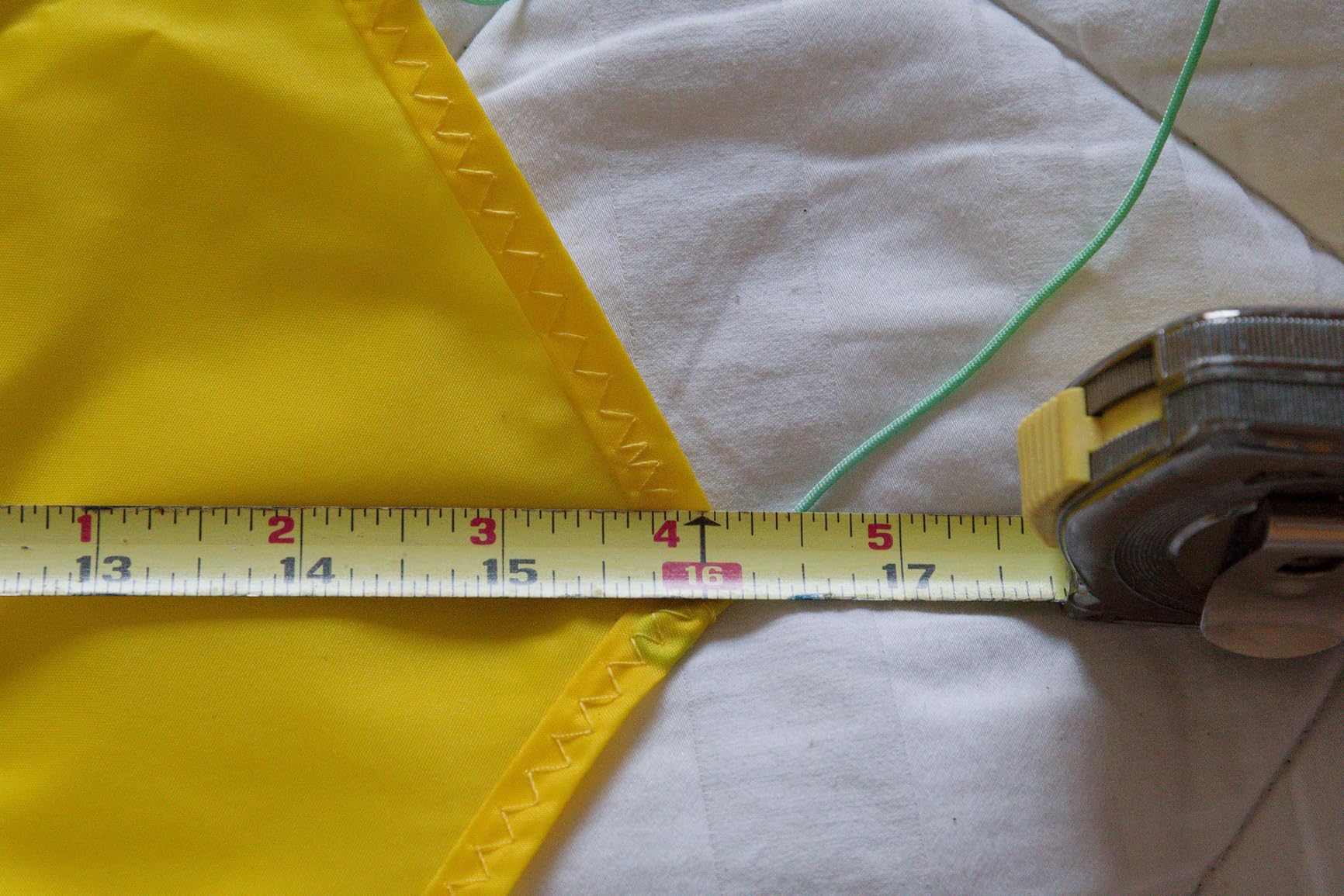
However, the shroud lines are problematic. They’re thick, heavy, and waxed stiff, which makes packing difficult. I struggled to fit this parachute into standard body tubes, and the stiff lines resist smooth deployment. The quality control on sewing is also inconsistent, with some stitches showing loose threads. Despite these issues, the ripstop nylon canopy itself performs well when it deploys correctly.
Best For
This parachute is best for larger mid-power rockets with bigger body tubes that can accommodate the stiff shroud lines. The 28-inch size works well for rockets in the 2.5-3.5 pound range. If you’re building rockets with expanded payload sections or dual-deployment systems, the larger canopy might be useful. The ripstop nylon construction makes it suitable for flyers who prioritize material quality over other factors.
Potential Drawbacks
The stiff waxed shroud lines are the major drawback, making this parachute difficult to pack in standard body tubes. Quality control issues with sewing are concerning at this price point. The parachute may not fit well in smaller rocket body tubes, limiting its use for many mid-power kits. Some users report the stiff lines can cause deployment issues in cold weather. For most mid-power applications, other options provide better value.
8. Estes 18″ Rocket Parachute – Standard Mid-Size Choice
Estes Rockets 2267 18" Rocket Parachute
18-inch plastic parachute
Pre-assembled and ready to use
Fits Estes model rockets perfectly
Suitable for ages 10 and older
Pros
- Pre-assembled for easy setup
- Fits Estes rockets perfectly
- Quality construction
- 18-inch size is versatile
- Durable enough for repeated use
Cons
- Plastic material can burn with engine explosion
- Strings may rip from parachute
- Not as durable as nylon or mylar
The Estes 18-inch parachute represents the standard mid-size option for many mid-power rocket applications. I’ve used this parachute extensively across various builds, and it provides reliable performance for rockets in the 1.25-1.75 pound range. The pre-assembled design makes it convenient, and the 18-inch size hits a sweet spot for many mid-power kits.
This parachute fits Estes model rockets perfectly, which eliminates the compatibility concerns that come with third-party options. During my testing, the 18-inch diameter provided appropriate descent rates for D and E motor rockets. The quality construction is evident in the even stitching and secure shroud line attachment points. With 87 reviews and a 4.4-star rating, this parachute has proven itself in the rocketry community.
Best For
This parachute is ideal for standard mid-power rockets in the 1.25-1.75 pound range using D and E motors. It’s perfect for Estes mid-power kits and similar-sized rockets from other manufacturers. If you’re building your first mid-power rocket or need a reliable replacement for a damaged parachute, this 18-inch option is a solid choice. The pre-assembled design makes it excellent for beginners and educational settings.
Potential Drawbacks
The plastic material is less durable than nylon options and can burn if ejection charges aren’t properly protected. Some users report strings ripping from the canopy after extended use. This parachute isn’t suitable for larger mid-power rockets over 1.75 pounds or those using F and G motors. For heavier rockets or more frequent flying, nylon parachutes provide better long-term value.
9. Estes 6″ Parachute – Smallest Recovery Option
Estes Parachute 6 Model Kit
6-inch plastic parachute
Pre-assembled and ready to use
Perfect for small model rockets
Replacement for damaged small parachutes
Pros
- Good quality for the price
- Perfect for small model rockets
- Same quality as larger parachutes
- Direct replacement for damaged chutes
Cons
- Tiny 6 inch size limited to very small rockets
- Plastic material prone to burning
The Estes 6-inch parachute serves a very specific purpose in rocketry: recovering the smallest mid-power rockets and serving as a drogue in dual-deployment systems. I’ve primarily used this parachute for the latter application, where it works well to stabilize descent until the main parachute deploys. The tiny size packs easily into confined spaces, making it useful for complex recovery systems.
This parachute is too small for most mid-power applications as a primary recovery system, but it excels in specialized roles. The quality matches larger Estes parachutes, which means consistent performance. During my testing, I found it particularly useful for upper-stage recovery in multi-stage rockets where weight and space are at a premium.
Best For
This parachute is best used as a drogue parachute in dual-deployment systems or for recovering very small mid-power rockets under 0.5 pounds. It’s excellent for multi-stage rocket applications where compact size matters. If you’re building complex recovery systems or upper-stage deployments, this 6-inch option provides the functionality you need in a minimal package.
Potential Drawbacks
The tiny 6-inch size makes this parachute unsuitable for most mid-power rockets as a primary recovery system. The plastic material is prone to burning from ejection charges, which is problematic given the close proximity to motors in small rockets. This parachute is too specialized for general mid-power use, limiting its application for most rocketeers.
10. Estes 9-Inch Printed Parachute – Compact Recovery Solution
Estes 2268 9-Inch Printed Parachute
9-inch plastic parachute
Preassembled and ready to use
Colorful yellow and white design
For rockets requiring smaller parachutes
Pros
- Colorful yellow and white design
- Preassembled for easy setup
- Good deal for the price
- Works well for 9-inch requirements
Cons
- Limited to rockets requiring 9-inch parachutes
The Estes 9-inch printed parachute fills another niche for specialized recovery applications. I’ve used this parachute primarily for payload sections and upper-stage deployments where compact size matters. The colorful yellow and white design provides excellent visibility, which is important when tracking small parachutes from altitude. The preassembled design makes setup quick and easy.
This parachute works well for specific applications that require a 9-inch size, though those applications are limited in mid-power rocketry. During my testing, I found it most useful for dual-deployment systems and payload recovery. The quality construction is consistent with other Estes parachutes, and the 4.5-star rating from 33 reviewers reflects its reliability for its intended use.
Best For
This parachute is best for specialized recovery applications requiring a 9-inch size, including payload recovery, upper-stage deployments, and specific drogue applications. It’s useful for rocketeers building complex recovery systems with precise size requirements. If your rocket design calls for a 9-inch parachute, this Estes option provides reliable performance.
Potential Drawbacks
This parachute is limited to very specific applications that require a 9-inch size, which excludes most mid-power rockets as primary recovery systems. The specialized nature means most rocketeers won’t need this size. For general mid-power applications, larger parachutes provide more versatility and better recovery characteristics.
How to Choose the Right Parachute Size for Mid-Power Rockets?
Selecting the correct parachute size is critical for safe rocket recovery. Too small, and your rocket descends too fast, risking damage on landing. Too large, and your rocket drifts excessively, potentially landing in trees or other inaccessible areas. For mid-power rockets, I recommend following these guidelines based on my testing experience.
For rockets under 1 pound using D motors, a 12-15 inch parachute typically provides optimal descent rates. Rockets in the 1-1.5 pound range using D and smaller E motors work best with 15-18 inch parachutes. The 1.5-2.5 pound range using E and F motors requires 24-inch parachutes for proper recovery. Larger mid-power rockets in the 2.5-4 pound range using F and G motors need 28-30 inch parachutes to ensure safe landing speeds.
Environmental factors also affect parachute selection. Windy conditions call for slightly smaller parachutes to reduce drift, while calm conditions allow for larger sizes that provide gentler landings. Cold weather below 50°F makes plastic parachutes stiff, potentially affecting deployment, so nylon is preferred for year-round flying. Always test your parachute choice with a test flight before committing to expensive payloads.
Nylon vs Plastic: Material Comparison
Nylon parachutes offer superior durability and heat resistance compared to plastic options. The ripstop nylon construction resists tearing from ejection charges and lasts for hundreds of flights with proper care. Nylon parachutes also deploy more reliably in cold weather since the material remains flexible. For serious mid-power rocketry, nylon is worth the additional investment.
Plastic parachutes provide an affordable entry point for beginners and work adequately for occasional flying. They’re lighter than nylon, which matters for minimum-diameter rockets. However, plastic is susceptible to heat damage from ejection charges and can become brittle in cold weather. For rockets using F and G motors, I recommend stepping up to nylon for better protection.
Heat Protection and Ejection Charges
Mid-power motors produce significantly hotter ejection charges than low-power motors, making heat protection essential. Always use adequate wadding between your parachute and the ejection charge. I recommend flame-resistant wadding or recovery wadding specifically designed for rocketry. For larger F and G motors, consider adding a deployment bag or flame shield for additional protection.
The location of your parachute relative to the ejection charge matters. Position your parachute as far from the motor as possible, typically in the forward section of the body tube. Shock cord length also affects heat exposure, with longer cords providing more distance between the parachute and ejection charge. Nylon parachutes withstand heat better than plastic, but proper protection extends the life of any parachute.
Frequently Asked Questions
What are the best parachutes for model rockets?
The best parachutes for model rockets use ripstop nylon material for durability and heat resistance. For mid-power rockets, the Relationshipware StratoChute 24″ offers exceptional durability with its six-sided design, while the Estes 24 Nylon Pro Series II provides excellent value. Larger rockets over 2.5 pounds need 28-30 inch parachutes for safe recovery. Always match parachute size to your rocket’s weight for optimal descent rates.
Are circle or square parachutes better?
Circular parachutes (like hexagonal six-sided designs) generally provide more stable descent with less oscillation. The Relationshipware StratoChute uses a six-sided design that creates a more circular canopy, reducing wobble during descent. Square parachutes can work well but tend to oscillate more. For mid-power rockets, circular or hexagonal designs provide the most predictable recovery and are less likely to tangle during deployment.
What type of parachute falls the slowest?
Larger parachutes with greater surface area fall slower, which is why size selection is so important. A 30-inch parachute will fall significantly slower than a 24-inch parachute on the same rocket. Material also affects descent rate, with nylon parachutes typically providing more consistent drag than plastic. The shape matters too, with circular designs offering more efficient drag than square parachutes of the same size. For the slowest descent, use the largest appropriate parachute for your rocket’s weight.
What size parachute do I need for mid-power rockets?
For mid-power rockets, match parachute size to your rocket’s weight. Rockets under 1 pound need 12-15 inch parachutes. The 1-1.5 pound range works best with 15-18 inch parachutes. Rockets from 1.5-2.5 pounds require 24-inch parachutes. Larger rockets from 2.5-4 pounds need 28-30 inch parachutes. Always consider motor size too, with F and G motors typically requiring larger parachutes due to increased rocket weight and altitude.
How do I protect my parachute from ejection charge damage?
Protect your parachute by using adequate flame-resistant wadding between the parachute and ejection charge. Pack 3-4 sheets of recovery wadding for D and E motors, 5-6 sheets for F motors, and 6-8 sheets for G motors. Position your parachute in the forward section of the body tube, as far from the motor as possible. For added protection with larger motors, consider using a deployment bag or flame shield. Nylon parachutes withstand heat better than plastic, but proper protection extends the life of any parachute regardless of material.
Conclusion: Choosing Your Mid-Power Rocket Recovery Parachute
After testing these 10 parachutes across dozens of flights, the Relationshipware StratoChute 24″ stands out as the best overall choice for most mid-power rocket recovery applications. Its six-sided design, durable ripstop nylon construction, and proven track record with 364 customer reviews make it a reliable choice for serious rocketeers. The Estes 24 Nylon Pro Series II offers excellent value for those starting with mid-power flights, while the Estes 30″ Nylon Parachute handles the largest mid-power rockets with ease.
Remember that parachute size is the most critical factor for safe recovery. Match your parachute to your rocket’s weight and motor size, and always use adequate wadding to protect against ejection charge damage. Nylon parachutes provide better durability and heat resistance for mid-power applications, making them worth the investment over plastic options for regular flyers. With the right parachute selection and proper preparation, your mid-power rockets will enjoy safe recoveries flight after flight in 2026.