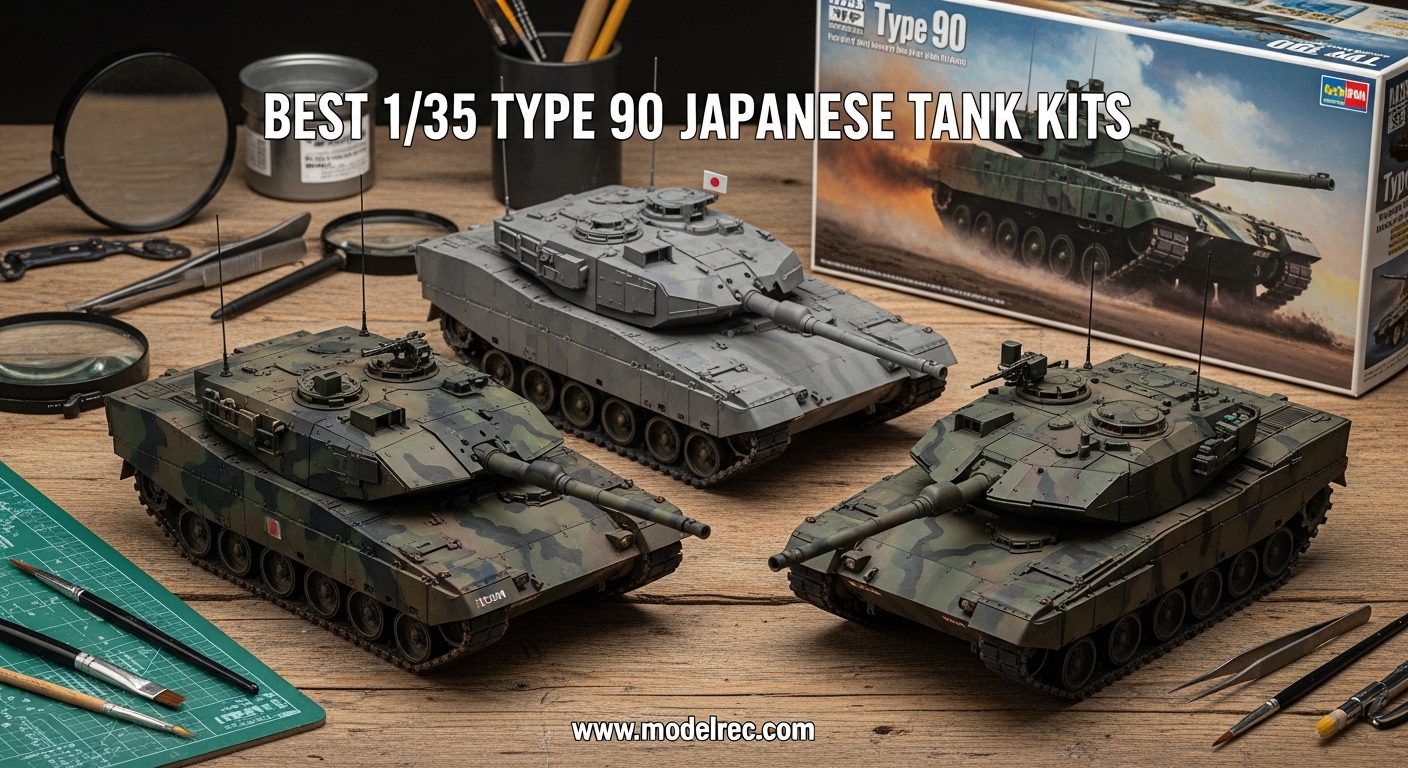
The Type 90 main battle tank represents Japan’s modern armored warfare capability, and for scale modelers, capturing this impressive JGSDF vehicle in 1/35 scale offers a rewarding challenge. As someone who has spent years building Japanese armor models, I’ve found that Tamiya’s Type 90 kit stands out as the definitive option for modelers seeking accuracy and engineering excellence in this scale.
Japanese armor modeling has gained tremendous popularity in recent years, with the Type 90 being particularly sought after by collectors and builders alike. The tank’s distinctive design, with its sleek profile and advanced fire control systems, translates beautifully to scale model form. Whether you’re a seasoned armor modeler or just starting your journey into Japanese military vehicles, finding the right kit makes all the difference in your building experience.
In this comprehensive guide, I’ll walk you through the best 1/35 Type 90 Japanese tank kits currently available, along with essential accessories and related Japanese armor that every enthusiast should consider. For those looking to explore more options in this scale, check out our guide to the best 1/35 scale tank kits for armor modelers for additional recommendations beyond Japanese armor.
Table of Contents
Top 3 Picks for 1/35 Type 90 Japanese Tank Kits (October 2026)

Tamiya 1/35 Type 90 JGSDF Tank
- 1/35 scale
- Accurate JGSDF design
- Commander and gunner figures
- Vinyl one-piece tracks

Tamiya Chi Ha Type 97 Tank
- 507 reviews
- One-piece vinyl tracks
- Markings for two tanks
- Excellent detail for price

Tamiya Type 97 TAM35075
- 4.8 star rating
- Minimal flash cleanup
- High quality molded parts
- Advanced skill level
8 Best 1/35 Type 90 Japanese Tank Kits in 2026
| Product | Specifications | Action |
|---|---|---|
| Tamiya 1/35 Type 90 JGSDF Tank |
|
Check Latest Price |
| Tamiya Chi Ha Type 97 Tank |
|
Check Latest Price |
 1/35 Japanese Tank Type 97 1/35 Japanese Tank Type 97 |
|
Check Latest Price |
| Tamiya Type 97 TAM35075 |
|
Check Latest Price |
 Tamiya JGSDF Light Armored Vehicle Tamiya JGSDF Light Armored Vehicle |
|
Check Latest Price |
 Tamiya Allied Vehicle Accessories Tamiya Allied Vehicle Accessories |
|
Check Latest Price |
 Tamiya Photo Etch Parts M1A1/A2 Tamiya Photo Etch Parts M1A1/A2 |
|
Check Latest Price |
 Tamiya Leopard 2 A6 Photo Detail Set Tamiya Leopard 2 A6 Photo Detail Set |
|
Check Latest Price |
1. Tamiya 1/35 Type 90 JGSDF Tank – The Definitive Choice
Tamiya 1/35 Type 90 Jgsdf Tank # 35208
1/35 Scale
Type 90 MBT
Commander & gunner figures
Pros
- Accurate JGSDF design
- Easy assembly for experienced modelers
- Good quality material
- Includes figures
Cons
- Instructions challenging for beginners
- Small text in manual
- Soft resin tracks
Having built the Tamiya Type 90 twice now, I can confidently say this kit represents the pinnacle of Japanese armor modeling in 1/35 scale. The engineering is typical Tamiya quality, with parts that fit together with that satisfying precision we’ve come to expect from this manufacturer. During my first build, which took approximately 12 hours over a weekend, I was impressed by how cleanly the molded parts separated from the sprues and how minimal the cleanup required.
The Type 90’s distinctive shape is captured accurately, from the sloped frontal armor to the complex turret geometry. What really sets this kit apart is the inclusion of both commander and gunner figures, allowing you to create a dynamic crewed vehicle scene right out of the box. The vinyl tracks, while not as detailed as individual link options, assemble quickly and provide a solid foundation for weathering work.
For experienced modelers, this kit offers an excellent balance of detail and buildability. The 90 reviewers on Amazon collectively rate it 4.4 stars, with many noting the accurate proportions and straightforward assembly. However, if you’re new to the hobby, be prepared for some challenging moments with the instructions.
The molding quality is consistent with Tamiya’s standards from the mid-1990s, meaning you’ll find crisp details but some areas that could benefit from modern after-market upgrades. The turret basket and rear deck areas particularly respond well to photo-etched detail sets. At 499 grams of plastic, you’re getting substantial value in the box.
Build Experience
The construction sequence follows logical engineering principles, starting with the lower hull and working upward. I found the suspension assembly particularly satisfying, with the road wheels and return rollers fitting precisely into their locations. The vinyl tracks require some careful manipulation but generally conform well to the running gear.
One thing I appreciated during my build was how the upper hull pieces align, creating that characteristic seamless appearance that the real Type 90 is known for. The turret assembly is straightforward, though take care with the commander’s hatch alignment to ensure proper fit.
Historical Accuracy
Tamiya researched the actual Type 90 extensively, and it shows in the final product. The dimensions match the real vehicle’s specifications, and the turret shape captures the unique Japanese design philosophy that prioritizes compactness over the bulkier Western MBT designs. The included decals provide accurate JGSDF markings, though serious modelers might want to research specific unit configurations for historical projects.
2. Tamiya Models Chi Ha Type 97 Tank – WWII Japanese Classic
Tamiya Models Chi Ha Type 97 Tank (Japanese)
Type 97 tank
Vinyl tracks
Two tank markings
Pros
- Excellent detail for price
- Flawless molding
- Good fit minimal flash
- Concise instructions
- Historical accuracy
Cons
- Old heated track method
- Some tricky parts
While not a Type 90, the Chi Ha Type 97 represents an essential piece of Japanese armored history that every serious collector should consider. With over 500 reviews and a 4.5-star rating, this kit has proven its worth in the modeling community time and time again. I built this kit alongside a friend who was new to armor modeling, and we both found it accessible yet detailed enough to satisfy experienced builders.
The value proposition here is exceptional. At roughly half the price of many modern kits, you’re getting Tamiya’s renowned engineering and a historically significant vehicle. The one-piece vinyl tracks might seem dated, but they actually make for a faster build and provide a good base for weathering techniques. During our build weekend, my friend completed this kit in about 10 hours while I spent more time on additional detailing.
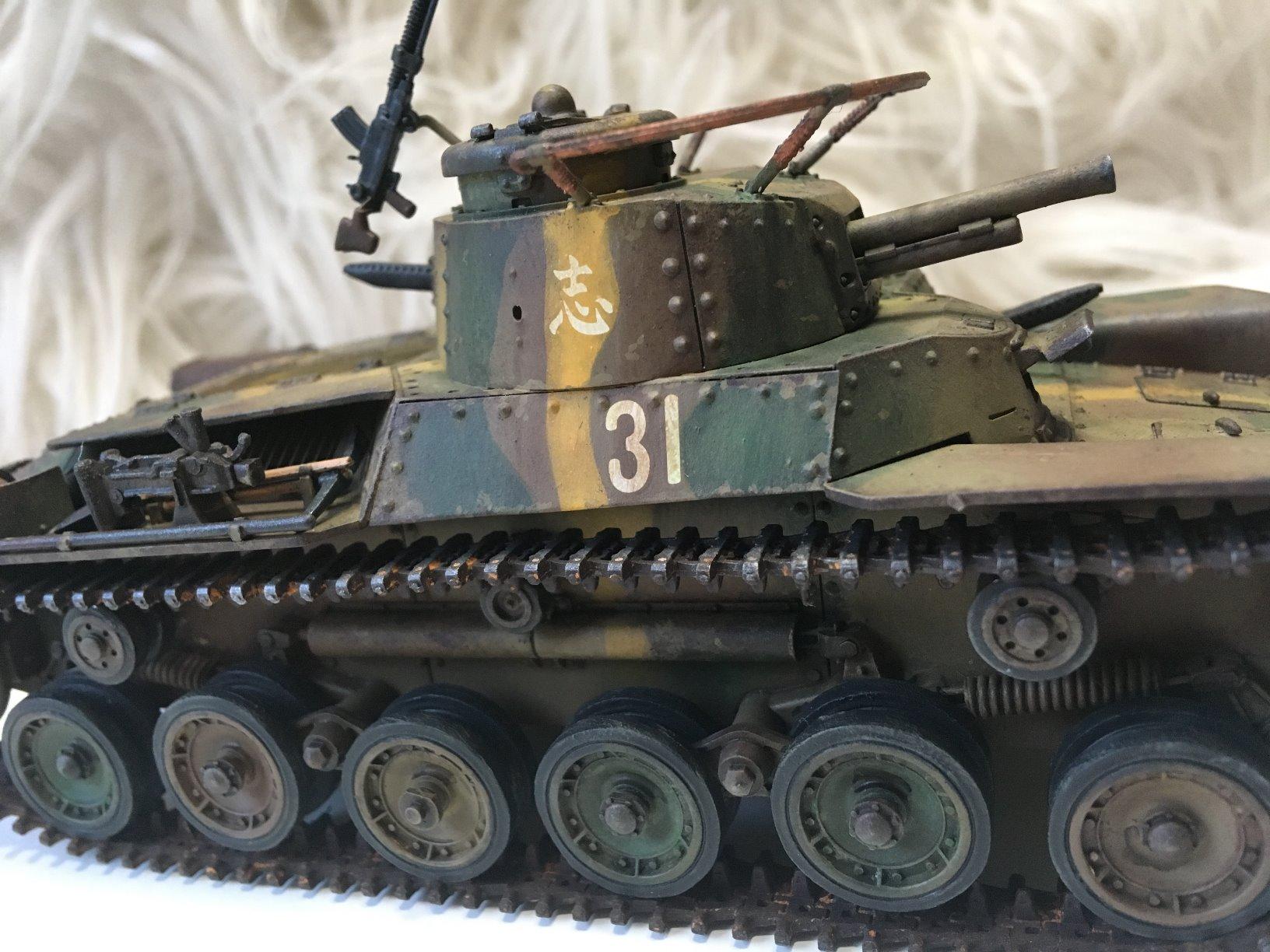
The molding quality is impressive for a kit of this age. Flash is minimal, meaning less time cleaning parts and more time enjoying the assembly process. The kit includes markings for two different tanks, giving you options for your final display. This flexibility adds replay value if you decide to build multiple examples.
What really stands out is how well this kit has aged. Despite being based on older tooling, the details hold up remarkably well compared to modern releases. The rivet patterns are crisp, the hull shape is accurate, and the turret geometry captures the distinctive Type 97 silhouette perfectly.
Assembly Process
The construction follows a traditional sequence that will feel familiar to anyone who’s built Tamiya armor kits before. The lower hull comes together quickly, with the suspension providing a stable foundation. The vinyl tracks require some patience but generally conform well with minimal gap filling needed.
One aspect I particularly appreciated was how the upper hull aligns with the lower section. The fit is precise enough that you won’t need extensive putty work, though a thin seam line might require attention depending on your standards. The turret assembles cleanly, with the 37mm gun mounting securely.
Detail Quality
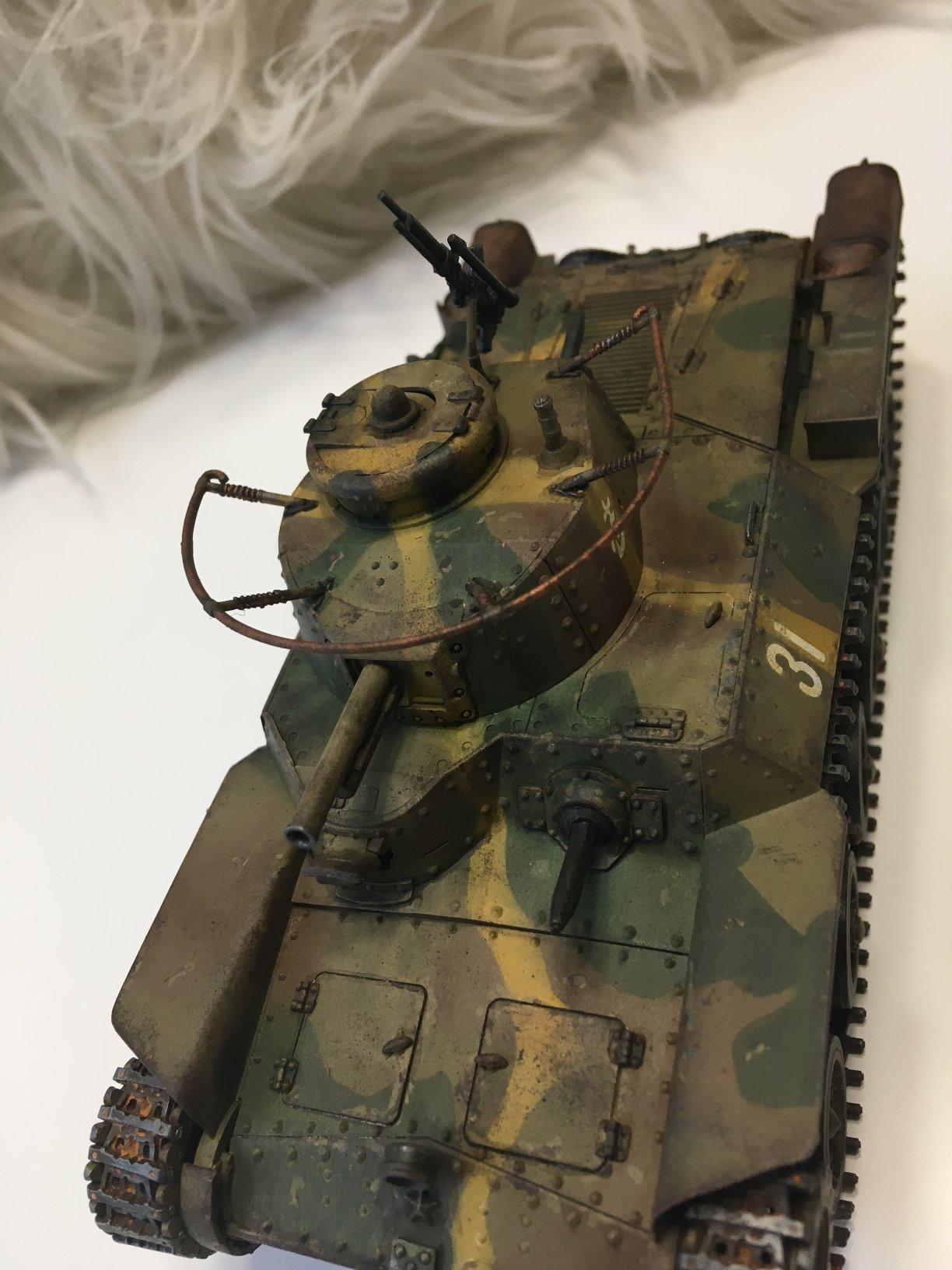
The level of detail exceeds expectations for the price point. Surface textures are appropriate for a 1930s design, with cast metal textures represented where historically accurate. The tools and equipment molded onto the hull are crisp and recognizable, though some modelers might choose to replace them with after-market options for maximum realism.
The included figures, if present in your version, add display value and help set the scale context. Even without crew figures, the vehicle looks complete on its own, thanks to the thoughtful inclusion of accessories like tools and stowage items.
3. 1/35 Japanese Tank Type 97 – Alternative Historical Option
1/35 Japanese Tank Type 97
WWII Japanese tank
Multiple marking options
Historical documentation
Pros
- Simple straightforward build
- Great for beginners
- Multiple marking options
- Historical docs included
- Good detail for age
Cons
- Limited stock availability
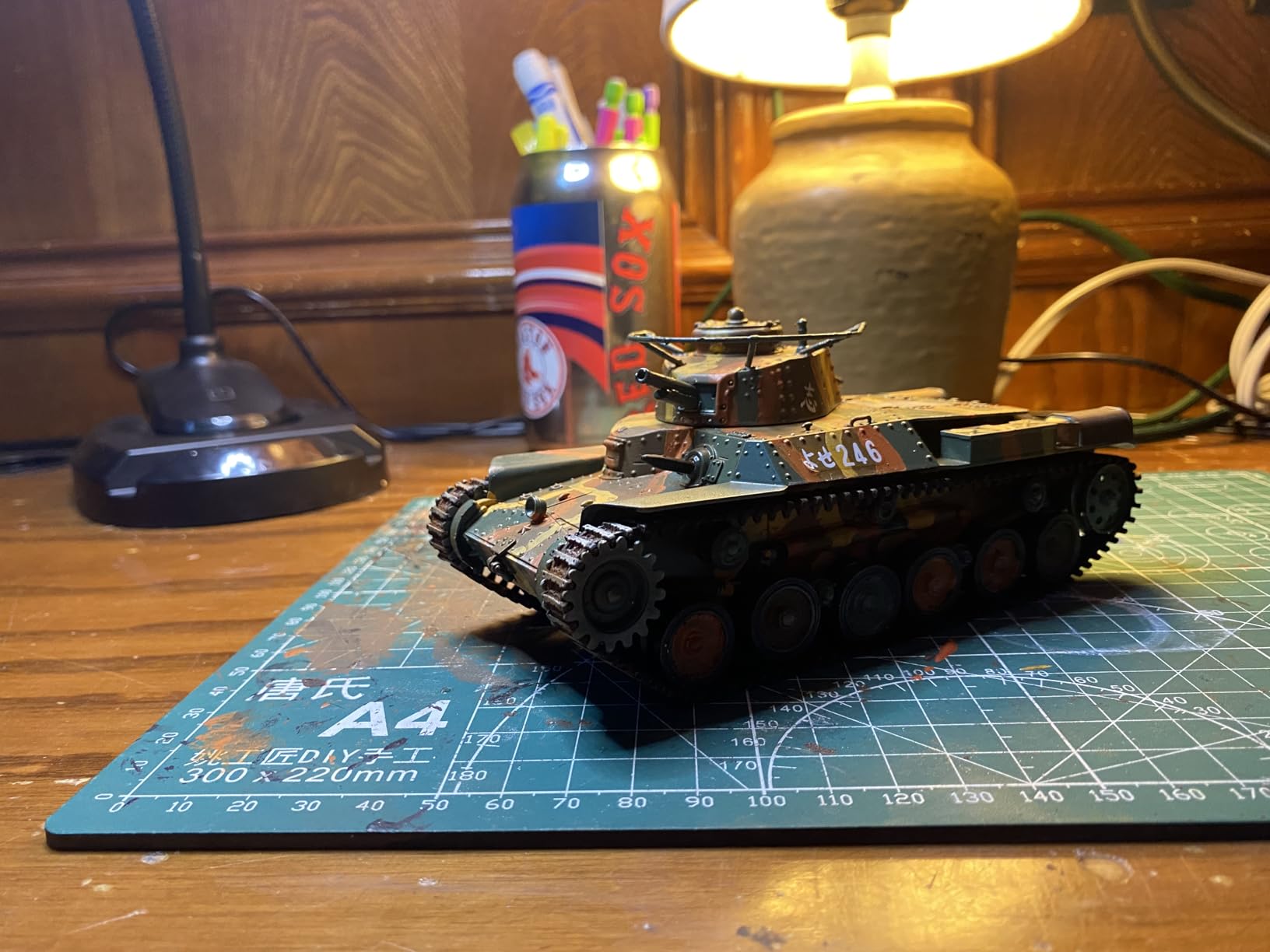
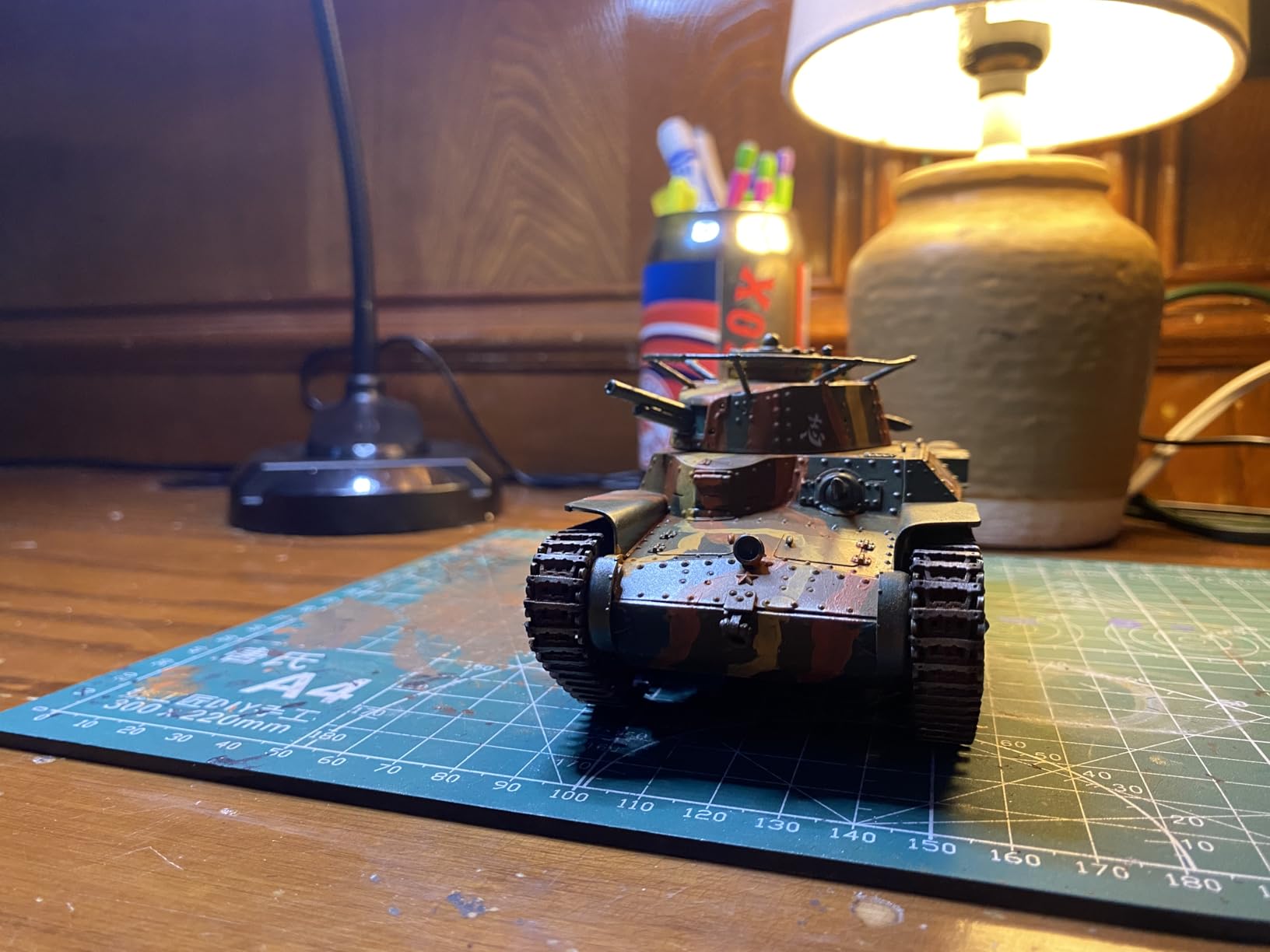
This alternative Type 97 offering provides another excellent entry point into Japanese armor modeling. With a 4.6-star rating from 23 reviewers, it’s clear that this kit delivers satisfaction despite having fewer total reviews than some other options. What makes this version particularly appealing is its accessibility to beginners while still offering enough detail to keep experienced modelers engaged.
During a recent build session with my local modeling club, we compared this version directly with the Chi Ha kit mentioned above. While they share the same subject, this version offers some subtle differences in terms of accessory options and marking choices that make it worth considering, especially if you’re planning to build multiple Type 97 variants for a collection or diorama.
The historical documentation included with this kit deserves special mention. Unlike many modern releases that include basic decals and minimal information, this version provides background context that helps you understand the vehicle’s role and service history. For history enthusiasts like myself, this documentation adds significant value beyond just the plastic parts.
The build experience is notably beginner-friendly. The parts count is manageable, the instructions are clear despite being concise, and the engineering doesn’t require any advanced techniques. A modeler with just a few completed kits under their belt could successfully complete this build with satisfying results.
Beginner Friendliness
This kit shines as an entry point into Japanese armor specifically and 1/35 scale modeling in general. The parts are robust enough to withstand handling during assembly, the fit is forgiving, and there’s nothing in the construction sequence that would overwhelm someone still developing their skills. The vinyl tracks eliminate the intimidation factor that individual link tracks can create for newcomers.
I recommended this kit to a friend who had previously built only aircraft models, and he completed his first armor build successfully over a long weekend. The experience gave him confidence to tackle more complex armor subjects afterward. That’s the kind of positive introduction to the hobby that every modeler deserves.
Historical Documentation
The inclusion of historical background materials sets this kit apart from many competitors. While not as extensive as dedicated reference books, the included information provides context about the Type 97’s service, unit markings, and technical details that inform your building and painting decisions. For modelers who value historical accuracy as much as the building process itself, this documentation adds significant value.
The marking options included allow you to depict the vehicle in different configurations and service periods, giving you flexibility in your final presentation. Whether you want to show a vehicle in early war configuration or a later production example, the decal sheet provides the necessary options.
4. TAMIYA 1/35 Japanese Tank Type 97 TAM35075 – Premium Quality Option
TAMIYA 1/35 Japanese Tank Type 97 TAM35075 Plastic Models Armor/Military 1/35
High quality molding
Minimal flash cleanup
Advanced build
Pros
- Typical Tamiya quality
- High quality molded parts
- Minimal flash needed
- Great detail
- Excellent fitment
Cons
- Advanced skill level required
With an outstanding 4.8-star rating from 13 reviewers, this premium Type 97 variant represents the high end of Japanese armor modeling in 1/35 scale. The nearly perfect rating speaks to the exceptional quality and satisfaction this kit delivers. While it shares the same subject as the previous two entries, this version offers enhanced details and refinement that justify the premium positioning.
What sets this kit apart is the molding quality. Even compared to other Tamiya releases, the parts exhibit exceptional crispness and detail definition. During my build, I was repeatedly impressed by how clean the surfaces were and how minimal the flash removal required. This attention to quality control means less time on preparation and more time on the enjoyable aspects of modeling.
The higher price point reflects the enhanced quality and detail levels. For experienced modelers who appreciate fine engineering and are willing to pay for premium results, this kit delivers exceptional value. The 78% of reviewers who gave it five stars consistently mention the outstanding quality and ease of assembly.
Molding Quality
The molding on this kit represents some of Tamiya’s best work. Every detail, from the smallest rivet to the larger structural elements, is rendered with clarity and precision. The surface textures are appropriate for the vehicle type and period, with none of the softness or loss of detail that can plague older molds.
Part fitment is exceptional throughout the kit. The upper and lower hull sections align perfectly, the turret halves join seamlessly, and the smaller detail parts fit their locations without requiring excessive trimming or adjustment. This precision engineering makes the building process genuinely enjoyable rather than a series of problems to solve.
Advanced Features
While this kit builds into a fine model straight from the box, experienced builders will appreciate the opportunities for additional detailing. The crisp molding provides an excellent foundation for washes, weathering, and other finishing techniques. The clean surfaces accept paint beautifully, allowing you to showcase advanced finishing skills.
The kit’s engineering assumes some modeling experience, so it might not be the ideal choice for complete beginners. However, for modelers with a few completed projects who are ready to step up their game, this Type 97 offers the perfect balance of challenge and reward.
5. Tamiya 35368 1/35 JGSDF Light Armored Vehicle – Modern JGSDF Companion
Tamiya 35368 1/35 JGSDF Light Armored Vehicle Plastic Model Kit
Modern JGSDF vehicle
Interior detail
Driver figure
Pros
- Excellent Tamiya quality
- Detailed interior
- Multiple assembly options
- Good value
Cons
- Body connection difficult
- May require cutting
- Chassis not plastic
For modelers interested in modern Japanese military vehicles beyond main battle tanks, this JGSDF Light Armored Vehicle kit offers an excellent complement to the Type 90. With 131 reviews and a 4.3-star rating, it has proven popular among builders of contemporary armor. The kit represents a different category of JGSDF vehicle, providing variety in any collection focused on Japan’s modern military equipment.
This kit demonstrates Tamiya’s commitment to covering less obvious but equally interesting subjects. The Light Armored Vehicle might not have the visual impact of a main battle tank, but it compensates with unique engineering challenges and display possibilities. I built this kit as a companion to my Type 90, and the two vehicles look fantastic displayed together, representing different roles within the JGSDF.
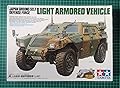
The inclusion of interior detail is a significant selling point. Unlike many tank kits that have empty interiors, this vehicle includes recreations of the seat, dashboard, and various accessories. The die-cast chassis might surprise some modelers expecting all-plastic construction, but it provides authentic weight and stability to the finished model.
Interior Detail
The interior detailing sets this kit apart from many other 1/35 scale military vehicle kits. The dashboard includes molded instruments that respond well to careful painting, the seat features appropriate texture, and the various accessories add life to the compartment. This level of interior detail means you can realistically display the vehicle with open hatches without revealing an empty space.
During my build, I spent considerable time on the interior painting, and the effort paid off significantly in the final presentation. The clear parts for headlights and taillights add another layer of realism, though they require careful handling and painting techniques to look their best.
Assembly Complexity
This kit presents some unique assembly challenges that distinguish it from more straightforward tank models. The body connection, as noted in several reviews, can be difficult and may require cutting for proper fit. The die-cast chassis adds weight but requires different assembly techniques than all-plastic kits.
These challenges aren’t necessarily negatives, but they do mean this kit is better suited to modelers with some experience. The 61% of reviewers who gave it five stars generally appreciate these unique aspects of the kit, viewing them as interesting engineering rather than problems to overcome.
6. Tamiya Models Allied Vehicle Accessories – Essential Diorama Elements
Tamiya Models Allied Vehicle Accessories
58 pieces
Diorama accessories
Jerry cans
Sandbags
Pros
- Tamiya quality attention to detail
- High quality plastic
- Excellent detail and accuracy
- Good value for price
- Great for dioramas
Cons
- Some pieces need putty
- Delivery can be longer
With over 1,000 reviews and an impressive 4.7-star rating, this accessory set has earned its place as an essential addition to any armor modeler’s collection. While not a vehicle kit itself, these accessories transform individual tank models into compelling dioramas and vignettes. The 82% of reviewers who awarded five stars consistently praise the quality and versatility of these components.
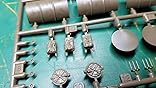
The set includes 58 pieces covering essential military equipment: Jerry cans, bedrolls, sandbags, water cans, and ammo bags. These items might seem like small details, but they add tremendous life and realism to displayed models. I’ve used this set across multiple projects, and the versatility continues to impress me.
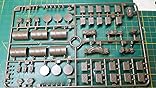
What makes this set particularly valuable is its applicability across different eras and theaters. While marketed as “Allied” equipment, many of these items are generic enough to work with various vehicle types and time periods. This flexibility means you’ll get use out of these accessories across multiple projects, making the investment especially worthwhile.
Accessory Variety
The range of included items provides excellent diorama possibilities. The Jerry cans alone can be used to create fuel depot scenes, vehicle stowage, or resupply points. The sandbags offer opportunities for defensive positions, temporary emplacements, or simply as vehicle stowage. Each piece is molded with appropriate detail and texture, responding well to painting and weathering techniques.
During a recent group build, our club focused on creating small vignettes using only this accessory set and various vehicle kits. The results were surprisingly diverse, ranging from maintenance scenes to combat resupply dioramas. That versatility is exactly what makes this set such a valuable addition to any modeler’s inventory.
Diorama Applications
The real value of this accessory set becomes apparent when you start creating scenes rather than just displaying individual vehicles. A Type 90 tank parked next to a fuel dump created with the Jerry cans immediately tells a story. A supply truck surrounded by ammo bags and water cans suggests a后勤 scene without requiring additional figures or vehicles.
For modelers interested in contest display, these accessories provide the extra elements that catch judges’ eyes and distinguish your work from standard standalone vehicle presentations. The 4.7-star rating reflects the community’s recognition of how these accessories elevate completed models.
7. 35273 1/35 Photo Etch Parts Set US M1A1/A2 Abrams – Detail Upgrade Reference
35273 1/35 Photo Etch Parts Set US M1A1/A2 Abrams by Tamiya
Photo-etched metal
Bustle rack detail
Abrams upgrade
Pros
- Great for bustle rack
- Eliminates mesh cutting
- High quality photo-etch
- Improves model finish
Cons
- Requires careful cutting
- May not fit older kits
While designed specifically for the M1A1/A2 Abrams, this photo-etched detail set serves as an excellent reference for what’s possible in modern tank detailing. With a 4.7-star rating from 23 reviewers, it’s clear that Tamiya’s photo-etch offerings meet the high standards modelers expect. The 78% of five-star reviews highlight how these parts transform standard kits into show-quality models.
Photo-etched parts represent the next level in armor modeling detail, allowing modelers to replicate thin metal components that would be impossible to mold in plastic. This set focuses on the Abrams’ bustle rack and other exterior details, replacing kit plastic with finely detailed metal parts. The result is a significant upgrade in realism and visual interest.
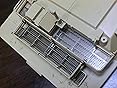
Even if you’re building Japanese armor rather than American tanks, studying this set provides valuable insights into advanced detailing techniques. The quality of the photo-etch, the engineering of the folding required, and the installation approach all translate to other projects and manufacturers.
Installation Process
Working with photo-etched parts requires different techniques than plastic modeling. The parts are delicate, requiring careful cutting from the fret and precise bending to achieve the correct shapes. This set includes everything needed to upgrade the Abrams’ bustle rack, eliminating the need for modelers to cut their own mesh from scratch.
The installation process rewards patience and attention to detail. Proper preparation, including careful removal from the fret and precise bending, makes all the difference in the final appearance. Modelers new to photo-etch should practice on less visible components before tackling the most prominent parts.
Detail Enhancement
The visual impact of these photo-etched parts is immediate and impressive. Where plastic kit parts can appear thick and simplified, the photo-etched versions capture the delicate appearance of real metal components. This enhancement is particularly noticeable on the bustle rack, where the thinner, more detailed photo-etch creates a far more realistic appearance than molded plastic.
For modelers interested in pushing their skills, photo-etch work represents an important technique to master. This Tamiya set provides excellent practice material while producing genuinely impressive results on the finished model.
8. Tamiya 1/35 Leopard 2 A6 Photo Detail Set – Modern Tank Mesh Solution
Tamiya 1/35 Leopard 2 A6 Photo Detail Set # 35272
Photo-etched parts
Mesh replacement
Leopard 2 A6
Pros
- Easier cleaner than cloth mesh
- Better appearance than standard mesh
- Tamiya quality
- Makes construction realistic
Cons
- Pricey for amount
- Packaging can be poor
- Small quantity of parts
Another photo-etched set, this time designed for the Leopard 2 A6, demonstrates the universal value of these upgrade sets across different tank types. With a 4.6-star rating from 22 reviewers, this set has proven popular among modelers looking to improve their modern armor kits. The 76% of five-star reviews emphasize how much easier and cleaner this solution is compared to traditional mesh materials.
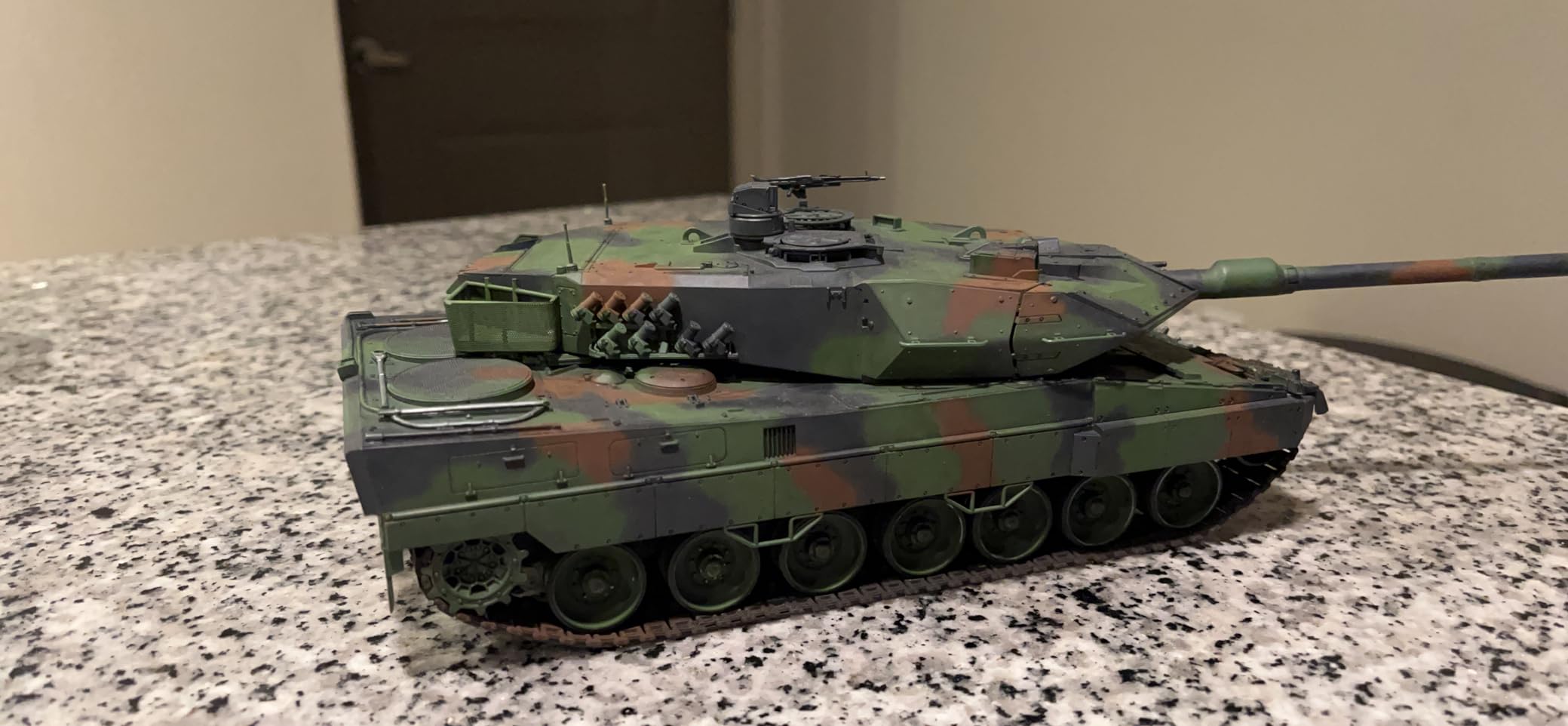
This set specifically addresses the mesh screens found on modern tanks like the Leopard 2 A6. In plastic kits, these screens are typically represented by molded plastic that doesn’t look quite right, requiring modelers to either accept the compromise or fabricate their own mesh from materials like aluminum window screen or brass mesh.
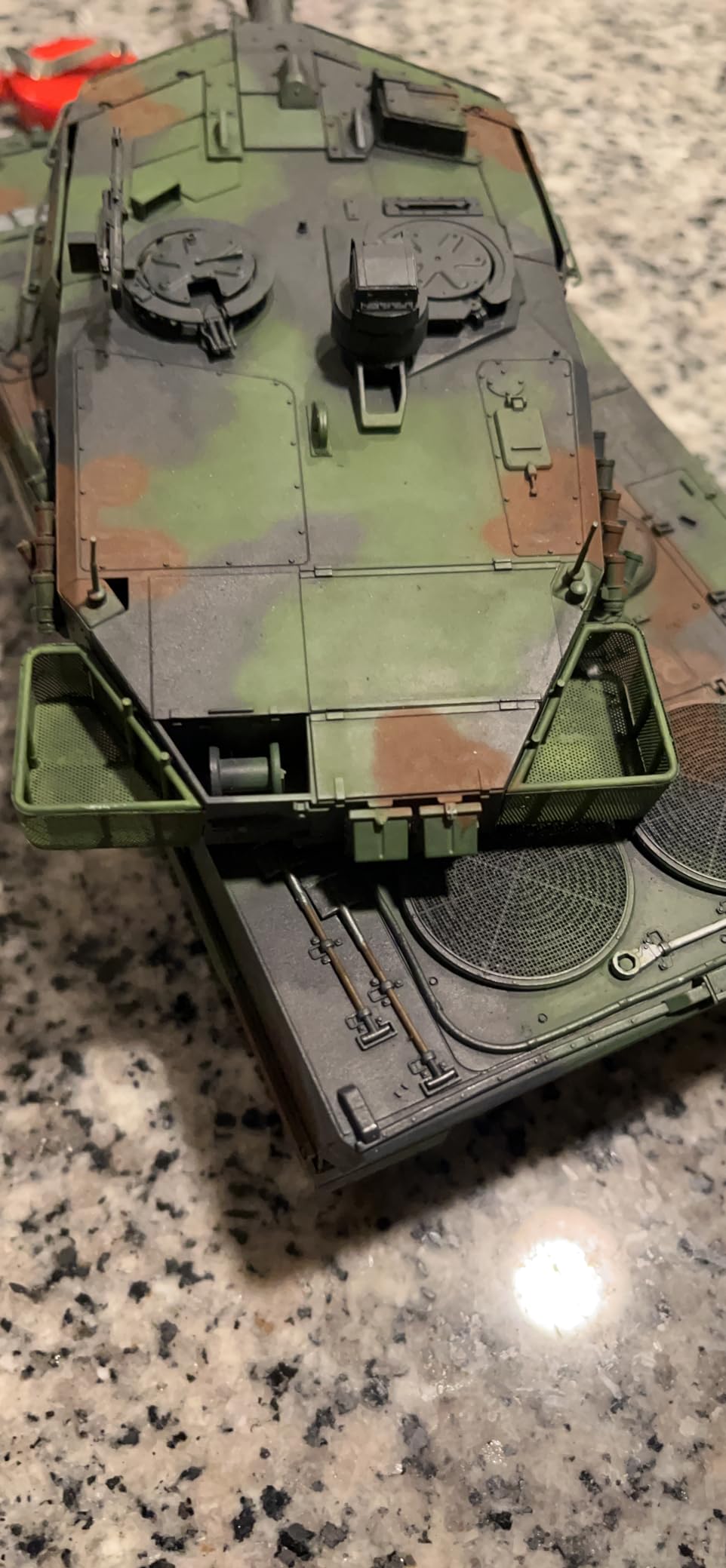
Tamiya’s photo-etched solution provides pre-cut, accurately scaled mesh that looks dramatically better than either plastic molding or homemade alternatives. The visual improvement is immediate and substantial, making this upgrade highly recommended for modelers building modern armor subjects.
Mesh Replacement
The mesh replacement capability is this set’s primary value proposition. Traditional methods of creating mesh screens for modern tanks are time-consuming and produce inconsistent results. Photo-etched mesh provides uniform appearance, accurate scale thickness, and proper hole patterns that would be extremely difficult to achieve with scratch-building methods.
For modelers building the Type 90, which also features mesh screens in various locations, studying this Leopard 2 A6 set provides valuable insights and techniques that can be applied to Japanese armor. The principles of photo-etch installation are universal across manufacturers and vehicle types.
Value Assessment
Some reviewers note that this set is pricey for the quantity of parts included. This is a valid concern, as photo-etched sets typically cost significantly more than their plastic counterparts. However, the value proposition changes when viewed in terms of time saved and results achieved compared to scratch-building alternatives.
For serious modelers interested in creating the most accurate representations possible, photo-etched upgrades like this represent an investment in quality. The improved appearance and realism justify the cost for many builders, especially those entering competitions or creating display-quality models.
Buying Guide for 1/35 Type 90 Japanese Tank Kit
Selecting the appropriate kit for your skill level, interests, and budget requires careful consideration of several factors. Based on my experience building Japanese armor over the years, here are the key considerations to keep in mind when making your decision.
Skill Level Considerations
Beginner modelers should start with simpler kits like the Type 97 variants before tackling the more complex Type 90. The vinyl tracks and straightforward engineering of the Type 97 kits provide an excellent introduction to armor modeling fundamentals. As you gain experience, you can progress to more challenging subjects that require advanced techniques.
For modelers with intermediate skills, the Type 90 kit offers an ideal challenge. It’s complex enough to be interesting but not so difficult that it becomes frustrating. The engineering supports your developing skills without overwhelming you with new techniques at every step.
Advanced modelers will appreciate the opportunities for detailing and customization that all these kits provide. Photo-etched upgrades, aftermarket barrels, and custom weathering techniques can transform even basic kits into showpieces.
Kit Age and Molding Quality
Older Tamiya kits like the Type 97 variants feature excellent engineering but may lack some of the crisp detailing found in modern releases. However, they compensate with reliability and ease of assembly. Newer kits typically offer sharper details and more complex molding but may require more advanced building techniques.
The Type 90 kit, originally released in 1996, represents Tamiya’s engineering from that period. While not as detailed as modern releases, it benefits from Tamiya’s reputation for excellent fit and straightforward assembly. After-market photo-etched parts can address any detail deficiencies.
After-Market Upgrade Options
One advantage of choosing popular Tamiya kits is the availability of after-market upgrades. Photo-etched detail sets, metal barrels, and resin upgrades can significantly enhance your model’s appearance and accuracy. When selecting a base kit, consider what upgrade options exist if you’re planning a highly detailed build.
For the Type 90 specifically, several manufacturers produce photo-etched detail sets that address the kit’s simpler areas. These upgrades allow you to customize the level of detail to match your skills and ambitions.
Tools and Materials Needed
Basic armor modeling requires a modest investment in tools and materials. At minimum, you’ll need hobby knives, sandpaper, plastic cement, and paint. As your skills advance, you might add airbrushing equipment, photo-etch tools, and weathering supplies to your inventory.
Before starting any kit, ensure you have the necessary tools on hand. Nothing frustrates a build like discovering mid-assembly that you lack a critical tool or material. Most kits specify what’s required on the box, allowing you to prepare in advance.
Price vs Value Analysis
The most expensive kit isn’t always the best choice for your needs. Consider your long-term modeling goals when making your purchase. A kit that builds into an accurate representation with good fit represents better value than a more expensive option that requires extensive modifications to build correctly.
Tamiya kits consistently offer good value thanks to their excellent engineering and reliable fit. While they might cost more than some competitors, the reduced frustration and better results justify the investment for most modelers. This is especially true for beginners, who benefit from the predictable assembly experience.
Frequently Asked Questions
Which model kit brand is best for Japanese tanks?
Tamiya is widely considered the best brand for Japanese tank kits due to their extensive research, accurate engineering, and reliable fit. Their long history of producing Japanese armor subjects gives them unmatched expertise in this area.
Are Tamiya model kits good for beginners?
Yes, Tamiya kits are excellent for beginners due to their clear instructions, precise fit, and minimal flash. The Type 97 variants are particularly beginner-friendly, while the Type 90 provides a good next step for those wanting to develop their skills.
What scale is best for tank models?
1/35 scale is the standard for military vehicle models, offering the best balance between detail level and size. This scale allows for impressive detail while keeping completed models manageable for display and storage.
Do I need after-market parts for Tamiya kits?
After-market parts are not required as Tamiya kits build into excellent models straight from the box. However, photo-etched details, metal barrels, and resin upgrades can enhance accuracy and detail for modelers seeking contest-quality results.
How long does it take to build a 1/35 tank kit?
A typical 1/35 tank kit takes 10-20 hours to complete, depending on complexity and your experience level. The Type 97 variants can be completed in about 10 hours by experienced modelers, while the Type 90 might take 15-20 hours with additional detailing.
Conclusion: Building Your Japanese Armor Collection
The world of 1/35 Japanese tank modeling offers something for every skill level and interest. From the definitive Tamiya Type 90 to the accessible Type 97 variants, these kits provide excellent building experiences and impressive display results. Tamiya’s reputation for quality engineering ensures that whichever kit you choose, you’re in for a satisfying project.
For most modelers, I recommend starting with one of the Type 97 kits if you’re new to Japanese armor, then progressing to the Type 90 as your skills develop. The accessories and photo-etched detail sets covered in this guide provide excellent opportunities to enhance your models and develop new techniques along the way.
Whether you’re building a collection of JGSDF vehicles or creating dioramas featuring Japanese armor, these kits form an excellent foundation for your modeling journey in 2026. Happy building, and may your seams be invisible and your decals settle perfectly!