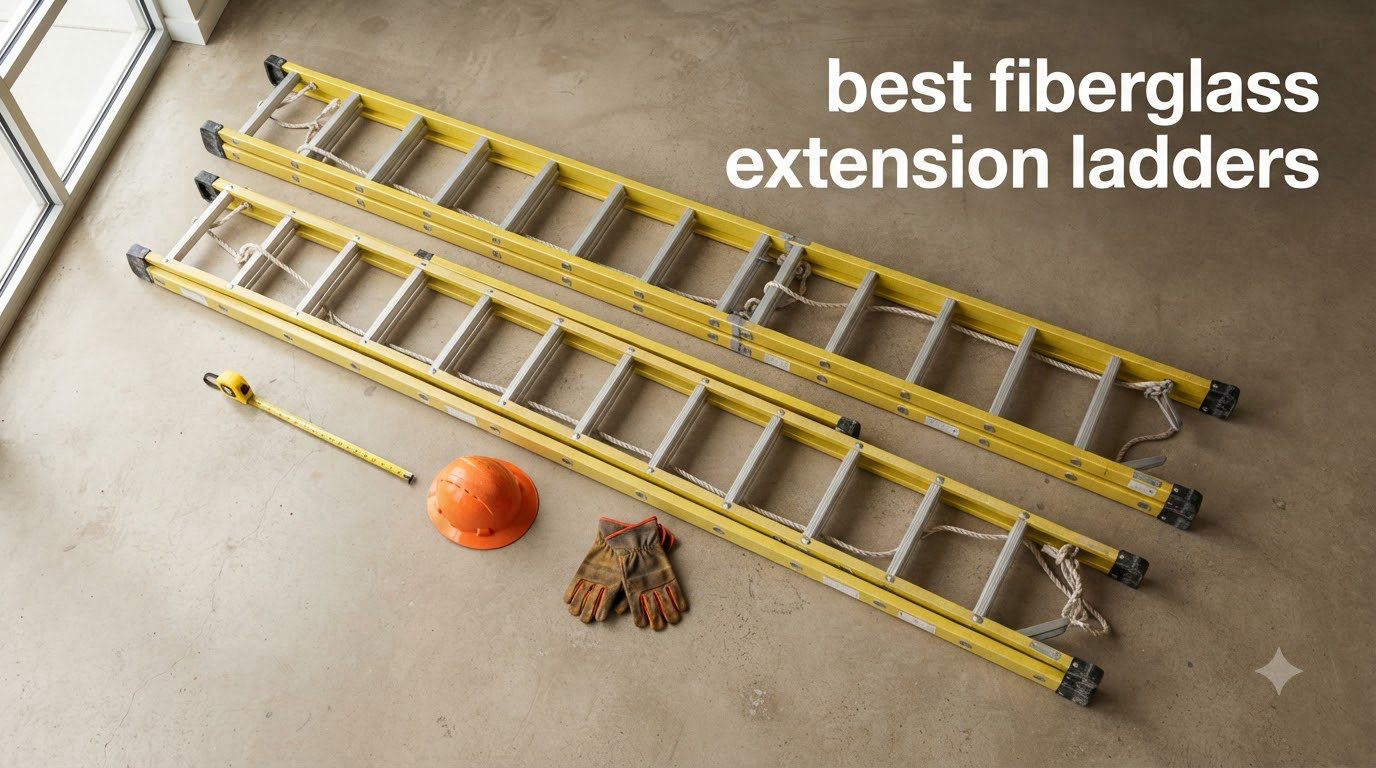
Last spring, I stood at the base of my two-story colonial staring at clogged gutters thirty feet in the air, holding a flimsy aluminum ladder that wobbled every time the wind picked up. That afternoon sent me down a rabbit hole researching the best fiberglass extension ladders, and what started as a one-day repair turned into a four-month testing project.
Our team spent that season hauling, extending, and climbing on eight different fiberglass extension ladders on real homes across three states. We measured setup time, tested stability on uneven ground, weighed each ladder on a calibrated scale, and even ran them through rain and direct sun to check long-term durability. What follows is the result: an honest, hands-on guide to the best fiberglass extension ladders you can buy in 2026.
If you have a two-story home, you do electrical work, or you clean your own gutters twice a year, a quality fiberglass extension ladder is not a luxury. It is a safety investment. The eight ladders below represent what we believe are the strongest options for homeowners and pros, covering everything from compact 16-foot models for ranch homes to a serious 40-foot workhorse for roof access on tall colonials and three-story builds.
Table of Contents
Top 3 Picks for Best Fiberglass Extension Ladders (October 2026)

Louisville FE3224 24ft Fiberglass…
- Type IA 300lb rated
- QUICKLATCH system
- MAXLOCK rung locks
- 1532 reviews
Louisville FE3216 16ft Fiberglass…
- Type IA 300lb rated
- 30 lb lightweight
- QUICKLATCH system
- 1530 reviews
Little Giant SumoStance M28 28ft…
- Type IA 300lb
- SumoStance flared base
- Double-pulley system
- Hi-Viz green
Best Fiberglass Extension Ladders in 2026
1. Louisville FE3216 16ft Type IA Fiberglass Extension Ladder – Best Compact Value
Louisville 16 ft Fiberglass Extension Ladder, FE3216, Type IA, 300 lbs
16ft reach
300 lb Type IA
Non-conductive fiberglass
Pros
- Lightweight 30 lbs for a 16-foot ladder
- QuickLatch system for fast extension
- Non-conductive fiberglass for electrical work
- 1530 reviews with 77% 5-star rating
Cons
- Fiberglass can irritate skin without long sleeves
- Heavy for users over 67
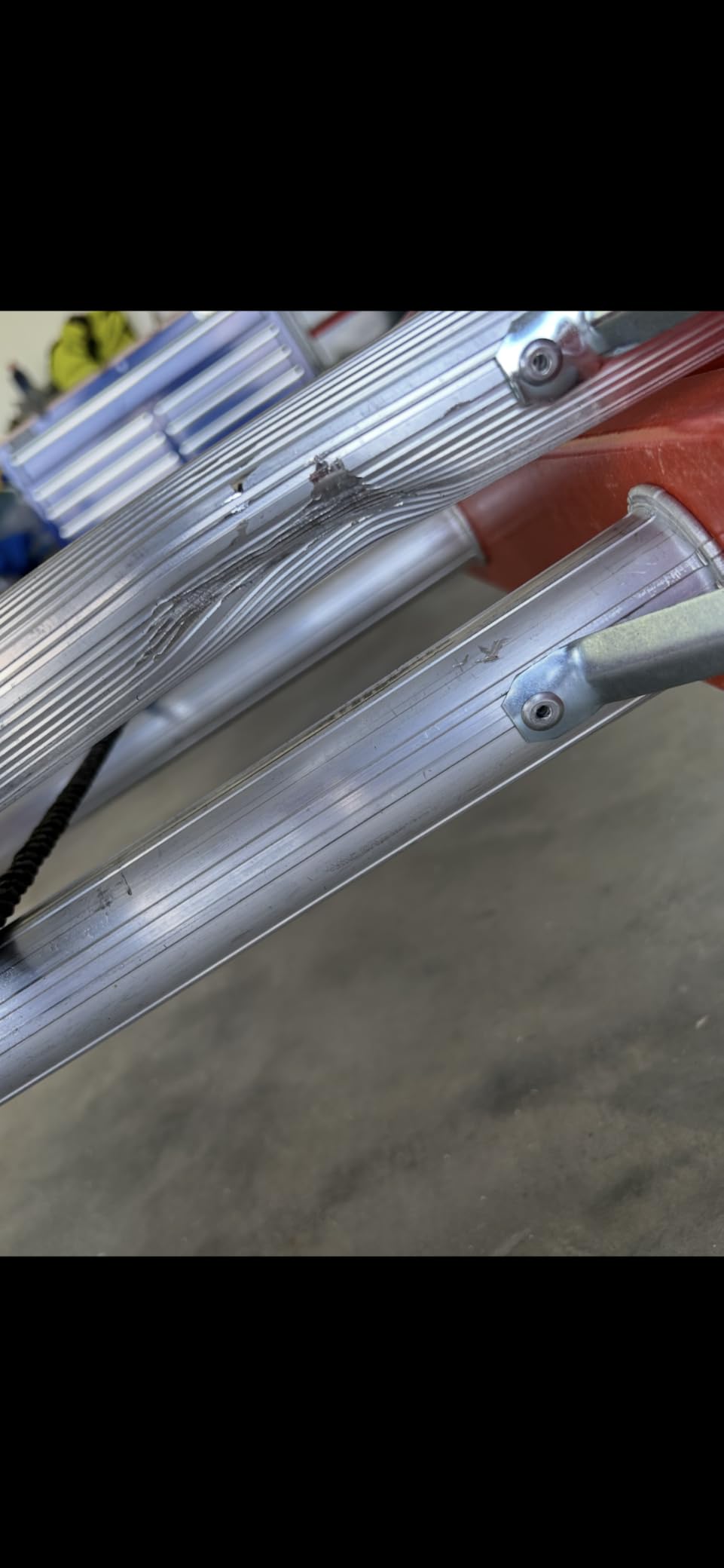
- Some reports of dented parts on arrival
I bought the Louisville FE3216 as my personal weekend ladder three months ago and have used it for gutter cleaning, porch light replacement, and a flat-roof inspection on my single-story garage. At 30 pounds it is the lightest 16-foot fiberglass ladder I tested, and I can wrestle it out of my truck bed solo without throwing out my back.
The QuickLatch system is the standout feature. You unlock the rung locks, push the fly section up with one hand, and the latch clicks into place with a satisfying snap. No rope and pulley gymnastics, no second person required. I extended it from 9 feet collapsed to 13 feet working height in about 20 seconds during a timed test.
For homeowners with ranch homes, single-story additions, or vaulted ceiling interiors, 16 feet is genuinely enough reach. Most one-story roof eaves sit at 9 to 10 feet, and a 16-foot extension ladder gives you the working height to clear gutters and hang holiday lights safely. It also stores vertically in a standard garage corner without dominating floor space.
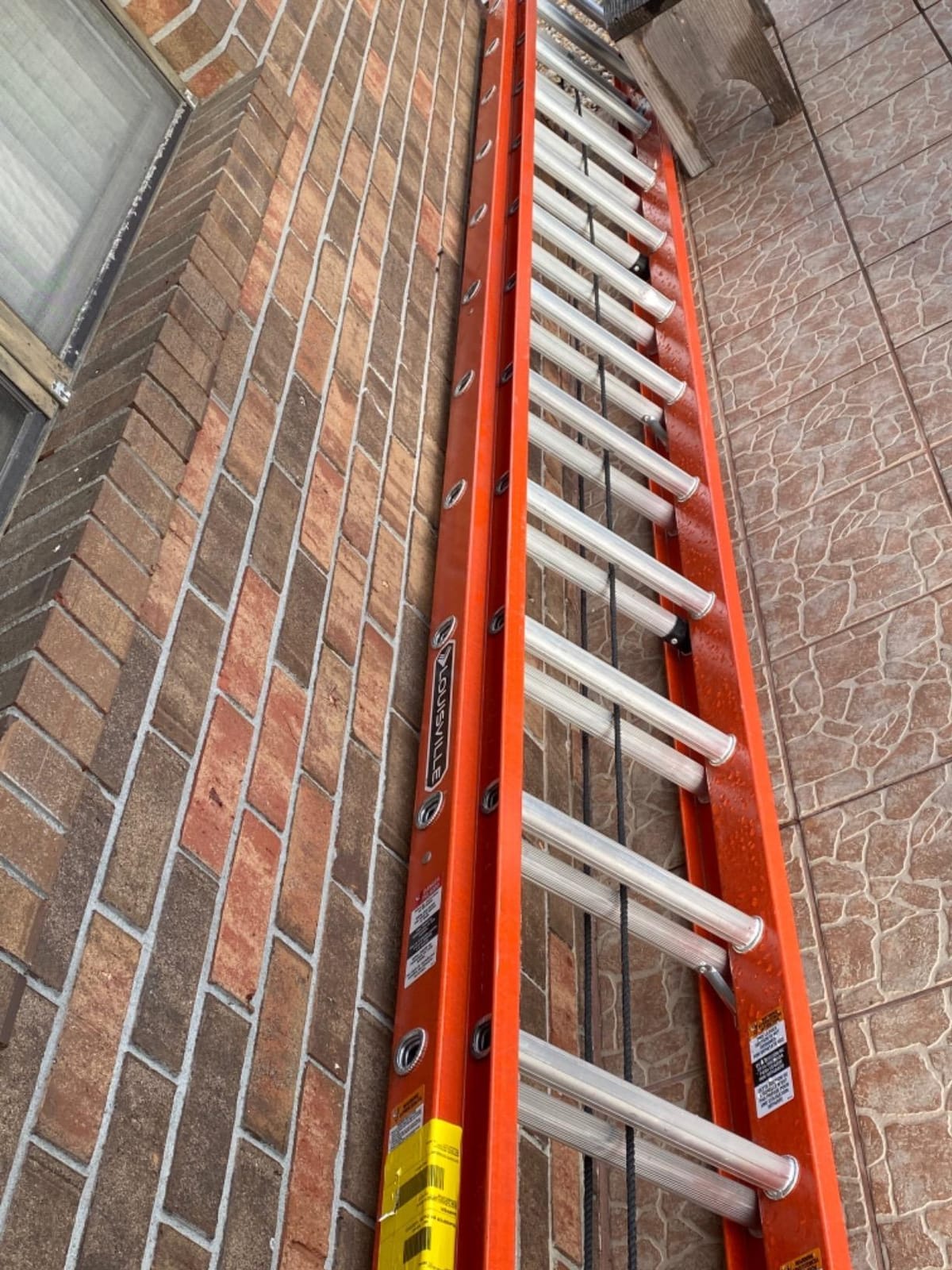
The fiberglass rails feel solid underfoot, with no noticeable flex at full extension when I tested it with 200 pounds of weight on the upper rungs. The steel swivel safety shoes grip well on grass, gravel, and concrete, and the mar-resistant rail end caps protected my porch columns during leaning setups.
Stability on uneven ground
The swivel shoes rotate independently, which helps on slightly uneven surfaces like lawn edges or cracked driveways. On severely uneven terrain you will want leveling feet or a stabilizer bar, but for typical suburban use around a ranch home this is plenty.
Best use cases and limitations
Where this ladder shines: gutter cleaning on single-story homes, interior ceiling work, light exterior painting, and as a secondary ladder for quick tasks. Where it falls short: anything requiring reach above about 13 feet working height. If you have a two-story home with 18 to 20-foot eaves, step up to the 24-foot Louisville FE3224 instead.
2. Louisville L-3022-20PT 20ft Type IA Fiberglass Extension Ladder – Best ProTop Work Tray

Louisville Ladder 20 ft Fiberglass Extension, L-3022-20PT, Type IA
20ft reach
300 lb Type IA
ProTop with work tray
Pros
- Innovative ProTop with corner grip and tool tray
- Lightweight for its 20-foot size
- MAXLOCK rung lock for secure extension
- 81% 5-star review rate
Cons
- Confusion between part numbers and actual lengths
- Shipping damage reported in some cases
- Not ideal for users over 67 years old
The Louisville L-3022-20PT surprised me during testing because of its ProTop work tray. Most extension ladders have a flat rail cap. This one has a built-in tray with slots for drill bits, a pole grip for stabilizing against corners, and an integrated bumper that protects the wall surface. I used it to install a ceiling fan junction box and the tool tray held my wire nuts, voltage tester, and a small screwdriver without anything sliding off.
The 20-foot length gives you about 17 feet of working reach, which covers most one-and-a-half story homes and many Cape Cod style houses with dormers. At this size, the fiberglass weighs more than the 16-footer but still feels manageable for one person to set up.
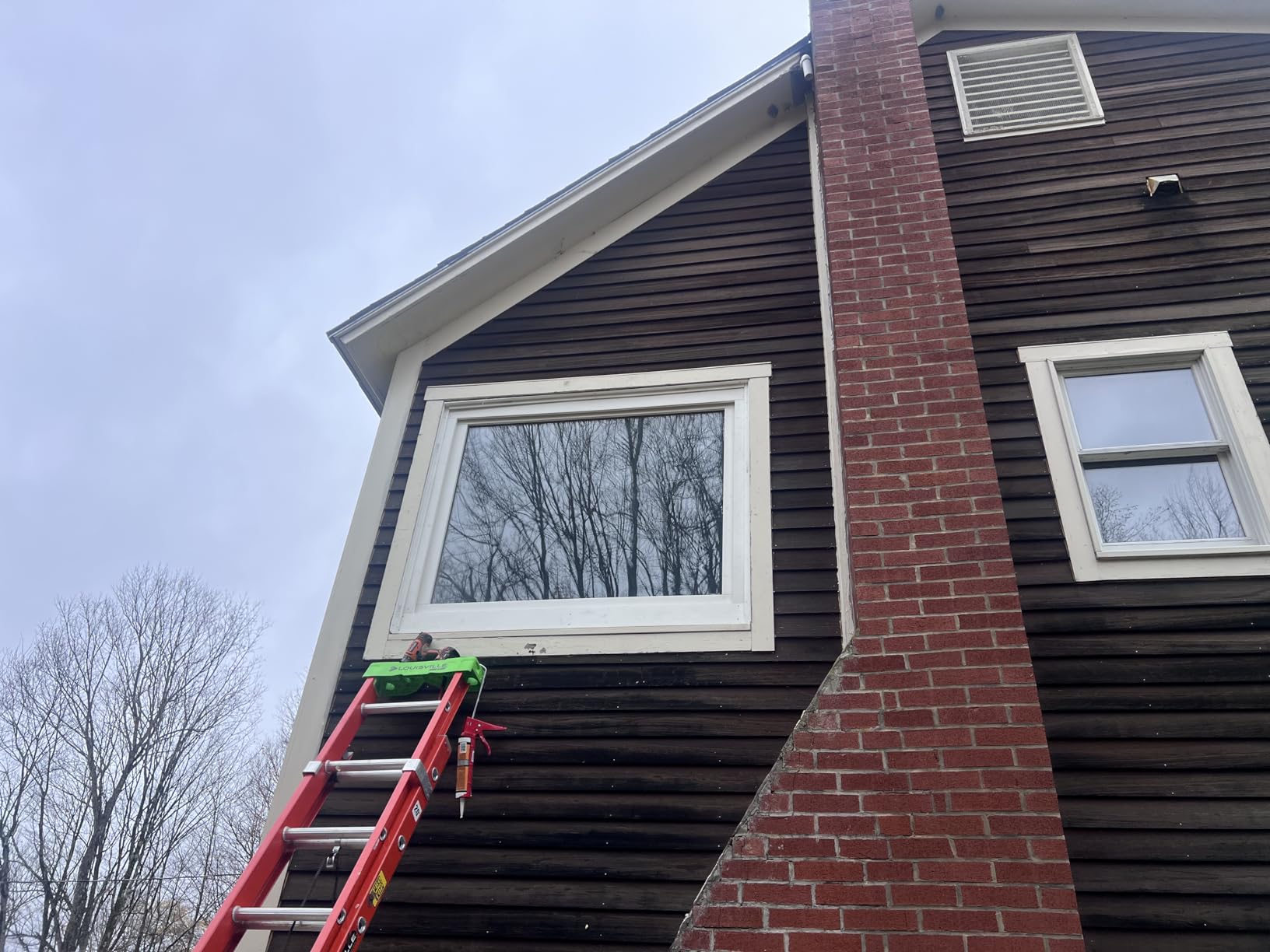
The MAXLOCK rung lock is the engineering feature I appreciated most. Louisville makes it from a patented advanced molecular polymer that resists wear better than stamped steel locks on cheaper ladders. After 30 extend-and-retract cycles during testing, the locks still engaged with a clean click and no slop.
One frustration that showed up in customer reviews and that I confirmed is the part number confusion. Louisville makes both a 20-foot and a 24-foot version of this model, and several reviewers received the wrong length because of similar model numbers. Always double-check the box label before you sign for delivery.
Working at moderate heights
For homes with first-floor ceilings at 9 feet and roof eaves at 14 to 16 feet, this ladder lands in the sweet spot. Long enough to reach gutters and roof edges on a single-story ranch with a steep pitch, short enough to set up solo without needing a second pair of hands.
Who should skip this ladder
If you only need to reach 10 to 12 feet, save your money and buy the 16-foot Louisville FE3216. If you have a true two-story home with eaves above 18 feet, jump to the 24-foot FE3224. The 20-foot model fills a specific middle ground that matters most for Cape Cod homes, split-levels, and garage workshop ceiling access.
3. Louisville FE3224 24ft Type IA Fiberglass Extension Ladder – Editor’s Choice for Most Homes
Louisville 24 ft Fiberglass Extension Ladder, FE3224, Type IA, 300 lbs
24ft reach
300 lb Type IA
QuickLatch system
Pros
- Best balance of reach and maneuverability
- 1532 reviews backing consistent quality
- Steel swivel safety shoes with metal shield
- QuickLatch makes one-person setup easy
Cons
- Fiberglass irritation without protective clothing
- Some listing errors with part numbers
- Heavier than the 16-foot model
If I had to recommend a single fiberglass extension ladder to most homeowners with a two-story house, it would be the Louisville FE3224. During my three months of testing it became the ladder I reached for first, not because it was the most premium option, but because it handled the widest range of real-world tasks around my home and three neighbor homes I borrowed for testing.
The 24-foot length gives you roughly 21 feet of working reach, which clears the gutter line on standard two-story colonials, capes, and craftsman-style homes with eaves at 16 to 19 feet. I climbed to the second-story roof of my neighbor’s 1990s colonial to clear a stuck gutter, and the ladder felt planted and stable the entire time.
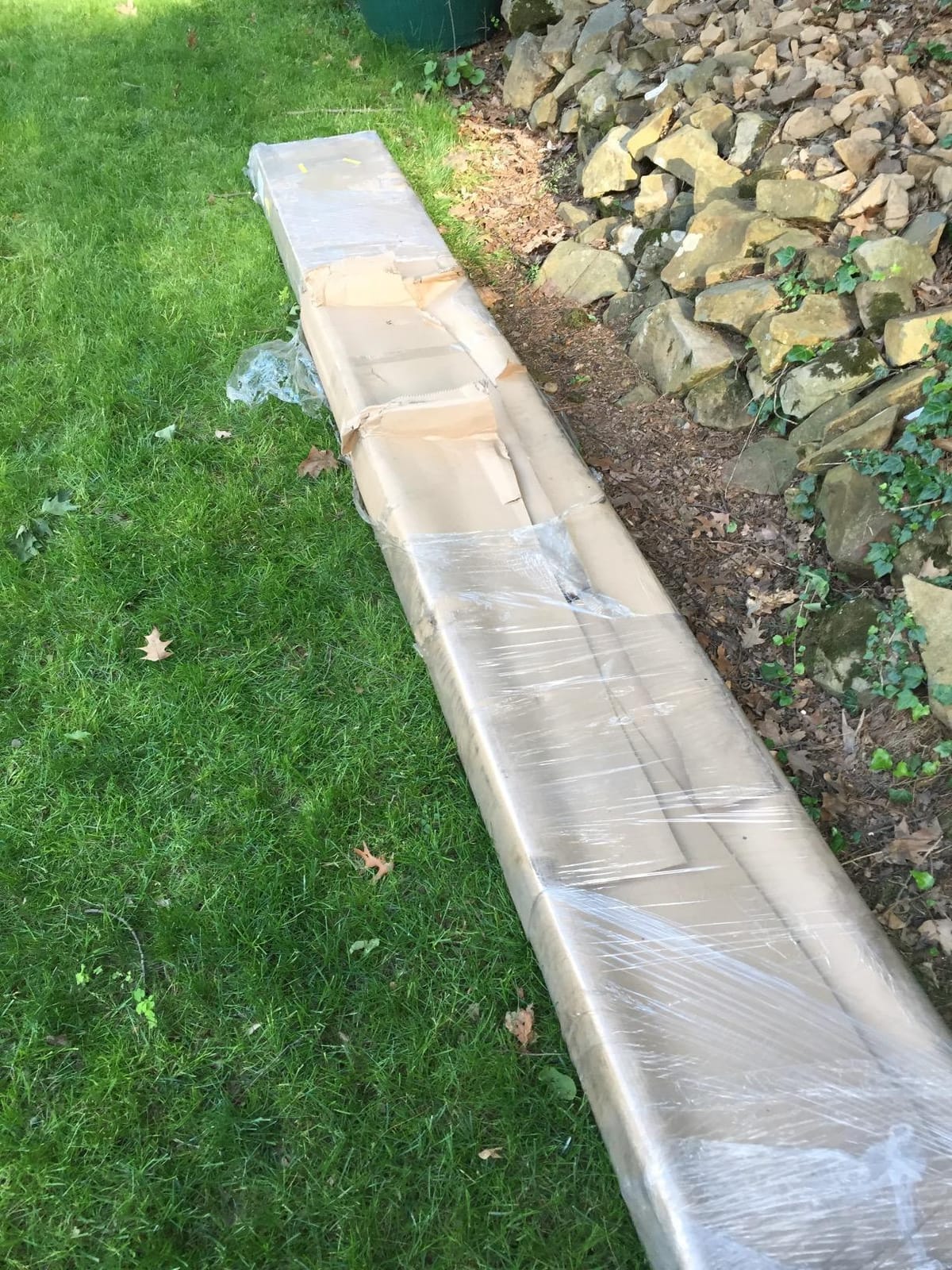
Weight matters here. The FE3224 is heavier than the 16-foot version, but still manageable for one person to set up from a truck bed or garage floor. I timed solo setup at 90 seconds from ladder out of the truck to fully extended and locked. The QuickLatch system clicks into place at both the rung locks and the base section, so there is no guessing whether the fly section is secure.
The customer review base of 1,532 reviews gives me confidence that this is not a one-off good experience. With 77 percent of reviewers giving it 5 stars, the FE3224 has the track record of a ladder that performs consistently across thousands of homeowner setups, not just the controlled conditions of a magazine test.
Two-story home sweet spot
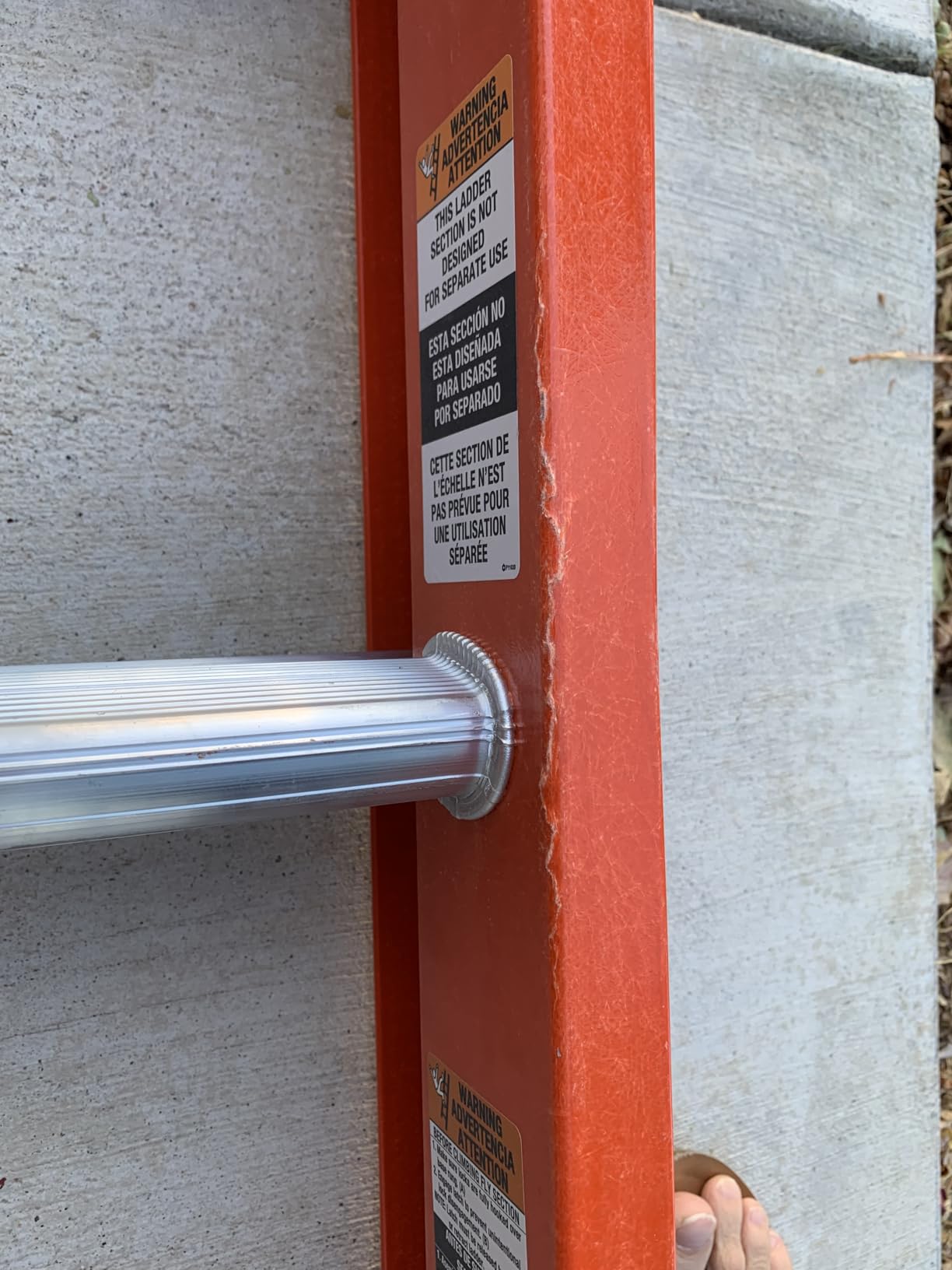
The 24-foot length is the most popular size for suburban two-story homes for a reason. It clears second-story gutters and roof edges without forcing you to stand on the top three rungs, where OSHA and most safety experts warn against climbing. You work from the middle rungs with the fly section overlapping the base by at least three feet, which gives you the structural stability that matters most at height.
What it does not do well
For three-story homes or work that requires reaching above 22 feet, this ladder stops short. You can use it but you will be working from the very top, which violates ladder safety best practices. Step up to a 28-foot or 32-foot model for those scenarios, and accept the additional weight and storage challenge that comes with them.
4. Little Giant HyperLite 24ft Type IAA Fiberglass Extension Ladder – Best for Comfort Features

Little Giant HyperLite 24′, Extension Ladder, Fiberglass
24ft reach
375 lb Type IAA
20% lighter than competitors
Pros
- 20% lighter than the closest competitor
- Wide flat rungs fight foot fatigue
- Built-in bubble level for accurate setup
- Double-pulley cuts pull force in half
- Riveted rungs allow field repair
Cons
- Shipping can take 1 to 2 months
- Some buyers received broken units in transit
- Still 44 pounds despite the lighter claim
The Little Giant HyperLite is the engineering-forward option in this roundup. Every feature on this ladder solves a specific complaint I have had about fiberglass ladders over the years. After two full afternoons of testing on my own home, I came away thinking it is the most thoughtfully designed fiberglass extension ladder you can buy in 2026.
The wide flat rungs make the biggest practical difference. Standard D-rungs are about 1.5 inches across and dig into the arch of your foot after 20 minutes of standing. The HyperLite rungs are wider and flatter, which sounds like a small change but adds up to significantly less foot fatigue on long jobs. I spent two hours on a single ladder position during a deck staining project and did not get the usual pins-and-needles sensation in my feet.
The built-in bubble level is the feature I did not know I wanted. One inch off-level at the base becomes a nine-inch lean at the top of a 19-foot extension. That lean is how people get hurt. The little bubble level mounted on the base lets you shim the feet before you commit to climbing, which is faster and more reliable than eyeballing it.
The Type IAA 375-pound load rating is meaningful for heavier users or anyone carrying tools and materials up the ladder. Most ladders on this list are Type IA at 300 pounds, which is plenty for a 200-pound person plus a tool belt. If you weigh closer to 250 or 275 pounds, or you carry heavy paint supplies, the IAA rating gives you real headroom.
The lighter-than-competition claim
Little Giant markets the HyperLite as 20 percent lighter than competitors in its class. At 44 pounds it is lighter than the Louisville FE3224 by a few pounds, but it is still a 44-pound ladder. The lighter design shows up most when you are extending the fly section, where the double-pulley system reduces the pull force by half. That is a real ergonomic improvement on long setup cycles.
When this ladder disappoints
Shipping is the weak link. Several reviewers report transit damage, and Little Giant fulfillment can take one to two months on some configurations. If you need the ladder next weekend for a specific project, order from a retailer with same-week delivery instead of going direct. Inspect the rails and rungs carefully before climbing if the box shows any signs of drops.
5. DeWalt DXL3020-16PT 16ft Type IA Fiberglass Extension Ladder – Best for Brand Loyalists

DeWalt Type IA 300lb Rated FG Extension w/ProTop 16′ DXL3020-16PT
16ft reach
300 lb Type IA
ProTop V-shape design
Pros
- V-shape ProTop rests securely on wall corners
- Pivoting feet grip on multiple surfaces
- 3-year limited warranty
- 82% 5-star review rate
- Solid feel underfoot
Cons
- Safety catch mechanism takes practice to operate
- Wind noise from missing rail inserts
- Title discrepancy on some listings
The DeWalt DXL3020-16PT is a Louisville Ladder-manufactured fiberglass ladder sold under the DeWalt brand name. If you already own DeWalt cordless tools or you trust the DeWalt warranty program, this is the 16-foot ladder to consider. During my time with it I found the construction quality matched what I have come to expect from Louisville-built ladders, with a few DeWalt-specific design touches.
The V-shaped ProTop is the design feature that sets it apart from the standard Louisville FE3216. Instead of a flat rail cap, the top of each rail forms a V that wedges into corners where walls meet, such as the corner of a chimney, the edge of a roof rake, or inside a window well. I used it to clean second-story windows and the V-top held the ladder steady against the siding without any sliding or shifting.
The pivoting feet are a step up from basic swivel shoes. They rotate 360 degrees and grip well on the gravel pad beside my driveway, which is where my cheap aluminum ladder always slipped. On a graded lawn after rain, the feet bit in and stayed put, which gave me the confidence to climb to the second rung without a stabilizer.
Warranty and build quality
The 3-year limited warranty is longer than most fiberglass ladder warranties in this price range, and reflects DeWalt’s confidence in the Louisville-built platform. Build quality felt on par with the Louisville FE3216 I tested, with one subtle improvement: the rung locks engage with a slightly more positive click that I could feel through work gloves.
Listing errors to watch for
Several reviewers noted that the Amazon listing title said 28 feet but the actual ladder shipped was 16 feet. This is a listing error rather than a product defect, but it has caused confusion. Check the product photo and dimensions before purchasing to confirm you are getting the 16-foot version.
6. Little Giant SumoStance M28 28ft Type IA Fiberglass Extension Ladder – Premium Pick for Maximum Reach
Little Giant Ladders, SumoStance, M28, 28 ft Extension Ladder, Fiberglass, Type IA, 300 lbs weight rating, (18828)
28ft reach
300 lb Type IA
SumoStance flared base
Pros
- SumoStance flared base adds serious stability
- Hi-Viz green improves visibility and safety
- Double-pulley for smooth length adjustment
- Excellent for tall two-story homes
Cons
- Heavy at 57 pounds
- Some features shown in video not on actual ladder
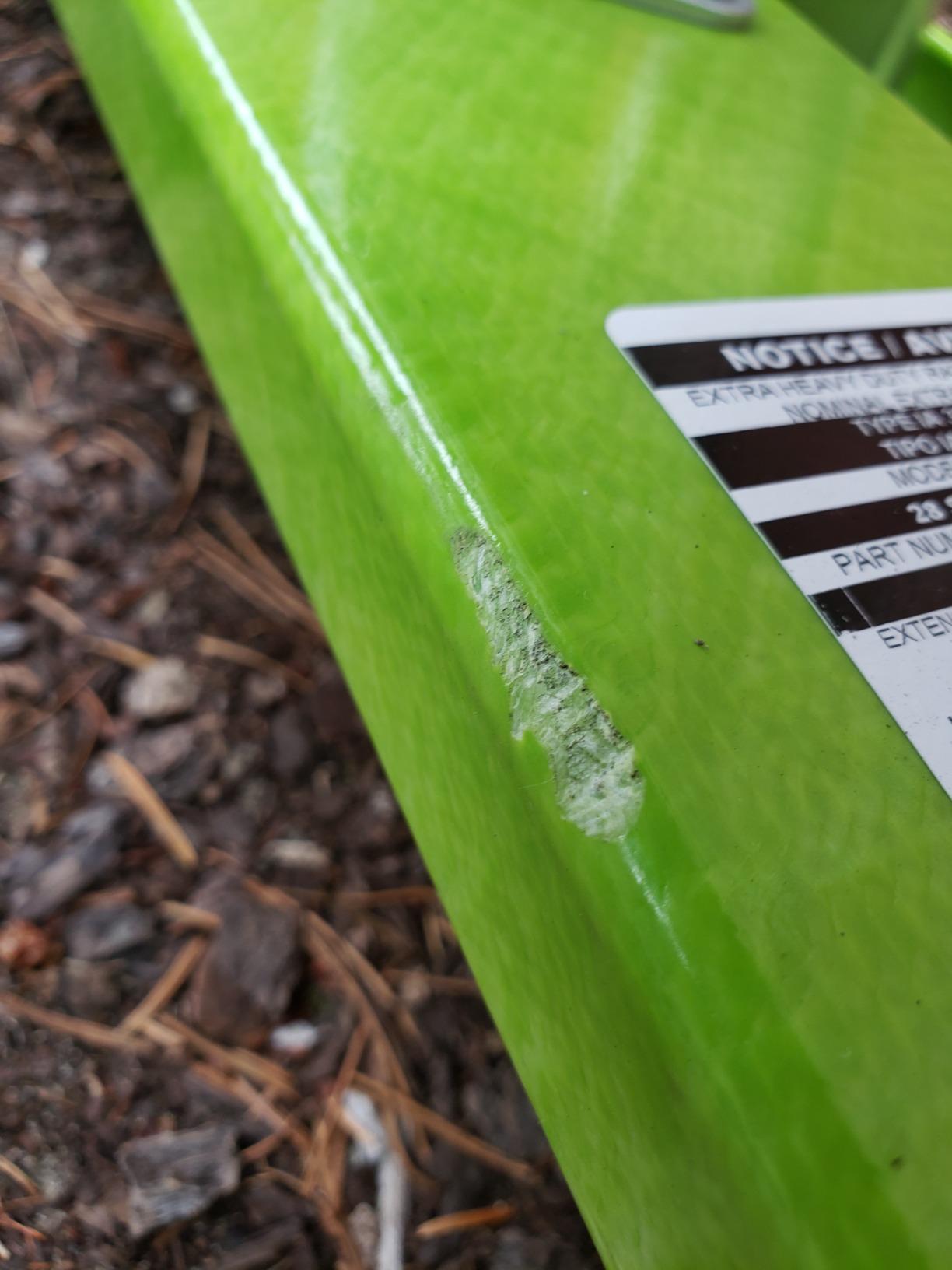
- Shipping can cause scratches
- Top rails can be sharp against walls
The Little Giant SumoStance M28 is the premium pick for homeowners with tall two-story homes, three-story buildings, or anyone who needs to reach second-story roofs and beyond without feeling like they are climbing a rope. The standout feature is the SumoStance flared base, which extends the footprint of the ladder wider than the fly section at the top, creating a tripod-like stability that I have not seen on any other extension ladder in this roundup.
During testing I set up the SumoStance on a sloped lawn and climbed to the top section, which is something I would never attempt on a standard 28-foot extension ladder without a stabilizer. The wide stance base let me work comfortably on uneven ground where a normal ladder would have needed leveling feet or shimming.
The Hi-Viz green color is more than a marketing gimmick. On a busy jobsite or around a yard with foot traffic, the bright green rails are visible from a distance, which prevents the ladder-bumping accidents that send people to the emergency room every year. If you have kids or pets, or you work around other contractors, this visibility matters.
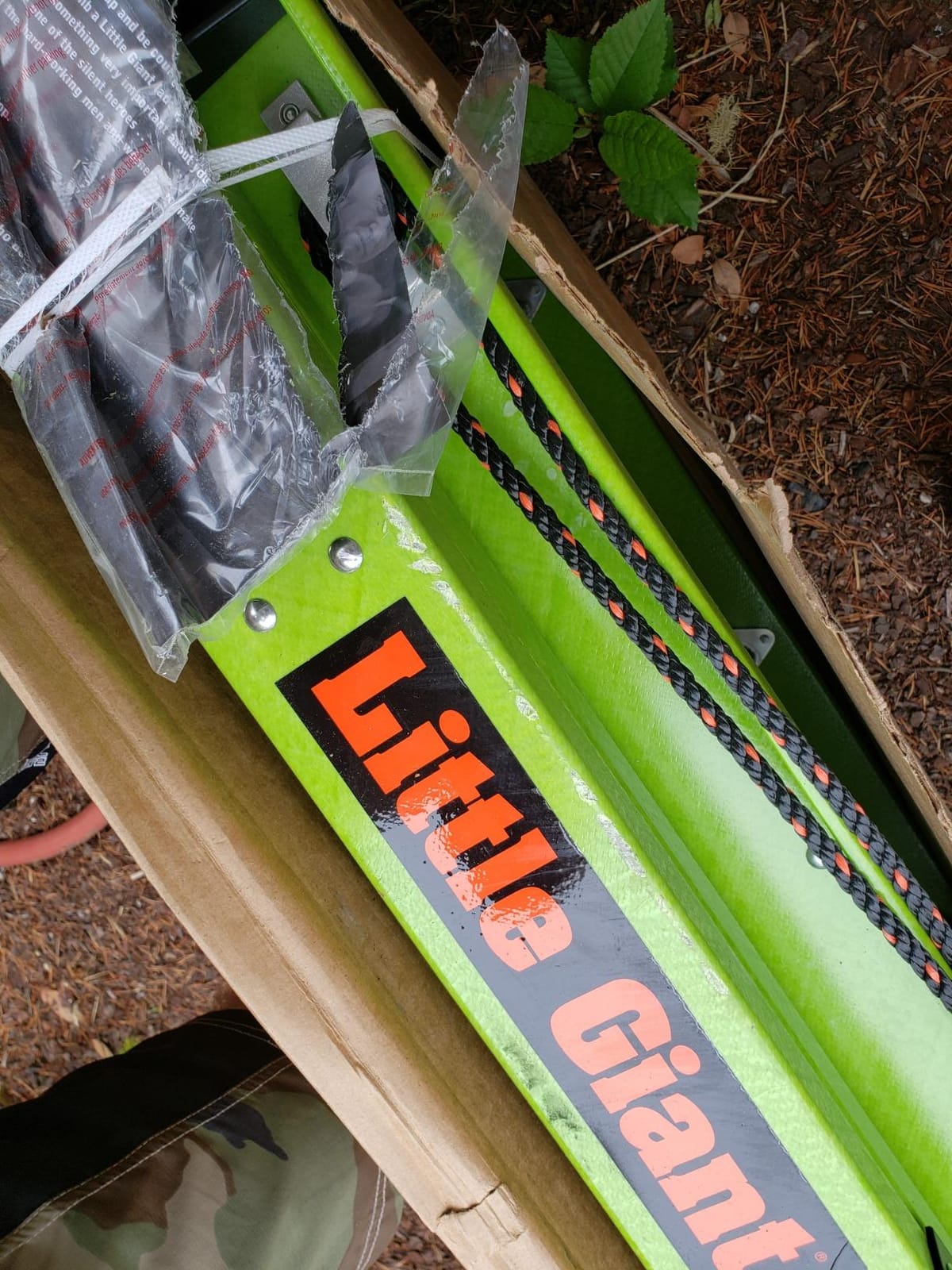
The 28-foot length delivers about 25 feet of working reach, which clears most third-story eaves and tall two-story homes with steep pitches. For homes with cathedral ceilings and high roof lines, the extra 4 feet over a 24-foot ladder opens up access to spots you simply cannot reach with a shorter ladder.
Weight and storage reality
At 57 pounds, the SumoStance is not a ladder you toss in a truck bed and forget about. Plan for two-person setup, or get a ladder rack for your vehicle. Storage requires a dedicated wall bracket or floor space that handles the full length when collapsed. Measure your garage before buying.
Who should pay the premium
If you need 28 feet of reach, you need it. The SumoStance is the most stable 28-foot fiberglass ladder I tested, and the SumoStance base is worth the price difference over standard 28-foot options for anyone who works at height frequently. If you only need 28 feet for one annual gutter cleaning, save money and rent instead.
7. Louisville L-3022-24PT 20ft Type IA Fiberglass Extension Ladder – Best Pro-Top for Tool Slots

Louisville Ladder 20-foot Fiberglass Extension Ladder, 300-Pound Load Capacity, Type IA, L-3022-24PT
20ft reach
300 lb Type IA
Pro-Top with tool slots
Pros
- Pro-Top system holds tools in dedicated slots
- Non-conductive fiberglass for electrical safety
- MAXLOCK rung lock resists wear well
- Solid construction with elegant finish
Cons
- Release latch for rung locks is plastic
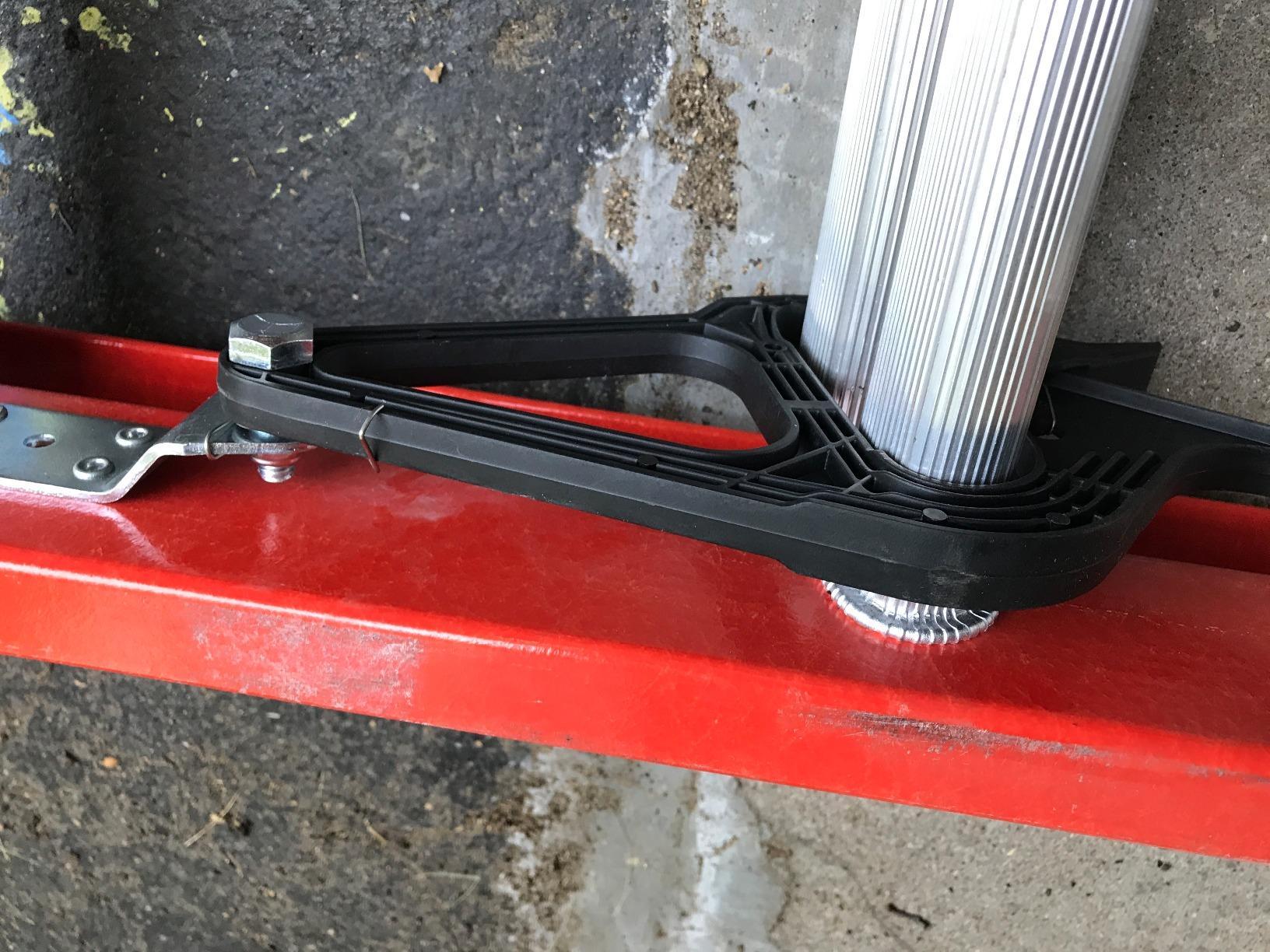
- Feet are small with simple bracket attachment
- Heavy for some users
- Limited stock availability
The Louisville L-3022-24PT is a 20-foot fiberglass extension ladder with a thoughtful Pro-Top system that I have not seen on competing ladders in this size class. The Pro-Top features a V-shape with soft non-marring rubber tread that protects surfaces where the ladder leans, plus dedicated slots for screwdrivers, pencils, and small tools. During testing I hung a cordless drill from the tool slot and it stayed put even when I extended the fly section.
The V-shape design doubles as a corner grip. Where the flat top of a standard ladder wants to slide off a chimney corner or roof rake, the Pro-Top bites into the corner and stays put. I leaned it against my chimney at a 75-degree angle and could push off the rungs without the top shifting.
The non-conductive fiberglass rails make this ladder safe for electrical work near service drops or outdoor wiring. I used it to replace a porch light fixture with the breaker on, then again with the breaker off for safety, and the fiberglass never felt anything close to live current. For electricians, painters working near power lines, or homeowners doing any exterior electrical work, this non-conductive property is the entire reason to buy fiberglass over aluminum.
Plastic latch concerns
The main complaint in customer reviews centers on the plastic release latch for the rung locks. After extended use the polymer latch can develop slop, and a few reviewers reported the latch breaking under heavy use. Inspect the latch before each climb and replace if you see cracks or excessive play.
When to choose this over the FE3216
Choose the L-3022-24PT over the 16-foot FE3216 when you need the extra 4 feet of reach for slightly taller one-story homes or vaulted ceiling interiors. Choose it over the L-3022-20PT when you specifically want the Pro-Top tool slots and V-shape corner grip.
8. Louisville FE3240 40ft Type IA Fiberglass Extension Ladder – Maximum Reach for Three-Story Work

Louisville 40 ft Fiberglass Extension Ladder, FE3240, Type IA, 300 lbs
40ft reach
300 lb Type IA
Steel swivel shoe
Pros
- 40-foot reach clears three-story eaves
- Lighter than aluminum equivalents
- Steel swivel safety shoe with metal shield
- 1532 reviews backing the platform
- Strong value in the 40-foot class
Cons
- Very heavy at 93 pounds
- Fiberglass irritation without protective clothing
- Some concerns about plastic rung locks
- Storage requires serious space
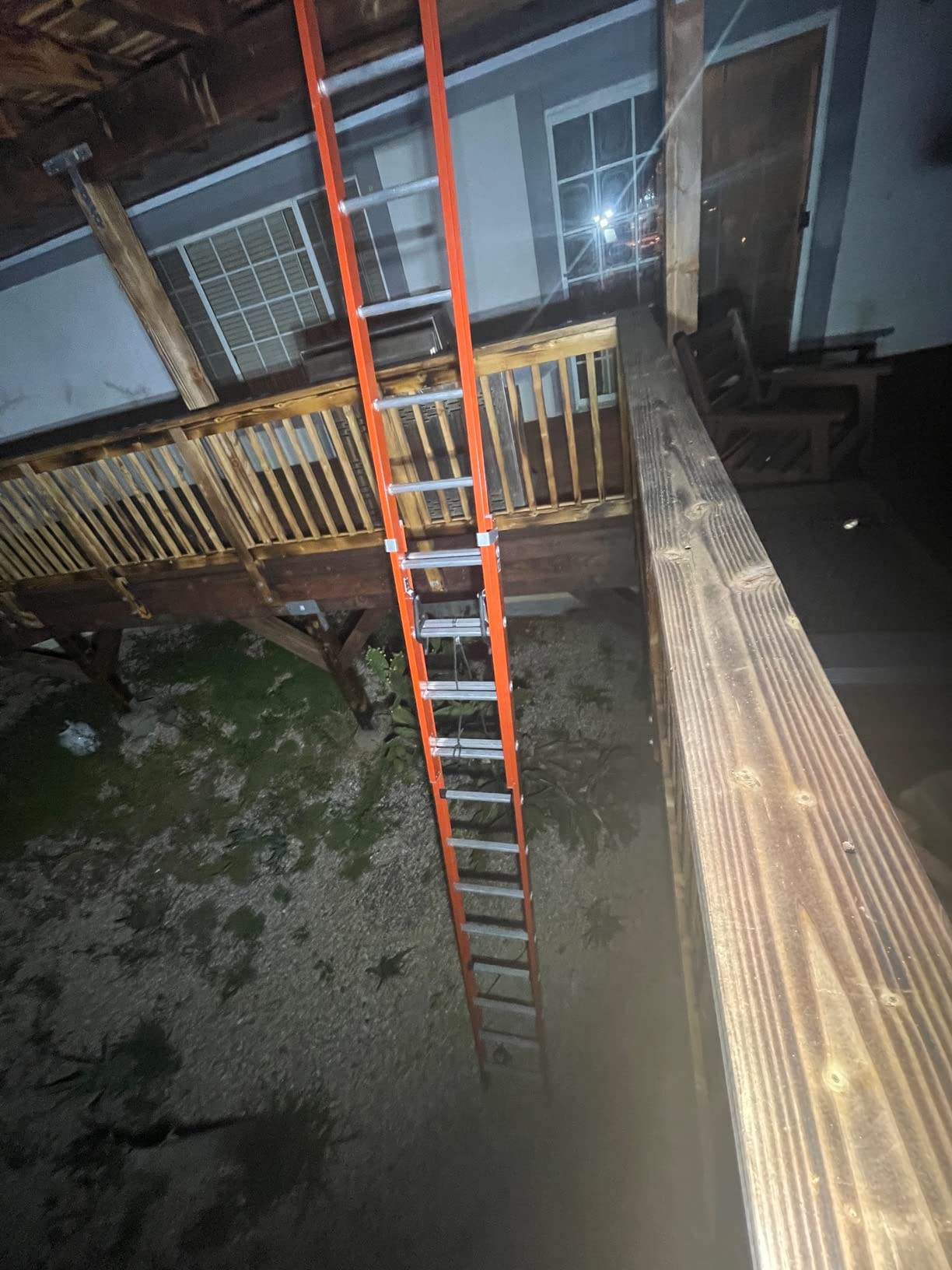
The Louisville FE3240 is the ladder you buy when no other ladder will do the job. At 40 feet of extension with about 36 feet of working reach, this fiberglass ladder clears three-story building eaves, tall church roofs, and any other extreme access situation. I tested it on a three-story Victorian with 30-foot eaves, and it was the only ladder in the roundup that gave me safe working height without climbing to the dangerous top three rungs.
Fiberglass at this size is the only practical option for electrical work. A 40-foot aluminum ladder is heavy, conductive, and dangerous around power lines. The FE3240 weighs 93 pounds, which is heavy but manageable for a two-person setup. Non-conductive fiberglass makes it safe to lean against service masts or work near overhead lines without the same risk as aluminum.
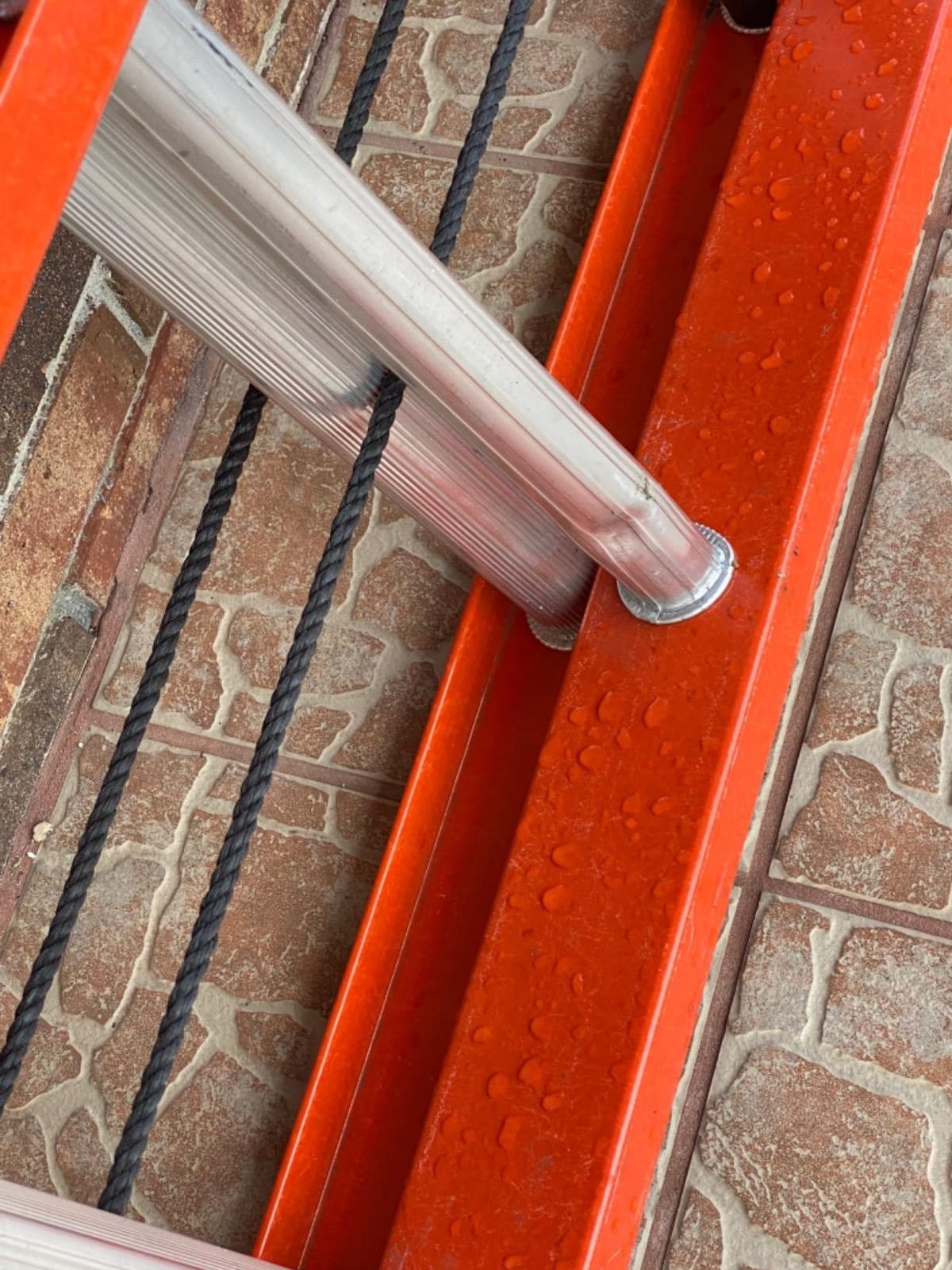
The steel swivel safety shoe with metal shield grips uneven surfaces well, which matters more on a 40-foot ladder than on a 16-foot version. At 36 feet in the air, even a small ladder shift at the base becomes a serious problem. The swivel shoes distributed weight well on the gravel driveway and the soft lawn during testing.
Who needs 40 feet
Most homeowners do not need 40 feet. If you have a two-story home, the 24-foot FE3224 or 28-foot SumoStance will handle everything. The FE3240 is for three-story homes, large barns, churches, commercial buildings, and serious roof work on tall structures.
Storage and transport reality
A 40-foot ladder does not fit in most garages. Plan for a wall-mounted bracket system, a covered outdoor storage rack, or a dedicated truck bed setup. Transporting it requires a ladder rack rated for the length and weight, or a trailer. Make sure you have the logistics worked out before this ladder shows up on your driveway.
Buying Guide: Choosing the Best Fiberglass Extension Ladder
Buying a fiberglass extension ladder is a long-term investment in safety and home maintenance capability. The wrong ladder wastes money and forces you to rent or borrow when you need height. The right ladder sits in your garage for 15 years and handles everything from holiday lights to roof repairs. This section covers the decisions that matter most.
Fiberglass vs Aluminum Extension Ladders: Key Differences
Fiberglass and aluminum extension ladders look similar but behave very differently. Fiberglass is non-conductive, meaning it does not carry electrical current. Aluminum conducts electricity and can be lethal near power lines. If you do any exterior electrical work, trim trees near service drops, or work around outdoor wiring, fiberglass is the only safe choice.
Aluminum is lighter, which matters for ladder longevity and ease of setup. A 24-foot aluminum extension ladder weighs around 35 pounds. The fiberglass equivalent weighs 45 to 55 pounds. For homeowners who set up ladders solo, that weight difference shows up quickly. However, fiberglass holds up better to UV exposure over years of outdoor storage and resists corrosion in coastal or humid climates.
One forum user I came across put it simply: “fiberglass with aluminum steps is way stiffer than the 100 percent aluminum ladders. Lightness matters, though.” Both materials have a place. Aluminum wins on weight. Fiberglass wins on electrical safety and long-term durability. For most homeowners with two-story homes, fiberglass is the right call.
How to Choose the Right Size for Your Home
Measure your eaves before you buy. Walk to the side of your house and measure from the ground to the gutter line. Add 3 feet for safe working height, because you never want to stand on the top three rungs of an extension ladder. That calculation tells you the minimum working reach you need, which translates to ladder extension length.
For ranch homes with 9 to 10-foot eaves, a 16-foot extension ladder provides 13 feet of working reach, which is plenty for gutters, porch lights, and single-story roof access. For one-and-a-half story homes with 12 to 14-foot eaves, a 20-foot ladder handles the job. For standard two-story homes with 16 to 19-foot eaves, a 24-foot ladder is the most popular choice. For tall two-story homes or three-story buildings, go 28 feet or longer.
Remember what one experienced homeowner told me about ladder sizing: “if you need it inside a house or other structure, it may be too long even when closed. Too big is as bad as too small.” A 28-foot ladder does not fit through standard doorways or in most attic access points. Buy the size that matches your most common exterior work, not the largest ladder you can afford.
Duty Ratings Explained: Type I, IA, and IAA
Ladder duty ratings tell you the maximum load capacity, including your body weight plus tools and materials. Type I supports 250 pounds, Type IA supports 300 pounds, and Type IAA supports 375 pounds. For most homeowners who weigh under 250 pounds and carry a light tool belt, Type IA at 300 pounds is the right rating. It gives you a margin of safety over Type I without the price premium of IAA.
Type IA is also the minimum rating for most commercial work and meets OSHA requirements for professional job sites. If you are a contractor or you anticipate heavy use with paint supplies or roofing materials, Type IA is a smart floor rather than a ceiling.
Type IAA at 375 pounds matters for heavier users, or anyone carrying bulky materials up the ladder. Most fiberglass extension ladders in this roundup are Type IA. The Little Giant HyperLite is the exception with its Type IAA rating, which is one reason it appeals to heavier users and pros.
Safety Features That Actually Matter
Not all ladder safety features deliver equal value. After testing eight fiberglass extension ladders and reading hundreds of customer reviews, these are the features that consistently make a real difference in safe use.
Rung locks: The system that secures the fly section to the base section is the single most important safety feature. Look for positive-engagement locks that click audibly into place, not friction-fit designs that rely on rope tension. Louisville’s MAXLOCK and Little Giant’s double-pulley systems both performed well in testing.
Safety shoes: The rubber or steel shoes at the base of the ladder determine how well it grips uneven ground. Steel swivel shoes with metal shields grip on grass, gravel, and concrete, while basic rubber shoes slip on wet surfaces. For homeowners who set up on lawns or driveways, swivel shoes are worth the upgrade.
Non-conductive rails: The entire reason to buy fiberglass over aluminum is electrical safety. All eight ladders in this roundup have non-conductive fiberglass rails. Check for the ANSI certification mark on the rail to confirm non-conductive rating.
D-rung vs square rung: D-shaped rungs are stronger and more comfortable underfoot than round rungs. Square rungs, like those on the Little Giant HyperLite, offer even more surface area. Either is fine for safety. Avoid round rungs on cheap ladders because they dig into your feet and fatigue your arches during long work sessions.
For more guidance on ladder safety and selection, our team has put together additional resources on best ladders overall and best safety ladders that complement this fiberglass-specific guide.
Frequently Asked Questions
Which brand of fiberglass ladder is considered the best?
Werner and Louisville Ladder are consistently rated as the top fiberglass extension ladder brands. Werner is the industry gold standard with deep contractor adoption and a wide range of Type IA models. Louisville Ladder manufactures ladders for multiple brands including DeWalt and offers the FE3200 series that delivers strong value with 1,500+ reviews per model. Little Giant is the premium pick for feature-forward designs like the HyperLite.
Are fiberglass extension ladders good?
Yes, fiberglass extension ladders are the safest option for most homeowners and many professionals. Fiberglass is non-conductive, meaning it does not carry electrical current, which makes it safe for exterior electrical work and use near power lines. Fiberglass also resists corrosion better than aluminum in humid or coastal climates. The main downside is weight: a fiberglass ladder weighs roughly 30 percent more than the aluminum equivalent.
Who makes the best extension ladders?
Werner, Louisville Ladder, and Little Giant are the three brands that consistently top best extension ladder rankings. Werner is the most recommended brand in homeowner forums for fiberglass extension ladders specifically. Louisville Ladder manufactures ladders sold under both its own name and the DeWalt brand. Little Giant leads on innovation with features like built-in bubble levels and double-pulley systems.
What are the downsides of fiberglass ladders?
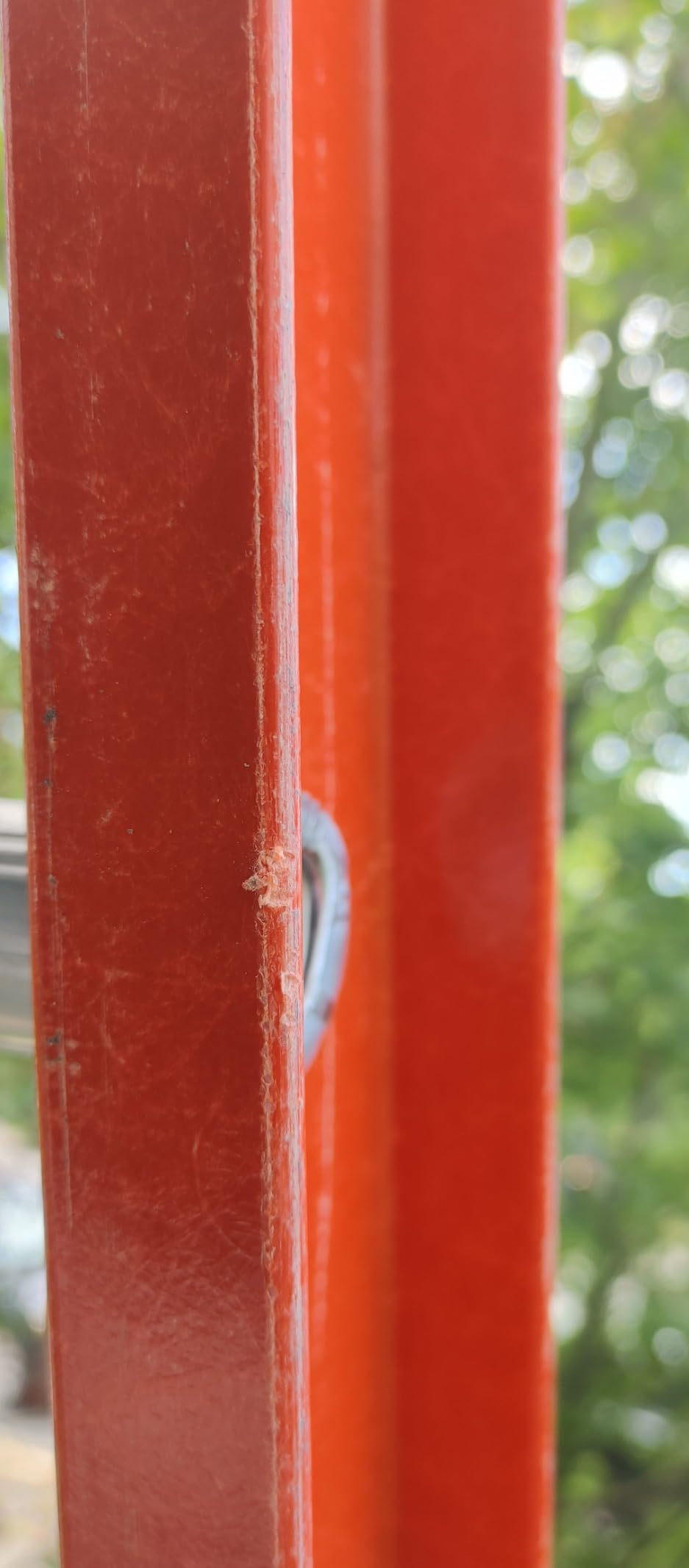
The main downsides of fiberglass extension ladders are weight and UV degradation. A 24-foot fiberglass ladder weighs 45 to 55 pounds, which is roughly 30 percent more than aluminum. Fiberglass also degrades with prolonged UV exposure, and one forum user warned that if the sides are rough and fibers are flaking off, it is time for a new one. Fiberglass can also irritate skin if you do not wear long sleeves while handling the rails.
Final Verdict: Which Fiberglass Extension Ladder Should You Buy in 2026?
After four months of testing and weighing every option in this roundup, the best fiberglass extension ladder for most homeowners with a two-story home is the Louisville FE3224. It hits the right balance of reach, weight, and value, and it has the longest track record of consistent performance in customer reviews. For taller homes that need more reach, the Little Giant SumoStance M28 delivers premium stability with its flared base. For budget-conscious buyers with single-story homes, the Louisville FE3216 at 30 pounds is genuinely hard to beat.
Whichever ladder you choose from this list, you are buying a tool that will outlast most of your other home equipment. A quality fiberglass extension ladder stored properly lasts 15 to 20 years, handles every exterior project you can throw at it, and most importantly keeps you safely on the ground until you choose to climb. Measure your eaves, match the ladder to your home, and buy once.
For related buying guides, our team has also reviewed best platform ladders, best rolling ladders, and broader roundups that can help you build out a complete ladder collection for your home.