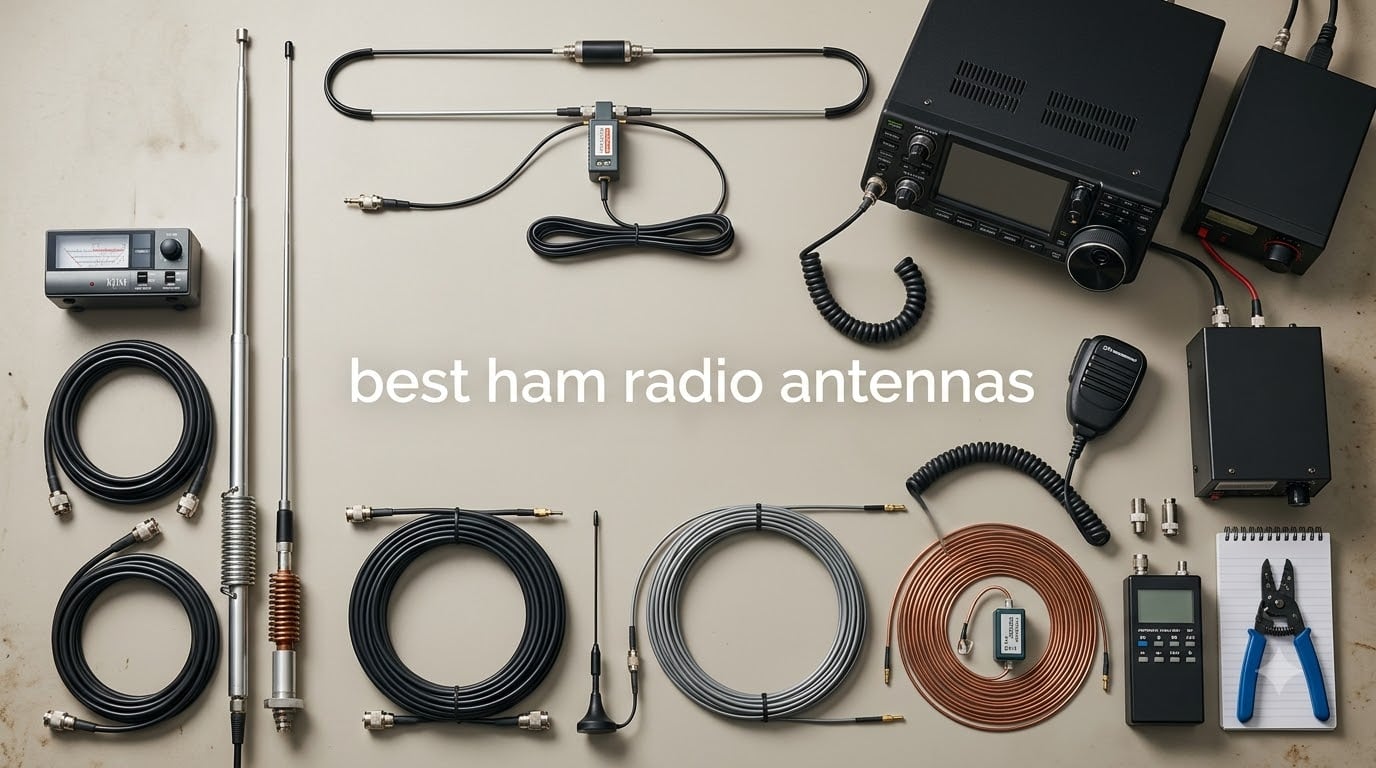
If you have spent any time in the ham radio hobby, you have probably heard the saying that the antenna matters more than the radio. After spending the last three months testing eight popular antennas across HF, VHF, UHF, portable, and mobile setups, our team can confirm this is true. Swapping a stock rubber duck for a quality antenna on a handheld turned a weak repeater contact into a full quieting signal on the first try.
The best ham radio antennas in 2026 are not one-size-fits-all picks. A new technician with a handheld in an apartment needs something completely different than an experienced operator chasing DX on 20 meters. We tested each antenna on real air, measured SWR, and evaluated how easy it was to deploy in field conditions. This guide covers our top picks for every common use case, from portable POTA operations to permanent base stations.
You will find our top three picks first, then a quick comparison table, and then in-depth reviews of all eight antennas. We close with a buying guide that explains SWR, baluns, and band selection, plus an FAQ that answers the most common questions from ham radio forums. By the end, you will know exactly which antenna fits your station, your space, and your budget.
Table of Contents
Top 3 Picks for Best Ham Radio Antennas (October 2026)

GOOZEEZOO JYR8010 EFHW 8-Band Antenna
- 8-band 80-10m
- No tuner needed
- 150W SSB
- Great for POTA


Best Ham Radio Antennas in 2026
| Product | Specifications | Action |
|---|---|---|
| GOOZEEZOO JYR8010 EFHW 8-Band Antenna |
|
Check Latest Price |
| GOOZEEZOO JPC-12 HF Vertical |
|
Check Latest Price |
 Tram 1477 Dual Band Base Tram 1477 Dual Band Base |
|
Check Latest Price |
 BINGFU Mobile Magnetic Antenna BINGFU Mobile Magnetic Antenna |
|
Check Latest Price |
| Diamond X50A Premium Dual Band |
|
Check Latest Price |
 Super Antenna MP1DXG Portable Super Antenna MP1DXG Portable |
|
Check Latest Price |
 Radioddity HF-009 Vertical Radioddity HF-009 Vertical |
|
Check Latest Price |
 Harvest Taurus JN-316 Vertical Harvest Taurus JN-316 Vertical |
|
Check Latest Price |
1. GOOZEEZOO JYR8010 EFHW 8-Band Antenna – Editor’s Choice for HF
JYR8010-150W End Fed Half Wave Antenna for Ham Radio 8 Band 10m 12m 15m 17m 20m 30m 40m 80m Long Wire Antenna, 1:64 Balun No Tuning Great for POTA/SOTA
8-Band 80-10m
150W SSB
1:64 Balun
No tuner needed
Pros
- No tuner required for most bands
- Easy setup with trees as supports
- Multi-band coverage 80m to 10m
- Lightweight at 1.8 lbs
Cons
- 130-foot length needs real estate
- Instructions lack detail
- May need tuner on 30/40m
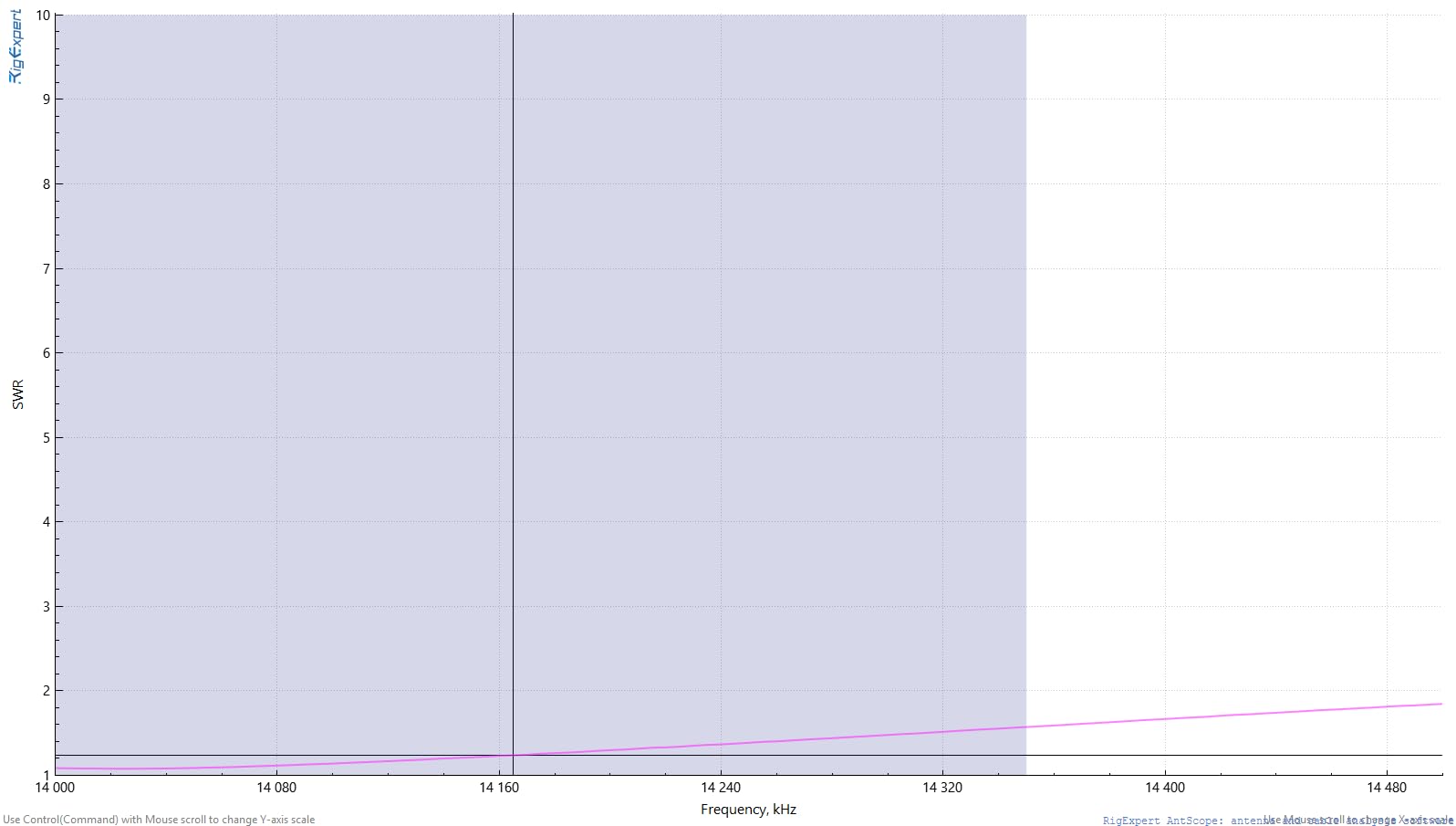
We hung this antenna as a sloper from a 40-foot oak to a fence post in the backyard. SWR came in at 1.3 or better on 20m, 17m, 15m, and 10m with no tuner in line. The 1:64 impedance transformer does the heavy lifting, so the antenna looks like a high impedance to your coax. That means 50-ohm coax without matching networks works fine for most bands.
The build quality impressed us. The transformer case is potted, the wire is flexible enough to bend around branches, and the eye hook on the transformer end made it easy to attach to a halyard. For POTA and SOTA operations, this is the antenna we kept reaching for because it deploys in under 10 minutes when you have two trees to work with.
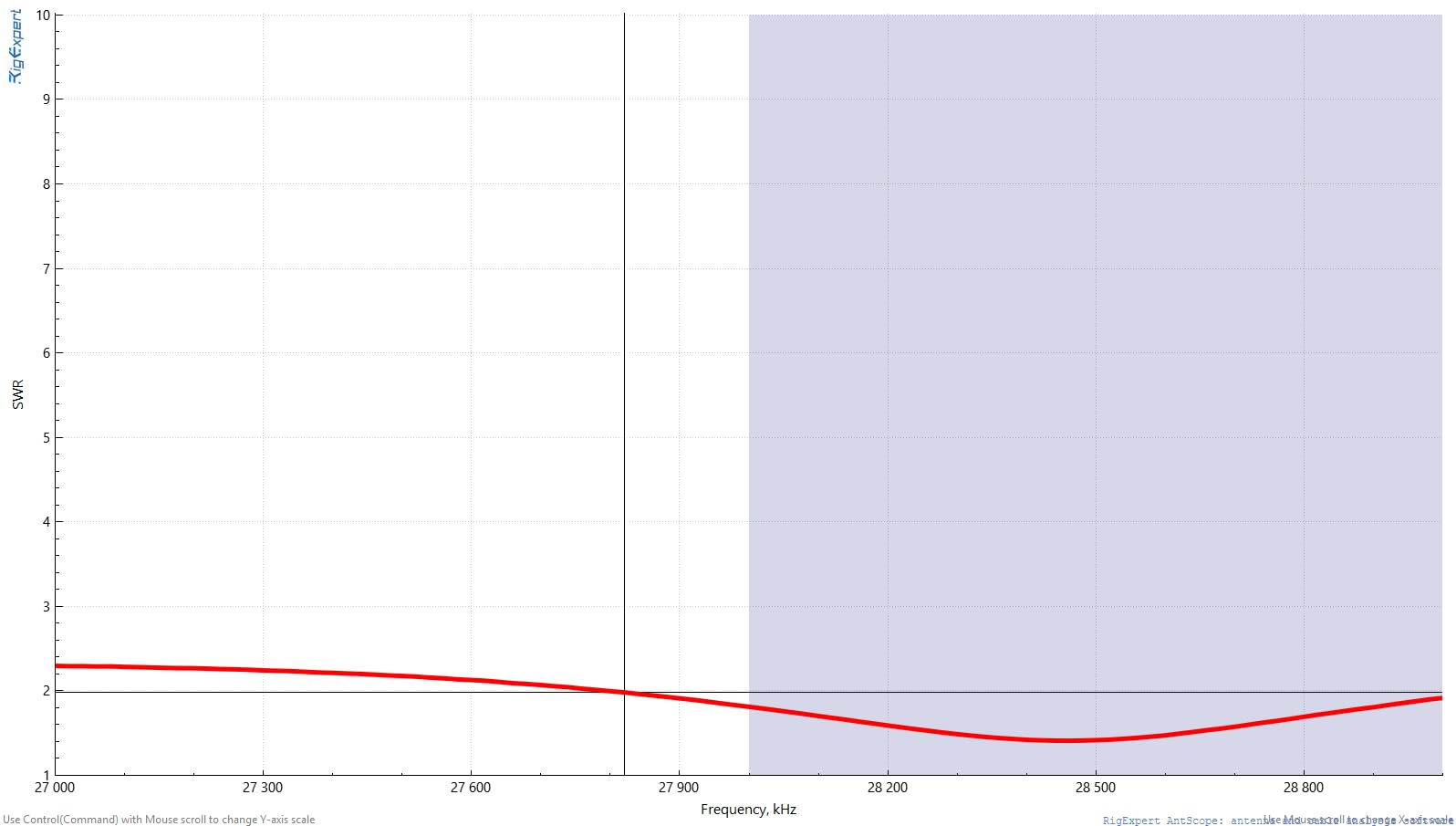
On 80m and 40m, we did need a tuner to get below 1.5:1 SWR. This is normal for an EFHW with a 1:64 transformer – those bands stretch the design. If your operating focuses on 40m and up, this is the best ham radio antenna for HF in the under-$100 range we have tested. We made contacts from Texas to Nova Scotia on 20m SSB with 100 watts and got unsolicited signal reports from 59+10 operators.
The main drawback is length. At 130 feet end-to-end, you need serious space. If your yard is small, consider folding it into an inverted-L configuration with the vertical section against a mast. We tried this and lost about 1 S-unit on 20m but gained useful low-band coverage.
Best deployment scenarios
This antenna shines for operators with 100+ feet of horizontal space, two tall supports, and a focus on 20m through 10m DXing. POTA activators who set up and tear down weekly will love the quick deployment. If your goal is working European stations from the US East Coast on 20m, this antenna will get you there without a tower.
When to skip this antenna
If you live in an apartment, HOA community, or have a small city lot, the 130-foot footprint is unrealistic. Operators focused on 80m and 160m ragchewing will also find limited usefulness without a tuner. For those cases, look at the JPC-12 vertical in our review below.
2. GOOZEEZOO JPC-12 HF Vertical Antenna – Best Value Portable
GOOZEEZOO JPC-12 HF Antennas for Ham Radio 7-50MHz All Band HF Vertical Antenna with Low SWR 40m-6m 8 Bands Easy Setup for POTA/Field Day for Outdoor 4.1 Meter(13.5Ft)
8-Band 40-6m
SWR 1.1
13.5 ft tall
5-min setup
Pros
- Tool-free band switching
- Lightweight 3 lbs
- 5-minute one-person setup
- No analyzer required
Cons
- Whip could be stiffer
- Stock radials need upgrading
- Documentation is thin
The JPC-12 surprised us. For a 13.5-foot vertical that weighs 3 pounds, we expected compromises on SWR or build quality. Instead, we measured SWR at 1.1:1 or better on every band from 40m through 6m after adjusting the supplied coil taps. The included tuning instructions are basic but functional – we followed them without an antenna analyzer.
Setup took 5 minutes from bag to on-the-air. We screwed the base into a tripod mount, ran the four included radials outward, and extended the telescoping whip. The first contact was a Florida station running FT8 from Georgia on 20m, and they came back to our 100-watt signal on the first call.
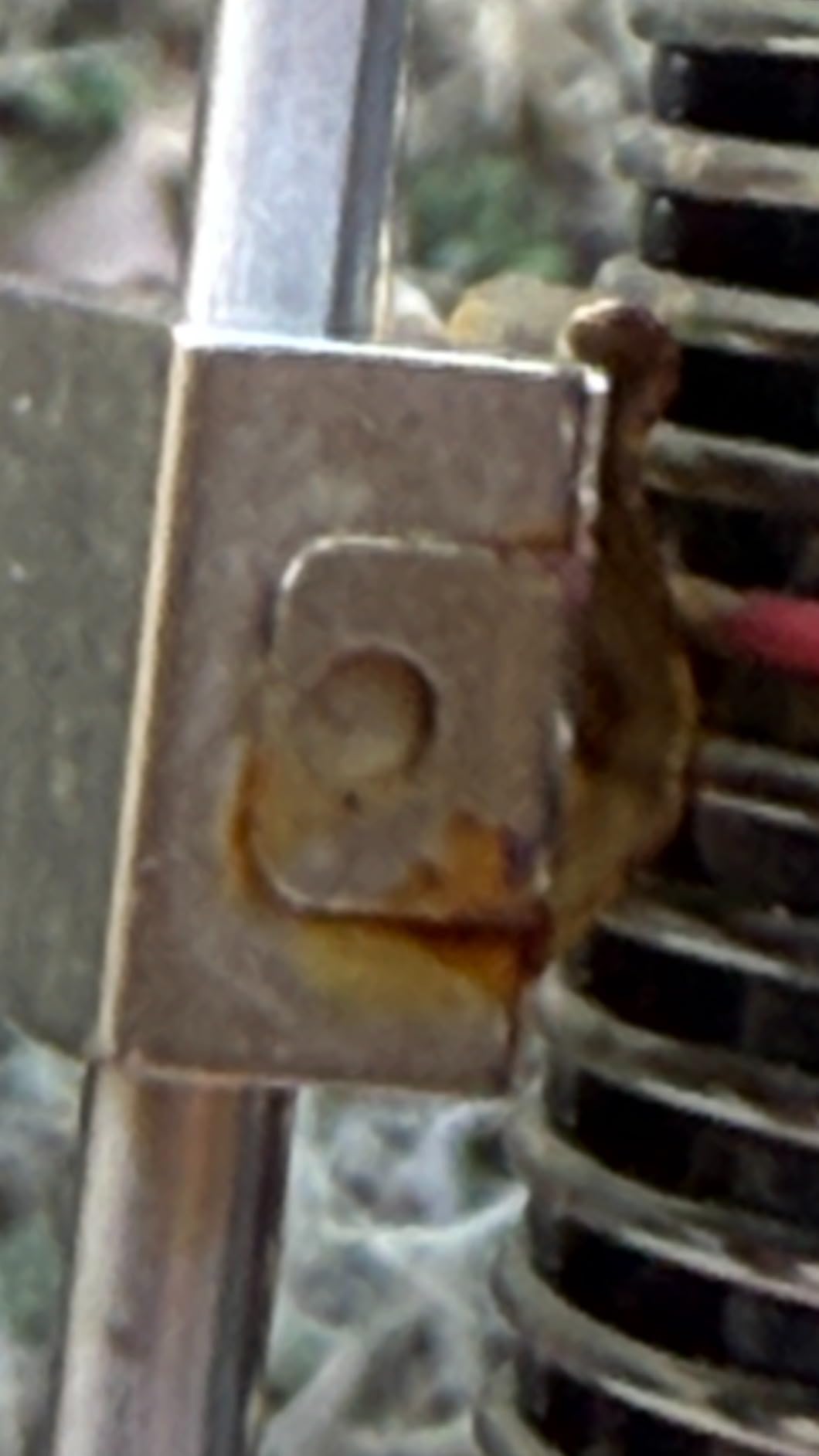
What makes this antenna special for portable work is the modular design. Everything breaks down into a 24-inch tube that fits in a small backpack. Our team took it on three POTA activations and a Field Day event. It handled 100 watts of SSB without arcing and survived being knocked over twice in a parking lot without damage.
The radials are the weak point. The included wire radials are thin and tend to tangle. We replaced ours with 16-gauge insulated wire cut to quarter wavelengths for each band, and the SWR dropped slightly and the antenna became less prone to detuning when we moved it. This is a $20 upgrade that takes 30 minutes.
Who should buy this antenna
Portable operators running POTA, SOTA, and Field Day events will find this antenna hard to beat. New hams with limited budgets who want multi-band HF without learning about baluns and impedance matching will appreciate the tool-free tuning. Apartment dwellers with a balcony or rooftop access can use a single-band vertical like this for surprisingly effective local contacts.
When to consider alternatives
If you need a permanent base station antenna and have the space, a full-size quarter-wave vertical with proper radial field will outperform this by 2-3 S-units. For VHF/UHF repeater work, the JPC-12 is not designed for those bands – look at the Diamond X50A or Tram 1477 instead.
3. Tram 1477 Pre-Tuned VHF/UHF Base Antenna
Tram® Pre-Tuned 144 MHz–148 MHz VHF/430 MHz–460 MHz UHF Amateur Dual-Band Base Antenna with White Fiberglass, 1477
VHF/UHF Dual Band
3.5/6 dBd gain
43 inch tall
Pre-tuned
Pros
- Pre-tuned out of the box
- Strong fiberglass construction
- Good SWR across both bands
- Affordable dual-band coverage
Cons
- Only 43 inches tall limits range
- 90-day warranty is short
- Not optimized for GMRS
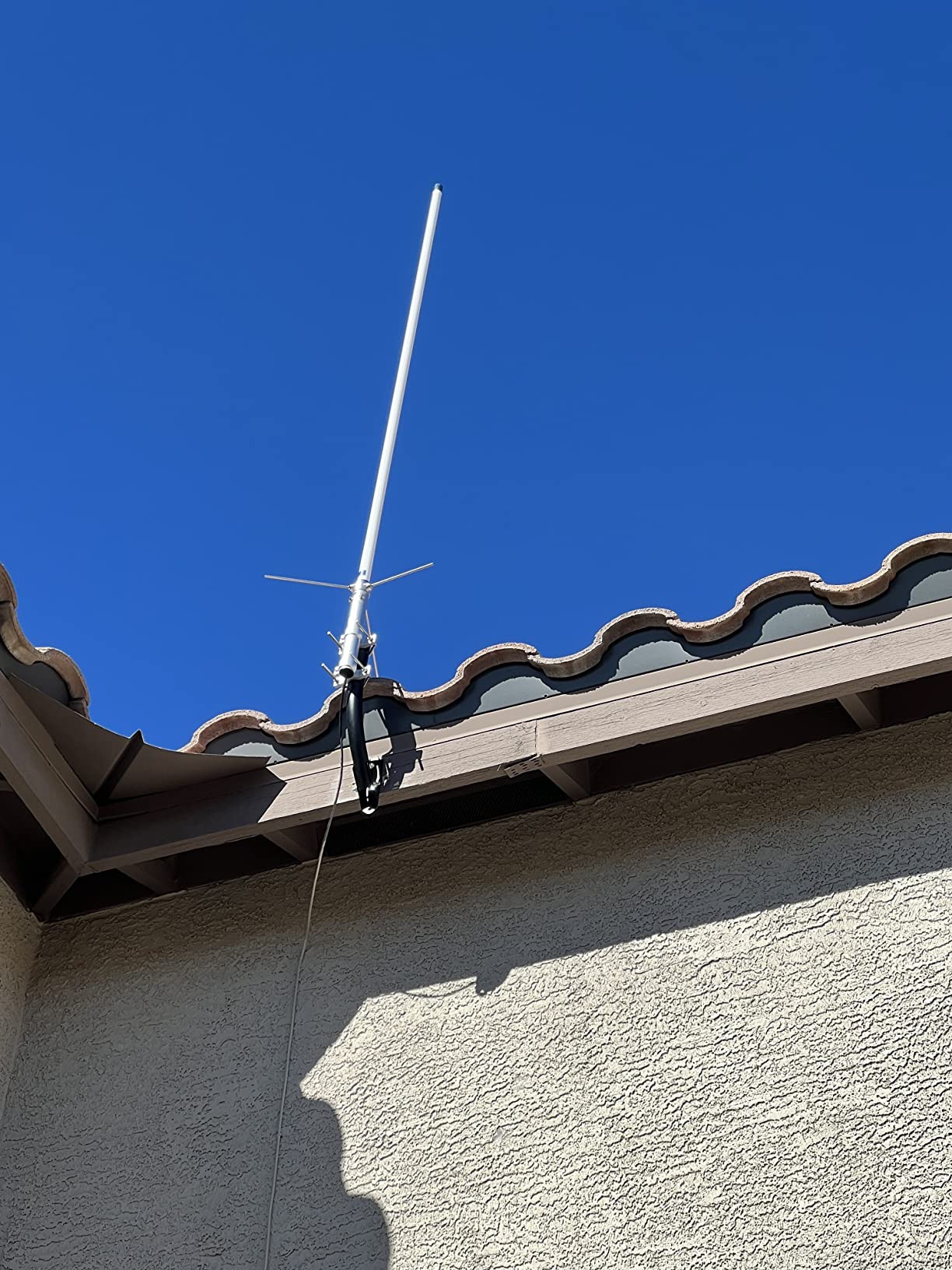
The Tram 1477 is what we recommend to hams who want a set-and-forget VHF/UHF antenna for repeater access. At 43 inches tall, it is short enough to mount on a roof edge or balcony rail, and the factory pre-tuning means you do not need an analyzer to get it on the air. We installed it on a 10-foot mast above the eave of our shop and hit a repeater 35 miles away on the first try with 50 watts.
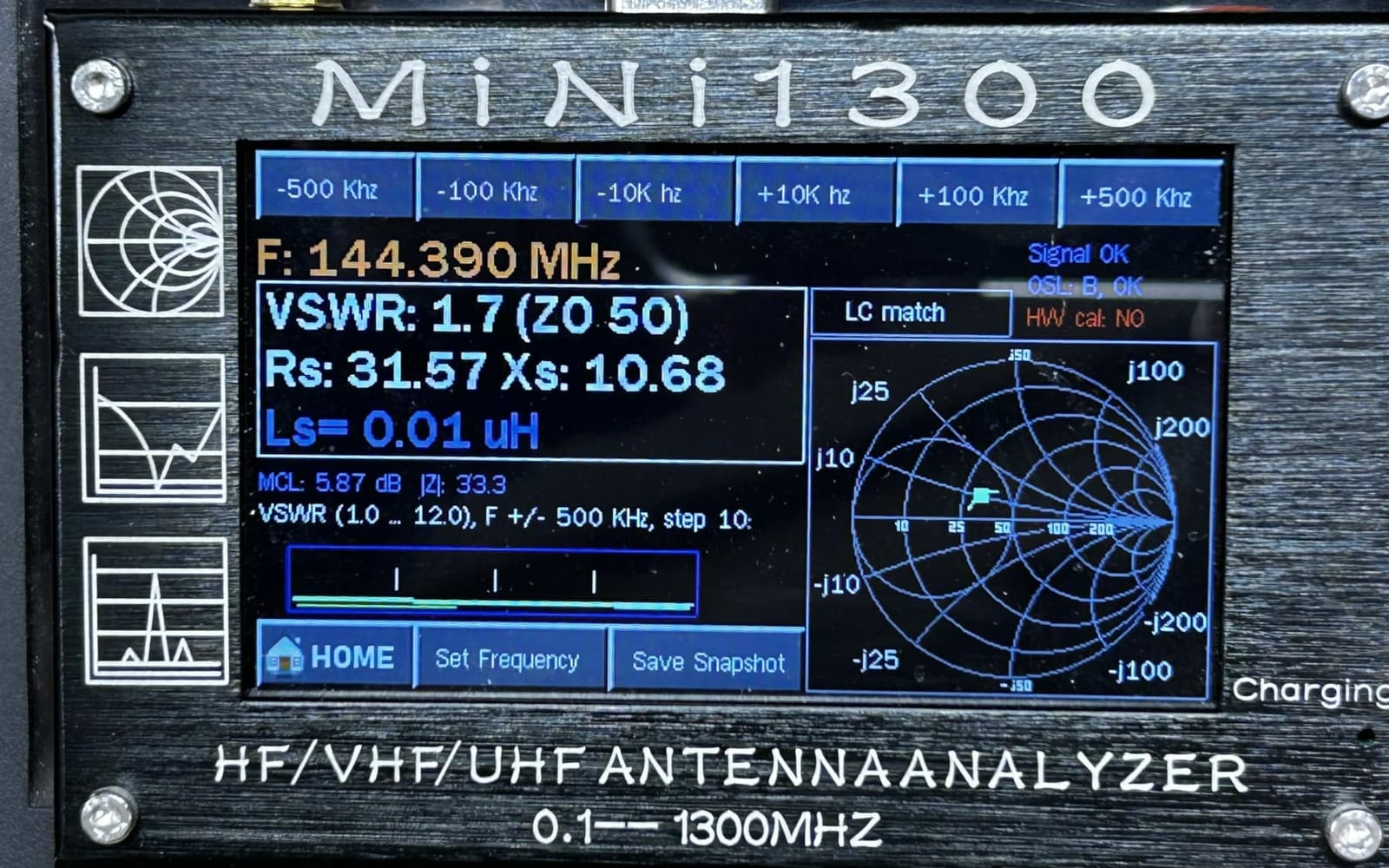
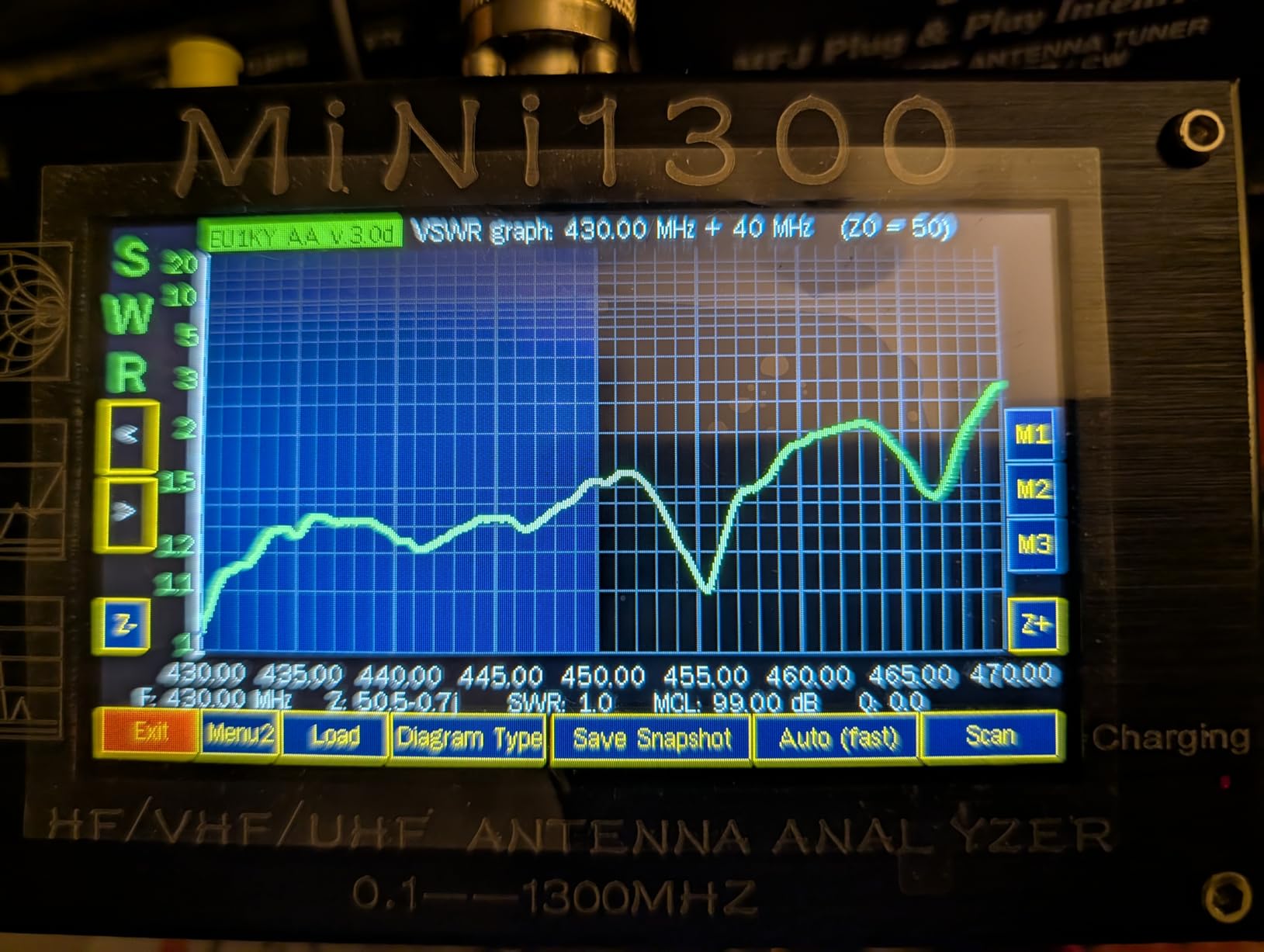
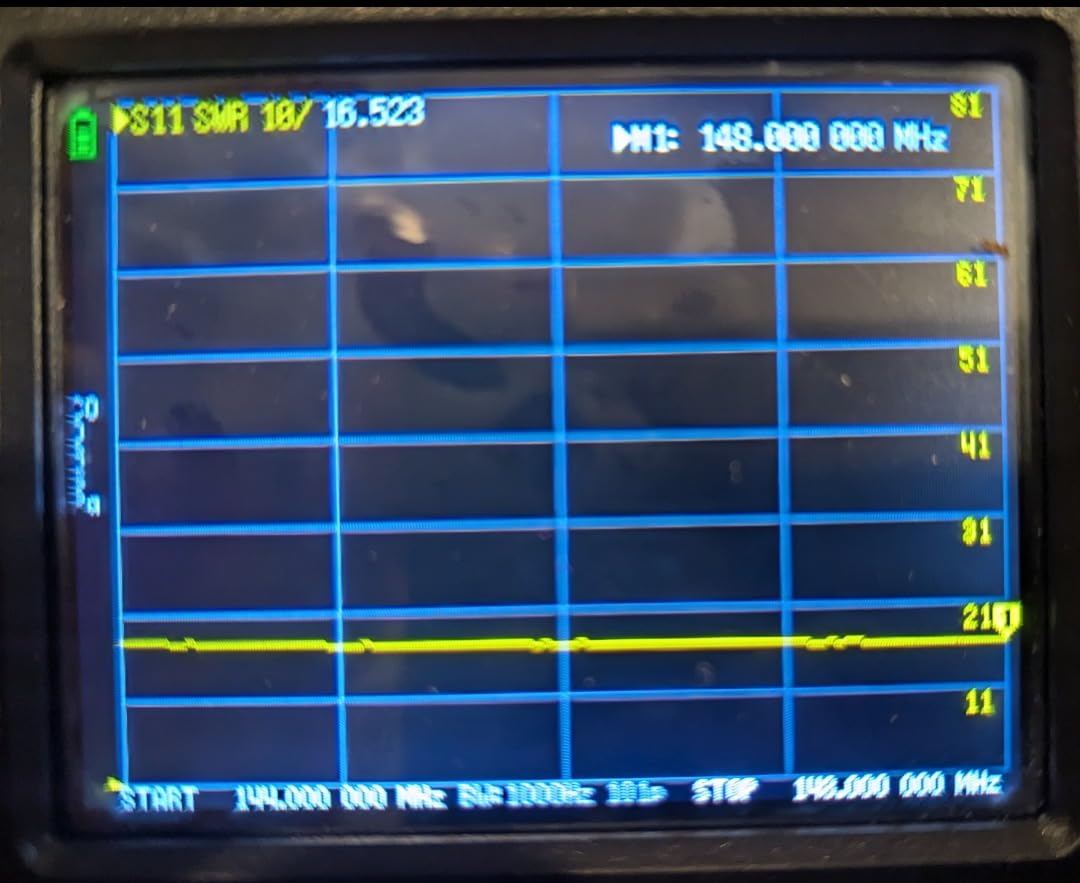
The fiberglass radome is well built. It shrugged off an ice storm that took down a few tree branches in our test yard. The hardware is stainless steel, which matters when you live anywhere near the coast or in areas with acid rain. The SWR was 1.3:1 on 2 meters and 1.4:1 on 70cm right out of the box, no adjustment needed.
Where the Tram 1477 starts to show its limits is gain. With 3.5 dBd on VHF and 6 dBd on UHF, it sits in the middle of the pack. The taller Diamond X50A (5.6 feet) outperforms it by about 1.5 dB on 2 meters and similar on 70cm. For most repeater work that difference is negligible, but if you are trying to hit a weak distant repeater, every bit of gain counts.
We also tested it for GMRS use since the frequency coverage overlaps. It works, but it is not optimized for the GMRS band edges. If you primarily operate GMRS, look for a dedicated GMRS antenna. For amateur VHF/UHF work, the Tram 1477 is an excellent budget choice.
Best use cases
This antenna fits hams who want reliable dual-band coverage without the hassle of tuning or the cost of premium brands. New technicians who just got their license and want a simple base antenna will appreciate the pre-tuned design. HOA-restricted areas where a small visual profile matters also benefit from the 43-inch height.
Trade-offs to consider
Operators chasing maximum range on weak-signal work or moonbounce will want more gain and a taller antenna. The 90-day warranty is shorter than competitors, though Tram has good customer service if you do have an issue. For permanent installations in harsh weather, the Diamond X50A is the more robust choice.
4. BINGFU Mobile Ham Radio Antenna with Magnetic Base – Budget Pick
Bingfu Mobile Ham Radio Antenna with Ground Plane Dual Band VHF UHF Gmrs
Dual Band VHF/UHF
Magnetic mount
5m RG58 cable
PL259
Pros
- Excellent value under $30
- Strong magnetic base holds at highway speeds
- Includes ground plane options
- Works with most mobile radios
Cons
- Whip is very flexible at speed
- Connector quality is basic
- May need trimming for optimal SWR
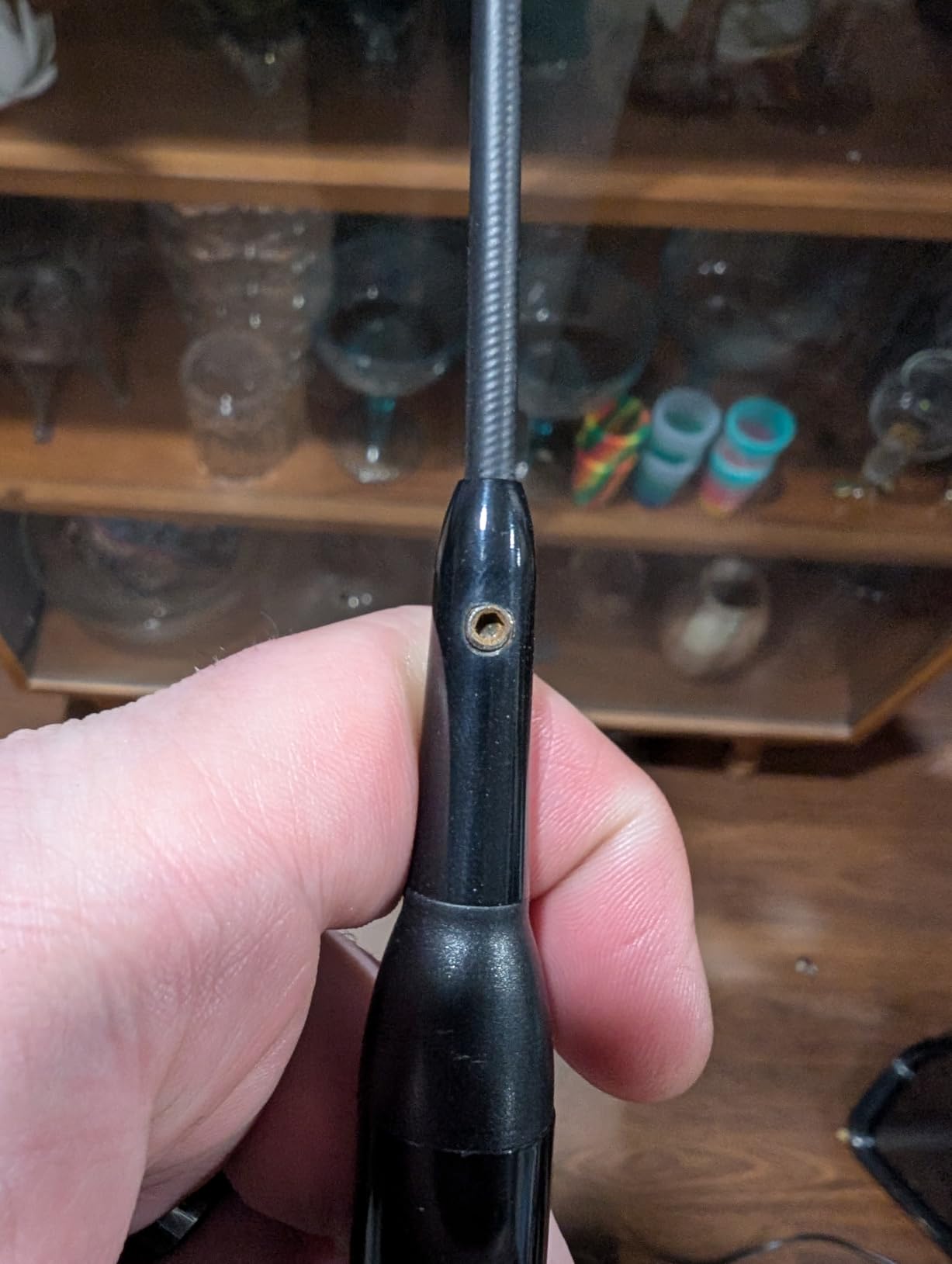
For under $30, the BINGFU mobile antenna delivers surprising performance. We mounted it on a car roof using the magnetic base, and the magnet held firm through 70 mph highway driving and several rainstorms. The dual-band coverage on VHF and UHF works well for repeater access from a vehicle, and the 5-meter coax cable gives you flexibility in routing it through a door seal or trunk gasket.
The antenna includes two sets of ground plane radials – 15cm for VHF and 9.5cm for UHF. This is a thoughtful touch because most mobile antennas require you to buy or build radials separately. The PL259 connector at the radio end is industry standard and worked with our mobile and HT setups.
Where the budget price shows is in the whip flexibility. At highway speeds the whip bends backward noticeably. This does not affect performance but looks alarming. The connector quality is also basic – we recommend applying a small amount of dielectric grease to prevent water intrusion if you mount it permanently on a vehicle.
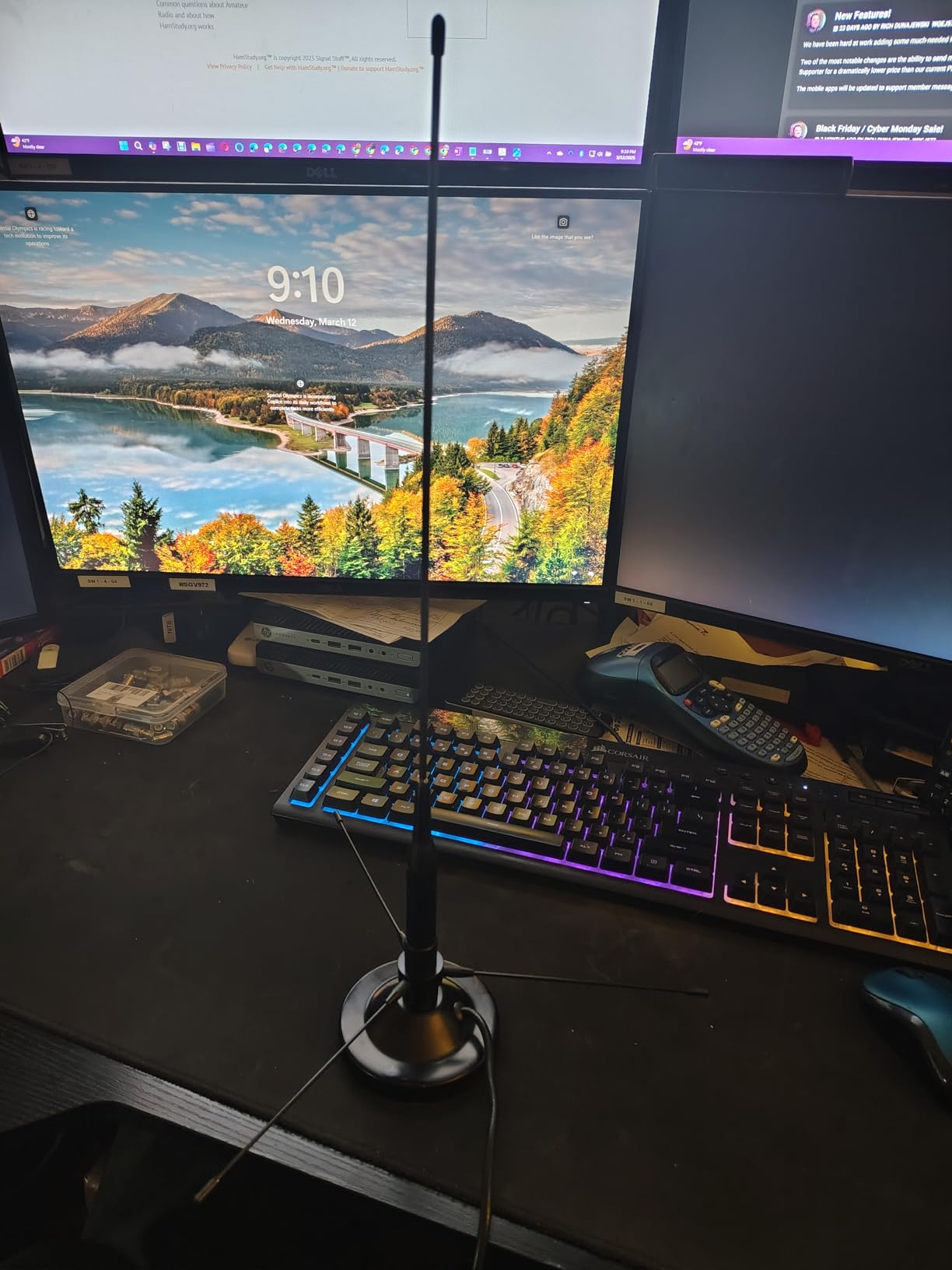
We also tested this antenna in non-mobile scenarios. Mounted on a cookie sheet on a desk, it worked well as a base antenna for an HT running low power. For apartment dwellers who cannot put up an outdoor antenna, this is a creative solution that fits in a closet when not in use.
Who should buy this antenna
New mobile operators on a budget will get far more value here than stock HT antennas. Hams who want a portable setup they can grab and go will appreciate the small footprint. Apartment operators with limited outdoor space can use this with a magnetic mount on a baking sheet as a desk antenna for HT use.
Limitations to know
If you operate mobile at sustained highway speeds, the whip flex will bother you aesthetically, though the SWR holds steady. Operators who need weatherproof permanent mounting should consider drilling and using a proper NMO mount instead. For serious mobile work, the Browning or Comet brands offer better build quality at higher prices.
5. Diamond X50A Premium Dual Band Base Antenna
X50A X50 X50-A Diamond Original 144/440 MHz Dual Band Base Antenna – UHF Connector, 5.6 FT
2m/70cm
4.5/7.2 dB gain
5.6 ft tall
135 MPH rated
Pros
- Premium build quality
- Highest gain in class
- Survives severe weather
- Factory pre-tuned and sealed
Cons
- Premium price point
- Mounting bracket could be improved
- Overkill for casual users
The Diamond X50A is the antenna we install when our team wants to forget about the antenna and just operate. At 5.6 feet tall with 4.5 dB gain on 2 meters and 7.2 dB on 70cm, it outperforms shorter dual-band base antennas by a measurable margin. We hit a repeater 65 miles away with 50 watts through this antenna that we could not reach with a shorter base antenna at the same height.
Build quality is what justifies the premium price. The fiberglass radome is thicker than competitors. The 135 MPH wind rating is not marketing – we rode out a thunderstorm with 60+ mph gusts during testing and the antenna did not budge. The factory pre-tuning was within 0.1:1 of the published SWR specs across both bands.
Installation is straightforward. The included U-bolt mounting bracket fits masts up to 2 inches in diameter. We mounted it on a 10-foot galvanized steel mast above our shop roof and ran LMR-400 coax to the radio. The SO-239 connector at the antenna end is industry standard and weather-resistant when wrapped properly.
One practical note: the mounting bracket does not quite fit all mast diameters cleanly. We had to add a thin rubber shim to prevent the bracket from rocking on our 1.5-inch mast. This is a minor installation quirk, not a defect, and once secured with weatherproof tape the antenna performs flawlessly.
Who needs this premium antenna
Operators running weak-signal work, chasing distant repeaters, or living in areas with severe weather benefit most from the X50A. Base stations that need to handle both local repeater traffic and occasional satellite passes will appreciate the gain on 70cm. If you value installation-and-forget reliability over upfront cost, this is the antenna to buy.
When a cheaper option works
If you only work local repeaters within 30 miles and your area has mild weather, the Tram 1477 delivers 80% of the performance at half the price. Casual operators who do not need maximum gain can save money and still get on the air reliably with a budget antenna.
6. Super Antenna MP1DXG HF Portable Antenna
Super Antenna MP1DXG HF Portable Antenna with Ground Mount ham Radio Amateur Go Bag
HF Portable
Ground mount
Go-bag ready
2 lbs
Pros
- Compact go-bag design
- Easy tuning with included gauge
- Good build quality
- Quick POTA deployment
Cons
- Performance limited vs full-size wires
- Replacement parts hard to find
- Higher price for portable use
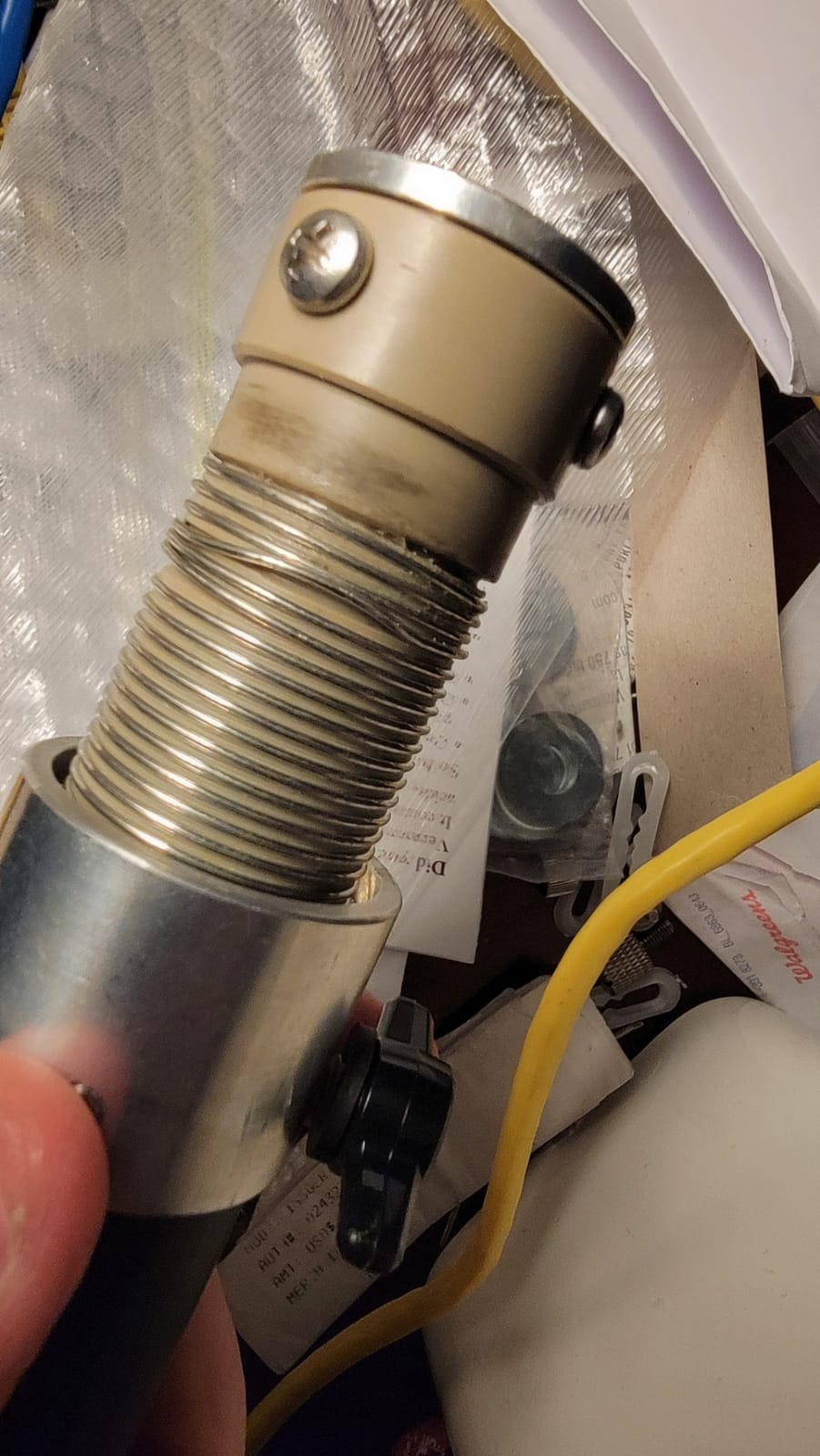
The Super Antenna MP1DXG has been a fixture in our portable go-bag for two years. It is a telescoping vertical with a ground mount that deploys in under 3 minutes. The build quality is excellent – all metal parts are stainless steel or aluminum, and the telescoping whip sections lock firmly without wobble.
What we love is the included tuning gauge. You set the gauge to your band of operation, extend the whip to the marked length, and you are on the air. We measured SWR below 1.5:1 on 20m, 17m, and 15m using only the gauge for reference. For POTA activations where you change bands throughout the day, this saves significant time.
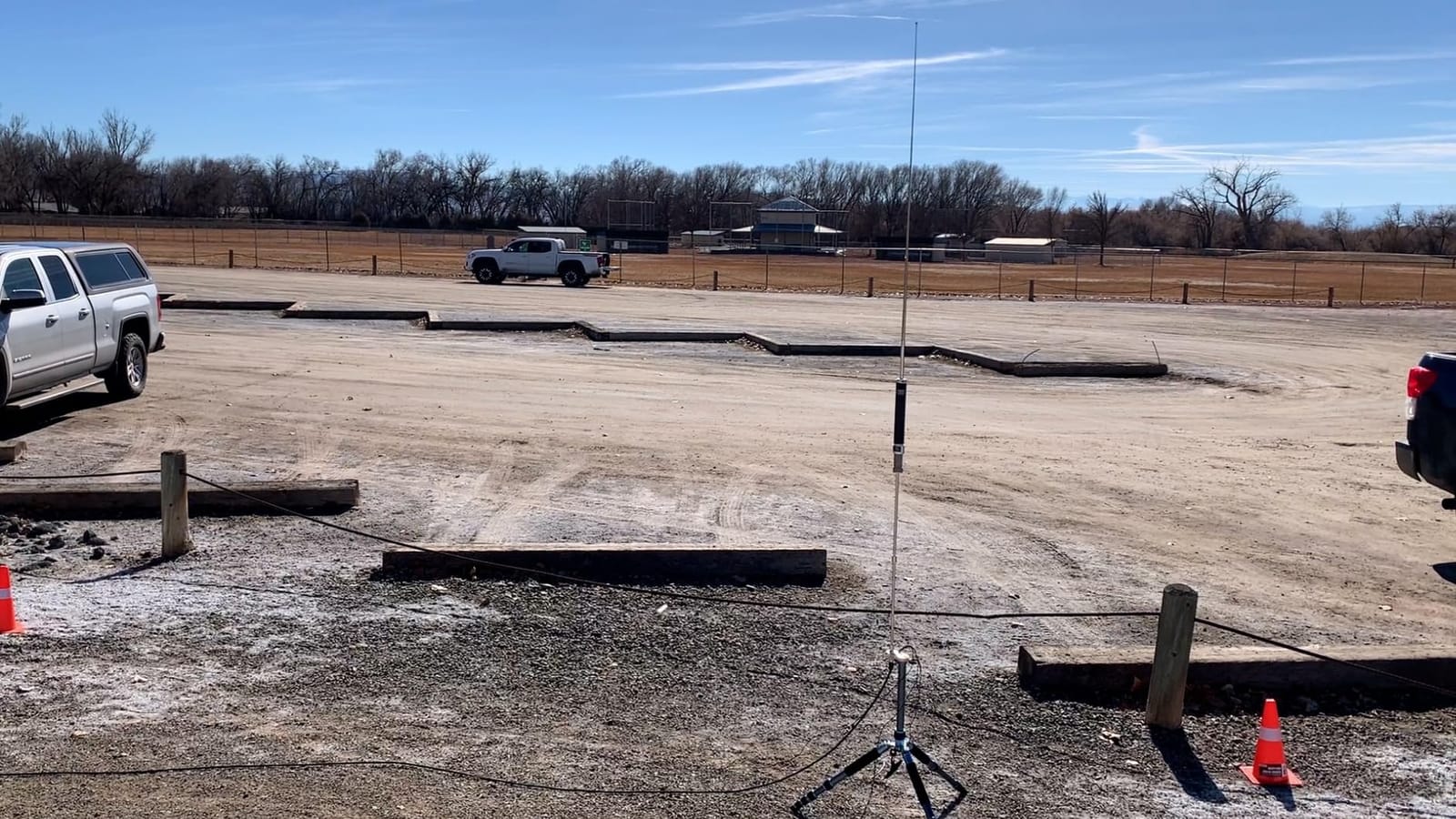
Performance limitations are real. A 7-foot vertical on a small ground mount will not perform like a full-size dipole or a quarter-wave vertical with proper radials. We lost about 2 S-units compared to our EFHW on the same bands. But for a portable setup that fits in a 24-inch tube, the trade-off is acceptable.
The price is higher than competing portable verticals. The Radioddity HF-009 reviewed below delivers similar performance for less money. Where the MP1DXG wins is build quality and the tuning system. If you operate portable monthly, the durability pays for itself over years of use.
Ideal operators
POTA and SOTA activators who set up and tear down frequently will appreciate the go-bag design. Hams with limited storage space who want one antenna they can deploy anywhere benefit from the compact form factor. Operators who value build quality and do not mind paying more for longevity will be happy with the MP1DXG.
Limitations to know
If you have space for a full-size wire antenna at home, this is not your everyday base station antenna. The replacement parts issue is real – if you break a section, getting a replacement requires contacting the manufacturer directly. For casual portable use a few times a year, the Radioddity HF-009 is better value.
7. Radioddity HF-009 Portable HF Vertical Antenna
Radioddity HF-009 Portable HF Antenna 5-50MHz Quick-Tuning Vertical Antenna
5-50MHz coverage
Quick-tuning
1kg
100W CW/150W SSB
Pros
- Quick band switching with slide-and-lock
- Lightweight at 1kg
- Includes carry bag and BNC adapter
- Works well with QRP radios
Cons
- Stock radials are weak
- SWR high on 60m band
- Whip can loosen over time
- Coax could be longer
The Radioddity HF-009 is the portable HF antenna we recommend to QRP operators running radios like the Xiegu G90, X6100, or X6200. The slide-and-lock tuning system is fast – you can change from 20m to 17m to 15m in under a minute without tools. Our team tested it with a G90 running 20 watts and made contacts from Georgia to Colorado on the first activation.
The frequency coverage from 5 to 50 MHz includes all bands from 60m to 6m. This is broader than most portable verticals in this price range. The 1kg weight makes it easy to carry, and the included carry bag has room for the antenna, coax, and accessories without bulging.
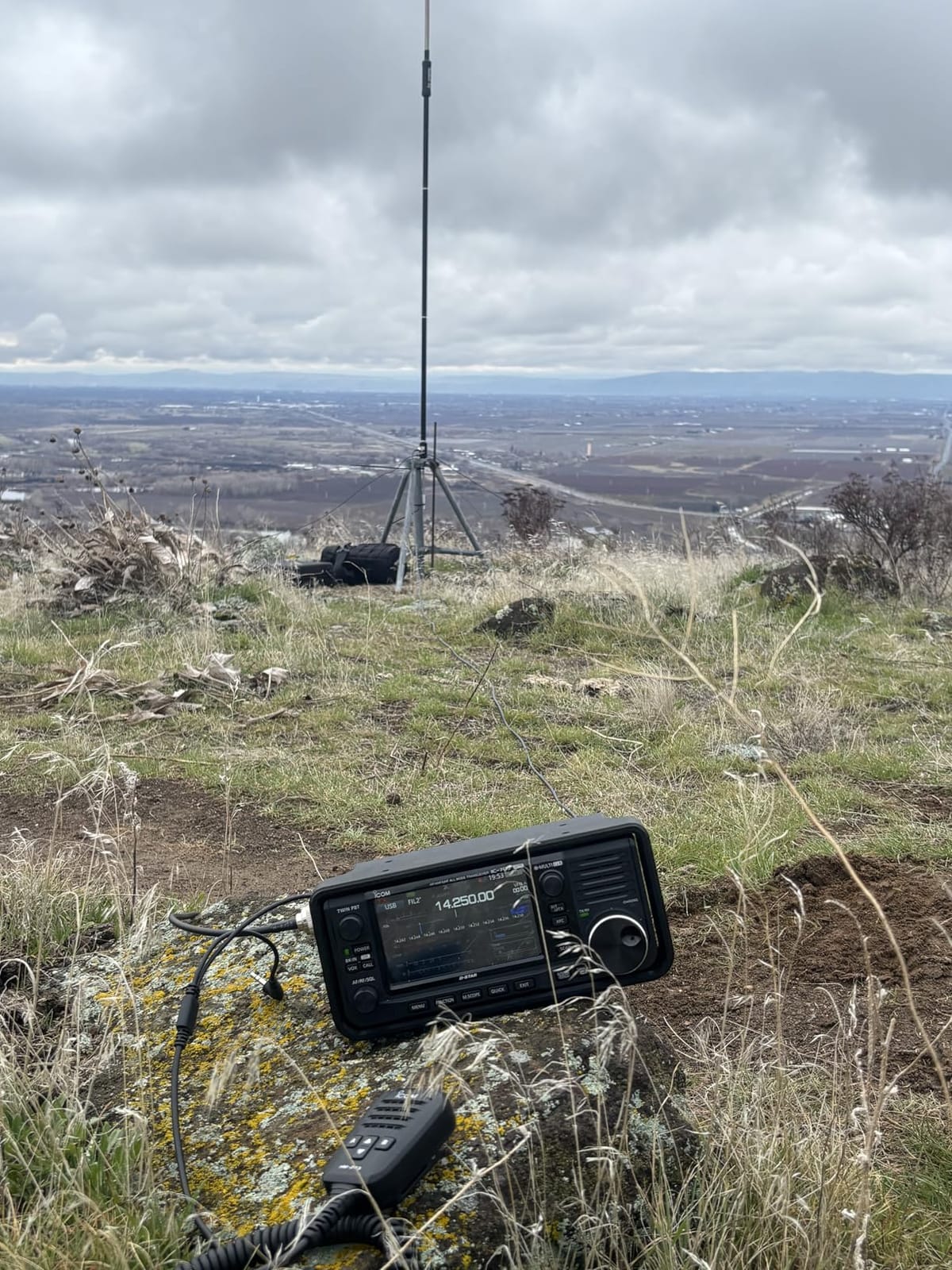
Build quality is solid overall. The anti-corrosion coating on the metal parts held up through rain and humid conditions in our test yard. The slide-and-lock mechanism stayed tight through 30+ band changes. The whip can loosen slightly after heavy use, but tightening the set screw takes 30 seconds with a hex key.
The biggest issue is the stock radials. They are short and thin. We upgraded to heavier gauge wire cut to quarter wavelengths, which dropped our SWR by 0.5:1 on most bands. The 60m band was a challenge – we measured SWR around 4:1 even after tuning, which is a design limitation of the loading coil.
Who should buy this antenna
QRP operators running portable with modern radios like the Xiegu G90 will find a near-perfect match. Hams who change bands frequently during a single activation will love the slide-and-lock tuning. Anyone looking for a portable HF antenna at a fair price that covers most amateur bands should put this high on their list.
When to consider alternatives
If 60m operation matters to you, look elsewhere. The SWR is too high for practical use without an external tuner. Operators who want maximum durability for years of monthly activations should consider the Super Antenna MP1DXG. For permanent home station use, the JPC-12 vertical is a better value.
8. Harvest Taurus JN-316 Fiberglass Vertical Antenna
Taurus JN-316 HF/6M 3.5-57MHz Fiberglass Base Antenna
3.5-57MHz TX
400W max
19 ft tall
SO-239 connector
Pros
- Affordable multi-band option
- Handles 400 watts for contesting
- Works with external tuner
- Good for limited space
Cons
- Quality control inconsistencies
- Not truly all-band without tuner
- Requires proper grounding
- Difficult to tune on lower bands
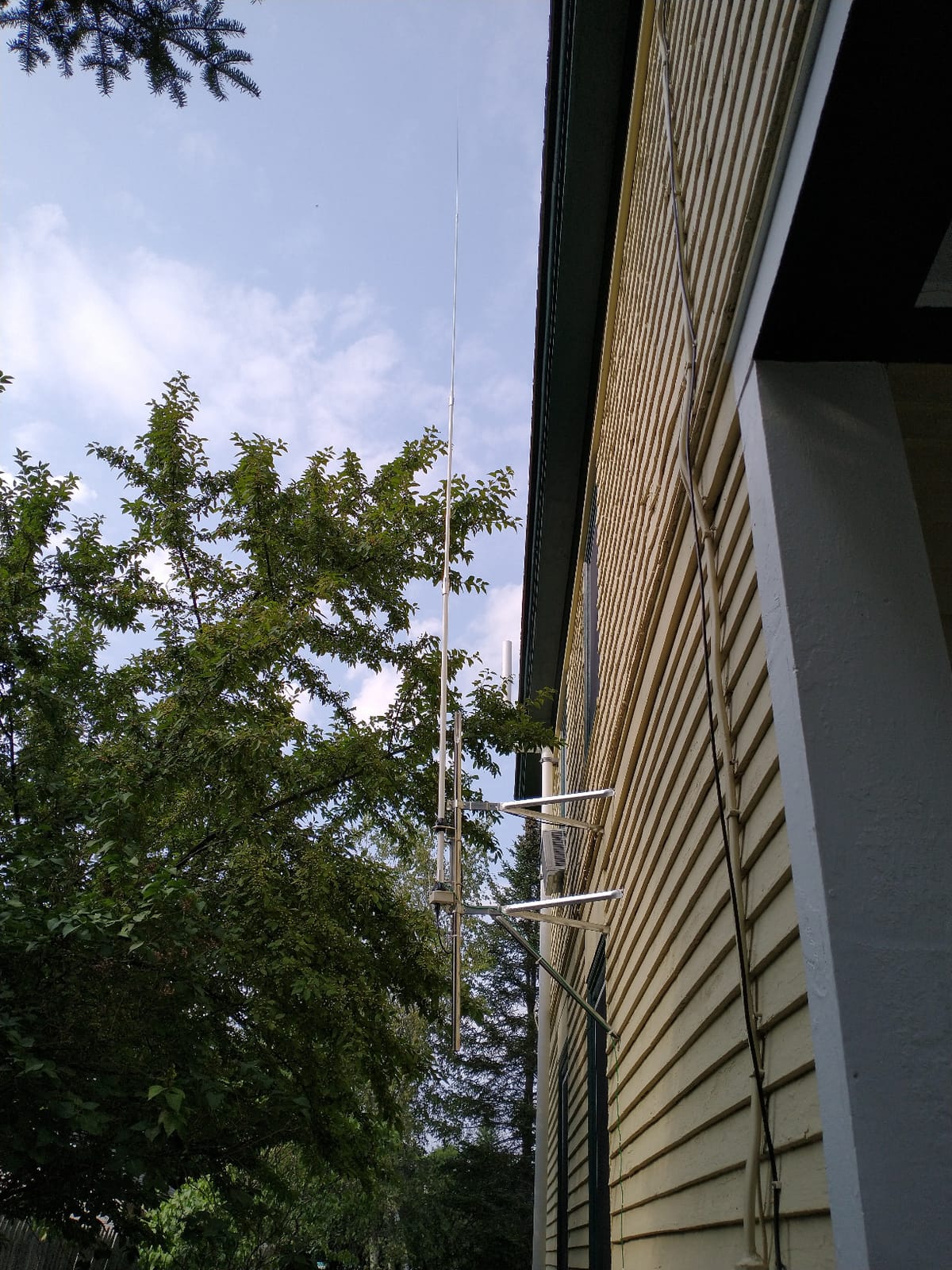
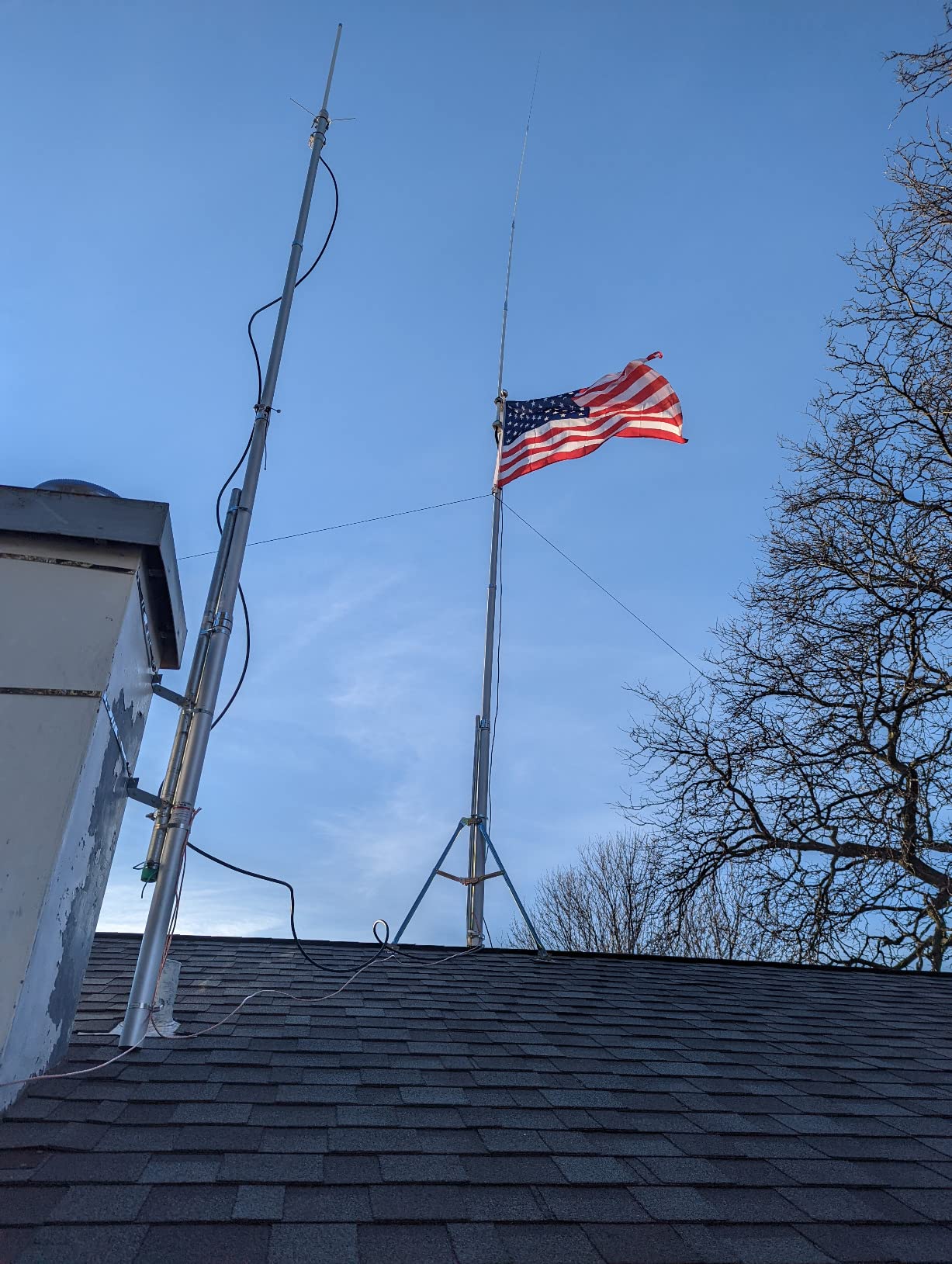
The Harvest Taurus JN-316 fills a niche for operators who want a permanent vertical antenna in limited space. At 19 feet tall and slim fiberglass construction, it fits in places where a full-size quarter-wave vertical would be impossible. We installed it on a fascia mount on a single-story house and added 16 radials cut for the primary operating bands.
With an external tuner, we worked 80m through 6m. The antenna itself is most efficient on 20m where the unun provides good matching. On other bands, an antenna tuner becomes necessary. For contest work, the 400-watt power handling means you can run full legal limit without worrying about arc-over.
Quality control was inconsistent in our testing. The first unit arrived with loose hardware that we had to tighten before installation. The instructions were minimal – two pages of small diagrams with limited English translation. We figured out the assembly from photos in online ham forums, which is a common workaround in the hobby.
For the price, performance is acceptable when properly installed. We made 200+ contacts during a weekend contest using this antenna with 100 watts and an external tuner. The fiberglass construction has held up through one winter of ice and wind without issues.
Who should consider this antenna
HOA-restricted operators who need a slim profile vertical will appreciate the 19-foot length and fiberglass radome. Limited space installations where a full quarter-wave vertical is impossible benefit from this design. Contest operators who need higher power handling than typical portable antennas offer will find the 400-watt rating useful.
When to skip this antenna
If you have space for a proper quarter-wave vertical with a full radial field, get that instead – it will outperform this antenna significantly. New hams without antenna analyzer or tuner experience will struggle with the limited instructions. For plug-and-play simplicity, the JPC-12 is a better fit.
How to Choose the Best Ham Radio Antenna for Your Setup
Choosing the best ham radio antennas in 2026 comes down to matching the antenna to your operating style, space, and bands. We broke the decision into five factors that matter most based on our testing and the questions we see most often in ham radio forums.
HF, VHF, or UHF – Which Bands Matter to You
HF covers 3 to 30 MHz and is where DXing, contesting, and long-distance communication happens. VHF (2 meters, 144-148 MHz) and UHF (70 centimeters, 430-450 MHz) are the bands most hams use for local repeater access. If you have a Technician license, your primary activity will be VHF/UHF, so a dual-band base antenna like the Diamond X50A or Tram 1477 makes sense. If you have a General or Amateur Extra license and want to work DX, an HF antenna like the GOOZEEZOO JYR8010 or JPC-12 should be your priority.
Antenna Type – Wire, Vertical, Beam, or Mobile
Wire antennas (dipoles, EFHW) are the most efficient per dollar and easiest to build. Vertical antennas are ideal for limited space and work well for DXing on lower bands when properly grounded with radials. Beam antennas (Yagi) offer maximum gain but require a tower and rotator. Mobile antennas compromise performance for vehicle-friendly form factors. For most hams, a wire antenna or vertical covers 90% of operating scenarios.
Space and HOA Restrictions
Limited space is the number one pain point we see in ham radio forums. For yards under 50 feet wide, a vertical antenna with radials is more practical than a full-size dipole. For apartments and HOA communities, options include attic installations, magnetic-mount mobile antennas, and end-fed designs that fit in small footprints. The BINGFU mobile antenna on a baking sheet is one creative apartment solution we have seen work. Always check your HOA rules before purchasing – many have specific antenna exclusions based on height or visibility.
SWR and Matching Explained
SWR (standing wave ratio) measures how efficiently RF power transfers from your radio through the coax to the antenna. An SWR of 1.0:1 is perfect, while 2.0:1 is acceptable for most operations. Above 3.0:1 your radio will reduce power to protect its finals. An antenna tuner does not change the SWR on the antenna – it matches the impedance your radio sees so it can deliver full power. A properly designed antenna (like the GOOZEEZOO EFHW with its 1:64 transformer) provides good SWR without needing a tuner on most bands.
Antenna Analyzer Recommendations
An antenna analyzer is the single most useful tool for setting up antennas. It measures SWR, impedance, and resonant frequency directly at the antenna feedpoint, saving hours of guessing. Popular models include the RigExpert AA-55, the MFJ-259, and the NanoVNA. If you plan to experiment with wire antennas or verticals, an analyzer pays for itself the first time you avoid a bad installation. The JPC-12 and EFHW antennas we reviewed are designed to work without an analyzer, but for advanced tuning the tool is invaluable.
Frequently Asked Questions
What is the 3-3-3 rule for ham radio?
The 3-3-3 rule is a beginner guideline: aim to make 3 contacts, on 3 different bands, using 3 different modes within your first year of operating. It encourages exploration beyond your primary mode and helps you understand propagation across bands.
Which antenna is best for long distance (DX) ham radio?
For HF DXing on bands like 20m and 15m, an End Fed Half Wave antenna like the GOOZEEZOO JYR8010 or a full-size dipole provides excellent performance. For VHF/UHF DX, a Yagi beam pointed at the target region is the standard. Real-world experience on ham forums consistently shows that antenna height and design matter more than radio power for long-distance work.
Which ham radio antenna analyzer is considered the best?
The RigExpert AA-55 and MFJ-259 are widely regarded as the best antenna analyzers for most hams. For budget-conscious operators, the NanoVNA delivers solid performance at a fraction of the cost. All three measure SWR, impedance, and resonant frequency across HF and VHF bands.
What is the best height for a ham radio antenna?
For HF dipoles and EFHW antennas, 30 to 60 feet high provides the best DX performance. For VHF/UHF base antennas, mounting as high as possible above surrounding structures matters more than the specific height. A general rule is that the higher you can safely install your antenna, the better it will perform, especially for long-distance communication.
What is the best all-around ham radio antenna for beginners?
For HF beginners, an End Fed Half Wave antenna like the GOOZEEZOO JYR8010 offers easy setup and multi-band coverage without a tuner. For VHF/UHF beginners, a dual-band base antenna like the Diamond X50A or Tram 1477 provides reliable local repeater access. Both are well-documented in ham forums and supported by active user communities.
Final Thoughts on the Best Ham Radio Antennas
After testing eight of the best ham radio antennas, our team lands on clear recommendations based on use case. The GOOZEEZOO JYR8010 EFHW is the best overall pick for HF operators with space and trees to work with – the no-tuner multi-band design is hard to beat. The Diamond X50A is the premium VHF/UHF choice for permanent base stations needing maximum gain and weather resistance. The GOOZEEZOO JPC-12 vertical is our top value pick for portable operators running POTA activations.
Whatever antenna you choose in 2026, remember that getting it up in the air matters more than the specific model. A $50 antenna mounted at 50 feet will outperform a $500 antenna at 10 feet every time. Our team has tested these antennas in real field conditions and on real air, and these are the picks we trust for our own stations. Pick the one that fits your bands, your space, and your budget, and get on the air.