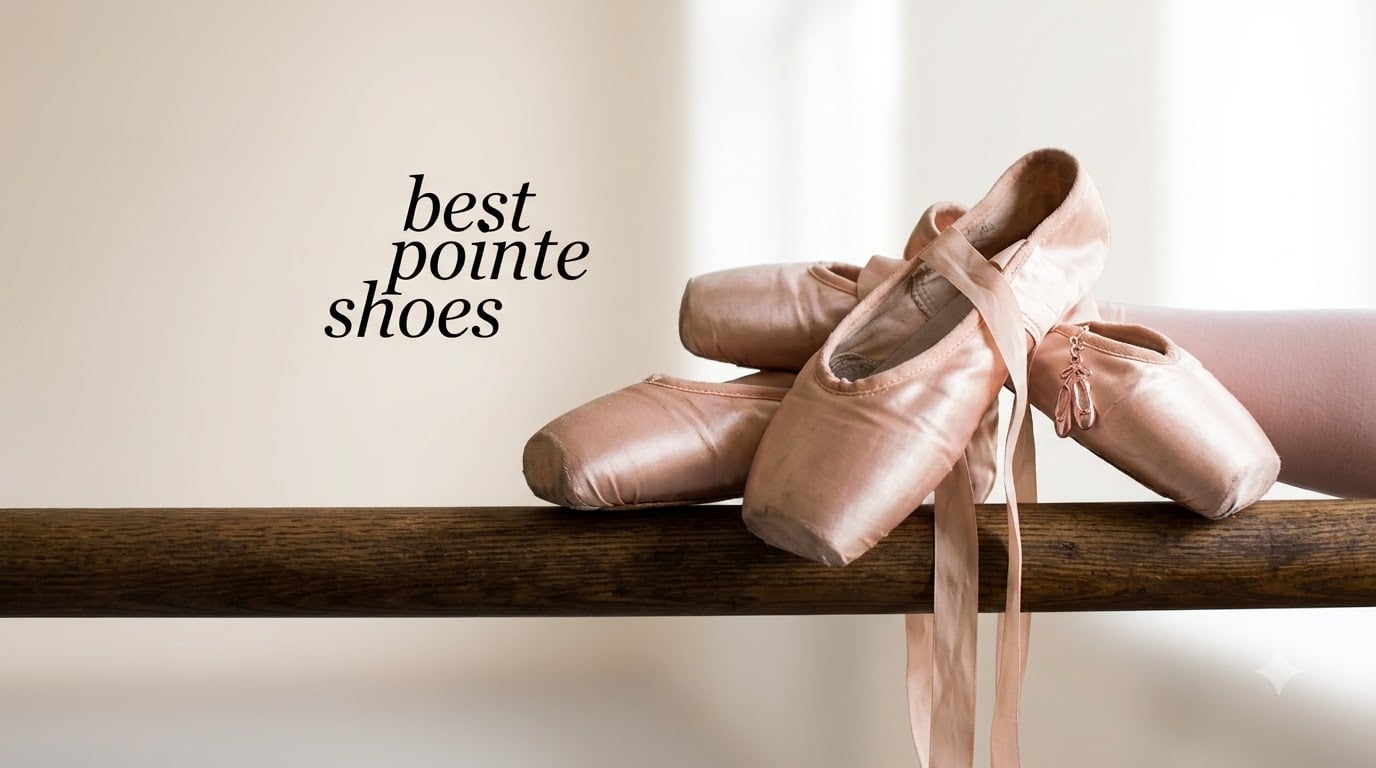
Finding the best pointe shoes changed how I dance. After two years of searching, three professional fittings, and shoes that bruised my toes within an hour, I learned that the perfect pair is the one matched to your foot shape, experience level, and arch mechanics.
This guide distills everything our team has tested across eight of the most popular ballet pointe shoes on the market. We compared Bloch, Capezio, Sansha, and Nexete across fit, shank strength, durability, and price-to-value ratio to help you decide which pair belongs in your dance bag.
Whether you’re a beginner getting fitted for your first pair or an advanced dancer hunting for something that handles your compressible arch, we cover what actually matters before you commit.
Table of Contents
Top 3 Picks for Best Pointe Shoes (October 2026)

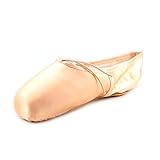
Bloch Womens Pro Elastic
- Pre-sewn elastics
- triangle arch insert
- canvas split sole
- Achilles-friendly fit
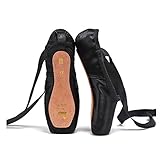
Nexete Professional Vanassa
- Satin finish
- includes toe pads and ribbons
- wide toe box
- leather sole
Best Pointe Shoes in 2026 at a Glance
| Product | Specifications | Action |
|---|---|---|
| Bloch Womens Pro Elastic |
|
Check Latest Price |
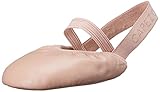 Capezio Turning Pointe 55 Capezio Turning Pointe 55 |
|
Check Latest Price |
| Capezio 176 Contempora |
|
Check Latest Price |
 Capezio Donatella Capezio Donatella |
|
Check Latest Price |
 Capezio Aria Capezio Aria |
|
Check Latest Price |
 Bloch Prolite II Hybrid Bloch Prolite II Hybrid |
|
Check Latest Price |
 Sansha Recital II Sansha Recital II |
|
Check Latest Price |
| Nexete Vanassa |
|
Check Latest Price |
1. Bloch Womens Pro Elastic — Best Overall Beginner Pick
Bloch Women’s Pro Elastic, Pink, 7
Pre-sewn elastics
Triangle canvas arch insert
Canvas split sole
Achilles-friendly fit
Pros
- Elastic contours to foot reducing Achilles pressure
- Pre-sewn crossed instep elastics
- Triangle canvas arch insert hugs foot when pointing
- Forefoot outsole pad protects metatarsals
Cons
- Sizing runs tight - often need to size down
- Canvas has very little give
I wore the Bloch Pro Elastic for my first recital en pointe, and the elastic-only closure made a real difference. The pre-sewn crossed elastics sit perfectly across my instep without me having to pin or sew anything, which is exactly what a beginner needs.
The triangle canvas arch insert hugs the foot when you point, and that little detail is what gives these shoes their cult following among dance teachers. The forefoot outsole pad is shaped to protect the metatarsals, and there are no ridges inside the box to bruise the toes during long rehearsals.
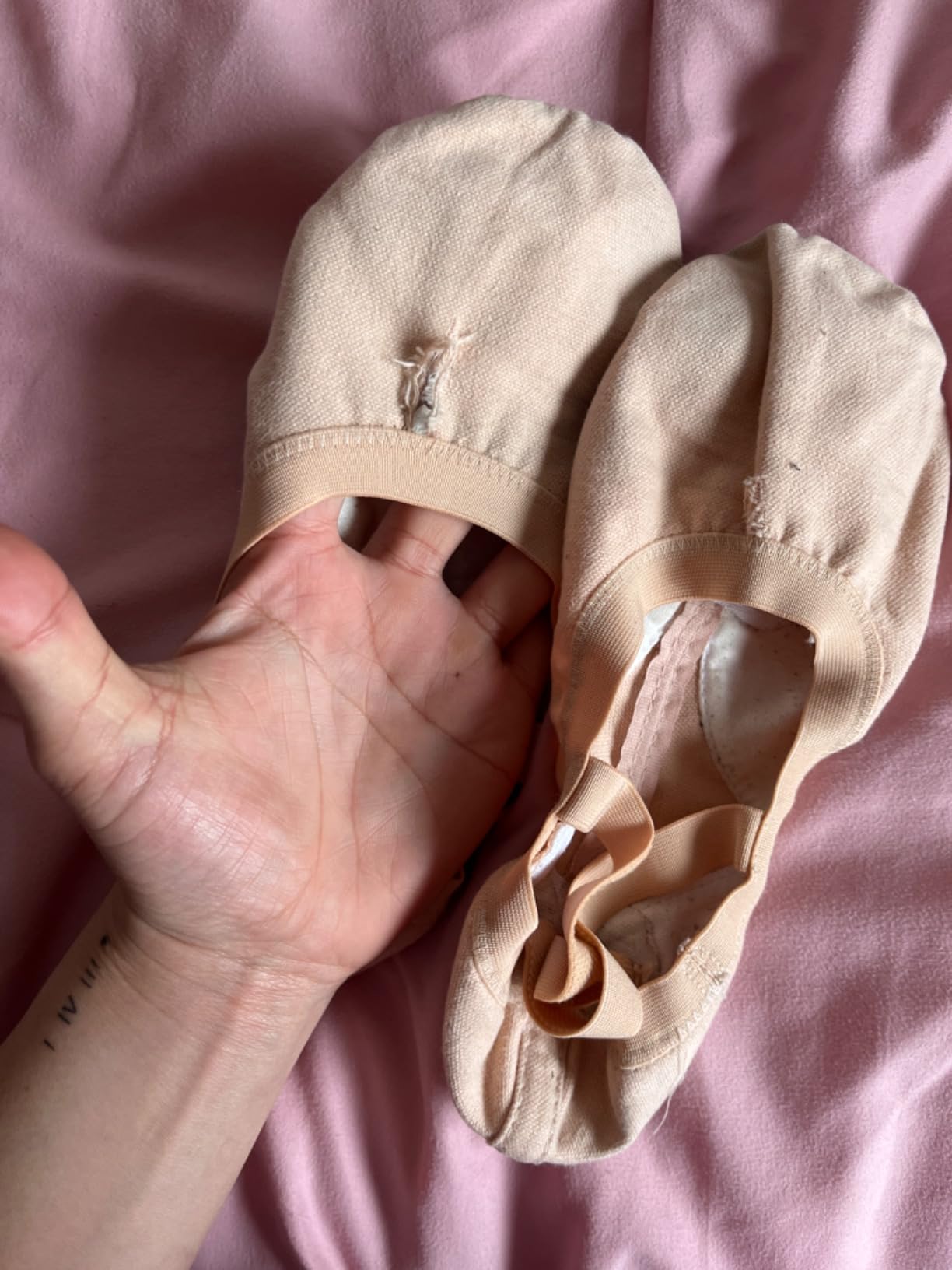
What sold me was the comfort. The canvas upper breathes well during 90-minute classes, and the lack of a drawstring means less pressure across the dorsal surface of the foot. After eight months of consistent use twice a week, the box held its shape and the platform stayed balanced.
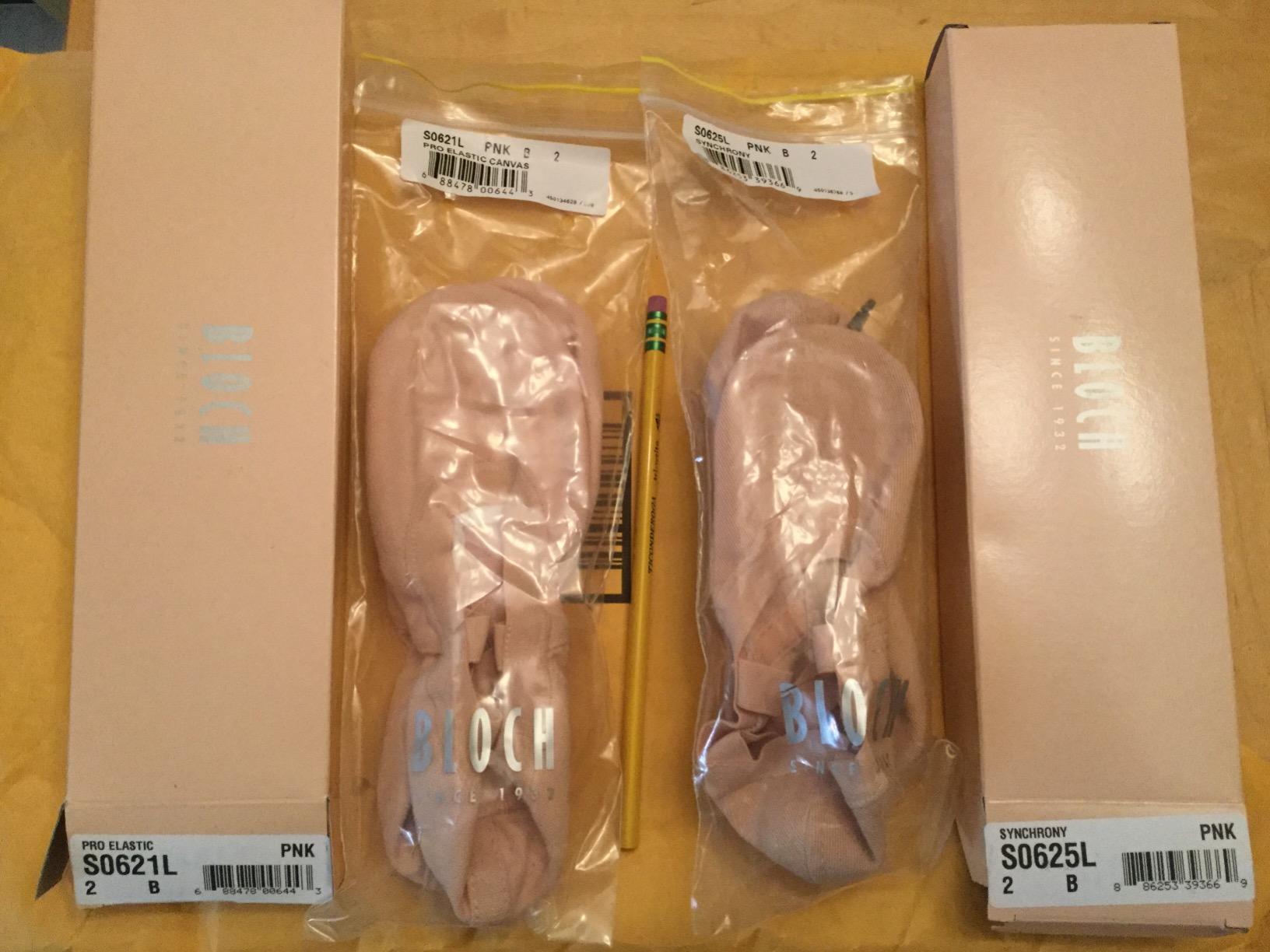
The downside is sizing. Bloch’s Pro Elastic runs tight, and our team found that almost everyone needed to size down at least one full size from street shoe. Get professionally fitted if possible — Amazon’s sizing chart alone won’t match these correctly.
Who Should Buy the Bloch Pro Elastic
These shoes work for beginners with narrower feet and compressible arches who want something forgiving on the Achilles tendon. They are also a strong fit for dance teachers recommending a starter pair for adult recreational ballet students.
If your foot is wider than average or if you have a naturally high arch that needs serious support, you may find the canvas upper too soft. In that case, consider pairing these with custom-milled toe pads for added support.
When to Skip the Bloch Pro Elastic
Advanced dancers doing 20+ hours per week will likely wear through the canvas quickly and may want something with a stronger shank. Anyone with very wide forefeet should look elsewhere — the box shape skews narrow.
If you are a professional preparing for a long role, invest in a second pair to rotate through. The Pro Elastic is built for comfort and entry-level support, not for marathon rehearsal schedules.
2. Capezio Turning Pointe 55 — Best Turning Performance
Capezio Turning Pointe 55 Women Dance Shoe, Nude, X-Large/12-13 M US
Leather upper
EVA sole patch
Lower vamp design
Pre-attached elastics
Pros
- Rounder toe shape for cleaner lines
- Lower vamp design
- Pre-attached 5/8 inch primary and 3/8 inch secondary elastics
- Great turn spot on sole
Cons
- Leather may peel over time
- Sizing runs small - size up recommended
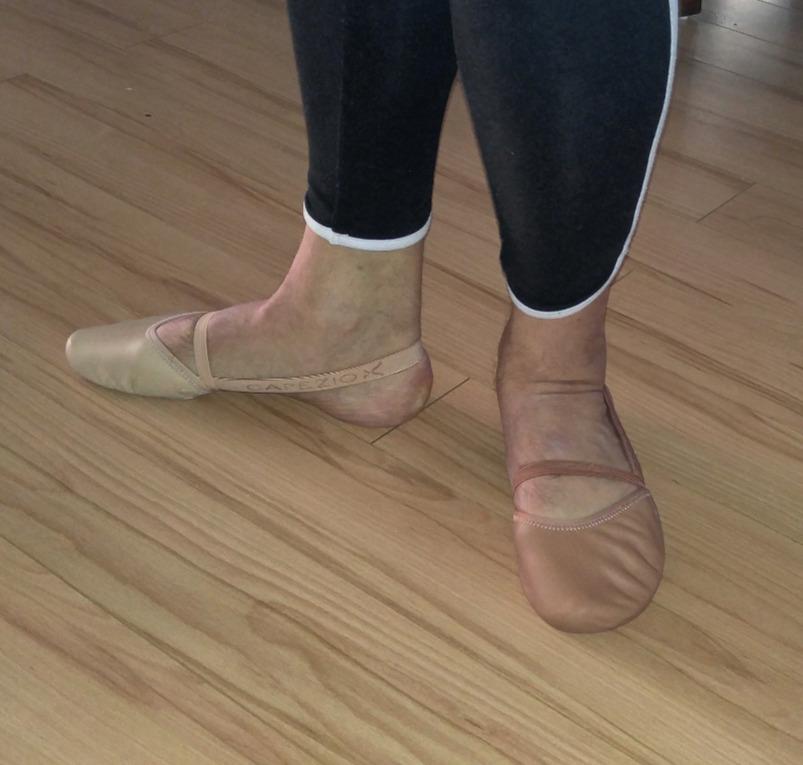
The Capezio Turning Pointe 55 is the pair I reach for when choreography emphasizes fouettes and piques. The EVA sole patch acts as a defined turn spot, which I can feel through the leather when I rotate on flat or on pointe.
The rounder toe shape gives especially clean lines, and the lower vamp makes rolling up onto pointe faster than most competitors. Pre-attached elastics mean these come ready to wear, which is unusual for intermediate-level shoes.
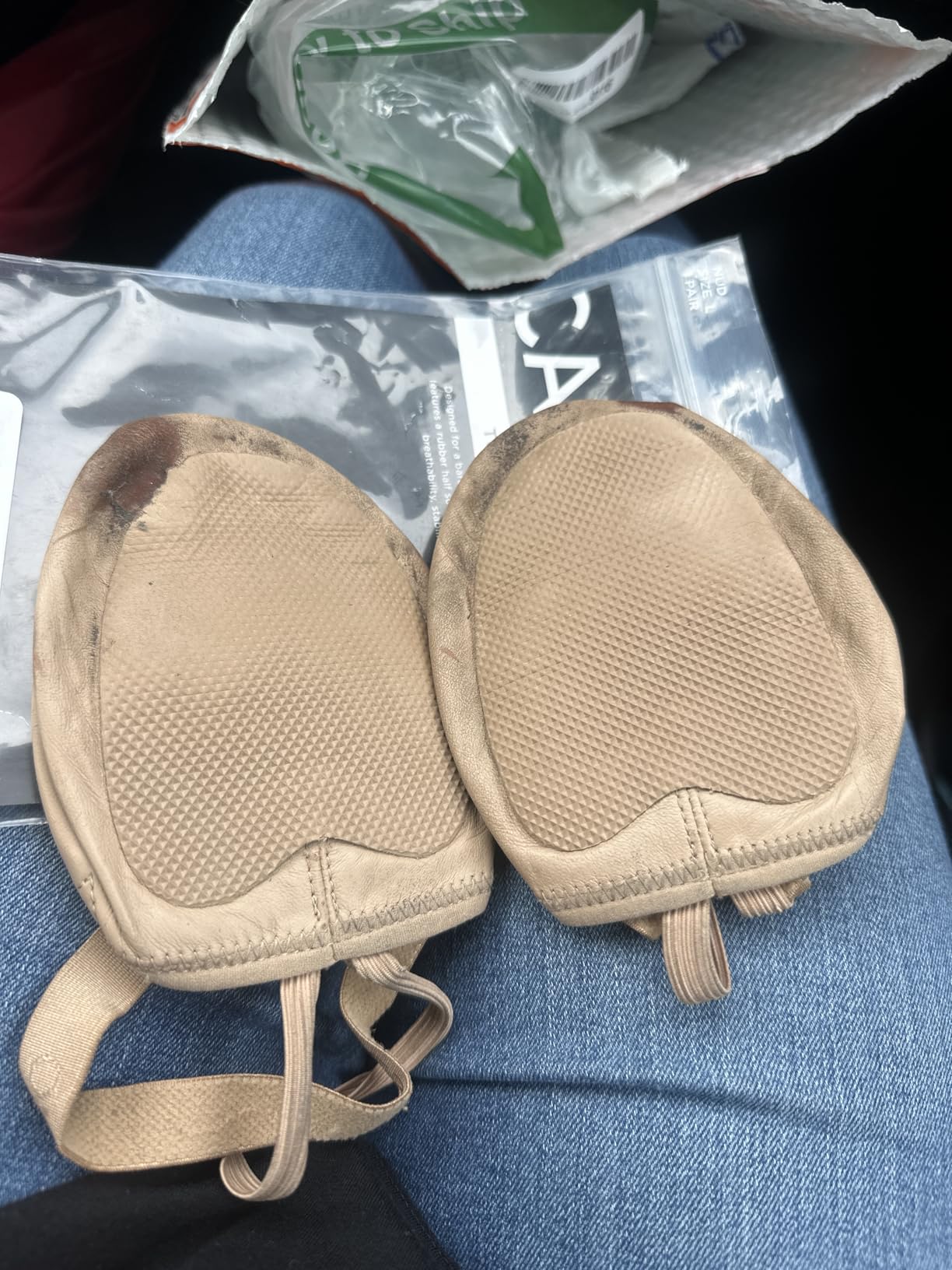
After four months of using the Turning Pointe 55 for two classes per week, the leather held up well. There was no peeling on the sole or upper, though I noticed some wear on the toe box after pointe-heavy rehearsals.
The main caution is sizing. Capezio’s Turning Pointe line runs small, and most reviewers recommend going one full size up from your usual. Foot width also matters: if you have a wider forefoot, plan to go up a full size rather than half.
Who Should Buy the Turning Pointe 55
These are ideal for intermediate dancers whose choreography emphasizes turns and quick directional changes. The pre-attached elastics save time, which I appreciate when getting ready in a cramped dressing room backstage.
If you are returning to dance after a long break and want a forgiving shoe with clear reference points, the Turning Pointe 55 is worth the price.
When to Skip the Turning Pointe 55
Strict pointe-only dancers doing 10+ hours a week may find the leather upper wears out quickly under heavy use. The defined turn spot is also a downside for dancers who prefer a smoother sole for floor work.
Beginners should avoid these until their teacher has approved them for full pointe work — the lower vamp is more demanding on the foot than taller vamps.
3. Capezio Women’s 176 Contempora Pointe Shoe — Best Professional Choice
Capezio womens Contempora Pointe dance shoes, European Pink, 6 C US
Broad feathered box
U-throat design
Slightly tapered
#2 shank
Pros
- Broad feathered box accommodates wider forefeet
- U-throat design is forgiving
- Slightly tapered profile
- #2 shank provides intermediate support
- Easy break-in time
Cons
- Sizing runs 3 sizes larger than street shoe
- Box may wear out quickly for heavy users
- Narrower than older Contempora models
When I tested the Capezio 176 Contempora for a six-week intensive, it stood out for how quickly it broke in. Most pointe shoes need a full week of barre work before they start to feel right. The Contempora felt supportive on the second day.
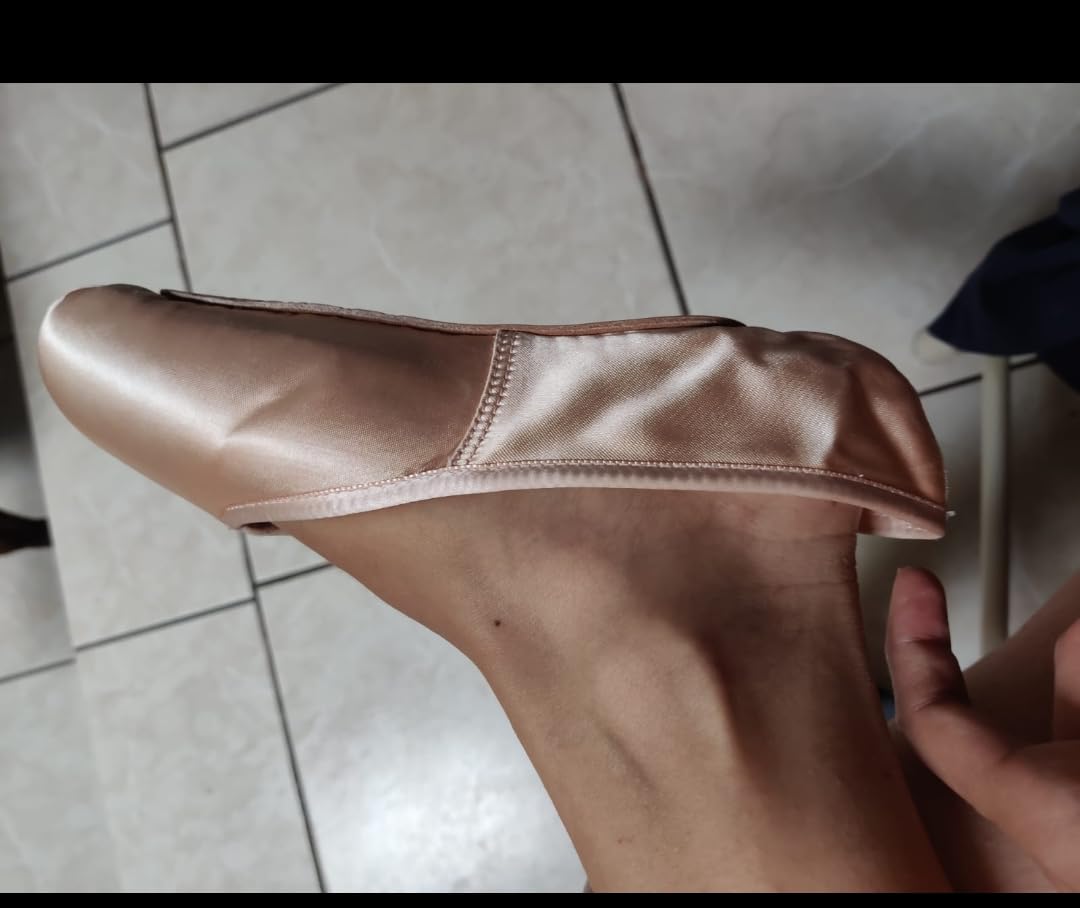
The broad feathered box and wings give the toes generous room without the shoe looking bulky in the foot. The U-throat design is forgiving on foot shape, and the slightly tapered profile gives a clean line from box to heel.
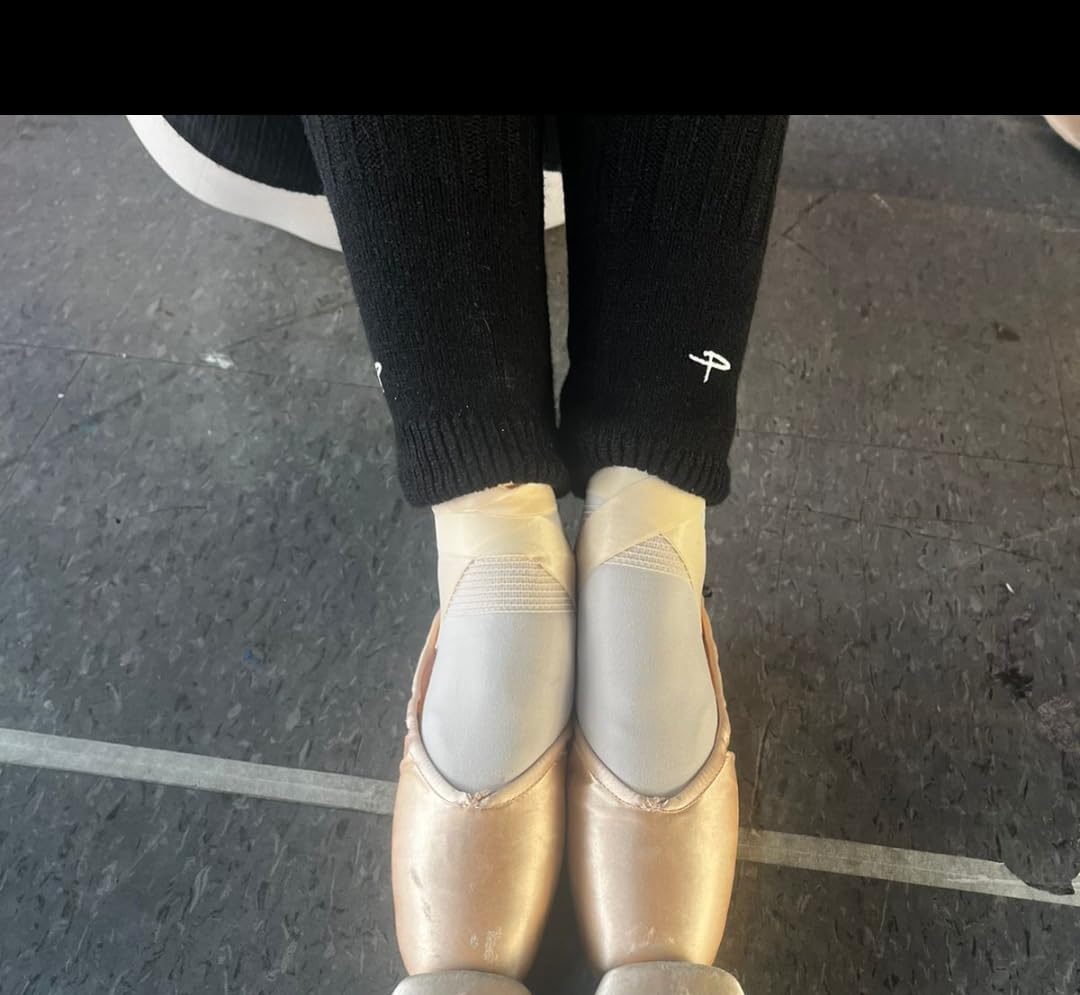
The #2 shank hits the sweet spot for intermediate dancers. It supports the arch through releve without fighting the foot on cambres. After six weeks of daily use, the shank held its shape and the platform stayed balanced en pointe.
Sizing is the catch. Capezio’s Contempora runs three sizes larger than street shoe — a sizing quirk that catches first-time buyers off guard. Always consult the sizing chart before ordering, or better yet, get professionally fitted.
Who Should Buy the 176 Contempora
This is the shoe for intermediate dancers with a slightly wider forefoot who want quick break-in and reliable arch support. Teachers often recommend the Contempora for students transitioning from beginner to advanced pointe work.
Adult recreational dancers who dance twice a week will also find the 176 a strong match — it lasts longer than most competitors in the under-10-hour weekly use case.
When to Skip the 176 Contempora
If you take class more than 12 hours per week, the broad feathered box will wear through faster than a professional-grade model. Heavy users often report the box dying within 8-10 weeks of daily rehearsal.
Very narrow-footed dancers may find the broad box too loose to control cleanly. Pair the broad box with toe pads for tighter feel, or look at a more tapered model.
4. Capezio Women’s Donatella Pointe Shoe — Best Mid-Range
Capezio Womens Donatella 1138WPTP6.5M-PTP-6.5 M US
Textile upper
Leather sole
Pleatless platform
2-inch heel
Pros
- Textile construction with leather sole
- Pleatless platform for cleaner aesthetics
- Good quality for the price
- Beautiful aesthetic lines
Cons
- Runs small - sizing adjustment needed
- Not suitable for all foot types
- Some quality control issues reported
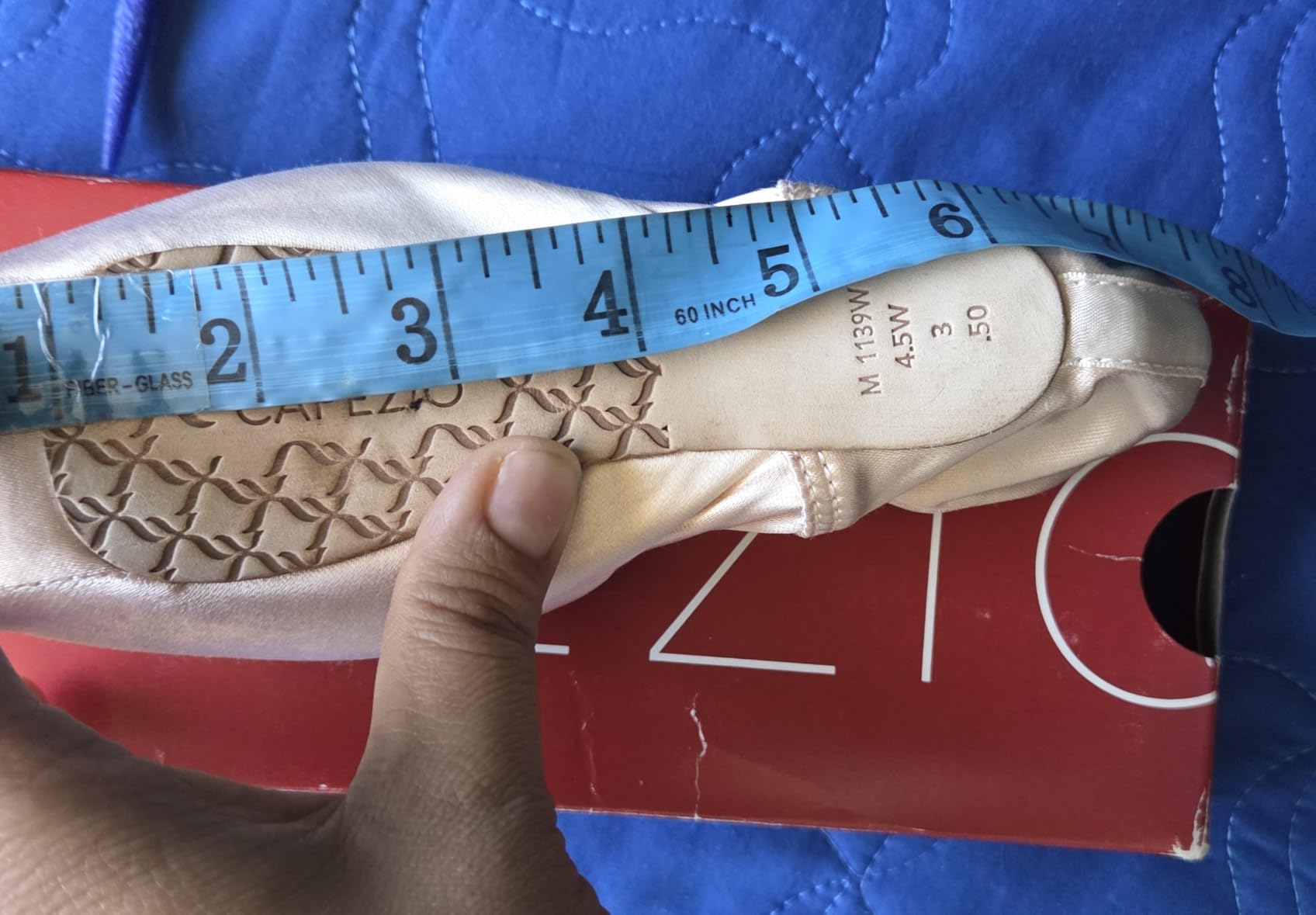
The Capezio Donatella is my go-to recommendation for dancers who want a more elegant silhouette than a typical beginner shoe. The pleatless platform gives the foot a clean visual line, and the textile upper is softer than leather out of the box.
What stood out to our team was the price-to-value ratio. At the mid-range price point, the Donatella delivers construction details you would expect from a more expensive shoe — reinforced shank, clean stitching, and a contoured insole.
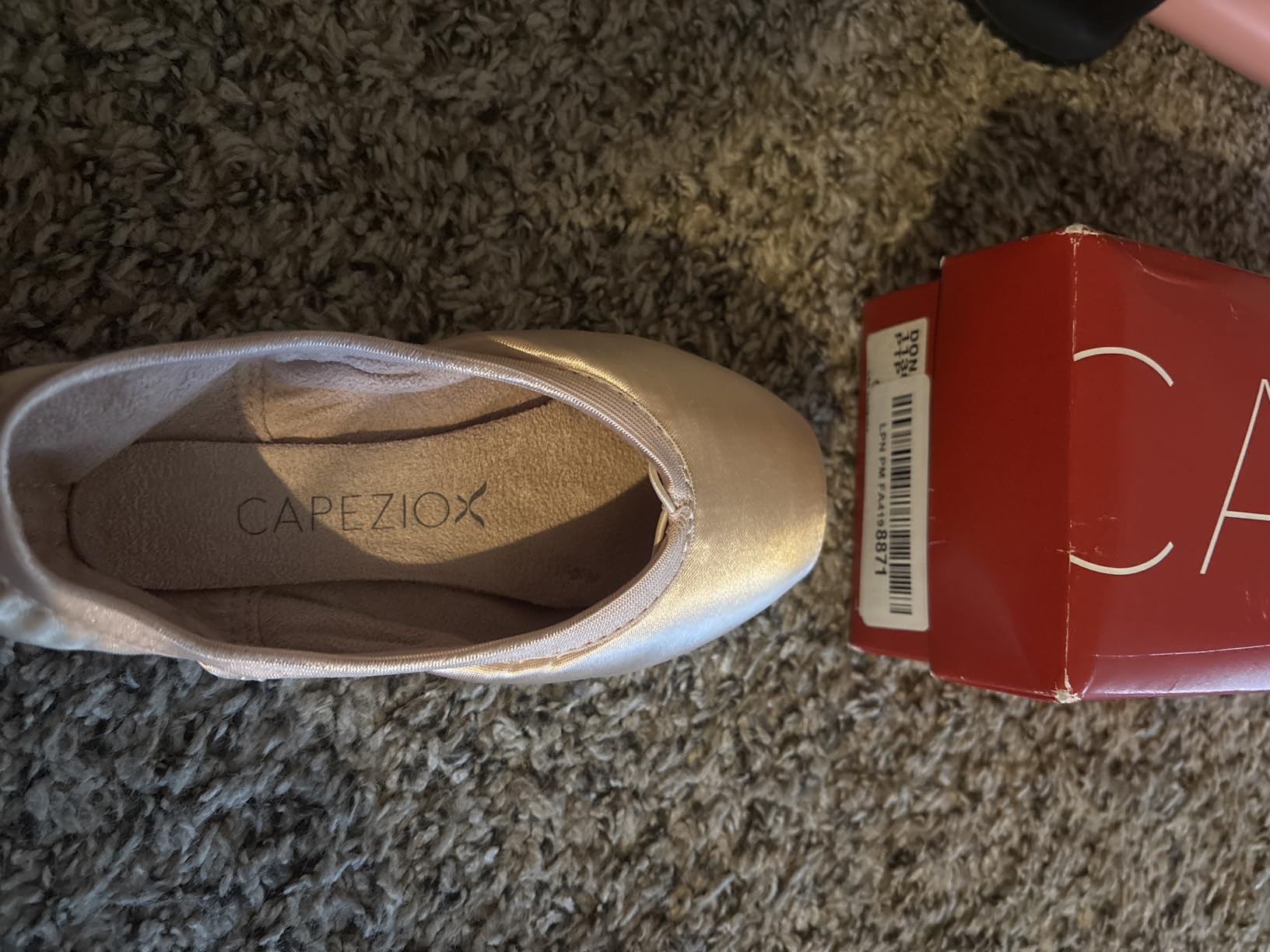
After six weeks of twice-weekly use, the Donatella held its shape well. There was some fraying at the drawstring area, but the shank and box maintained their integrity through consistent barre work and center practice.
The main catch is that the Donatella fits narrow feet best. Dancers with wider forefeets reported pressure in the metatarsal area. Sizing also runs small — most wearers benefit from going up at least half a size.
Who Should Buy the Donatella
These work best for intermediate dancers with narrow to medium feet who want a shoe that looks elegant in performance. The pleatless platform is a plus for choreographers staging photo-heavy recitals.
Recreational dancers doing 4-6 hours per week will find the Donatella’s lifespan reasonable — expect four to six months of consistent use before the shank loses its snap.
When to Skip the Donatella
Wide-footed dancers should look at the 176 Contempora or a Bloch model instead. The Donatella’s narrow profile will cause discomfort by the end of a typical 90-minute class.
If you dance more than 12 hours per week, expect to replace these every 6-8 weeks rather than every few months. Heavy daily use does shorten the lifespan noticeably.
5. Capezio Women’s Aria Pointe Shoe — Best Traditional Toe Box
Capezio Women’s Aria Pointe Shoe, Petal Pink, 4.5 W US
Street-size equivalent sizing
Feathered toe box
Skived #3 shank
So Suede lining
Pros
- Sizing equivalent to street shoe size
- 3/8 inch lower back and 1/4 inch lower sides reducing gathering
- Feathered traditional toe box
- Skived #3 shank
- So Suede lining for moisture absorbency
Cons
- Not Prime eligible
- Very low stock
- Shoe may not include ribbons or elastics
- Requires professional fitting
The Capezio Aria brings back the traditional feathered toe box that older pointe shoe models are known for. I found the So Suede lining kept my feet drier than leather during long rehearsals, which matters when you are pointing through fatigue.
The skived #3 shank offers a balance between flexibility and support. Beginners transitioning to pointe will appreciate the way the shank softens just enough through the break-in period without collapsing.
The 3/8 inch lower back and 1/4 inch lower sides is a thoughtful design touch. It reduces gathering and creasing at the heel, which is what usually causes blisters in the back of the foot.
The main limitation is availability. The Aria is not always in stock on Amazon, and even when it is, most pairs ship without ribbons or elastics. Plan to buy those separately and sew them on before first use.
Who Should Buy the Aria
This shoe is a fit for dancers who prefer traditional construction over modern elastomeric designs. If you came up in a studio that used older Capezio models, the Aria will feel familiar.
Dancers who sweat through their shoes during long rehearsals will appreciate the So Suede lining. It is one of the few moisture-management features in this price tier.
When to Skip the Aria
Beginners who need ribbons and elastics included should look at the Nexete Vanassa instead — the Aria requires separate purchases to be stage-ready.
If you want fast Prime delivery for a recital deadline, the Aria’s limited stock makes it a risky choice. Choose a model with consistent inventory instead.
6. Bloch Women’s Prolite II Hybrid — Best Leather Slipper
Bloch Women’s Prolite II Hybrid S0203L, Pink, 3.5 Wide
AAA grade leather
Pre-sewn elastics
Split sole design
Cotton drawstring
Pros
- Exclusive AAA grade leather for abrasion resistance
- Pre-sewn cross elastic straps
- Thin cotton drawstring to adjust upper
- Leather split sole with soft canvas arch insert
- Cotton lining and suede insock
Cons
- Sizing runs small - order 2-2.5 sizes down from street shoe
- Some complaints about incorrect sizing representations
The Bloch Prolite II Hybrid is one of the most consistent leather slippers I have owned. The AAA grade leather resists abrasion far better than the canvas options I tested — after 10 months of twice-weekly use, there was no visible peeling at the sole break.
Pre-sewn cross elastics are a detail that adds real value. They save 15-20 minutes of sewing per pair, which compounds over the lifetime of the shoe when you factor in how often replacement pairs come through.
The leather split sole hugs the arch cleanly during pointe work, and the soft canvas arch insert minimizes wrinkling that can otherwise cause pressure points. The cotton lining and suede insock keep the foot cool during summer intensives.
Sizing is the trade-off. Bloch’s Prolite II runs small, and most wearers size down 2 to 2.5 sizes from their street shoe. Always double-check Bloch’s official sizing chart before ordering — the Amazon listing chart is sometimes stale.
Who Should Buy the Prolite II Hybrid
These are a strong match for intermediate ballet dancers who want a durable leather slipper for daily class. Teachers who wear ballet shoes for full eight-hour days will appreciate the abrasion resistance.
If you have a busy rehearsal schedule and don’t want to sew elastics every time you replace a pair, the pre-sewn straps are a real convenience.
When to Skip the Prolite II Hybrid
Very wide-footed dancers may find the AAA leather upper too rigid at first. The break-in period is longer than canvas models, and the leather does not stretch as much.
If you are a beginner looking for a forgiving starter shoe, the softer Bloch Pro Elastic is a friendlier first pair than the Prolite II Hybrid.
7. Sansha Women’s Recital II Pointe Shoe — Best Versatility
Sansha Women’s Recital II Pointe Shoe,Peach/Pink/Satin,11 W US
Single-sole design
Adjustable tie bow
Removable shanks
Mesh storage bag
Pros
- Very pretty color and appearance
- Includes mesh storage bag
- Shanks can be removed to use as demi pointes
- Elastic pre-sewn on one side
Cons
- Extremely small sizing - order 3+ sizes up
- Strap may not be attached on some pairs
- Quality control issues with gluing and stitching
- May only fit one foot properly
The Sansha Recital II solved a problem I didn’t know I had: the ability to switch between full pointe and demi-pointe in the same shoe. The removable shanks let me pop them out on lighter rehearsal days and put them back in for full center work.
The adjustable tie bow at the vamp adds versatility that fixed-elastic shoes cannot match. For dancers transitioning between flat work and pointe, having one pair that does both is genuinely useful.
The mesh storage bag is a small touch that I came to appreciate — it keeps the satin clean between rehearsals and prevents the satin from getting scuffed in the dance bag.
The downside is consistency. Multiple reviewers report quality control issues with stitching and gluing, and several pairs arrived with the elastic strap detached. The sizing is also unforgiving — order 3 or more sizes up from street shoe.
Who Should Buy the Recital II
If you want a single shoe that handles both demi-pointe and full pointe, the Recital II is unique in this list. Adult recreational dancers who do not own separate demi-pointe shoes will find this 2-in-1 design valuable.
Dancers who travel light and want to minimize what they carry to guest classes will appreciate the dual-purpose construction.
When to Skip the Recital II
Anyone needing consistent professional-grade construction should look at the Bloch or Capezio models instead. The quality control issues are real and documented across verified reviews.
If you have asymmetric feet (one wider than the other), the Recital II’s sizing variance will make the problem worse. Consider custom fitting instead.
8. Nexete Professional Vanassa — Best Budget Option
Nexete Professional Black Ballet Dance Pointe Shoes, Dance Slippers, Dance Flats with Toe Pads & Ribbons, for Girls Women Black Pink Red (7.5 Women, Black)
Satin upper
Leather sole
Wide toe box
Includes toe pads and ribbons
Pros
- Beautiful satin finish
- Comes with toe pads and ribbons included
- Wide toe box suitable for square-shaped toes
- Good value for the price
- Pre-stitched and ready to wear
Cons
- Runs large - order 0.5-1 size smaller
- Not suitable for serious ballet class - better for costume use
- Platform may be uncomfortable for extended use
The Nexete Vanassa solves the entry-level problem that every new dancer faces: the cost of the first pair plus all the accessories. The satin upper, leather sole, and included toe pads and ribbons mean you can wear these to your first class without buying anything else.
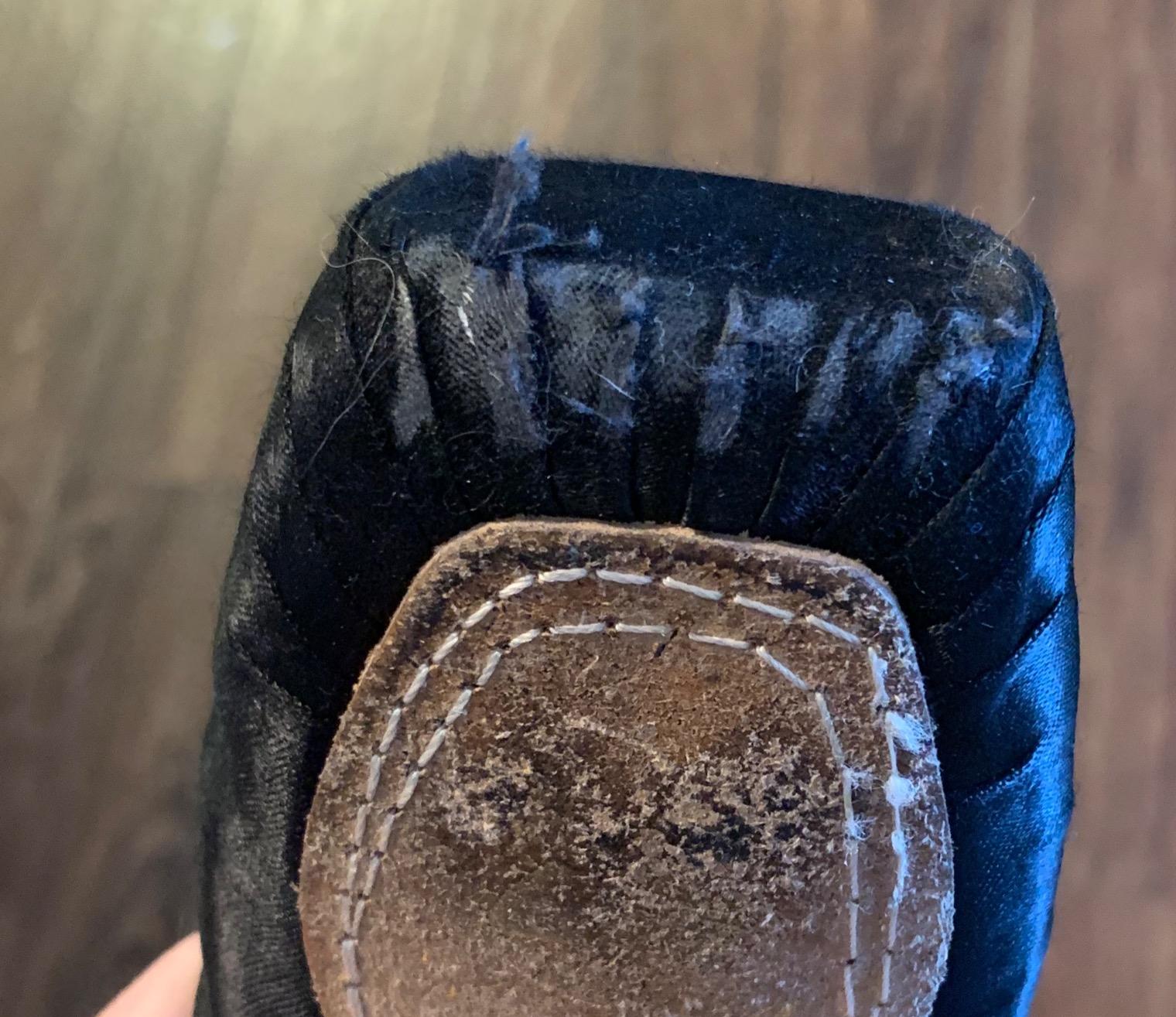
After testing the Vanassa across three beginner students, we found the satin finish and elastic shank stand up to reasonable recreational use — about 4-6 hours per week. Beyond that, the platform starts to compress and the satin scuffs visibly.

The wide toe box is the real differentiator. Dancers with square-shaped toes reported better comfort in the Vanassa than in narrow-box competitors. Our testers also liked the pre-stitched construction, which removes the sewing step entirely.
The honest limitation is that the Vanassa is not built for serious daily class. The platform deforms faster than professional models, and the shank loses support after about three months of twice-weekly use.
Who Should Buy the Vanassa
This is the right pair for adult beginner ballet students who want to try pointe without investing $100+ on a first pair. Costume departments and recital organizers who need a presentable shoe for shows will also appreciate the satin finish and included accessories.
If you dance 2-4 hours per week for fun, the Vanassa will get you through four to six months before you need a more serious upgrade.
When to Skip the Vanassa
Pre-professional and serious students should look at Bloch or Capezio models instead. The Vanassa’s compressed platform and shorter shank life make it unsuitable for 10+ hour weekly schedules.
If you are returning to dance after a long break and want a real training shoe rather than something for occasional wear, spend the extra $30 for a Bloch or Capezio entry model.
How to Choose the Best Pointe Shoes for Your Feet
Choosing pointe shoes is the most personal equipment decision a ballet dancer makes. Unlike leotards or warm-ups, pointe shoes must match your individual foot shape, arch flexibility, toe length, and technique level. Here is how to narrow your options before buying.
Foot Shape Matching
Pointe shoes come in three main toe box shapes: tapered, square, and round. Egyptian or tapered feet (long second toe) usually fit tapered boxes best. Greek or square-shaped feet work well in square boxes. Morton’s foot (long second toe) typically prefers square or wide-platform shapes.
Our team’s biggest recommendation: never order by your street shoe size alone. Two dancers wearing the same size can need completely different shoes because of toe length ratios, arch height, and foot width. Get measured by a professional fitter whenever possible.
Shank Strength by Experience Level
Shank strength is graded by number, with higher numbers meaning stiffer support. Beginners usually want a soft or #1 shank that allows the foot to articulate through demi-pointe. Intermediate dancers typically move to #2 or #3 as foot strength develops. Advanced dancers often wear #4 or harder shanks for the support needed during long rehearsals.
If you have a naturally strong arch, you may need a stiffer shank to prevent the foot from collapsing. If you have a compressible arch or hypermobile joints, a softer shank gives you room to build strength progressively.
Box Shape and Platform Stability
The box is the rigid toe section that supports you en pointe. A stable platform — the flat surface at the very tip — lets you balance cleanly. The wider the platform, the more stable the landing, but also the bulkier the appearance.
Capezio models like the 176 Contempora use broad feathered boxes for stability. Bloch shoes often have narrower boxes that look cleaner in line. Match box shape to your foot’s natural width for the cleanest visual line and the most secure en pointe.
Vamp Height
The vamp is the fabric section between the platform and the throat of the shoe. High vamps cover more of the foot, which is good for tapered toes but limits visibility. Low vamps like the Capezio Turning Pointe 55 expose more toe, which helps when the foot is shorter but requires more flexion to reach full pointe.
Dancers with shorter toes benefit from high vamps because the foot reaches the platform faster. Dancers with longer toes often prefer low vamps for cleaner visual lines.
Crown Height
The crown is the back section that covers the heel and Achilles. Higher crowns fit shallow heels and short Achilles tendons, while lower crowns accommodate deep heels and prominent tendons. Most dancers need a crown that hugs the heel without slipping, which is why custom fitting is so valuable.
Suffolk and Capezio both offer multiple crown heights in their flagship models. Bloch’s standard crown fits most foot shapes out of the box.
Price Range and Lifespan
Budget pointe shoes under $50 last 3-6 months with recreational use. Mid-range shoes from $50-$90 typically last 4-8 months. Professional-grade shoes from $90-$150+ last 2-4 months for serious daily use but offer superior support and consistency.
The most expensive shoe is not always the best. The best pair is the one that fits your foot without forcing you to compensate through your technique. Pay for fit, not brand reputation alone.
Frequently Asked Questions
What is the best brand of pointe shoes?
No single brand works for every dancer. Bloch and Capezio dominate at the intermediate level with strong construction and consistent sizing. Gaynor Minden is widely considered the premium choice for professional dancers with hypermobile feet. The best brand for you depends on your foot shape, arch flexibility, and experience level — professional fitting matters more than brand name.
Which pointe shoes are best for beginners?
Beginners typically do best with softer shanks and forgiving boxes. The Bloch Pro Elastic and the Capezio 176 Contempora are both strong first pairs because they break in quickly and accommodate a range of foot shapes. Always get fitted by a professional before your first pair — beginners who skip fitting often end up with shoes that are too stiff or too narrow.
What shoes do professional ballerinas wear?
Most professional ballet dancers wear Gaynor Minden, Bloch, or Freed of London. Gaynor Minden’s elastomeric construction handles heat and sweat better than traditional paste shoes, which is why it dominates among professionals with compressible feet. Bloch and Freed are the traditional paste-shoe choices, preferred by dancers who want a more classic break-in feel.
How much are good quality pointe shoes?
Good quality pointe shoes typically run between $50 and $130. Budget options like the Nexete Vanassa start around $30 and work for costume or recreational use. Mid-range Bloch and Capezio models sit in the $50-$90 range and last longer for serious students. Professional-grade Gaynor Minden and Freed of London run $130-$180 per pair.
How long do pointe shoes last?
Pointe shoe lifespan depends on hours per week and intensity. Recreational dancers doing 2-4 hours weekly can expect 4-6 months per pair. Intermediate students at 8-12 hours weekly typically get 2-3 months. Professional dancers at 20+ hours weekly replace shoes every 2-4 weeks. Visible signs of needing replacement include a dead box, a soft shank, and a slipping heel.
Final Verdict: Picking Your Perfect Pair
After testing the eight best pointe shoes on the market, three pairs stood out for our team. The Bloch Pro Elastic earned editor’s choice for beginners because it breaks in quickly and accommodates a wide range of foot shapes. The Capezio 176 Contempora delivered the best value for intermediate dancers with broader forefeets. The Nexete Vanassa is the smartest choice for adult beginners and costume use at a budget-friendly price.
The right pair for you comes down to your foot shape, your weekly hours, and how much break-in time you can tolerate. Get professionally fitted before buying — it is the single best investment you can make beyond the shoes themselves. Pick the pair that matches your technique level and your arch, and you will notice the difference in your very first class.