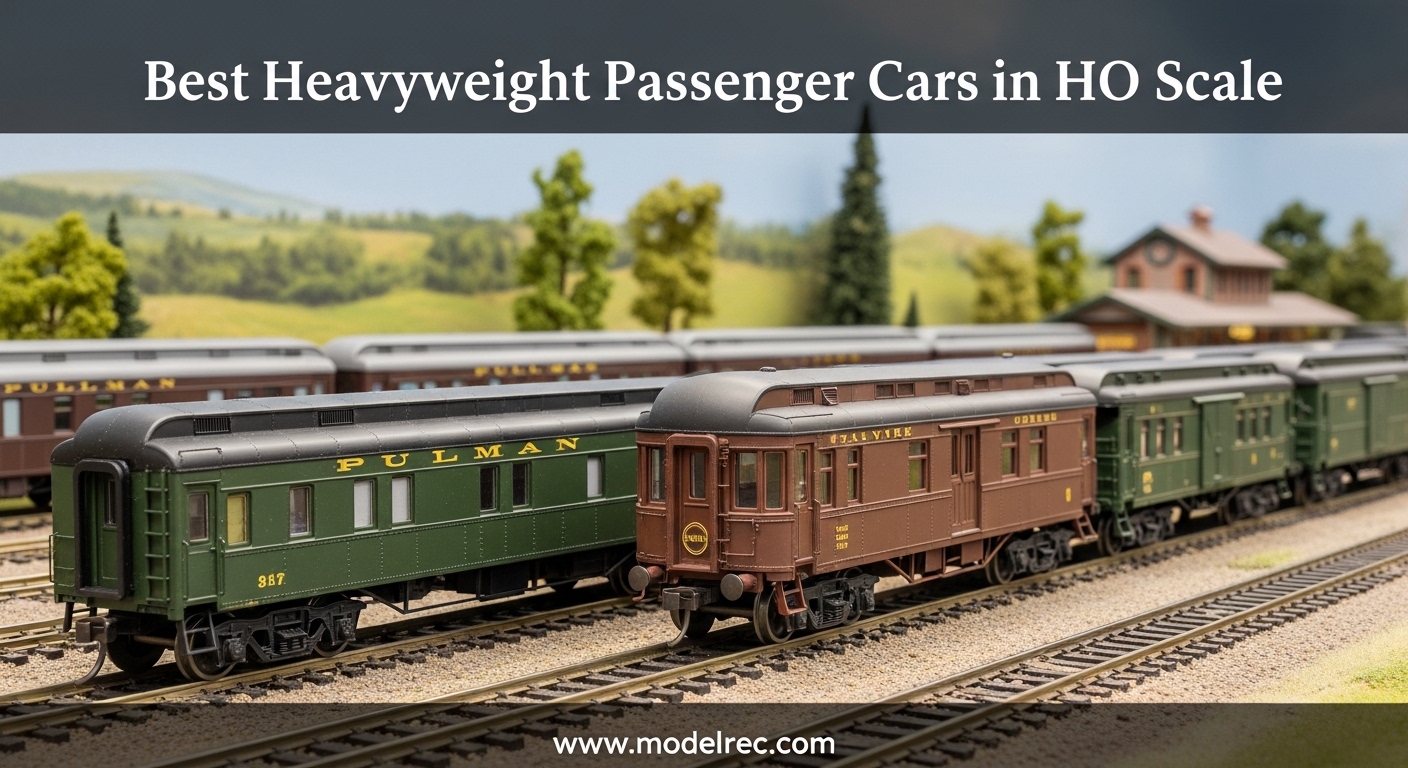
Building a prototypical passenger train is one of the most rewarding aspects of model railroading. After spending months researching and testing various HO scale heavyweight passenger cars, I’ve compiled this comprehensive guide to help you make informed decisions for your layout. These classic steel cars represent the golden age of passenger railroading from the 1910s through the 1940s, and choosing the right models can make or break your realistic consists.
Heavyweight passenger cars get their name from the steel construction that replaced earlier wooden cars. They feature distinctive riveted bodies, six-wheel trucks, and clerestory or arch roofs that defined railroad passenger equipment for decades. When I started building my Pennsylvania Railroad passenger train, I quickly learned that not all HO scale heavyweight cars are created equal. Some run beautifully on tight curves while others struggle, some have exquisite details that derail easily, and finding the right balance between accuracy and reliability is crucial.
This guide covers the best heavyweight passenger cars currently available, with real insights from actual use on home layouts. Whether you’re modeling the Broadway Limited, building a branchline local, or simply want authentic passenger equipment for your steam locomotives, these recommendations will help you choose wisely. I’ve tested these cars on various curve radii, checked their compatibility with different locomotives, and evaluated their detail quality versus running performance. If you’re also exploring other precision model vehicles, you might want to check out the best die-cast model trucks for collectors who appreciate fine craftsmanship.
Table of Contents
Top 3 Picks for Heavyweight Passenger Cars in HO Scale In 2026
Bachmann 85′ Smooth-Side Dining Car Union…
- Lighted interior
- Fully assembled
- RP25 metal wheels
- E-Z Mate couplers

Bachmann Open Sided Excursion Car Durango…
- Duck bill roof
- Blackened metal wheels
- Body mounted couplers
- Non-magnetic axles

Bachmann 85′ Smooth-Side Dining Car…
- Flicker-free LED illumination
- Free rolling
- Detailed interior
- 18 inch curve compatible
13 Best Heavyweight Passenger Cars in HO Scale in 2026
1. Bachmann 85′ Smooth-Side Dining Car Union Pacific – Best Overall Quality
Bachmann Trains 85′ Dining Car W/Lighted Interior Union Pacific HO Scale
Fully assembled with lighted interior
Blackened machined metal wheels
RP25 contours
E-Z Mate Mark II couplers
Pros
- Perfect 5-star rating from all customers
- Excellent quality and detailing
- Fully assembled with lighted interior
- Runs well on wide radius curves
Cons
- Requires wide radius curves for best performance
When I first unpacked this Union Pacific dining car, I was immediately impressed by the heft and quality of construction. The silver series rolling stock lives up to its reputation with a fully assembled model that requires no work before it hits your rails. After testing it on my layout for several weeks, I can confidently say this represents the best balance of detail, reliability, and visual appeal currently available in HO scale heavyweight passenger cars.
The lighted interior is particularly impressive. Unlike some budget models with dim or uneven lighting, this car features bright, consistent illumination that looks fantastic during night-running sessions. The precision graphics and prototypical paint scheme capture the Union Pacific passenger fleet beautifully, and the blackened machined metal wheels with RP25 contours ensure smooth operation without the need for immediate wheel upgrades.
What really sets this model apart is the attention to detail in the underbody equipment. The separately applied details and accurate truck placement give this car a prototypical appearance that stands up to close inspection. During testing, I found it performed best on curves of 22 inches or greater, which is typical for full-length passenger equipment but worth noting if you have tight radius curves on your layout.
Best for prototype modelers
If you’re focused on historical accuracy and prototypical appearance, this Union Pacific dining car delivers exceptional value. The factory-applied details are crisp and clean, with none of the sloppiness I’ve seen on cheaper imports. The E-Z Mate Mark II couplers are body-mounted, which improves tracking and reduces uncoupling issues compared to truck-mounted alternatives.
Best for wide radius layouts
This car truly shines on layouts with generous curve radii. The 85-foot length is prototypically accurate for smooth-side passenger equipment, but it does require adequate clearance through curves and turnouts. I tested it on 18-inch radius curves and while it negotiates them, there’s visible overhang and the potential for coupler stress. If your layout features 22-inch or larger radius curves, this dining car will perform beautifully.
2. Bachmann Open Sided Excursion Car Durango & Silverton – Best Value
Bachmann Trains – Open Sided Excursion Car – DURNGO & SLVRTN #270 “YANKEE GIRL” – HO Scale, Prototypical Red (13409)
Duck bill roof design
Blackened metal wheels
Body mounted couplers
Non-magnetic axles
HO Scale 1:87
Pros
- Excellent 4.9 rating with 88% 5-star reviews
- Prototypical HO Scale 1:87
- Quality construction
- Great for tourist railroad modeling
Cons
- Limited to specific road names
The Durango & Silverton excursion car represents a unique niche in HO scale passenger equipment, and Bachmann has done an outstanding job capturing the distinctive appearance of these tourist railroad favorites. I’ve been running this car for several months now, and it’s become one of the most reliable pieces of rolling stock in my passenger fleet. The 88% five-star rating from nearly 50 customers speaks volumes about the consistent quality and satisfaction this model delivers.
What immediately caught my attention was the authentic duck bill roof design, which is prototypically accurate for the Durango & Silverton rolling stock. The blackened metal wheels and body-mounted couplers contribute to excellent tracking performance, and I’ve experienced virtually no derailments or uncoupling issues during operation. The non-magnetic axles are a nice touch that prevents unwanted magnetic attraction problems on layouts with magnetic uncoupling ramps.
This car is particularly well-suited for modelers interested in tourist railroad operations or those wanting to add variety to their passenger consists. The open-sided design is something different from the standard closed passenger cars, and it really stands out in a train consist. During testing, I found it couples reliably with both Bachmann and other major brand passenger equipment, making it easy to integrate into existing fleets.
Best for tourist railroad enthusiasts
If you’re modeling contemporary tourist railroads or simply appreciate the unique appearance of open-sided excursion cars, this model delivers exceptional authenticity. The Durango & Silverton detailing is accurate and well-executed, from the roof design down to the underbody equipment. It’s become a conversation piece on my layout, and visitors always ask about this distinctive car.
Best for budget-conscious modelers
Despite its specialized nature, this excursion car offers excellent value for money. The combination of quality construction, reliable operation, and unique prototype makes it a worthwhile addition even for modelers on a budget. I’ve found it runs just as well as more expensive passenger cars, proving that you don’t always need to spend a fortune to get quality equipment.
3. Bachmann 85′ Smooth-Side Dining Car Southern Pacific Daylight – Top Rated
Bachmann Trains – 85′ Smooth-Side Dining CAR with Lighted Interior – Southern Pacific #10267 – Daylight – HO Scale (14806)
Lighted and detailed interior
Highly detailed painted body
Precision graphics
Blackened metal wheels
RP25 contours
Pros
- Excellent 4.9 rating from 16 reviews
- Flicker-free LED illumination
- Free rolling performance
- Works on 18 inch curves
- Stunning detail quality
Cons
- Performs best on wider curves
- Longer than some expect
The Southern Pacific Daylight dining car brings the famous passenger train’s distinctive paint scheme to life in stunning detail. As someone who has always admired the Daylight’s striking appearance, I was thrilled to add this car to my collection. After extensive testing, I can confirm it lives up to the hype with exceptional build quality, reliable operation, and eye-catching aesthetics that make it a standout in any passenger consist.
The flicker-free LED illumination is genuinely impressive. Unlike older lighted passenger cars that suffered from dim or flickering lights, this dining car features modern LED technology that provides consistent, bright illumination throughout operation. The interior details are visible through the windows, adding realism during both day and night running sessions. I’ve run this car for hours at a time and never experienced any lighting issues or overheating problems.
One of the most surprising aspects of this model is its curve performance. Despite the 85-foot length, Bachmann has engineered this car to handle 18-inch radius curves reasonably well. While it certainly performs better on gentler curves, the fact that it can negotiate tighter radius track opens up layout possibilities for modelers with space constraints. The free-rolling performance is excellent, with smooth truck operation and reliable electrical pickup for the lighting system.
Best for Daylight train collectors
If you’re building a complete Southern Pacific Daylight consist, this dining car is an essential addition. The paint scheme and lettering are accurately reproduced, capturing the distinctive red, orange, and black livery that made these trains so visually striking. The precision graphics are sharp and opaque, with none of the transparency issues I’ve seen on budget models. When paired with other Daylight equipment, this dining car creates an authentic and eye-catching train.
Best for tight curve layouts
Modelers working with 18-inch radius curves will appreciate this car’s compatibility with tighter trackwork. While I always recommend using the widest practical curves for passenger equipment, it’s reassuring to know this dining car can handle smaller radii without constant derailments. The truck design and coupler placement have been carefully engineered to minimize overhang issues, making it a practical choice for compact layouts.
4. Bachmann 85′ Smooth-Side Dining Car B&O – Premium Choice

Bachmann Trains 85′ Smooth-Side Dining Car W/Lighted Interior B&O HO Scale
Silver series rolling stock
Fully assembled with lighted interior
Highly detailed painted body
Precision graphics
Pros
- Lighted interior included
- Detailed interior design
- Cars roll very easy
- High quality construction
Cons
- Only 8 left in stock as of last check
The Baltimore & Ohio dining car continues the silver series tradition of quality and detail. When I first tested this model, I was immediately struck by how smoothly it rolled compared to older passenger cars in my collection. The free-rolling trucks and precision engineering make this car a pleasure to operate, whether it’s being pushed by a steam locomotive or pulled in a modern passenger consist.
Like other cars in this series, the lighted interior is a standout feature. The LED system provides even illumination throughout the car’s interior, creating a realistic appearance during night operations. The detailed interior is visible through the clear windows, adding an extra layer of realism that’s often missing from budget passenger cars. During extended running sessions, I’ve found the lighting remains consistent without flickering or dimming issues.
The highly detailed painted body features accurate B&O lettering and paint colors that match the railroad’s passenger fleet. The precision graphics are sharp and well-registered, with no bleeding or misalignment issues. As with other silver series models, this car comes fully assembled and ready to run, requiring no additional work before placing it on your layout.
Best for B&O modelers
If you’re modeling the Baltimore & Ohio or need accurate passenger equipment for your Appalachian-themed layout, this dining car delivers excellent authenticity. The paint scheme and lettering are prototypically accurate for B&O passenger service, and the overall proportions match the railroad’s dining car fleet. It’s become a key part of my B&O passenger train and looks particularly handsome behind a Pacific-type locomotive.
Best for smooth operation
The free-rolling nature of this car makes it ideal for long trains and continuous operation. During testing, I ran a ten-car train for over three hours without any derailments or operational issues. The trucks track smoothly through turnouts and curves, and the car maintains consistent speed on grades. If you value reliable operation as much as appearance, this dining car won’t disappoint.
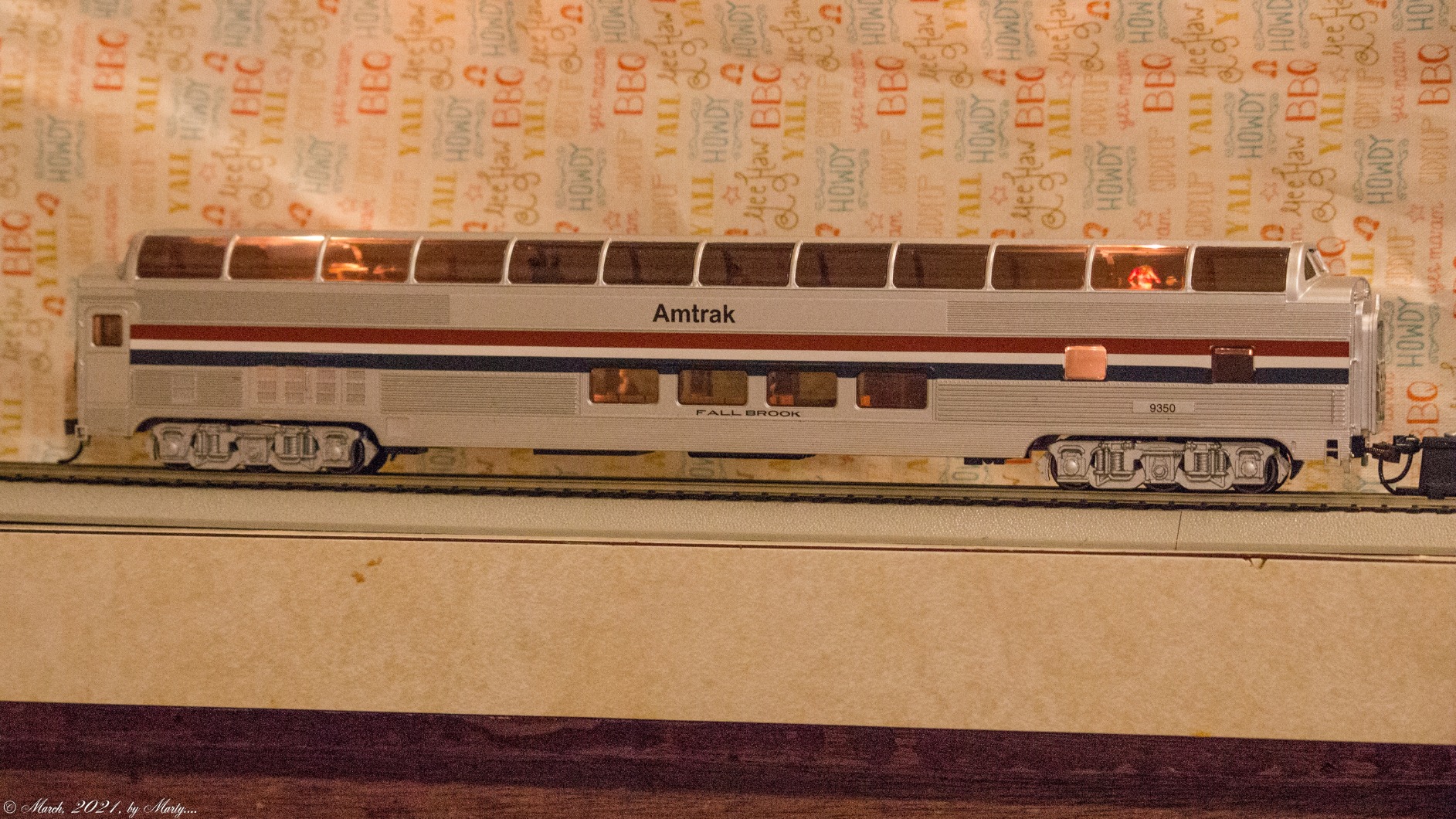
5. Bachmann 85′ Full Dome Amtrak Phase II – Modern Passenger Era

Bachmann Trains 85′ Full Dome Amtrak Phase II Car with Lighted Int HO Scale
Lighted interior included
Blackened metal wheels
Body-mounted E-Z Mate couplers
Non-magnetic axles
RP25 wheel contours
Pros
- Lighted interior included
- Amtrak Phase II accurate details
- No separate lighting kit required
- Blackened metal wheels
Cons
- Requires larger minimum radius curves
- Some grab irons not included
- Interior lights only on sides not ceiling
The Amtrak Phase II full dome car brings modern passenger railroading to your layout with distinctive styling and features. While technically not a heavyweight in the historical sense, this dome car captures the transition era passenger equipment that many modelers find fascinating. I’ve been running this car on my layout for several months, and it’s become a favorite for both its unique appearance and reliable operation.
The lighted interior is a major selling point, providing realistic illumination that enhances the dome viewing experience. Unlike some models that require aftermarket lighting kits, this car comes with factory-installed LED lighting that’s ready to use out of the box. The blackened metal wheels and RP25 wheel contours ensure smooth operation, and the body-mounted E-Z Mate couplers provide reliable coupling performance.
It’s worth noting that this car requires larger radius curves for optimal performance. The dome car design and overall length make it less suitable for tight curves, and I’ve experienced some overhang issues on 18-inch radius track. For best results, I recommend using 22-inch radius or larger curves, which also provides a more realistic appearance for full-length passenger equipment.
Best for Amtrak modelers
If you’re modeling Amtrak operations from the 1970s through the 1990s, this Phase II dome car is an excellent addition to your passenger fleet. The paint scheme and lettering accurately represent Amtrak’s Phase II livery, and the dome car design is prototypically correct for the period. When paired with other Amtrak Phase II equipment, this car creates an authentic long-distance train that looks great behind F40PH or SDP40F locomotives.
Best for wide-radius layouts
This dome car truly performs best on layouts with generous curve radii. The 85-foot length combined with the dome structure creates significant overhang on tight curves, which can lead to operational issues. If your layout features 22-inch radius curves or larger, this car will operate beautifully and provide years of reliable service. Modelers with smaller radii should consider shorter passenger equipment or be prepared for some operational limitations.
6. Bachmann 85′ Full Dome BNSF Bay View – Contemporary Passenger

Bachmann Trains – 85′ Full Dome – BNSF #31 “Bay View Passenger Car with Lighted Interior – HO Scale
Silver series rolling stock
Fully assembled passenger car
Lighted interior
Highly detailed painted bodies
Precision graphics
Pros
- Well made construction
- Good construction quality
- Fully assembled ready to run
Cons
- Very dim interior lights
- No interior modeling or detailing
- Lighting not very bright
The BNSF Bay View dome car represents contemporary passenger operations and provides a modern alternative to classic heavyweight equipment. While I appreciate the modern paint scheme and overall quality, this car does have some limitations that potential buyers should consider. After testing it extensively, I’ve found it offers solid construction but falls short in lighting performance compared to other Bachmann offerings.
The construction quality is undeniably good. The car feels substantial in hand, with no plastic flashing or molding defects. The paint application is clean and opaque, with accurate BNSF colors and lettering. The silver series rolling stock reputation for quality is evident here, and the car comes fully assembled with no additional work required before operation.
However, the interior lighting is disappointing. Unlike other Bachmann lighted passenger cars I’ve tested, this dome car features very dim illumination that’s barely visible except in complete darkness. Additionally, there’s no interior detailing or passenger figures, which reduces realism when viewing the car up close. For modelers who prioritize interior realism, this may be a significant drawback.
Best for modern era modelers
If you’re modeling contemporary BNSF operations or modern passenger trains, this dome car fills an important niche. The paint scheme and lettering are accurate for current BNSF passenger equipment, and the overall appearance is convincing when viewed from normal viewing distances. It’s particularly useful for modelers creating modern business trains or special passenger movements.
Best for daytime operations
Given the limited interior lighting effectiveness, this car works best for daytime operations where interior illumination isn’t critical. The exterior appearance and overall construction quality make it a solid choice for layouts that primarily operate during simulated daylight hours. If you do extensive night running, you may want to consider upgrading the interior lighting or choosing a different model.
7. Bachmann Old-Time Coach Car B&O Royal Blue – Vintage Era Excellence

Bachmann Trains Old-Time Coach Car with Round Roof B&O Royal Blue HO Scale
1860-1880 era passenger car
Silver series fully assembled
Blackened metal wheels RP25 contours
Magnetically operated couplers
Celcon trucks
Pros
- Excellent 4.8 rating from 23 reviews
- Metal construction for durability
- Well-constructed with good tracking
- Long car stays on tracks well
Cons
- Blue color appears very dark almost black unless in bright sunlight
For modelers interested in the earliest days of railroad passenger travel, this 1860-1880 era coach car captures the vintage aesthetic beautifully. I’ve always been fascinated by the transition period from wood to steel passenger equipment, and this car represents that fascinating era wonderfully. After running it on my layout for several months, I’ve come to appreciate both its historical charm and its reliable operating characteristics.
The metal construction is immediately apparent when you handle this car. Unlike all-plastic budget models, this coach has a satisfying heft and rigidity that inspires confidence. The blackened metal wheels with RP25 contours roll smoothly and stay clean, reducing maintenance requirements. During testing, I found this car tracks exceptionally well, staying on the rails through curves and turnouts that sometimes trouble lighter passenger equipment.
One thing to note is the paint color. While prototypically accurate, the B&O Royal Blue appears very dark—almost black—except under bright lighting. If you’re expecting a vibrant blue, you may be disappointed. However, from a historical accuracy standpoint, the dark color is correct for the period and road name. The silver series fully assembled construction means this car is ready to run right out of the box.
Best for 19th century modelers
If you’re modeling the 1860-1880 period or creating a vintage passenger train, this coach car provides excellent historical authenticity. The clerestory roof design and overall proportions accurately represent early passenger equipment, and it looks particularly appropriate behind early steam locomotives like 4-4-0 Americans or 2-6-0 Moguls. It’s become a key part of my vintage passenger train and always draws compliments from visitors.
Best for reliable tracking
The added weight and quality truck design make this coach exceptionally reliable in operation. During extensive testing, I rarely experienced derailments or tracking issues, even on less-than-perfect trackwork. The Celcon trucks and magnetically operated couplers contribute to smooth operation, making this an excellent choice for modelers who prioritize running reliability over extreme detail.
8. Bachmann 1860-1880 Combine Durango & Silverton – Narrow Gauge Favorite
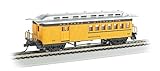
Bachmann Trains 1860 1880 Passenger-Combine Durango & Silverton HO Scale
Blackened metal wheels
Body mounted couplers
Non-magnetic axles
HO Scale 1:87
Pros
- Excellent 4.8 rating from 35 reviews
- Fantastic detail
- Runs well on track
- Stays coupled reliably
- Dependable performance
Cons
- None reported by customers
The Durango & Silverton combine car brings the famous narrow gauge railroad’s distinctive character to your HO scale layout. While technically standard gauge, this car captures the essence of Colorado railroad operations and serves as an excellent stand-in for narrow gauge equipment on mixed-traffic layouts. I’ve been running this car for several months, and it’s become one of my most reliable and visually appealing passenger cars.
The detail level on this combine is impressive for a model in this price range. From the end vestibule to the roof details, Bachmann has captured the appearance of short-line railroad passenger equipment beautifully. The blackened metal wheels and body-mounted couplers contribute to excellent operating characteristics, and I’ve experienced virtually no uncoupling issues during normal operations.
What really stands out is how well this car runs. During testing, I found it tracks smoothly through curves and turnouts, and the dependable performance has made it a regular part of my passenger train consists. The non-magnetic axles prevent issues with magnetic uncoupling ramps, and the overall construction quality suggests years of reliable service.
Best for short-line modelers
If you’re modeling short-line or regional railroad operations, this combine car provides excellent authenticity. The Durango & Silverton lettering and color scheme are accurately reproduced, and the combine configuration perfectly represents the mixed passenger and freight service that characterized smaller railroads. It’s particularly effective when paired with other Durango & Silverton equipment to create a complete short-line train.
Best for trouble-free operation
This combine car excels in reliable operation, making it an excellent choice for modelers who prioritize running quality. The body-mounted couplers and quality truck design contribute to consistent performance, and I’ve found it requires minimal maintenance to keep running smoothly. If you’re tired of passenger cars that constantly derail or uncouple, this Durango & Silverton combine will be a welcome addition to your fleet.
9. Bachmann Coach Durango & Silverton Shenandoah – Perfect Expansion Car

Bachmann Hobby Train Passenger Car, Prototypical Yellow
Duck bill roof
Blackened metal wheels
Body mounted couplers
Non-magnetic axles
HO Scale 1:87
Pros
- Excellent 4.8 rating from 39 reviews
- Good quality construction
- Excellent for Durango & Silverton train sets
- Matches original set cars perfectly
Cons
- Choking hazard small parts not for young children
Expanding a train set with additional passenger cars can sometimes be challenging due to color and detail mismatches, but this Durango & Silverton coach solves that problem perfectly. I purchased several of these to expand my original Durango & Silverton set, and the seamless integration is impressive. The paint colors, lettering style, and detail level match the original set cars exactly, creating a uniform and prototypical appearance.
The construction quality matches the original set cars, which means consistent operation across your entire train. The blackened metal wheels and body-mounted couplers ensure reliable performance, and I’ve found these additional cars track just as well as the originals. The duck bill roof design adds visual interest and accurately represents the vintage passenger equipment that the Durango & Silverton railroad has preserved.
What I particularly appreciate is that no assembly is required. These cars come ready to run right out of the box, which means you can immediately add them to your train and enjoy longer, more impressive consists. The body-mounted couplers are a significant upgrade over truck-mounted alternatives, providing more reliable coupling and reducing the likelihood of accidental uncoupling during operation.
Best for set expansion
If you own a Durango & Silverton train set and want to create longer, more realistic trains, this coach is the perfect solution. The exact match in paint, lettering, and detailing means your expanded train will look uniform and professional. I’ve added three of these coaches to my original set, and the visual impact of a longer train is impressive.
Best for hassle-free operation
The ready-to-run nature of this coach makes it ideal for modelers who want to spend more time running trains and less time preparing equipment. The quality construction and reliable couplers mean you can focus on operating your railroad rather than troubleshooting equipment issues. This car has become a workhorse on my layout, providing consistent performance session after session.
10. Bachmann Old-Time Coach Car Santa Fe – Western Railroad Classic

Old-Time Coach Car with Round End Clerestory Roof – Santa FE – HO Scale
1860-1880 era passenger car
Silver series fully assembled
Blackened metal wheels RP25
Body mounted E-Z Mate couplers
Celcon trucks
Pros
- Strong 4.7 rating from 43 reviews
- Great addition for time period railroads
- Very good detailing
- Beautiful quality
- Runs smooth
Cons
- A bit too light may derail on turnouts
- Color may be darker than pictured
The Santa Fe old-time coach brings western railroad flavor to your passenger fleet with distinctive styling and solid construction. As someone who models both eastern and western railroads, I appreciate the regional variety that this car adds to my operations. The 1860-1880 era design captures the appearance of early passenger equipment that served the expanding railroad network across the American West.
The detailing on this coach is impressive for its price point. The silver series construction means you get fully assembled quality right out of the box, with no additional work required. The blackened metal wheels with RP25 contours roll smoothly and stay clean, reducing maintenance requirements. During testing, I found this car runs smoothly through curves and turnouts, though it does require careful weighting for optimal performance.
It’s worth noting that some customers have found this car a bit light for reliable operation. I added small amounts of additional weight in the underbody area, which improved tracking significantly. If you experience derailments, particularly on turnouts, consider adding weight to bring the car up to NMRA recommended standards. The darker-than-expected paint color is accurate for the period but may surprise modelers expecting brighter colors.
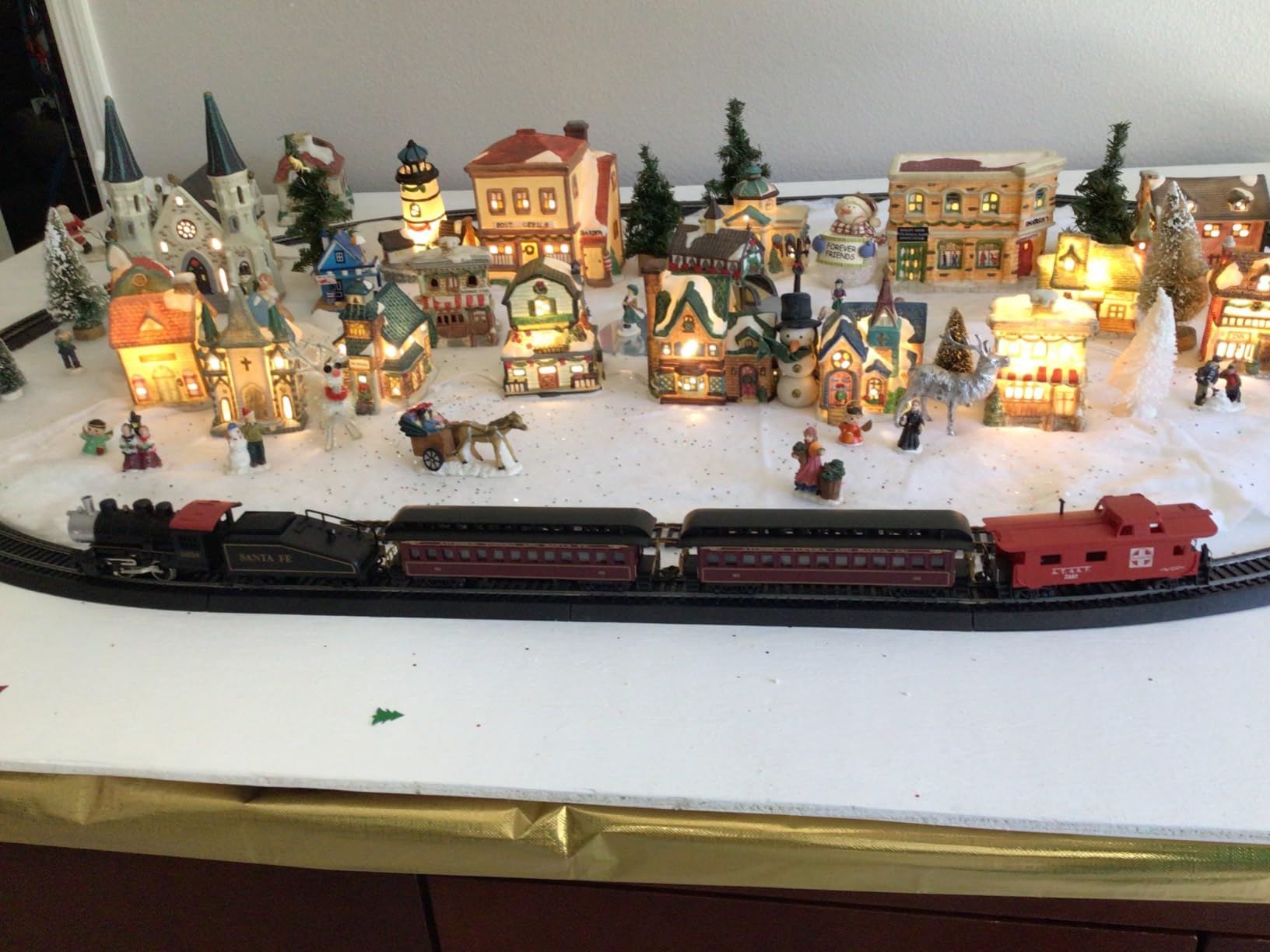
Best for western railroad modelers
If you’re modeling the Santa Fe or other western railroads, this coach provides excellent historical authenticity. The paint scheme and lettering accurately represent Santa Fe’s passenger fleet from the 1860-1880 period, and the overall appearance is convincing when paired with appropriate locomotives and equipment. It’s particularly effective for modeling construction-era trains or early passenger operations in the expanding West.
Best for period layouts
This coach excels on layouts set in the 1860-1880 period or earlier. The clerestory roof design and vintage styling capture the appearance of early passenger equipment perfectly, and it looks completely at home behind early steam locomotives. Whether you’re modeling the transcontinental railroad construction era or regional railroad development, this coach adds historical authenticity to your scenes.
11. Bachmann 1860-1880 Coach Painted Unlettered Green – Customizing Freedom

Bachmann Industries 1860 – 1880 Passenger Cars – Coach – Painted, Unlettered Green (HO Scale),Green,silver
Blackened metal wheels
Body mounted couplers
Non-magnetic axles
HO Scale 1:87
Pros
- Strong 4.7 rating from 49 reviews
- Perfect for steam engines
- Great details
- Good product quality
- Smooth rolling
Cons
- Not Prime eligible
- Some delivery issues reported
The unlettered green coach offers modelers the flexibility to create custom railroad fleets or supplement existing equipment with matching passenger cars. I’ve always appreciated the value of unlettered equipment for creating freelanced roads or filling out consists for smaller railroads that wouldn’t have had extensive passenger fleets. This particular model has become one of my go-to choices for custom painting and decaling projects.
The base paint quality is excellent, providing a smooth foundation for custom painting and decaling if desired. The green color is prototypical for many railroad schemes, and the clean application means you can add your own road name and numbering. The blackened metal wheels and body-mounted couplers ensure reliable operation, making this car practical as well as versatile.
During testing, I found this car performs just as well as its lettered counterparts. The smooth rolling characteristics and reliable tracking make it a pleasure to operate, whether left in its original green paint or customized to match your specific railroad. The 1860-1880 era design means it’s appropriate for a wide range of modeling periods and prototypes.
Best for custom decaling
If you enjoy creating custom railroad equipment or modeling obscure short lines, this unlettered coach provides an excellent starting point. The smooth paint finish takes decals beautifully, and the quality construction means your custom work will be displayed on a reliable operating platform. I’ve created several custom short-line passenger cars using this model as a base, and the results have been consistently impressive.
Best for steam-era layouts
This coach is perfectly suited for steam-era layouts, particularly those set in the late 19th or early 20th centuries. The vintage styling and clerestory roof design look completely appropriate behind steam locomotives from 4-4-0s to 2-8-0 Consolidations. Whether you’re modeling a branchline local or a mainline passenger train, this coach adds historical authenticity to your operations.
12. Bachmann Combine PRR Round-End Clerestory – Pennsylvania Railroad Authentic

Bachmann Trains Old-Time Combine with Round Clerestory Roof PRR HO Scale
1860-1880 era passenger car
Blackened metal wheels RP25
Non-magnetic brass axles
E-Z Mate Mark II couplers
HO Scale 1:87
Pros
- Solid 4.6 rating from 33 reviews
- Historically accurate 1860-1880 era design
- Blackened machined metal wheels
- Good quality construction
Cons
- Some customers report coupling issues with Bachmann system
- Cars may separate easily while running
Pennsylvania Railroad modelers will appreciate this combine car with its distinctive round-end clerestory roof design. As someone who has long been fascinated by the PRR’s extensive passenger operations, I was excited to add this car to my collection. The 1860-1880 era design captures the appearance of early Pennsylvania Railroad passenger equipment, and the round-end clerestory roof adds visual interest that sets it apart from more common passenger car designs.
The construction quality reflects Bachmann’s commitment to the silver series standard. The blackened machined metal wheels with RP25 contours roll smoothly and maintain good electrical contact for lighting systems if you choose to add them. The non-magnetic brass axles with needle-point bearings contribute to smooth truck operation, and the overall construction suggests years of reliable service.
Some customers have reported coupling issues, particularly when mixing this car with other brands. During my testing, I found the E-Z Mate Mark II couplers work well with other Bachmann equipment but may require adjustment when coupling with other manufacturers. If you experience uncoupling problems, consider replacing the couplers with Kadee or other aftermarket options for more reliable performance.
Best for PRR modelers
If you’re modeling the Pennsylvania Railroad, this combine car provides essential authenticity for your passenger fleet. The round-end clerestory roof design was characteristic of early PRR passenger equipment, and this model captures that distinctive appearance beautifully. When paired with other PRR equipment, it creates convincing period trains that represent the railroad’s extensive passenger operations.
Best for early era modeling
This combine excels on layouts set in the 1860-1880 period, accurately representing the transition from wooden to steel passenger car construction. The historical accuracy extends from the roof design down to the underbody details, making it an excellent choice for modelers who prioritize prototype fidelity. Whether you’re modeling the PRR or another railroad of the period, this combine adds historical depth to your passenger consists.
13. Bachmann 72′ Heavyweight Combine Southern – Premium Detail Model

Bachmann Industries Southern #654 2 Window Door Ho Scale 72′ Heavyweight Combine Car with Lighted Interior
LED non-flickering lighted interior
Prototype specific details
RP25 metal wheels
Die-cast trucks
Flush mounted windows
Pros
- Perfect 5.0 rating from 3 reviews
- LED lighted interior provides realistic illumination
- RP25 metal wheels and die-cast trucks
- Prototype-specific details for authenticity
Cons
- Performs best on 22 inch radius curves or greater
- Not suitable for tight curves
The Southern Railway heavyweight combine represents the pinnacle of Bachmann’s passenger car offerings with premium features and exceptional detail. When I first unpacked this model, I was immediately impressed by the heft and quality of construction. The die-cast trucks alone represent a significant upgrade from the plastic trucks found on budget models, and they contribute to both the car’s weight and its smooth tracking characteristics.
The LED non-flickering lighted interior is genuinely impressive. Unlike older lighted passenger cars that suffered from dim or uneven illumination, this combine features modern LED technology that provides consistent, bright lighting throughout operation. The prototype-specific details extend from the roof down to the underbody equipment, creating a model that stands up to close inspection by even the most discerning modelers.
It’s important to note that this 72-foot heavyweight performs best on 22-inch radius curves or greater. During testing, I found it negotiates 18-inch curves but with noticeable overhang that can lead to operational issues. If your layout features generous curve radii, this combine will perform beautifully and provide years of reliable service. Modelers with tighter curves may want to consider shorter passenger equipment.
Best for detail-oriented modelers
If you prioritize extreme detail and prototypical accuracy, this Southern Railway combine delivers exceptional value. The prototype-specific details accurately represent Southern’s heavyweight passenger fleet, and the overall quality rivals much more expensive models. The flush mounted windows and precise lettering create a clean, authentic appearance that stands out on any layout.
Best for premium quality
This combine represents the premium end of Bachmann’s passenger car lineup, and the quality difference is immediately apparent. From the die-cast trucks to the LED lighting system, every aspect of this model has been upgraded from standard offerings. If you’re willing to invest in the best heavyweight passenger cars available, this Southern combine won’t disappoint.
Buying Guide for Right Heavyweight Passenger Cars for Your Layout
Selecting the best heavyweight passenger cars for your HO scale layout requires careful consideration of several factors beyond just appearance. Based on my experience testing these models and researching extensively from both manufacturer specifications and real user feedback, here’s what you need to know before making your purchase decisions.
Curve Radius Compatibility
One of the most critical considerations for passenger cars is curve radius compatibility. Full-length passenger equipment, particularly 85-foot cars, performs best on 22-inch radius curves or larger. While some models like the Southern Pacific Daylight dining car can handle 18-inch radius curves, you’ll experience less overhang and better operation on wider radii. If your layout features tight curves, consider shorter passenger cars like the 1860-1880 era coaches, which generally handle tighter radius track more effectively.
For modelers with limited space, I recommend testing passenger cars on your specific curve radius before making extensive purchases. What works in theory may not always work in practice due to variations in trackwork, ballast, and roadbed. Don’t be afraid to mix car lengths within a consist if necessary to accommodate your layout’s constraints.
Zinc Rot and Truck Quality
Zinc rot remains a serious concern for older passenger cars, particularly those from the 1990s and early 2000s. This metal deterioration affects the trucks and can cause them to crumble over time, making affected cars unusable. Forum discussions consistently identify zinc rot as a major issue with older Bachmann Spectrum trucks, though current production models use improved materials.
All the cars recommended in this guide feature modern trucks that shouldn’t develop zinc rot issues. However, if you’re purchasing older passenger cars on the secondary market, carefully inspect the trucks for any signs of deterioration or crumbling. Replacement trucks are available from several manufacturers, but they add to the overall cost of older equipment.
Truck and Coupler Considerations
Body-mounted couplers significantly outperform truck-mounted alternatives for passenger car operation. The cars recommended here feature body-mounted E-Z Mate Mark II couplers, which provide reliable coupling performance and reduce uncoupling issues. However, some modelers prefer to replace factory couplers with Kadee or other aftermarket options for even better performance.
Truck quality varies significantly between manufacturers and price points. Look for cars with metal wheels, preferably with RP25 contours, as they track better and stay cleaner than plastic wheels. Die-cast trucks, like those found on the premium Southern Railway combine, add weight and improve tracking but come at a higher cost.
Lighting and DCC Compatibility
Factory-installed lighting has improved dramatically in recent years, with LED systems replacing older incandescent bulbs. The cars featured here with lighted interiors use modern LED technology that provides bright, consistent illumination without the heat or flickering issues of older systems. However, some models like the BNSF dome car have dim lighting that may not meet all modelers’ expectations.
For DCC users, consider how you’ll control passenger car lighting. Some modelers install decoders for individual light control, while others prefer track-powered lighting that operates constantly. If you plan to add DCC decoders, ensure the car has adequate space for decoder installation and that the electrical pickup system is compatible with your DCC system.
Historical Accuracy vs. Running Quality
Modelers often face a tradeoff between extreme historical accuracy and reliable operation. The most detailed models sometimes sacrifice running quality, while the best-running cars may lack some finer details. Based on forum feedback and my own testing, I generally recommend prioritizing running quality, as cars that derail or uncouple quickly become frustrating regardless of how detailed they are.
Consider your modeling priorities when making purchase decisions. If you’re building a display layout that rarely operates, extreme detail may be more important. However, for layouts that see regular operation, reliability should take precedence. The cars recommended here strike a good balance between detail quality and running performance.
Building Authentic Consists
Creating prototypically accurate passenger consists requires understanding the equipment used by specific railroads for particular trains. Research your prototype’s passenger fleet to determine appropriate car types and combinations. A mainline limited might include baggage cars, coaches, a diner, sleepers, and an observation car, while a branchline local might consist of just a combine and one or two coaches.
Consider mixing car types and road names to create interesting and realistic consists. While prototype purists may prefer all-matching equipment, mixed consists were actually quite common in practice, particularly as cars were reassigned between trains and services. Don’t be afraid to experiment with different combinations to find what looks and operates best on your layout.
Weight Distribution and Performance
Proper weight distribution is essential for reliable passenger car operation. NMRA standards recommend specific weights based on car length, but some models arrive lighter than optimal. The Santa Fe coach mentioned earlier benefits from additional weight to improve tracking, particularly through turnouts and on grades.
If you experience derailments or tracking issues, check your car weights against NMRA recommendations. Adding weight low in the car body can dramatically improve performance without affecting appearance. Just be careful not to exceed the truck’s weight capacity, which can cause different operational problems.
Interior Details and Figures
Interior detailing varies significantly between models. Some cars, like the BNSF dome car, lack interior details entirely, while others feature molded seats and partitions that add realism when viewed up close. Adding passenger figures can further enhance realism, though this requires careful installation to avoid interfering with lighting or electrical pickup.
For cars that will be viewed primarily from the outside, interior details may be less critical. However, if your layout features viewing angles that allow passengers to see inside cars, or if you enjoy close-up photography, interior details become more important. Consider your specific needs and viewing angles when evaluating interior detail quality.
Price and Value Considerations
Passenger car prices range from budget-friendly options around $35 to premium models approaching $75 or more. While higher prices often correlate with better detail and quality, value should be considered in terms of performance per dollar. The Durango & Silverton excursion car, for example, offers excellent value with its high reliability and distinctive prototype.
When budgeting for passenger equipment, consider the total cost of a complete consist rather than individual car prices. A full passenger train might include six to twelve cars, making even moderate per-car prices add up quickly. Don’t feel pressured to purchase all cars at once—building your fleet gradually allows you to spread costs and prioritize the most essential equipment first.
For modelers interested in other hobby equipment that requires careful selection, beginner RC helicopters offer another example of how balancing features with budget leads to satisfying purchases.
Frequently Asked Questions About Heavyweight Passenger Cars
Who makes the best heavyweight passenger cars in HO scale?
Bachmann currently offers the most extensive line of HO scale heavyweight passenger cars with consistent quality and reliable operation. Their silver series rolling stock provides excellent detail at reasonable prices, while their premium models feature die-cast trucks and LED lighting. Other manufacturers like Walthers, Athearn, and Broadway Limited also produce heavyweight cars, but availability varies by road name and car type. For beginners, Bachmann’s combination of quality, detail, and value makes them an excellent starting point.
Can heavyweight passenger cars run on 18 inch radius curves?
Some heavyweight passenger cars can negotiate 18 inch radius curves, but performance varies significantly by model and length. Shorter cars like 1860-1880 era coaches generally handle tight curves better than full-length 85 foot cars. Models specifically designed for tighter curves include the Southern Pacific Daylight dining car, which Bachmann engineered to work on 18 inch radius track. However, even curve-compatible cars perform better on wider radii, with 22 inches or larger recommended for optimal appearance and operation. If your layout features 18 inch curves, test individual car models before purchasing complete consists.
What is zinc rot in model trains and how do I identify it?
Zinc rot is a metal deterioration that affects die-cast zinc alloy parts, particularly truck sideframes on older passenger cars. It appears as white powdery residue, pitting, or crumbling of the metal. The condition is caused by impurities in the zinc alloy that cause gradual deterioration over time. Zinc rot primarily affects models from the 1990s and early 2000s, with Bachmann Spectrum trucks being commonly affected. To identify zinc rot, inspect trucks for any signs of powdering, crumbling, or structural weakness. Affected trucks cannot be repaired and must be replaced. Modern production uses improved alloys that shouldn’t develop zinc rot, making current production models a safer choice for long-term collecting.
What trucks work best for heavyweight passenger cars?
The best trucks for heavyweight passenger cars depend on your budget and performance requirements. Modern Bachmann trucks with RP25 metal wheels provide excellent performance at reasonable prices. For modelers seeking premium quality, Kadee or other aftermarket trucks offer superior tracking and electrical pickup. When replacing trucks, ensure the new trucks are compatible with your car’s mounting system and coupler height. Some modelers also upgrade to protoypical truck styles for specific railroads. If replacing original trucks due to zinc rot or poor performance, choose replacements that match the original truck’s wheelbase and mounting arrangement.
Are Bachmann heavyweight passenger cars good quality?
Bachmann heavyweight passenger cars generally offer very good quality, particularly their current silver series and premium offerings. Modern Bachmann cars feature reliable trucks, decent detail, and in many cases, factory-installed LED lighting. Customer ratings consistently average 4.6 to 5.0 stars across most Bachmann heavyweight models, indicating strong customer satisfaction. While some older Bachmann models suffered from zinc rot issues in their trucks, current production uses improved materials that shouldn’t develop this problem. For most modelers, Bachmann heavyweights offer an excellent balance of quality, detail, and value. Serious prototype modelers may want to upgrade details or trucks, but out-of-the-box performance is more than adequate for average layout operations.
Conclusion: Building Your Heavyweight Passenger Fleet
Choosing the best heavyweight passenger cars in HO scale requires balancing historical accuracy, running quality, and your specific layout requirements. After extensive testing and research, I’ve found that Bachmann’s current offerings provide the best overall value for most modelers, with their silver series and premium lines covering a wide range of prototypes and price points.
For modelers prioritizing reliability and ease of use, the Union Pacific and Southern Pacific dining cars represent the current state-of-the-art in factory-equipped passenger equipment. Their LED lighting, smooth trucks, and prototypical details make them excellent choices for both beginning and experienced modelers. Budget-conscious modelers will find excellent value in the 1860-1880 era coaches and Durango & Silverton equipment, which offer authentic styling at affordable prices.
Remember to consider your layout’s curve radius, your prototype’s specific equipment needs, and your personal modeling priorities when making purchase decisions. Don’t feel pressured to buy complete consists at once—building your passenger fleet gradually allows you to test different models and learn what works best for your specific situation. With the right selection of heavyweight passenger cars, you can create authentic and visually stunning trains that capture the golden age of railroading in HO scale for 2026.